Feeds:
Posts
Comments

Archive for June, 2011

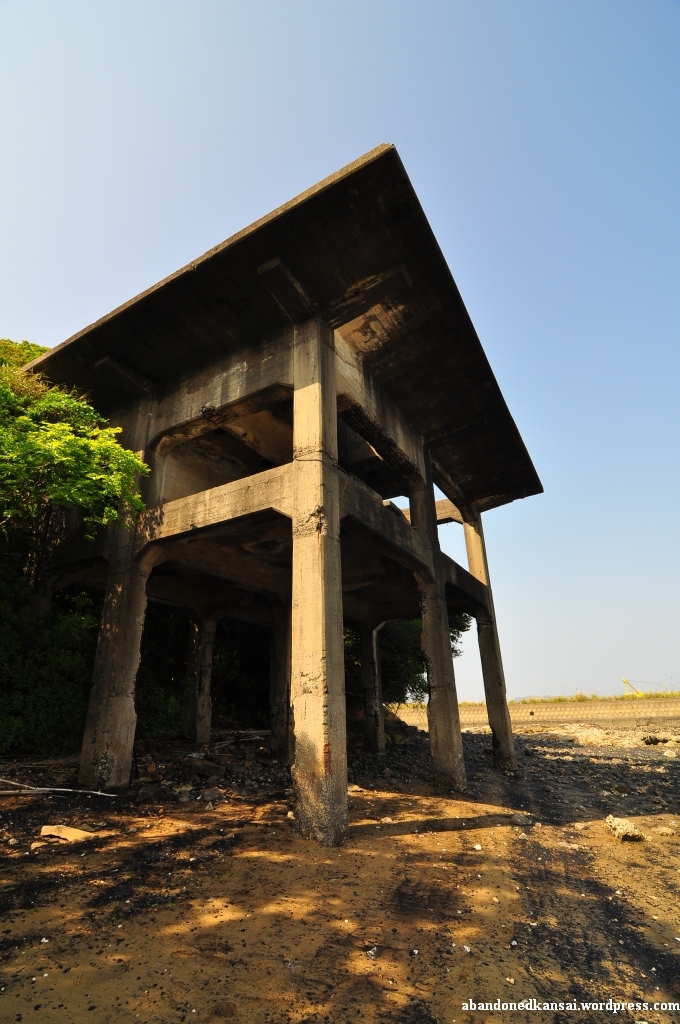
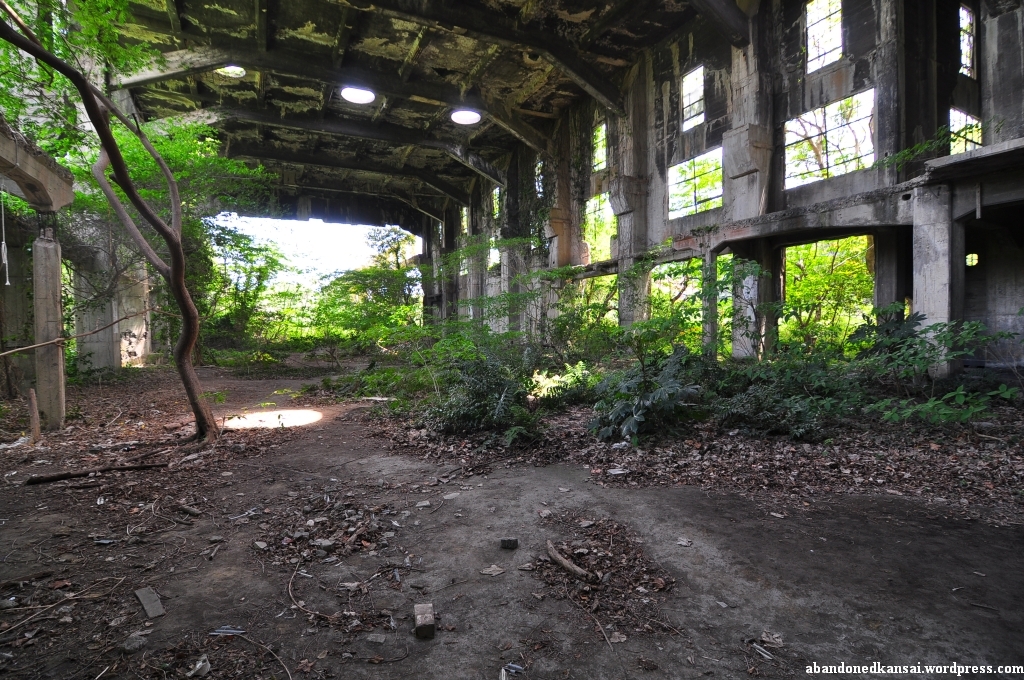
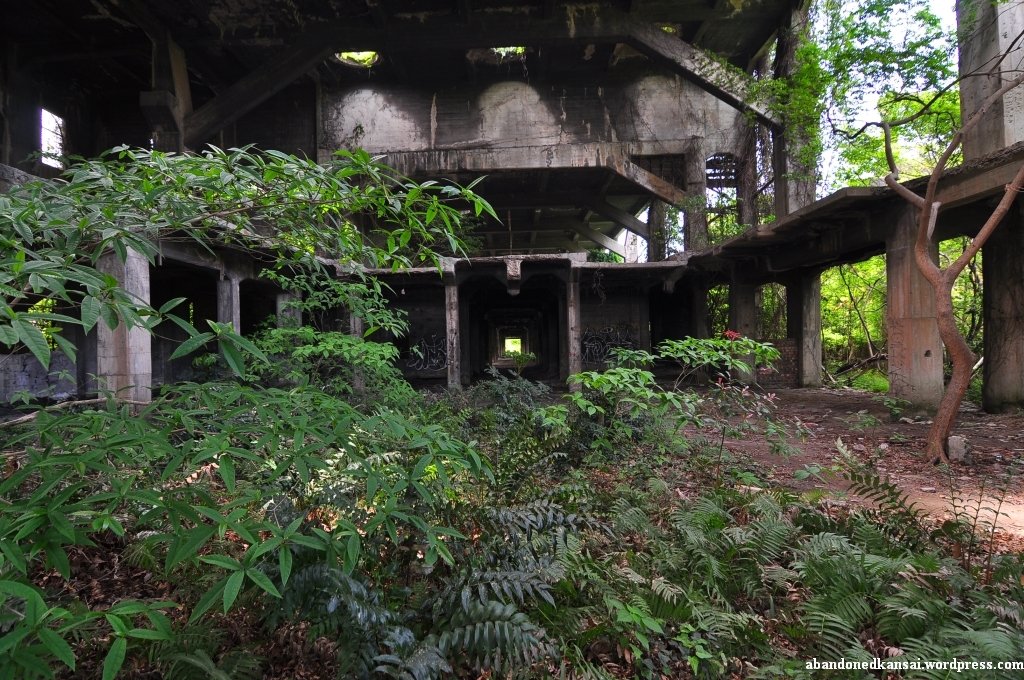
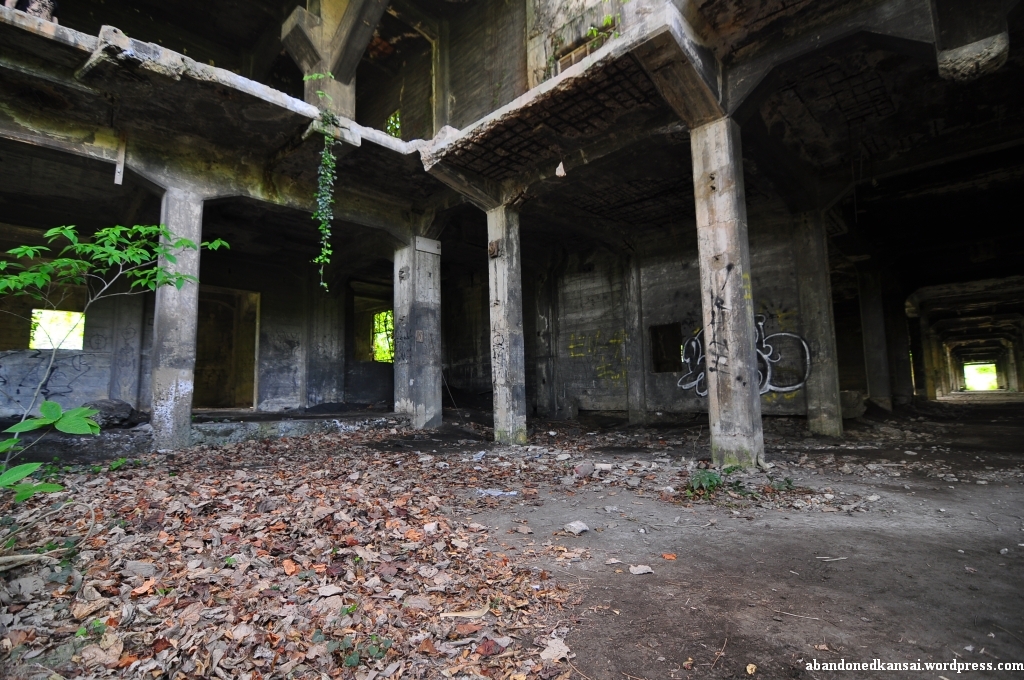
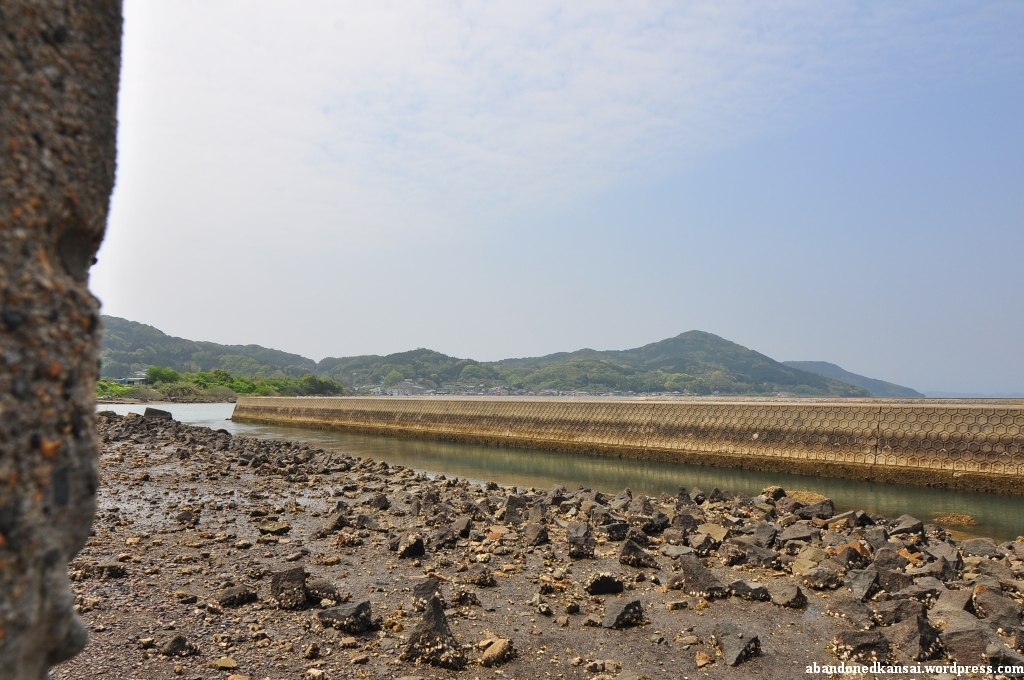
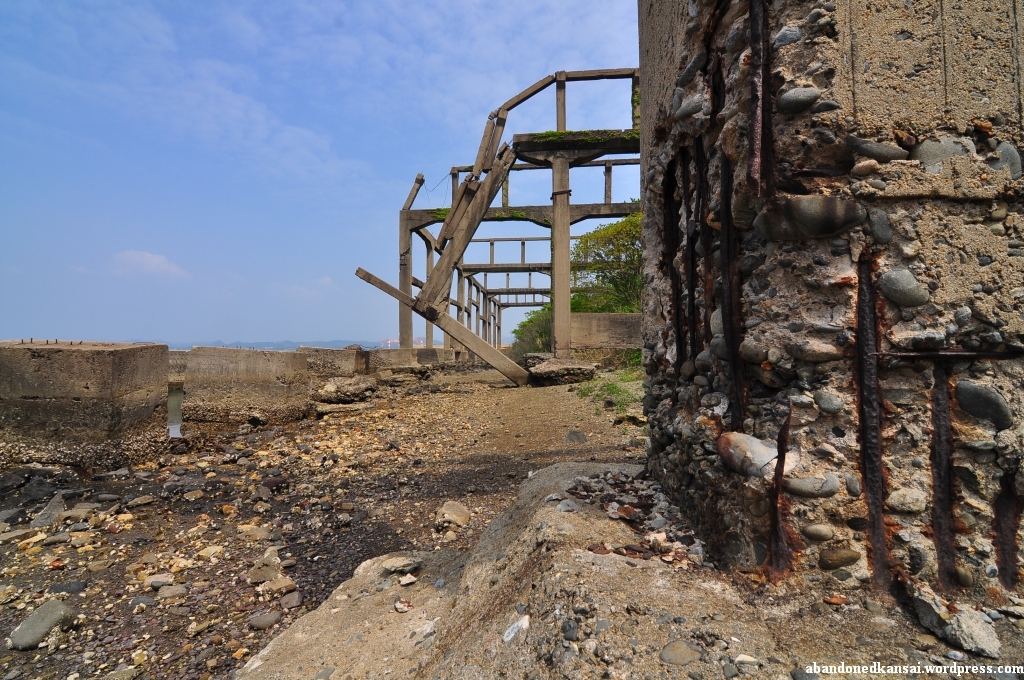
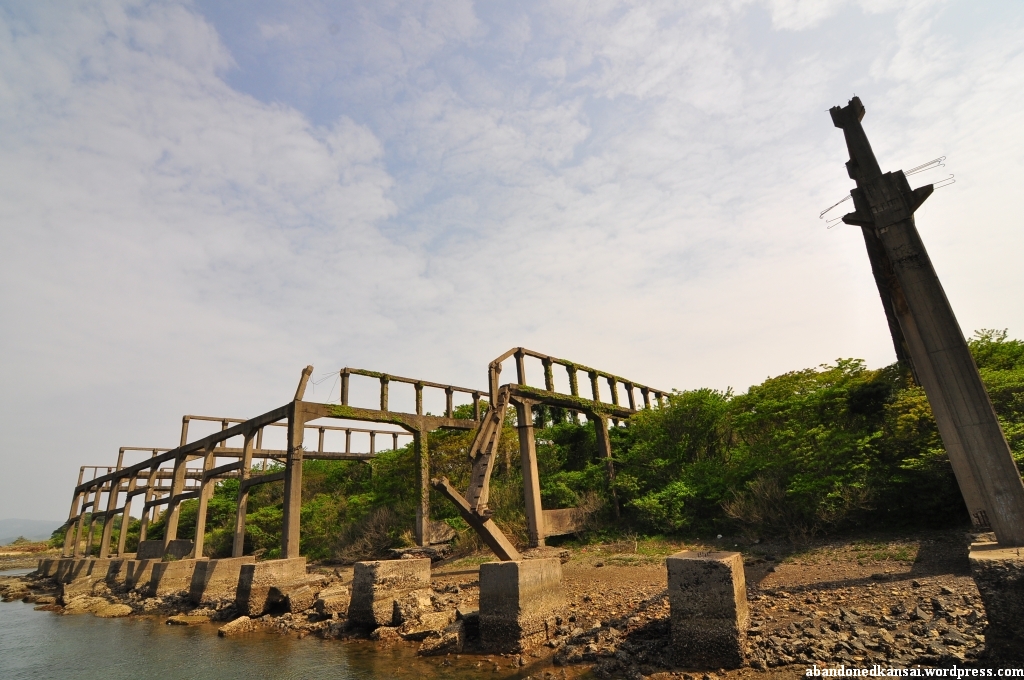
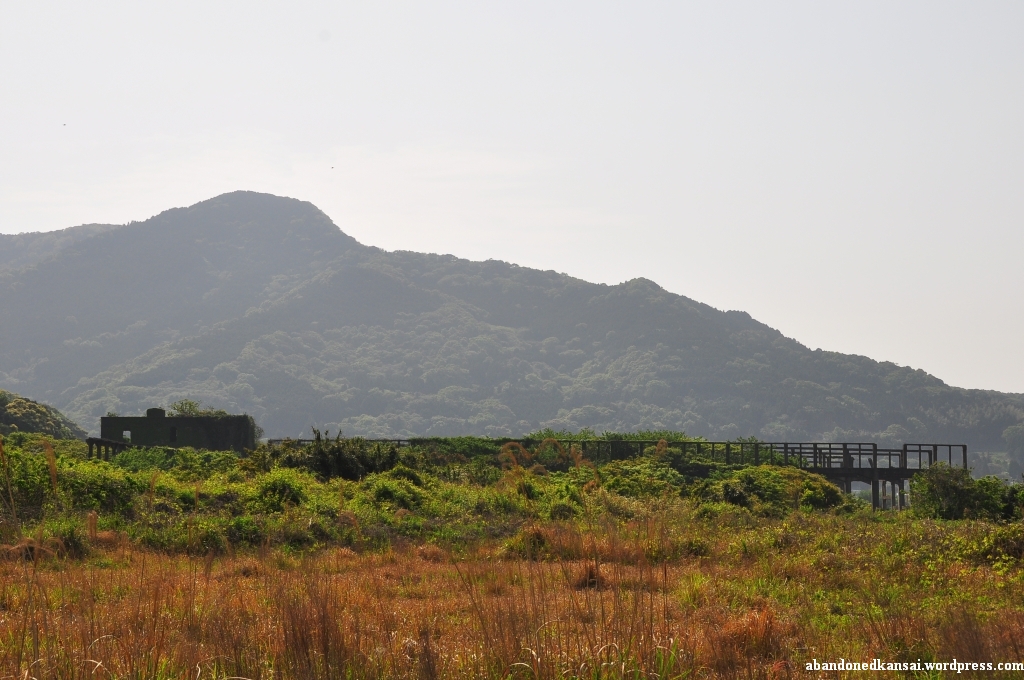
Just a couple of hundred meters down the road from the *Imari Kawaminami Shipyard* is another haikyo – visible from both the street and the train tracks the place is nevertheless often overlooked. After we finished shooting the seaside part of the shipyard Yasu was heading back to the main building while Ben and I headed to the remains I saw a couple of times on Japanese blogs without even exactly knowing what to expect – the pictures I saw were labeled “向山炭鉱“ (Mukaiyama Tankou, tankou being the Japanese word for mine), but a mine so close to the sea? Could that be?
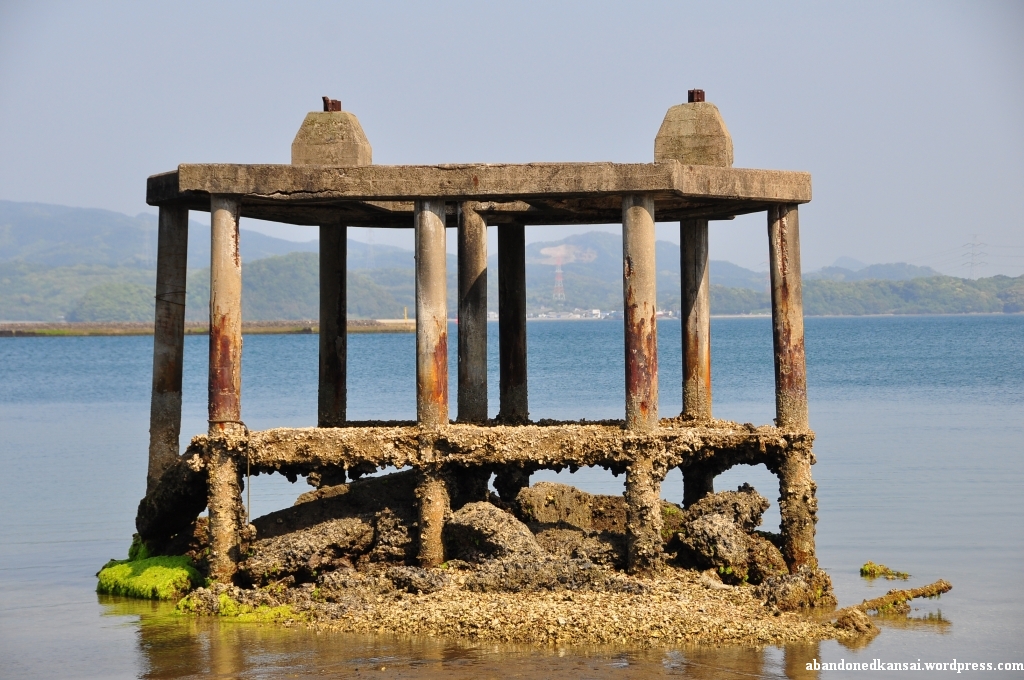
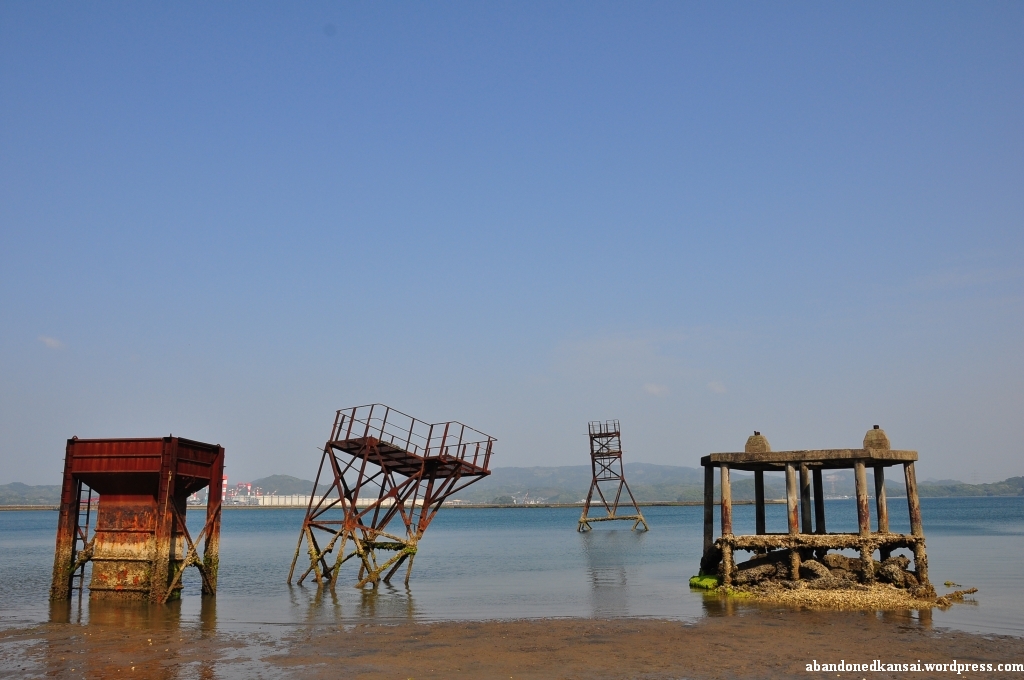
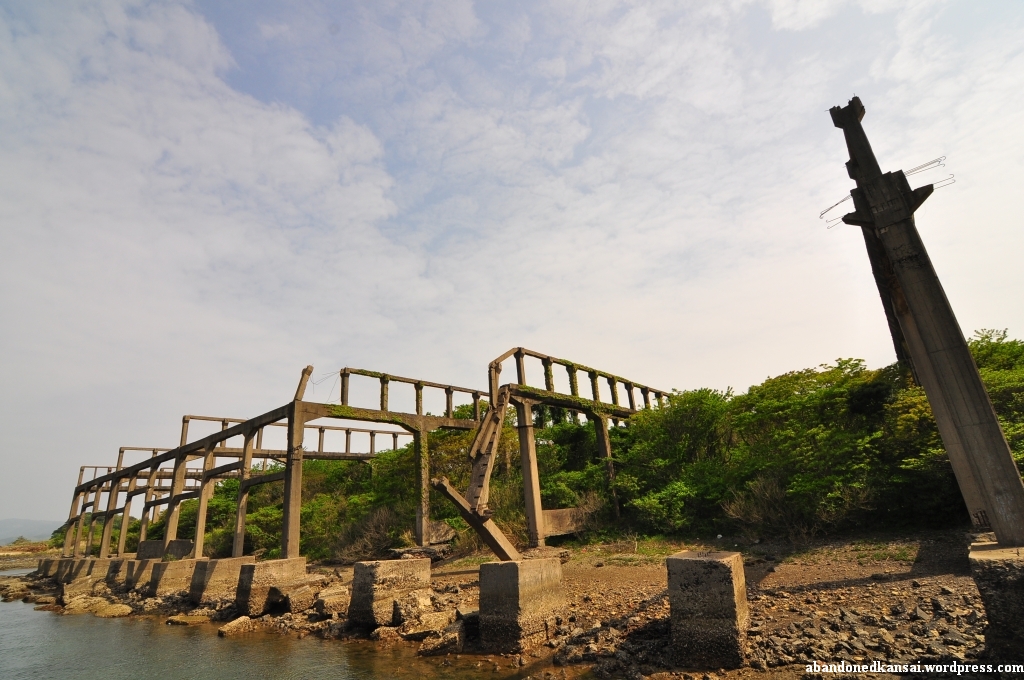
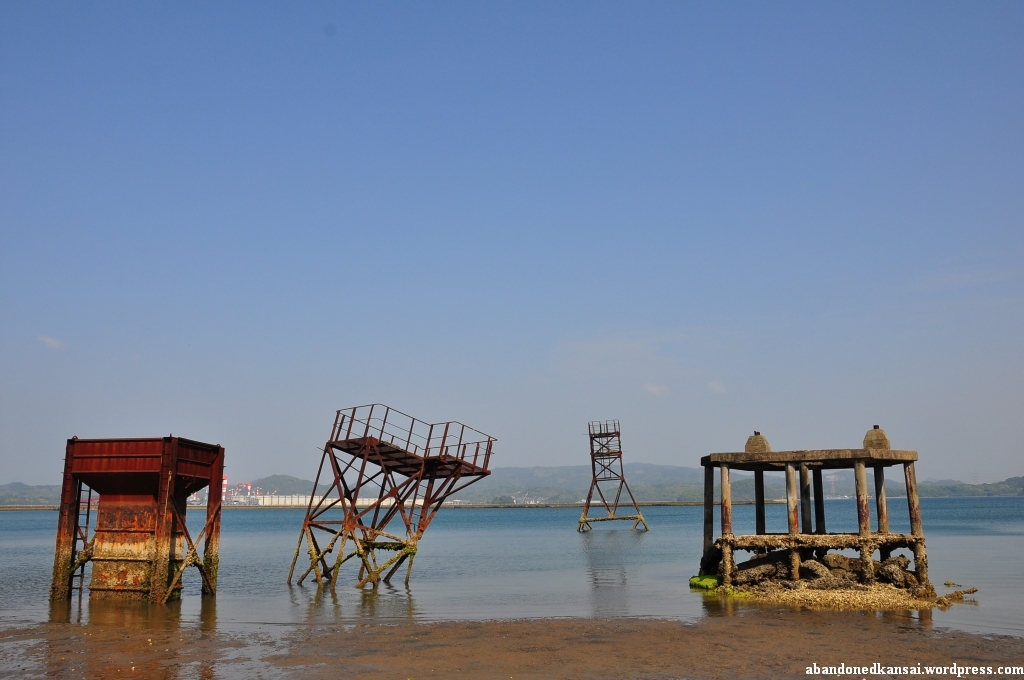
When Ben and I arrived on the other waterfront we saw three elderly Japanese people skimming through the part of the beach that was now accessible thanks to the low tide. Since Ben’s Japanese was way better than mine he talked to them and found out that they were looking for Asari (also known as Manila clam or Venerupis philippinarum), a popular ingredient in miso soup. Like the fisherman from the dam the clam searchers were quite chatty and told us a bit about the abandoned place we were visiting. As I assumed the concrete and rusty steel remains weren’t part of a mine, but part of the sea terminal of the mine – the mine itself was somewhere in the nearby mountains and demolished centuries ago. Speaking of mountains: I didn’t realize it until Ben told me what he heard from our new Japanese friends, but the surrounding hills near the beach weren’t natural. They were also remains of the sea terminal, in this case the parts of the deliveries from the mine that didn’t get onto the ships as there weren’t coal, but worthless rocks not even good enough to be used for construction. Like everywhere else in the world that stuff  was piled to create spoil-tips (or botayama, ボタ山, in Japanese).
There is actually not a lot of general information I found about the Mukaiyama Mine. Coal extraction at the place started during the Meiji era under different names and different owners. Until 1909 23 miners mined about 750 tons of coal, in 1910 15 miners brought 298 tons to daylight. 1911 brought a new owner with headquarters in Matsuura and new deposits were found. In 1912 the mine was renamed once more to now known “Mukaiyama Mine” and 100 miners were employed to mine about 800 tons of coal a year. At the same time 15 houses were constructed for the miners – if you want to see pictures from that era please have a *look here*, but please be aware that the site is in Japanese; nevertheless I didn’t want to steal their photos to put them up here… In 1937 the mine was taken over by Kawaminami Industries Ltd. who increased production again in 1939 – probably to support their *soon to be demolished shipyard*. In 1946 the Mukaiyama Colliery Labor Union was formed, raising the daily wage from 35 to 50 Yen and prohibiting underground work of women and minors. (Minors, not miners!)
In 1951, when the *Kawaminami Shipyard* was struggling, a railroad connection to the sea was built. Although new coal deposits were developed in 1957 and 1960 the Mukaiyama Mine was shut down in 1963 – and with it the sea terminal. Okay, so much for the history lesson…
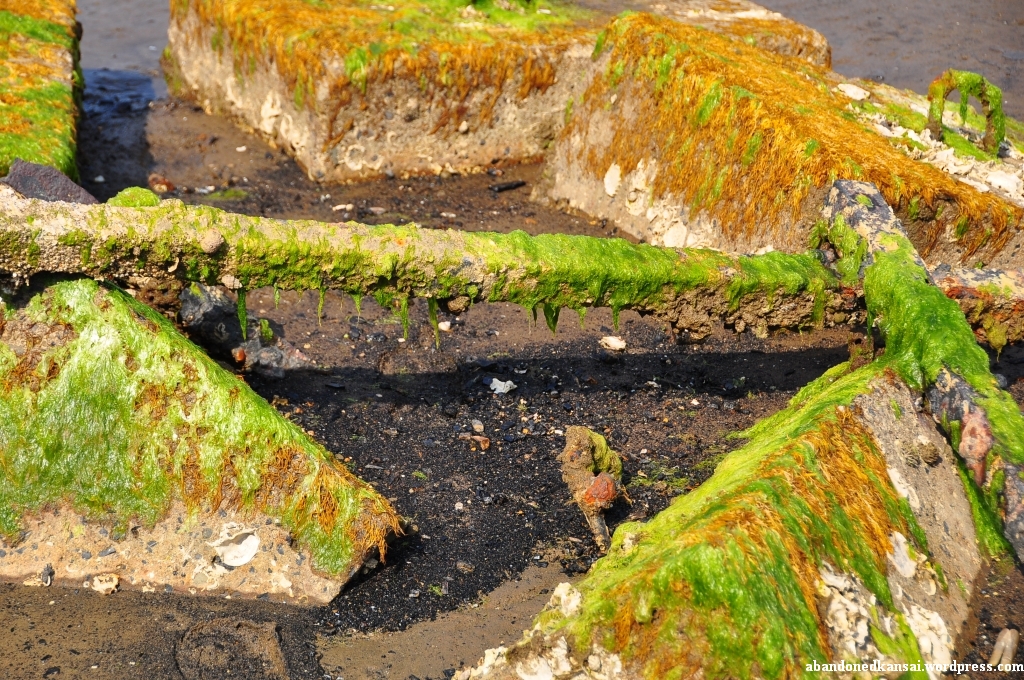
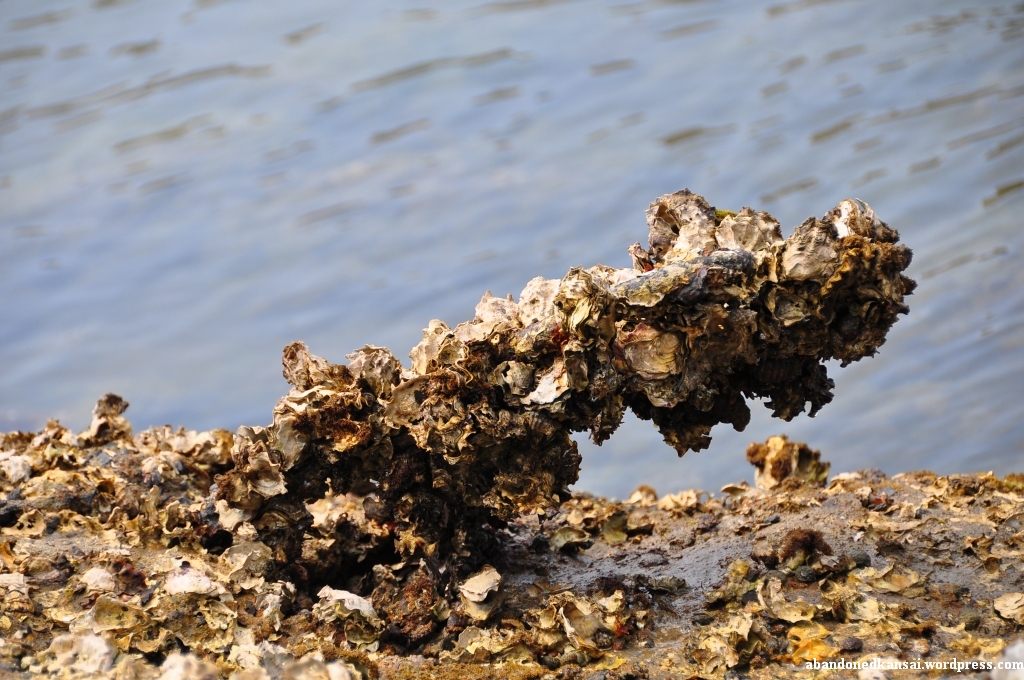
As I mentioned several times before: I was extremely lucky that the tide was low during my visit. On most pictures I saw on the internet the beach was covered with water, the remains of the sea terminal barely sticking out of the sea. Not during my visit. Thanks to that the remnants were almost completely visible, exposing their more decayed parts with vibrant colors.

(*Like Abandoned Kansai on Facebook* if you don’t want to miss the latest articles and exclusive content – and subscribe to the *video channel on Youtube* to receive a message right after a new video is online…)


Read Full Post »

Google launches Google+ – and Abandoned Kansai finally has a Facebook page… If you like this blog even just a little please *click it here* to like it on Facebook, too.

Read Full Post »

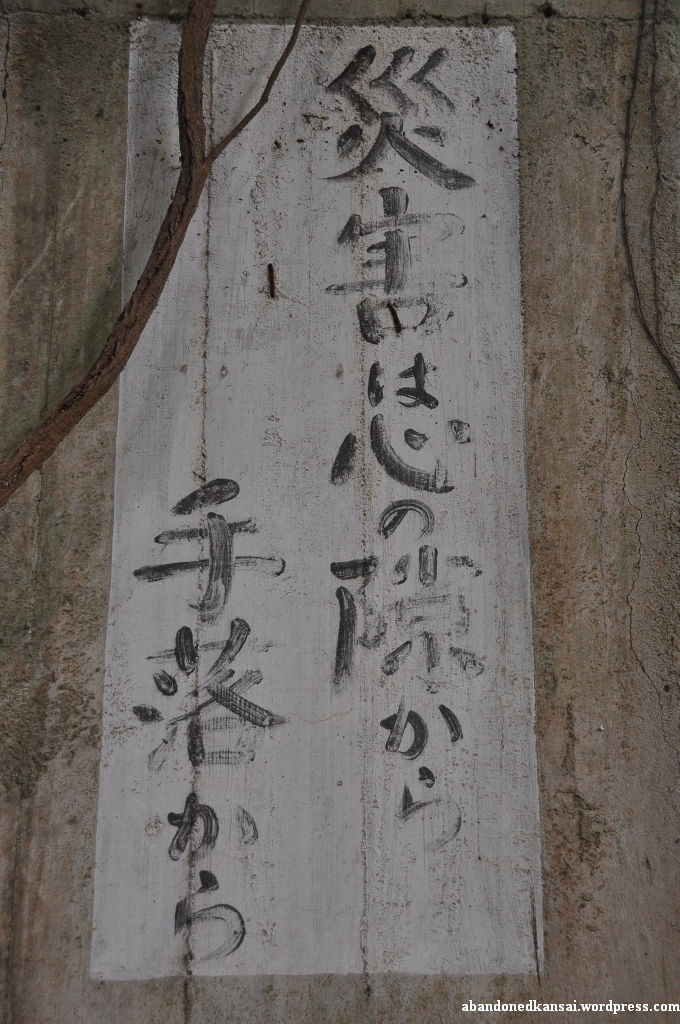
Darn, me and my timing again… In my previous posting I referred to Gakuranman’s article about the Imari Kawaminami Shipyard – he mentioned a discussion in 2010 about demolishing the place; and I expressed how happy I was it didn’t happen between his visit and mine. Well, it seems like things are moving forward. The Japanese newspaper “Yomiuri” reported on June 24th (almost a week after I published my exploration experience) that the Yamashiro City Zoning Committee decided on June 9th that the Imari Kawaminami Shipyard is a safety hazard and not worth to be preserved as a historical landmark – they will demolish the place, only saving some of the pillars with the safety warnings (as seen on the photos below). And it took them only 50 years to realize that…
I guess the real reason for demolishing the place is the land reclamation project going on behind the seaside part of the shipyard which the dam mentioned in the previous posting is part of. Getting rid of the ruin will create a huge piece of land if both properties are combined – with access to both sea and the main road of the area.
I was quite shocked when I heard about the news today – it’s always a sad thing when abandoned buildings disappear, especially famous and unique ones like this. A place that grew on me a lot after I explored it, especially since there seemed to be a connection to the Katashima Suicide Training School.
Japan is quite weird when it comes to timing. Sometimes things drag forever and maybe the shipyard won’t be destroyed after all, although the committee made the decision to demolish the place. But sometimes things move extremely fast, so maybe the shipyard is already gone by the time I write these lines. Urbex is becoming more and more popular in Kyushu recently – if I hear any news I’ll make sure to keep you updated.
(To make this posting more colorful I chose six previously unpublished photos and uploaded them together with a video I forgot last time…)
Addendum 2012-1-30: The Imari Kawaminami Shipyard was demolished in late 2011 / early 2012. Now you can find its exact location on my *map of touristy and demolished ruins in Japan*.


Read Full Post »

The Imari Kawaminami Shipyard, also known as the Kawaminami Uranosaki Industrial Shipyard or the shorter version Kawaminami Shipyard, is one of the best documented urban exploration spots (haikyo / 廃虚) in Japan. Pretty much all blogs about the topic cover the shipyard, Japanese as well as those written by foreigners living or visiting Japan, and it’s marked on countless maps. It’s a perfect location for beginners since it’s right next to a major road, parking spots are available close-by and a train station is just a couple of 100 meters away. There are no (real) fences, no security, no nosy neighbours. And the place is buzzing! During my 4 hour stay I met about half a dozen people, both Japanese and a foreigner. A relaxed start into my 4 day trip to Kyushu…
A trip that started at 4.50 a.m. when my alarm clock reminded me that I can rest when I’m dead. I took one of the first Shinkansen high speed trains from Osaka to Hakata / Fukuoka and from there it was another 3 hour train ride to the station mentioned earlier. I finally arrived at the Kawaminami Shipyard at around noon with one of those weird Japanese spring skies that white out most photos as soon as even parts of the sky are visible. After I entered the shipyard I dropped my luggage right at the entrance to have a look around – and I was rather disappointed. The main building is not much more than a concrete skeleton as seen many, many times on all kinds of homepages and blogs. I had a quick look around, taped a walking tour of the building and after I took some pictures for a couple of minutes in the main hall I saw two guys back at the entrance. It’s always a weird feeling when other people show up at abandoned places as you never know if they are fellow explorers, security or some random society outsiders. (The latter kind is rather rare in Japan – I’ve never met druggies, only one homeless guy once.) The guys turned out to be Ben, an English teacher from Otsu in Shiga (close to my current home), and his Japanese friend from Kanto. Extremely nice guys and a welcomed chance acquaintanceship.
After a while we left the overgrown building to explore the even more overgrown outside part of the shipyard. We followed a narrow trail and after about 3 minutes we reached seaside part of the shipyard which surprisingly many photographers miss. This area I actually enjoyed a lot more. The tide was low, we were free to roam the area and were able to shoot from angles usually covered by water. The sky had almost cleared up by that time and in combination with the nice breeze it created a very relaxed atmosphere.
When we were done shooting that part we made our way onto the dam in front of the shipyard, significantly newer than the abandoned complex. We were down halfway when a guy on a bike came closer. Since there was some construction going on close-by I was worried that the guy might be security, but he turned out to be a senior citizen who enjoys fishing. A chatty senior citizen who was more than happy to give us a little bit of insight on the shipyard. According to him the building we were exploring earlier and that is always referred to as the Kawaminami Shipyard actually wasn’t a shipyard, but a factory for spare parts and the administration building of the company. He claimed that the actual shipyard was further up north, but demolished quite a while ago – which is probably only part of the truth given the shape of the building now abandoned. Since the location is completely gutted and there are some articles available in English my interest in the historical background is actually surprisingly low – but according to the Japanese Wikipedia it was opened in 1936 (to support Japan’s efforts in their wars that started earlier in the 30s) and closed due to bankruptcy in 1955. One of the more curious items built there were the manned “suicide torpedoes” called kaiten (回天), probably to be delivered to the rather nearby Katashima Suicide Training School, a place I visited during my first trip to Kyushu in March of 2010.
Anyway, after the fisherman continued his way Ben and I went to another haikyo east of the shipyard (I’ll describe that one in the next posting) before we finished our circumnavigation of the endangered beauty.
The Kawaminami Shipyard is actually way more impressive from the outside than from the inside and I guess in winter even more so than in late spring. Nevertheless it was a perfect first location on my second trip to Kyushu – one that set the tone for the days to come…
Addendum 2012-1-30: The Imari Kawaminami Shipyard was demolished in late 2011 / early 2012. Now you can find its exact location on my *map of touristy and demolished ruins in Japan*.


Read Full Post »

About 15 months ago I went on my first multi-day urban exploration trip: 3 days to Kyushu with my buddy Enric. A trip with lots of up and downs, visiting some amazing locations – Gunkanjima, the Katashima Suicide Training School and the winding tower of the Shime Coal Mine, now known to some people as the Anti-Zombie Fortress. But March was kinda cold, last year as well as this year. So when Golden Week came up (late April / early May) and my company forced me to take two of my paid vacation days to install a new AC I took the lemon and made lemonade – it was time to go back to Kyushu!
Since Enric left Japan and returned to Spain a couple of months ago, I went on my own this time. Remembering the best burger I’ve ever had I set up my base in Sasebo after a long day of exploring an abandoned shipyard and the abandoned leftovers of the dock of a mine close to it. The next day I explored one of the most amazing places I’ve ever been to: an almost abandoned island, once the home of several thousand people – and as exciting as that day was as disappointing was the next one when I walked through drizzle for hours without an umbrella to look for remains of a mine and its workers’ housing-estate; but they were gone forever – as research after my return confirmed… Luckily the weather turned around on my last day, so I was able to visit an abandoned amusement park on my way back home. Thank heavens for sunscreen, because without it the harsh Kyushu sun would have burned me crisp within half an hour…
Exploring all day I spent my three evenings in Sasebo at Base Street to enjoy some burgers. While the regular sized ones are good I’ll definitely recommend the so-called “Special Size” – this 15 centimeters in diameter monster is a classic Sasebo style burger that will fill you up with pure deliciousness; if you ever wanna spend 1100 Yen (yep, that’s 9.50 Euros or 13.60 Dollars!) on a single burger without even considering regretting it then this is the place to go! I just hope I’ll find more abandoned places close to Sasebo so I can have a good reason to go back there once more…
(Oh, and greetings to the tourist office in the Sasebo! It sells a variety of souvenirs, but not the awesome huge plush hamburgers that fill half of their display window. To get one of those you have to ride a bus for about half an hour to get to a small store at a shopping mall in the middle of nowhere. And since I had to wait 45 minutes for the next bus they lost a customer who would have happily paid 200 Yen more to avoid the hassle of a 2.5 hour long round trip to get a cute present for his even cuter niece. A no-win situation… and pretty much the worst sales strategy ever!)

Read Full Post »