Feeds:
Posts
Comments

Archive for the ‘Art’ Category

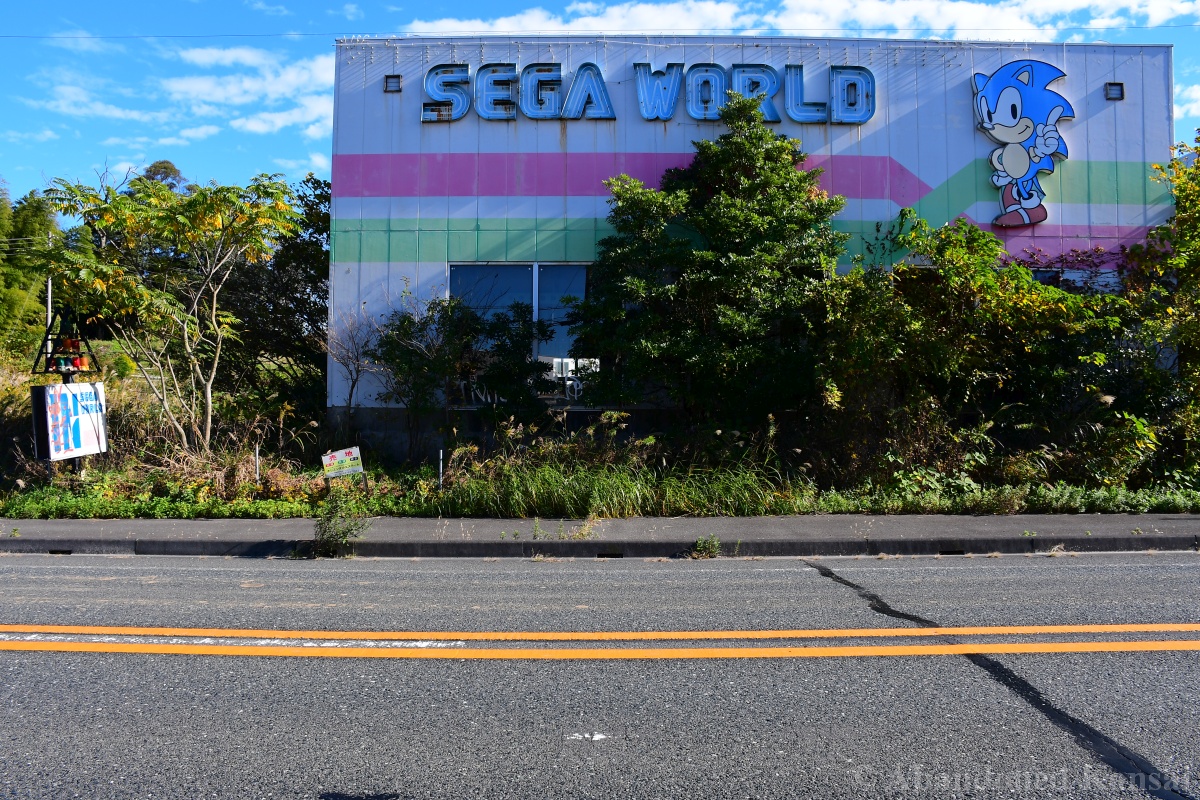
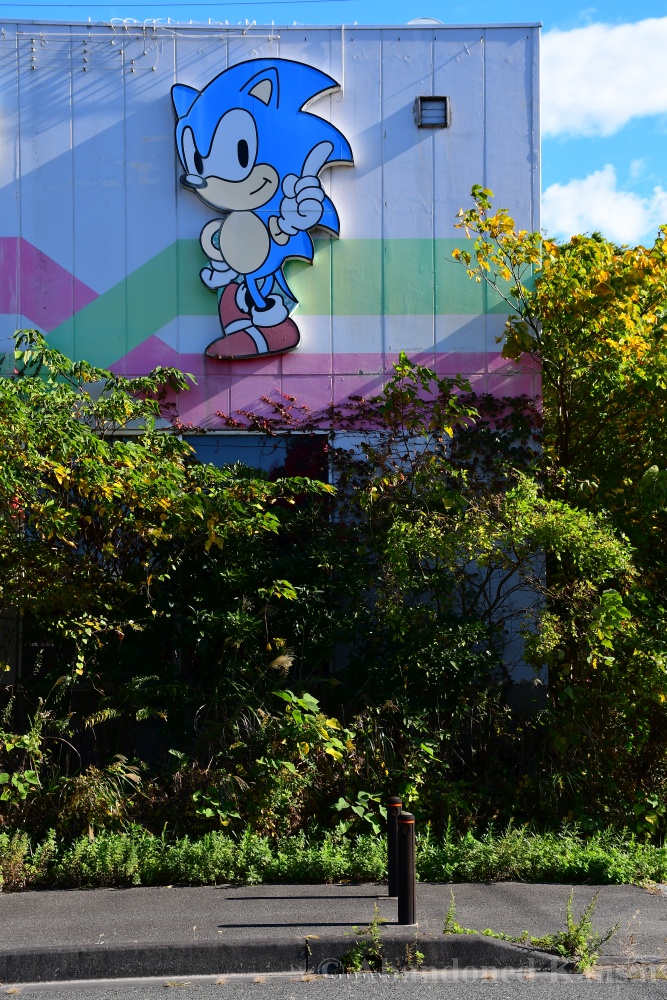
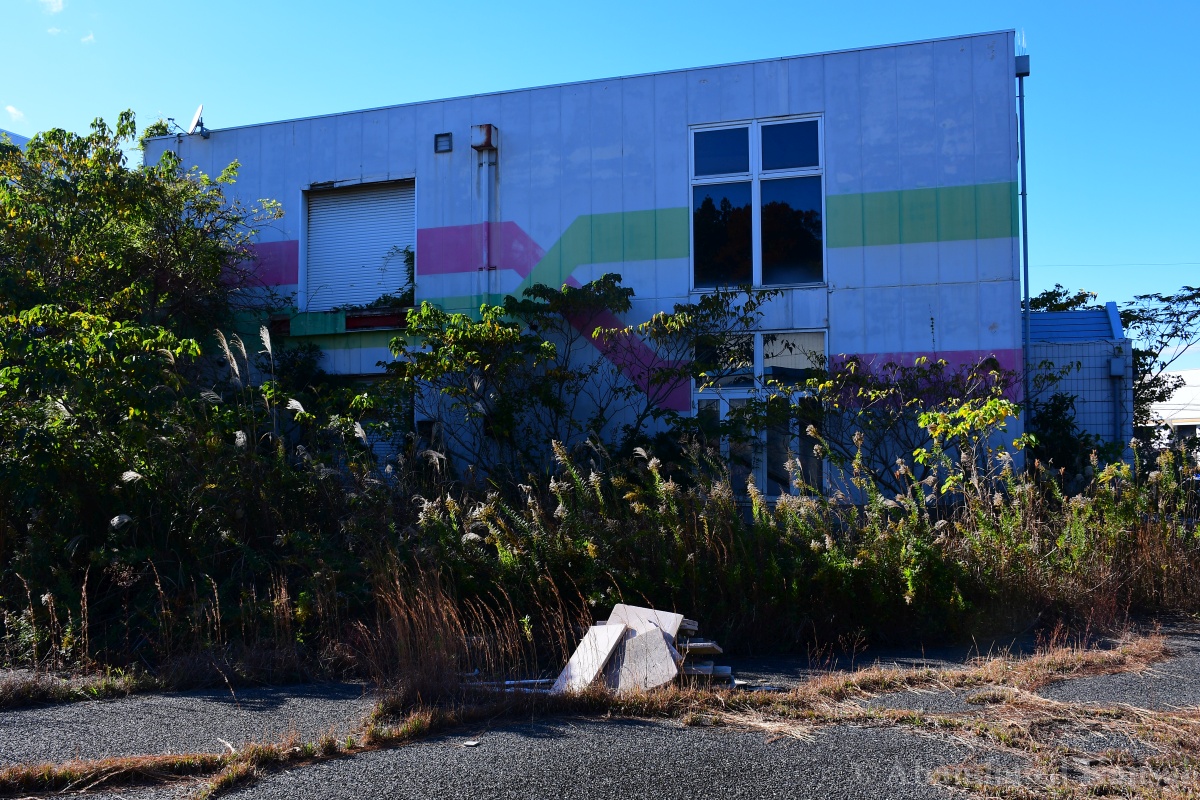
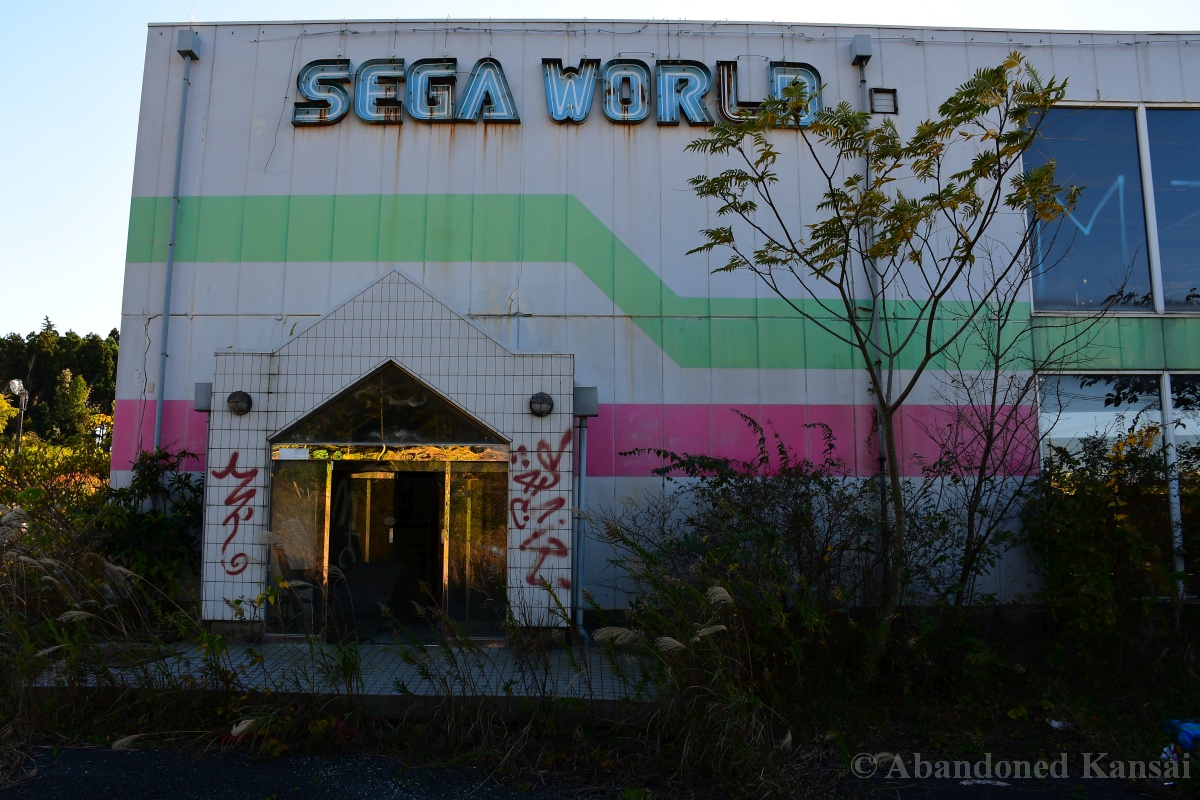
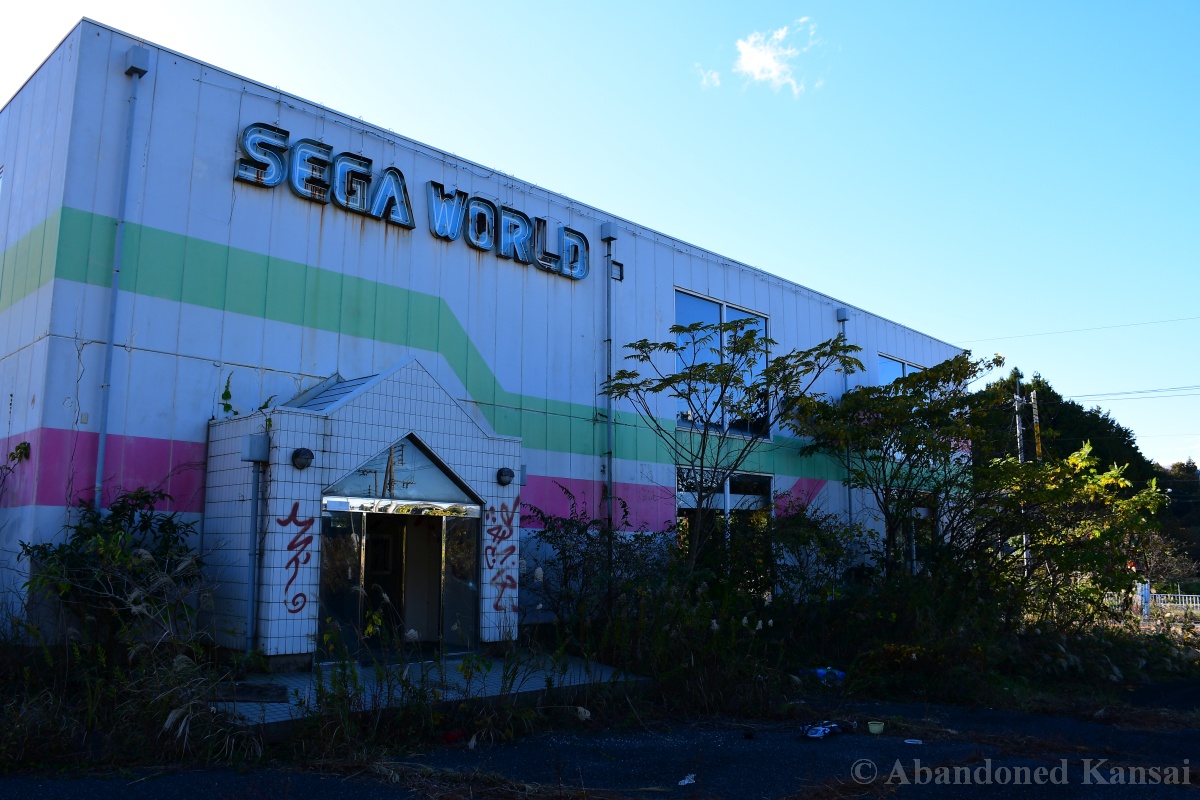
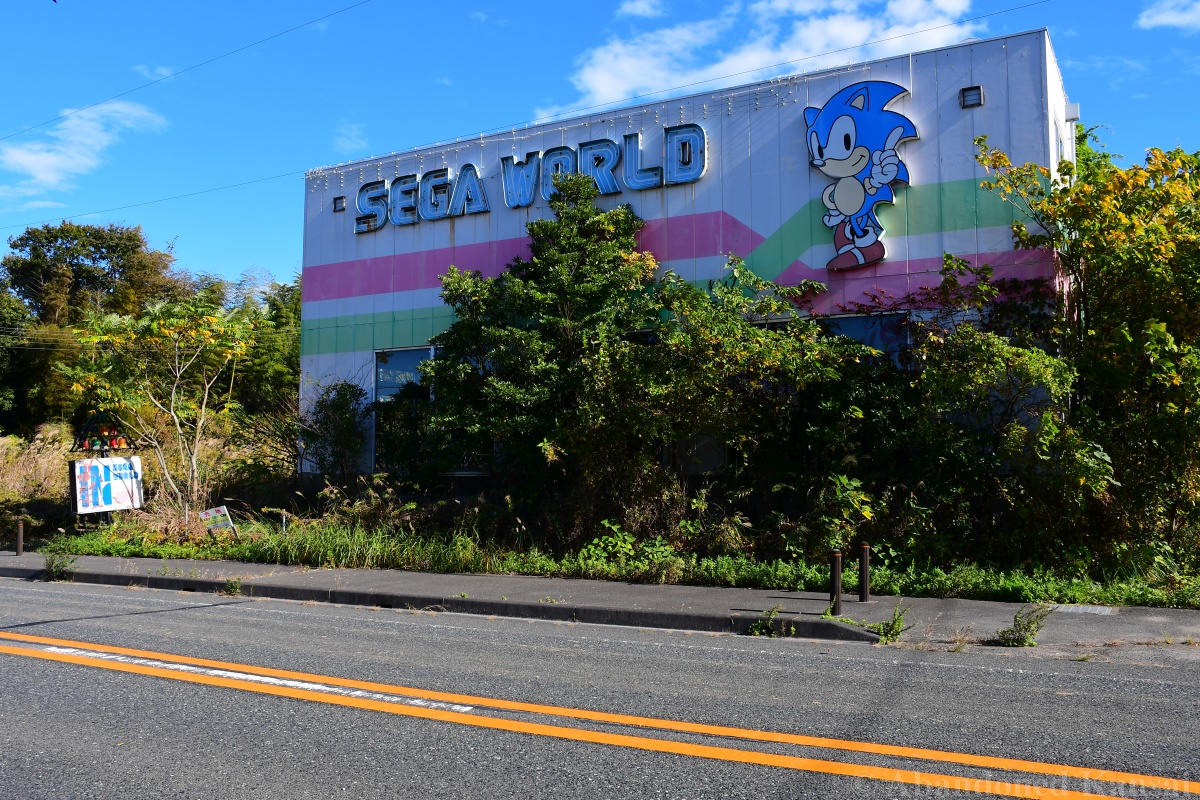
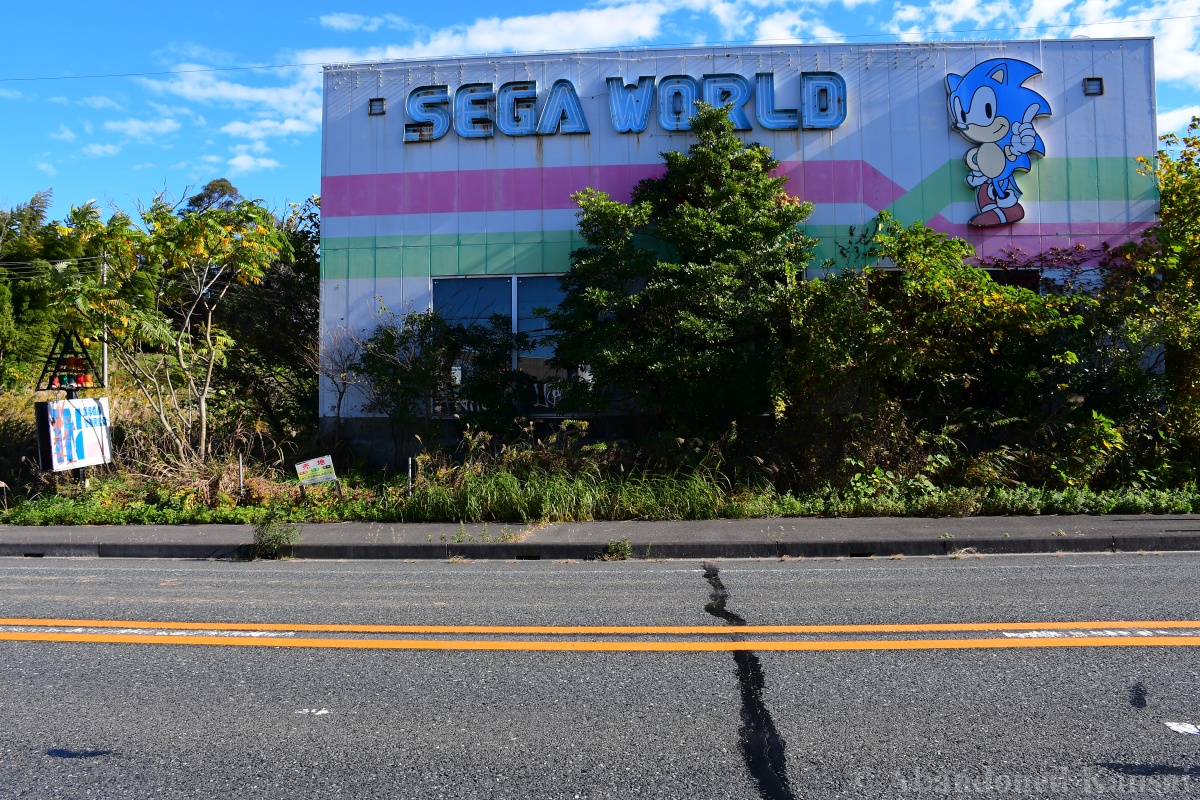
Sega and Sonic are video game icons. Seeing them on the side of an abandoned 90s arcade building in Japan is as good as urban exploration gets!

I’ve been playing video games my whole life. One of my earliest memories is watching my mom playing Pac Man on an Atari VCS2600 in the living room. In the 80s our typical family vacation was spent in the southern part of Lake Garda in Italy – which means that I spent an hour or two every evening at a local amusement arcade (sala giochi), because in Germany arcade video game were usually in the same establishments as slot machines and therefore illegal to enter age 17 and below – mostly watching other people playing… or even the self-running demo mode, but as a child we were easy to entertain back then. My dad was a part-time programmer and full-time musician at the time, and an avid gamer, too, so there were always computers and game consoles at the house. In the early 90s I already bolstered my pocket money by distributing leaflets for local supermarket, so I convinced my dad to go half on a TurboDuo with an adapter for Japanese games – which meant having to buy expensive import games as the system wasn’t released in Germany at all, allowing me to play classics like Bonk’s Adventure, Gate of Thunder and Bomberman ’94 – while my friends at school argued whether Sega or Nintendo was cooler… Amateurs! 🙂
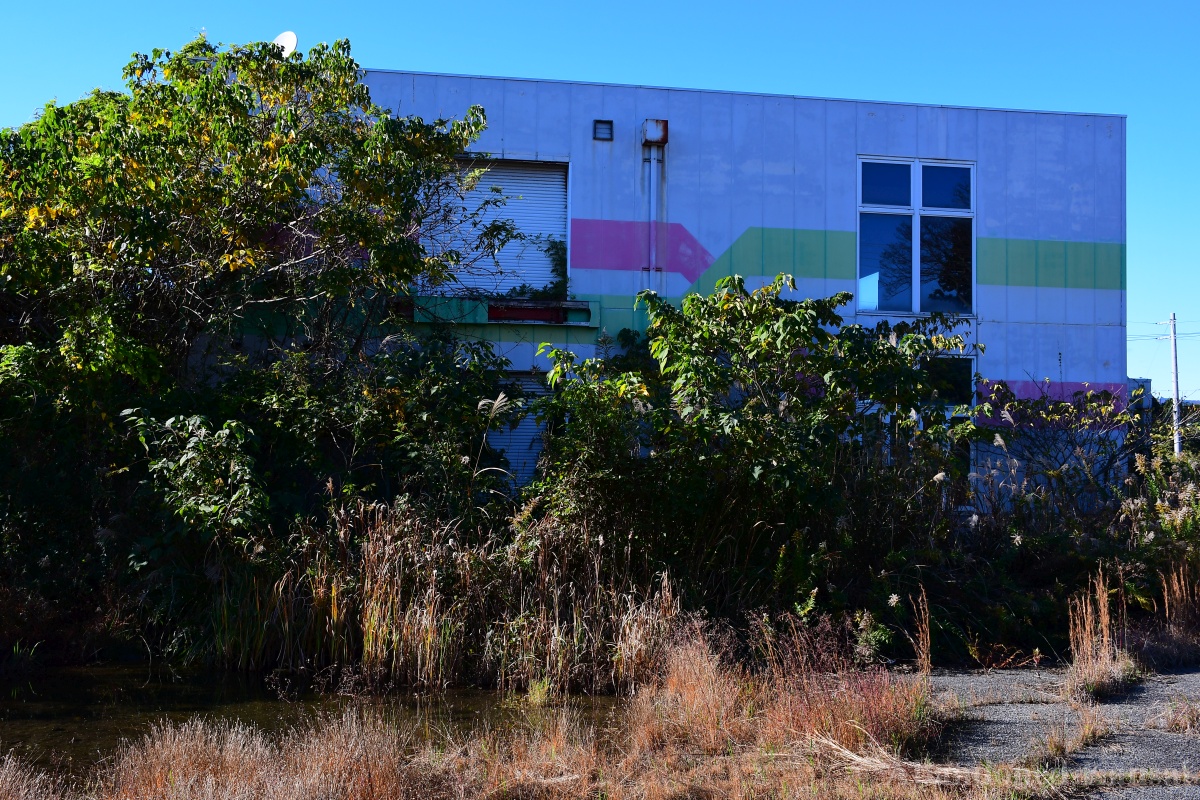
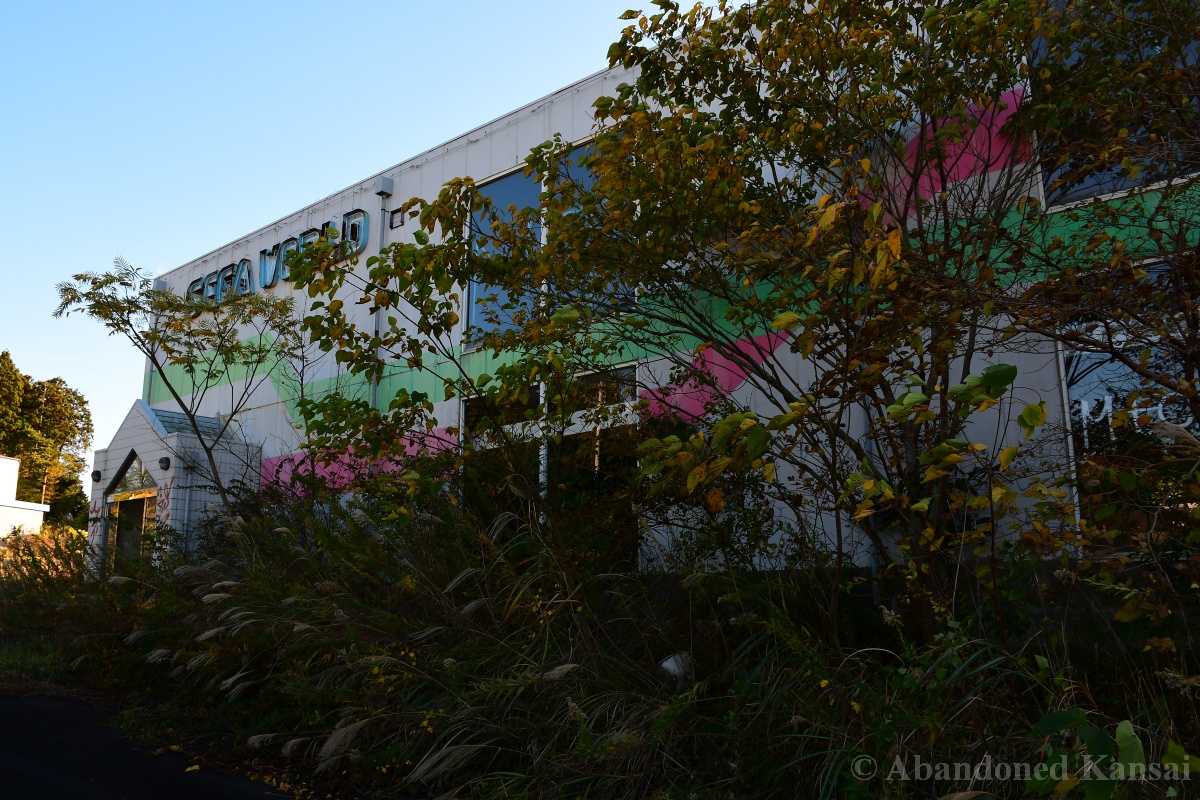
Three decades later I’m still playing video games occasionally, preferably on the Nintendo Switch as it is a portable system (to me, never hooked it up to a display – not once!). As a hobby, I spend much more time on urban exploration though, so you can imagine my excitement when I first heard of this abandoned arcade in the sticks. Not just any generic arcade. A Sega World arcade with the iconic font and a Sonic almost one storey tall! In combination with the pink and bright green stripes on the otherwise white exterior this building oozes quintessential 90s. So cool!

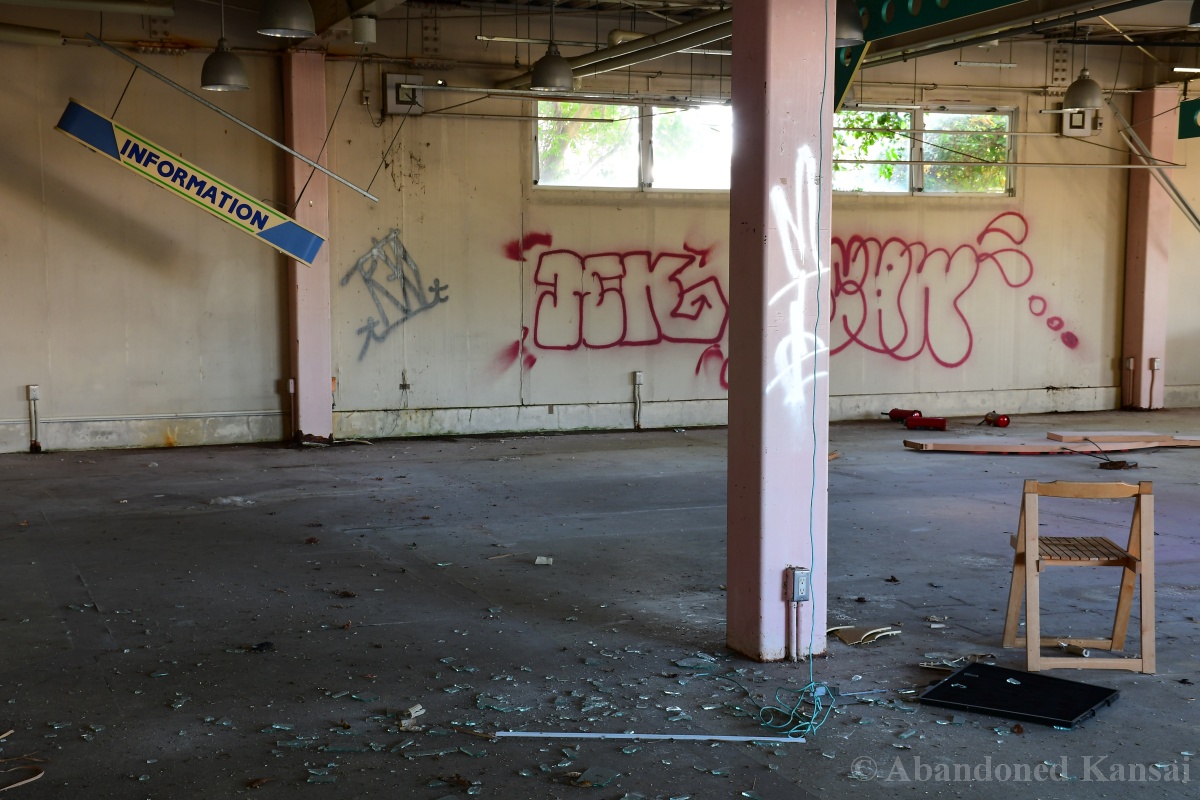
I guess it’s no surprise when I tell you that this Sega World was opened in 1994 – though it might sound unbelievable that is has been closed in 2009! 15 years and hardly any damage, except for some rust and as well as a few graffiti on the large windows.
Now the big two questions…
1) Was I able to get inside?
2) Were there still arcade machines inside?
The answers: Yes and no.
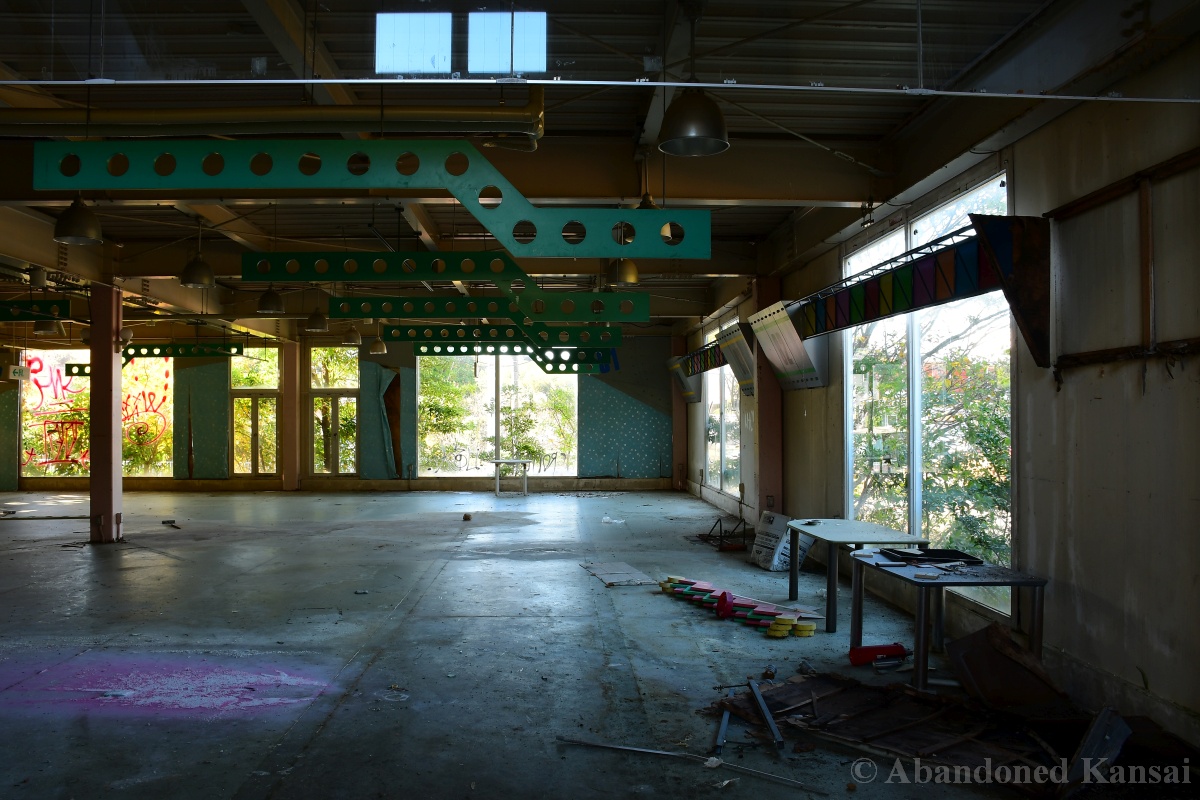
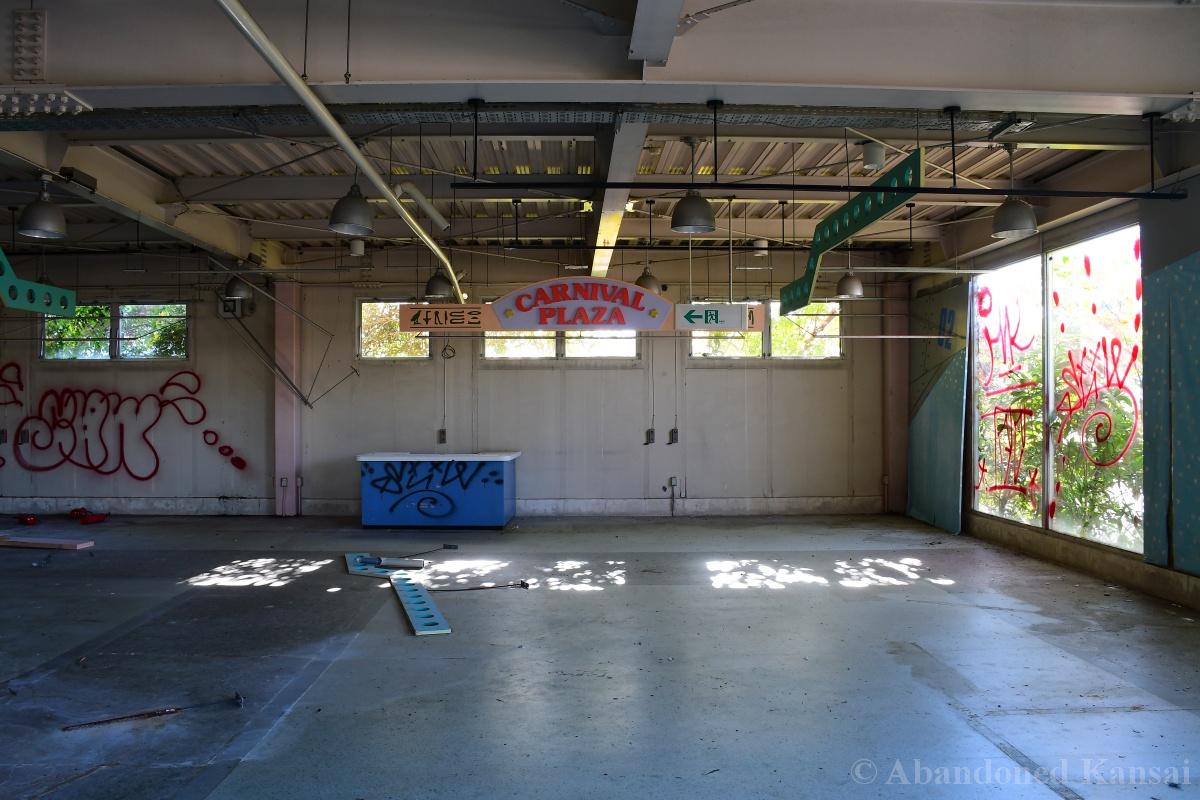
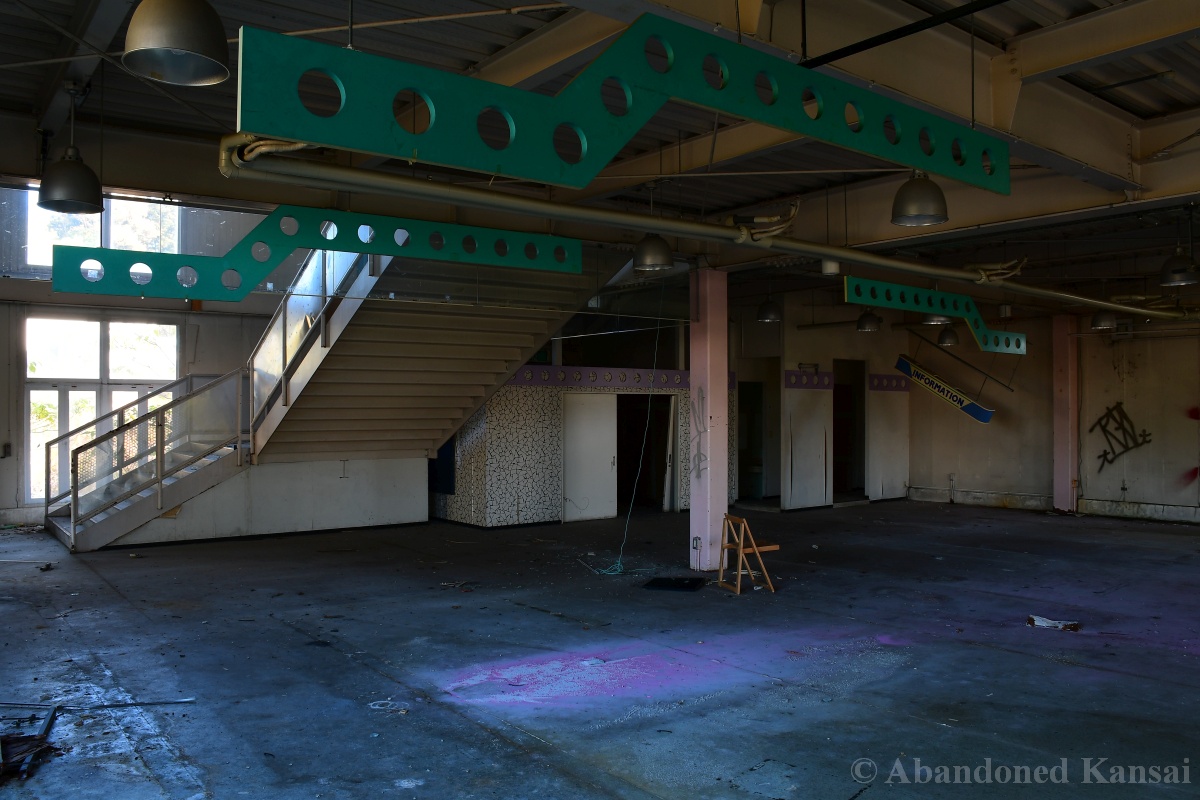
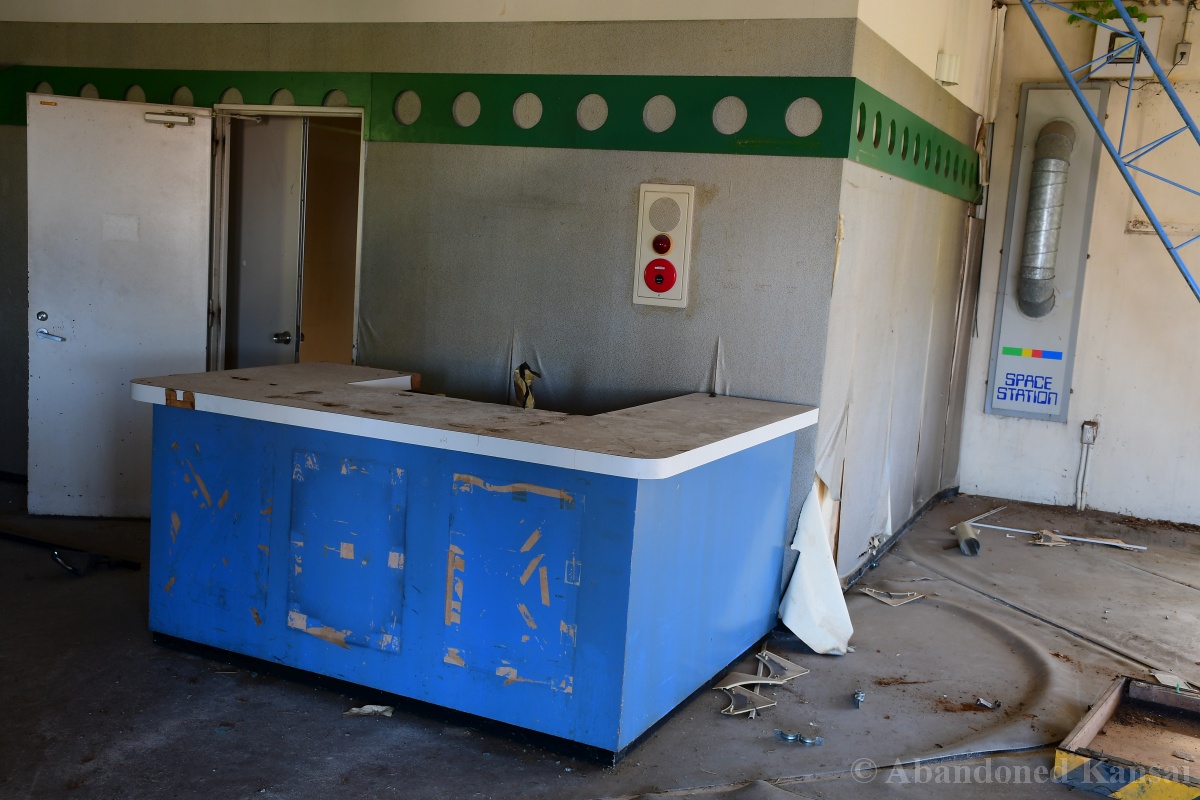
I was able to get inside, but there were no arcade machines or anything else removable of value left behind – my guess is that they moved the games and merchandising to another location when they closed shop. “Able to get inside” sounds like more effort than it actually was. The door was open. Literally. It didn’t even have to open it, it stood open and I was able to walk inside to take a few photos… after removing a large spider web, which tells me that there weren’t any other visitors here recently.
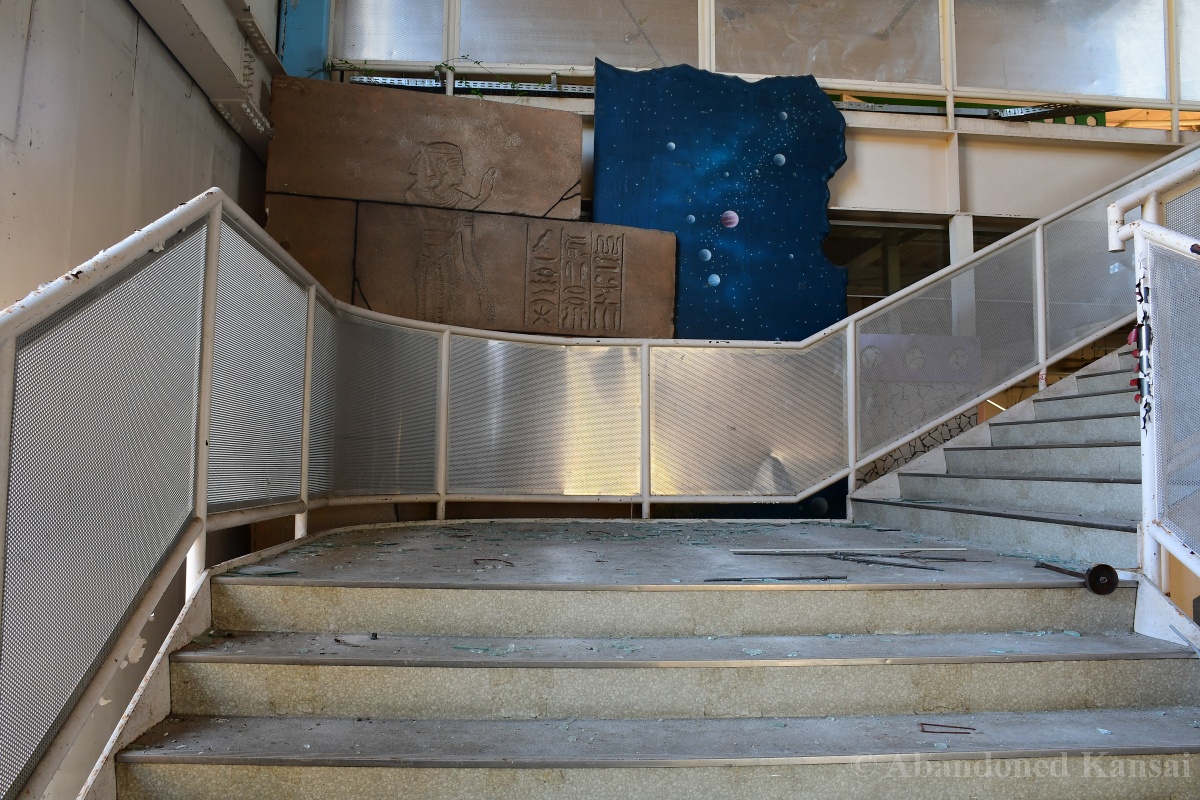
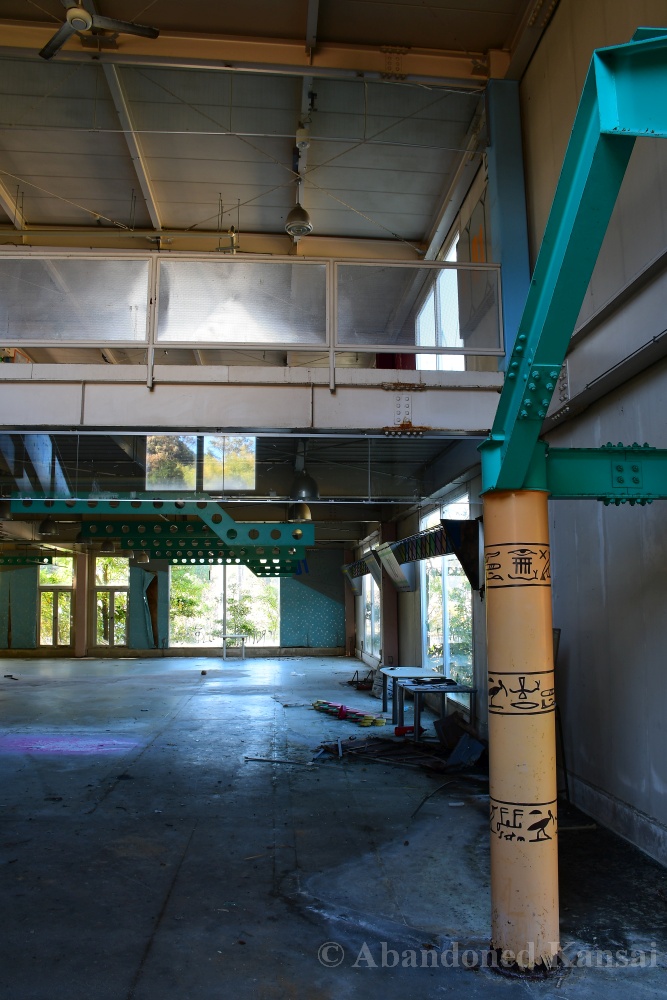
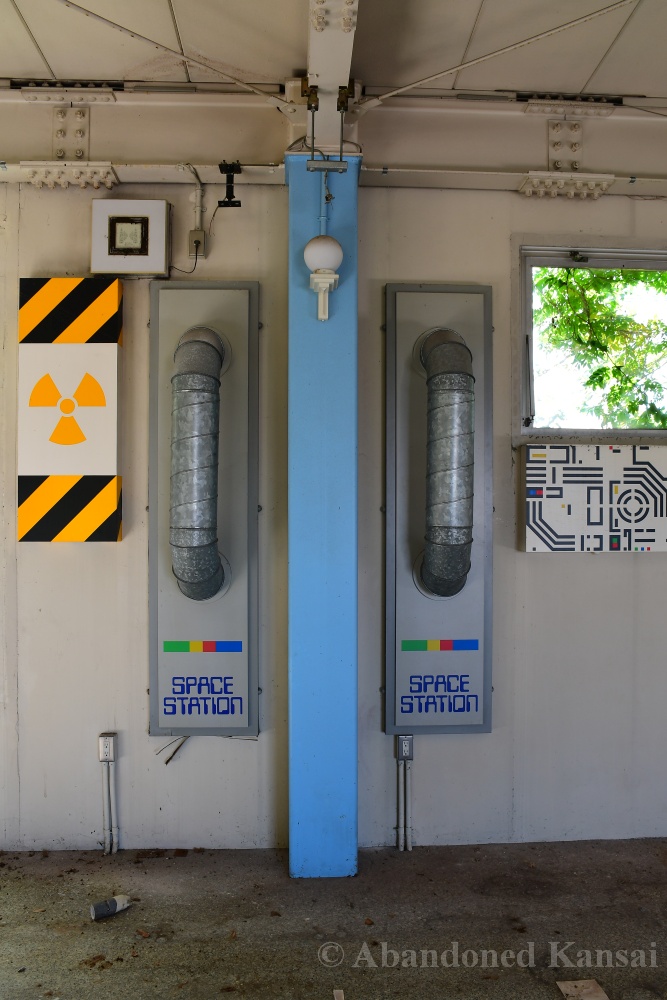
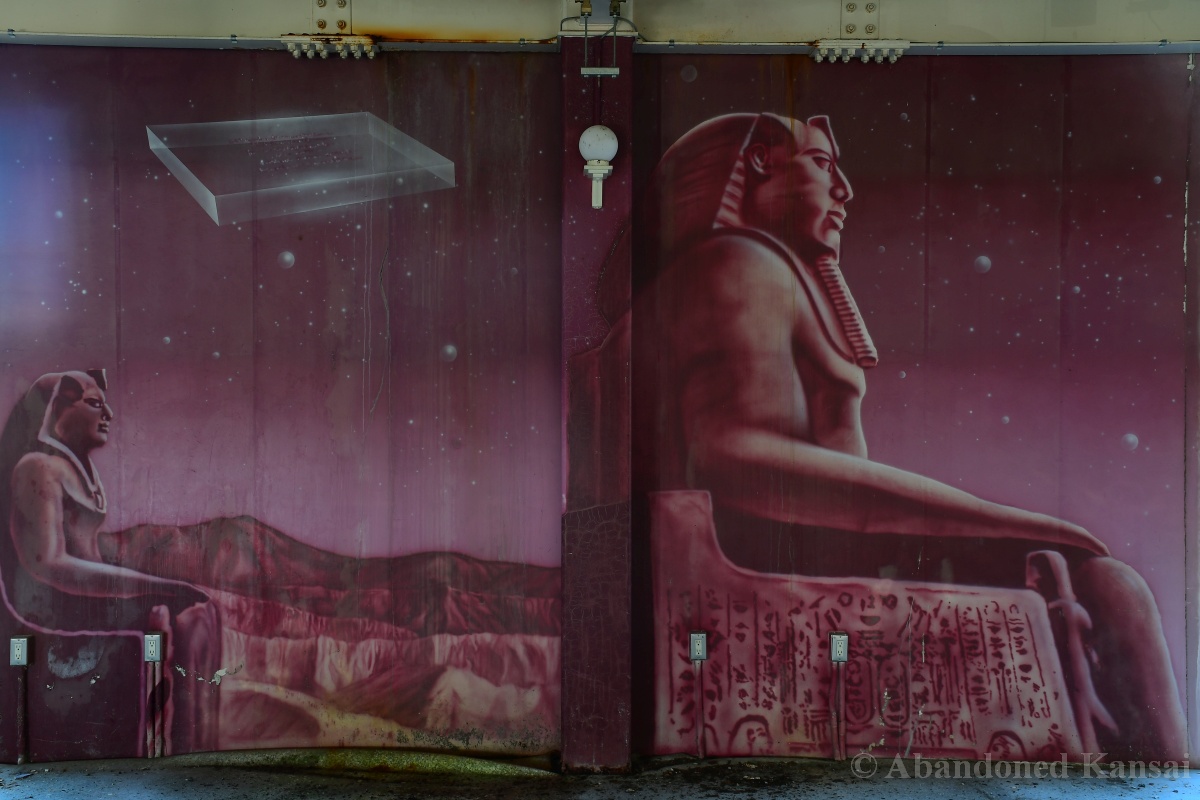
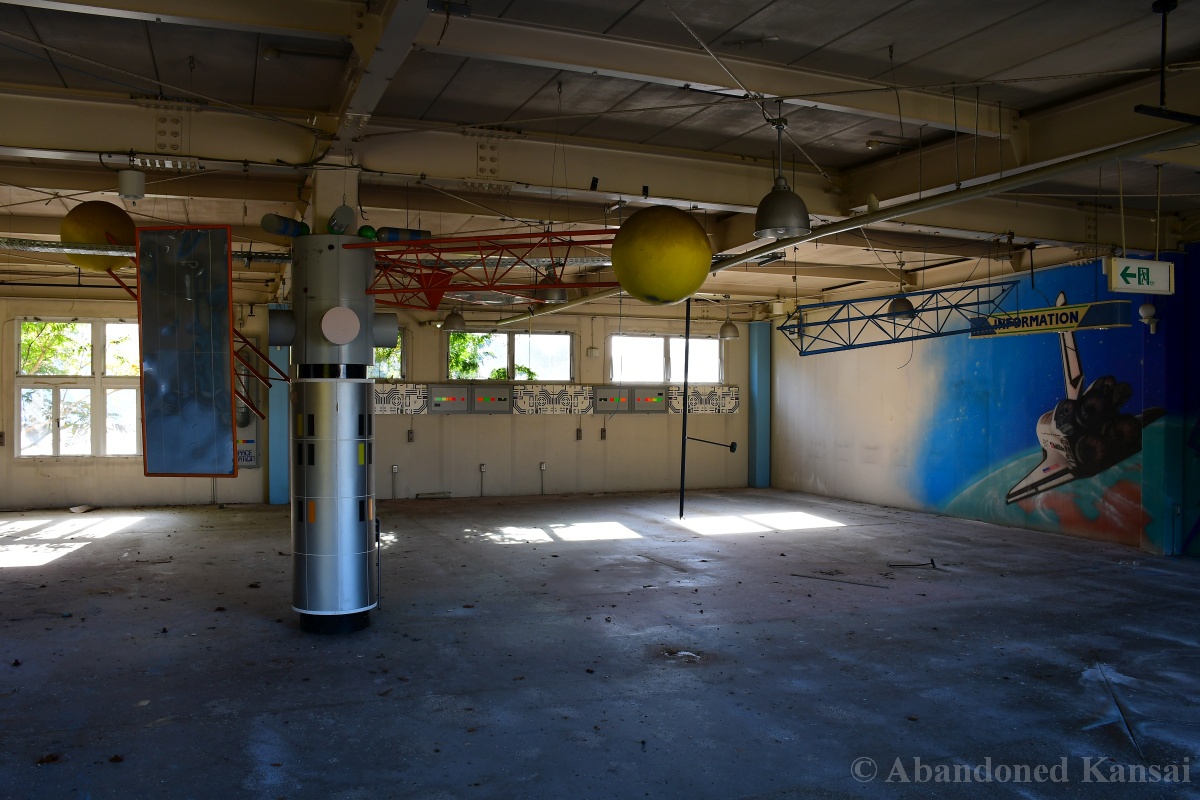
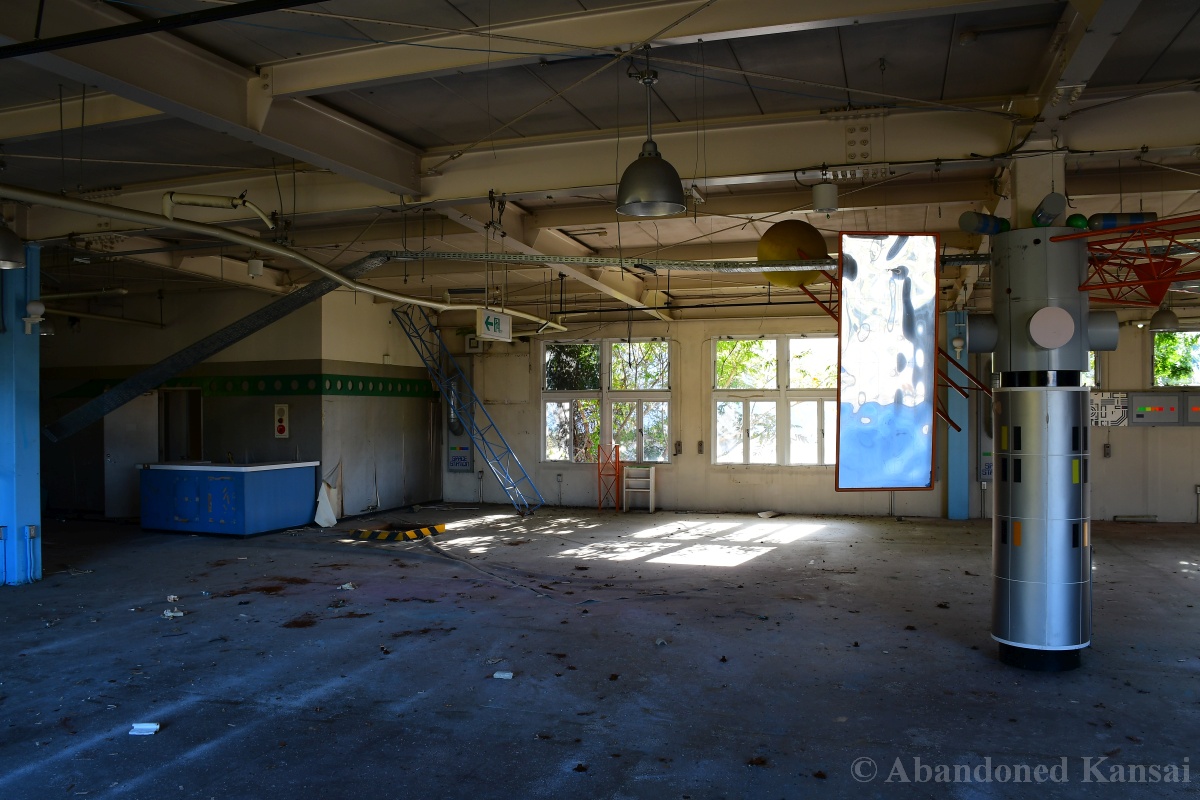
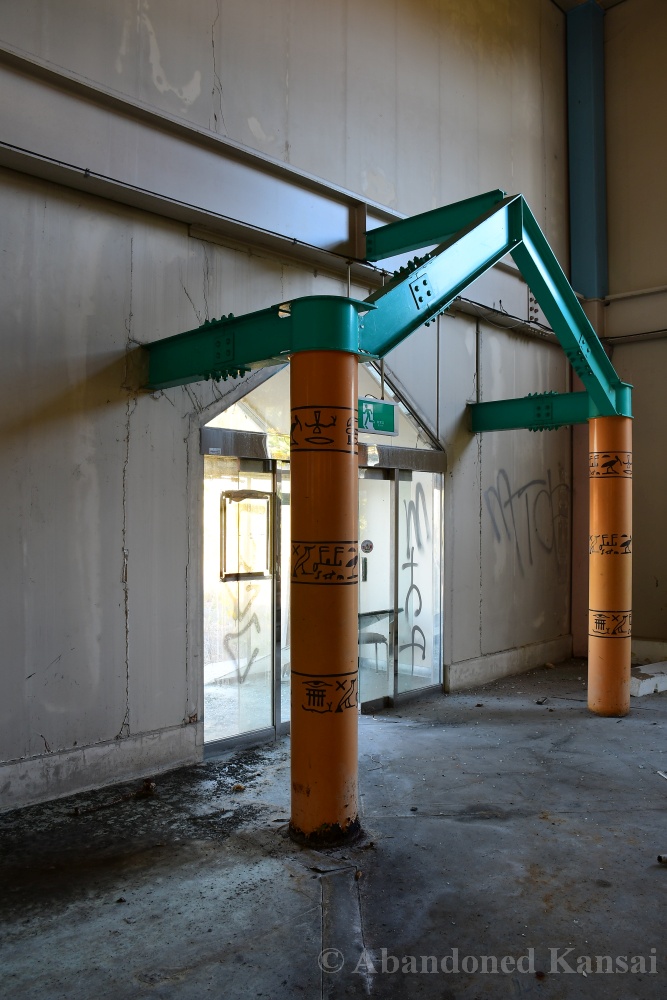
The interior of the building was in as good condition as the exterior. Some natural decay from 15 years without maintenance as well as a few graffiti, but nothing too bad. For the most you could still see the original design of the wall, which was part space, part Egyptian style… which I guess is quite 90s, too? There even was a stylized satellite contraption in the middle of the upper floor and hardly any mold, so as far as explorations go, this was a very relaxed one, despite heavy traffic on the road in front – spectacular outside, mildly interesting inside. Definitely one of my favorite locations of 2024, despite the lack of arcade machines. But if you are into those, who don’t you check out the articles about the *Arcade Machine Hotel* or the *Nishiwaki Health Land Hotel*?

(*Like Abandoned Kansai on Facebook* or *follow us on Twitter* if you don’t want to miss the latest articles and exclusive content – and subscribe to the *video channel on Youtube* to receive a message right after a new video is online…)
Read Full Post »

Japan has plenty of bizarre and quirky roadside attractions, but the Maboroshi Hakurankai, about 3 hours south of Tokyo, trumps them all.

The Izu Peninsula is famous for many things. Shimoda and the Black Ships. Kawazu and the first cherry blossoms of the year. The gorgeous train ride along the coast. Wasabi. Onsen. Seafood. Spectacular views of Mount Fuji. The Izu Peninsula has it all! And more…
One of the most underrated tourist attraction in all of Japan, at least among foreign visitors, is the Maboroshi Hakurankai, literally the “phantom exhibition” – an eclectic collection of real(ly) old items and bizarre art at the former site of a botanical garden called Izu Green Park along Route 135. The latter was sold in February 2011 to new owner Sailor-chan, who has become somewhat of a social media star due to their… unconventional outfits and photo sessions with visitors at the entrance. After three months of demolition and renovation the museum opened on July 16th 2011. The creepy-cute concept was fed by 100 truckloads of exhibits – some from its sister museum called Ayashi Shonen Shojo Hakubutsukan (“The Weird Museum for Boys and Girls”) just 3.5 kilometers down the road, other items came from many years of collecting, including auctions, antique stores, closed museums like a house of hidden treasures (a euphemism for the 70s sex museums Japan had in a lot of onsen towns) and a film museum. As of 2021 the Maboroshi Hakurankai displayed more than 20000 exhibits across several buildings and outdoors – pretty much everything from newspapers to books to toys to arcade machines to vehicles to uniforms to mannequins (with different levels of clothing) to more or less bizarre art; most of the exhibits are from the Showa Era (1926-1989), which currently has a revival in Japan nicknamed Showa Mania.

According to the Japanese Wikipedia page about the museum “many of the objects are traumatizing to children, and some local parents discipline their kids by telling them, “If you do anything bad, we will take you to Maboroshi” – which made the museum just the more interesting to me. (I studied Japanese History at university, focusing on social and technological history.) I finally had the opportunity to visit the Phantom Exhibition just before the pandemic and it was all that I expected… and much, much more! Usually I schedule between 15 and 60 minutes for a museum visit, this one I had to leave after more than two hours to catch a bus back home – and I hope I will be able to come back one day as parts of my time there felt a bit rushed. The large parking lot was disappointingly empty, maybe half a dozen cars, but I guess toward the end of a long weekend most Tokyoites and other visitors were already on their way home. Sailor-chan wasn’t there to greet me, so I made my way up a winding slope, past the first exhibits, to the entrance with a small pay booth (1200 Yen back then, 1400 Yen now). The first exhibition hall was one of the old gigantic greenhouses that now included a 12-meter-tall head with shoulders. No air-conditioning, so pleasantly warm in January, but probably barely bearable in summer. When I entered, a guy pushing a sex doll in a wheelchair just left and I thought “Oh, they must be redecorating!” – later that afternoon it turned out that the bloke wasn’t an employee and that the doll was his “girlfriend”. So, yeah, not just the owner and the exhibits at the Maboroshi Hakurankai are eccentric, some of the visitors are, too. From the greenhouse I went back to the main area, which turned out to be a maze of paths and buildings while you are slowly ascending an Izu peninsula hill. Even four and a half years later I am still unable to properly describe the things I’ve seen… and how this place wouldn’t survive a week in any other country as its exhibits have such a great variety that they probably offend 90% of people at one point or another for being too liberal (all the sex stuff…) or for being too conservative (plenty of WW2 memorabilia…) – or for being just too bizarre, like the sculptures from artists that were placed near the top. But not only the owner, the exhibits, and the visits were unusual, so was the presentation of everything. Some areas looked like a proper museum, others felt like people just dumped stuff. Not even by topic, just piles or collages of things – a surprising amount of it outdoors, exposed to nature. Which makes the whole place something like a piece of partly decomposing art that is composed of an ever-changing collection of art and discard.

If I would have to describe the Maboroshi Hakurankai in one word, it would be “mind-blowing”. Don’t get me wrong, it’s a bizarre and sometimes deeply disturbing place, parts are just random piles of stuff, some areas are narrow and dirty… and yet there is so much to look at. Things you have never seen before and will never see again. Things from your childhood that you have long forgotten about and never expected to see again. I’m not an artsy kind of person and my historian heart was bleeding half the time over how a lot of the exhibits were presented – but if you go with an open mind and accept the place for what it is, I’m sure that you will have an amazing time there. Just schedule at least three hours for your visit… and make backup plans in case you hate it there and leave after 5 minutes.

And now I hope you will enjoy the gallery, but please be aware that some of the photos are definitely not safe for work. Some of them are probably not safe for sane minds. But it’s also art and I think it should be presented uncensored. Just be aware that you are looking at the stuff at your own discretion. To give you a general idea: If you had no problem with my explorations of the *abandoned sex museums*, you should be fine with this photo series, too!

(*Like Abandoned Kansai on Facebook* or *follow us on Twitter* if you don’t want to miss the latest articles and exclusive content – and subscribe to the *video channel on Youtube* to receive a message right after a new video is online…)
Read Full Post »