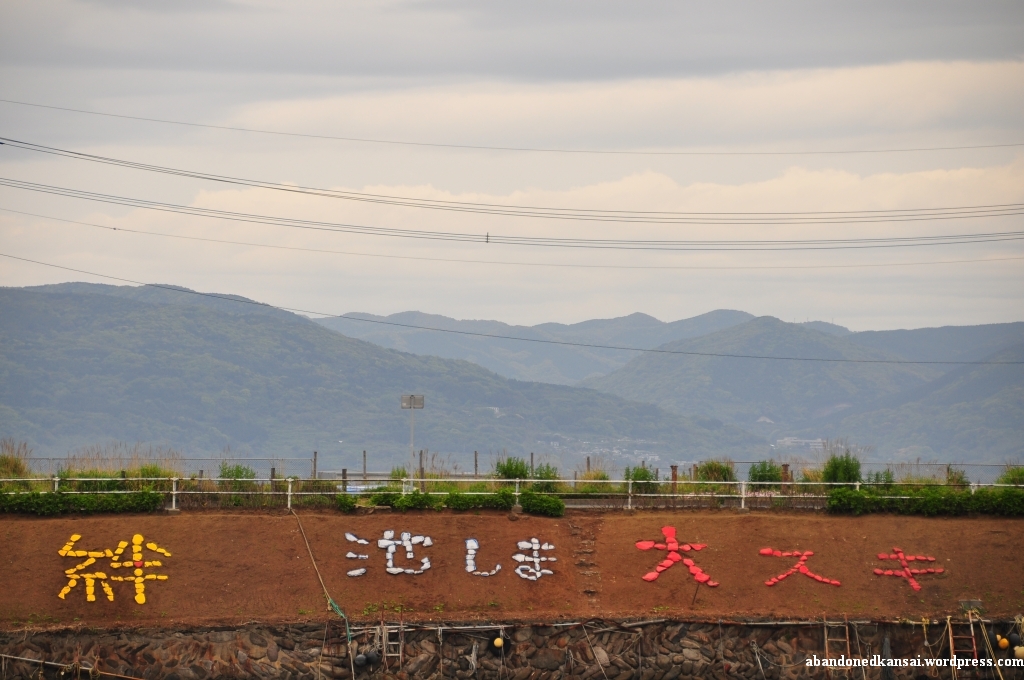
„絆 池しま 大スキ“ – „Kizuna Ikeshima daisuki“ – „I / We like Ikeshima a lot“
That’s what’s written with huge, colorful characters in the sand of the breakwater at the Ikeshima harbor. A last pledge of allegiance from about 300 remaining inhabitants of an island once the home to several thousand people – miners and their families, shop owners, restaurateurs, …
When I arrived on Ikeshima I can’t say I agreed with the bold statement at the harbor. The weather changed from sunny to overcast with a serious risk of rain and the humidity rose to levels you usually experience during the long, excruciating Japanese summers. Though the previous day was pretty long, exploring the *Imari Kawaminami Shipyard* and the *Mukaiyama Mine*, I had to get up again before 6 a.m. to make it to the ferry on time and my landlubber slugabed stomach wasn’t a big fan of the early morning breakfast, although the ferry ride itself was really enjoyable.
In addition to that I felt a pressure right from the beginning I hadn’t felt in years. Back in my days as a journalist in Germany (10+ years ago) I was writing about all kinds of topics. Most of the stuff was trivial and routine, but once in a while I dealt with a project close to my heart – and in those cases of course I wanted to rise to the occasion and write an article that did justice to the topic.
So while I tried to calm down my slightly upset stomach I was worried if I would be able to take pictures that represent Ikeshima properly, if I could come up with interesting stories to write about – if I was able to experience this island that is on its way to become an urbex legend; some people already call it Gunkanjima’s little brother (although Ikeshima is way bigger…). And since Ikeshima is in way better shape and way easier to access than *Gunkanjima* it is actually on its way to become more popular amongst urban explorers – a trend that seems to be appreciated and supported by the remaining inhabitants of the island, at least to some degree.
The first thing I saw getting off the ferry were two maps of the Ikeshima right at the pier – one being an aerial shot of the island from 1982, highlighting 9 points of interest; the other being a typically Japanese manga tourist map with a hiking guide, pointing out restrooms, bus stops, areas off-limit and buildings you shouldn’t miss. Sadly (for for the locals) Ikeshima wasn’t a tourist attraction (yet), at least not during Golden Week 2011: I was not only the sole foreigner on board, I was also the only person carrying photography equipment. The other half a dozen passengers were elderly Japanese guys looking for a relaxing day of fishing.
I took a few quick photos at the harbor to calm my stomach, get used to the humidity and make sure that the settings of my camera were how they should be – and somehow I got the feeling that the few locals I met weren’t really happy about it. As a rather big, tall non-Asian foreigner in Japan I’m used to being stared at, but maybe I was overly sensitive because of the uncomfortable situation I felt I was in, so I didn’t like Ikeshima a lot at that point…
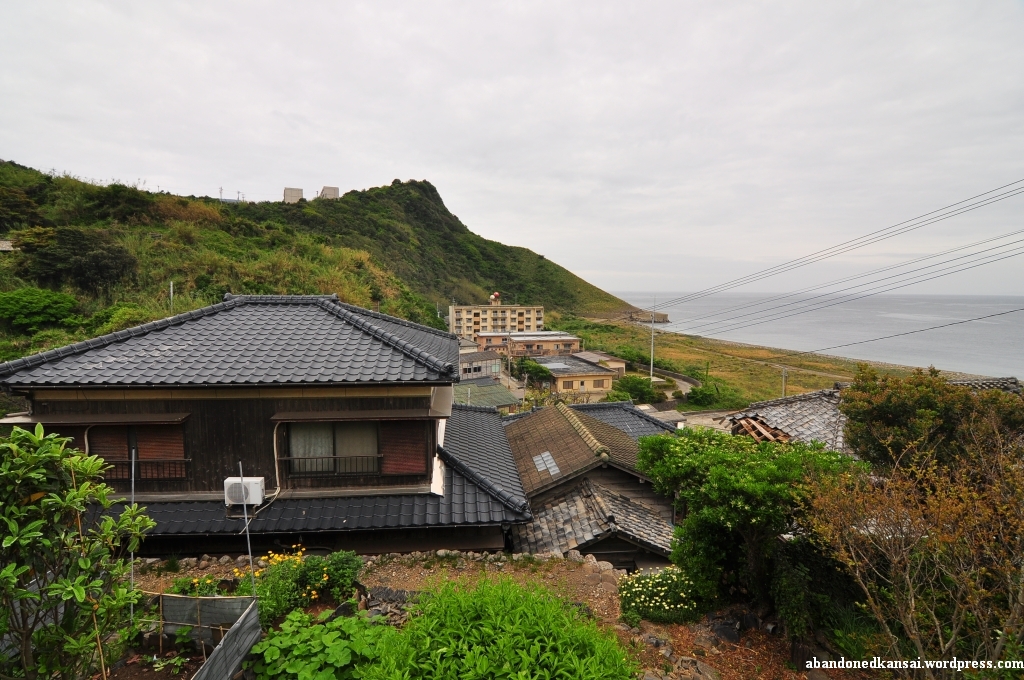
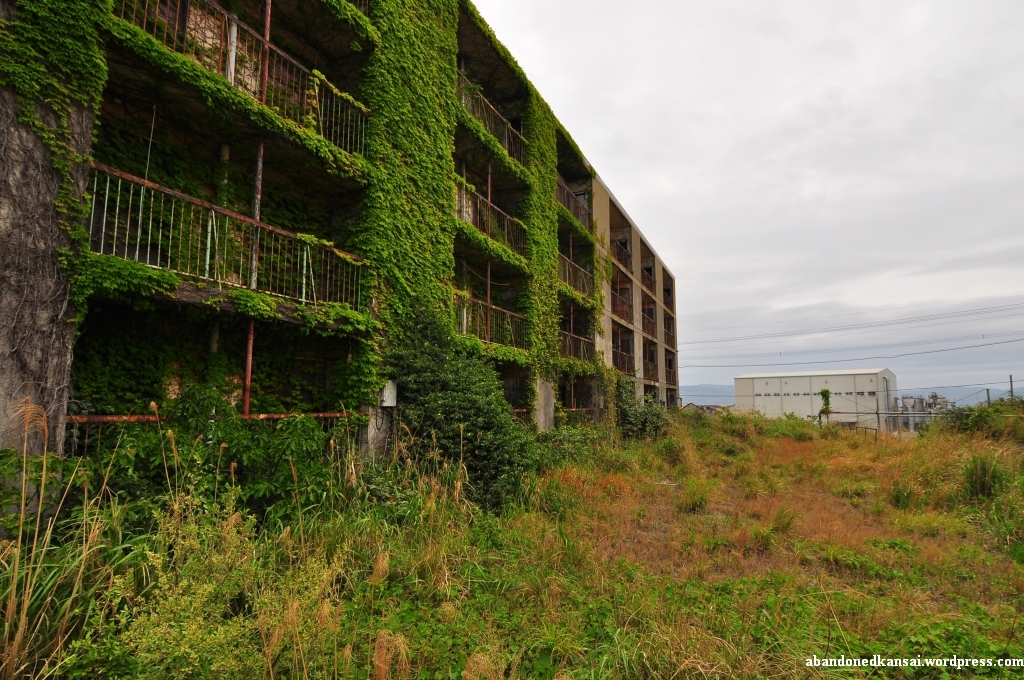
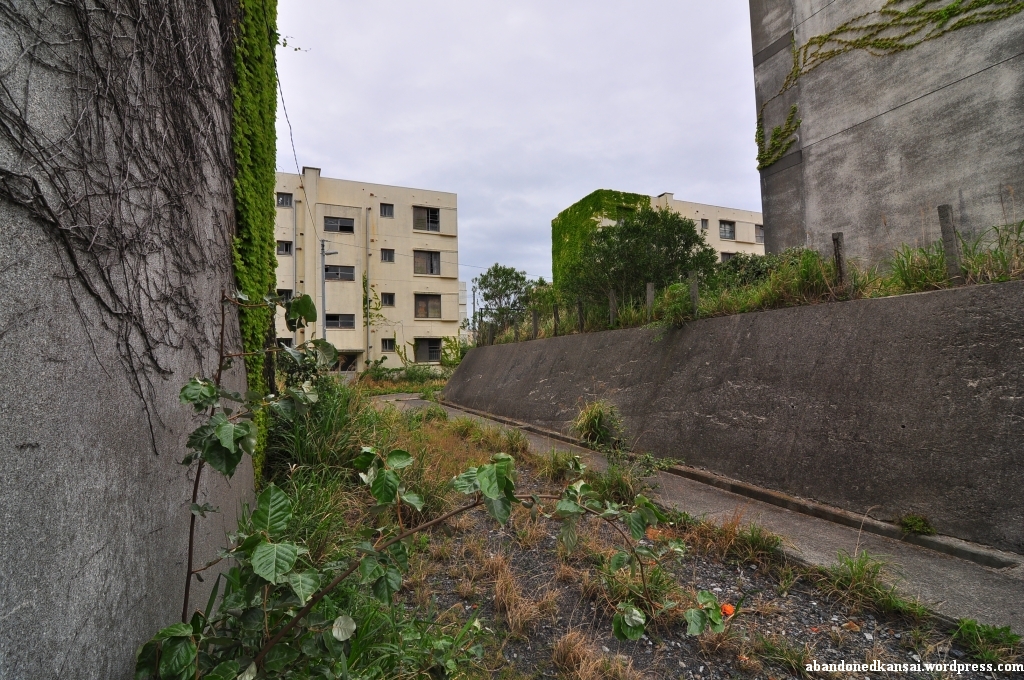
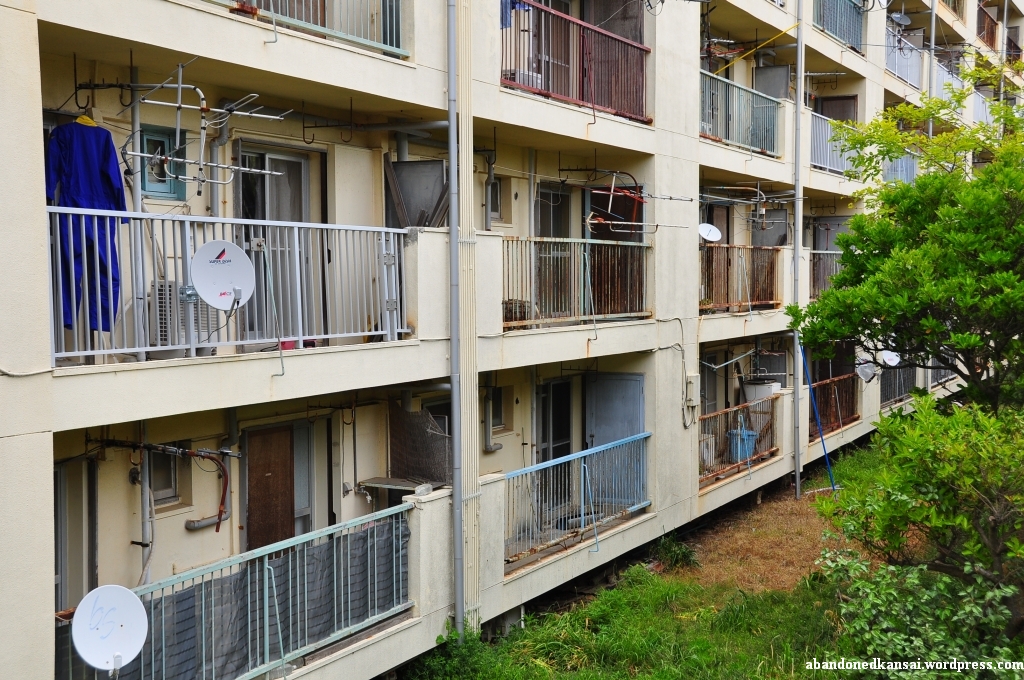
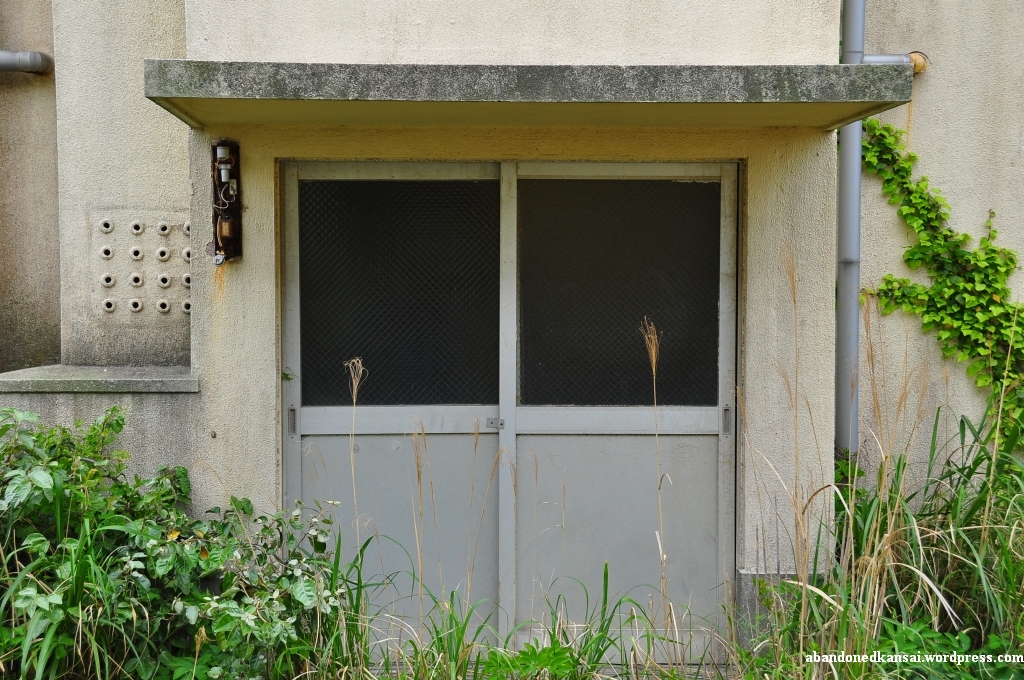
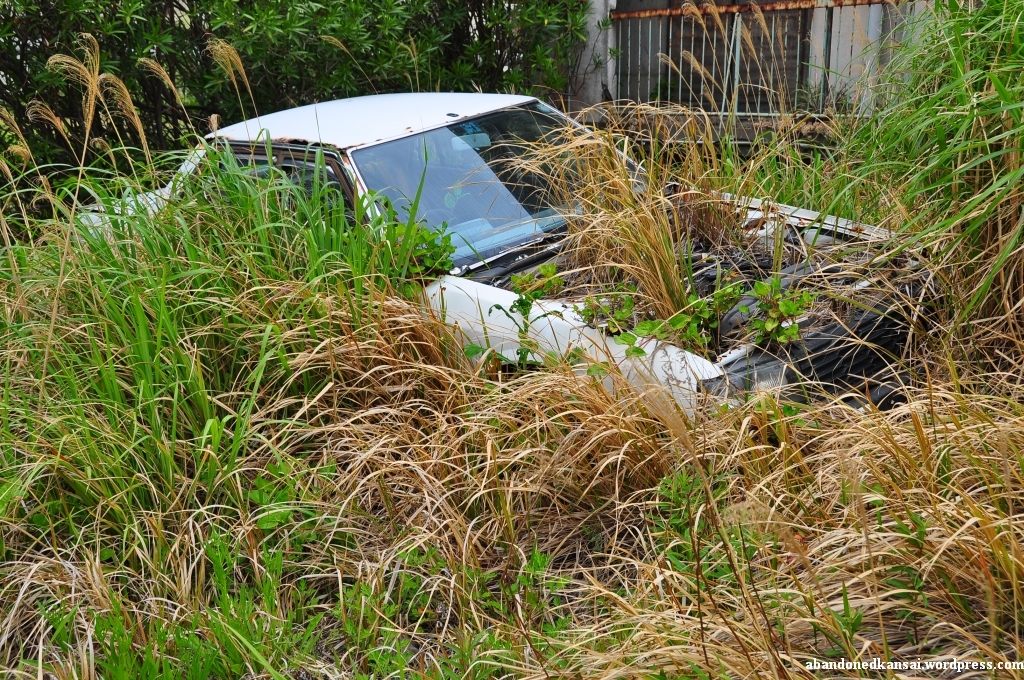
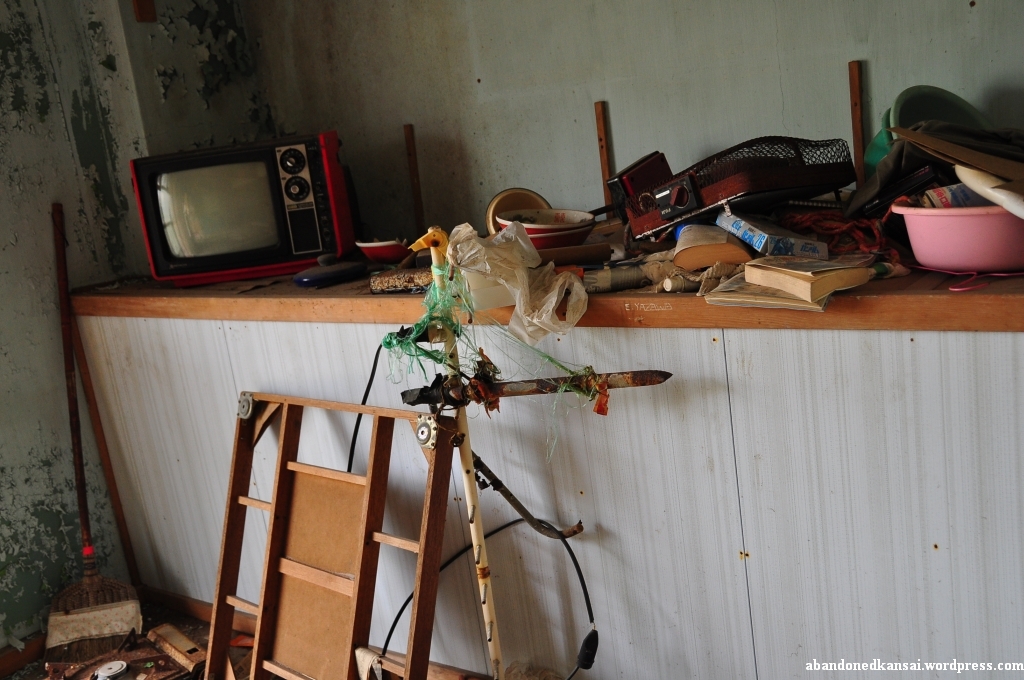
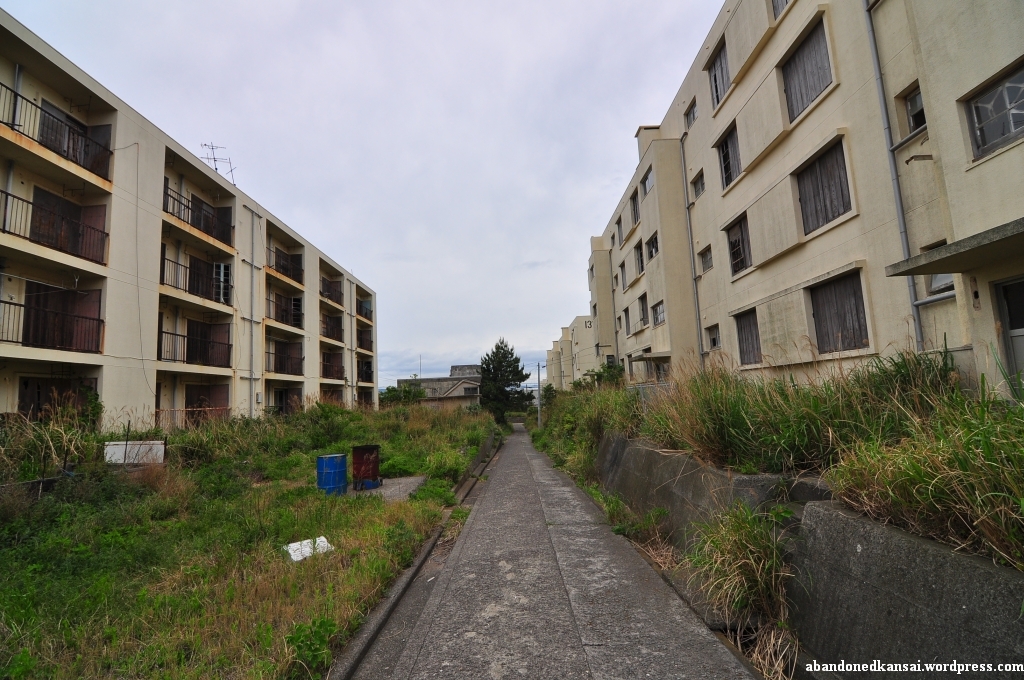
I passed by four of five people trying to get one of the omnipresent cats from an electricity pole and left the harbor area to follow the street uphill. Down to the right was a little settlement, several dozen houses, once the homes of the non-mining population on Ikeshima. I saw some big apartment buildings on the top of the hill, so I decided to follow the street and maybe have a look down there later.
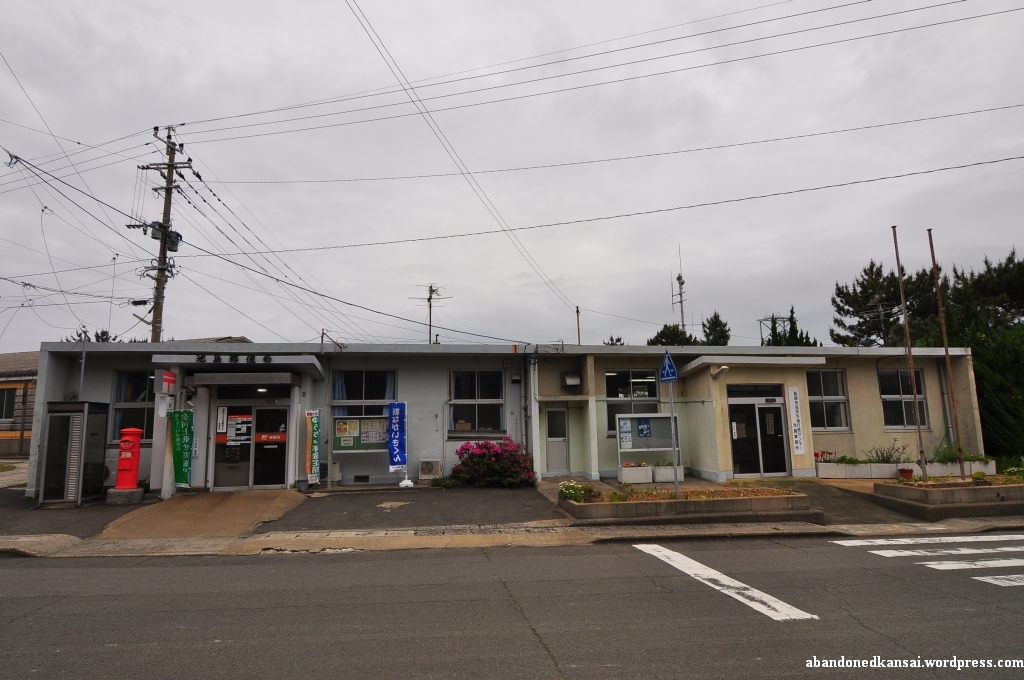
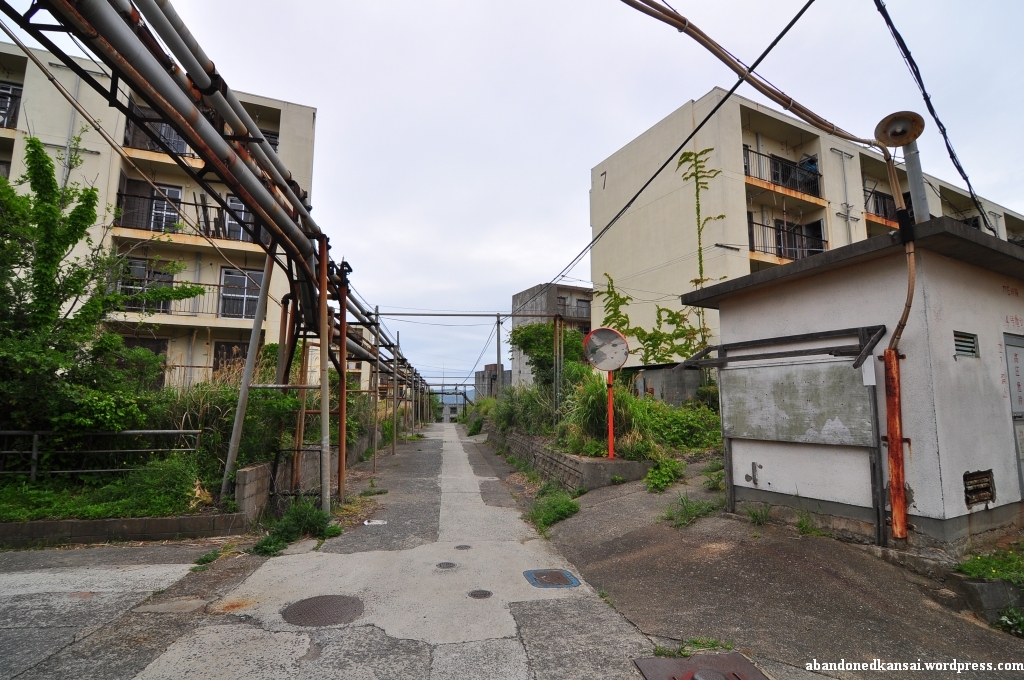
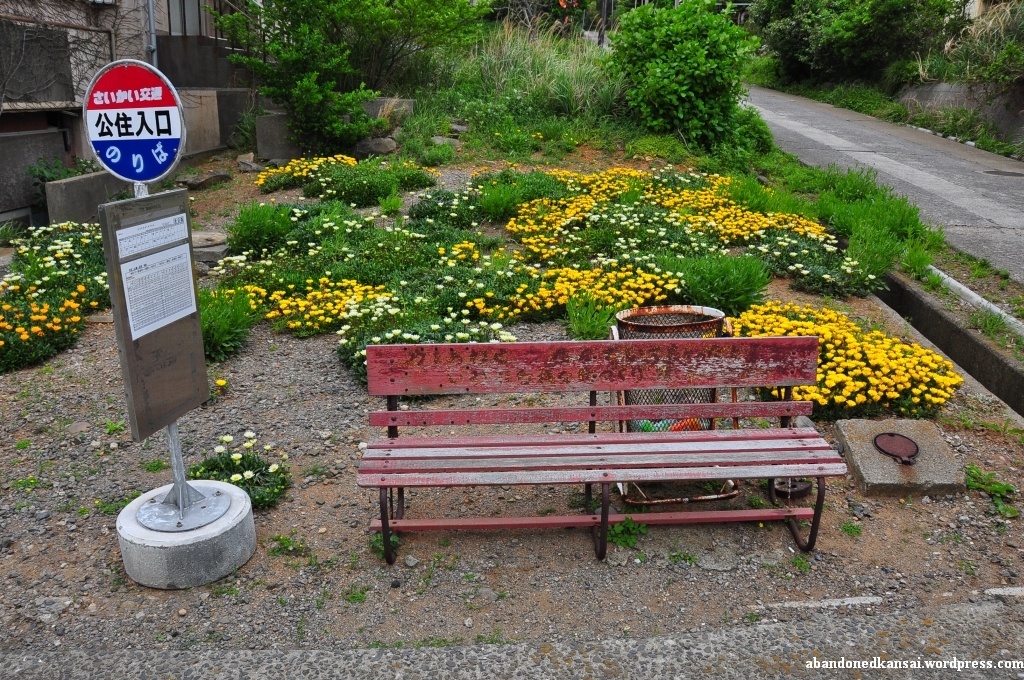
Reaching the top I passed by the post office which, to my surprise, actually had one or two customers while I was looking around that area. Although nowadays most people seemed to live down by the harbor the uphill apartment section was surprisingly busy. Within the first hour I spent there I saw maybe two dozen pedestrians and at least half a dozen cars, including the local shuttle bus which seemed to pass by me every 5 minutes – and in the background a recycling company caused quite some noise.
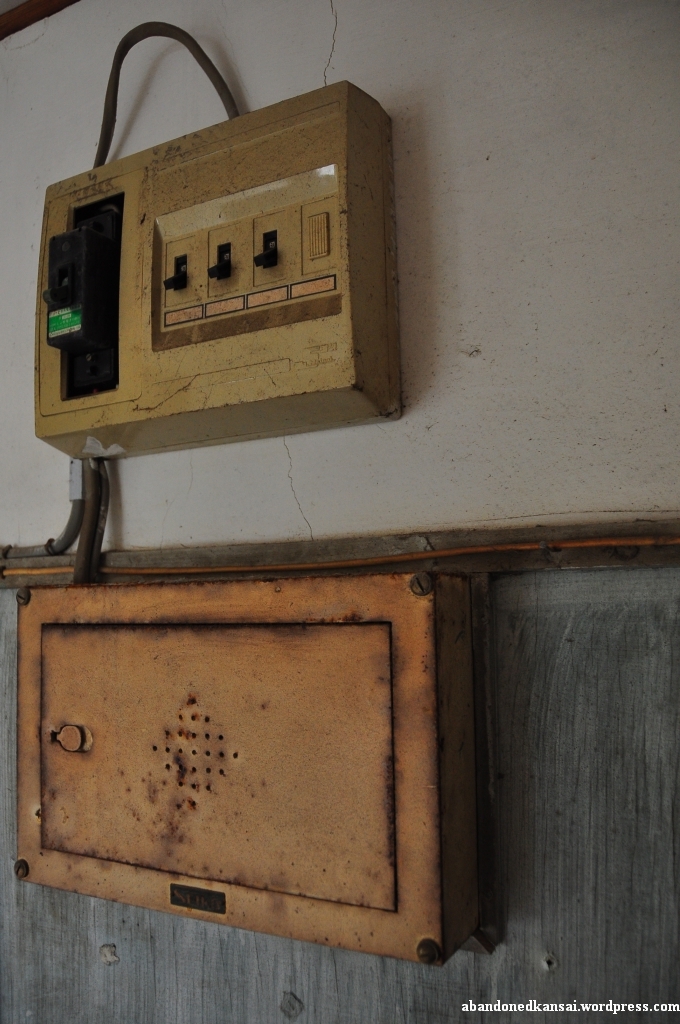
At that point I felt like a kid in a candy store – extremely excited, looking at dozens of opportunities, each one of them usually worth a day-trip on its own, and no idea where to start. But this was Ikeshima, Little Gunkanjima, so I had to take some spectacular shots! Just how? Especially since all buildings seemed to be boarded up, the doors bolted or welded. And the industrial areas were all off-limits, “No Trespassing!” signs everywhere in Japanese (kanji) and Bahasa Indonesia (Latin alphabet and katakana). Still under irrational pressure I felt like I had to make a move – and when I saw an open balcony door I jumped the railing and got inside. Finally what I was looking for? Not at all! I felt more uncomfortable than ever. I’m into urban exploration for the unique esthetics, for the quiet time in the middle of nowhere, for interesting angles and the amazing atmosphere really spectacular places provide. I’m not doing it for the thrill of being in buildings I’m not supposed to be. Quite the opposite in fact, I really dislike that aspect. So I took a few quick shots while hearing cars and voices everywhere outside – I could have gotten to the staircase and maybe to other apartments from there, but instead I decided to leave the building. Seconds later another car passed by, followed by two senior citizens, greeting me with a smile. Maybe it was about time to change my approach. So I put down my tripod and my backpack at one of the crossroads, grabbed my video camera and started to tape a walking tour of the housing area, wondering what the people I met were still doing on Ikeshima.
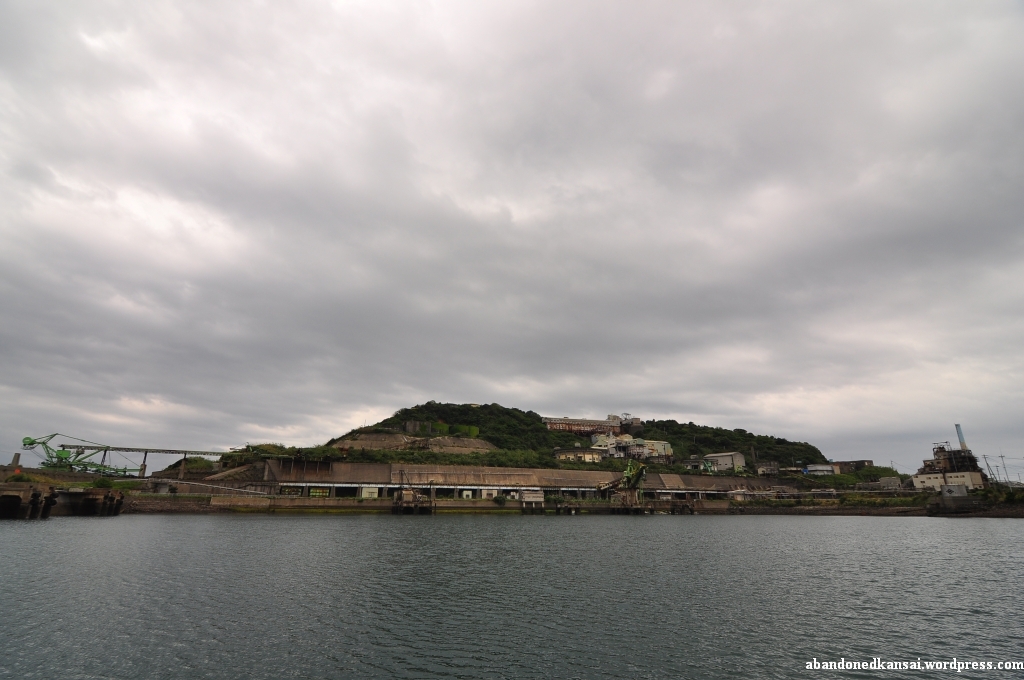
It was not until World War II that coal was discovered under Ikeshima. At that time about 300 people lived on the island while the huge corporate conglomerate (keiretsu, 系列) Mitsui Matsushima (三井松島) started to buy large parts. The development of the coal deposits started in 1952 and in 1959 mining finally began – the last colliery to open in Japan. In 1970 about 8,000 people lived on the island (although one source throws out a number as high as 20,000…), but like in all Western industrialized countries coal became less and less important; oil was the new coal. In summer of 1999, long after most Japanese coal mines were closed for good, a technology transfer program was proposed and as if it was a sign that the days of the Ikeshima Coal Mine (池島炭鉱) were numbered a fire broke out in the mine in February of 2000. On November 28th of 2001 the last shift left the Ikeshima Coal Mine, about 3000 people living on the island at that time – making Ikeshima the second to last Japanese coal mine to be closed. On April 18th of 2002 the technology transfer program started, training students from Indonesia about mining – hence the multi-language warning signs all over the island. The trainee program ran out by the end of March 2007, a year after 77 miners won a lawsuit against Mitsui Matsushima; suing them for negligence, related to coal worker’s pneumoconiosis. Around that time the number of people living on Ikeshima dropped to about 300 – as it was before coal was discovered. (The name Ikeshima means “pond island”, because until the 1950s a large pond was the main feature of the island – it was turned into the harbor by Mitsui Matsushima… Please *click here* to be taken to a Japanese homepage with before and after shots next to each other.)
Did the two old ladies know any of those 77 miners? Were they maybe even sons or husbands? And why were they still living on Ikeshima? I never found out. But I talked to several other people on the island later that day – so don’t miss *part 2* and *part 3* of my Ikeshima exploration…
(Since the inhabitants of Ikeshima consider their island a tourist attraction I added it to the *Map Of Demolished Places And Tourist Spots* and created *a new map just for Ikeshima*. If you don’t want to miss the latest postings you can *follow Abandoned Kansai on Twitter* and *like this blog on Facebook* – and of course there is the *video channel on Youtube*…)
Archive for the ‘Factory’ Category
Ikeshima – In The Morning
Posted in Abandoned, Asia, Demolished, Factory, Haikyo, House, Japan, Kyushu, Map, Mine, Nagasaki, Power Station, Transportation, Urbex, Video, Visited in 2011 on 2011/07/13| 5 Comments »

Imari Kawaminami Shipyard (伊万里川南造船所) – R.I.P.?
Posted in Abandoned, Asia, Demolished, Factory, Haikyo, Japan, Kyushu, Map, Military, Nagasaki, Shipyard, Urbex, Video, Visited in 2011 on 2011/06/27| 4 Comments »
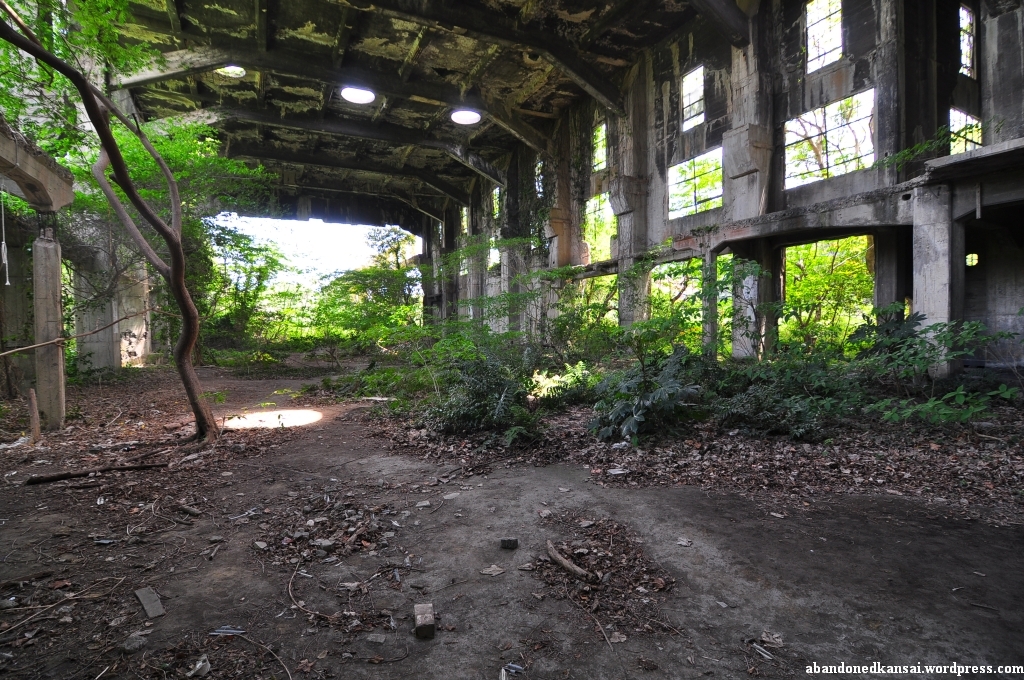
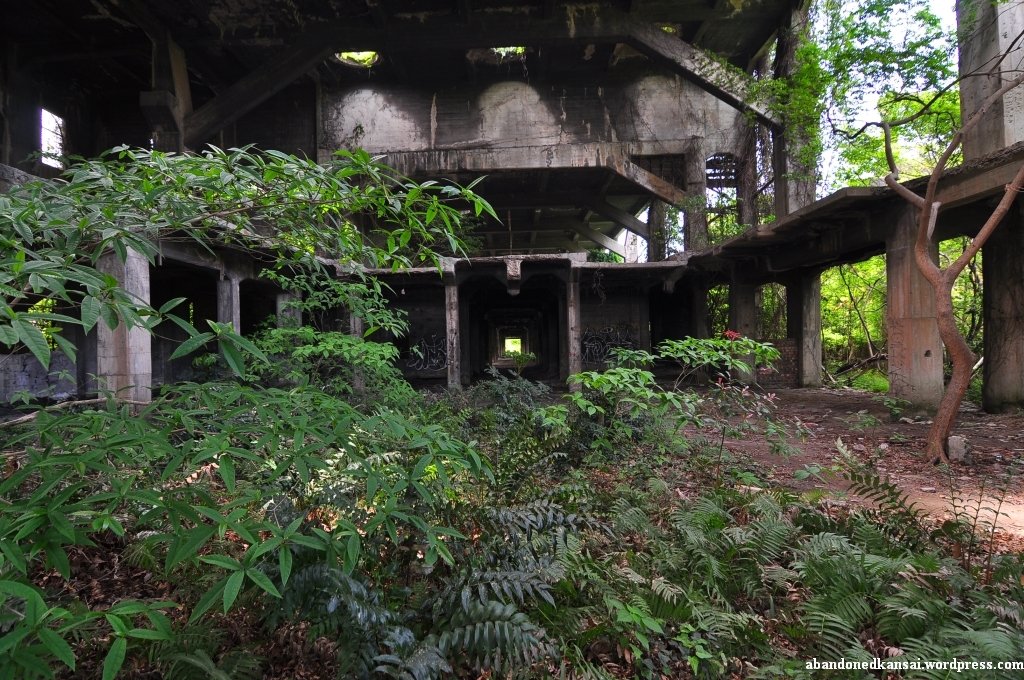
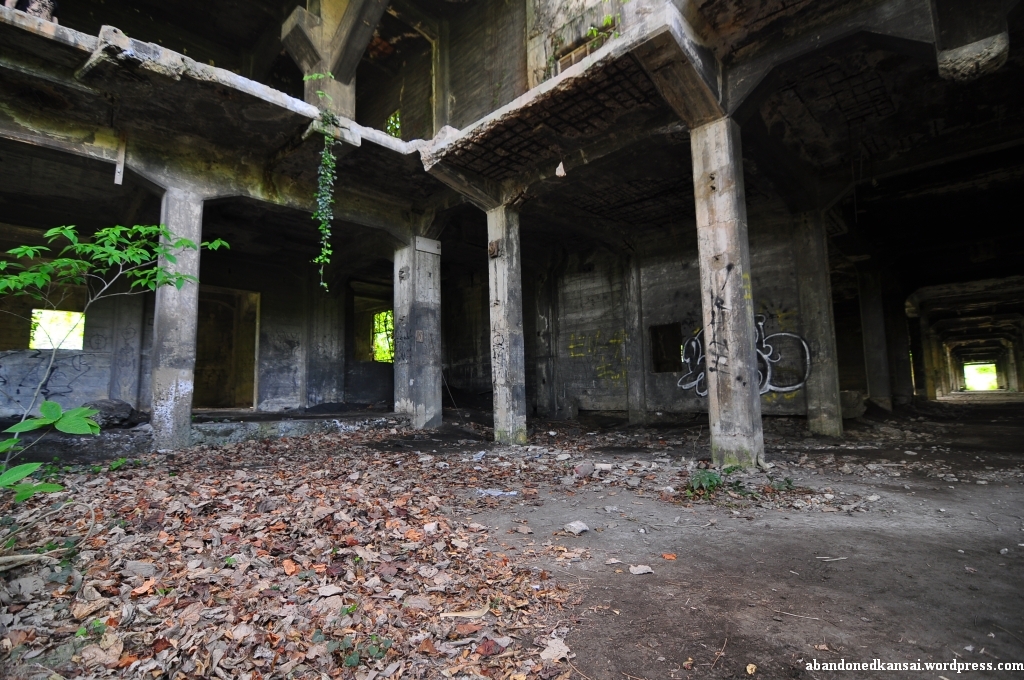
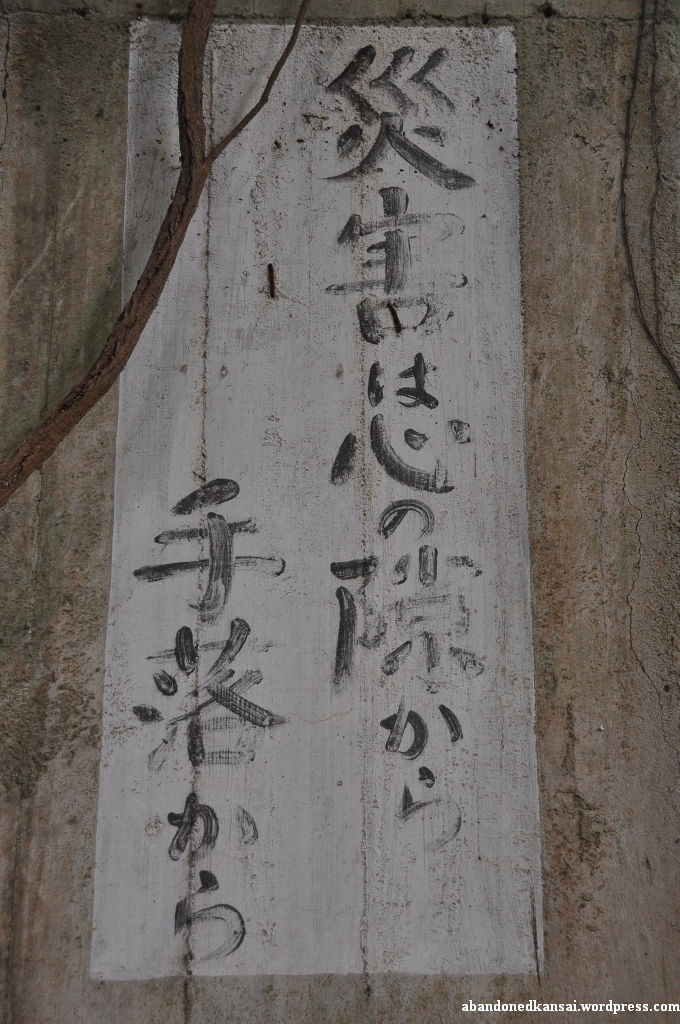
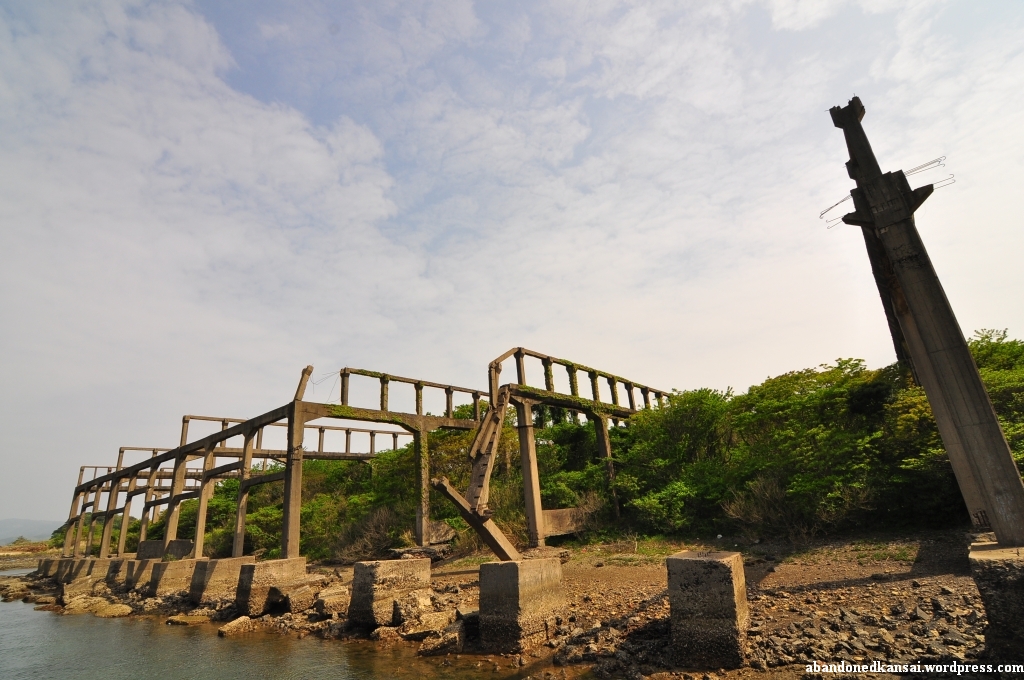
Darn, me and my timing again… In my previous posting I referred to Gakuranman’s article about the Imari Kawaminami Shipyard – he mentioned a discussion in 2010 about demolishing the place; and I expressed how happy I was it didn’t happen between his visit and mine. Well, it seems like things are moving forward. The Japanese newspaper “Yomiuri” reported on June 24th (almost a week after I published my exploration experience) that the Yamashiro City Zoning Committee decided on June 9th that the Imari Kawaminami Shipyard is a safety hazard and not worth to be preserved as a historical landmark – they will demolish the place, only saving some of the pillars with the safety warnings (as seen on the photos below). And it took them only 50 years to realize that…
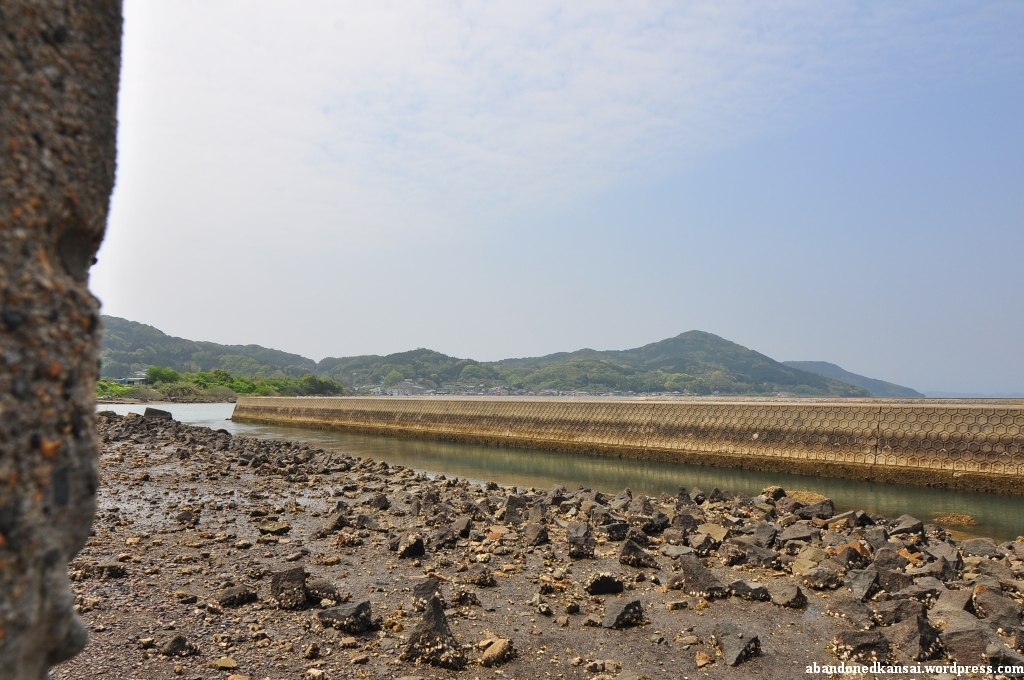
I guess the real reason for demolishing the place is the land reclamation project going on behind the seaside part of the shipyard which the dam mentioned in the previous posting is part of. Getting rid of the ruin will create a huge piece of land if both properties are combined – with access to both sea and the main road of the area.
I was quite shocked when I heard about the news today – it’s always a sad thing when abandoned buildings disappear, especially famous and unique ones like this. A place that grew on me a lot after I explored it, especially since there seemed to be a connection to the Katashima Suicide Training School.
Japan is quite weird when it comes to timing. Sometimes things drag forever and maybe the shipyard won’t be destroyed after all, although the committee made the decision to demolish the place. But sometimes things move extremely fast, so maybe the shipyard is already gone by the time I write these lines. Urbex is becoming more and more popular in Kyushu recently – if I hear any news I’ll make sure to keep you updated.
(To make this posting more colorful I chose six previously unpublished photos and uploaded them together with a video I forgot last time…)
Addendum 2012-1-30: The Imari Kawaminami Shipyard was demolished in late 2011 / early 2012. Now you can find its exact location on my *map of touristy and demolished ruins in Japan*.




Imari Kawaminami Shipyard (伊万里川南造船所)
Posted in Abandoned, Asia, Factory, Haikyo, Japan, Kyushu, Map, Military, Nagasaki, Shipyard, Urbex, Video, Visited in 2011 on 2011/06/17| 8 Comments »
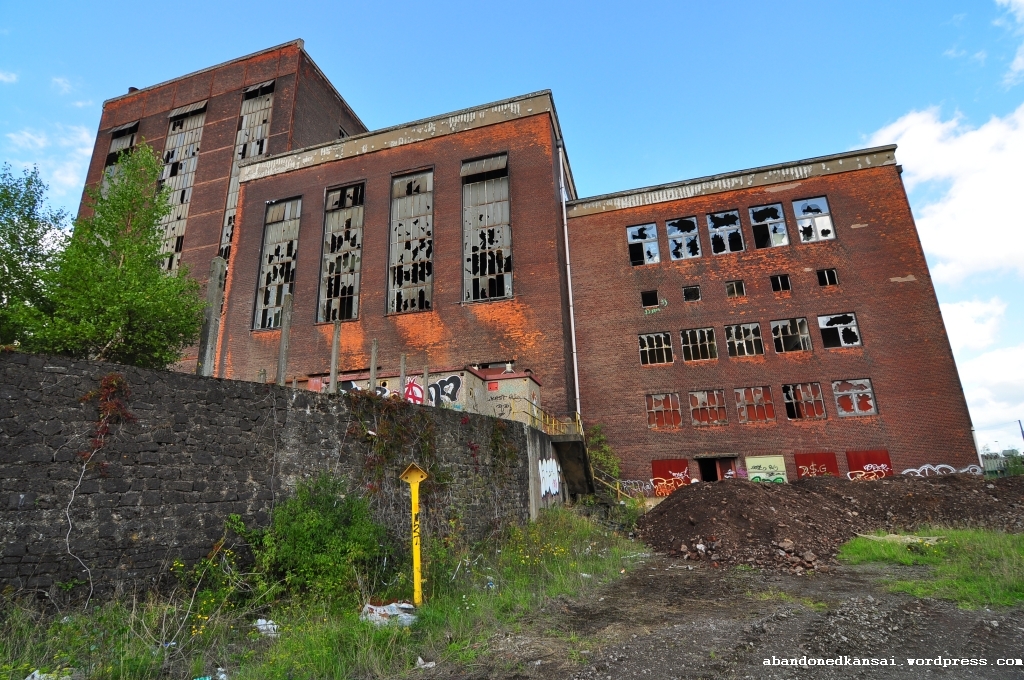
The Imari Kawaminami Shipyard, also known as the Kawaminami Uranosaki Industrial Shipyard or the shorter version Kawaminami Shipyard, is one of the best documented urban exploration spots (haikyo / 廃虚) in Japan. Pretty much all blogs about the topic cover the shipyard, Japanese as well as those written by foreigners living or visiting Japan, and it’s marked on countless maps. It’s a perfect location for beginners since it’s right next to a major road, parking spots are available close-by and a train station is just a couple of 100 meters away. There are no (real) fences, no security, no nosy neighbours. And the place is buzzing! During my 4 hour stay I met about half a dozen people, both Japanese and a foreigner. A relaxed start into my 4 day trip to Kyushu…
A trip that started at 4.50 a.m. when my alarm clock reminded me that I can rest when I’m dead. I took one of the first Shinkansen high speed trains from Osaka to Hakata / Fukuoka and from there it was another 3 hour train ride to the station mentioned earlier. I finally arrived at the Kawaminami Shipyard at around noon with one of those weird Japanese spring skies that white out most photos as soon as even parts of the sky are visible. After I entered the shipyard I dropped my luggage right at the entrance to have a look around – and I was rather disappointed. The main building is not much more than a concrete skeleton as seen many, many times on all kinds of homepages and blogs. I had a quick look around, taped a walking tour of the building and after I took some pictures for a couple of minutes in the main hall I saw two guys back at the entrance. It’s always a weird feeling when other people show up at abandoned places as you never know if they are fellow explorers, security or some random society outsiders. (The latter kind is rather rare in Japan – I’ve never met druggies, only one homeless guy once.) The guys turned out to be Ben, an English teacher from Otsu in Shiga (close to my current home), and his Japanese friend from Kanto. Extremely nice guys and a welcomed chance acquaintanceship.
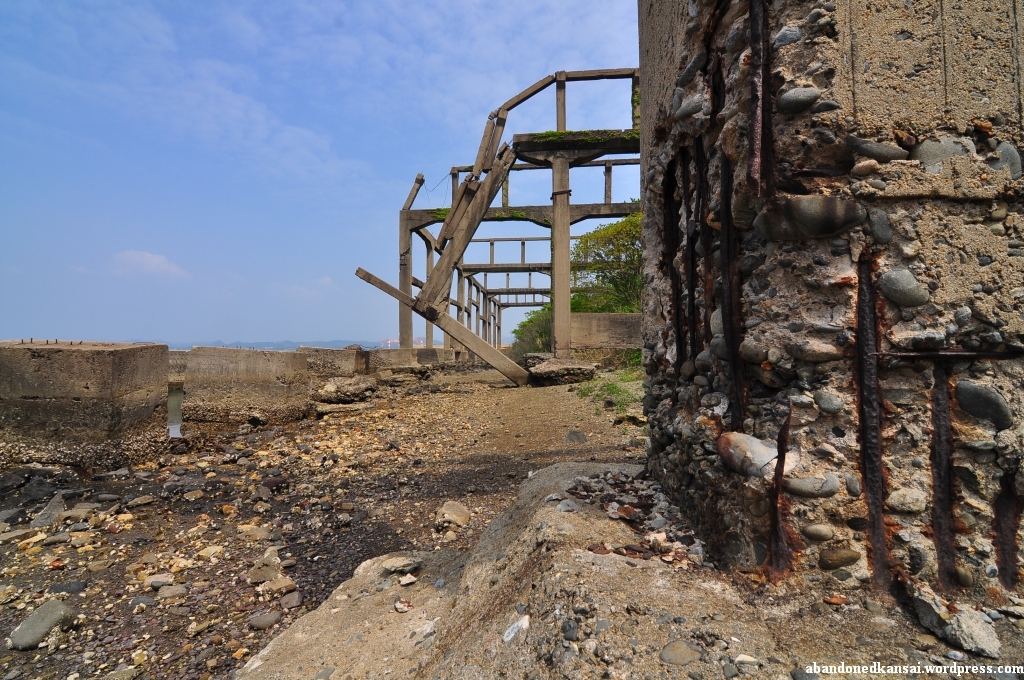
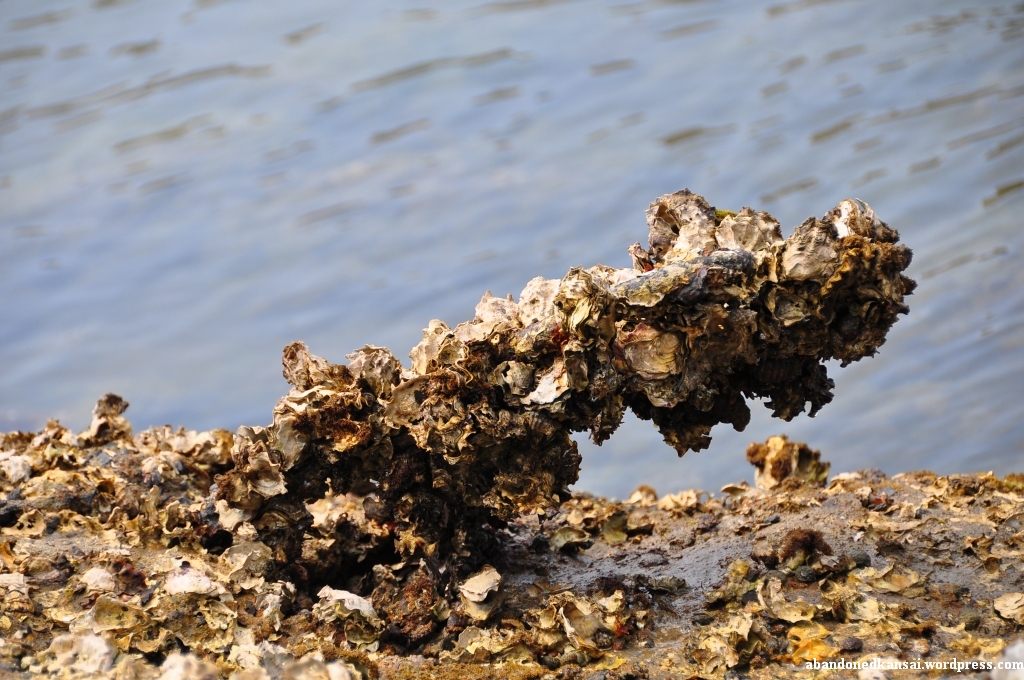
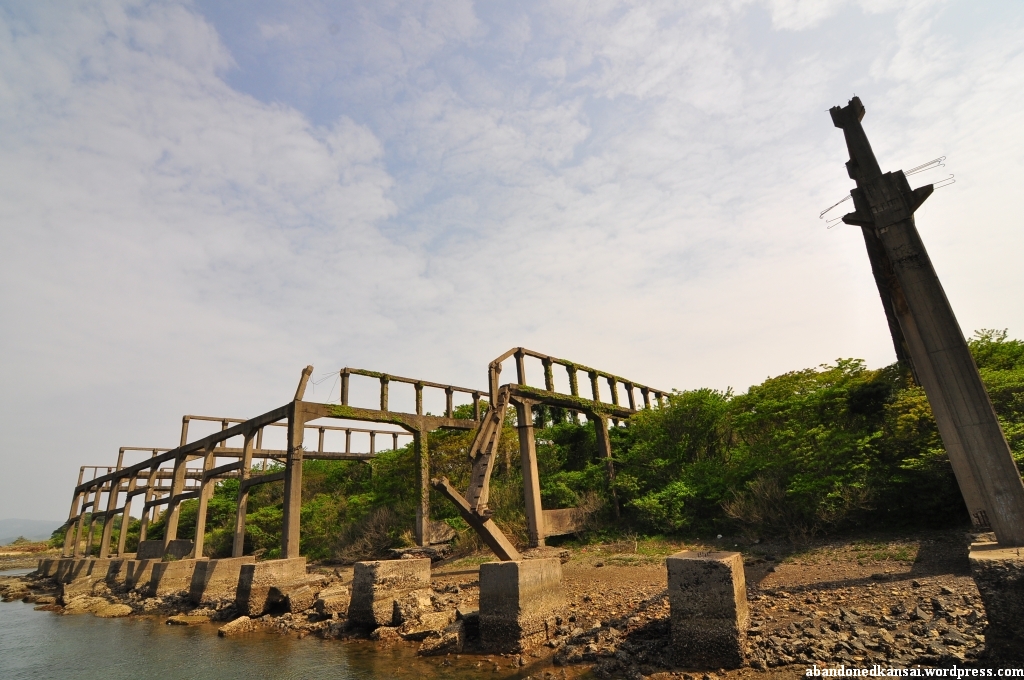
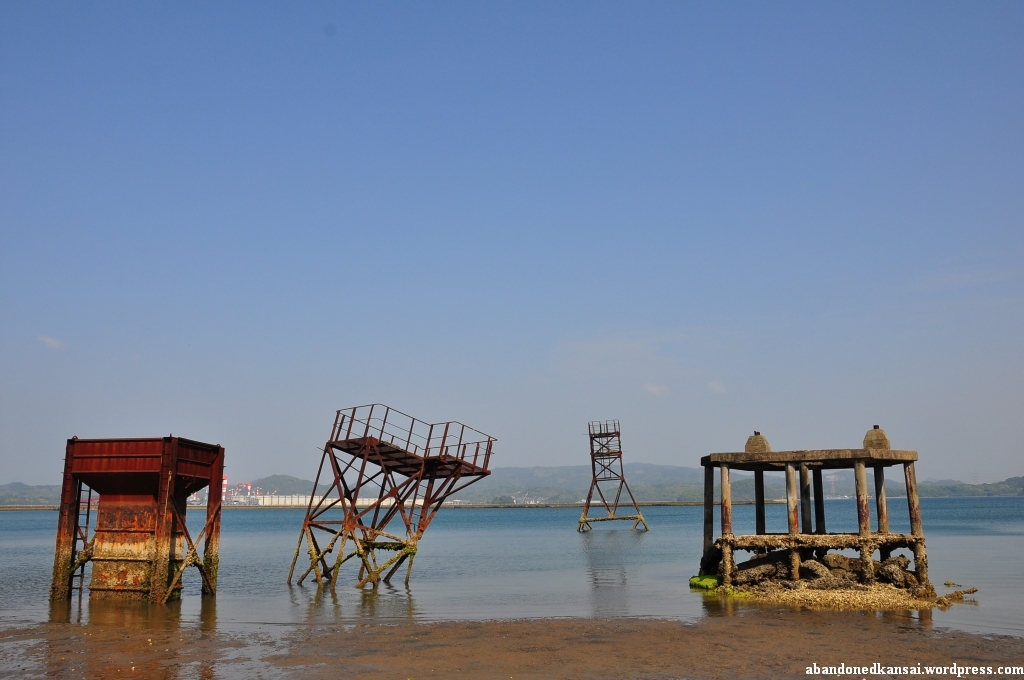
After a while we left the overgrown building to explore the even more overgrown outside part of the shipyard. We followed a narrow trail and after about 3 minutes we reached seaside part of the shipyard which surprisingly many photographers miss. This area I actually enjoyed a lot more. The tide was low, we were free to roam the area and were able to shoot from angles usually covered by water. The sky had almost cleared up by that time and in combination with the nice breeze it created a very relaxed atmosphere.
When we were done shooting that part we made our way onto the dam in front of the shipyard, significantly newer than the abandoned complex. We were down halfway when a guy on a bike came closer. Since there was some construction going on close-by I was worried that the guy might be security, but he turned out to be a senior citizen who enjoys fishing. A chatty senior citizen who was more than happy to give us a little bit of insight on the shipyard. According to him the building we were exploring earlier and that is always referred to as the Kawaminami Shipyard actually wasn’t a shipyard, but a factory for spare parts and the administration building of the company. He claimed that the actual shipyard was further up north, but demolished quite a while ago – which is probably only part of the truth given the shape of the building now abandoned. Since the location is completely gutted and there are some articles available in English my interest in the historical background is actually surprisingly low – but according to the Japanese Wikipedia it was opened in 1936 (to support Japan’s efforts in their wars that started earlier in the 30s) and closed due to bankruptcy in 1955. One of the more curious items built there were the manned “suicide torpedoes” called kaiten (回天), probably to be delivered to the rather nearby Katashima Suicide Training School, a place I visited during my first trip to Kyushu in March of 2010.
Anyway, after the fisherman continued his way Ben and I went to another haikyo east of the shipyard (I’ll describe that one in the next posting) before we finished our circumnavigation of the endangered beauty.
The Kawaminami Shipyard is actually way more impressive from the outside than from the inside and I guess in winter even more so than in late spring. Nevertheless it was a perfect first location on my second trip to Kyushu – one that set the tone for the days to come…
Addendum 2012-1-30: The Imari Kawaminami Shipyard was demolished in late 2011 / early 2012. Now you can find its exact location on my *map of touristy and demolished ruins in Japan*.








Back From The Island(s) – Again…
Posted in Abandoned, Amusement Park, Demolished, Factory, Haikyo, House, Japan, Kyushu, Mine, Nagasaki, Shipyard, Transportation, Urbex, Visited in 2011 on 2011/06/02| 4 Comments »
About 15 months ago I went on my first multi-day urban exploration trip: 3 days to Kyushu with my buddy Enric. A trip with lots of up and downs, visiting some amazing locations – Gunkanjima, the Katashima Suicide Training School and the winding tower of the Shime Coal Mine, now known to some people as the Anti-Zombie Fortress. But March was kinda cold, last year as well as this year. So when Golden Week came up (late April / early May) and my company forced me to take two of my paid vacation days to install a new AC I took the lemon and made lemonade – it was time to go back to Kyushu!
Since Enric left Japan and returned to Spain a couple of months ago, I went on my own this time. Remembering the best burger I’ve ever had I set up my base in Sasebo after a long day of exploring an abandoned shipyard and the abandoned leftovers of the dock of a mine close to it. The next day I explored one of the most amazing places I’ve ever been to: an almost abandoned island, once the home of several thousand people – and as exciting as that day was as disappointing was the next one when I walked through drizzle for hours without an umbrella to look for remains of a mine and its workers’ housing-estate; but they were gone forever – as research after my return confirmed… Luckily the weather turned around on my last day, so I was able to visit an abandoned amusement park on my way back home. Thank heavens for sunscreen, because without it the harsh Kyushu sun would have burned me crisp within half an hour…
Exploring all day I spent my three evenings in Sasebo at Base Street to enjoy some burgers. While the regular sized ones are good I’ll definitely recommend the so-called “Special Size” – this 15 centimeters in diameter monster is a classic Sasebo style burger that will fill you up with pure deliciousness; if you ever wanna spend 1100 Yen (yep, that’s 9.50 Euros or 13.60 Dollars!) on a single burger without even considering regretting it then this is the place to go! I just hope I’ll find more abandoned places close to Sasebo so I can have a good reason to go back there once more…
(Oh, and greetings to the tourist office in the Sasebo! It sells a variety of souvenirs, but not the awesome huge plush hamburgers that fill half of their display window. To get one of those you have to ride a bus for about half an hour to get to a small store at a shopping mall in the middle of nowhere. And since I had to wait 45 minutes for the next bus they lost a customer who would have happily paid 200 Yen more to avoid the hassle of a 2.5 hour long round trip to get a cute present for his even cuter niece. A no-win situation… and pretty much the worst sales strategy ever!)



Zone Of Alienation – Pripyat: Jupiter Factory
Posted in Abandoned, Chernobyl, Europe, Factory, Map, Military, Pripyat, Ukraine, Urbex, Video, Visited in 2010, Zone Of Alienation on 2011/03/02| 9 Comments »
“The next location will be even better!”
Those were the words Maxim used to lure us away from the absolutely amazing Hospital No 126. We hopped into the van and drove to the other end of Pripyat to see… an abandoned factory. Wait. What? A factory? Seriously? A factory? Better than a hospital? No way!
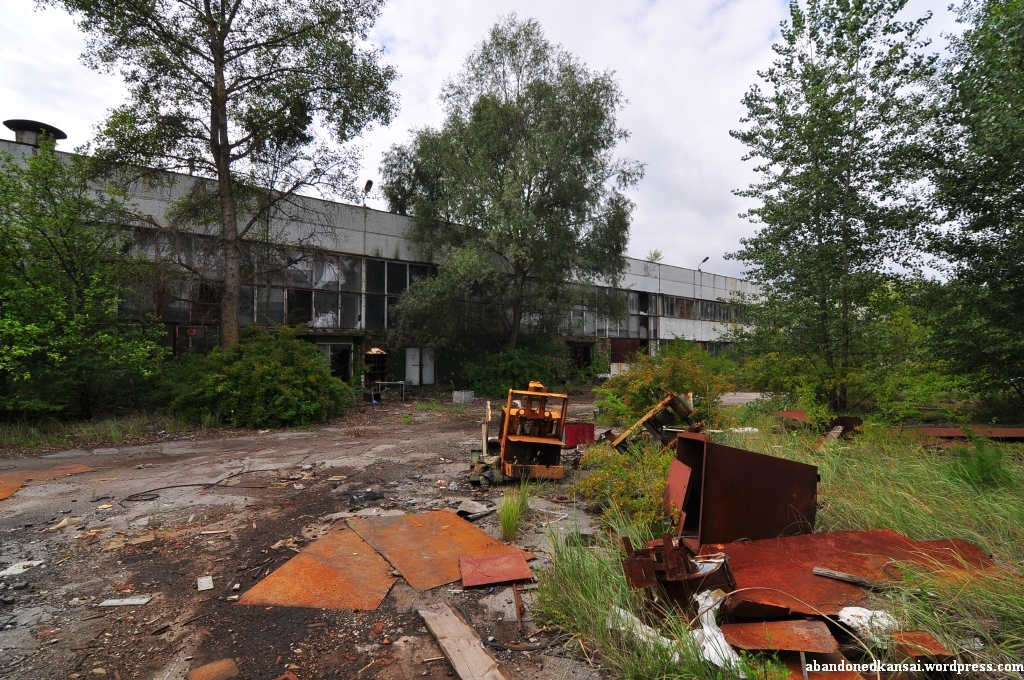
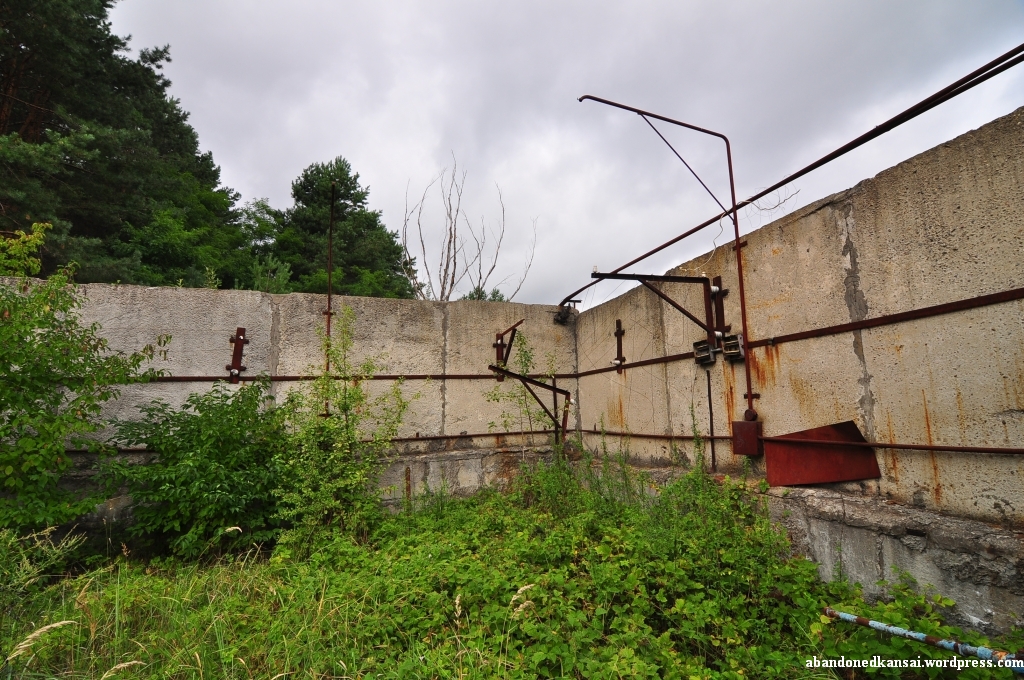
Please don’t get me wrong: The Jupiter Factory was awesome! I’ve never been to an electronics factory that big. But in the end it was just a factory… one of the most common abandoned places in the world. And not even nearly as fascinating to me as Maxim hoped it would be. But I’m not into First Person Shooters whereas a lot of people visiting the Zone Of Alienation are. And for them the Jupiter Factory is one of the highlights since it was a setting in the game “S.T.A.L.K.E.R.: Call of Pripyat” by GSC Game World – one of the most popular FPSs of the last couple of years.
We entered the Jupiter Factory, one of the biggest employers in Pripyat, through the main gate and passed by some administration buildings. Since the site is located at the western city limit of Pripyat nature is taking over the area rather quickly. The streets on the premises were partly overgrown with climbers, some of them even seemed to be some kind of grapes. None of us tried them though, for obvious reasons.
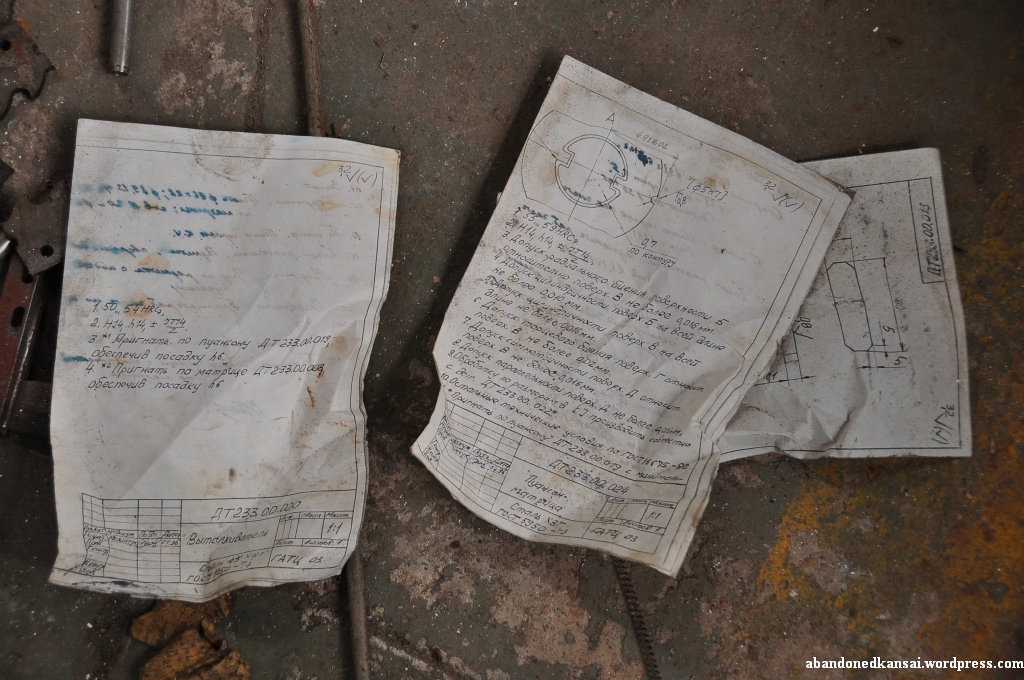
The assembly halls were absolutely impressing – huge constructions with all kinds of machinery still in there. The walls displayed dozens of warning posters and the workbenches were covered with tools and instruction manuals. But like with so many other places in Pripyat there is hardly any reliable information about the Jupiter Factory. It’s known that the plant produced tape-recorders and other consumer products under the label “Mayak”, but of course there are also unconfirmed speculations. Rumors about secret military research and stuff like that in underground laboratories. But since the basement is flooded nowadays it only adds to the mystery…
Which makes me wonder why nobody really tried to write a comprehensive book about Pripyat, at least not in English. Every tiny town in Europe has a local historian that knows every little thing about the surrounding 25 km2 – but Pripyat? It’s surprisingly hard to find reliable information about the city… (I’d love to do it, but with no knowledge of Russian / Ukrainian I don’t think I’d get far.)
Anyways, if the Jupiter Factory would have been my first urbex exploration ever I’m sure I would have been completely blown away and could have spent hours there. Even now that I’m back home I wish I had a place like that nearby. It would be worth to write several postings about it and I could come back at different seasons and during different weather conditions. But when I explored the place I was rather underwhelmed, especially since I had to leave the hospital in a hurry…
(If you would like to know more about my trip to the Zone Of Alienation please *click here* to get to the “Chernobyl & Pripyat” special. For a map of the area please *click here*.)



Location Teaser 2
Posted in Abandoned, Amusement Park, Asia, Chūbu, Europe, Factory, Gifu, Haikyo, Hospital, Hotel / Ryokan, House, Hyogo, Japan, Kansai, Luxembourg, Map, Nara, Pripyat, Ukraine, Urbex, Visited in 2010, Zone Of Alienation on 2010/09/28| 4 Comments »
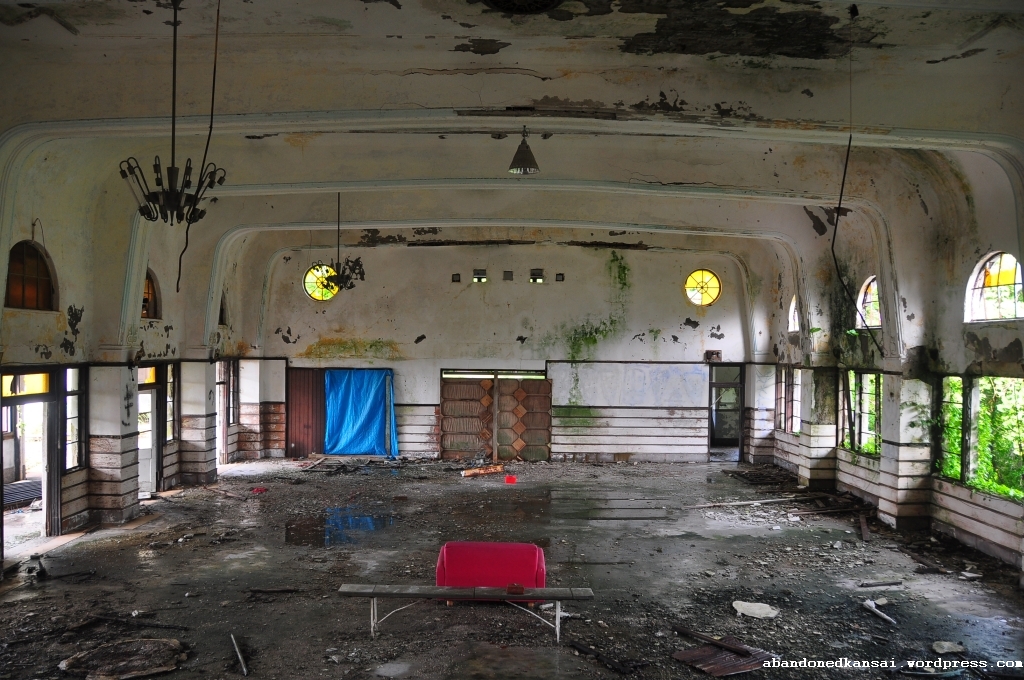
Looking at my urban exploration log I realized that I had a pretty good run lately.
It all started when I met Michael of Gakuranman fame in late July – he was in Kansai and suggested to take on the famous Maya Hotel together. Since I already scouted the surrounding, but never went in, it was a fun exploration of an impressive location; followed by a revisit of the Takada Ranch Ruin. Two weeks later I started my summer vacation to Europe which included a side trip to the Zone of Alienation with its famous cities Chernobyl and Pripyat. Back to Germany I went to Luxembourg for two more explorations with a kindergarden friend of mine.
Soon after I got back to Japan I received an e-mail from Michael John Grist who planned to come to Kansai to tackle my haikyo nemesis, Nara Dreamland. I wanted to meet the guy more than I wanted to avoid the Dreamland, so we went there on a warm late summer night and for the first time I got in and out without spotting security… And finally I went on a little trip myself again to visit the Gakuranman in the Nagoya area to take pictures of the mysterious Doctor’s Shack, one of the few haikyo that are kept a real secret in Japan – even if it appears somewhere on the net or in a book there are barely any hints about its location and I’m really grateful Michael took me there; another awesome exploration, punished with about 30 mosquito bites!
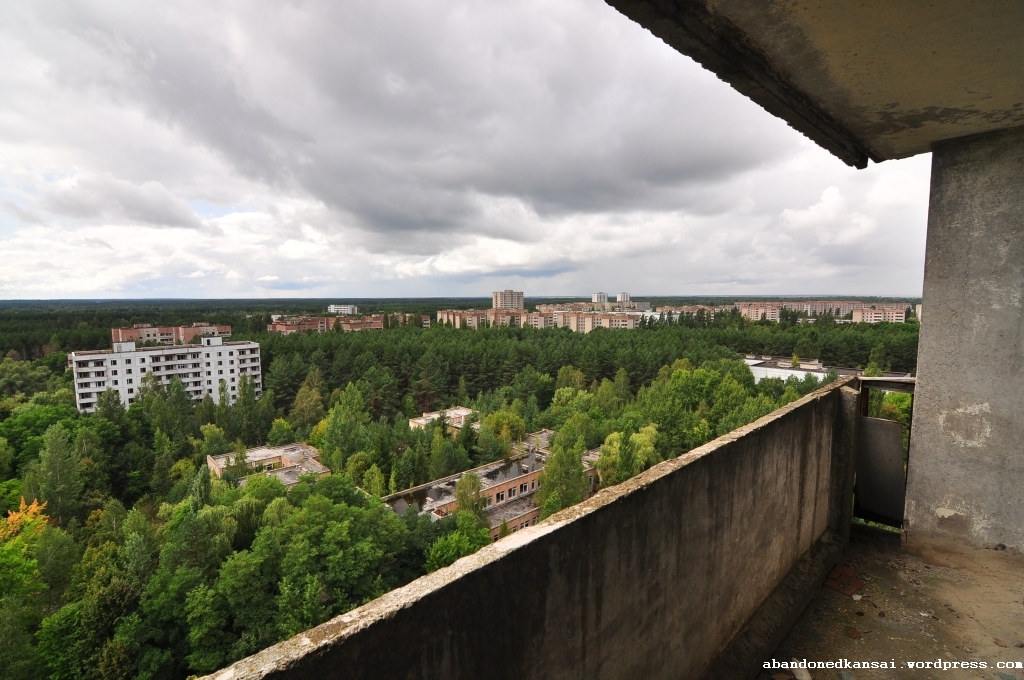
Maya Hotel, Pripyat, Luxembourg, Nara Dreamland and the Doctor’s Shack in a row… it’s hard to do better than that! Now it’s time to write up the stories and show you some really, really interesting pictures!
(You can find all the articles related to Chernobyl and Pripyat by *clicking here* – the picture was taken *here*.)


Gunkanjima
Posted in Abandoned, Asia, Factory, Haikyo, Japan, Kyushu, Mine, Nagasaki, Urbex, Video, Visited in 2010 on 2010/05/07| 15 Comments »
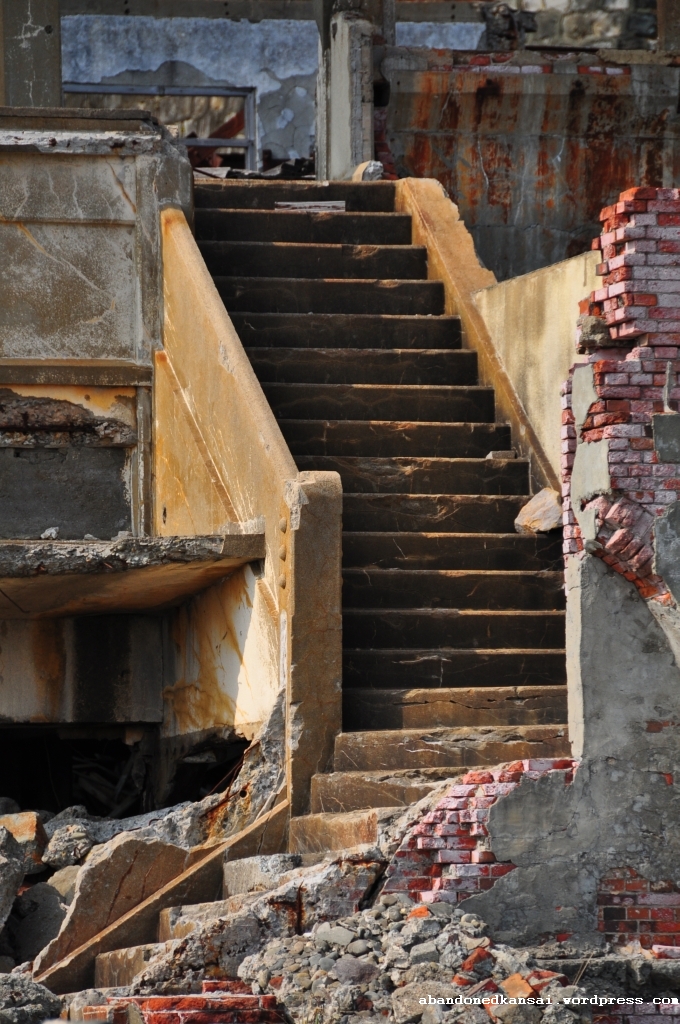
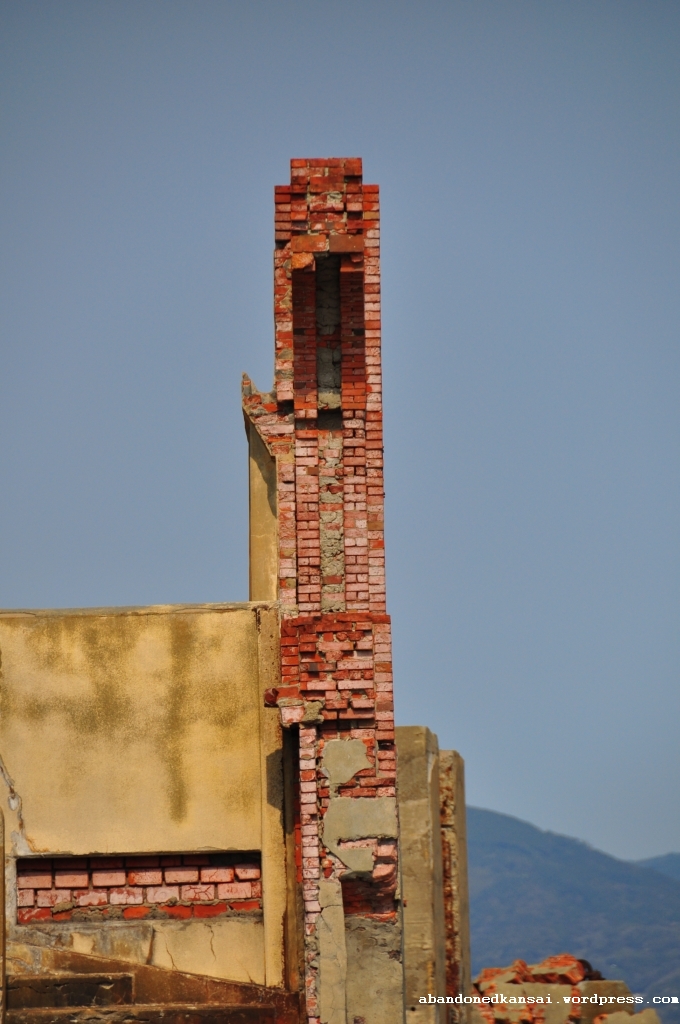
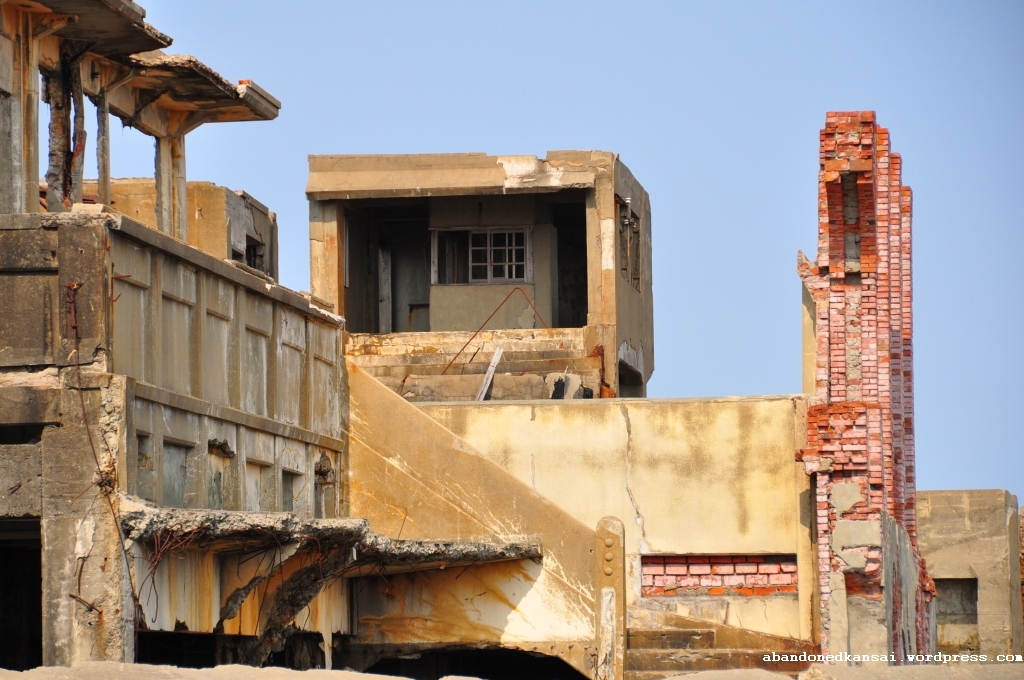
To be honest: I’m still a bit starstruck and have no idea how to begin this little blog entry. So many things have been written about Gunkanjima’s history – some short, some long, so it would be kind of foolish to be Captain Obvious and write another lengthy article about Gunkanjima’s past, although the ex-student of Japanese History in me is very tempted…
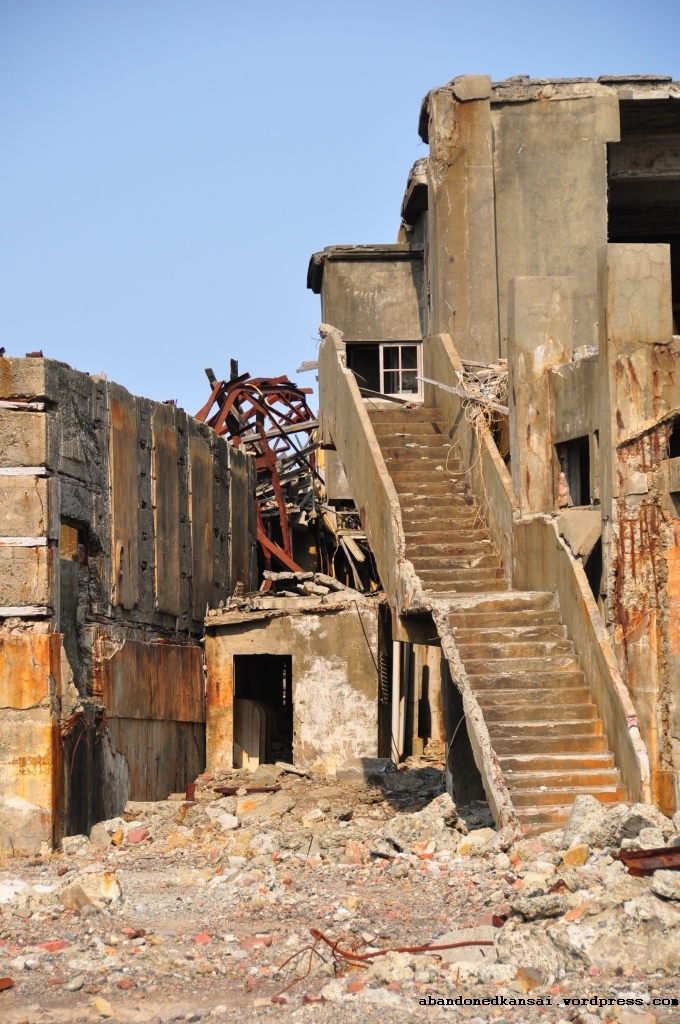
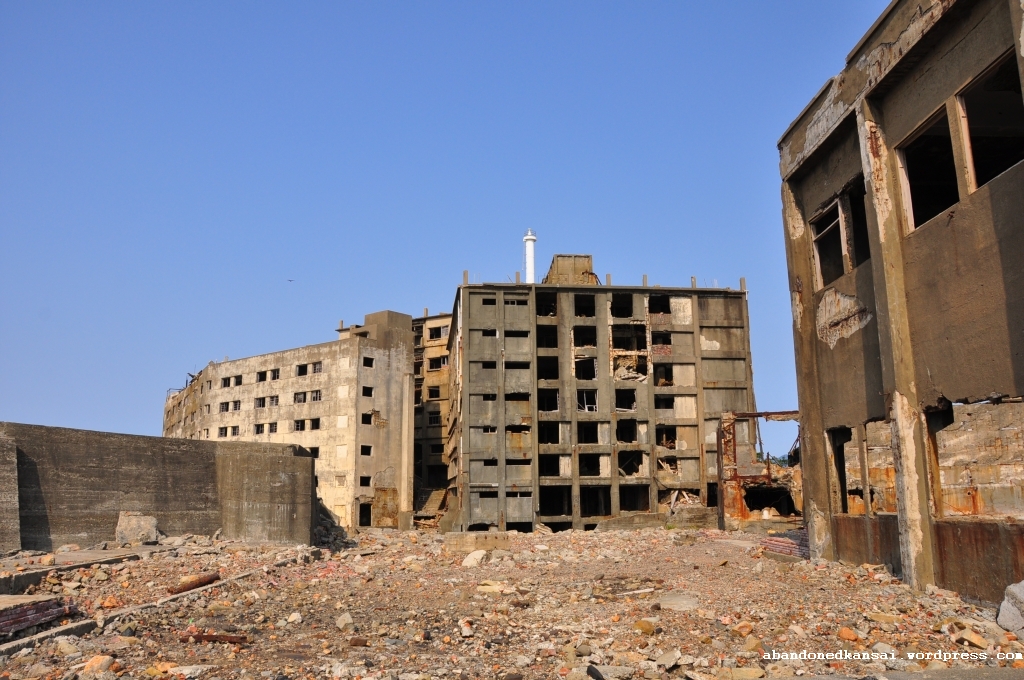
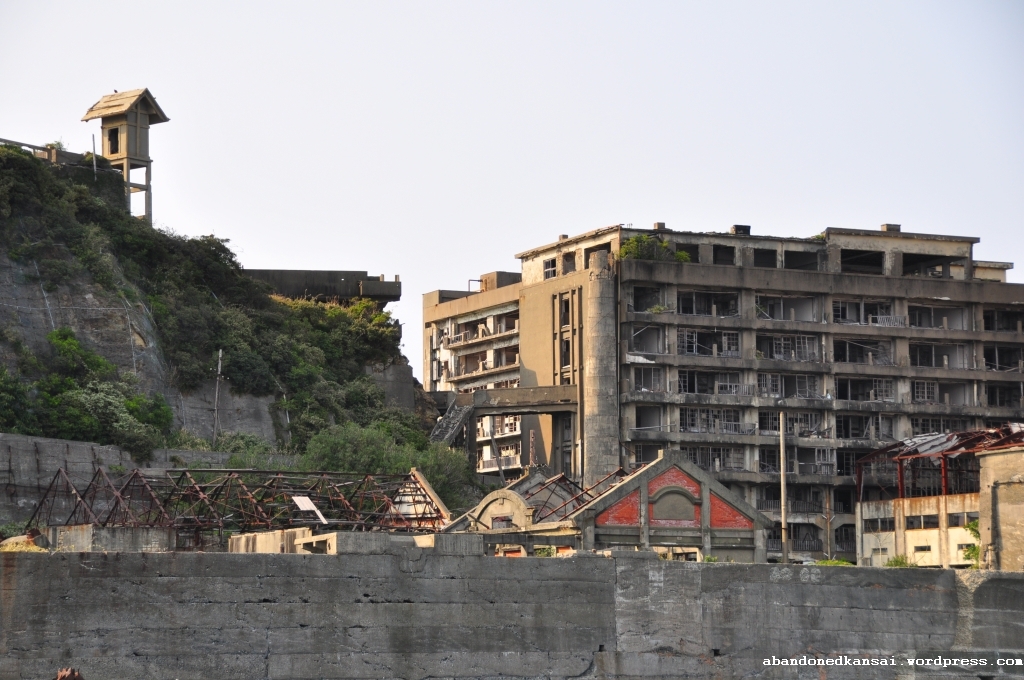
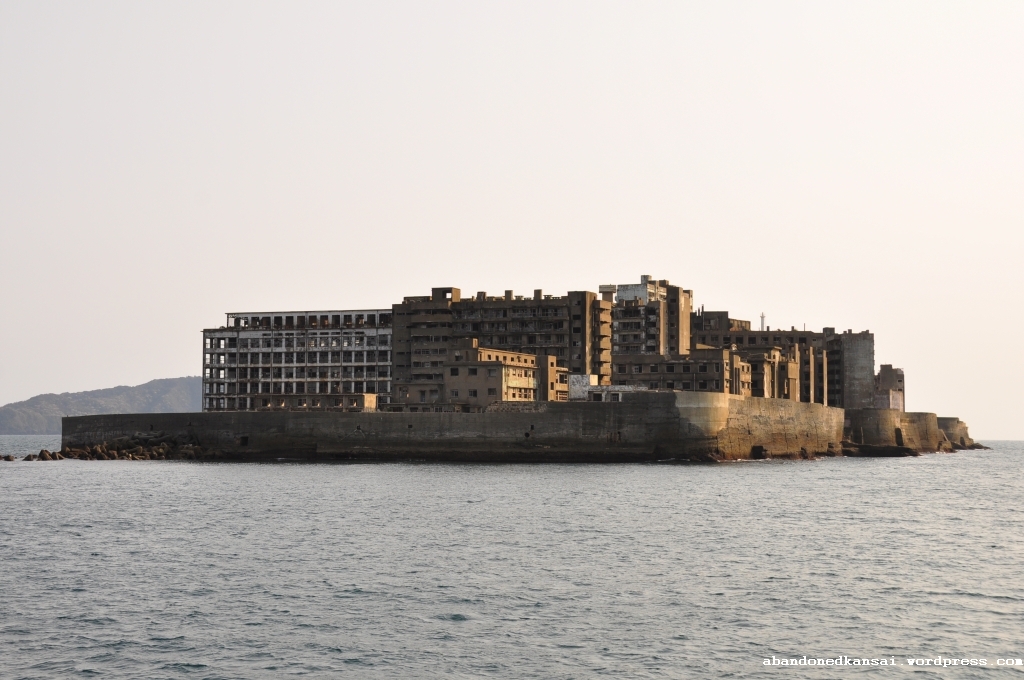
Gunkanjima (“Battleship Island”, thanks to it’s unique silhouette), also known under its original name Hashima and the not so flattering nickname “Ghost Island”, is without a doubt one of the most famous abandoned places in the world (almost on par with locations like Pripyat/Chernobyl) and by far the most well-known haikyo. Although landing on the island was strictly forbidden between 1974 and early 2009 (internet rumors claim that fishermen hired by adventurous people lost their license and foreigners were deported after being sent to jail for 30 days if they were caught – though I didn’t find any proof for those stories) there were exceptions made for film crews (documentary and fiction), professional photographers and scientists. Everybody else had to take a look from the nearby Nagasaki Peninsula or ships passing by Gunkanjima.
On April 22nd 2009 this situation changed – the island was (partly) opened to the public again.
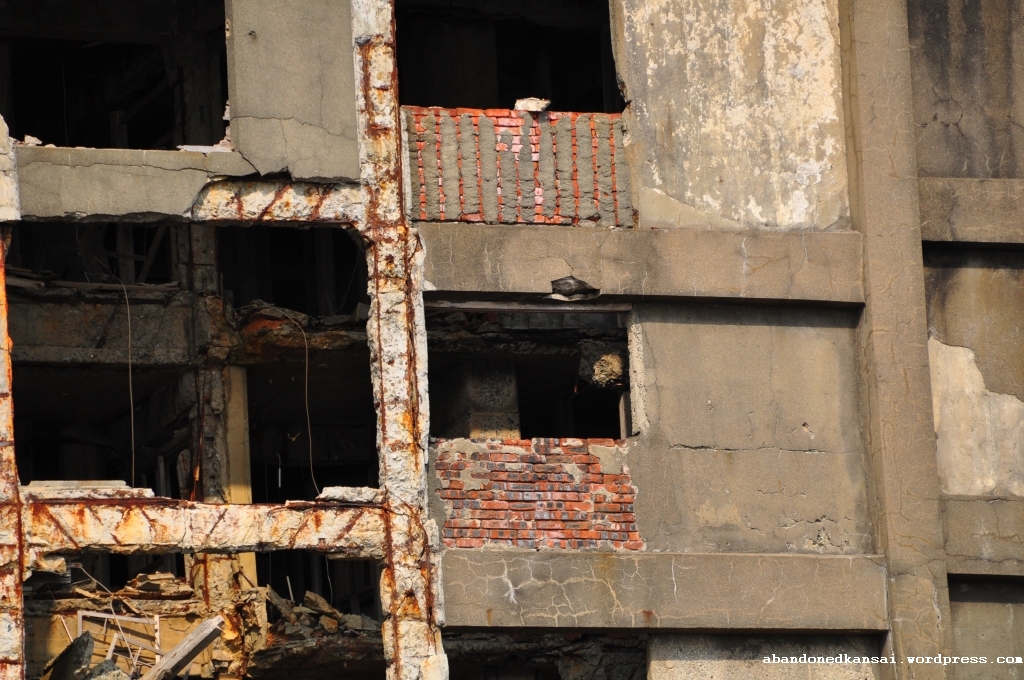
A few years earlier, Mitsubishi (who used Hashima as a coal mine for almost 90 years and constructed all the buildings on the island) donated Gunkanjima to the Japanese state and from 2005 on the city of Nagasaki administered the abandoned island. In the same year the new owner invited journalists to Gunkanjima, bringing it back to the awareness of the public, and announced the reconstruction of a pier and the construction of a visiting zone in the southern part of the island, so tourists can land and have a safe look at the dangerously rotten buildings – entering those is strictly forbidden until this very day.
Although nowadays it is legal and relatively easy to go to Gunkanjima it still isn’t a foolproof thing to do. When Enric and I went to Kyushu in late March of 2010 we made a reservation with the only operator that has permission to land on Hashima, Yamasa Kaiun. For most foreign tourists this is the first hurdle as the homepage is in Japanese only. (The tour itself and the pamphlets they hand out are in Japanese only, too.) When we arrived at the harbor terminal to pick up our tickets we learned that the tour was cancelled. It was a beautiful, sunny day – but they cancelled anyways; the trips surrounding the island (and not landing on it) were also cancelled. You can’t imagine my disappointment as this was the center piece of the whole trip, a boat ride I was looking forward to ever since I’ve heard about Gunkanjima for the first time several years ago. But there was nothing we could do, so we moved on to Sasebo, making a stop at what turned out to be the fascinating Katashima Training School – a blessing in disguise.
The next morning we originally wanted to go to an abandoned coal mine near Sasebo, but Enric convinced me to take a train back to Nagasaki to give it another try; although we didn’t have a reservation and although I knew the tours were completely booked out. We arrived at the harbor terminal just after the first of two boats to Gunkanjima left on a day equally sunny and calm as the one before – and of course they turned us down and tried to send us away. But this time we saw a glimmer of hope and Enric convinced the ticket sales person to give us two spots on the next boat – he claimed (in Japanese) that we had tickets for the day before (which was true) and that I came all the way from Europe to Nagasaki just to see Gunkanjima (which was partly true…) while I put up the saddest face I possibly could – which was never easier although I’m a horrible, horrible actor. They told us to come back two hours later and then indeed gave us tickets: 4000 Yen for the boat ride plus 300 Yen for landing on Gunkanjima. (I followed the updates on the homepage of Yamasa Kaiun: All the tours on the next few days were cancelled. So in the end we were really, really lucky…)
Getting to Gunkanjima takes about 50 minutes by boat and the stay there is strictly organized and supervised. The pier is on the southeast part of the island and from there you pass through a tunnel in the island wall to a long concrete path that includes three gathering areas (the last one on the southwest end of Gunkanjima) where guides tell a bit about the island’s history and you have time to take some pictures. You are not allowed to move freely between the zones (several guards were blocking the path, having an eye on everybody) and of course the path is limited by chest high handrails to prohibit you from leaving the predetermined visiting zone. (Chest high by Japanese standards…) We were lucky to be in the group that started in the gathering area closest to the boat, so on the way back from area No. 3 I was actually able to shoot a video of the whole visiting zone in one shot. (I didn’t include videos so far to this blog, but maybe I’ll put it up in the future…)
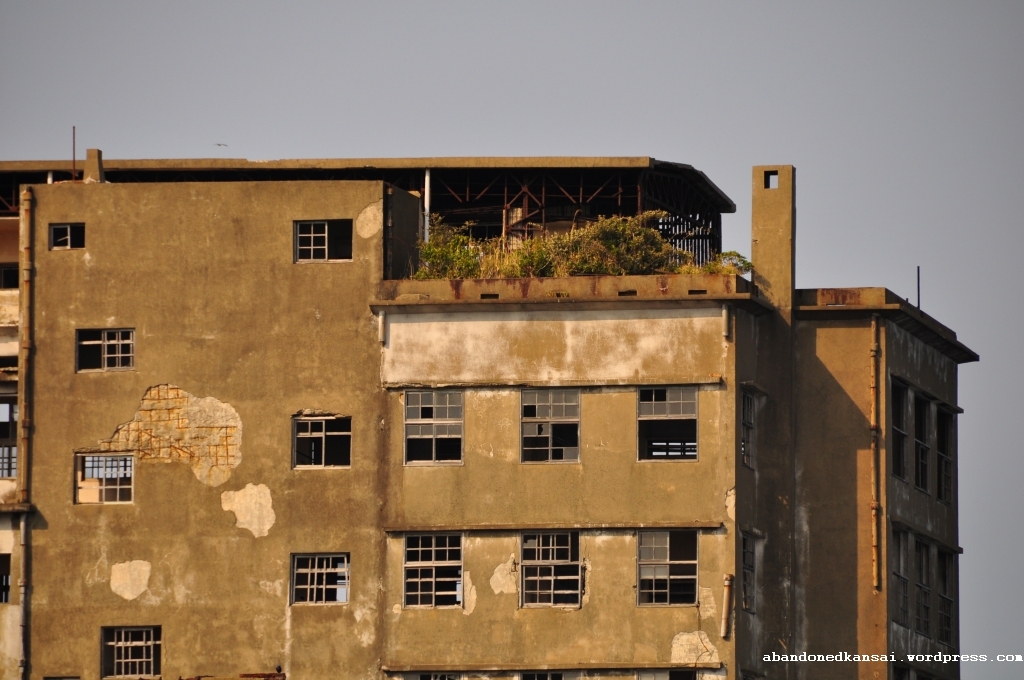
If you know Gunkanjima from internet pictures made by illegal or professional photographers be prepared that you won’t be able to take similar shots as you don’t get even near the interesting buildings like housing, school or hospital – so I highly recommend bringing a good zoom for your camera to catch at least some details. The 200mm end of my lens was okay, but sometimes I wished I could get just a tiny bit closer.
The stay on the island takes about an hour and after the boat leaves, it continues to surround Gunkanjima clockwise, offering good views from pretty much every angle before returning back to Nagasaki.
Visiting Gunkanjima was an emotional rollercoaster, but in the end it was totally worth it! If you wanna go there you better be prepared that the tour you have a reservation for might be cancelled; it happens all the time…
Sure, you are limited to a predetermined path far away from the really interesting parts of Gunkanjima – and other haikyo offer similar views, some might even have more spectacular buildings. But not that many on such a small area, not with that kind of historical background. Therefore the atmosphere on Gunkanjima is absolutely unique, you can almost feel how it must have been to live on that crammed rock off the coast of Nagasaki. Unless you have some people doing wacky poses and spazzing around, having no appreciation for the island and its history. But I guess that’s a side effect we all have to live with when you make a tourist attraction out of a place like that, where 1300 laborers died during World War 2 alone – not a few of them forced workers from Korea and China.










-

- Gunkanjima

Abandoned Kansai on Facebook
-
Join 5,099 other subscribers
Pages
Archives
Categories
Recent Comments


 Abandoned Kansai