Bathing is a very important aspect of Japanese culture, deeply rooted in centuries-old traditions. Although most apartments and houses have their own baths nowadays (unlike 30 years ago), public bath houses are still popular even in residential areas of big Japanese cities. Onsen and sentō are gender-separated places of tranquility where people enjoy a relaxing hot bath (usually around 40°C) after a hard day of work or an intense workout. Onsen towns in the middle of nowhere are popular vacation destinations for the Japanese domestic tourism and a must see / do for many foreign visitors.
Waterparks with slides and wave pools on the other hand are not nearly as popular in Japan as they are in the States or Europe. Most of the time they are considered one amongst many attractions of amusement parks (like at Nara Dreamland) – and indoor waterparks are even more rare.
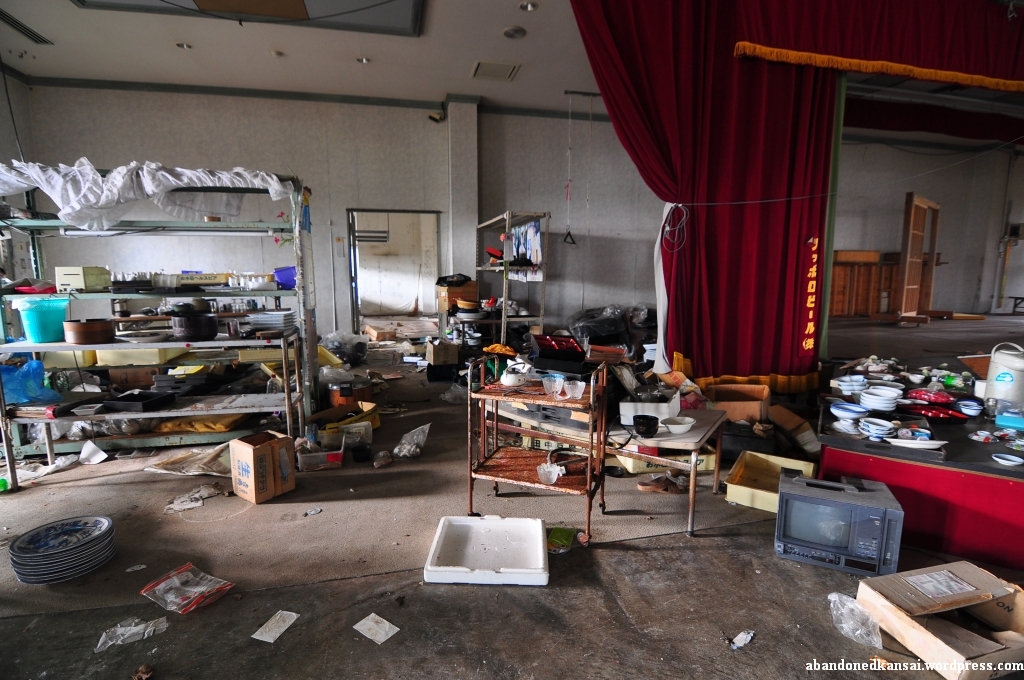
From what I was able to find out the Tokushima Countryside Healthspa (お水荘ヘルスピア), an indoor water park with some hotel rooms, was opened in 1975 (under a different name) to complement a countryside farm, attracting visitors with millions of flowers. It was renovated and expanded in 1994 to be re-opened under its current name – making dance shows and karaoke new selling points. Due to its remote location (35 minutes by bus from the next train station) and the economic crisis the number of guests decreased while the debt piled up to 800 million Yen – and lowering the entry fee from reasonable 1700 Yen per day (10 a.m. to 10 p.m.) with special promotions (Ladies Day on Thursdays for 850 Yen and Friends Day on Fridays for 1000 Yen) didn’t help either – at the end they reportedly sold tickets for as low as 100 Yen… So in 2002, after 27 years, the lights went out at Tokushima Countryside Healthspa.
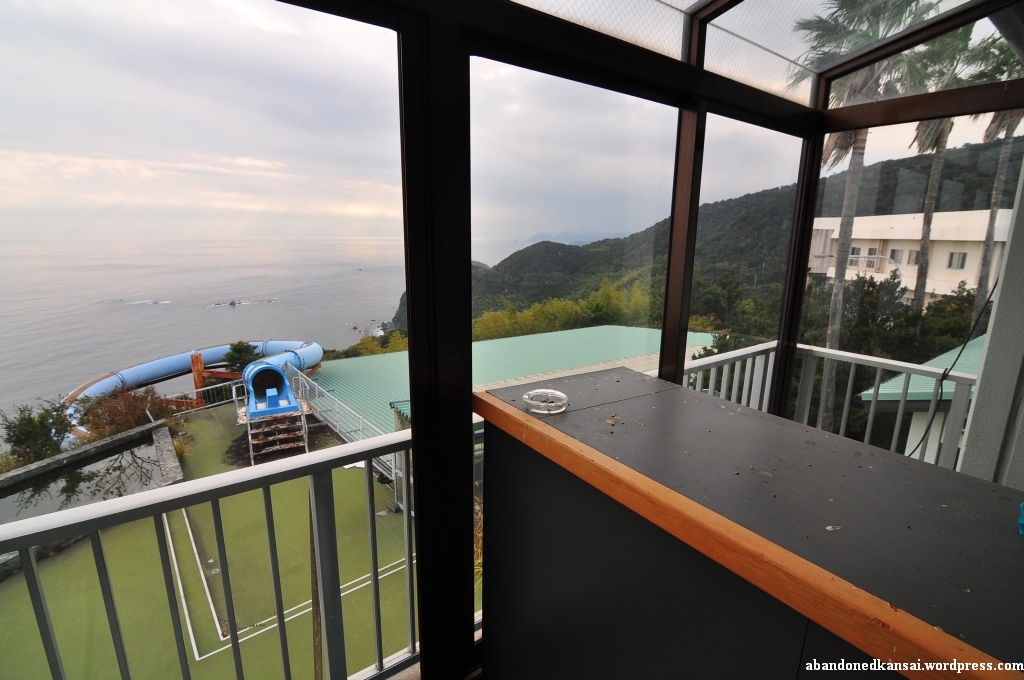
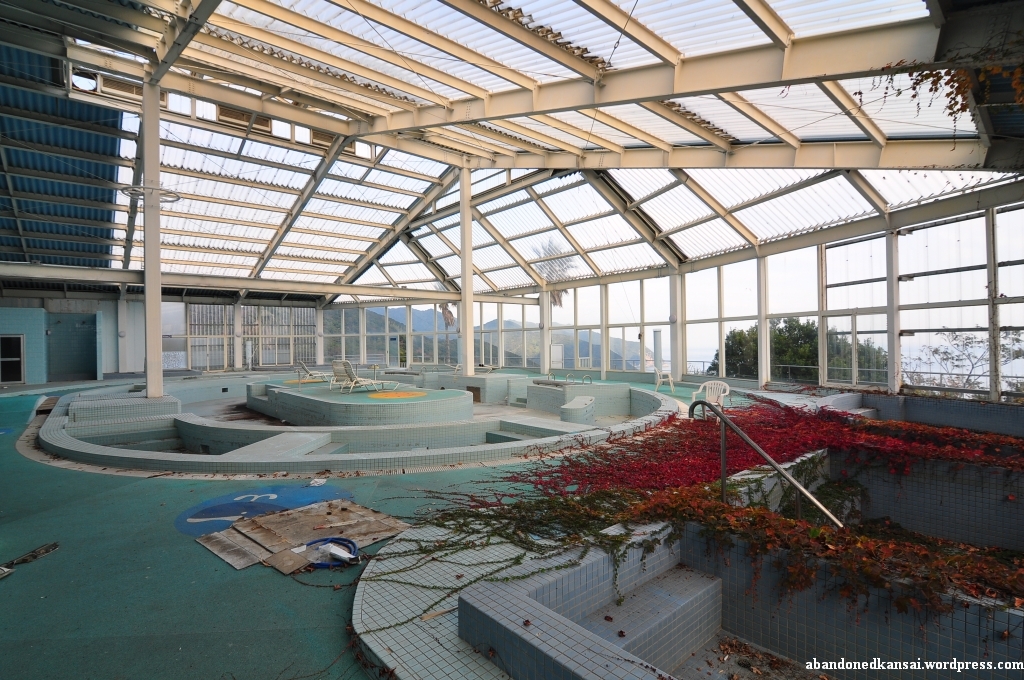
I have to admit: I love indoor waterparks. It’s one of the few leisure activities I really miss living in Japan. Back home in Germany you can find quite a few abandoned public swimming pools, indoor and outdoor, but no abandoned waterparks. So I enjoyed every minute of the two hours I spent there. The hotel part was quite vandalized and rather boring, so I left it rather quickly to go over to the swimming pools and the waterslide. On the way I passed a kitchen and some functional rooms. In two of them quite a few goods and training equipment were lined up, here and there I found price tags scattered all over the place – it seems like the owner tried to sell as much as possible before closing for good. The now empty main pool looked pretty much like a rather local indoor water park in Germany and I loved how red and green leafed plants were growing inside; if there ever was a zombie attack you know where to go to if the Shime Coal Mine is already occupied – if you know what I mean…
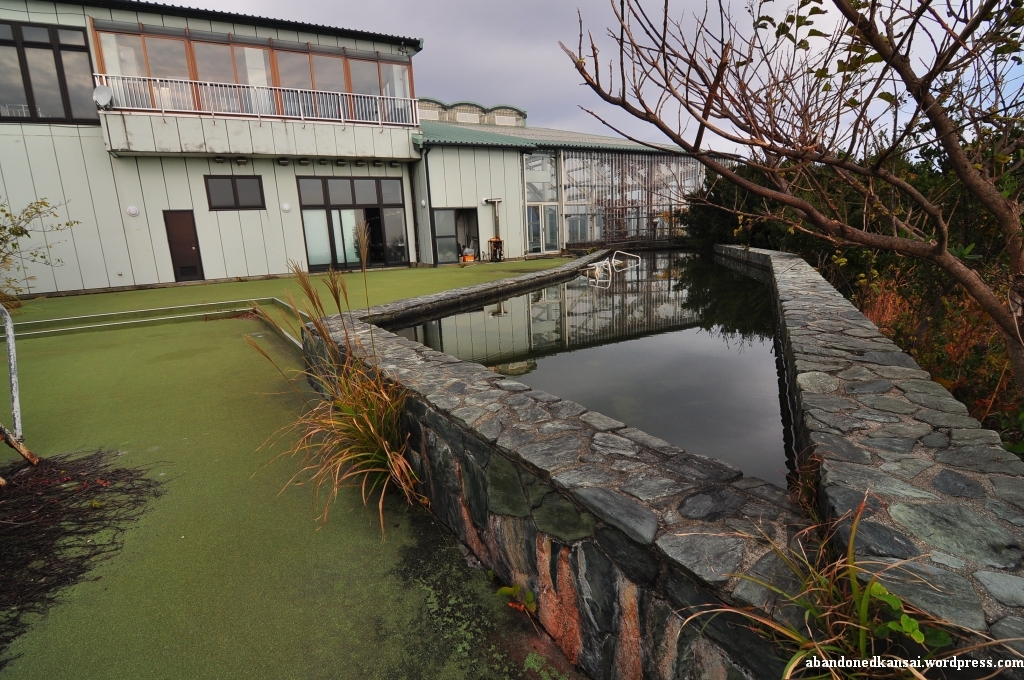
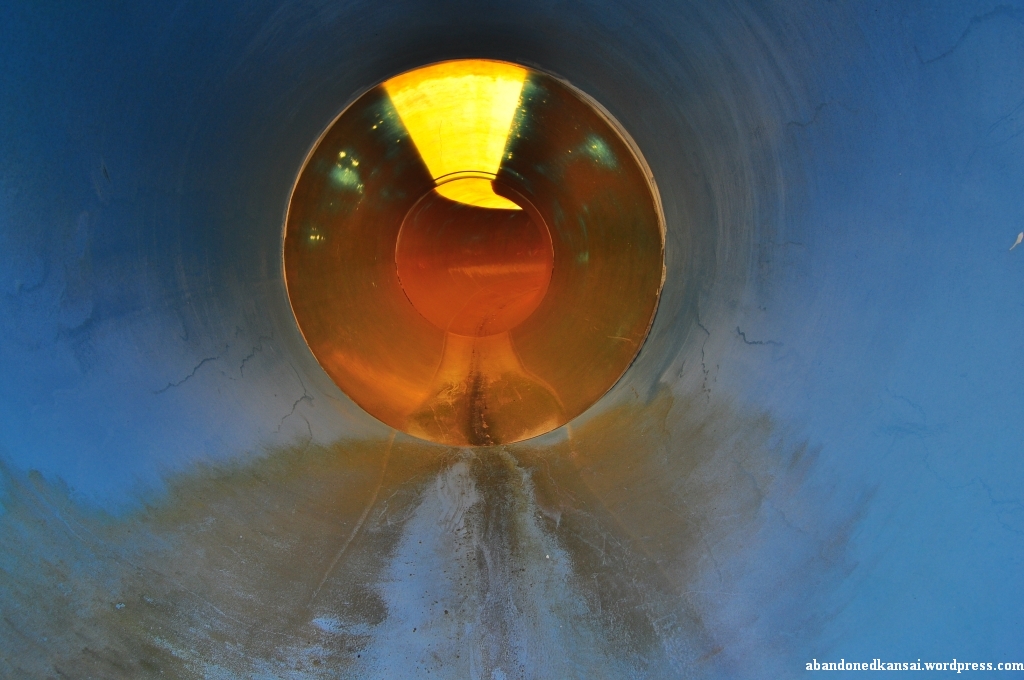
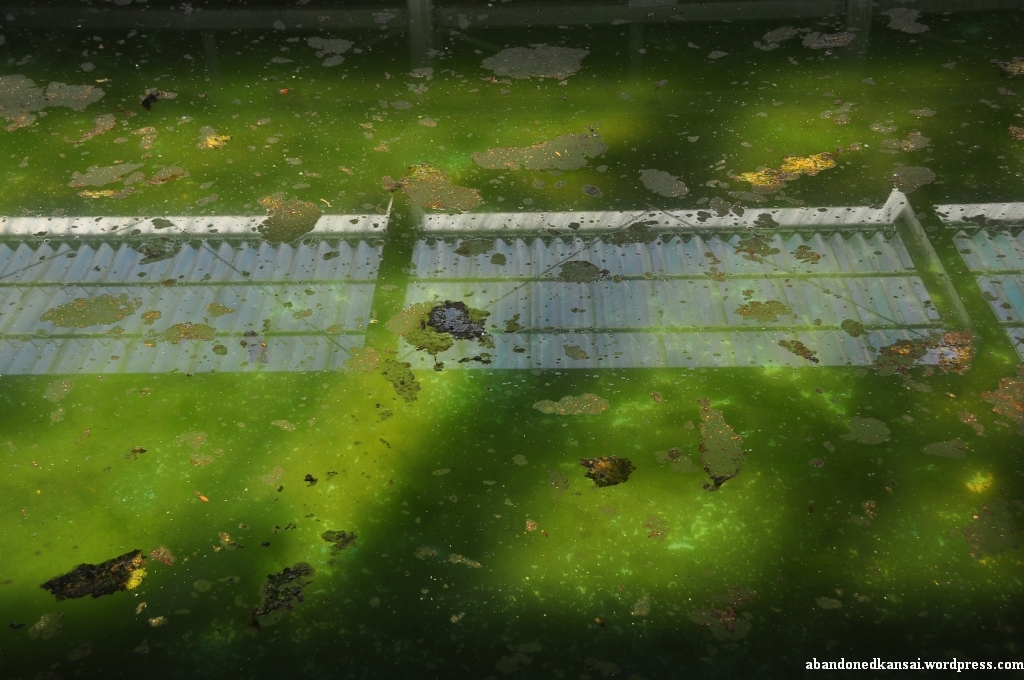
The outside waterslide at the bold cliff looked absolutely amazing, the weather just contributing to the atmosphere, so please have a look at the videos, too. Next to the waterslide was a staircase leading down to a pool, now filled with moldy brackish water, two dead greenish doves lying at the pool edge. Again, amazing atmosphere – kinda spooky, but not dangerous at all; neither physically nor in the form of security or other “guests” thanks to the remote location.
Like pretty much all of the previous and upcoming locations of my Haikyo Road Trip To Shikoku the Tokushima Countryside Healthspa was a unique, relaxed and fascinating place to explore. Shikoku, an urbex heaven!
Archive for the ‘Hotel / Ryokan’ Category
The Tokushima Countryside Healthspa (お水荘ヘルスピア)
Posted in Abandoned, Amusement Park, Asia, Haikyo, Hotel / Ryokan, Japan, Shikoku, Spa / Onsen, Sports, Tokushima, Urbex, Video, Visited in 2010, Zombies on 2011/04/06| 8 Comments »








The Ohmi Lodge (大見山荘)
Posted in Abandoned, Asia, Haikyo, Hotel / Ryokan, Hyogo, Japan, Kansai, Urbex, Visited in 2010 on 2010/12/17| Leave a Comment »
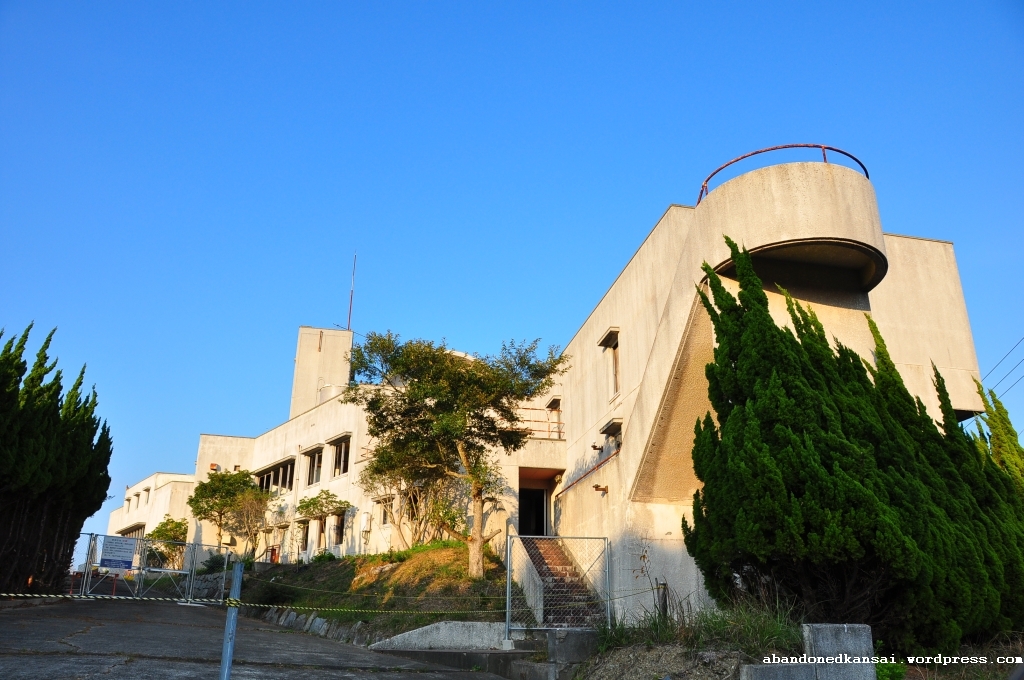
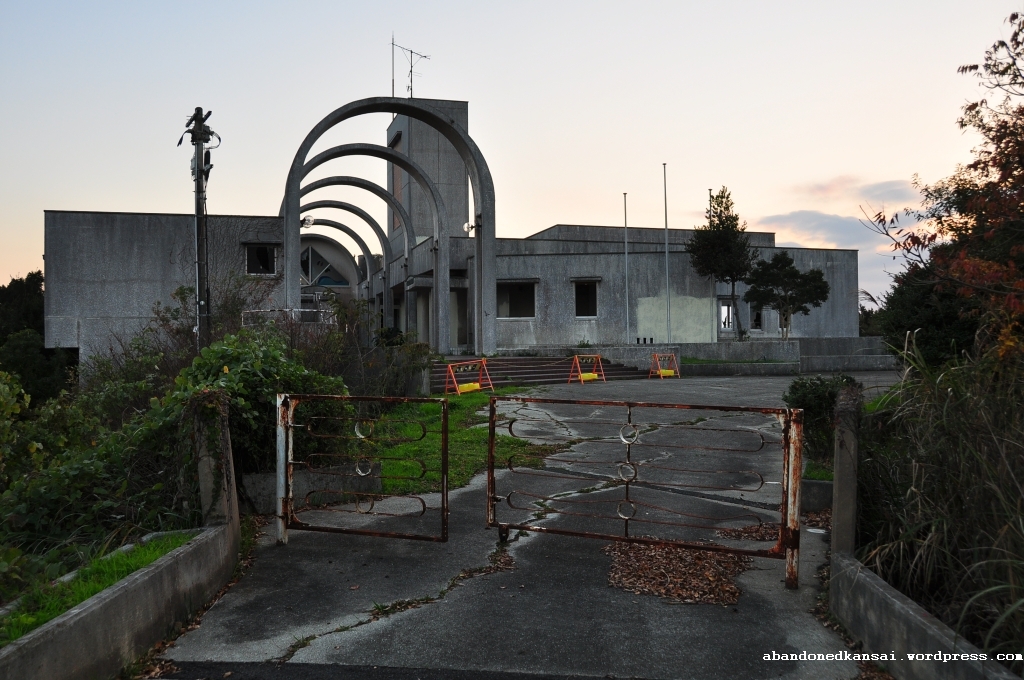
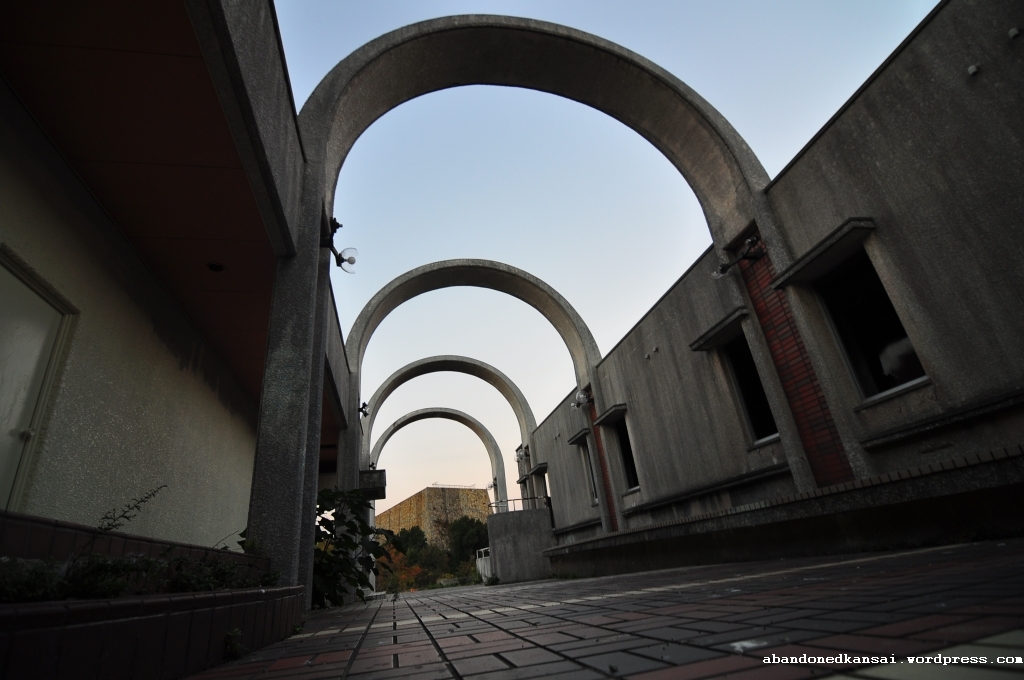
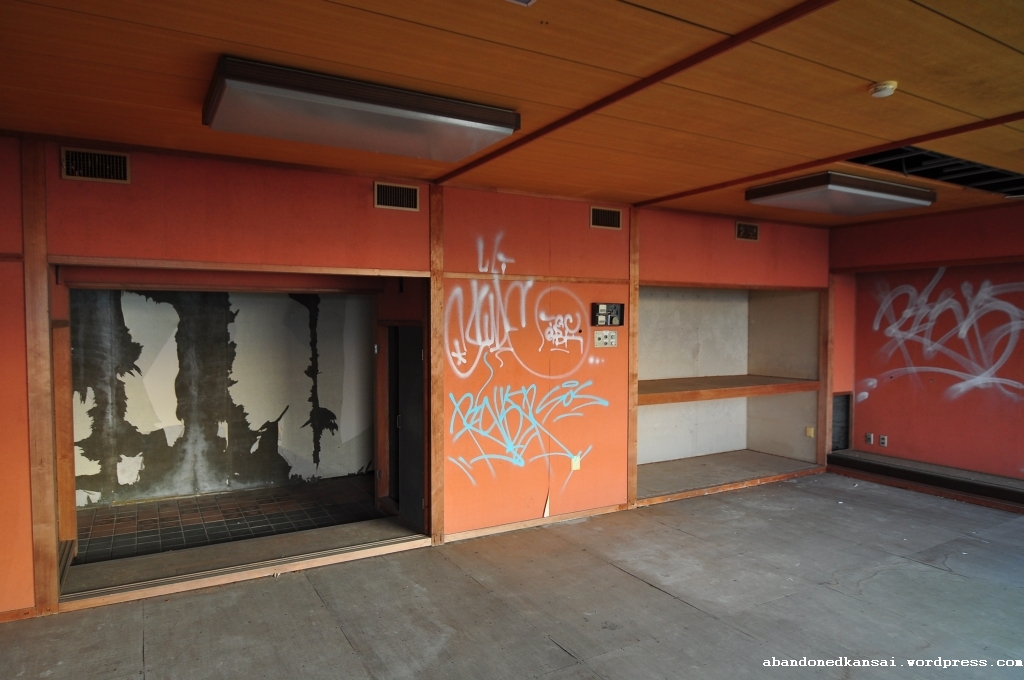
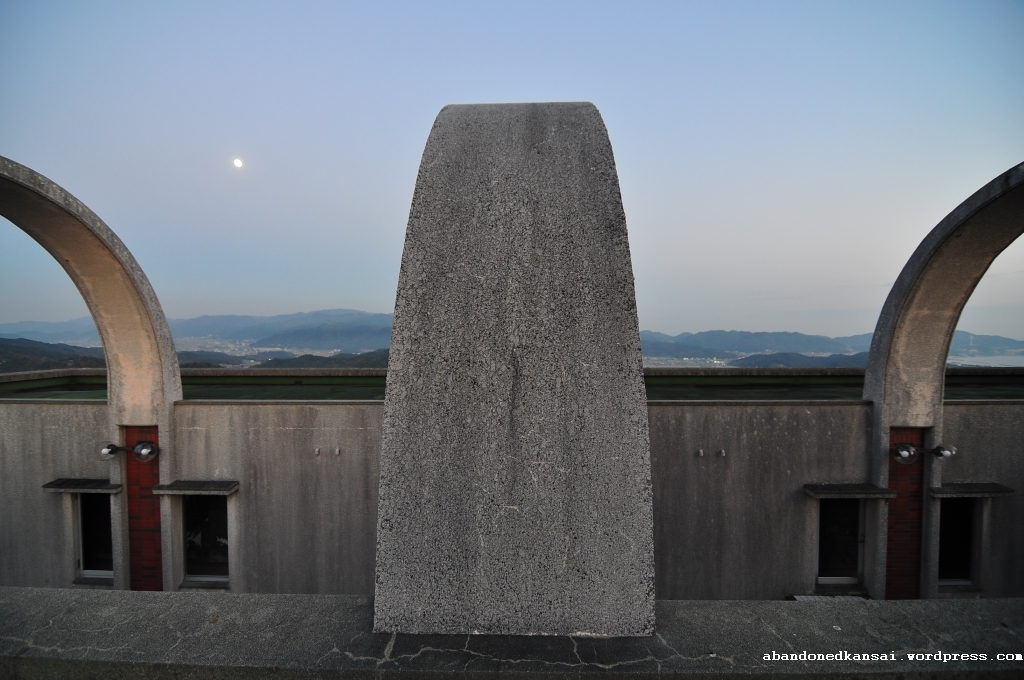
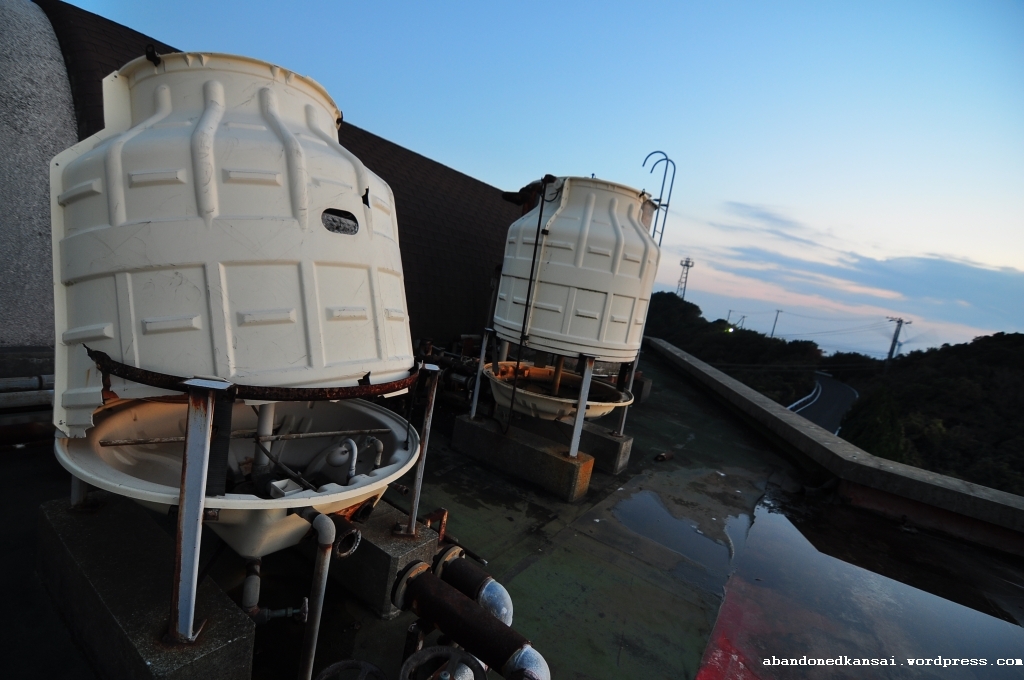
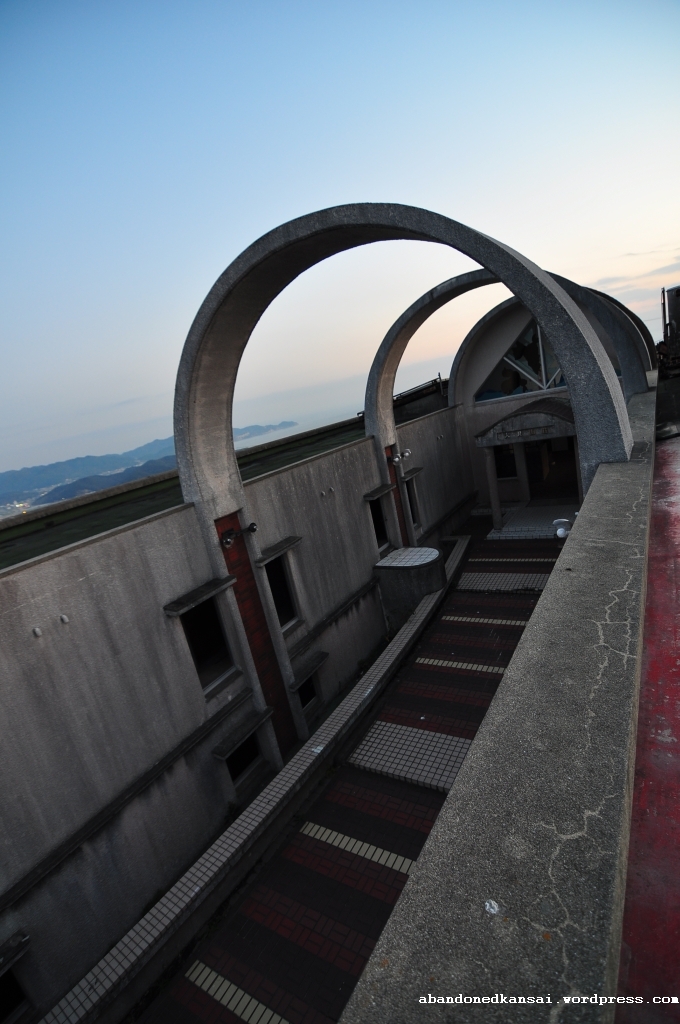
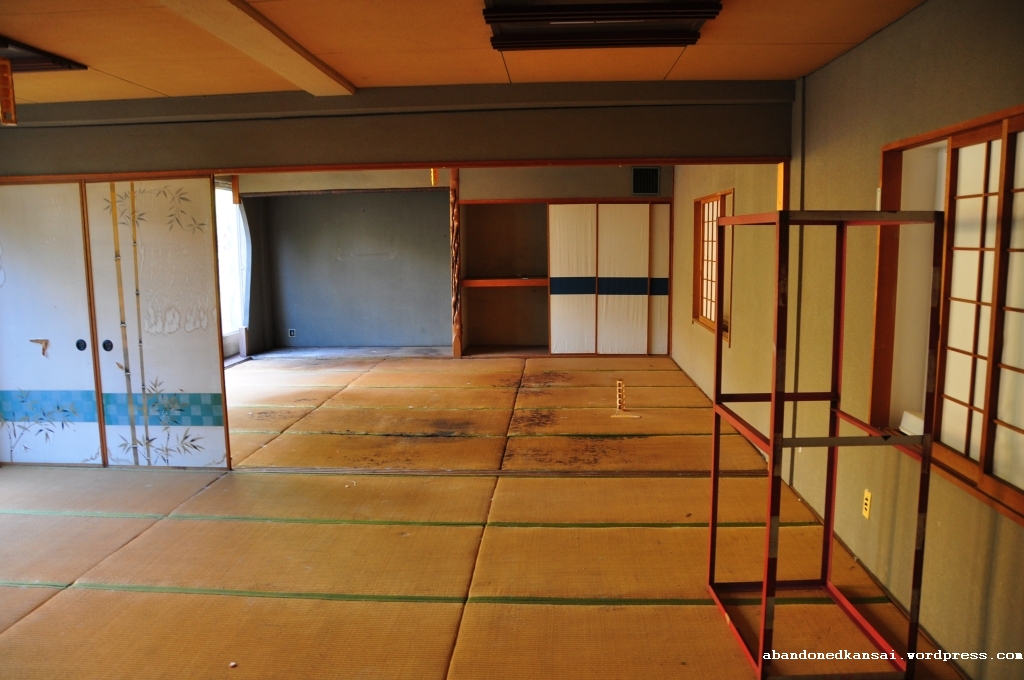
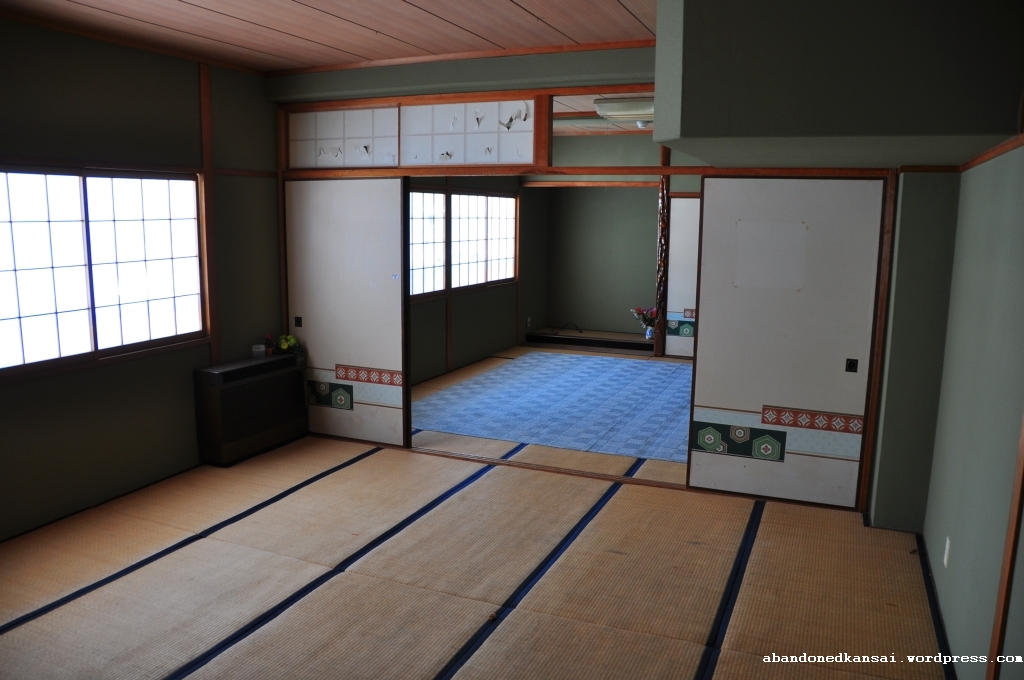
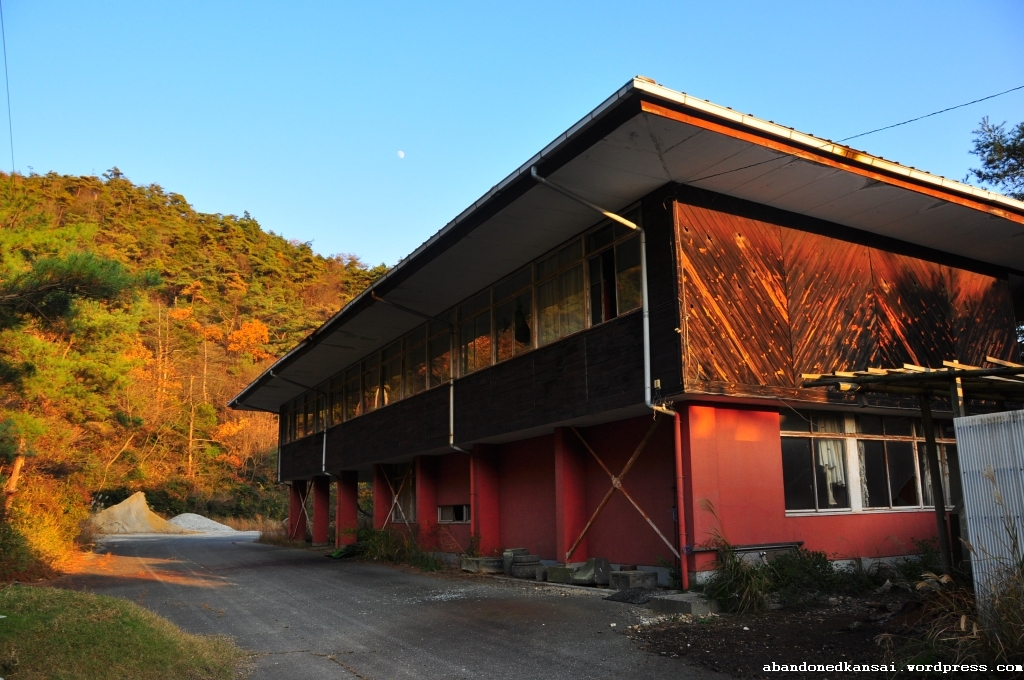
Right next to the Young People’s Plaza and Museum was a building named 大見山荘 according to the kanji above the entrance – the ‘Ohmi Lodge’ or ‘Big View Mountain Villa’. Sadly there is hardly any information about the place available, but it’s safe to say that it was opened and closed along with the close-by monument and museum, providing accommodationto people who wanted to stay in the area overnight while avoiding the costs of the luxury hotel a couple of hundred meters down the road. With about 20 guest rooms, a conference room and a restaurant room the Ohmi Lodge must have been perfect for school trips – nowadays the abandoned building is almost completely empty, tagged with graffiti and without a single undamaged door or window. Luckily the architecture was quite interesting, so I decided to dedicate the Ohmi Lodge its own posting on this blog…



Jumbo Club Awaji Island
Posted in Abandoned, Asia, Haikyo, Hotel / Ryokan, Hyogo, Japan, Kansai, Urbex, Visited in 2010 on 2010/12/03| Leave a Comment »
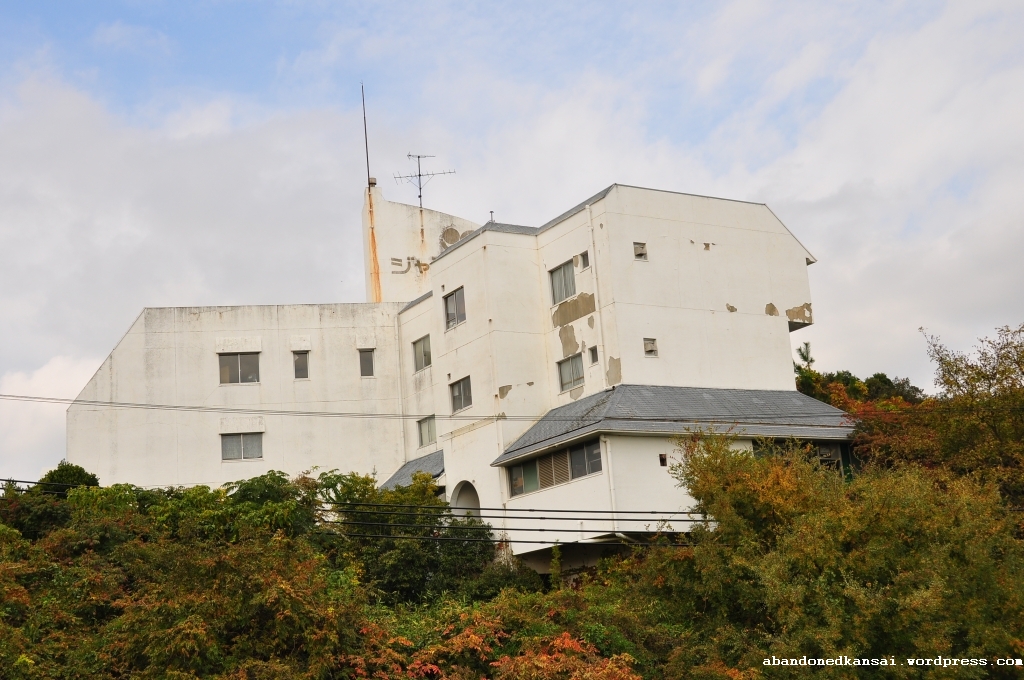
The information I had about the first destination of my little road trip was little – but at least I knew what it was beforehand and I’ve seen a picture. The second destination was just a grey building on a map. No picture, no information about it, not even the certainty that it was really abandoned. But it was on our way to some other locations, so we thought it couldn’t hurt to have a quick look. The quick look turned into a 2 hour long shooting of a hotel once called “Jumbo Club Awaji Island”. I tried to do some research on the place after I came back, but I couldn’t find anything (neither with the Romaji nor with the Japanese name), so I have no problems calling the hotel by its real name. If the calendar hanging in the kitchen is any indication on when the hotel was abandoned then it’s save to say that it happened in 1996 – just before the internet boom.
Once boarded up and fenced off the Jumbo Club hotel now is an easy walk in location if you don’t get spotted by neighbours and close-by companies. Nevertheless we didn’t rush into the place but approached it carefully since there was an intense stench clearly noticeable from the outside. We entered cautiously and my fellow explorer, who foolishly spearheaded the exploration with audacity, froze in shock right after he entered the lobby – never before was a harmless poster of a beautiful woman more scary. But that didn’t slow down his drive at all and just minutes later he found the reason for the stench – it seems like the Jumbo Club Awaji Island is now very popular amongst cats, one panicking in the first room he tried to enter. My fellow explorer closed the door to let the fury furry fella calm down and we explored the rest of the building. Which wasn’t nearly as exciting as those first few minutes…
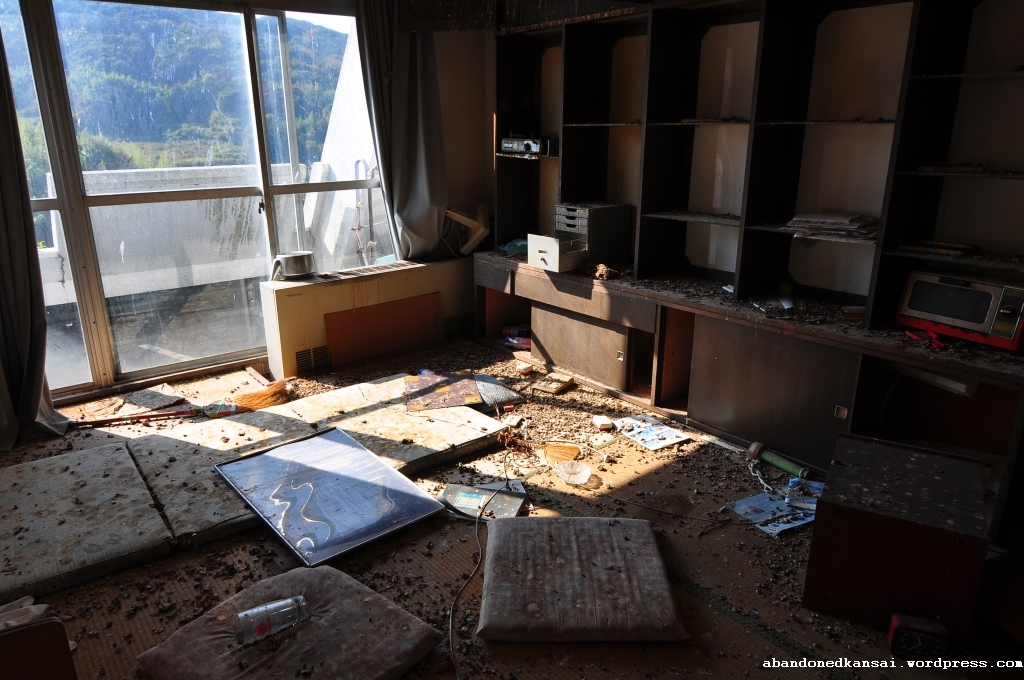
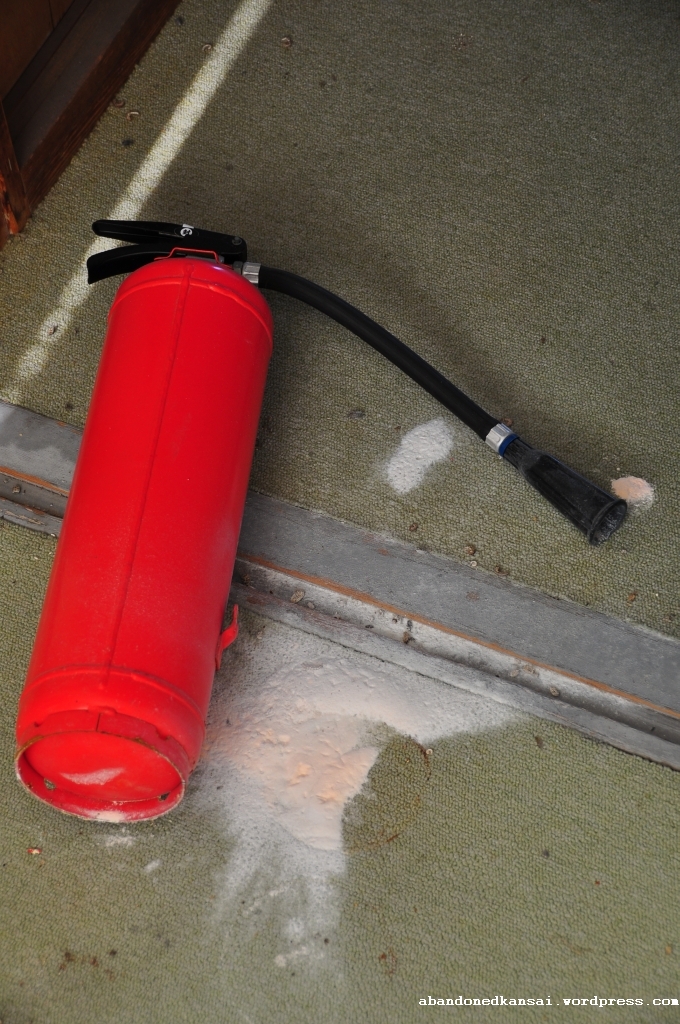
The Jumbo Club Awaji Island turned out to be a normal tourist hotel with Japanese style rooms, Western style restrooms and some nice public bathrooms with a great view. Although the holes in the barricades outside made us expect a totally trashed place the hotel was in fact barely touched. An emptied fire-extinguisher here and some… no, actually no “some” – pretty much all the other damage could have been a result of 15 years of natural decay. All the rooms I’ve entered looked extremely clean, as if you could move in right away – except for the two or three that were inhabited by some birds for a while and therefore were covered with feces. The main kitchen on the first floor didn’t make a trustworthy impression, but who wants to clean up after the last dinner when nobody will ever use the kitchen again anyways? Other than that there was no vandalism: No trashed rooms, no ripped out fixtures, no signs of arson, no broken china scattered all over the place.
Overall the Jumbo Club hotel was an unspectacular but pleasant surprise. I’ve never been to an abandoned hotel in that remarkable condition and the beautiful weather outside made it a relaxed exploration. Oh, and just in case you wonder: Before we left my fellow explorer opened the door of the first room again, but the cat already found its way out…



Haikyo Road Trip To Shikoku
Posted in Abandoned, Asia, Haikyo, Hospital, Hotel / Ryokan, Hyogo, Japan, Kansai, Kindergarten / Nursery, Kochi, Pachinko, School, Shikoku, Spa / Onsen, Tokushima, Urbex, Visited in 2010 on 2010/11/24| 16 Comments »
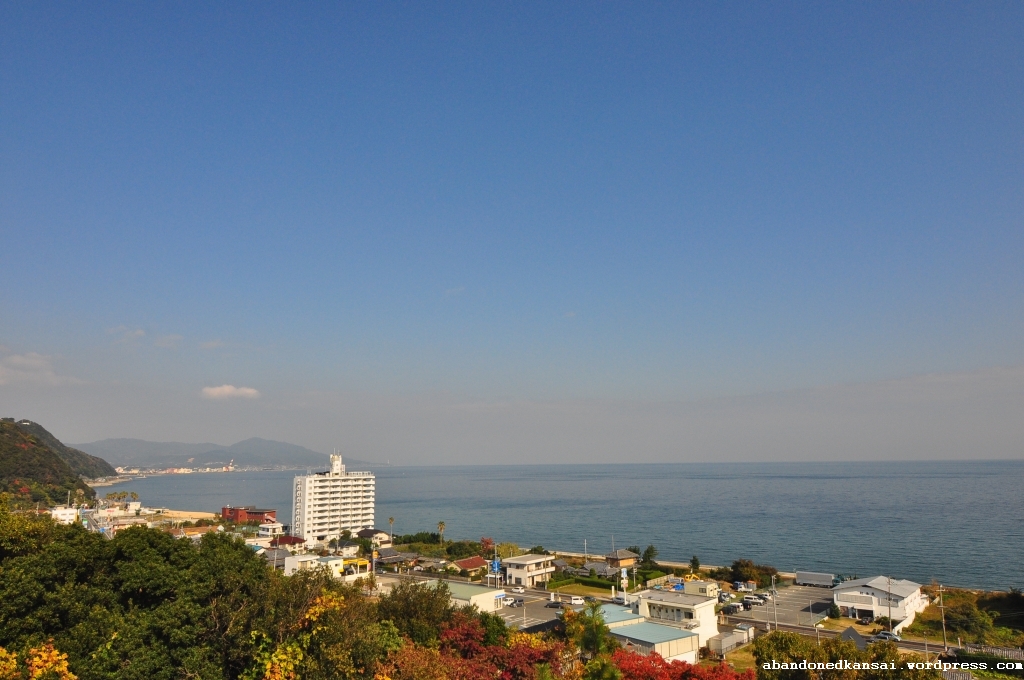
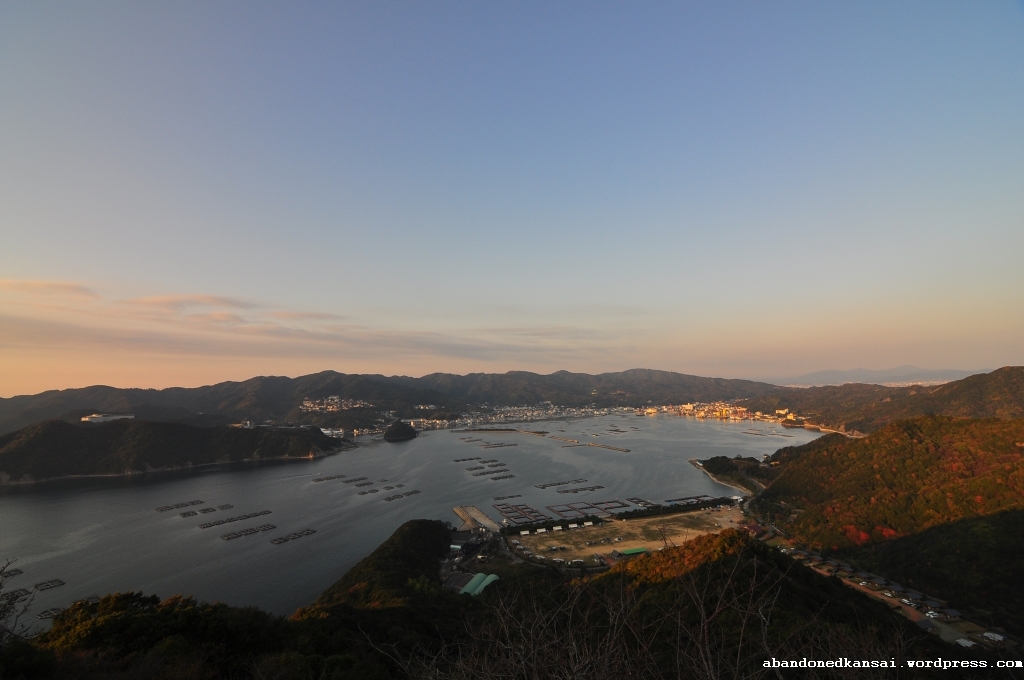
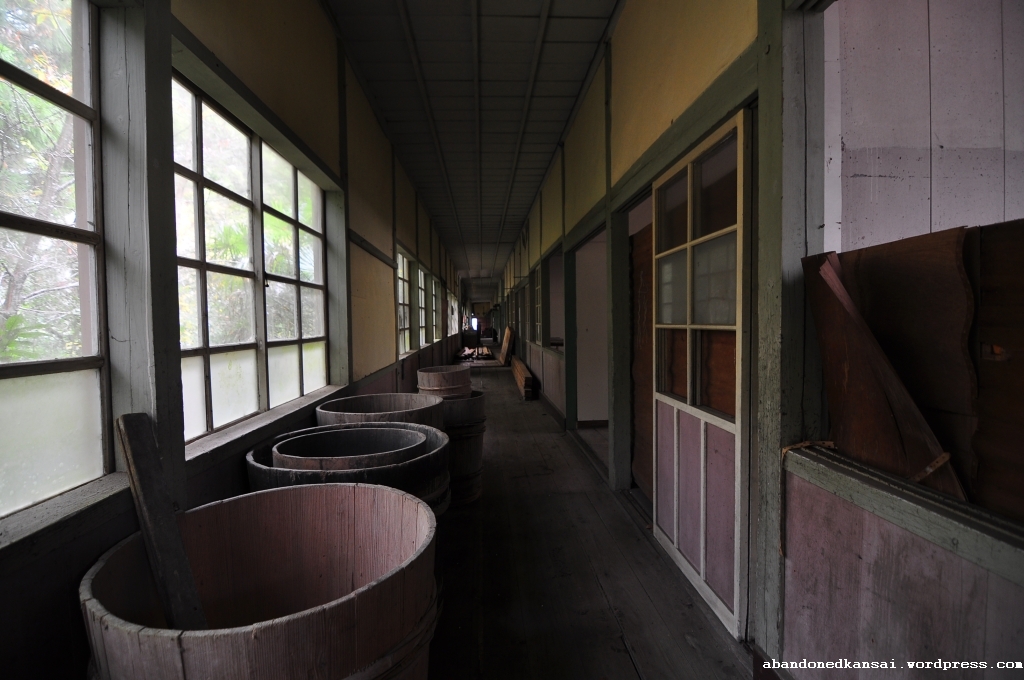
Recently I went on a three day road trip to Awaji Island and Shikoku. Fellow urban explorer Jordy came down to Kobe, we rented a car and off we went. Since Jordy likes to drive and I like to do research we combined our powers to go to some places off the beaten tracks. Pretty much all of the locations will be English speaking firsts, some of them are even barely known to the Japanese haikyo community – including two original finds: A pachinko parlor with all the machines and a hotel called shangri-la. In addition to that we went to an abandoned monument (with a museum right next to it), another hotel, a nursery school, a restaurant with a spectacular view, an abandoned and very countryside elementary school, a spa built on a cliff and, most important of all, an abandoned doctor’s house that makes the previously posted Doctor’s Shack look like… well… a shack.
Please enjoy the preview pictures below – a series of articles about the trip will start ASAP, most likely by the end of this week.



-
- F# Elementary School

Location Teaser 2
Posted in Abandoned, Amusement Park, Asia, Chūbu, Europe, Factory, Gifu, Haikyo, Hospital, Hotel / Ryokan, House, Hyogo, Japan, Kansai, Luxembourg, Map, Nara, Pripyat, Ukraine, Urbex, Visited in 2010, Zone Of Alienation on 2010/09/28| 4 Comments »
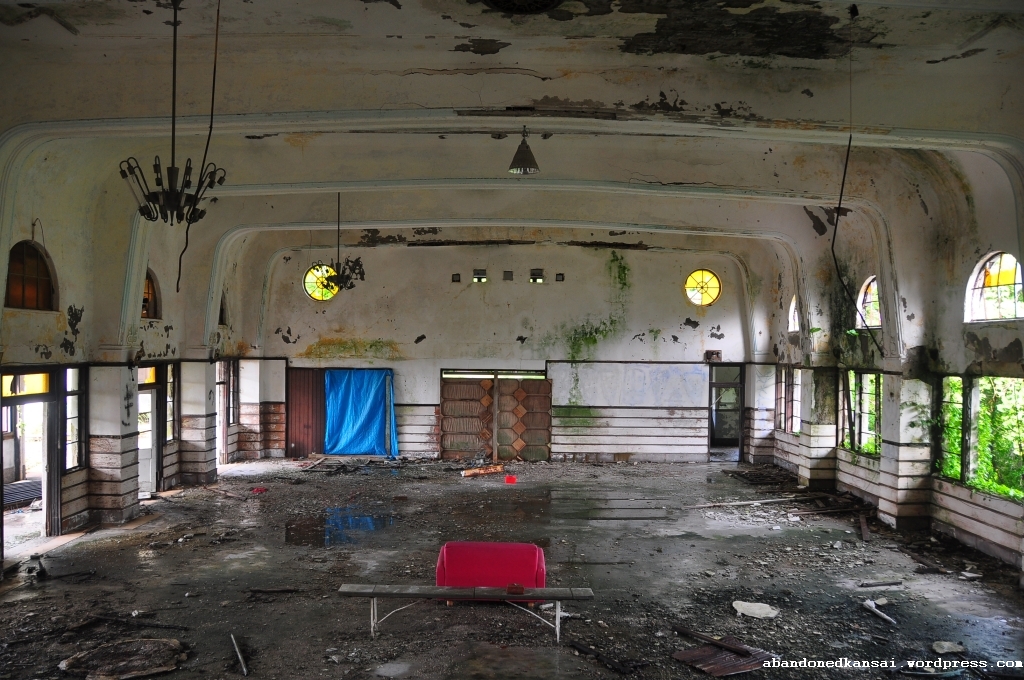
Looking at my urban exploration log I realized that I had a pretty good run lately.
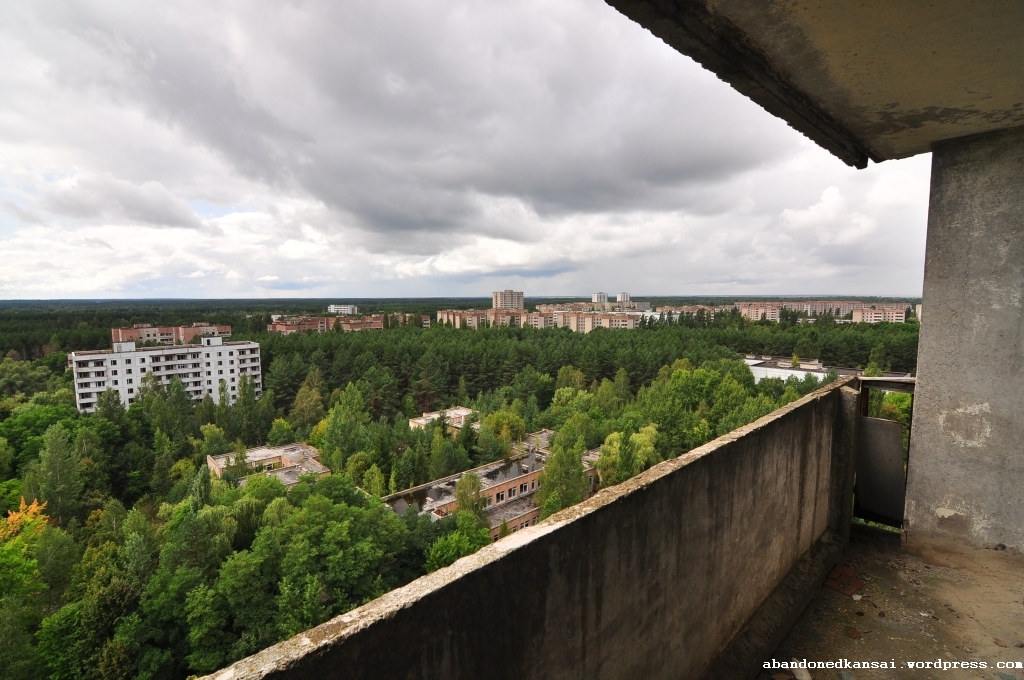
It all started when I met Michael of Gakuranman fame in late July – he was in Kansai and suggested to take on the famous Maya Hotel together. Since I already scouted the surrounding, but never went in, it was a fun exploration of an impressive location; followed by a revisit of the Takada Ranch Ruin. Two weeks later I started my summer vacation to Europe which included a side trip to the Zone of Alienation with its famous cities Chernobyl and Pripyat. Back to Germany I went to Luxembourg for two more explorations with a kindergarden friend of mine.
Soon after I got back to Japan I received an e-mail from Michael John Grist who planned to come to Kansai to tackle my haikyo nemesis, Nara Dreamland. I wanted to meet the guy more than I wanted to avoid the Dreamland, so we went there on a warm late summer night and for the first time I got in and out without spotting security… And finally I went on a little trip myself again to visit the Gakuranman in the Nagoya area to take pictures of the mysterious Doctor’s Shack, one of the few haikyo that are kept a real secret in Japan – even if it appears somewhere on the net or in a book there are barely any hints about its location and I’m really grateful Michael took me there; another awesome exploration, punished with about 30 mosquito bites!
Maya Hotel, Pripyat, Luxembourg, Nara Dreamland and the Doctor’s Shack in a row… it’s hard to do better than that! Now it’s time to write up the stories and show you some really, really interesting pictures!
(You can find all the articles related to Chernobyl and Pripyat by *clicking here* – the picture was taken *here*.)


Nara Dreamland – Hotel
Posted in Abandoned, Amusement Park, Asia, Haikyo, Hotel / Ryokan, Japan, Kansai, Map, Nara, Urbex, Visited in 2010 on 2010/08/20| 8 Comments »
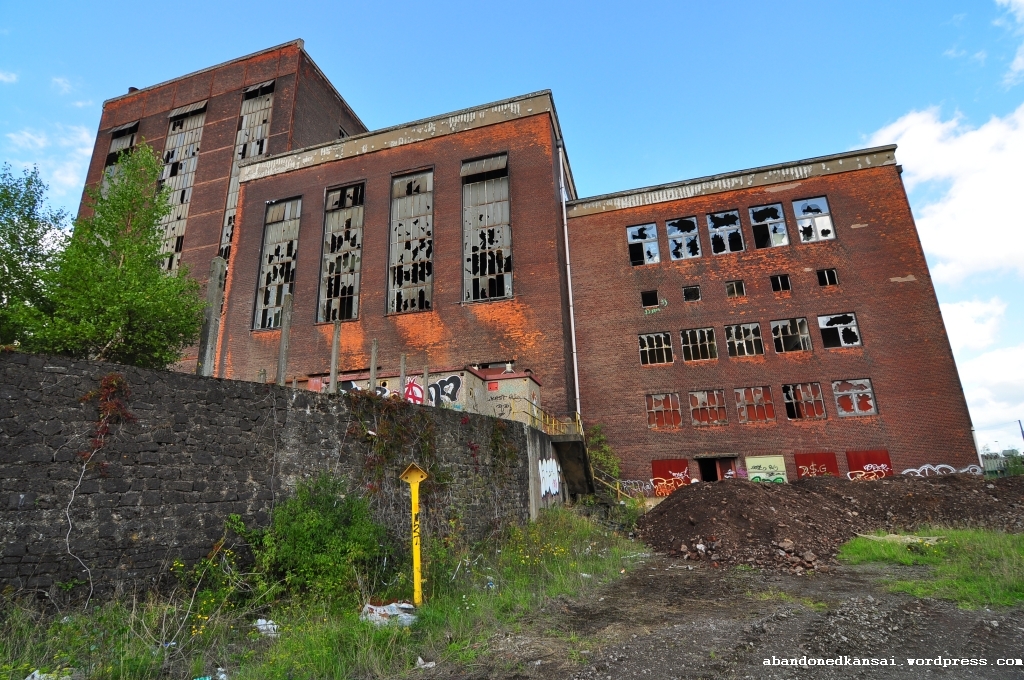
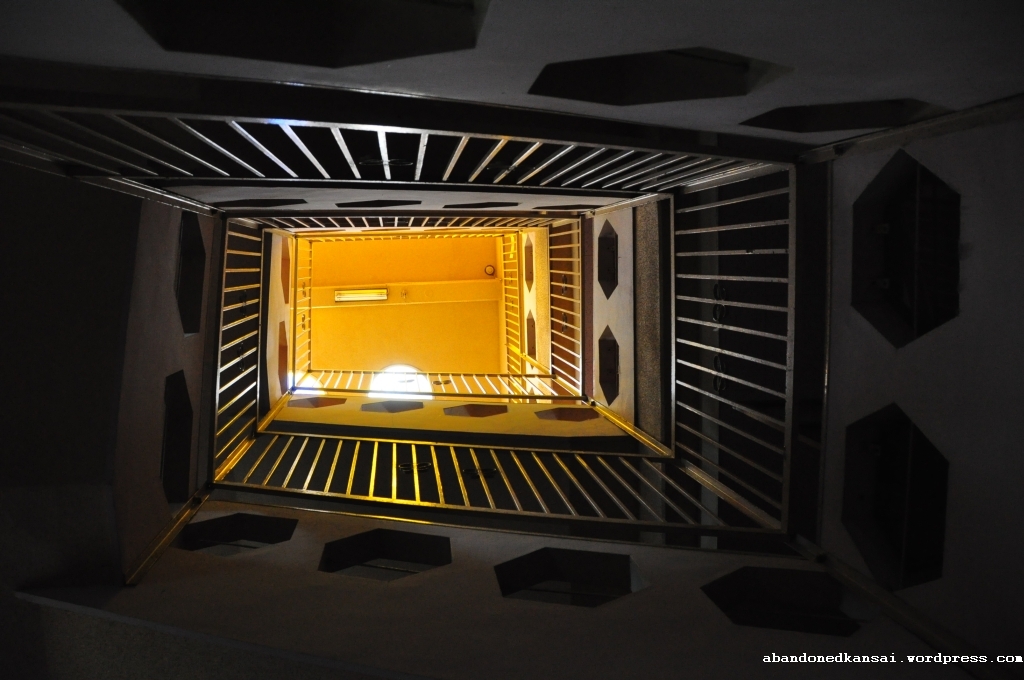
I don’t know why, but people exploring Nara Dreamland seem to be so drawn to the roller-coasters and merry-go-rounds that they totally ignore the not so hidden gem that is dominating the northern part of the Eastern Parking Lot: I’m talking about the building with the strange observation tower. And a strange building it was… A hotel, according to a Japanese hompage. But I found out about that fact weeks after I explored the building as I still was a bit unsure about its purpose.
Although the Nara Dreamland Hotel looks like a fortress (with its broken and boarded-up windows) there are actually at least two ways to get in. Mine was a quite surprising one: Through an unlocked door I closed behind me – a slightly stupid move at first sight, but it might have saved me from getting arrested as I should experience a few hours later.
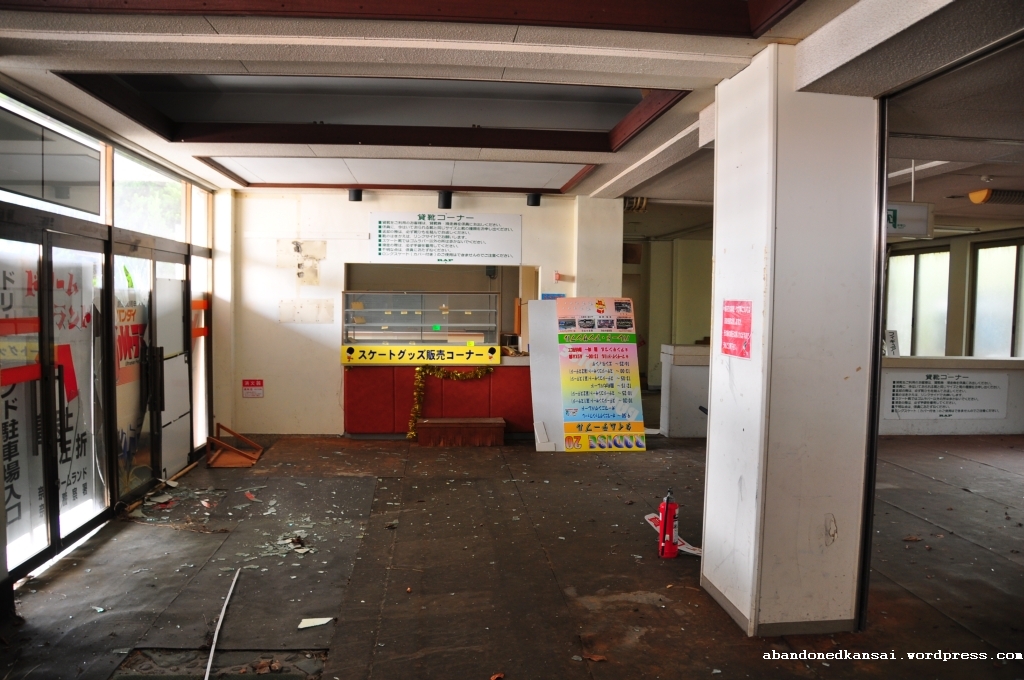
The first room I entered must have been a meeting room once, followed by a service counter for ice skate rentals and probably other things. Next to it was one of two former main entrances to the building and a quite impressive staircase leading up to the other floors.
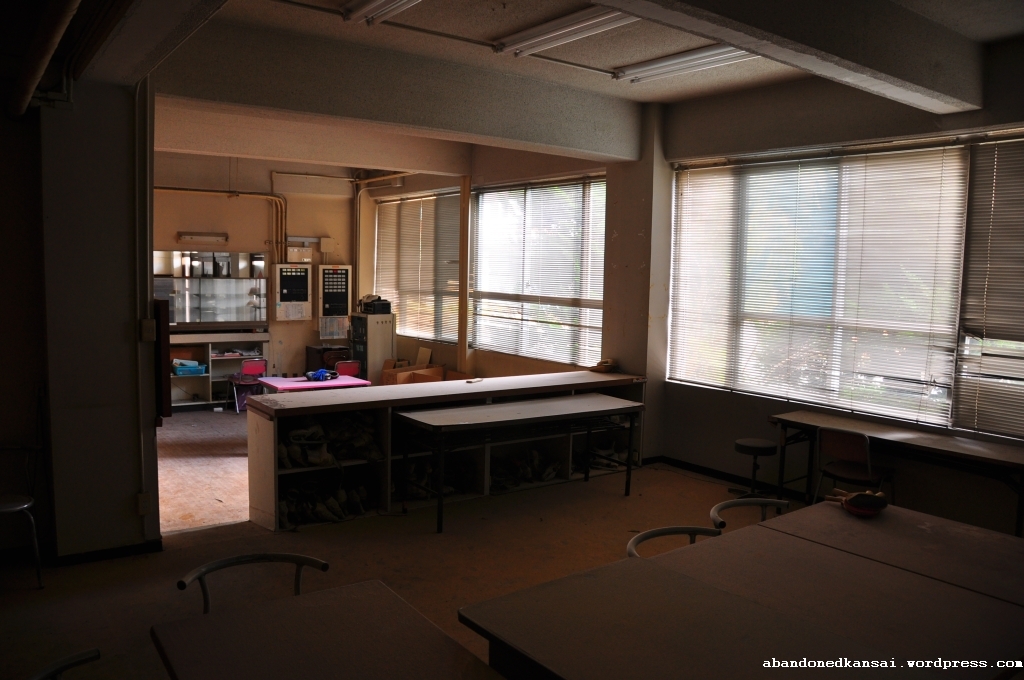
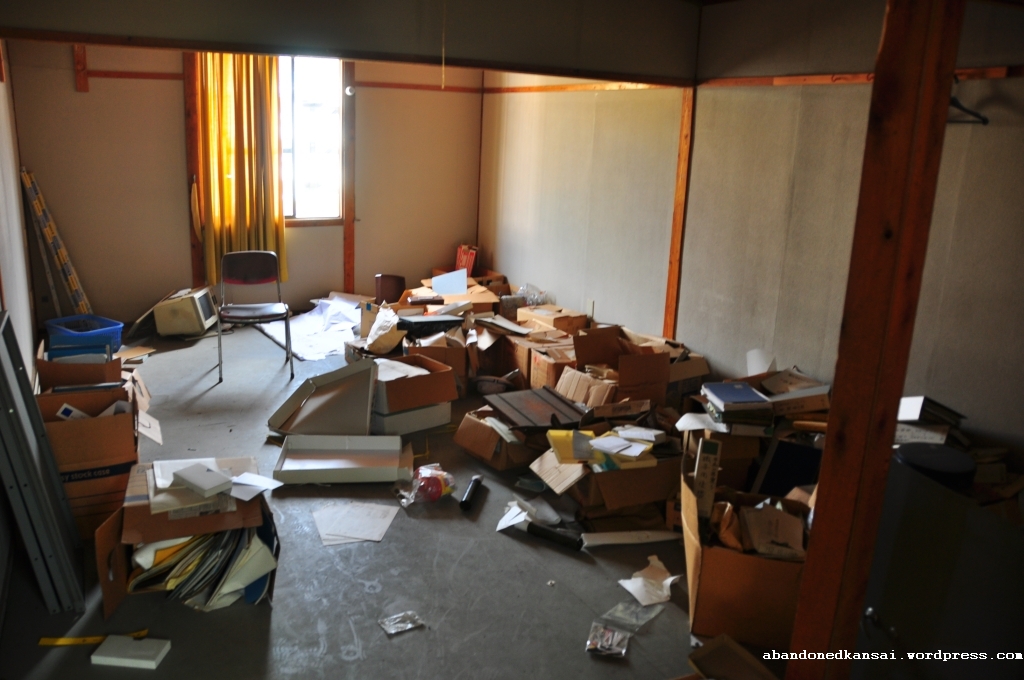
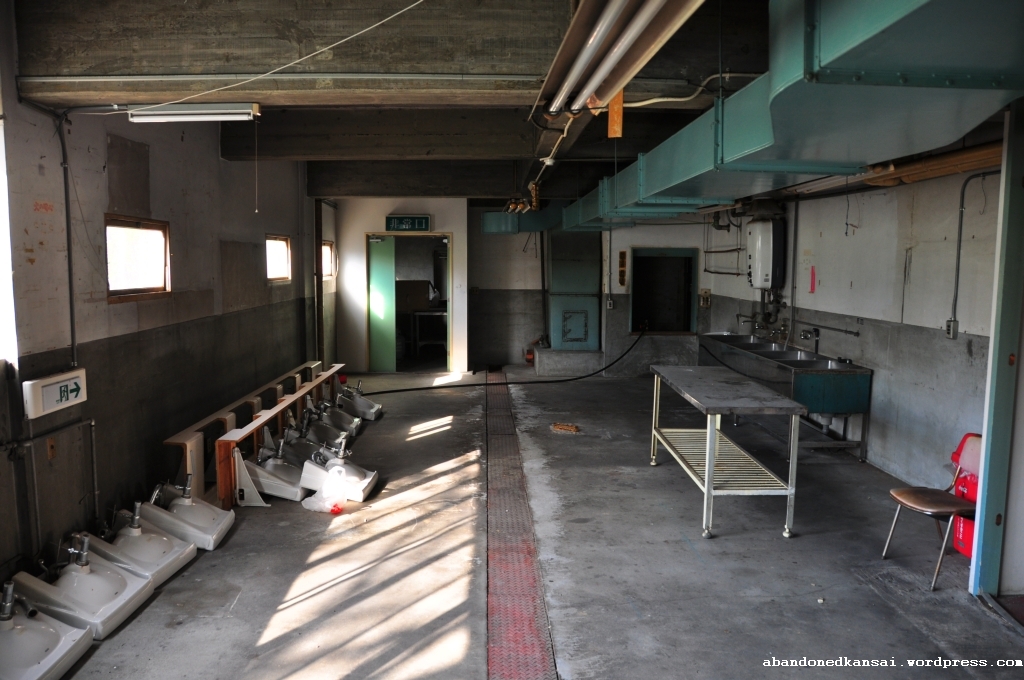
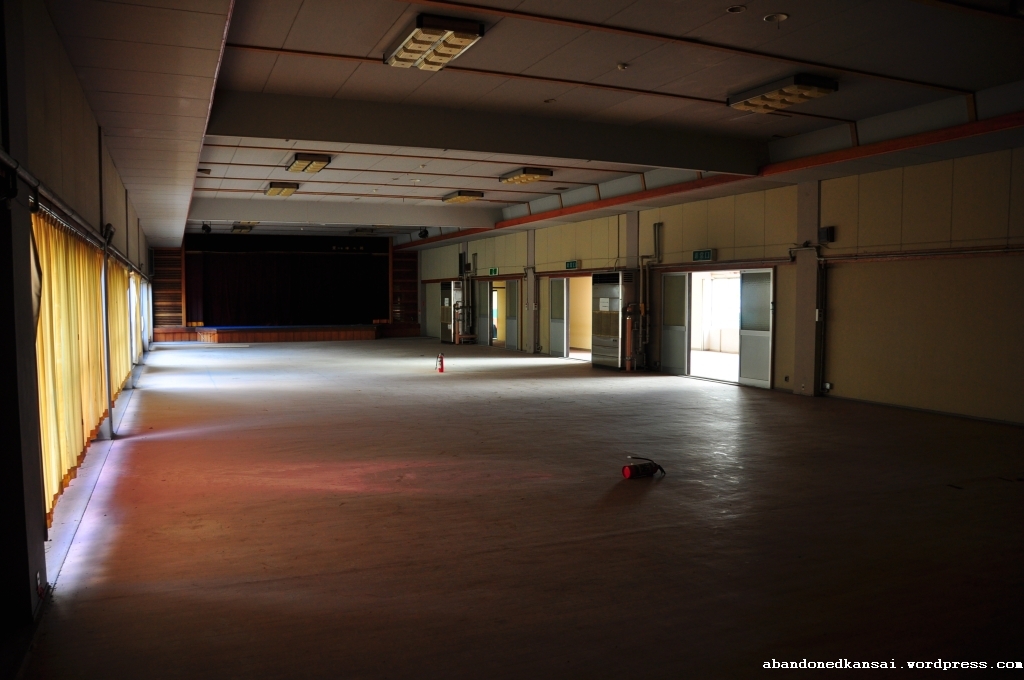
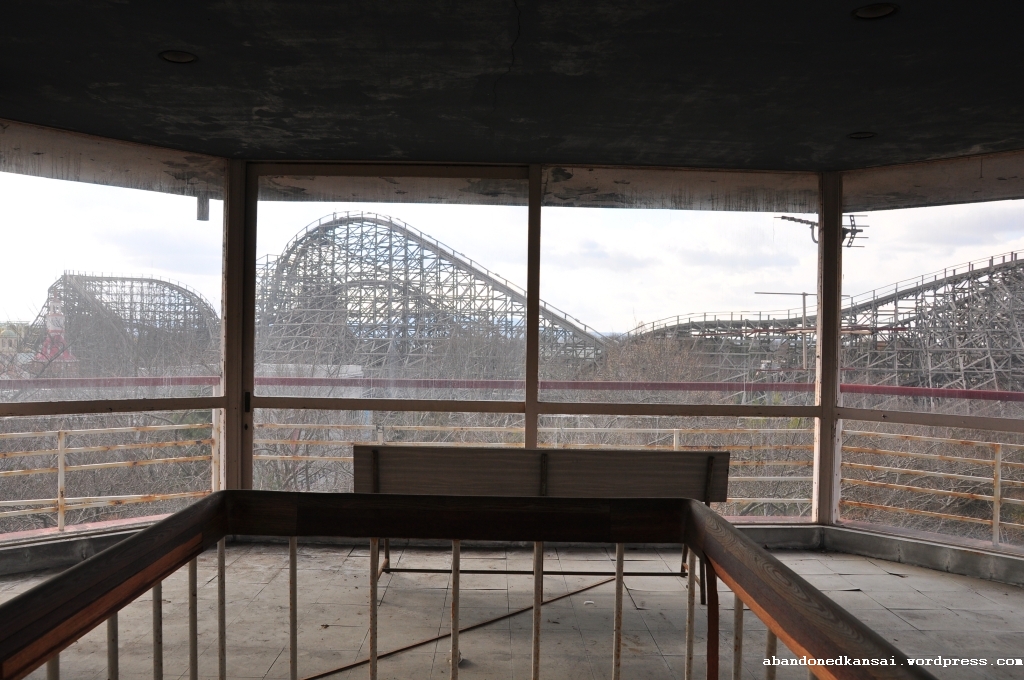
Roaming through the three floors I found a strange mix of all kinds of places: Offices, meeting rooms, private rooms, bath rooms, dormitory rooms, small and huge kitchens (several ones actually!), washing rooms, storage rooms, staircases, dark hallways, machinery rooms – a few of them locked, most of them accessible. Probably the most surprising room was a huge auditorium with a stage on the third floor. My most favorite floor of course was the observation tower. The view up there was absolutely stunning – luckily it didn’t paralyze me, because as I was enjoying the great view I saw a security guard on a scooter driving onto the parking lot! I found cover on the stairs leading down, giving me a good look at what was happening: The guard parked in front of the parking garage and went inside for a couples of minutes. After that he got back on his scooter again and drove the 30 meters right towards me to the hotel building. Now ten very, very long minutes began… until I saw the guy again, leaving. Luckily. I’m pretty sure he would have searched the building way more thoroughly if I had left the door on the ground floor open. Luckily he didn’t lock it when he left either, so I escaped with nothing more than a fright. That was in December of 2009 – a couple of weeks later I wasn’t that lucky when I entered the park itself and got caught by the guard only half an hour after I started taking pictures…
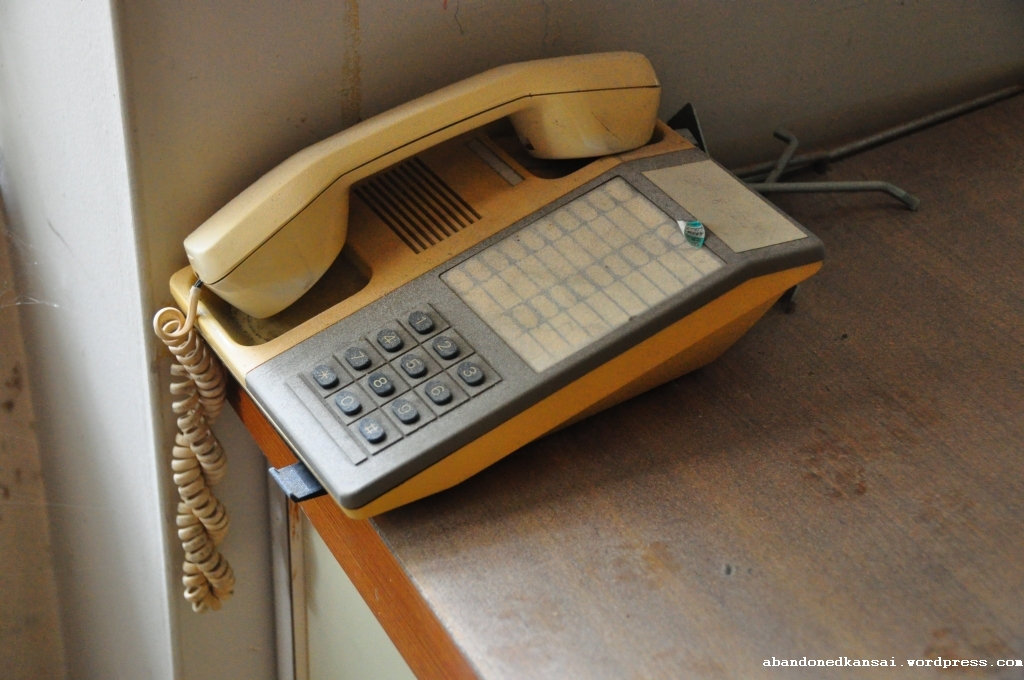
The Nara Dreamland Hotel is a massive haikyo that offers lots of diversity. It took me about 3 hours to explore and shoot the building and due to the arrival of the guard I got way more excitement than I was hoping for. As far as hotels go it was definitely one of the most interesting ones, way better than the One Dragon Hotel, the Koga CC House and the Kasagi Tourist Hotel – the lack of history was compensated by the relative absence of vandalism and the amount of items present. I have very, very fond memories of this exploration…
(For all your Nara Dreamland needs please have a look at the Nara Dreamland Special. For a look at the area around Nara Dreamland on GoogleMaps, including some fancy icons linking to articles on Abandoned Kansai and videos on YouTube, please *click here*. *Like Abandoned Kansai on Facebook* if you don’t want to miss the latest articles and exclusive content – and subscribe to the *video channel on Youtube* to receive a message right after a new video is online…)
Addendum 2015-07-01:






One Dragon Hotel
Posted in Abandoned, Asia, Haikyo, Hotel / Ryokan, Japan, Kansai, Osaka, Urbex, Visited in 2009 on 2010/02/17| 5 Comments »
It’s obvious that I post my urban exploration experiences not in chronological order and this time I will jump back to the very early days: My first indoor haikyo. The One Dragon Hotel is another internet favorite located in the southern part of Osaka. There are not a lot of known facts about the place – nobody seems to know when it was opened up or closed down. But there are the usual rumors of financial problems and the owner committing suicide. A classic you can hear about pretty much every closed hotel in Japan.
Since the One Dragon Hotel is built partly over a lake and the sides are blocked by fences protecting private property the only way to easily enter the place is by sneaking in through the back via a park. And although I went there on a very sunny day the place was pretty scary. The common way is to enter through the basement into a rather dark corridor, only lit by a few windows to the north. Like I said, this was my first indoor exploration, so every step was a new experience. Since I went alone and had neither an experienced guide nor an equally unexperienced friend at my side horror was lurking behind every corner; at least in my mind. It’s funny to look at the pictures now, remembering how I felt when I took them.
The One Dragon Hotel must have been shut down about 25 years ago and its location so close to a lake left it with lots of rotten components. Furthermore it was mentioned in “the book” (Nippon No Haikyo, one of the few books that include more or less detailed maps), so its location is known to a lot of people, even those who don’t consider haikyo a regular hobby. It’s not surprising that the place attracted a lot of vandals – most floors and ceilings are ripped apart, a few rooms were set on fire and the hallway to the shared bath collapsed. Maybe I was overly cautious back then, but I remember the One Dragon Hotel being in pretty bad shape.
I’m sorry to say that the pictures quality isn’t that good this time – my camera was brand new and I had barely any clue how to use it… so this is a real rookie posting. The next one will be more exciting, I promise!


Koga CC House
Posted in Abandoned, Asia, Haikyo, Hotel / Ryokan, Japan, Kansai, Shiga, Urbex, Video, Visited in 2009 on 2010/02/07| 2 Comments »
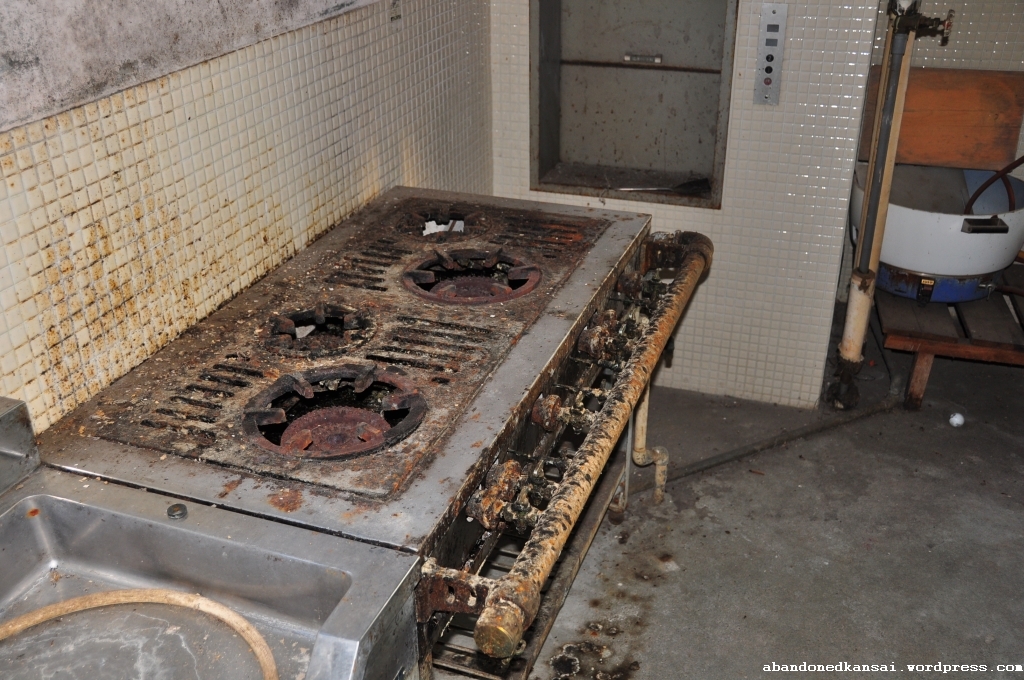
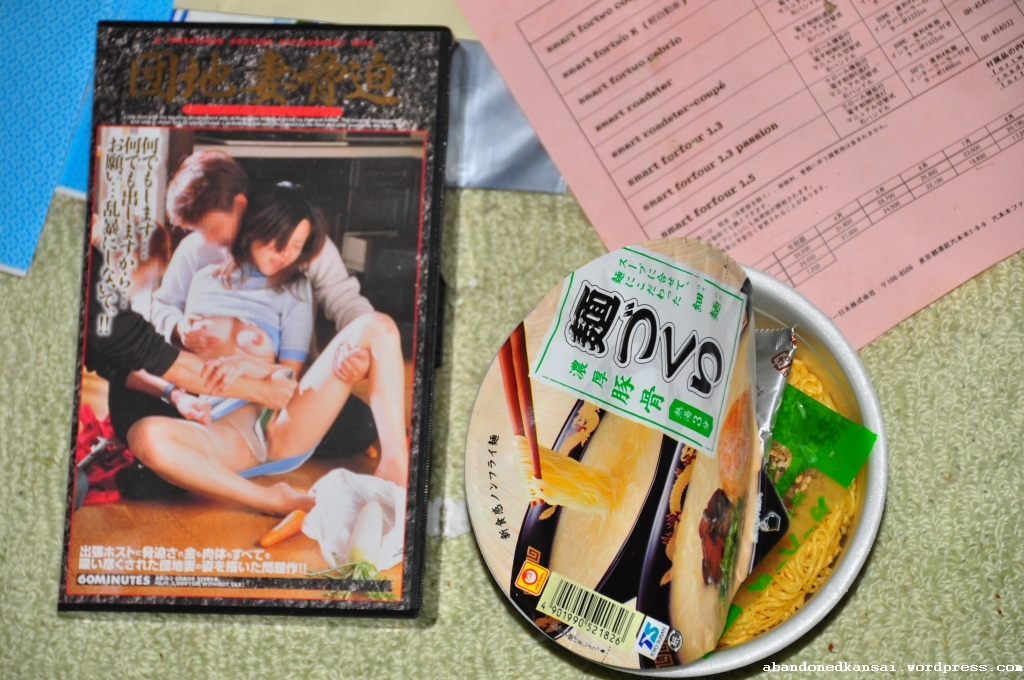
Overall it was an average haikyo, I guess. But I nevertheless liked it since the building wasn’t vandalized at all and in decent condition – and since it’s very close to the mostly demolished Family Land the combo is definitely worth a visit. I just still wonder why there was an open package of instant noodles next to a porn video in one room…
(Addendum 2012-02-06: I just added the video walking tour – I never intended to publish it, so please don’t get your expectations too high. This was one of the first videos I ever took…)



Mt. Atago Hotel
Posted in Abandoned, Asia, Haikyo, Hiking, Hotel / Ryokan, Japan, Kansai, Kyoto, Urbex, Visited in 2009 on 2010/01/18| Leave a Comment »
When visiting the Mt. Atago Cable Car you should have a look at the Atago Hotel, too – there’s not much left, but after climbing about 640 meters 20 more won’t kill you.
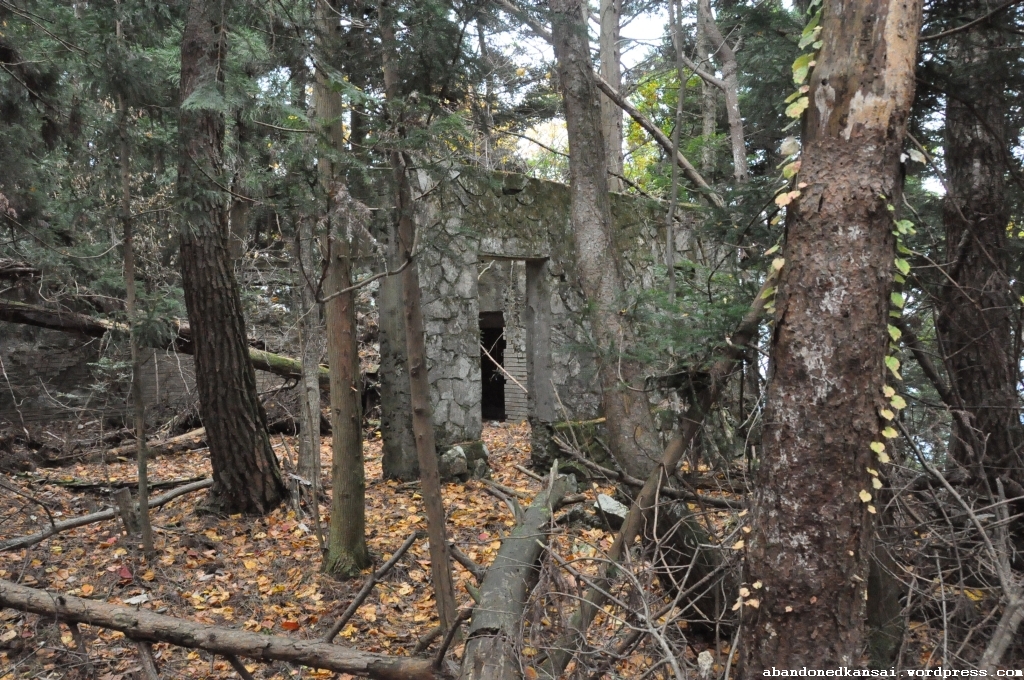
The Atago Hotel was opened on 1930-07-20, shortly after the cable car, and closed down together with it in 1944. Like the top station of the cable car the Atago Hotel is nothing more but a bunch of walls, just in a slightly better condition – but without floors. It seems like the hotel, located at a slope, was built with the entrance at the ground floor and an “open basement”. The ground level is almost completely gone whereas the walls of the basement are still there, or at least some of them are; including openings for windows and doors. If you get to the hotel from the southern side and on a lower level the remaining walls look very massive, almost like an ancient Japanese castle.
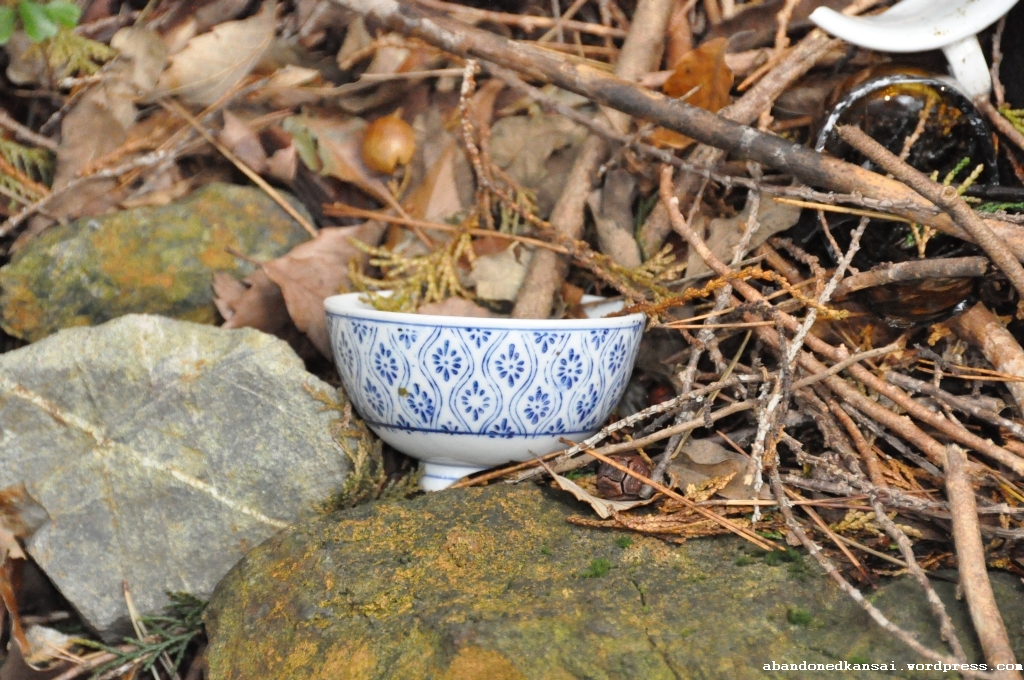
Overall the place is quite unspectacular and only worth going there since the cable car station is so close-by. At one side of the hill is kind of a dump with lots of old cans, cups and plates. I’m not sure if everything there is from the time when the hotel was still open or if later visitors left their garbage there, but it’s nevertheless interesting and offers quite a few items worth taking pictures of – if you are into that kind of stuff.



Abandoned Kansai on Facebook
-
Join 5,098 other subscribers
Pages
Archives
Categories
Recent Comments
Gred Cz on Sakura Car Shop Sue on Sakura Car Shop Gred Cz on Mie Minshuku Matauia vainetutai M… on Nara Dreamland – Frequen… Emily on Mie Minshuku Gred Cz on Kitakitsune Farm (Non-Urbex) Seyeon Park on North Korea Revisited: Ep… Florian / Abandoned… on Green Plaza Akakura Florian / Abandoned… on Green Plaza Akakura Gred Cz on Green Plaza Akakura


 Abandoned Kansai