Feeds:
Posts
Comments

Archive for the ‘Visited in 2015’ Category

As much as I dislike hospitals and mistrust doctors in real life (I’m grateful for them, but to me they are a necessary evil fighting for good) as much do I enjoy clinics and other health facilities when they are abandoned. Japan has not only plenty of them (I must have explored more than 50 over the years), but the variety is also amazing. Everything from *local doctors with a pharmacy in their wooden countryside mansions* to *large concrete monsters with modern machinery* – and except for a handful now vandalized or demolished ones, they are also among the hardest to find abandoned places; even Japanese explorers with no English skills whatsoever occasionally contact me for coordinates.

One of my favorite up till now unpublished abandoned medical facilities is the Minato Naval Hospital – an institution so old that the nearest modern JSDF base is about 60 kilometers away, the nearest JSDF naval base even 100 kilometers. The hospital was established in 1923, though the building featured in this article was constructed in 1932. 65 years later it was reorganized into another facility and probably closed as part of the restructuring of national hospitals. In 2012 the institution was renamed and moved to nearby Shimoda where it still exists as the Shimoda Medical Center.

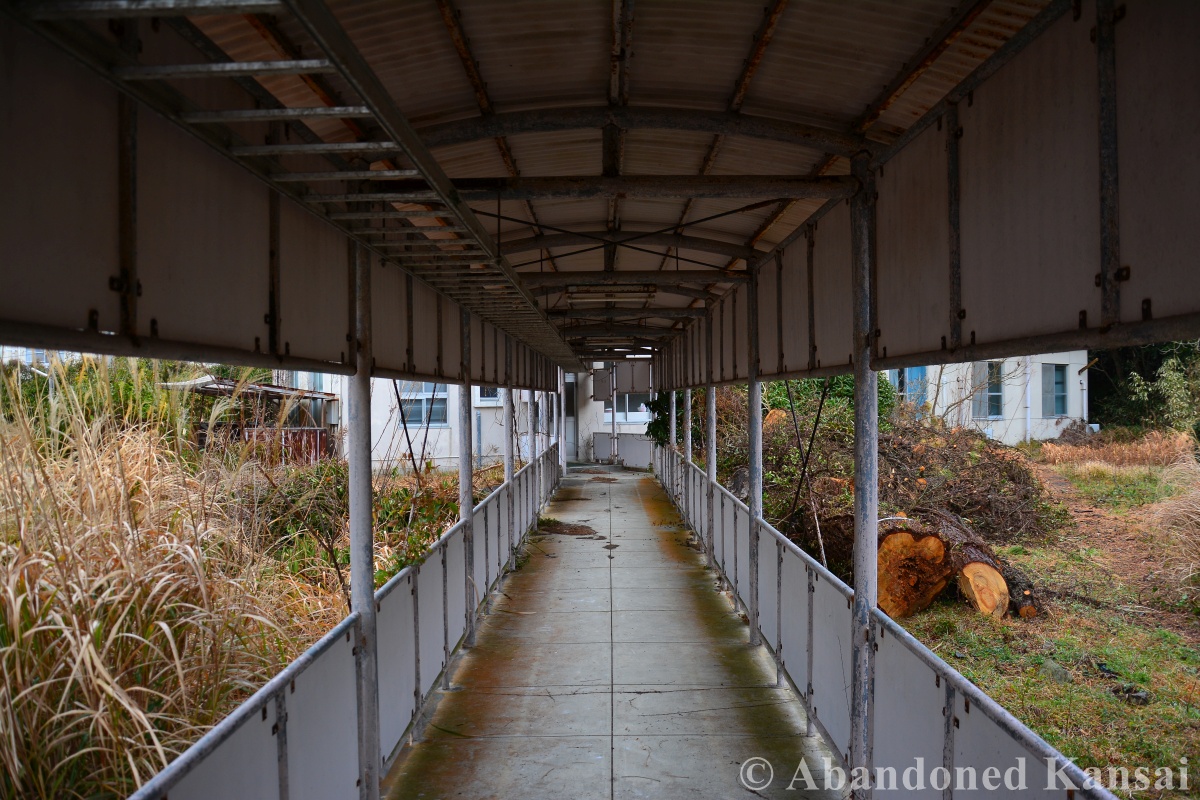
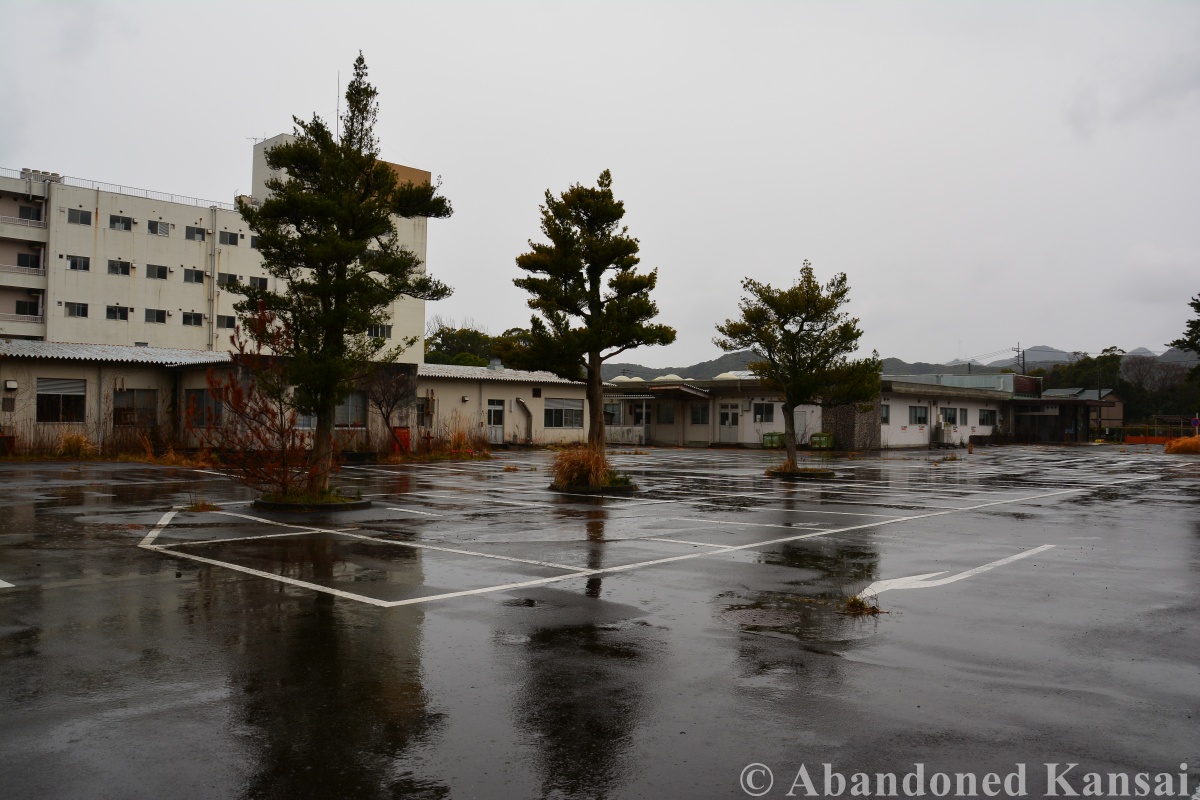
I explored the Minato Naval Hospital back in 2015 on my way to the now demolished *Irozaki Jungle Park* – so I guess it sitting somewhat forgotten on my hard-drive for 10 years is long enough! The exploration was part of a weekend trip to the Izu Peninsula and I have to admit it would have been impossible to do without the help of a friend I was travelling with. The naval hospital was on the premises of a semi-abandoned hospital complex, part of which is still active to this very day… and the building of our interest was tightly locked. Fortunately there was a hole the size of maybe a tennis ball in the plastic part of the door, slightly off above the lock. Now, I’m a big guy with big arms and there was not a snowball’s chance in hell my hand let alone my arm would have fit through that hole – luckily my friend was a skinny woman who literally had a can of coffee and a cigarette for breakfast (guess which country she’s from!), so it took her about 5 seconds to unlock the door and get us into the building.

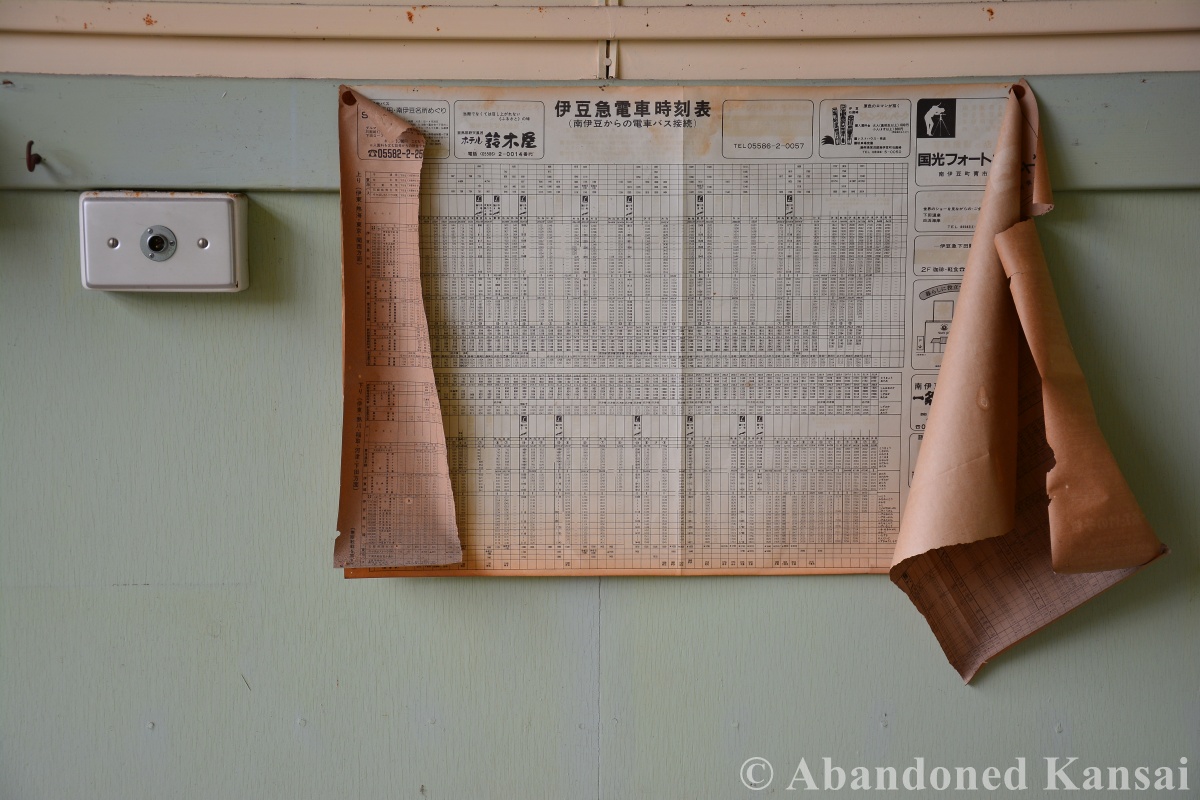
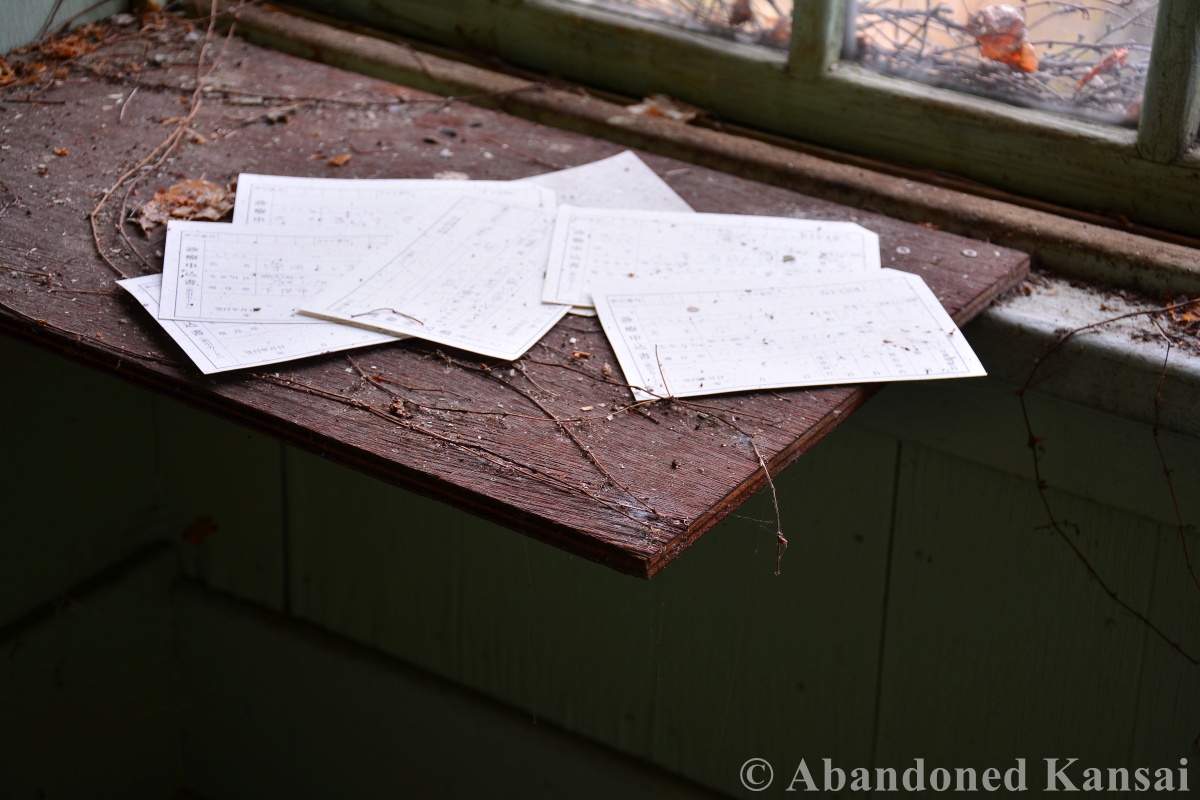
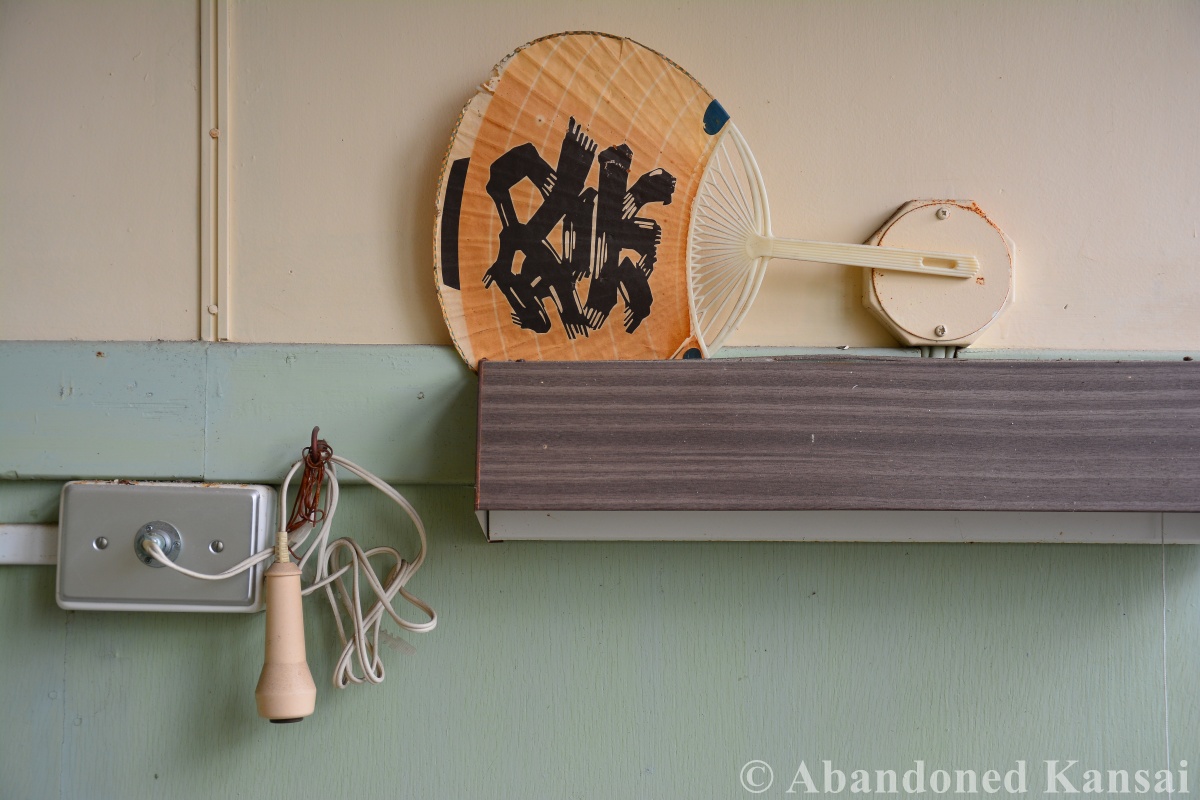
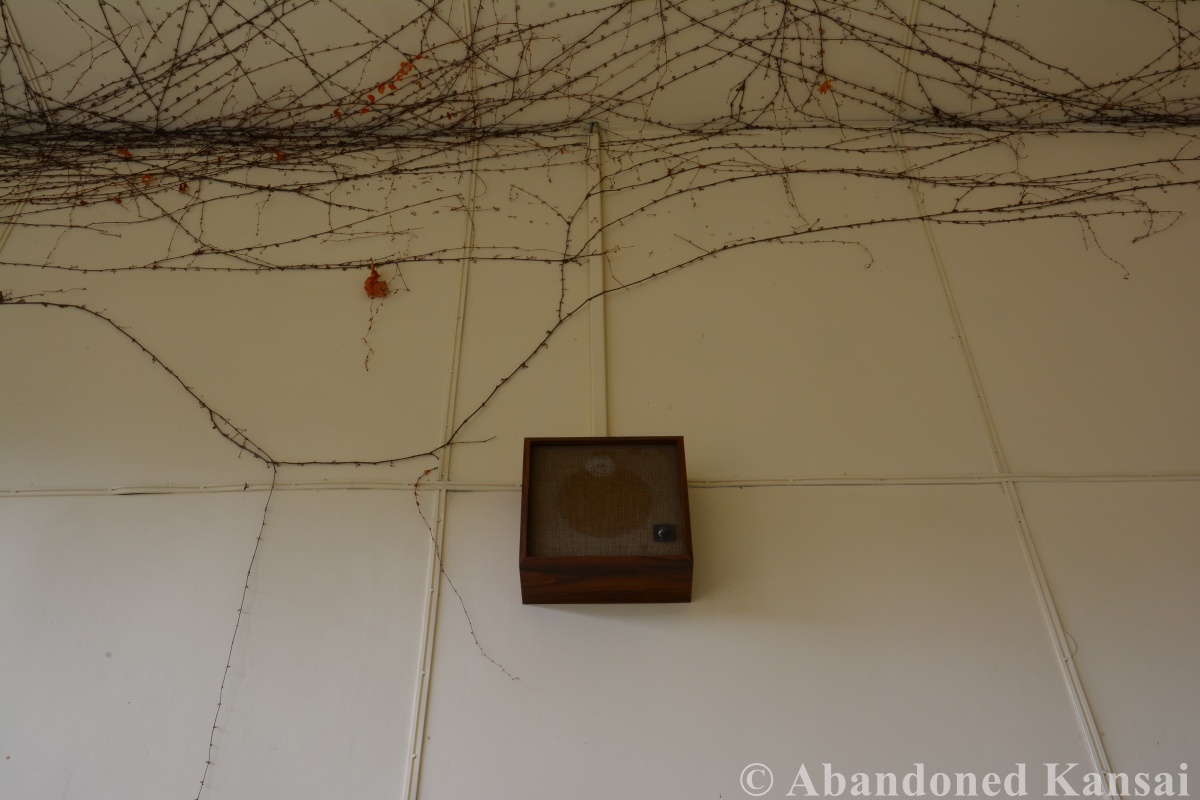
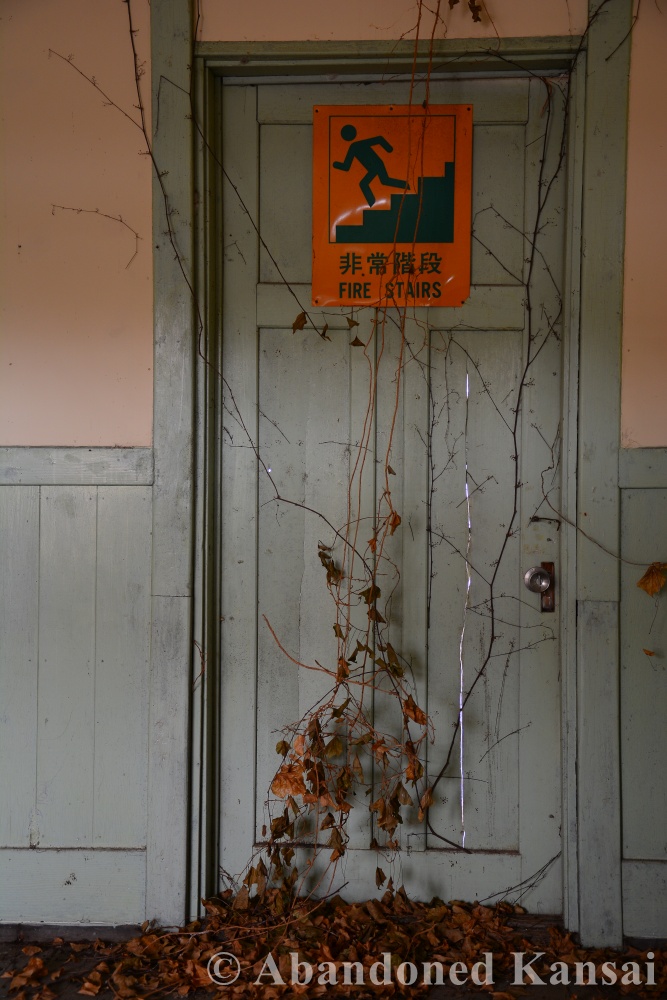
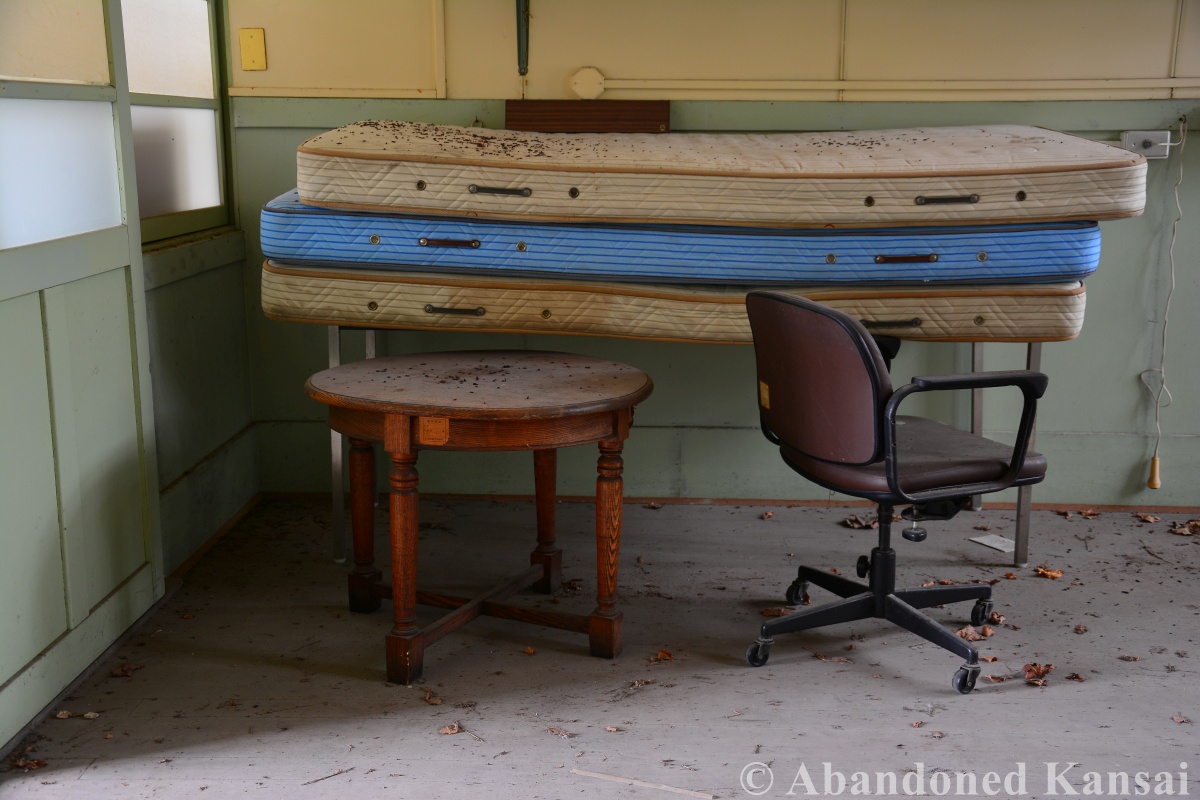
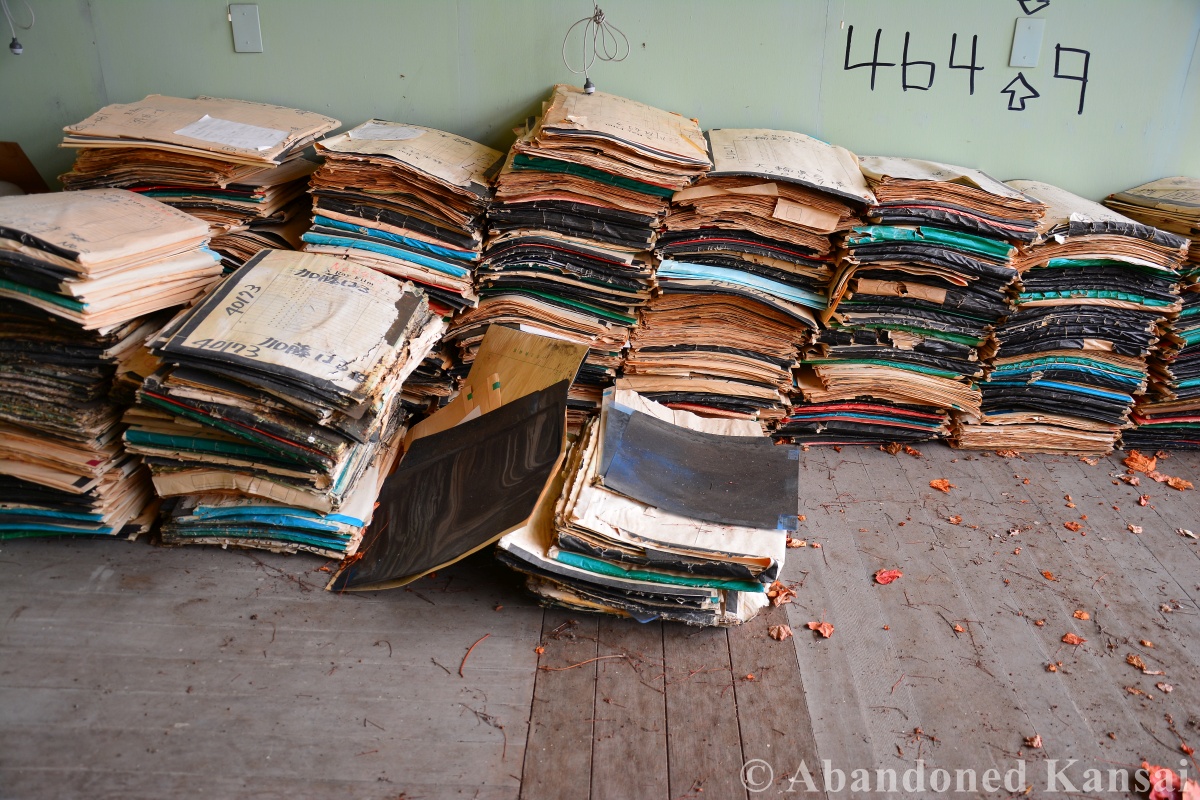
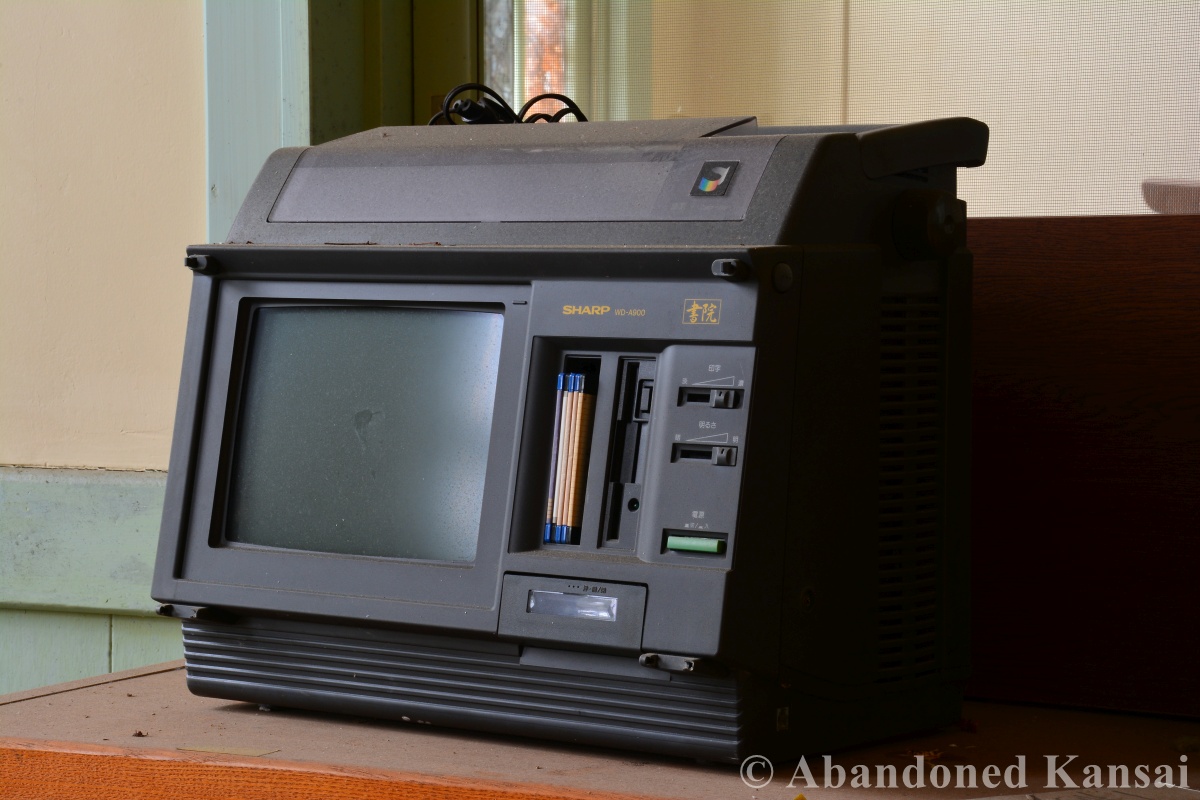
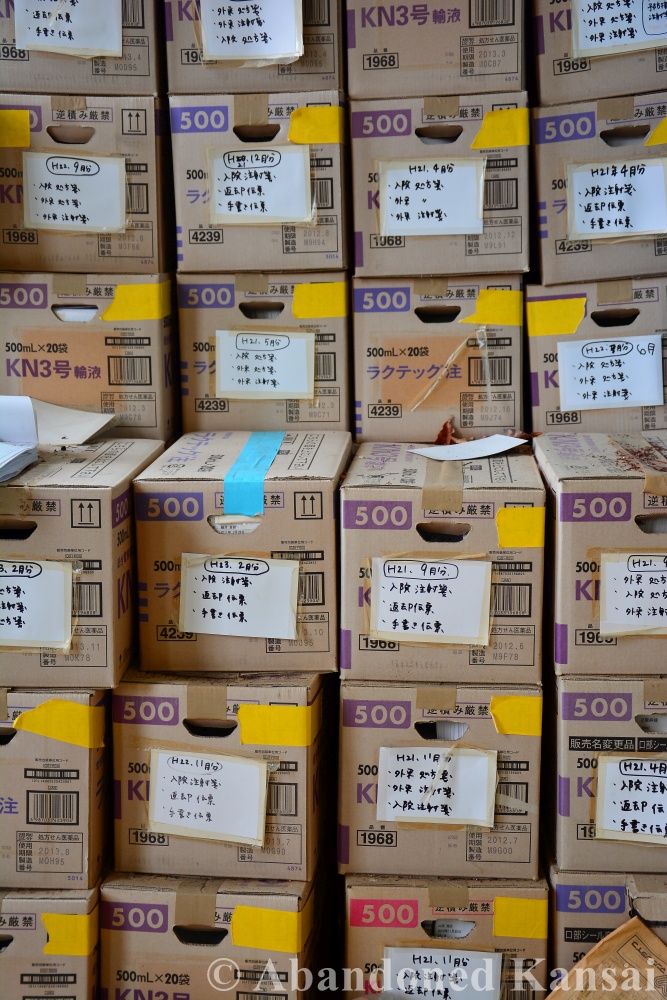
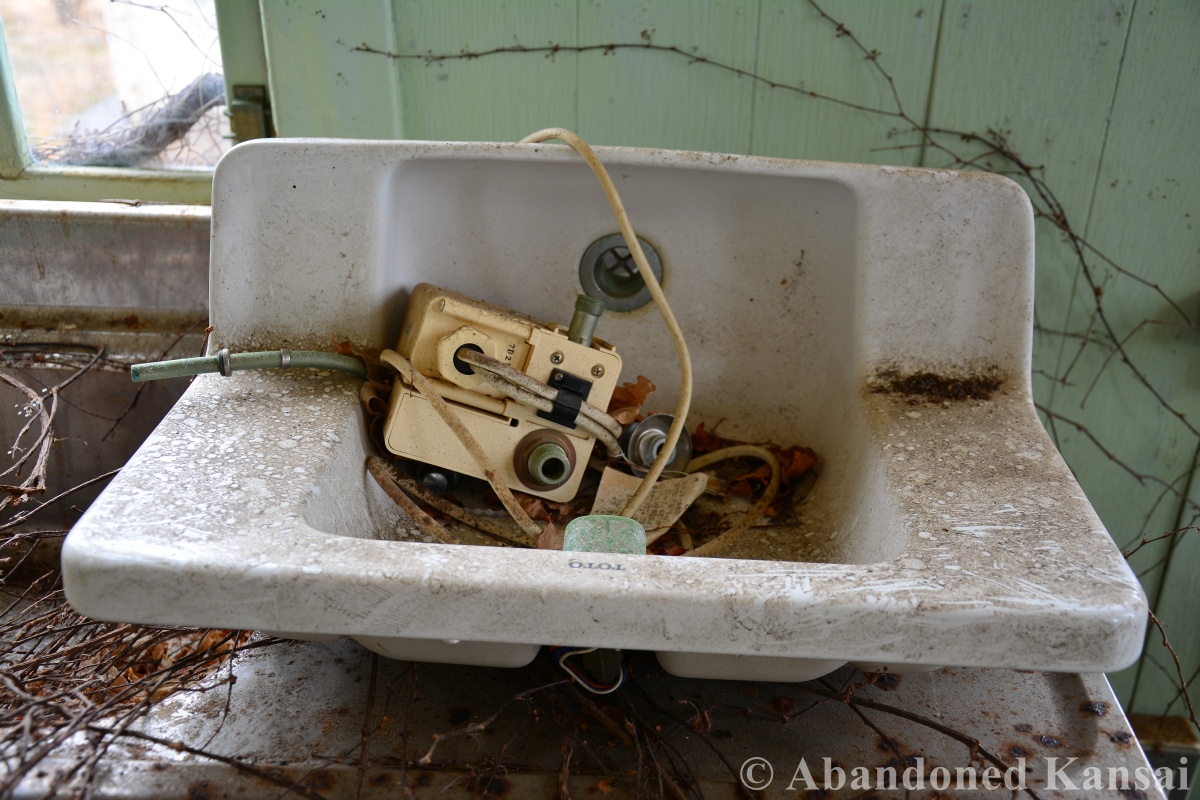
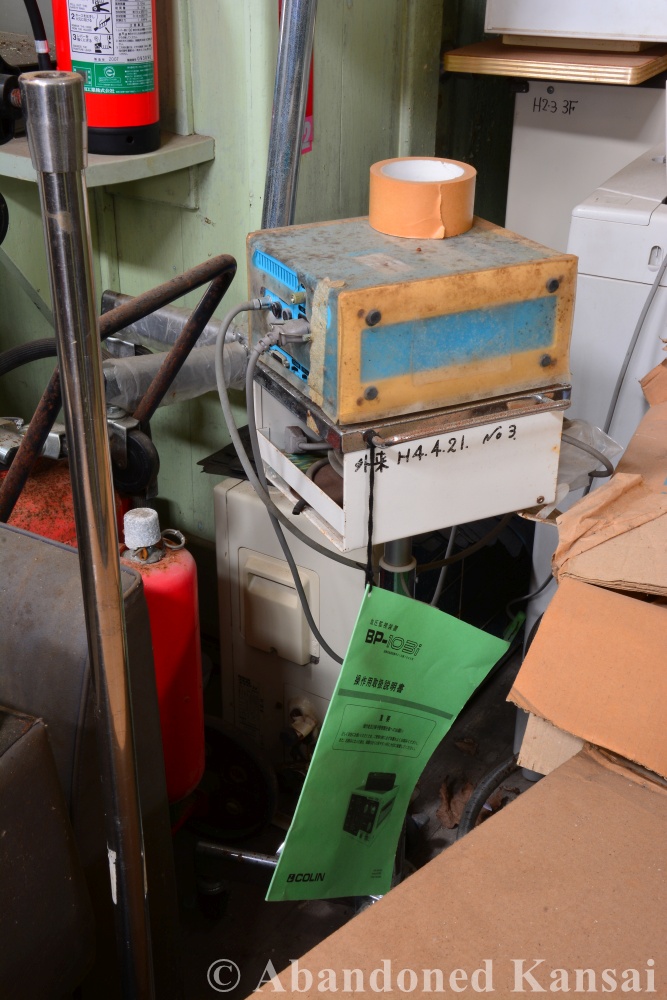
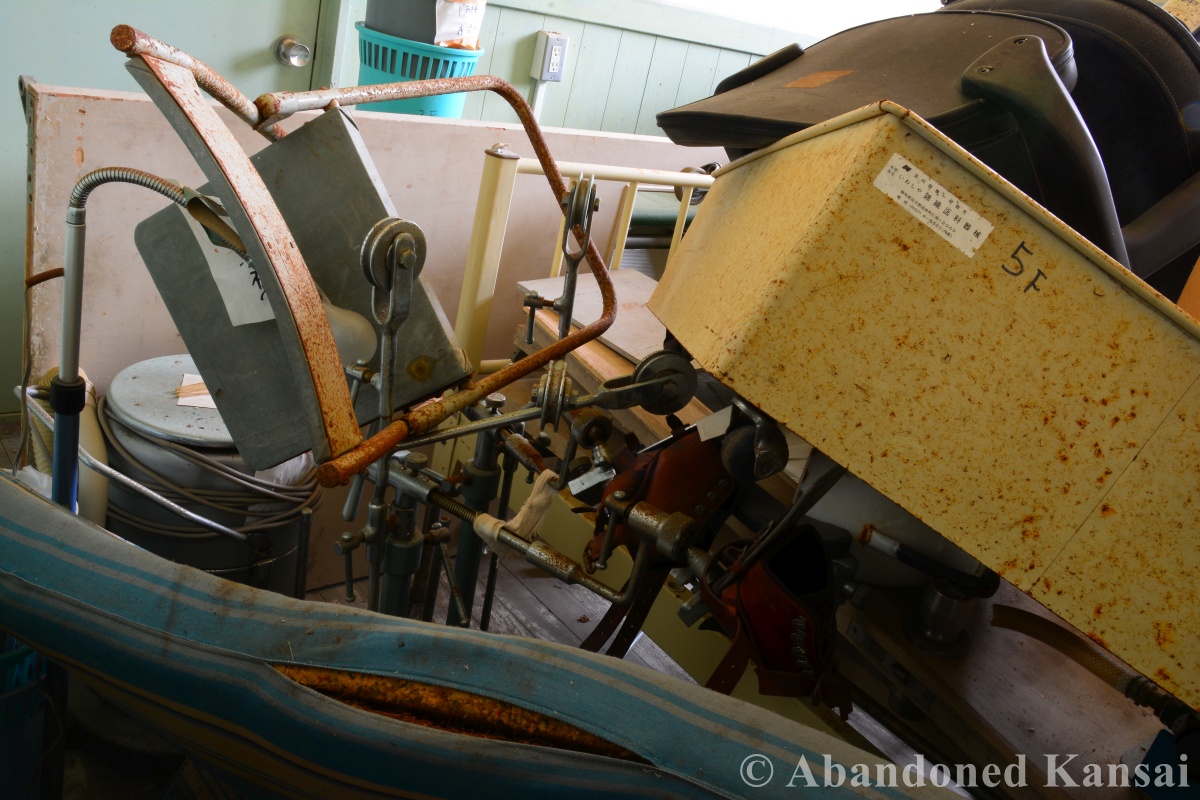
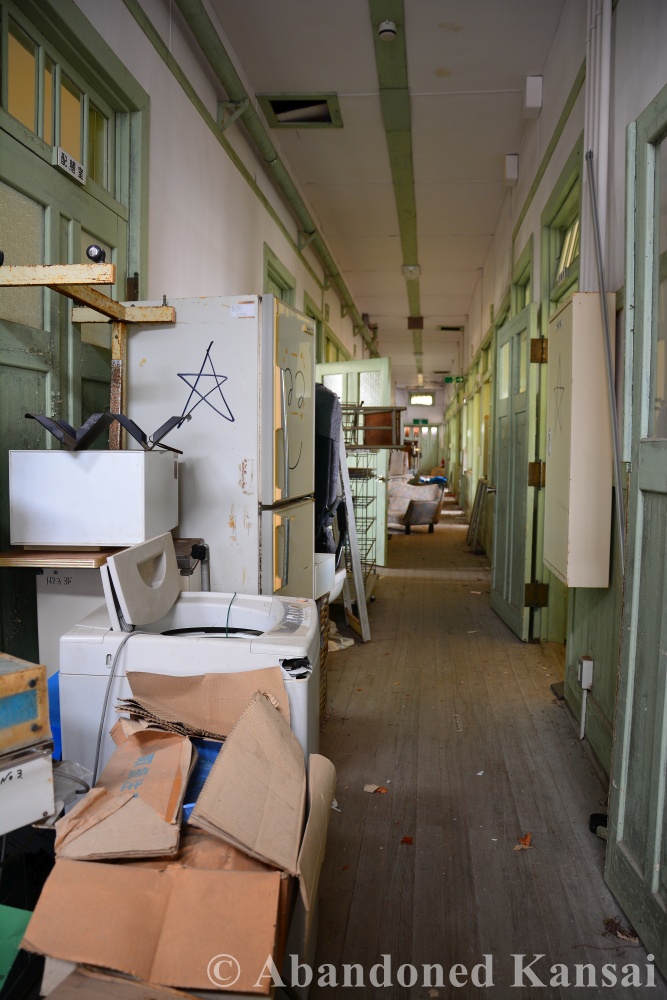
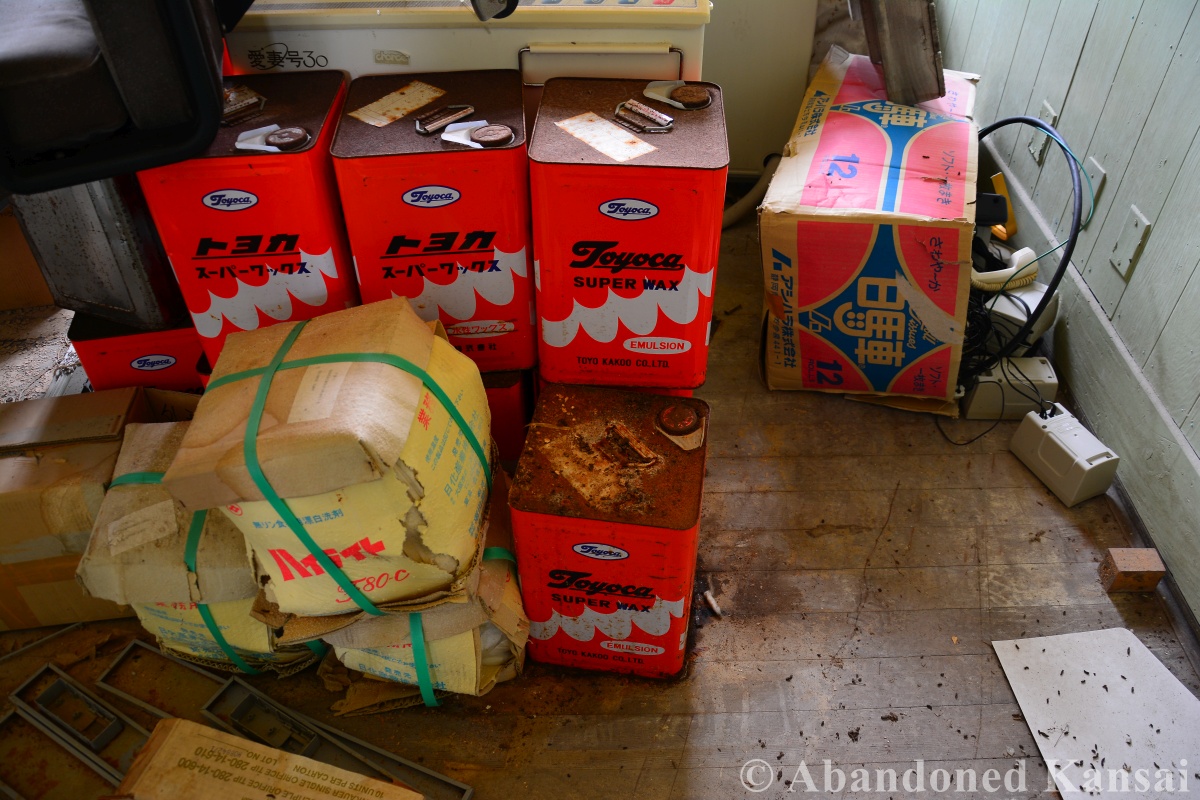
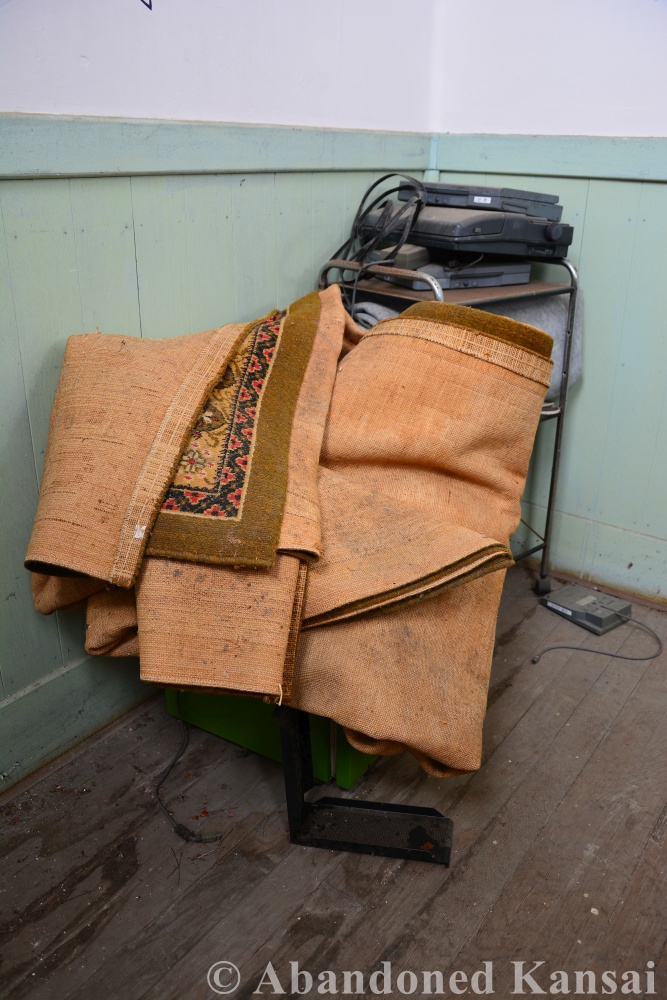
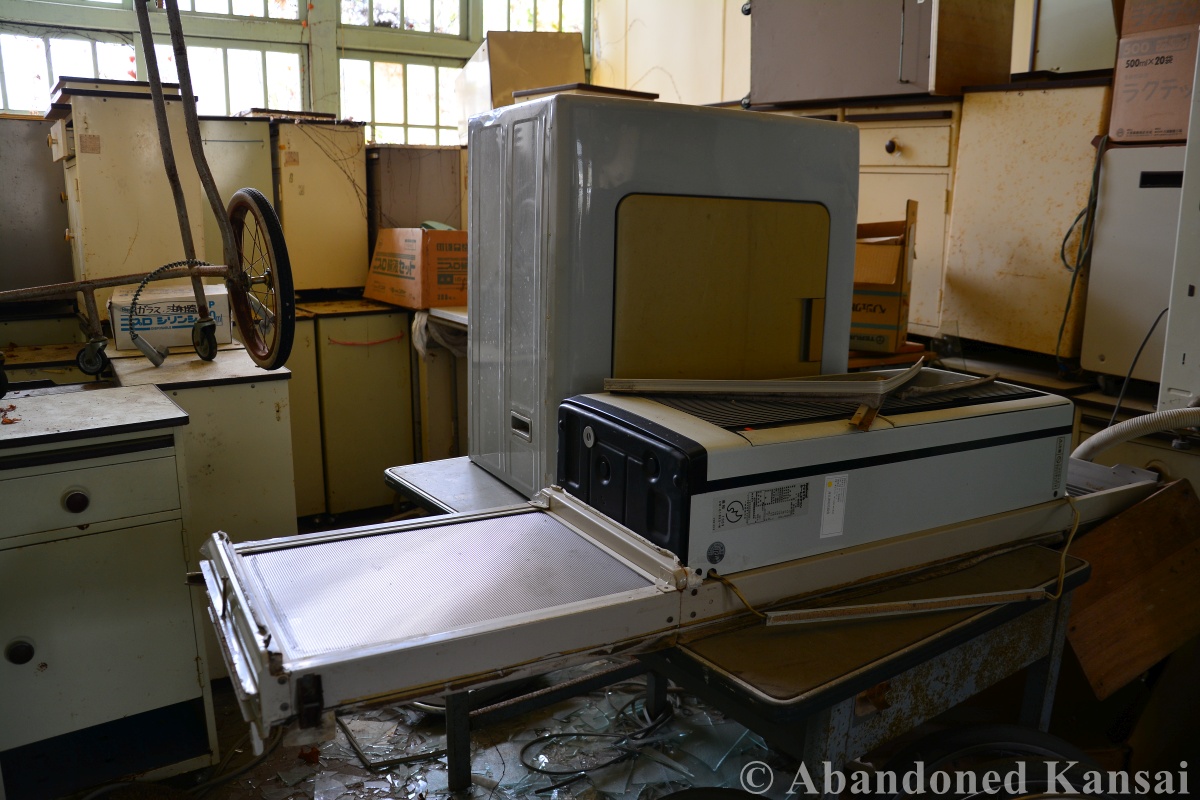
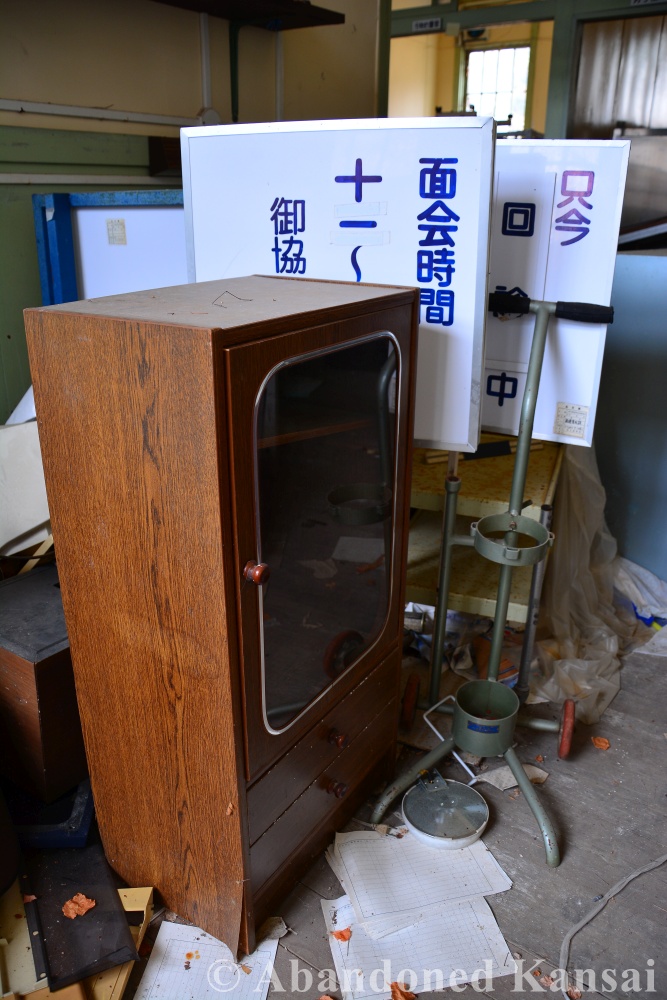
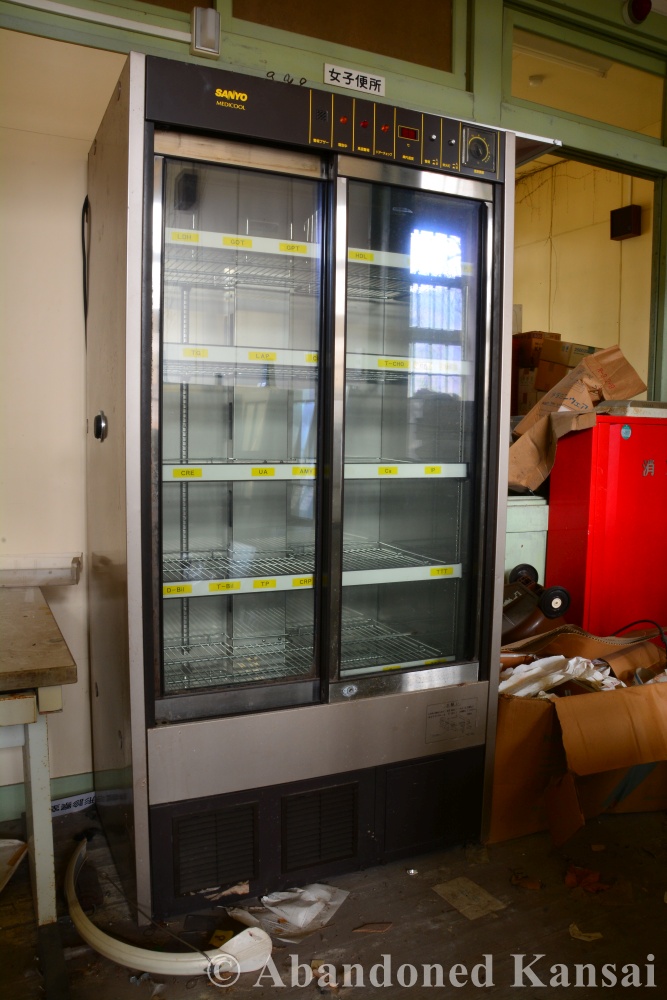
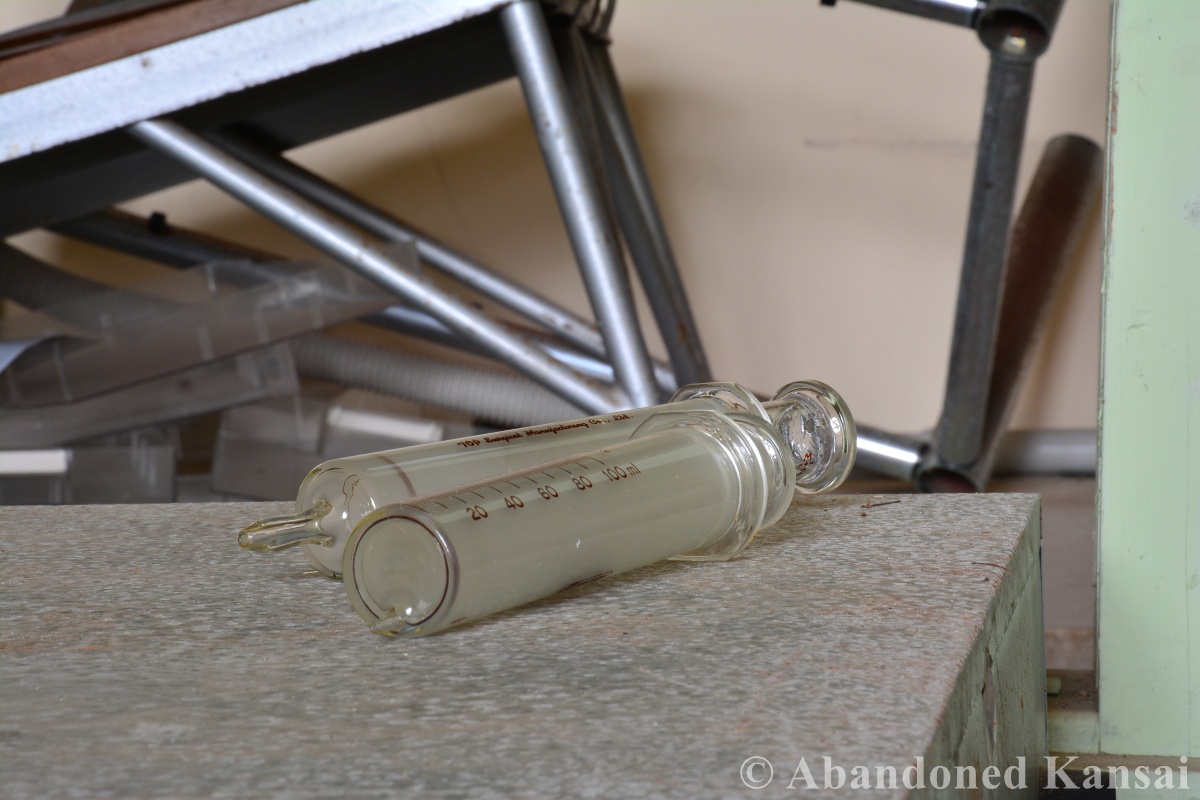
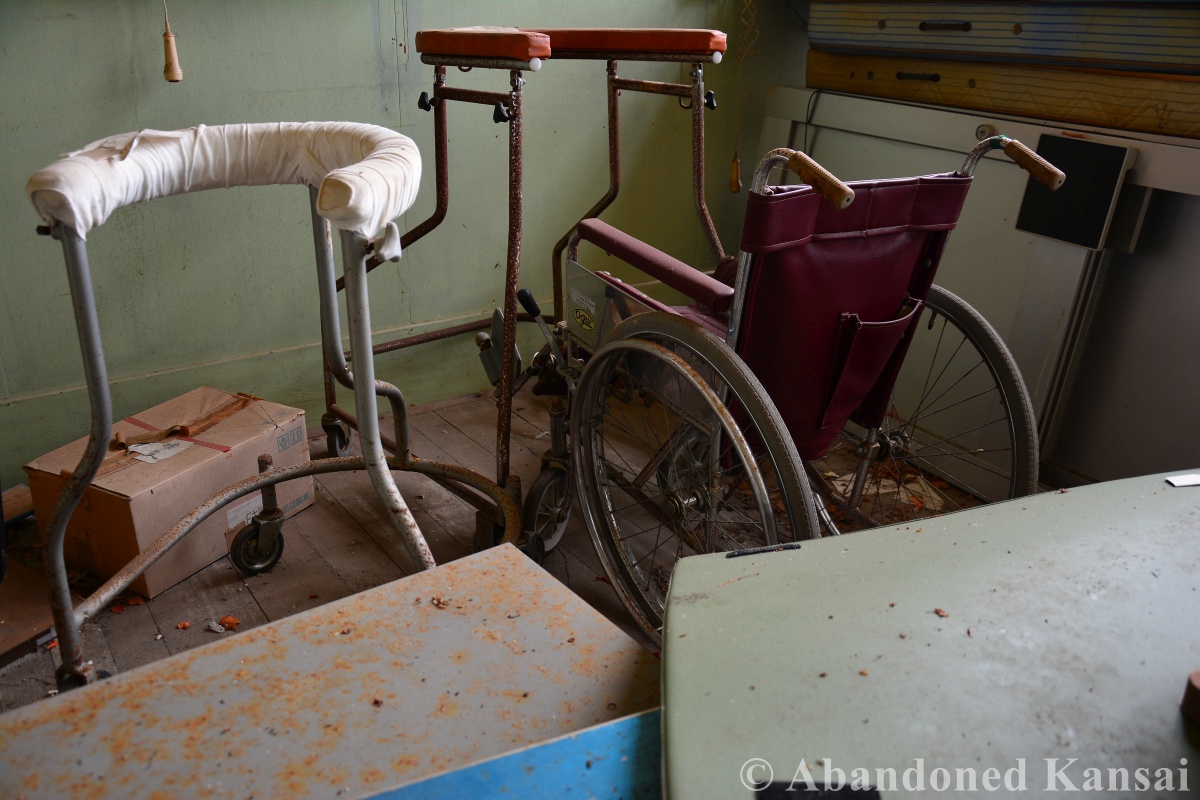
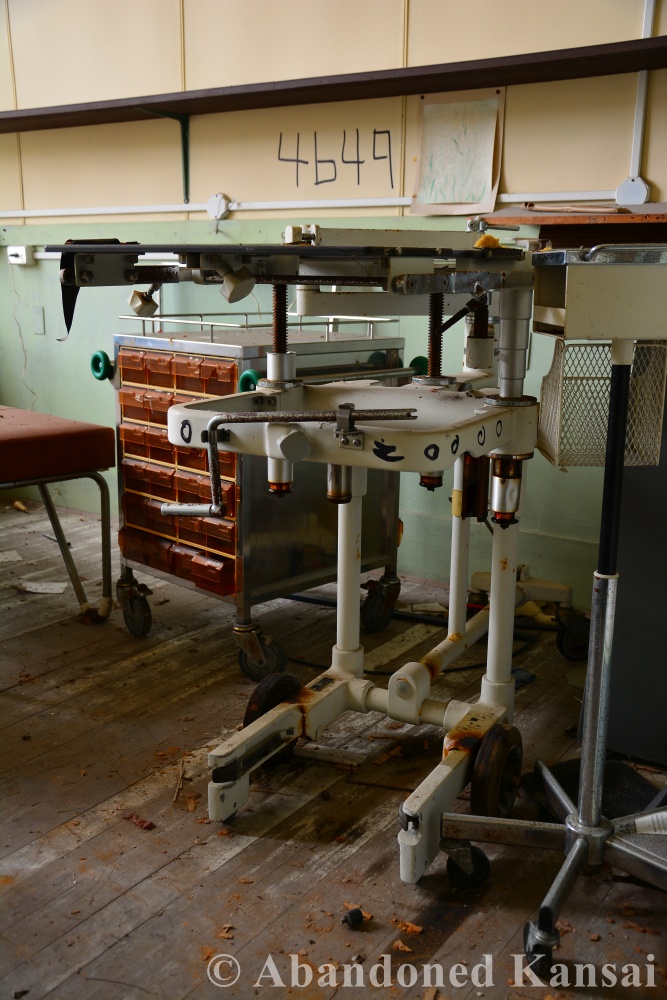
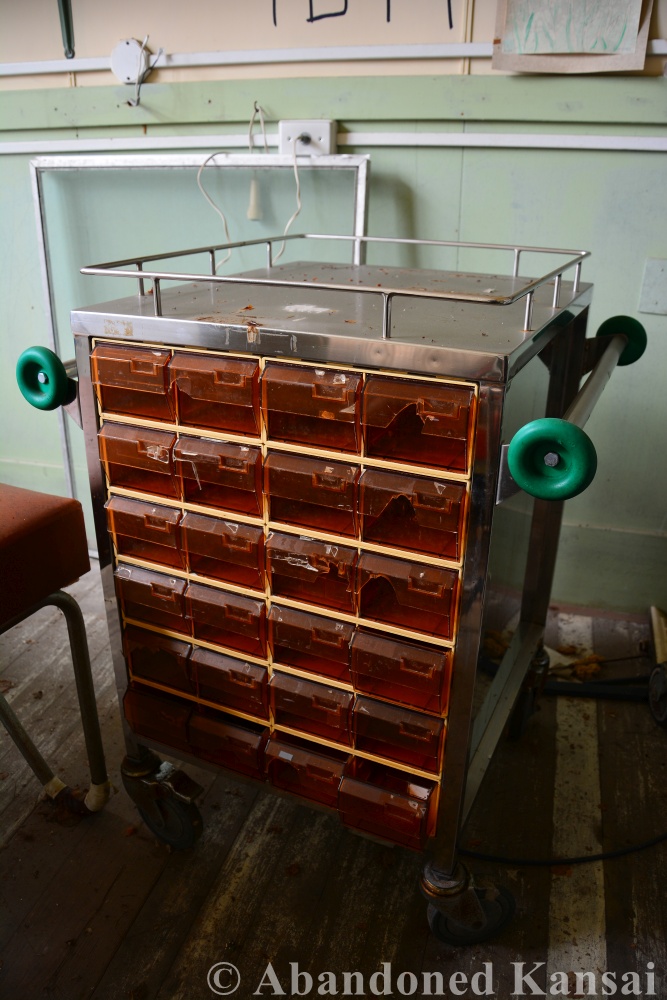
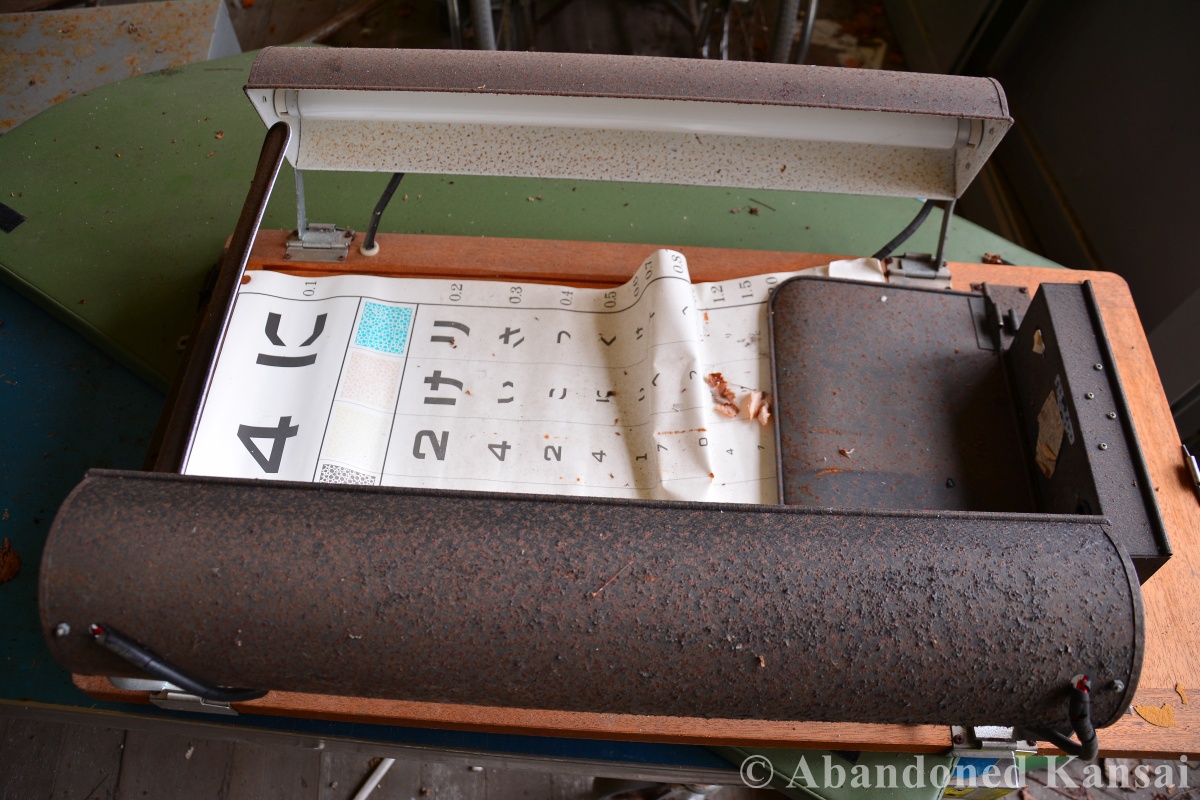
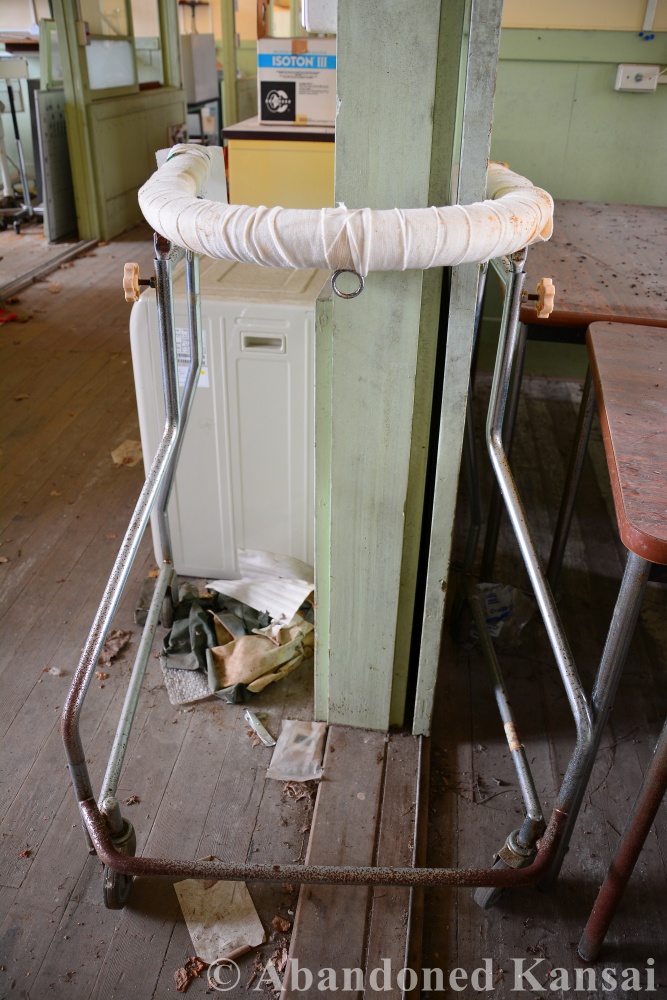
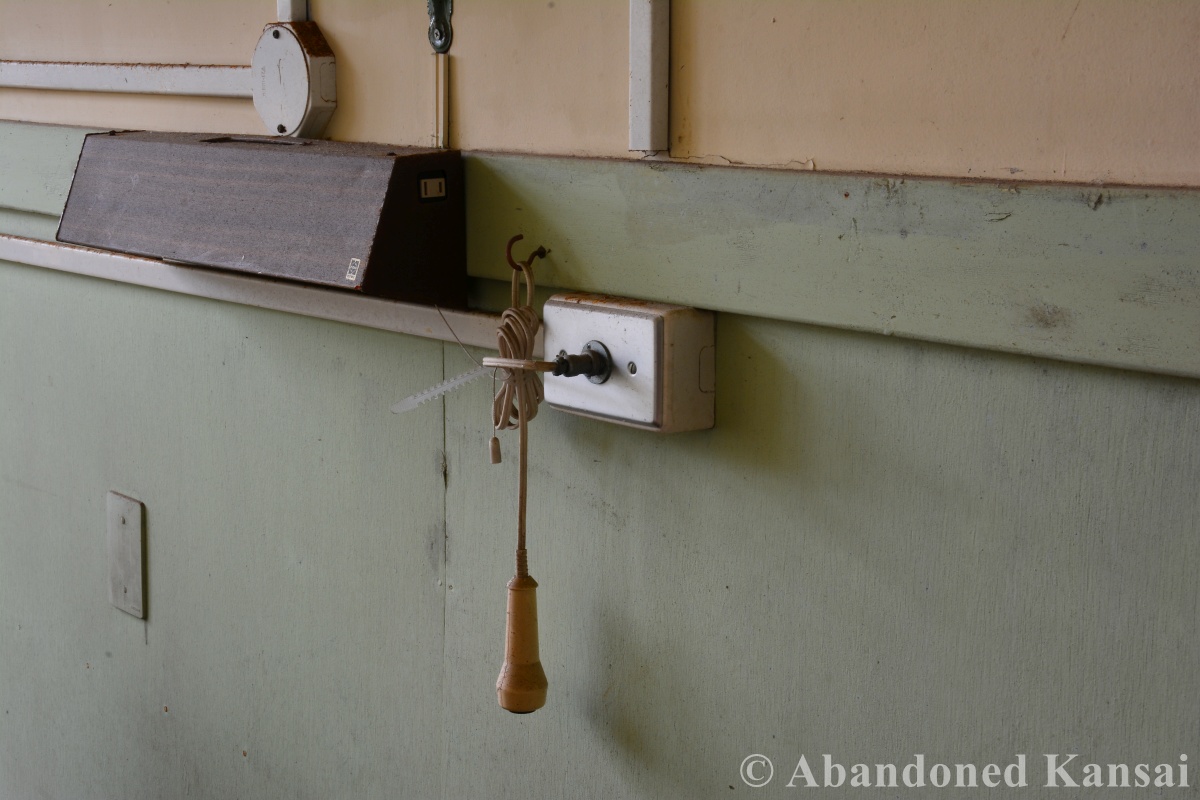
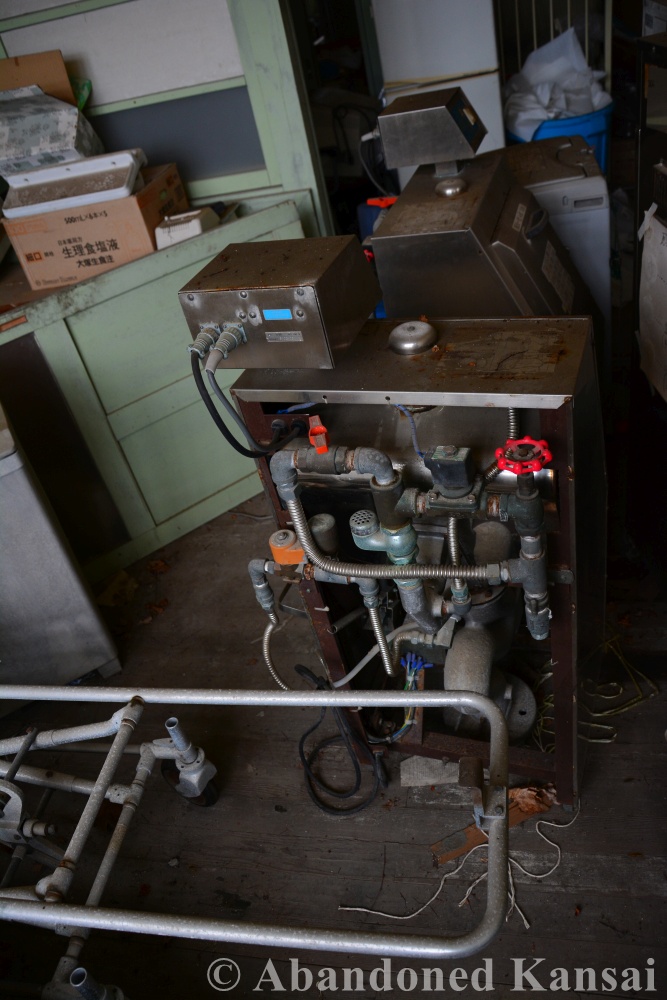
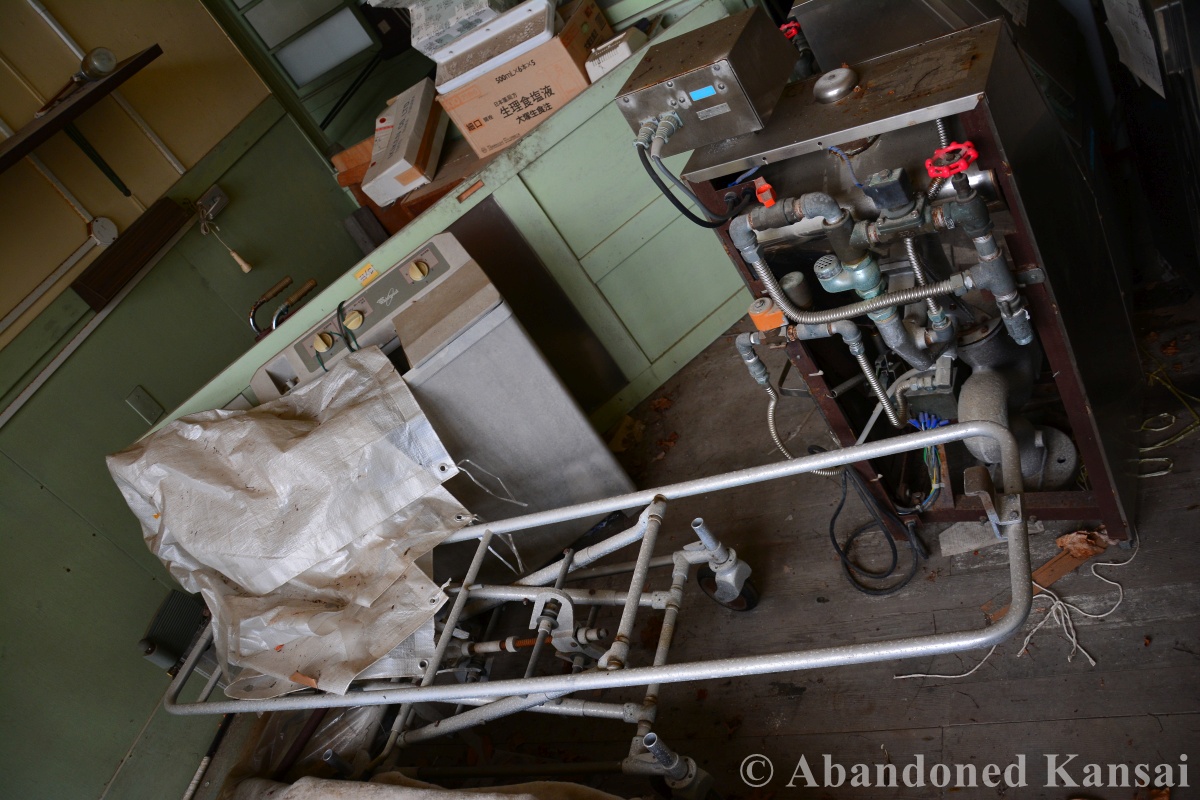
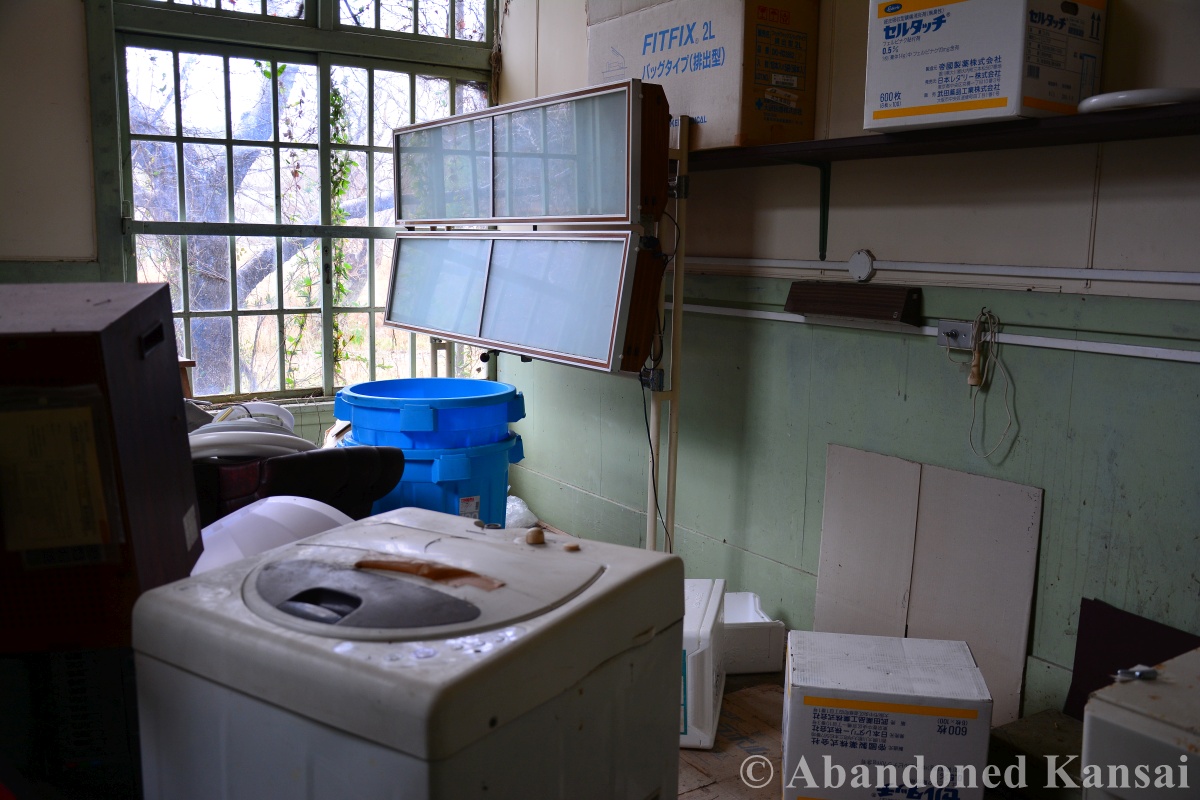
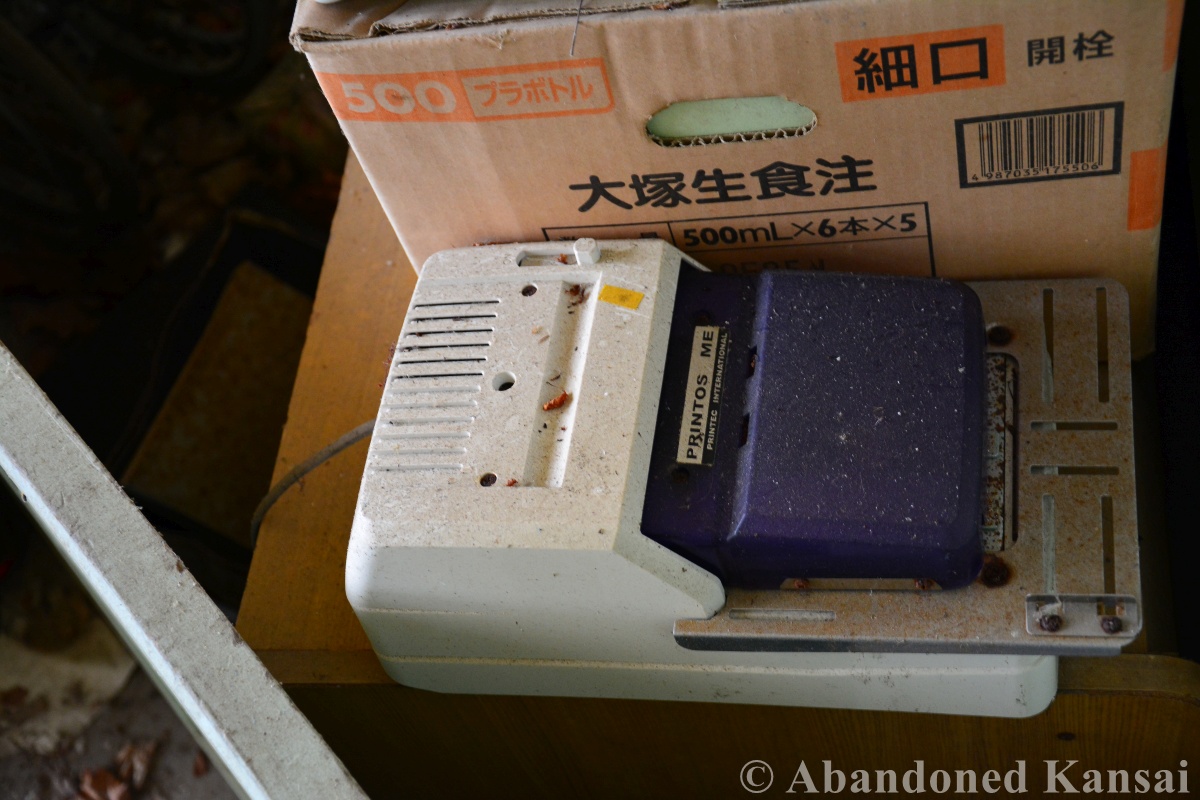
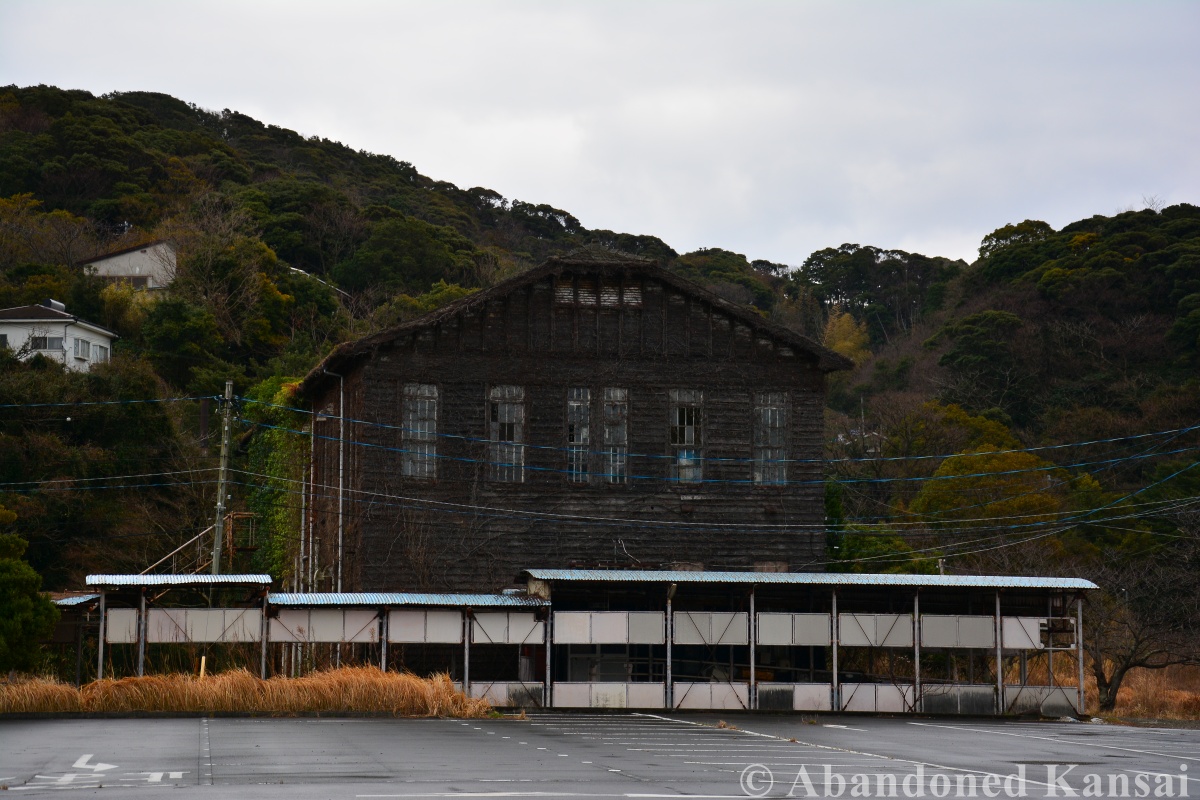
As beautiful as the semi-overgrown wooden structure was from the outside, the interior matched it – despite being rather cluttered, but not really vandalized. It clearly was an abandoned building used as a storage for medical devices and files no longer needed. Room after room there were items to discover and photos to capture – especially since I hadn’t seen any interior pictures before, so I had no idea what to expect. Old equipment, new equipment (some with screens!), and tons of stuff I had no clue what they were used for. After looking at the photos again, I have to admit that the exploration would have been much less exciting if I would have seen the same stuff in a regular abandoned warehouse – but we weren’t in an abandoned warehouse, we were in an abandoned 85 year old military hospital not a lot of people knew about! Upon leaving we made sure to lock the door again – the hole was later covered as I found out in 2023, when I was in the area again to have a look at the semi abandoned modern part of the hospital. Because back in 2015 we ran out of time and had to rush to the *Irozaki Jungle Park*, which was a unique exploration by itself.

(*Like Abandoned Kansai on Facebook* or *follow us on Twitter* if you don’t want to miss the latest articles and exclusive content – and subscribe to the *video channel on Youtube* to receive a message right after a new video is online…)
Read Full Post »

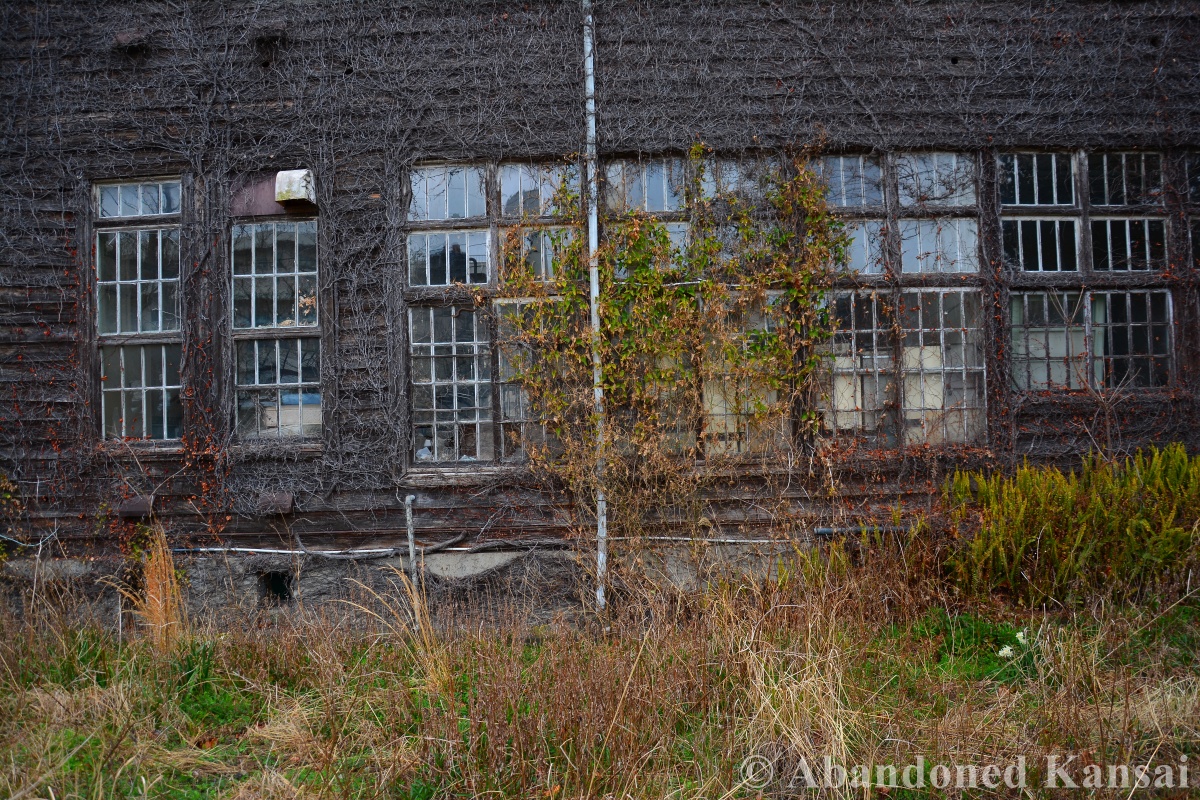
*Hatsumode*. *First shrine visit of the year*. *Been there, done that*. *Yada, yada, yada*. *Enjoy*! (And yes, I know, it’s a temple, but who cares? Most people don’t know the difference. Not even Japanese people, as proven recently by the makers of a successful fighting game…)

(*Like Abandoned Kansai on Facebook* or *follow us on Twitter* if you don’t want to miss the latest articles and exclusive content – and subscribe to the *video channel on Youtube* to receive a message right after a new video is online…)
Read Full Post »

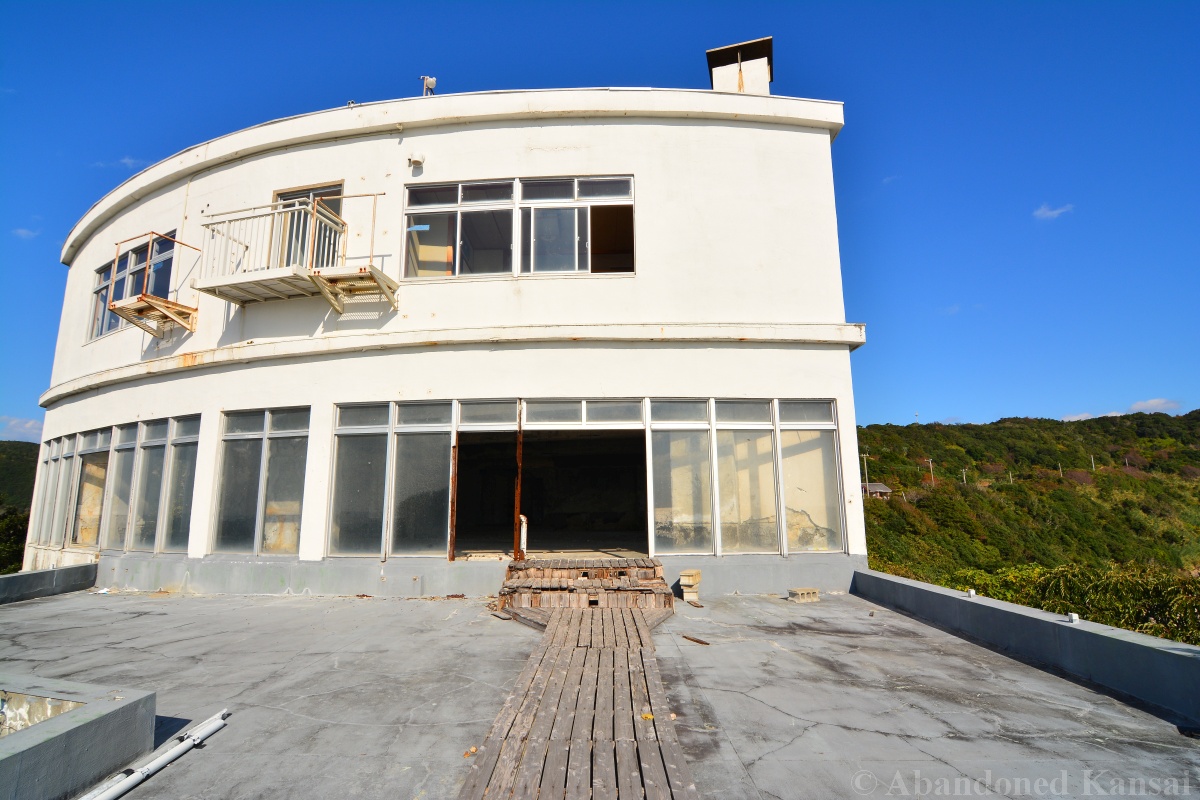
Abandoned hotels are a dime a dozen in Japan, but when it comes to location, hardly any of them can hold a candle to the Cape Palace! (Though there was some arson…)

The now abandoned Cape Palace was a luxury hotel built in the 1960s in southern Wakayama on the tip of a cape with gorgeous ocean views from all 44 guest rooms as well as pretty much everywhere else within the accommodation. It was famous for its various hot spring baths (including a rotenburo at the very tip of the cape, only accessible by passing through the whole hotel) and the seafood dinners – the hotel even has a small fleet of boats, so the guests could enjoy fishing trips.
There’s not much information out there about the Cape Palace, but it seems like it closed in 2011 when a typhoon hit the coast and caused massive damage to the almost 50 year old hotel, basically turning it into an economic total loss.
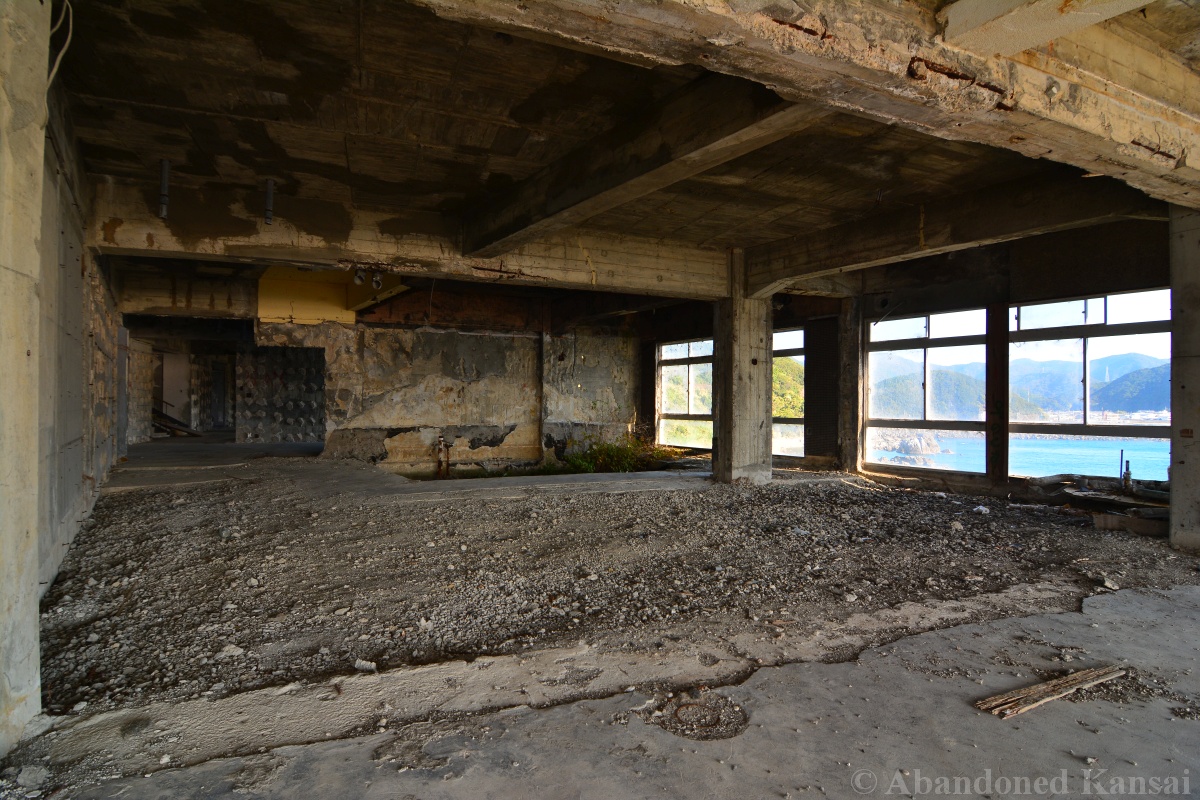
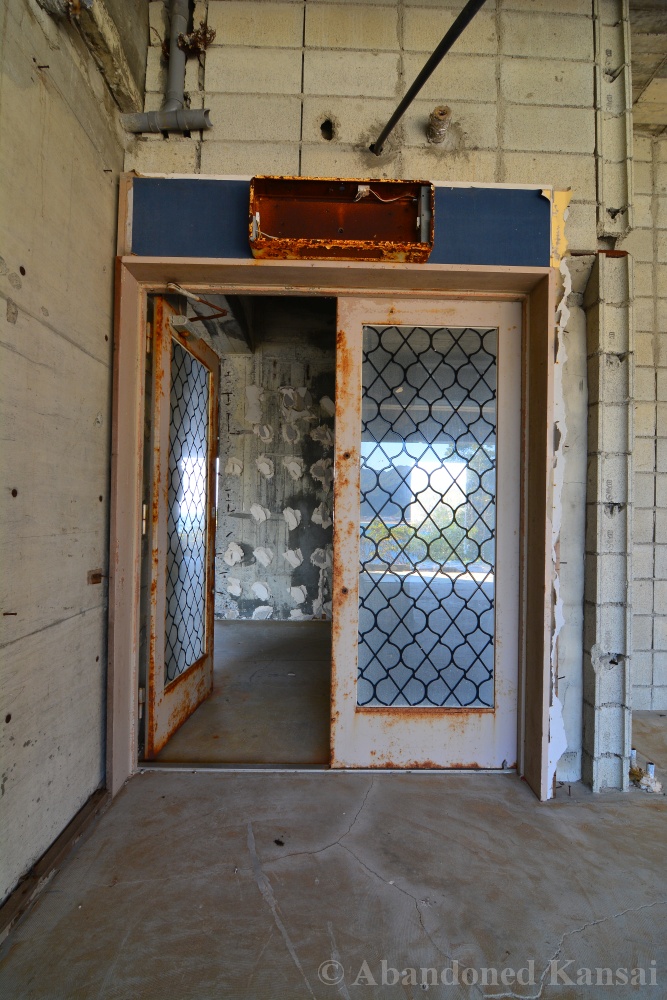
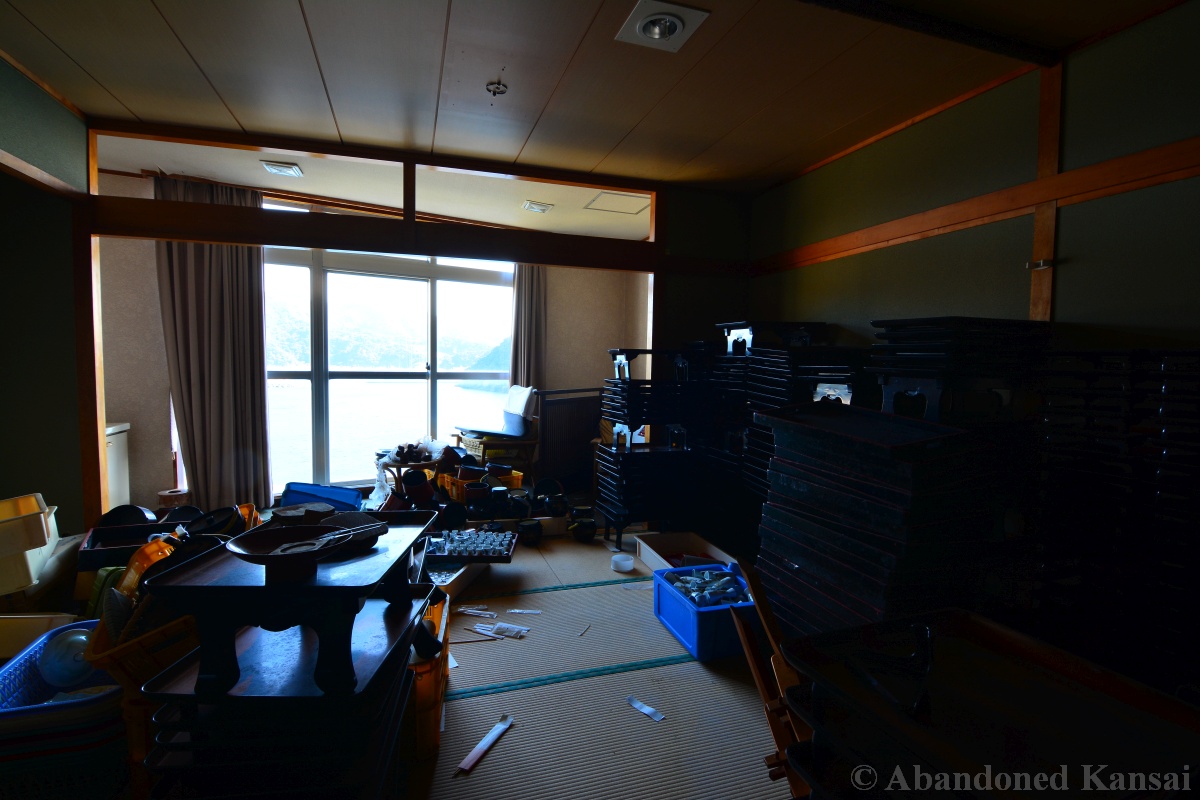
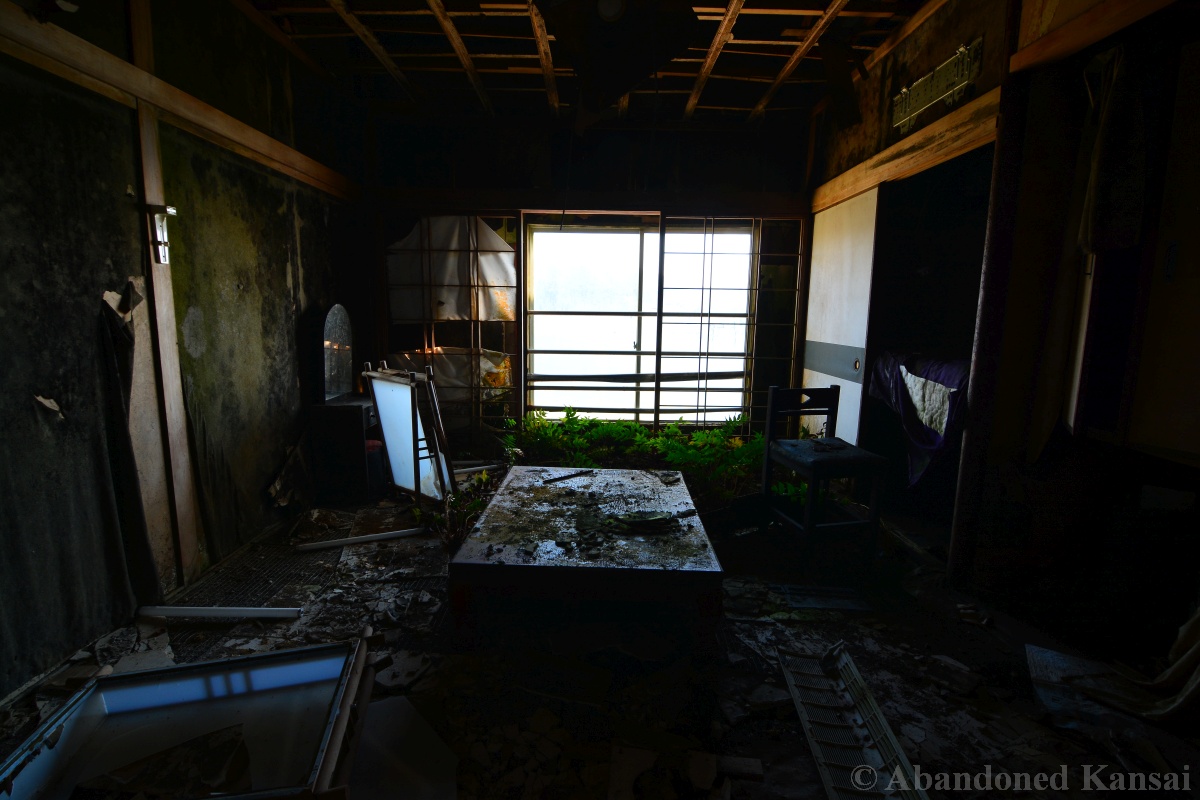
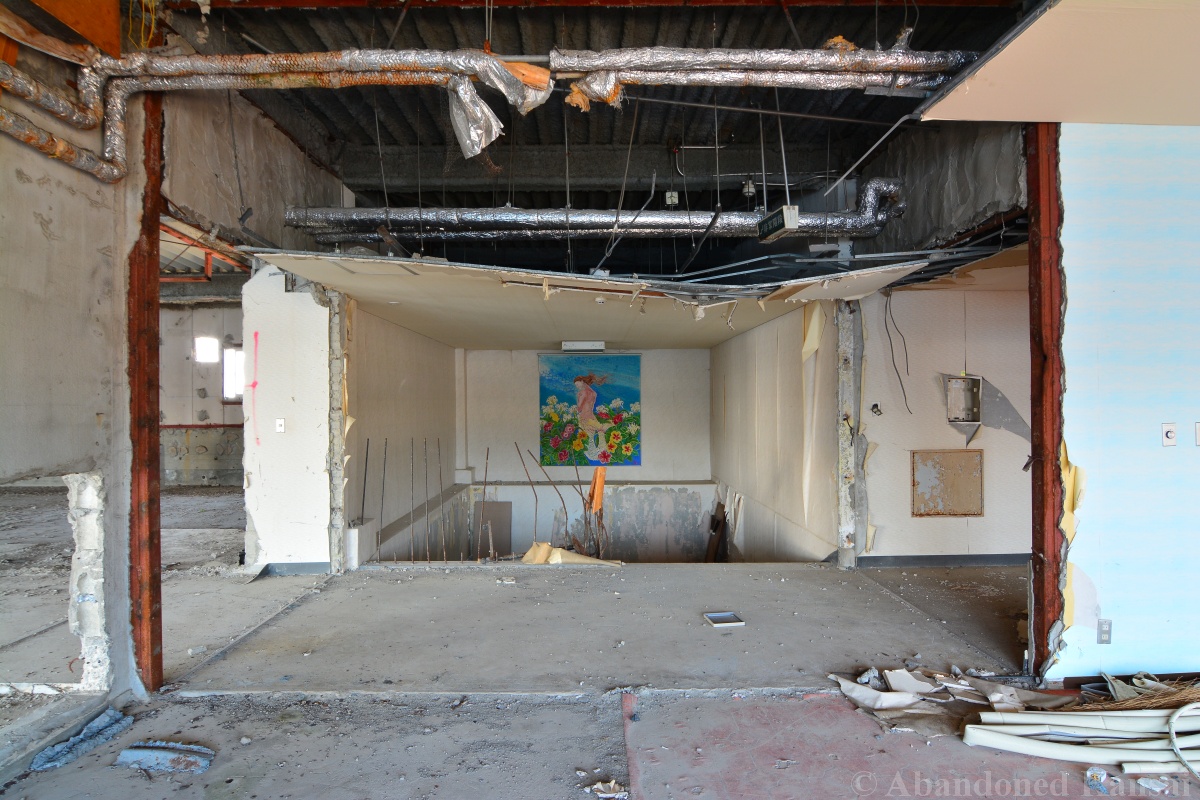
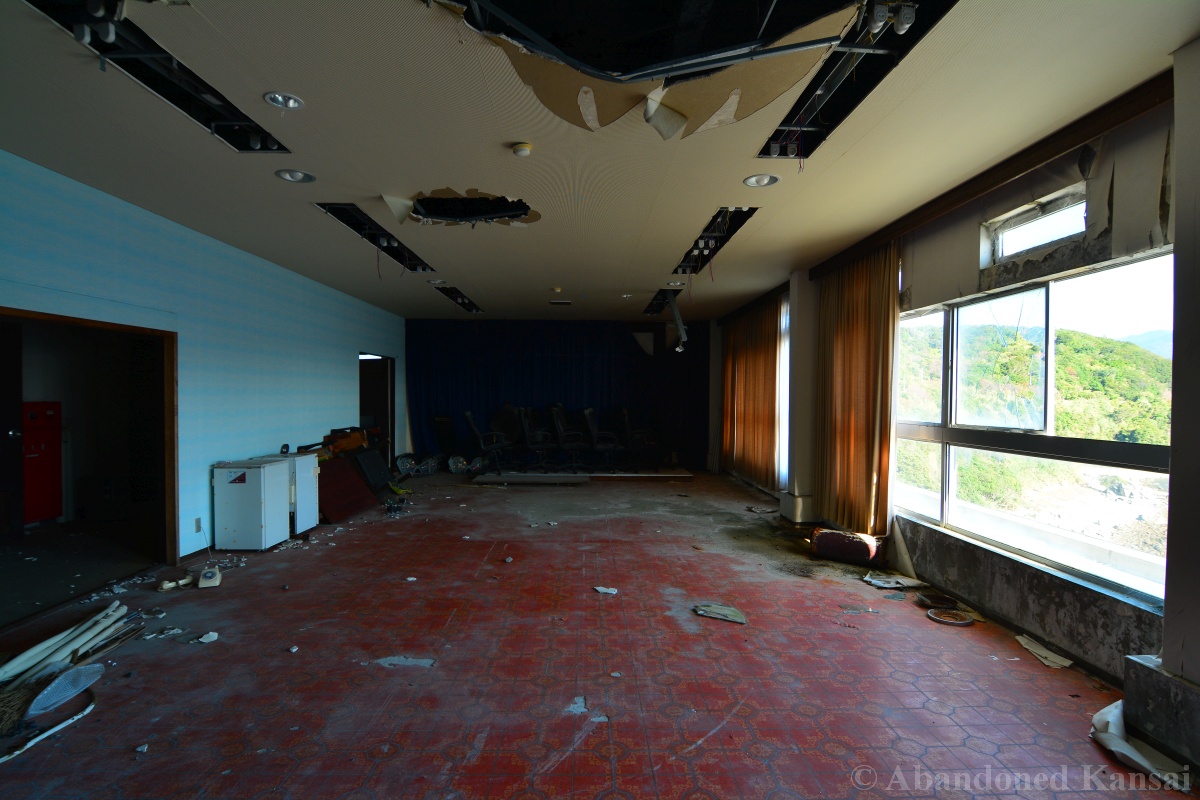
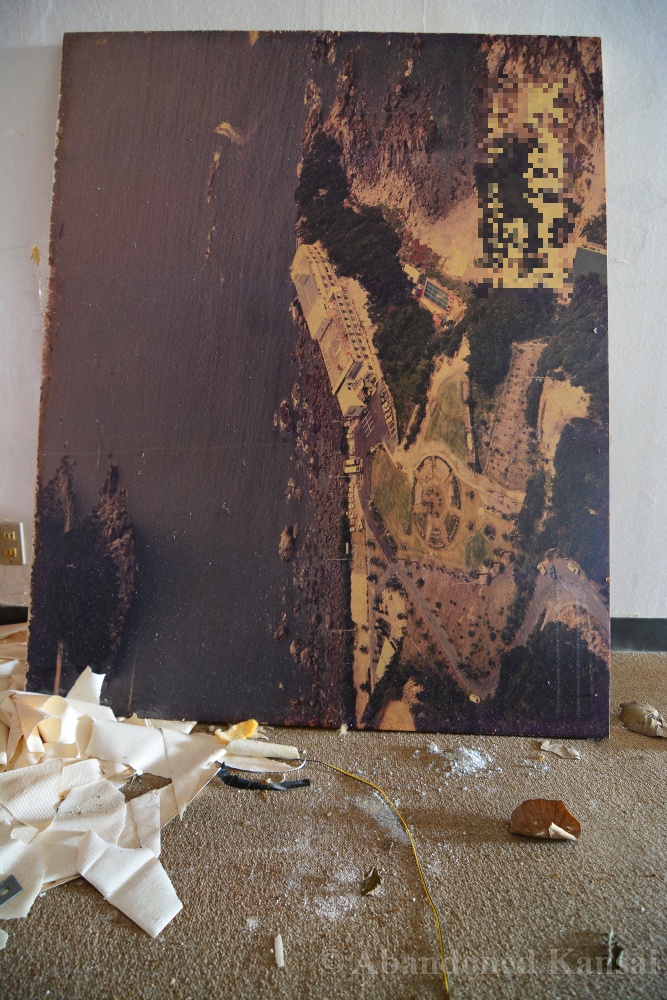
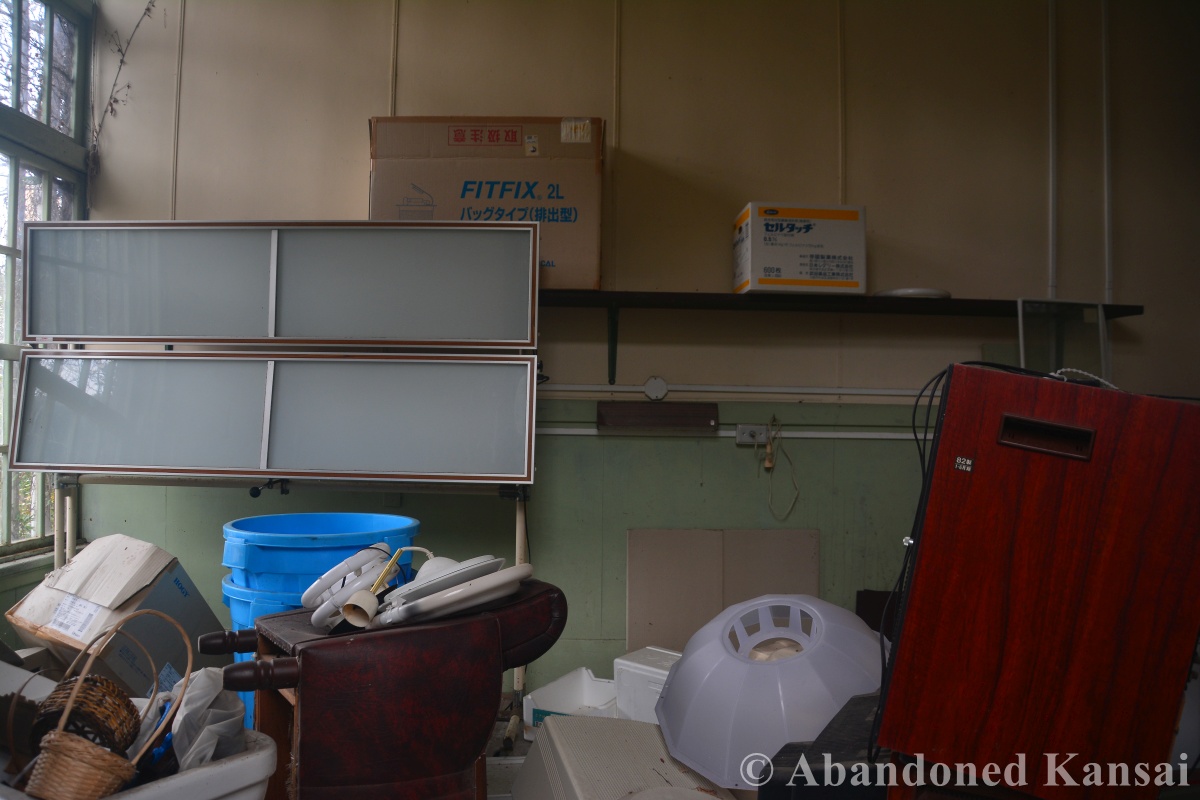
I first explored the Cape Palace back in 2015 as a day trip from Osaka with two regular explorer friends of mine. Access was surprisingly easy – we were able to drive up right to the front door… which was wide open. Since the hotel was located on a cape a bit off the main road, we were basically completely out of sight. To our surprise the ground floor had been completely gutted, at first we were not even sure if we had found a construction ruin or an abandoned hotel, especially since there was no demolition machinery outside, no signs of workers anywhere. The upper floor though made it pretty clear that the hotel had been in business before – plenty of rooms with the original interior and some cluttered ones with stuff from all over the hotel. The former party room still featured a large laser disc collection – I didn’t have a closer look, but most likely karaoke LDs. Right outside the hotel, at the bottom of the cape was a large beach. Not a nice sandy one, a pebbly one… so I guess the large outdoor pool next to it was quite popular with the hotel guest then. One of the rooms featured a large aerial shot of the hotel in its glory deal, if you are interested in what the setup looked like. (It also showed the long gone ground golf area – ground golf being a simplified version of regular golf, extremely popular amongst senior citizens in Japan; I’ve mentioned it several times before.)

Overall the Cape Palace was a nice and easy exploration, nothing spectacular though, except for the views. There was little left of the main interior, but I’m sure in 2010 the place had a very unusual retro atmosphere and something like two foreign guests a year as it was definitely off the beaten tracks.

(*Like Abandoned Kansai on Facebook* or *follow us on Twitter* if you don’t want to miss the latest articles and exclusive content – and subscribe to the *video channel on Youtube* to receive a message right after a new video is online…)
Read Full Post »

The Wada Elementary School deep in the mountainous part of Nara prefecture turned out to be one of my most beautiful and memorable explorations.

Abandoned elementary schools are a dime a dozen in Japan; if you include the ones that are just closed, then there are even more. While the majority of modern schools in Japan look rather similar, the majority of old schools in the countryside differ quite a bit from each other as they were built to fit the landscape and suit the requirements of the people – I’ve seen everything from small buildings with three or four rooms in total on flat land to structures with several levels along a slope.

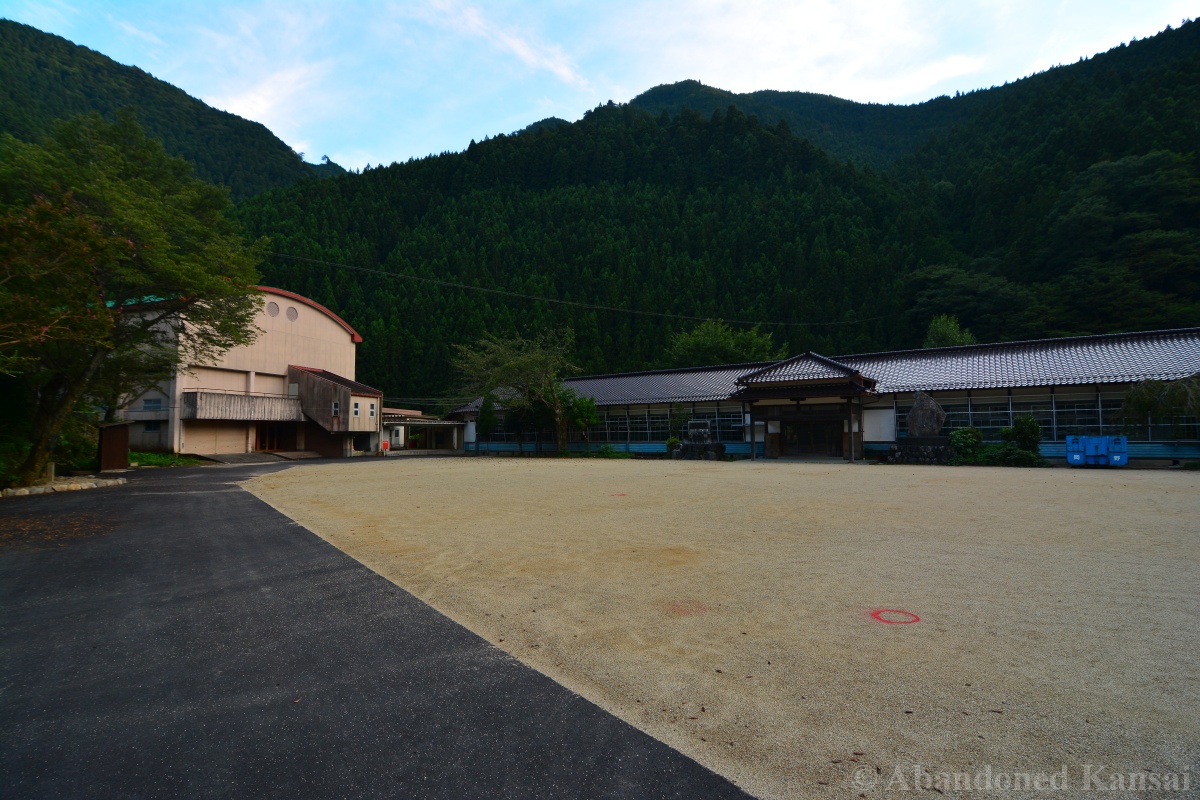
Back in 2015 a good friend of mine and I went on a two day road trip that also lead us to southern Nara prefecture… and when you are exploring in the countryside it’s almost guaranteed that a school or two will make your schedule. Upon arrival at the Wada Elementary School, located on a level between the river and the main road, it became pretty apparent that the building wasn’t the kind you were able to sneak into easily. It was in nearly pristine condition in the middle of town, right across the street from the local ryokan and restaurant – cars and or people passing by almost constantly. The building didn’t really look abandoned, and a newly built ramp from the main road to the mid-level, where the school was located, some construction machines still nearby, implied that the Wada Elementary School was about to be a goner soon.
We decided that sneaking around wasn’t worth the risk, and were about to leave, when my friend realized that he needed a restroom break – and instead of taking advantage of the nearby forest or driving to the next public toilet, the urinal of choice was the one at the ryokan right across the street. A blessing in disguise, because my friend started a conversation with the owner, who told him that the school was indeed scheduled for demolition, that he went there to school as a child… and that he had a key to the building! Fortunately my friend was a quick thinker and offered the owner to take professional photos of his childhood school that soon would be gone if he would give us access for an hour or two… Deal!
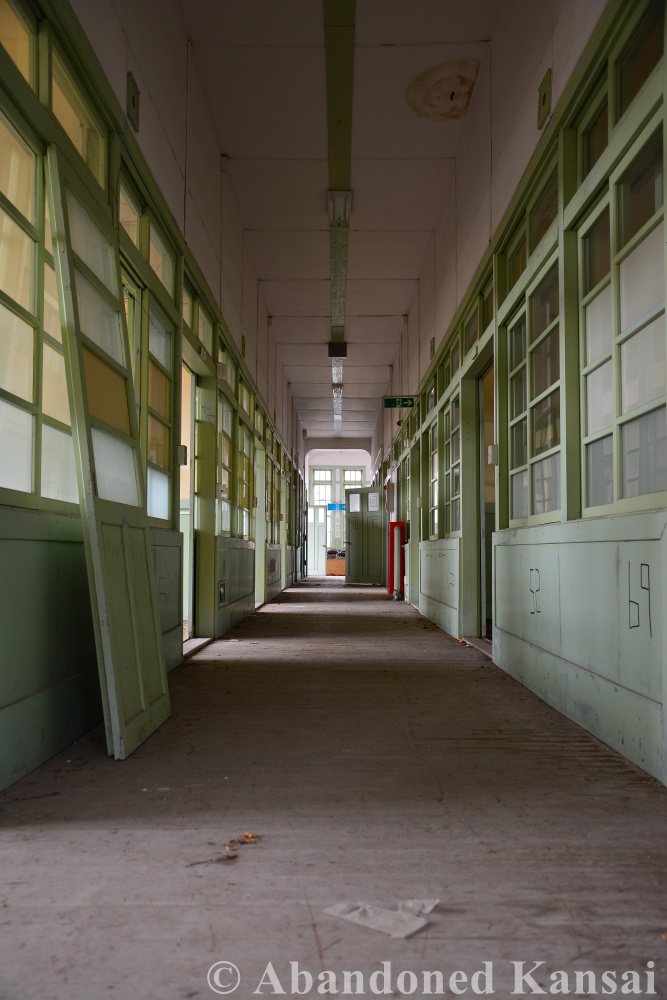
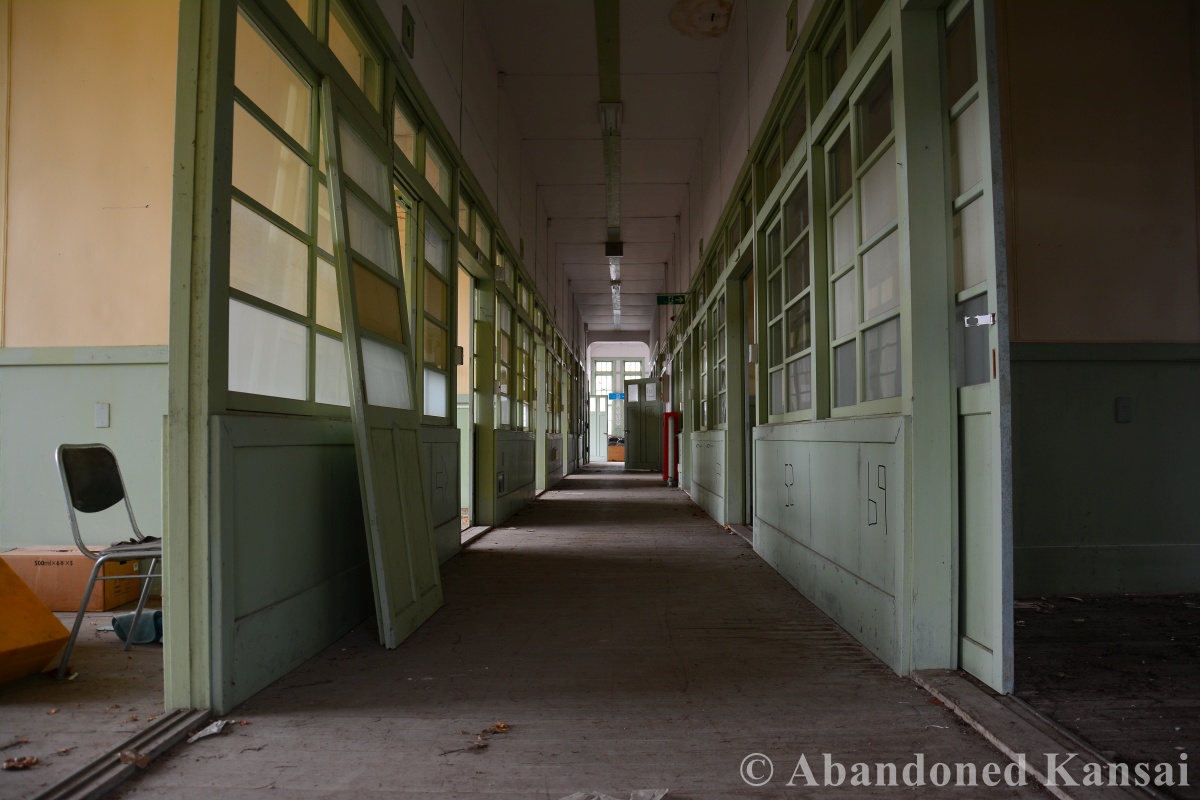
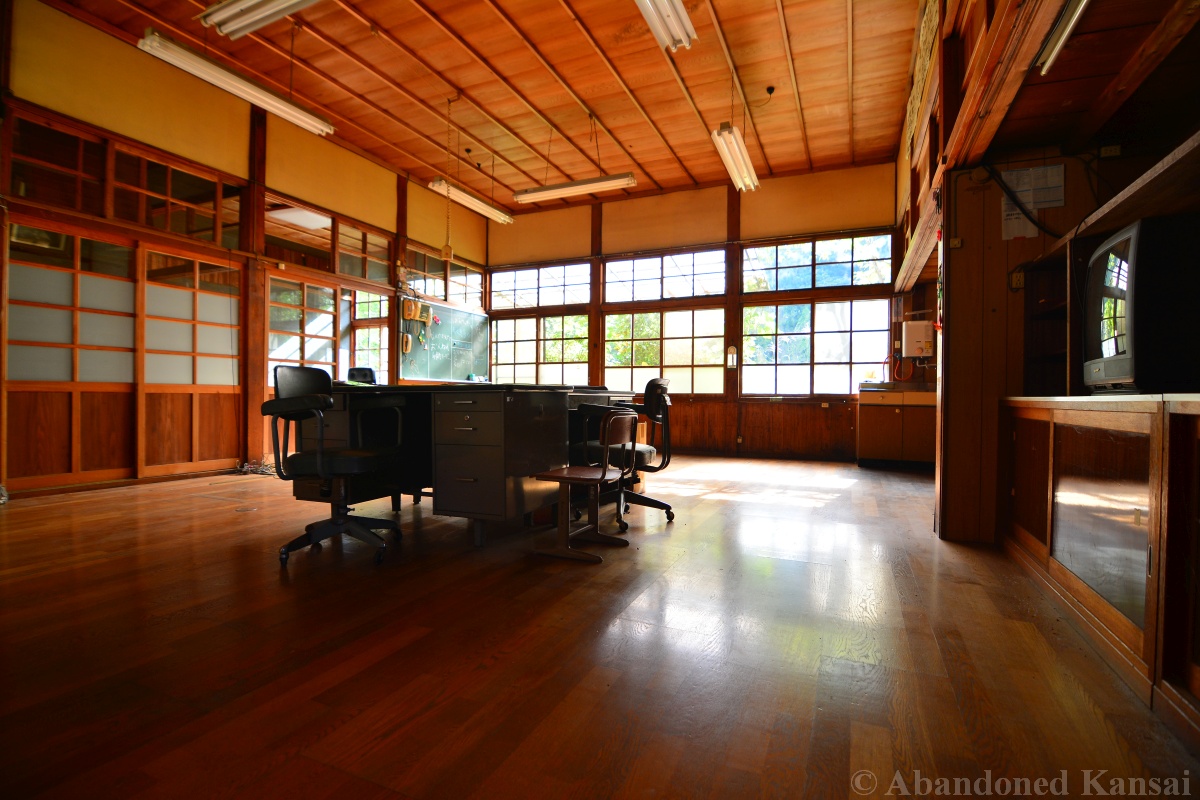
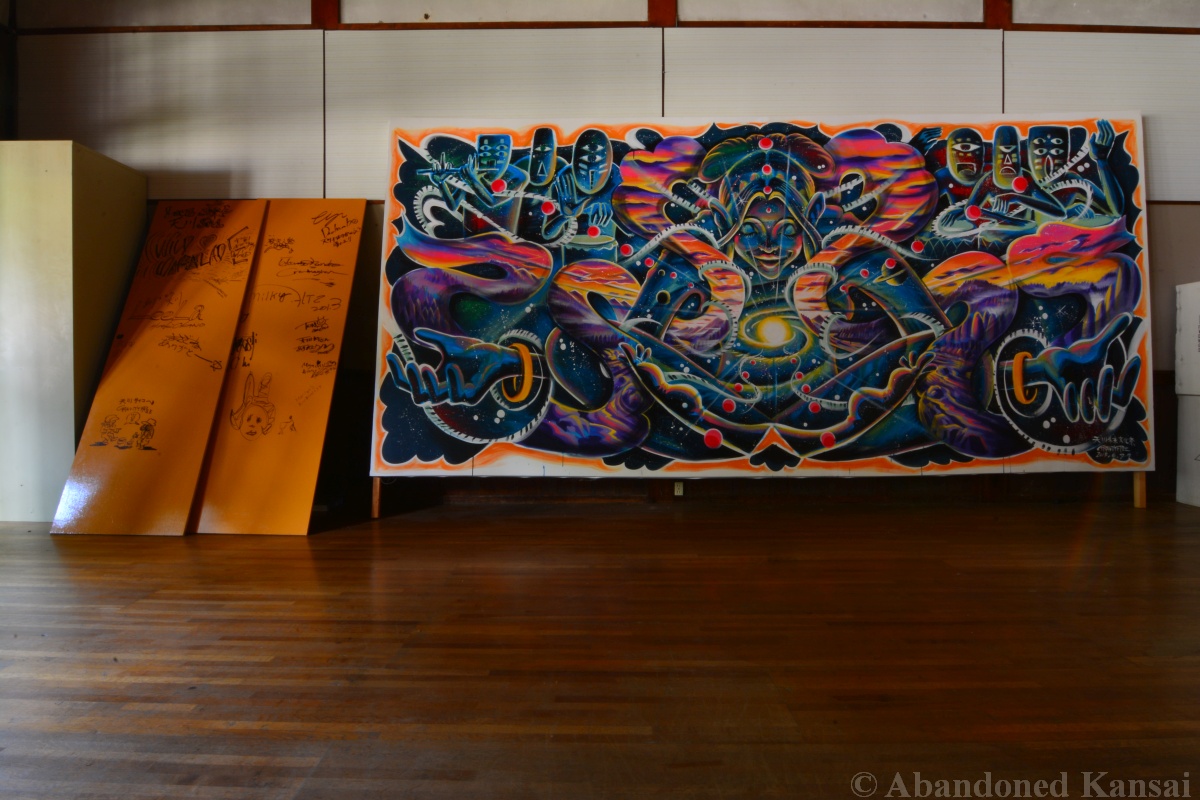
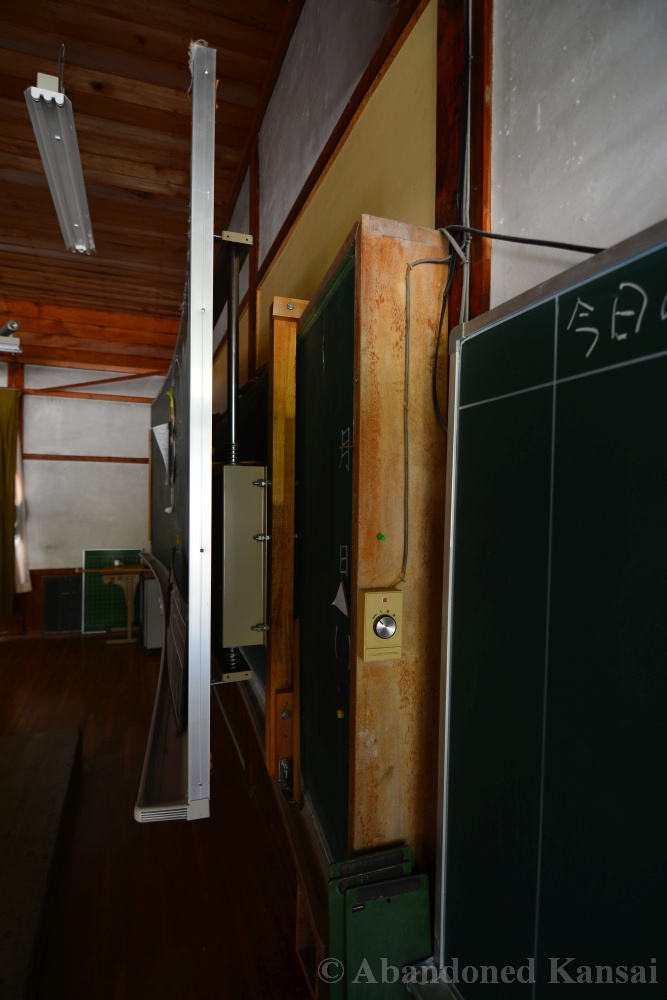
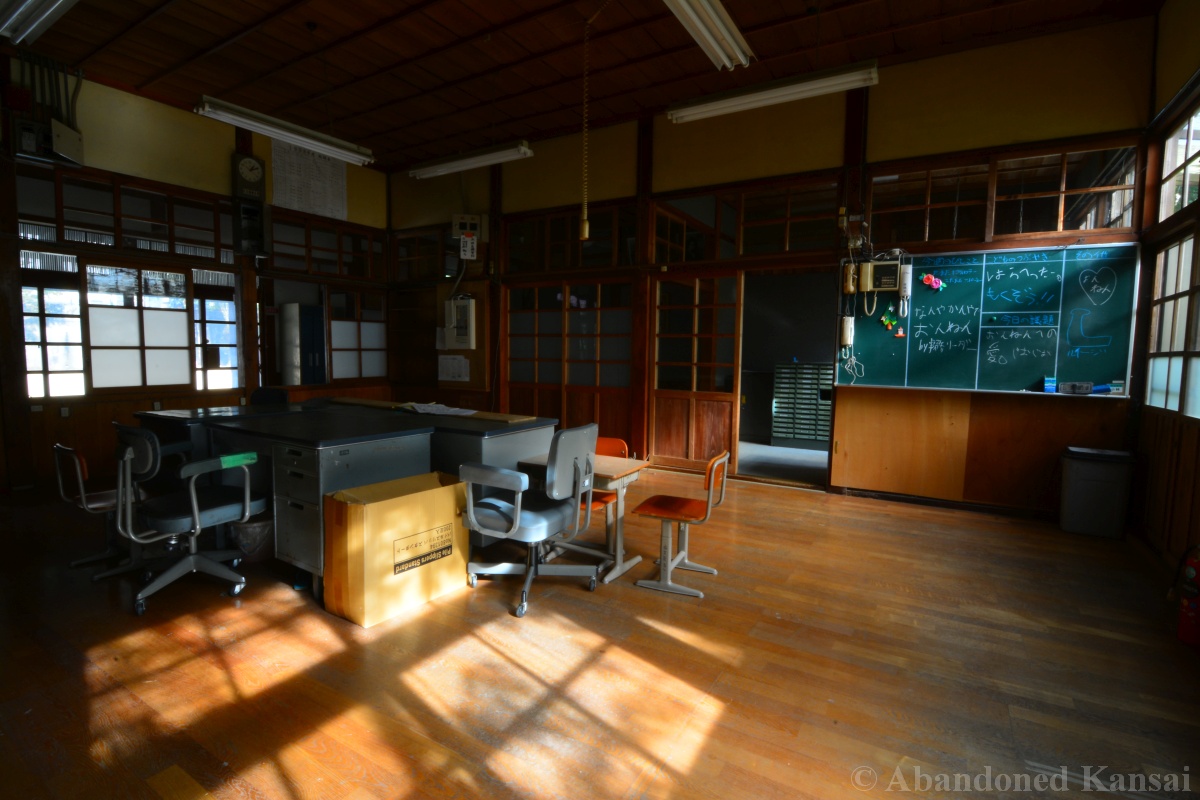
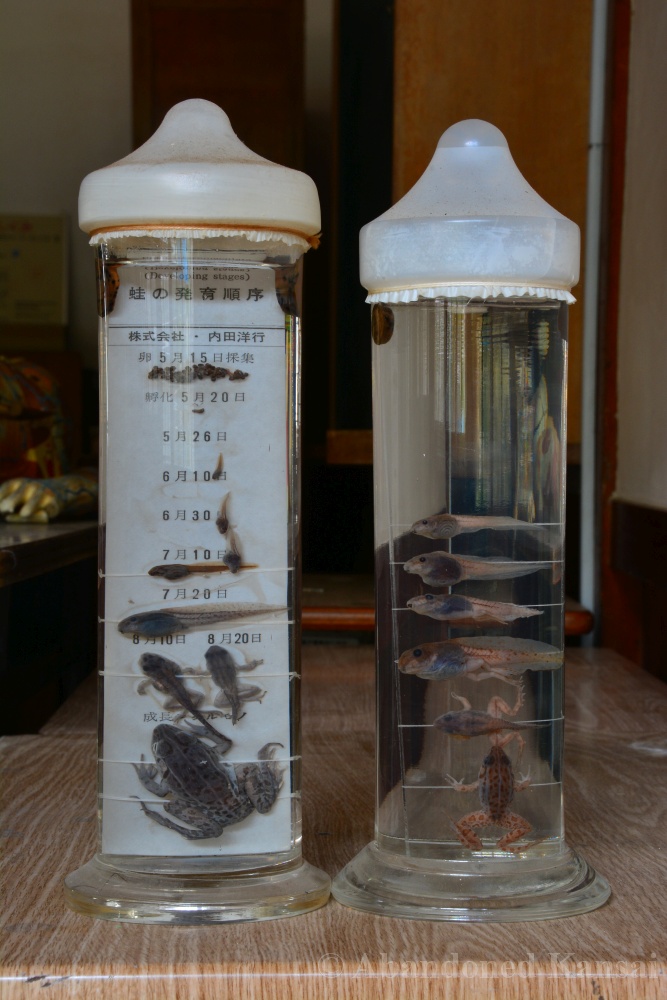
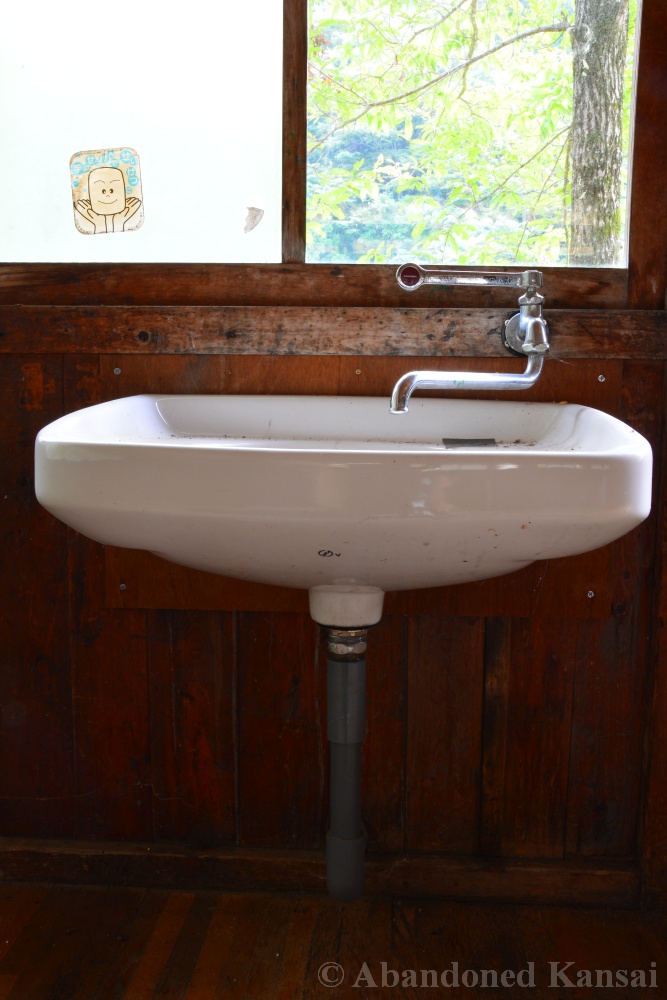
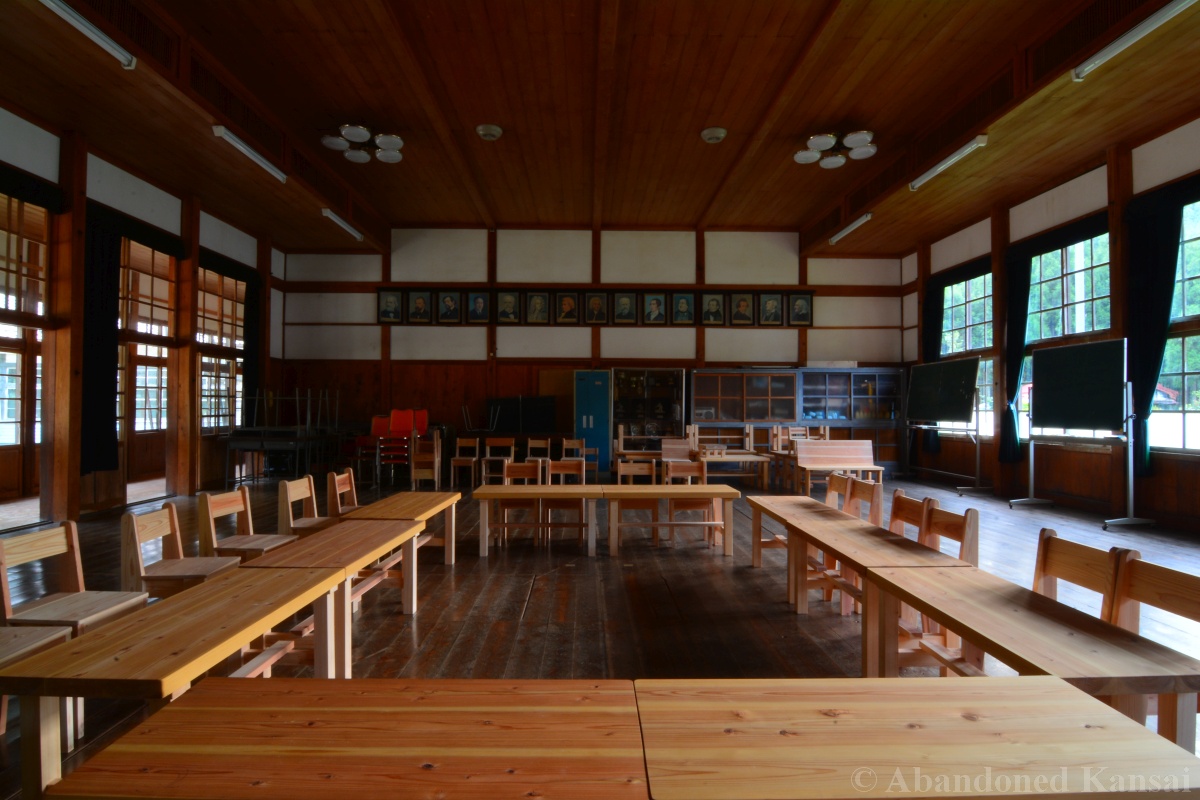
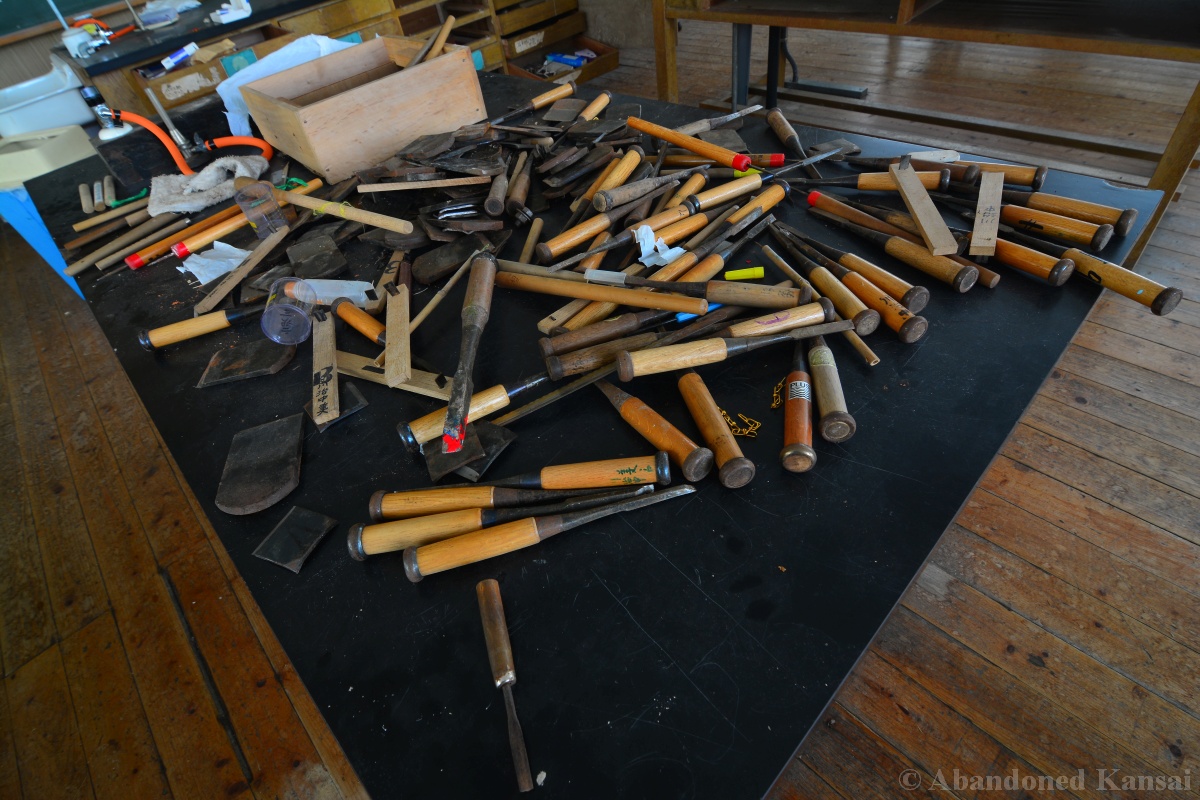
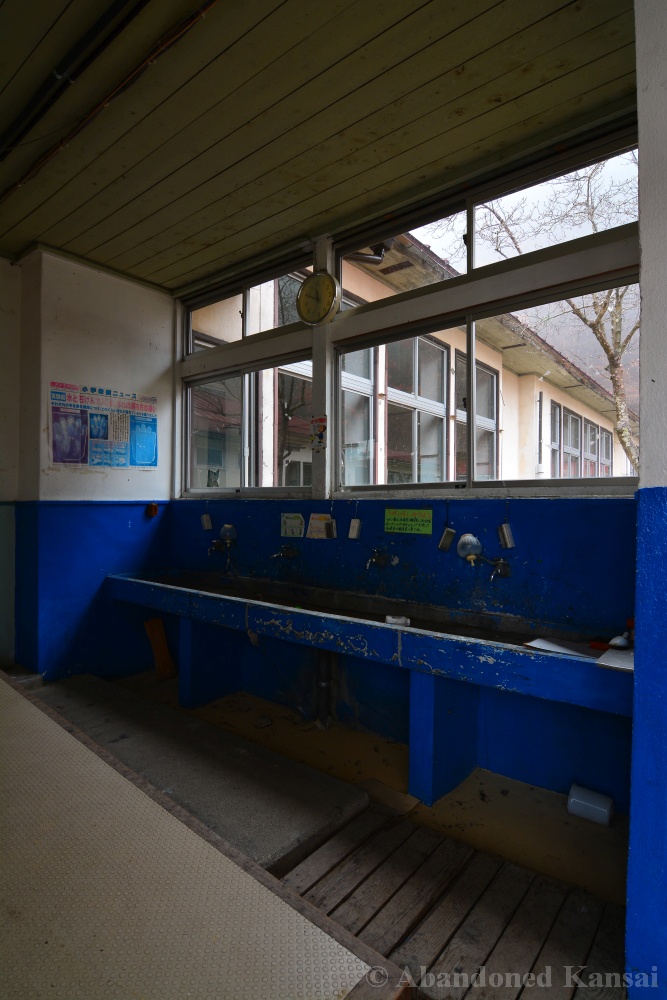
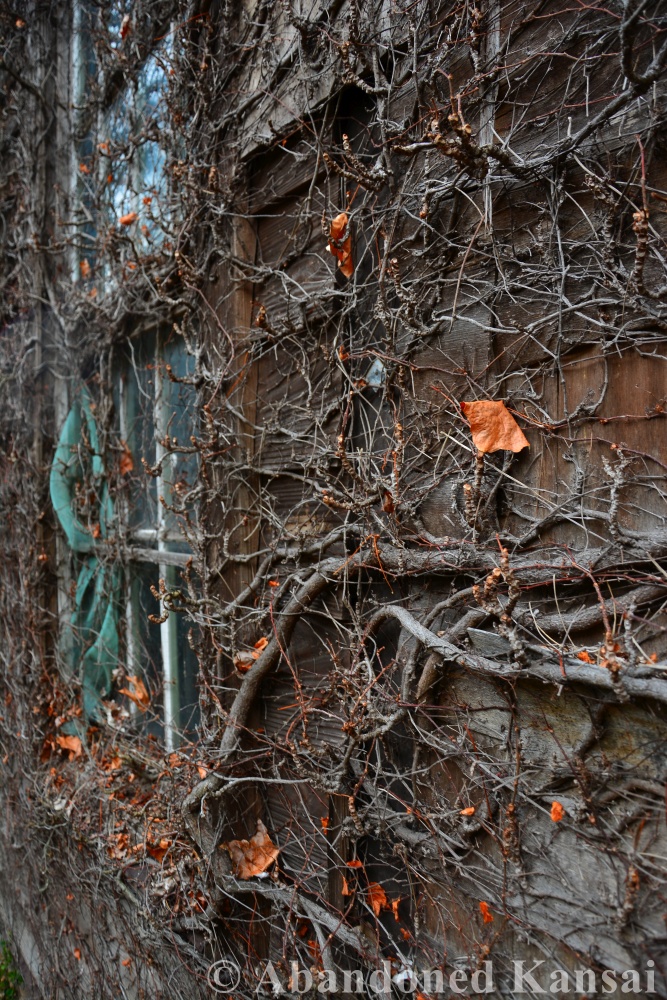
And that’s how yours truly got access to this amazing school, built in 1942 as the Tenkawa Nishi Elementary School and closed in 2002 – a most beautiful L-shaped one-storey building made of hinoki cypress, usually used for temples, shrines, noh theatres, and artisan woodwork. At the time of our visit the school was closed, but occasionally used for local town events. Which means that it was in pristine condition – we even took our shoes off upon entering! It also meant that there were no signs of vandalism or theft. The school was exactly like when it closed a decade prior, maybe even in better condition. No spider webs, no dirt, hardly any dust. It was like a building in an open-air museum such as Meiji Mura or the Historical Village of Hokkaido. Except that the general public had limited access…
Knowing that the Wada Elementary School was scheduled for demolition I wasn’t in a hurry to write this article. I really appreciated the exclusive access we had and didn’t want to break the trust invested in us.

For years I waited for confirmation that the school has been demolished… and then the opposite happened. Instead of tearing everything down, a small BBQ area was built behind the school and the whole property was turned into a recreation center. Now you can do official tours of the school, you can swim in the river, catch some amago and roast them the traditional way, or participate in indoor rock-climbing and woodworking workshops; changing rooms and showers are available. I haven’t been back to Wada since my exploration, but the program looks and sounds awesome! (Japanese only, unfortunately.) What an amazing place – back in 2015 and most likely even more so today.

(*Like Abandoned Kansai on Facebook* or *follow us on Twitter* if you don’t want to miss the latest articles and exclusive content – and subscribe to the *video channel on Youtube* to receive a message right after a new video is online…)
Read Full Post »

Probably the biggest and best abandoned school in all of Japan – and definitely the most overlooked one!

I’m time and again fascinated by how random it is whether an abandoned place becomes famous or not, whether it becomes vandalized or not, whether it gets demolished or not. Why the Onsen Town School never has become famous is absolutely beyond me, given that Kinugawa Onsen is just 10 kilometers away and pretty much everybody and their dog has been to *Western Village* ever since HBO remade Westworld as a TV show – I think it was even marked on GoogleMaps for a while, though it seem that marker was removed. Not that it matters after vandalizing morons marauded through…
Anyway, the Onsen Town School… a former elementary and junior high school dating back to 1874, though none of the buildings were that old. It was located on a slope and basically consisted of two buildings connected by a hallway – a rather modern three storey building from the 60s or 70s on the slope and a probably pre-war complex on top of the slope, including a large and pretty much pristine gymnasium.

My buddy Hamish and I went to Kinugawa for the day and got pretty quickly bored by the rundown onsen hotels, so we decided to check out other places nearby, like the Onsen Town School I never had seen indoor photos of – so our expectations were low, even lower after arrival, when we realized that the school was in pretty remarkable condition overall. But all we needed on that rainy day was one unlocked door… and we didn’t even have to walk up the slope, we found it right on the ground floor, allowing access to the whole school.
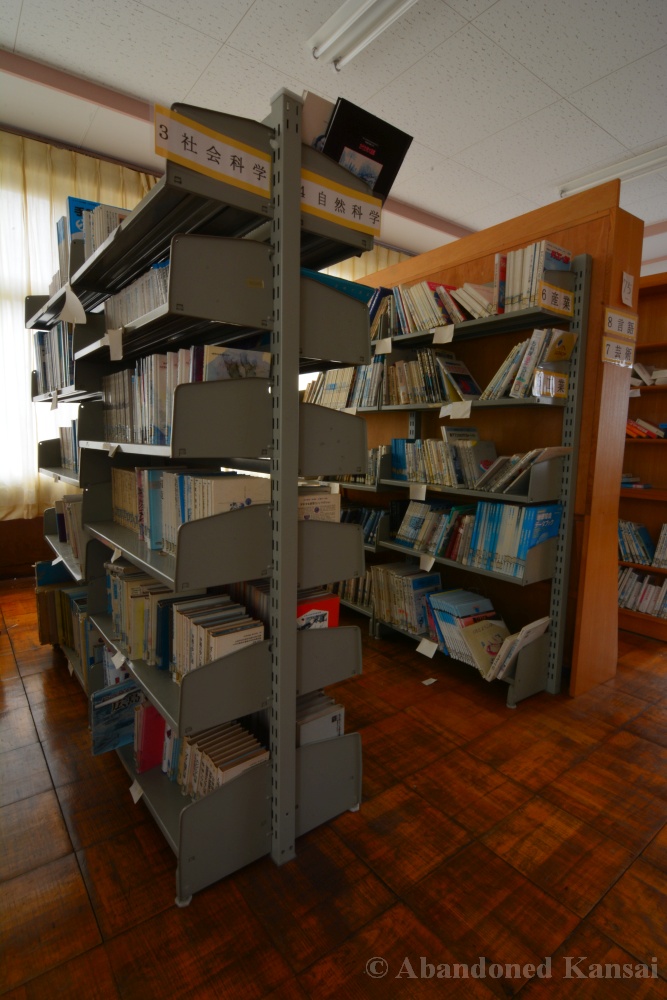
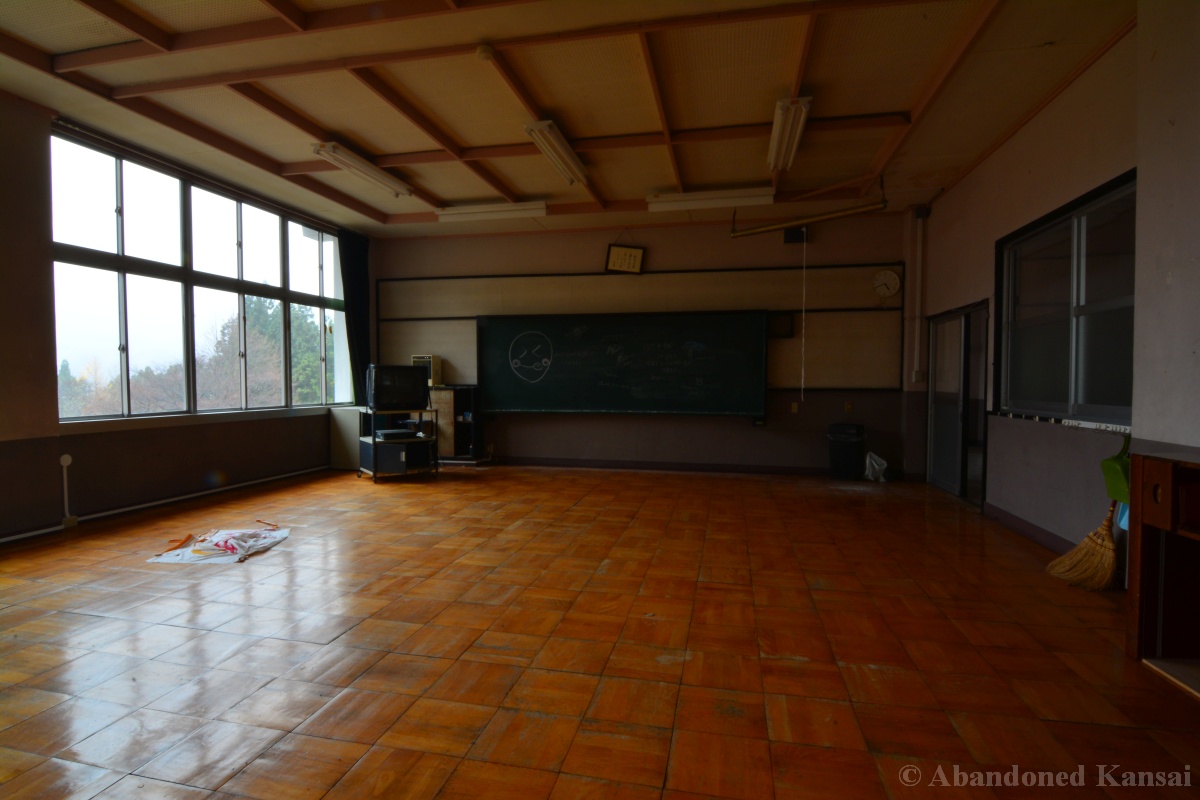
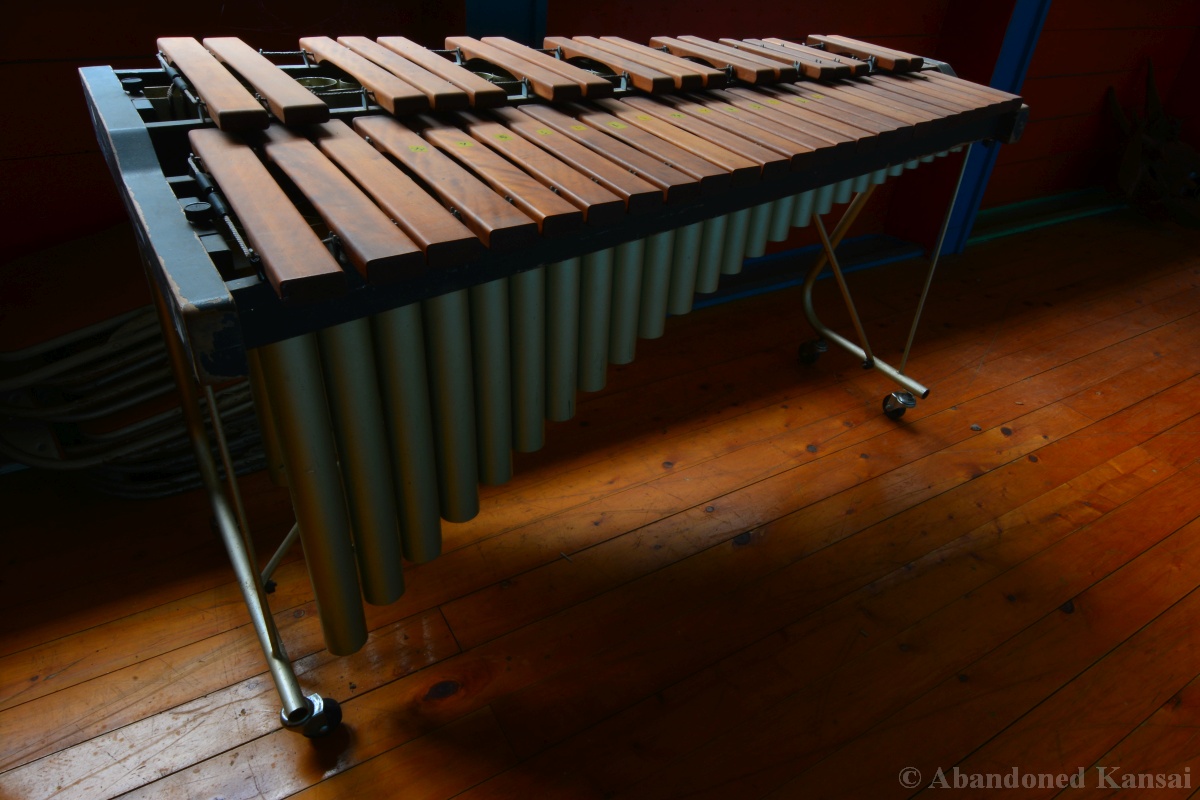
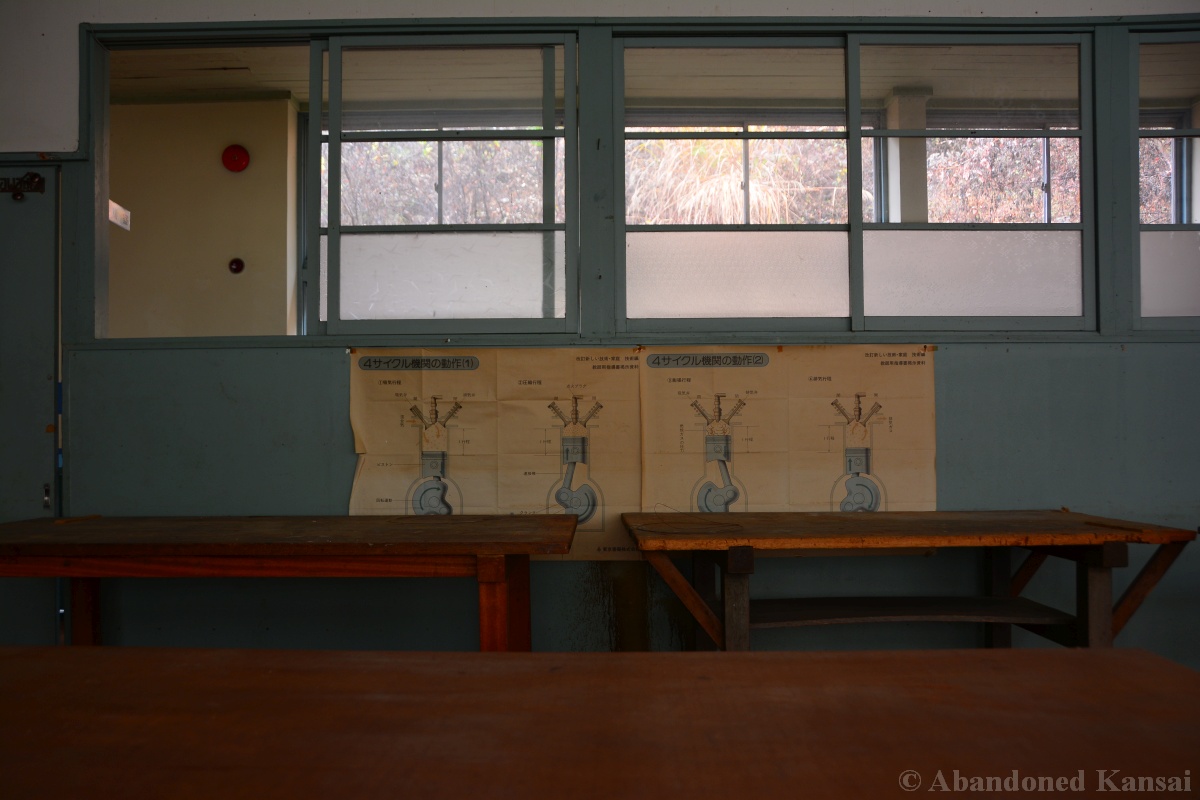
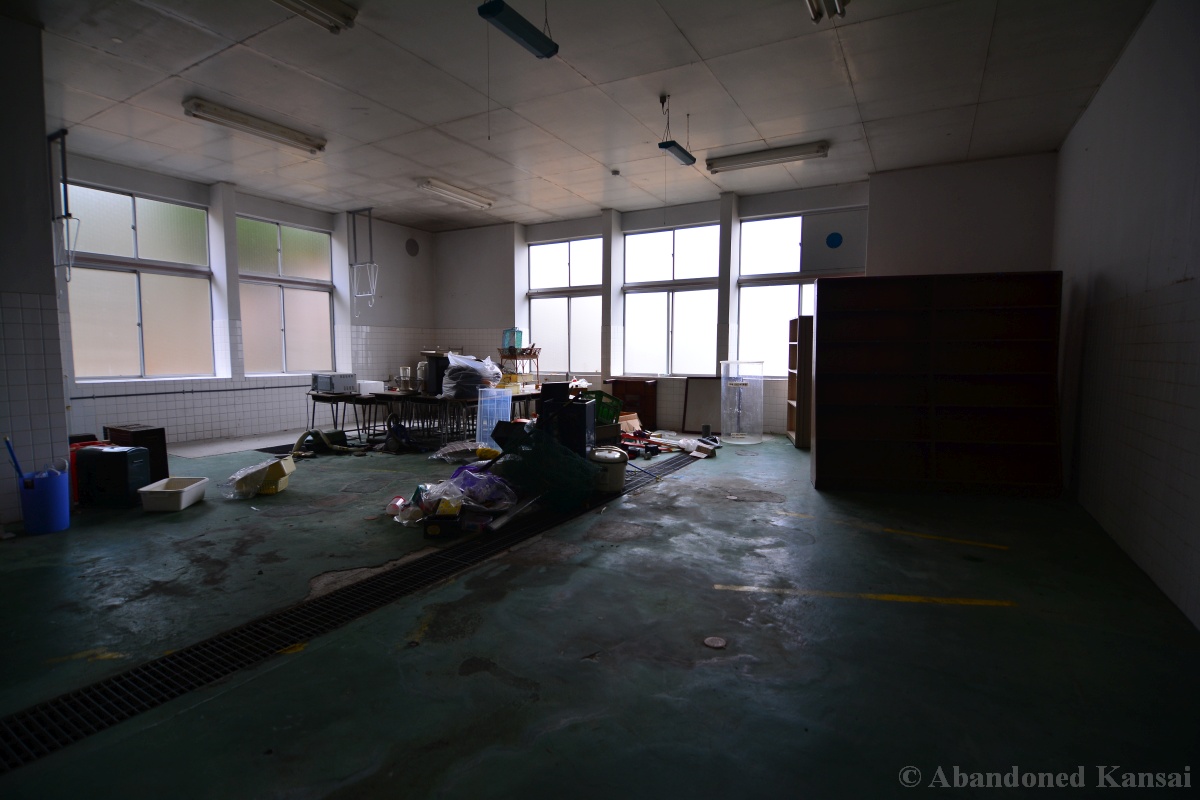
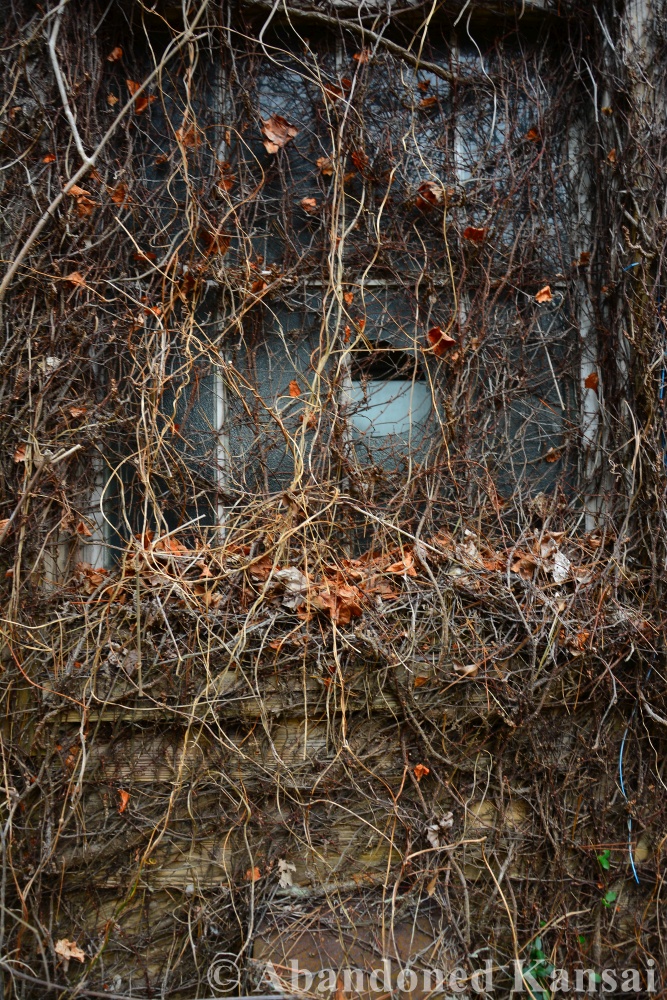
We started from a side door near the main entrance, made our way through the library, past some classrooms, through the music and the handicrafts to the almost pristine gymnasium. The school had been closed in 2010, but back in 2015 it looked like it had been cleaned in the morning! A little bit more dirty: The remaining part of the complex south of the gymnasium. I don’t exactly know when it happened, but it’s pretty obvious that a landslide hit the school and damaged some walls badly, with some mud running through the hallways and a classroom or two. There were signs of movement in some areas, implying that the school was not 100% abandoned (but hardly any “abandoned” school is, they pretty much all belongs to some municipality) or had some other visitors before us.

Overall the Onsen Town School was an amazing exploration that took about 3.5 hours, probably twice as much as your average abandoned school. I’ve been to dozens of them over the years, but none of them was even nearly as big or offered that much variety – on the other hand it was pretty much a standard school, nothing usual like the *Clothing School* or the *Round School*. Nevertheless one of my all-time favorites – and I hope you’ll enjoy the gallery!

(*Like Abandoned Kansai on Facebook* or *follow us on Twitter* if you don’t want to miss the latest articles and exclusive content – and subscribe to the *video channel on Youtube* to receive a message right after a new video is online…)
Read Full Post »

A countryside clinic with lots of decay, lots of vandalism – and some really neat items from an era long gone!

I love traveling in Japan, pretty much everywhere… except for that area consisting of Chiba north of the Boso Peninsula and Tochigi / Ibaraki south of the line Utsunomiya / Hitachi. I’ve been there several times and I’m sure the people are lovely – but for some reason the area always felt totally generic to me, despite some really good abandoned places, including about a dozen abandoned hospitals. Maybe because it’s a rather flat area with very little visual stimulation – I don’t know, but when I think of that area, I think of endless drives I wish that would have taken a lot less long… (If you have any recommendations – shrines, waterfalls, maybe even something unique, anything! – please feel free to mention them in the comments!)

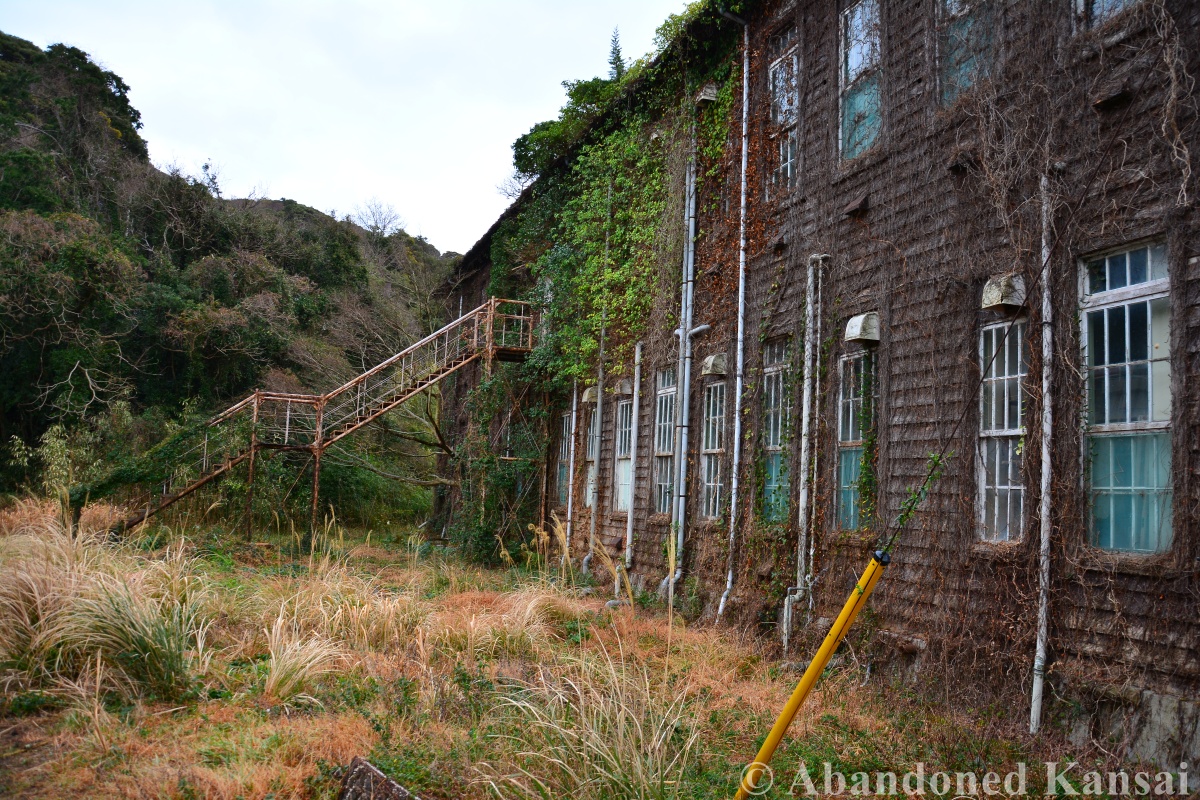
The TV Clinic was located in said area and was actually the second one I’ve explored on a surprisingly cool autumn day back in 2015. The sun was already setting, so this was a rather rushed exploration, accompanied by cold gusts of wind haunting the mostly doorless old mansion. Unless you are new to Abandoned Kansai, you know that kind of clinic: A large wooden building from about 100 years ago – a clinic with reception, waiting room, exam room, surgery room, some post surgery rooms followed by large private living quarters for the doctor and his family. Unfortunately even back then the building wasn’t structurally sound anymore, which made exploring rather difficult – nevertheless I got a few good and some decent shots out of it, before the place became too dark and too cold; but till then I enjoyed taking photos of medical equipment and a really old TV.

Is the TV Clinic worth going to Japan’s most boring stretch of land? Maybe, if you have a time machine and can go back the 2012 or at least 2015 when I was there – since then urbex became quite popular even in Japan and too many people trampled through the building as it is located in day trip range from Tokyo, both by car and public transportation. Apparently it’s much better guarded these days than five years ago, but given that the TV Clinic was beyond repair even back then, I’m pretty sure it will bite the dust and disappear forever soon. In any case, there are much better similar clinics in Japan, like the *Hospital By The Sea* or the *Showa Era Countryside Clinic*.

(*Like Abandoned Kansai on Facebook* or *follow us on Twitter* if you don’t want to miss the latest articles and exclusive content – and subscribe to the *video channel on Youtube* to receive a message right after a new video is online…)
Read Full Post »

Shikoku might be famous for many things – skiing isn’t one of them!

When I found out about this abandoned ski resort on Shikoku I was actually surprised that there was any skiing related place at all on the island, abandoned or not. With the Seto Inland Sea on the northern coast and the warm Kuroshio Current passing along the southern shores, Japan’s most overlooked main island (no Shinkansen, no mass tourism – those lucky SOBs!) has the reputation that it is blessed with moderate weather more or less all year long. Mountains on the island reach up to 2000 meters though, heights of 800 to 1200 meters are rather the rule than the exception. And so Shikoku calls a whopping four ski resorts its home, the slopes adding up to a total of 7.1 kilometers, served by 13 ski lifts. I guess a joke in the Japanese Alps, Tohoku, or Hokkaido, but better than nothing when you live in the area and don’t have to travel 400 to 1400 kilometers.
Shikoku Skiing could have barely been called a ski resort. It was basically a larger hill with an elevation drop of a few dozen meters and a length of maybe 100, 120 meters – again, better than nothing, but also nothing anybody would spend vacation time on, though the slope was part of a communal sports park that also included a large gymnasium building, several tennis courts and of course the mandatory ball field; baseball’s still huge in Japan! Bigger than skiing for sure, and so the sports park is still active while the ski slope is the only closed and abandoned element.

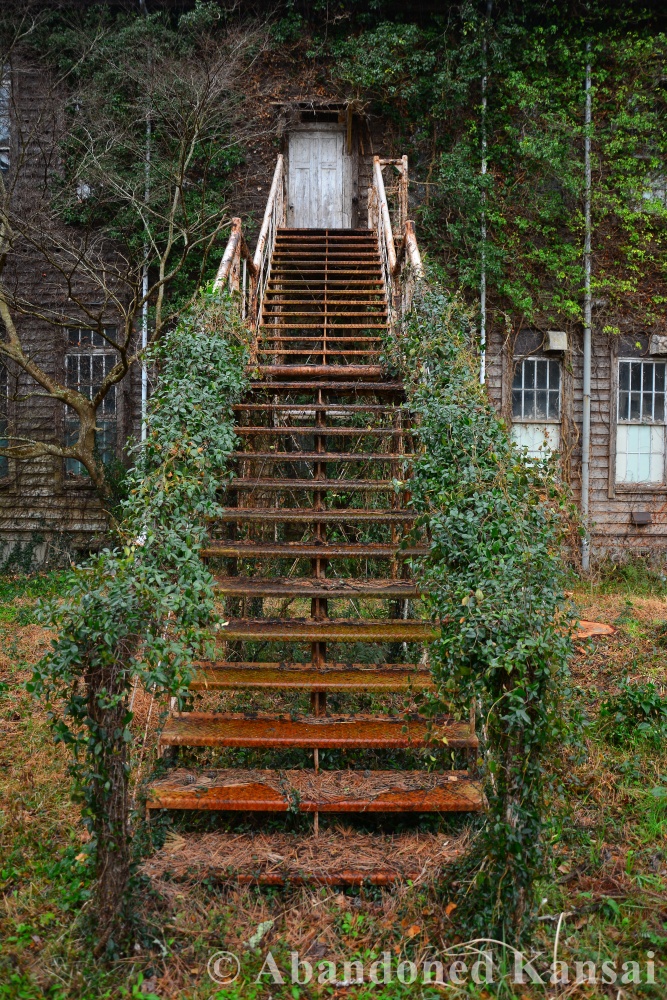
Unfortunately there was not much to see. A slightly overgrown and falling apart pathway up the hill to an equally abandoned viewing point, a few floodlights, an overgrown slope and an abandoned lodge – locked-up and impossible to explore anyway due to neighbors and the (sports) park right next to it. It was a nice, unusual solo exploration on the way to another location five years ago, but nothing anybody should come to Shikoku for specifically… The since my exploration reopened *Arai Mountain And Spa* as well as the now completely vandalized and moldy *Gunma Ski Resort* were much, much more interesting!

(*Like Abandoned Kansai on Facebook* or *follow us on Twitter* if you don’t want to miss the latest articles and exclusive content – and subscribe to the *video channel on Youtube* to receive a message right after a new video is online…)
Read Full Post »

Military explorations are always some of the most uncomfortable ones as you never know how abandoned or risky they really are – and what the consequences will be if getting caught…
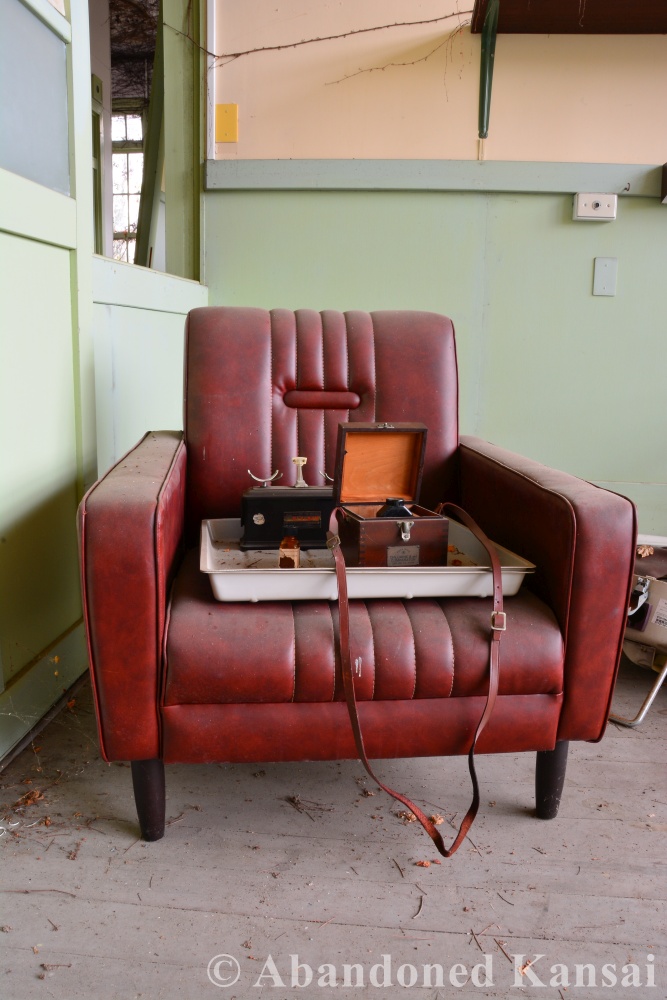
Luckily exploring this abandoned shooting range near Dudenhofen in Germany was a rather relaxed operation. After spending a couple of hours at the pretty impressive *German Countryside Retirement Home*, my sister Sabine and I went to a small town outside of Speyer to have a look at a rather little known location similar to the *Military Shooting Range Neustadt*, which we explored three years prior. The front entrance featured a massive locked gate with large warning signs (Military Area! No trespassing! Contraventions will be prosecuted!), but it didn’t take us too long to find a rather easy way in. Interestingly enough the first things we found weren’t signs of a military installation, but dozens of boxes for beekeeping, probably put there by an amateur apiarist… and countless bees flying around. A blast from the past, because while I was studying Japanese history, I had to get credits outside my main subject, too – so I participated in a hands-on class about bees and beekeeping taught by the biology department; four hours every two weeks, one of the most amazing experiences of my university days! Unfortunately the abandoned shooting range itself wasn’t that impressive – a couple of concrete arches, partly wooden clad. No big bunker or a large bullet trap. Nevertheless a nice little outdoor exploration on a sunny summer day. Perfect as a filler in a busy week like this…

(*Like Abandoned Kansai on Facebook* or *follow us on Twitter* if you don’t want to miss the latest articles and exclusive content – and subscribe to the *video channel on Youtube* to receive a message right after a new video is online…)
Read Full Post »

Industrial ruins are rather rare in central Japan, so I was quite a happy fella when I had the opportunity to explore this little gem in the outskirts of a major city about two and a half years ago…

Abandoned hotels, schools, hospitals… some might even say theme parks… are a dime a dozen in Japan, but industrial ruins are rather rare, unless you go to Kyushu and Hokkaido, Japan’s former mining centers – and even though Japan has a gigantic concrete industry and therefore countless limestone mines, they rather seem to move on than being abandoned; leaving huge scars even on famous mountains, like Shiga’s Mount Ibuki.
On a warm autumn day about two and a half years ago I had the pleasure to explore Heiwa Factory – unfortunately it’s a pretty common name, and by the looks of it, this Heiwa factory had been abandoned long before the internet became popular… or was even invented. In other words: I don’t know anything about the history of this place and my best guess is that it was yet *another concrete factory*.
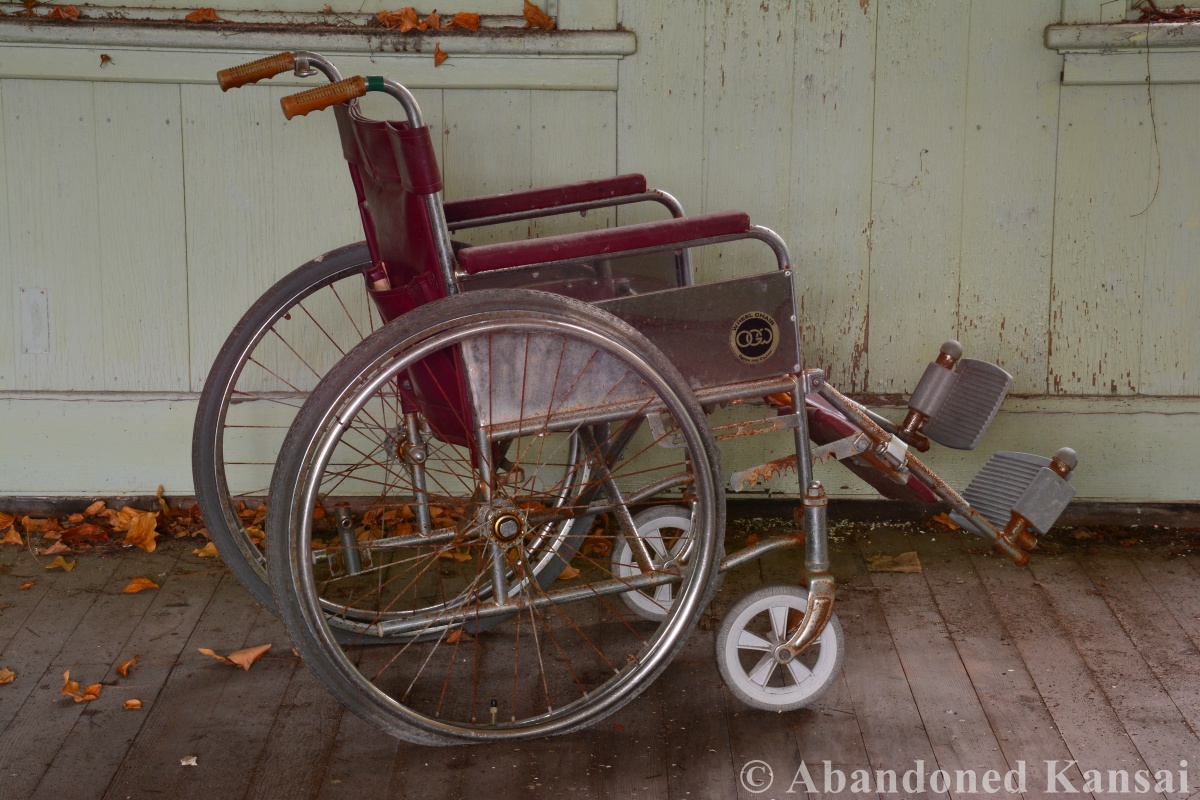
Despite the lack of information it was a pretty neat exploration. I love abandoned factories and this one was out of order for quite long by the time I finally explored it, resulting in vandalism free decay you don’t see very often – it looked like straight out of one of those “what if humans would disappear from one day to the next” TV features.

(*Like Abandoned Kansai on Facebook* or *follow on Twitter* if you don’t want to miss the latest articles and exclusive content – and subscribe to the *video channel on Youtube* to receive a message right after a new video is online…)
Read Full Post »

There are hot springs all over Japan (even in Okinawa!) und there are water parks all over Japan (even in Hokkaido!), but a hot spring water park? Those are surprisingly rare…

About two years ago I was able to convince my Japanese friends Yuko and Takanobu to do some real urbex after spending a night taking pictures at *Nara Dreamland*, which was basically already a tourist attraction at the time, with more visitors than many a temple in Nara…
We headed for the mountains, which isn’t exactly an unusual move in Japan, where mountains are hard to avoid when you drive for a while. After exploring two rather large locations, bothg of which I yet have to write about, we arrived at the Hot Spring Water Park just outside of a generally rather rundown onsen town, probably the home to an abandoned hotel or two – but we didn’t even have time to check that, because the sun was already setting and we were quickly running out of time. The curse of most urbex days… on 90% of them you run out of time at the last location of the day. Because if you don’t, you do your best to rush to another nearby place, no matter how low your expectations for it are. But I had rather high hopes for the Hot Spring Water Park, because back then I had never seen it anywhere else before, and even nowadays it barely ever pops up. Anyway, we parked the car at the road above the water park and then rushed down to snap some shots before it was getting too dark.
Japanese water parks have always been a mystery to me, as they are open for just a few weeks in July and August, no matter how hot (and humid!) the weather is in June or September. The dates are set and people stick with them. Back home in Germany those kinds of entertainment facilities open and close depending on the weather, usually starting in May and ending service in September. If you have a rainy May, the bath opens rather late in the month, if there is a heat wave in early May, it opens right away, to take advantage of the weather. Everybody involved brings a certain flexibility to the table to serve locals as good as they can, despite the fact that Germans love to bitch about how bad service is in their country. (And sometimes it is, especially when shopping, but that’s the result of their “Geiz ist geil!” (tight is right) mentality. If you press for some of the lowest food and clothing prices in the industrialized world, you gotta live with the consequences… service costs money!
Anway, the Hot Spring Water Park – a cute little thing in the mountains that could have been the pool area of a large resort hotel. But since it wasn’t, I understand why it failed. If your money making season is between six and eight weeks long, you better grab as much wonga as you can while you can; though being located in the middle of nowhere next to a small onsen town surely didn’t help. Nevertheless it was good fun exploring this rarely seen location, even though an hour clearly wasn’t long enough…

(*Like Abandoned Kansai on Facebook* if you don’t want to miss the latest articles and exclusive content – and subscribe to the *video channel on Youtube* to receive a message right after a new video is online…)
Read Full Post »

Older Posts »