Feeds:
Posts
Comments

Archive for August, 2023

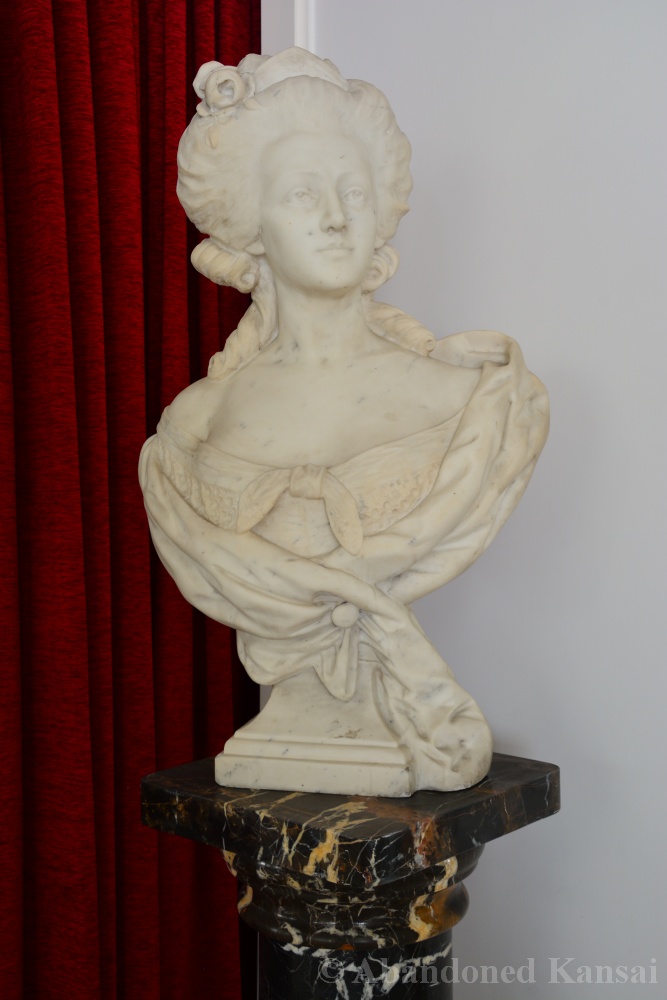
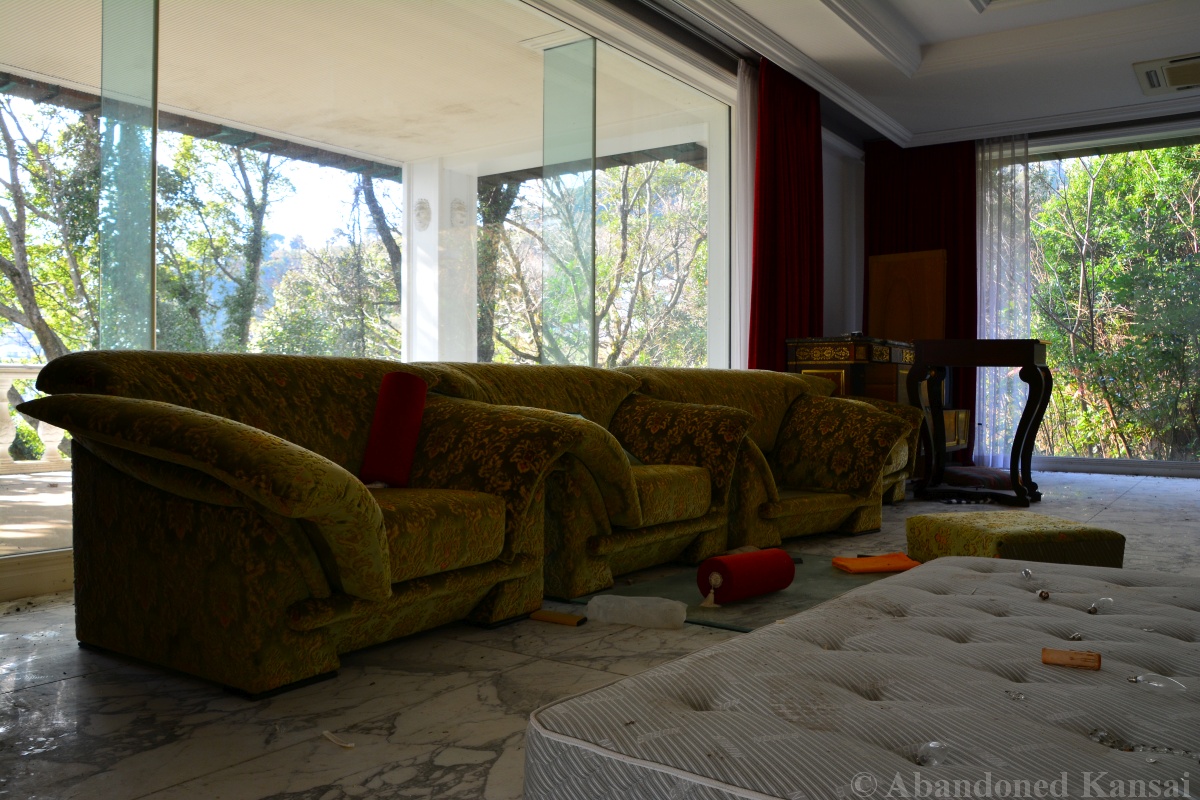
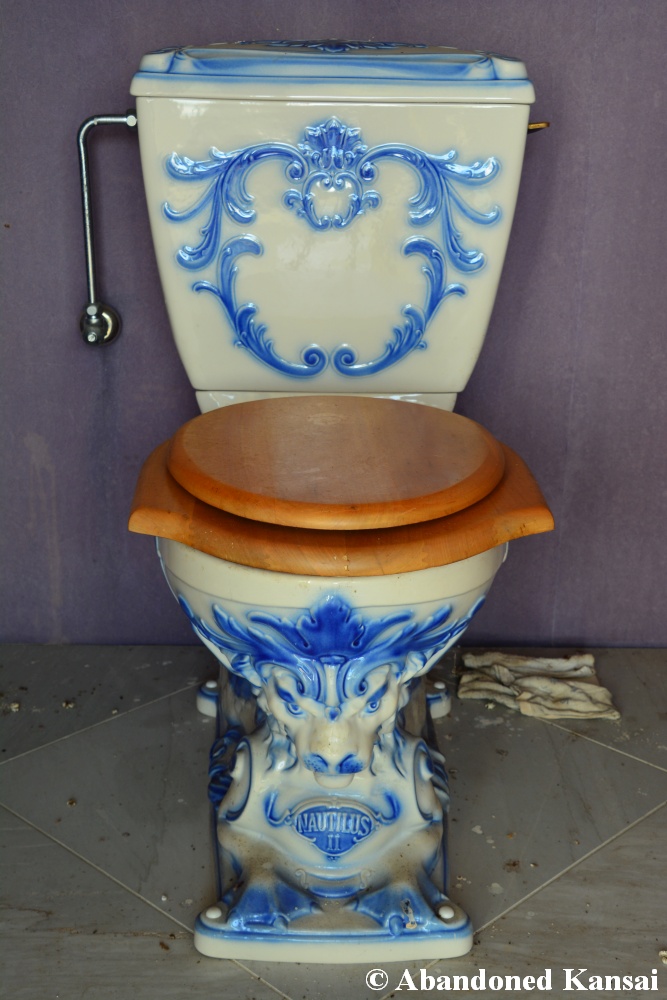
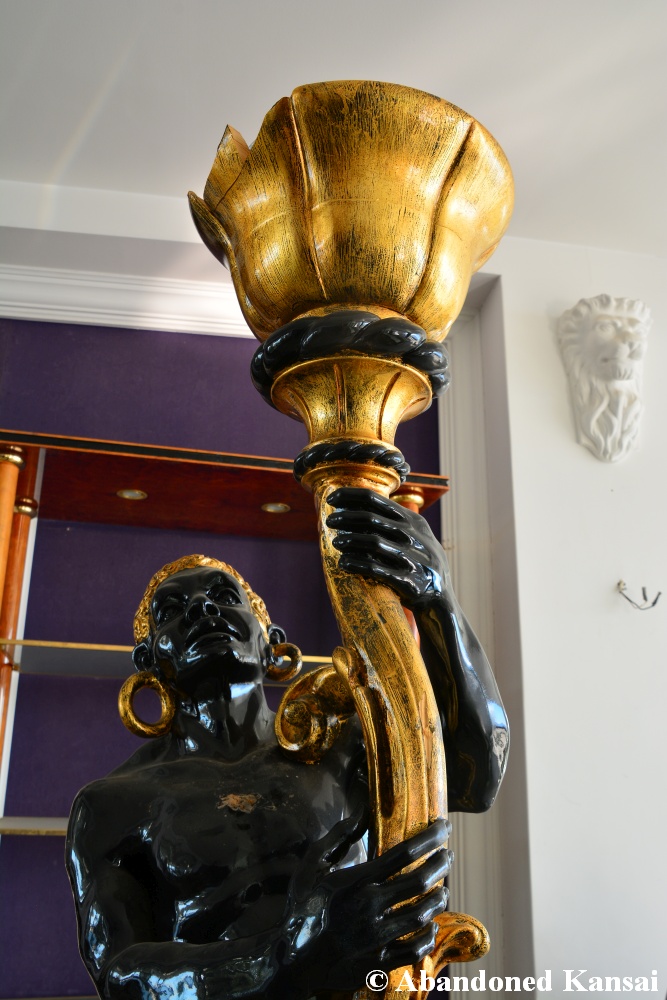
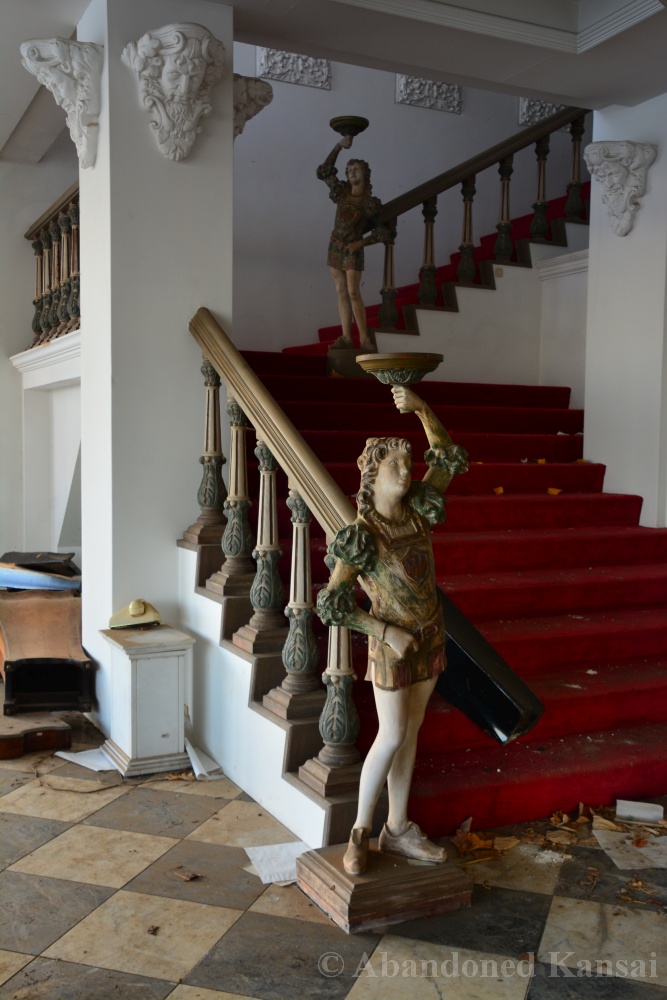
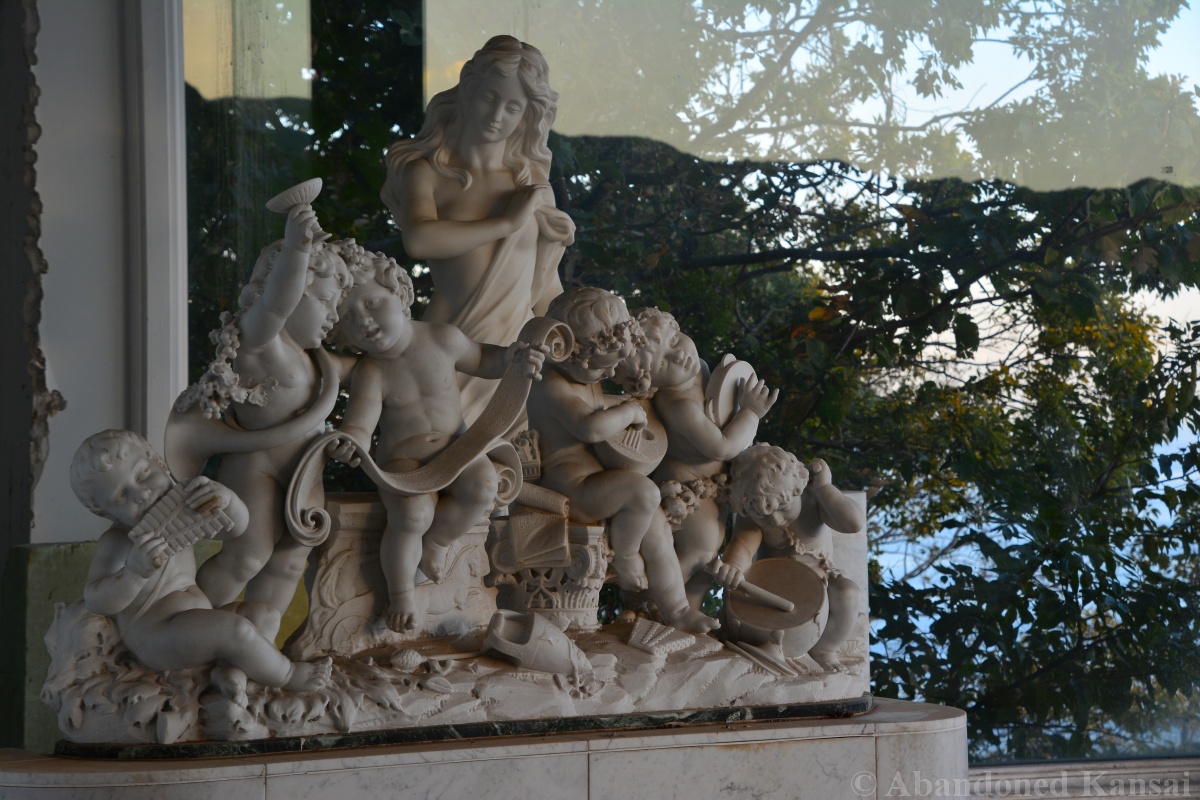
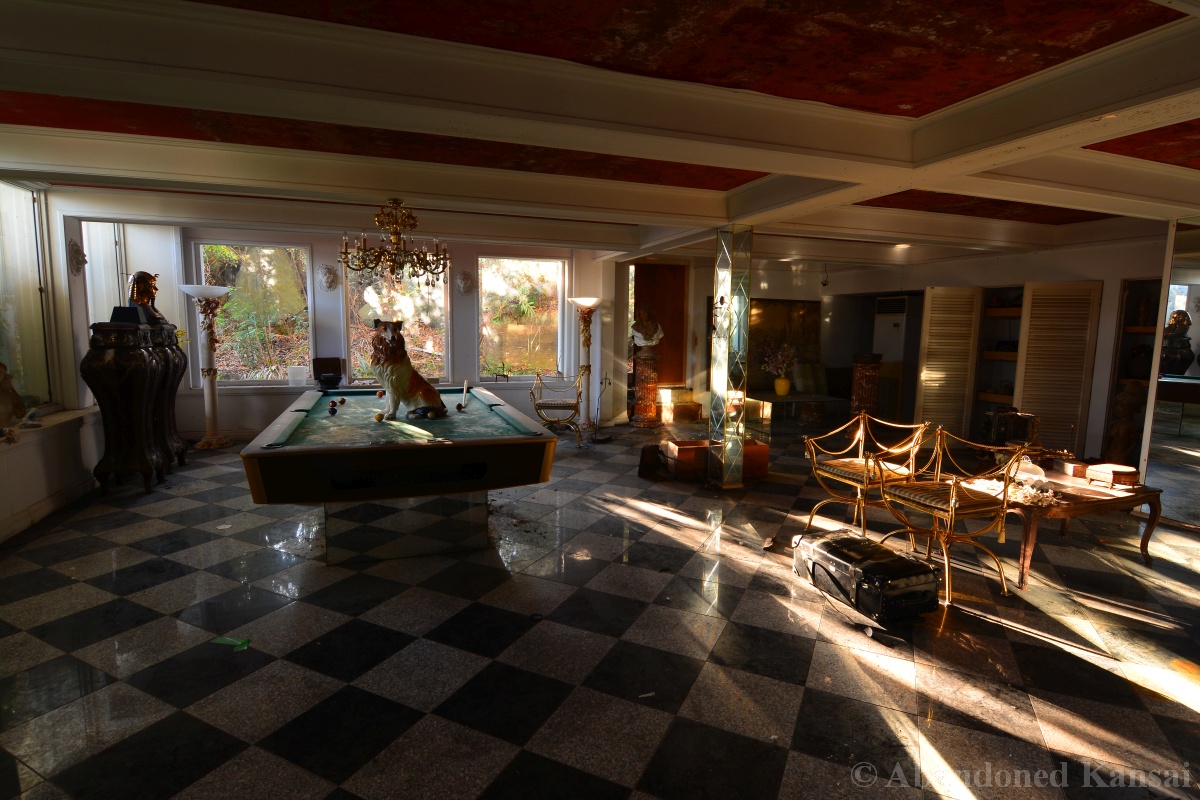
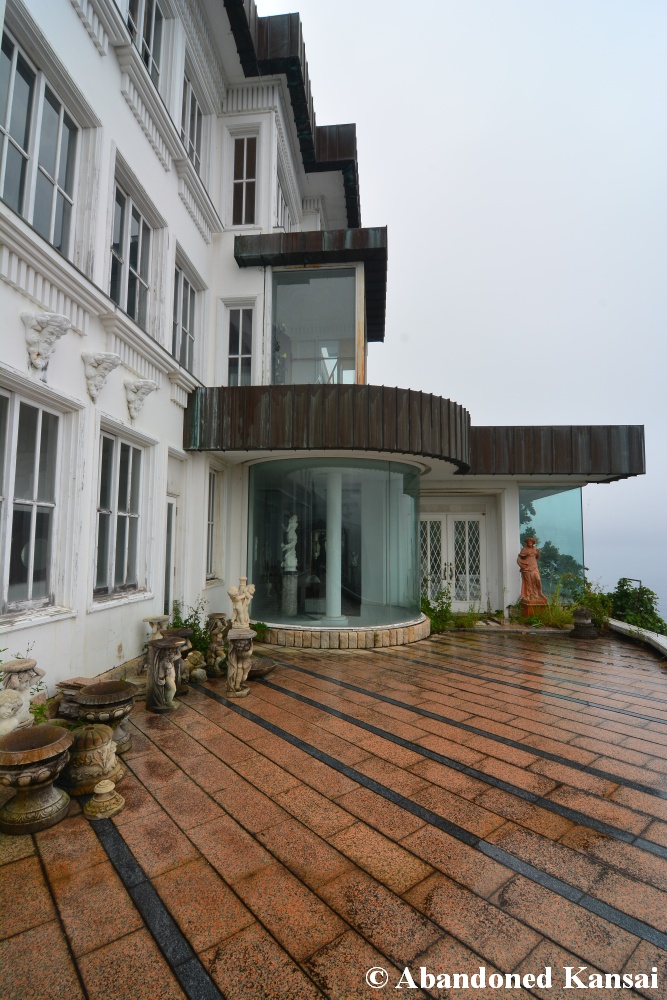
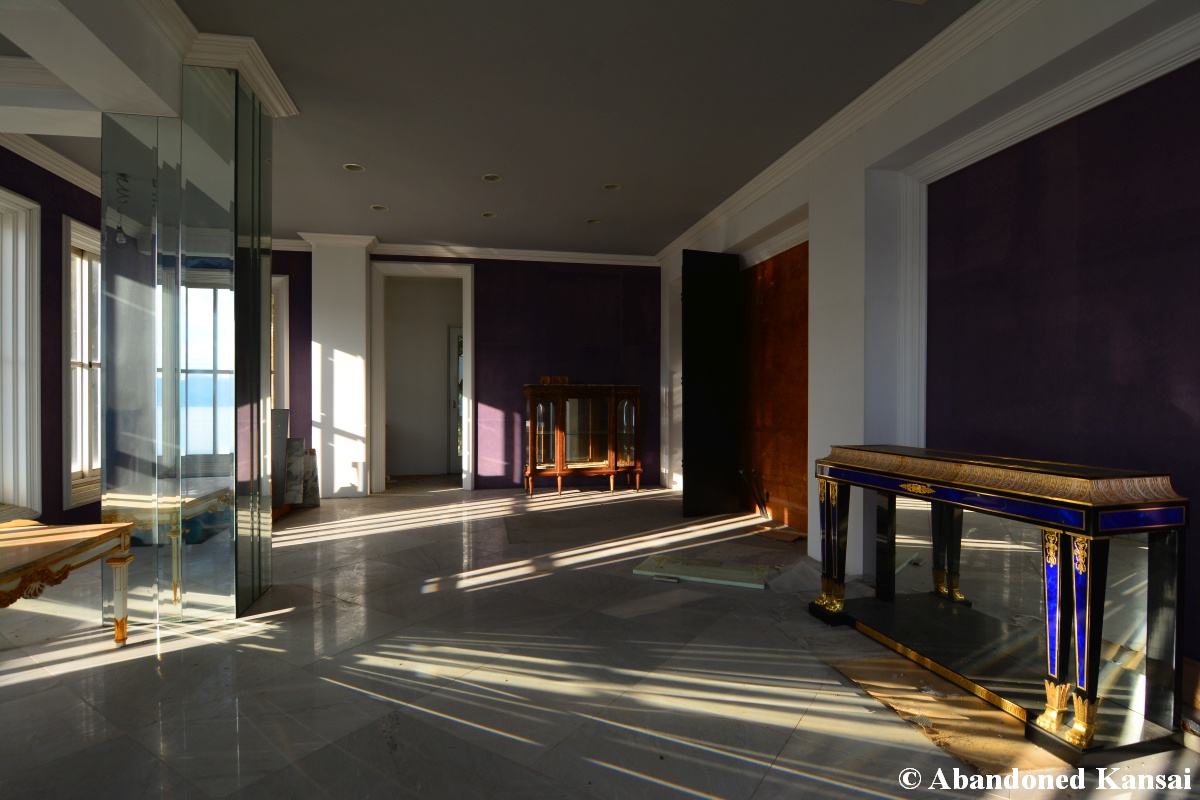
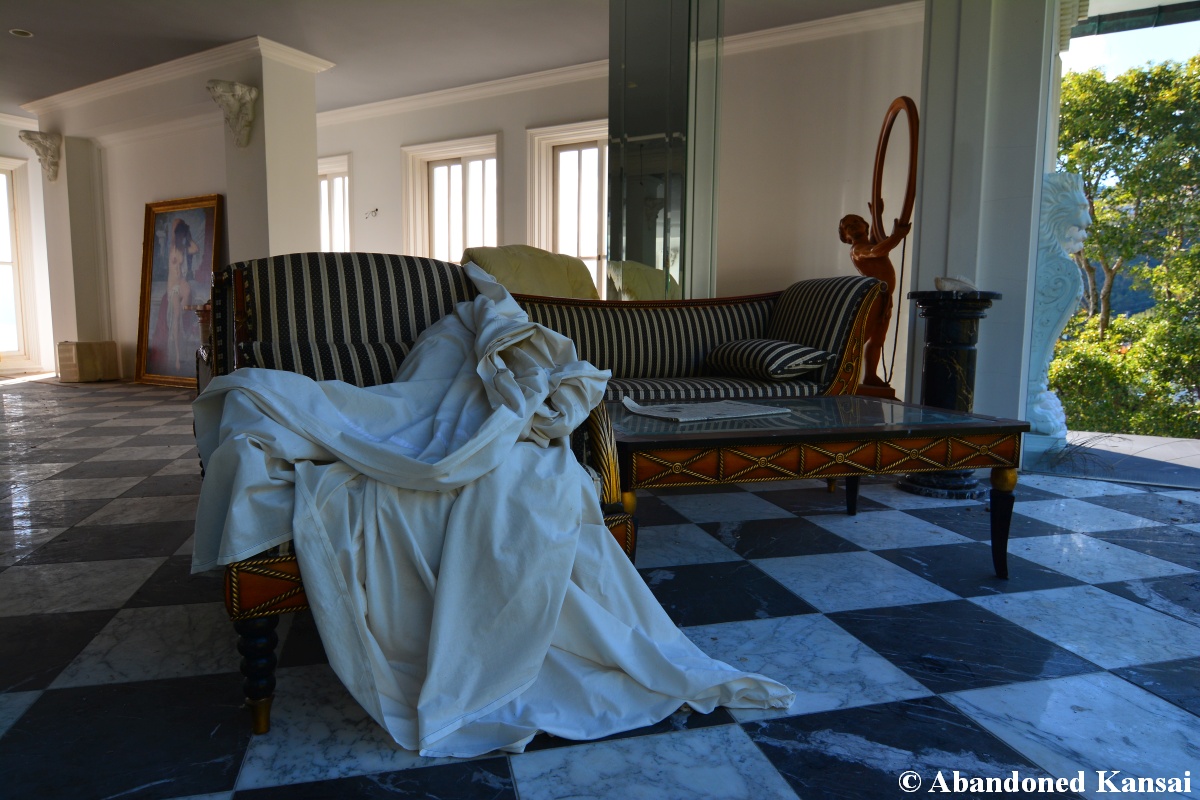
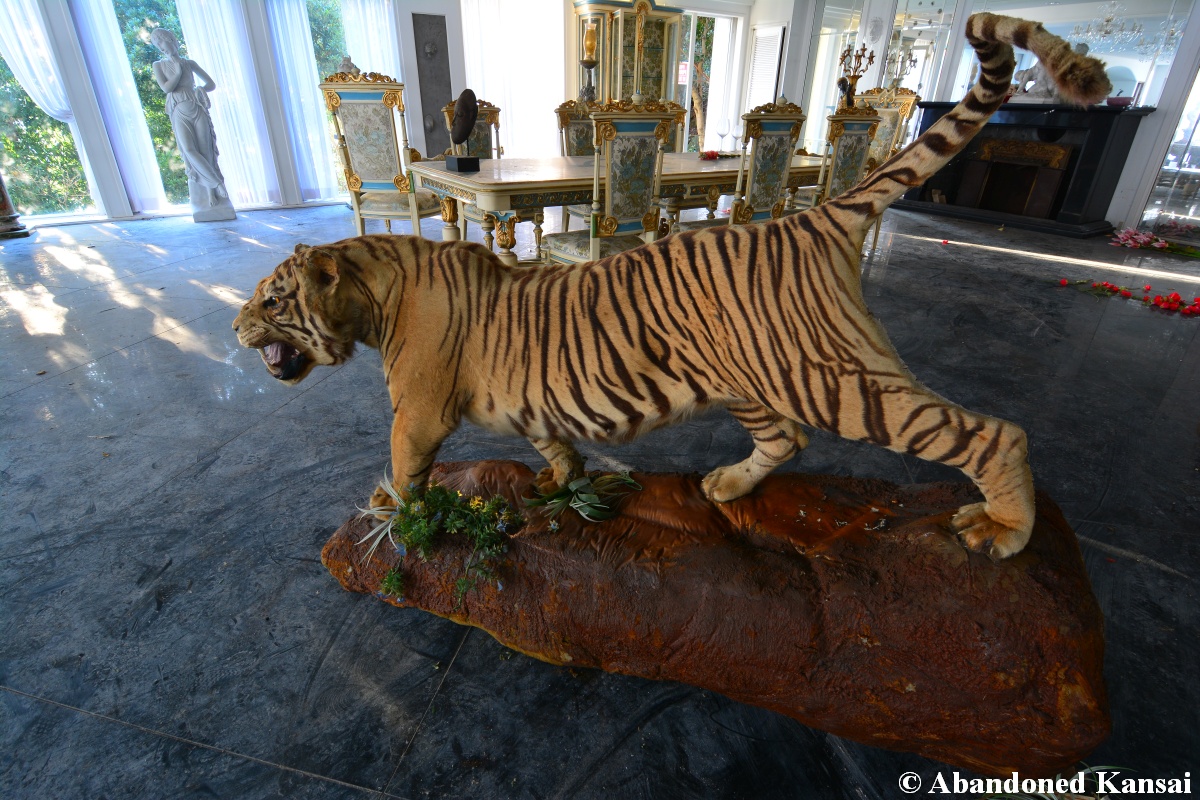
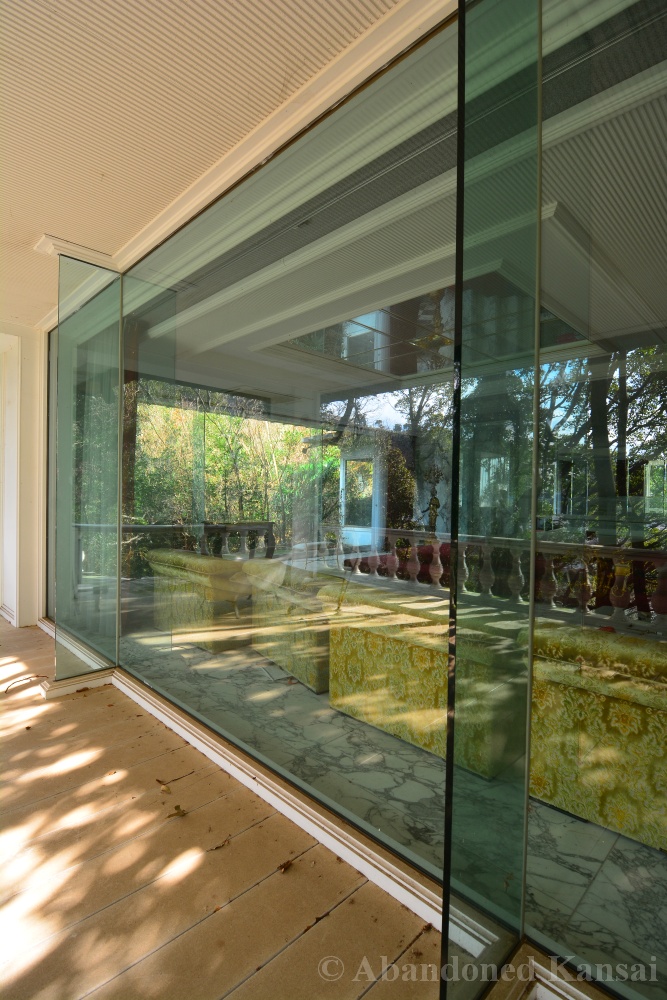
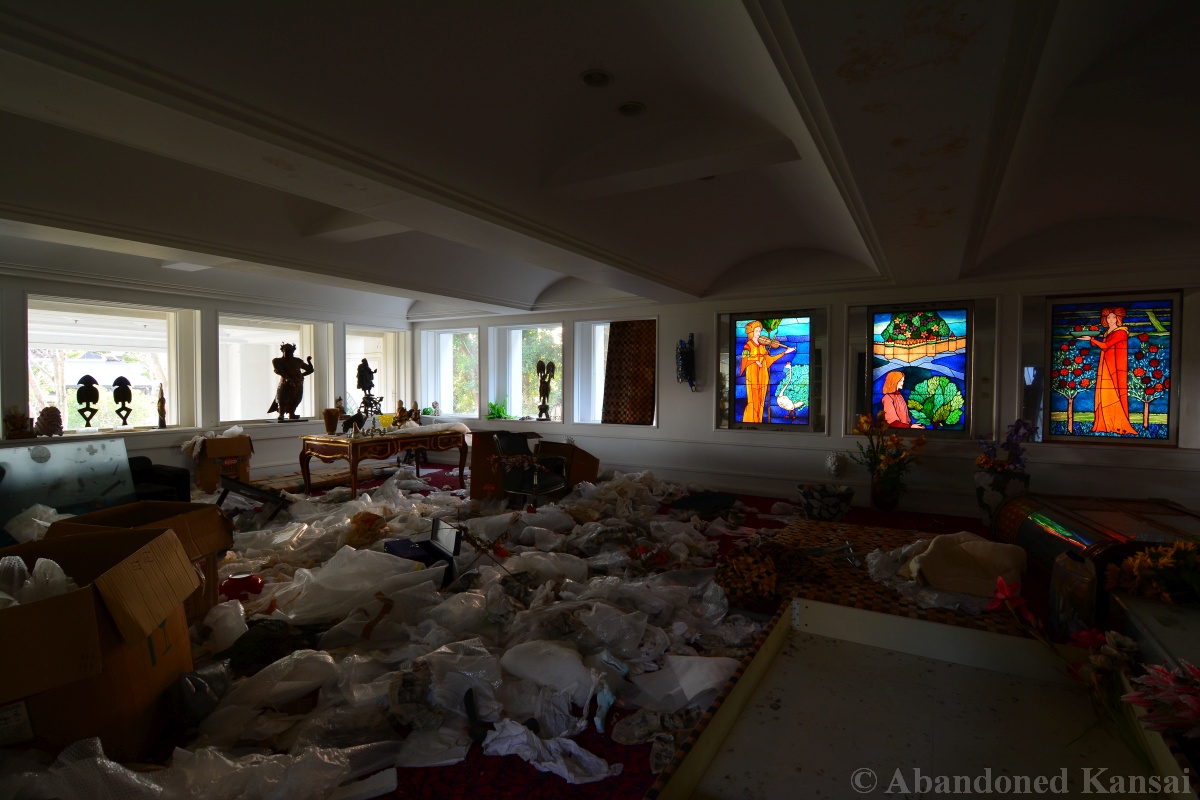
Welcome to the sequel article about the *Kanemochi Mansions*! Sorry that it took me a while…

In 1993 Ginza’s property king Genshiro Kawamoto, age 61 at the time, was at the height of his power and wealth – worth about 2.6 billion USD, he was the 72th richest person on the planet, owning 60 buildings in Japan (almost all named Marugen) and about 700 houses in the States. He already had a somewhat questionable reputation but furthered it even more in the 2000s when he rented multi-million dollar mansions to native Hawaiian families for next to nothing to drive down property values in the area, after evicting hundreds of families in California just a few years earlier to benefit from rising real estate prices. In the 2010s (and well into his own 80s) Kawamoto predominantly made news for tax evasion when his Marugen Group “forgot” to pay more than 1 billion Yen in taxes. In 2013 he was first arrested and in November of 2018 he was sentenced to four years in prison… and disappeared from the news; no word whether Kawamoto is (still) in prison or if he is on the run.

Back in 2019 a few adventure tourists from overseas somehow made it to Kawamoto’s abandoned cluster of private mansions in Atami, at the time a location hardly known even amongst Japanese urban explorers. Unfortunately the mix of unusual interior and lurid headlines generated millions of views, a new “must see” location in Japan was born, after *Nara Dreamland* was torn down in late 2016.
I had been documenting the natural decay of the villas since early 2016, but kept the material to myself, because I knew what could happen to locations when you drag them into the public eye – something the Youtube locusts obviously don’t care about…
In February of 2020, when the initial damage was done and Covid was about to prevent urbex tourists from entering Japan, I finally posted about the Kawamoto villas here on Abandoned Kansai under the name *Kanemochi Mansions* – my largest photo set with one of the shortest articles, containing much less information than your average video description. (In case you wonder why kanemochi – 金持ち means rich person in Japanese and was a good way to avoid Kawamoto’s real name without calling the location something really obscure. 🙂 )

So… Why now? Why this article with all the detailed information now? Well, the information here actually is not really new, other people have spread it long before me. I just wanted to show you this amazing location one more time with beautiful photos from back in the day, before the unwanted attention and questionable fame… with different weather, at different times of the year, at different times of the day. I truly love(d) the Kawamoto mansions, so I came back several times, despite the long way from Osaka. And if you know Abandoned Kansai longer than a recent Google search, you are probably aware that me writing an article like that doesn’t mean good news…
To be continued!

(*Like Abandoned Kansai on Facebook* or *follow us on Twitter* if you don’t want to miss the latest articles and exclusive content – and subscribe to the *video channel on Youtube* to receive a message right after a new video is online…)

Read Full Post »

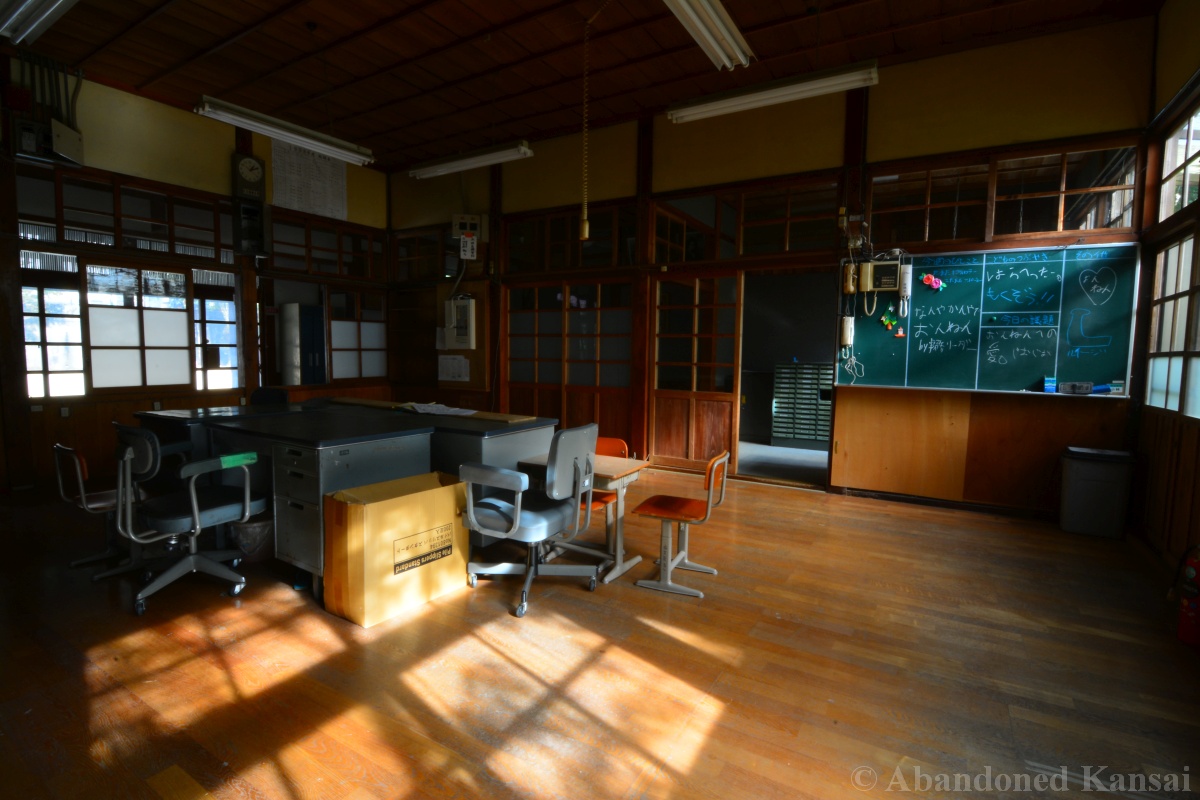
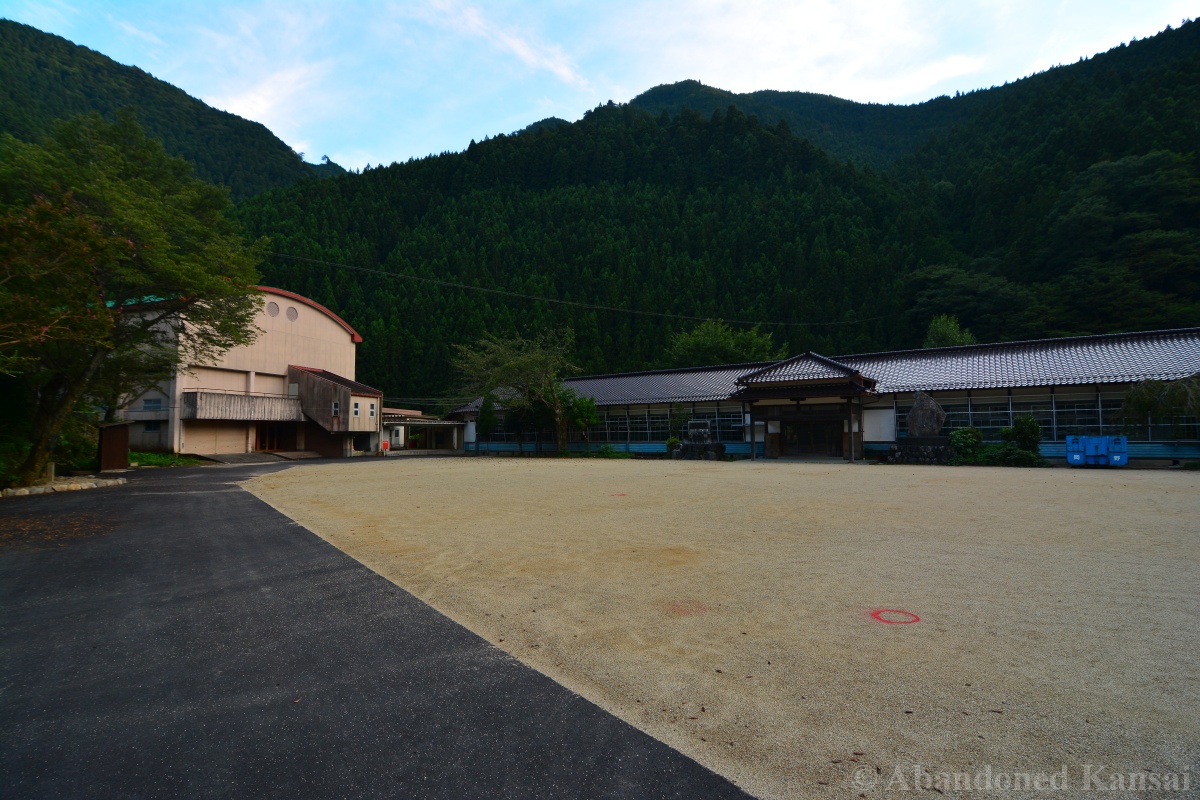
The Wada Elementary School deep in the mountainous part of Nara prefecture turned out to be one of my most beautiful and memorable explorations.

Abandoned elementary schools are a dime a dozen in Japan; if you include the ones that are just closed, then there are even more. While the majority of modern schools in Japan look rather similar, the majority of old schools in the countryside differ quite a bit from each other as they were built to fit the landscape and suit the requirements of the people – I’ve seen everything from small buildings with three or four rooms in total on flat land to structures with several levels along a slope.

Back in 2015 a good friend of mine and I went on a two day road trip that also lead us to southern Nara prefecture… and when you are exploring in the countryside it’s almost guaranteed that a school or two will make your schedule. Upon arrival at the Wada Elementary School, located on a level between the river and the main road, it became pretty apparent that the building wasn’t the kind you were able to sneak into easily. It was in nearly pristine condition in the middle of town, right across the street from the local ryokan and restaurant – cars and or people passing by almost constantly. The building didn’t really look abandoned, and a newly built ramp from the main road to the mid-level, where the school was located, some construction machines still nearby, implied that the Wada Elementary School was about to be a goner soon.
We decided that sneaking around wasn’t worth the risk, and were about to leave, when my friend realized that he needed a restroom break – and instead of taking advantage of the nearby forest or driving to the next public toilet, the urinal of choice was the one at the ryokan right across the street. A blessing in disguise, because my friend started a conversation with the owner, who told him that the school was indeed scheduled for demolition, that he went there to school as a child… and that he had a key to the building! Fortunately my friend was a quick thinker and offered the owner to take professional photos of his childhood school that soon would be gone if he would give us access for an hour or two… Deal!
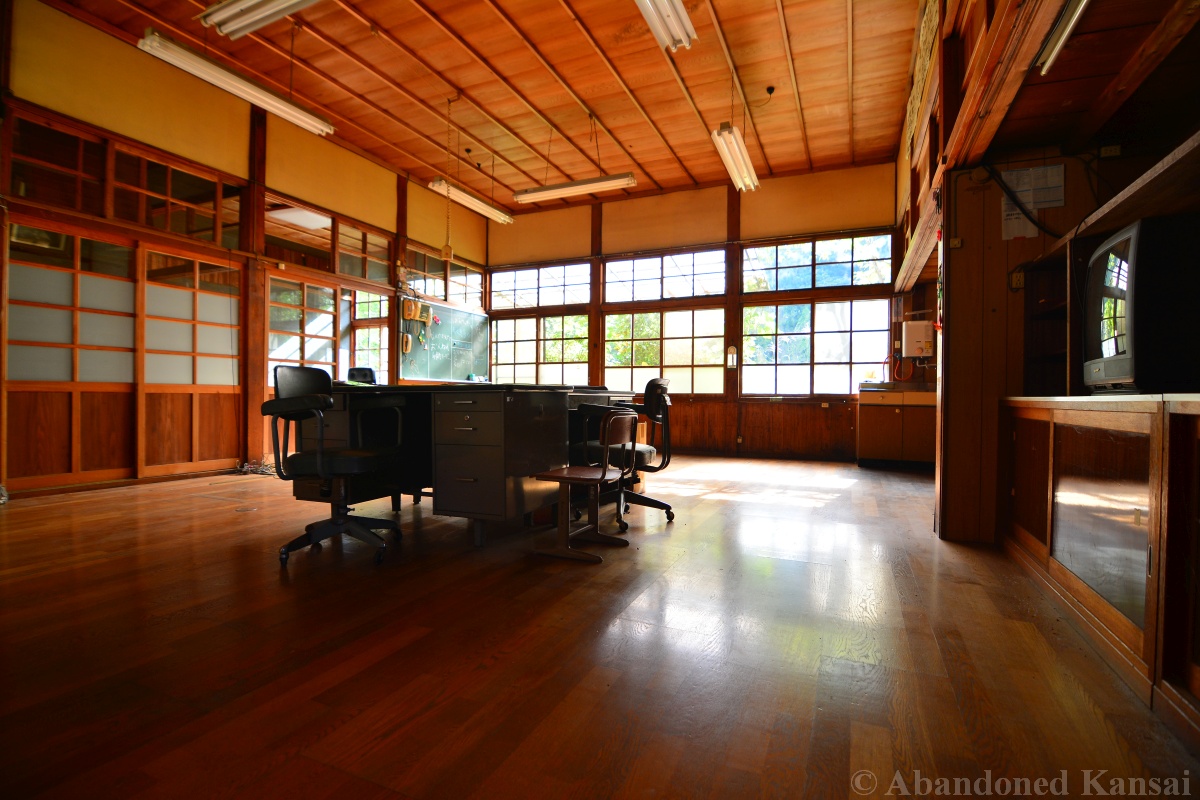
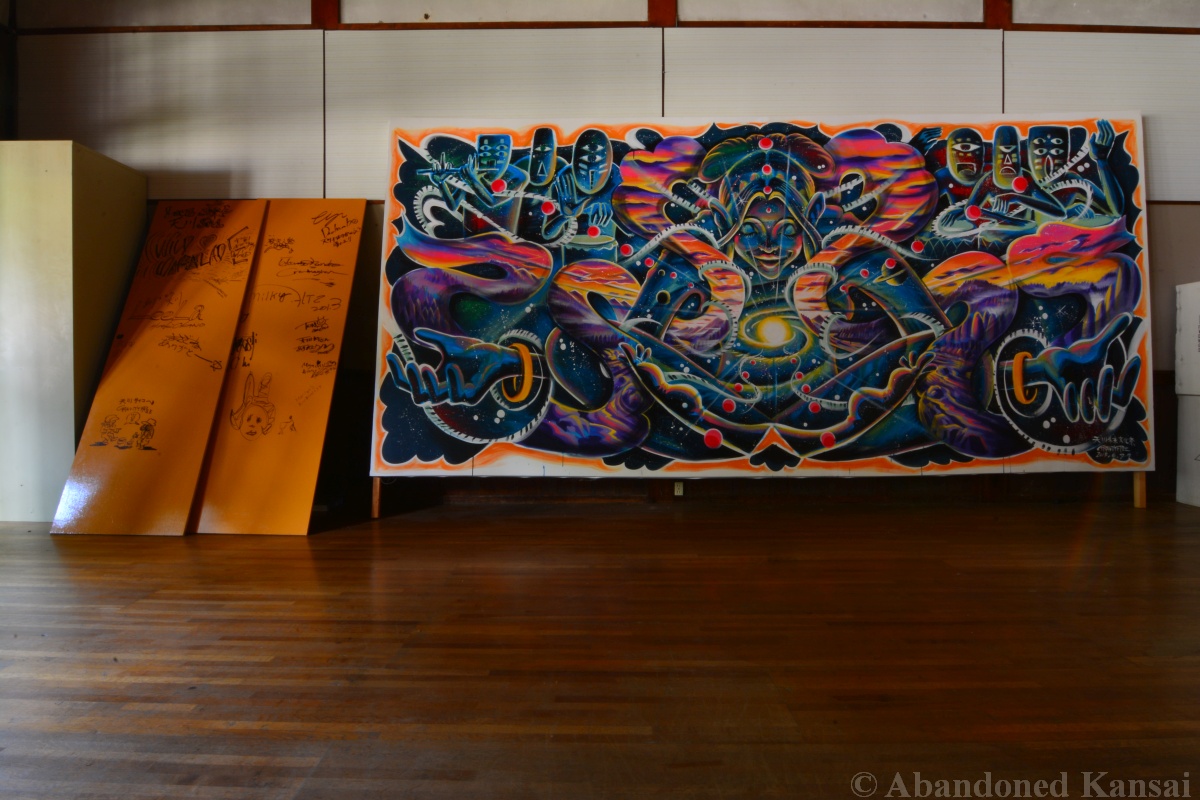
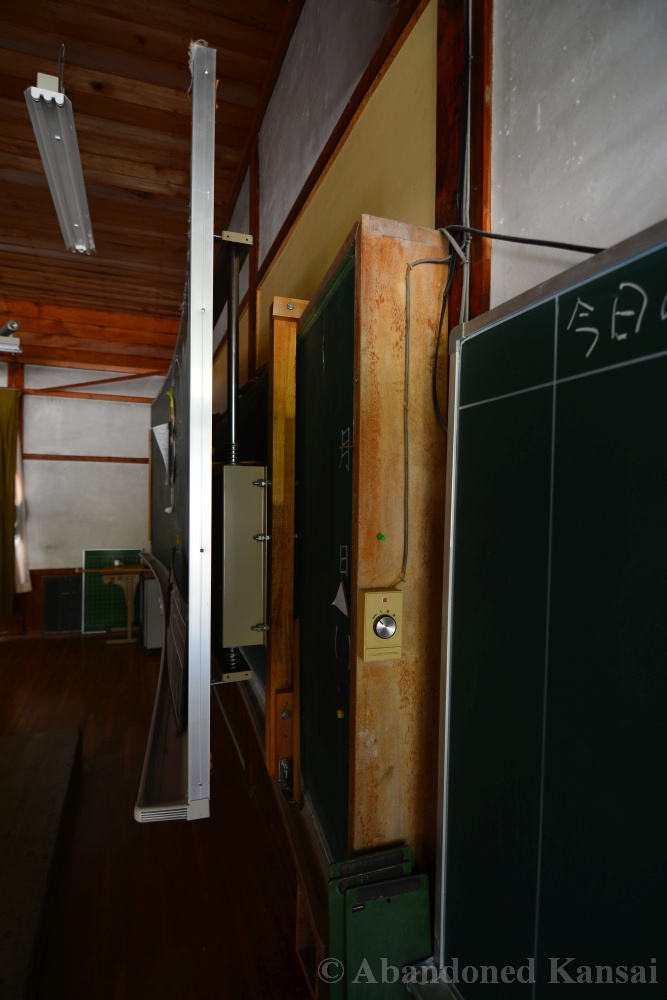
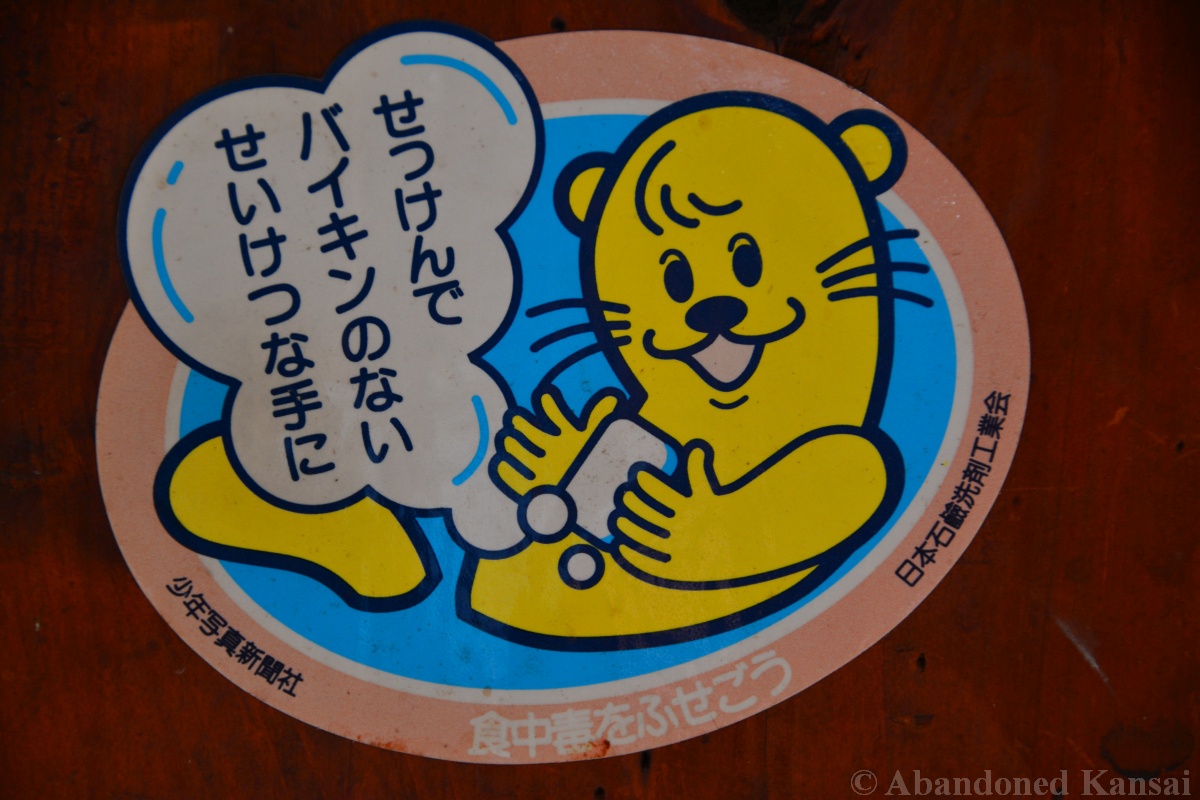
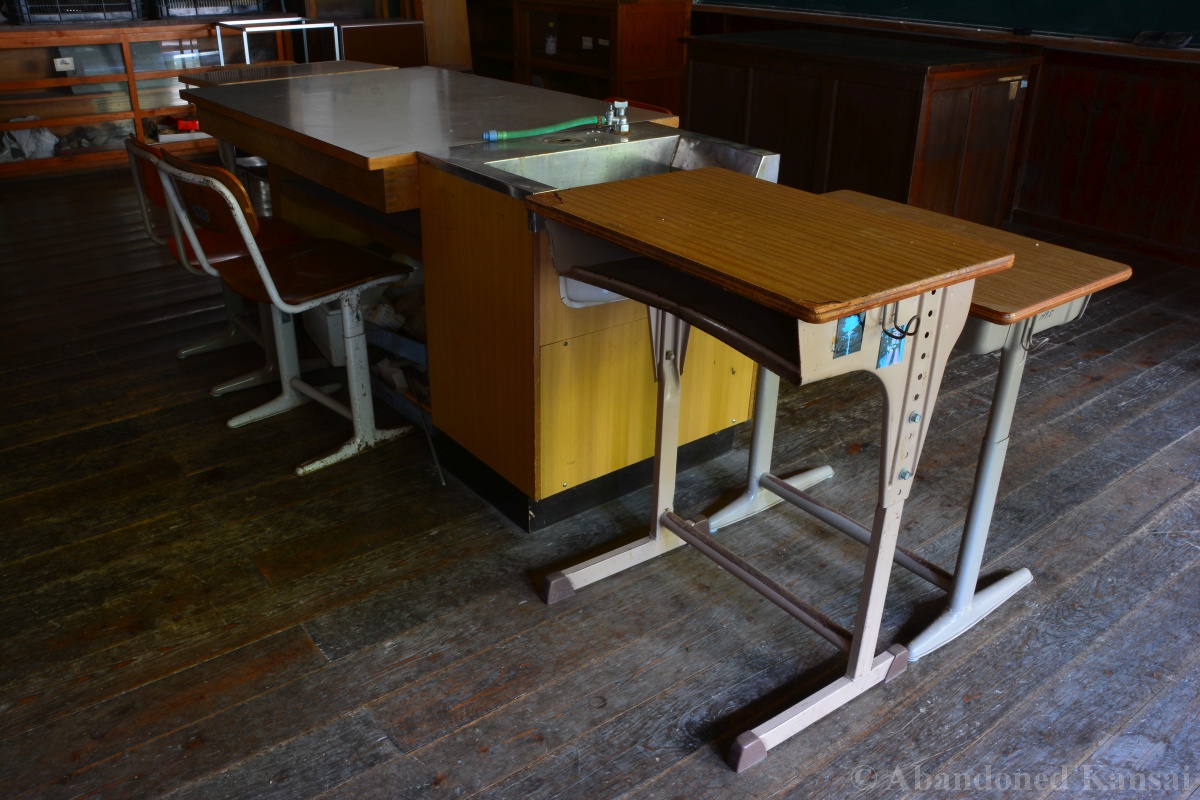
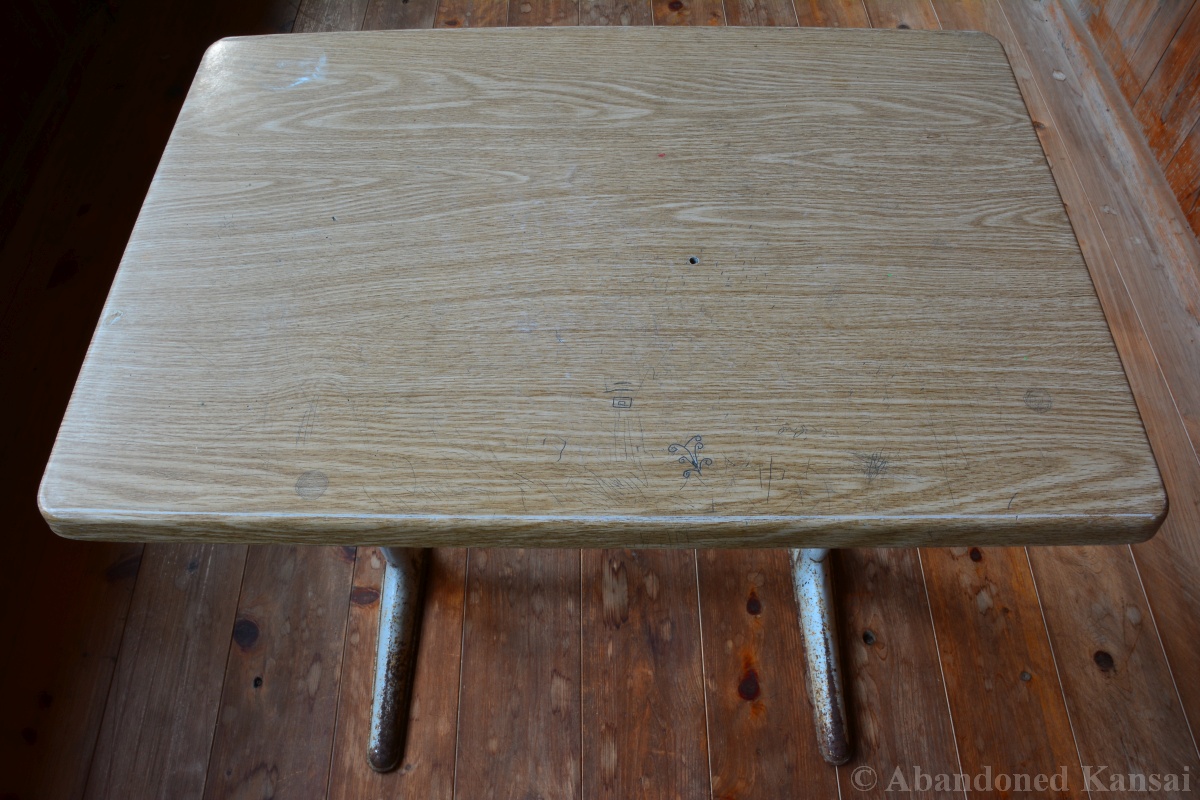
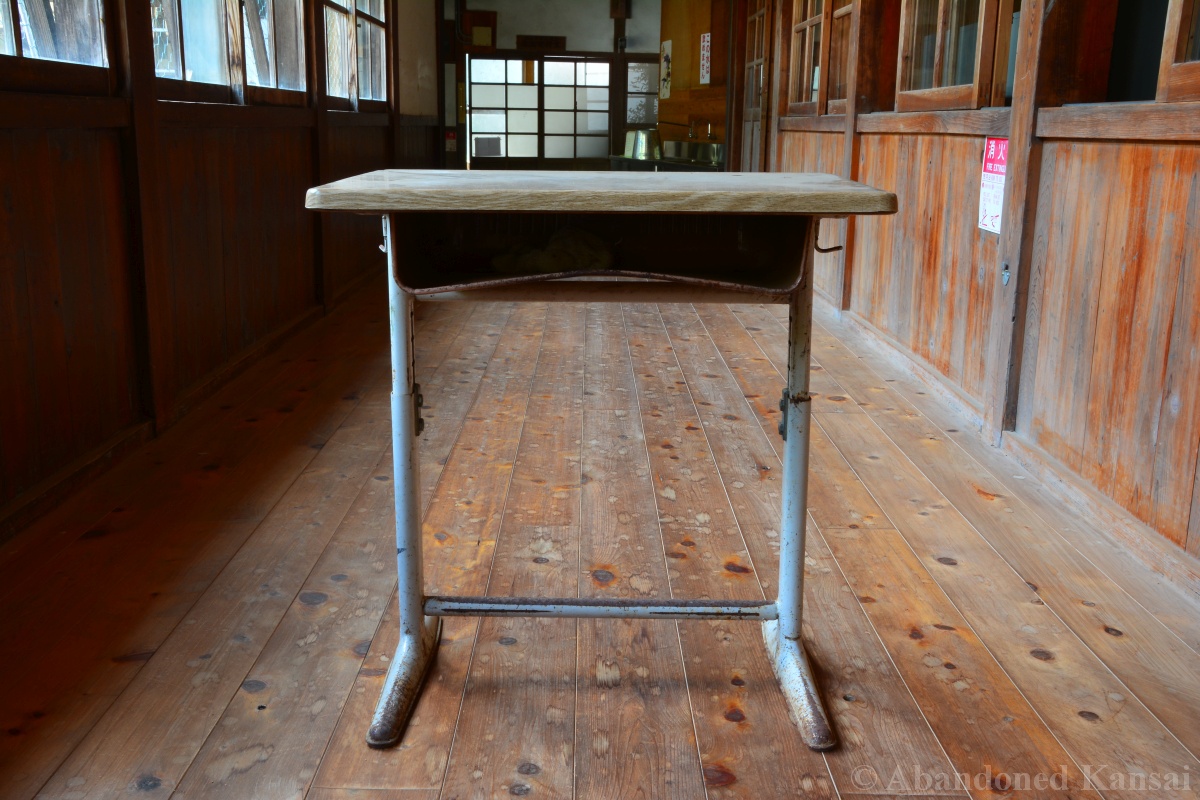
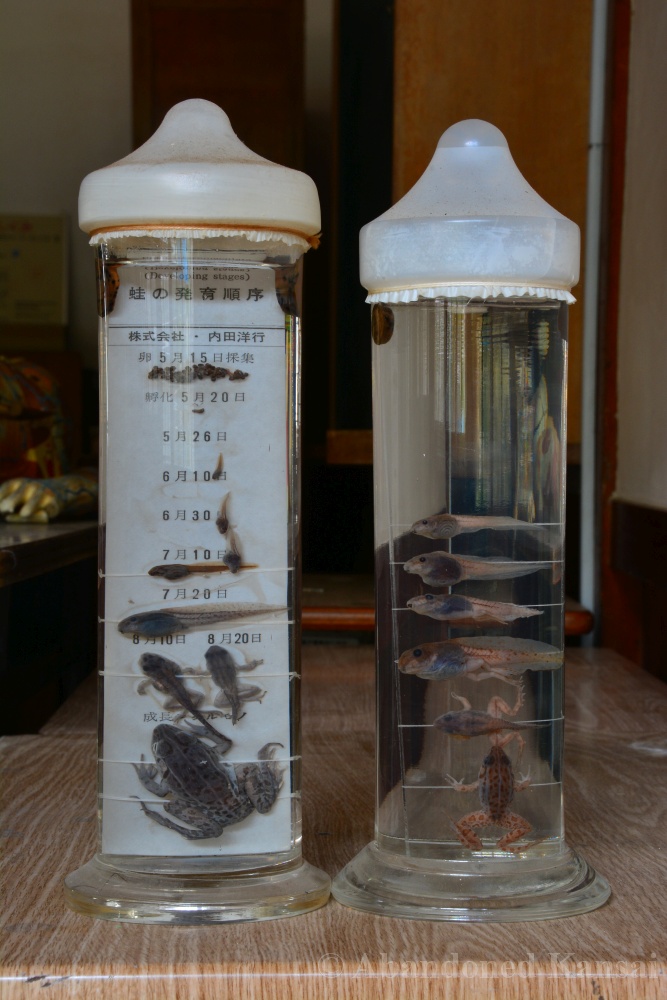
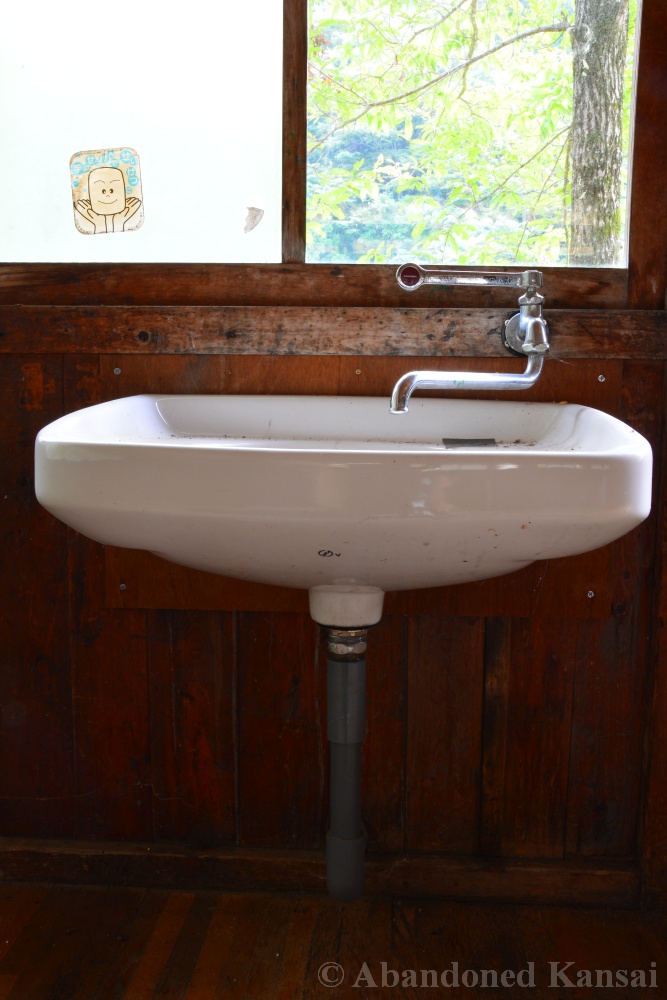
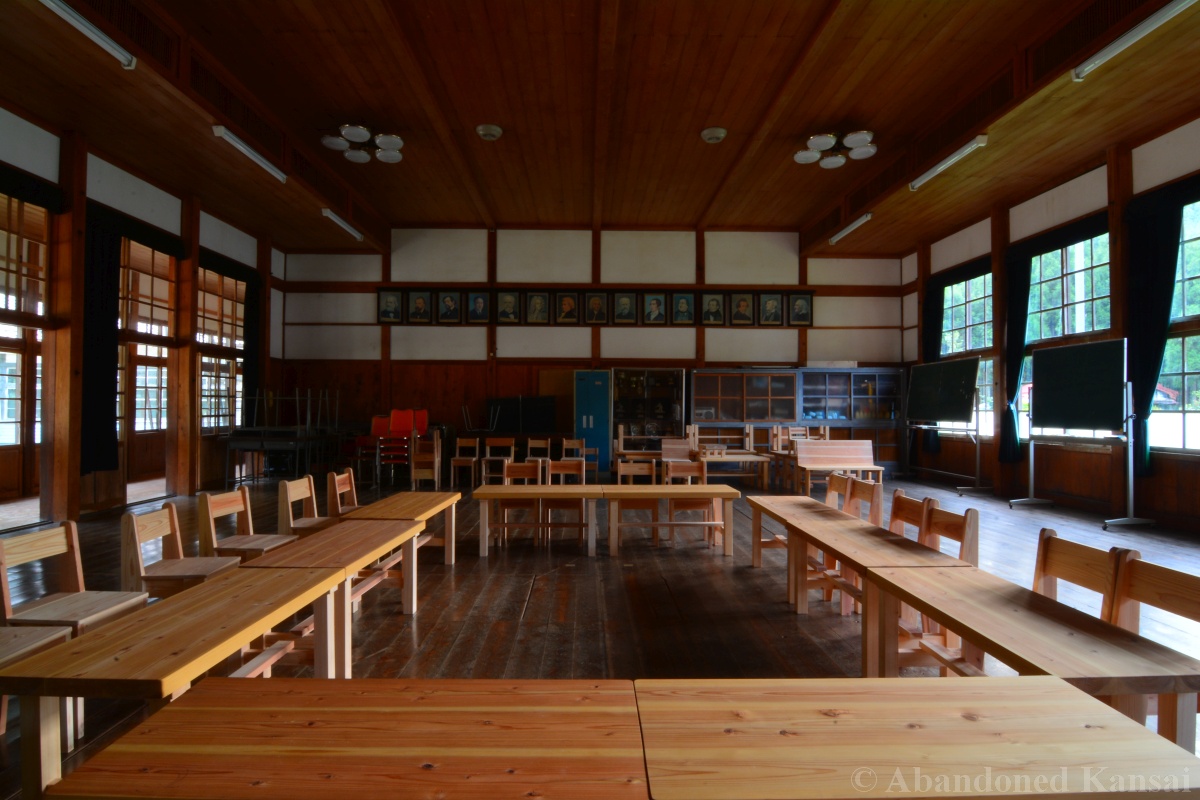
And that’s how yours truly got access to this amazing school, built in 1942 as the Tenkawa Nishi Elementary School and closed in 2002 – a most beautiful L-shaped one-storey building made of hinoki cypress, usually used for temples, shrines, noh theatres, and artisan woodwork. At the time of our visit the school was closed, but occasionally used for local town events. Which means that it was in pristine condition – we even took our shoes off upon entering! It also meant that there were no signs of vandalism or theft. The school was exactly like when it closed a decade prior, maybe even in better condition. No spider webs, no dirt, hardly any dust. It was like a building in an open-air museum such as Meiji Mura or the Historical Village of Hokkaido. Except that the general public had limited access…
Knowing that the Wada Elementary School was scheduled for demolition I wasn’t in a hurry to write this article. I really appreciated the exclusive access we had and didn’t want to break the trust invested in us.

For years I waited for confirmation that the school has been demolished… and then the opposite happened. Instead of tearing everything down, a small BBQ area was built behind the school and the whole property was turned into a recreation center. Now you can do official tours of the school, you can swim in the river, catch some amago and roast them the traditional way, or participate in indoor rock-climbing and woodworking workshops; changing rooms and showers are available. I haven’t been back to Wada since my exploration, but the program looks and sounds awesome! (Japanese only, unfortunately.) What an amazing place – back in 2015 and most likely even more so today.

(*Like Abandoned Kansai on Facebook* or *follow us on Twitter* if you don’t want to miss the latest articles and exclusive content – and subscribe to the *video channel on Youtube* to receive a message right after a new video is online…)

Read Full Post »