Feeds:
Posts
Comments

Archive for the ‘Kansai’ Category

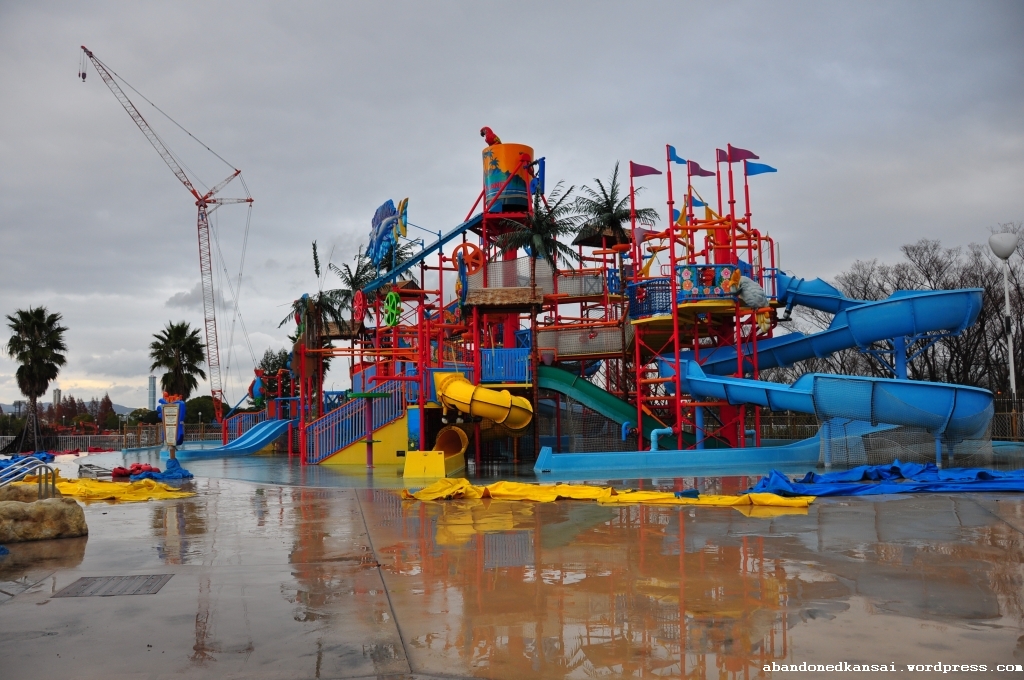
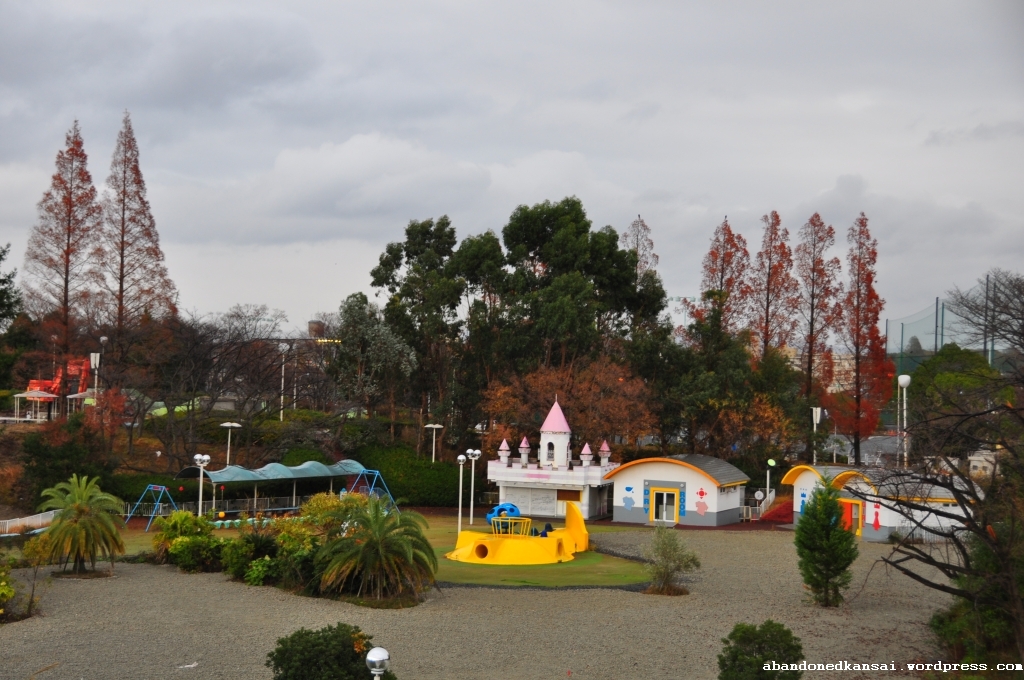
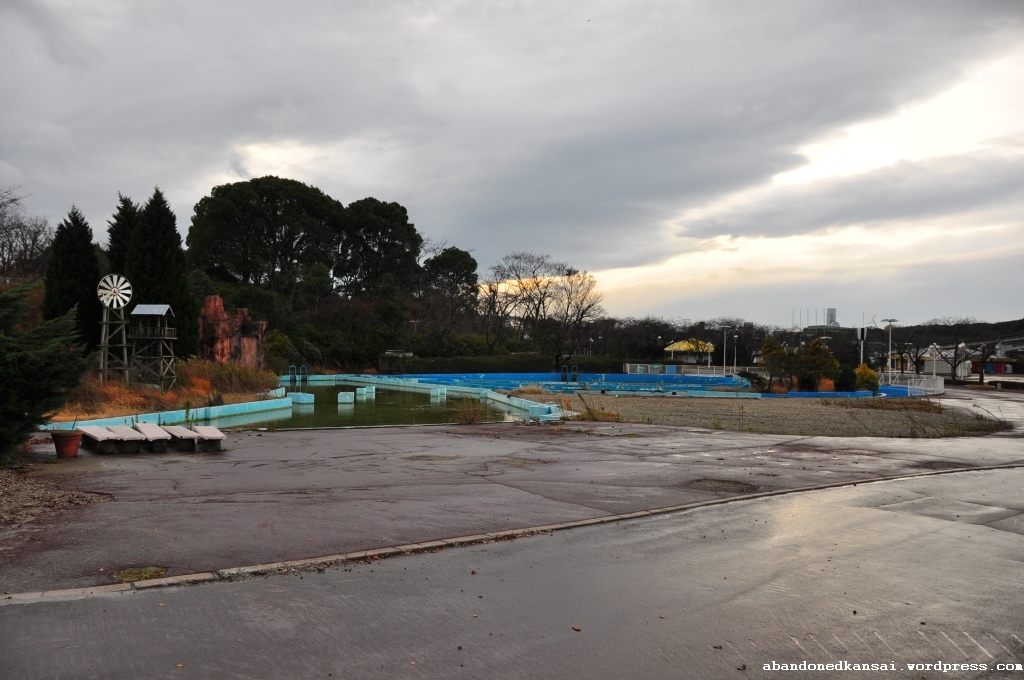
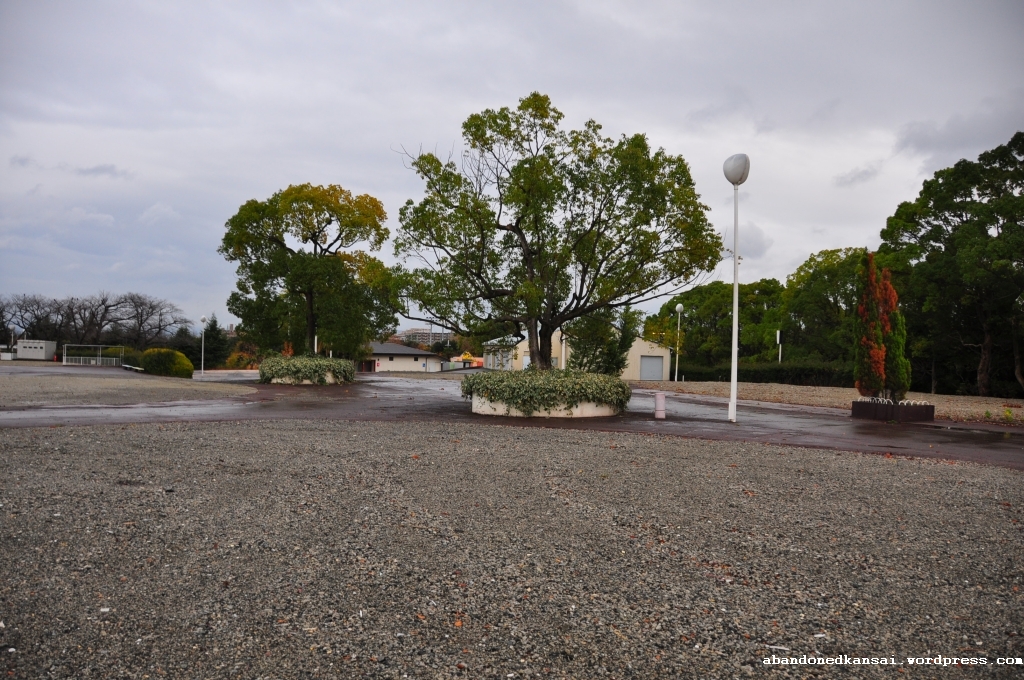
It seems like Nara Dreamland is quite popular lately. The statistics on WordPress indicate that most of the visitors I get from search engines looked for information about Dreamland. Well, since the once so vivid memories of a crazy Japanese dude yelling like a madman and threatening me with calling the police to get me arrested slowly fades I guess it’s about time to give people what they want: Two more postings about the Dreamland with leftover pictures I took in December. I still wouldn’t recommend going there, and I doubt that I ever will again, but should already taken pictures been wasted?

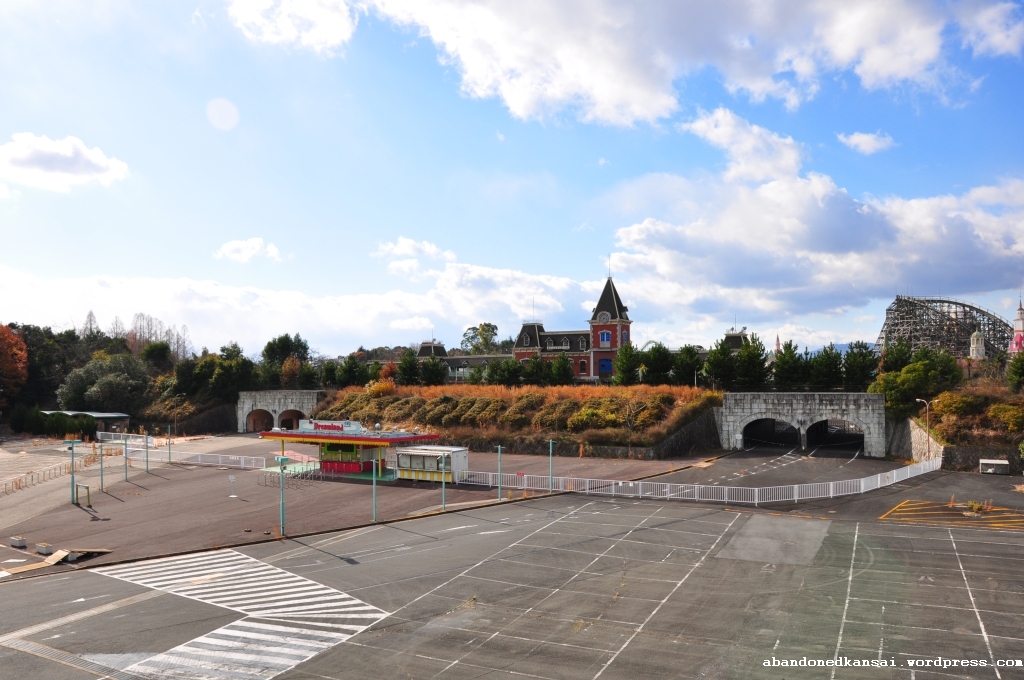
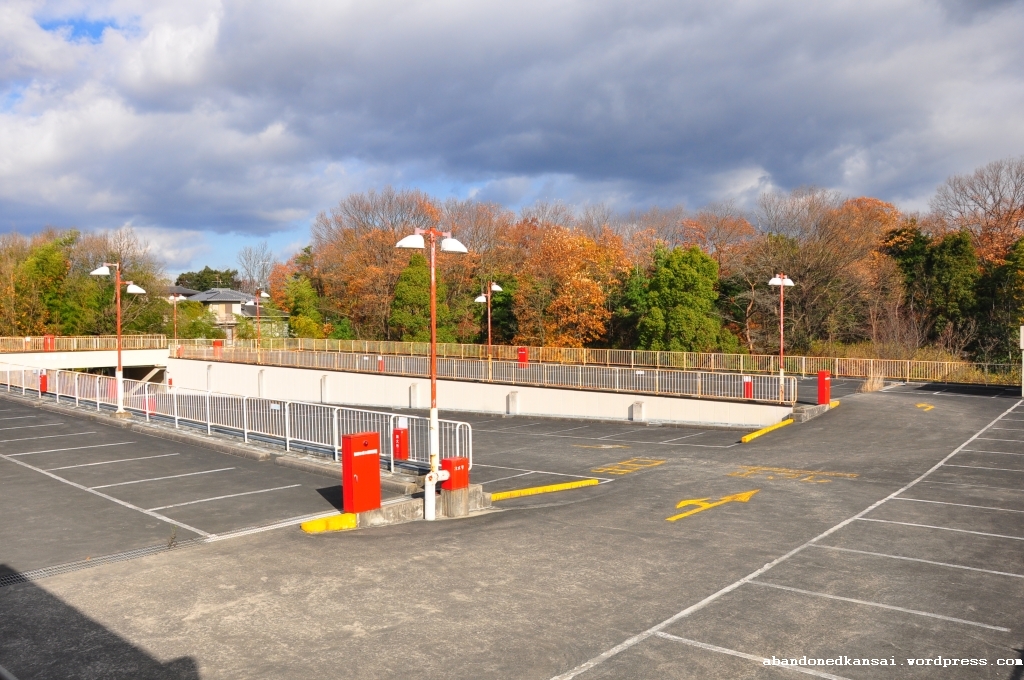
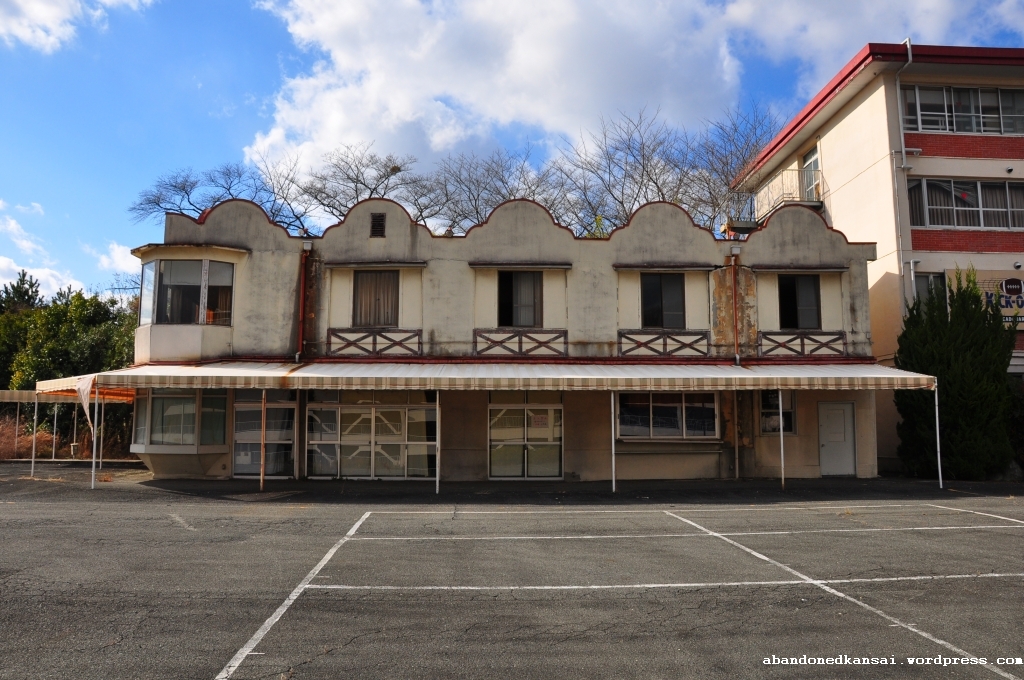
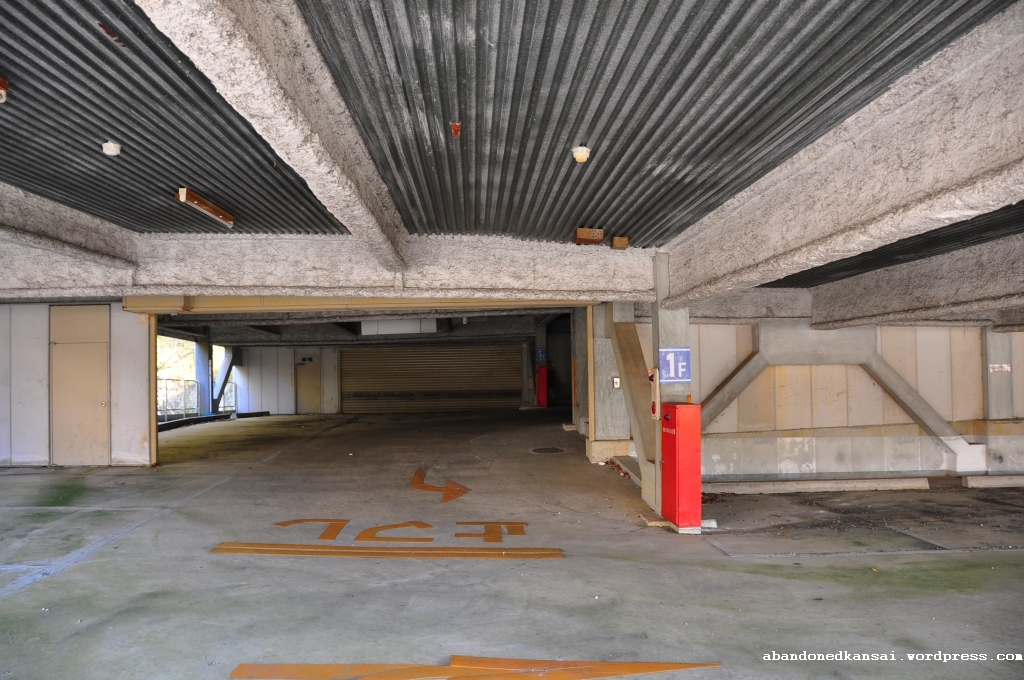
This posting will be all about the Eastern Parking Lot and the Parking Garage, the next one will show some interior shots of the building with the observation tower.

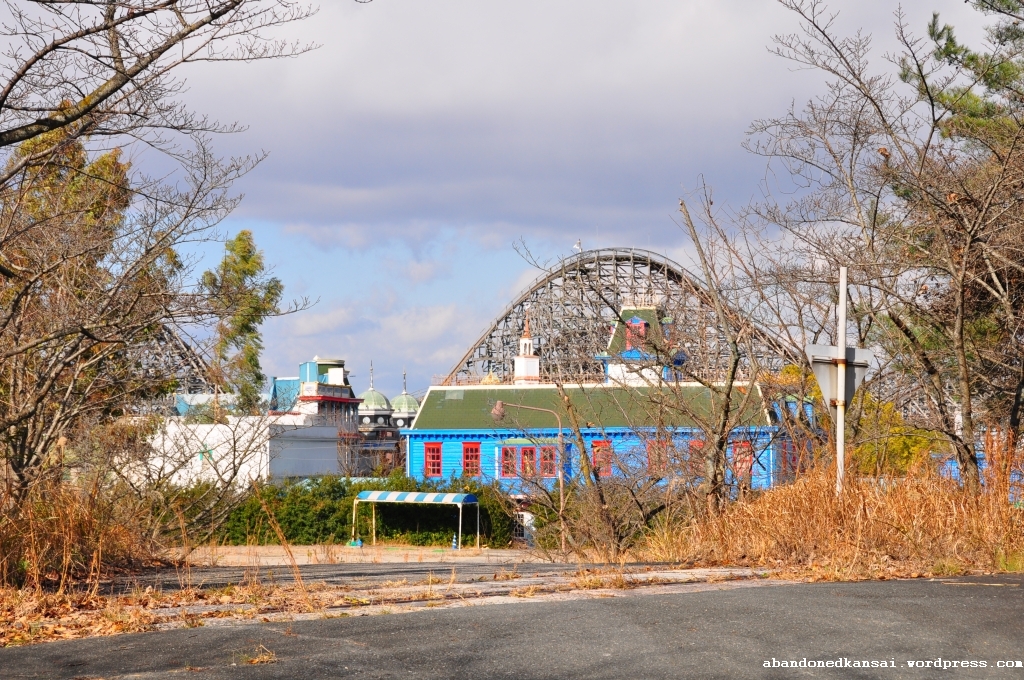
The Eastern Parking Lot is easy to find as it is part of the main entrance – most of the people entering Nara Dreamland when it was still open passed through here. There are two ways to enter the area and both involve just stepping over a rope; no fence, no gate, no nothing; but a guard showing up once in a while on a scooter. Coming from the east you’ll see the former pay booths for the parking lot, with the phones and stools still in place. The main entrance is now right in front of you and to your right there is a white building with shutters down (it seems like it was closed down even before the rest of the park was, judging by the pictures I saw on the net) and a the Parking Garage – opposite of that building complex are a small building with windows, I guess it was a souvenir shop once, and a huge building that will be the topic of the next blog entry…

The Parking Garage is 4 floors high (including the ground floor) and the different floors are sealed by massive shutters. Next to the (locked) gaterkeeper’s office is a defunct elevator and next to that is a staircase without a door. Going up there you’ll realize that all the doors to the floors are locked – but to my total surprise the last door at the top isn’t. Behind it you’ll find a small room with some machinery and a great view on the top of the Parking Garage.

Overall the Eastern Parking Lot and the Parking Garage are not that spectacular – but writing about them offers me a good opportunity to post some more pictures and it gives me a great lead-in for the next posting that will deal with the exploration of the former hotel and its observation tower. And phew… that is quite an amazing haikyo on its own!
(For all your Nara Dreamland needs please have a look at the Nara Dreamland Special. For a look at the area around Nara Dreamland on GoogleMaps, including some fancy icons linking to articles on Abandoned Kansai and videos on YouTube, please *click here*.)

Read Full Post »

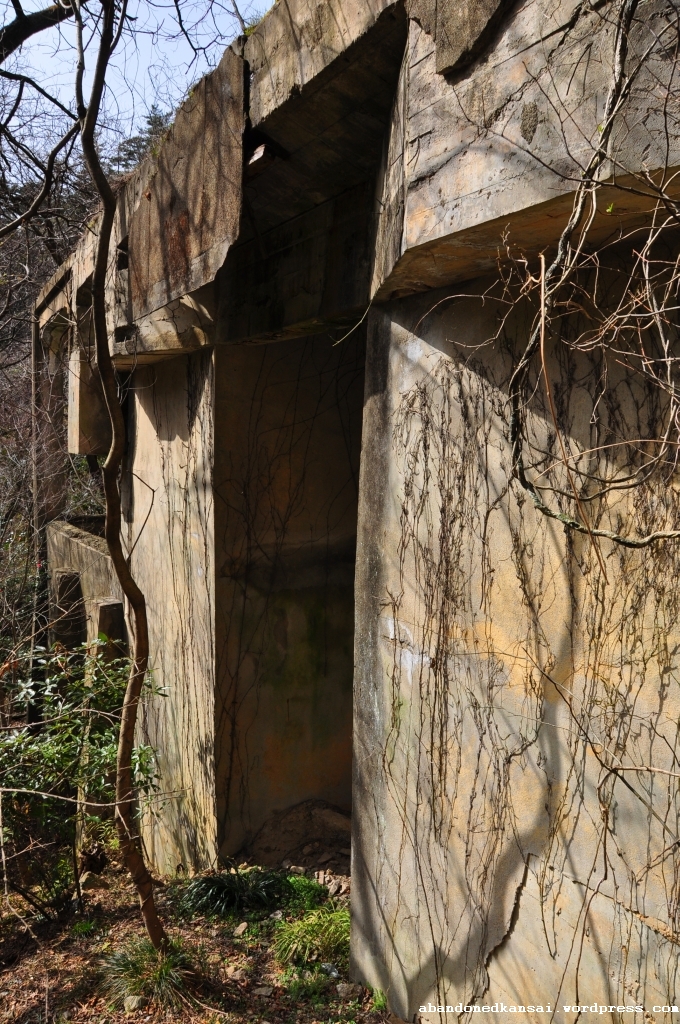
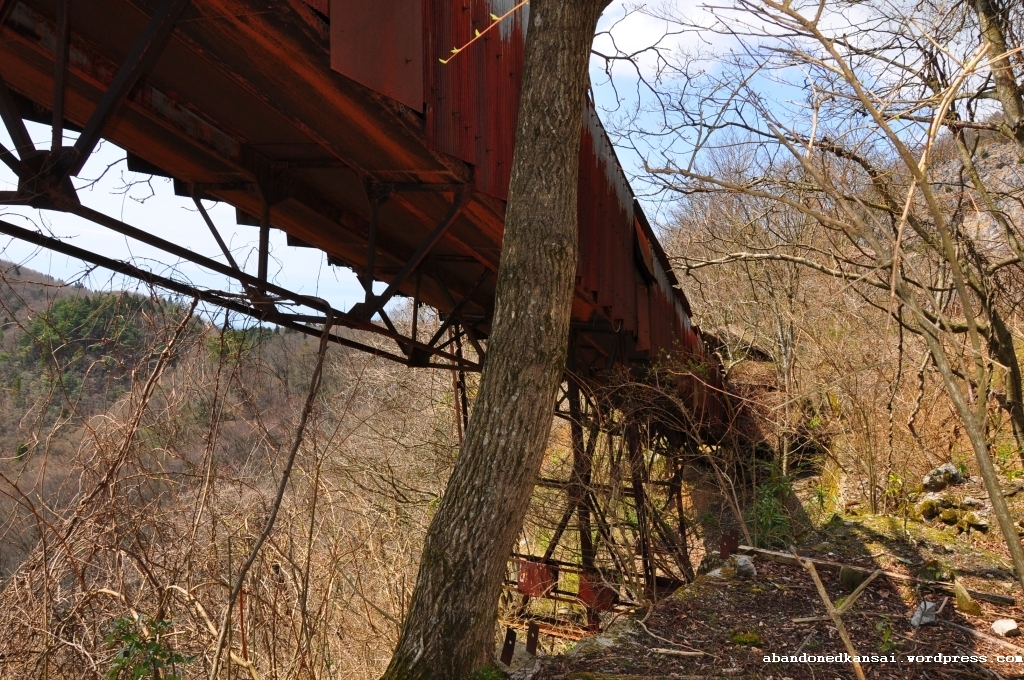
One quite unspectacular but rather rarely covered *haikyo* in Kansai is the Rokko Ropeway. While the Maya Ropeway and the Rokko Cable Car are still in use, the now forgotten Rokko Ropeway was abandoned and mostly destroyed in 1944 after a mere 13 years of business.

Since I only found Japanese sources about this haikyo some of the following information might have been mixed up in translation, but from what I understood the Rokko Ropeway was built by Hankyu Dentetsu in close neighbourhood to the still operating Rokko Cable Car (run by their competitor Hanshin Electric Railway – which is part of Hankyu since 2006…) in 1931 – resulting in fierce competition for customers; Rokko Ropeway’s big advantage: excellent bento boxes! In 1943 both companies were ordered to shut down their lines as the military was in need of metal. The Rokko Ropeway was closed for good on 1944-01-11 and the demolition process began. Since it wasn’t completed before World War 2 ended there were thoughts to rebuilt the ropeway, but those plans never came through.

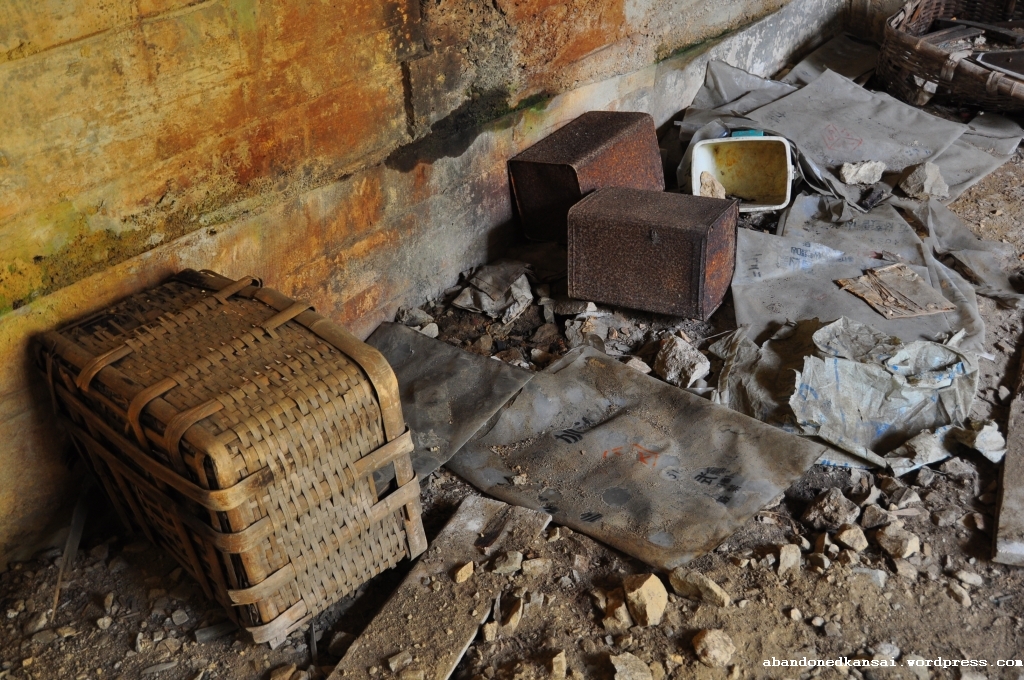
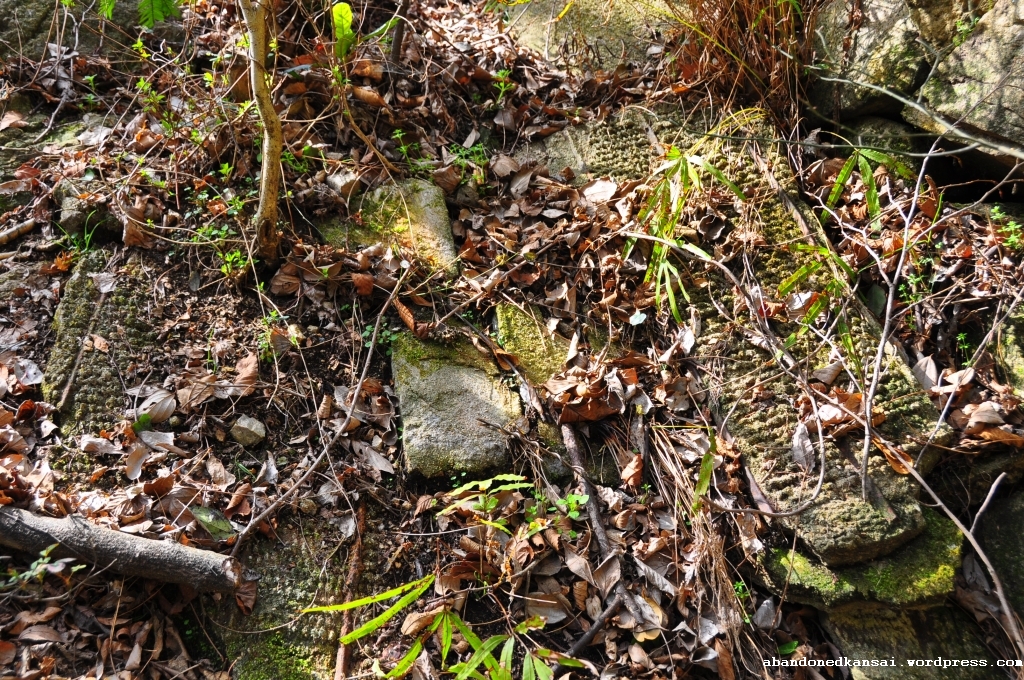
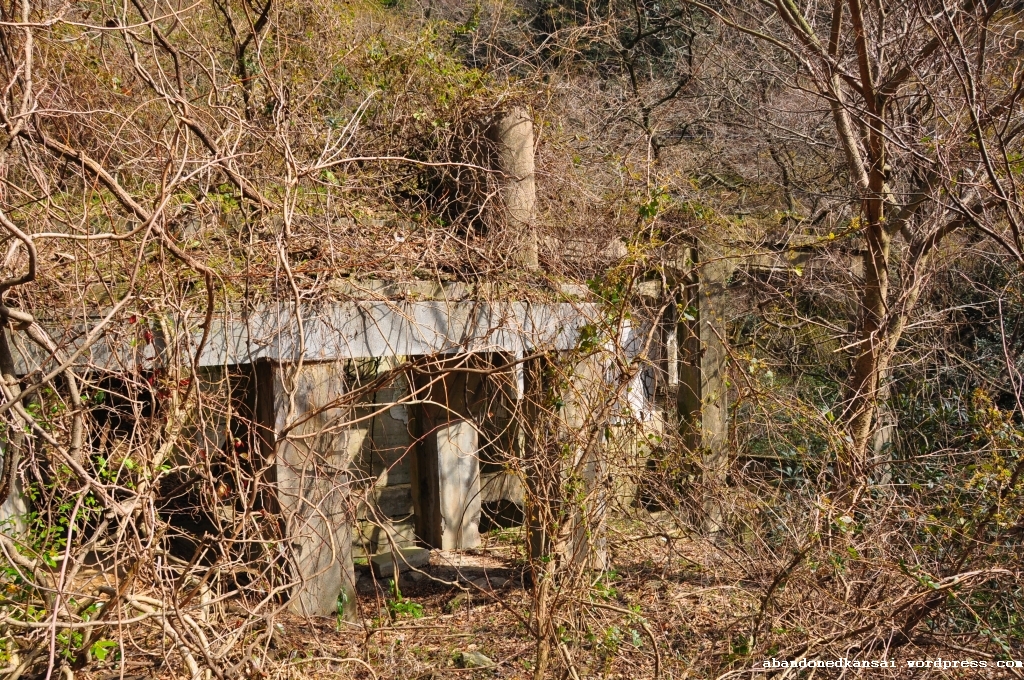
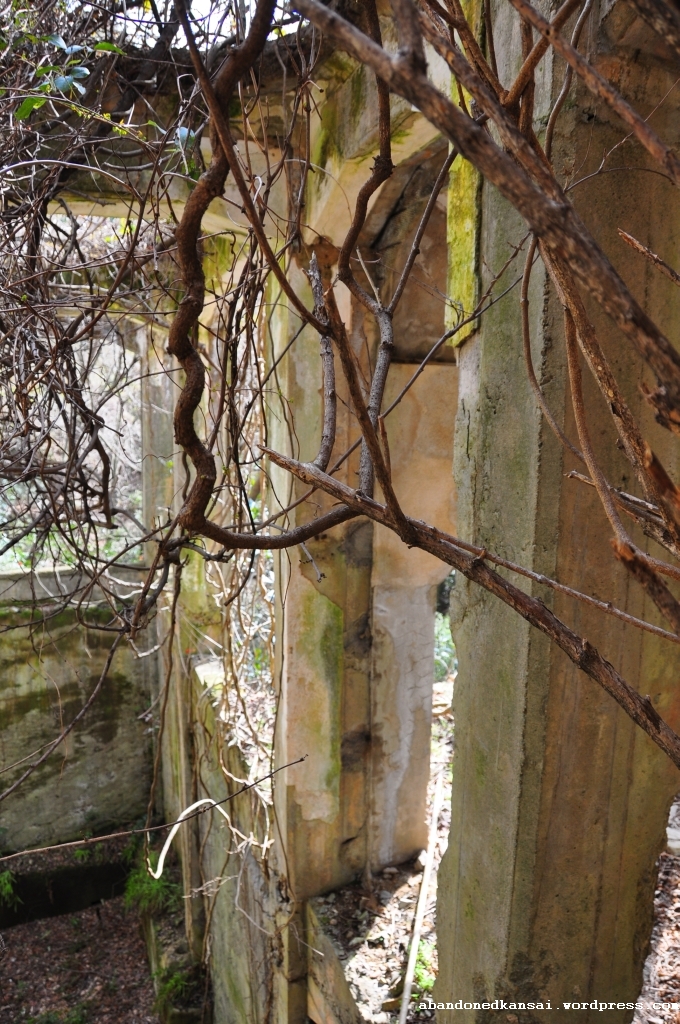
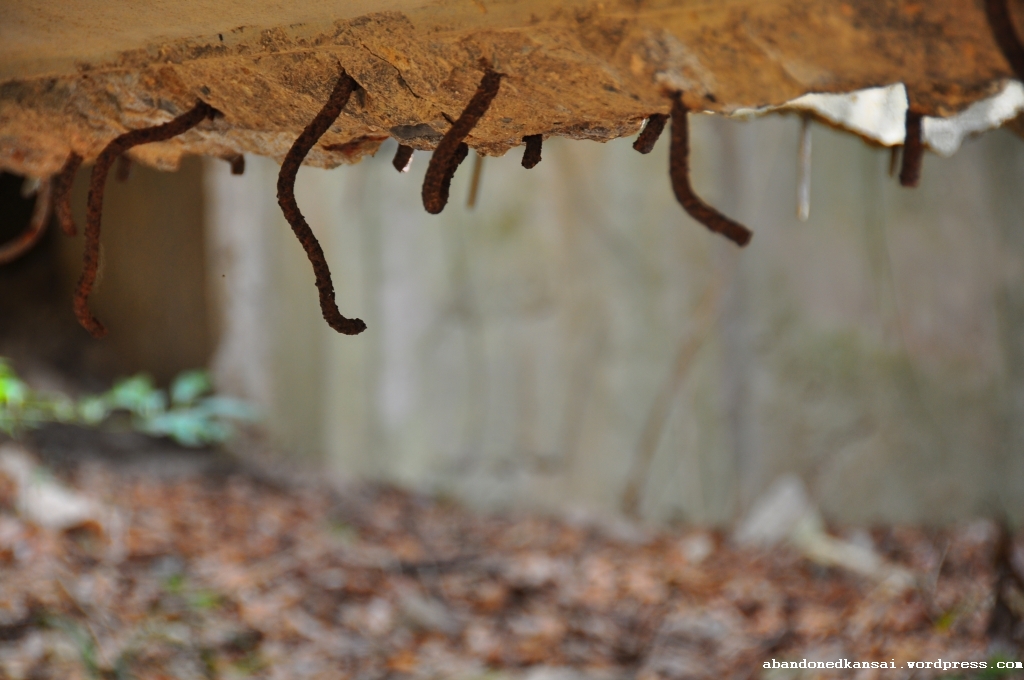
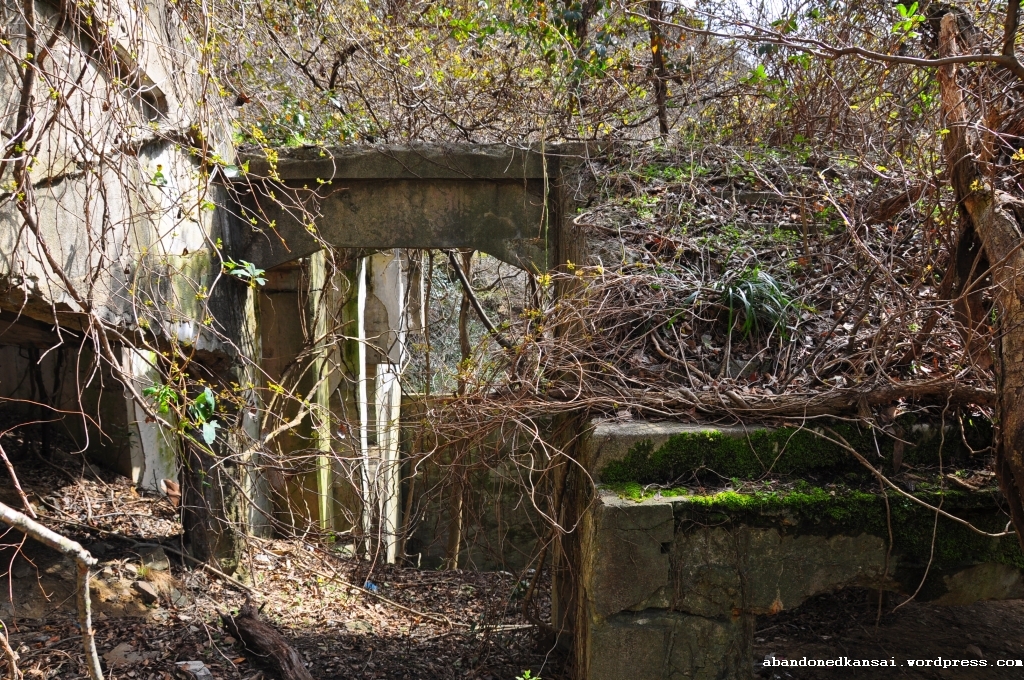
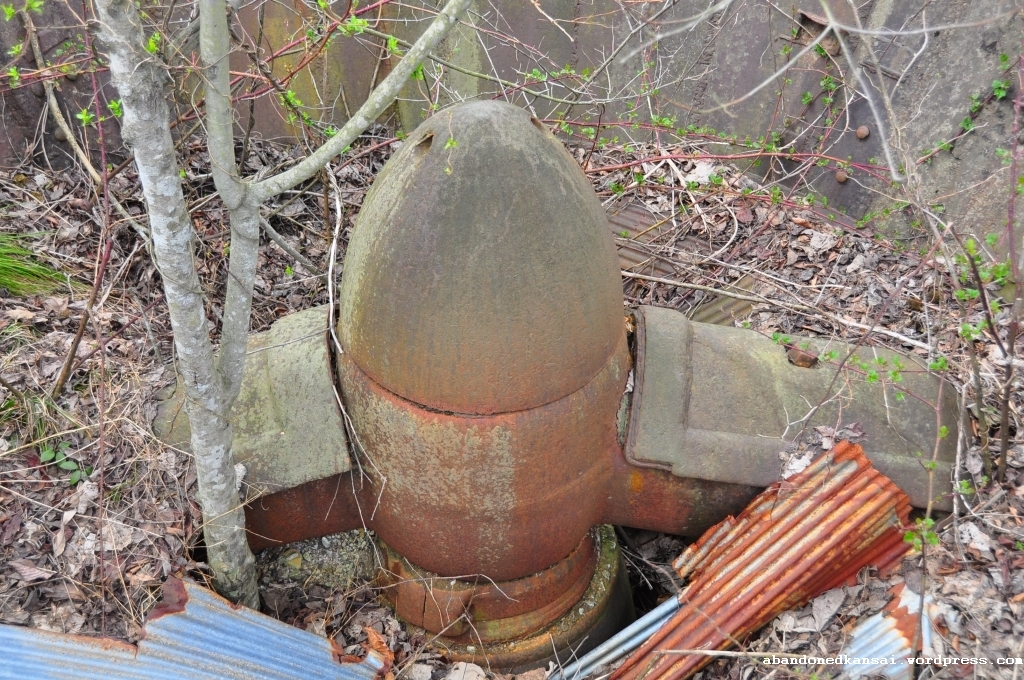
Today the skeleton of the valley station marks the beginning of a hiking trail up to the Rokko Mountains. Sadly there is barely anything to see and I guess in summer a lot of hikers even pass by the remains without noticing them as they are almost completely overgrown. When I went there in March of 2010 on one of the first warm days of the year the Rokko Ropeway was kind of a sad sight with only a few items left in an opening at the back side of the construction – the rest is basically steel and concrete unspectacularly rotting for more than 60 years… And since the location is in the middle of nowhere, there is not even an interesting story I can tell about exploring the place.

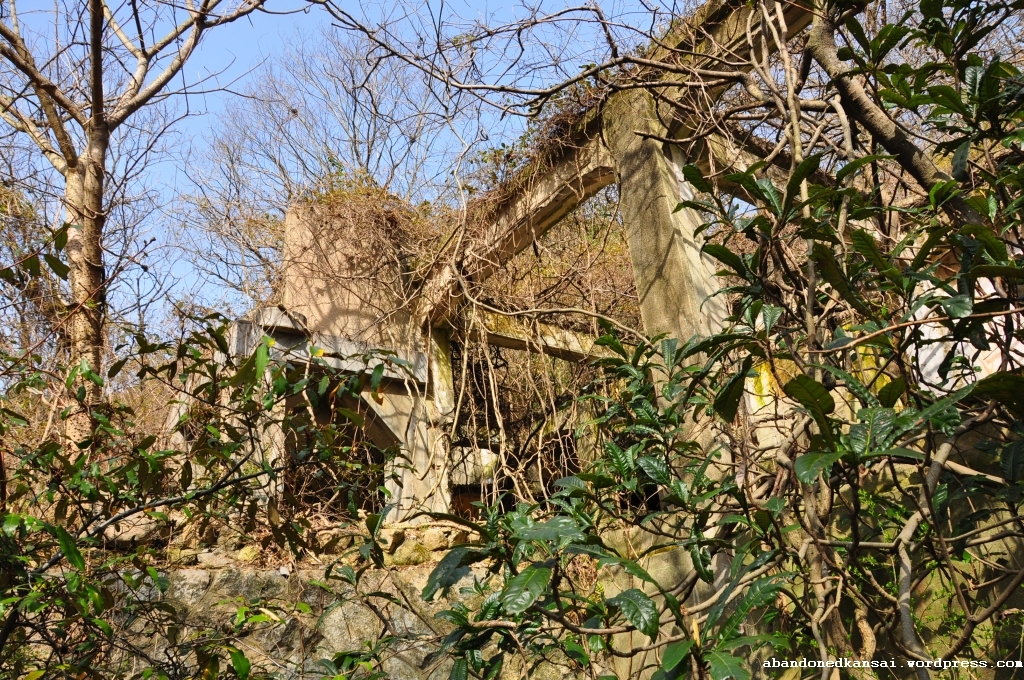
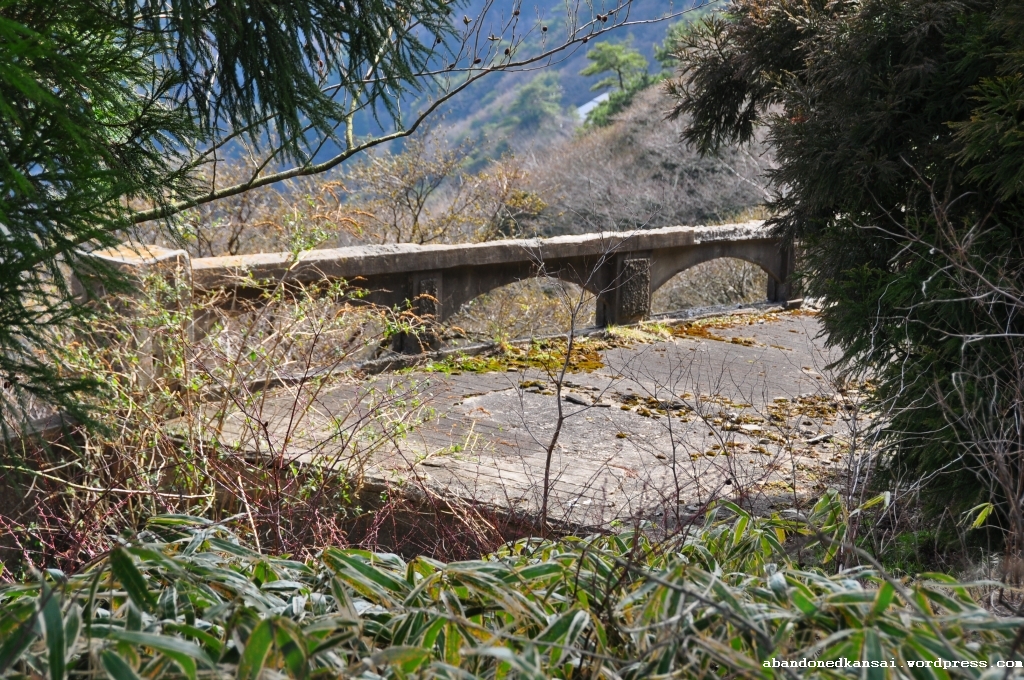
But the valley station still has it better than the top station, which I never saw on the internet and only once on a map – it’s supposed to be close to the Rokko Post Office and the Mount Rokko Hotel, but the only thing left is a concrete footbridge mostly shielded by trees and private property – not a building close-by, but at least I could snatch two shots of the thing. (The hike from the valley station to the top station is nice though. About 400 meters height difference with some scenic views.)

Here is a click through gallery, zoomable versions of the photos follow below:

Read Full Post »

I felt a bit like John Rambo at the beginning of First Blood when I was walking through the mountainous countryside of Shiga prefecture, kilometers away from the next train station or bus stop. But only in that way that I was completely out of place, expecting some xenophobic misanthropic cop to pick me up and drive me to the city limits (where another xenophobic misanthropic cop would pick me up to bring me to the other end of the city limits, where… this repeats until I would have been back to Osaka) – luckily the only police car I saw ignored me…

This April day started with an uncomfortable decision: Being halfway through a cold with general weariness and a serious cough I felt a little bit under the weather, I had no plans for weekend and my haikyo buddy was busy – on the other hand I just spent 5 days in an artifically lit office and this was the last sunny day before another period of rain. The choice was between staying at home and watching a sunny day passing by or going for a haikyo all by myself (which I enjoy less and less since I’m more and more aware of the dangers involved) or going on a hike – which I did the weekend before.
I decided to do a hybrid of the last two options. A while ago I marked a spot on my very personal haikyo map that I labeled “Taga Mine”. The problem with that was, that the name given by the (online) map creators was completely different and that there was another Taga Mine that is still active till this very day (and usually only active mines are marked on online maps like GoogleMaps and Mapfan anyways). So in the end I was hoping for a nice hike to find out if the marked spot is the active or the abandoned Taga Mine; or if there was anything at all. The only hint I had about the abandoned Taga Mine was a Japanese video on Youtube, which could have been mislabelled – so my trip was a long shot.

A few minutes after I left the country road to walk up the mountain I found the T crossing where I should walk to the right. Sadly it turned out to be a dead end with heavy machinery. So I gave up hope finding the abandoned Taga Mine and continued to the left, expecting either to find an active mine or nothing at all, switching into hiking mode. After a while I found another T crossing and I continued to the right. I kept walking and I reached an unimposing forest road to the right again. I don’t know why, but I left the paved road and followed it for a while, dragging my coughing self up that mountain – you can’t imagine the joy I felt when I reached an open rusty gate in front of a stone pit!
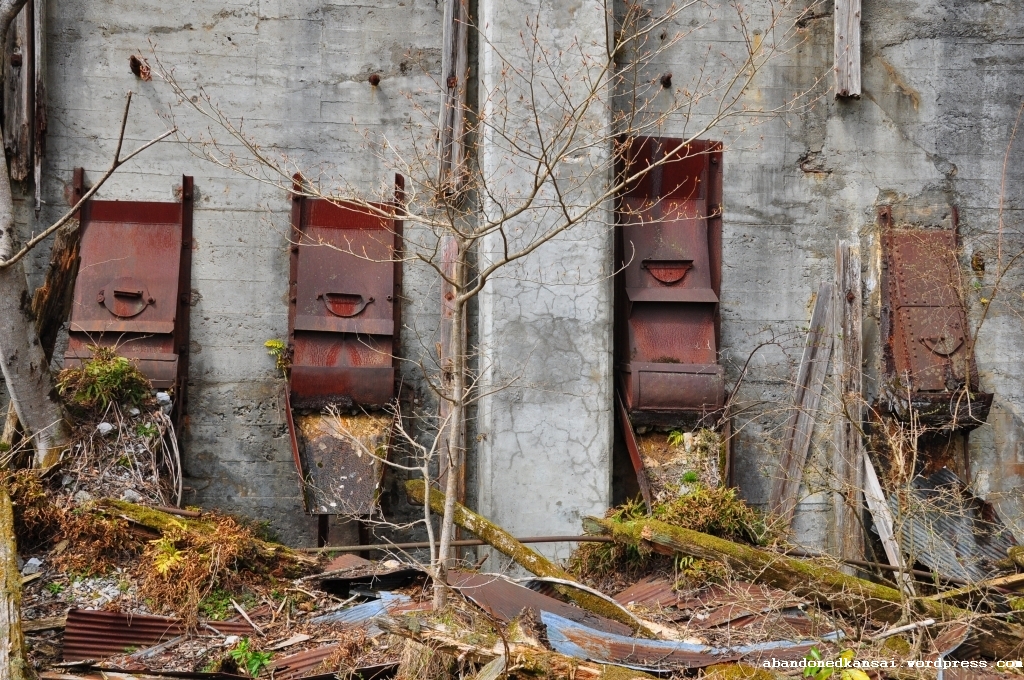
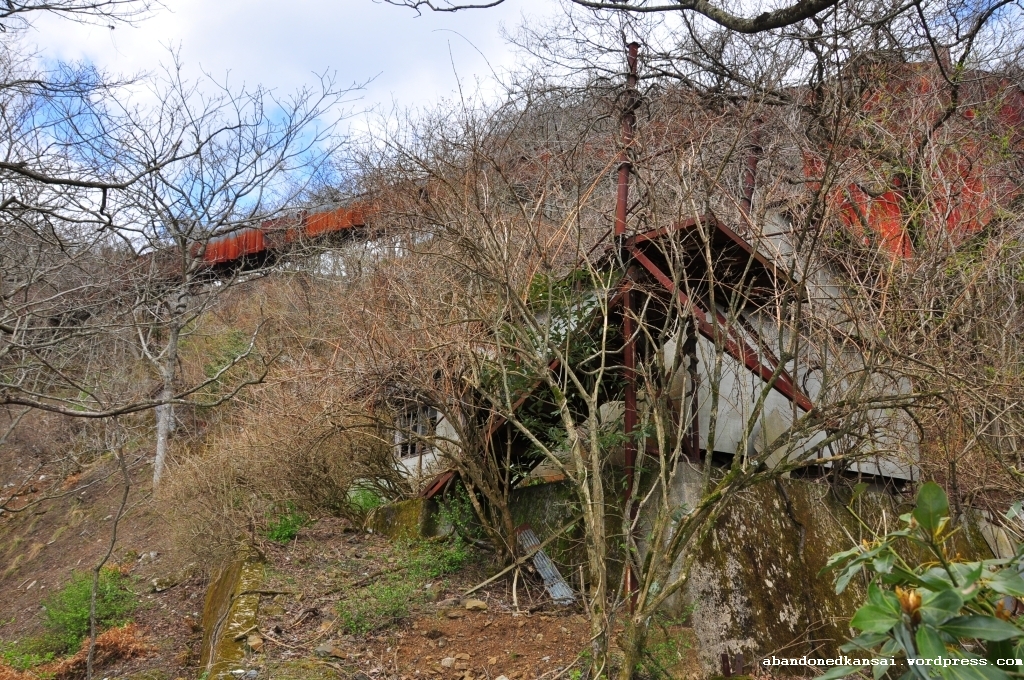
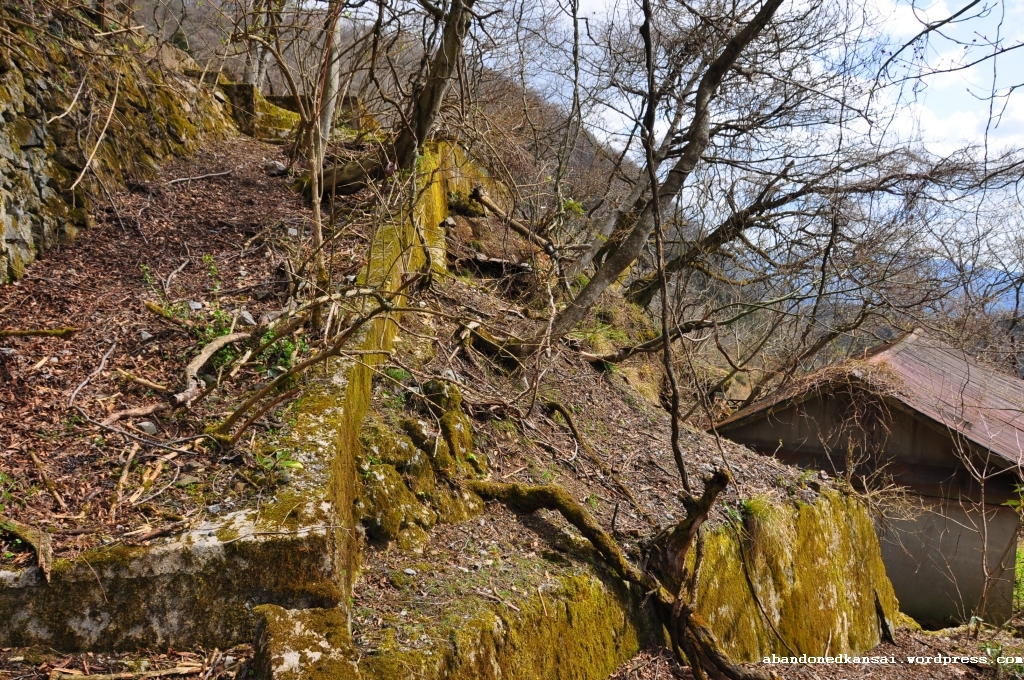
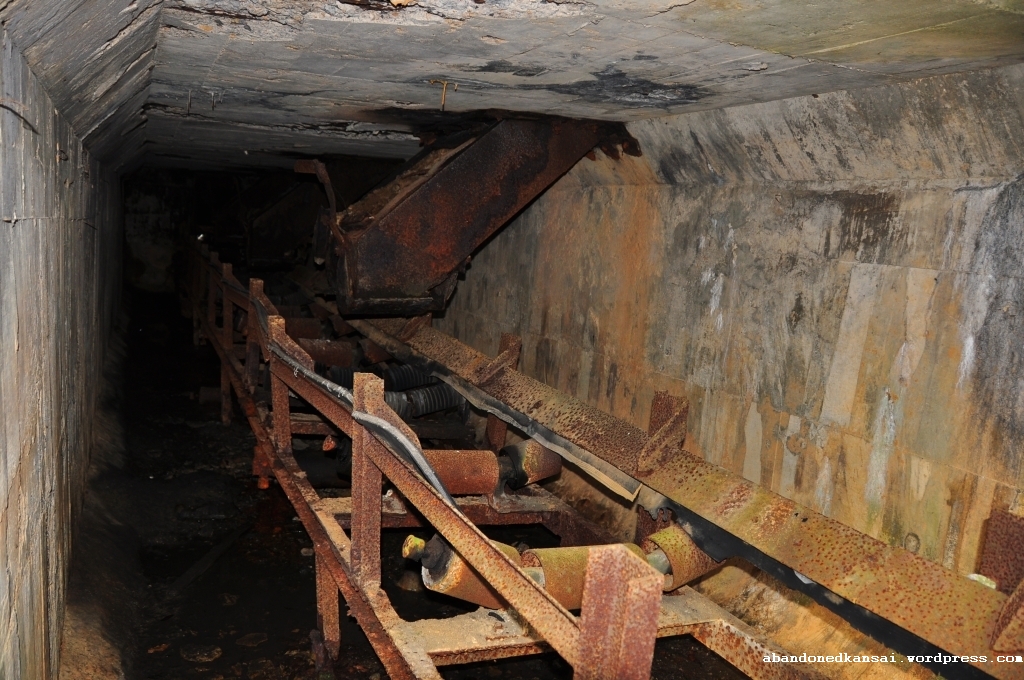
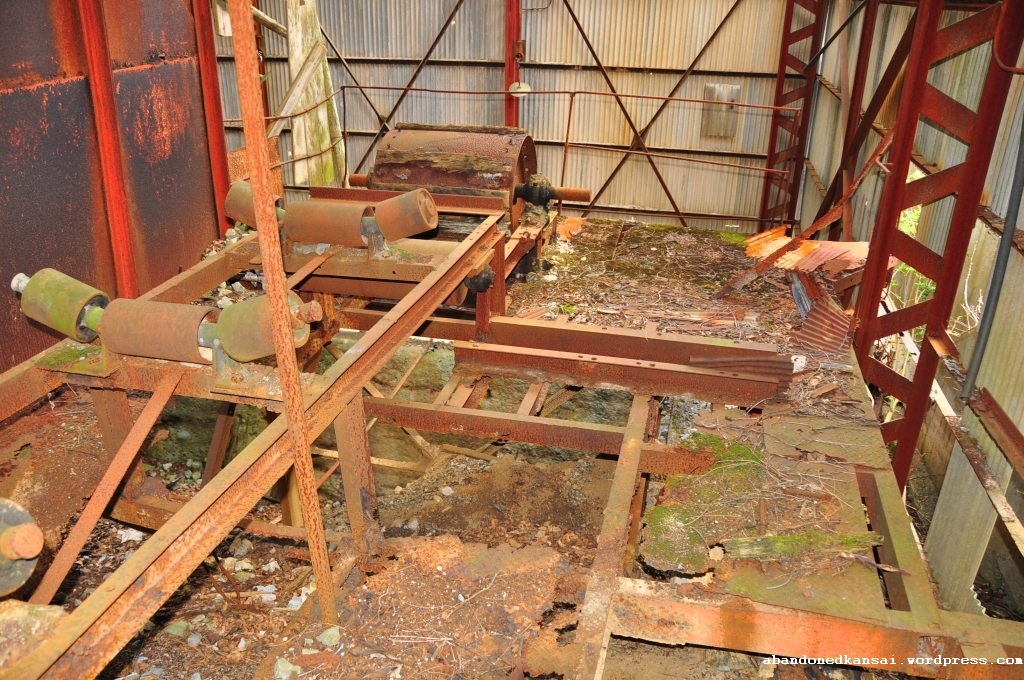
The excitement calmed down quickly when all I found was a rusty shack and a concrete room at one side of the slope – was this really the Taga Mine or just something else? Getting closer I saw that there was a machine in the ground that was obviously used to crush the rocks from the stone pit. At that moment I heard some twigs cracking. Would there be security at a remote and long abandoned place like that? I coughed a bit louder than usual, but I got no response. Maybe a fellow haikyoist? Well, I minded my own business taking pictures and after I was finished I heard the cracking twigs again, so I went towards the direction where I assumed the sound was coming from – that’s when I found the main remains of the mine with a huge conveyor belt and several other buildings, built very closely to the steep slope. I heard some noises as if somebody was walking across corrugated iron and when I got closer and looked down I saw lots of it lying on the ground in front of the mine – by nobody was there.
Not really feeling well thanks to the mix of fatigue and adrenaline rush I slid down the mountain a little bit to reach the main part of the mine. The ground was covered with metal, concrete and tons of leaves from many, many autumns. It was hard to tell if the next step would be solid earth or something else. I got closer to the buildings and then something happened that really, really scared me: I heard two animals fighting on the ground behind me, must have been pretty close to where I stood, maybe 100 meters away. At that point I looked at the ground and realized that there was wild boar feces everywhere all across the mine. I’m not a wildlife expert, but I know what a boar sounds like – and I know that you don’t want to run into one in spring, especially when exploring a seriously rotten mine at a steep slope all by yourself.
I continued my explorations, but I could feel how both my fatigue and the adrenaline rush got stronger by the minute, trying to make my way through the concrete and metal structure while taking pictures, expecting a wild angry animal at any second. To be honest, at that point I didn’t enjoy the haikyo at all and I only realized when I was looking at the pictures from the safety of my home how great of a location the Taga Mine was (and still is until it collapses – which I guess will be relatively soon…). That’s when I also found out that it took me a whopping 2 hours to take pictures, although the place wasn’t that big and I felt like I was hurrying; man, was I in a hurry…

Looking back at the adventure I consider it one of the dumbest and at the same time most exciting things I’ve ever done. Yes, I worked hard all week, I wanted to take some haikyo pictures (for the first time in three weeks) and I wanted to be in nature enjoying this beautiful spring day – but being sick and exploring a hillside rotten mine in the middle of nowhere on your own is pretty much the urban exploration definition of stupidity. If you are ever happy enough to find the abandoned Taga Mine and not the active one make sure that the weather conditions are perfect, that your gear is top notch and that you have at least one person at your side. As much as I like my pictures of the Taga Mine… this is the first place I’ve been to that I consider a deathtrap and I highly recommend to stay away from it if you don’t know exactly what you are doing. I definitely learned my lesson from that trip!

Read Full Post »

It seems like abandoned amusement parks are not only my favorite locations, but people reading this blog are obviously fascinated by them, too – so today I’ll present you one that hasn’t shown up on the internet so far; neither Japanese nor English speaking. Expoland in Osaka.
Expoland (エキスポランド) covered an area of about 20 hectares and was opened in 1970 next to the fairground of the “Expo ’70“. Planned as a temporary installment it was extremely popular and thrived to be one of the most popular Japanese amusement parks for more than 30 years – the park actually re-opened on 1972-03-15 since it was closed after the Expo ’70 ended. Expoland made the news big time on May 5th of 2007 when a 19 year old student from Shiga prefecture died in an accident involving the Fujin Raijin II rollercoaster: One of the ride’s vehicles derailed due to a broken axle that wasn’t replaced in 15 years. After a series of safety inspections Expoland opened again but was closed on 2007-12-09 due to the lack of customers – 14 months later, on 2009-02-09, it was announced that the park was closed for good.
Later that year my interest in abandoned places started and when I talked to friends about it a colleague told me what happened at Expoland and that the park was closed down, but not dismantled due to the owner’s lack of money. Sadly the information about the financial trouble was wrong as I found out by chance a few weeks later when I saw a picture on the English homepage of a Japanese newspaper that showed how they were tearing down the huge ferris wheel.
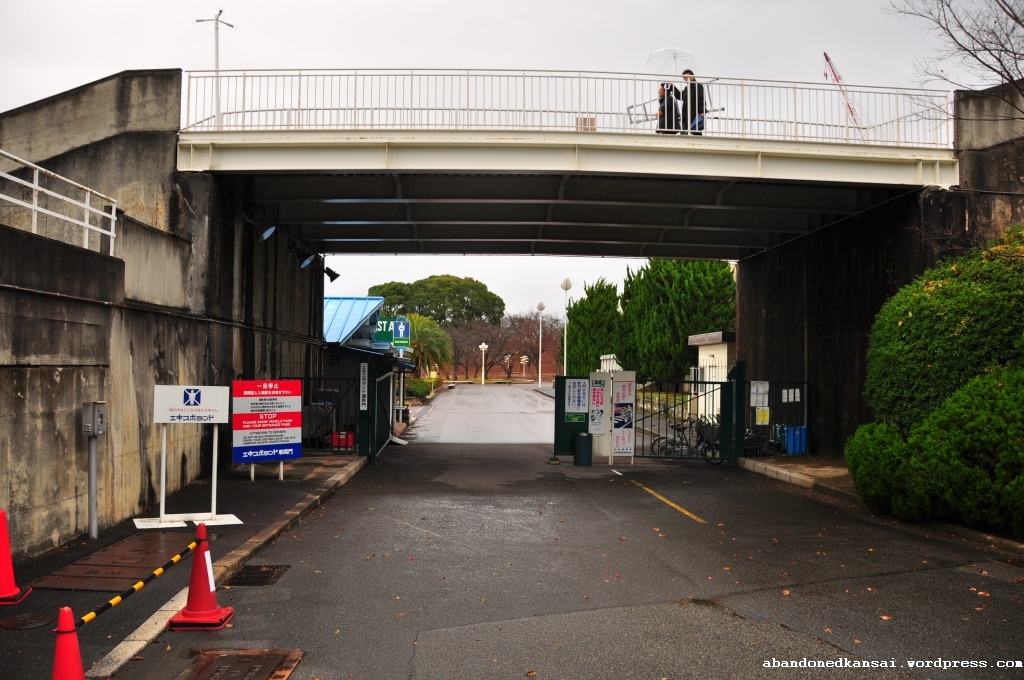
I went to Expoland right away on the next weekend on my way to an illumination event in Kyoto, a cold and kind of rainy day in December, just to scout the place from the outside. Since Expoland was closed down rather recently there was no easy way in. The spiked fence around the whole area was still intact and of course there were no holes or open gates. Quite the opposite: Since the dismantling was still in progress the area was actually kind of busy with a few construction workers walking around even on a Saturday. After I circled the whole park once I saw two guys with a ladder, taking pictures over the fence. I talked to them for a bit, but they made it clear that there was no legal way in. On my way to the monorail station I realized that I was walking across a delivery entrance, so I made my way down there to check it out – and found it open for the construction workers to get in and out. The guard’s office was obviously still in use, but there was nobody there. So I entered Expoland, asking loudly if somebody was there to catch somebody’s attention – but again no reaction.
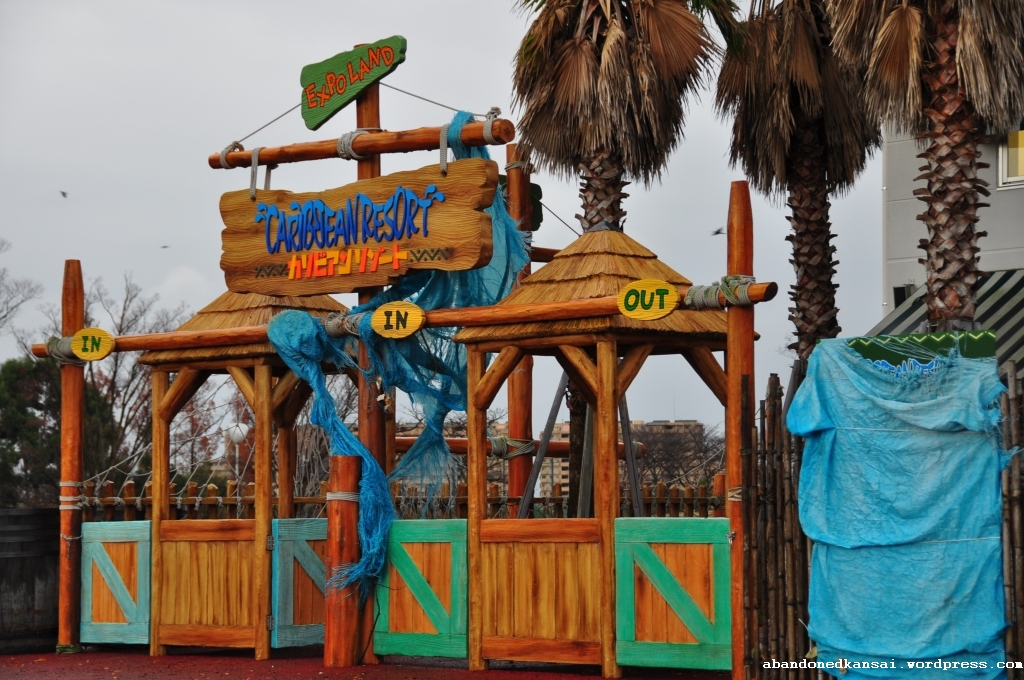
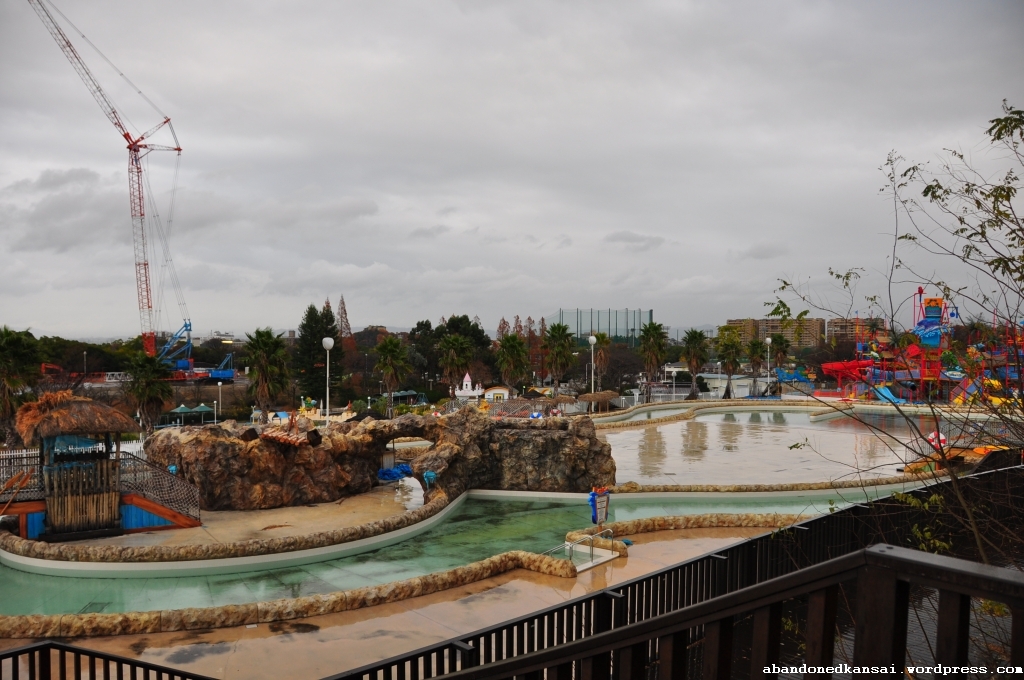
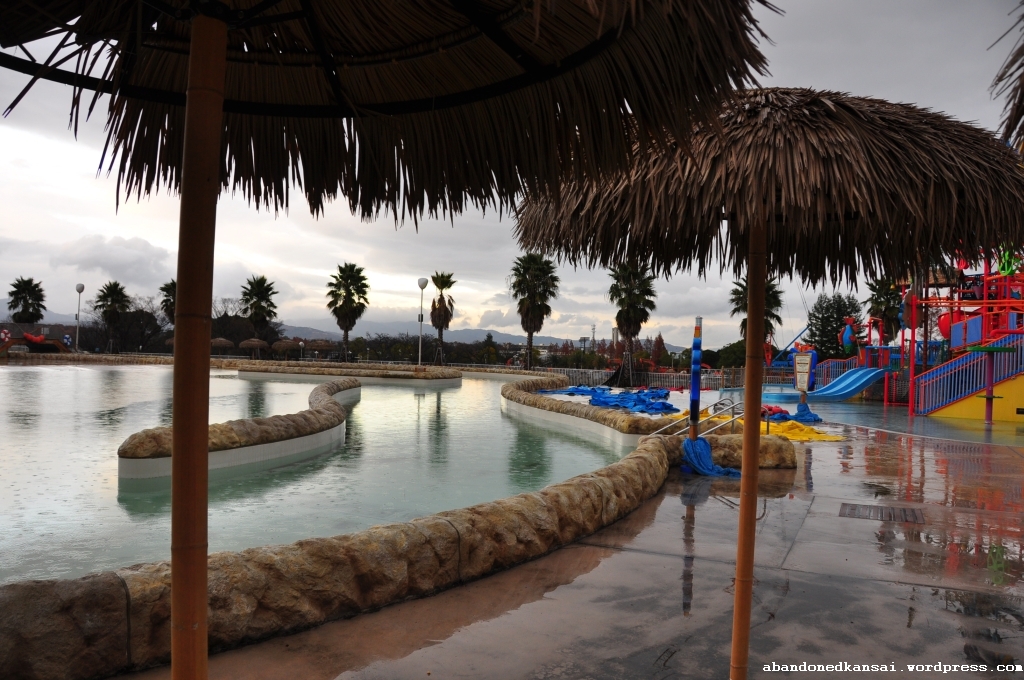
I made my way through the western and southern parts of the park. A stage and some buildings, including rest rooms, were still standing, but all rides were already dismantled. In the southwestern part I found the only big attraction still left: A waterland called “Caribbean Resort”. From there I went back to the delivery entrance and left the park. It was one of my first explorations, so I was high on adrenaline and torn apart by a decision: Leaving with what I got – or going back in to explore the rest of the park, risking getting caught? Well, I seized the day and went back in. To the main entrance, past a children’s playhouse and a restaurant, the former location of a water ride and up to where all the merry-go-rounds and the big ferris wheel were. I saw some construction workers in the distance, but I don’t think they saw me. I finished a circle counterclockwise to the east and north, past the old locomotive and to the playhouse. When I went back to the delivery entrance with its huge spiked gate my heart stopped for a second: It was almost dark, the gate was closed and the light in the guard’s office was on. I walked towards the gate to open it myself when the guard came out and addressed me in Japanese. To be honest, at that point I thought I was screwed as there was no way to escape. But to my surprise the guy was extremely nice, opened the gate to let me out and wished me a nice evening (at least I think he said something like that… Osaka dialect…).
Going to Expoland is one of my favorite urbex memories so far as it was a wonderful, exciting, positive experience from the beginning till the end. Or what I thought was the end. Because when I went back there a couple of months later to find out what happened to “Caribbean Resort” and the rest of the buildings I was extremely surprised to see what actually happened to Expoland.
But that’s a story for another time…
You can find out where Expoland was by clicking here.
(Since this article is quite popular: If you don’t want to miss the latest postings you can *follow Abandoned Kansai on Twitter* and *like this blog on Facebook* – and of course there is the *video channel on Youtube*…)


Read Full Post »

Yes, no joke – one of the most (in)famous buildings in Amagasaki, Hyogo, is called the ‘Hitler’ Surgical Hospital! Well, I guess “was” is the more correct term as they started demolishing the thing in late May of 2010.
I passed by the ‘Hitler’ hospital several times on my way to the only Costco in Kansai, but I never paid much attention to it other than taking a few quick pictures to have proof of this extreme form of ignorance and insensibility – why in the world would anybody name a hospital after the maybe most hated person in human history? (Well, it was the ヒトラ外科病院, not the ヒトラー外科病院 – but although the character indicating a long vowel was missing it is highly unlikely that the naming was a coincidence, especially since you only find the dictator and the hospital when you look for ヒトラ on the internet…)
I actually don’t even know how long the place was really abandoned. In March they still had a (quite run-down looking) sign outside on the main street – and that was gone in April. It was in April, too, that I passed the clinic after shooting a haikyo when it was almost dark outside and there were no lights in the building – but since I carried a lot of groceries and it was on a weekend day anyways I didn’t pay a lot of attention to that fact. Now the hospital with its departments for stomach and intestines, circulatory, surgery, orthopedics, neurosurgery, radiology, and rehabilitation is gone. And I wonder if anybody is really sad about it. (Except for me for the fact that I never made it inside, leaving this one of those unfulfilling “outside haikyo” – I really wish I’d taken more pictures when I had the chance, but I never took my camera when I went grocery shopping at a place where the smallest bag of potato chips weighs 1kg…)
2010-06-04 addendum: Due to the explanation given by Thomas I slightly changed a sentence and put the “Hitler” in apostrophies as I guess we will never find out what the people deciding the name thought when they put up the signs onto the top of the building.
(You can find out where the ‘Hitler’ Surgical Hospital was by clicking here.)

Read Full Post »

Initially I wanted to post another haikyo first, but since it took me quite a while to update this blog I decided to come back with one of my favorite haikyo so far: The Takada Ranch Ruin. Coincidentally it seems to be one of the rarest, too…

Located in a totally different area of the Hyogo countryside than “Doggy Land” the Takada Ranch Ruin was a samurai residence given up quite a long time ago – and that’s pretty much all I know about the place. I don’t even know if it’s the real name or if somebody made it up. But the sheer size of the property (including a huge and completely overgrown park) makes it highly likely that it was once owned by rich and powerful people.
Entering the Takada Ranch Ruin is as easy as it can be – it’s located along a rural road with no direct neighbors and the (former) entrance door is wide open.

The first of several buildings on the premises set me back in time 200 years instantly – a long, not very wide wooden house along the road that looks right out of a samurai movie. Too bad it was partly collapsed and some rooms were filled with plastic trash bags, but it was still quite impressive. From there a path lead deeper onto the estate, with a small house to the left and several buildings to the right. The main quarters were quite big and must have cost a fortune to build. Now partly rotten they created whole movies in my head while I was carefully progressing across the wooden floors. I’m sure the buildings were constructed long before electricity was introduced to Japan as all the installations looked like they were added as an afterthought. There were only a few plugs and light bulbs – and the fridge in the kitchen looked very, very old.
East of this conglomerate of buildings I found a car wreck that was clearly put there long after the estate was abandoned – Japanese people love to dump their unused belongings like that as waste disposal can be quite expensive if done properly. Close to the car were two now completely destroyed buildings, one of them made of stone. While the existing buildings looked like they were vandalized (only by a very few people though and not as nasty as most other places), I’m sure those two constructions were torn down professionally. Why it was handled that way? I have no clue.

But it got even stranger when I progressed further. After I passed through a little forest I found some quite thin concrete surfaces and wall remains. Next to them were some weird metal constructions with the leftovers of a few wooden arbors. This whole area looked like it was destroyed a long time before the buildings in the front were given up with no debris to be found. But again I can only guess when that happened. Or what happened. Maybe the buildings were stables, maybe they were some kind of accommodation?

Although not very outstanding on paper (partly collapsed wooden buildings, all stone buildings demolished) the Takada Ranch Ruin instantly grew on me while I was exploring it – and it continued afterwards. The huge estate boosted my imagination like no other place before with its simplicity and history. To me it’s one of the few hidden haikyo treasures, one that gives you a glimpse at a time long gone; if you are patient enough to find the right spots to look at.


Read Full Post »

After about a dozen *haikyo* trips all on my own I took a dear friend and colleague to the Iimori Mine in Wakayama. Doing urban exploration on your own or going with somebody are completely different experiences with both advantages and disadvantages, so I was a bit sceptical at first – but now I have to admit that I prefer to go with company. Especially since Enric and I complement each other very well.

When we arrived at the Iimori Mine we were surprised to see that our destination was located in a beautiful mountainous area with lots of orange groves. Yes, orange groves. In the middle of the mountains. In Japan. In December! Stunned by the gorgeous nature we walked around for a while exploring the groves and looking for alternative ways to get to the mine: The straightforward entrance was blocked by a company and closed off by a barbwire fence to a water canal – at least we thought so…

We went up a hill and after an adventurous climb along a steep slope we made it to the second highest level of the mine ruins. There it turned out how good it is to have a partner who complements you. While I’m more of a planner who hasn’t climbed over a fence or even wall in about 20 years, Enric was totally fearless finding a way through the forest up the hill. I guided Enric to the mine, he guided me in.
If you like taking pictures of rust and concrete Iimori Mine is the place to go! The amount of great subjects is almost endless and shooting took us quite a while. On the way back we had to get further up again and that’s how we made it to the top part which offered a stunning view down the valley. By that time it was already afternoon and since the sun goes down rather early in Japan we decided to call it a day.

But the fence bothered me… Since we only reached the upper parts of the mine I wanted to have at least a quick look at the barbed wire fence – which turned out to be a good idea since the fence not only had a gate without barbwire, but it ended 30cm before it reached the water canal – so you can easily walk around it! Another example of great Japanese planning… For once not being afflicted by it, we took our chances and entered the lower part of the mine although the sun was already setting.

While the upper part was all about concrete and rust, the lower part was more about concrete and jungle. The vegetation there was pretty thick even in the middle of winter and at a certain point I had to give up to advance further – partly because of the climbers and trees, partly because it was actually getting dark.

When I looked for historical information about the Iimori Mine on the internet I was disappointed to find barely anything. No longer texts, no pictures. All I know is that it was an iron sulphide mine opened in 1878, bought by Furukawa Mining in 1918 and closed down in 1970.

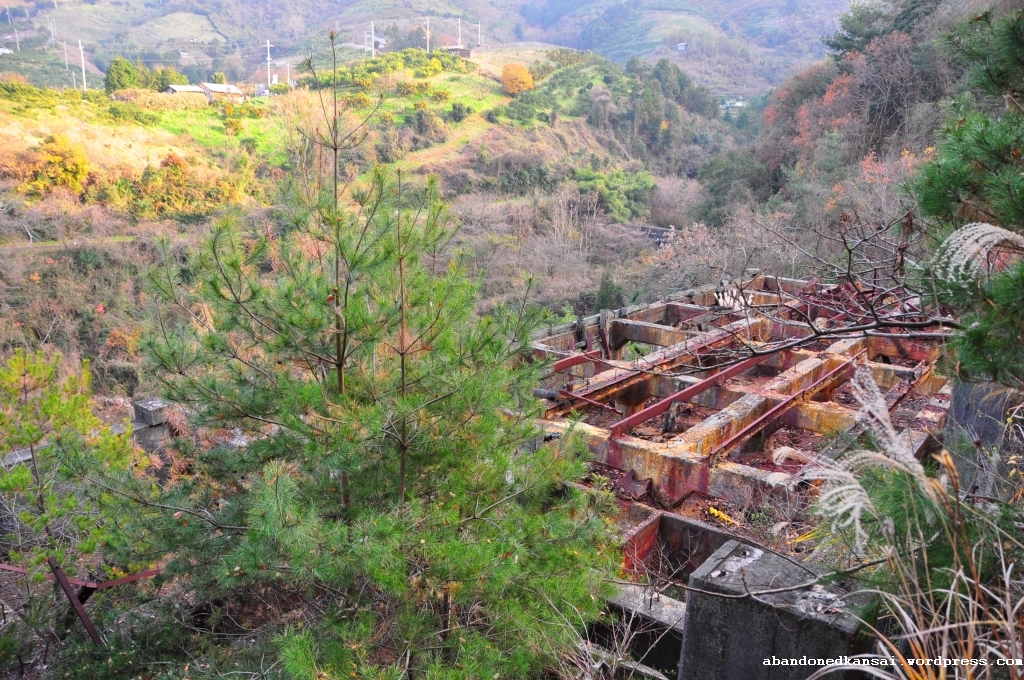
Overall the Iimori Mine is a great urbex destination. Beautiful location, completely different looks depending on the way you approach it and an endless amount of pictures to be taken. On the downside there are no real buildings left – just a wild construction of concrete, metal / rust and (partly burned) wood. (Even vandals spare the place since there is barely anything left to be destroyed without a serious amount of dynamite.)
In case you are an urbex newbie going on your own, I would recommend to gain some experience first – the Iimori Mine is a dangerous place and should be approached with respect. Especially in summer, when it seems to be infested with snakes…

Read Full Post »

It’s obvious that I post my urban exploration experiences not in chronological order and this time I will jump back to the very early days: My first indoor haikyo. The One Dragon Hotel is another internet favorite located in the southern part of Osaka. There are not a lot of known facts about the place – nobody seems to know when it was opened up or closed down. But there are the usual rumors of financial problems and the owner committing suicide. A classic you can hear about pretty much every closed hotel in Japan.
Since the One Dragon Hotel is built partly over a lake and the sides are blocked by fences protecting private property the only way to easily enter the place is by sneaking in through the back via a park. And although I went there on a very sunny day the place was pretty scary. The common way is to enter through the basement into a rather dark corridor, only lit by a few windows to the north. Like I said, this was my first indoor exploration, so every step was a new experience. Since I went alone and had neither an experienced guide nor an equally unexperienced friend at my side horror was lurking behind every corner; at least in my mind. It’s funny to look at the pictures now, remembering how I felt when I took them.
The One Dragon Hotel must have been shut down about 25 years ago and its location so close to a lake left it with lots of rotten components. Furthermore it was mentioned in “the book” (Nippon No Haikyo, one of the few books that include more or less detailed maps), so its location is known to a lot of people, even those who don’t consider haikyo a regular hobby. It’s not surprising that the place attracted a lot of vandals – most floors and ceilings are ripped apart, a few rooms were set on fire and the hallway to the shared bath collapsed. Maybe I was overly cautious back then, but I remember the One Dragon Hotel being in pretty bad shape.
I’m sorry to say that the pictures quality isn’t that good this time – my camera was brand new and I had barely any clue how to use it… so this is a real rookie posting. The next one will be more exciting, I promise!

Read Full Post »

(Most search engines referring to this blog usually end up up here, although the main article about Nara Dreamland is considered the *Nara Dreamland Special* by now. For a look at the area around Nara Dreamland on GoogleMaps, including some fancy icons linking to articles on Abandoned Kansai and videos on YouTube, please *click here*.)
Initially I planned to do a three part series about the Nara Dreamland without giving away too much about its location since it’s considered something like the last holy haikyo cow. But due to events that may or may not be related to a recent blog post I decided to not do that. I’ve heard that the owner(s) of Nara Dreamland don’t want to have pictures taken by trespassers a.k.a. urban explorers to avoid attention on the internet. Something I totally understand and basically respect. But respect is a mutual thing and that’s why this blog entry will be a bit different than usual. Nara Dreamland is really one of a kind – the place as well as this blog post. (Don’t expect something similar here too soon…)

First of all – here is where you can find Nara Dreamland:
34° 42′ 0″ N, 135° 49′ 27″ E
http://maps.google.com/maps/ms?ie=UTF8&hl=en&msa=0&ll=34.70021,135.824168&spn=0.004587,0.009645&t=h&z=17&msid=206399389614348219908.00049a6abf8e42dabb0b0

But what is Nara Dreamland? Some would describe it as an extremely cheap copy of Disneyland. More or less successful for the first years of its existence it was annihilated by Universal Studios Japan in Osaka and closed in 2006. It seems like people hated the place and considered it abandoned even before it actually was – these guys say “it’s an ugly, disgusting, abandoned looking theme park ” and even call it “a total dump”:
http://www.themeparkreview.com/japan2004/nara1.htm

Since it closed down Nara Dreamland actually became more and more popular – as an abandoned place on the internet. Since I would never enter this huge abandoned and apparently untouched amusement park I can only show you what other people found when they went there:
http://tw.silk.to/am/dreamland/dreamland__20060610/index.php (Oops, this set of pictures was taken when the park was still open – but who can see the difference anyways…?)
(If this material was created by illegally entering Nara Dreamland I totally distance myself from it as they obviously disrespect the owner’s wishes! But I guess those people asked for permission in advance…)

If you want to go to Nara Dreamland please go ahead. But be aware that people say that the security there is tight. The whole park is surrounded by fences, most of them with nasty spikes and rusty barbed wire. There are talks about guards patrolling the area and there are motion detectors yelling automatic messages at you – scared me half to death when I was walking along a public street (!) around the northern part of the park, just minding my own business. I don’t know if those installations are inside the park, too, since it is so obvious that people are not wanted there… now even less than when the park was still open for business.
Oh, and at the eastern parking lot there are the main entrance and several buildings. The area has no fences, only some ropes preventing people from entering. Since it’s still private property of course I didn’t cross the ropes, but the northern building looks interesting and like a place worth checking out. Especially the observation tower part is very tempting and must offer a great view. I would never enter the building since the owner doesn’t want to draw attention to it. And by it I mean Nara Dreamland in Nara city, Nara prefecture, Japan.

To bring this joyful entry to an end I’ll present you some pictures I’ve taken back in December – all of them were taken from public roads; there was no trespassing or any other illegal activities involved! Enjoy… And if you go to Nara Dreamland, the most fascinating abandoned place in Japan, remember one thing: It’s all about respect!

(I went back to Nara Dreamland after this posting, so for all your Nara Dreamland needs please have a look at the Nara Dreamland Special – including night shots and the hardly ever seen Nara Dreamland Hotel. And since this article is quite popular, especially with first time visitors: You can follow Abandoned Kansai on Twitter and *like this blog on Facebook* – and of course there is the *video channel on Youtube*…)

Read Full Post »

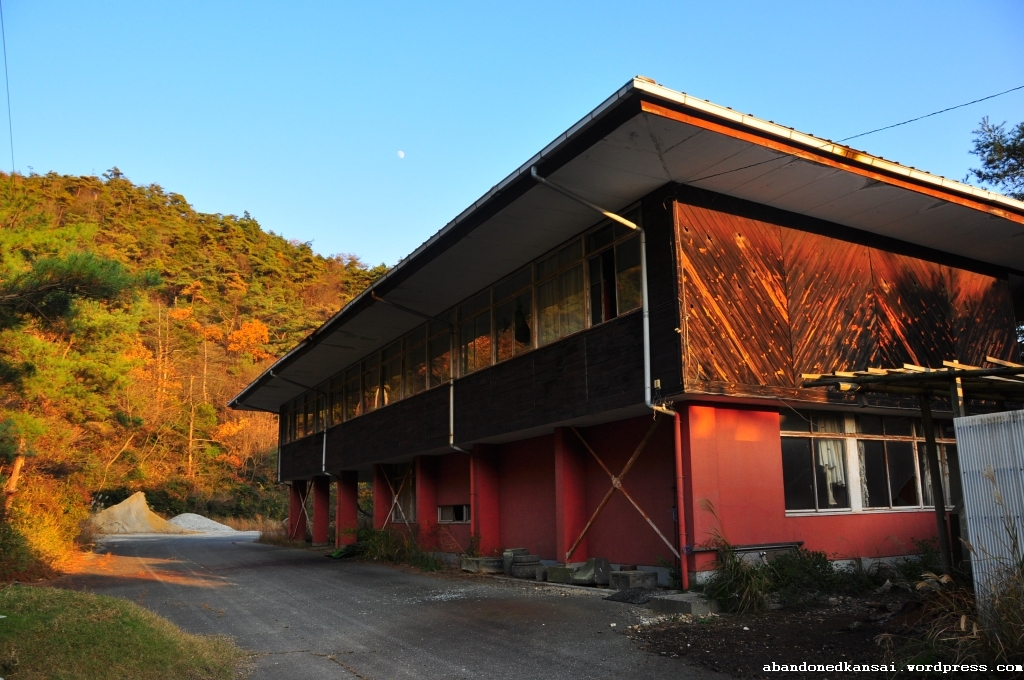
After I finished shooting at the Koga Family Land I walked back along the street that surrounded the Koga Country Club at the eastern side. I knew from a Japanese map I found on the internet that there must have been another haikyo nearby, some kind of club / guest / employee house. Unfortunately the person who marked the map missed the spot, so I had to look around for quite a while – but in the end I was rewarded with a haikyo I only saw a small picture of beforehand since it is widely ignored by the usual crowd visiting Family Land.
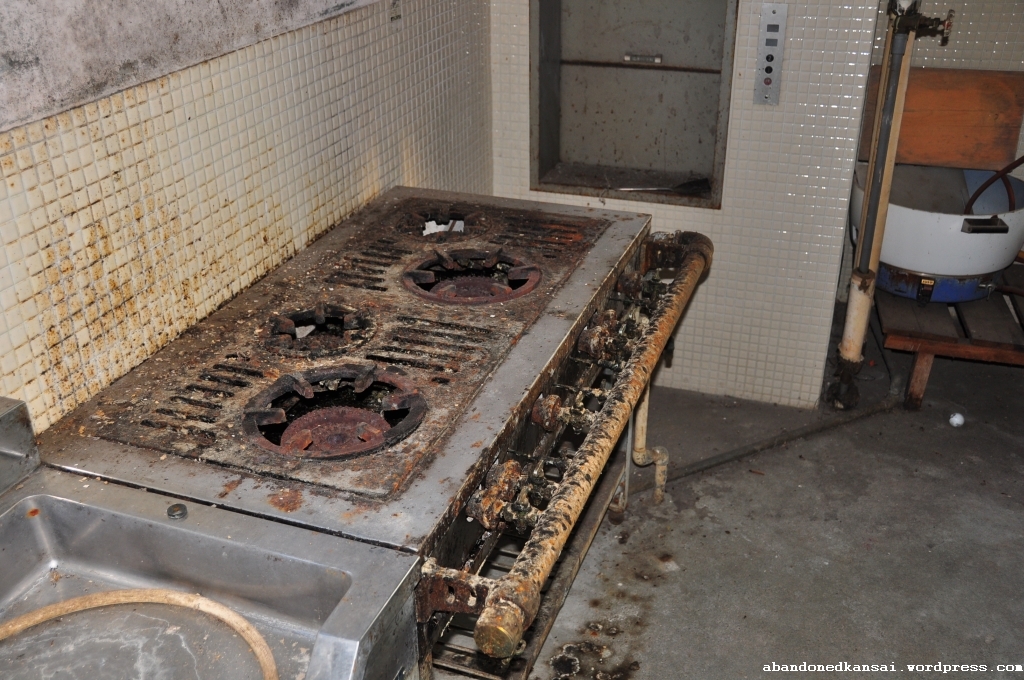
Although I spent almost an hour taking pictures and videos at the place I’m still not 100% sure what the building was used for exactly. Right at the (open) entrance were dozens of shoes lockers and a vending machine. From there I went to a private bed room (maybe the quarter of a caretaker?), a staircase to the second floor, another small antechamber with doors to five (hotel style) rooms, a washing / rest room – and to the left I found a dining room and a kitchen. Going up the stairs there was a pretty big open space, some kind of lounge for the people staying there, now completely empty. To the left was a hallway with about 10 rooms, to the right two more rooms (one of them locked) and another washing / rest room. From the lounge you could go outside on a terrace – now filled with lots and lots of furniture.
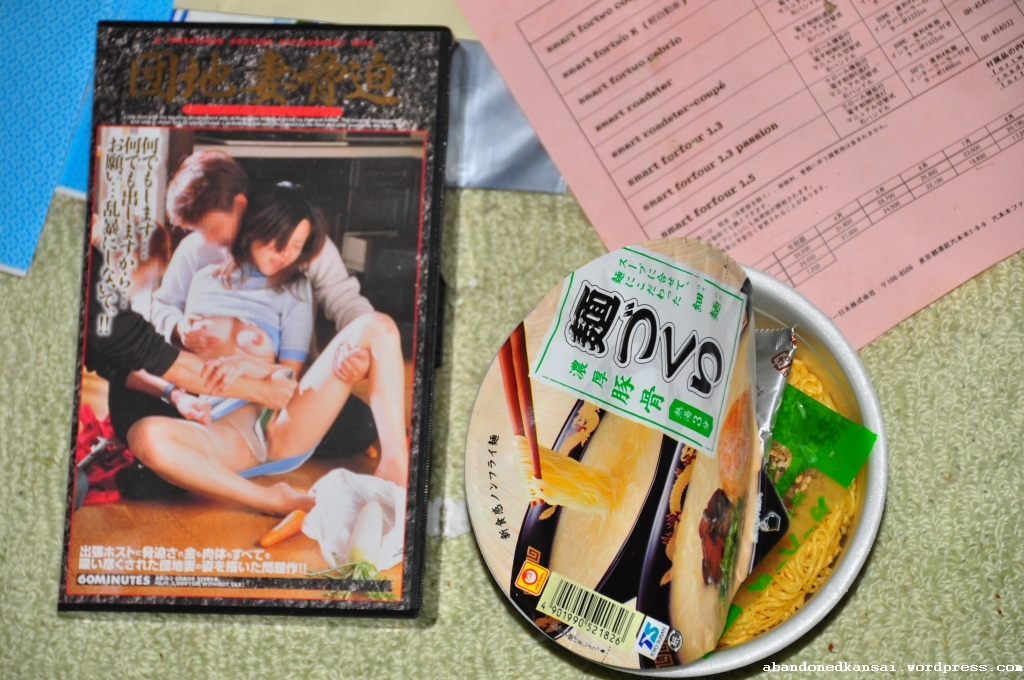
Overall it was an average haikyo, I guess. But I nevertheless liked it since the building wasn’t vandalized at all and in decent condition – and since it’s very close to the mostly demolished Family Land the combo is definitely worth a visit. I just still wonder why there was an open package of instant noodles next to a porn video in one room…
(Addendum 2012-02-06: I just added the video walking tour – I never intended to publish it, so please don’t get your expectations too high. This was one of the first videos I ever took…)


Read Full Post »

« Newer Posts - Older Posts »