Feeds:
Posts
Comments

Archive for the ‘Transportation’ Category

It seems like Nara Dreamland is quite popular lately. The statistics on WordPress indicate that most of the visitors I get from search engines looked for information about Dreamland. Well, since the once so vivid memories of a crazy Japanese dude yelling like a madman and threatening me with calling the police to get me arrested slowly fades I guess it’s about time to give people what they want: Two more postings about the Dreamland with leftover pictures I took in December. I still wouldn’t recommend going there, and I doubt that I ever will again, but should already taken pictures been wasted?

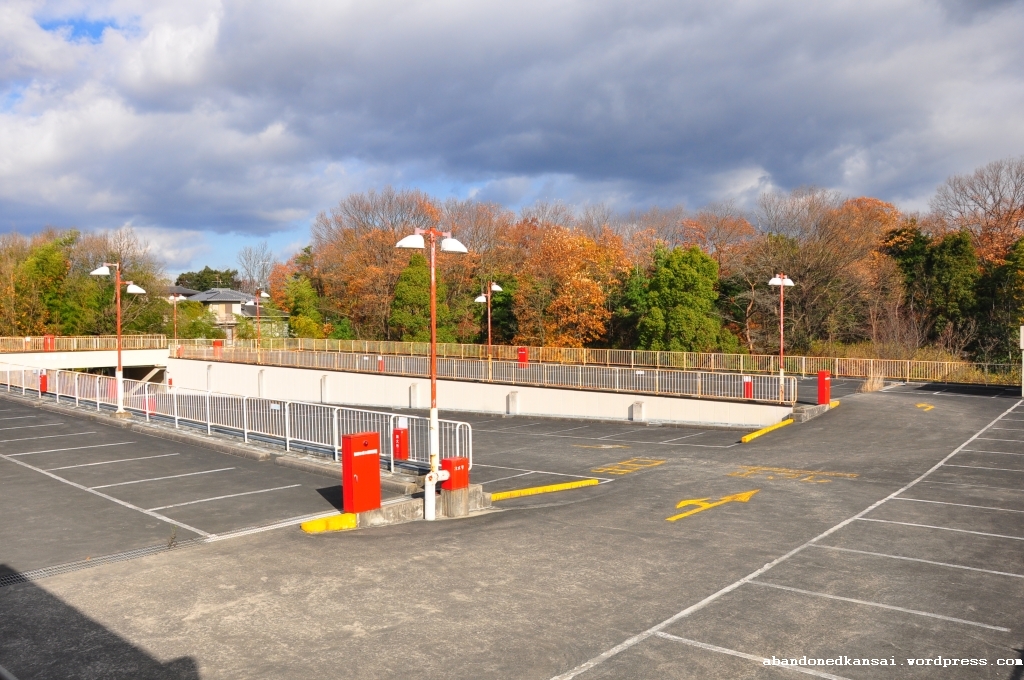
This posting will be all about the Eastern Parking Lot and the Parking Garage, the next one will show some interior shots of the building with the observation tower.

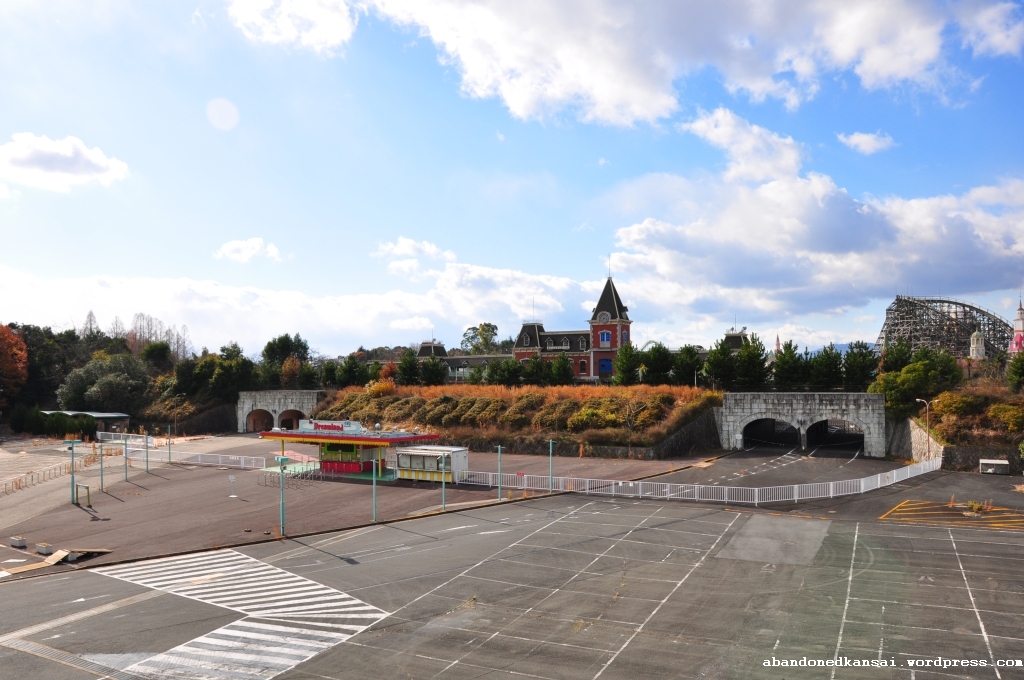
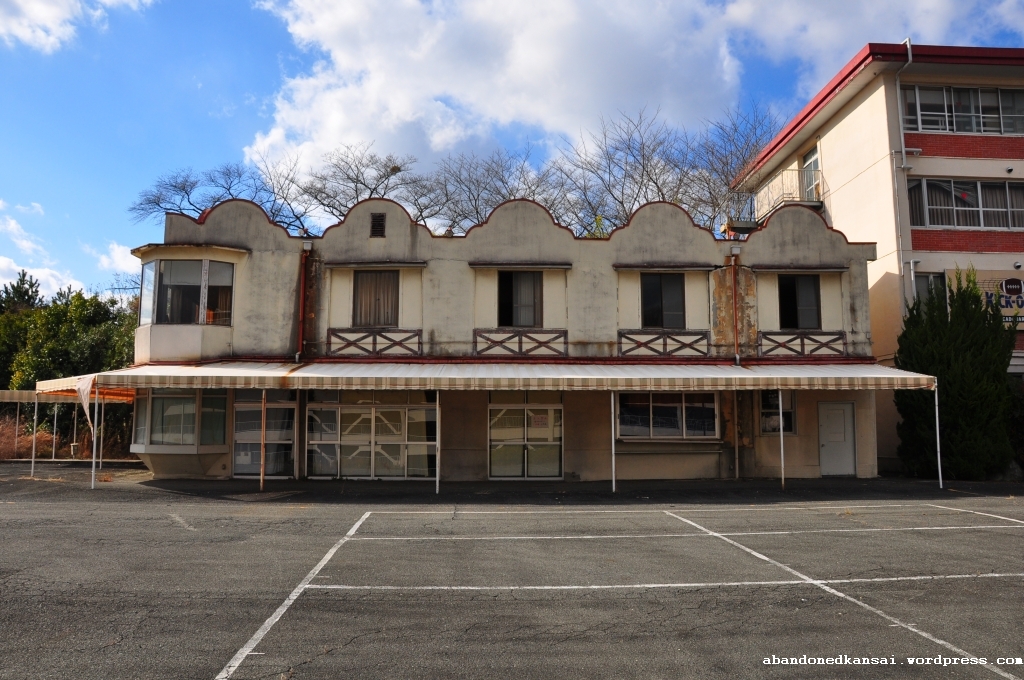
The Eastern Parking Lot is easy to find as it is part of the main entrance – most of the people entering Nara Dreamland when it was still open passed through here. There are two ways to enter the area and both involve just stepping over a rope; no fence, no gate, no nothing; but a guard showing up once in a while on a scooter. Coming from the east you’ll see the former pay booths for the parking lot, with the phones and stools still in place. The main entrance is now right in front of you and to your right there is a white building with shutters down (it seems like it was closed down even before the rest of the park was, judging by the pictures I saw on the net) and a the Parking Garage – opposite of that building complex are a small building with windows, I guess it was a souvenir shop once, and a huge building that will be the topic of the next blog entry…

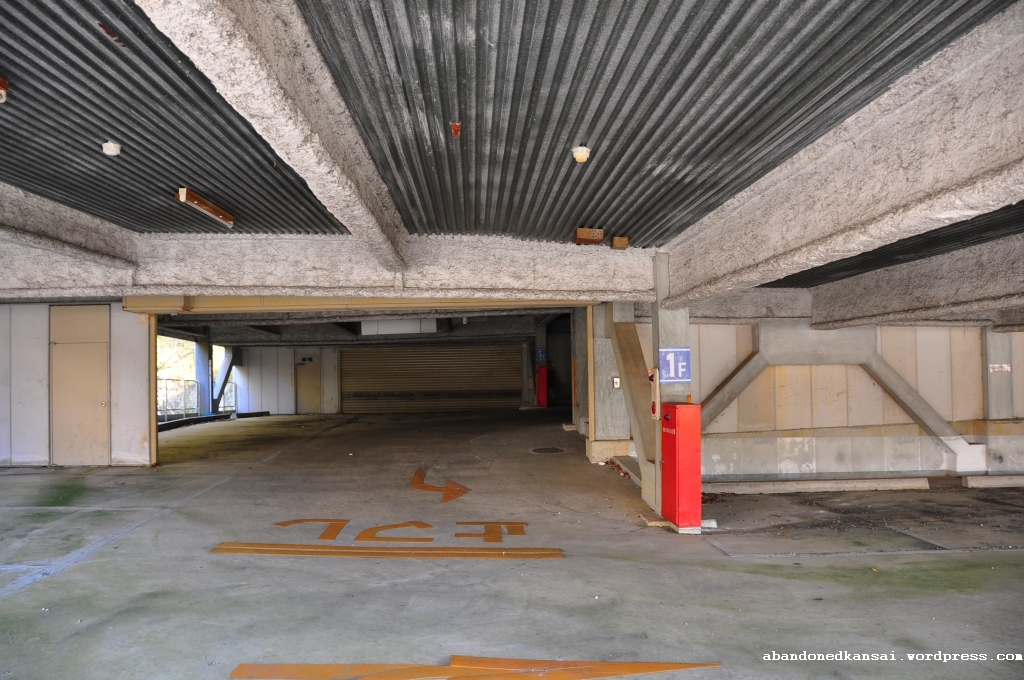
The Parking Garage is 4 floors high (including the ground floor) and the different floors are sealed by massive shutters. Next to the (locked) gaterkeeper’s office is a defunct elevator and next to that is a staircase without a door. Going up there you’ll realize that all the doors to the floors are locked – but to my total surprise the last door at the top isn’t. Behind it you’ll find a small room with some machinery and a great view on the top of the Parking Garage.

Overall the Eastern Parking Lot and the Parking Garage are not that spectacular – but writing about them offers me a good opportunity to post some more pictures and it gives me a great lead-in for the next posting that will deal with the exploration of the former hotel and its observation tower. And phew… that is quite an amazing haikyo on its own!
(For all your Nara Dreamland needs please have a look at the Nara Dreamland Special. For a look at the area around Nara Dreamland on GoogleMaps, including some fancy icons linking to articles on Abandoned Kansai and videos on YouTube, please *click here*.)

Read Full Post »

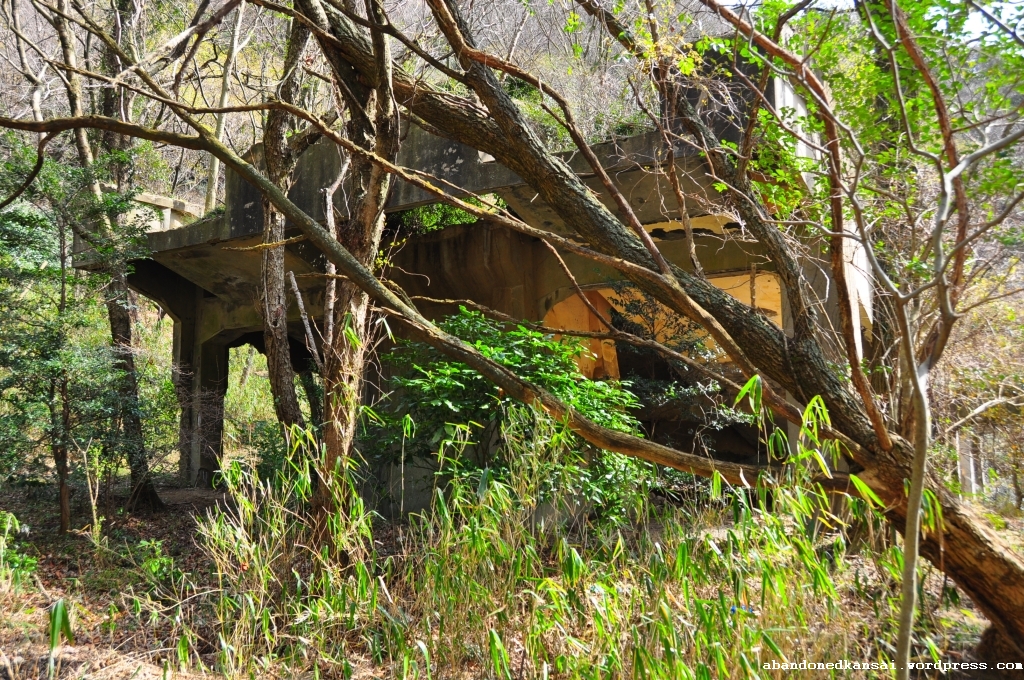
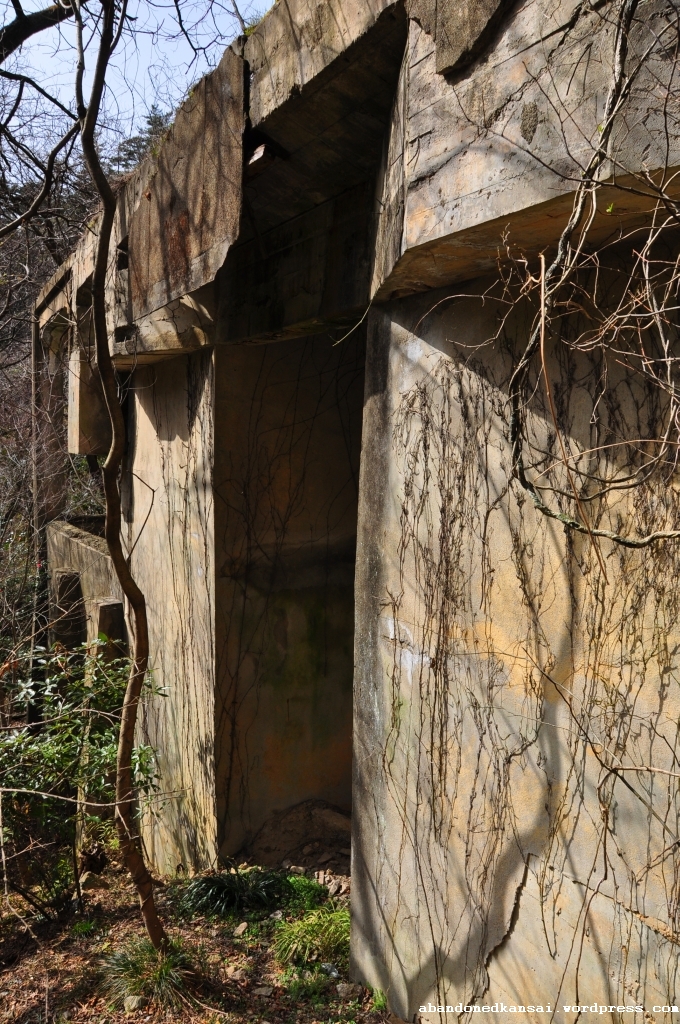
One quite unspectacular but rather rarely covered *haikyo* in Kansai is the Rokko Ropeway. While the Maya Ropeway and the Rokko Cable Car are still in use, the now forgotten Rokko Ropeway was abandoned and mostly destroyed in 1944 after a mere 13 years of business.

Since I only found Japanese sources about this haikyo some of the following information might have been mixed up in translation, but from what I understood the Rokko Ropeway was built by Hankyu Dentetsu in close neighbourhood to the still operating Rokko Cable Car (run by their competitor Hanshin Electric Railway – which is part of Hankyu since 2006…) in 1931 – resulting in fierce competition for customers; Rokko Ropeway’s big advantage: excellent bento boxes! In 1943 both companies were ordered to shut down their lines as the military was in need of metal. The Rokko Ropeway was closed for good on 1944-01-11 and the demolition process began. Since it wasn’t completed before World War 2 ended there were thoughts to rebuilt the ropeway, but those plans never came through.

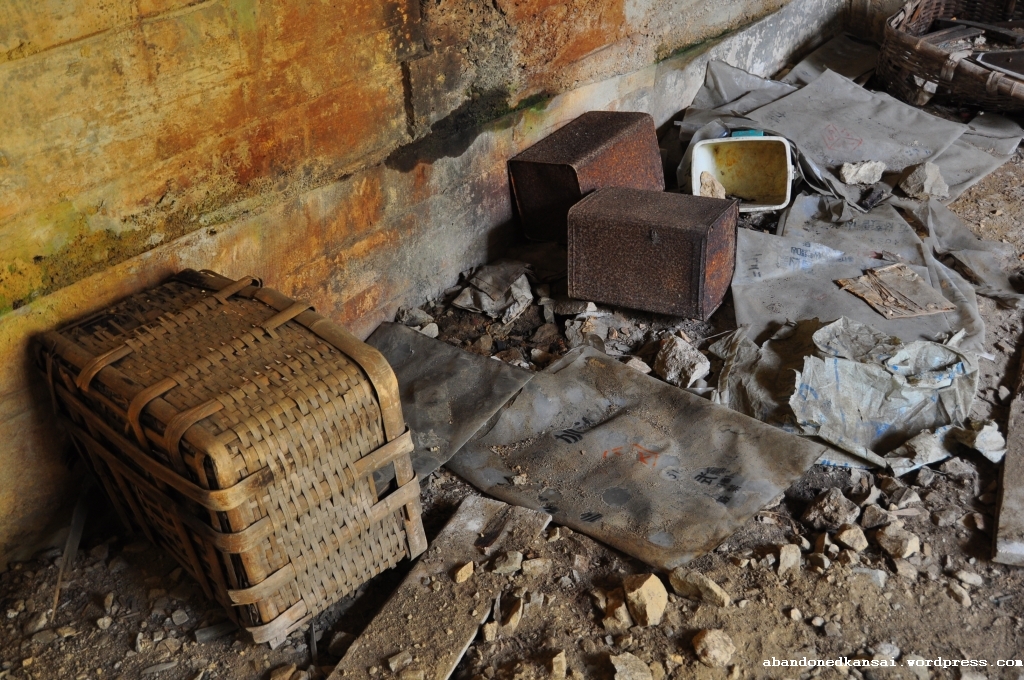
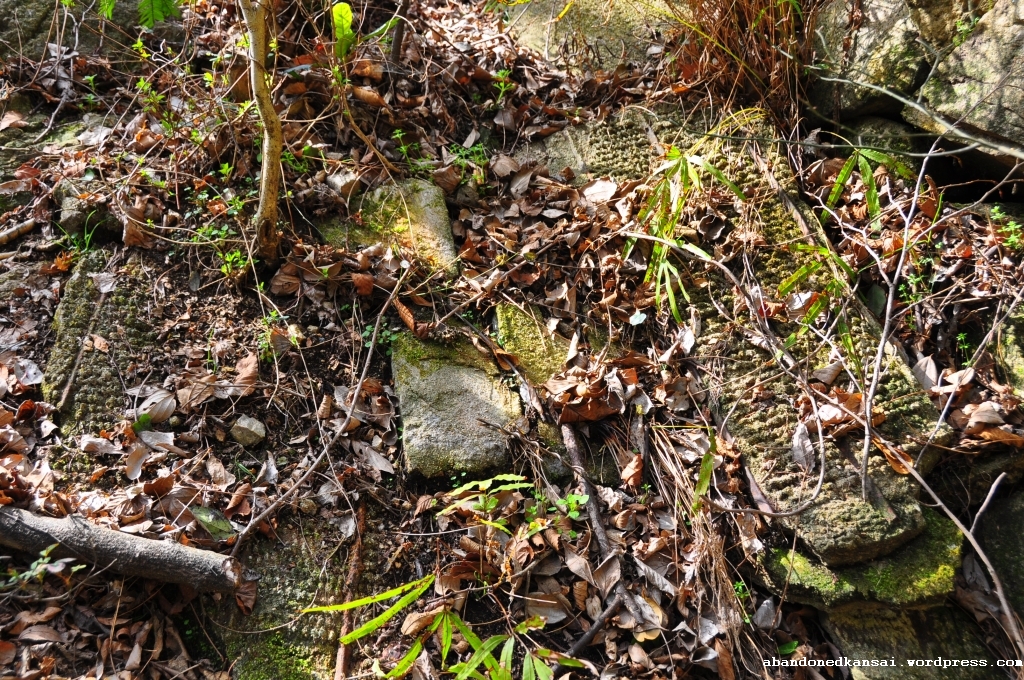
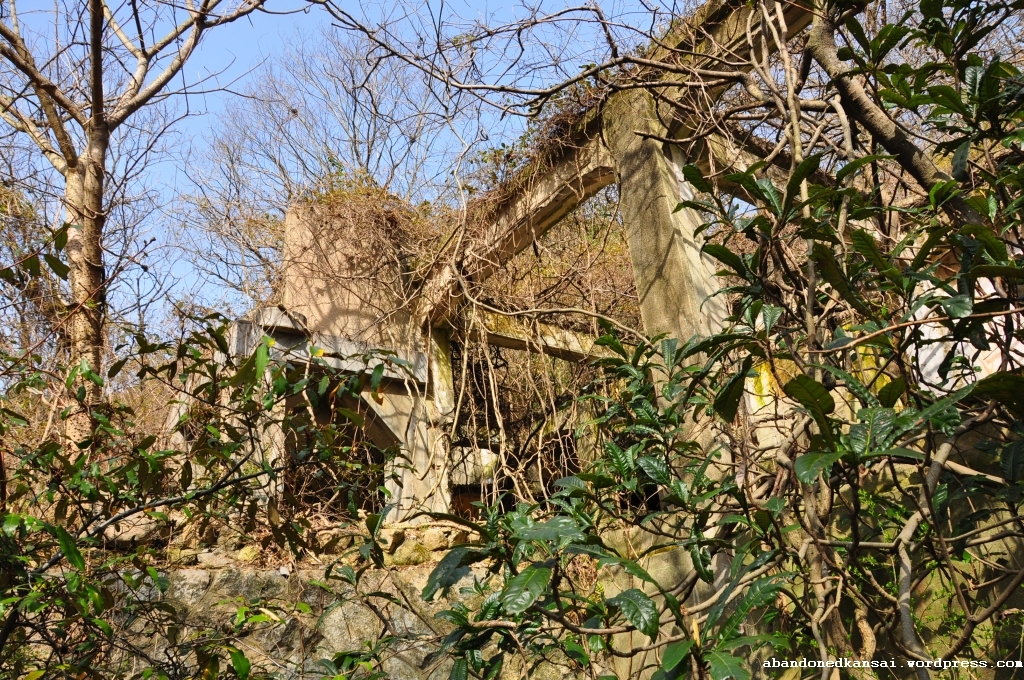
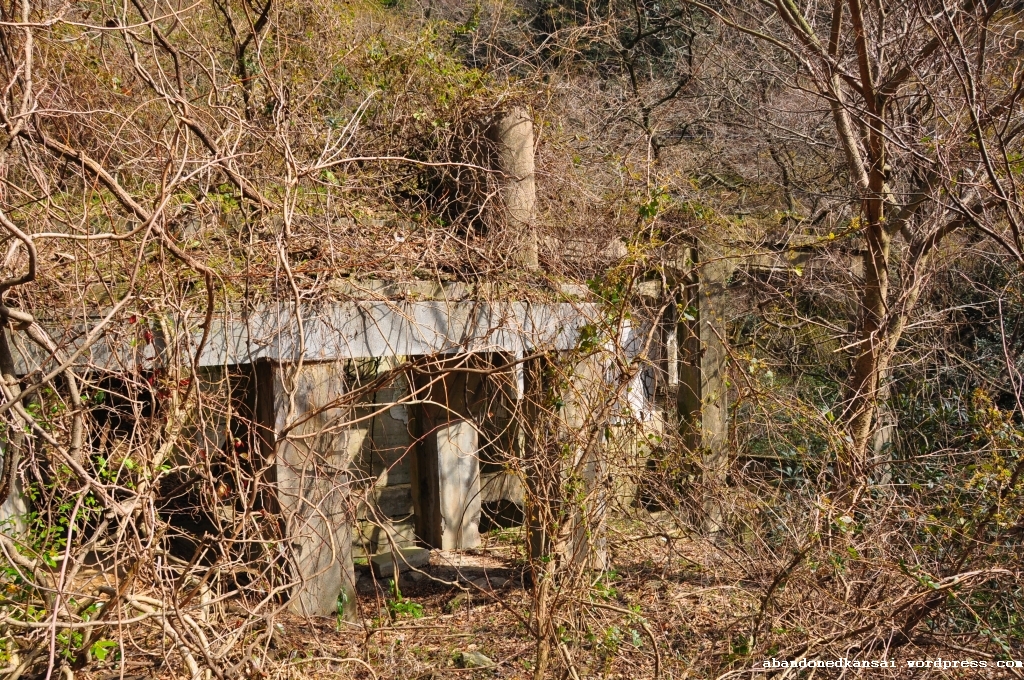
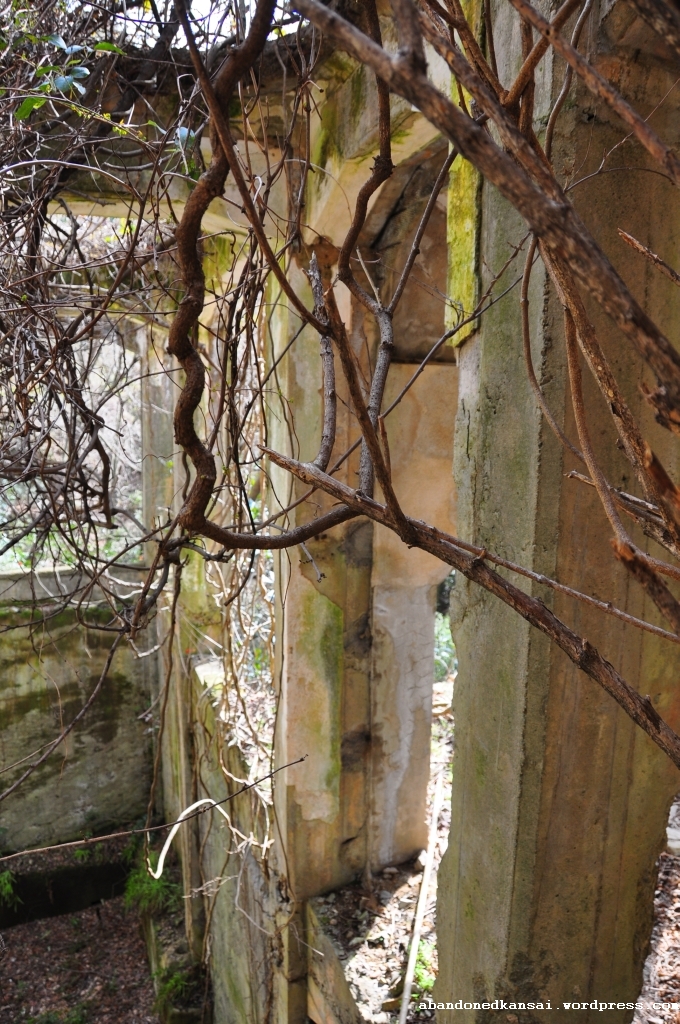
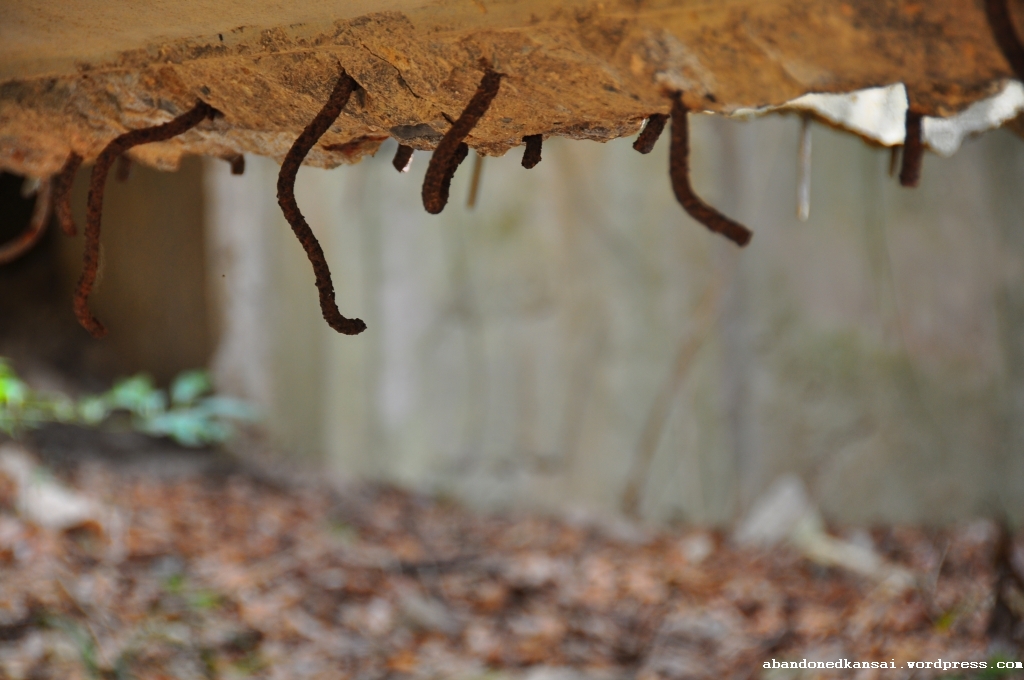
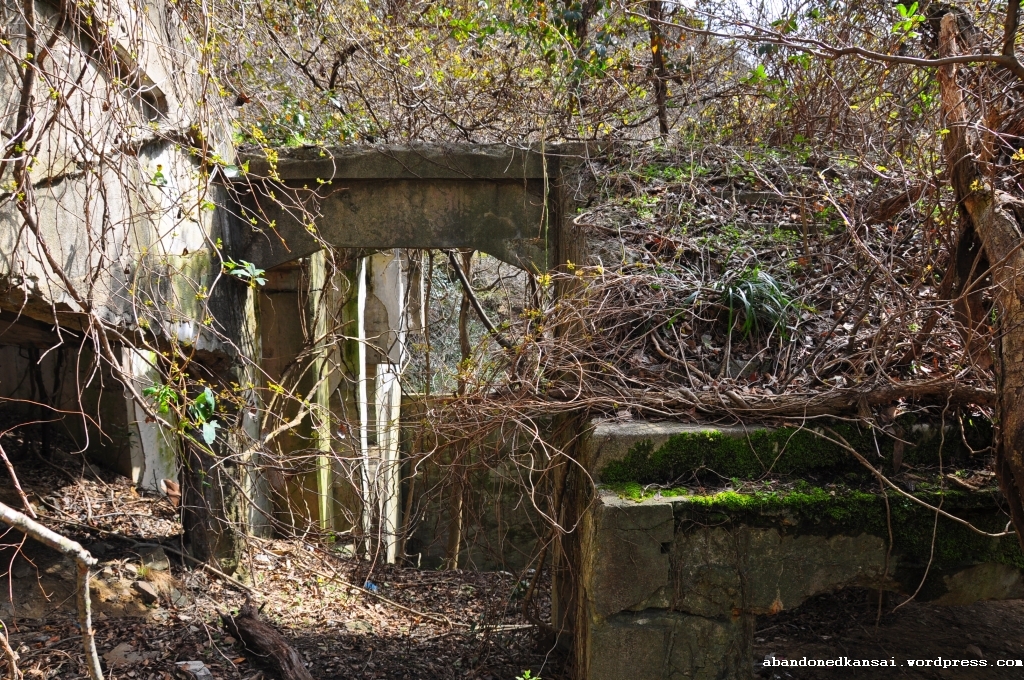
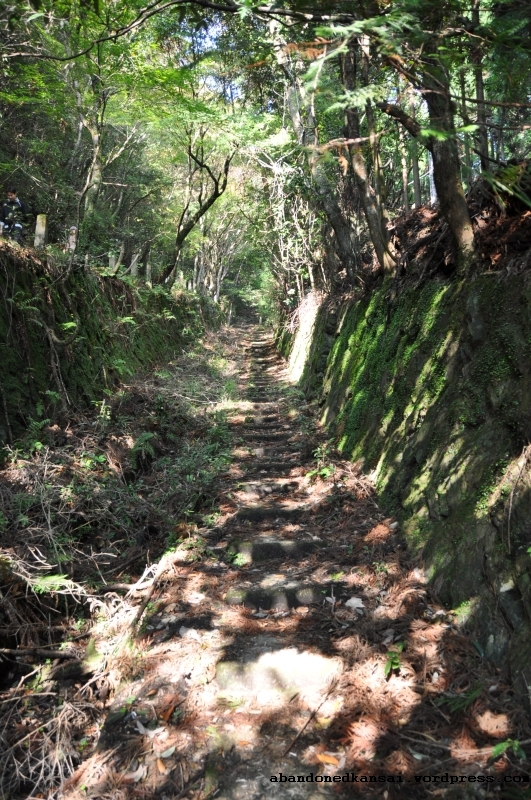
Today the skeleton of the valley station marks the beginning of a hiking trail up to the Rokko Mountains. Sadly there is barely anything to see and I guess in summer a lot of hikers even pass by the remains without noticing them as they are almost completely overgrown. When I went there in March of 2010 on one of the first warm days of the year the Rokko Ropeway was kind of a sad sight with only a few items left in an opening at the back side of the construction – the rest is basically steel and concrete unspectacularly rotting for more than 60 years… And since the location is in the middle of nowhere, there is not even an interesting story I can tell about exploring the place.

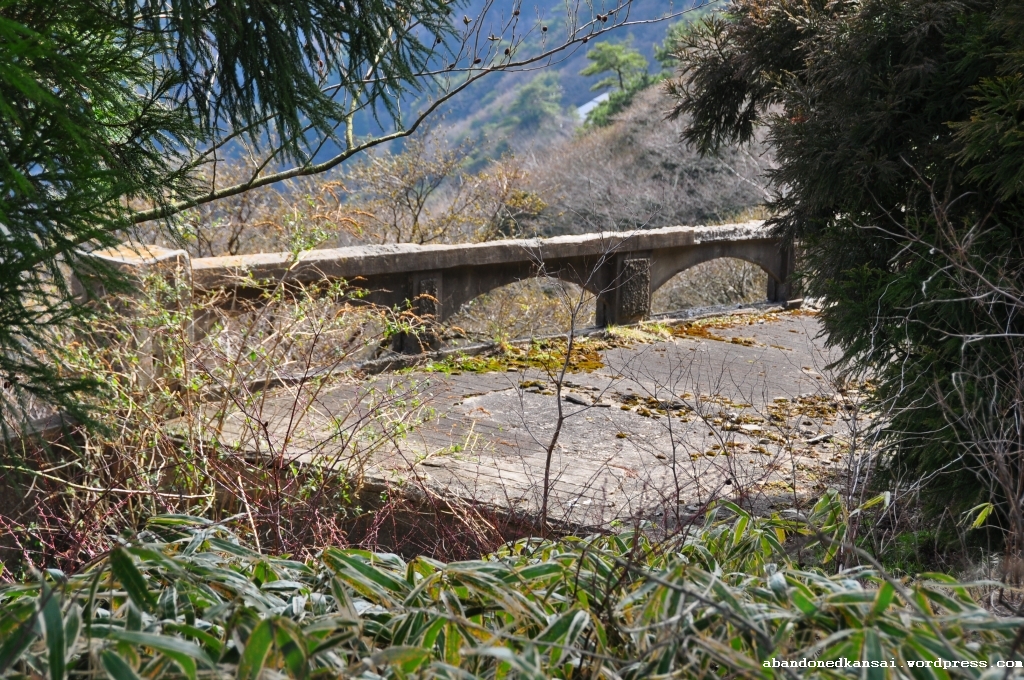
But the valley station still has it better than the top station, which I never saw on the internet and only once on a map – it’s supposed to be close to the Rokko Post Office and the Mount Rokko Hotel, but the only thing left is a concrete footbridge mostly shielded by trees and private property – not a building close-by, but at least I could snatch two shots of the thing. (The hike from the valley station to the top station is nice though. About 400 meters height difference with some scenic views.)

Here is a click through gallery, zoomable versions of the photos follow below:

Read Full Post »

My first real *haikyo* is still one of my favorite as it combines a quite unique type of abandoned place with a scenic hike. Wrapping itself around sacred Mt. Atago in Kyoto from south counterclockwise this abandoned cable car track offers breathtaking views, six tunnels and a great leg workout – steps for about an hour as well as two short but quite steep climbing sessions. If you are not in decent shape you might wanna think about visiting this haikyo… When I started to research abandoned places in Japan on the internet I pretty quickly found the Mt. Atago Cable Car since it is, next to the *Mt. Maya Tourist Hotel*, one of the most covered haikyo in Kansai – and one of the most accessible. Instead of taking the pilgrim’s path to Atago Shrine just take the abandoned track right next to it. You can’t miss it! (If you are able to find out where exactly Mt. Atago in Kyoto is…) There even is a great (Japanese) homepage covering the history of the Mt. Atago Cable Car – built in 1929 it was already abandoned in 1944. If you are interested in the background of the places you go to you should have a look, especially at the old pictures from the time the cable car was still used. (If you are not able to read Japanese just click around and c/p the text into a translation homepage. More people than you might think do it that way…) On the way up there are two challenges – the steep incline (most of it concrete steps) and two collapsed tunnels, forcing you to leave the track and climb the hill by holding on to everything nature offers. Both detours have colorful markers giving you hints which way to get up. But while the one around tunnel 3 will bring you directly back to the track, the one around tunnel 5 will lead to a path close to the already mentioned pilgrim’s way. Without spoiling your search back to the track too much: Just go straight ahead, maybe a bit to the east. A small trail will lead you back to the track. After the sixth tunnel you almost made it to the still existing top station. Just a few minutes before that your breathtaking climb will be rewarded by a breathtaking view not visible from the pilgrim’s path – just after a partly collapsed bridge. More than 65 years after giving up this wonderful piece of transportation history, parts of it are in pretty bad shape. Nothing to worry about, but nevertheless worth mentioning. The top station itself is in pretty bad shape, too, but unlike the completely vanished valley station it is still standing. Basically it’s a bunch of outside walls and floors: no machines, no interior, no internal walls. To me it was nevertheless impressive, maybe because it’s a place with a history. A short one, but still a history, an entertaining one actually since this cable car lead directly to a *tourist hotel* and a ski resort – but that is another story…

Read Full Post »

« Newer Posts