I guess a Twitter account is kind of a must have nowadays when writing a blog – so here’s mine: http://twitter.com/AbandonedKansai
I felt a bit like John Rambo at the beginning of First Blood when I was walking through the mountainous countryside of Shiga prefecture, kilometers away from the next train station or bus stop. But only in that way that I was completely out of place, expecting some xenophobic misanthropic cop to pick me up and drive me to the city limits (where another xenophobic misanthropic cop would pick me up to bring me to the other end of the city limits, where… this repeats until I would have been back to Osaka) – luckily the only police car I saw ignored me…
This April day started with an uncomfortable decision: Being halfway through a cold with general weariness and a serious cough I felt a little bit under the weather, I had no plans for weekend and my haikyo buddy was busy – on the other hand I just spent 5 days in an artifically lit office and this was the last sunny day before another period of rain. The choice was between staying at home and watching a sunny day passing by or going for a haikyo all by myself (which I enjoy less and less since I’m more and more aware of the dangers involved) or going on a hike – which I did the weekend before.
I decided to do a hybrid of the last two options. A while ago I marked a spot on my very personal haikyo map that I labeled “Taga Mine”. The problem with that was, that the name given by the (online) map creators was completely different and that there was another Taga Mine that is still active till this very day (and usually only active mines are marked on online maps like GoogleMaps and Mapfan anyways). So in the end I was hoping for a nice hike to find out if the marked spot is the active or the abandoned Taga Mine; or if there was anything at all. The only hint I had about the abandoned Taga Mine was a Japanese video on Youtube, which could have been mislabelled – so my trip was a long shot.
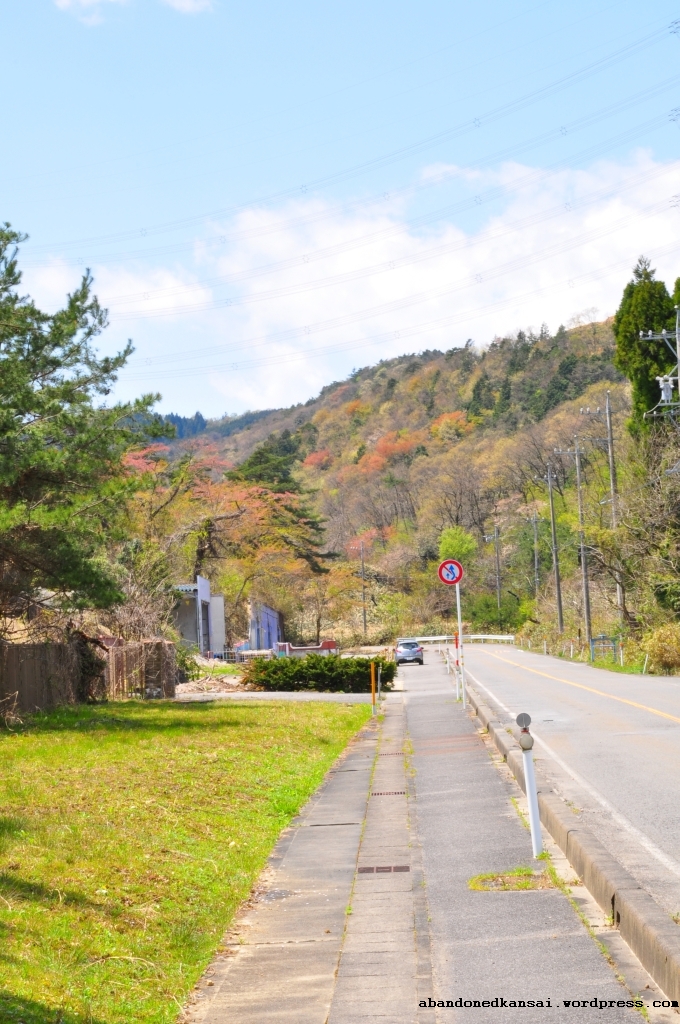
A few minutes after I left the country road to walk up the mountain I found the T crossing where I should walk to the right. Sadly it turned out to be a dead end with heavy machinery. So I gave up hope finding the abandoned Taga Mine and continued to the left, expecting either to find an active mine or nothing at all, switching into hiking mode. After a while I found another T crossing and I continued to the right. I kept walking and I reached an unimposing forest road to the right again. I don’t know why, but I left the paved road and followed it for a while, dragging my coughing self up that mountain – you can’t imagine the joy I felt when I reached an open rusty gate in front of a stone pit!
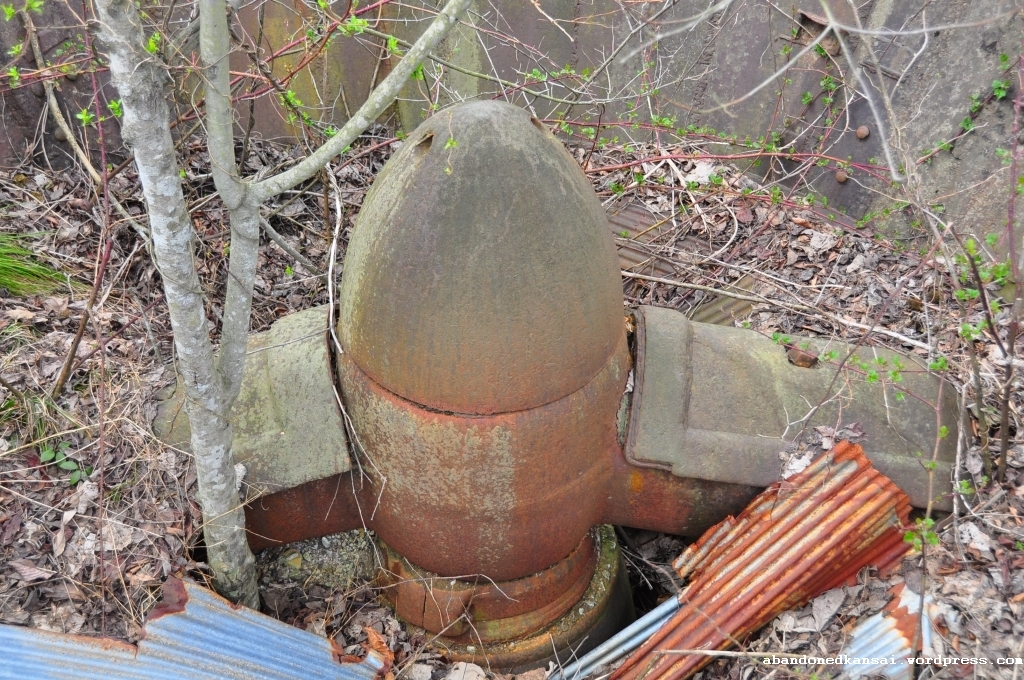
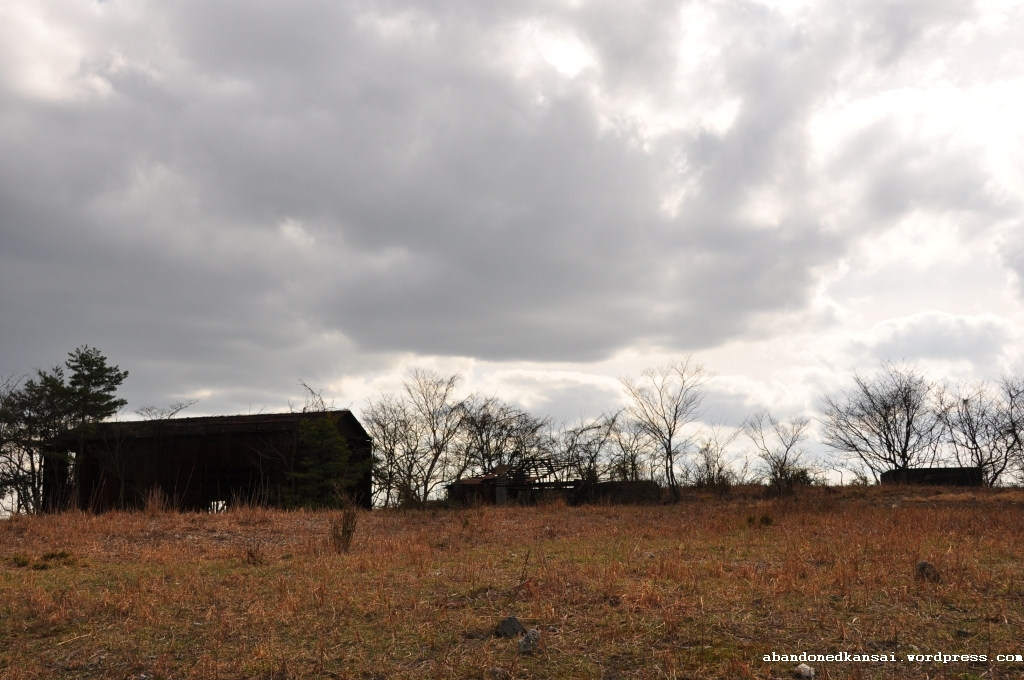
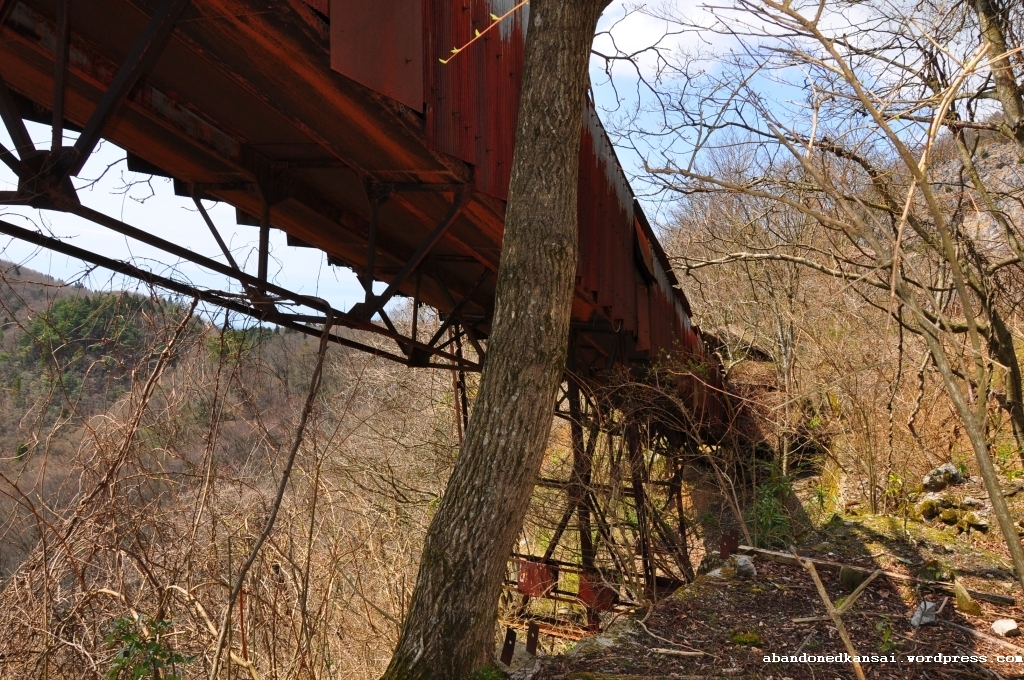
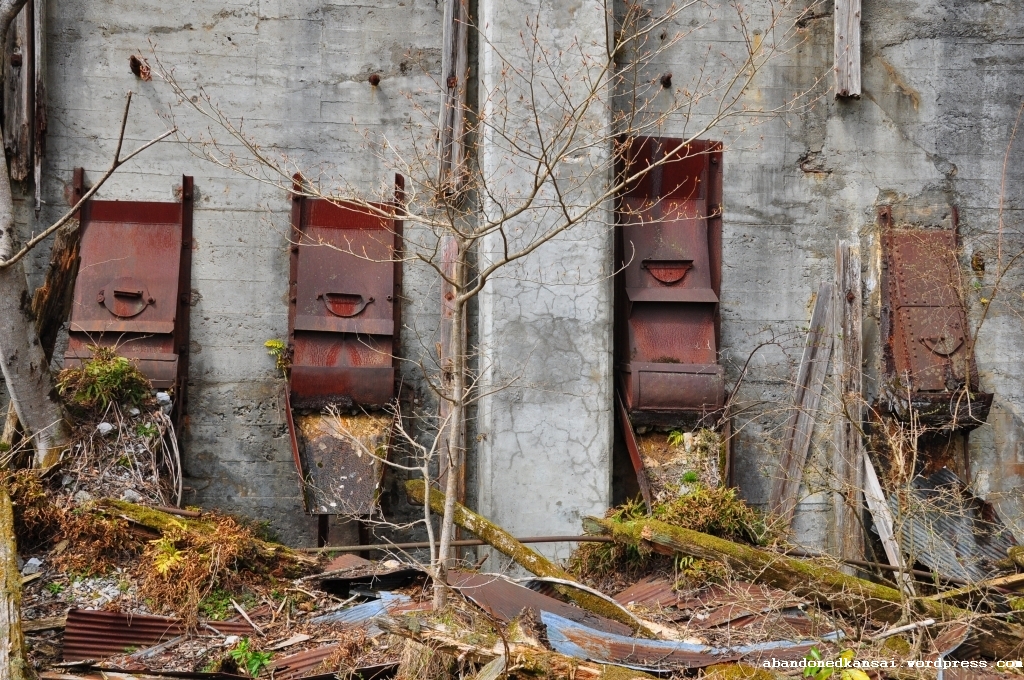
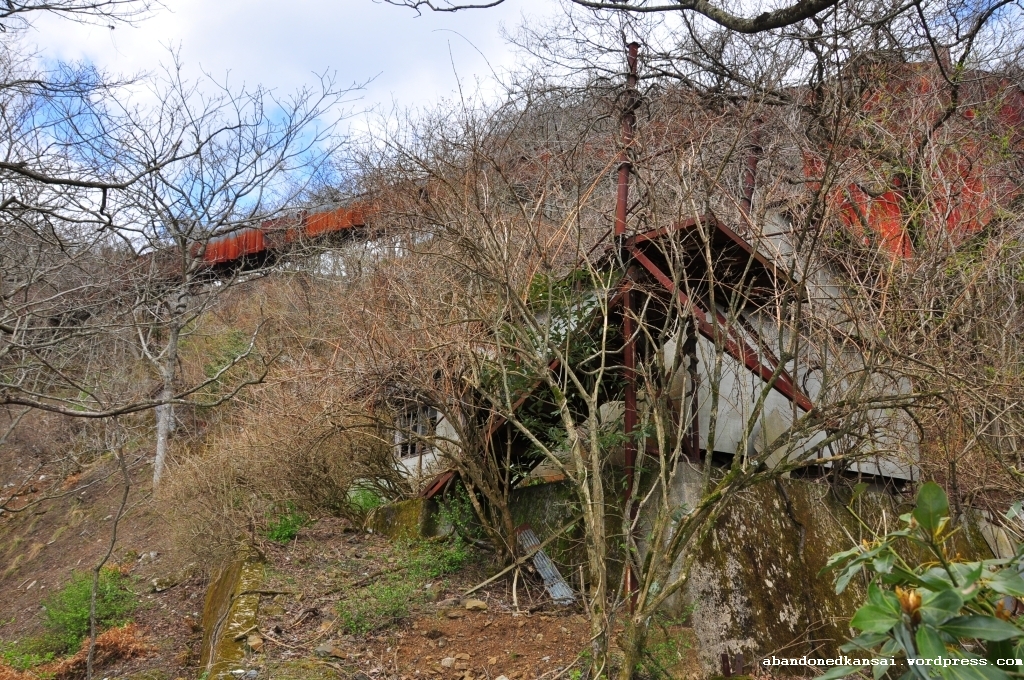
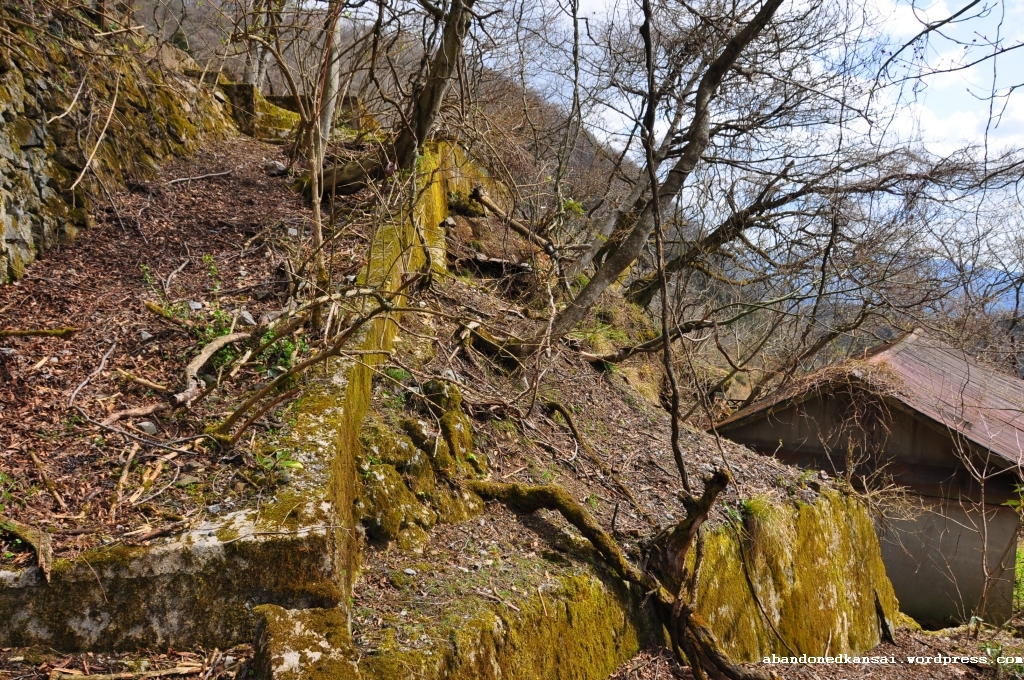
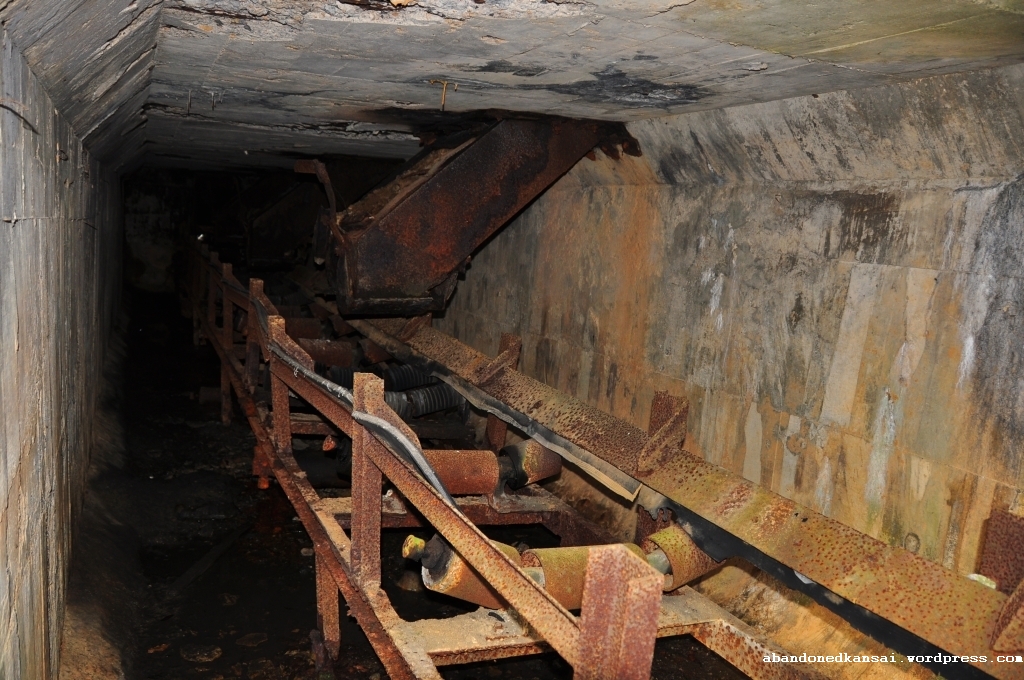
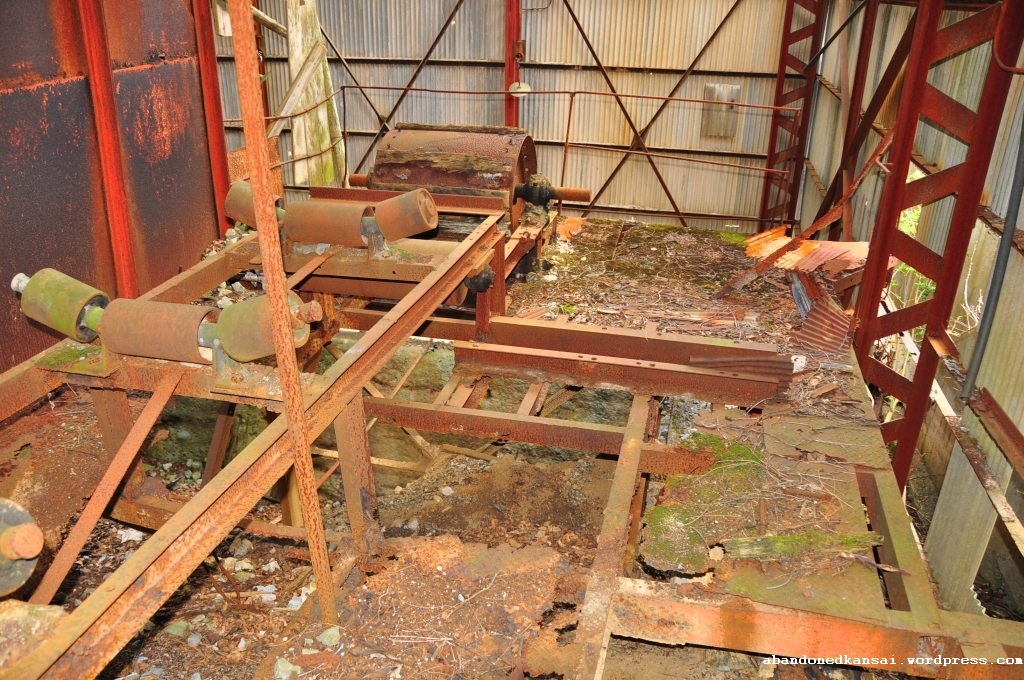
The excitement calmed down quickly when all I found was a rusty shack and a concrete room at one side of the slope – was this really the Taga Mine or just something else? Getting closer I saw that there was a machine in the ground that was obviously used to crush the rocks from the stone pit. At that moment I heard some twigs cracking. Would there be security at a remote and long abandoned place like that? I coughed a bit louder than usual, but I got no response. Maybe a fellow haikyoist? Well, I minded my own business taking pictures and after I was finished I heard the cracking twigs again, so I went towards the direction where I assumed the sound was coming from – that’s when I found the main remains of the mine with a huge conveyor belt and several other buildings, built very closely to the steep slope. I heard some noises as if somebody was walking across corrugated iron and when I got closer and looked down I saw lots of it lying on the ground in front of the mine – by nobody was there.
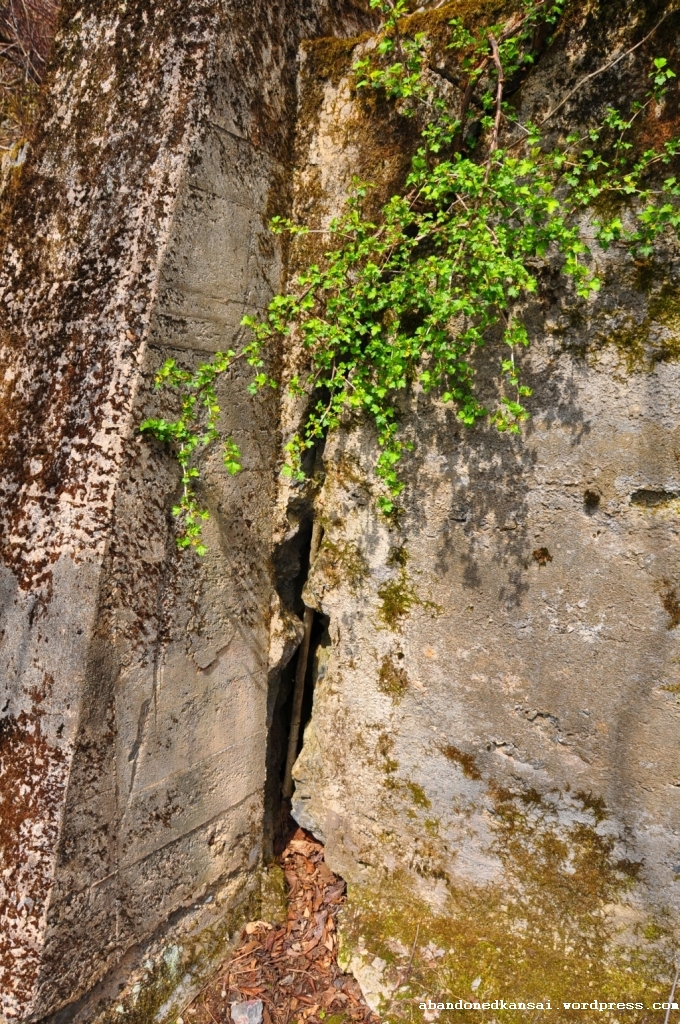
Not really feeling well thanks to the mix of fatigue and adrenaline rush I slid down the mountain a little bit to reach the main part of the mine. The ground was covered with metal, concrete and tons of leaves from many, many autumns. It was hard to tell if the next step would be solid earth or something else. I got closer to the buildings and then something happened that really, really scared me: I heard two animals fighting on the ground behind me, must have been pretty close to where I stood, maybe 100 meters away. At that point I looked at the ground and realized that there was wild boar feces everywhere all across the mine. I’m not a wildlife expert, but I know what a boar sounds like – and I know that you don’t want to run into one in spring, especially when exploring a seriously rotten mine at a steep slope all by yourself.
I continued my explorations, but I could feel how both my fatigue and the adrenaline rush got stronger by the minute, trying to make my way through the concrete and metal structure while taking pictures, expecting a wild angry animal at any second. To be honest, at that point I didn’t enjoy the haikyo at all and I only realized when I was looking at the pictures from the safety of my home how great of a location the Taga Mine was (and still is until it collapses – which I guess will be relatively soon…). That’s when I also found out that it took me a whopping 2 hours to take pictures, although the place wasn’t that big and I felt like I was hurrying; man, was I in a hurry…
Looking back at the adventure I consider it one of the dumbest and at the same time most exciting things I’ve ever done. Yes, I worked hard all week, I wanted to take some haikyo pictures (for the first time in three weeks) and I wanted to be in nature enjoying this beautiful spring day – but being sick and exploring a hillside rotten mine in the middle of nowhere on your own is pretty much the urban exploration definition of stupidity. If you are ever happy enough to find the abandoned Taga Mine and not the active one make sure that the weather conditions are perfect, that your gear is top notch and that you have at least one person at your side. As much as I like my pictures of the Taga Mine… this is the first place I’ve been to that I consider a deathtrap and I highly recommend to stay away from it if you don’t know exactly what you are doing. I definitely learned my lesson from that trip!




Posted in Abandoned, Asia, Haikyo, Japan, Kansai, Mine, Shiga, Urbex, Visited in 2010 | 6 Comments »
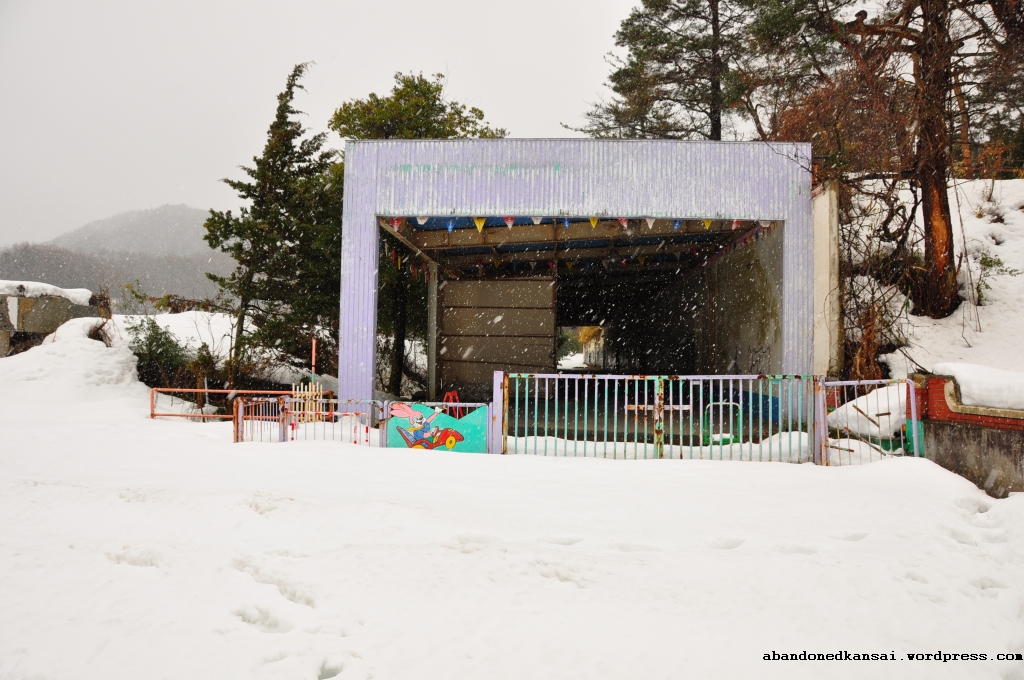
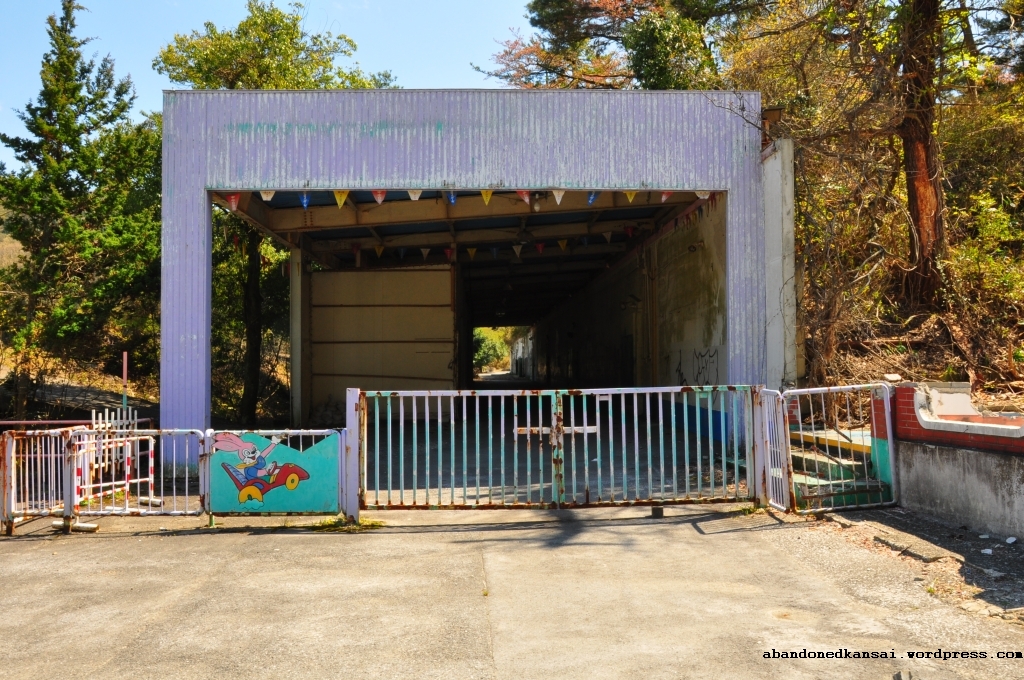
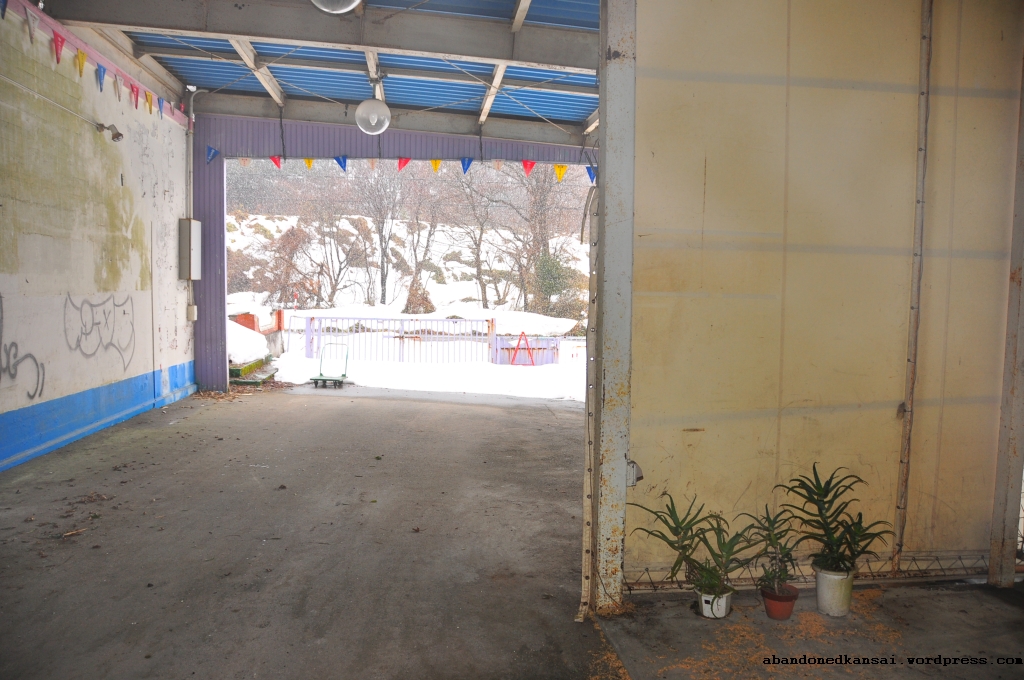
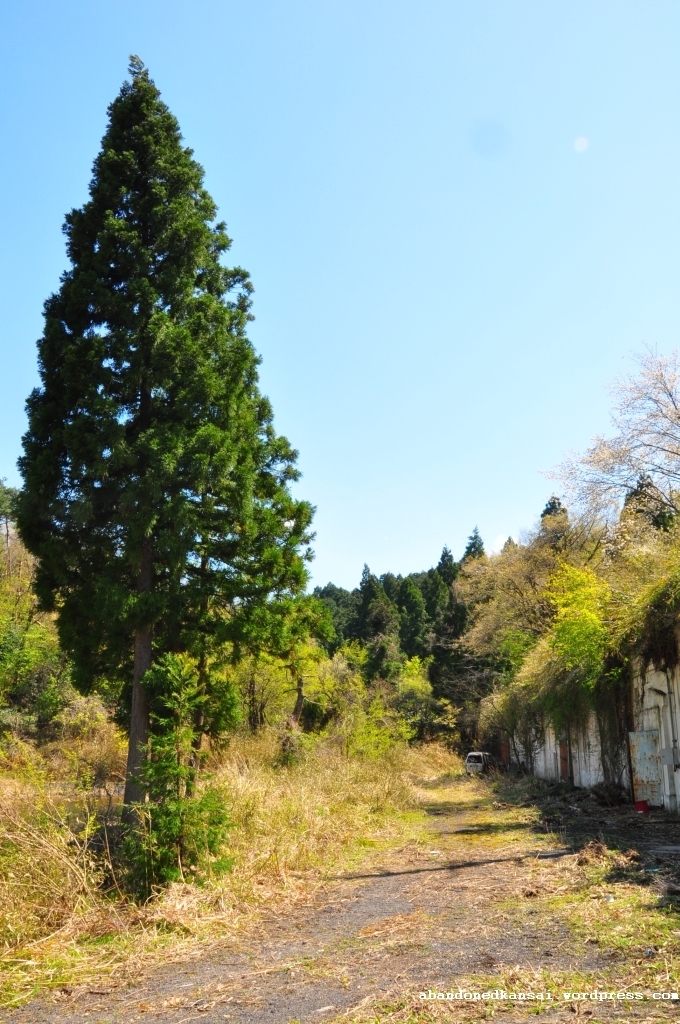
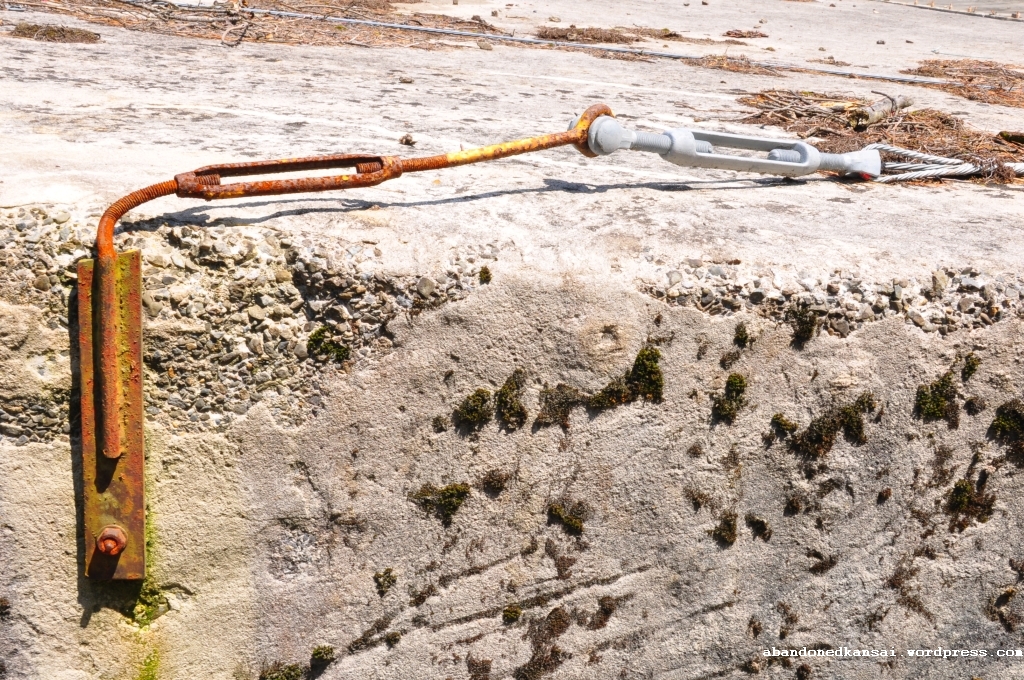
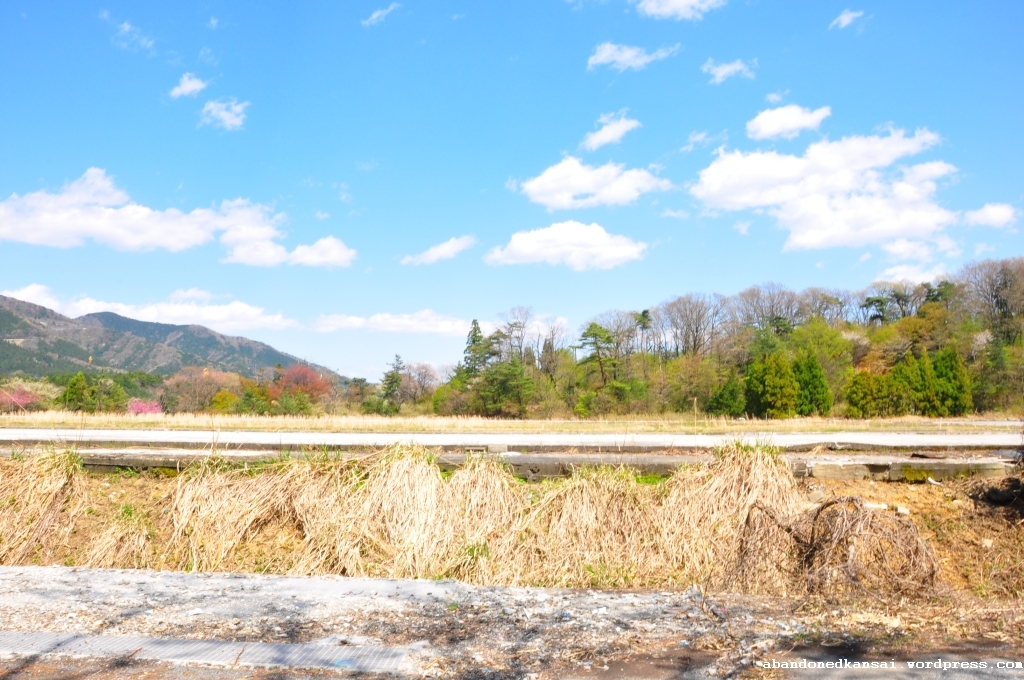
When I went to Sekigahara Menard Land for the first time in January 2010 it was completely covered in snow. When I went there for a second time in April 2010 spring was in the air. But the weather wasn’t the only thing that had changed during those three months. Enjoy the similarities and differences… and sorry again for the weird picture quality of the photos shot in April.
(Next up will be a much more exciting entry about the barely ever mentioned Taga Mine in Shiga followed by Expoland Revisited – just so you know what’s coming in the near future…)






Posted in Abandoned, Amusement Park, Asia, Chūbu, Demolished, Gifu, Haikyo, Japan, Urbex, Visited in 2010 | Leave a Comment »
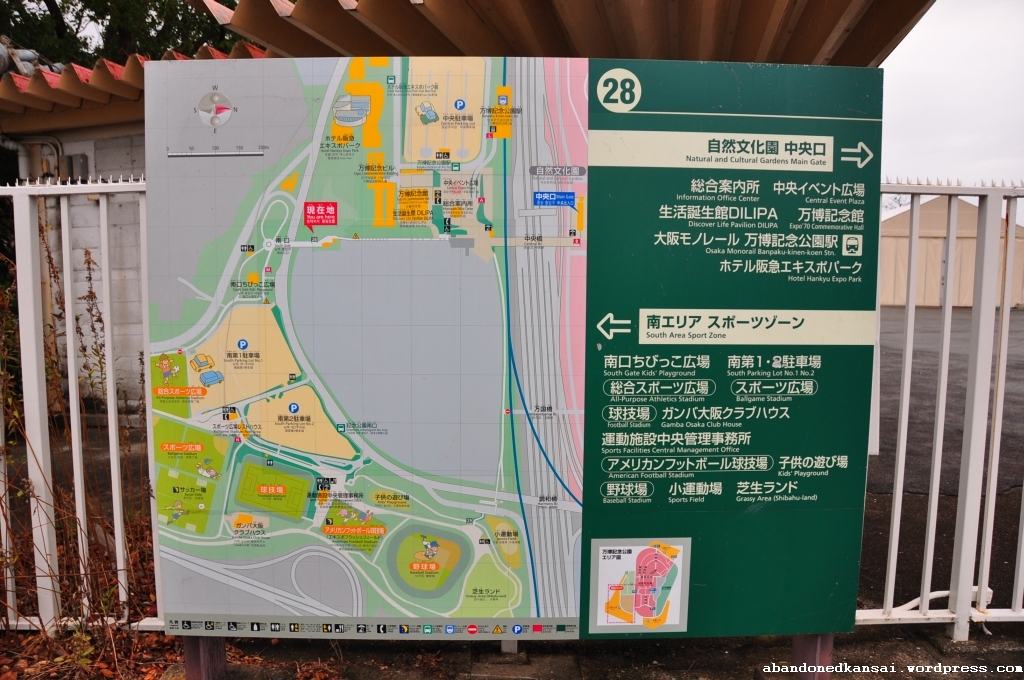
It seems like abandoned amusement parks are not only my favorite locations, but people reading this blog are obviously fascinated by them, too – so today I’ll present you one that hasn’t shown up on the internet so far; neither Japanese nor English speaking. Expoland in Osaka.
Expoland (エキスポランド) covered an area of about 20 hectares and was opened in 1970 next to the fairground of the “Expo ’70“. Planned as a temporary installment it was extremely popular and thrived to be one of the most popular Japanese amusement parks for more than 30 years – the park actually re-opened on 1972-03-15 since it was closed after the Expo ’70 ended. Expoland made the news big time on May 5th of 2007 when a 19 year old student from Shiga prefecture died in an accident involving the Fujin Raijin II rollercoaster: One of the ride’s vehicles derailed due to a broken axle that wasn’t replaced in 15 years. After a series of safety inspections Expoland opened again but was closed on 2007-12-09 due to the lack of customers – 14 months later, on 2009-02-09, it was announced that the park was closed for good.
Later that year my interest in abandoned places started and when I talked to friends about it a colleague told me what happened at Expoland and that the park was closed down, but not dismantled due to the owner’s lack of money. Sadly the information about the financial trouble was wrong as I found out by chance a few weeks later when I saw a picture on the English homepage of a Japanese newspaper that showed how they were tearing down the huge ferris wheel.
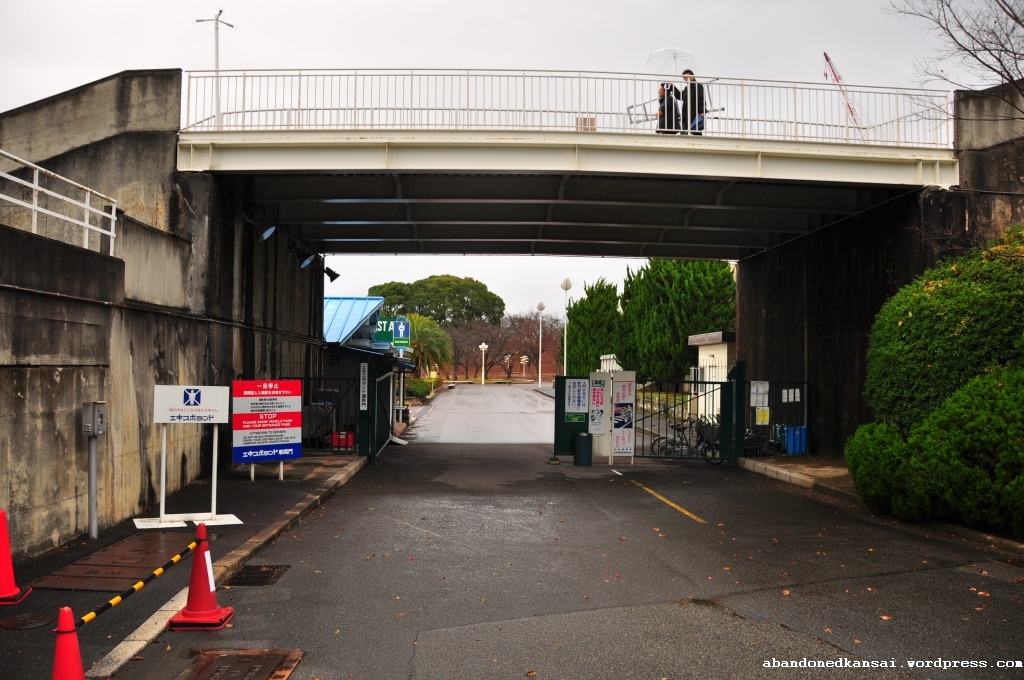
I went to Expoland right away on the next weekend on my way to an illumination event in Kyoto, a cold and kind of rainy day in December, just to scout the place from the outside. Since Expoland was closed down rather recently there was no easy way in. The spiked fence around the whole area was still intact and of course there were no holes or open gates. Quite the opposite: Since the dismantling was still in progress the area was actually kind of busy with a few construction workers walking around even on a Saturday. After I circled the whole park once I saw two guys with a ladder, taking pictures over the fence. I talked to them for a bit, but they made it clear that there was no legal way in. On my way to the monorail station I realized that I was walking across a delivery entrance, so I made my way down there to check it out – and found it open for the construction workers to get in and out. The guard’s office was obviously still in use, but there was nobody there. So I entered Expoland, asking loudly if somebody was there to catch somebody’s attention – but again no reaction.
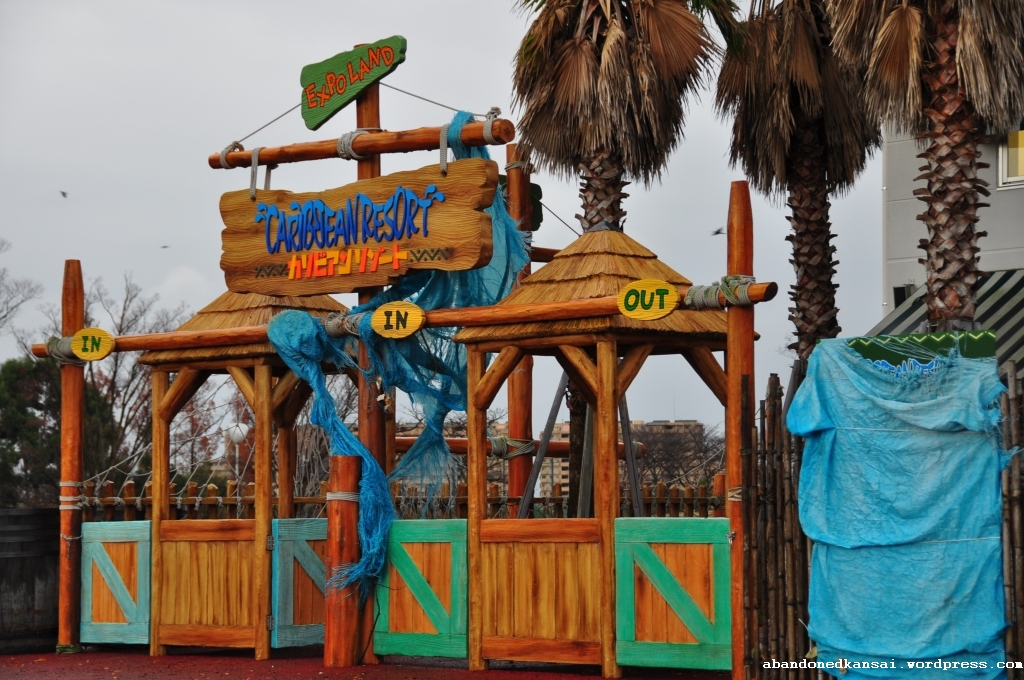
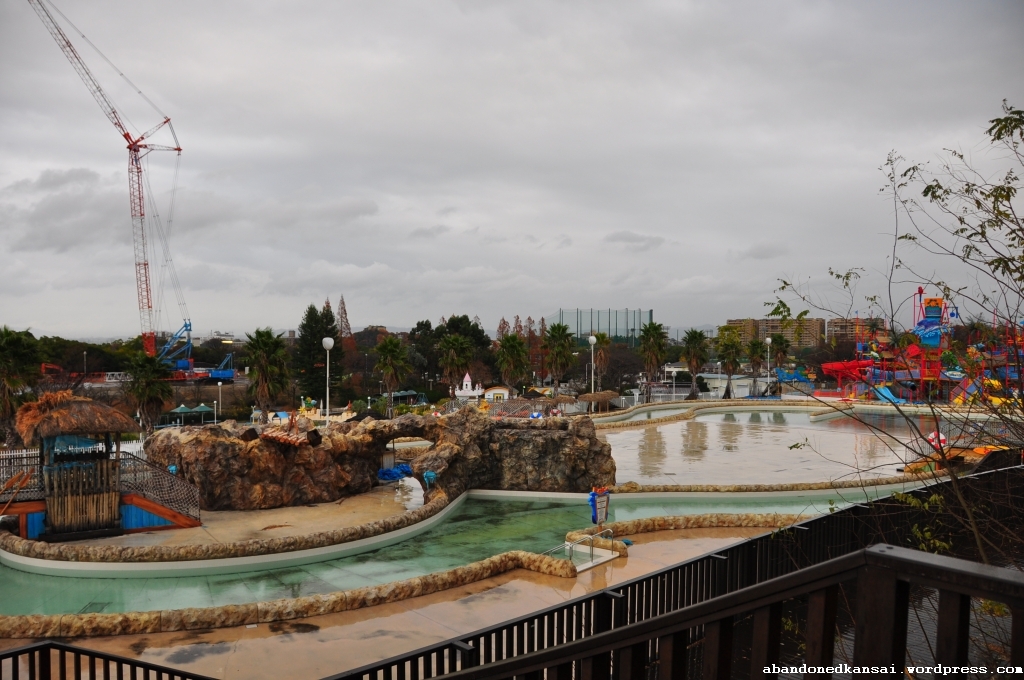
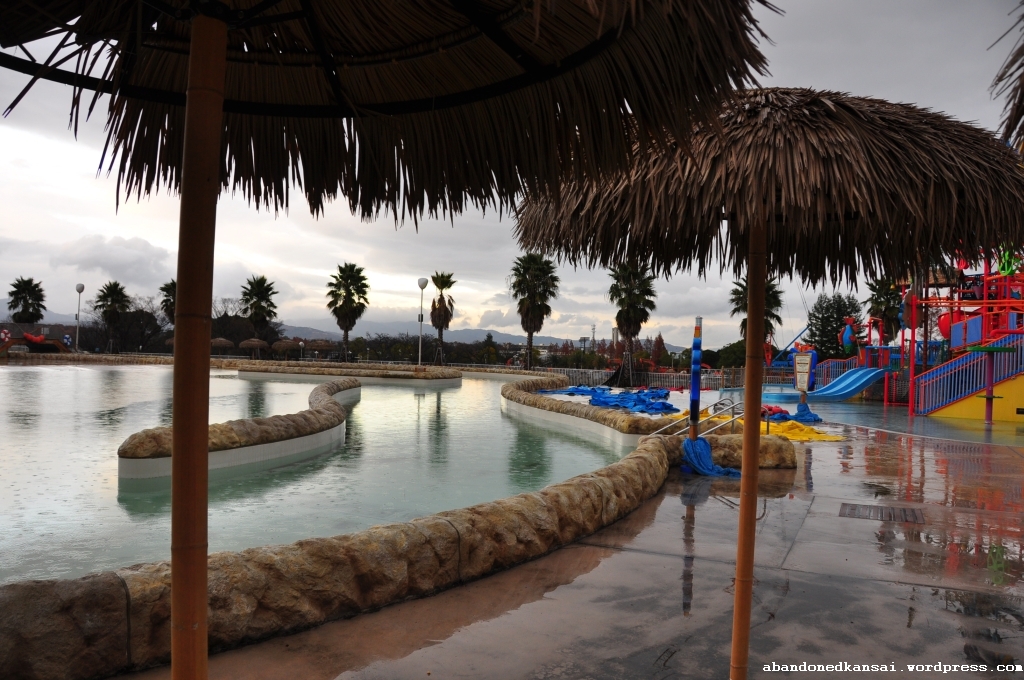
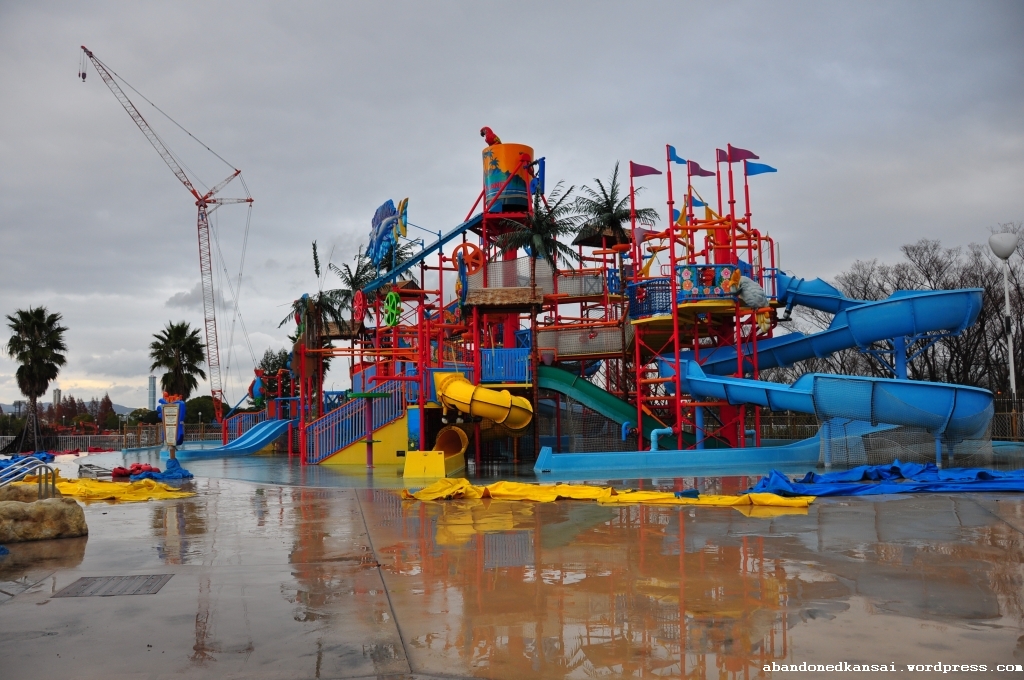
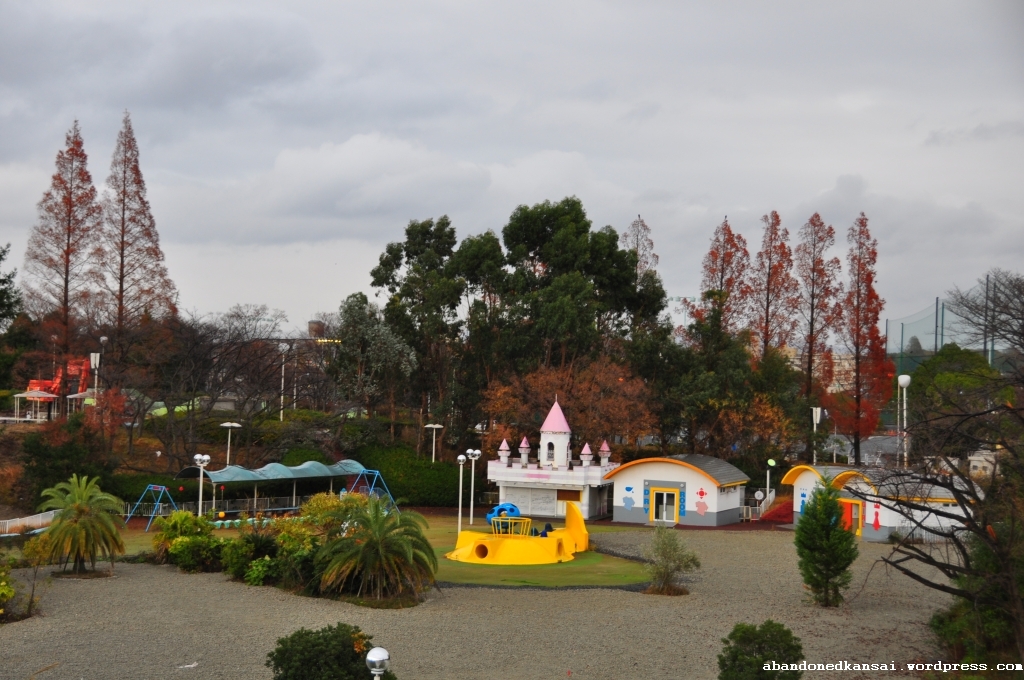
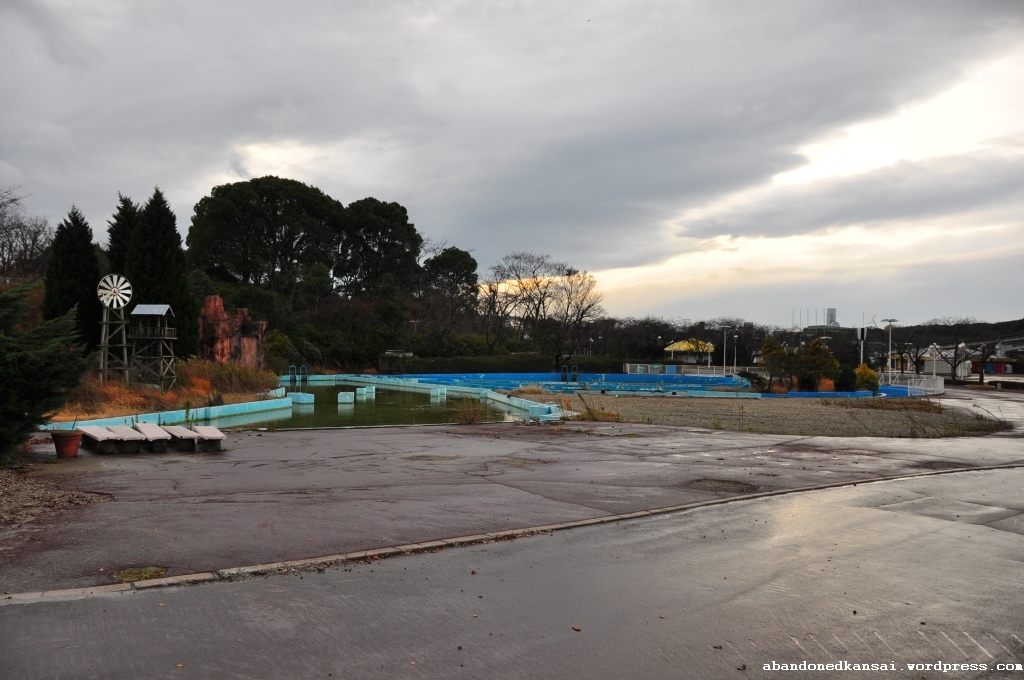
I made my way through the western and southern parts of the park. A stage and some buildings, including rest rooms, were still standing, but all rides were already dismantled. In the southwestern part I found the only big attraction still left: A waterland called “Caribbean Resort”. From there I went back to the delivery entrance and left the park. It was one of my first explorations, so I was high on adrenaline and torn apart by a decision: Leaving with what I got – or going back in to explore the rest of the park, risking getting caught? Well, I seized the day and went back in. To the main entrance, past a children’s playhouse and a restaurant, the former location of a water ride and up to where all the merry-go-rounds and the big ferris wheel were. I saw some construction workers in the distance, but I don’t think they saw me. I finished a circle counterclockwise to the east and north, past the old locomotive and to the playhouse. When I went back to the delivery entrance with its huge spiked gate my heart stopped for a second: It was almost dark, the gate was closed and the light in the guard’s office was on. I walked towards the gate to open it myself when the guard came out and addressed me in Japanese. To be honest, at that point I thought I was screwed as there was no way to escape. But to my surprise the guy was extremely nice, opened the gate to let me out and wished me a nice evening (at least I think he said something like that… Osaka dialect…).
Going to Expoland is one of my favorite urbex memories so far as it was a wonderful, exciting, positive experience from the beginning till the end. Or what I thought was the end. Because when I went back there a couple of months later to find out what happened to “Caribbean Resort” and the rest of the buildings I was extremely surprised to see what actually happened to Expoland.
But that’s a story for another time…
You can find out where Expoland was by clicking here.
(Since this article is quite popular: If you don’t want to miss the latest postings you can *follow Abandoned Kansai on Twitter* and *like this blog on Facebook* – and of course there is the *video channel on Youtube*…)






Posted in Abandoned, Amusement Park, Asia, Demolished, Haikyo, Japan, Kansai, Map, Osaka, Urbex, Video, Visited in 2009 | 20 Comments »
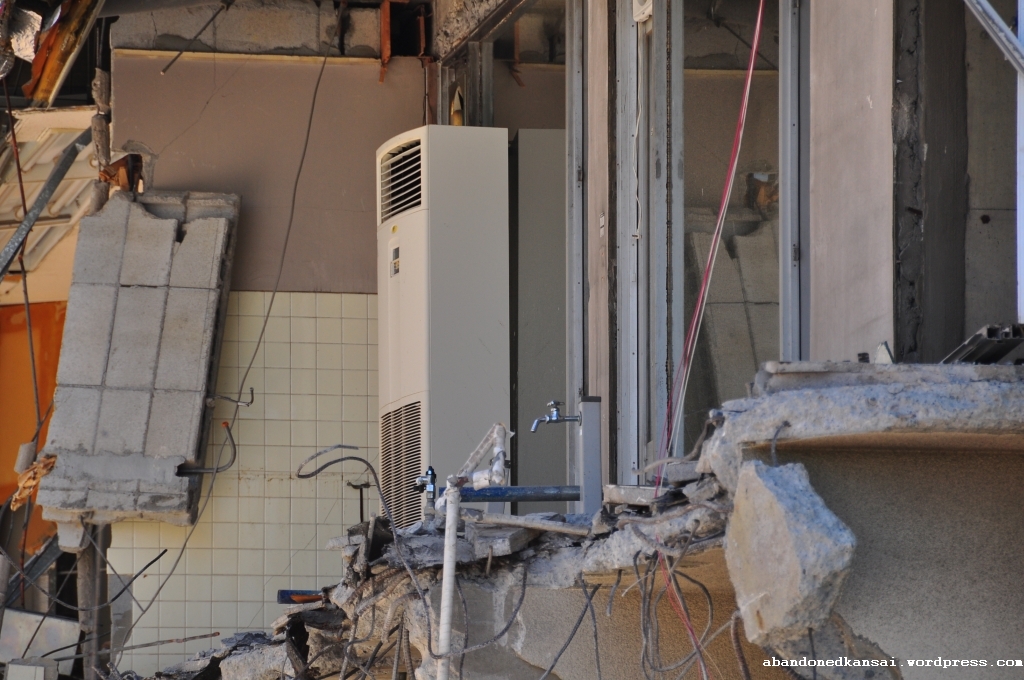
Yes, no joke – one of the most (in)famous buildings in Amagasaki, Hyogo, is called the ‘Hitler’ Surgical Hospital! Well, I guess “was” is the more correct term as they started demolishing the thing in late May of 2010.
I passed by the ‘Hitler’ hospital several times on my way to the only Costco in Kansai, but I never paid much attention to it other than taking a few quick pictures to have proof of this extreme form of ignorance and insensibility – why in the world would anybody name a hospital after the maybe most hated person in human history? (Well, it was the ヒトラ外科病院, not the ヒトラー外科病院 – but although the character indicating a long vowel was missing it is highly unlikely that the naming was a coincidence, especially since you only find the dictator and the hospital when you look for ヒトラ on the internet…)
I actually don’t even know how long the place was really abandoned. In March they still had a (quite run-down looking) sign outside on the main street – and that was gone in April. It was in April, too, that I passed the clinic after shooting a haikyo when it was almost dark outside and there were no lights in the building – but since I carried a lot of groceries and it was on a weekend day anyways I didn’t pay a lot of attention to that fact. Now the hospital with its departments for stomach and intestines, circulatory, surgery, orthopedics, neurosurgery, radiology, and rehabilitation is gone. And I wonder if anybody is really sad about it. (Except for me for the fact that I never made it inside, leaving this one of those unfulfilling “outside haikyo” – I really wish I’d taken more pictures when I had the chance, but I never took my camera when I went grocery shopping at a place where the smallest bag of potato chips weighs 1kg…)
2010-06-04 addendum: Due to the explanation given by Thomas I slightly changed a sentence and put the “Hitler” in apostrophies as I guess we will never find out what the people deciding the name thought when they put up the signs onto the top of the building.
(You can find out where the ‘Hitler’ Surgical Hospital was by clicking here.)



Posted in Abandoned, Asia, Demolished, Haikyo, Hospital, Hyogo, Japan, Kansai, Map, Urbex, Visited in 2010 | 5 Comments »
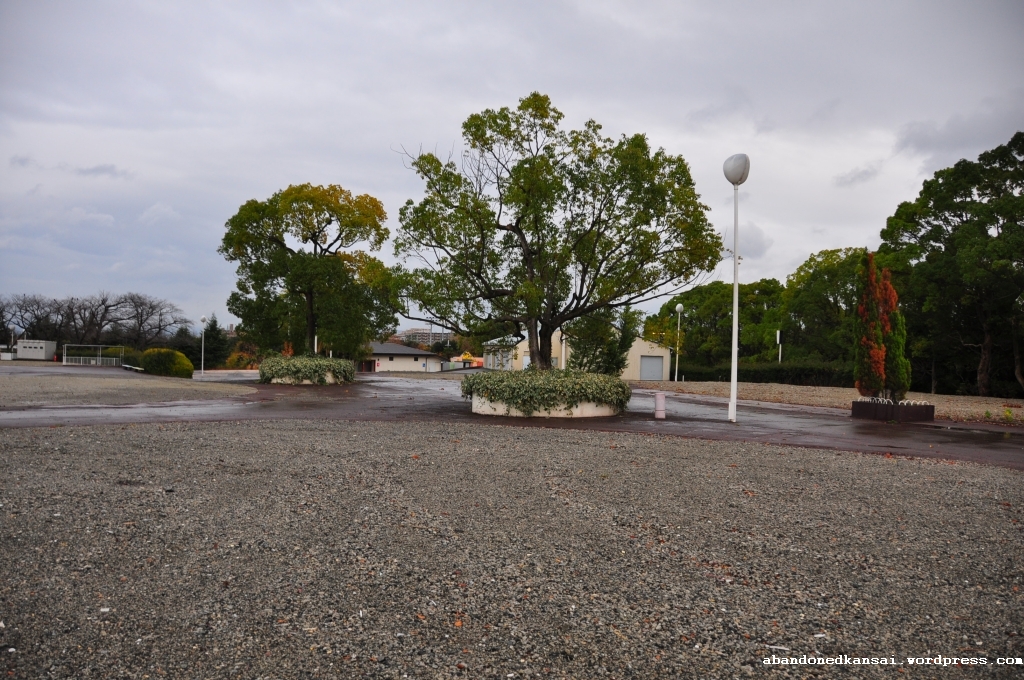
When I went to Sekigahara Menard Land for the first time in January of 2010 I was welcomed by a snowstorm. When I went there again in April of 2010 it turned out that the snowstorm was actually a blessing in disguise: Without the beautiful cold white blanket Sekigahara Menard Land is not much more than a bunch of concrete foundations…
As I walked along the almost familiar road to SML I saw a car parking right in front of the once so popular amusement park. Great, I thought, either security guards or people who have no clue at all about urban exploration. (As common sense should tell you: Never park right in front of the abandoned place you wanna commit trespassing at – especially if it is right along a country road!)
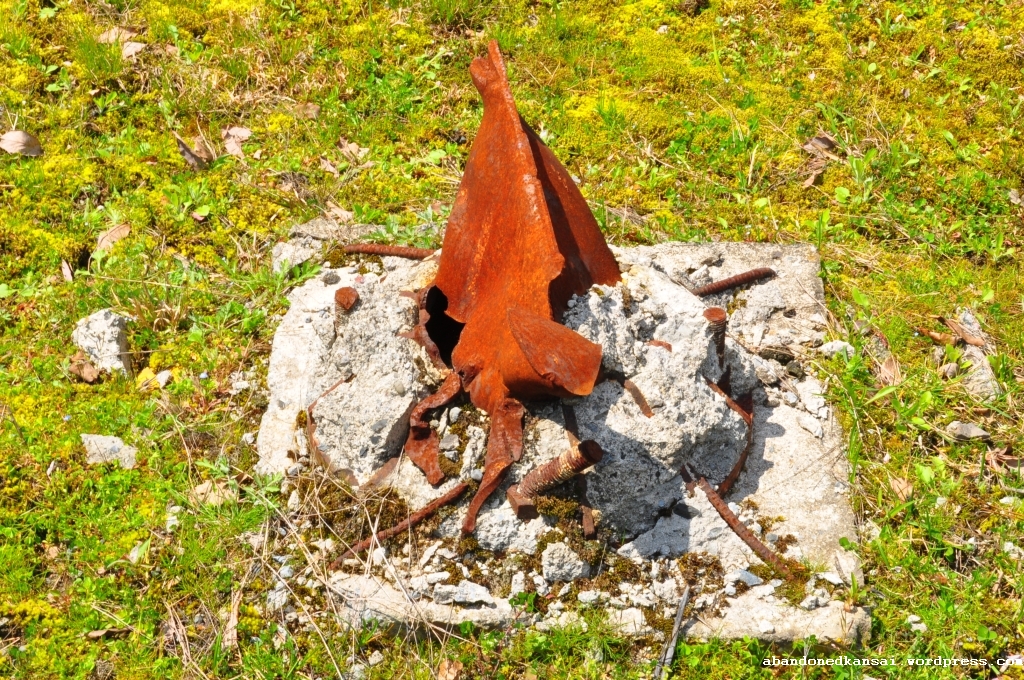
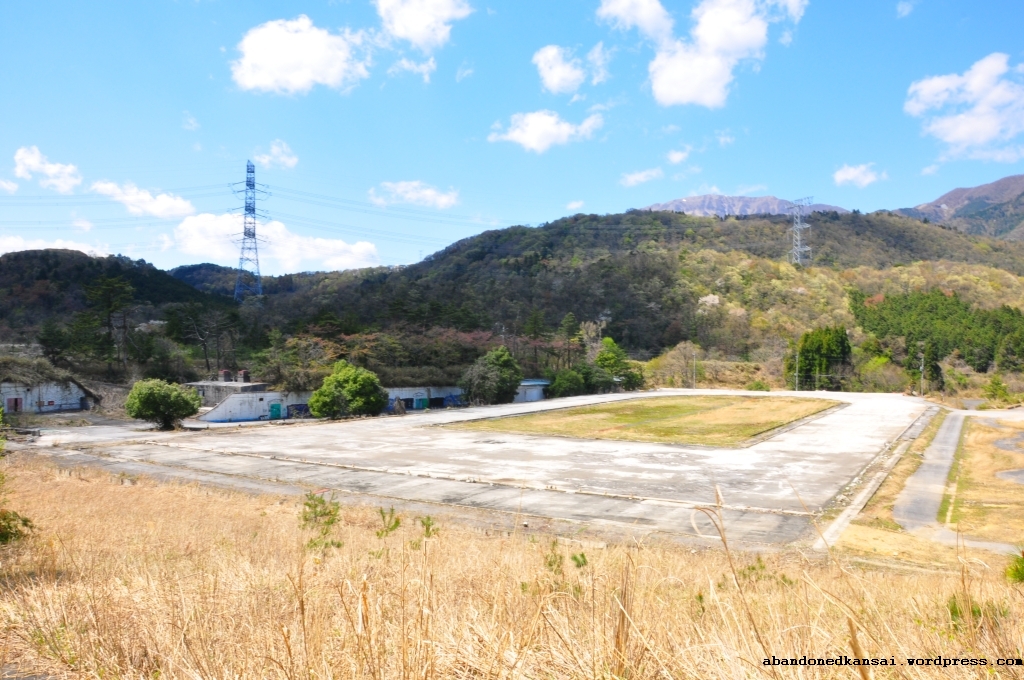
This time I entered SML via the back entrance a bit more down the road that was completely covered by snow last time. And as I assumed three months earlier the main part of the park was indeed inaccessible thanks to the snow masses. Too bad that it really didn’t matter that much since all that was left were concrete foundations. Every building was destroyed, every piece of metal that was cemented into the ground was clipped off and removed – and so was the rubble of the demolished buildings. The only things not broken were a couple of rusty fire extinguishers and two lonely plastic seats way off the main area.
When I got to area I assume once was the parking lot, the part I saw during my first visit, I saw the owners of the car – not security, but four Japanese people in their early 20s. A short, friendly nod and the group went straight to their car and left, leaving me alone to finally really explore what I’ve basically already seen before. This time the “bunkers”, concrete rooms built into the hill, were accessible – no snow and now open doors made it easy to have a look, only to be disappointed once again. Most rooms were empty and the rest was also unspectacular.
Sekigahara Menard Land is gone. Sure, you can still kind of guess a basic layout, but SML isn’t an abandoned or ruined amusement park – it’s a bunch of concrete foundations with a handfull of rusty items lying around. Maybe you will like it if you choose it as your first haikyo ever, but even then I doubt that you would be impressed.
Edit 2010-06-27: When I looked at the two picture sets I found a couple of photos that are quite similar. Time to put up my first comparison posting… to show what kind of a difference three months can make – and here it is: Sekigahara Menard Land – A Comparison.
(Sorry that some of the pictures are terribly bright / not very crisp this time. I shot the whole day with wrong settings without noticing it. At least it perfectly shows how bright of a day it was…)






Posted in Abandoned, Amusement Park, Asia, Chūbu, Demolished, Gifu, Haikyo, Japan, Urbex, Video, Visited in 2010 | Leave a Comment »
Not even six months old my little, thematically very limited blog already got way more attention than I expected. Set up as an easy solution to tell family and friends about my occasional weekend photo trips to abandoned places (without sending huge e-mails all the time) and to complement the Kanto based haikyo blogs it not only drew the interest of quite a few regular readers, but also of an editor from Tokyo Weekender, a bi-weekly local lifestyle magazine published in the oh so far capital of Japan. I was asked some questions a few weeks ago and of course I was happy to give some answers. Now the great article can be read in the latest issue of Tokyo Weekender and also online here. Please check it out if you have a minute – and if Tokyo Weekender was the reason you found this blog: Welcome, I hope you’ll enjoy what you can read and see here!
Posted in AK In Other Media, Urbex | 4 Comments »
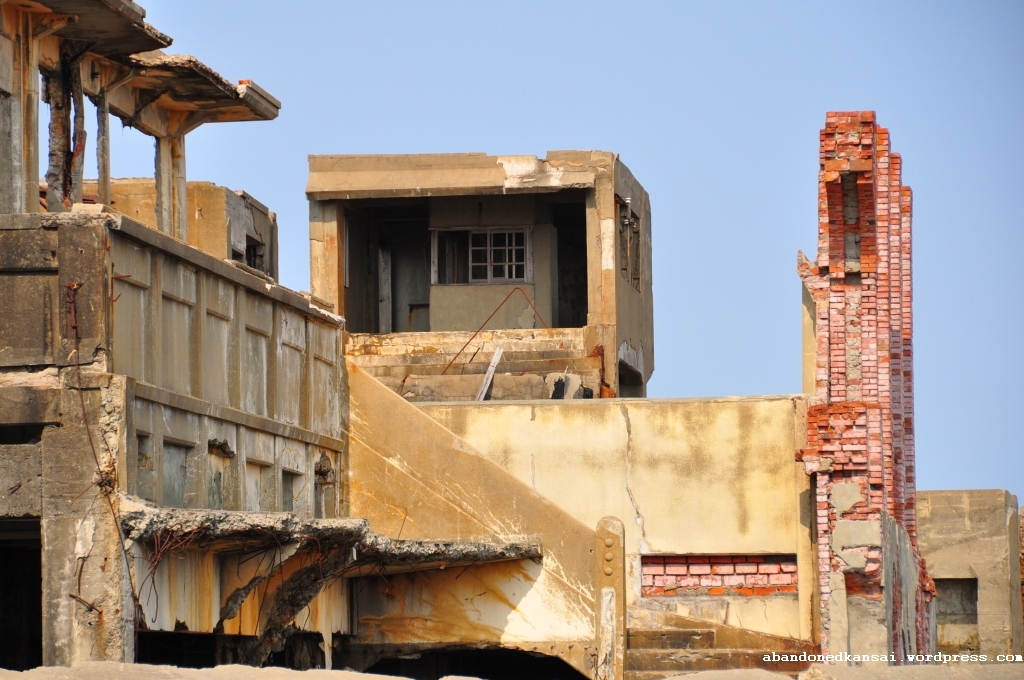
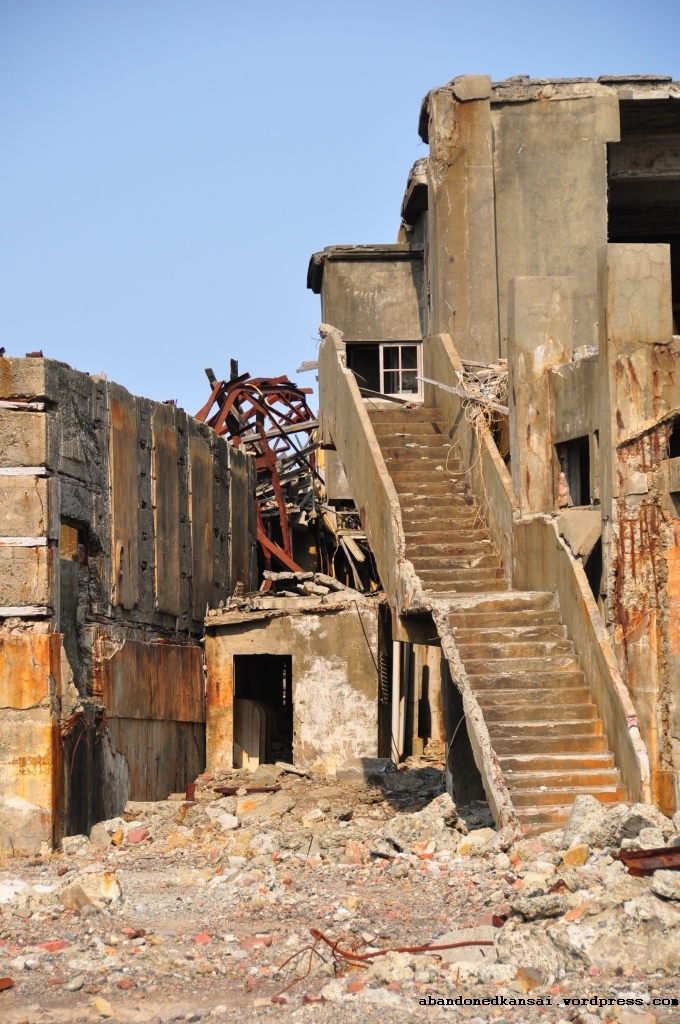
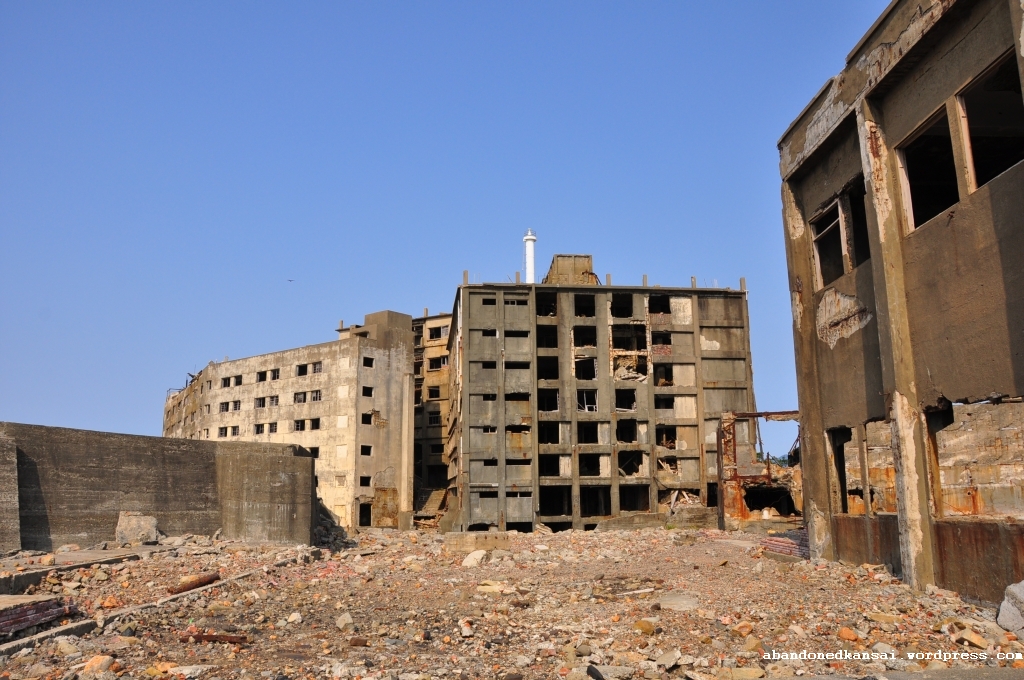
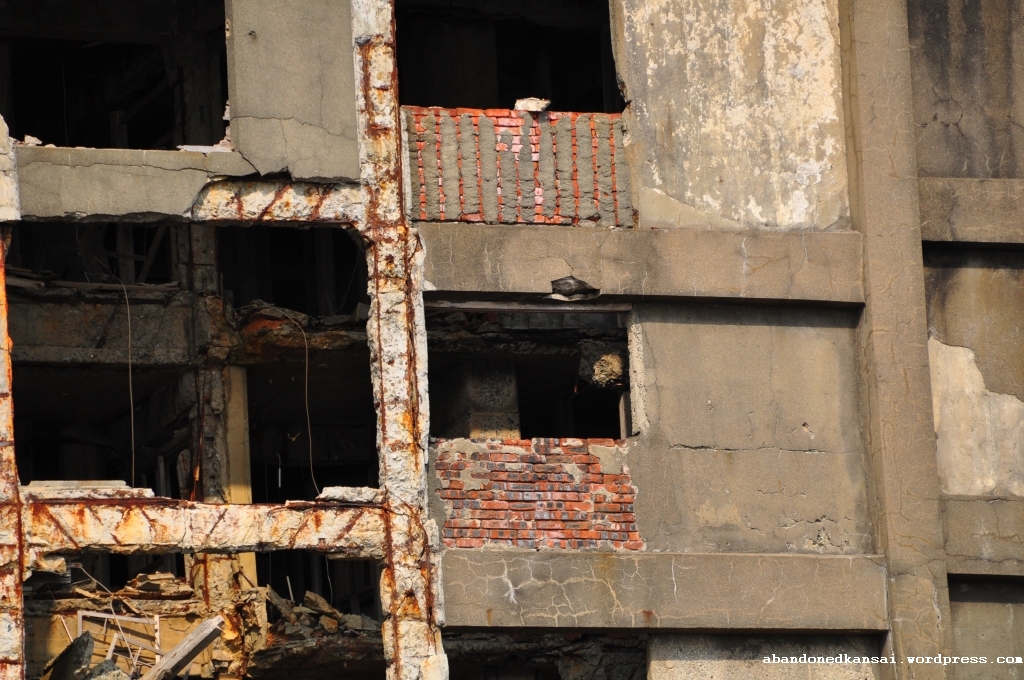
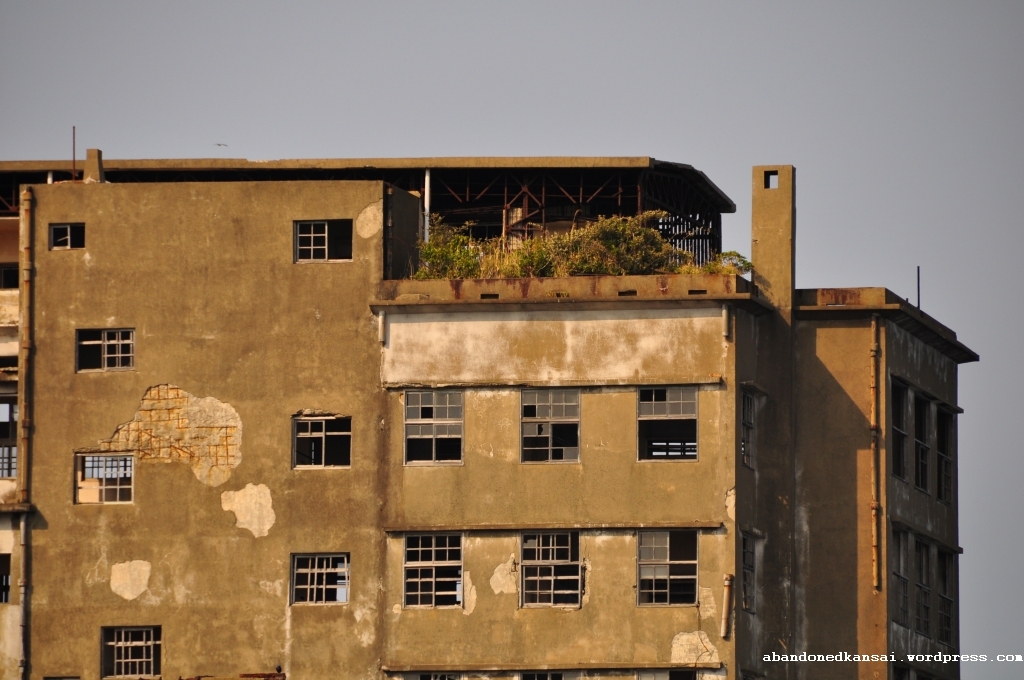
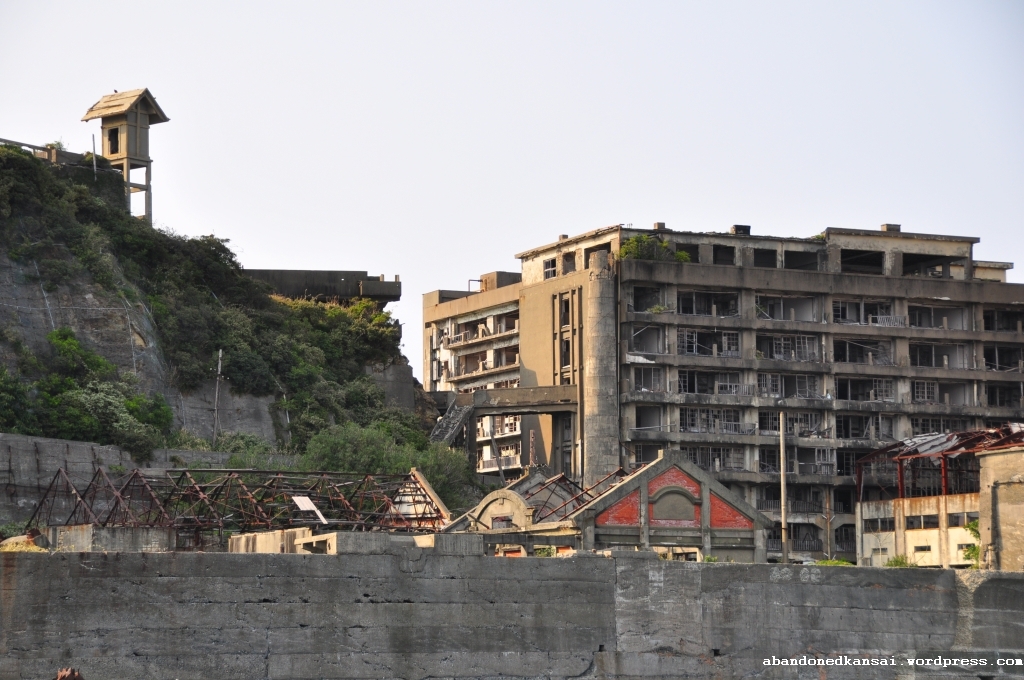
To be honest: I’m still a bit starstruck and have no idea how to begin this little blog entry. So many things have been written about Gunkanjima’s history – some short, some long, so it would be kind of foolish to be Captain Obvious and write another lengthy article about Gunkanjima’s past, although the ex-student of Japanese History in me is very tempted…
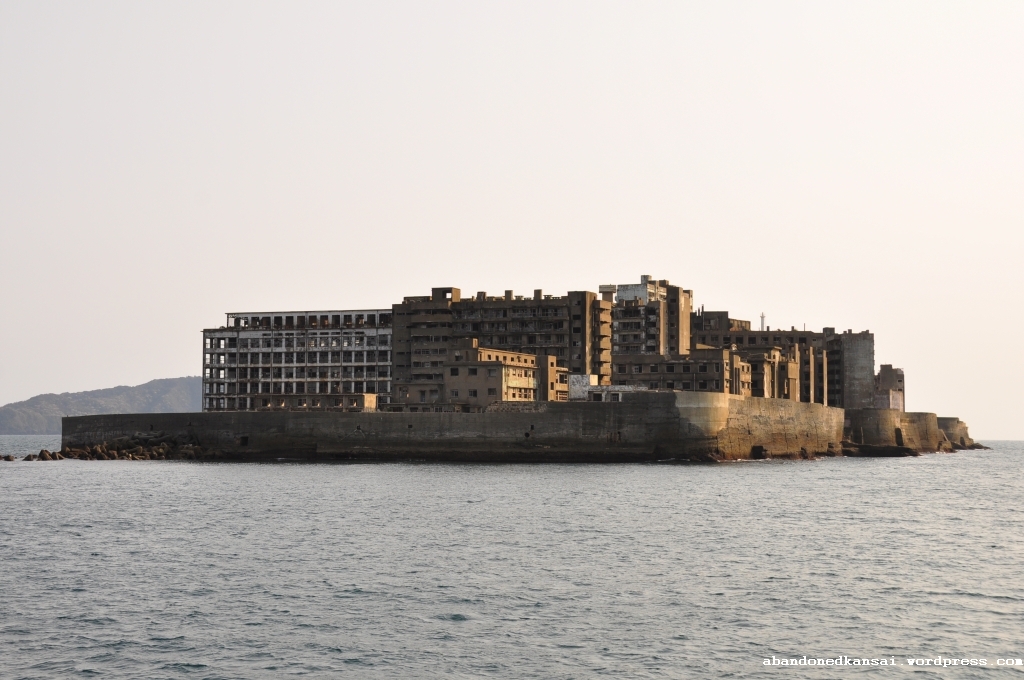
Gunkanjima (“Battleship Island”, thanks to it’s unique silhouette), also known under its original name Hashima and the not so flattering nickname “Ghost Island”, is without a doubt one of the most famous abandoned places in the world (almost on par with locations like Pripyat/Chernobyl) and by far the most well-known haikyo. Although landing on the island was strictly forbidden between 1974 and early 2009 (internet rumors claim that fishermen hired by adventurous people lost their license and foreigners were deported after being sent to jail for 30 days if they were caught – though I didn’t find any proof for those stories) there were exceptions made for film crews (documentary and fiction), professional photographers and scientists. Everybody else had to take a look from the nearby Nagasaki Peninsula or ships passing by Gunkanjima.
On April 22nd 2009 this situation changed – the island was (partly) opened to the public again.
A few years earlier, Mitsubishi (who used Hashima as a coal mine for almost 90 years and constructed all the buildings on the island) donated Gunkanjima to the Japanese state and from 2005 on the city of Nagasaki administered the abandoned island. In the same year the new owner invited journalists to Gunkanjima, bringing it back to the awareness of the public, and announced the reconstruction of a pier and the construction of a visiting zone in the southern part of the island, so tourists can land and have a safe look at the dangerously rotten buildings – entering those is strictly forbidden until this very day.
Although nowadays it is legal and relatively easy to go to Gunkanjima it still isn’t a foolproof thing to do. When Enric and I went to Kyushu in late March of 2010 we made a reservation with the only operator that has permission to land on Hashima, Yamasa Kaiun. For most foreign tourists this is the first hurdle as the homepage is in Japanese only. (The tour itself and the pamphlets they hand out are in Japanese only, too.) When we arrived at the harbor terminal to pick up our tickets we learned that the tour was cancelled. It was a beautiful, sunny day – but they cancelled anyways; the trips surrounding the island (and not landing on it) were also cancelled. You can’t imagine my disappointment as this was the center piece of the whole trip, a boat ride I was looking forward to ever since I’ve heard about Gunkanjima for the first time several years ago. But there was nothing we could do, so we moved on to Sasebo, making a stop at what turned out to be the fascinating Katashima Training School – a blessing in disguise.
The next morning we originally wanted to go to an abandoned coal mine near Sasebo, but Enric convinced me to take a train back to Nagasaki to give it another try; although we didn’t have a reservation and although I knew the tours were completely booked out. We arrived at the harbor terminal just after the first of two boats to Gunkanjima left on a day equally sunny and calm as the one before – and of course they turned us down and tried to send us away. But this time we saw a glimmer of hope and Enric convinced the ticket sales person to give us two spots on the next boat – he claimed (in Japanese) that we had tickets for the day before (which was true) and that I came all the way from Europe to Nagasaki just to see Gunkanjima (which was partly true…) while I put up the saddest face I possibly could – which was never easier although I’m a horrible, horrible actor. They told us to come back two hours later and then indeed gave us tickets: 4000 Yen for the boat ride plus 300 Yen for landing on Gunkanjima. (I followed the updates on the homepage of Yamasa Kaiun: All the tours on the next few days were cancelled. So in the end we were really, really lucky…)
Getting to Gunkanjima takes about 50 minutes by boat and the stay there is strictly organized and supervised. The pier is on the southeast part of the island and from there you pass through a tunnel in the island wall to a long concrete path that includes three gathering areas (the last one on the southwest end of Gunkanjima) where guides tell a bit about the island’s history and you have time to take some pictures. You are not allowed to move freely between the zones (several guards were blocking the path, having an eye on everybody) and of course the path is limited by chest high handrails to prohibit you from leaving the predetermined visiting zone. (Chest high by Japanese standards…) We were lucky to be in the group that started in the gathering area closest to the boat, so on the way back from area No. 3 I was actually able to shoot a video of the whole visiting zone in one shot. (I didn’t include videos so far to this blog, but maybe I’ll put it up in the future…)
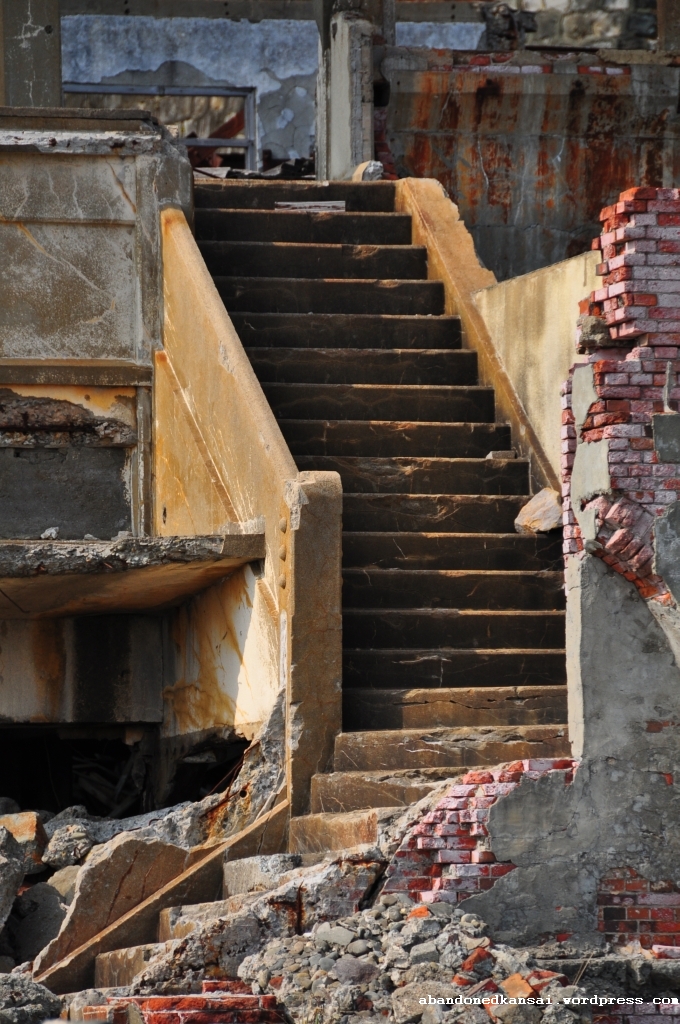
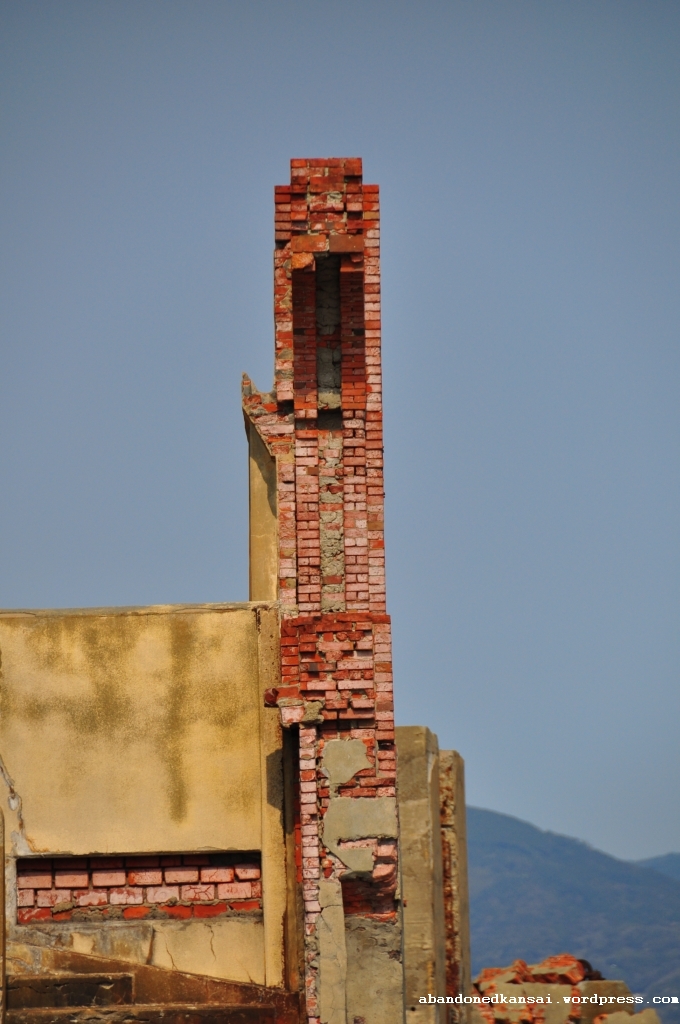
If you know Gunkanjima from internet pictures made by illegal or professional photographers be prepared that you won’t be able to take similar shots as you don’t get even near the interesting buildings like housing, school or hospital – so I highly recommend bringing a good zoom for your camera to catch at least some details. The 200mm end of my lens was okay, but sometimes I wished I could get just a tiny bit closer.
The stay on the island takes about an hour and after the boat leaves, it continues to surround Gunkanjima clockwise, offering good views from pretty much every angle before returning back to Nagasaki.
Visiting Gunkanjima was an emotional rollercoaster, but in the end it was totally worth it! If you wanna go there you better be prepared that the tour you have a reservation for might be cancelled; it happens all the time…
Sure, you are limited to a predetermined path far away from the really interesting parts of Gunkanjima – and other haikyo offer similar views, some might even have more spectacular buildings. But not that many on such a small area, not with that kind of historical background. Therefore the atmosphere on Gunkanjima is absolutely unique, you can almost feel how it must have been to live on that crammed rock off the coast of Nagasaki. Unless you have some people doing wacky poses and spazzing around, having no appreciation for the island and its history. But I guess that’s a side effect we all have to live with when you make a tourist attraction out of a place like that, where 1300 laborers died during World War 2 alone – not a few of them forced workers from Korea and China.










-

- Gunkanjima

Posted in Abandoned, Asia, Factory, Haikyo, Japan, Kyushu, Mine, Nagasaki, Urbex, Video, Visited in 2010 | 15 Comments »
The Kamikaze suicide attacks of World War 2 are without a doubt the most famous manifestation of Japanese fanatism. But hardly anybody knows that the Japanese military generally had a thing for self-destructing soldiers – they blew up their own people not only in airplanes, but in mini-submarines, speed boats and as divers with mines on top of a 5 meter long bamboo stick. Maybe the weirdest weapon of the “Japanese Special Attack Units” were the kaiten, a strange mix of submarine and torpedo. And all of those poor souls were trained in small town in the south of Japan.
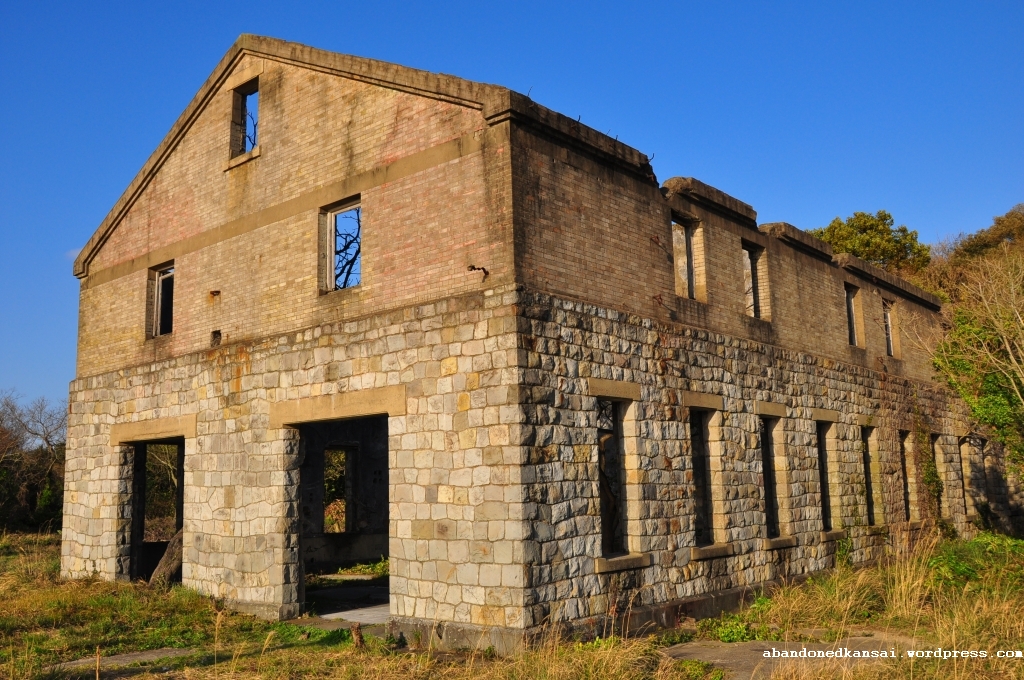
In 1944 the Japanese Navy moved their special training school from Yokosuka (of Shenmue-fame) to the Kyushu countryside – there they set up squadrons for shinyo (“sea quake” – explosive speedboats), kaiten (“change the world” – manned torpedos), koryu (“sea dragon” – mini-submarines) and fukuryu (“crouching dragon” – frogmen). The remains of that training school, including an observation tower and a launching platform for the different vehicles can still be found at a northern shore of Omura Bay.
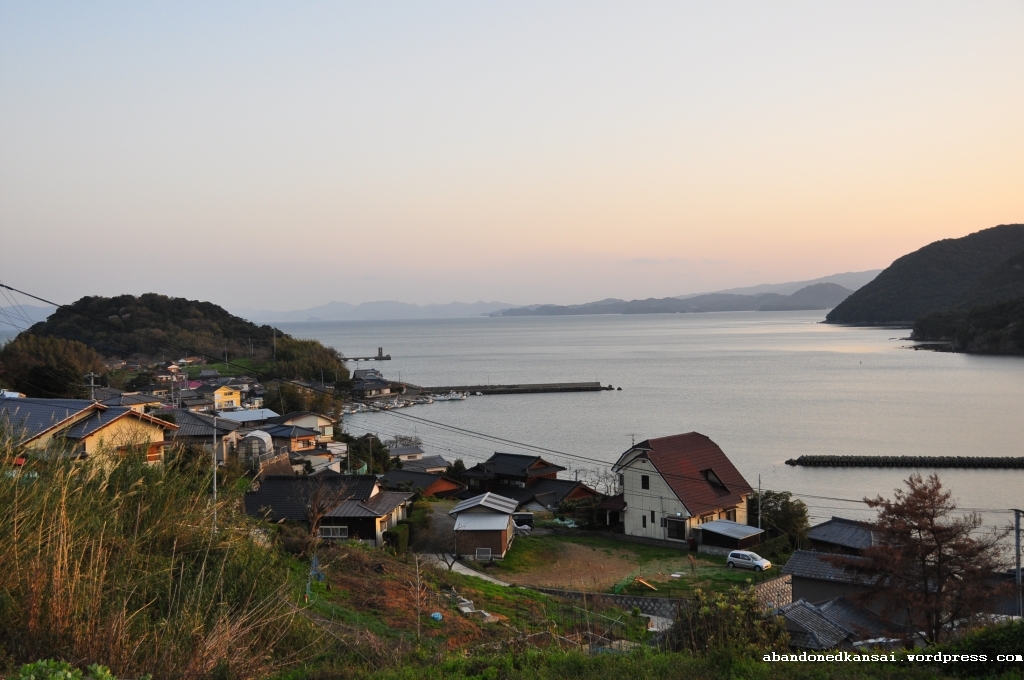
Arriving at the train station closest to the Training School you would never expect an institution like that in the area – the surrounding is picture book countryside, a great place to go for a summer vacation. Located at the tip of a peninsula you have to walk down a small mountain (well, more like a hill) with some beautiful gardens. Except for the one where the owner took the term “scarecrow” too literal and hung up a dead crow to scare away its fellow species.
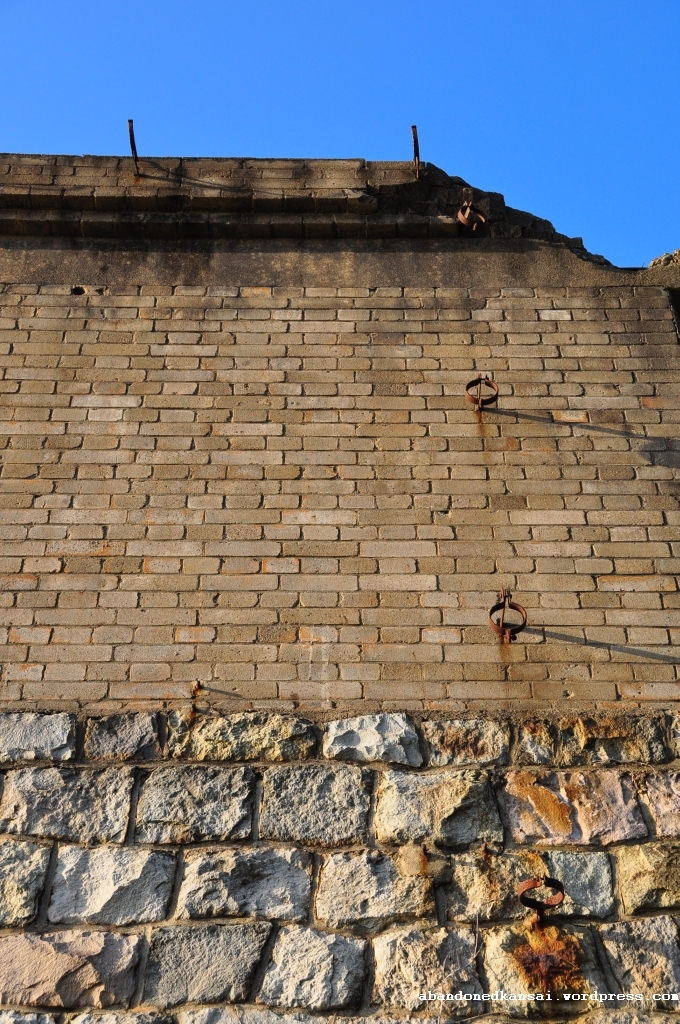
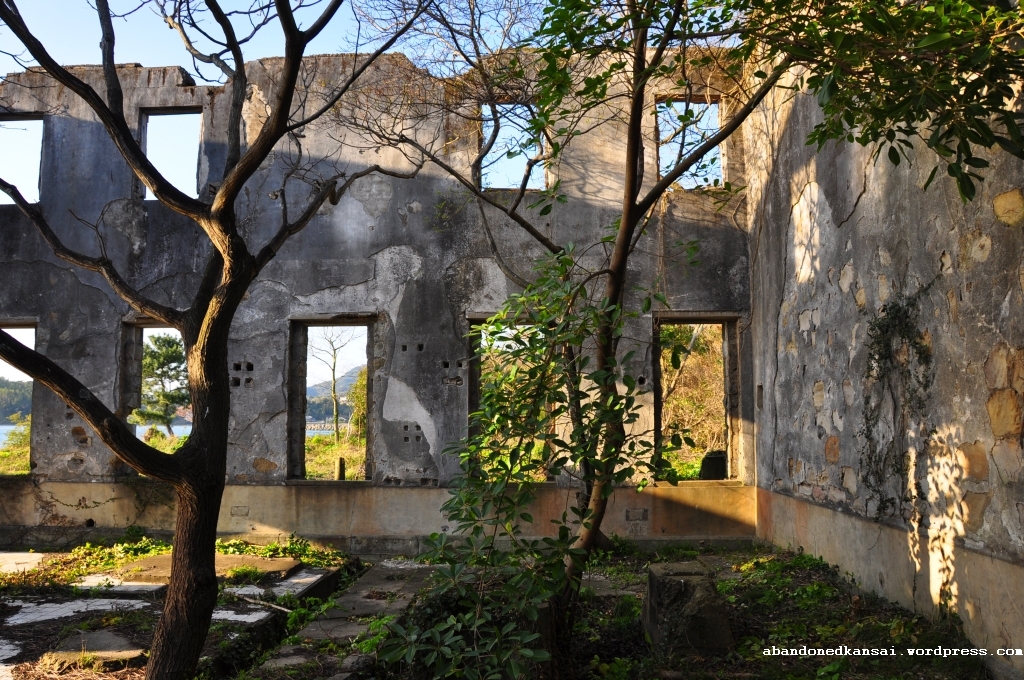
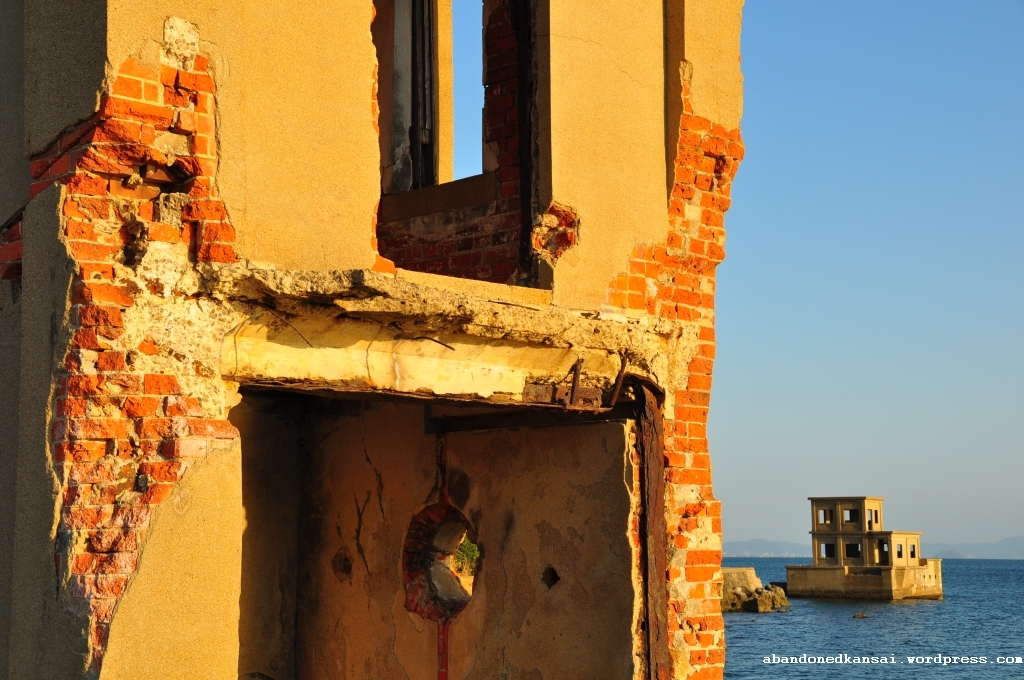
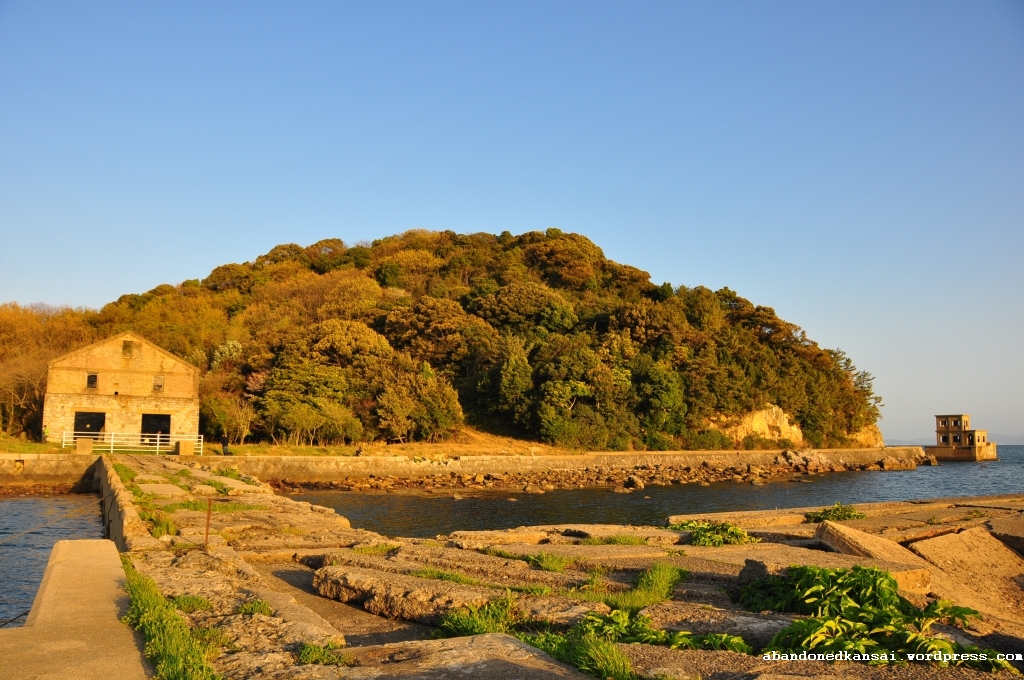
After passing through a small fishing village we (like I mentioned in earlier postings: haikyo trip with Enric) reached the remains of the school – one rather big building without a roof, with a smaller, overgrown one next to it. Right in front of main building the already mentioned bridge lead into the lake to a launching platform for the vehicles that were the school’s main subject. Further along the coast and a few meters into the lake, once connected by a metal bridge, was a still standing observation tower.
Coming closer I realized that we weren’t the only people there: Two (female) cosplayers and a photographer were in the back of the main building, a fellow haikyoist was shooting the front from the outside – later on two or three more haikyoists joined us; seems like the location isn’t really a secret…
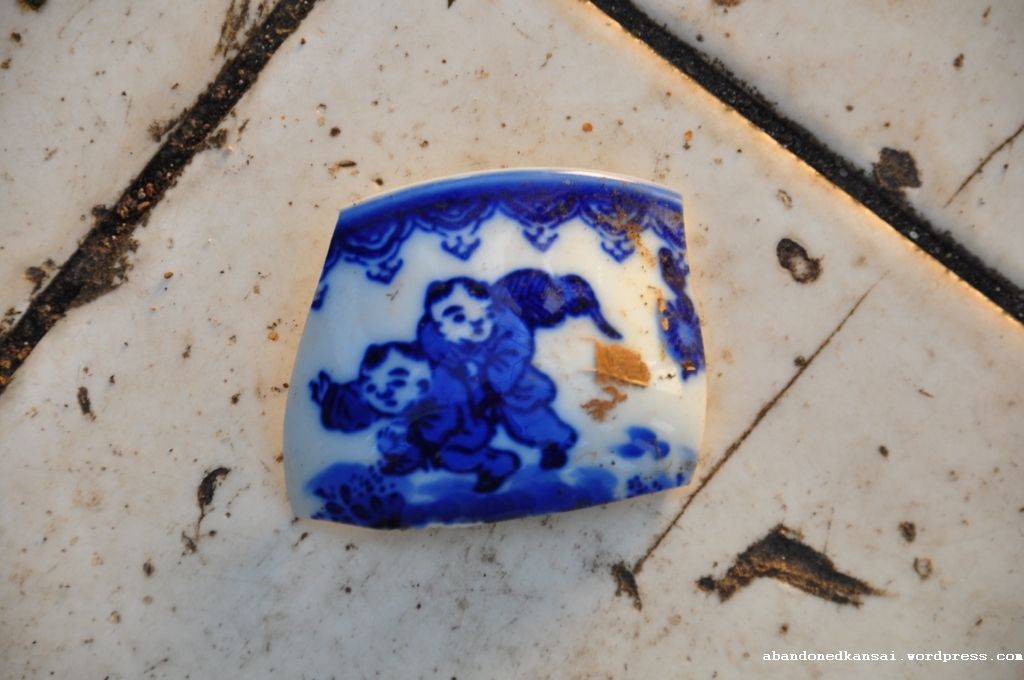
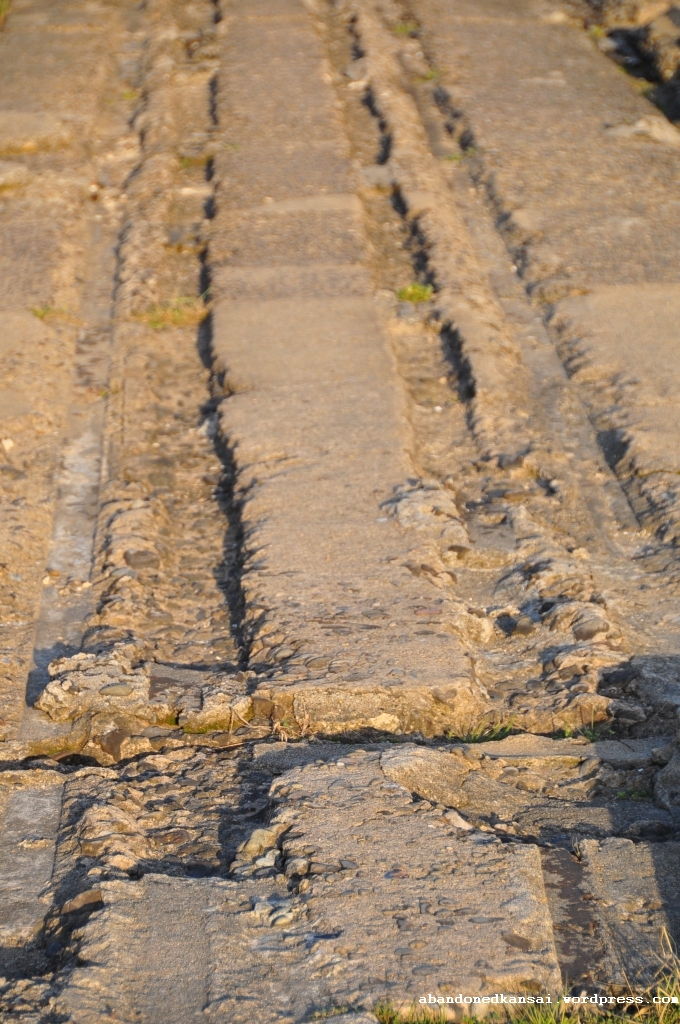
The Training School must have been a lot bigger when opened in 1944 – there were foundations and wall remains on both sides of the main building, indicating a much bigger complex. The remaining building had some pits in the ground and two rather big doors with a track once leading right onto the bridge, so I guess it’s safe to assume that it was used to repair and / or store the different kinds of vehicles. The school itself as well as the accommodations for the staff and soldiers must have been someplace else. Sadly only the walls remained, some of them with leftover fixtures for rainwater gutters and things like that; the same applied for the other remaining structures, too. Enric found a shard somewhere – of course I can’t say for sure that it was from the time the Training School was in use, but I took a picture anyways as I like (broken) items from daily life.
When choosing the Training School as a place to go to I mainly did it because it was located on the way between the two main attractions of the Kyushu trip (one of the two we had to cancel thanks to scheduling conflicts – more about that in the next blog entry…). The pictures I’ve seen on several Japanese sites weren’t that spectacular, but it was on our way, so why not have a quick stop and take a few pictures? Initially we wanted to go there the previous day, but in the end I was glad we didn’t. The weather was nasty that day and I’m sure I would have felt miserable and the pictures would have been quite dull. Instead we went a day later and while the weather still wasn’t good enough to go to Gunkanjima (the boat trip was cancelled – but we made it there the next day, so not much harm was done in the end… you will be able to read all about that in the next blog entry) it was absolutely gorgeous for a photo shoot. A cold, bright, windy day at first the whole place was flooded with warm light when the sun went down…
(*Like Abandoned Kansai on Facebook* if you don’t want to miss the latest articles and exclusive content – and subscribe to the *video channel on Youtube* to receive a message right after a new video is online…)





Posted in Abandoned, Asia, Haikyo, Japan, Kyushu, Military, Nagasaki, School, Urbex, Video, Visited in 2010 | 6 Comments »
The first *haikyo* stop on *my recent Kyushu trip* is one of the internet favorites: The Vertical Shaft of the Shime Coal Mine.
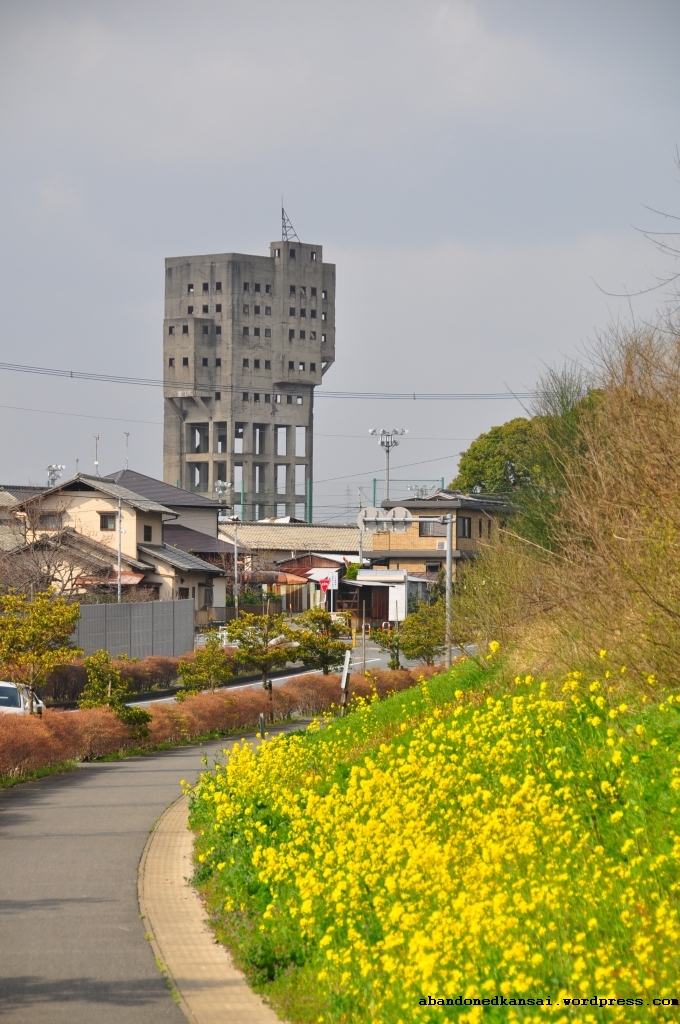
Easy to spot from long distances this 47.65 meters high tower was finished in 1943 as the center of a coal mine that opened in 1889 and closed in 1964. But that’s not the only reason why the place is on virtually every haikyo homepage: It’s easy to access by public transportation and even easier by car. In fact there is a soccer field and a children’s playground right next to it. But that’s not all: Since December 8th 2009 it is considered an “important cultural property” by the Japanese state – so they fenced it off and put up some lights as if it was a 400 year old cathedral, so you can enjoy the view around the clock; you can even find the address and coordinations of the shaft on the Japanese Wikipedia. Right now they are putting up fences around two or three other remains of the mine and they planted some cherry trees to create a park surrounding. Haikyo for the whole family with no entrance fee – but nothing else either, not even a photography challenge. The construction itself is quite unique, but other than that it feels kind of dull, nothing anybody would (or should) spend more than 15 minutes on…
(EDIT 2011-04-02: To all the visitors coming from Reddit – thanks for stopping by; and thanks to bakerybob for linking this blog! Since you seem to like zombies, please have a look at the *Hospital #126 in Pripyat* and my *Nara Dreamland Special*. Both won’t make good zombie fortresses, but they would be perfect as settings for zombie movies! And there will be more “zombie style” locations soon, so please don’t forget about this blog in the future… maybe by *following me on Twitter* or / and *on Facebook*?
EDIT 2011-04-04: Since the discussion on Reddit turned into a full-grown meme now known as the “Anti-Zombie Fortress” meme I decided to add a short video clip I took when visiting the mine. It’s nothing special at all – I just put it up since so many people are interested in the topic right now… For more interesting videos, all in 720p, *please click here*.
EDIT 2013-09-17: *Yesterday I revisited the Anti-Zombie Fortress…*)


Posted in Abandoned, Asia, Fukuoka, Haikyo, Japan, Kyushu, Mine, Urbex, Video, Visited in 2010, Zombies | 19 Comments »
Abandoned Kansai on Facebook
-
Join 5,100 other subscribers
Pages
Archives
Categories
Recent Comments
Ja Ni on Hahn Air Base (Flughafen … Gred Cz on Sakura Car Shop Sue on Sakura Car Shop Gred Cz on Mie Minshuku Matauia vainetutai M… on Nara Dreamland – Frequen… Emily on Mie Minshuku Gred Cz on Kitakitsune Farm (Non-Urbex) Seyeon Park on North Korea Revisited: Ep… Florian / Abandoned… on Green Plaza Akakura Florian / Abandoned… on Green Plaza Akakura


 Abandoned Kansai