Almost 15 years passed between my first abandoned shipyard in Japan and the second one. That’s a really long time, considering that Japan is an island nation with a huge shipbuilding industry! And those places couldn’t have been more different…
My first solo trip to Kyushu is one I have very fond memories of as it included an exploration of the *Kawaminami Shipyard* as well as a day trip to *Ikeshima*, virtually unknown back then. Now the management of every overseas urbex tourist is sending their “L@@K what I found BY CHANCE” clients there as it is one of the low hanging fruits; you know, like *Kinugawa Onsen* and *Kejonuma Leisure Land* (those photos are from 2014, a few years before it became a tourist attraction…) The Kawaminami Shipyard was a really interesting exploration, despite being one of the more touristy urbex spots of its time. Mainly because it was used to build kaiten during World War 2 – basically the underwater version of kamikaze bombers; one-man suicide torpedoes.
No such reports about the Kochi Shipyard, which dates back to the year 1900. Commercial shipbuilding and repair only. And while the Kawaminami Shipyard went bankrupt for good in 1955, the Kochi Shipyard stopped all activities in spring of 1961 – only to be re-founded in summer of 1961 after being restructured by a company from Kobe. 25 years later, in September 1986, the shipyard closed for good. After about 20 years of decay the staff accommodations were demolished in 2013, followed by most of the factory site in 2018. In spring of 2024 yours truly showed up finally have a look; fashionably later, but better than never…
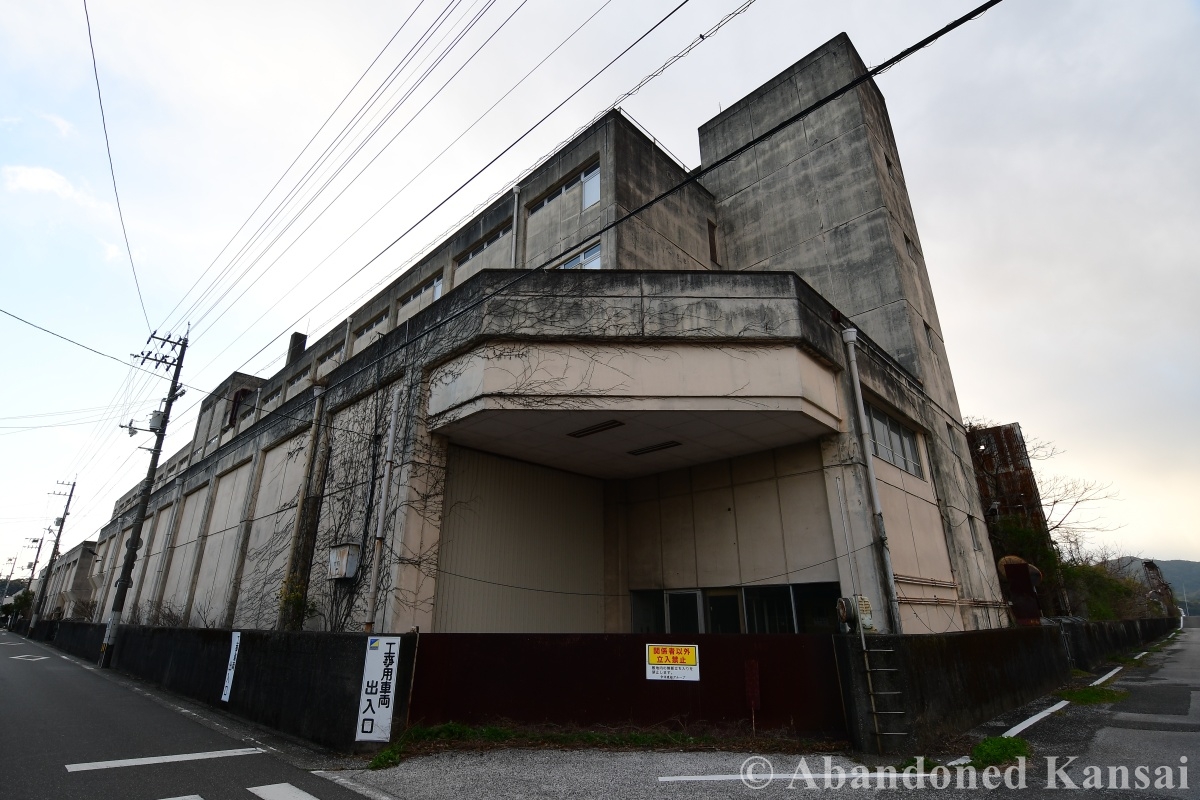
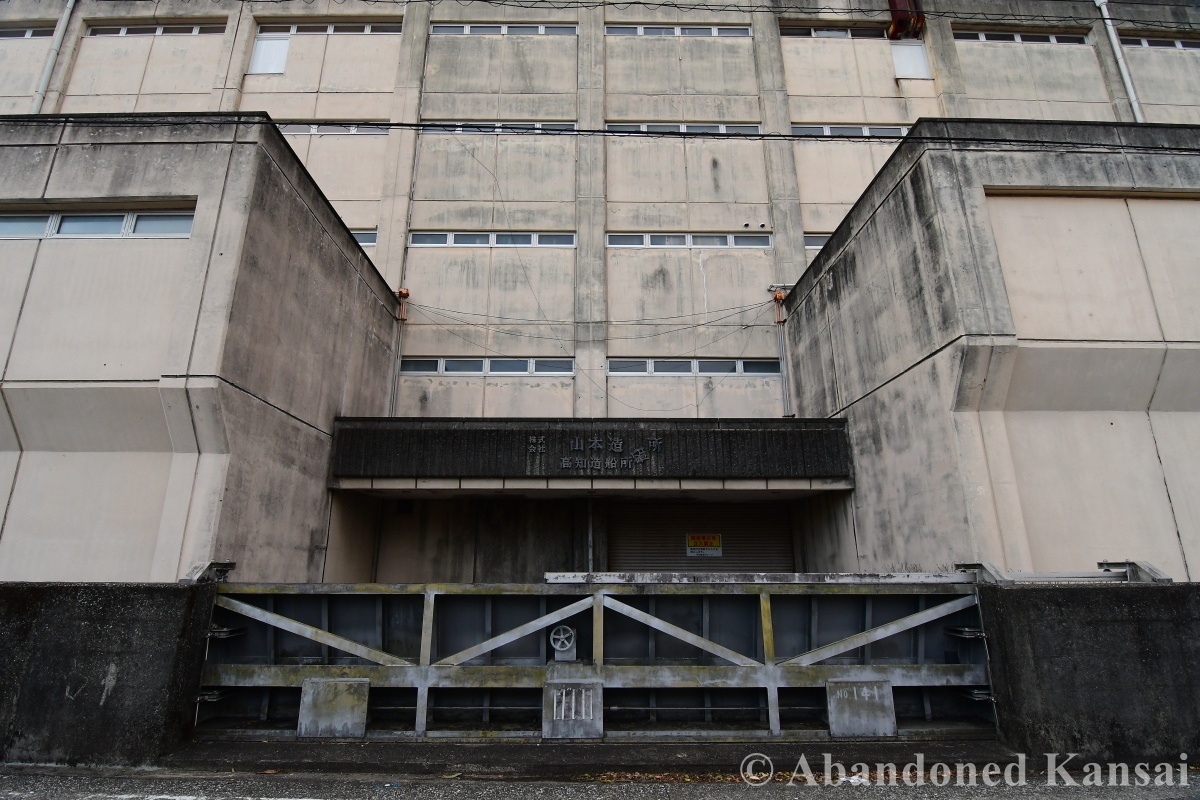
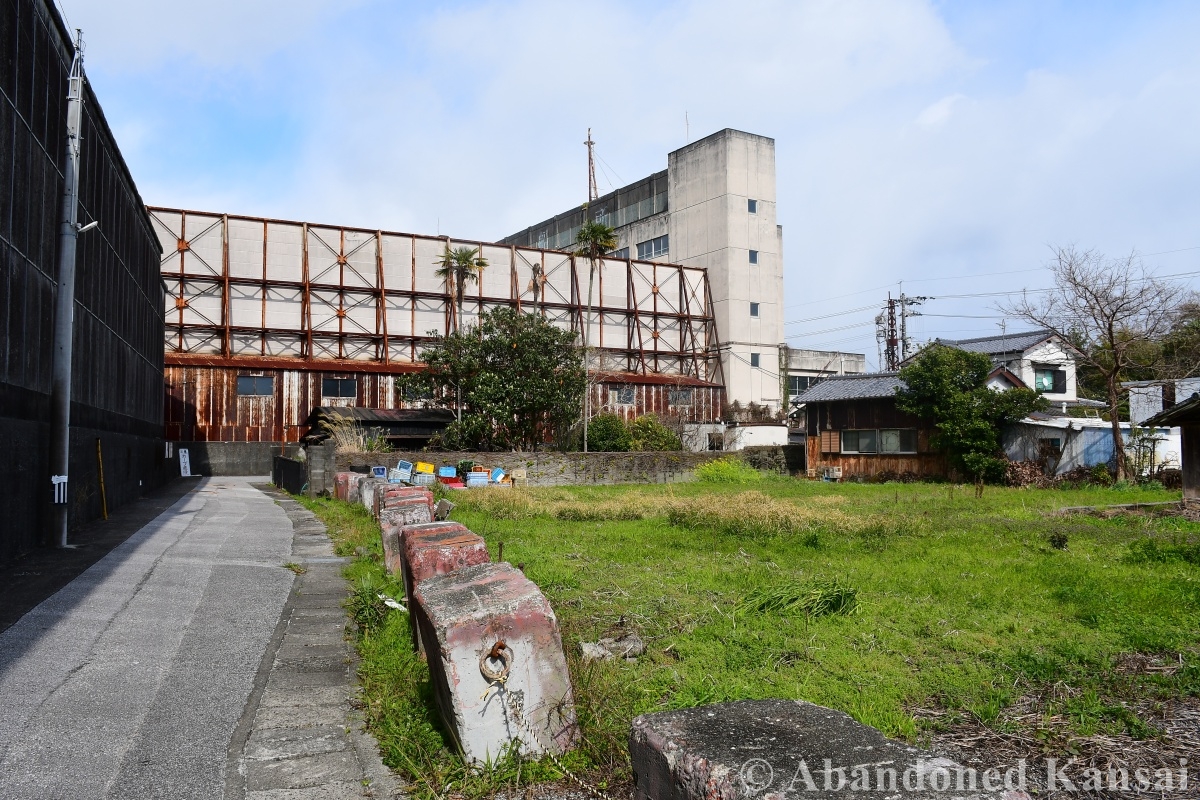
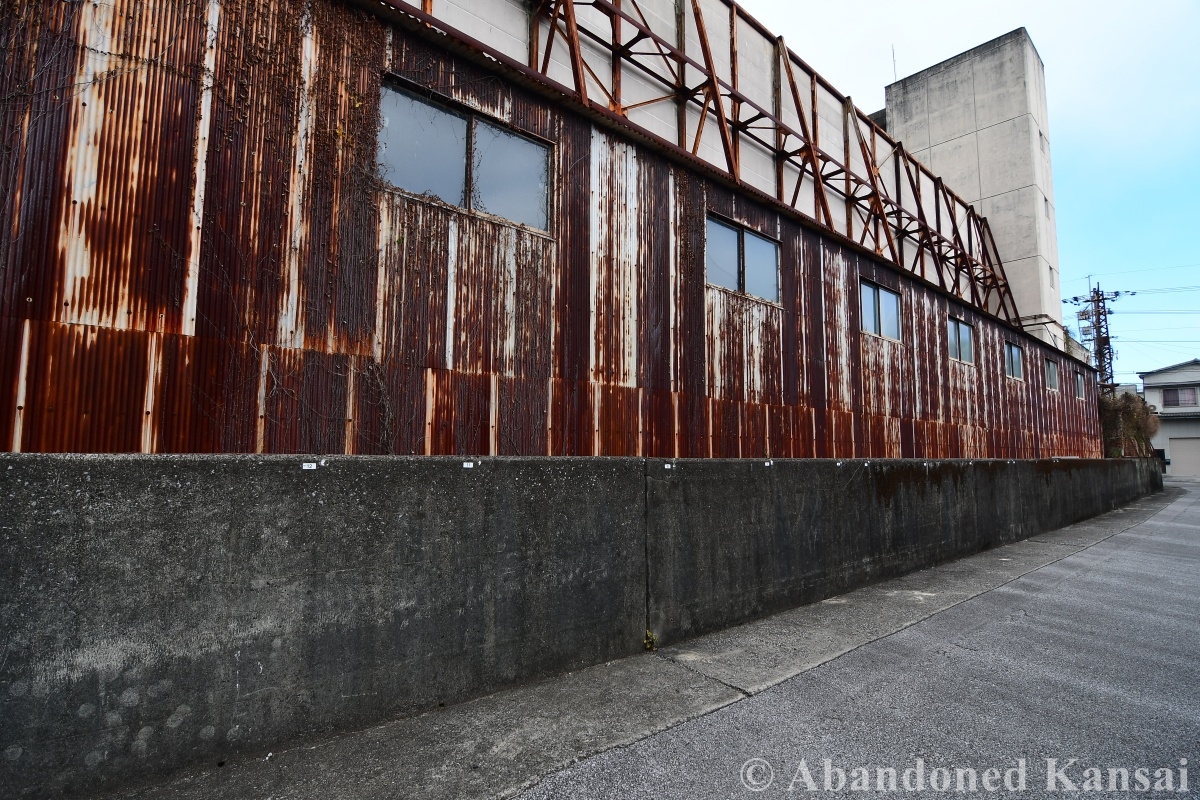
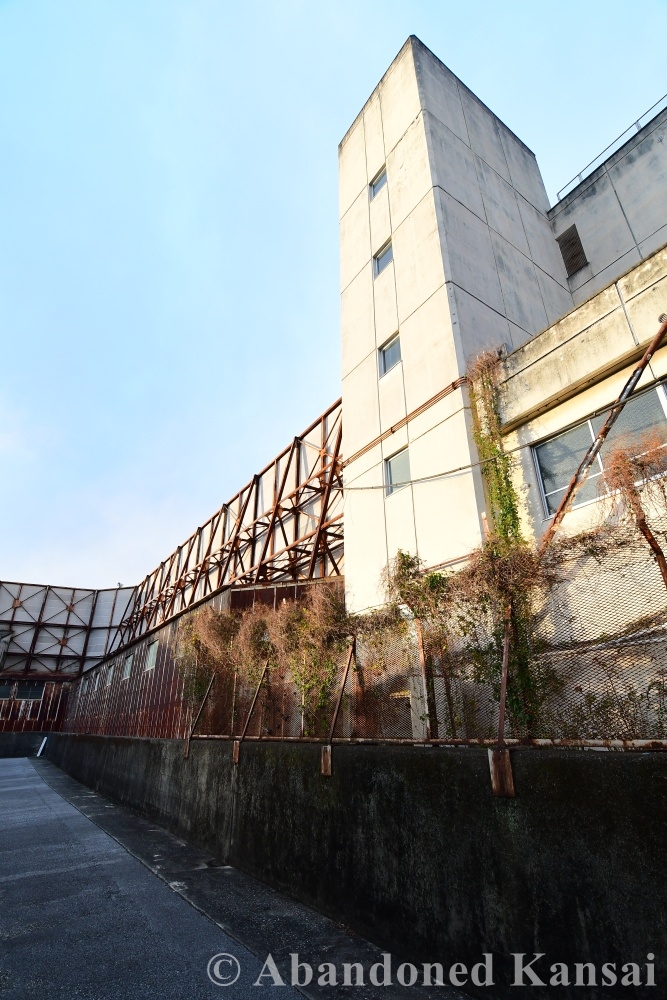
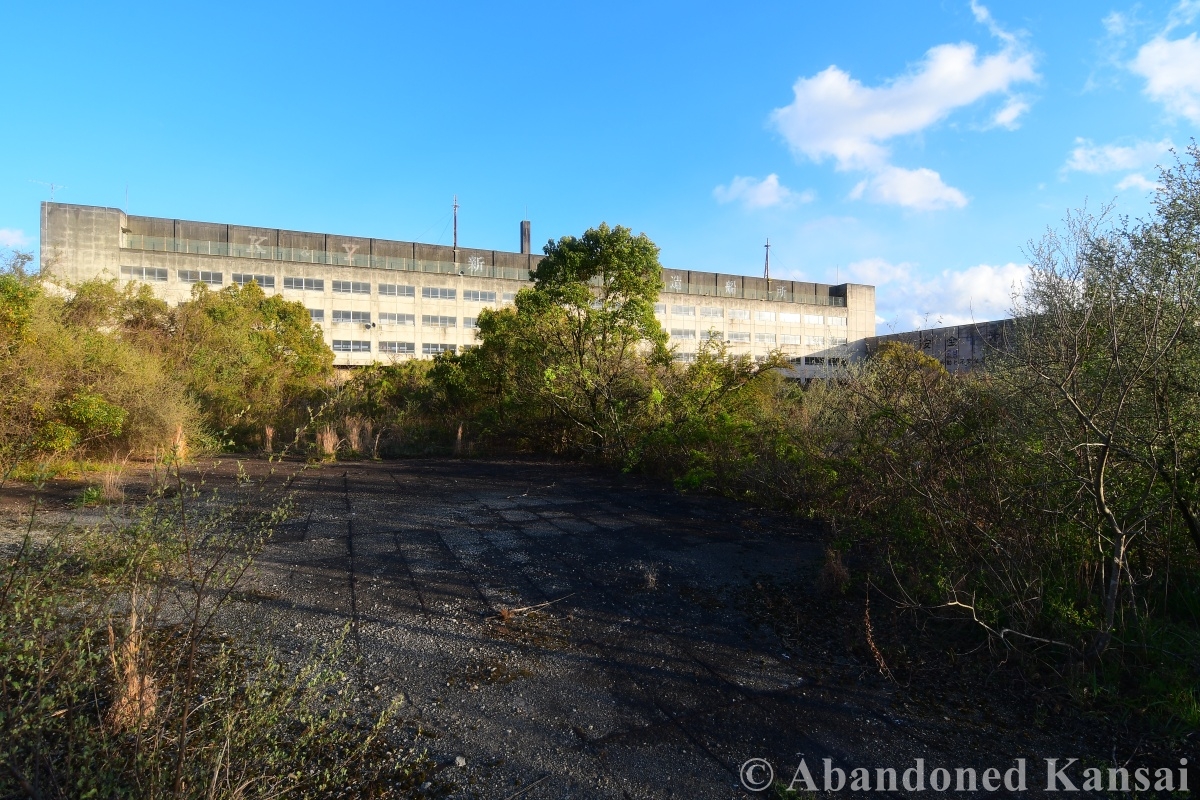
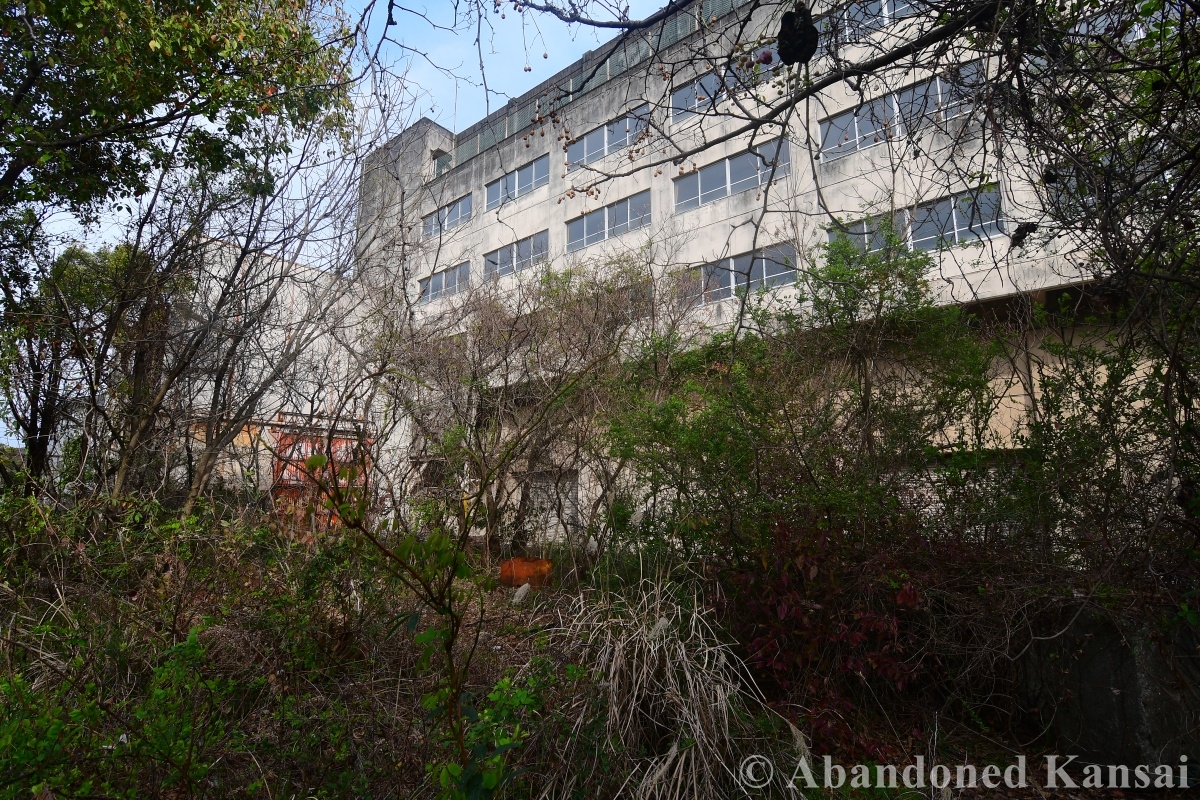
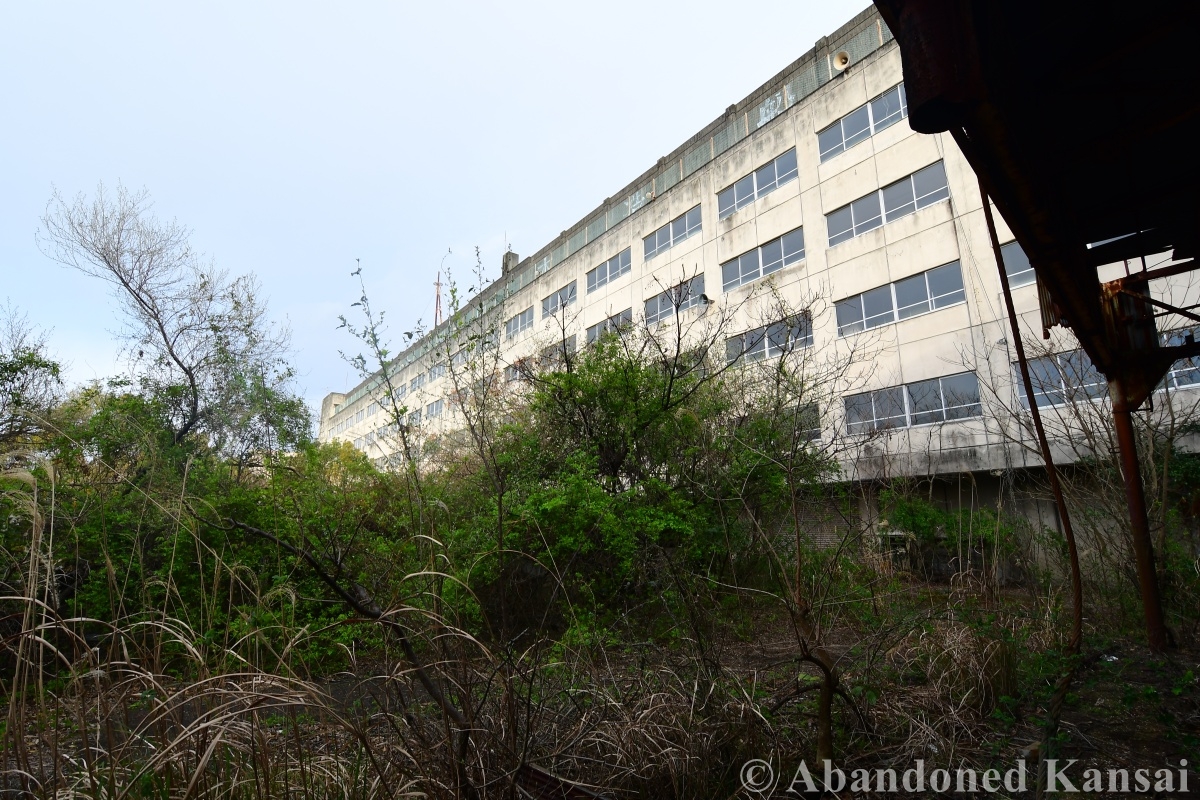
At first sight, the Kochi Shipyard looked like a dystopian nightmare. The former administrative building was 110 meters long, four storeys high (plus signage on the roof!), and just massive; like an outbuilding of the Ministry of Love from Orwell’s Nineteen Eighty-Four. Including some smaller building attached, the whole thing stretched to about 200 meters in total with only a few access points, all featuring the usual “Do not enter!” signs. Not to mention the concrete wall and the included massive metal floodgates. Part of me was really excited about the look of the place, part of me was devastated that it turned out to be an impregnable fortress.
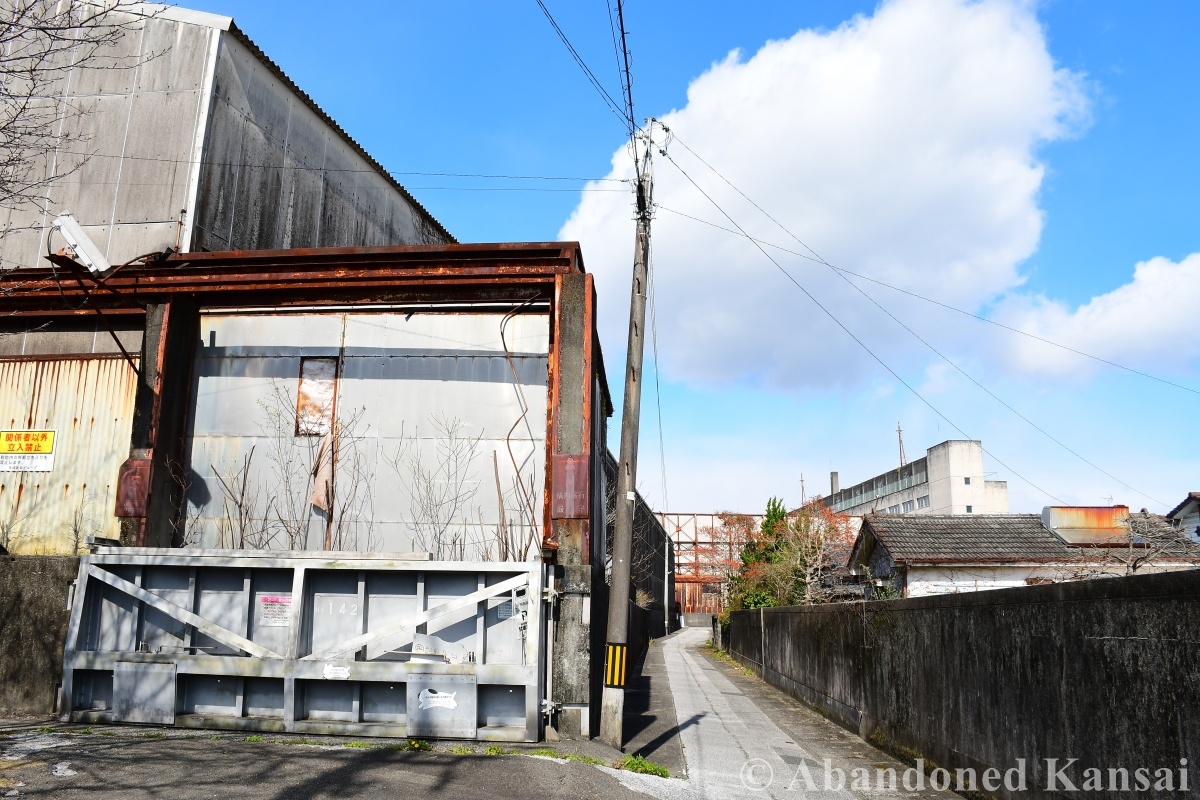
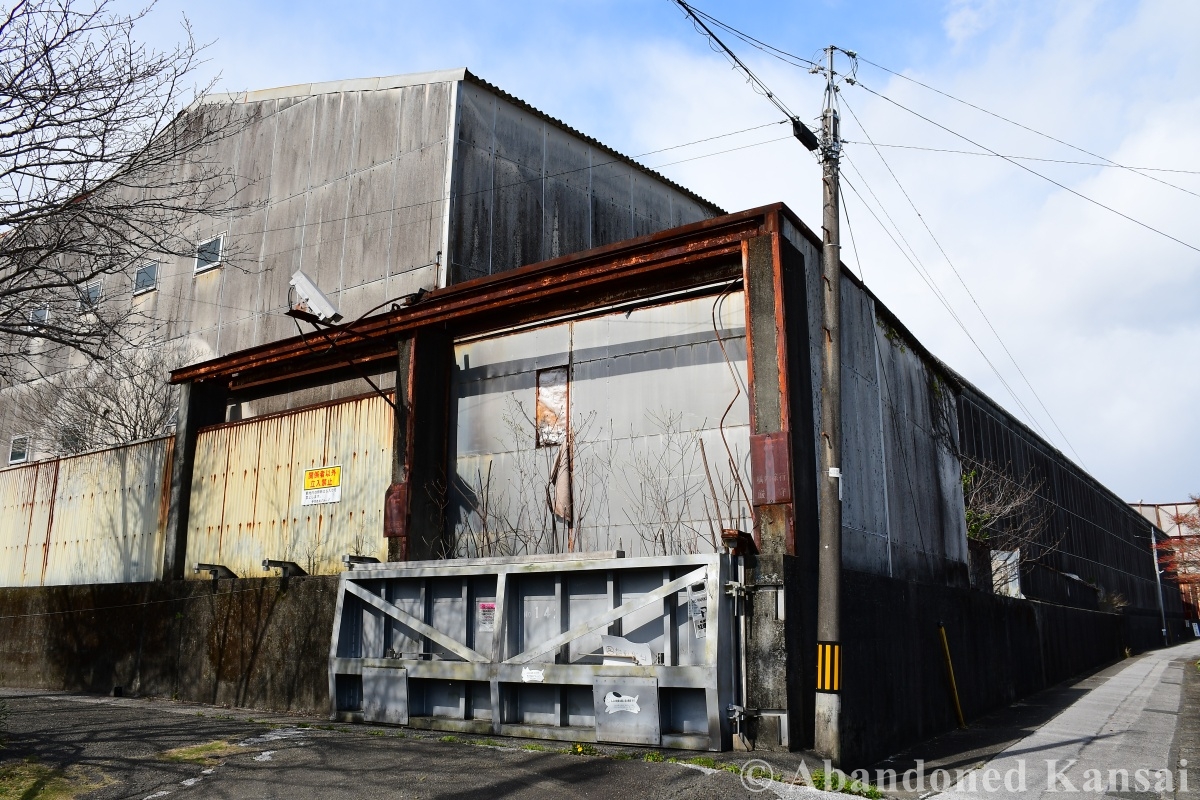
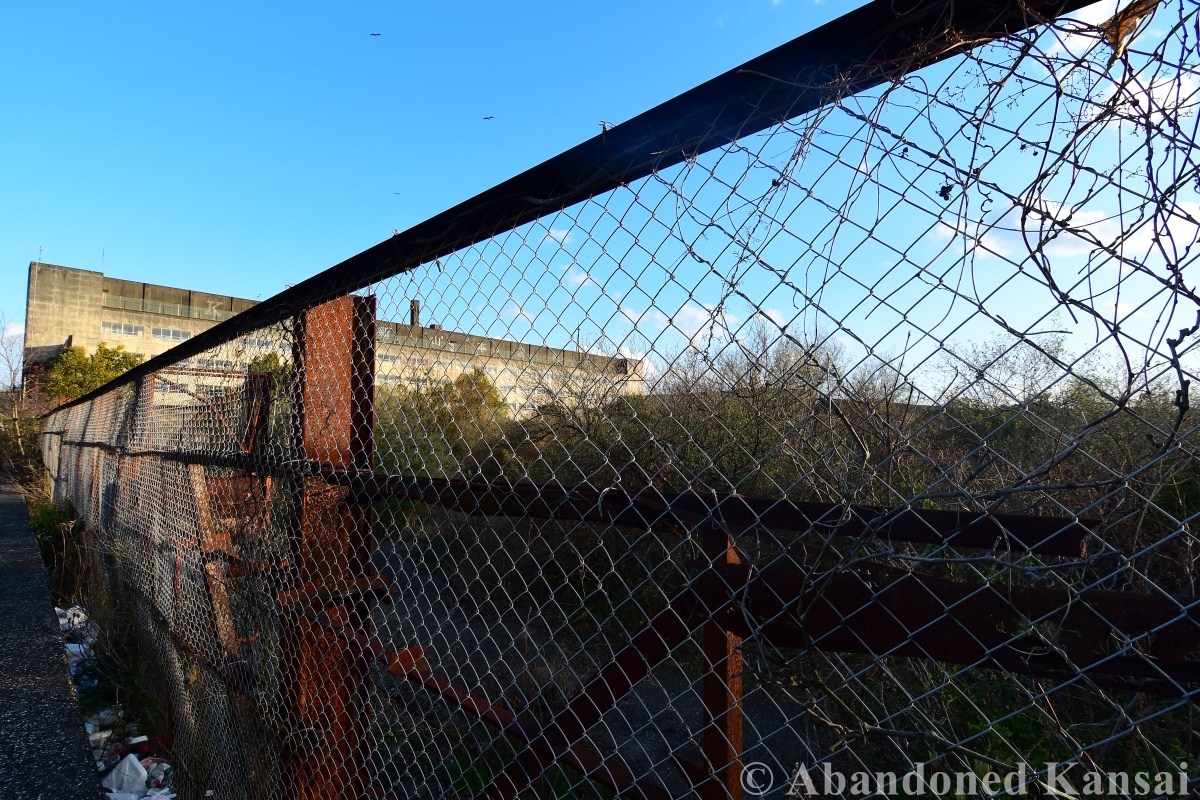
10 minutes before my bus was scheduled to leave, I decided to have a quick look at the waterfront and maybe get a quick shot of the back of the building, despite the large fence. Towards the end of it, the road leading there was elevated to get over another one of those concrete walls with floodgates… and there it was: A hole in the fence, below street level and therefore out of sight of the main road. All the time I spent on the outskirts of the shipyard, being frustrated that there was no way in – and there it was, the way in! There also was a bit of activity on some of the boats, including a small yacht, so I was hesitant at first, but… it had been a really long time since I’ve explored an abandoned shipyard – and who knows if I would ever get an opportunity again, so I squeezed myself through the hole and past the thorny scrubs.
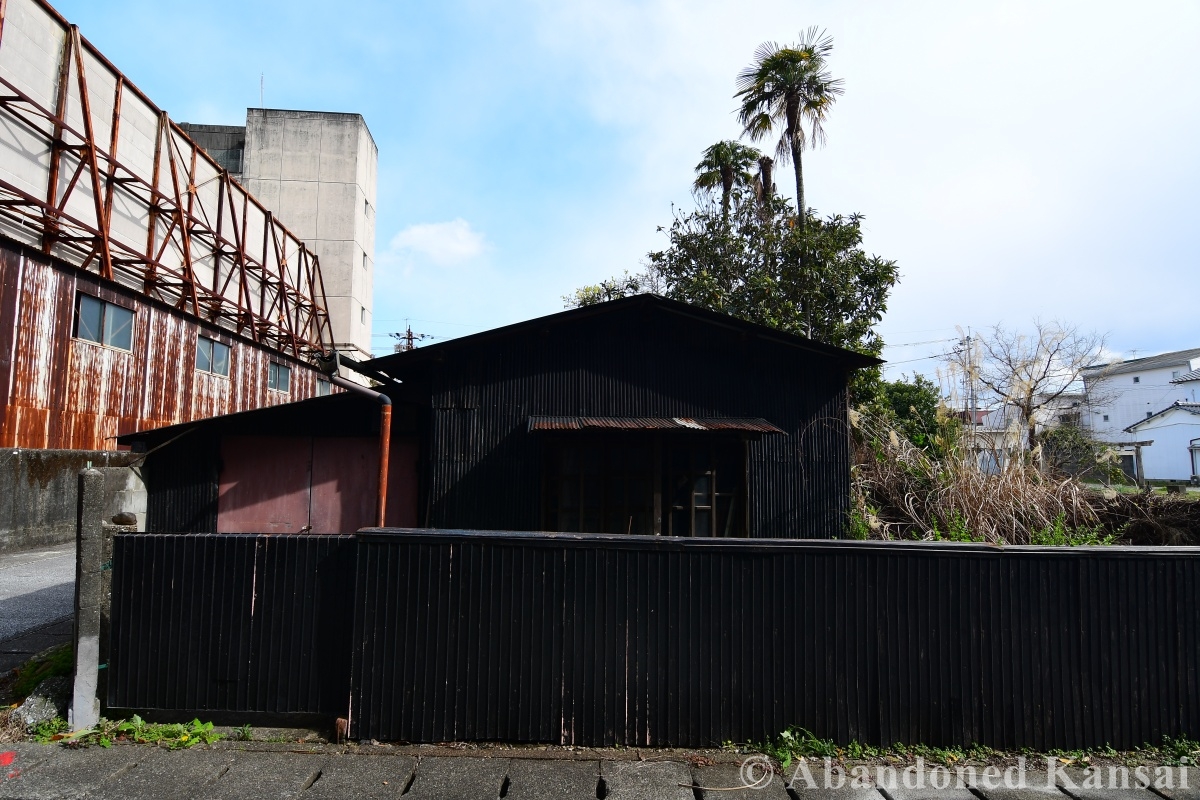
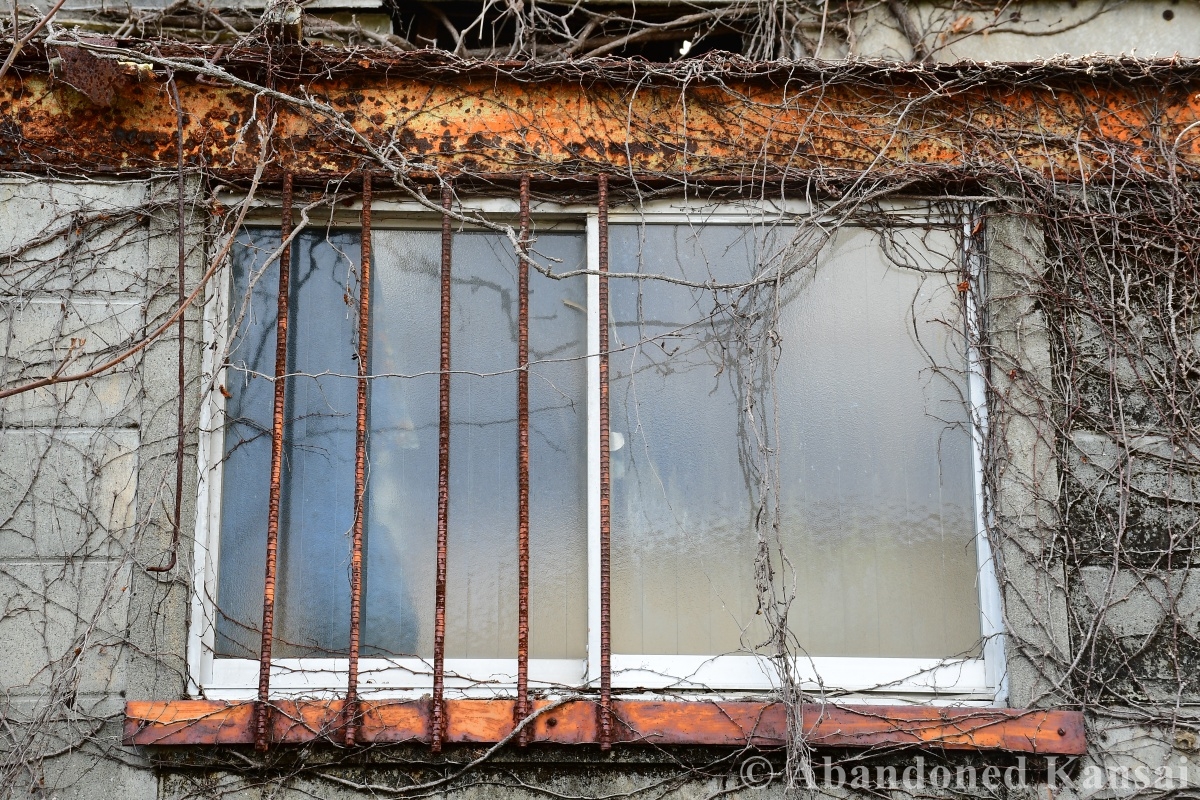
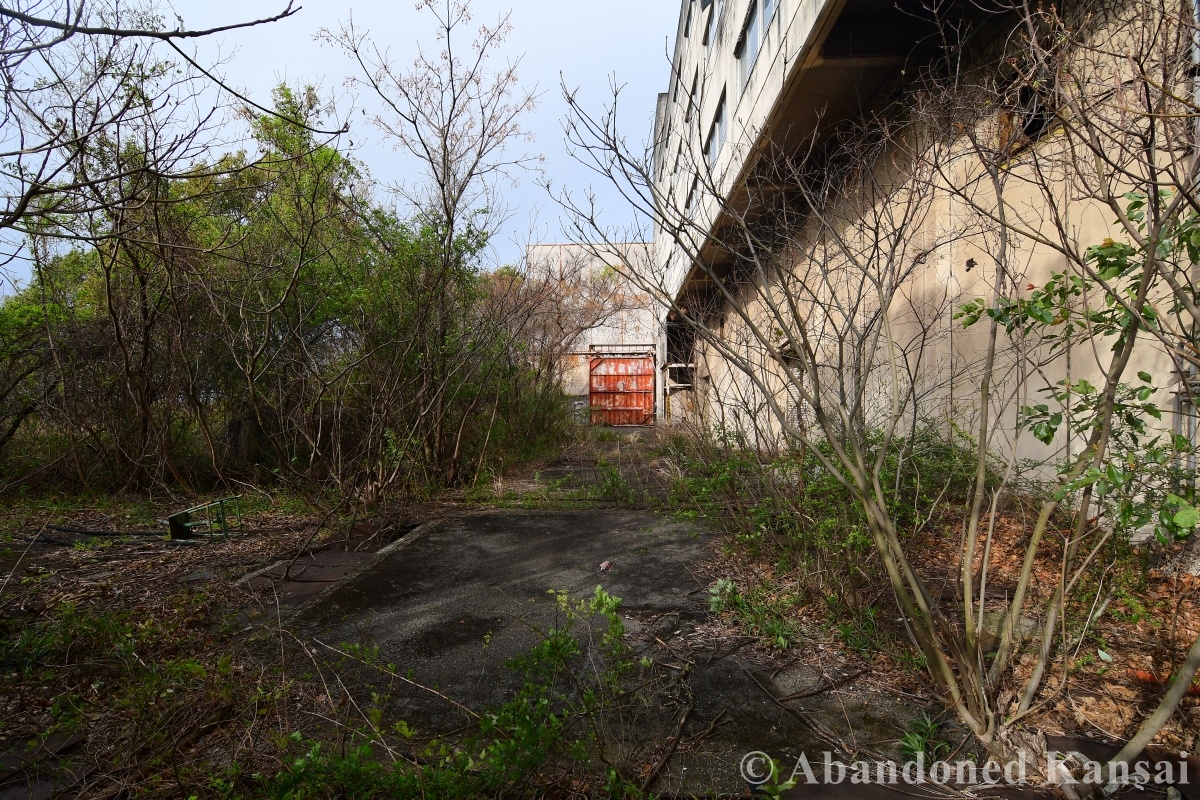
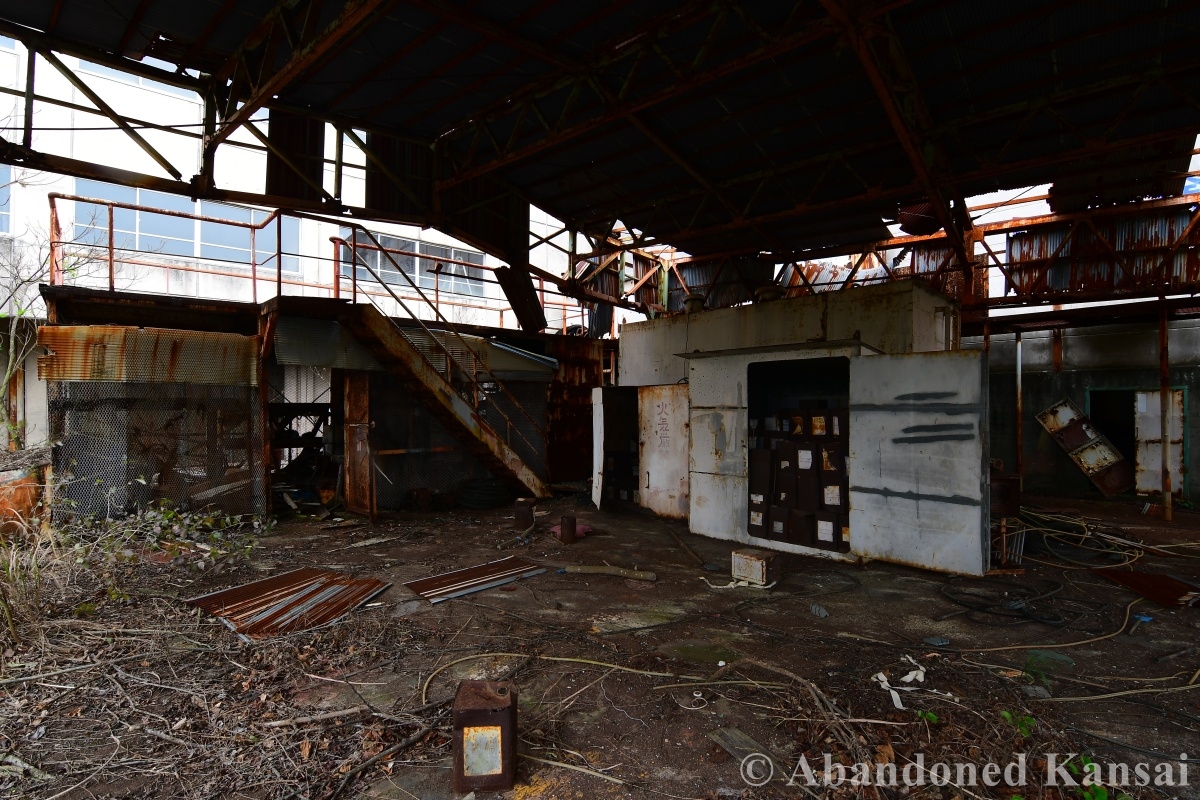
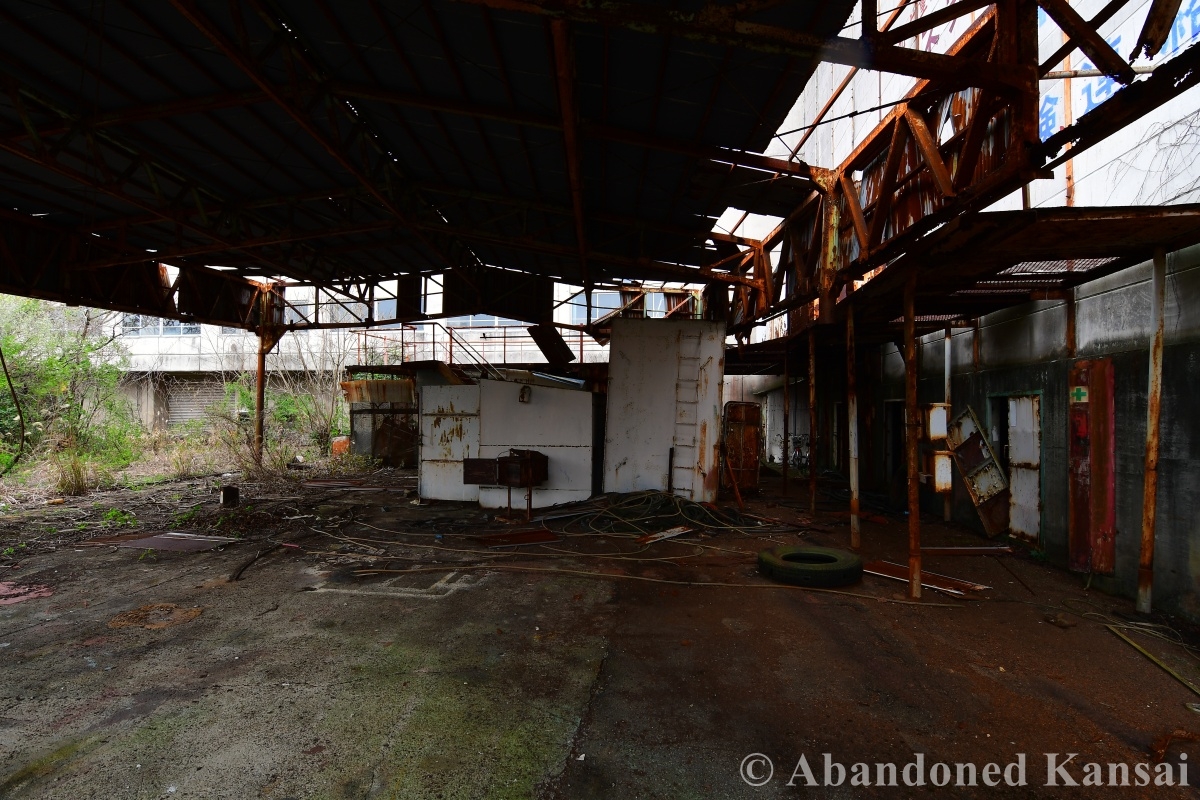
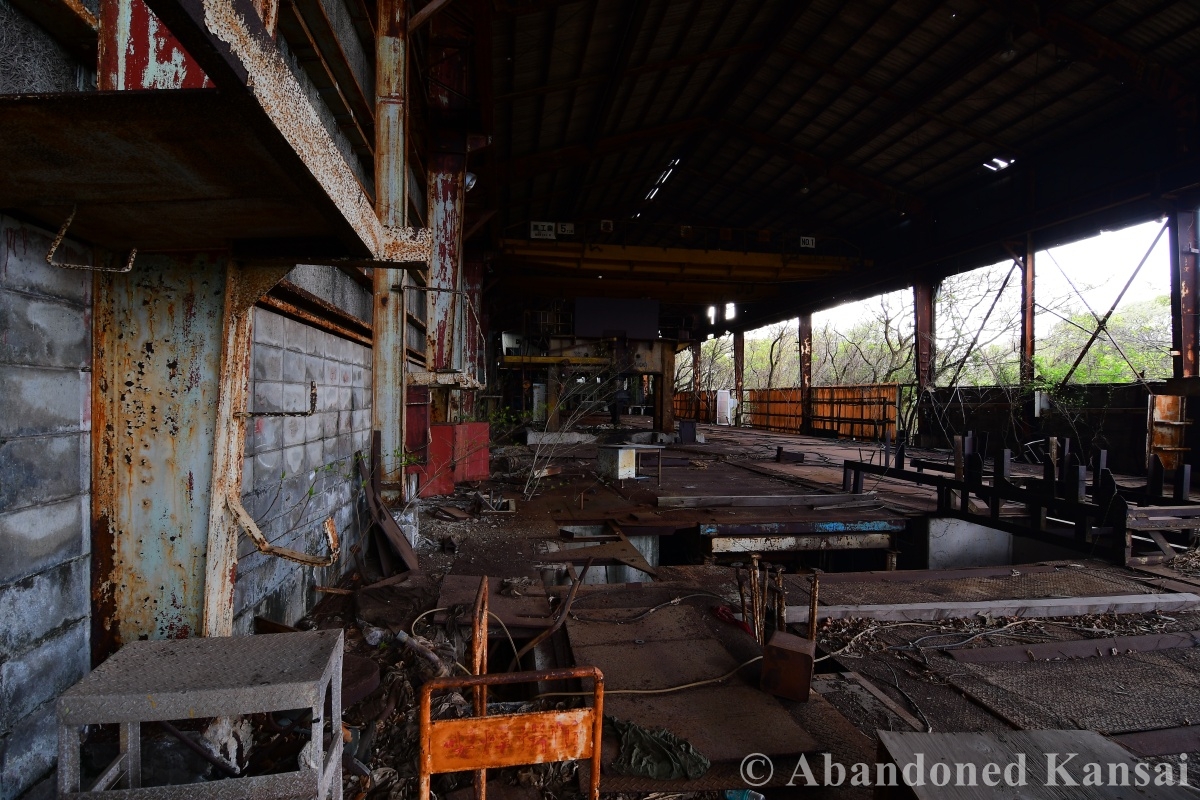
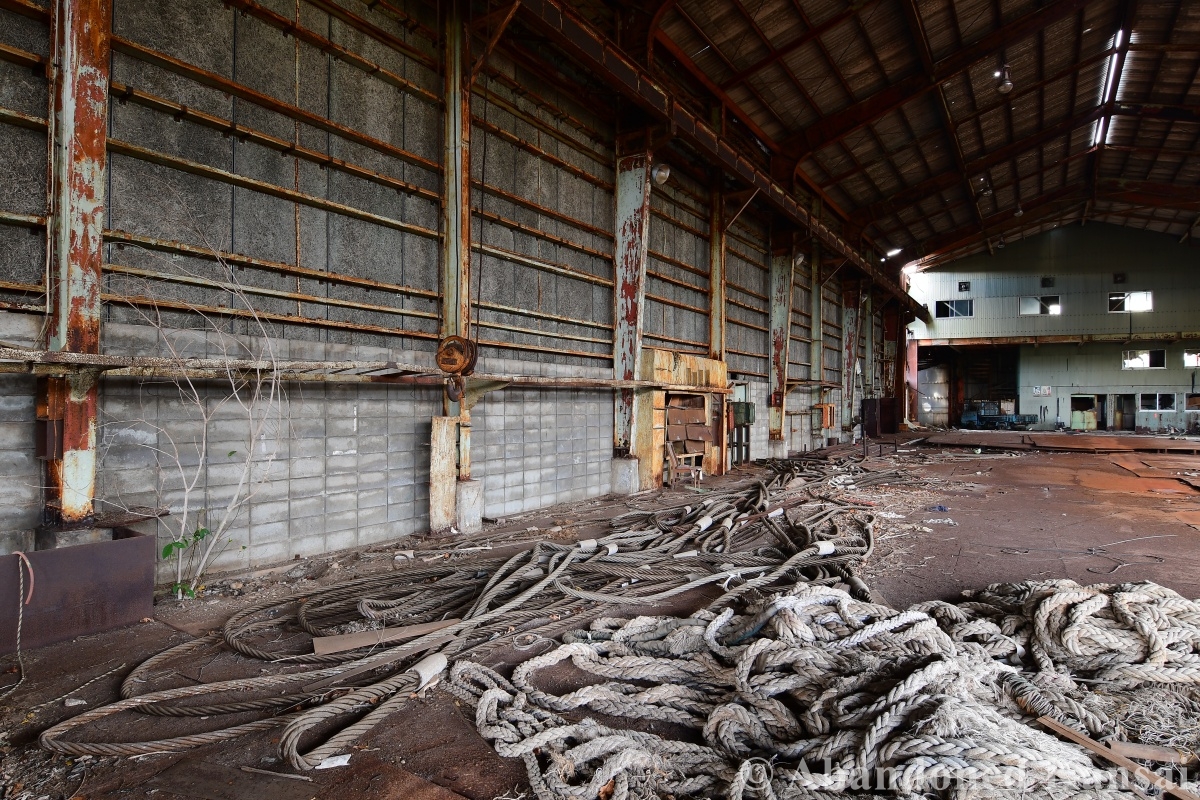
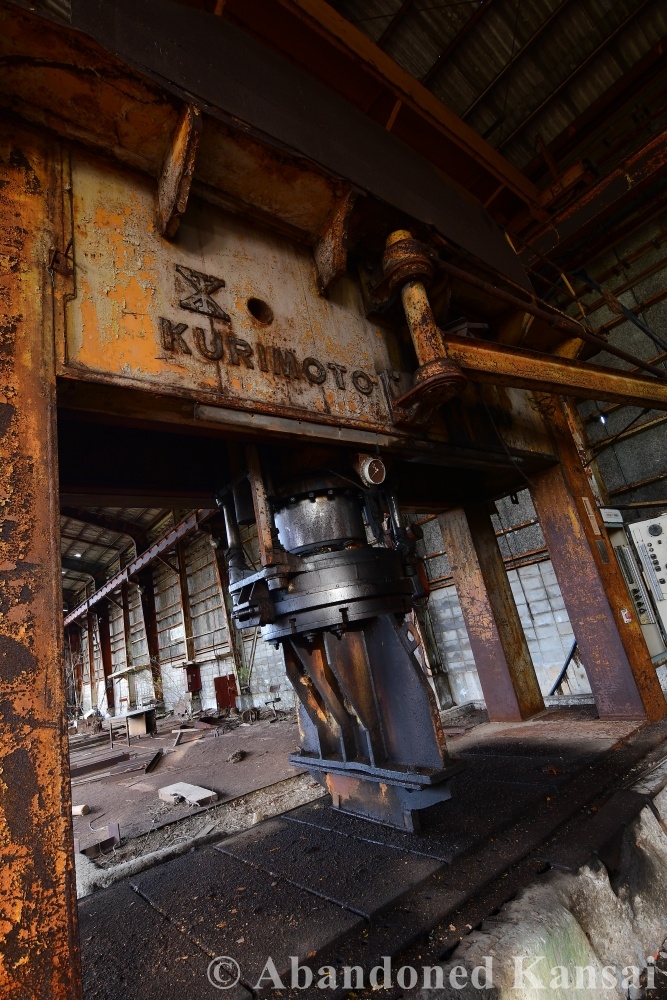
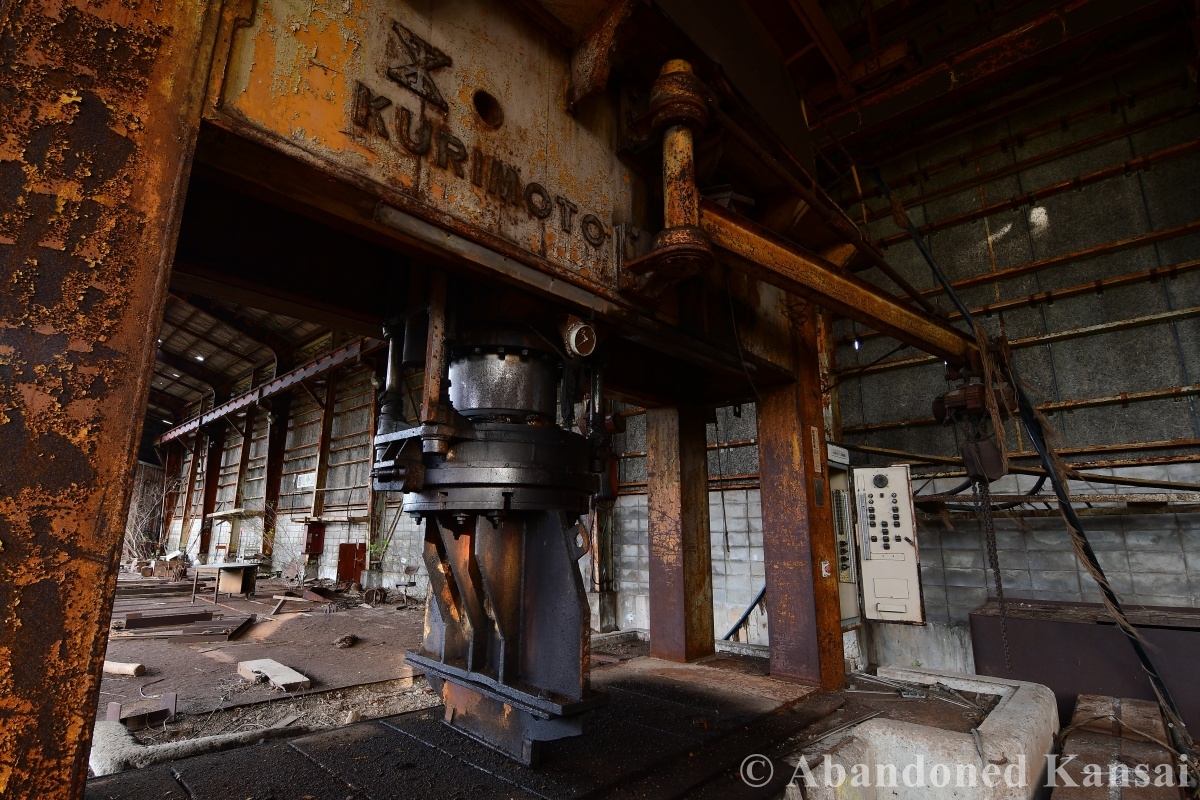
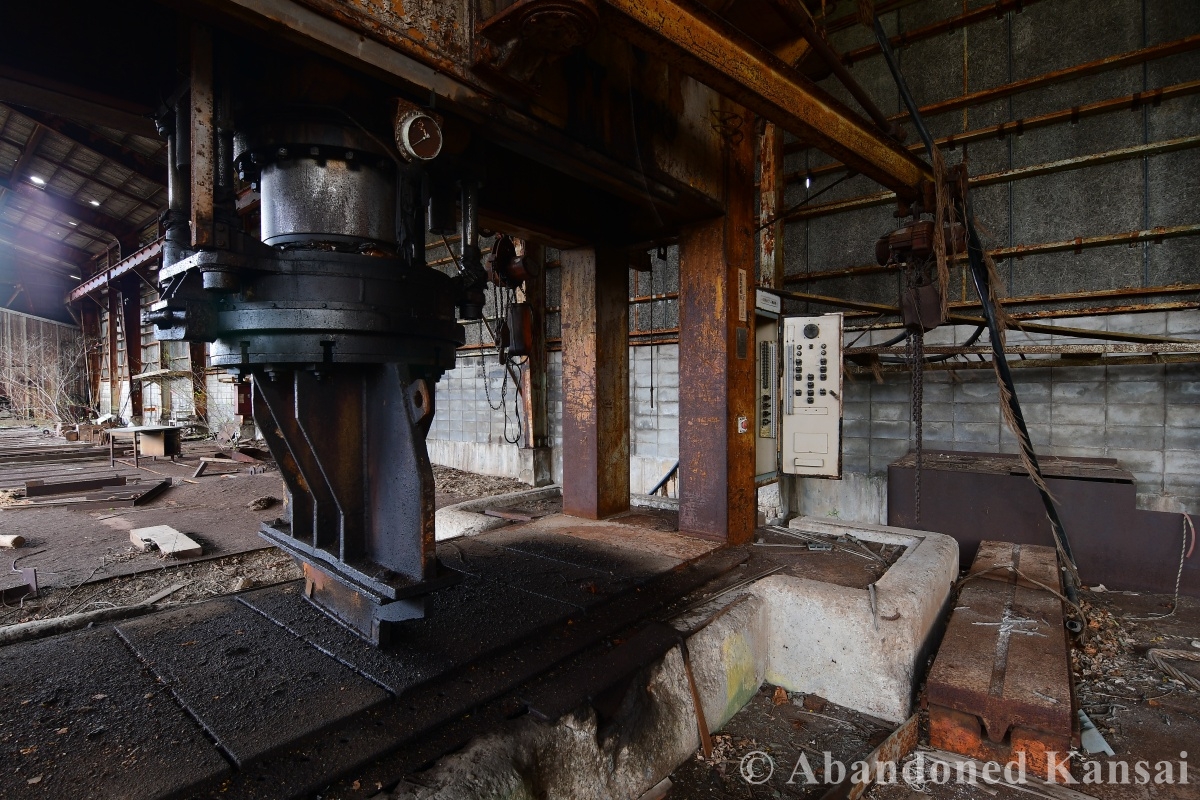
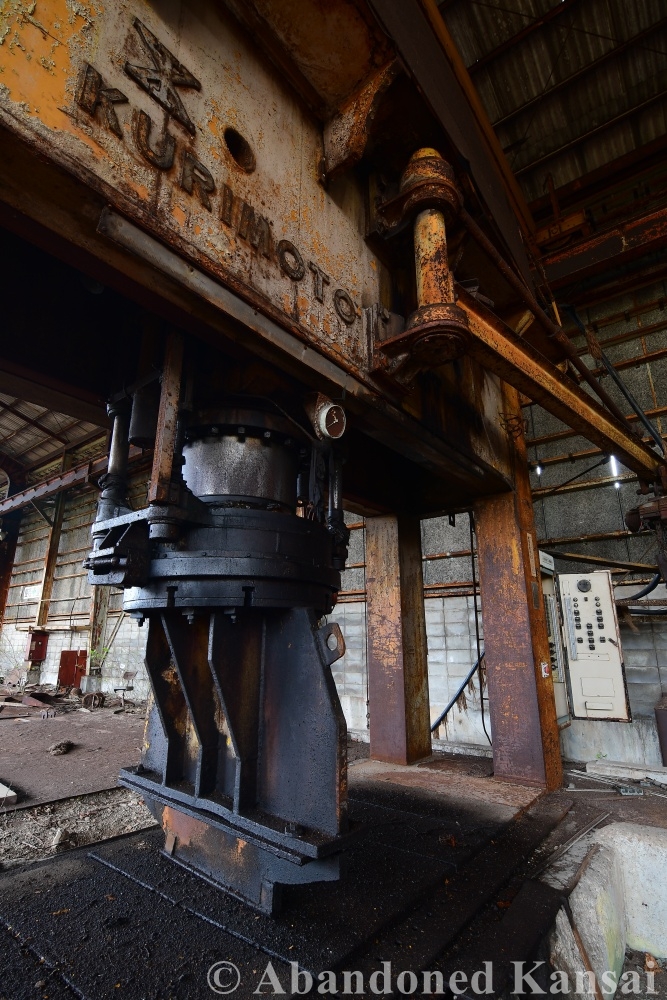
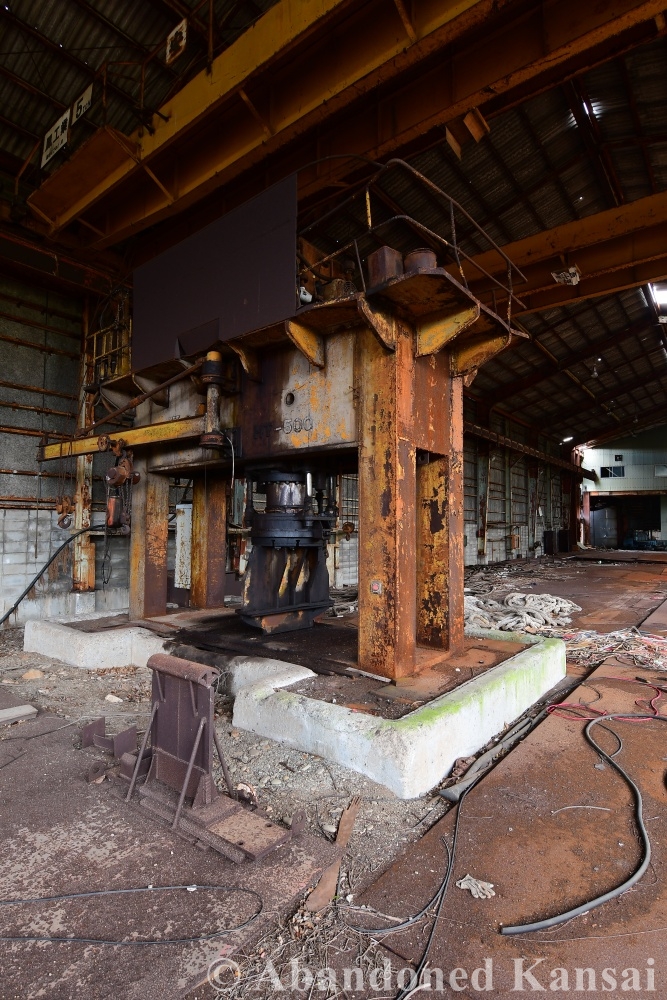
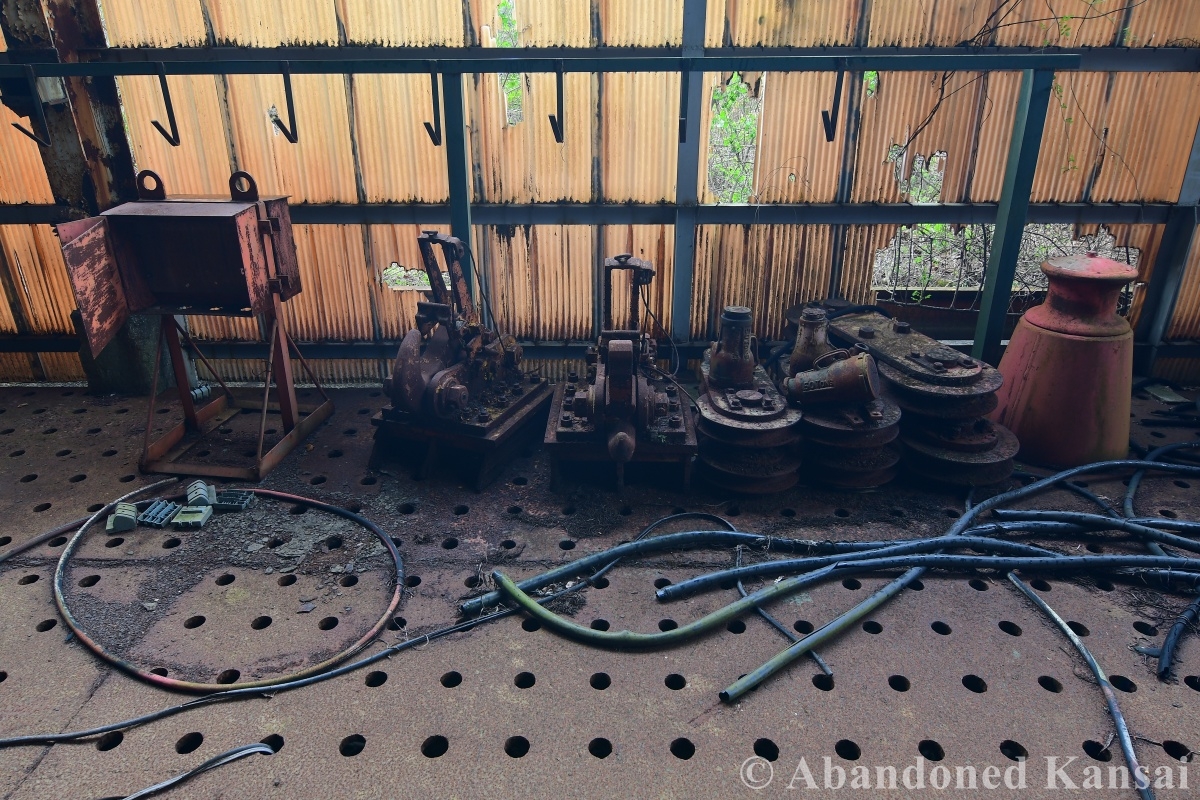
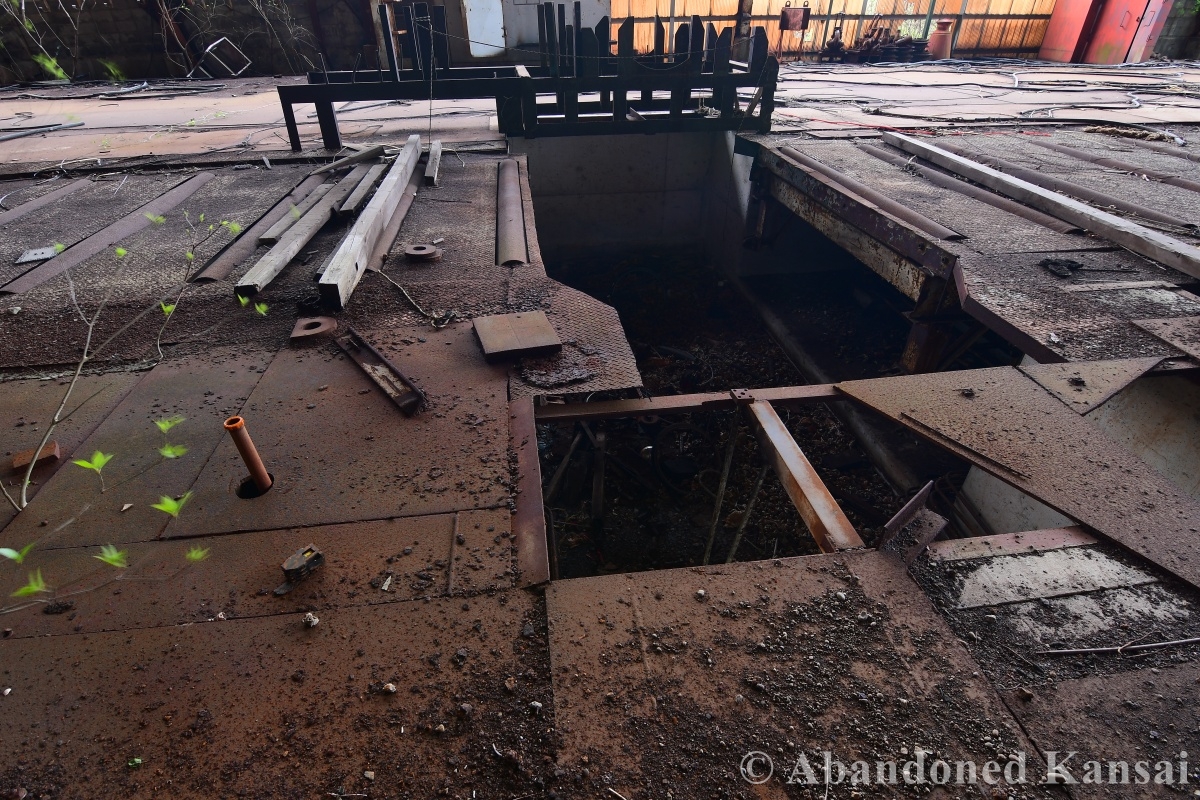
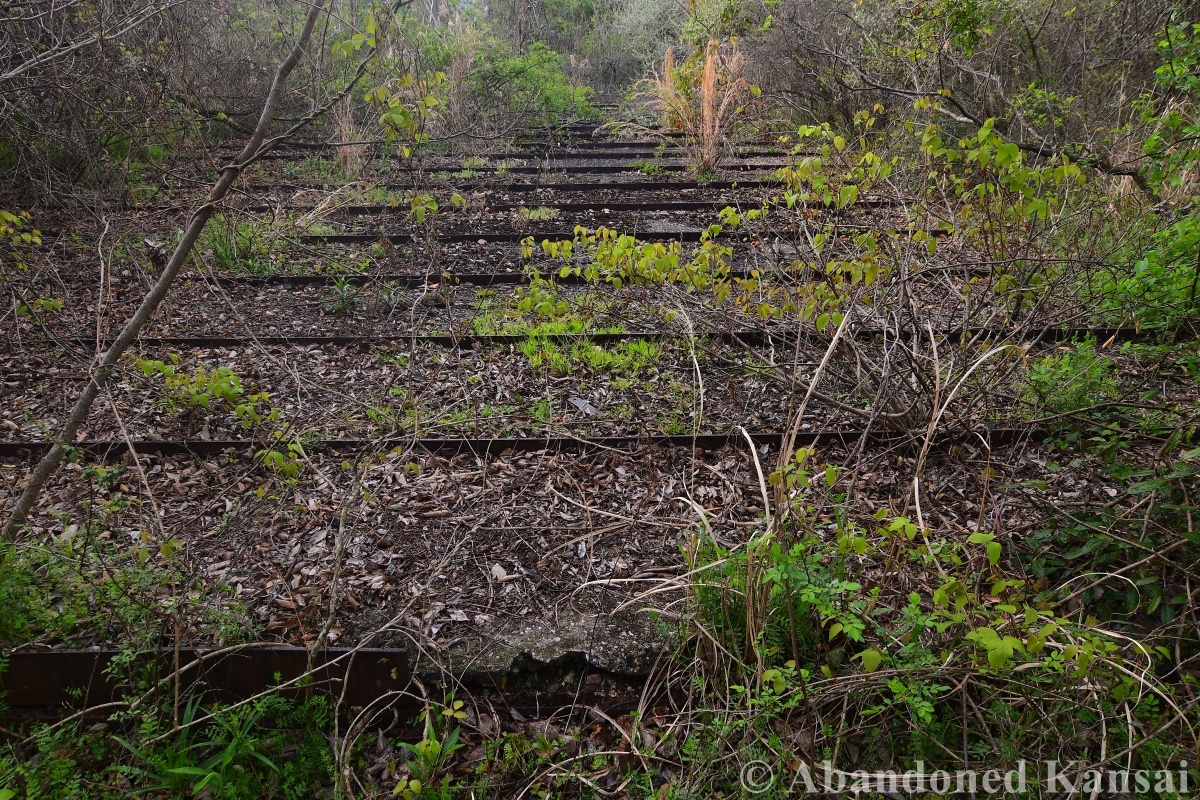
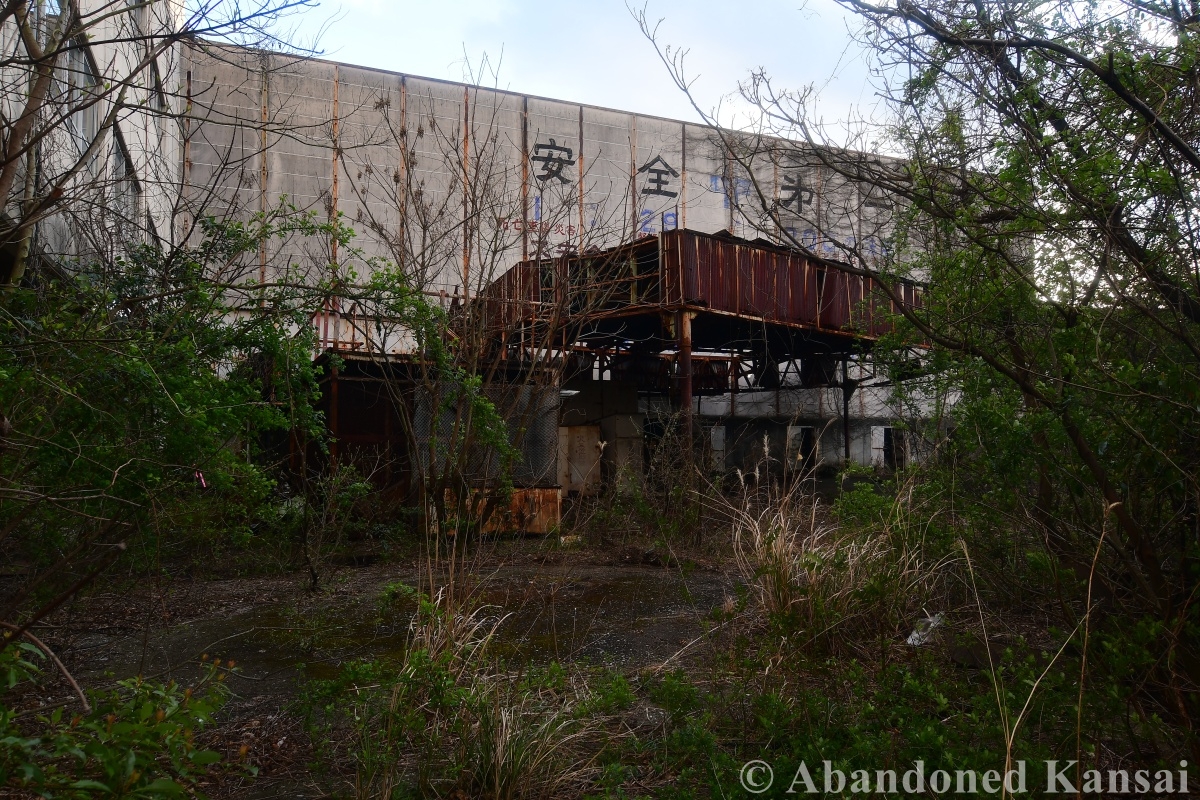
First I took a few quick shots of the waterfront, but then I quickly went a little bit further inland, away from the boats and the road – towards the main building, which looked a lot less threatening from the back, which probably actually was the front. Unfortunately it was completely locked and untouched by both vandals and metal thieves, so I guess all the signs on the other side fulfilled their purpose. Large abandoned industrial sites like that are rare in Japan, so I progressed slowly and carefully… and finally made it to some kind of large metal workshop, loose parts squeaking in the wind – a constant reminder to be extra careful. It was a windy day, so the sky constantly changed between sunny, cloudy, and light rain. Other than that, it was a pretty uneventful solo exploration. A picture says more than a thousand words, so instead of dragging this out, I’ll leave you to almost 40k words worth of photos. Please enjoy! (And check out the links at the beginning for more seafaring explorations!)
(*Like Abandoned Kansai on Facebook* or *follow us on Twitter* if you don’t want to miss the latest articles and exclusive content – and subscribe to the *video channel on Youtube* to receive a message right after a new video is online…)









 Abandoned Kansai
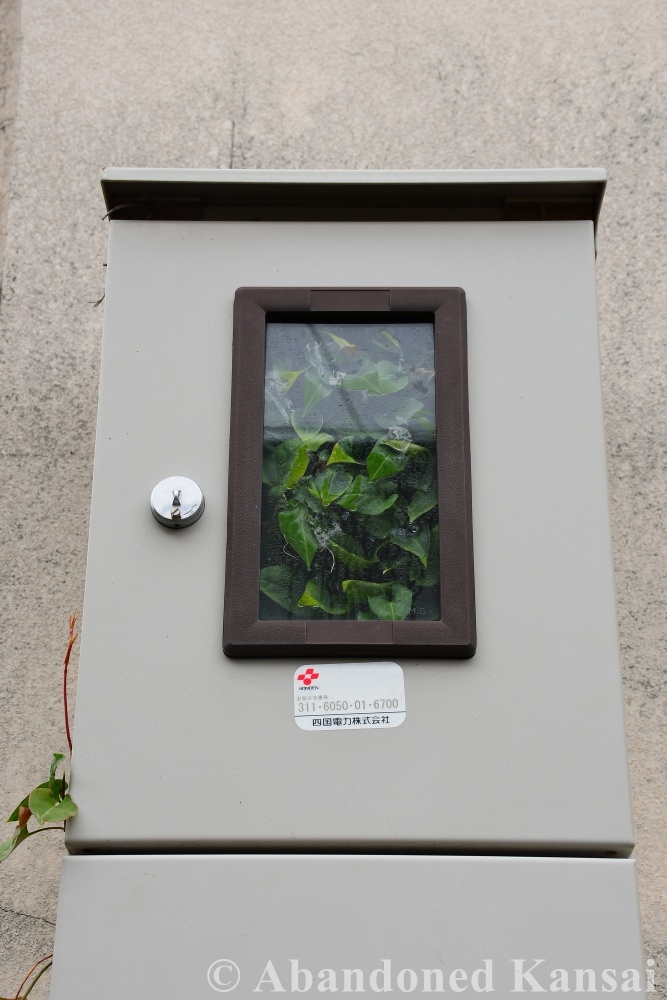
Bummer you couldn’t get in but the outside is still fascinating! I think it’s interesting to see how things are made and wonder what they did on the outside vs the inside. Appreciate all the information, I always love how you don’t just say “I found a calendar” and assume this when the place was abandoned but have more information on the history of the location if you can find it. Also, loved the “green energy” caption haha!
Thank you very much for your kind words, Emily! This location would have been worth a short documentary, unfortunately I was a bit late to the party anyway, so the least I could do is dig up some information. And thanks for reading the captions! After writing tens of thousands of them I am having an increasingly tough time writing them, but I really liked the green energy photos, so I had to come up with something special for them. 🙂
There is a fully functioning Kochi Shipyard in Kerala, India.
Comparison shots may look great
I had no idea! But the Indian one looks bigger…
Yeah it is fully operational.
I am from Kochi and was pleasantly surprised to learn that the Kochi in Japan had a shipyard as well. Great pics.
oh wow, what a site! You’re absolutely right that old industrial sites are dangerous, but they’re just fascinating. Thank you for shring! (And here’s hoping my comment will post this time)
It worked this time! 🙂
I was extra careful, but the sheer size of it made it an amazing exploration. That and the Orwell style entrance. Gosh, I love that entrance!
Thank you so much for these updates! i truly enjoy your work!
nice 🙂
nice and brutal