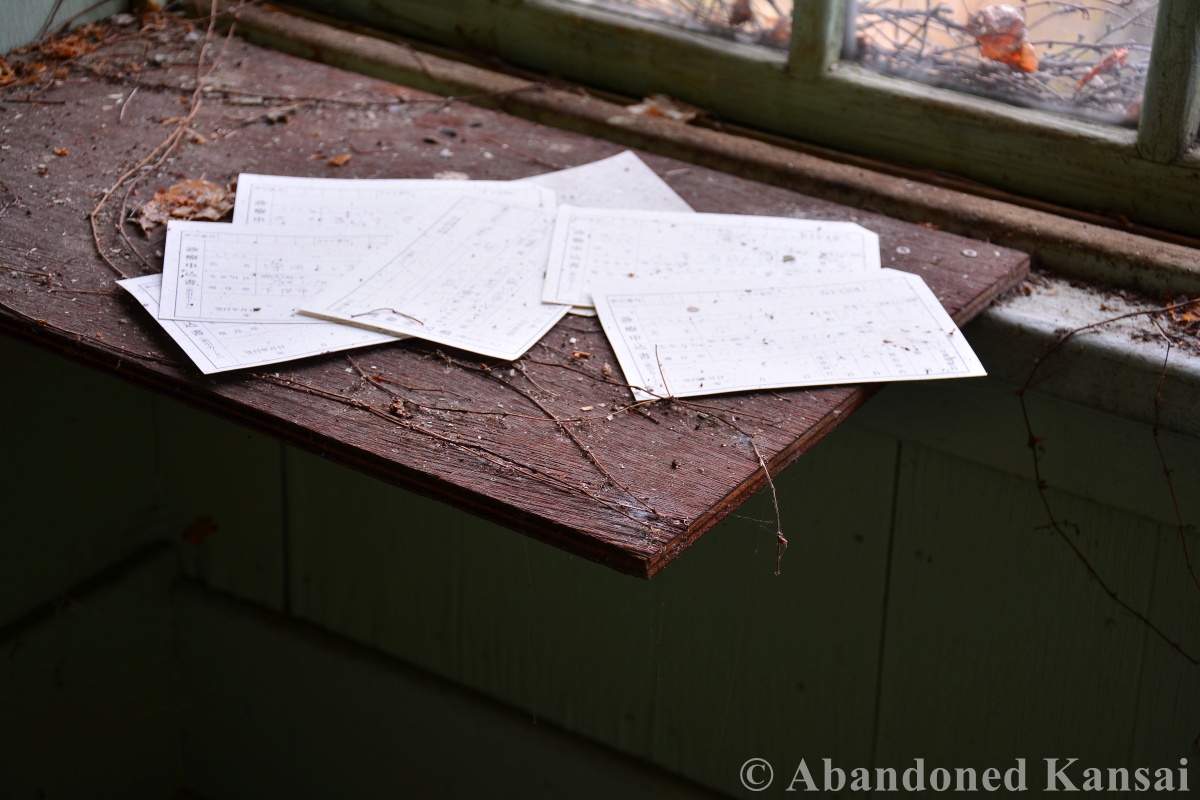
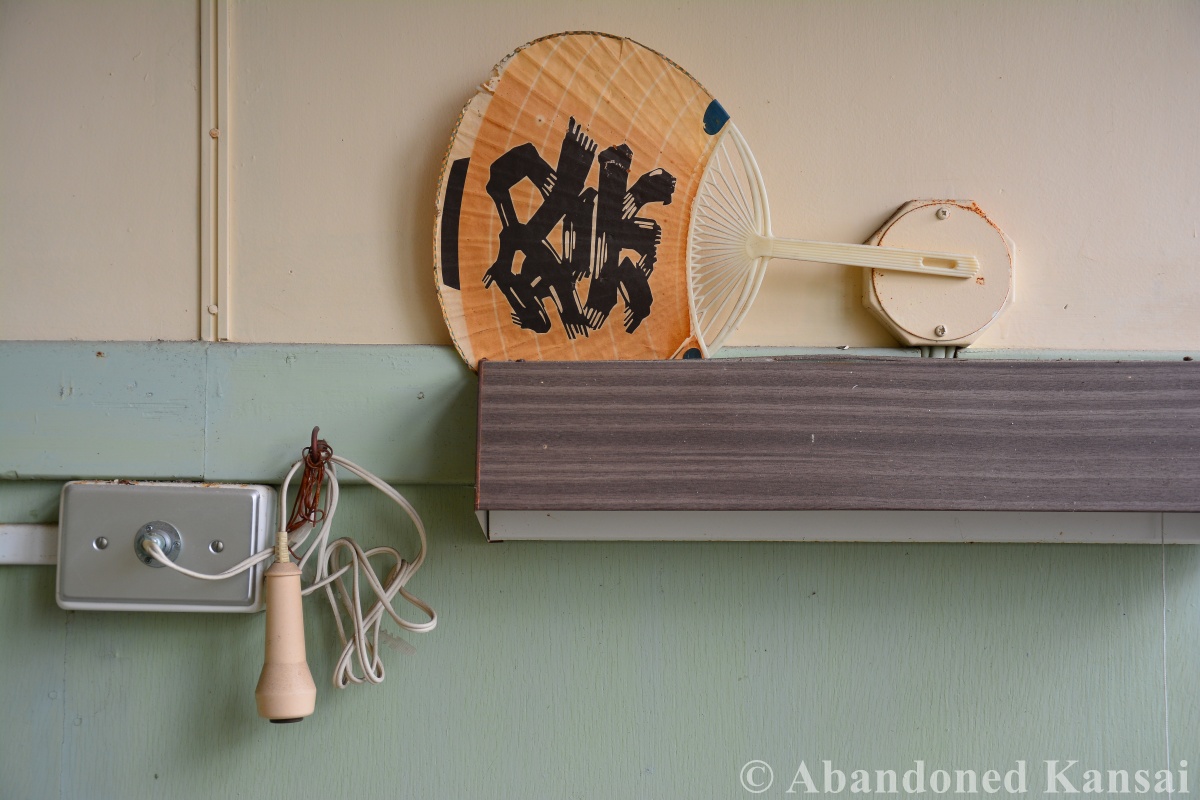
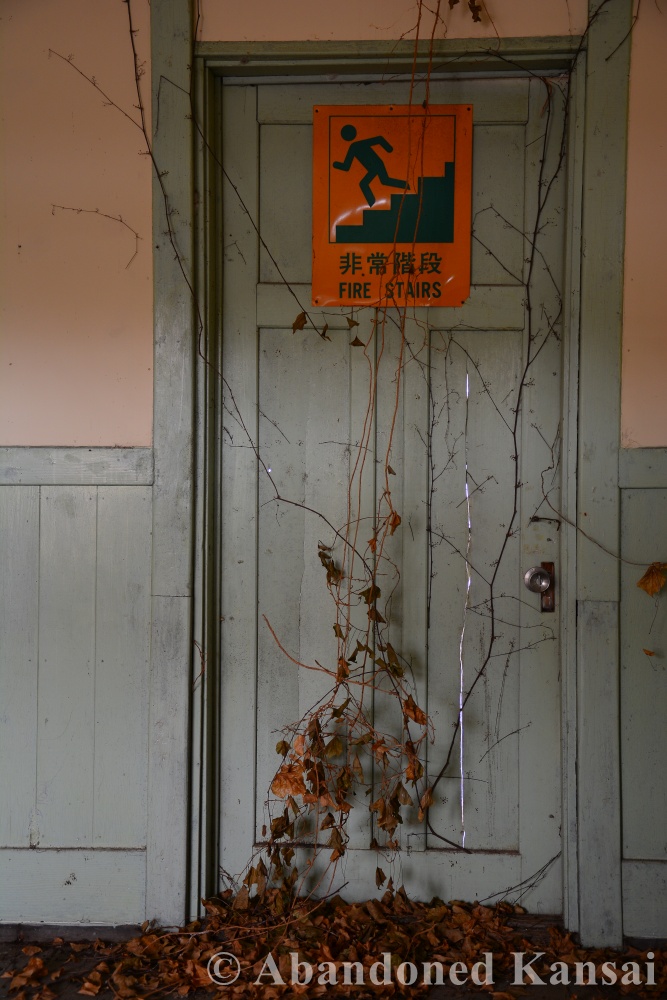
Feeds:
Posts
Comments

Archive for the ‘Haikyo’ Category

A week ago I was sitting in an Okinawan park, minding my own business nibbling on an amazing artisan raisin-cranberry-walnuts-orange peal-outmeal melange / fruit bread when all of sudden… BAM… the Pflying Drapists did one of their noisy air shows as a reminder that necessary evil discomforts us all sometimes to prevent unnecessary evils like Winnie the Xi(thead) from acting up at any time like the dementia-toddler he looks like.
Mid-January meant that it was time to get into exploring again – and the question I had to answer for myself was: Are historic ruins part of urban exploration? I included some in the early days, for example *Tomogashima (a.k.a. Laputa Island, after Studio Ghibli’s Castle in the Sky)* and the *Ganne Fortress*, but not so much in recent years – I still explore a lot more modern ruins than I publish here, so why waste time on historic ruins, that are covered by experts in their field much better anyway?
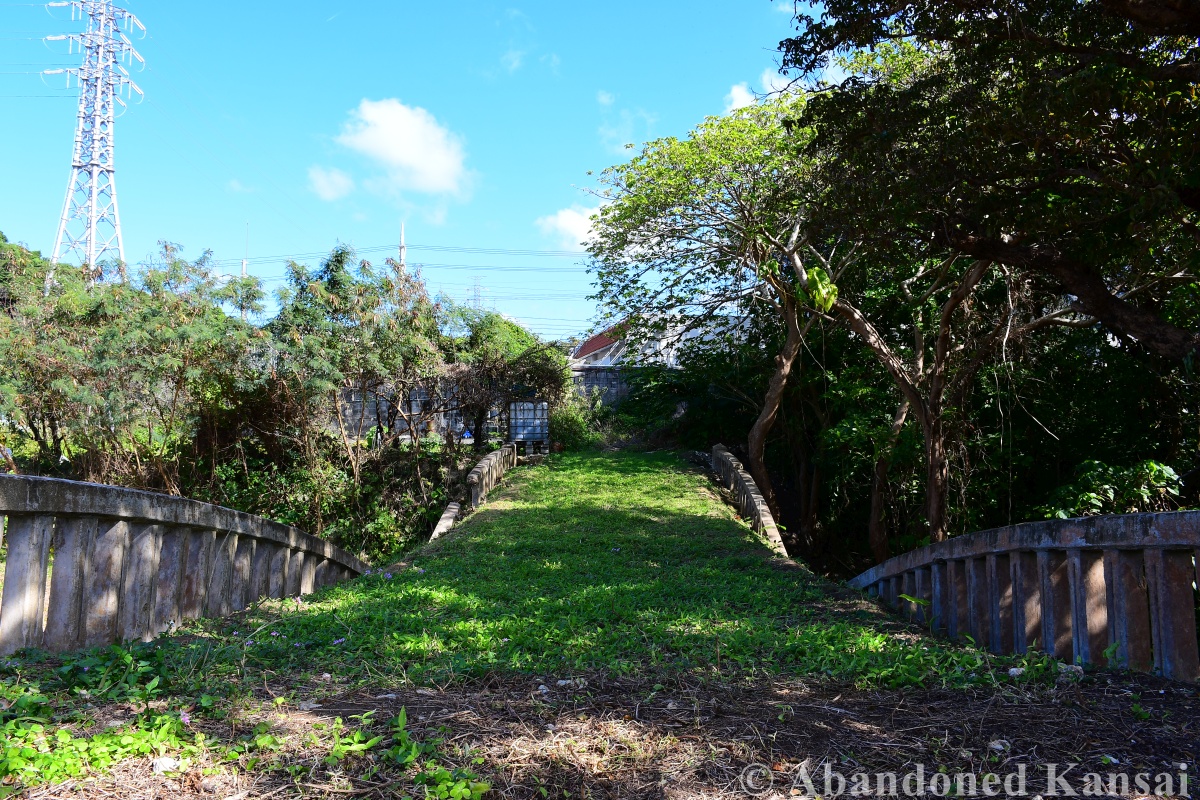
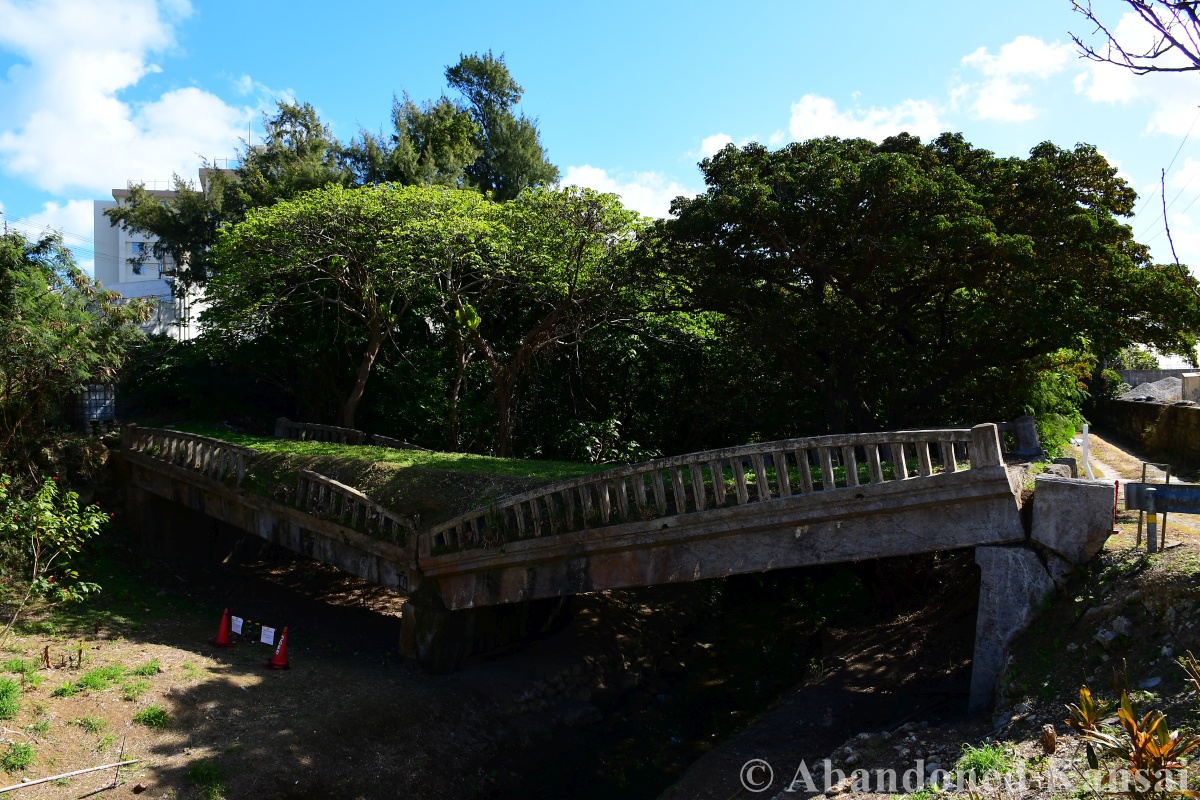
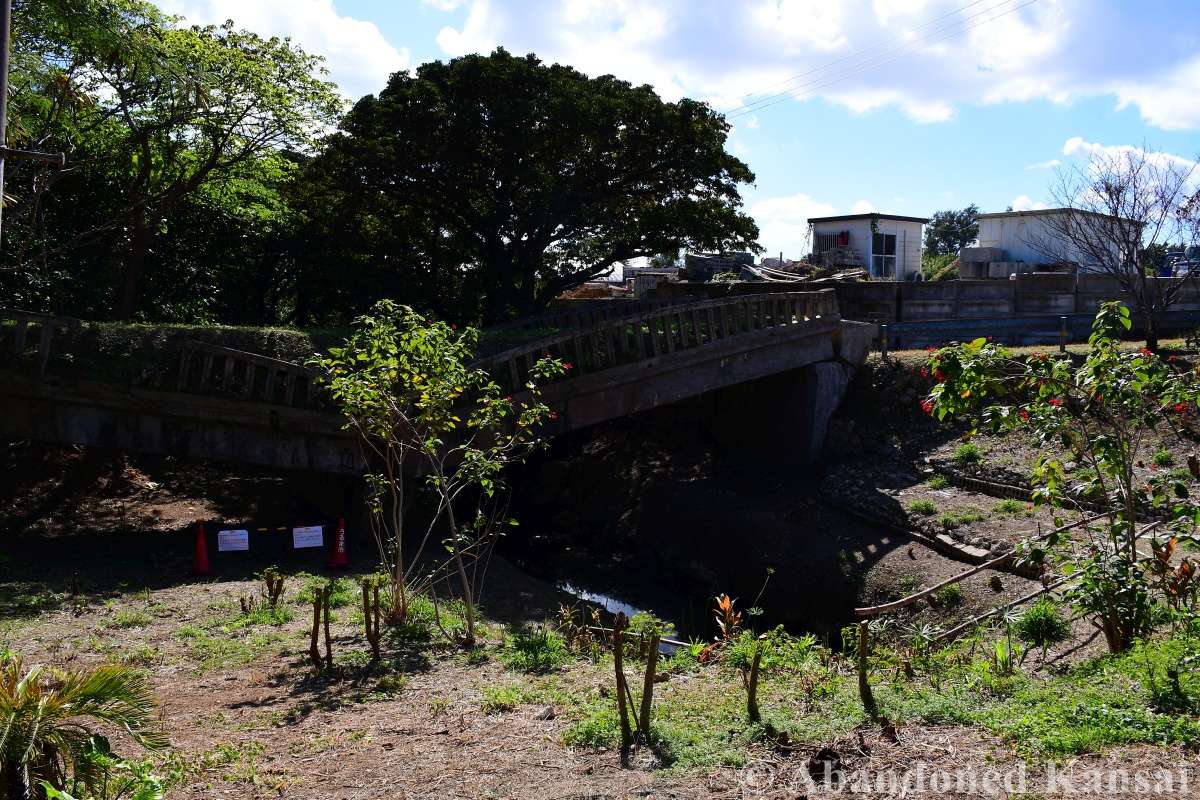
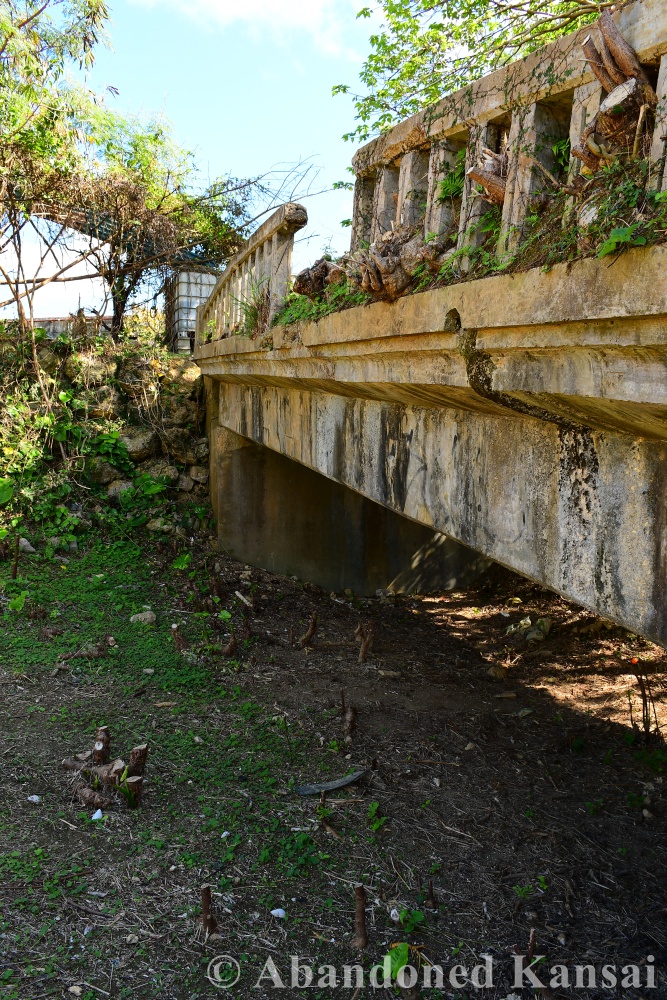
Now, Okinawa is a small island (chain) with a booming tourism industry, so the amount and quality of abandoned places there is definitely in decline. On the other hand, I just found out about that amazingly overgrown bridge from before World War 2… So why not?
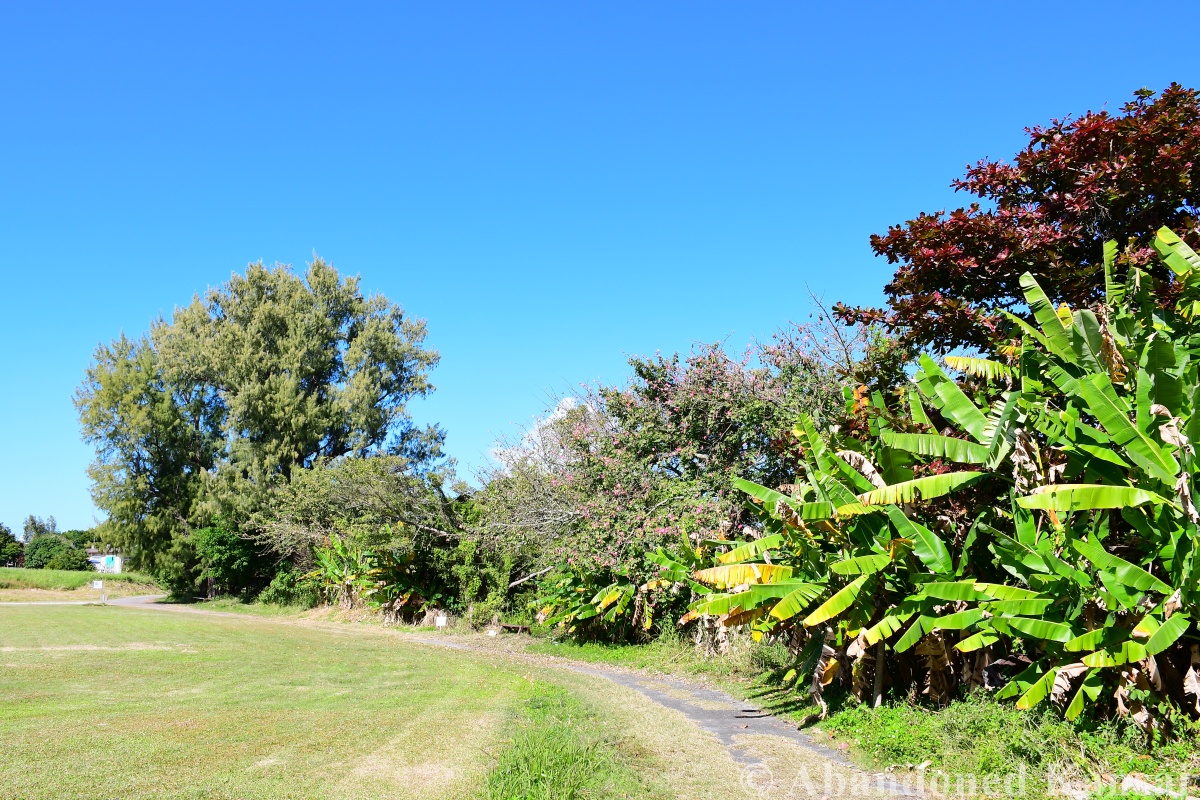
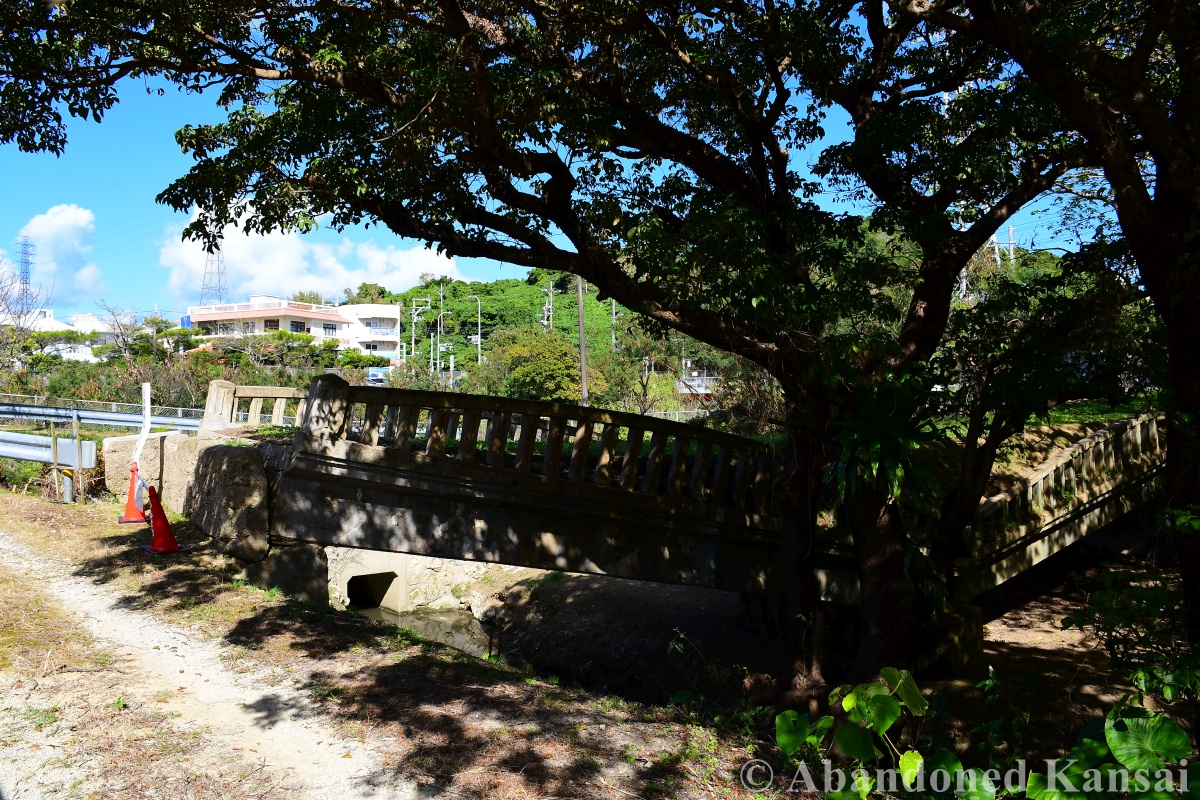
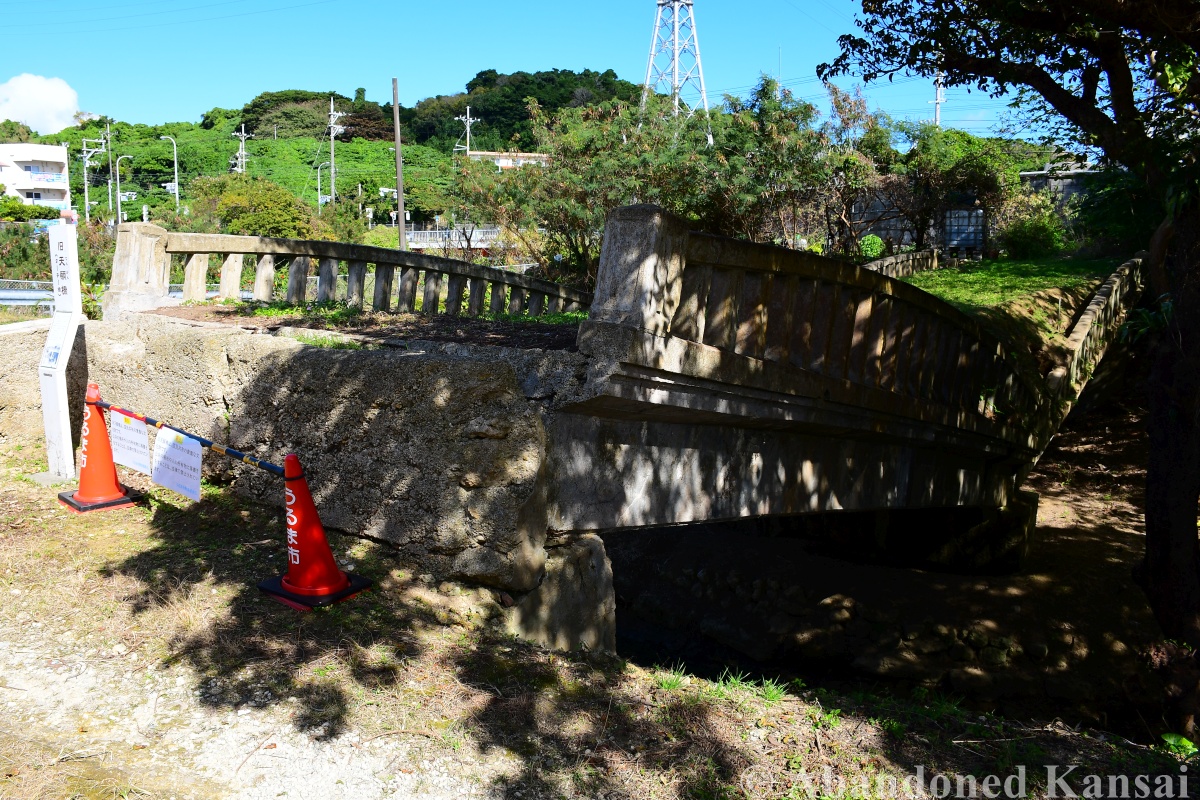
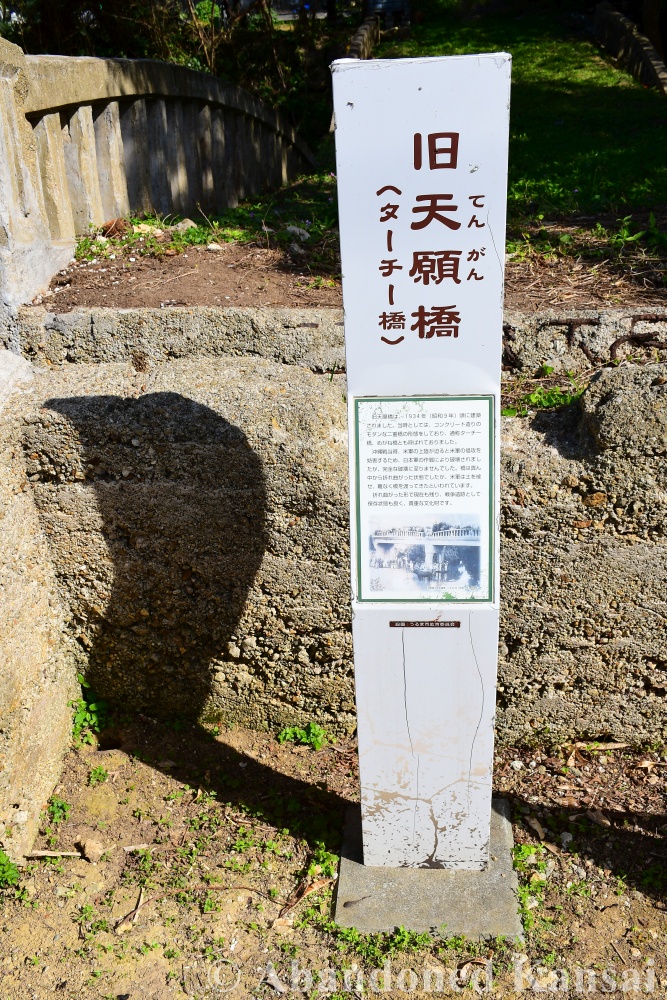
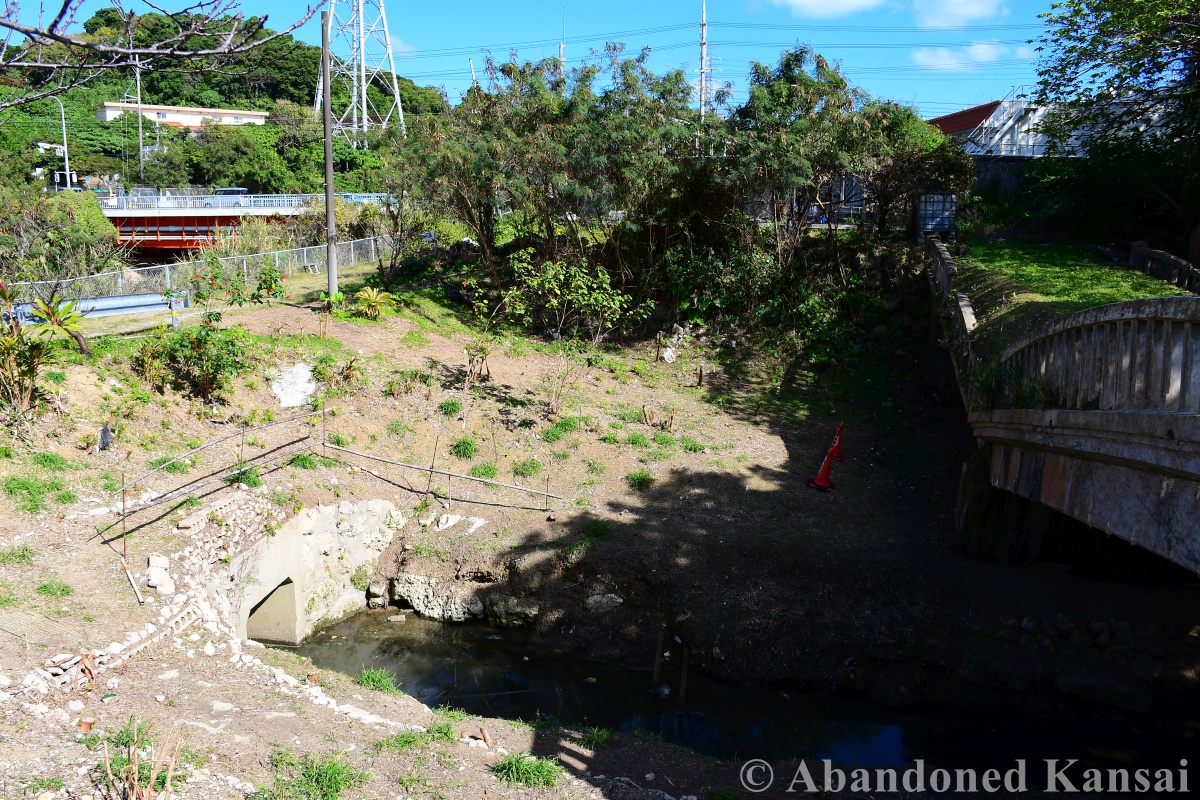
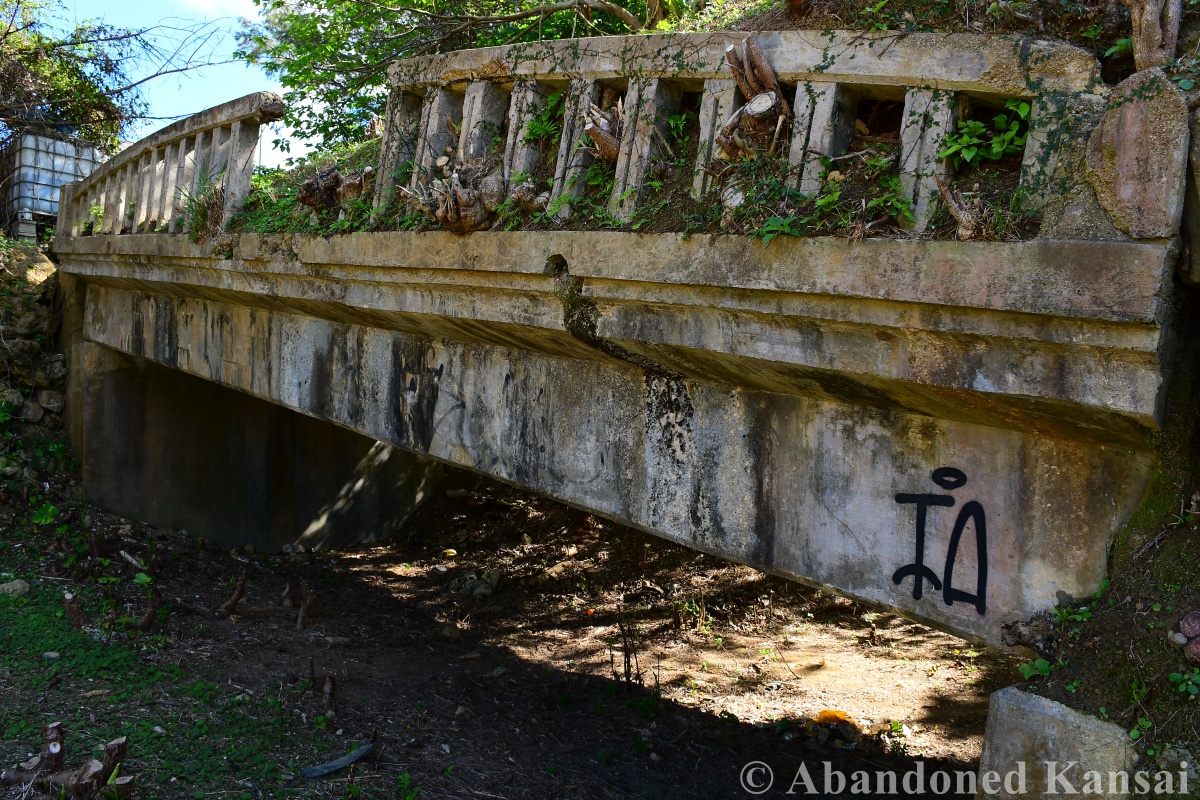
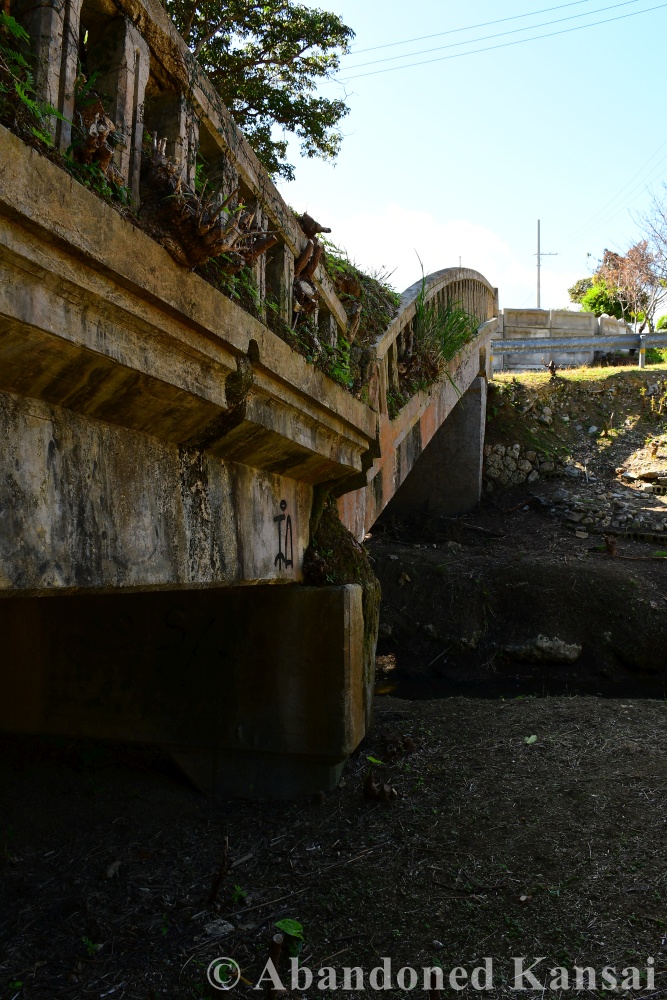
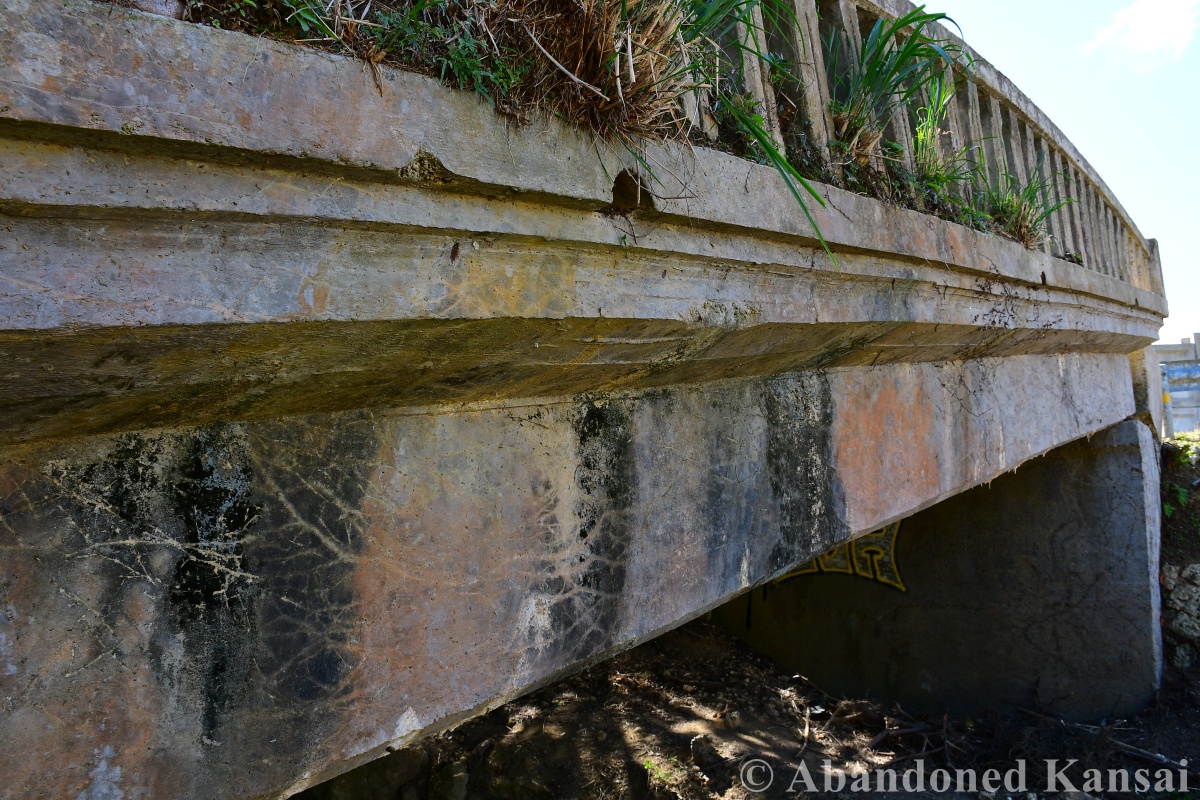
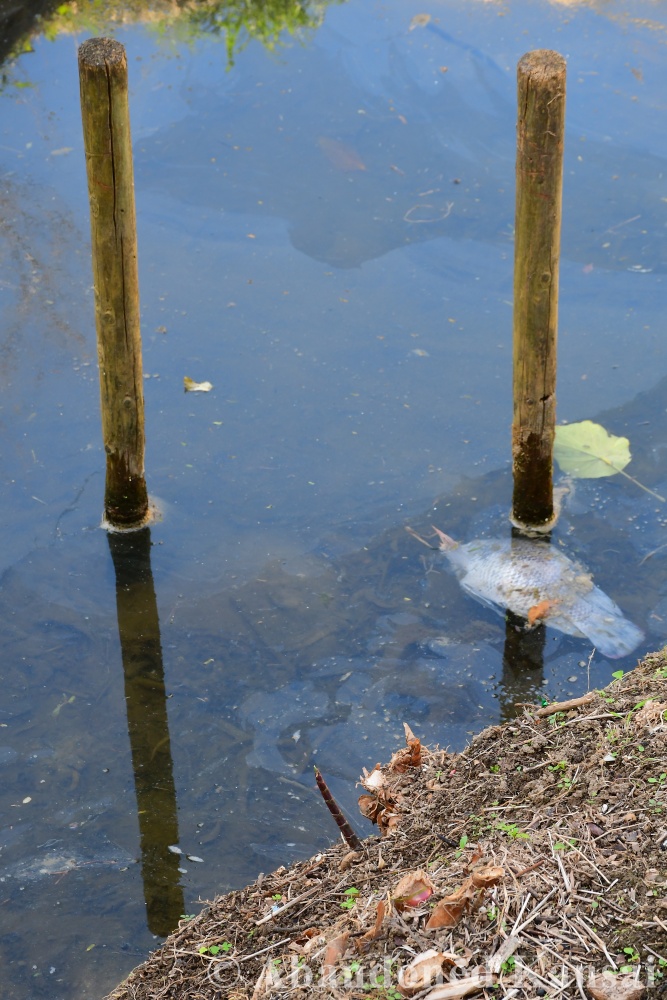
The old Tengan Bridge, a reinforced concrete structure, was completed around 1934 – the time when Japan started to rampage around Asia in a way that is not fondly remembered and kind of is responsible for today’s flight shows near Naha. The bridge was a vital piece of infrastructure in Uruma City, used by vehicles and pedestrians alike. In late March 1945 the US Forces were about to land in western Okinawa, so the Japanese military blew up the bridge in an effort to slow down the invad–… liberators. Guess what – it didn’t really work! The bridge was blown up, but the Americans just bulldozed some earth over the broken bridge and happily continued their way. (Well, as happy as they could have been in those days – it wasn’t really the land of pineapple and shikuwasa omiyage yet, was it? Little has changed in the last 80 years. Even back then just building new from scratch was cheaper than removing the old and starting over again, so that’s what happened. A new Tengan bridge was built right next to the old one and the old one got more or less forgotten, except for the one sign with some information and a photo. The bridge became increasingly overgrown, which looked really cool on pictures and still did when I first heard about the bridge two or three weeks ago. When I showed up though… Uruma City had given the bridge and its surroundings a serious haircut – or rather: plant cut. Much like Okinawa almost a century prior it got liberated, but at what cost? Still a pretty cool location and overall a fun half-day trip from Naha, but not as spectacular as I hoped it would be. Well, and it gave me an opportunity to switch 2 degree weather with 20 degree weather. Now back in sleety Osucka both the nice temperatures and the delicious fruit bread are nothing but a cozy memory…

(*Like Abandoned Kansai on Facebook* or *follow us on Twitter* if you don’t want to miss the latest articles and exclusive content – and subscribe to the *video channel on Youtube* to receive a message right after a new video is online…)
Read Full Post »

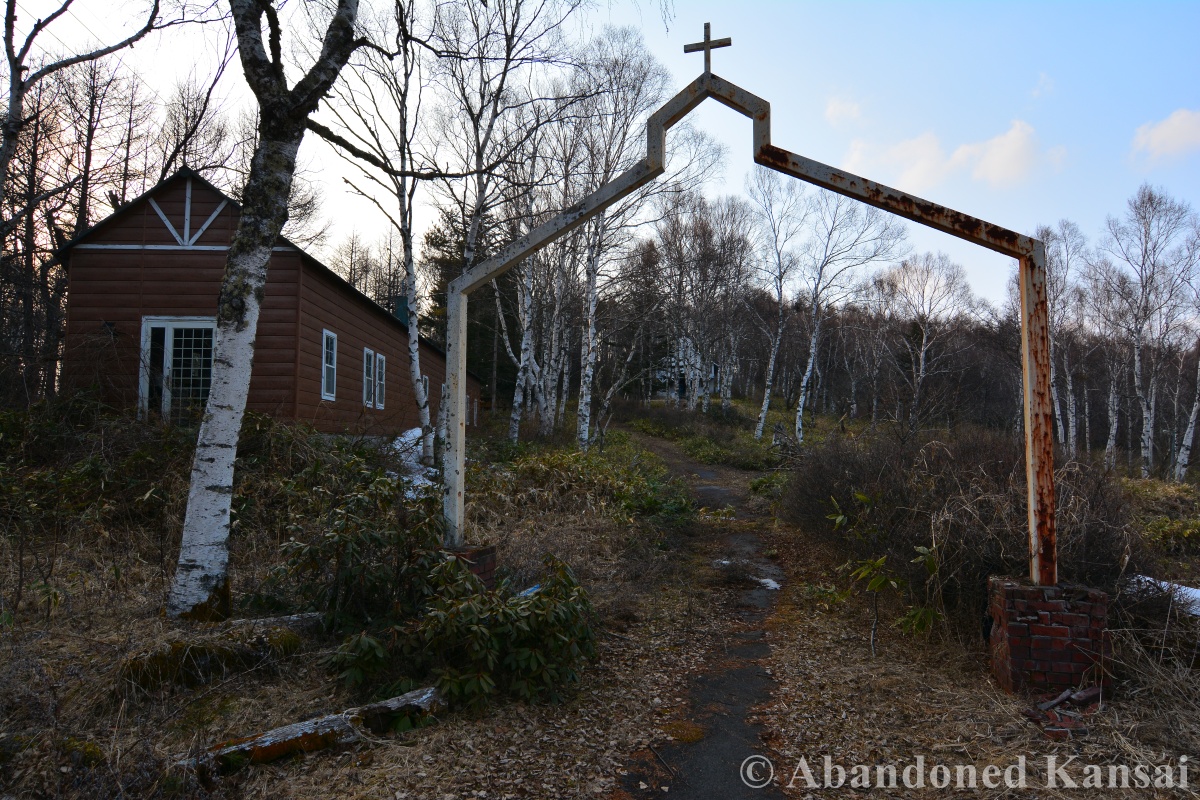
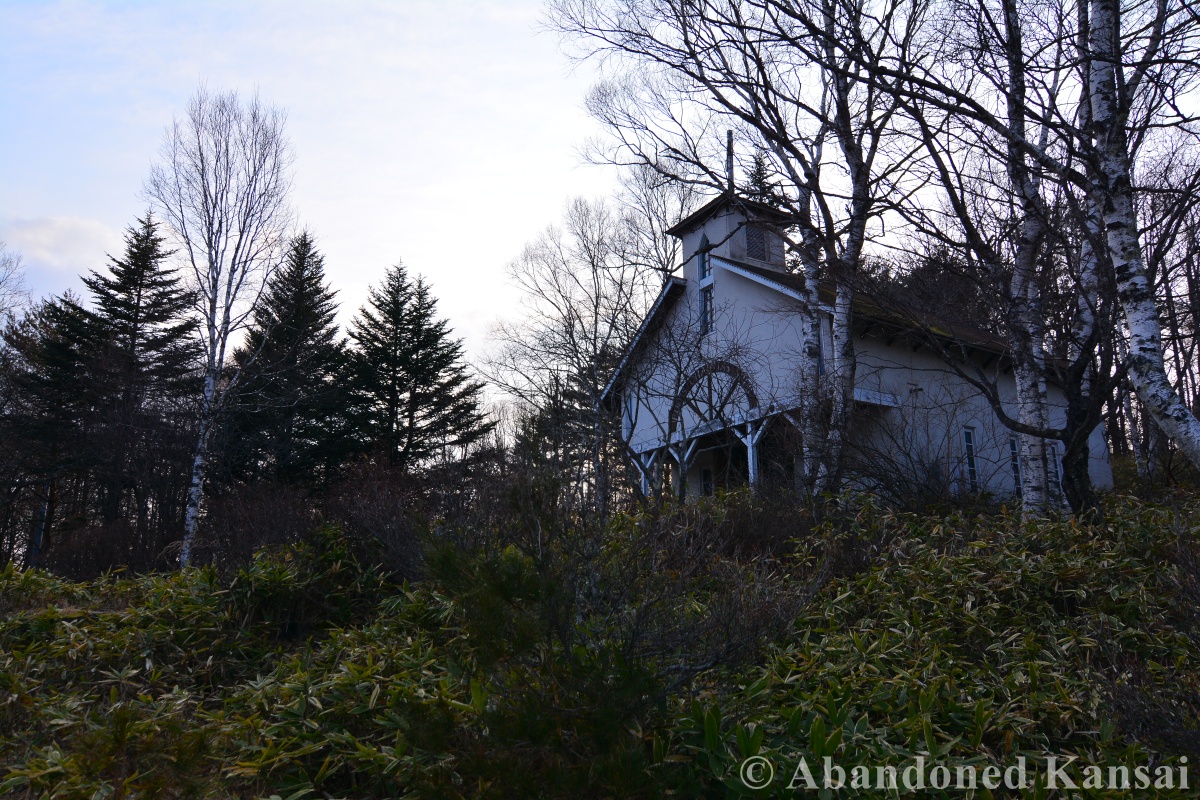
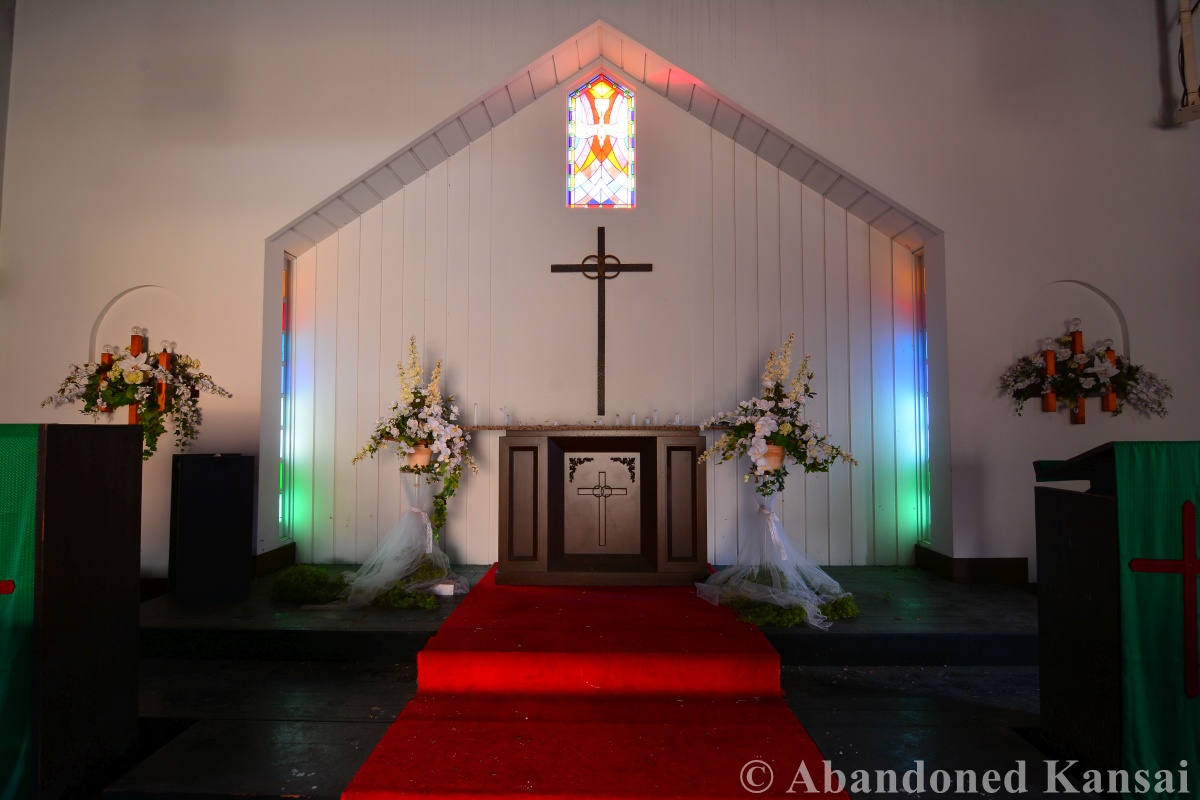
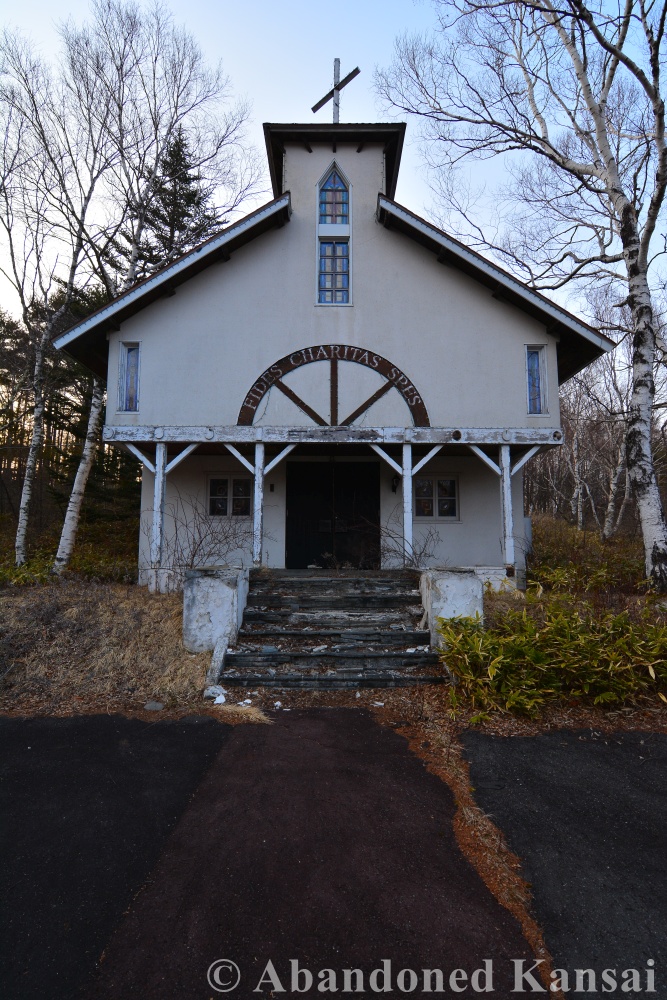
Usually the first article of the year is about an abandoned shrine to honor the tradition of hatsumode, the first shrine visit of the year. Unfortunately I am running out of abandoned shrines, so here’s an abandoned church instead!

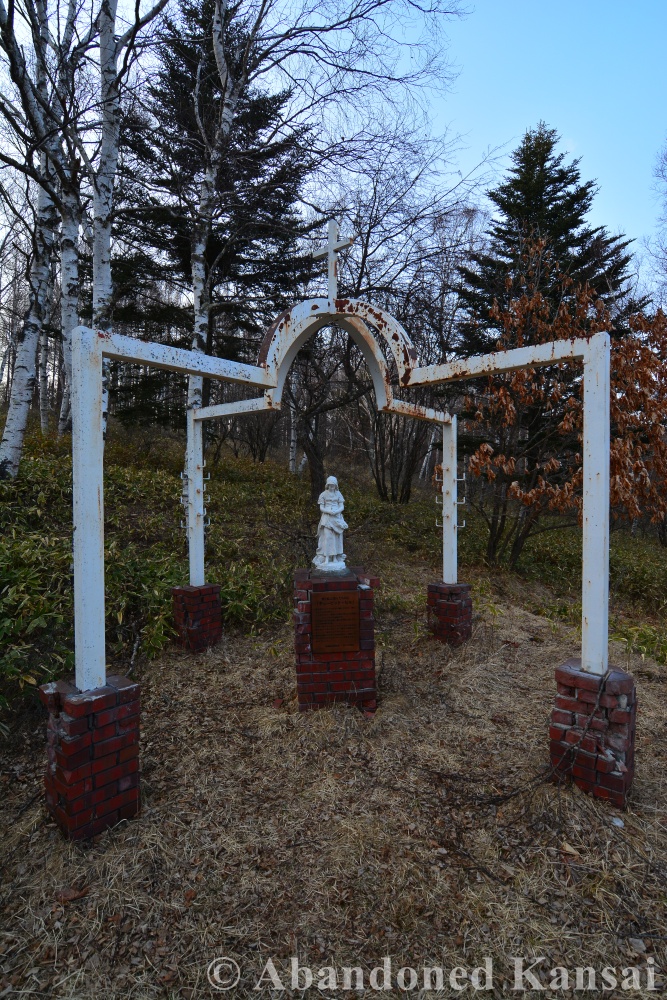
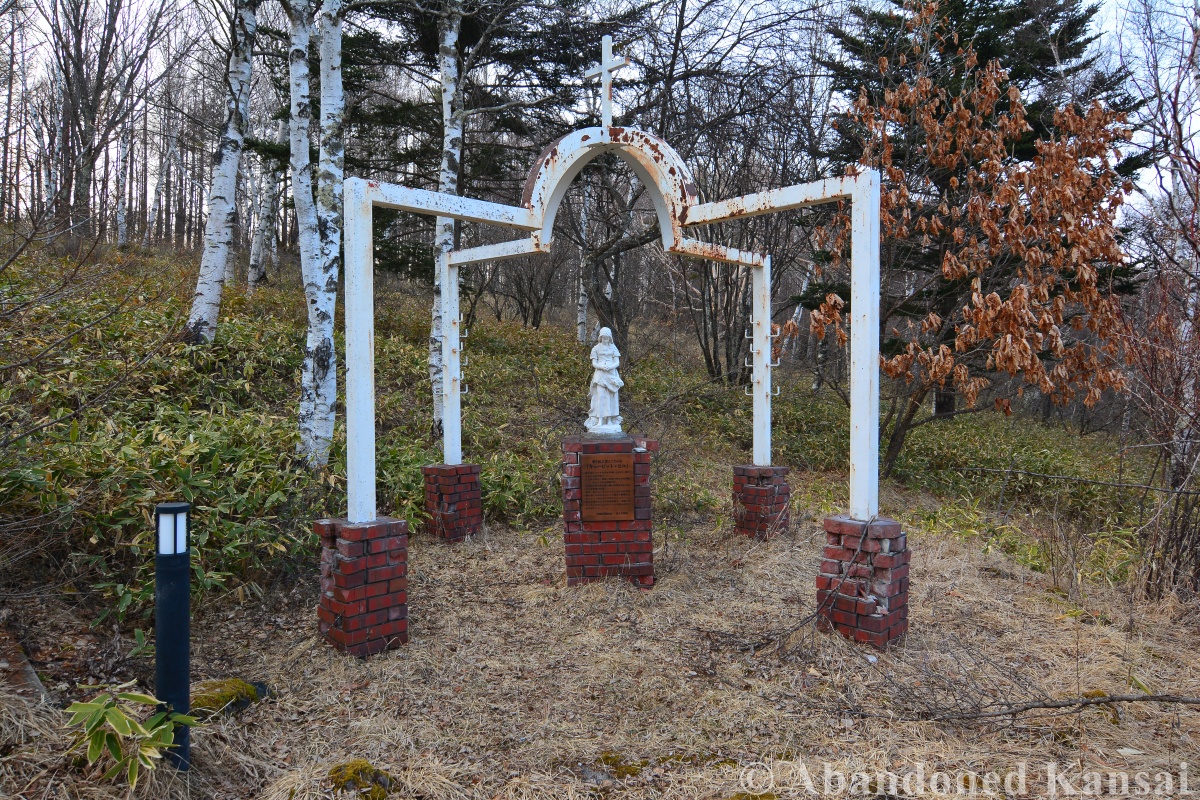
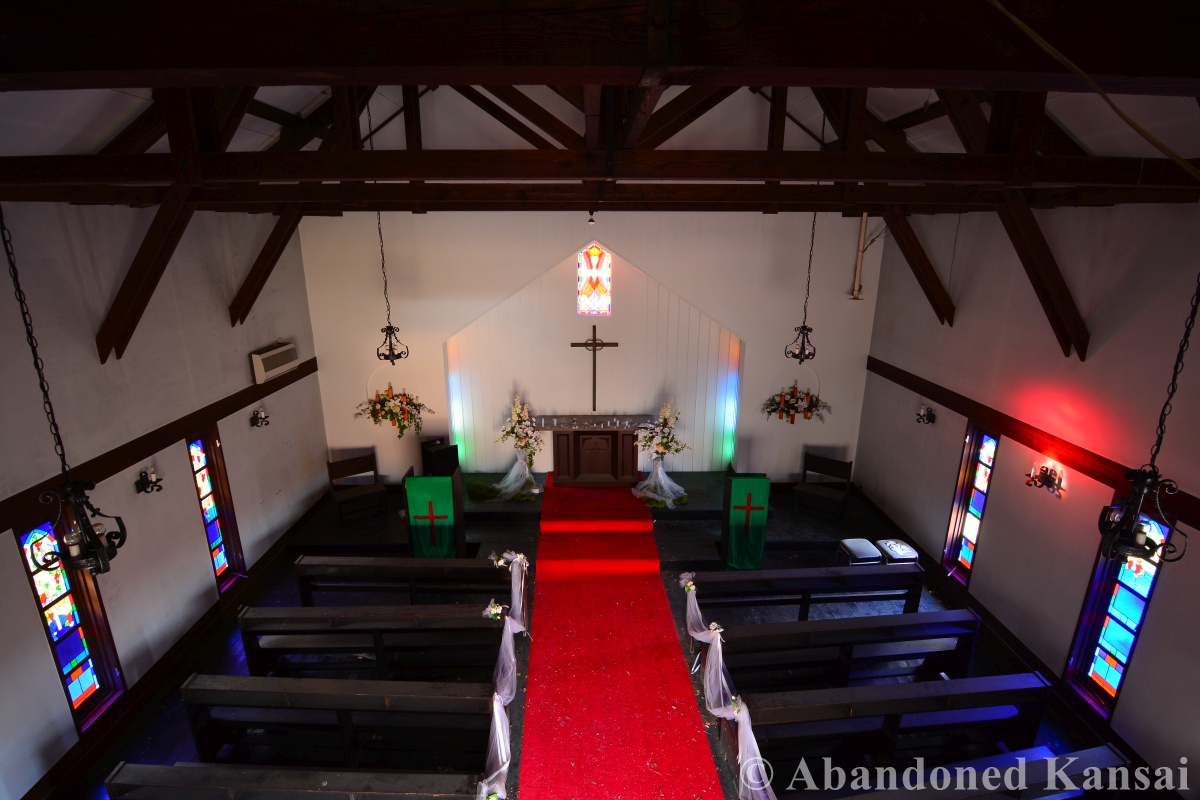
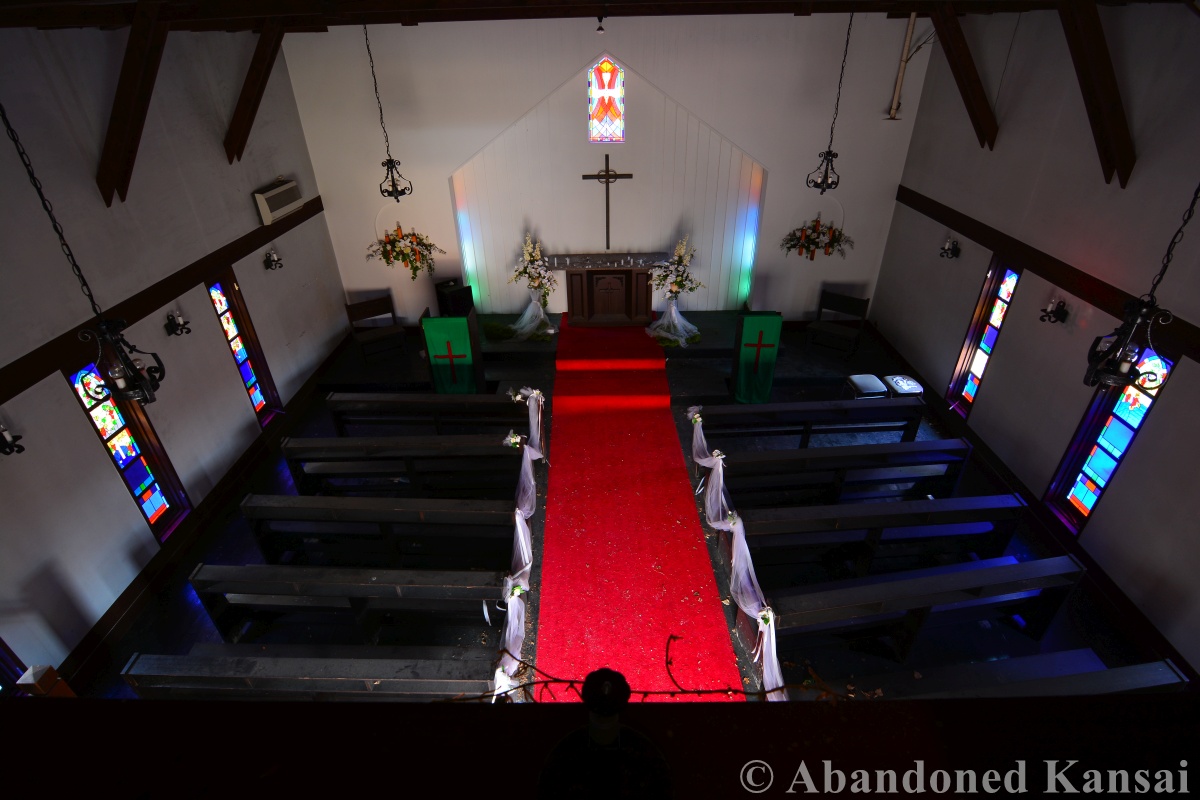
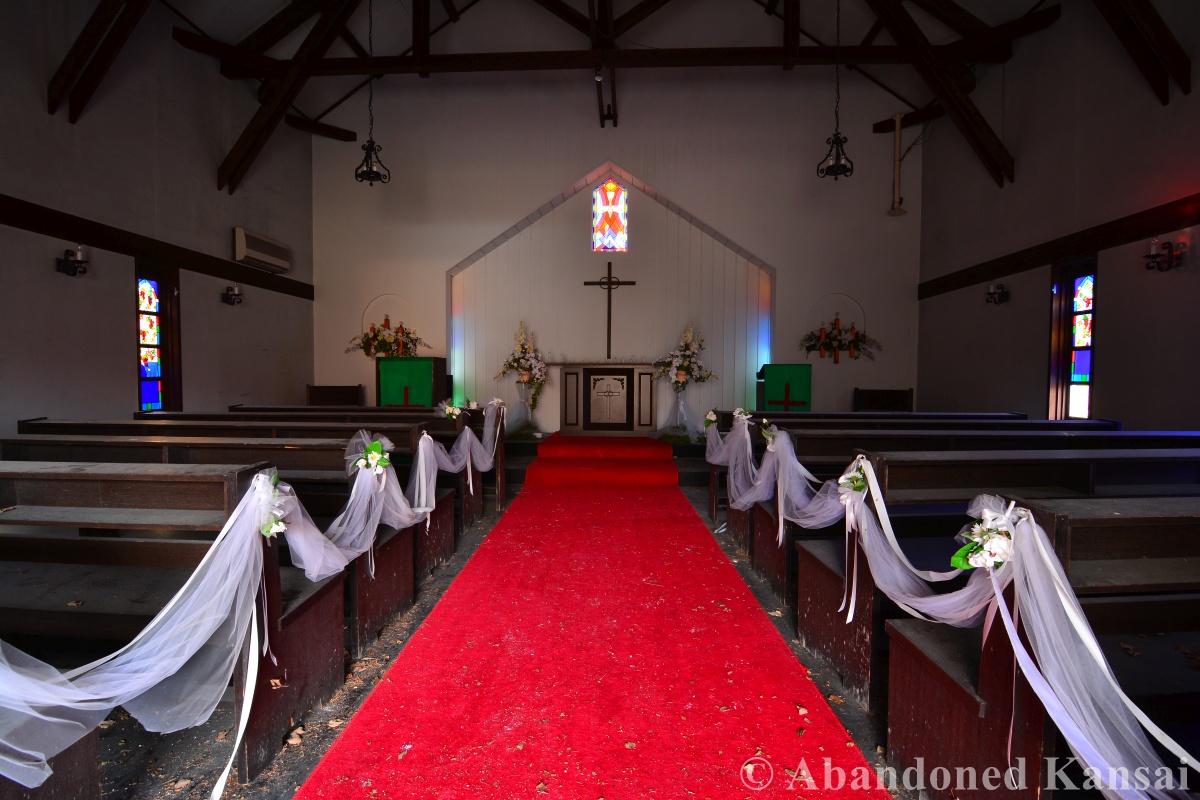
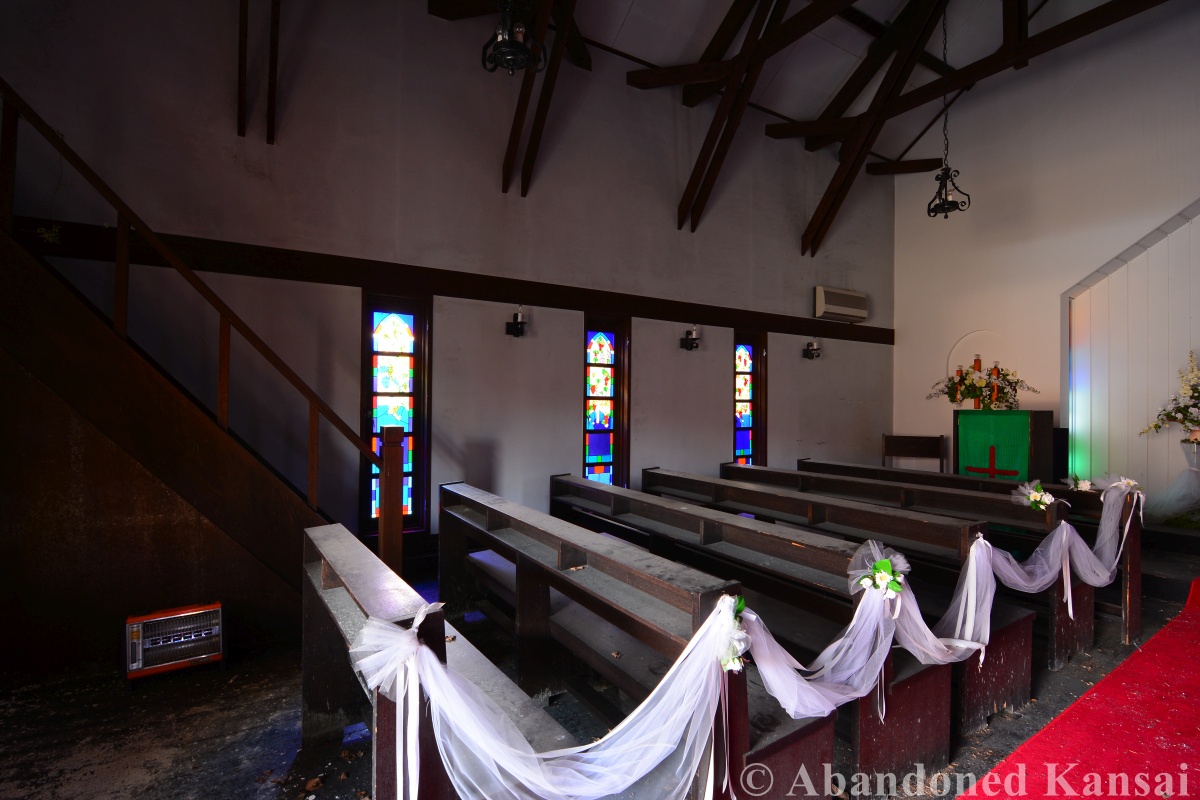
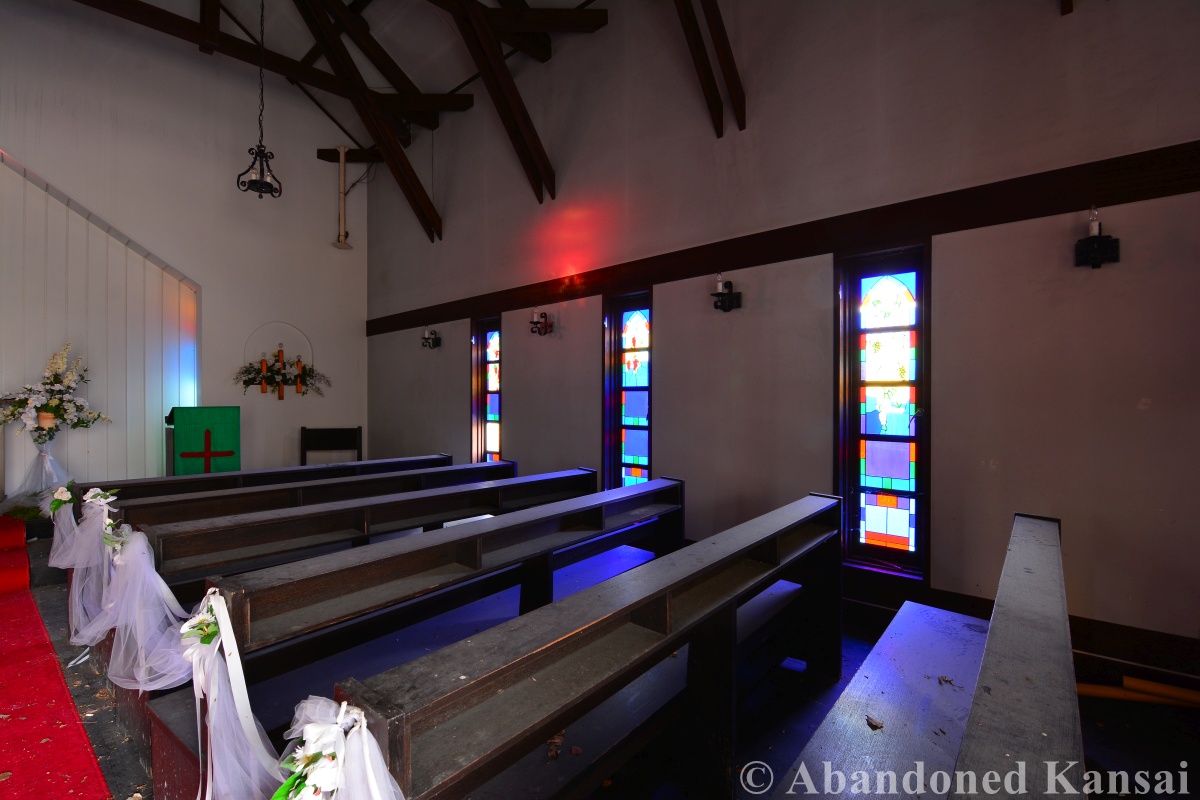
The longest Christian tradition in Japan? Nailing believers to the cross! It’s not practiced anymore, but it was pretty common between the middle of the 17th century and the middle of the 19th century; at least more common than in the rest of the world. Nowadays Japan still doesn’t care much about Christianity – except for weddings; and Christmas sales. The average Japanese woman wants her big white dress and feel like a Disney princess for an hour or two; not even for the whole day, just enough to snap some photos for social media. And that’s why there are a few abandoned churches all across Japan. Well… “churches”. The vast majority of them are part of wedding venues and therefore as much of a church as the Sleeping Beauty Castle at Disneyland is a castle… But hey, people treat Japan as one big amusement park, so it’s only natural that the churches here are not really real.

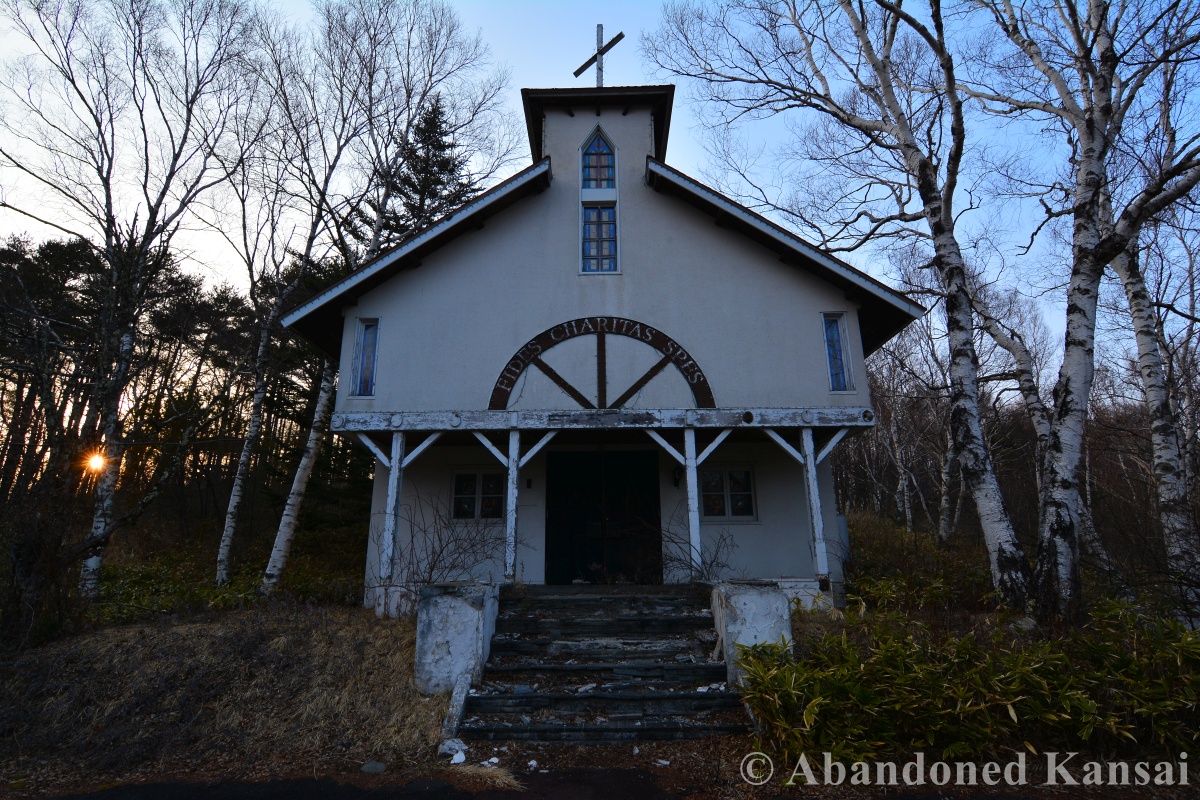
Unfortunately it was the last location of a very, very, very long day and therefore a little bit rushed. But I only knew about the place and not where it was, so I won’t complain – usually I find my own places, so being shown one is something I really, really appreciate. Not only was it shown to me by someone, but that co-explorer had a personal connection to the location – their parents actually got married there a few decades prior! No kidding, I’ve seen photos!

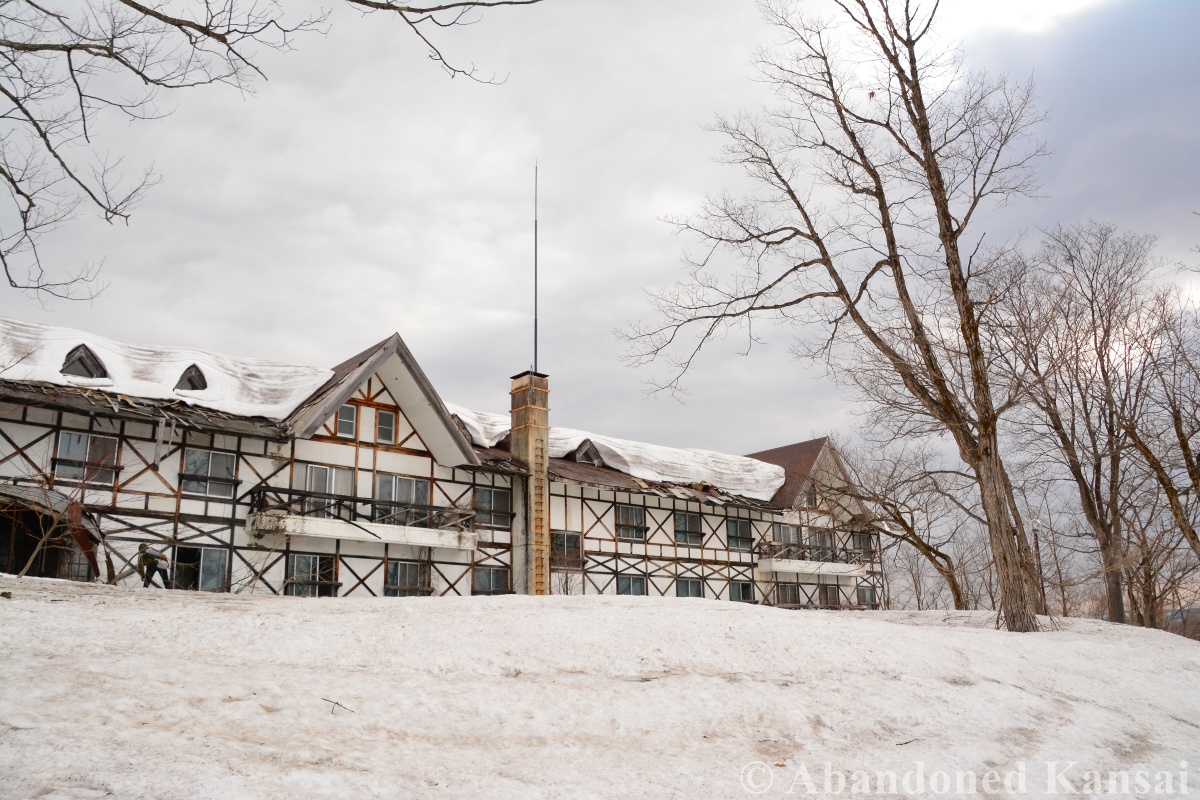
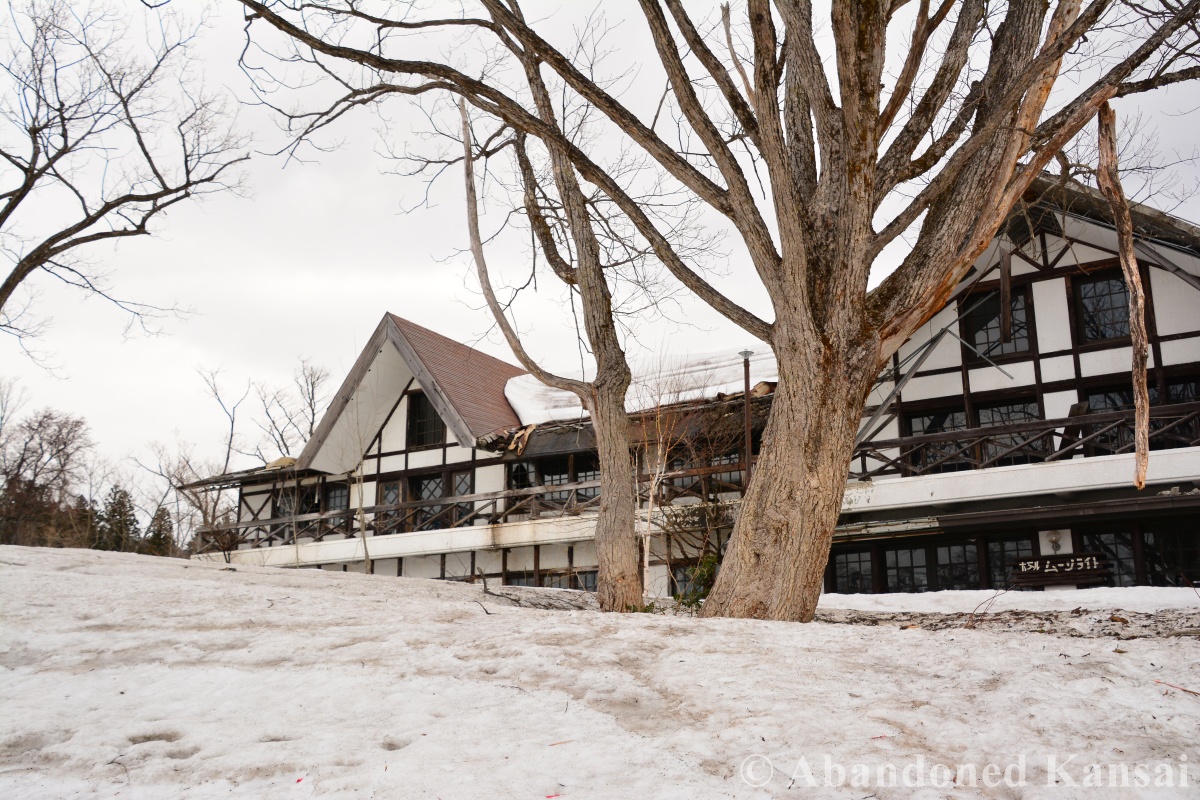
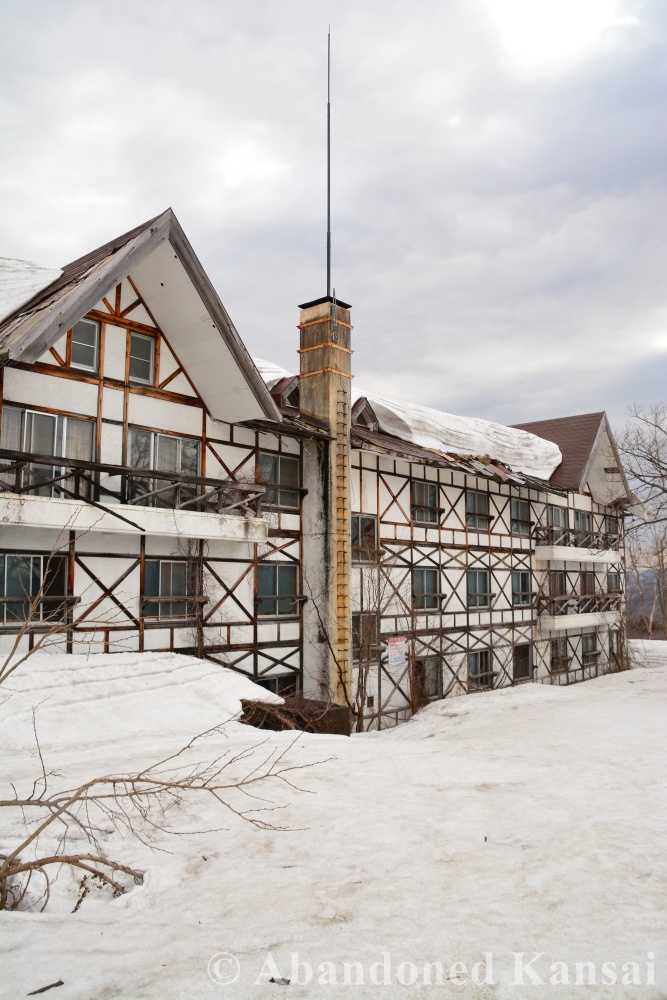
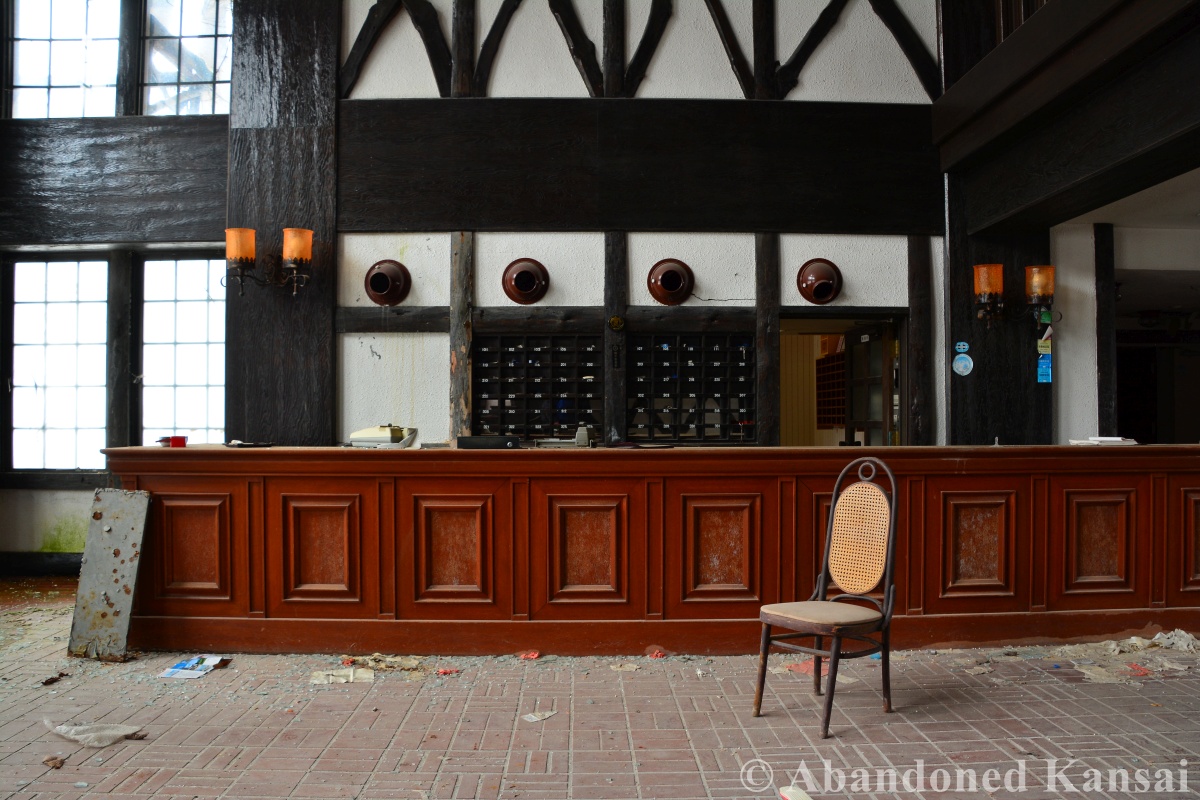
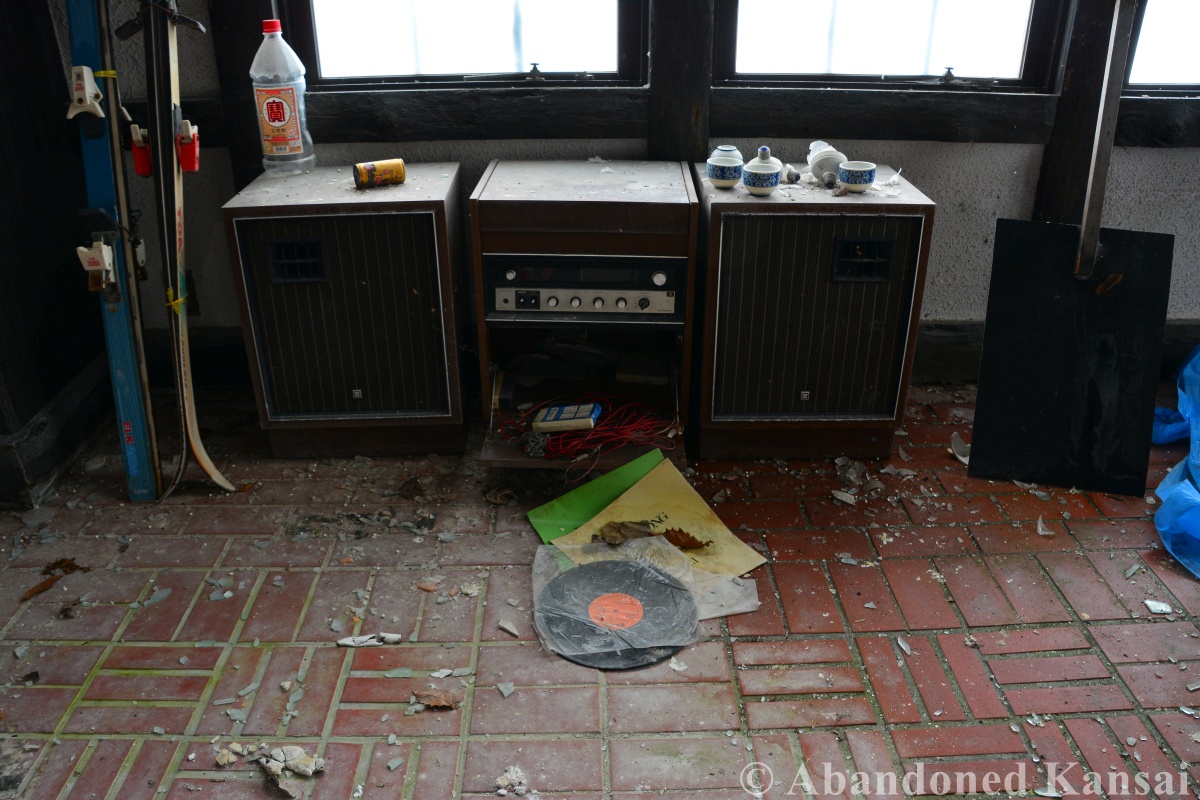
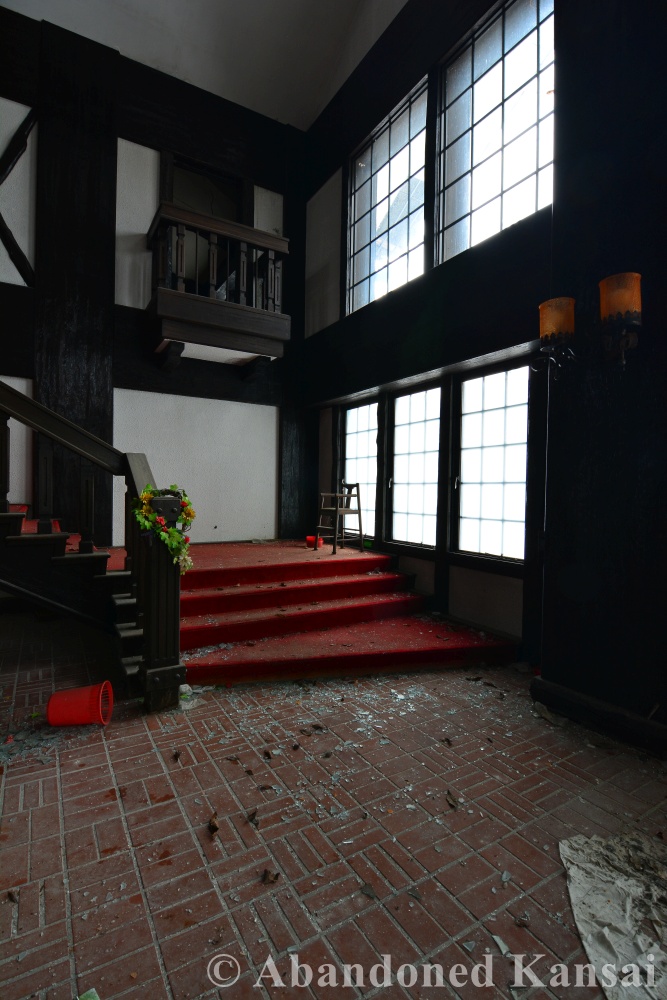
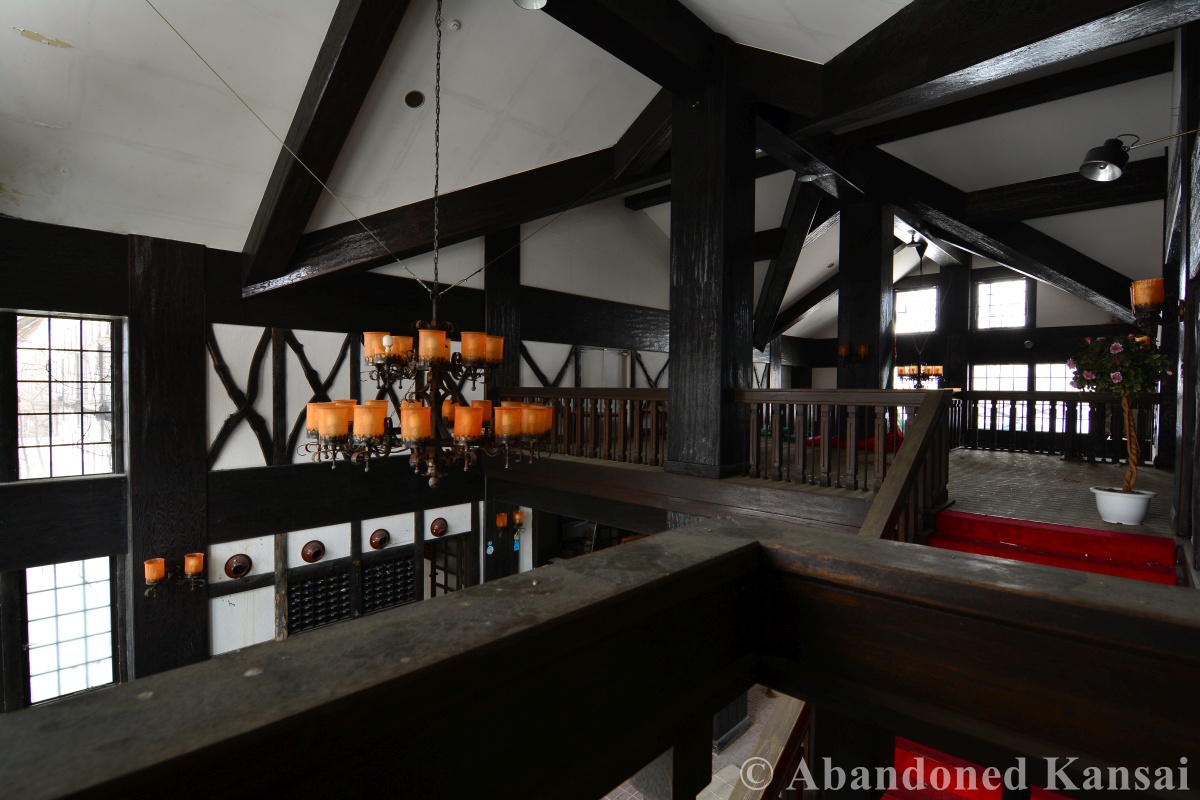
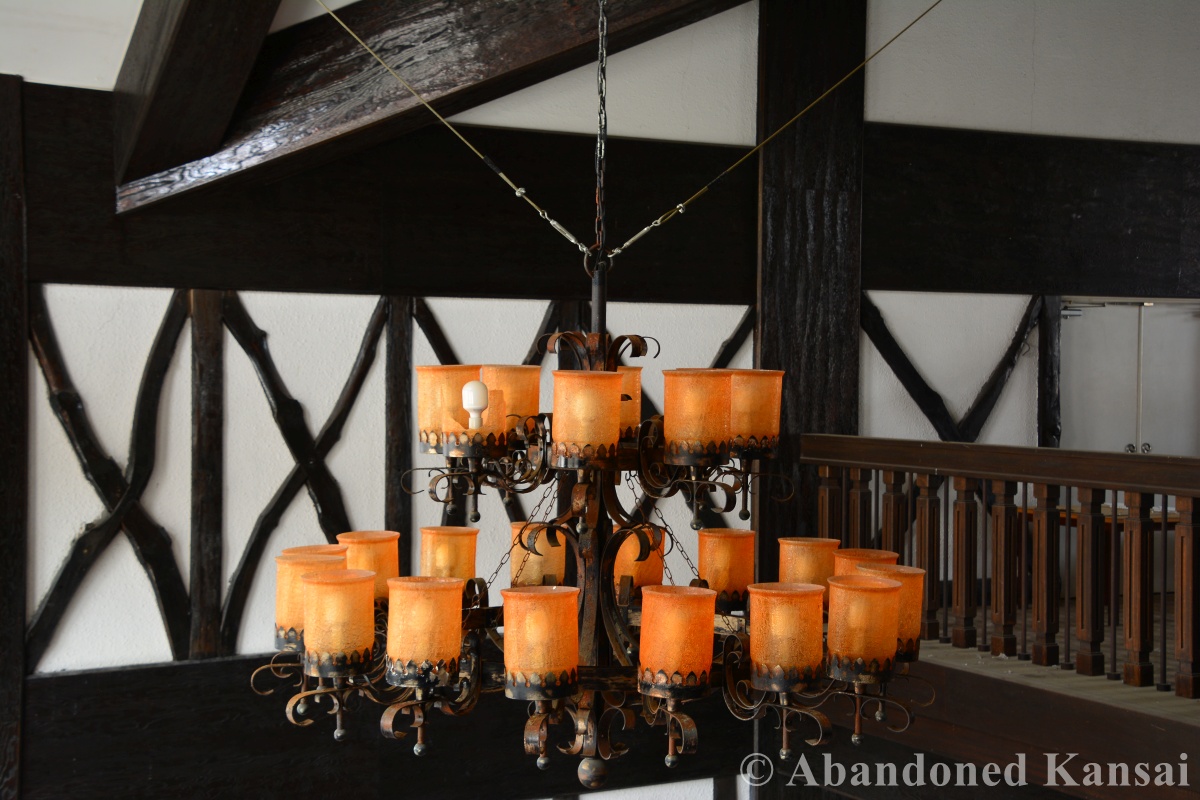
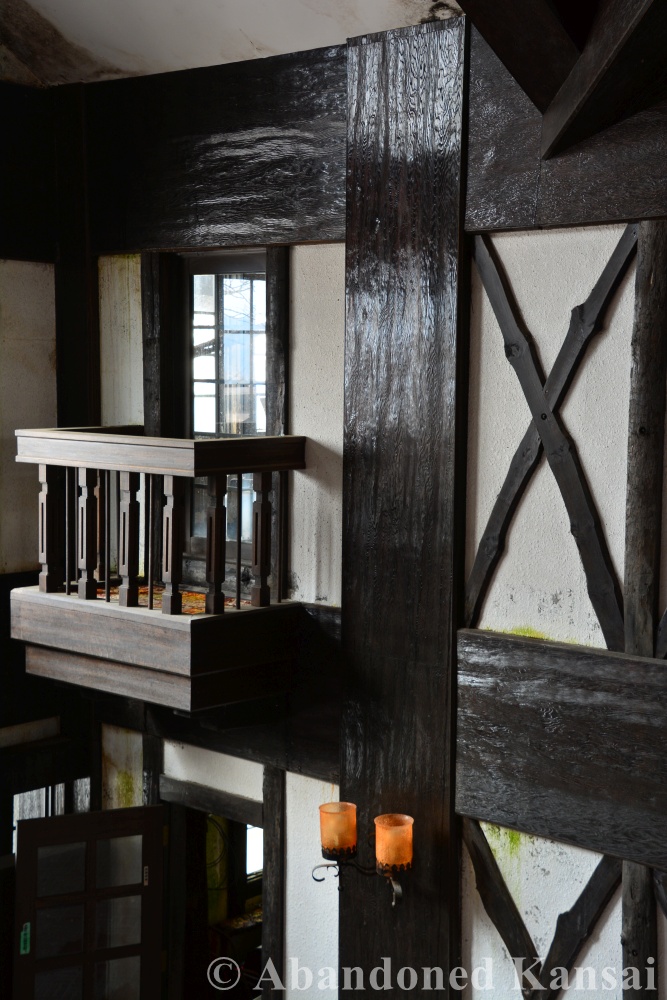
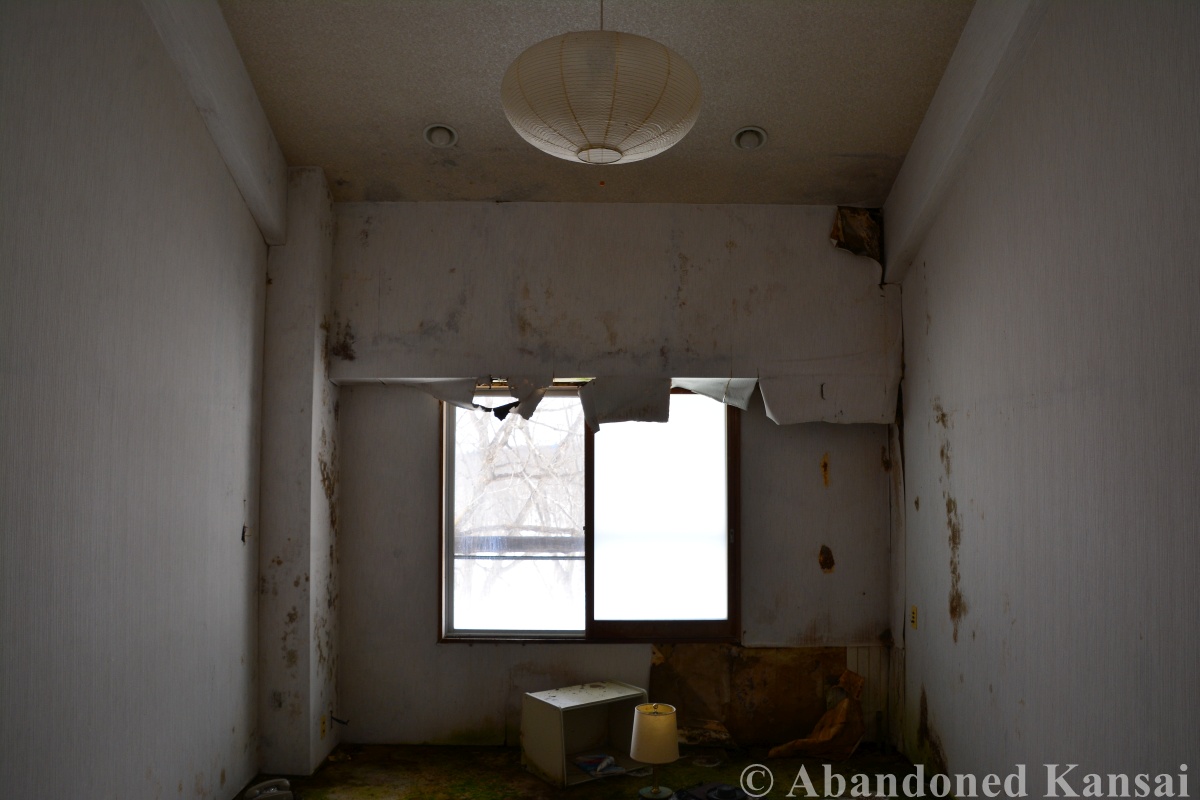
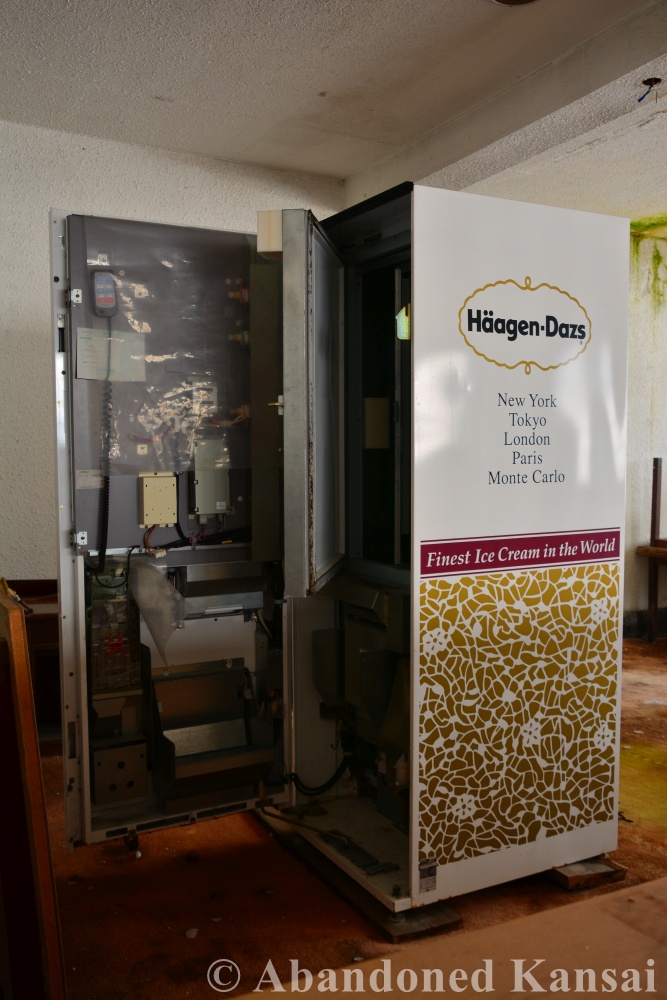
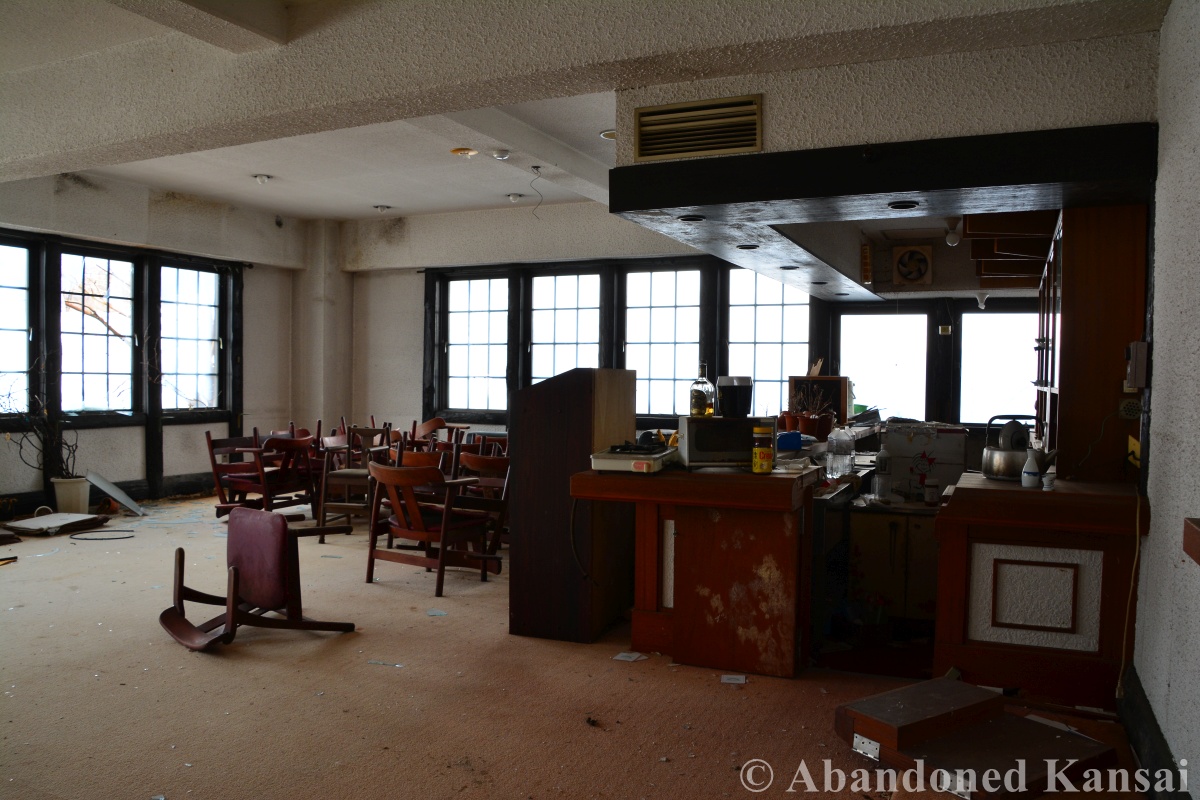
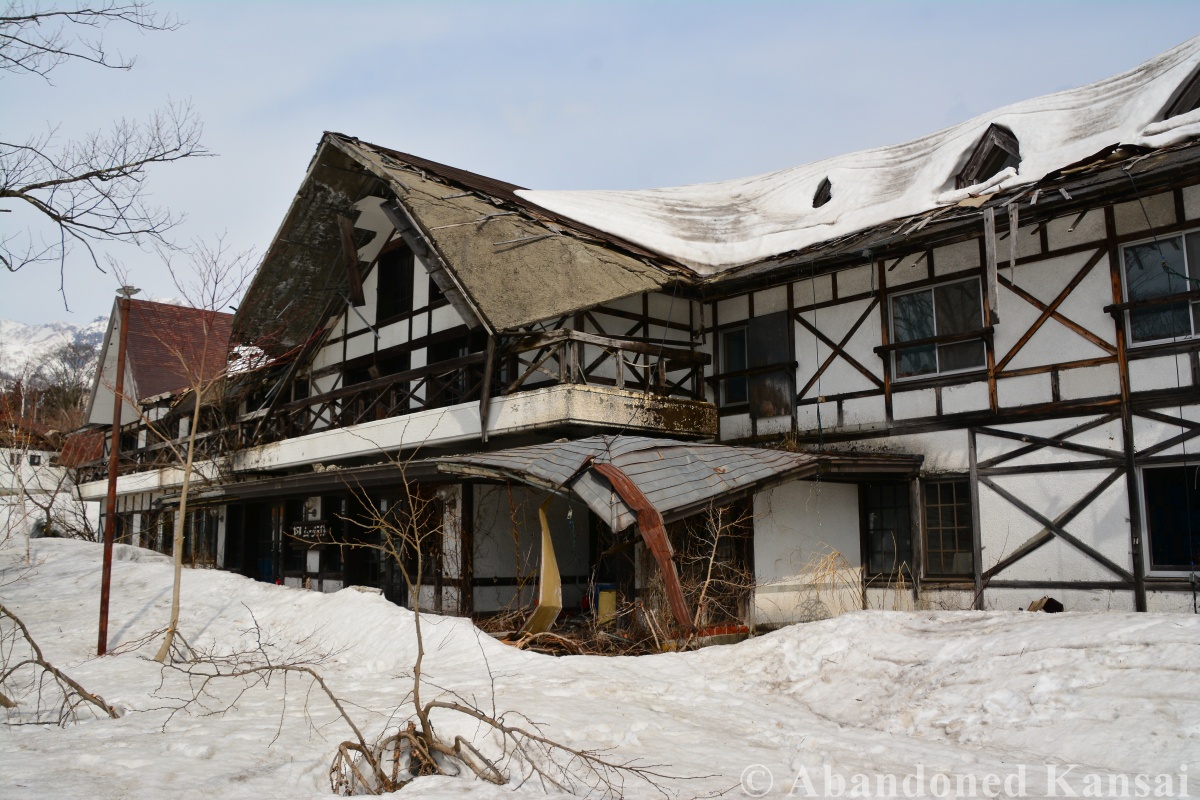
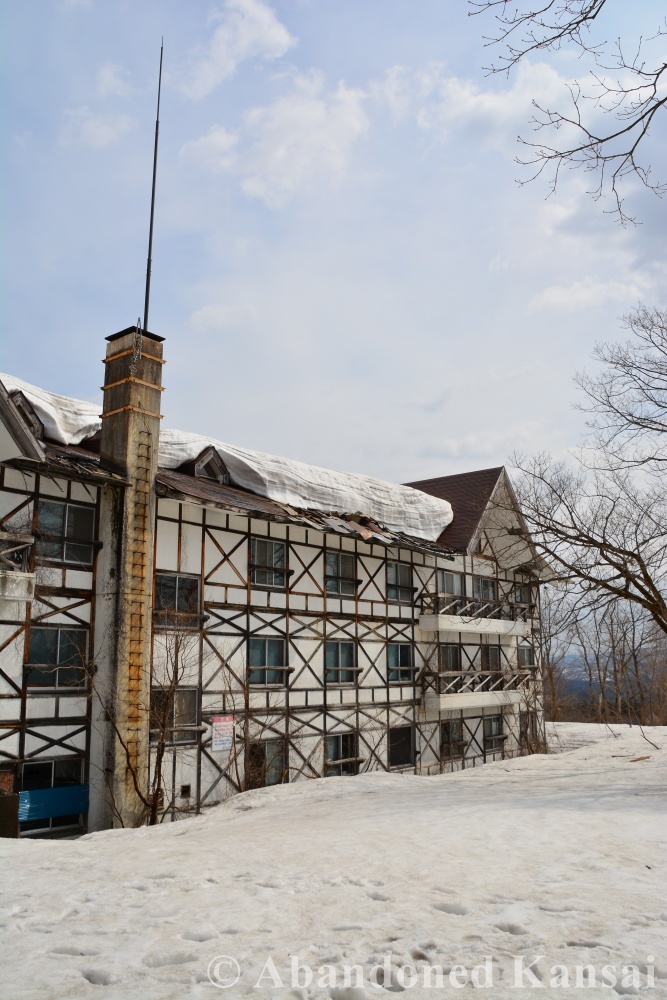
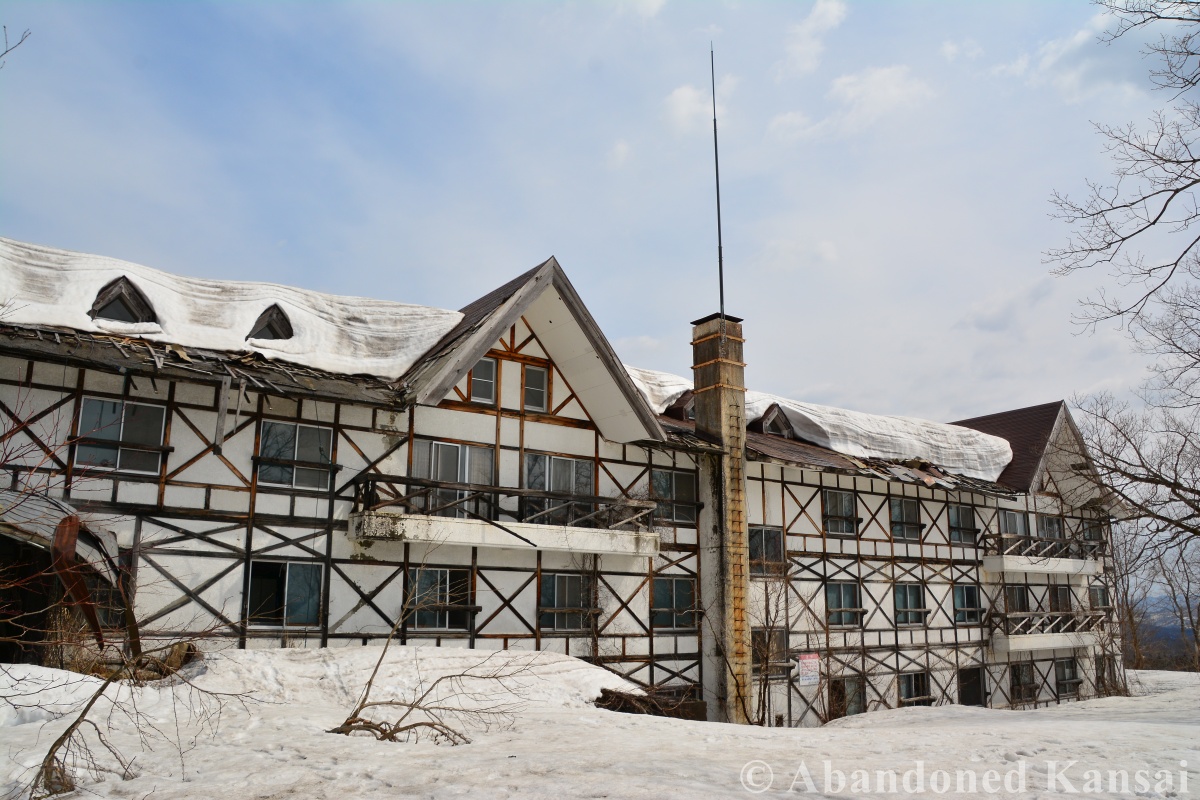
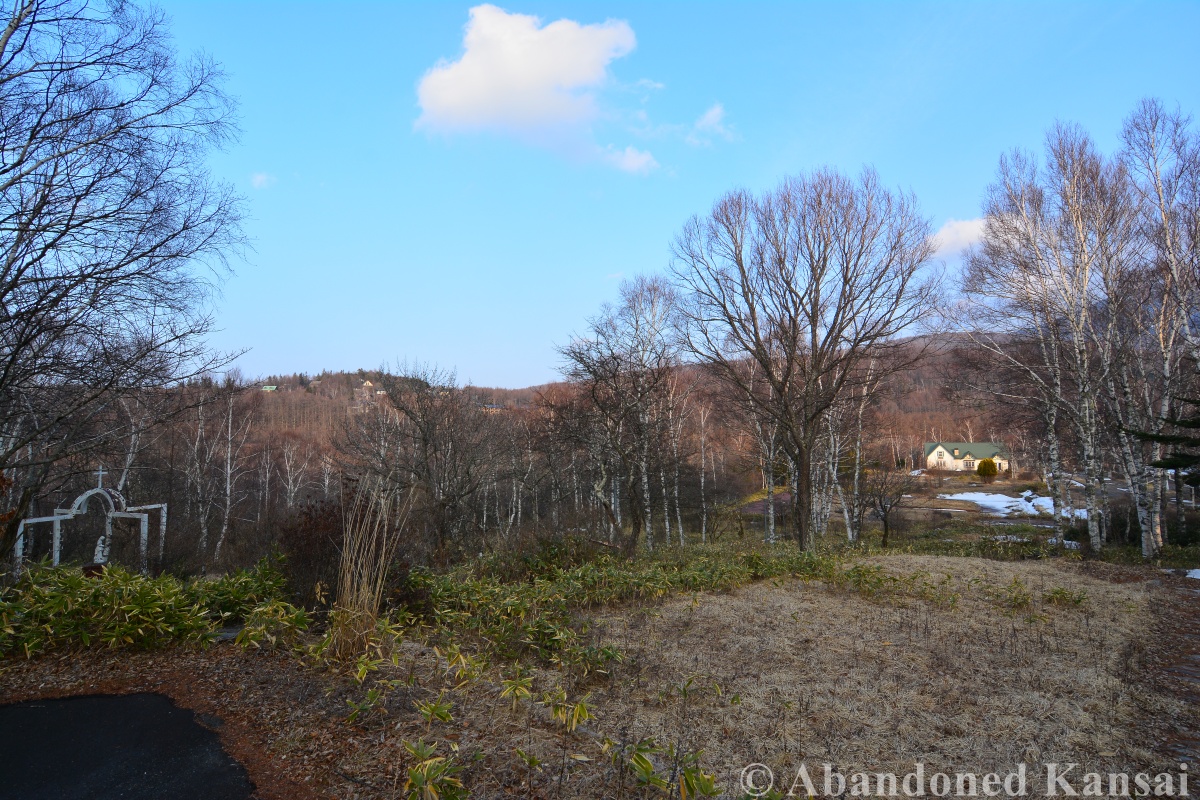
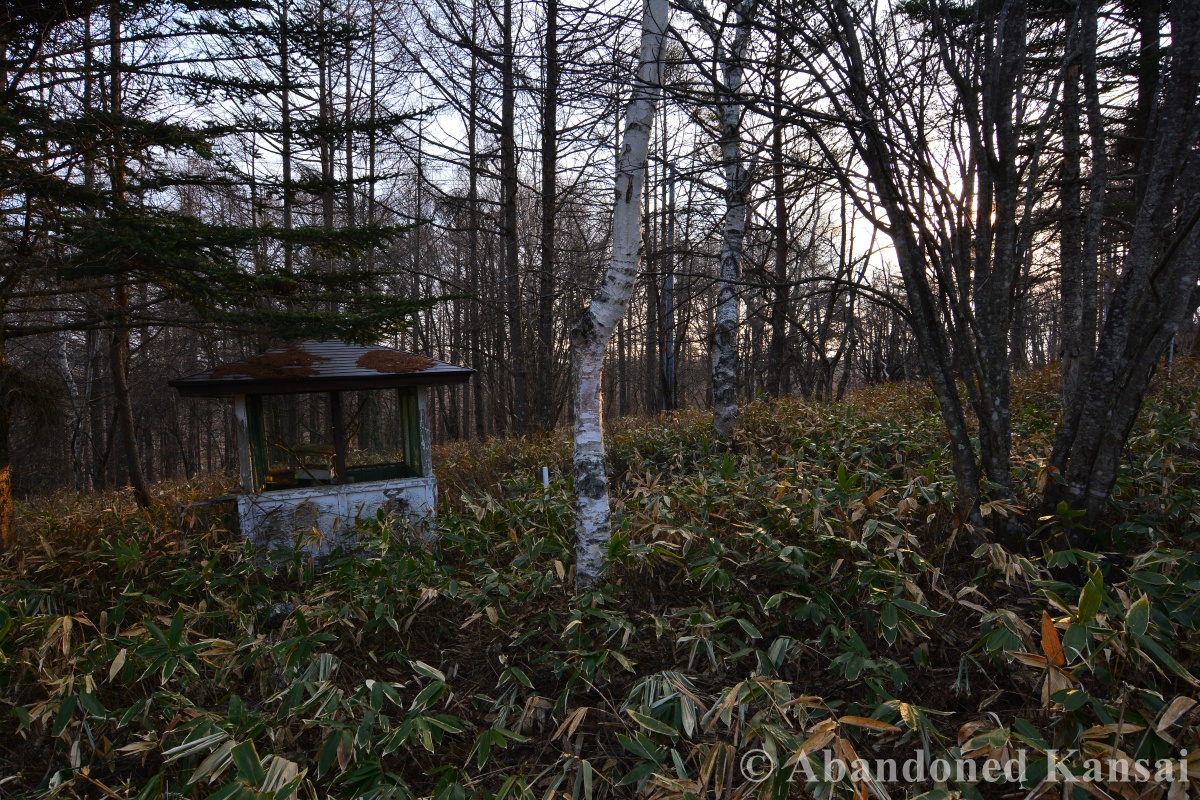
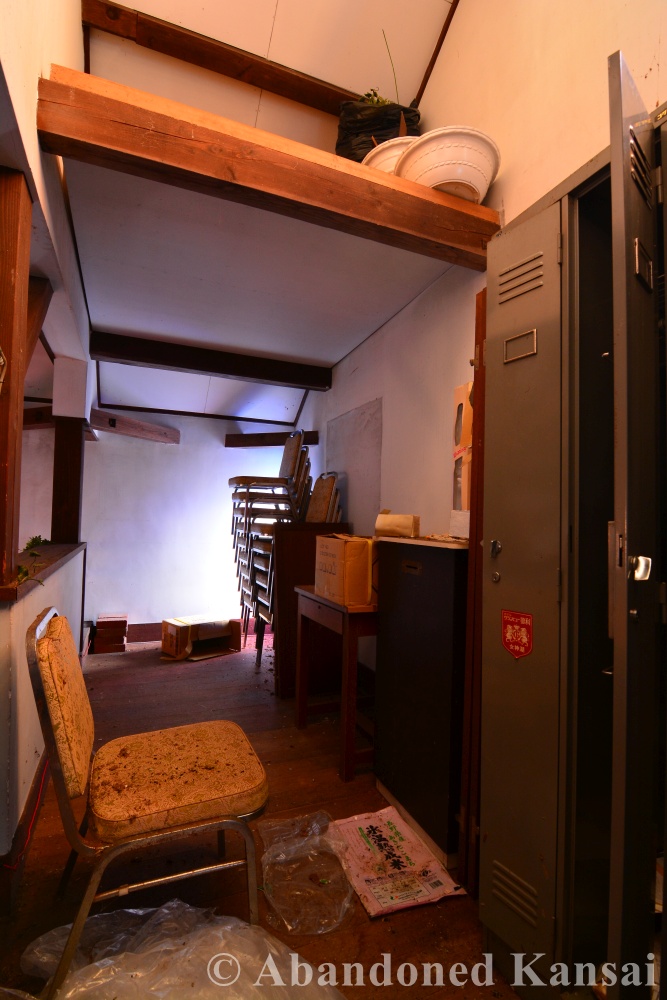
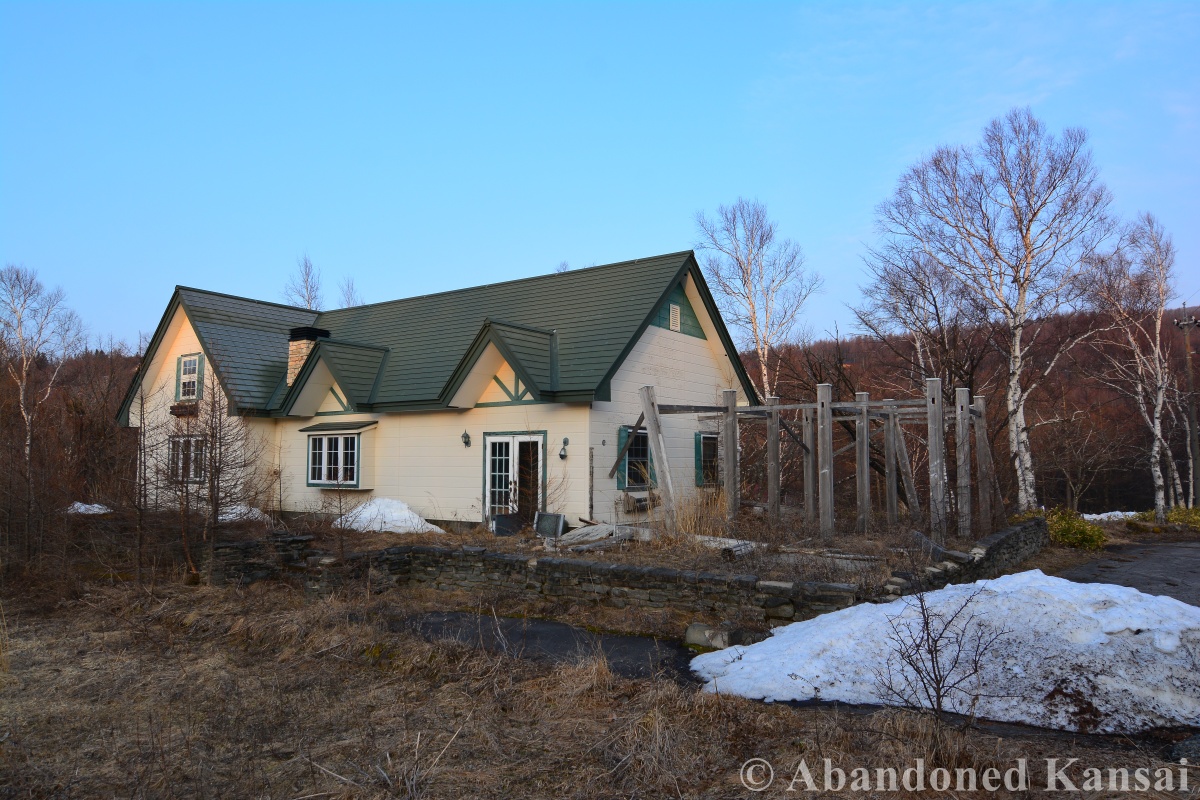
The sun was already setting when we finally arrived at the Nagano Wedding Church, somewhere deep in the Japanese Alps. Much to our surprise there were still some patches of snow on the ground, which, along with the birch trees and some other vegetation, gave the whole area a very Hokkaido vibe – and that’s always a good thing in my book, given that Hokkaido is one of my favorite prefectures. Unfortunately that also meant that we were running out of time soon, making indoor shots impossible quickly and outdoor shots rather unpleasant. Midday this would have been a wonderful exploration, but under the given circumstances, it was an easy, but rushed one. The church was actually part of a resort complex that started with a lease system in 1974 – when the owners weren’t there, they could rent it out and get 50% of the lodging fee, kind of making it an early Airbnb, I guess. The 123 units were able to host up to 300 guests, supported by two restaurants, a bar, a heated pool, a sauna, several tennis courts as well as a beauty clinic. Around the turn of the century the complex was renovated and turned into a dieting resort, which in Japan at the time sounds like a recipe for disaster. And so the thing was shut down about ten years later – though 40 years of business isn’t a bad thing in a country where you can punch through a lot of walls and where mold is almost guaranteed after a while, unless you take really good care of your building. Needless to say that there was absolutely no time to explore any of these, but you can still see some elements in the background of a few photos.
Exploring places I am only peripherally aware of is always a big win, so I really enjoyed exploring the Nagano Wedding Church, despite the circumstances. In addition, accessible abandoned churches, fake or not, are rather rare in Japan overall, which was an added bonus. Not a bad last location of a 24 hour round trip! Yes, a one day trip from Osaka to Nagano prefecture, which consisted of a total of five locations, including the *Failed Health Resort*

(*Like Abandoned Kansai on Facebook* or *follow us on Twitter* if you don’t want to miss the latest articles and exclusive content – and subscribe to the *video channel on Youtube* to receive a message right after a new video is online…)

Read Full Post »

Awaji Island is famous for onions, octopus crackers, and hamburgers. Not internationally, but locally. In Kansai. And in Shikoku. Two areas the island connects with bridges, but not by rail, which makes it hard to navigate for most tourists. There are some buses, and you can rent bicycles at several places, but without a car your movement there is limited. Over the years I’ve been to Awaji Island about half a dozen times and I enjoyed every trip tremendously – the food, the landscape, the ruins; including legendary locations like the *World Peace Giant Kannon* and the *Kuroshio Lodge*, though my favorite place is probably the (not abandoned) Hompuku-ji water temple by Tadao Ando.

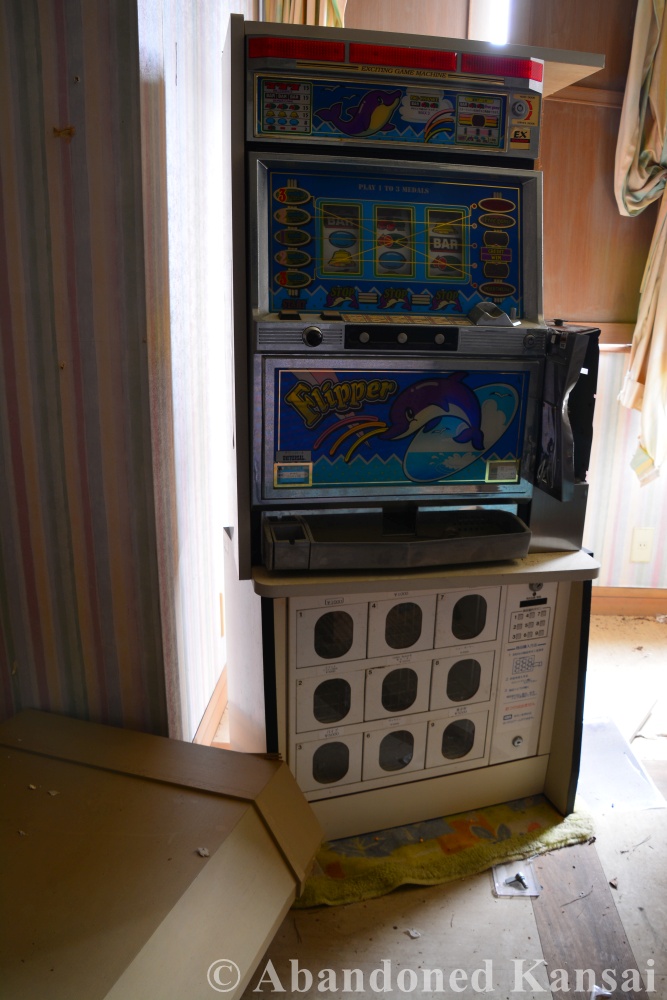
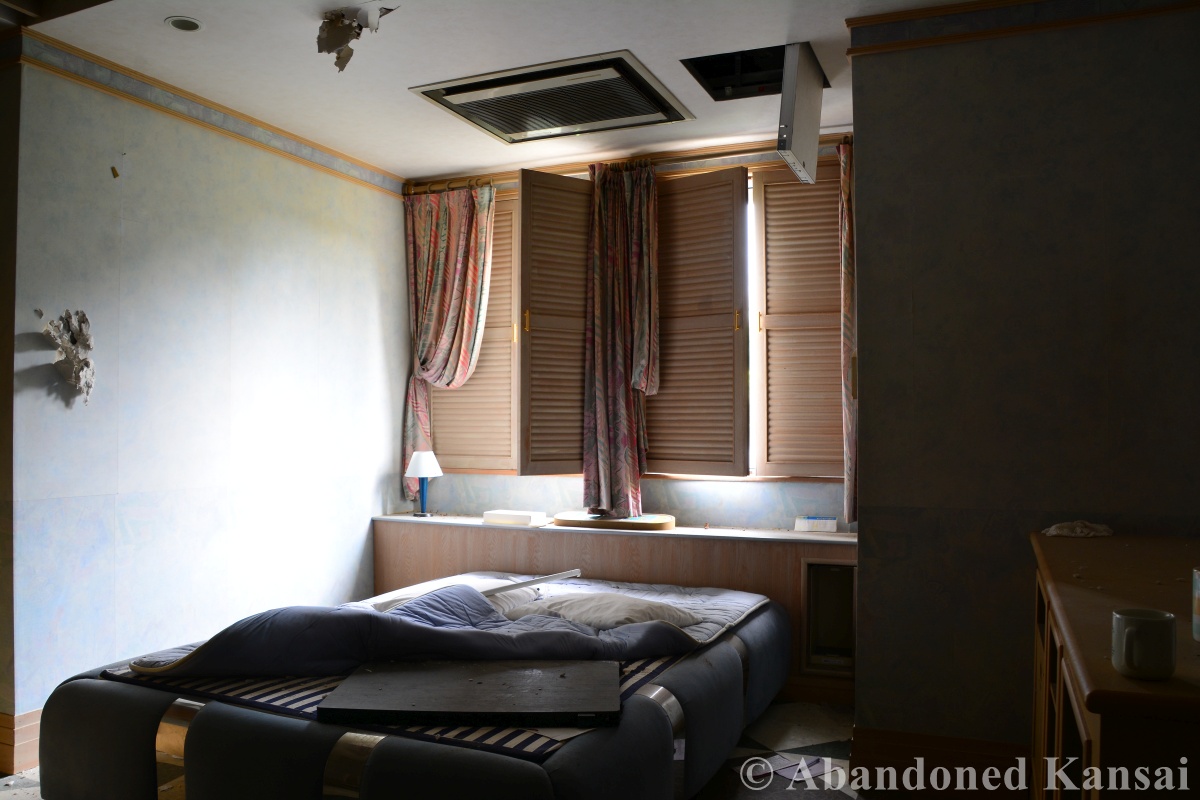
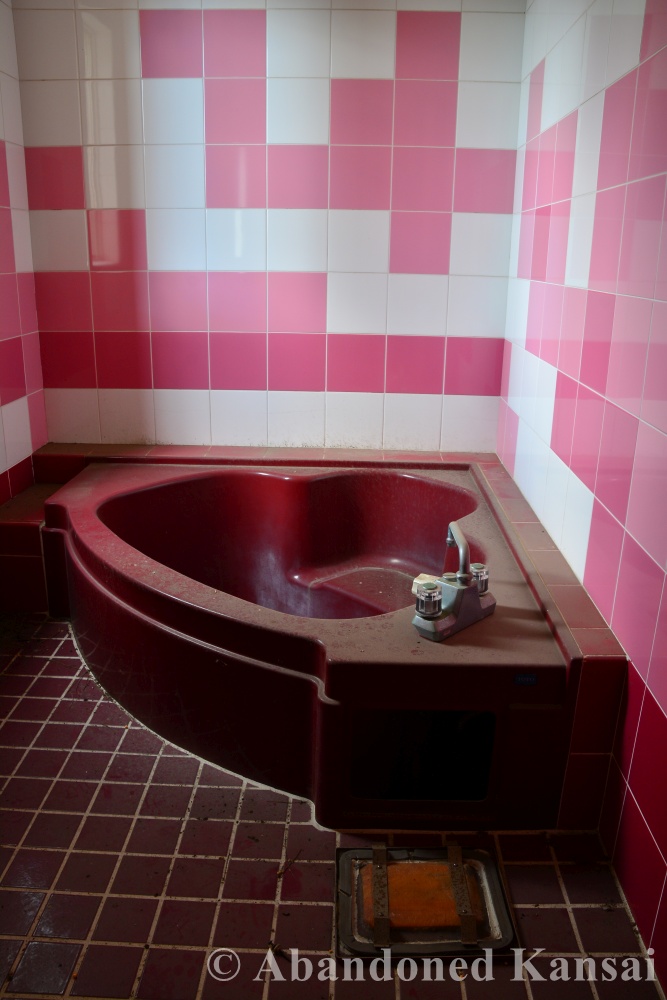
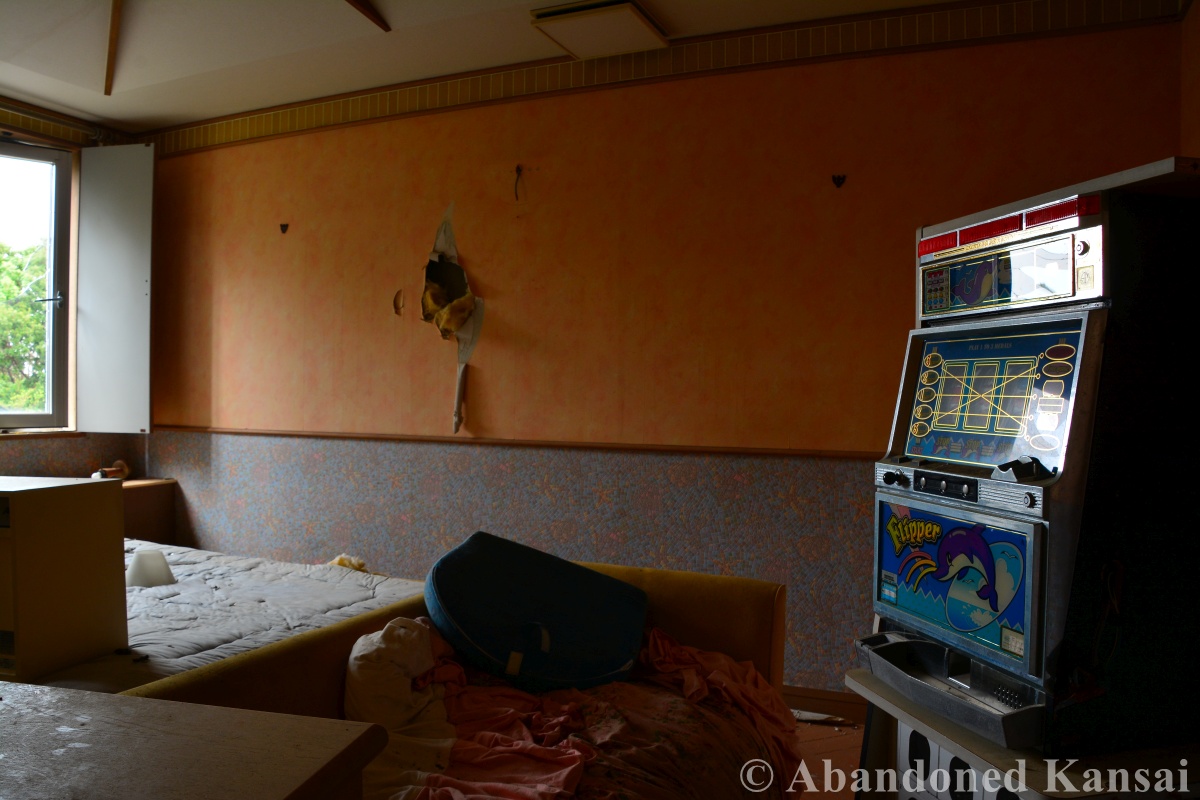
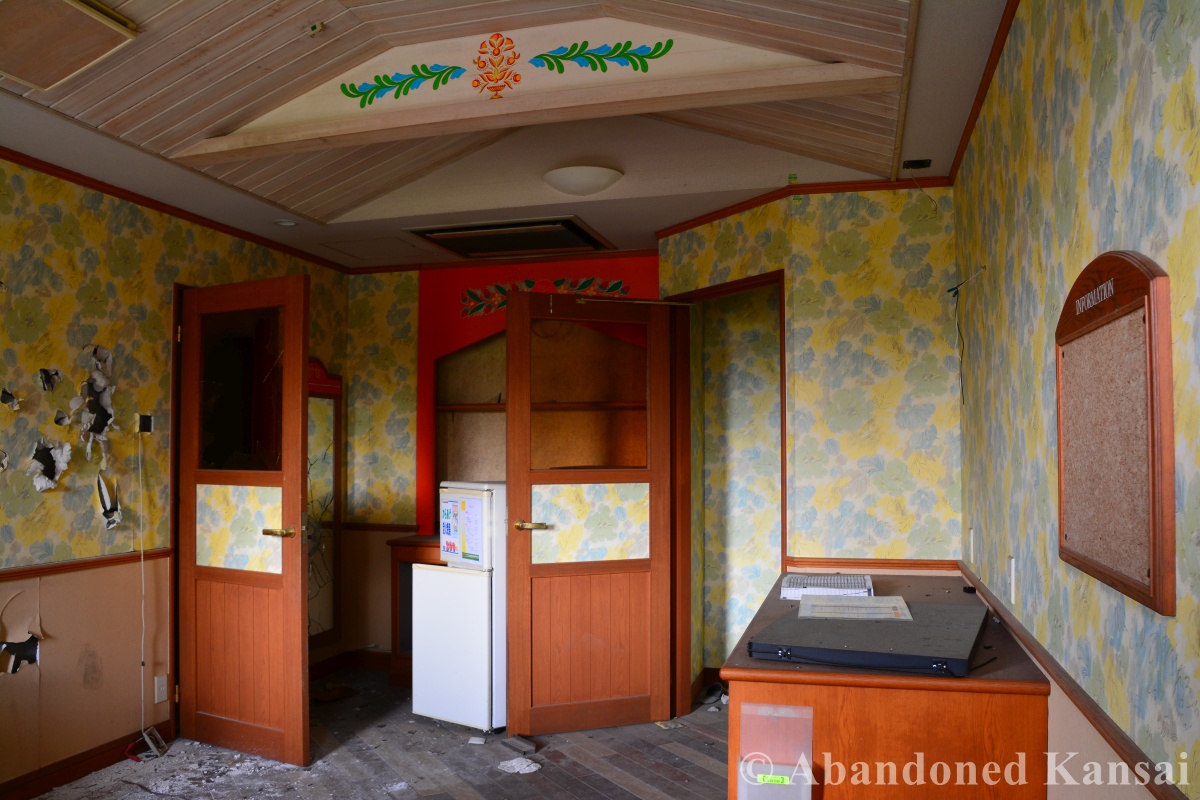
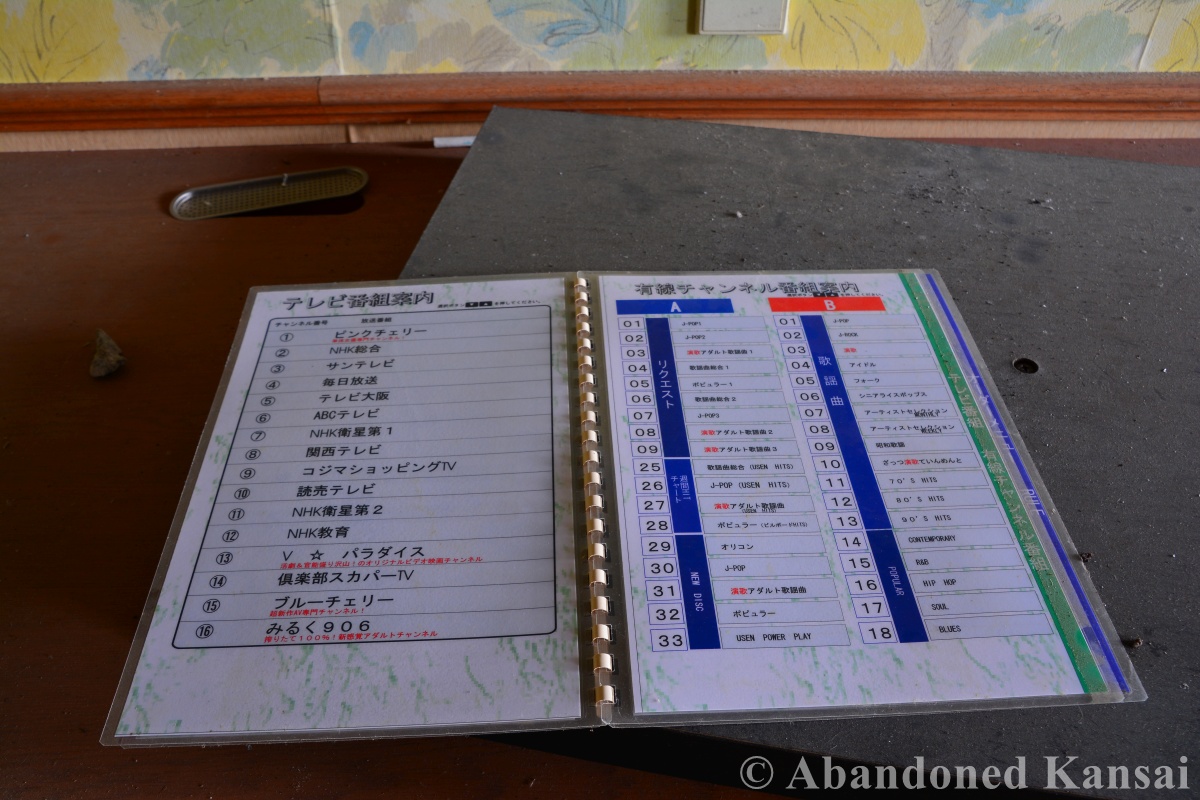
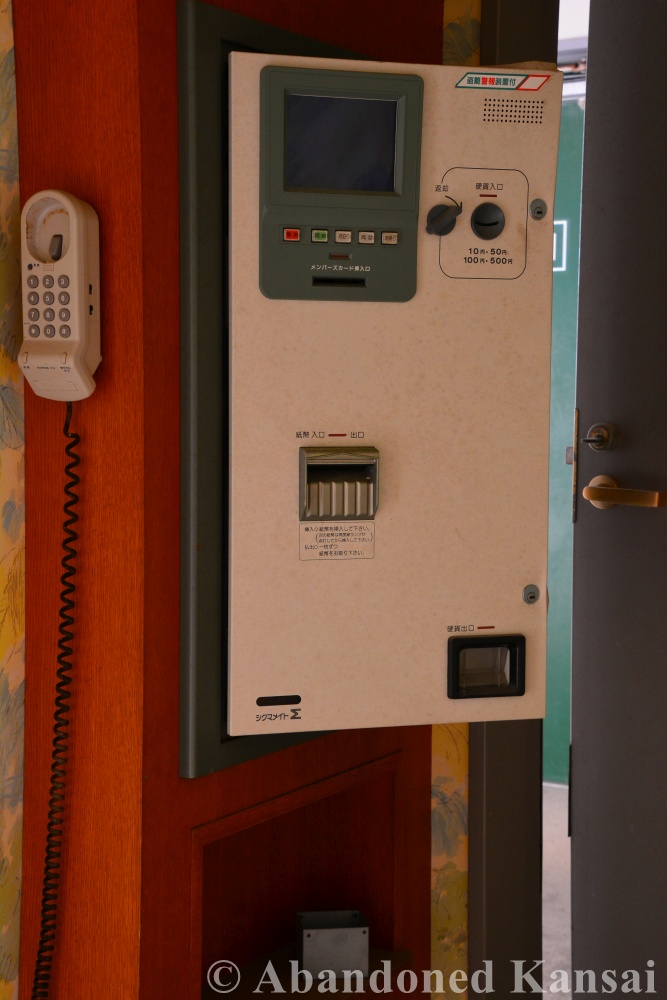
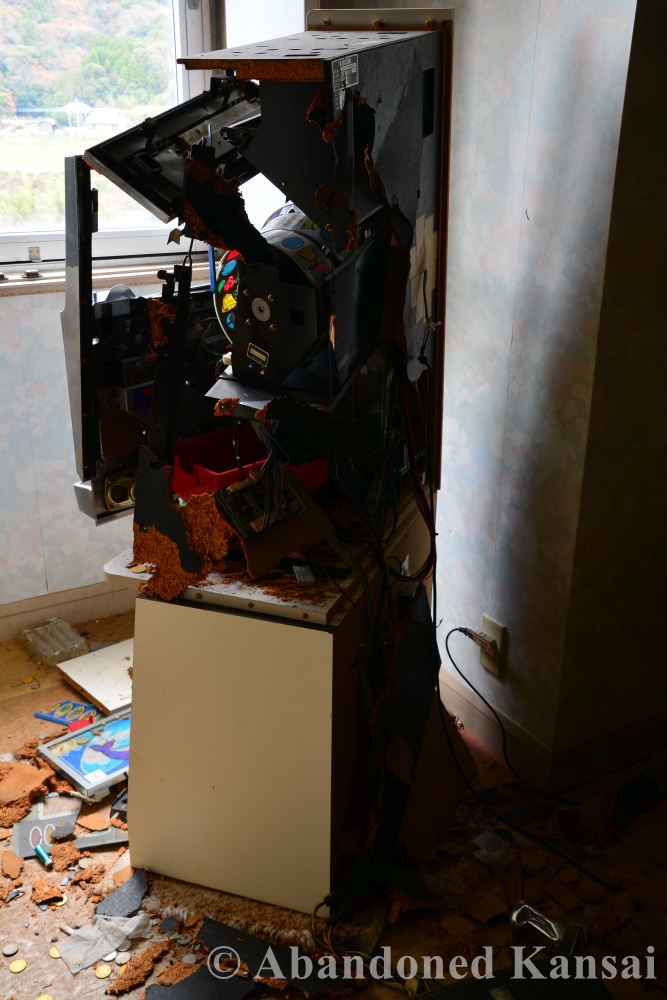
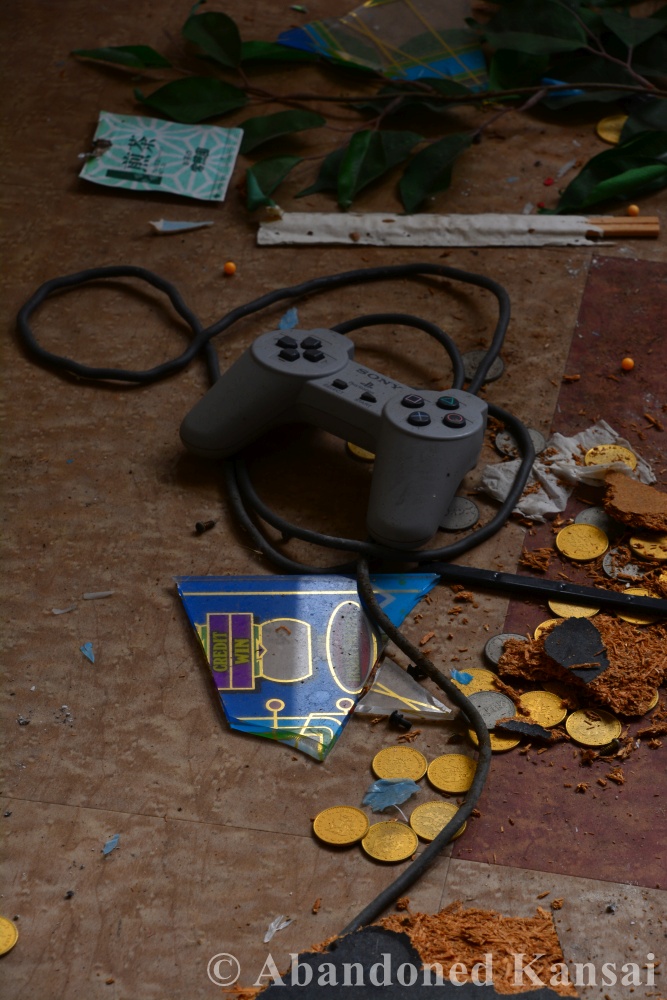
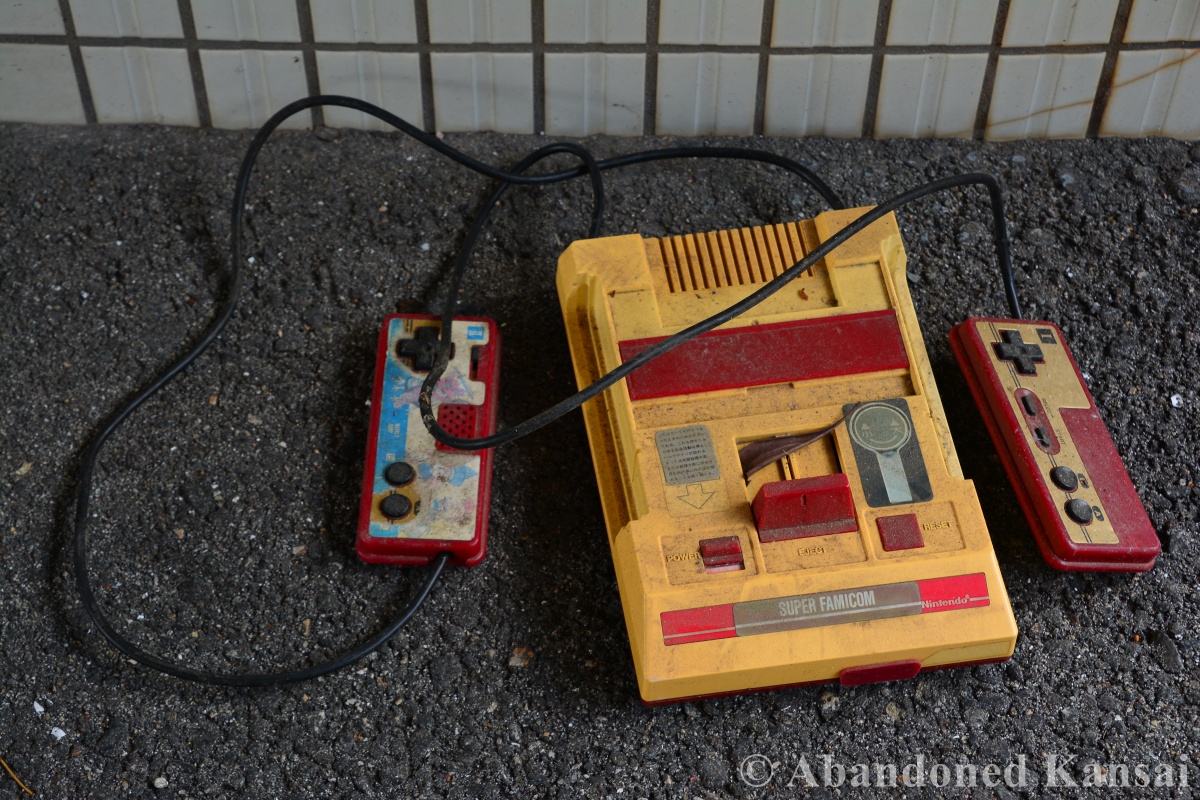
The Awaji Island Love Hotel was a rather unspectacular one. No exotic name, no exotic rooms, but plenty of vandalism. Some rooms were equipped with slots machines and I found a PlayStation controller and a Famicom with controller – both as retail versions, not the rather rare lease versions for hotels; though the latter gave me bad “China Says” vibes. Overall a rather unpleasant exploration, as abandoned love hotels often are. But hey, I came all the way from across the bay and over the spectacular Akashi-Kaikyo Bridge, so I did the dirty deed and took some photos before I left. I hope you’ll enjoy them.
Merry XXX-Mas everyone!

(*Like Abandoned Kansai on Facebook* or *follow us on Twitter* if you don’t want to miss the latest articles and exclusive content – and subscribe to the *video channel on Youtube* to receive a message right after a new video is online…)
Read Full Post »

It’s finally autumn, but I know we all already long for spring. So let’s look at a spring exploration today. A hot spring exploration… with cherry blossoms!

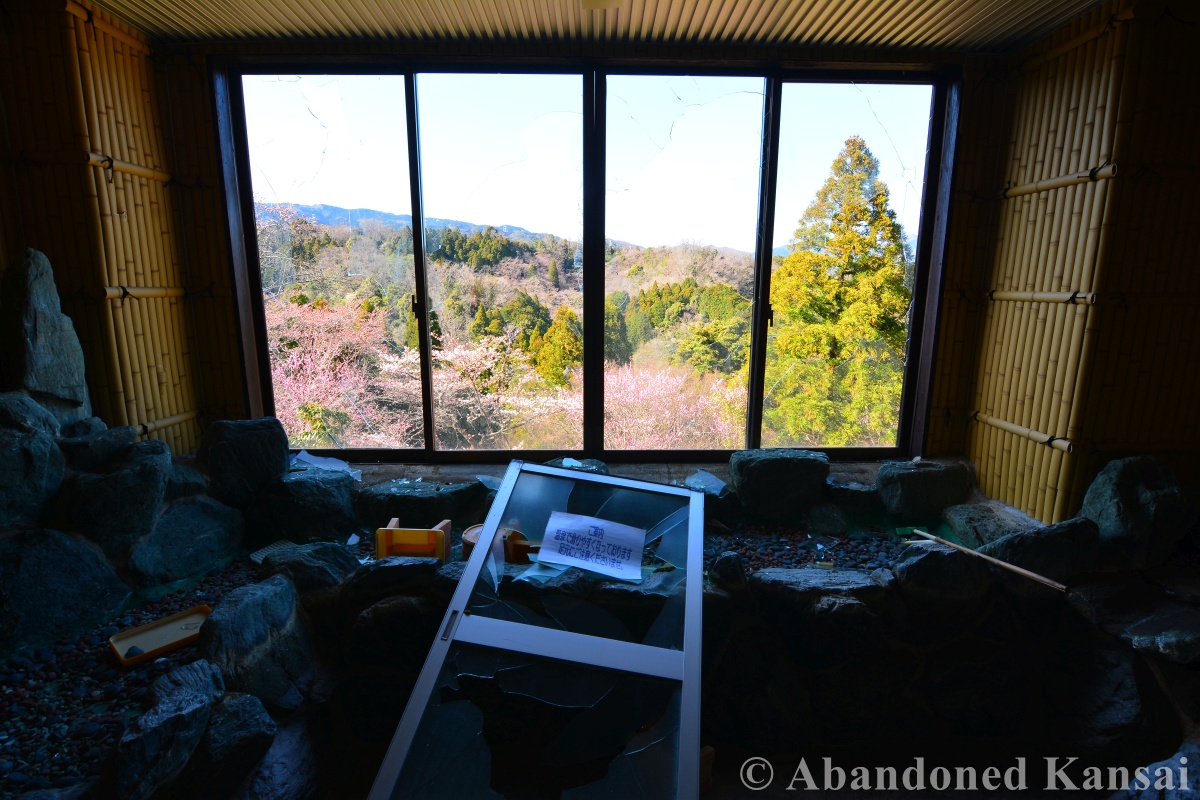
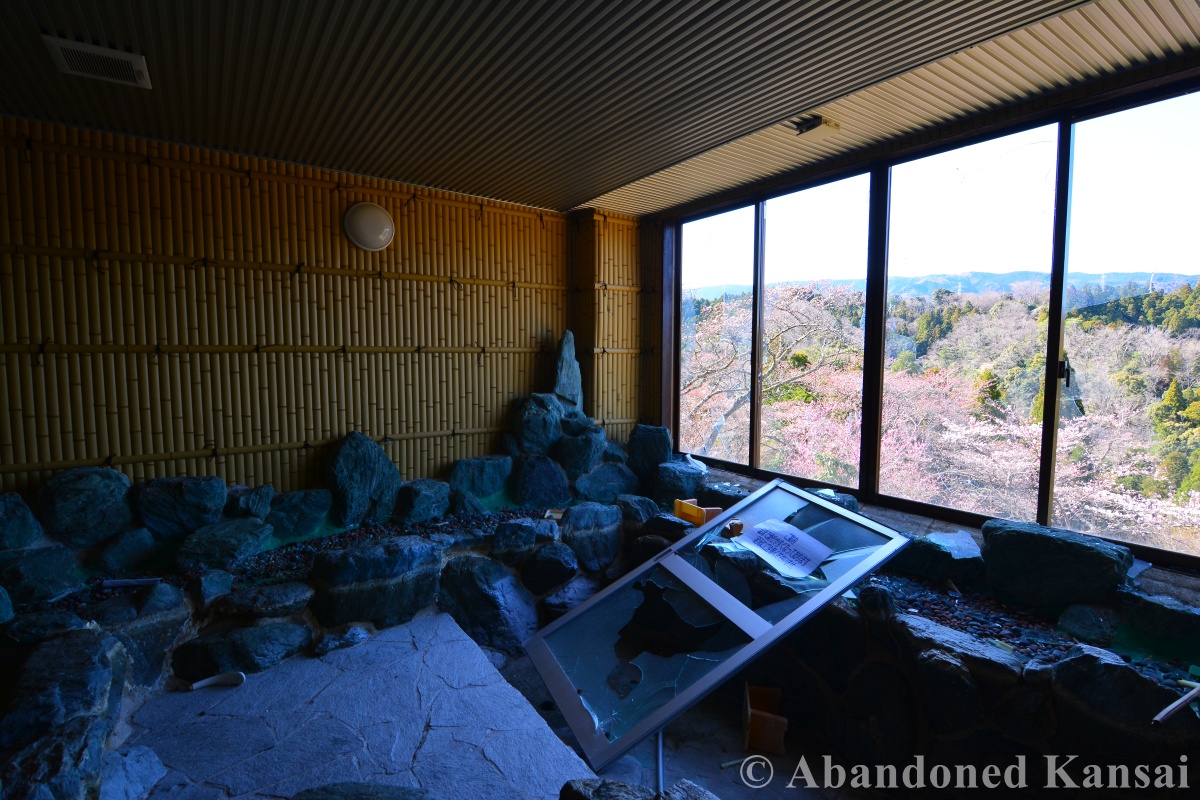
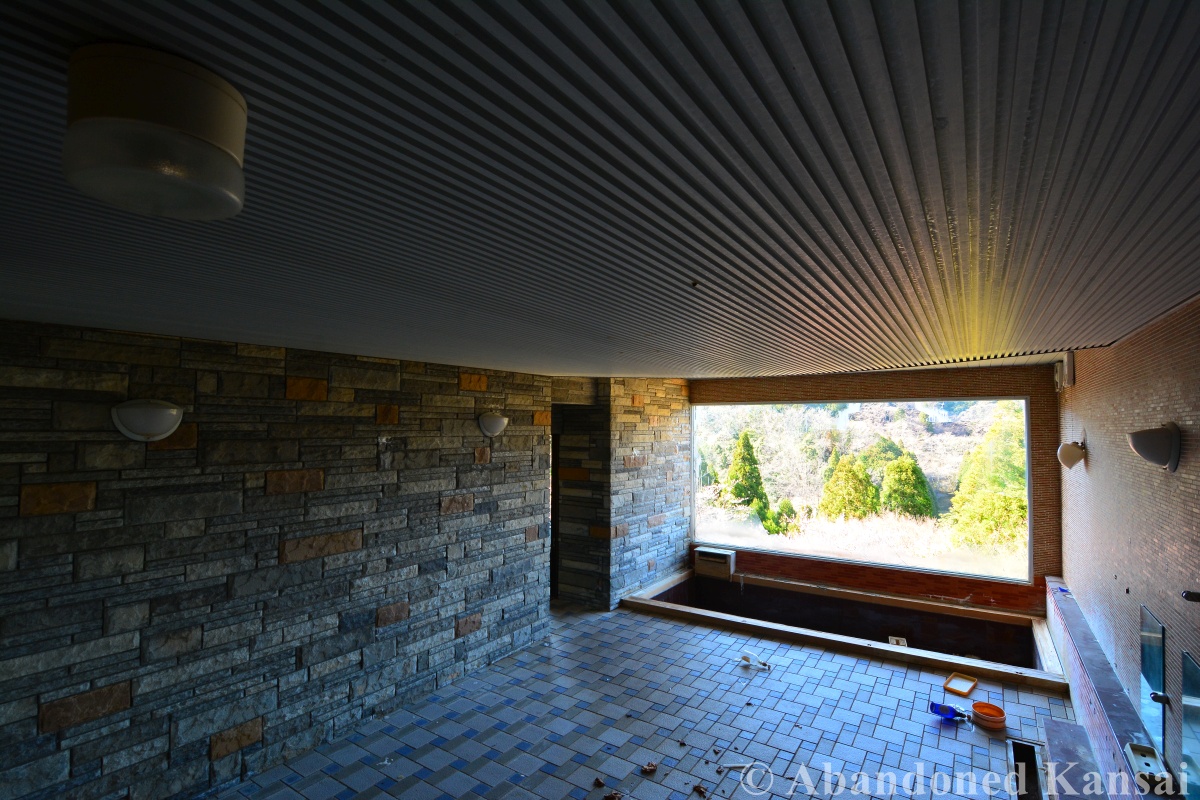
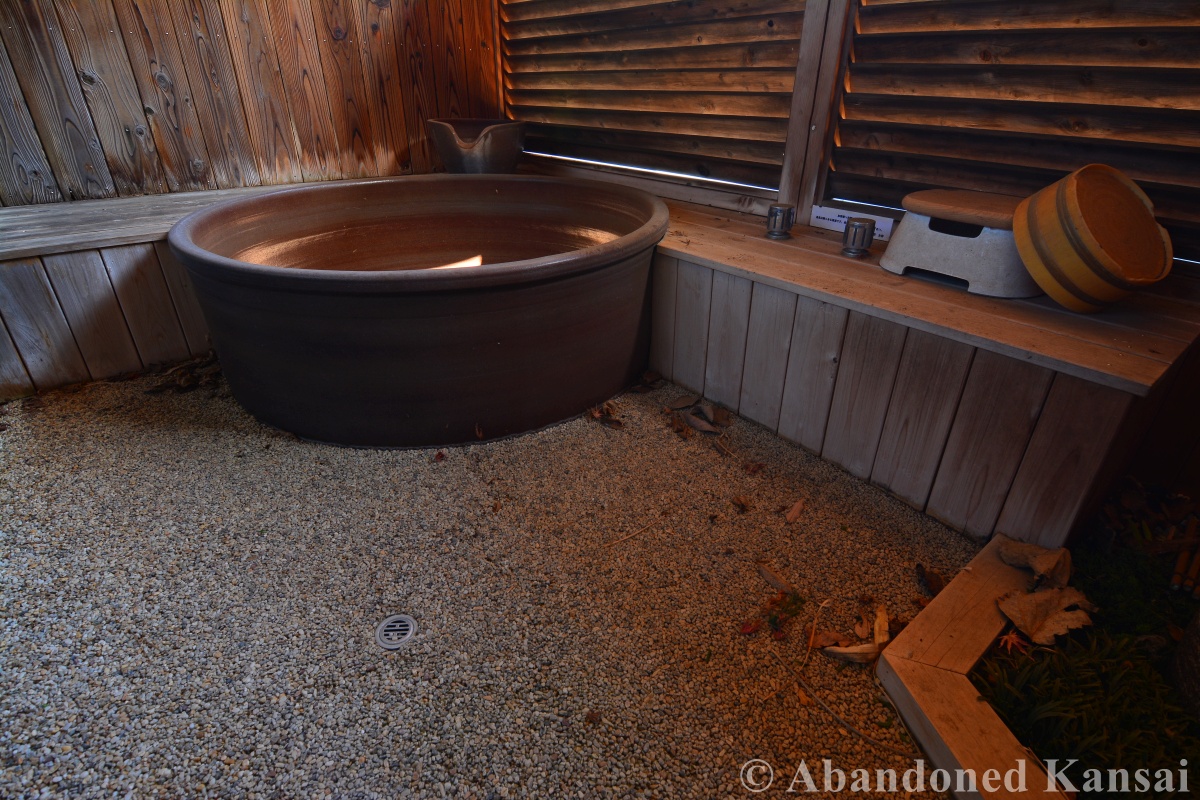
I love a good rotenburo! There is nothing like letting the family jewels dangle while standing knee-deep in hot water, enjoying a (hopefully) spectacular view. Especially after an exhausting day of exploring! You feel like the king of the world, laying your eyes on the conquered land below you!
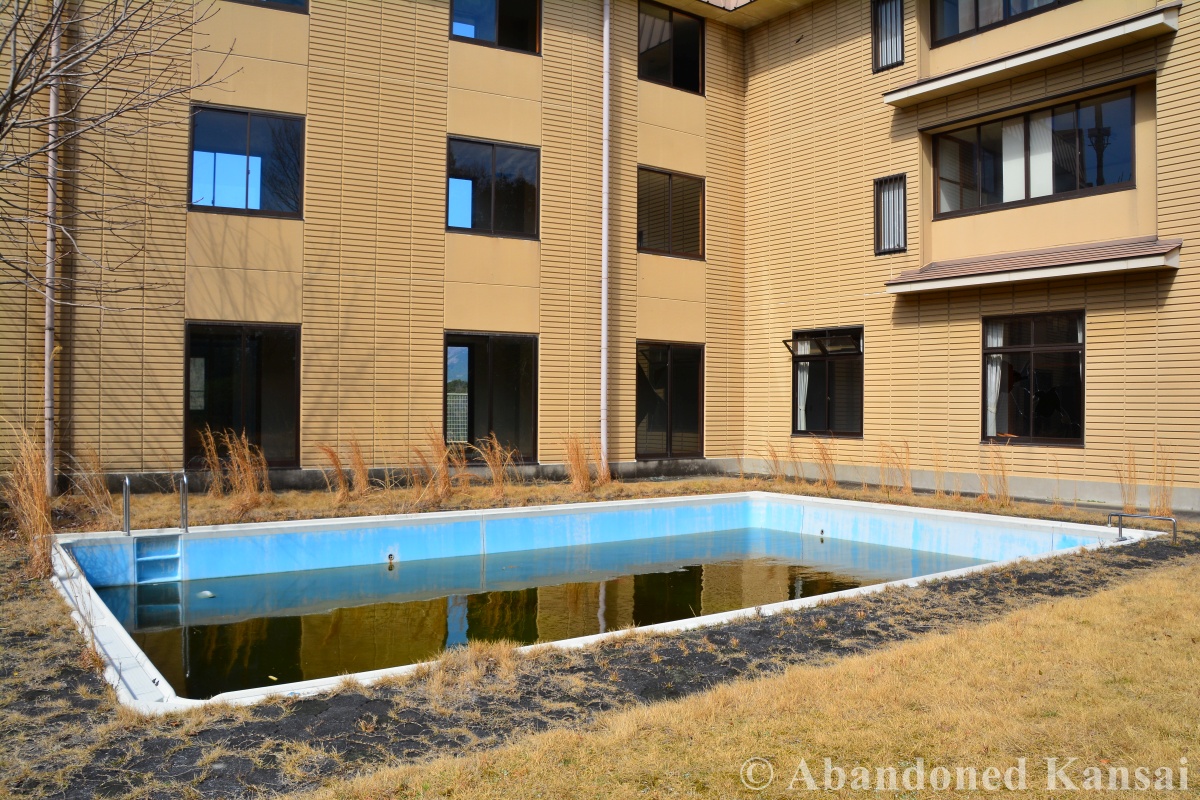
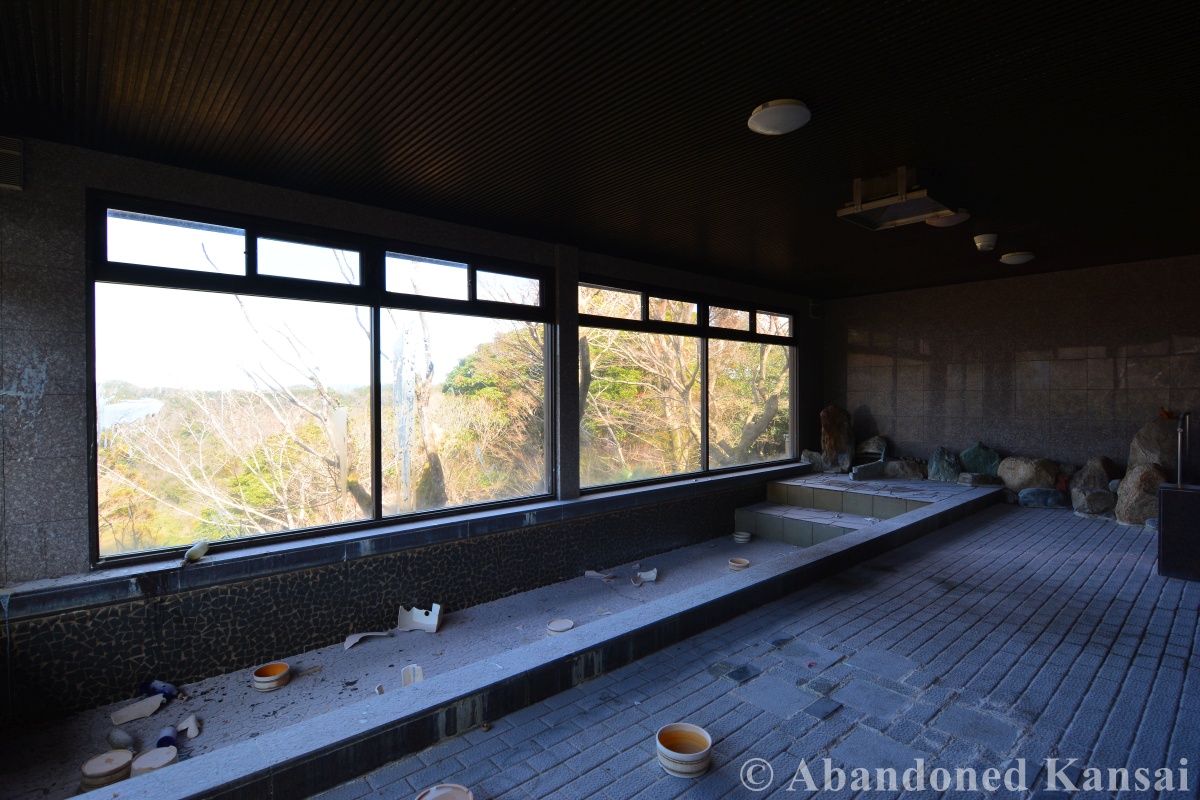
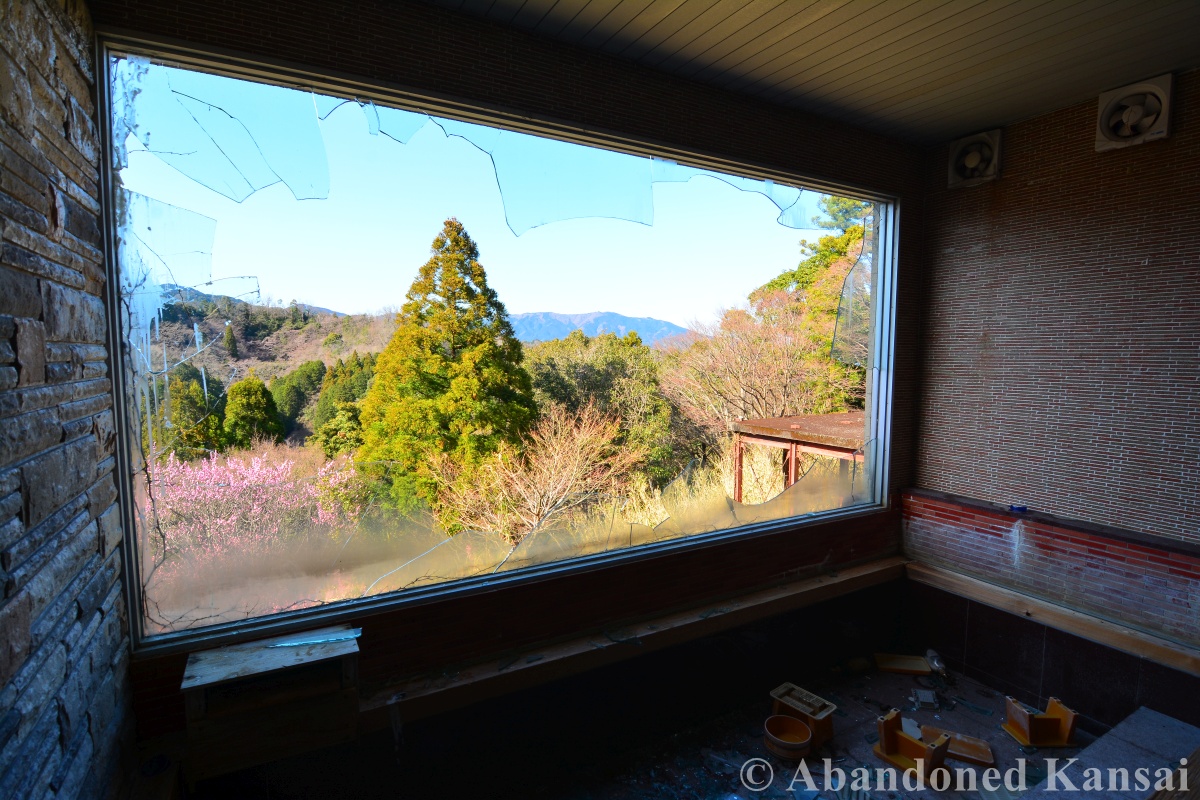
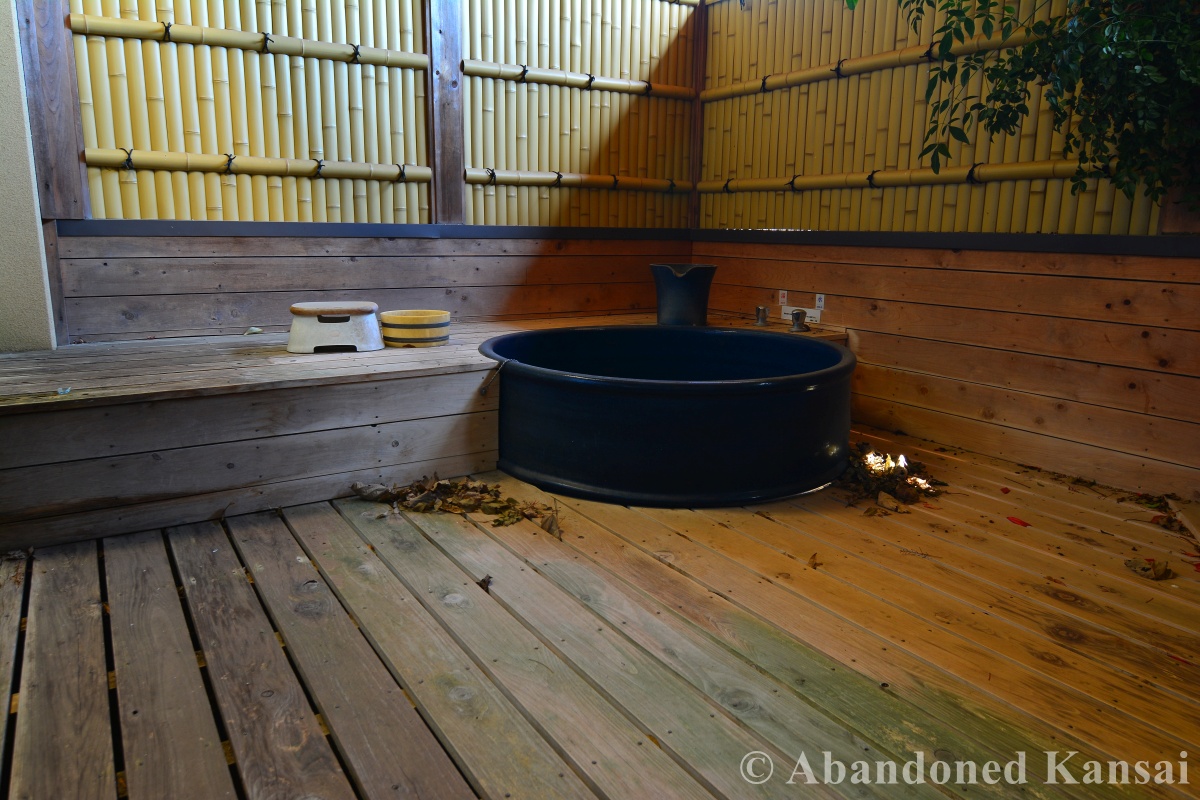
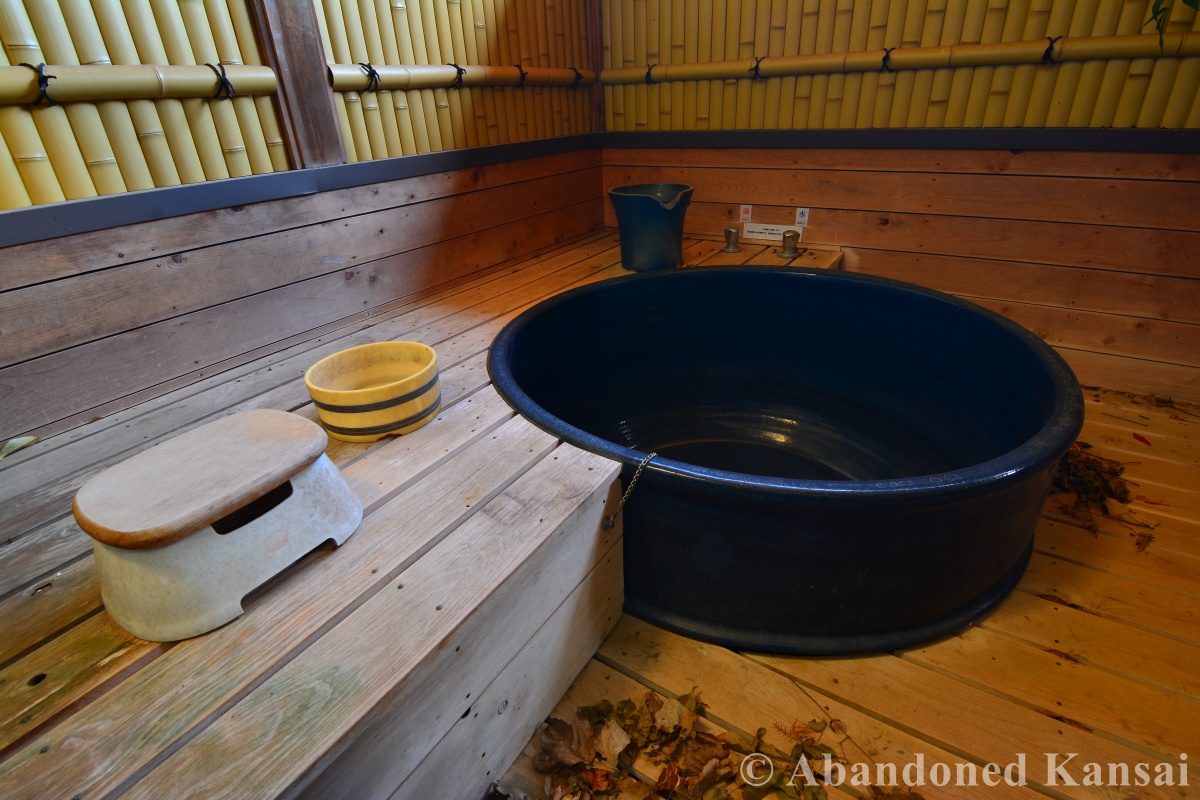
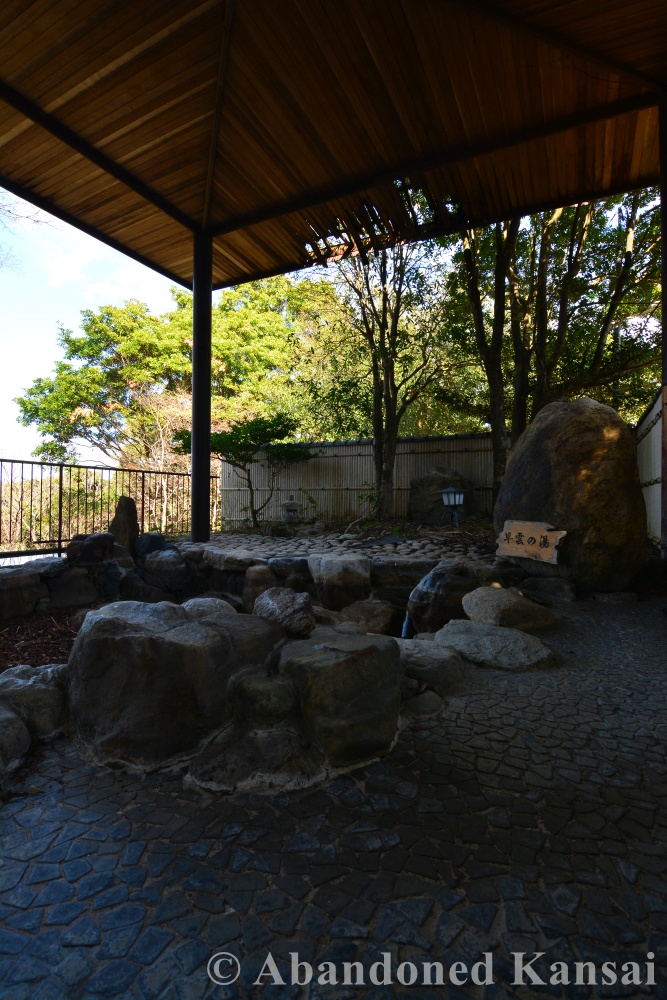
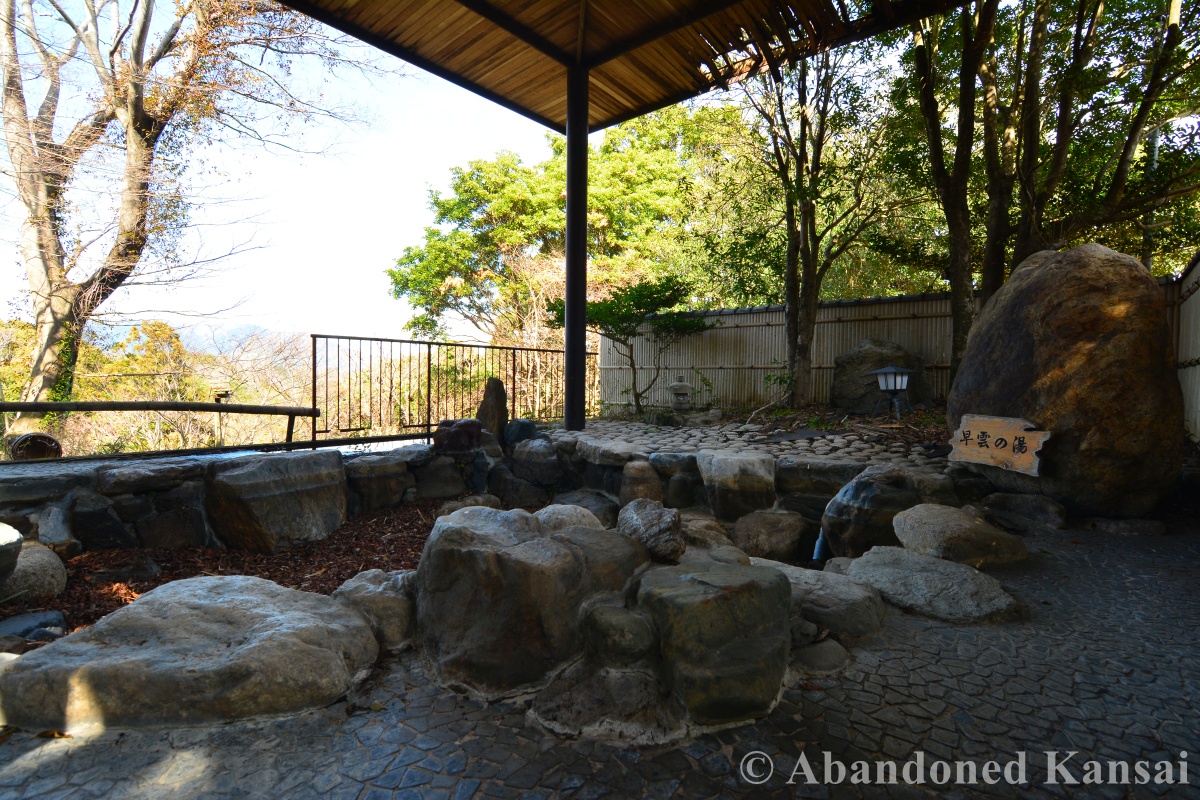
Exploring an abandoned rotenburo is quite a different experience though – no dangling jewels, no hot water… and you are still in the middle of the exhaustion part of the day. The rotenburo (an outdoor hot spring, clothing usually not optional, but strictly forbidden) I had in mind when writing the previous paragraph was part of a large spa hotel somewhere in Kansai and offered spectacular views of the valley below, especially on that hot sunny spring day a few years back. Before I got to this though I had to walk through a whole abandoned hotel, which is not exactly my favorite thing to do, as most of you know by now. I found an open door in the back of the hotel, right next to the surprisingly unspectacular outdoor pool. But then again: How much use can you get out of an outdoor pool in the mountains of Kansai? 2 months a year? And who wants to use it even then, when there are much nicer options both indoor and outdoor?
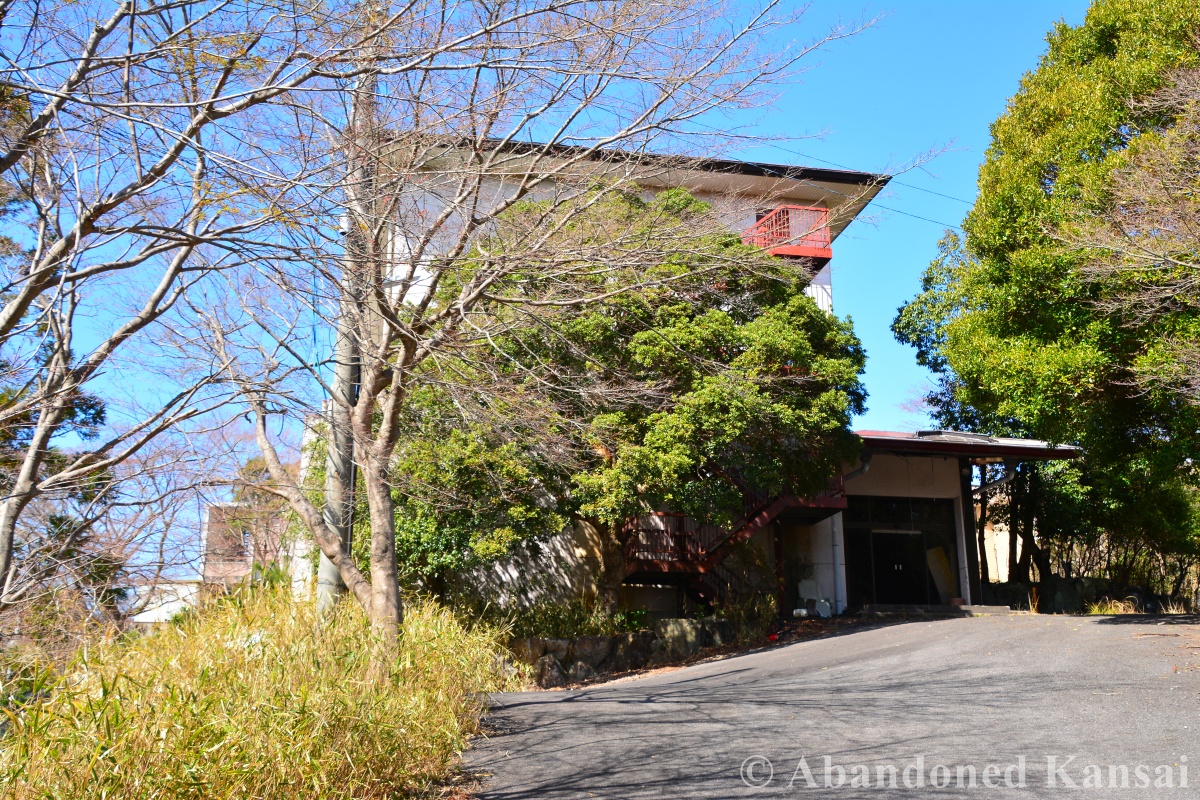
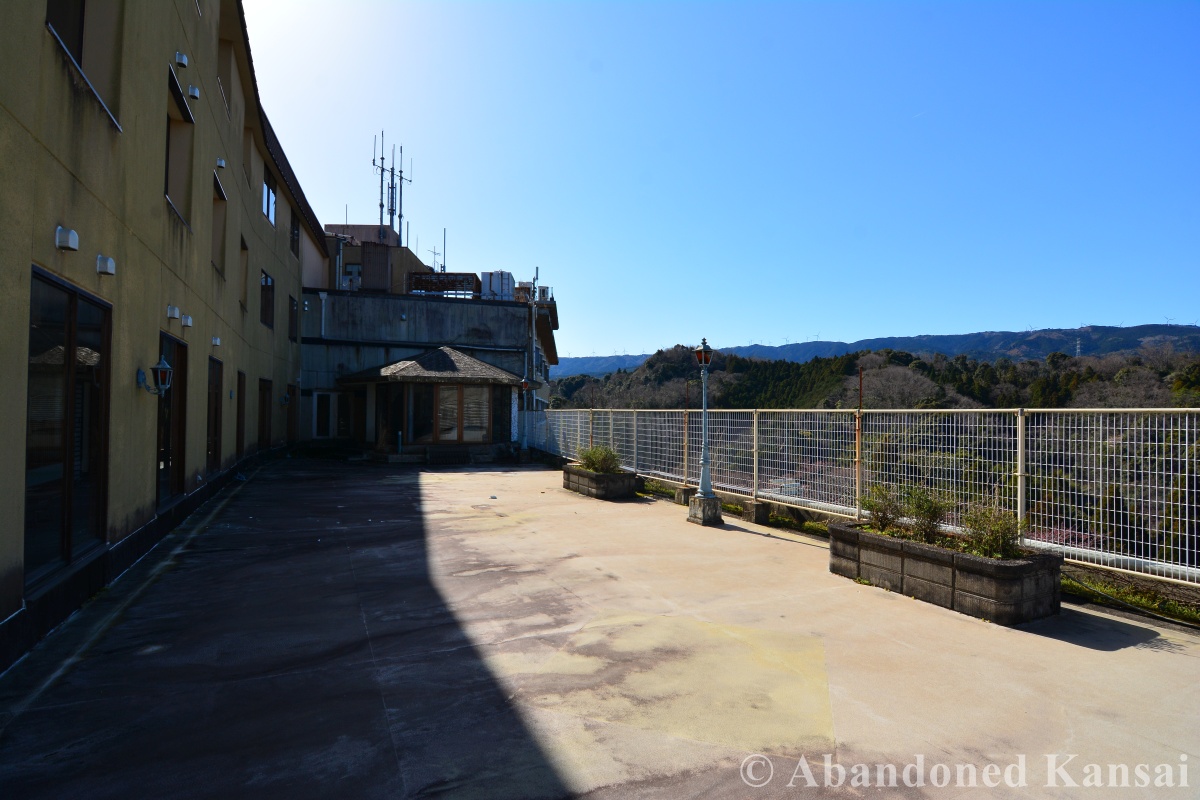
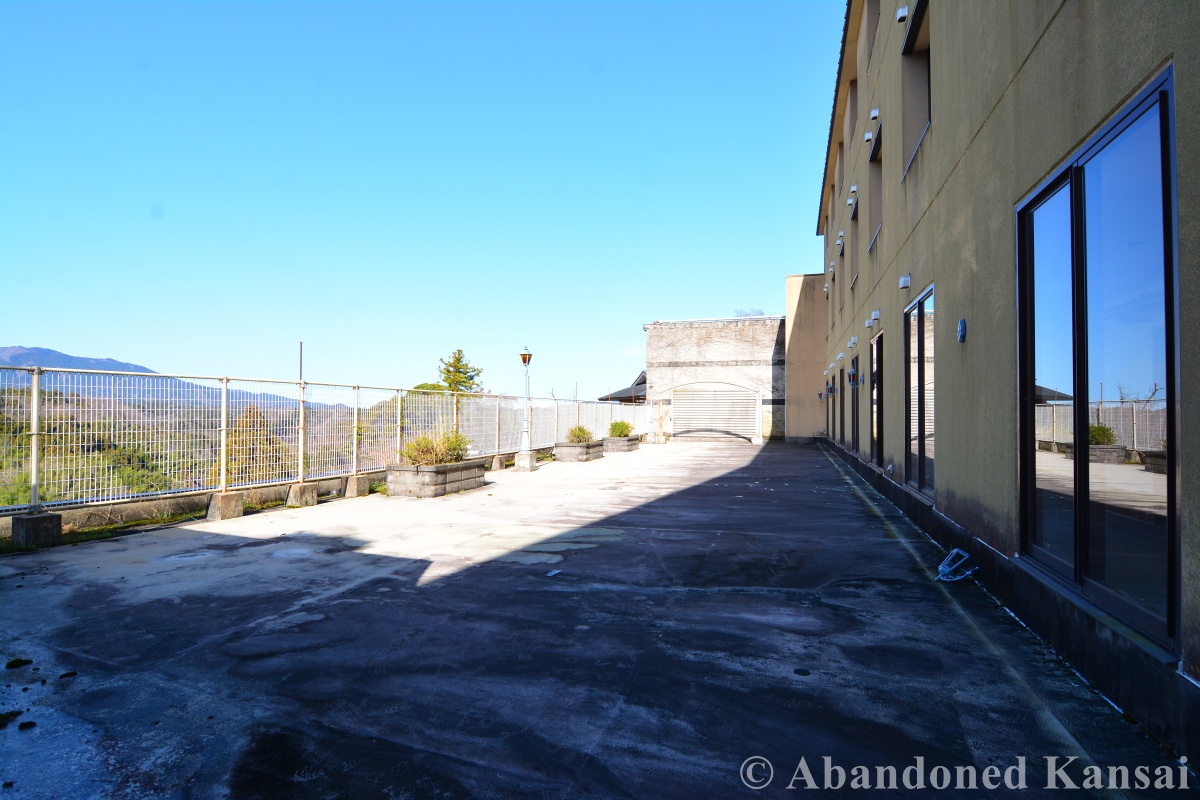
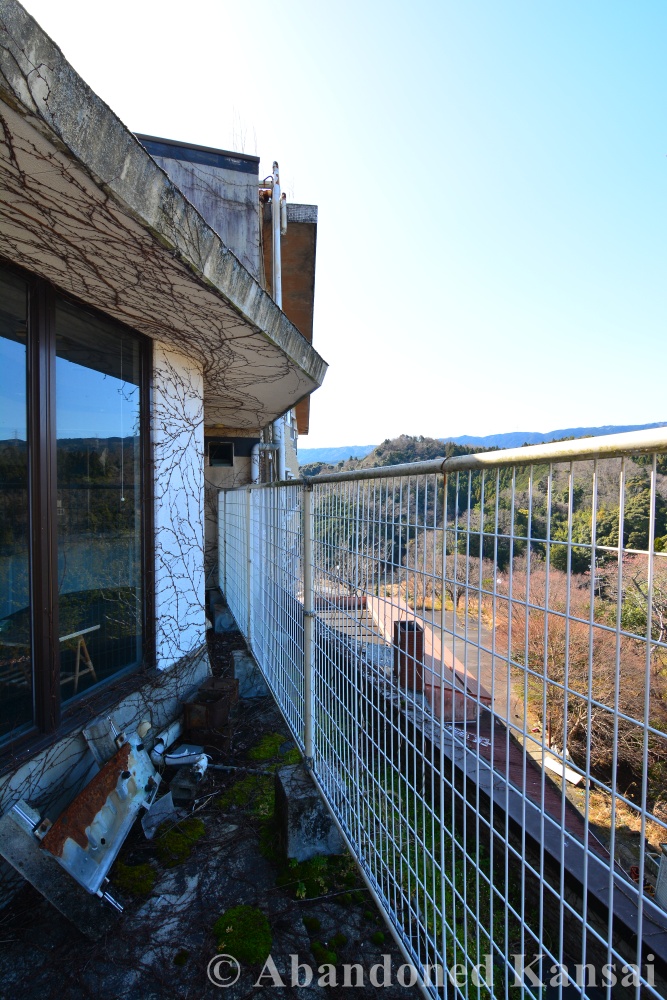
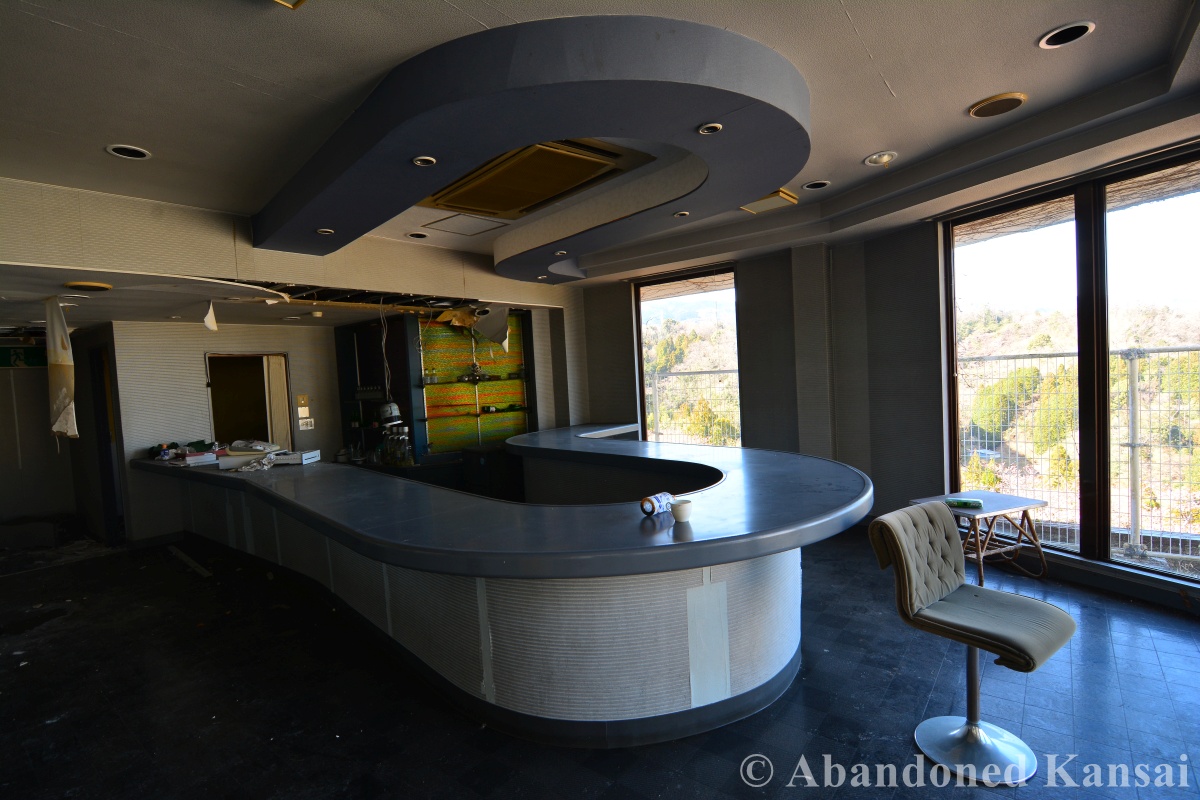
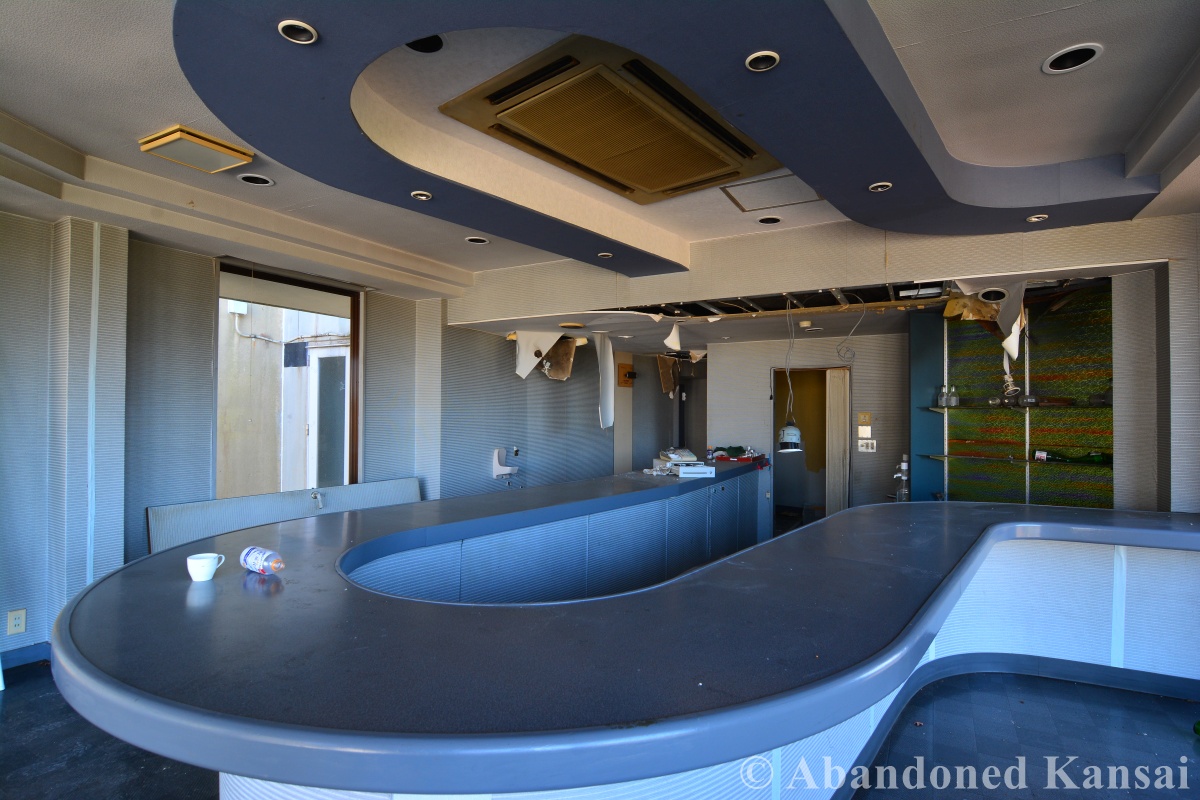
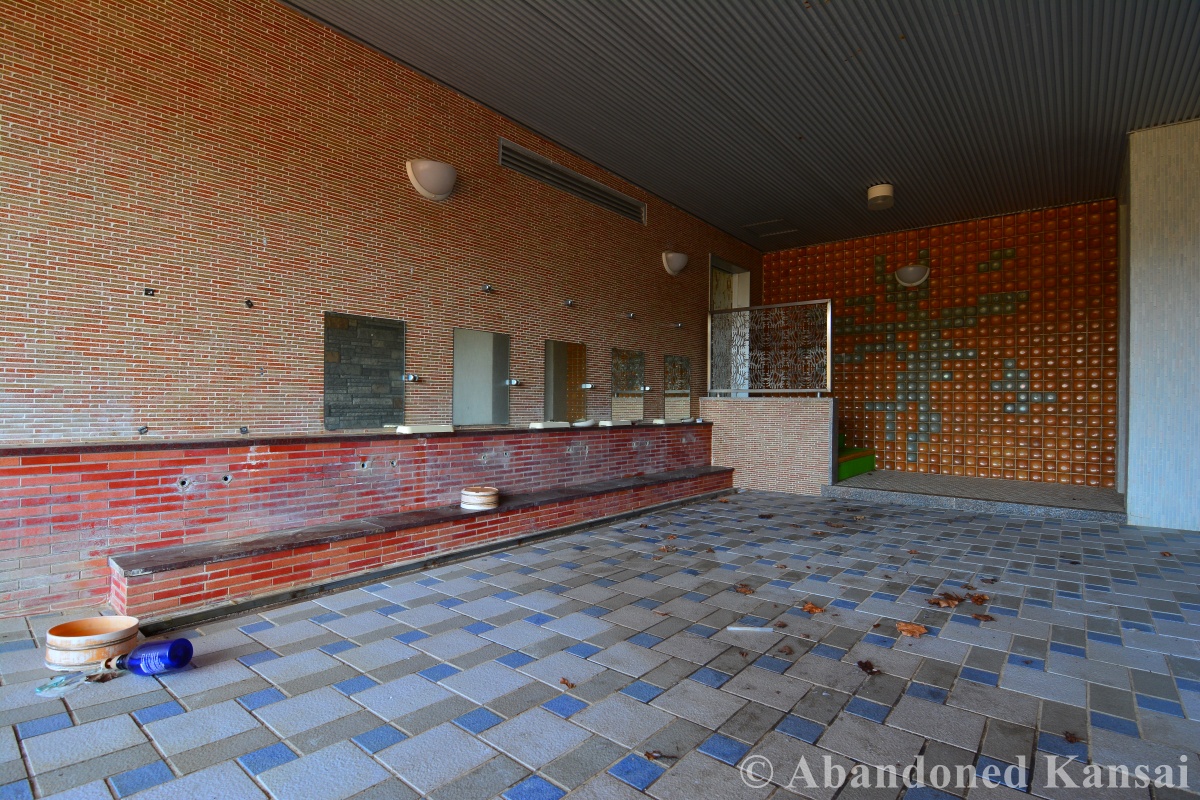
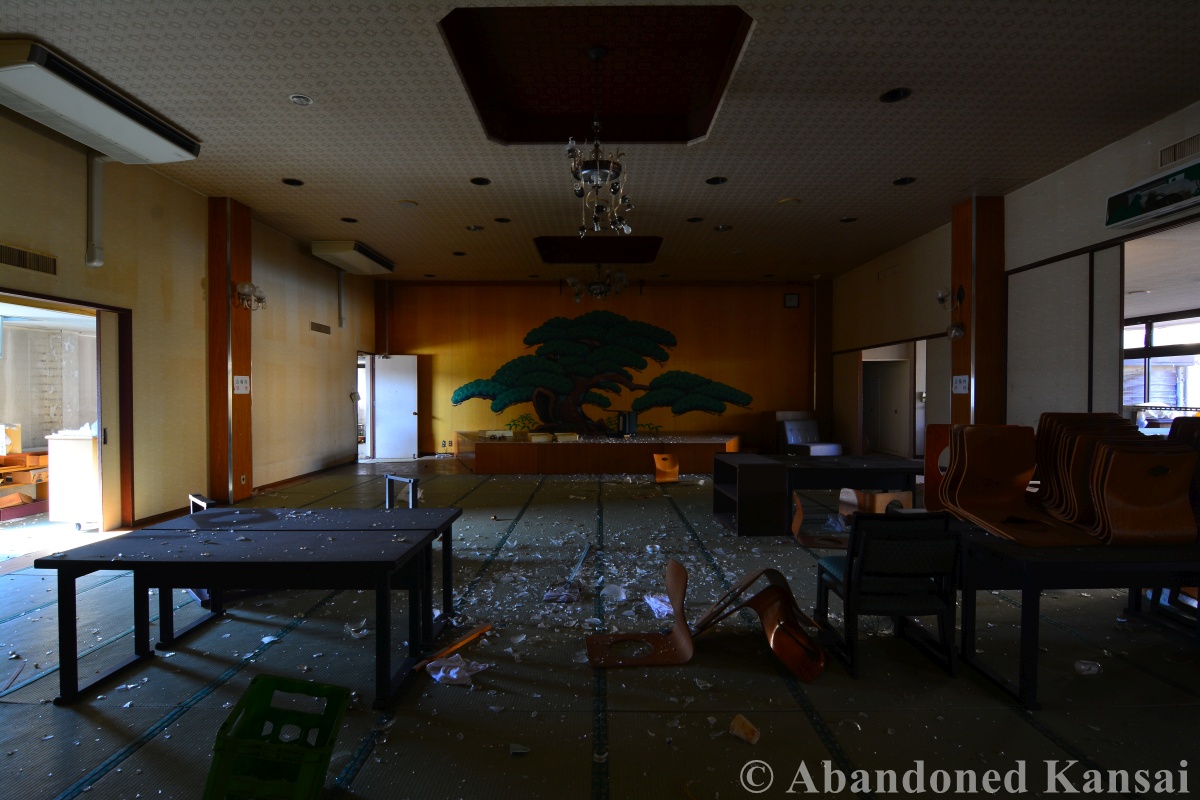
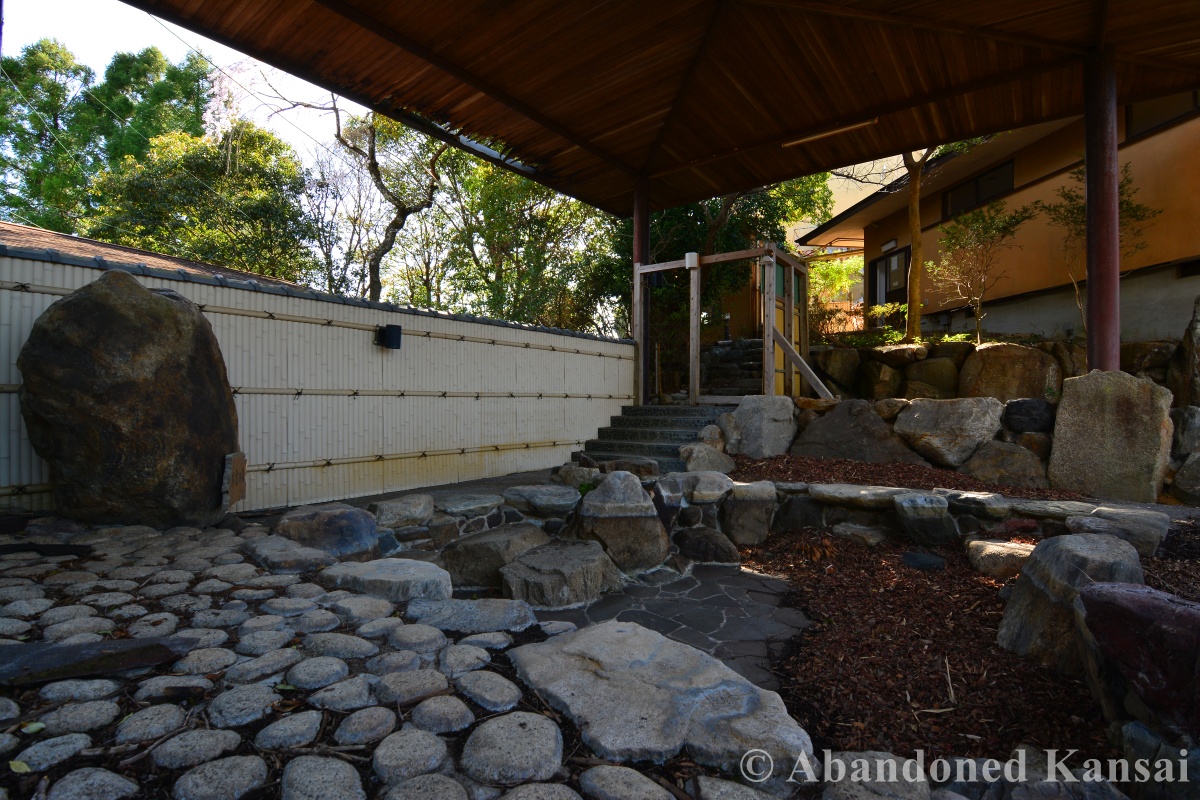
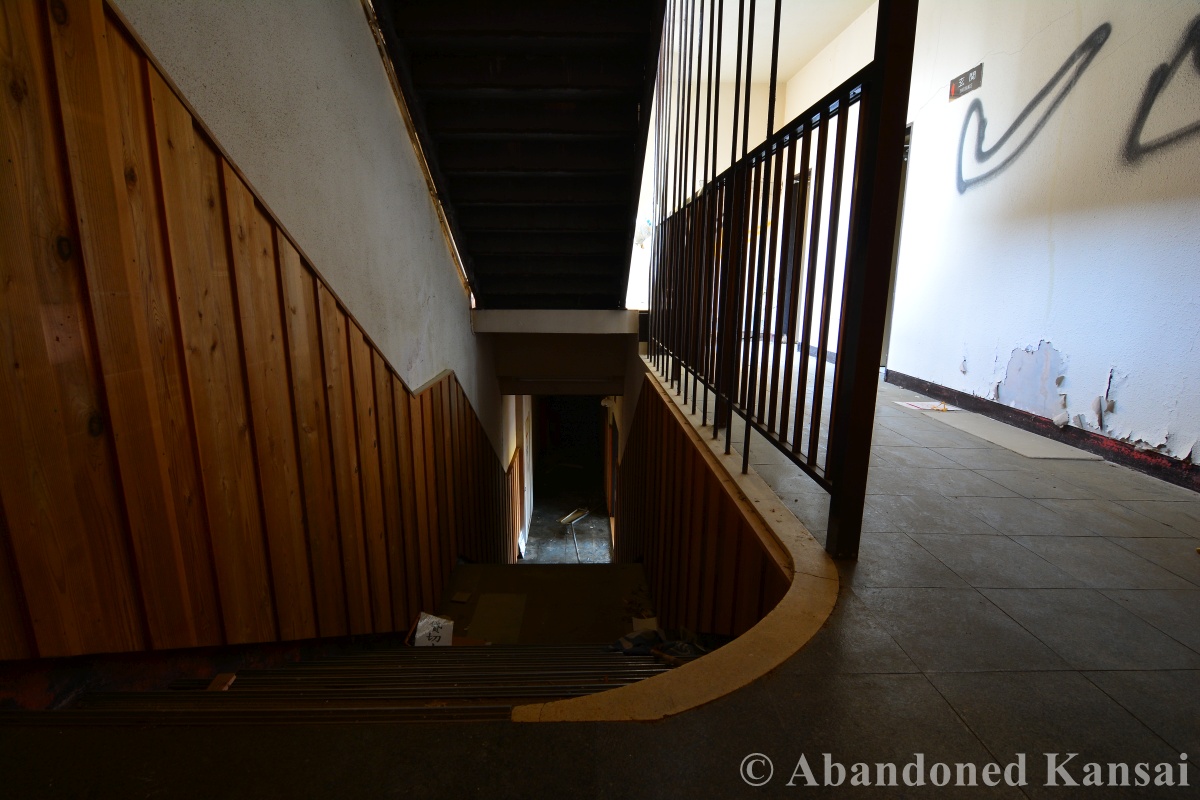
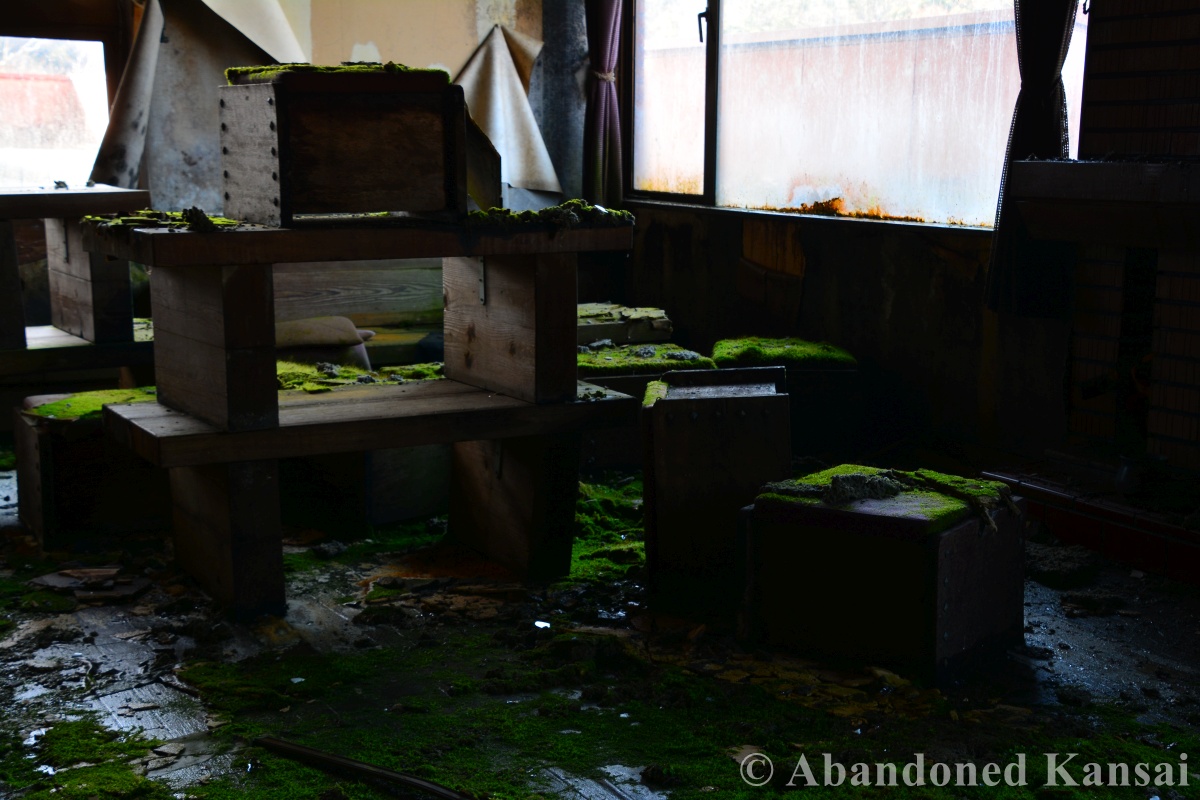
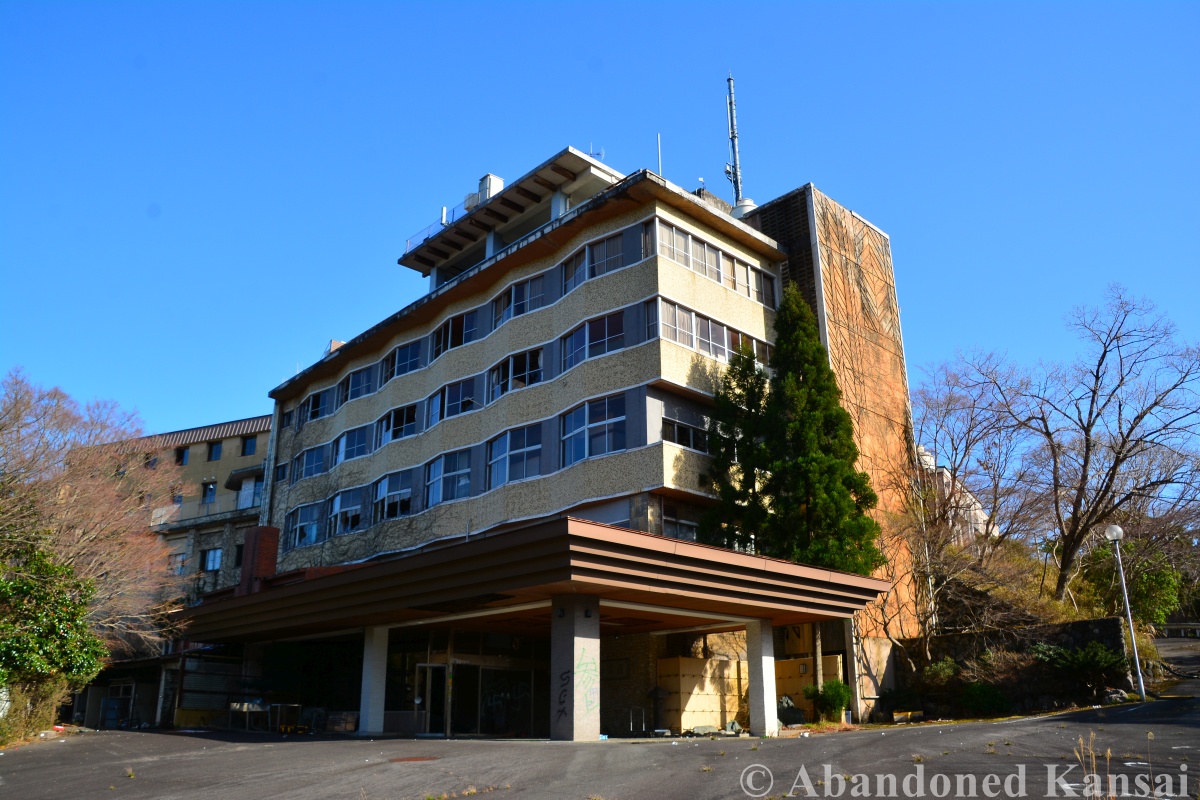
The Sakura Spa Hotel was one of those rather rare, rather high-end “private tub outside of your room” place that are surprisingly uncommon to find abandoned. Since I kinda came in through the bathroom window (props to those who got the reference!) I went straight to the top, where I found a huge outdoor space with a bar. From there I made my way downstairs again – through the shared indoor baths and the private indoor baths that came with certain rooms to the rotenburo in the back… and then I left through the slightly vandalized lobby. Basically a backwards exploration. But there are no rules in urbex. Only good locations and bad locations. And this was a rather good one, because… private baths as part of the rooms. You don’t see those very often. So enjoy! And maybe share with a loved one…

(*Like Abandoned Kansai on Facebook* or *follow us on Twitter* if you don’t want to miss the latest articles and exclusive content – and subscribe to the *video channel on Youtube* to receive a message right after a new video is online…)

Read Full Post »

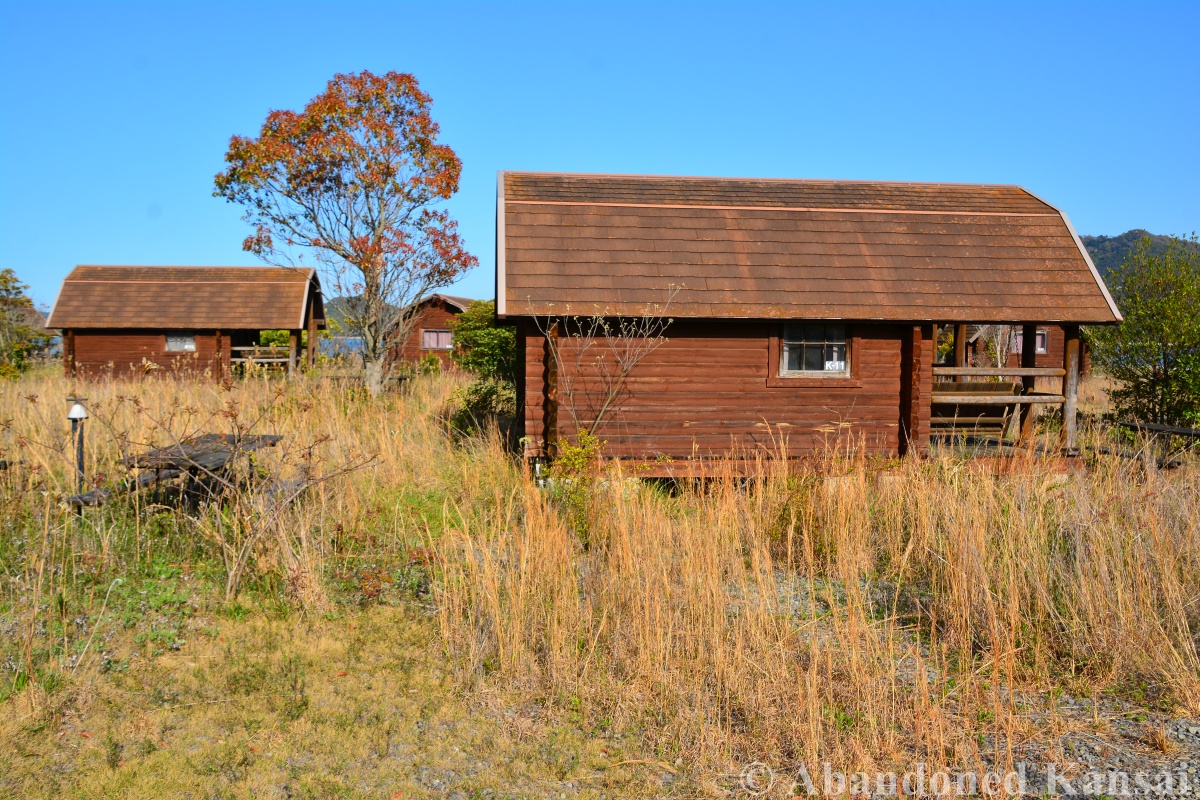
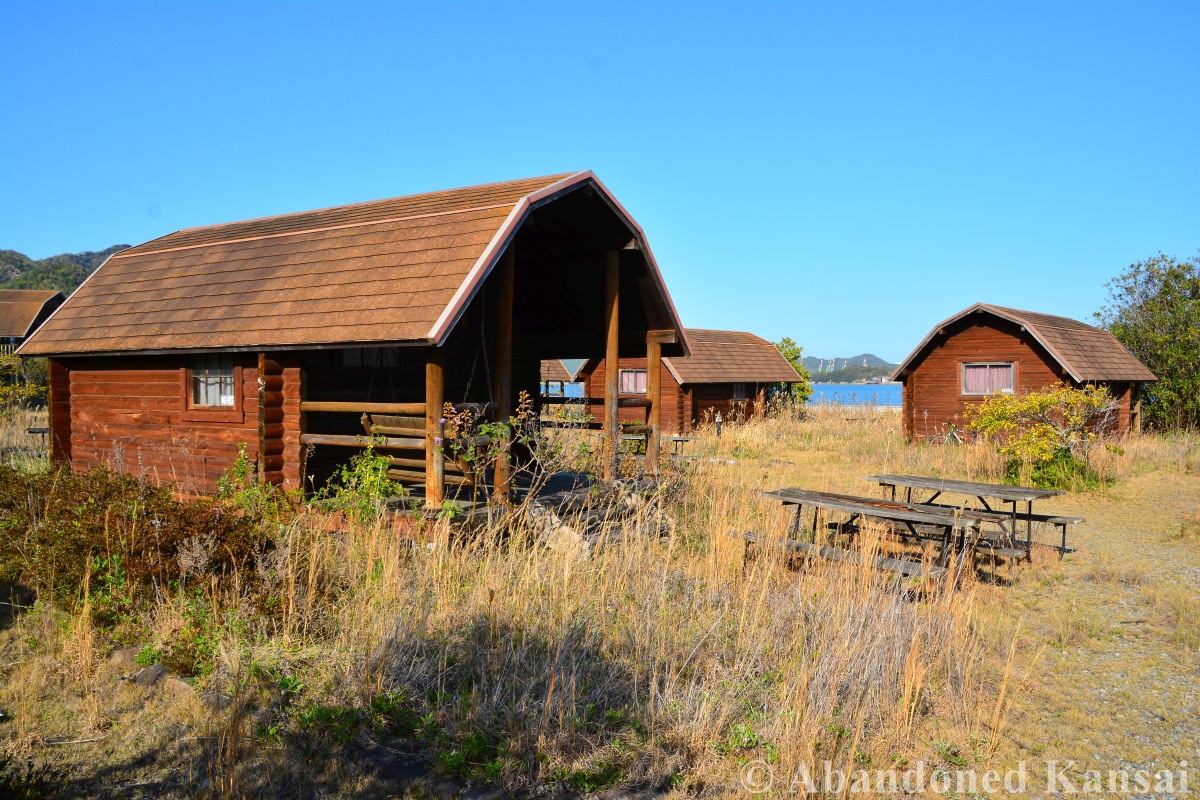
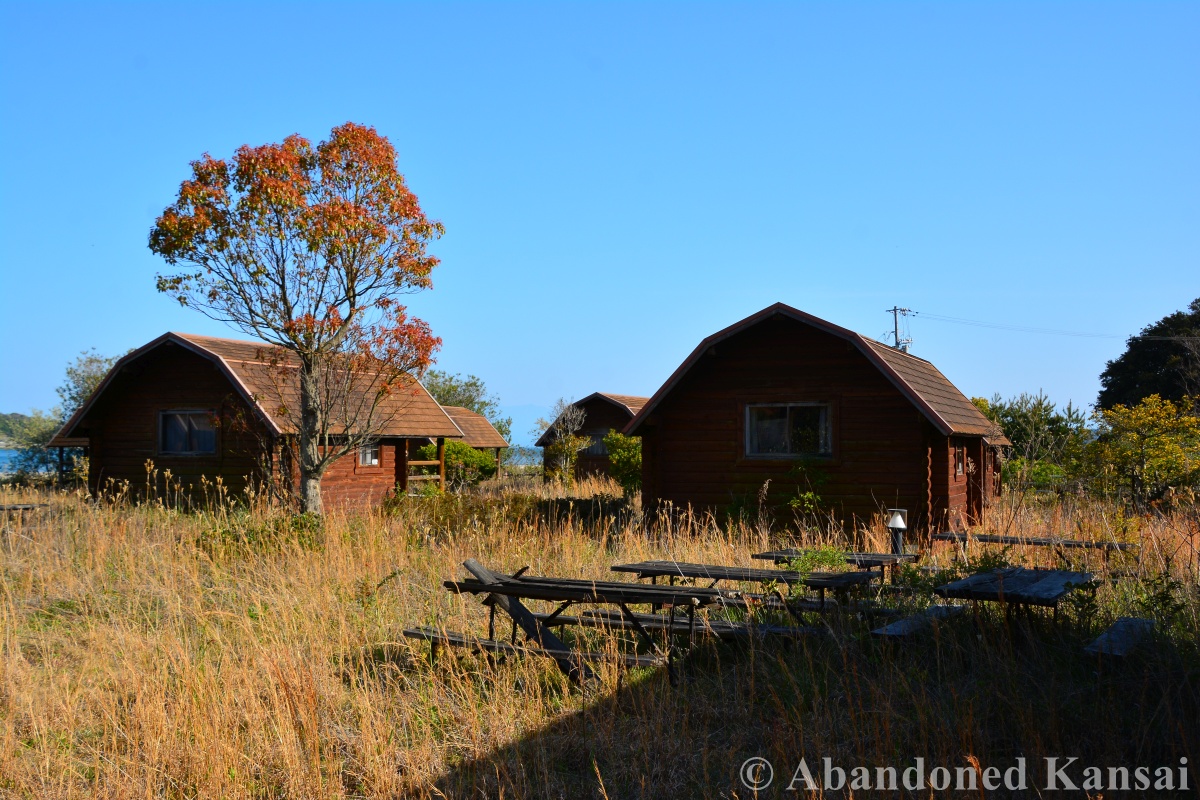
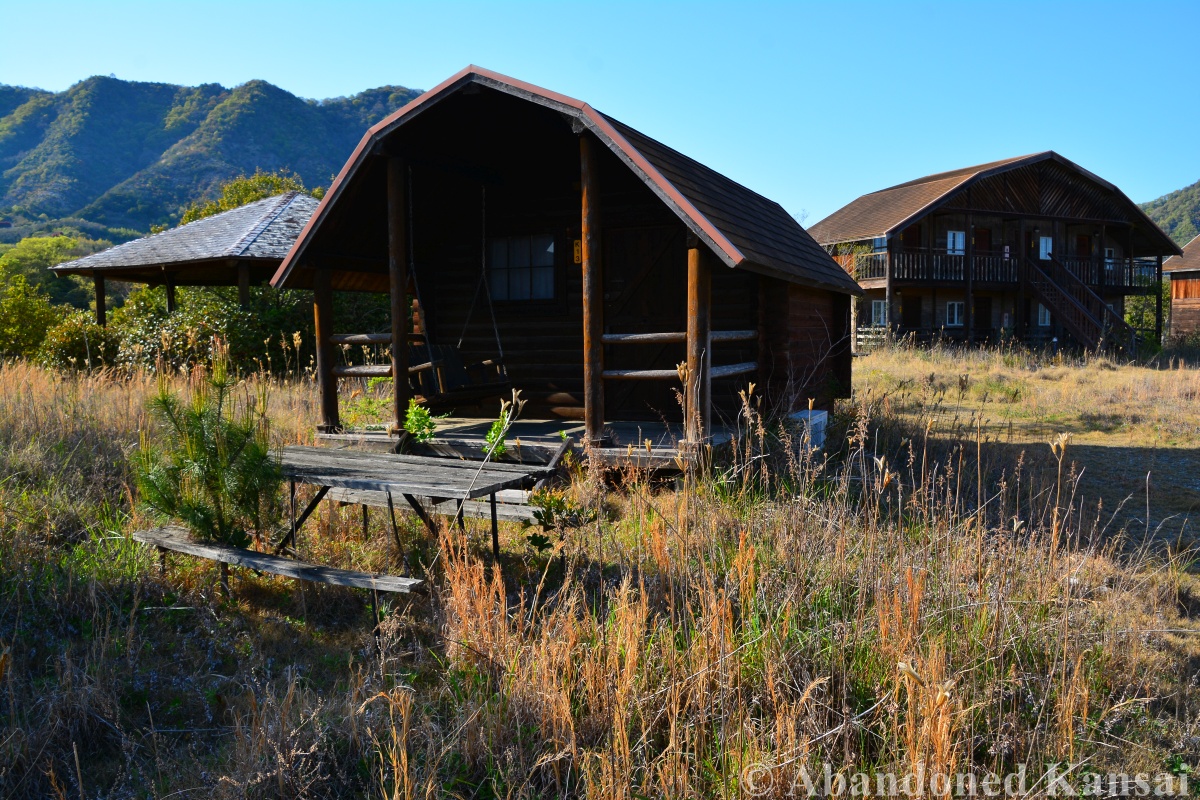
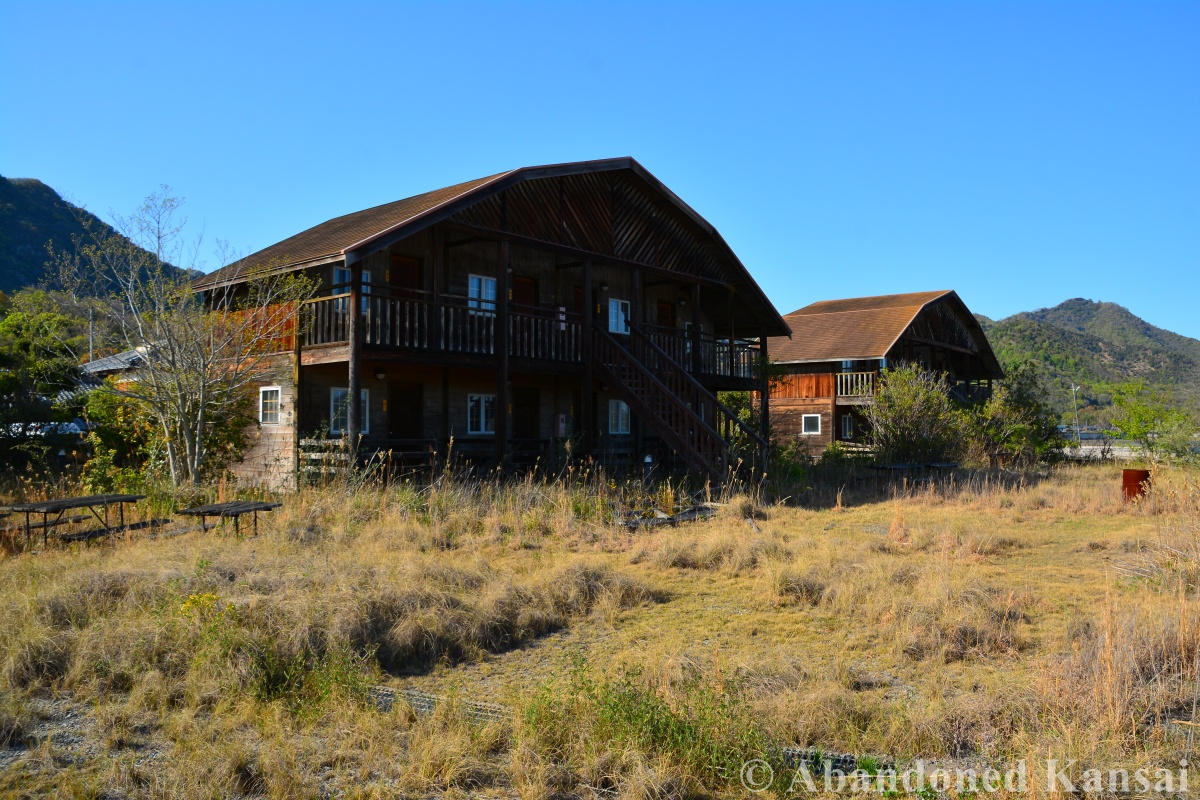
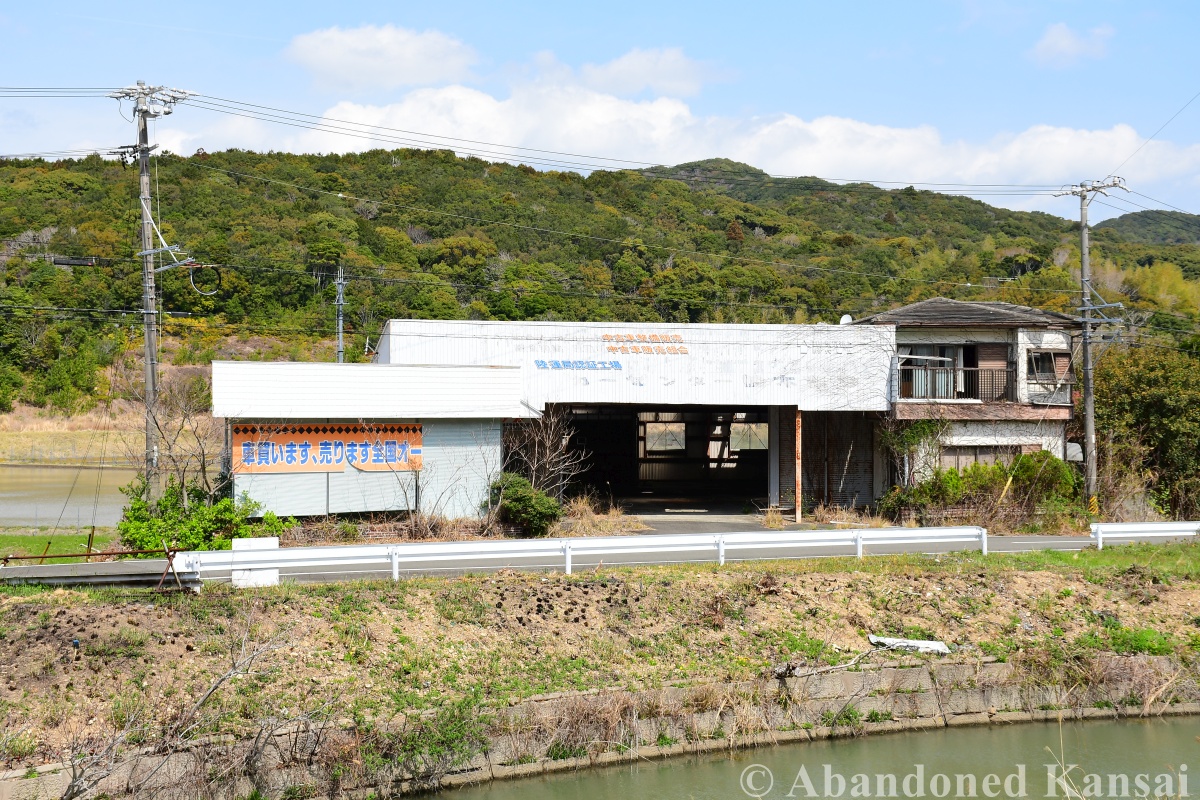
You would think that an abandoned place along a popular car, motorbike and bicycle route would be all over the internet. But no. It was upon yours truly again to explore yet another original find…

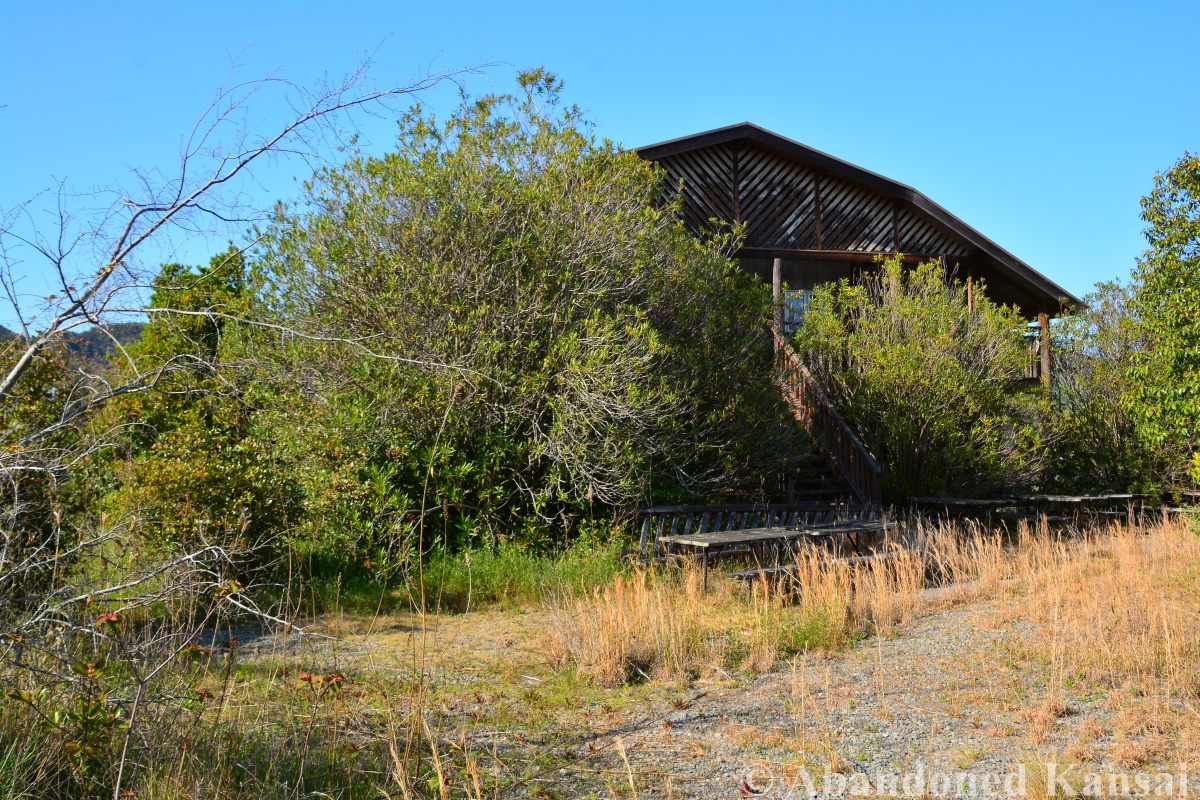
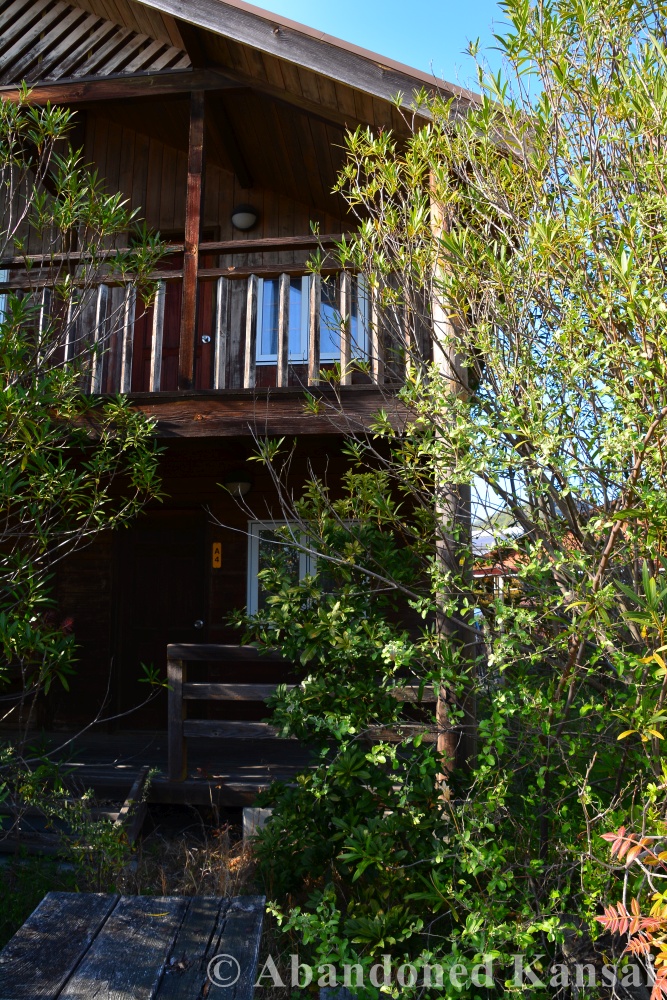
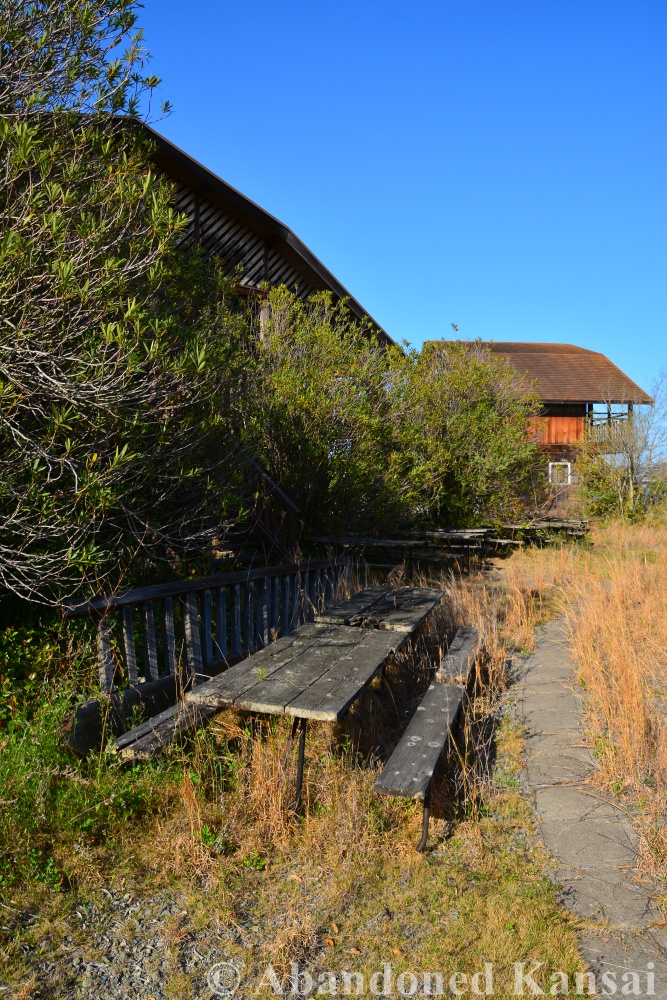
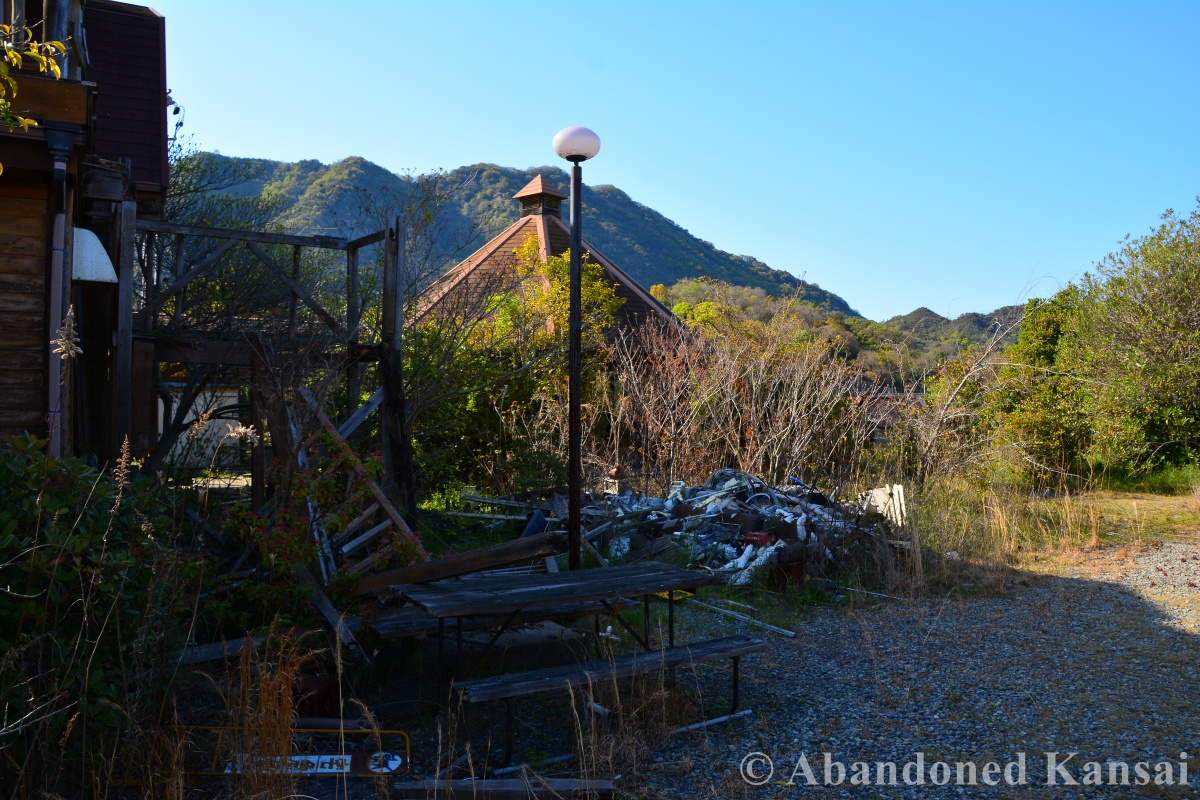
Camping is surprisingly popular in Japan, a country with about 92% urban dwellers. Or maybe it’s that way because of it – from the concrete jungle to a real forest. There are about 1300 campsites from Hokkaido to Okinawa, everything from “just pitch your tent” to luxury glamping sites. Especially the latter ones have become insanely popular ever since the beginning of Covid, or maybe just before it. Glamping sites have been popping up everywhere, some even at coordinates where just years prior you could have enjoyed an abandoned place…
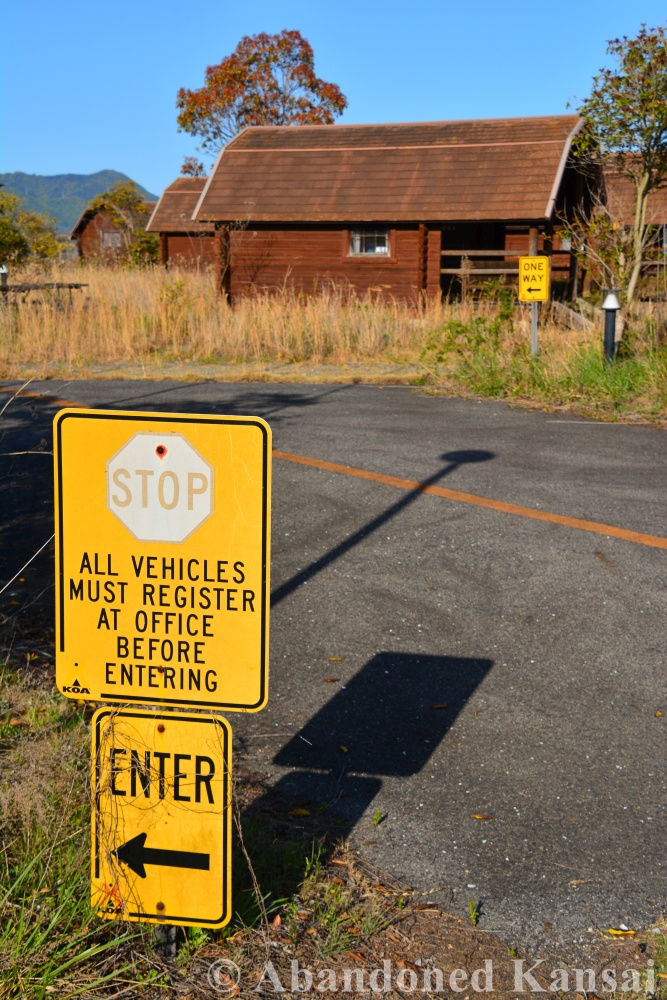
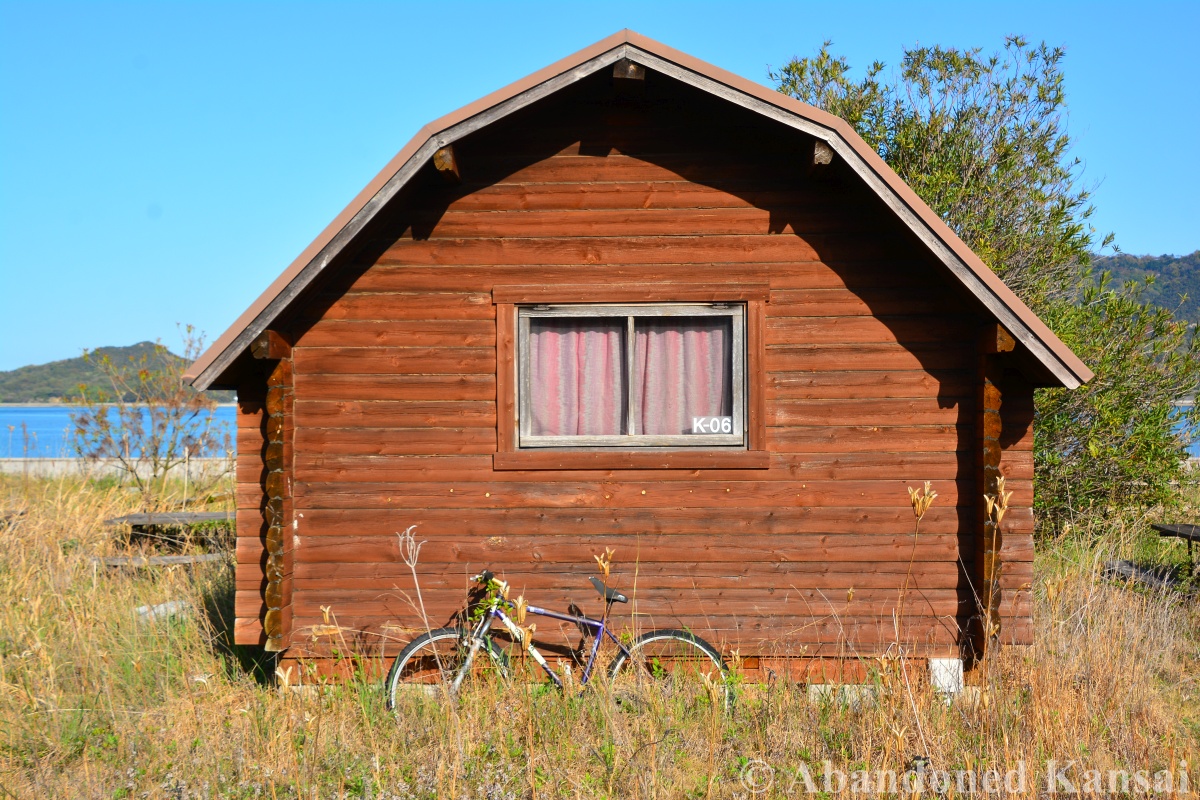
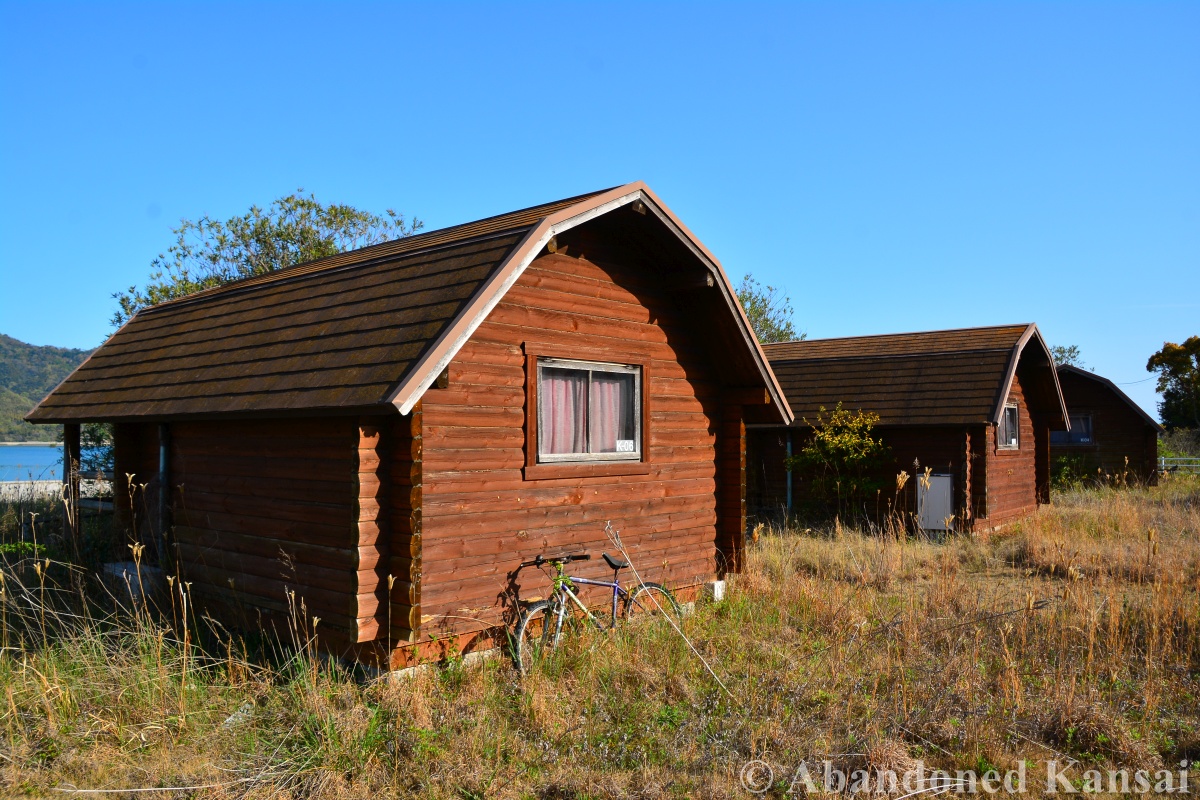
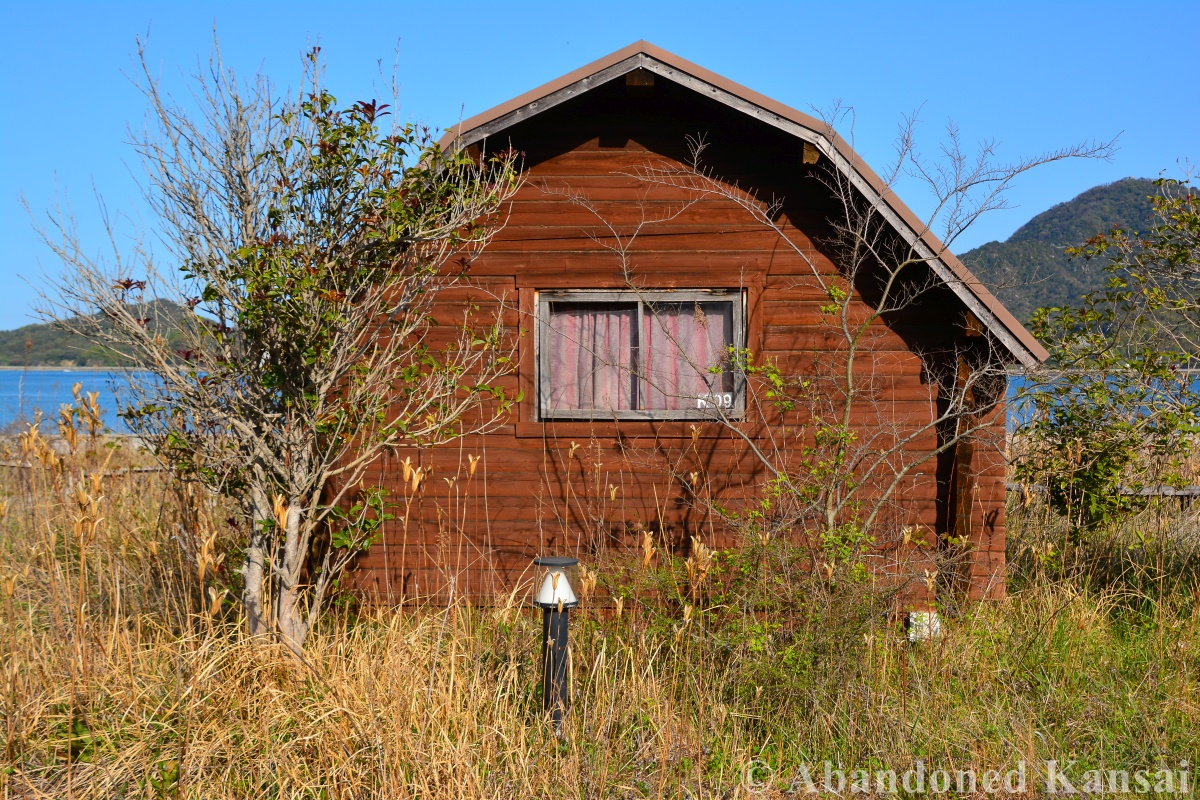
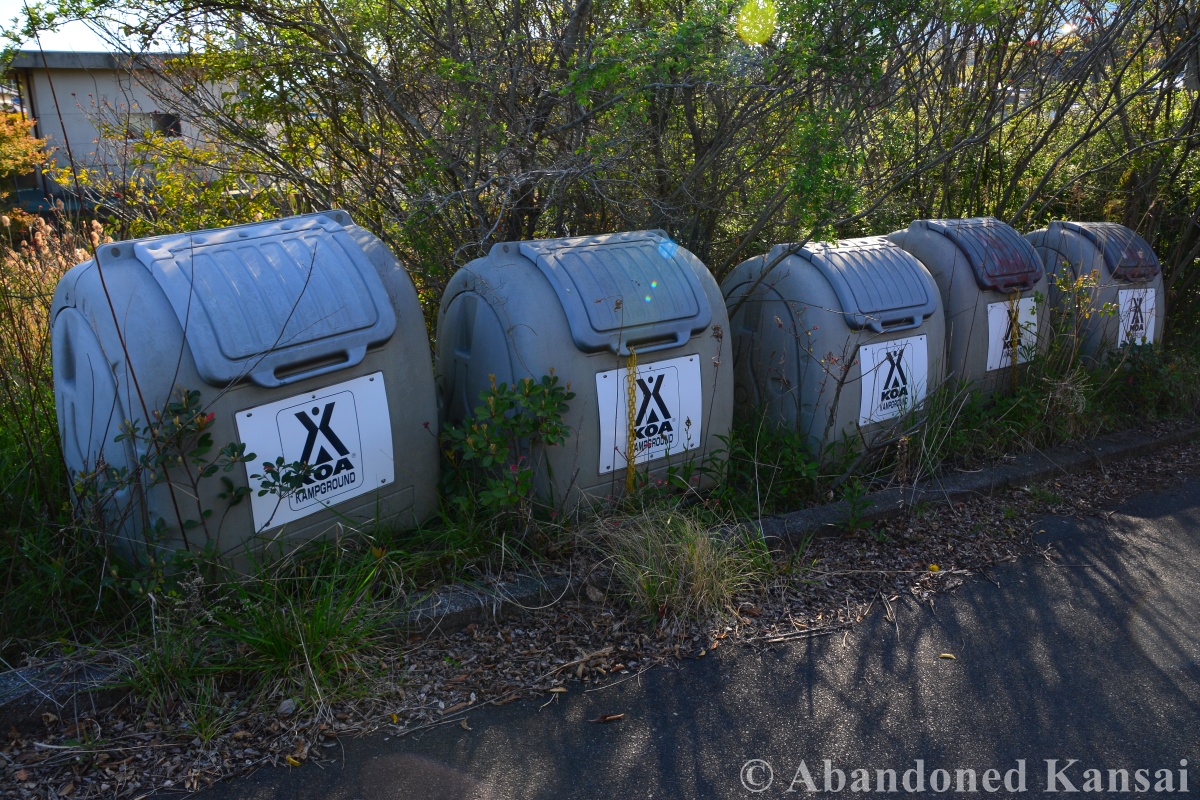
When I first saw the Kampground / KOA sign on the garbage containers at the entrance I was highly irritated – the similar German word Kampfgrund came to mind, which could mean “reason to fight” or “battleground”… if it existed. Weird English words starting with a K of course also remind me of the KKK. So I expected something really strange, like a camping place for racists. Turns out that KOA stands for Kampgrounds of America, a real campground franchise founded in 1962 by a few white businessmen  in Montana. The company grew fast and was bought by Oscar Liu-Chien Tang in 1979. At the height of its growth the franchise had almost 900 locations, but due to higher quality standards it shrunk to under 500. The official website lists locations in the States (not really united recently, are they?) and Canada (or as we Germans call it more appropriately, especially in this context: Kanada), but no word about grounds in Japan. The rest of the internet also didn’t have any information, not even Google’s AI, which I didn’t ask, but who unsuccessfully chipped in anyway. It’s like the place never existed, except on StreetView, where is oldest records are from 2011 – and it already looked abandoned back then, for at least a few years. Which amazing, considering that the place was right at the Shimanami Kaido, Japan’s most famous bike tour, usually done in two days. But nothing. Not from the active days, and nothing about the abandoned phase either. Urban explorers in Japan must have passed it hundreds or thousands of times… yet nothing.
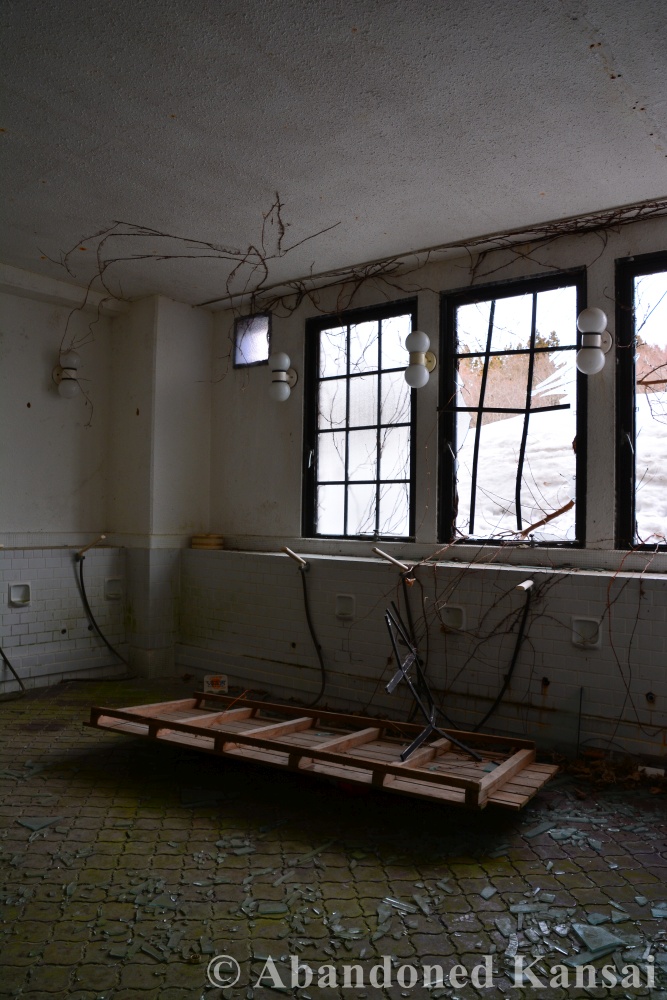
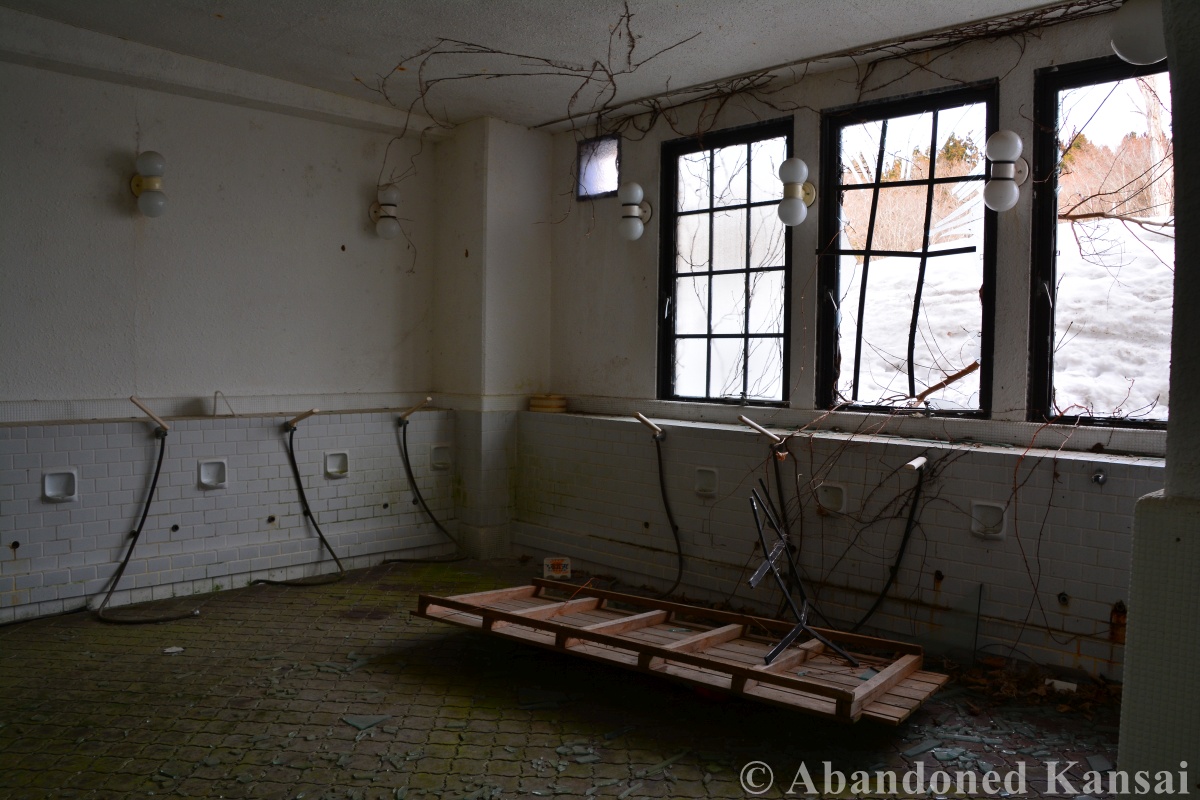
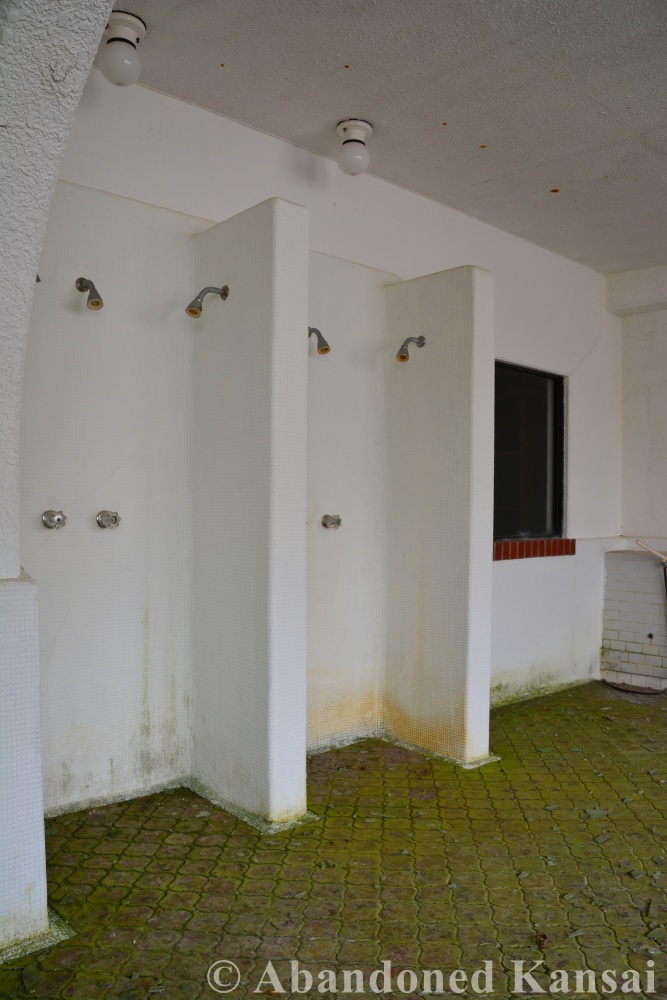
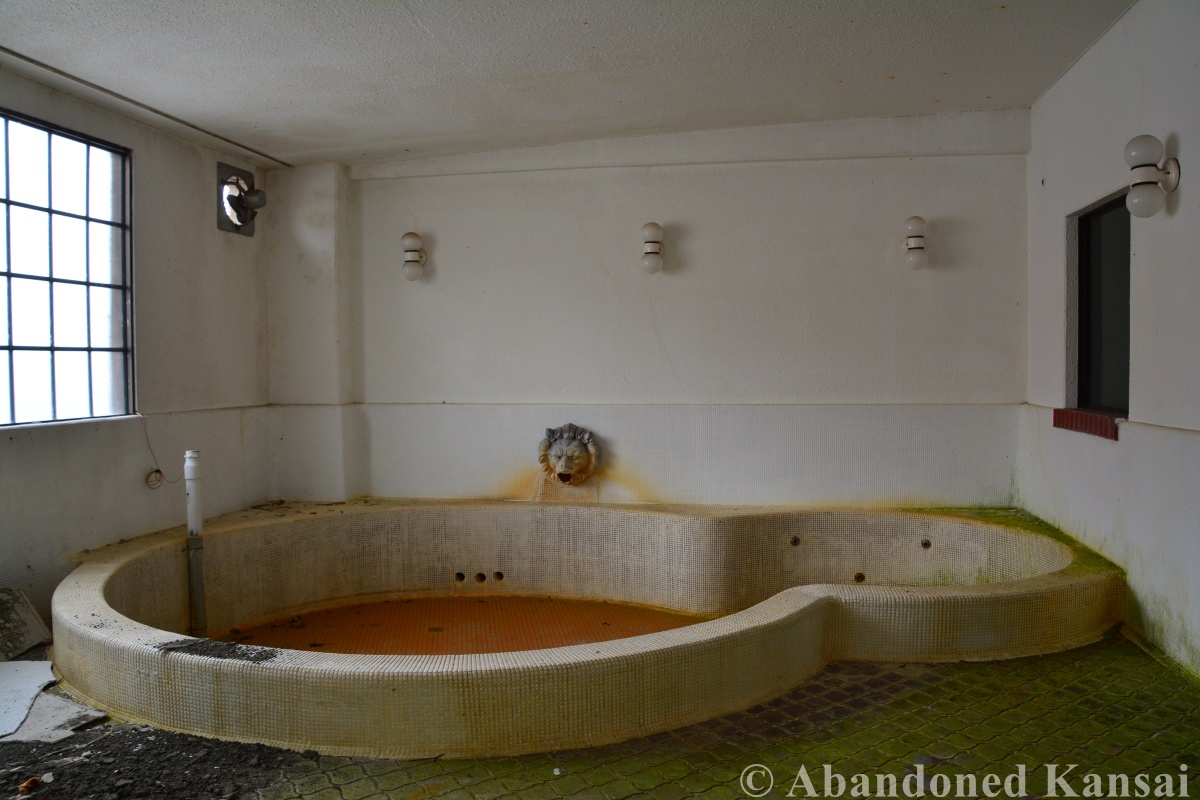
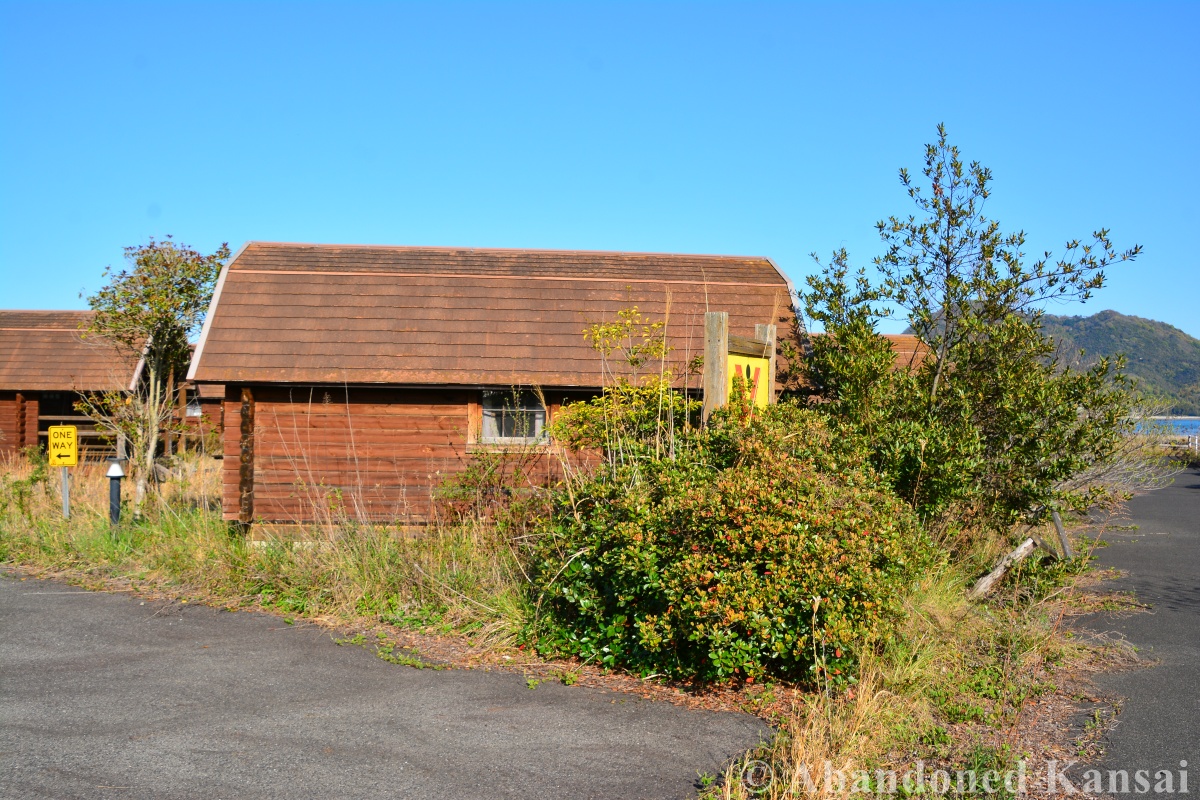
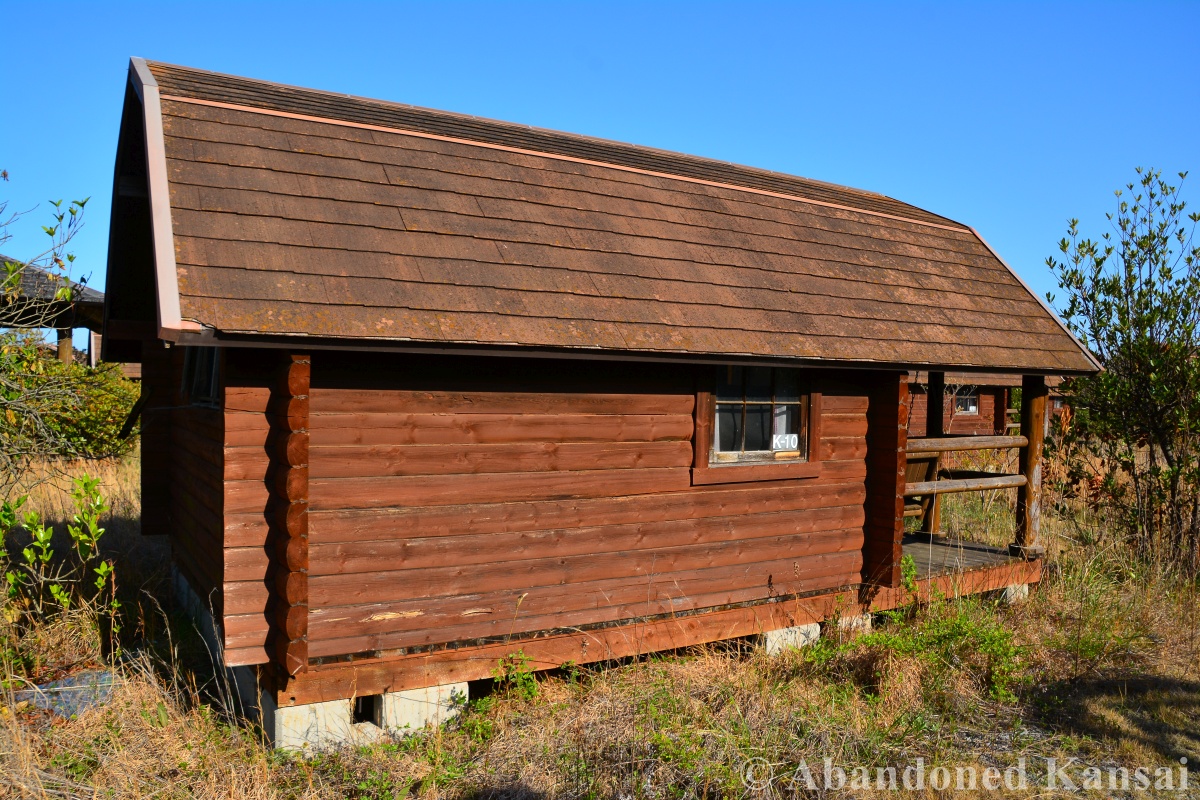
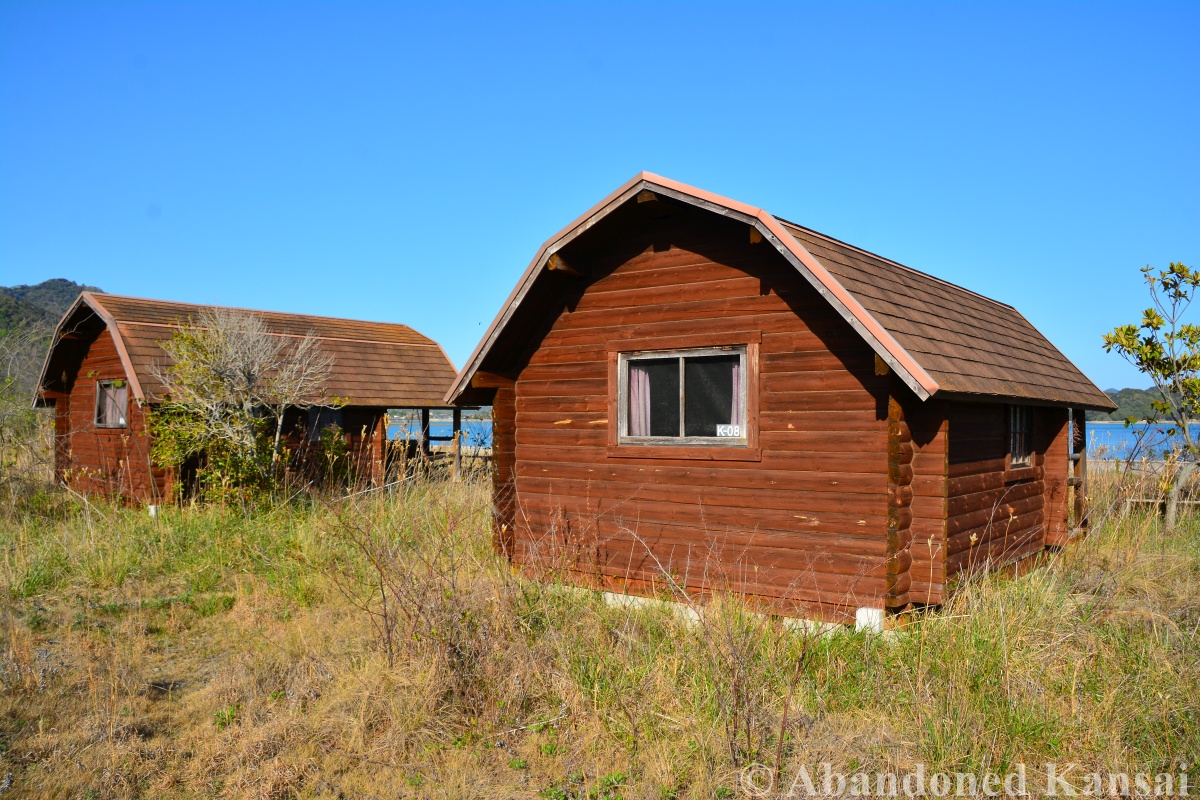
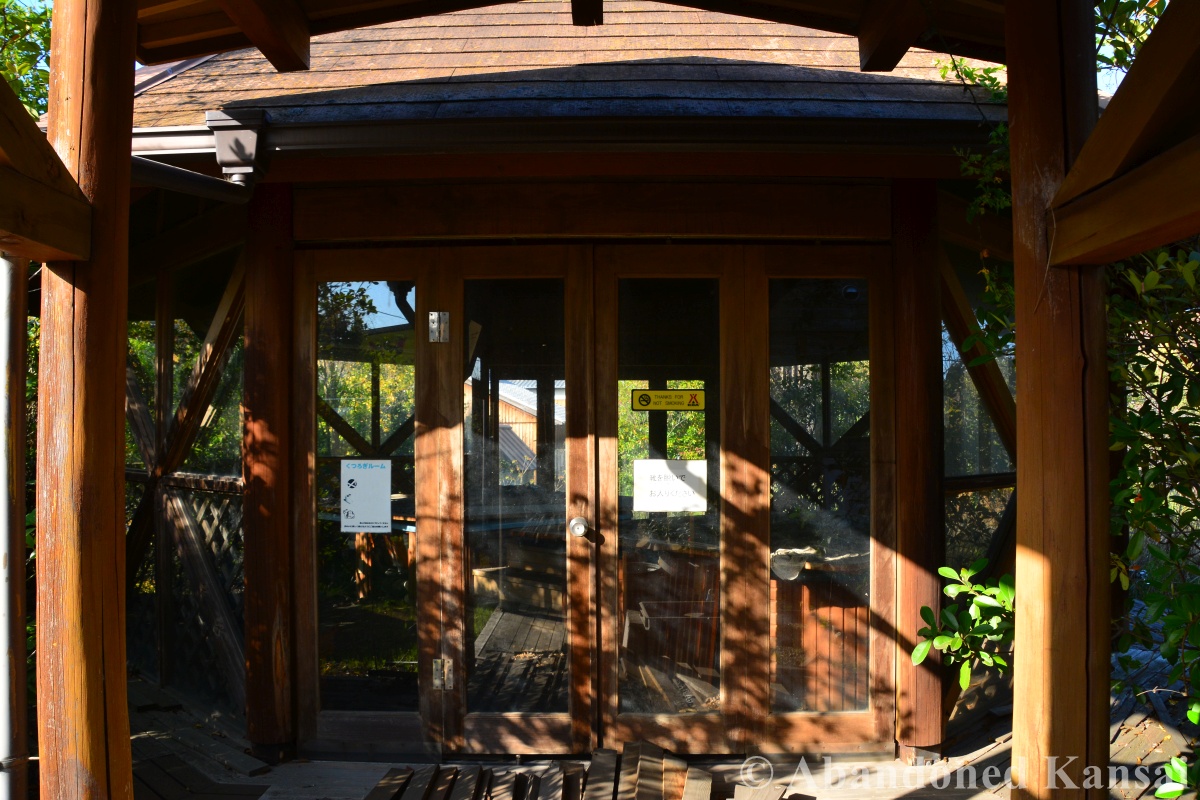
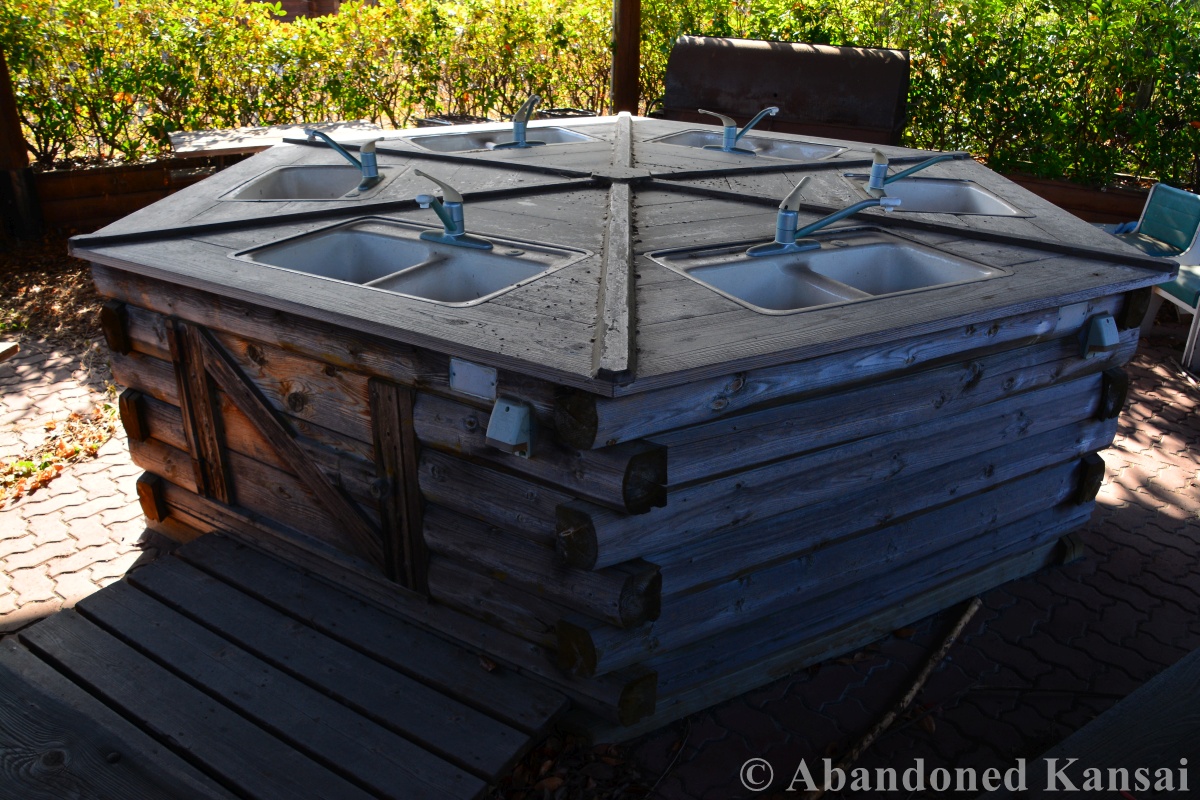
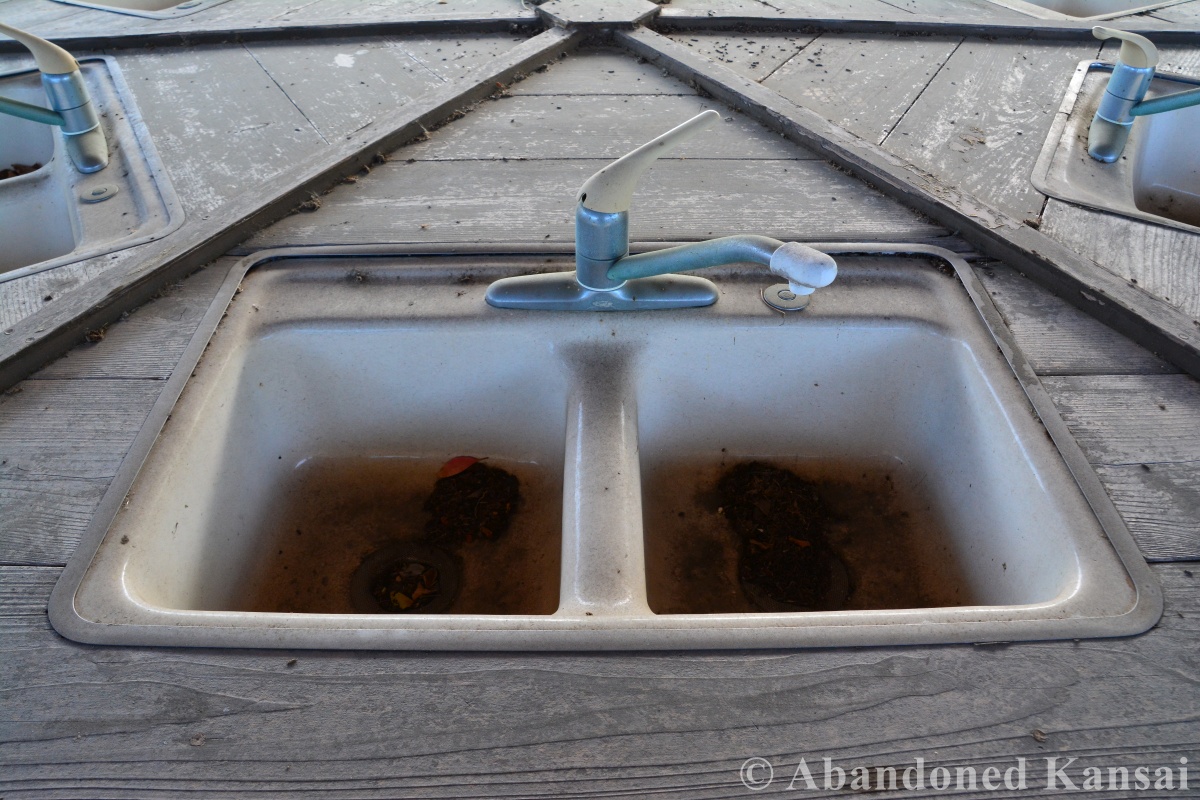
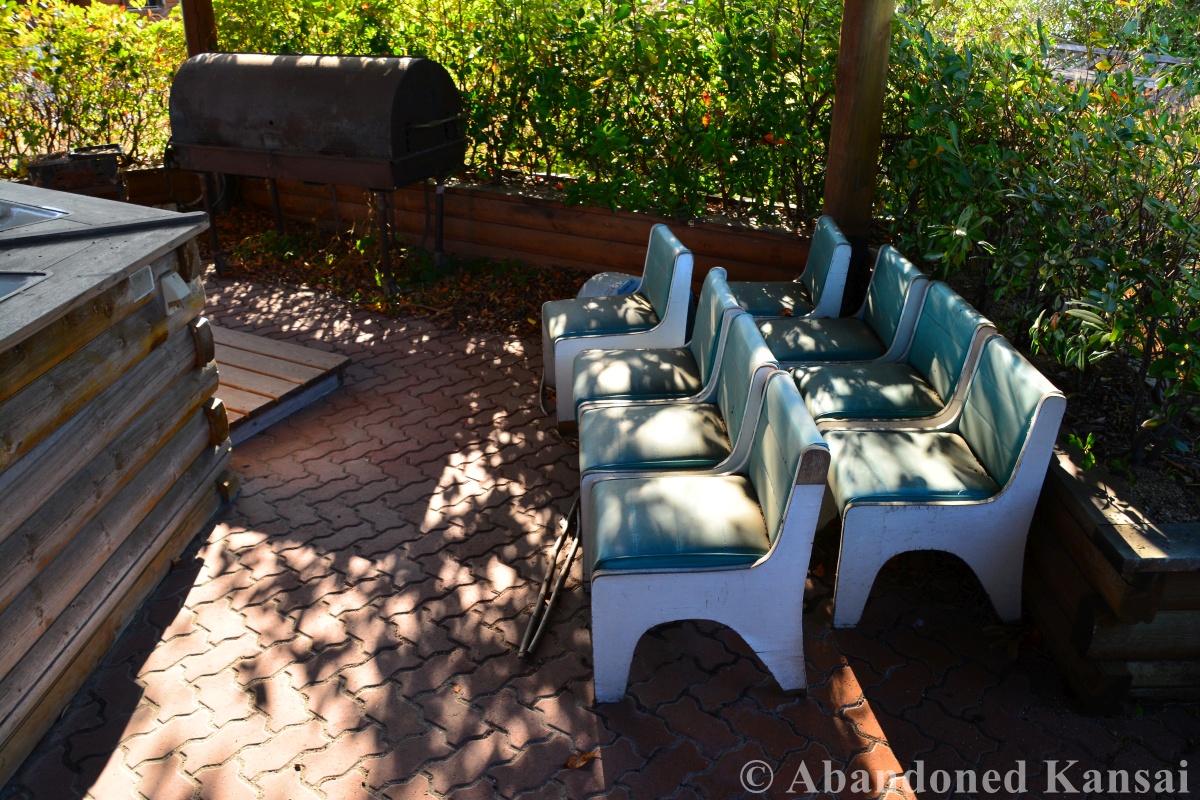
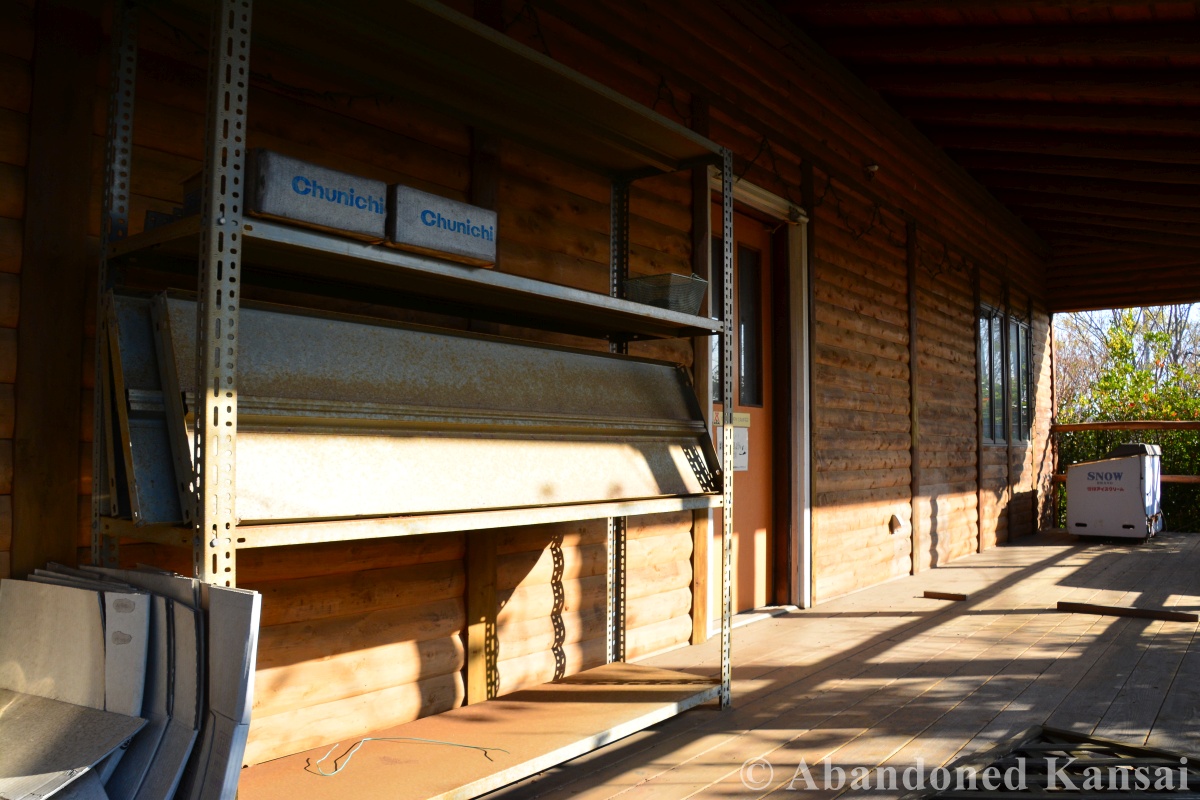
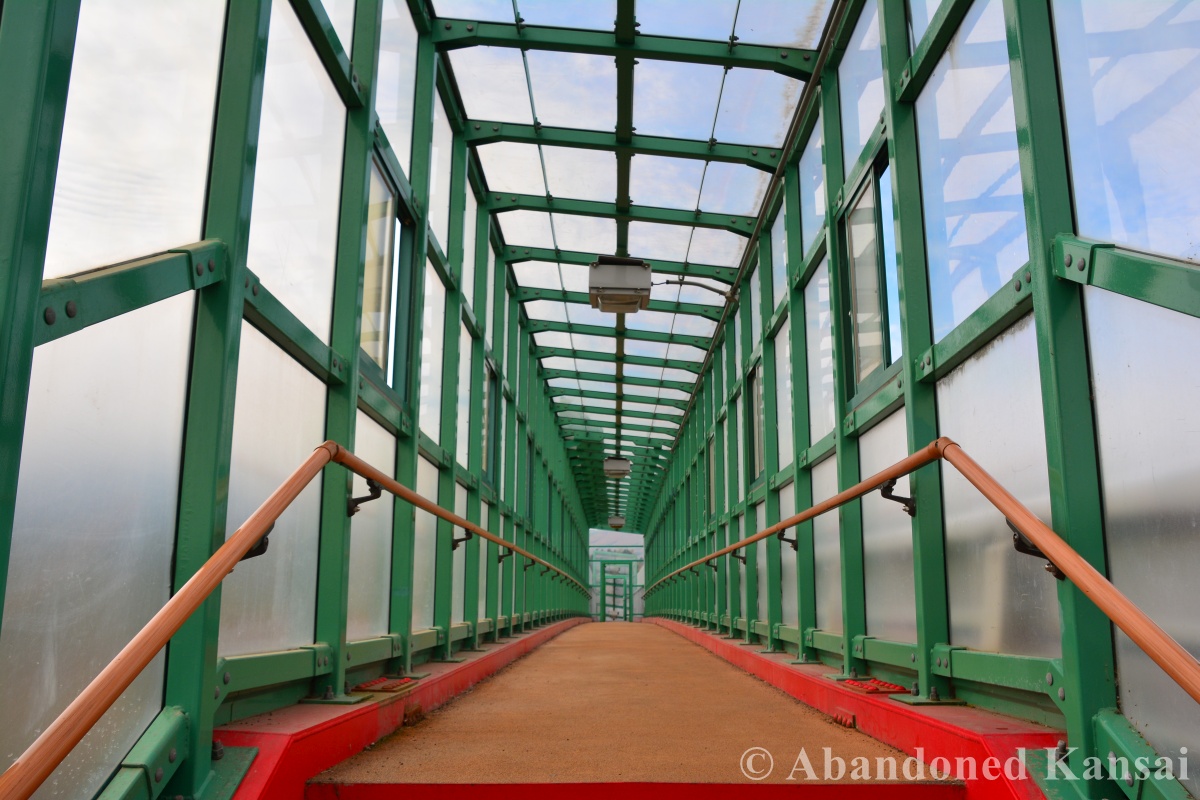
So I guess we can keep the rest short: I came. I saw. I took photos. There were about a dozen huts, a couple of larger block houses with several units, a few BBQ places, plus a communal area with sinks, showers, rest rooms, and a hot tub. Not much more to say. Beautiful outdoor exploration on a gorgeous spring afternoon. A rare original find apparently. I enjoyed it very much, and I hope you will, too!

(*Like Abandoned Kansai on Facebook* or *follow us on Twitter* if you don’t want to miss the latest articles and exclusive content – and subscribe to the *video channel on Youtube* to receive a message right after a new video is online…)
Read Full Post »

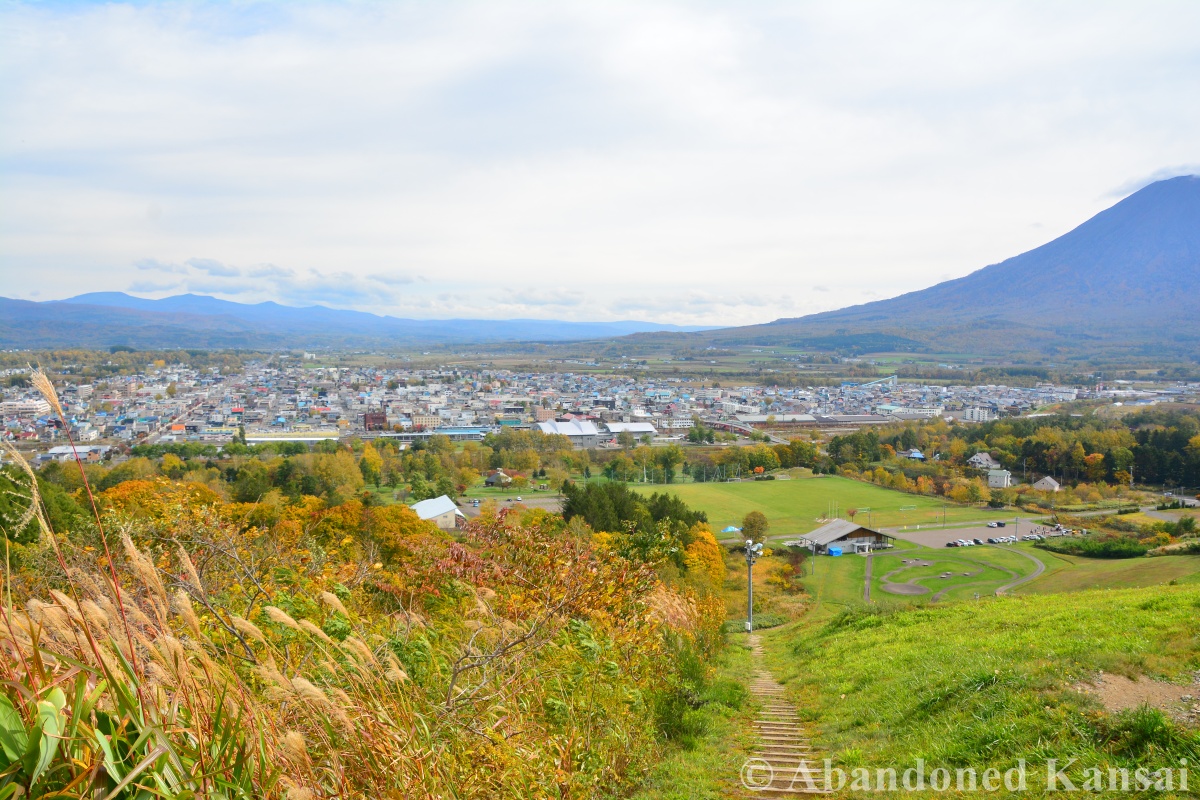
The long-awaited video game Ghost of Yotei will be out soon, so let’s celebrate the release with an abandoned place not on Mount Yotei, but with nice views of Hokkaido’s famous mountain! (Personally I’m more of an Onimusha guy – super excited for the new installment “Way of the Sword”, especially since you couldn’t pay me enough to go Kyoto these days…)

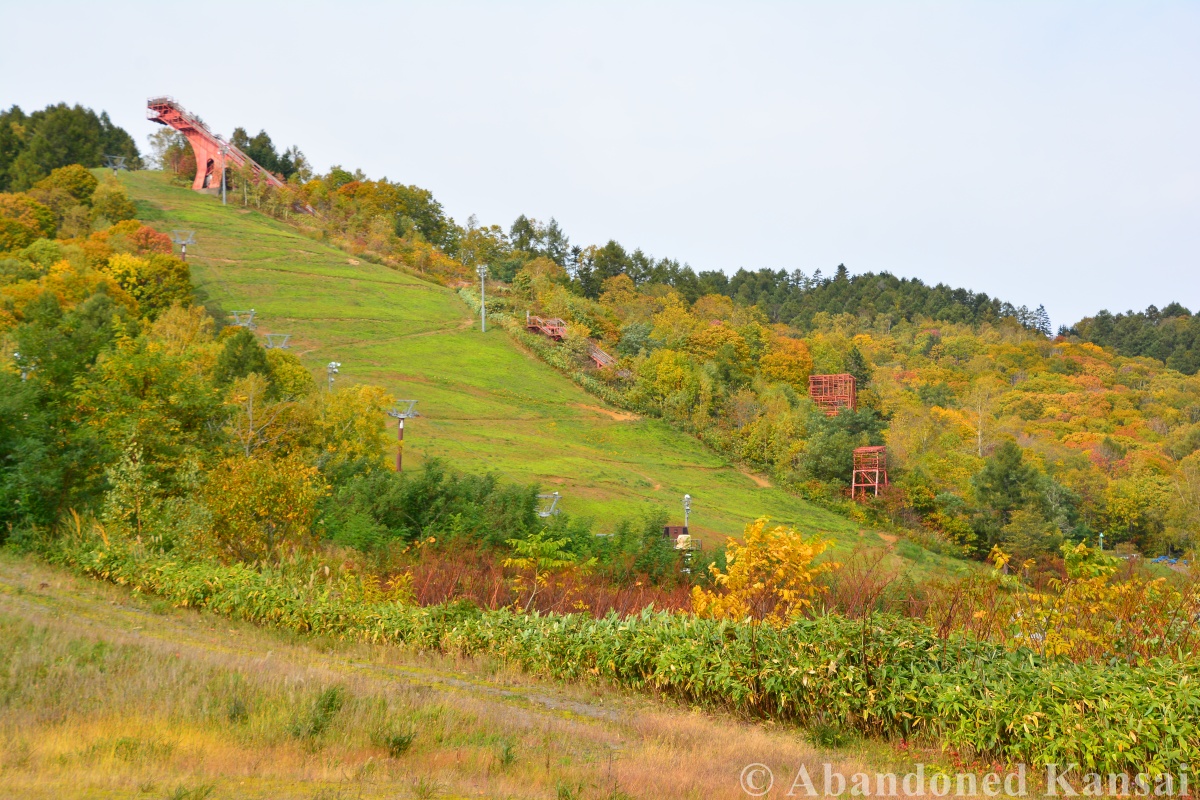
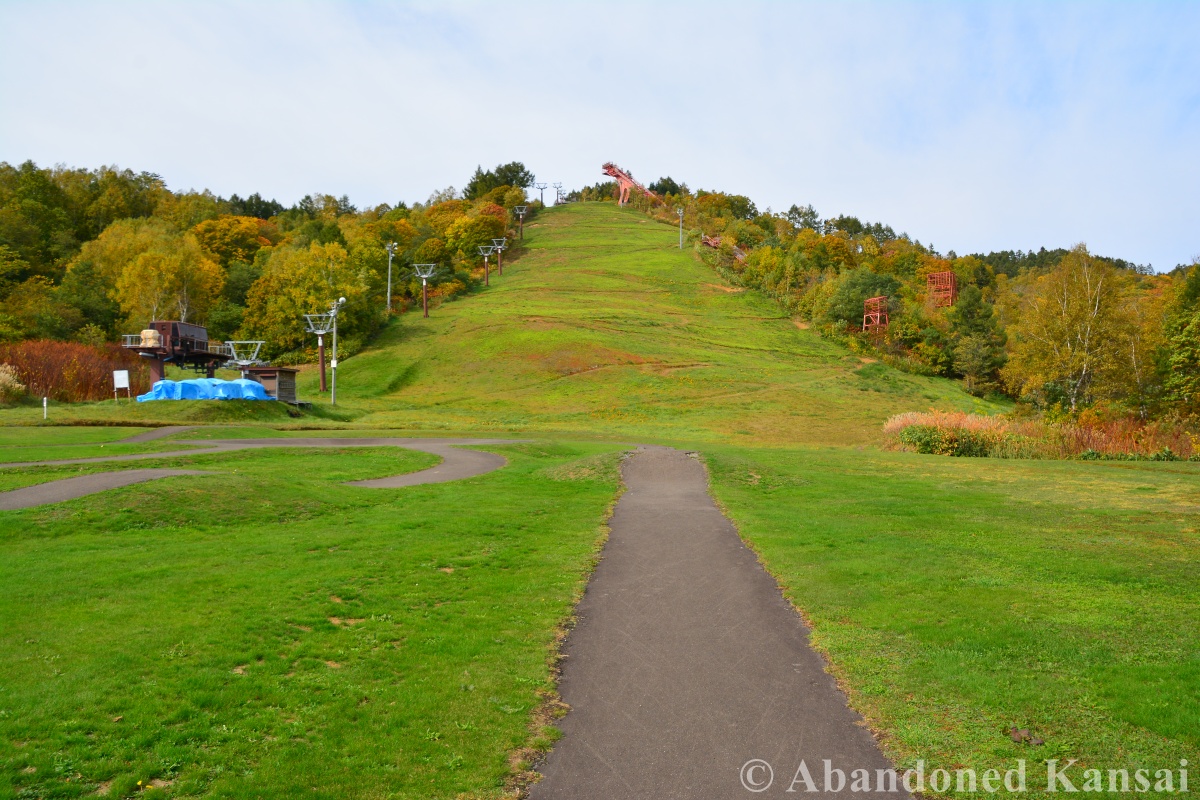
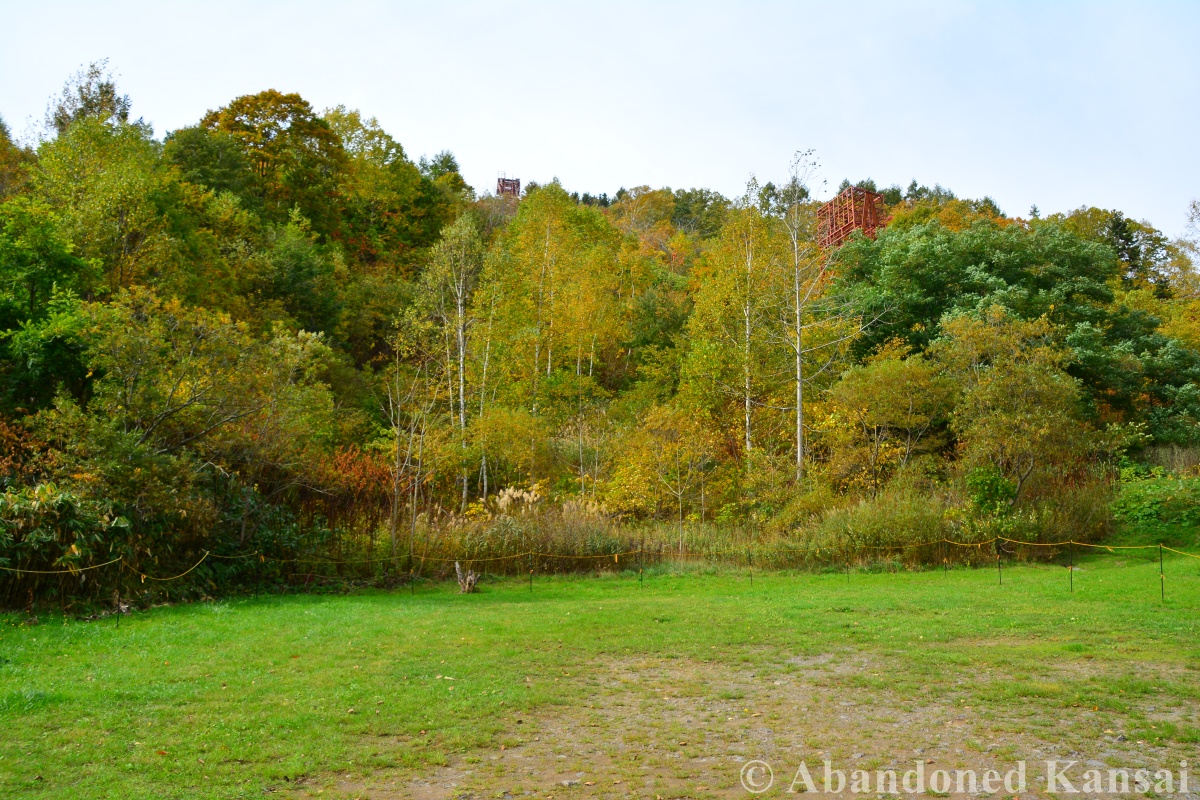
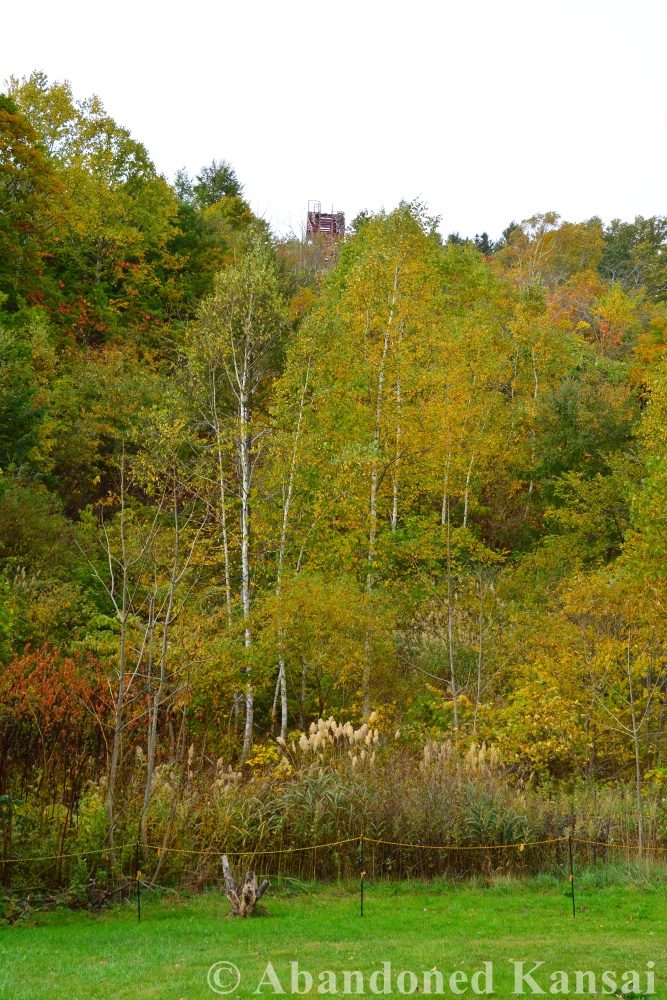
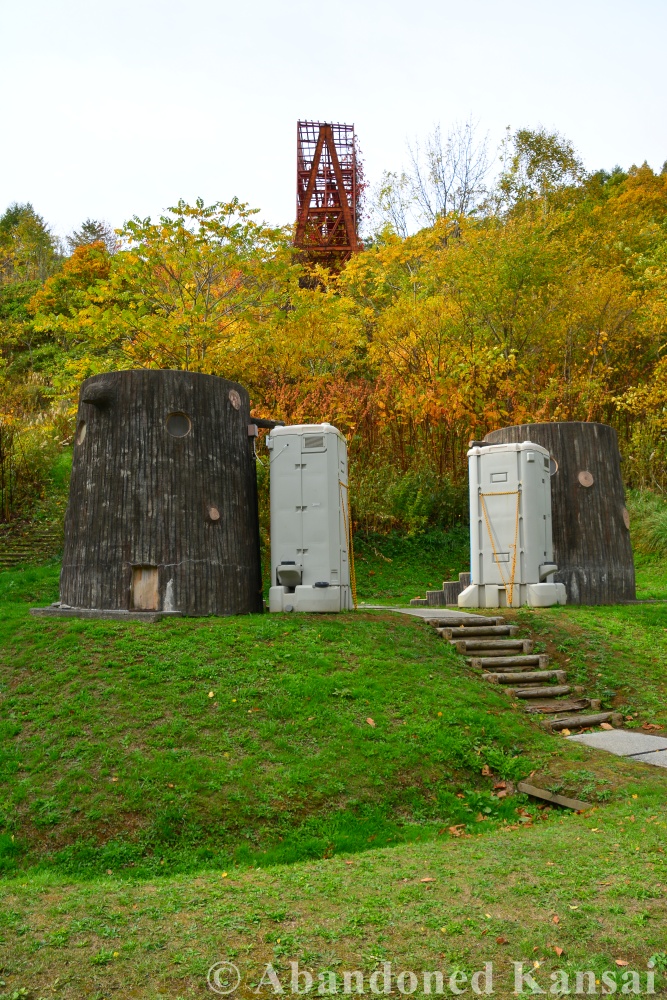
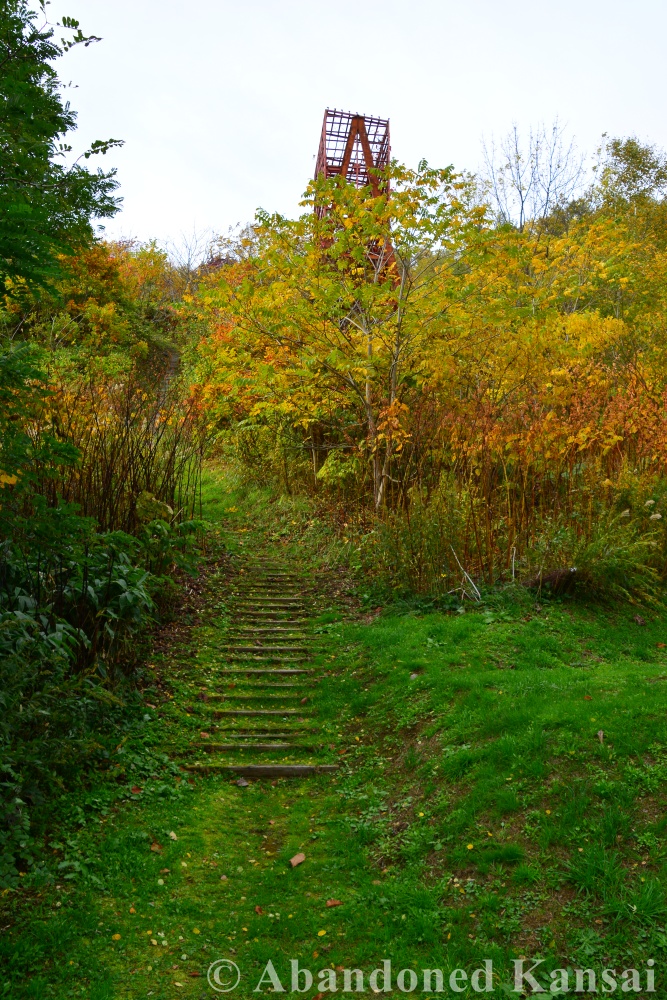
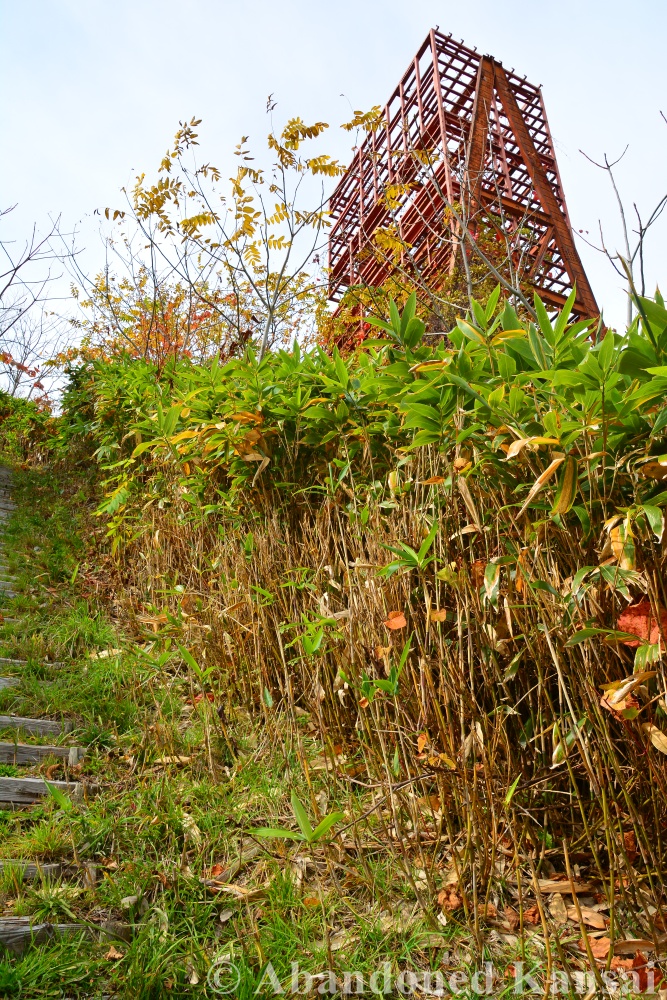
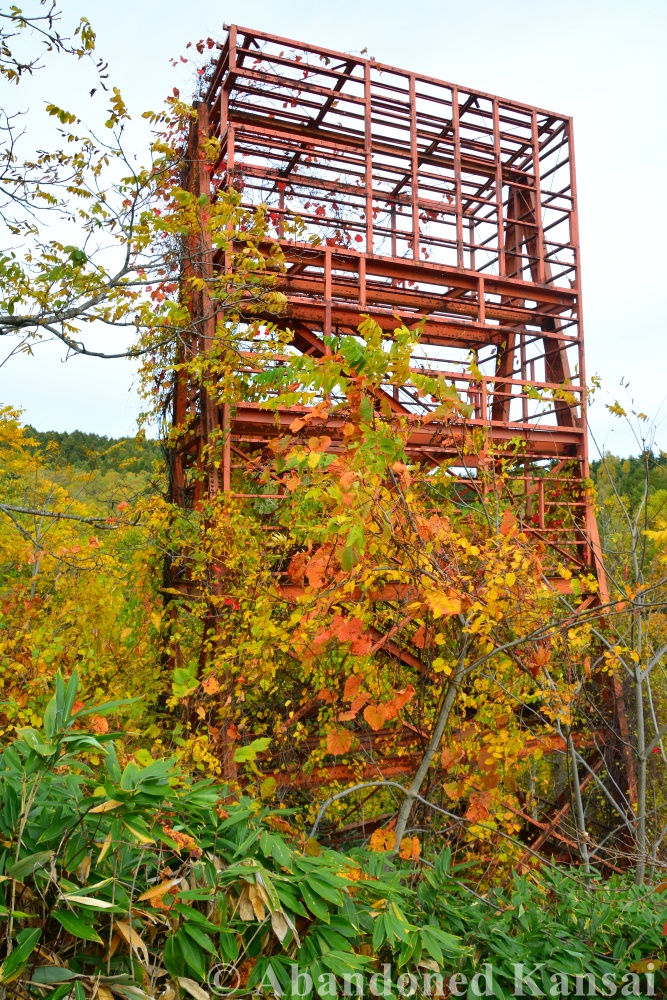
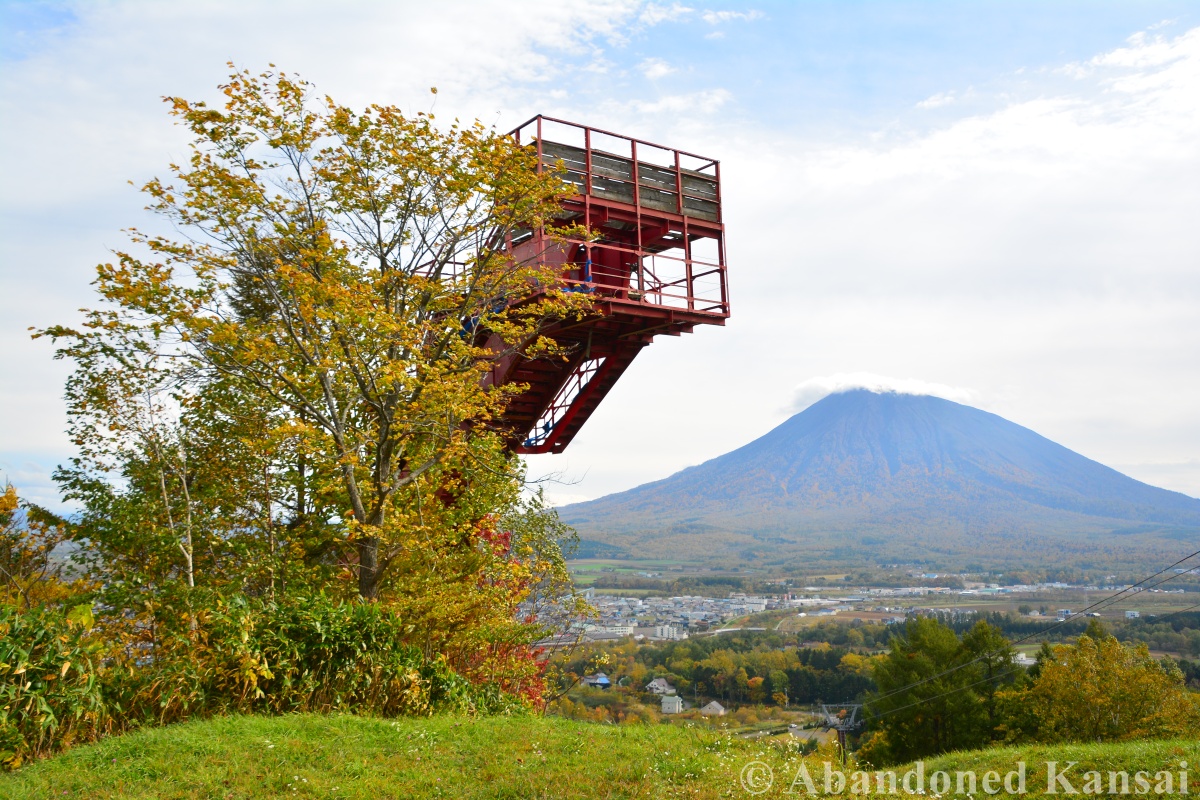
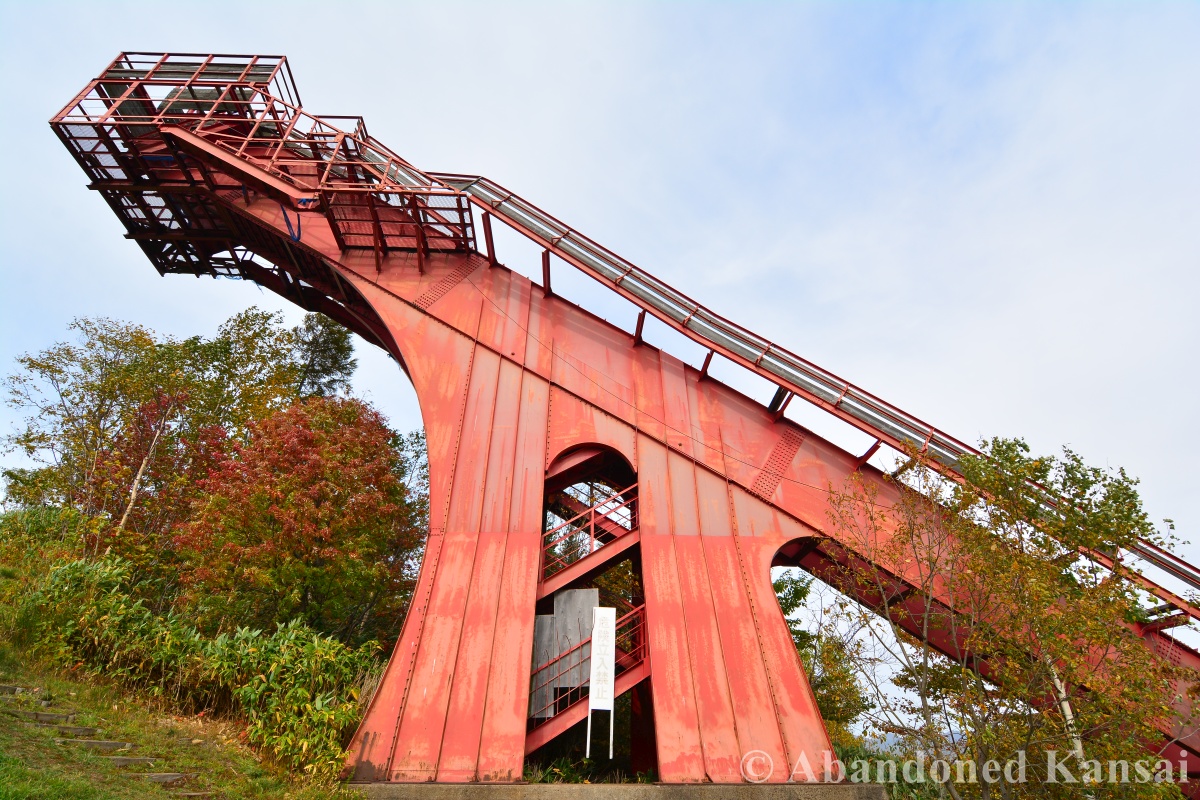
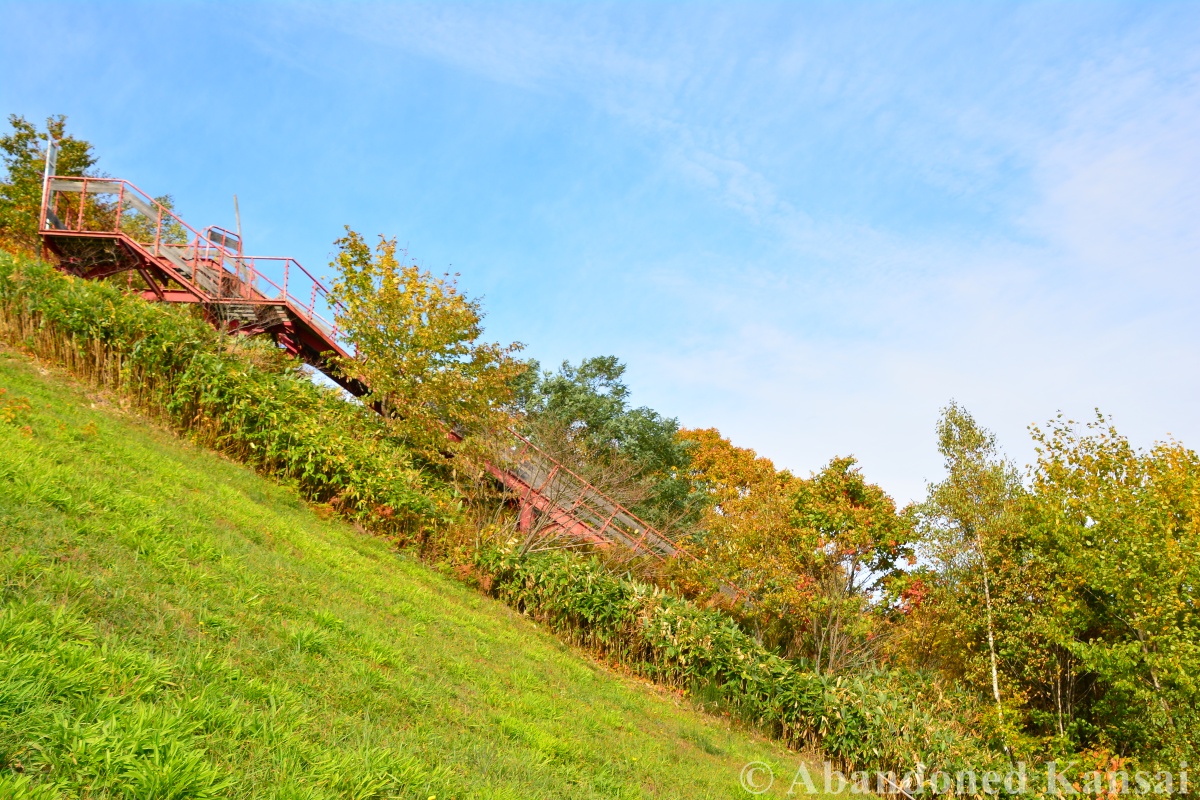
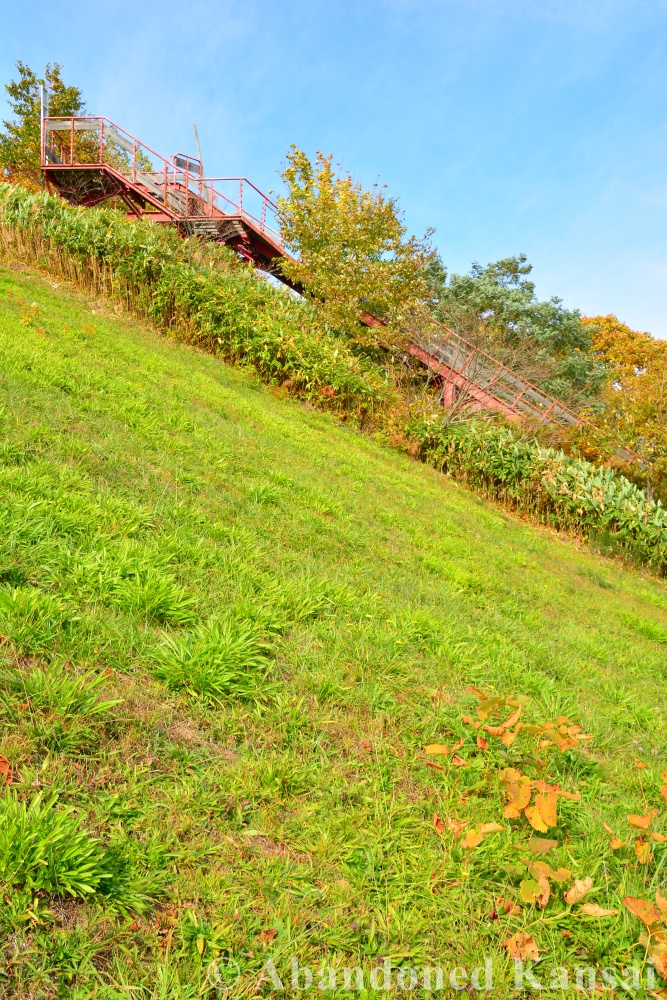
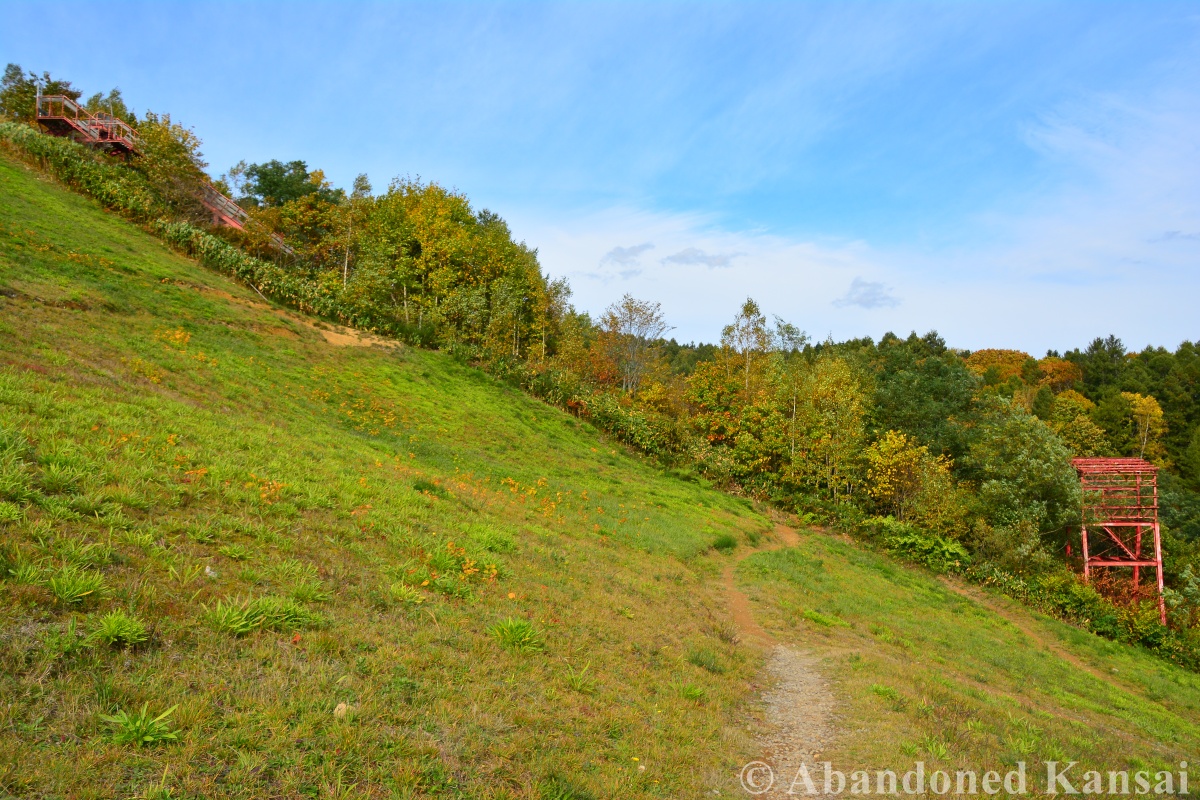
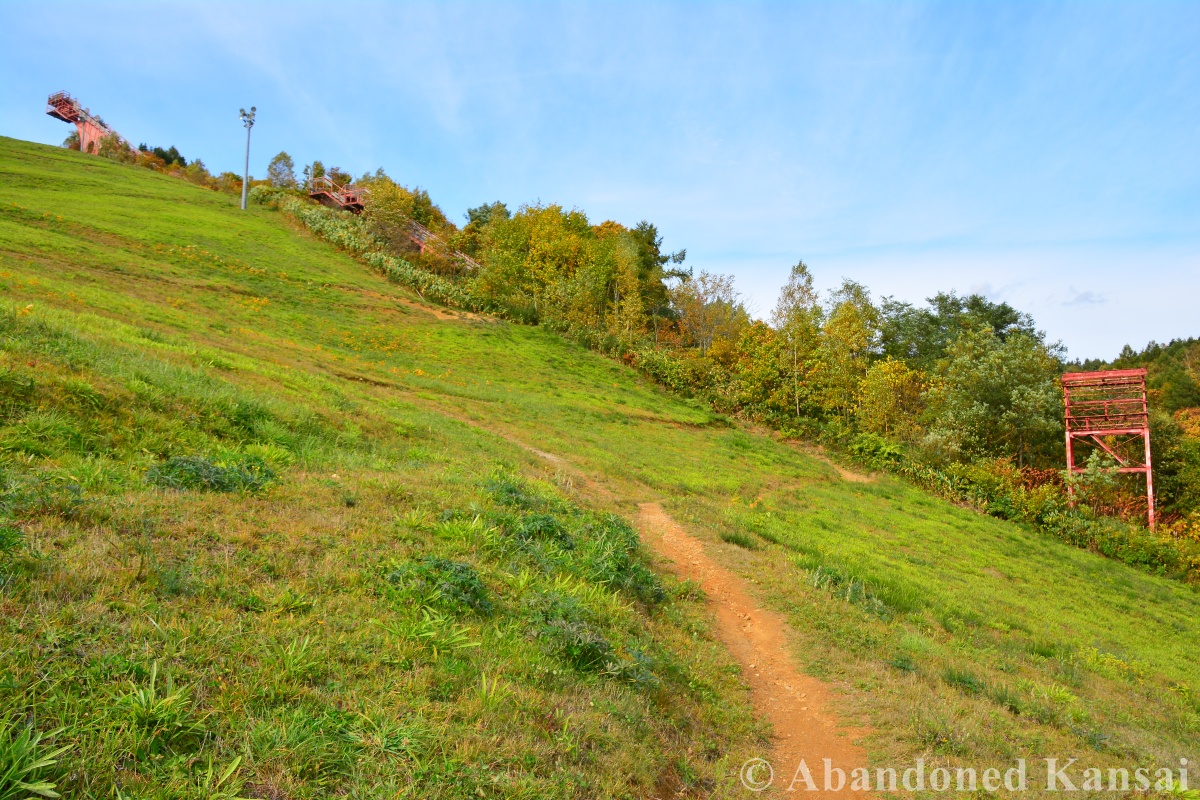
A few years ago I developed a strange fascination with abandoned ski-jumping hills – or rather the constructions use to jump from those hills, called Schanze in German; not to be confused with the military fortification, sconce (most famously used in Wolfsschanze, but let’s not go down that dark road). In the autumn of 2021 I did my own Vierschanzentournee (Four Hills Tournament) when visiting four abandoned ski-jumping hills during one Hokkaido trip. The most famous one probably being the View of Yotei Ski-Jumping Hill, also known as Asahigaoka Park Ski-Jumping Hill in Kutchan.
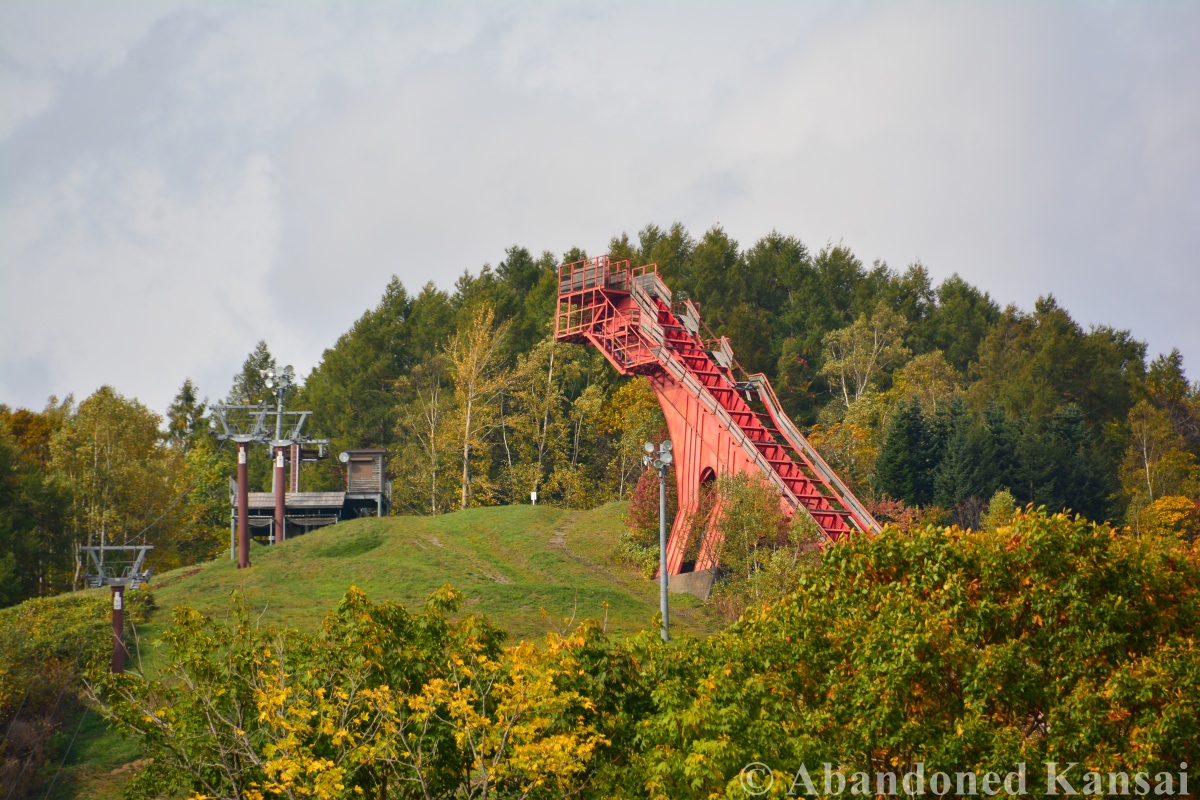
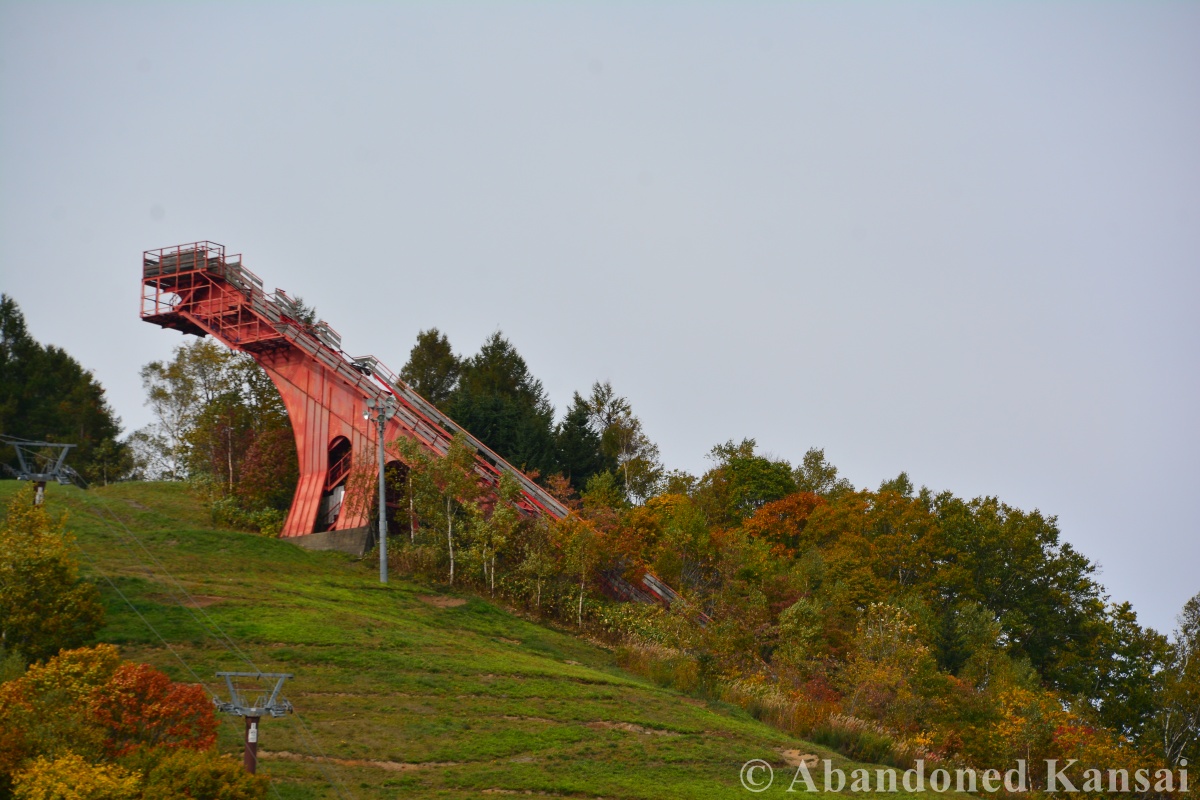
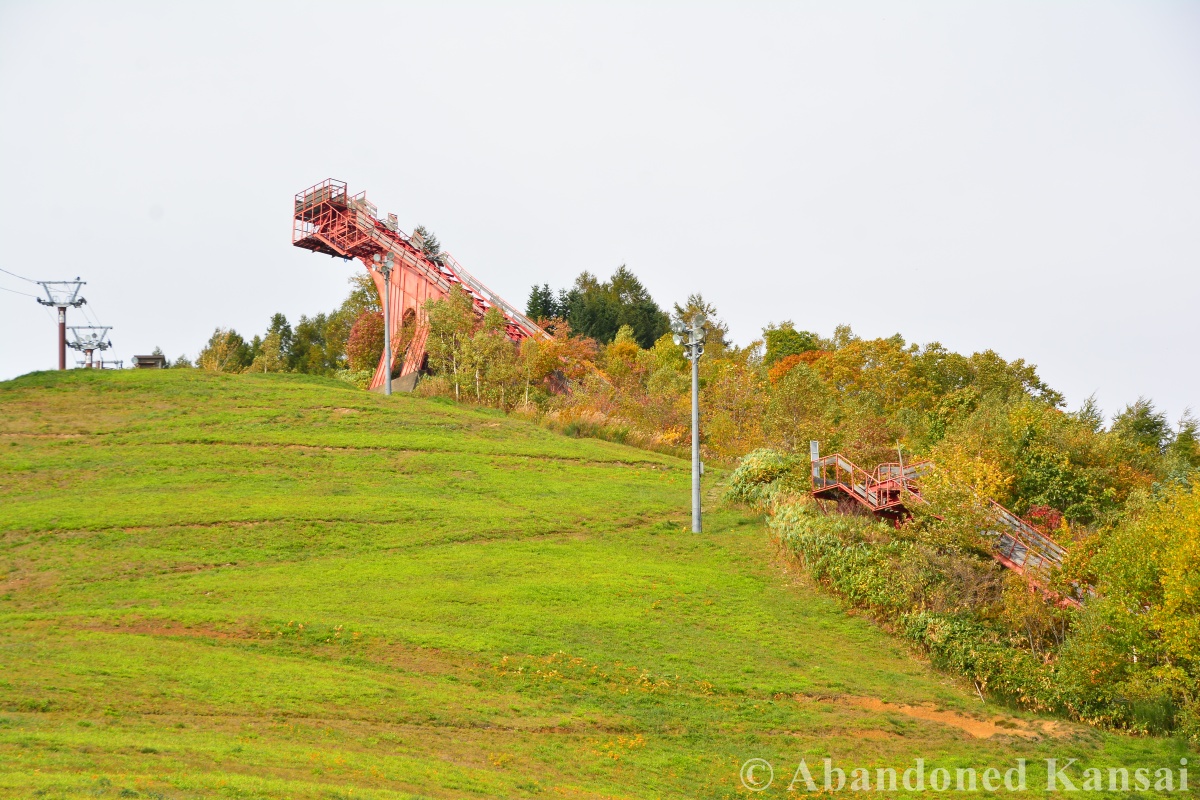
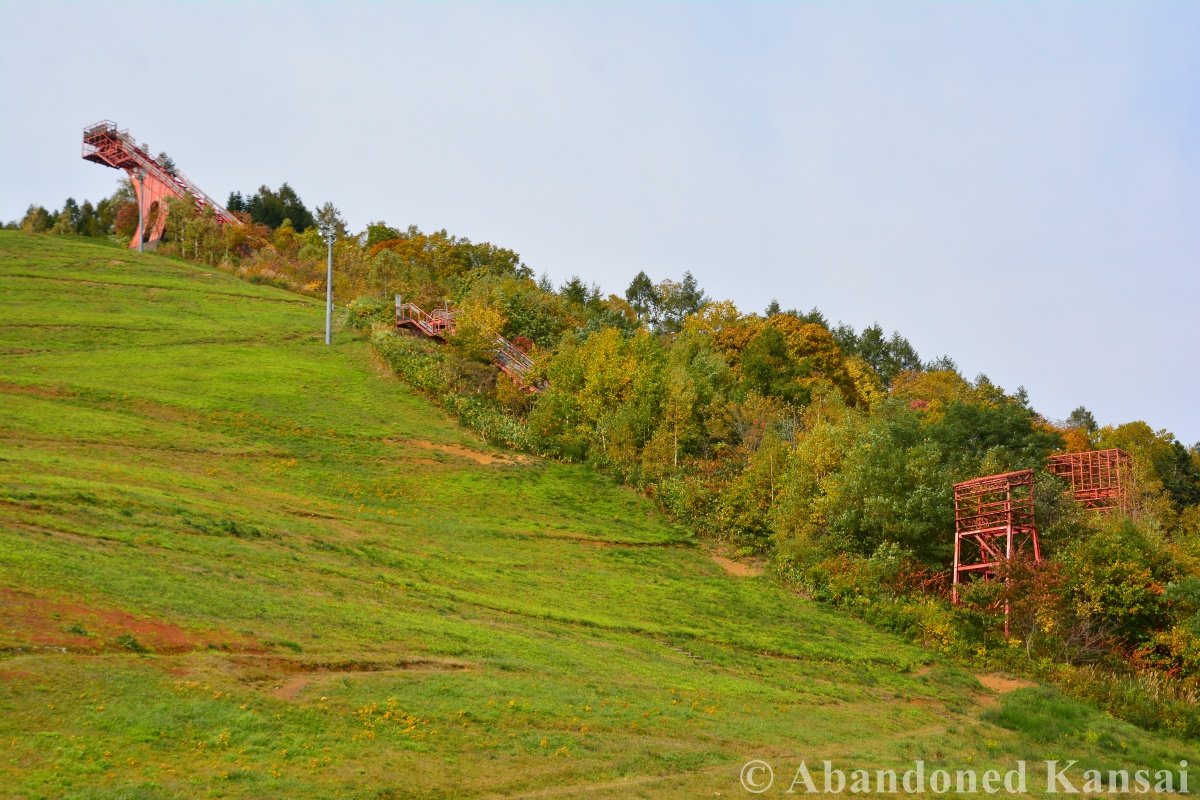
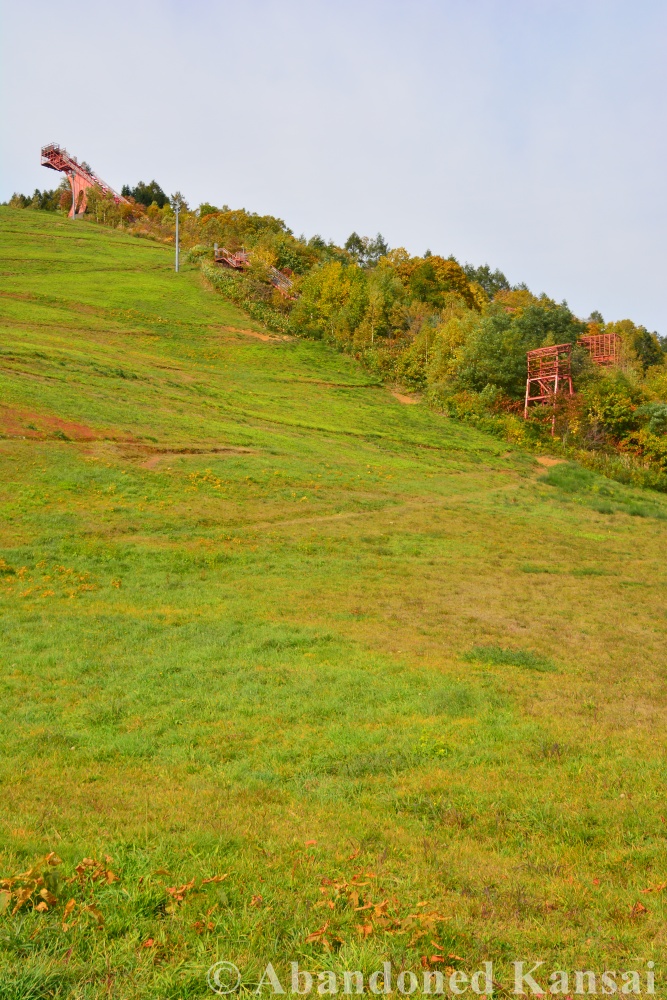
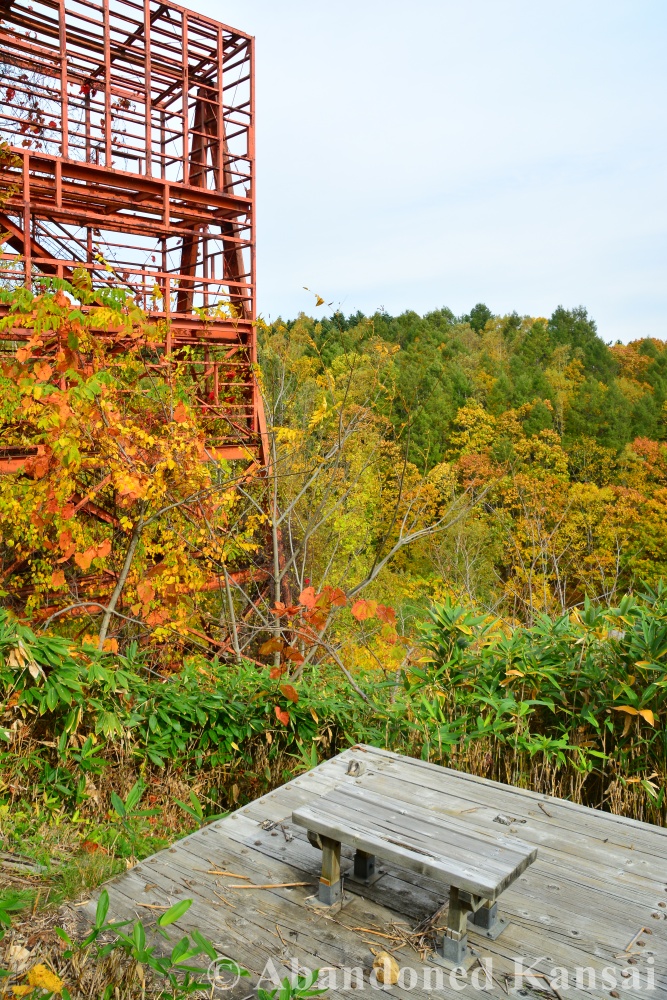
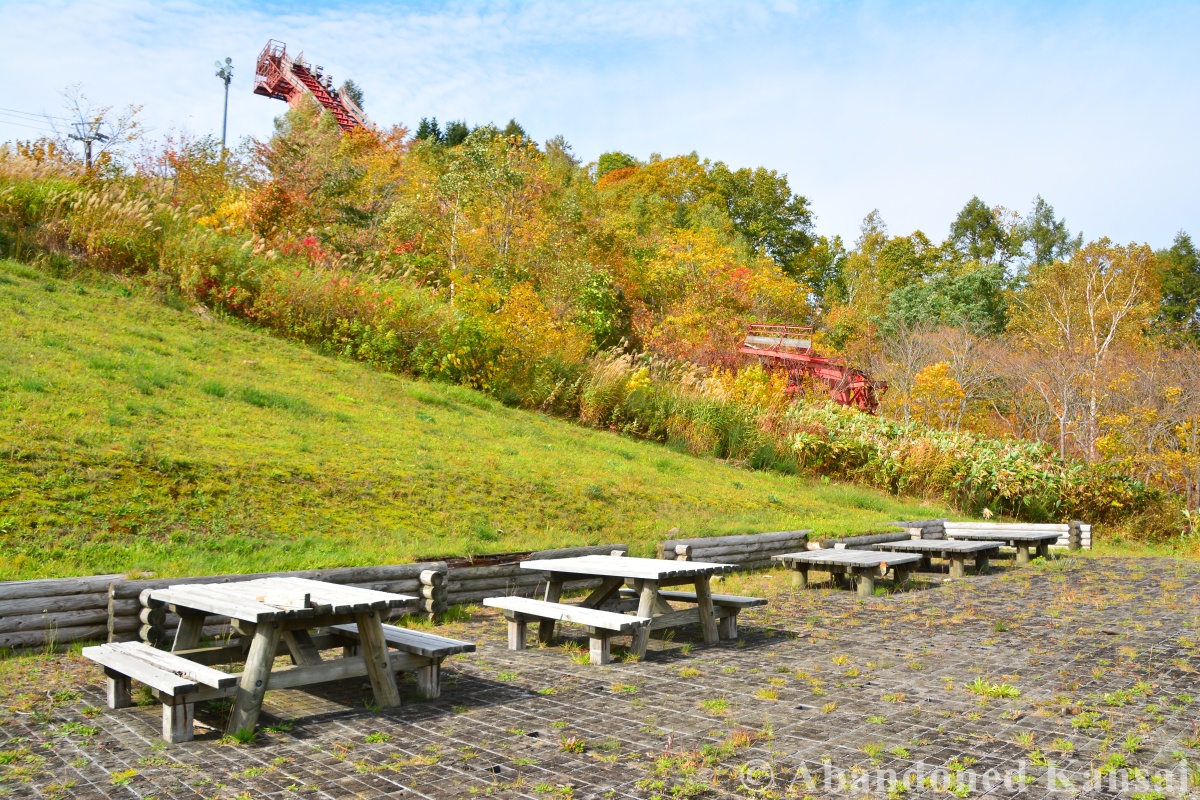
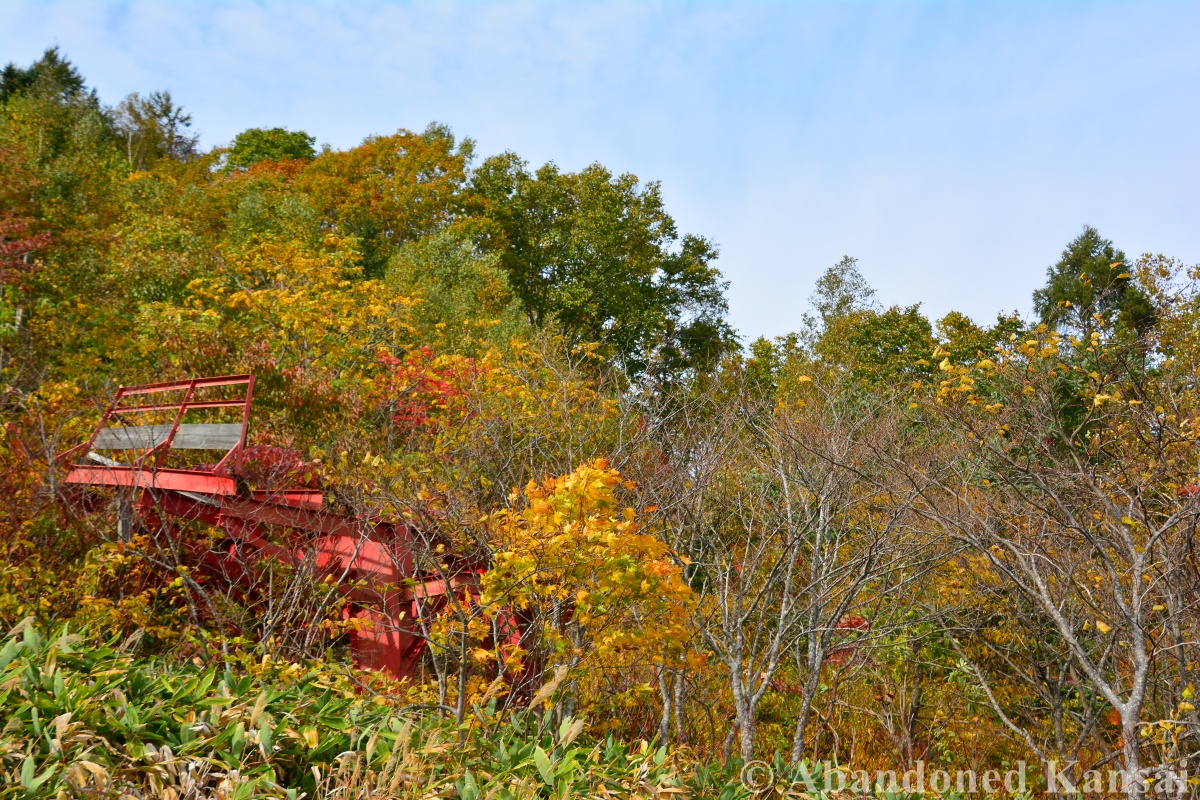
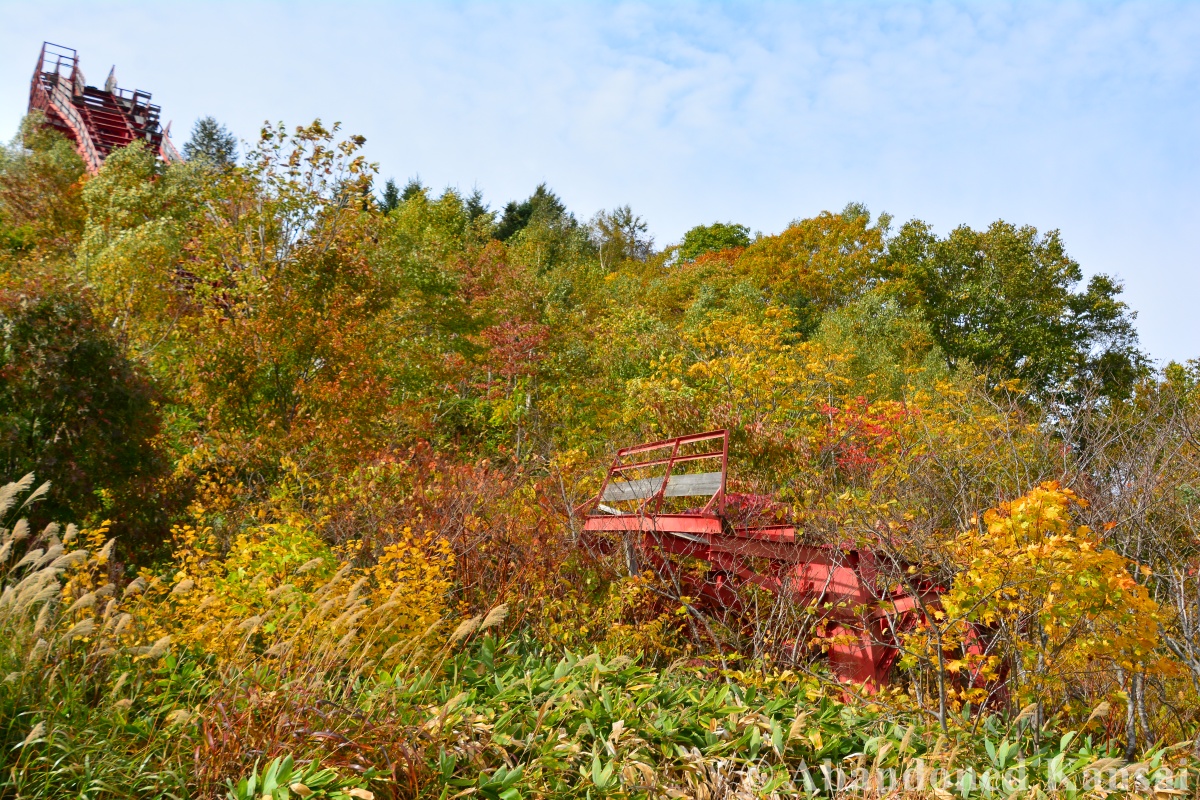
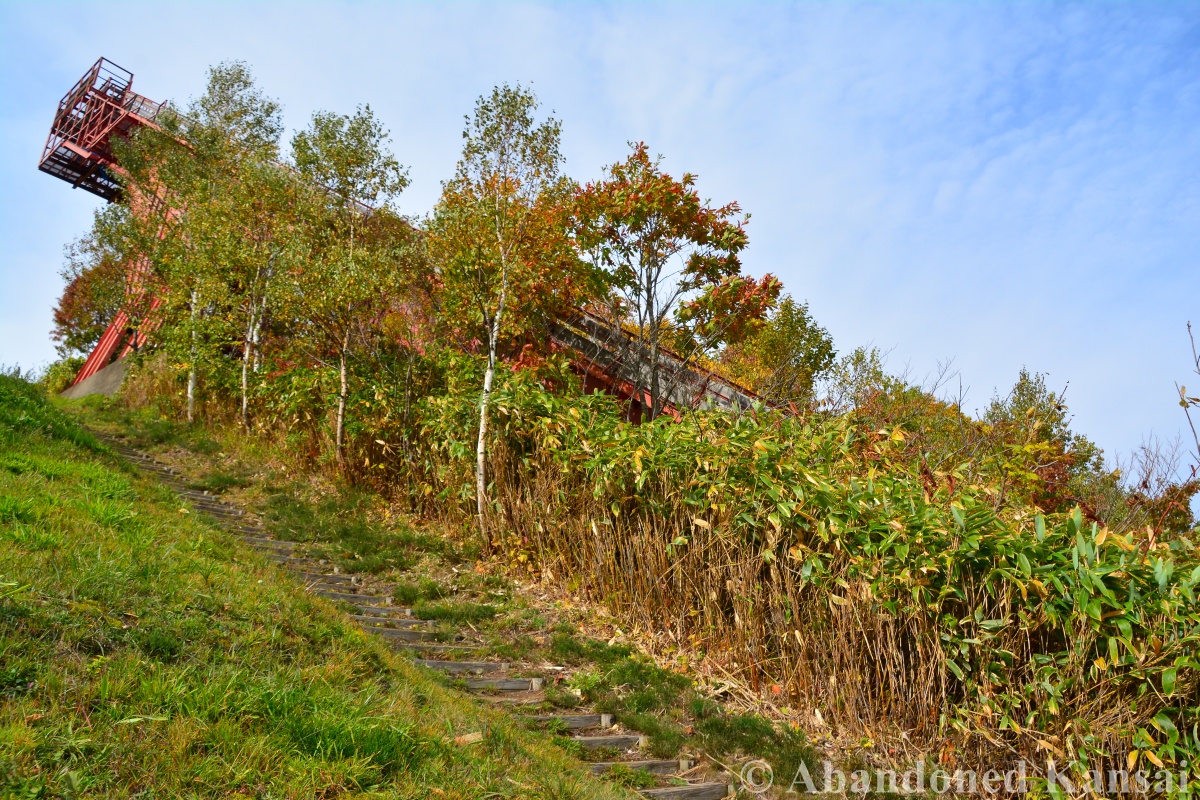
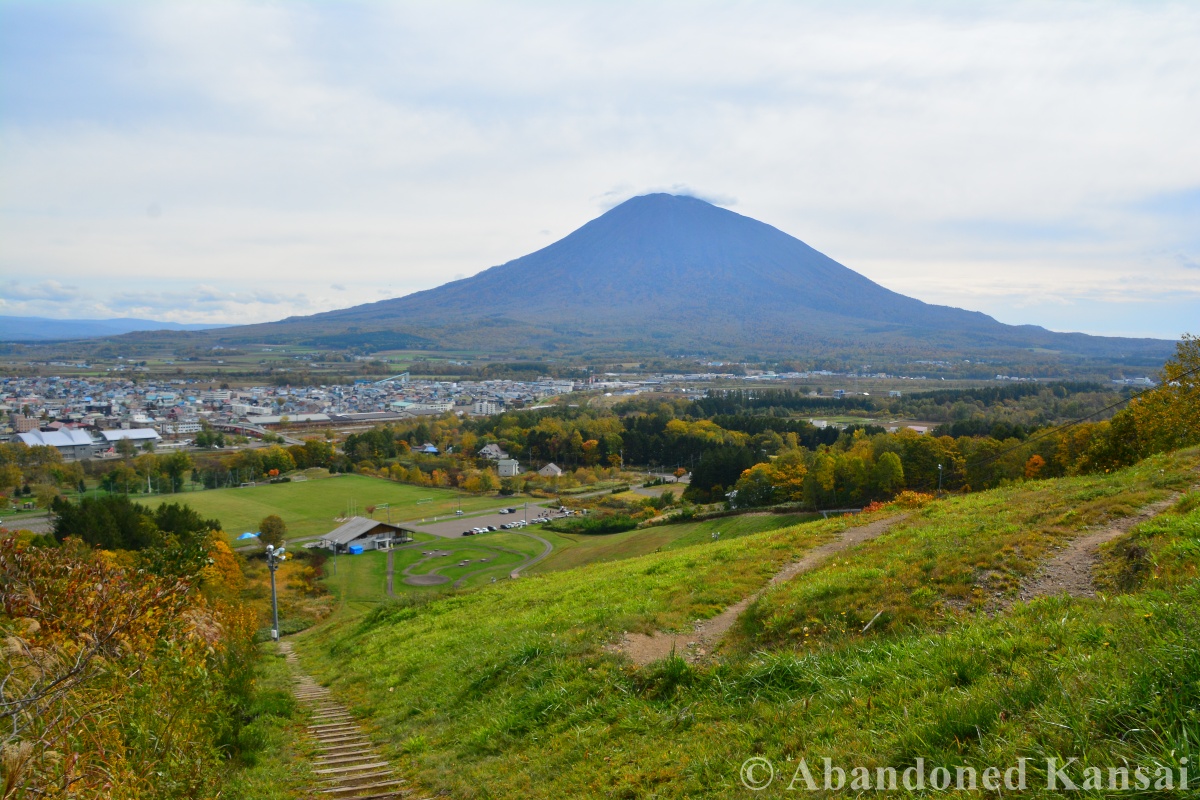
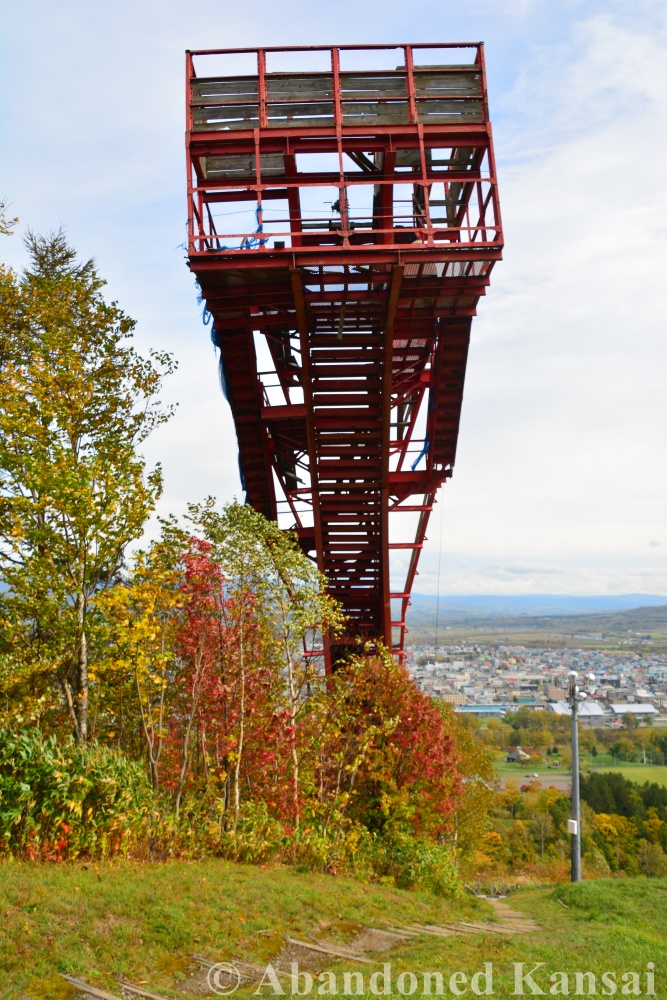
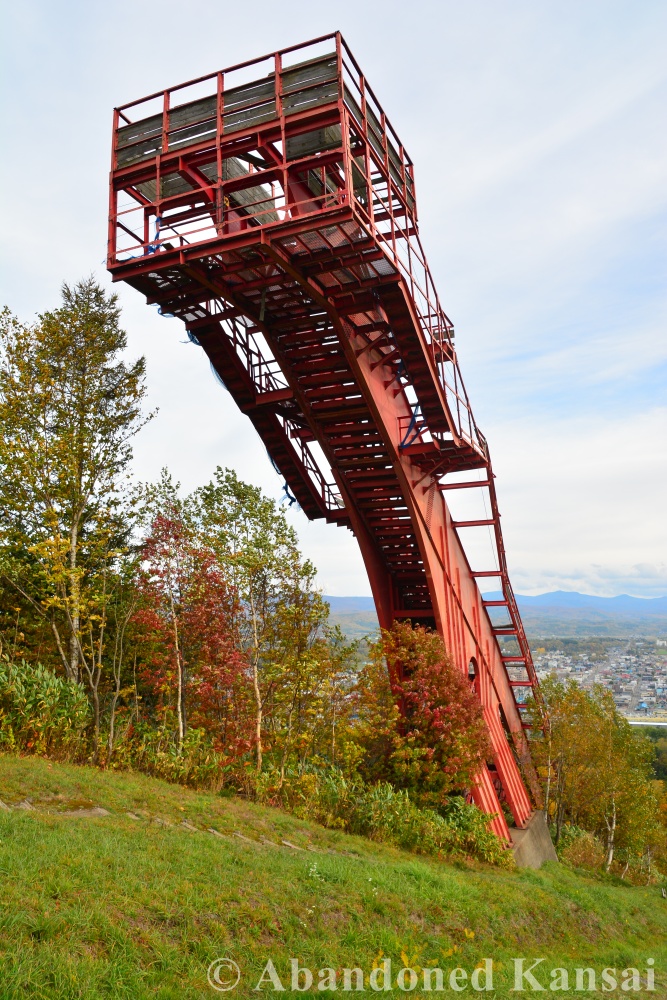
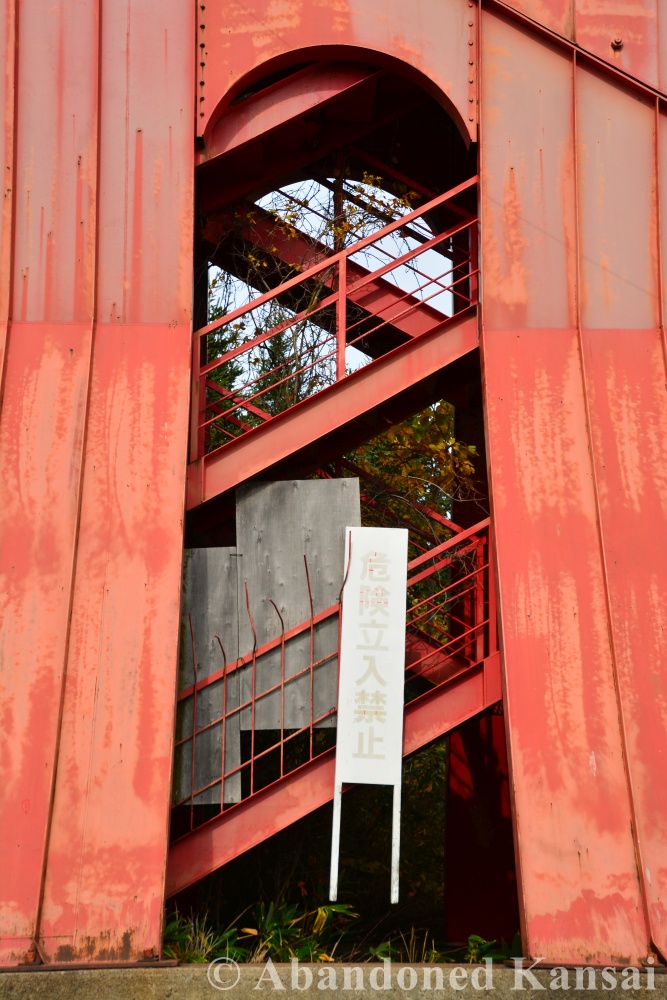
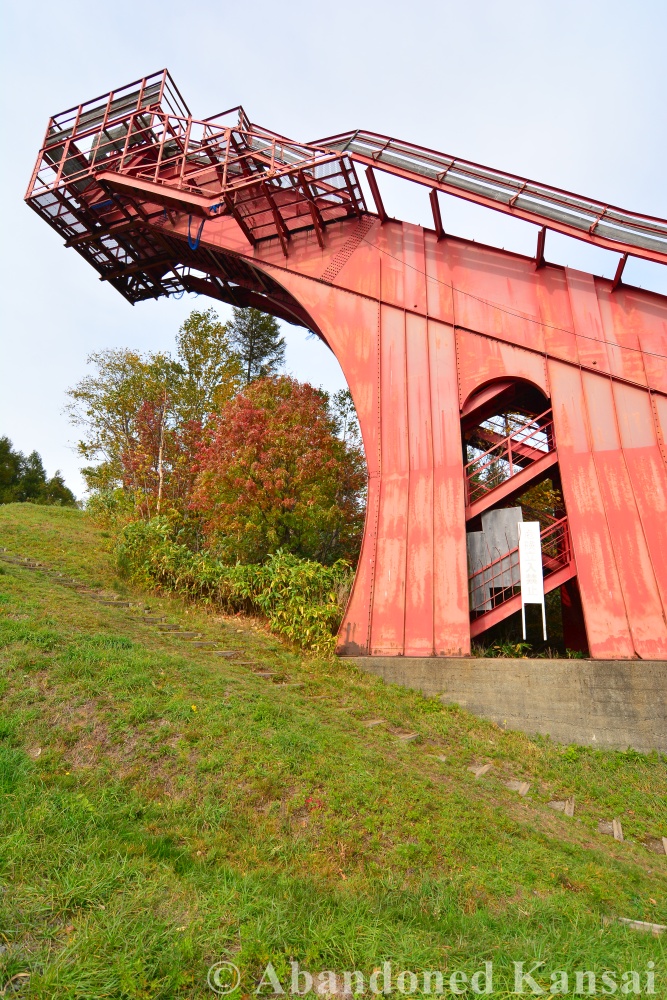
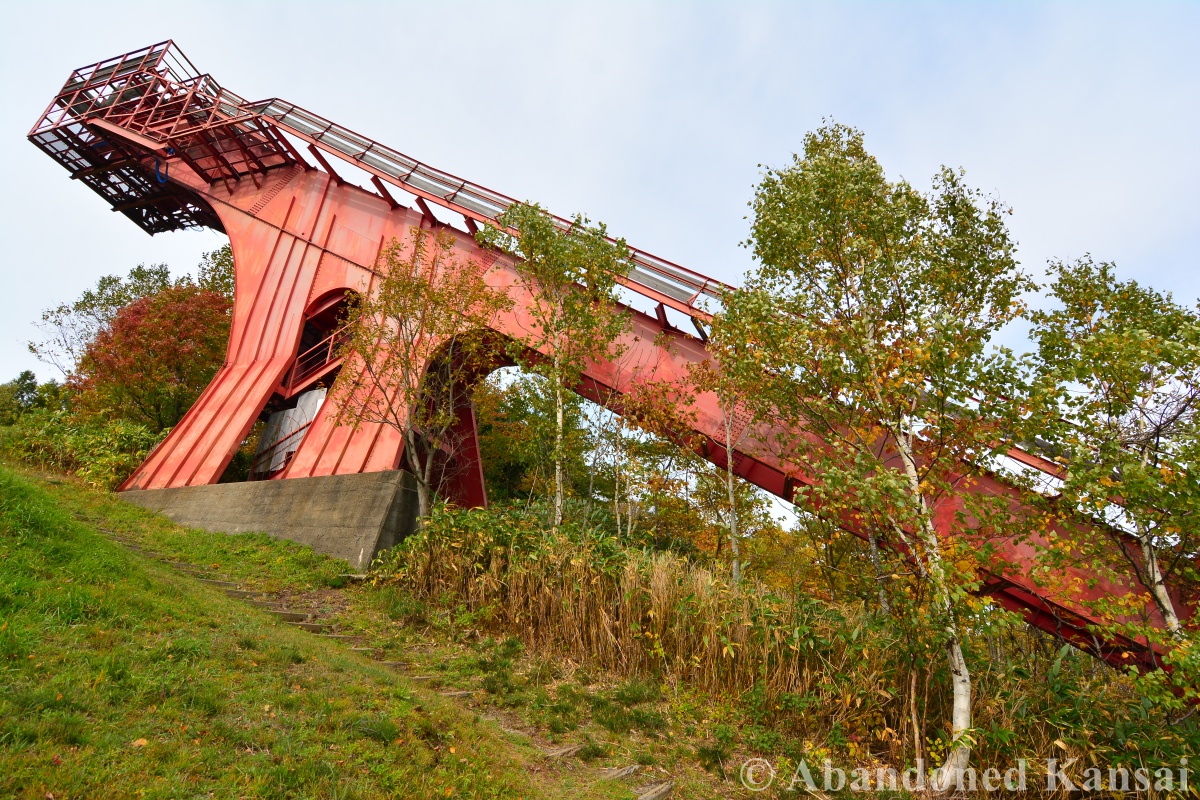
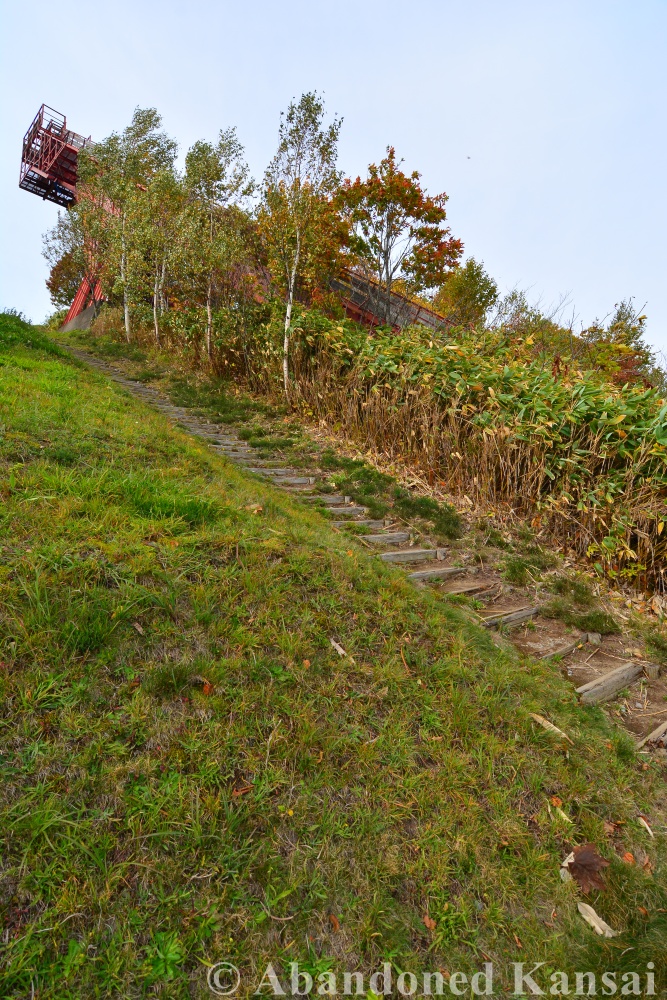
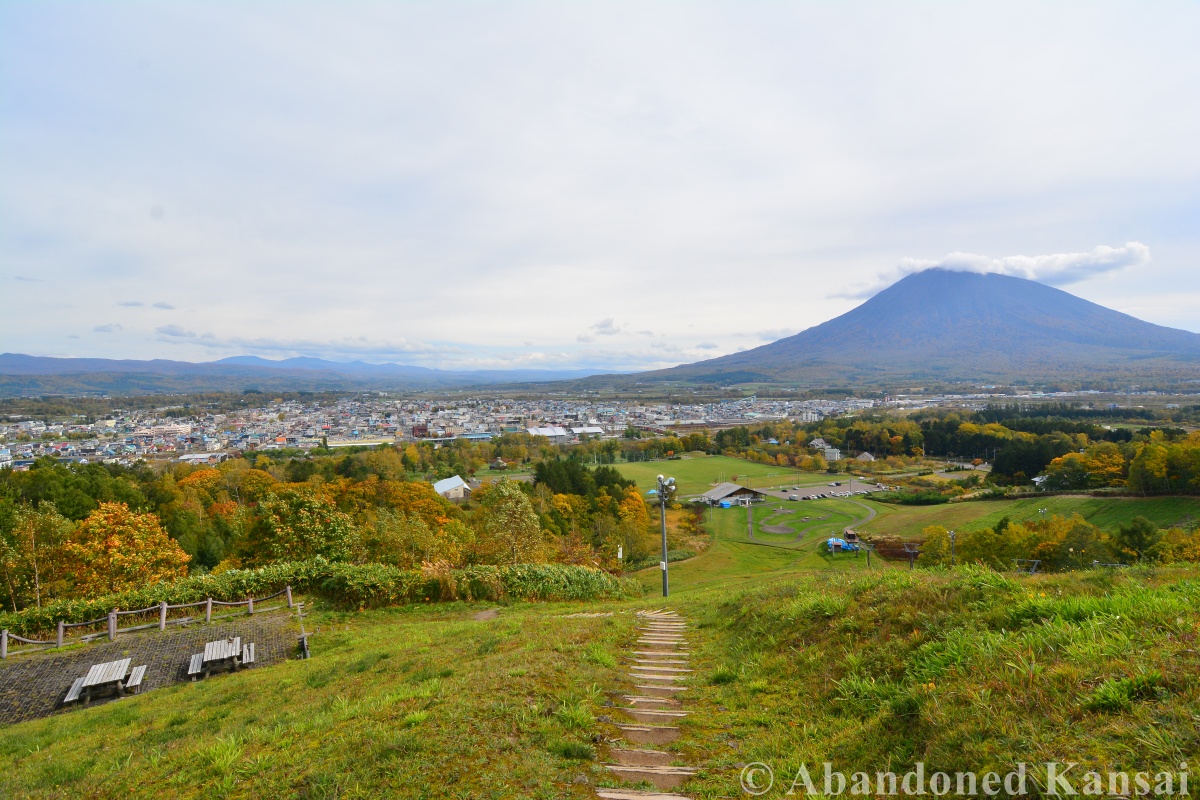
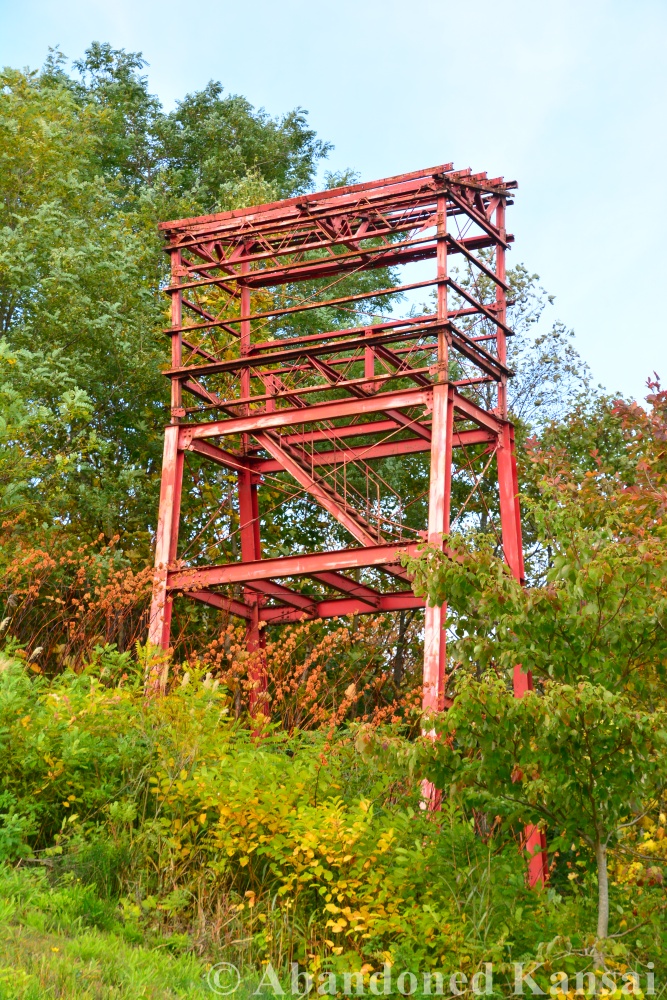
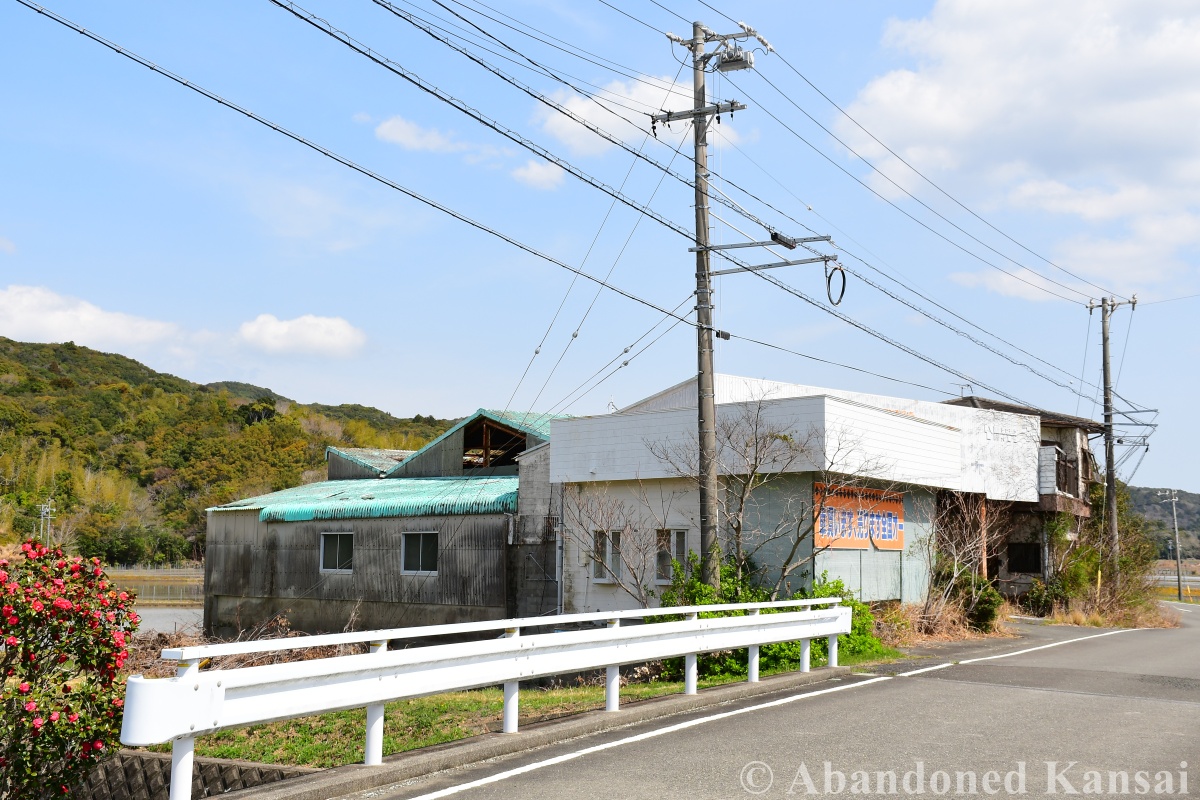
It’s absolutely beyond me why this abandoned place is not more famous in the first place as it is part of a ski area and visible from Kutchan Station, right next to Little Australia, the bogan winter wonderland called Niseko. Tens of thousands of people must see the large red metal construction every year, yet neither tourists nor urban explorers seem to pay much attention to it, despite it being a dream to explore – easy access, outdoors, no fences or Keep Out! signs (except for the welded-up main inrun tower), spectacular views of Mount Yotei – an active stratovolcano nicknamed Yezo Fuji for its shape and one of the “100 famous mountains in Japan” (a list compiled for a book by mountaineer Kyuya Fukada in 1964 and made popular by then Crown Prince and now Emperor Naruhito). To me Mount Yotei was just another mountain at the time when I took pictures of the abandoned structures, and it was pure coincidence that it ended up in some of them – I was there in October of 2021, the game was announced a year ago, on September 24th 2024…
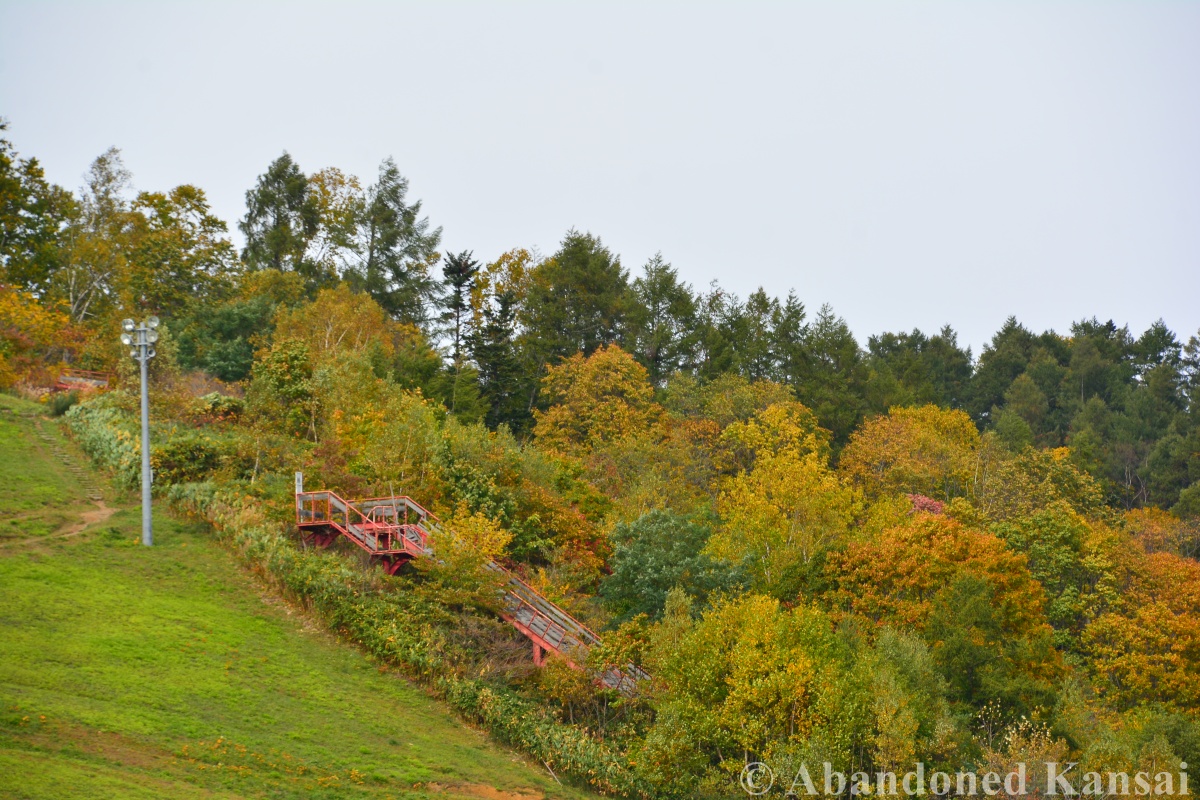
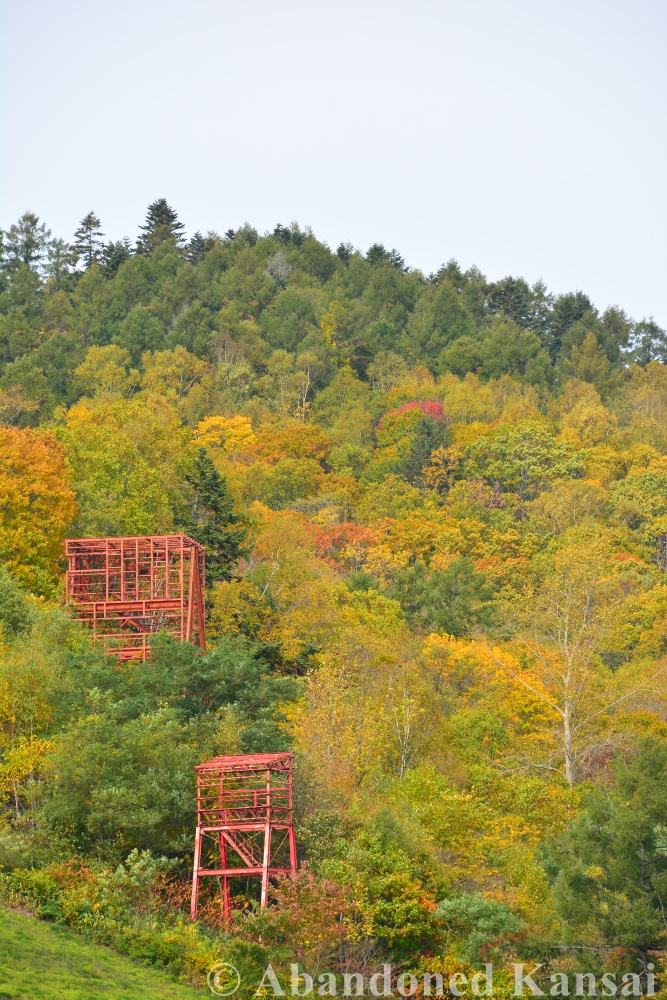
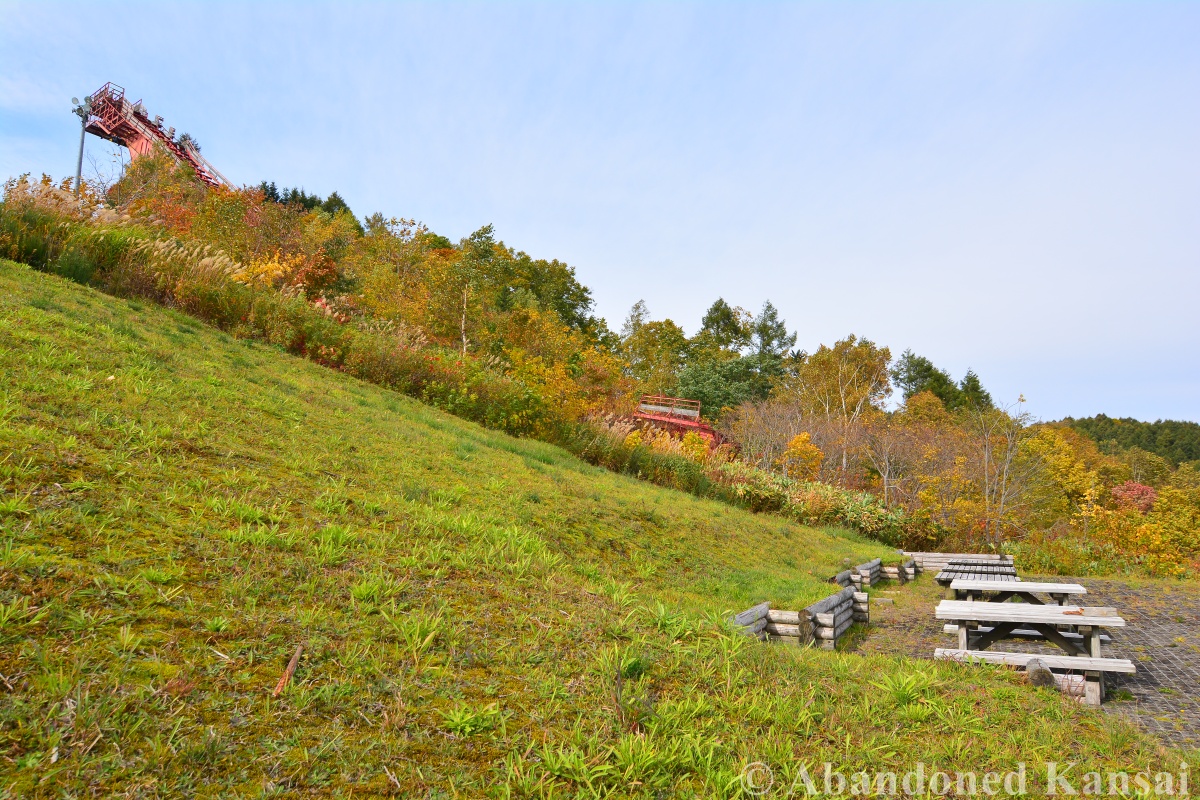
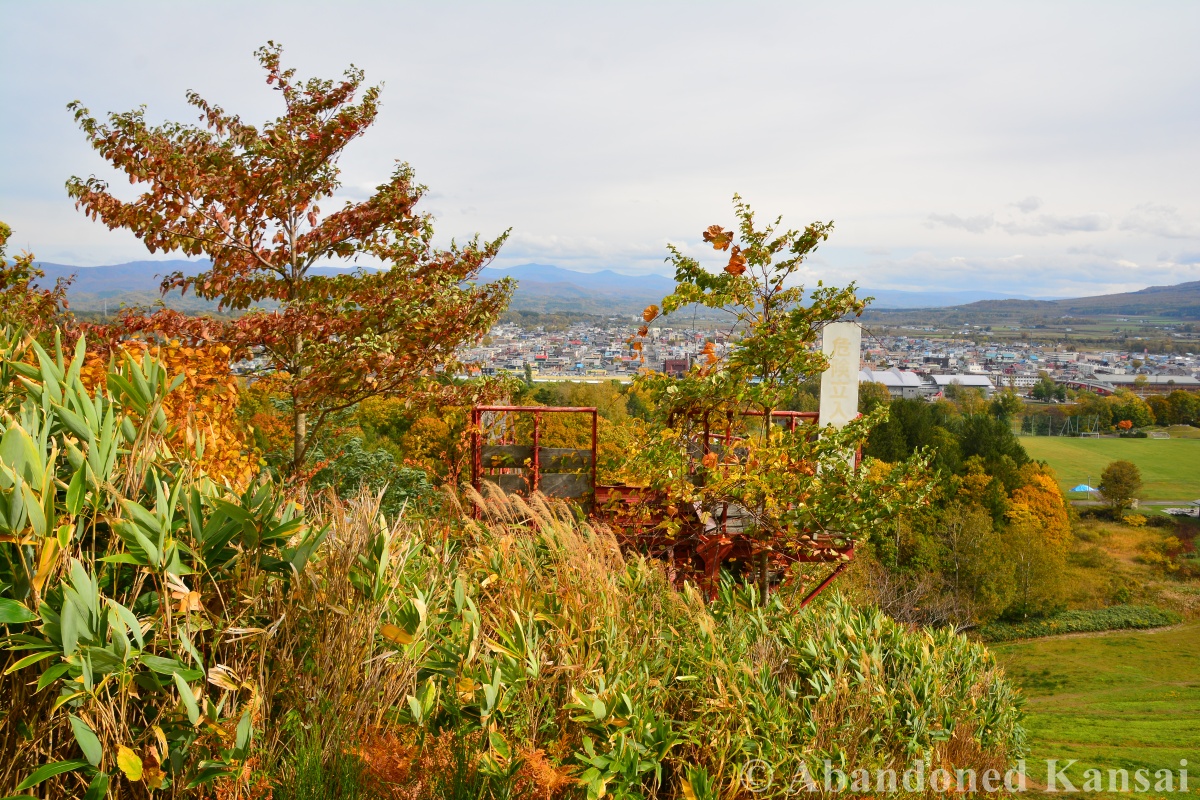
The hill was first used for ski jumps back in 1934. In 1952 a new inrun tower was set up at the current location, a larger one followed in 1963, which was later enlarged to the red monster we see abandoned now. Between 1964 and 1996 the most famous competition on the Schanze was the Major’s Cup of Kutchan Town, which attracted famous ski jumpers like Hiroya Saito, who won the cup in 1992 – and a gold medal with the Japanese team at the 1998 Winter Olympics in Nagano (fun fact – Saito was born in nearby Yoichi, mostly known for the Nikka whisky distillery). The exploration itself was relaxed and uneventful for the most part. Nice autumn day, which means a lot of elements of the ski-jumping hill (inrun towers, observation tower for the judges, landing slope, out-run…) were mostly overgrown. Vegetation grows fast in Japan, even in Hokkaido, but autumn leaves were just past their peak, so the whole area was beautiful. In winter you can see much more of the facility, and you can use the lift to get up the darn hill, but overall it was a very pleasant exploration, a bit reminiscent of *Sapporo Dreamland*. If you are now curious about other abandoned ski-jumping hills, I recommend checking out my articles about the *Hokkaido Ski-Jumping Hill* and the *Sprungschanze Katzenbuckel*.
(*Like Abandoned Kansai on Facebook* or *follow us on Twitter* if you don’t want to miss the latest articles and exclusive content – and subscribe to the *video channel on Youtube* to receive a message right after a new video is online…)
Read Full Post »

As much as I dislike hospitals and mistrust doctors in real life (I’m grateful for them, but to me they are a necessary evil fighting for good) as much do I enjoy clinics and other health facilities when they are abandoned. Japan has not only plenty of them (I must have explored more than 50 over the years), but the variety is also amazing. Everything from *local doctors with a pharmacy in their wooden countryside mansions* to *large concrete monsters with modern machinery* – and except for a handful now vandalized or demolished ones, they are also among the hardest to find abandoned places; even Japanese explorers with no English skills whatsoever occasionally contact me for coordinates.

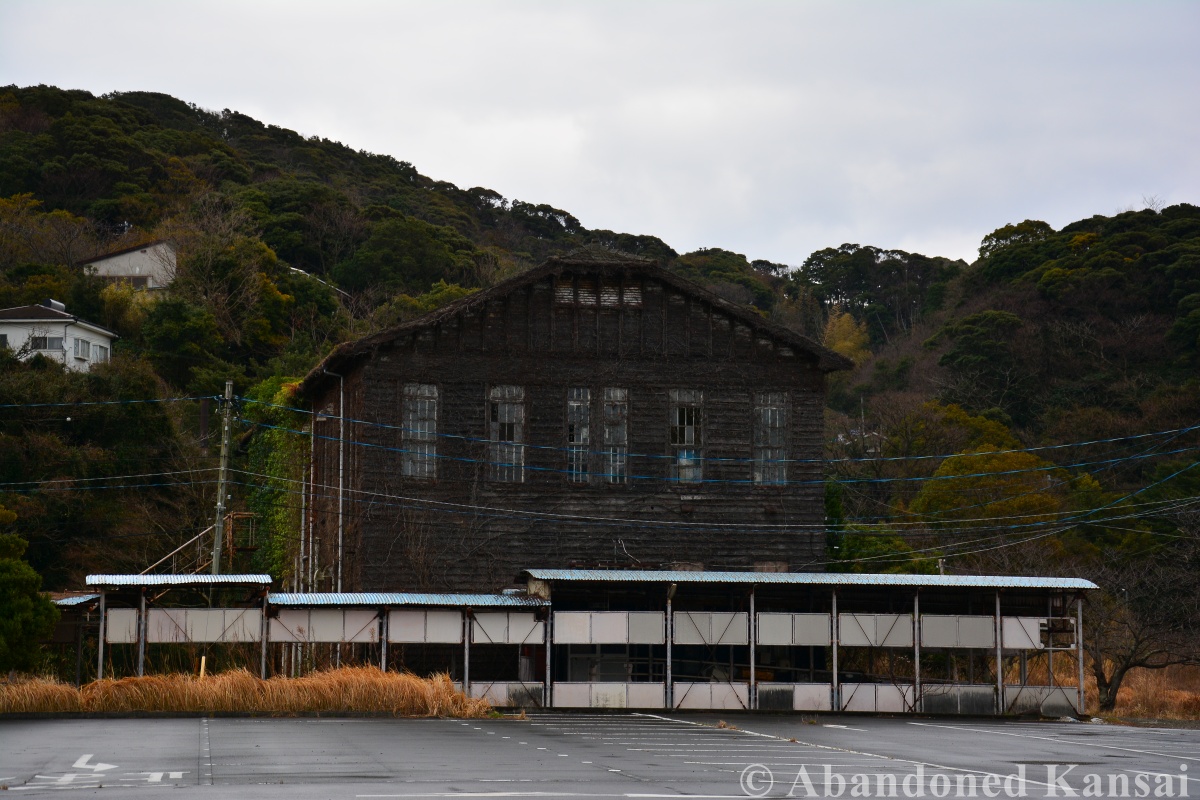
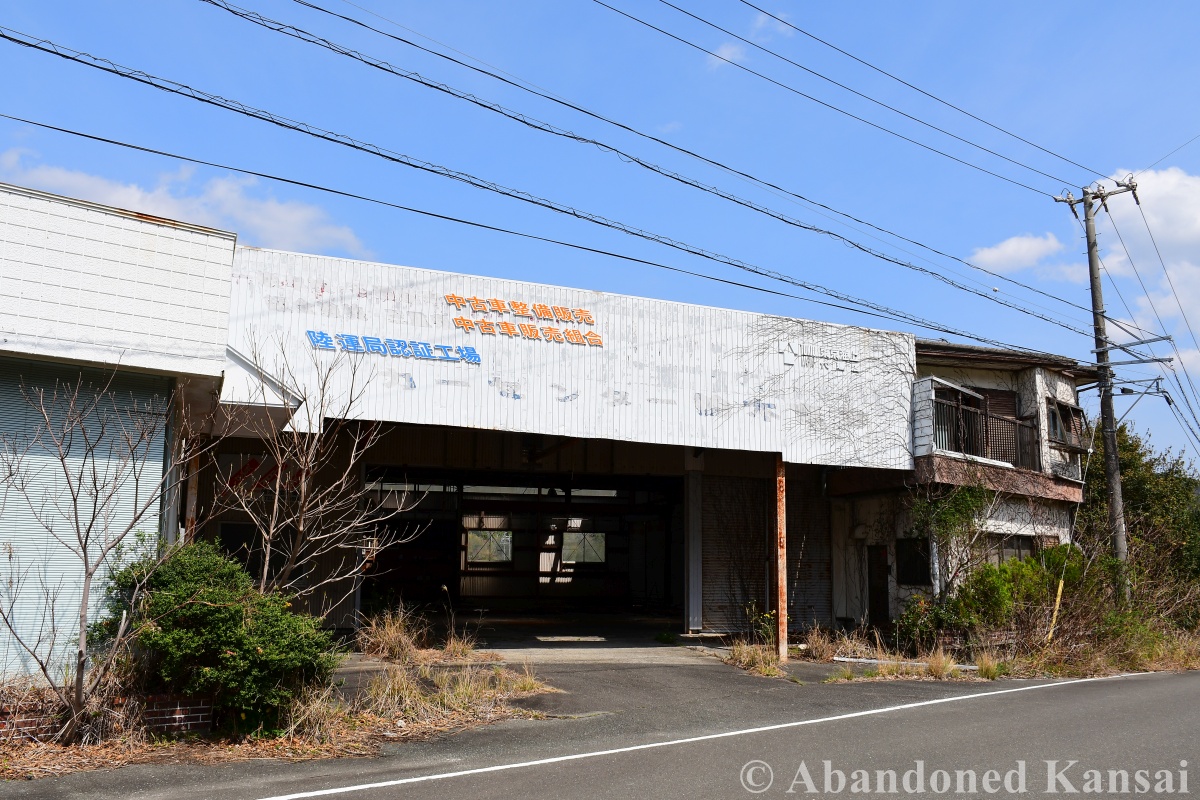
One of my favorite up till now unpublished abandoned medical facilities is the Minato Naval Hospital – an institution so old that the nearest modern JSDF base is about 60 kilometers away, the nearest JSDF naval base even 100 kilometers. The hospital was established in 1923, though the building featured in this article was constructed in 1932. 65 years later it was reorganized into another facility and probably closed as part of the restructuring of national hospitals. In 2012 the institution was renamed and moved to nearby Shimoda where it still exists as the Shimoda Medical Center.

I explored the Minato Naval Hospital back in 2015 on my way to the now demolished *Irozaki Jungle Park* – so I guess it sitting somewhat forgotten on my hard-drive for 10 years is long enough! The exploration was part of a weekend trip to the Izu Peninsula and I have to admit it would have been impossible to do without the help of a friend I was travelling with. The naval hospital was on the premises of a semi-abandoned hospital complex, part of which is still active to this very day… and the building of our interest was tightly locked. Fortunately there was a hole the size of maybe a tennis ball in the plastic part of the door, slightly off above the lock. Now, I’m a big guy with big arms and there was not a snowball’s chance in hell my hand let alone my arm would have fit through that hole – luckily my friend was a skinny woman who literally had a can of coffee and a cigarette for breakfast (guess which country she’s from!), so it took her about 5 seconds to unlock the door and get us into the building.

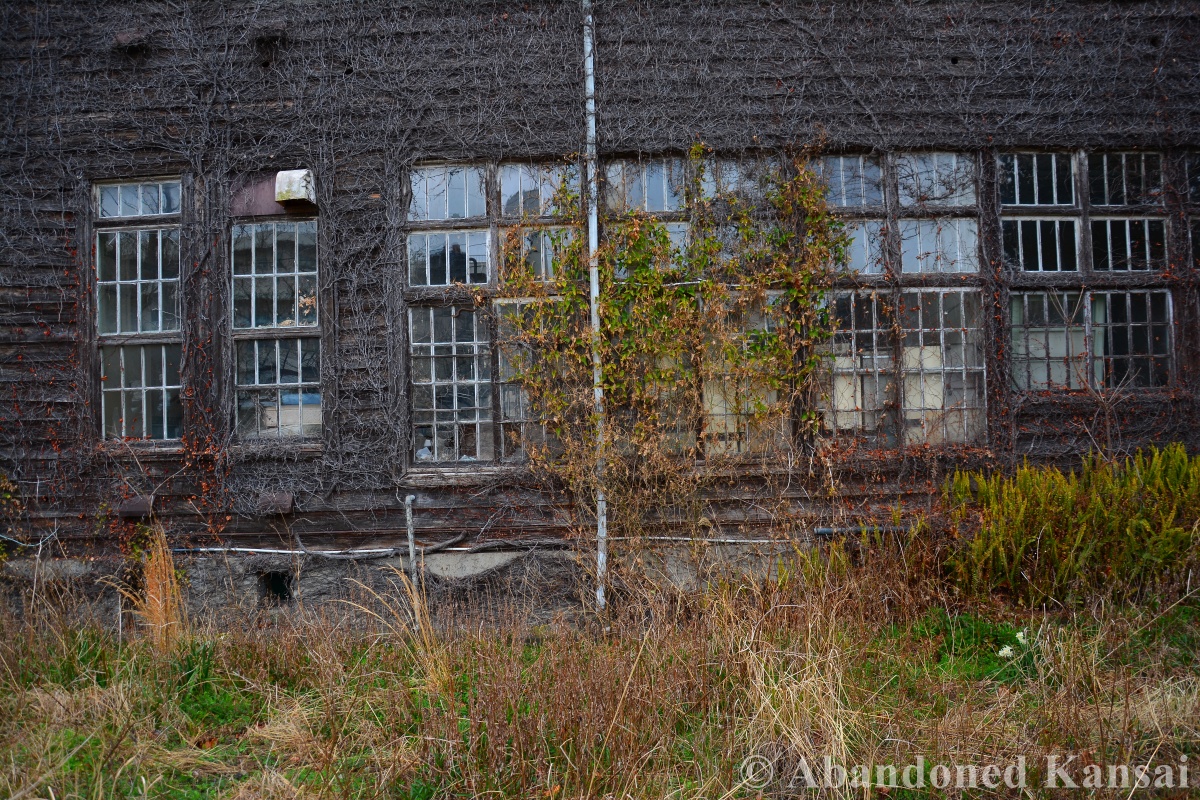
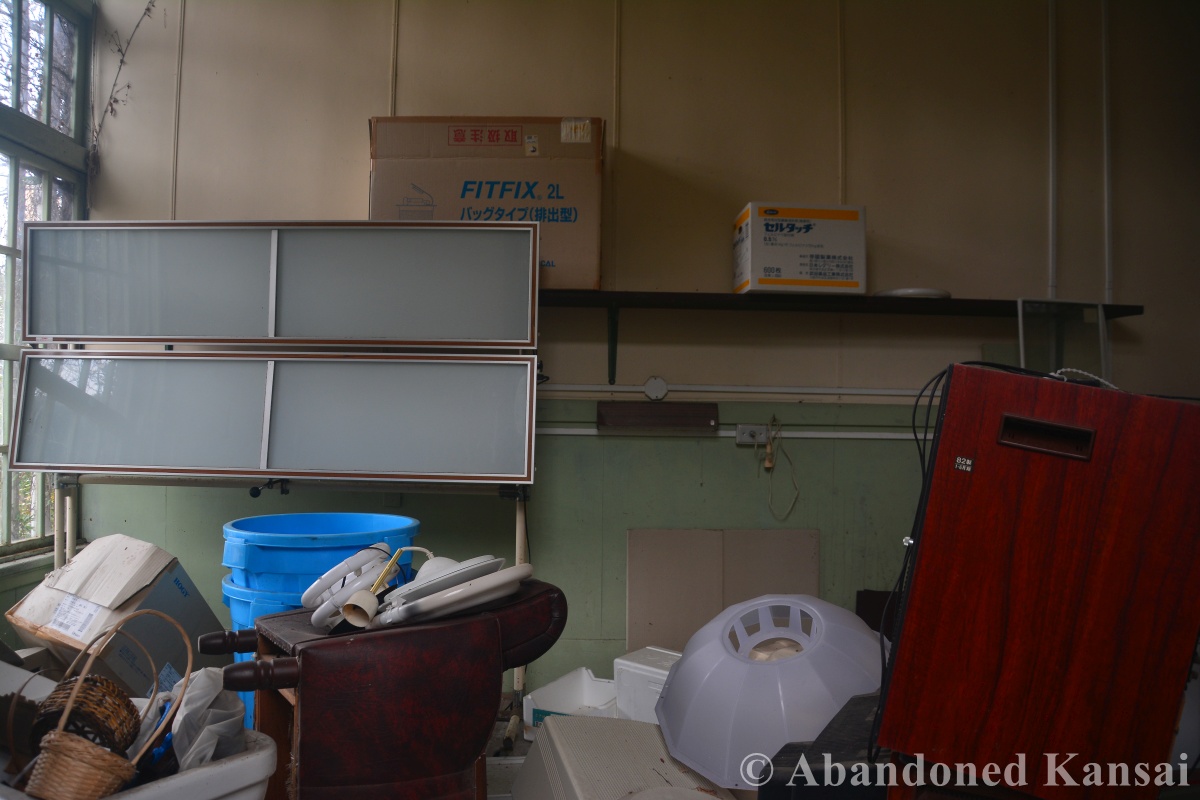
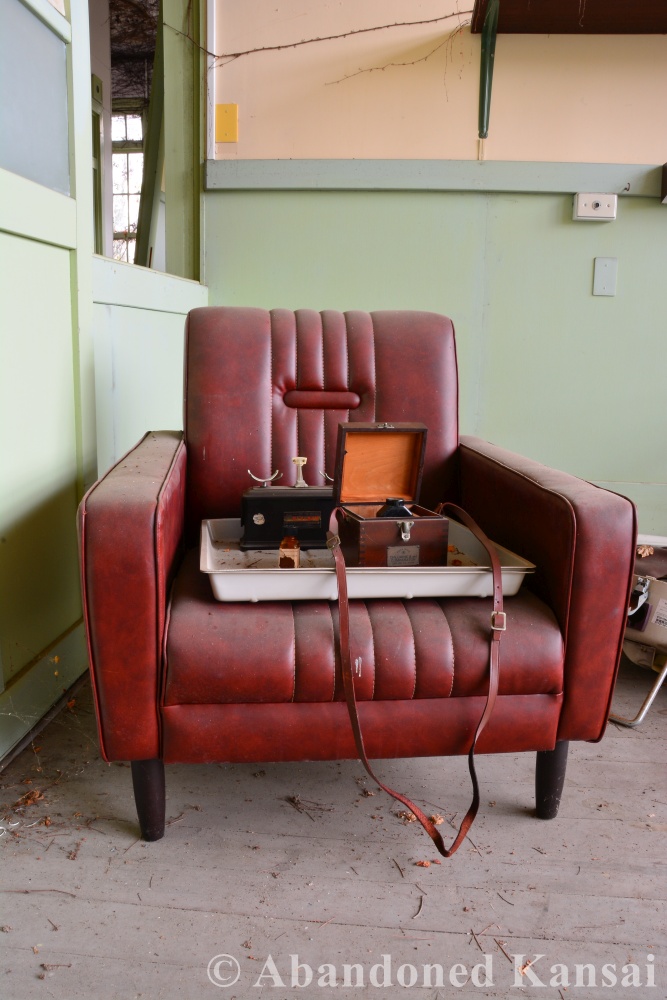
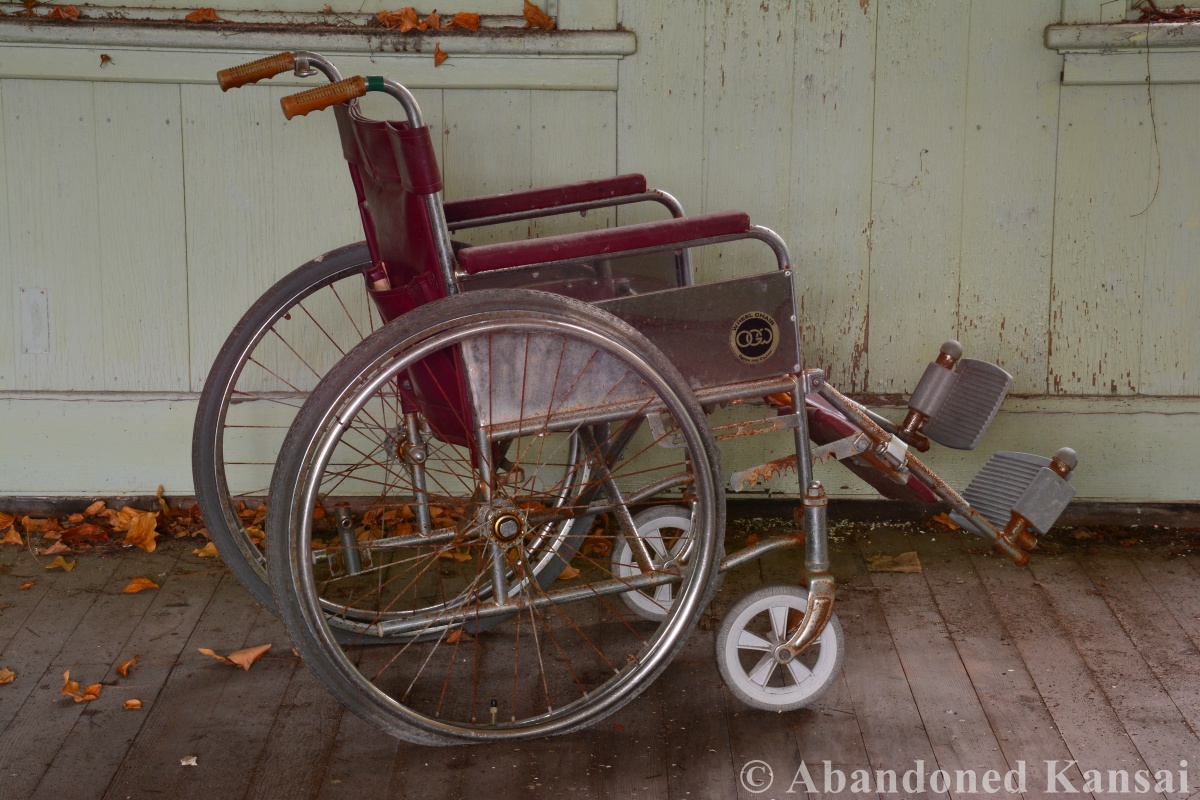
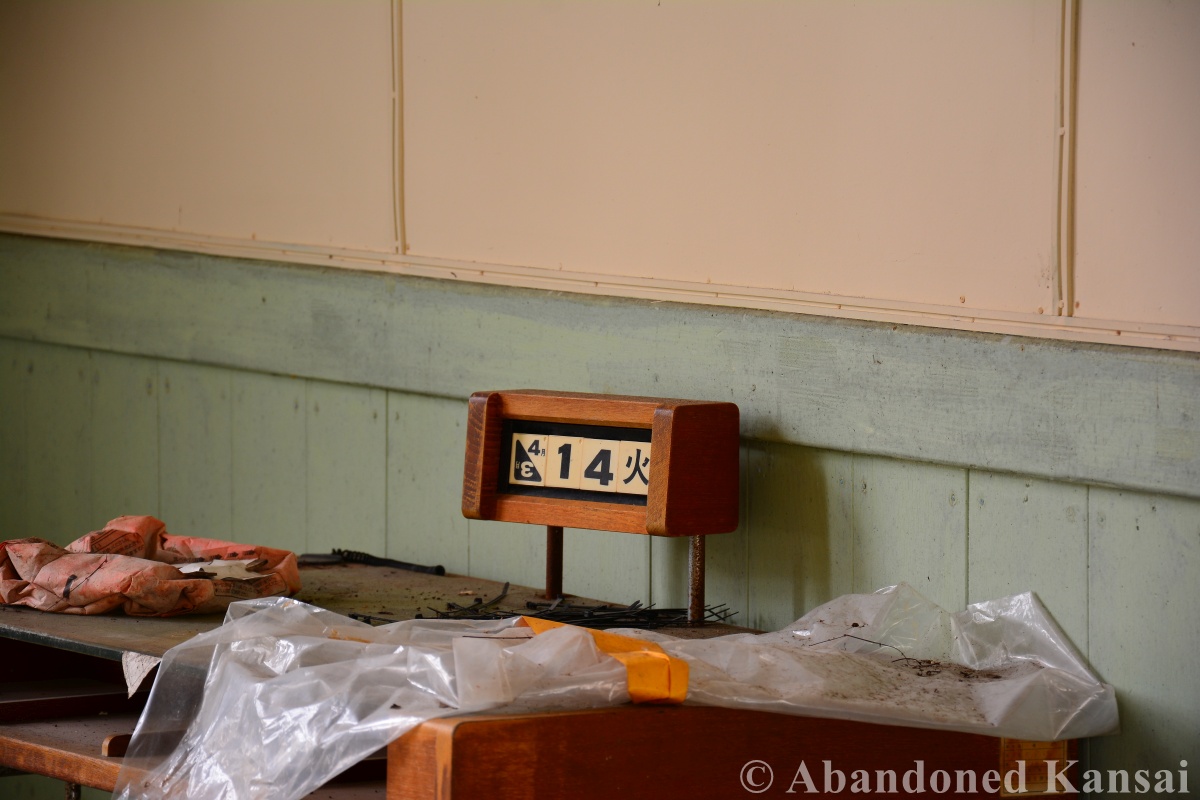
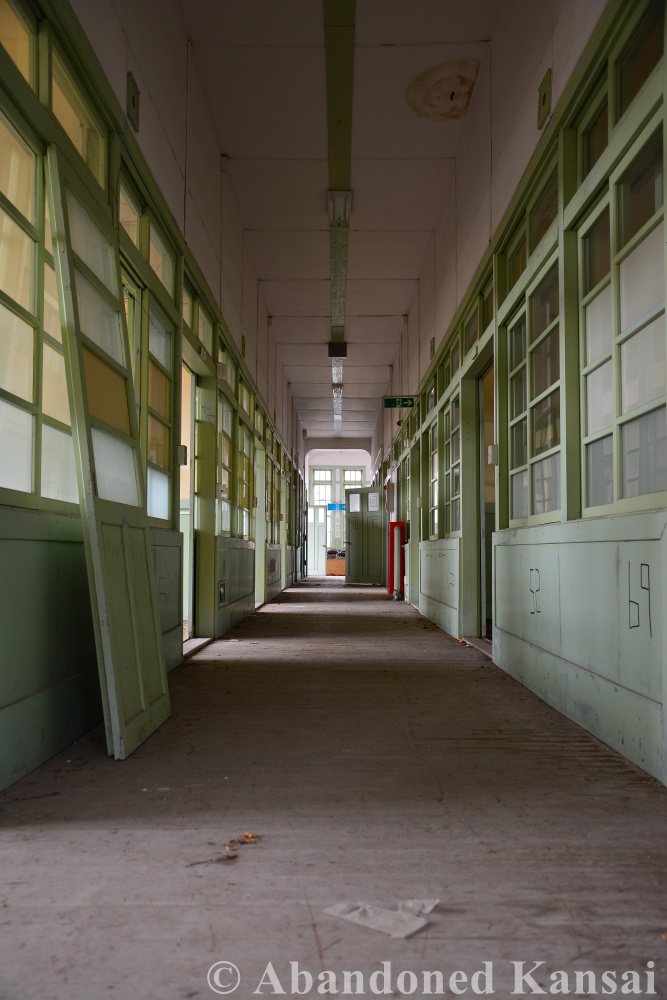
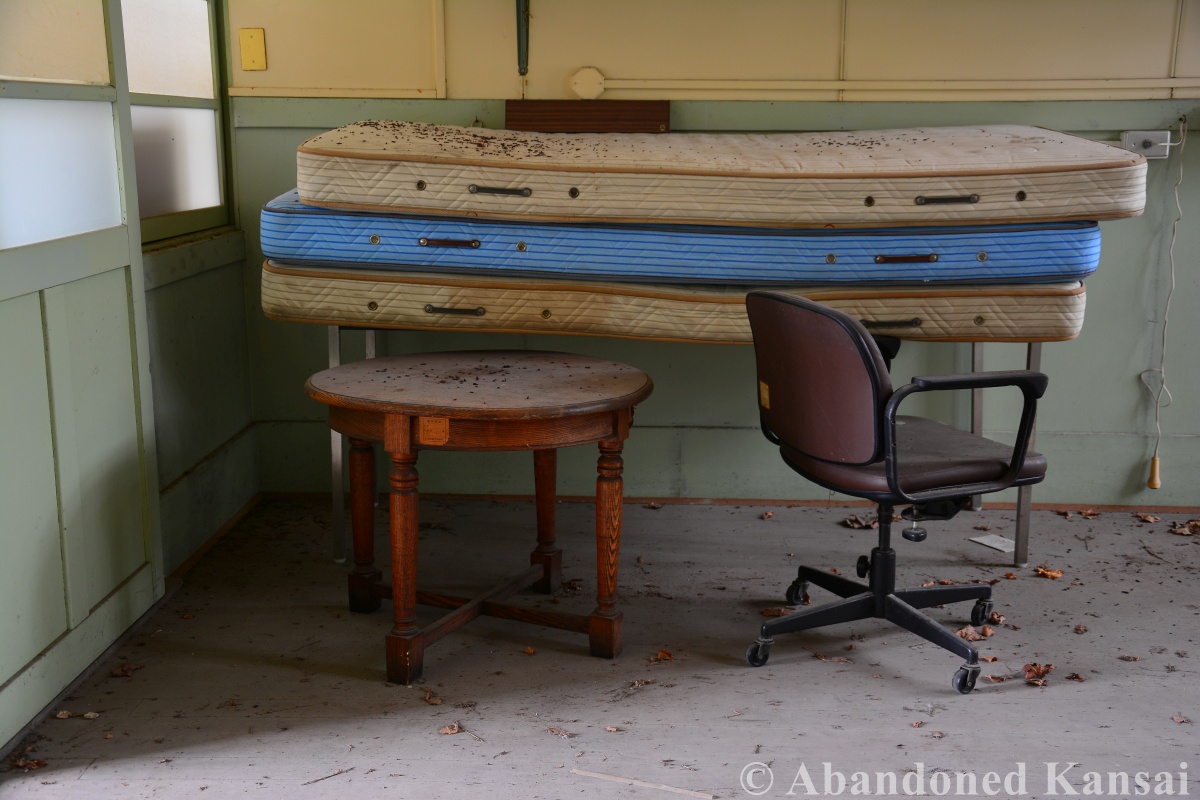
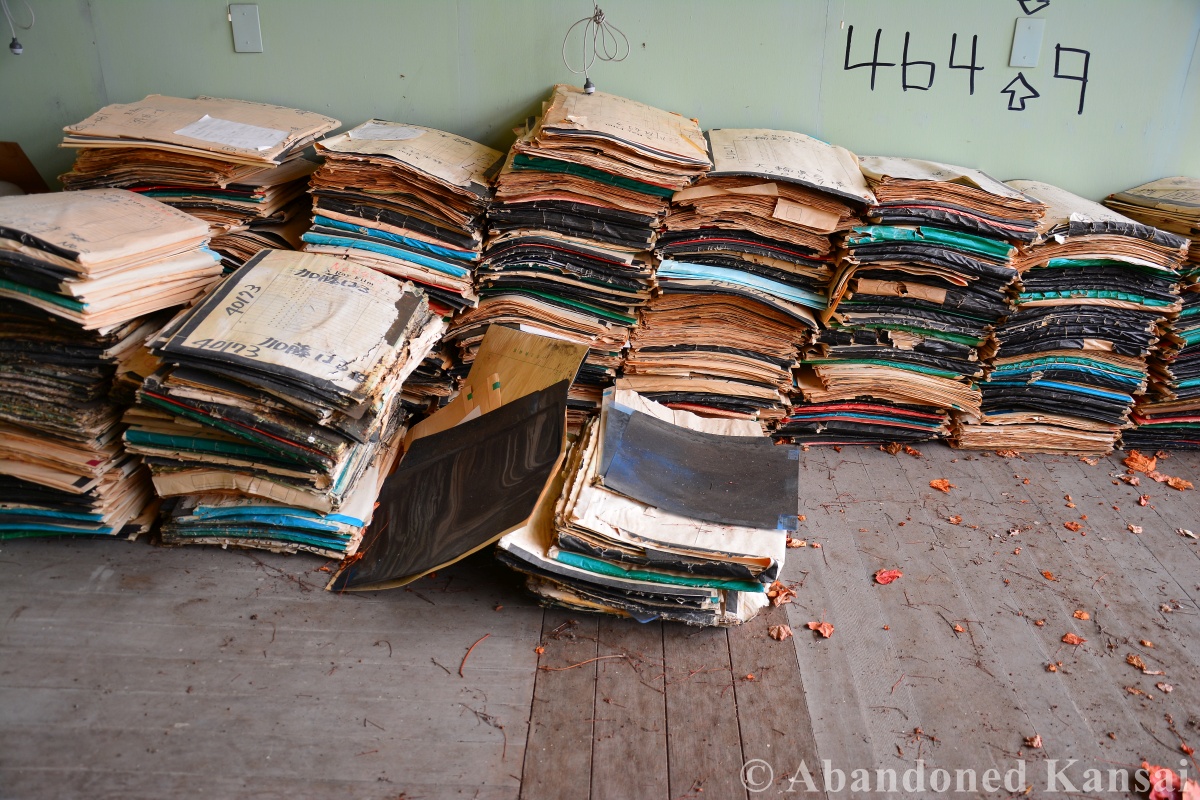
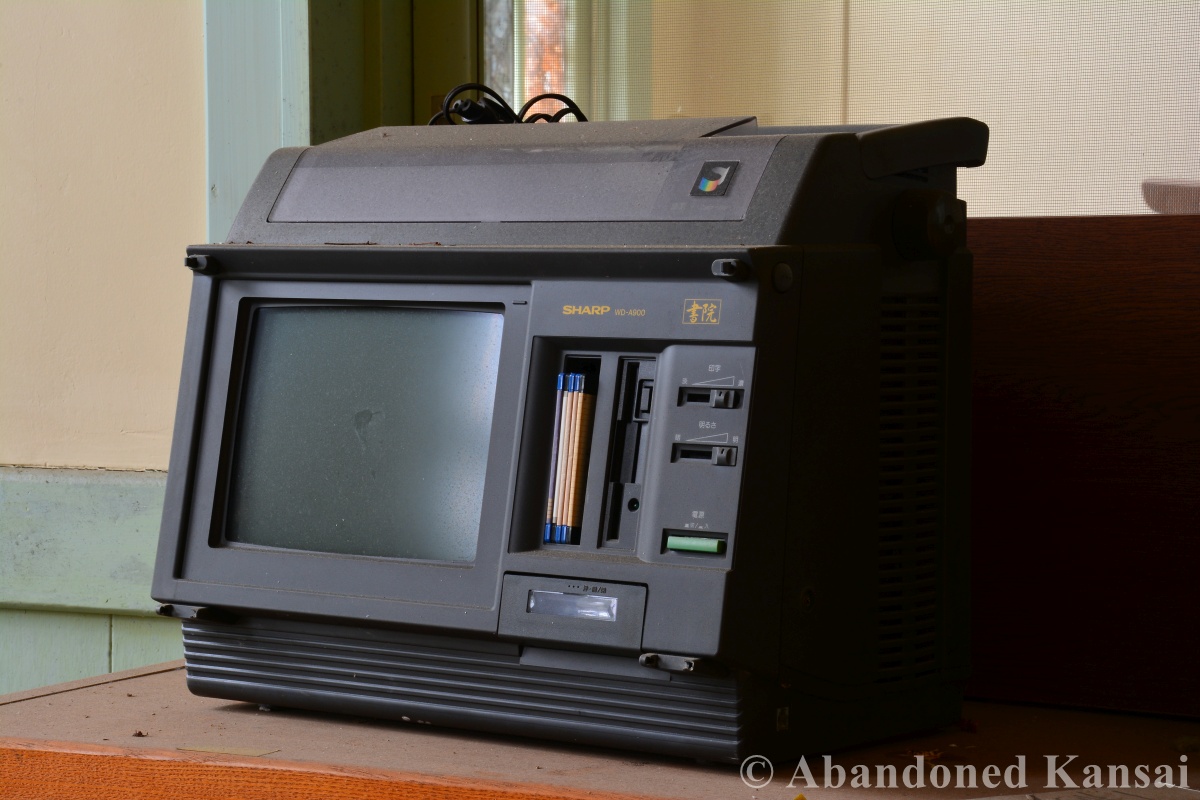
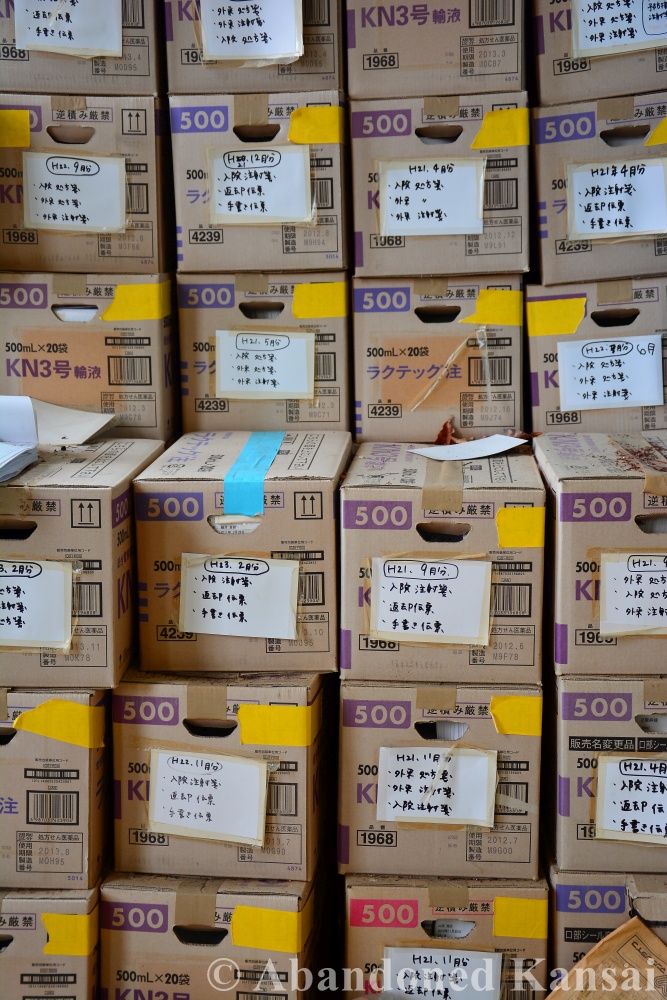
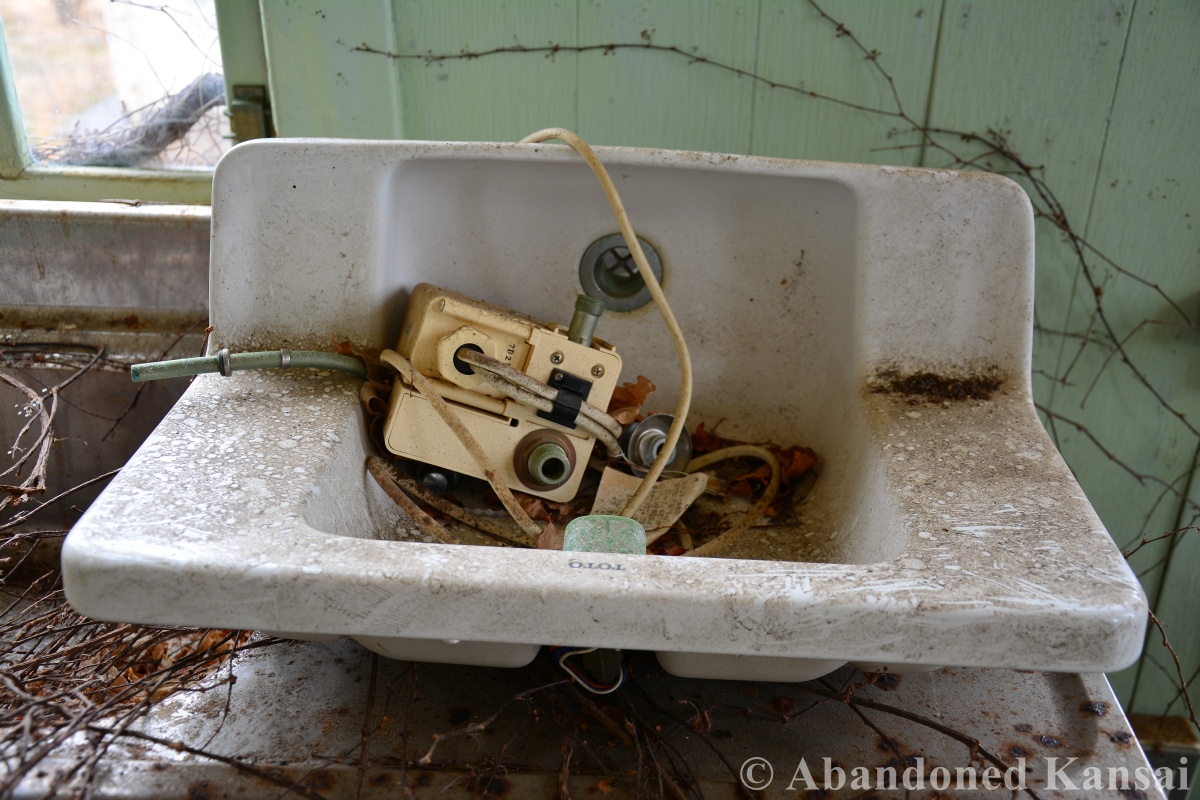
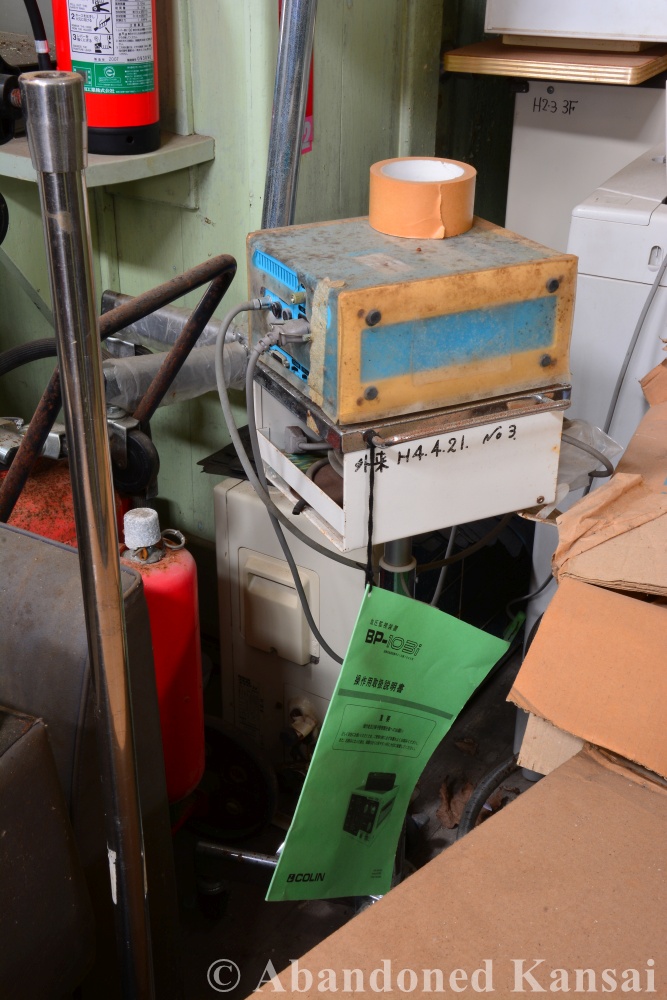
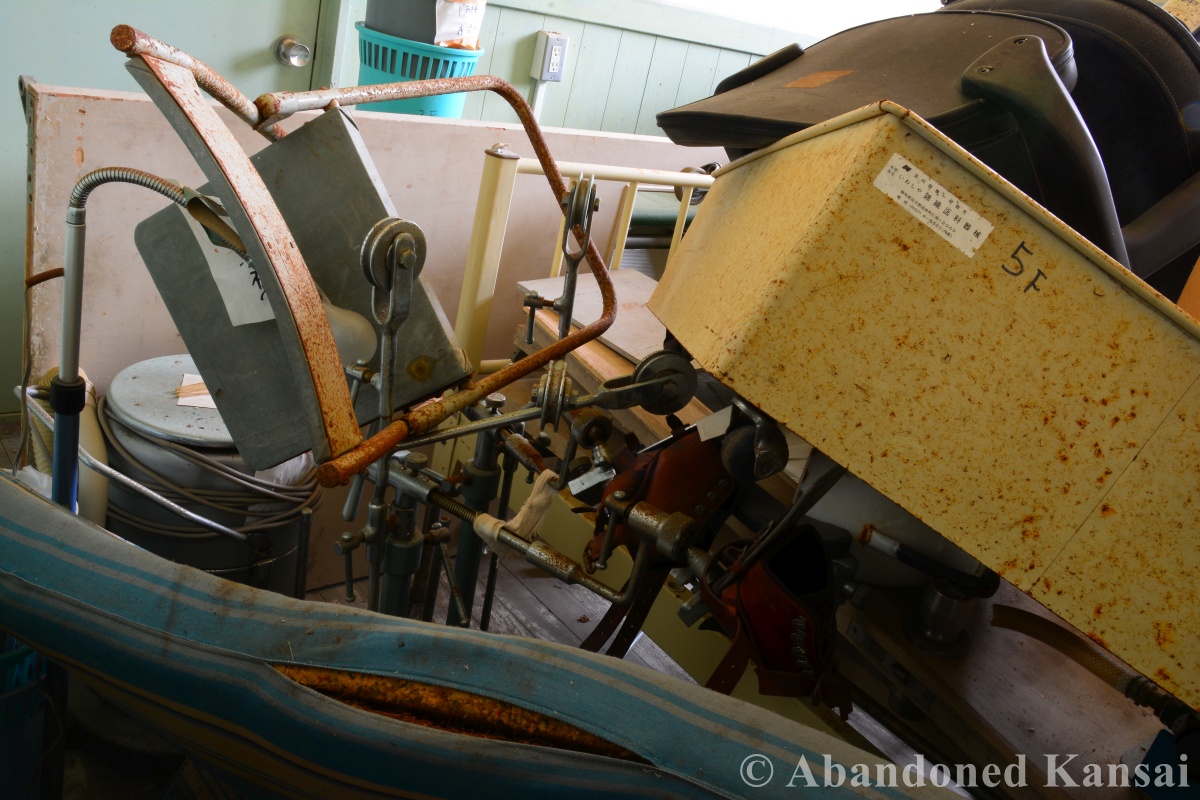
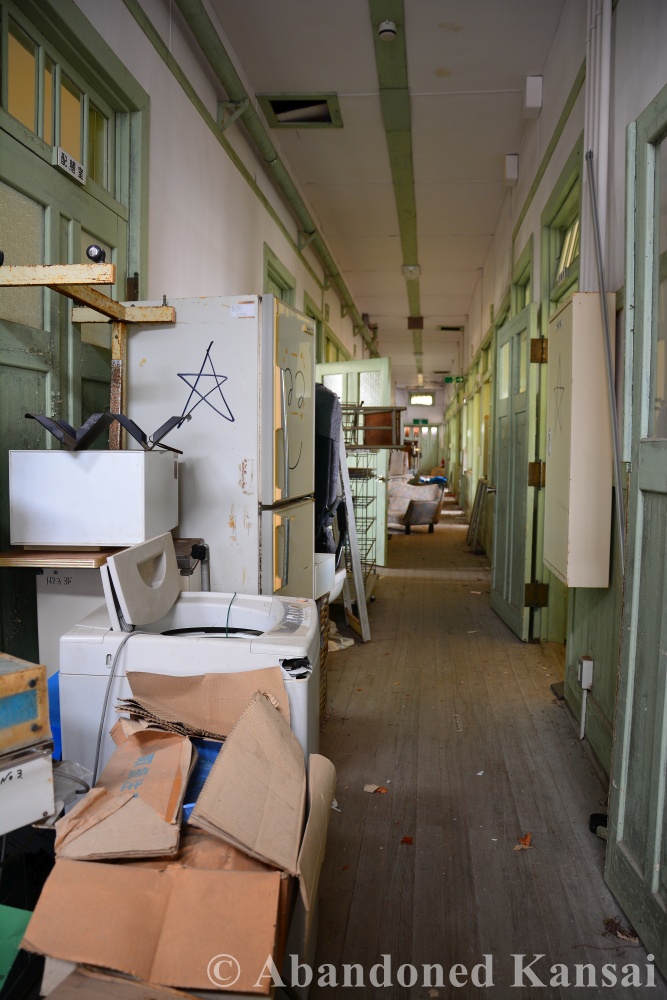
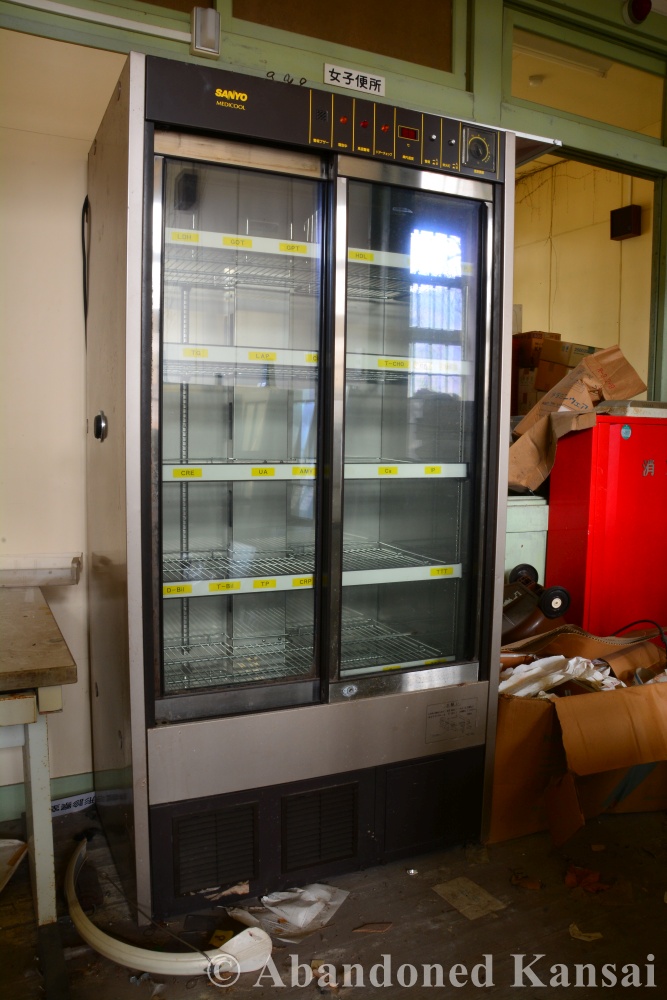
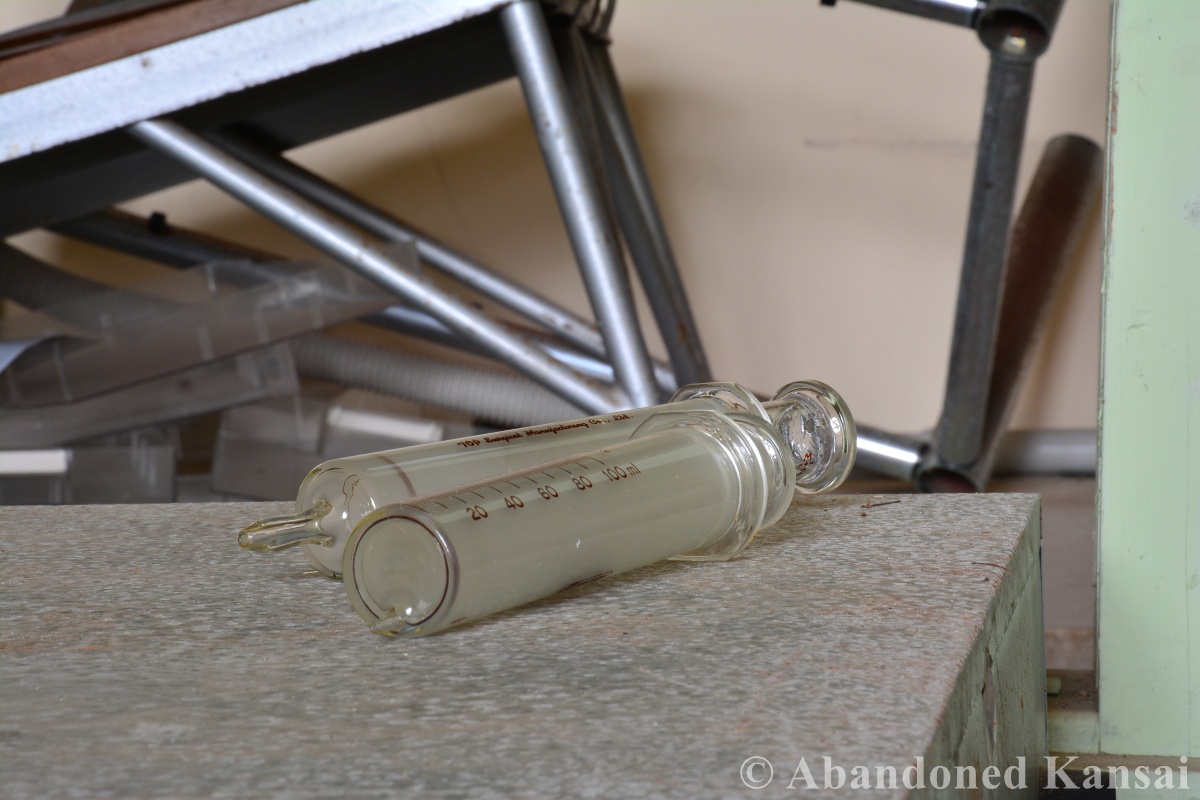
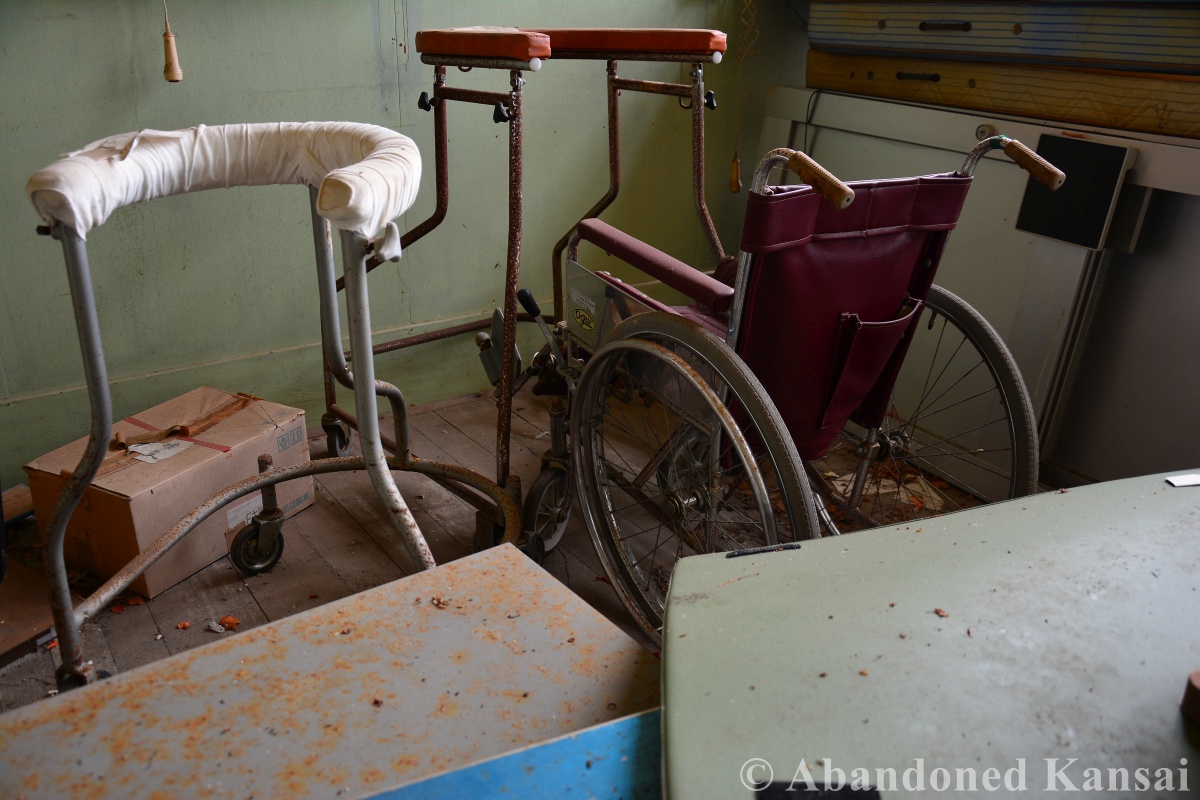
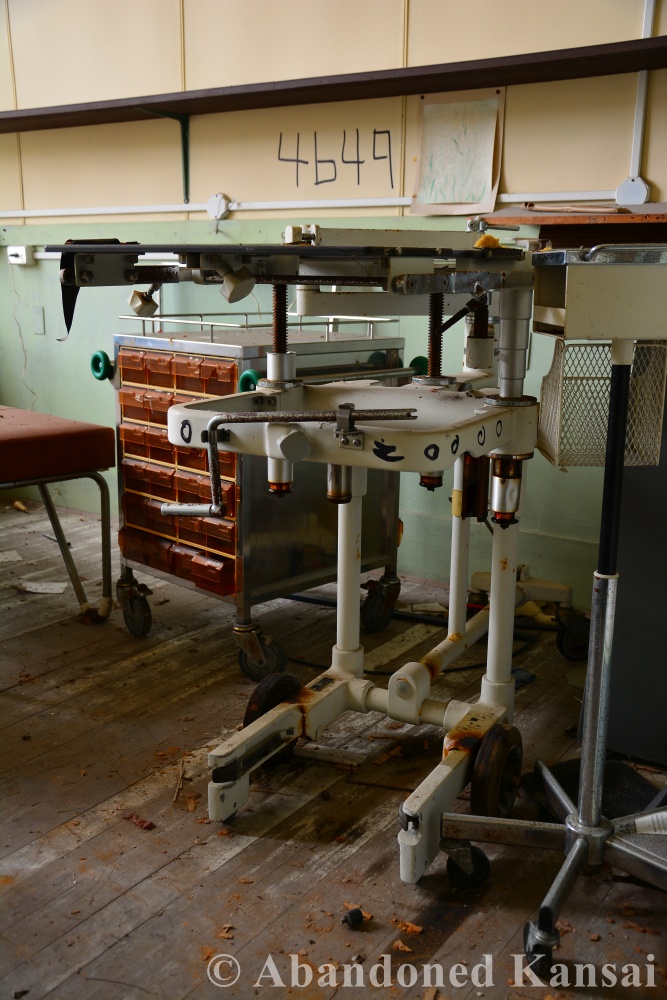
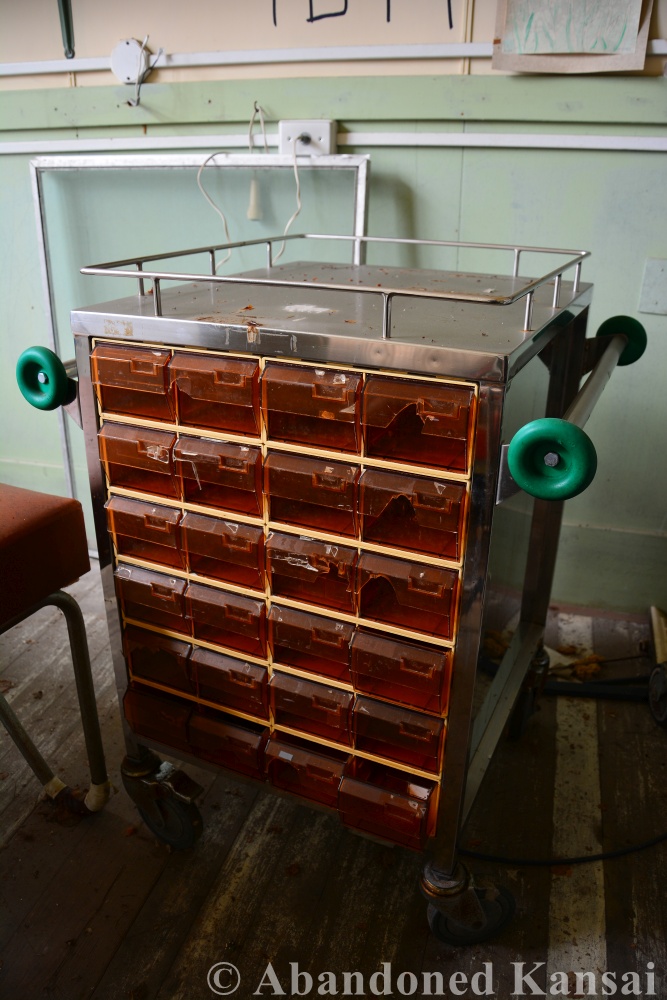
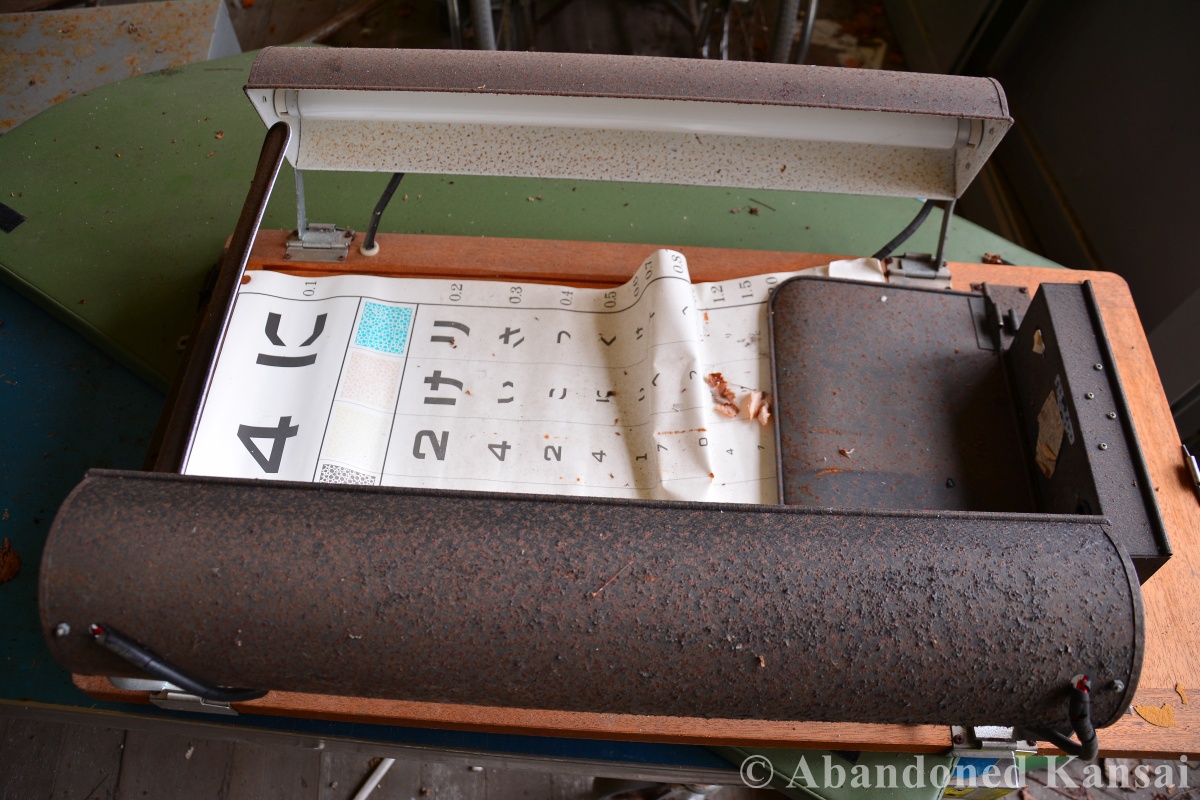
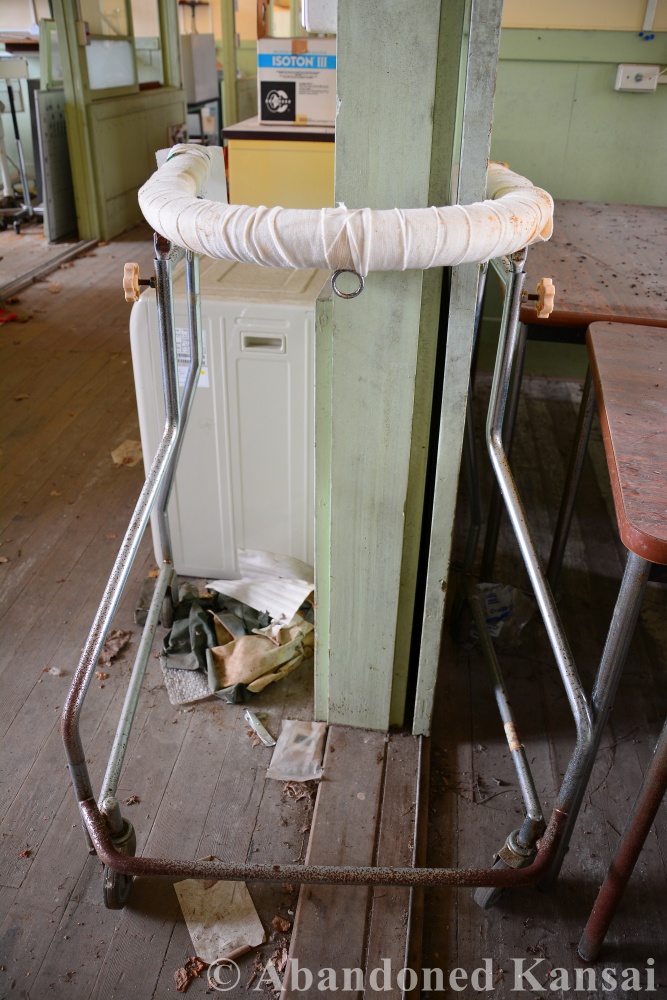
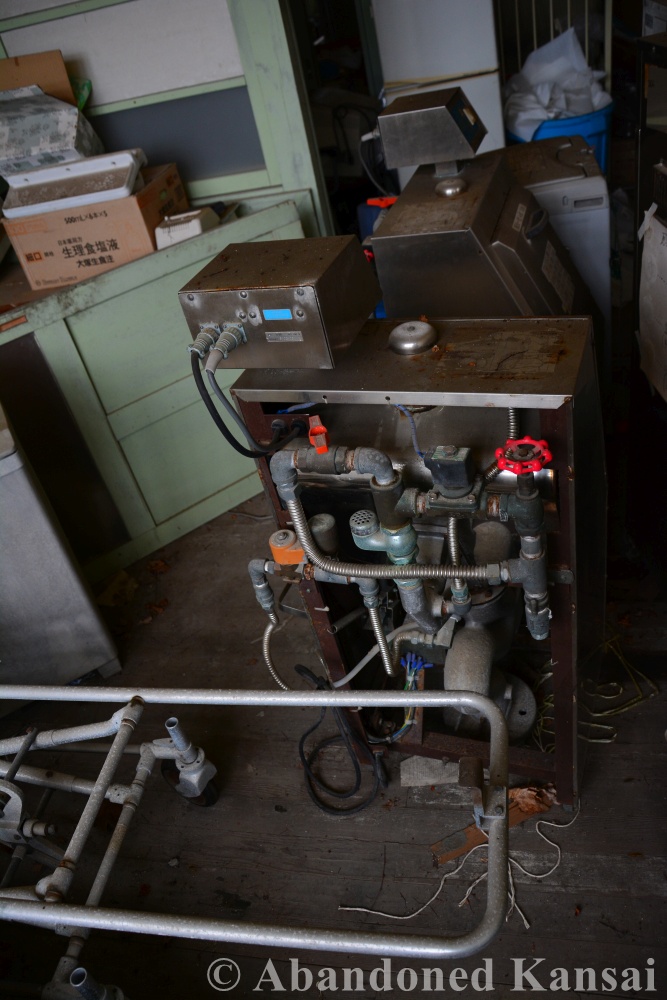
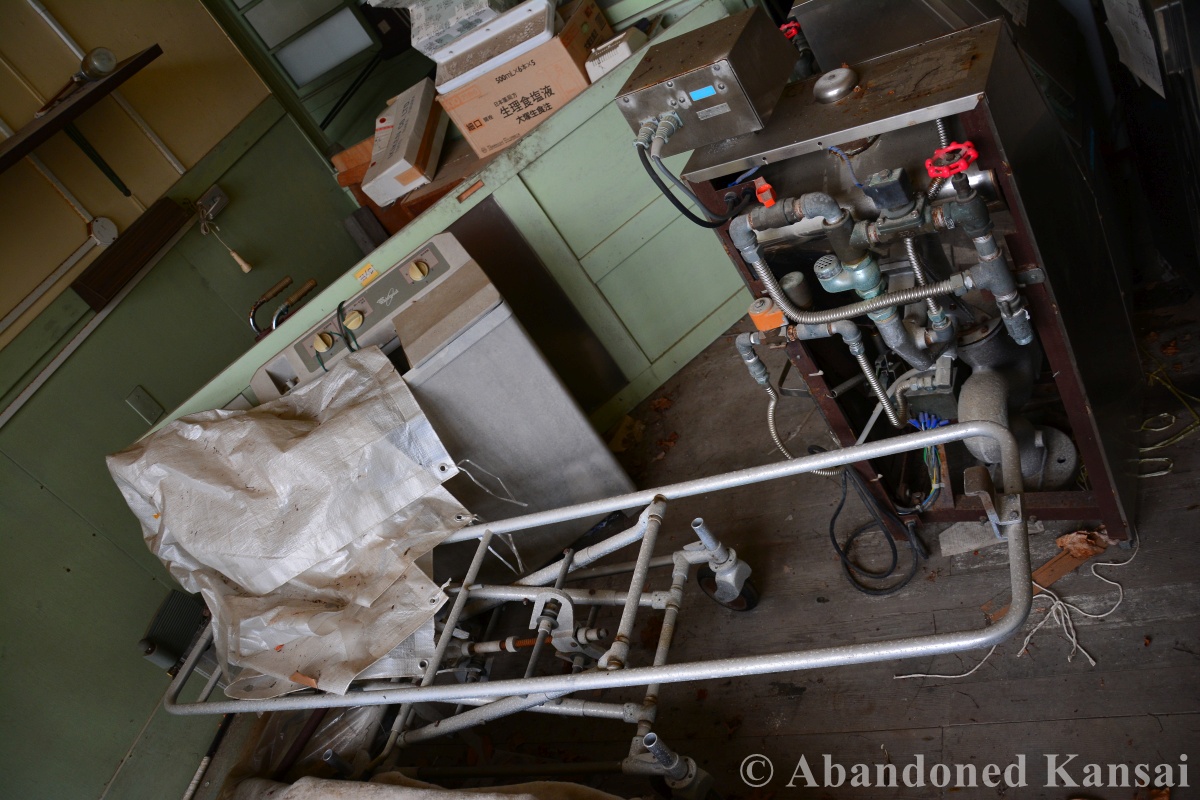
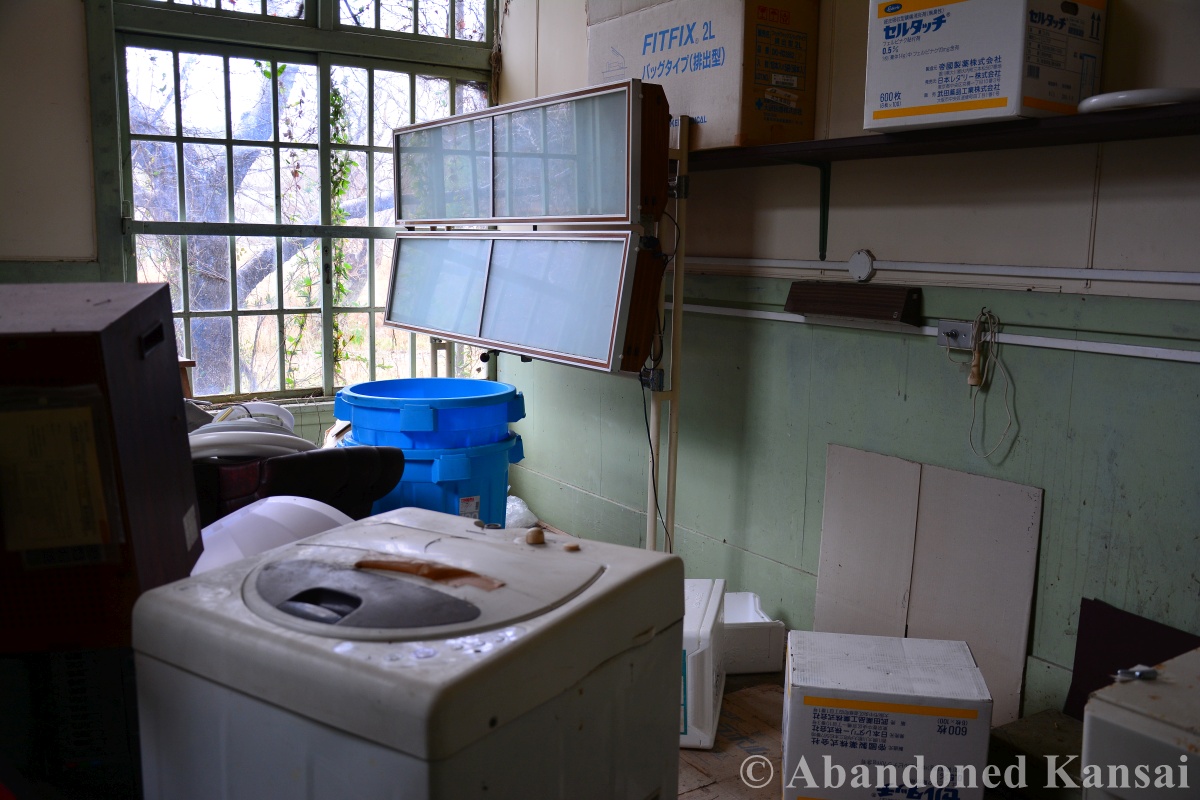
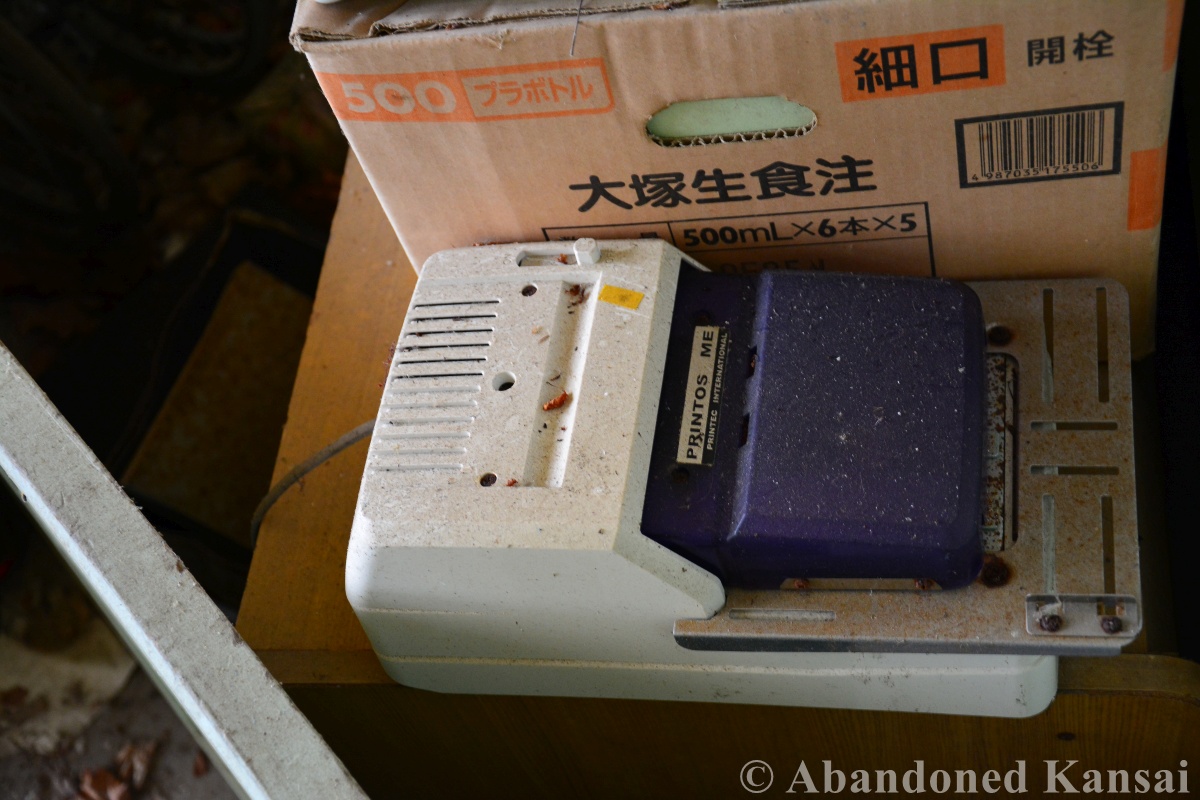
As beautiful as the semi-overgrown wooden structure was from the outside, the interior matched it – despite being rather cluttered, but not really vandalized. It clearly was an abandoned building used as a storage for medical devices and files no longer needed. Room after room there were items to discover and photos to capture – especially since I hadn’t seen any interior pictures before, so I had no idea what to expect. Old equipment, new equipment (some with screens!), and tons of stuff I had no clue what they were used for. After looking at the photos again, I have to admit that the exploration would have been much less exciting if I would have seen the same stuff in a regular abandoned warehouse – but we weren’t in an abandoned warehouse, we were in an abandoned 85 year old military hospital not a lot of people knew about! Upon leaving we made sure to lock the door again – the hole was later covered as I found out in 2023, when I was in the area again to have a look at the semi abandoned modern part of the hospital. Because back in 2015 we ran out of time and had to rush to the *Irozaki Jungle Park*, which was a unique exploration by itself.

(*Like Abandoned Kansai on Facebook* or *follow us on Twitter* if you don’t want to miss the latest articles and exclusive content – and subscribe to the *video channel on Youtube* to receive a message right after a new video is online…)
Read Full Post »

It’s summer and I can’t explore, so this month I’ll throw in a bonus location. It’s not a spectacular one, but they can’t all be…

Animal farms reek – even more so than Osaka, which smells pretty bad, especially in summer, especially after a shower of rain. But not as bad as cattle or chicken farms, which is why people live in Osaka and animal farms are banned to the countryside. Not even the regular small town countryside. Remote places halfway up a hill – out of sight, sound and smell of the local yokels who have to work there since the Japanese countryside is dying faster than poultry during an outbreak of the bird flu. I grew up in a pretty agricultural small town in Germany, I have relatives with a farm and restaurant in the Black Forest – despite living in the big bad city for the past 25 years I know what livestock smells like. But it’s nothing in comparison to the chicken farms I passed by in Japan. Holy crap, those things smell like sewage plants. Maybe worse. I guess it depends on the part of the sewage plant. Anyway, what I am trying to say is: Japan has tons of animal farms, you just never see them since they are tucked away in the countryside, far away from the noses of locals and tourists alike. Quite a few of those farms are abandoned – and this is one of them!
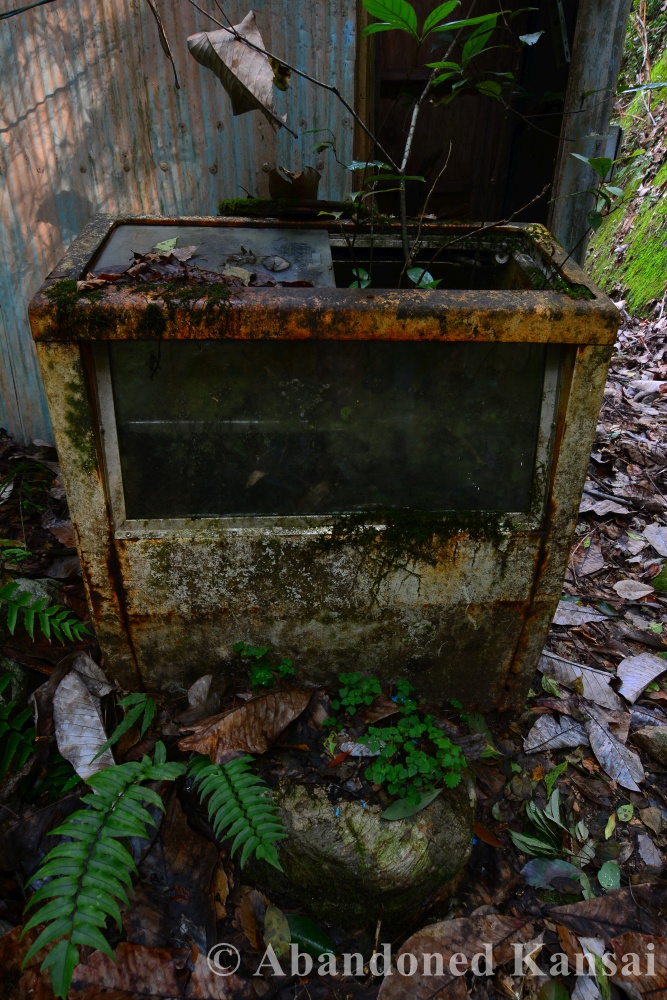
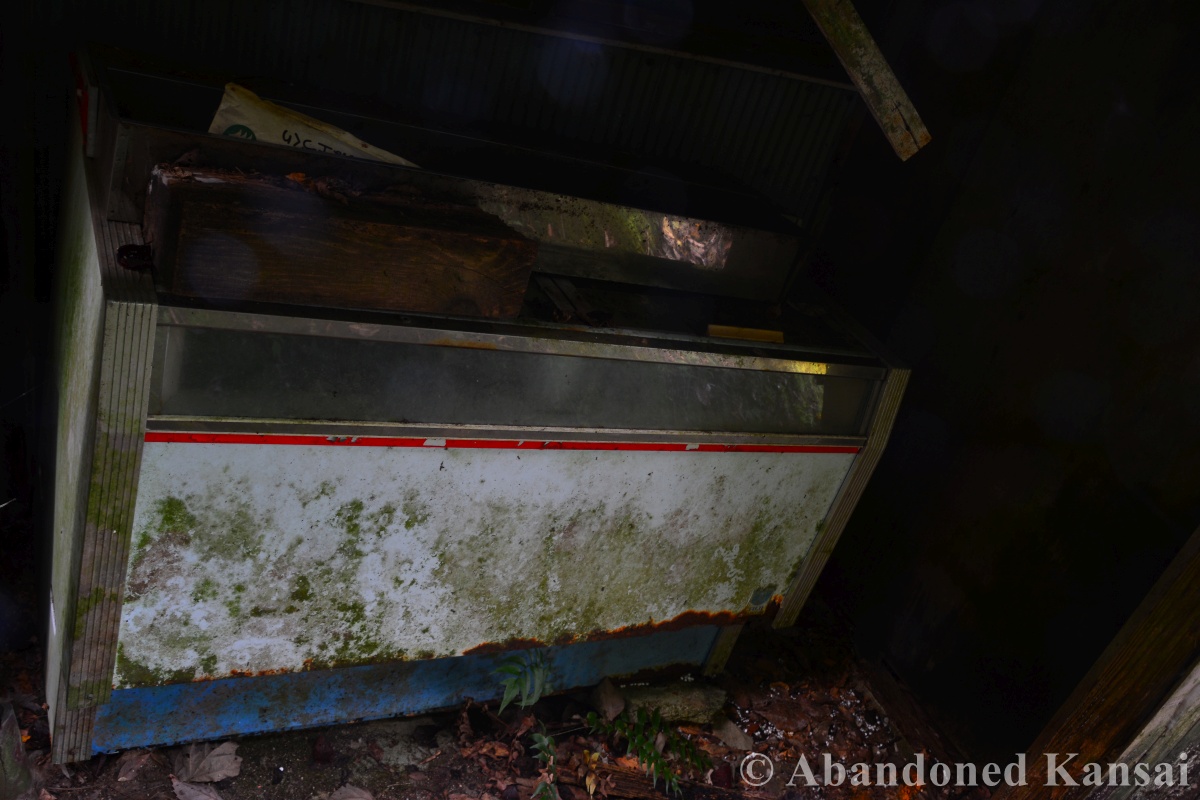
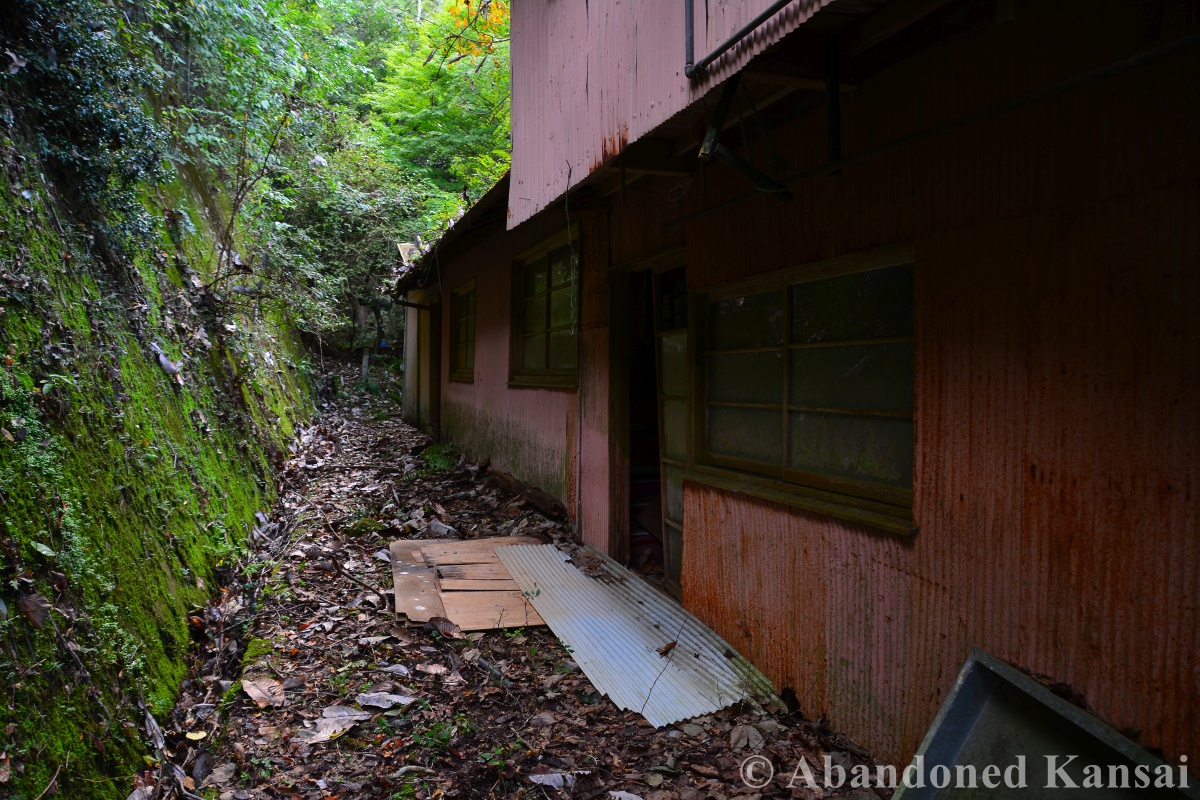
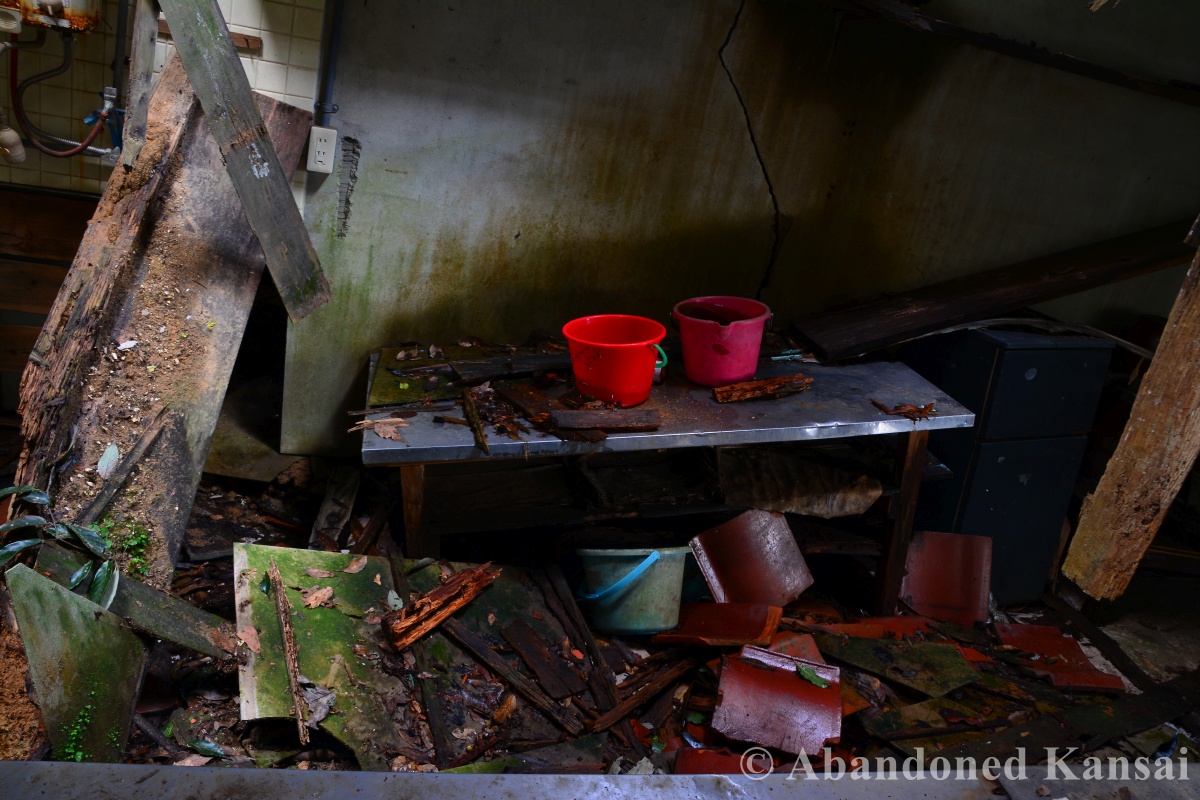
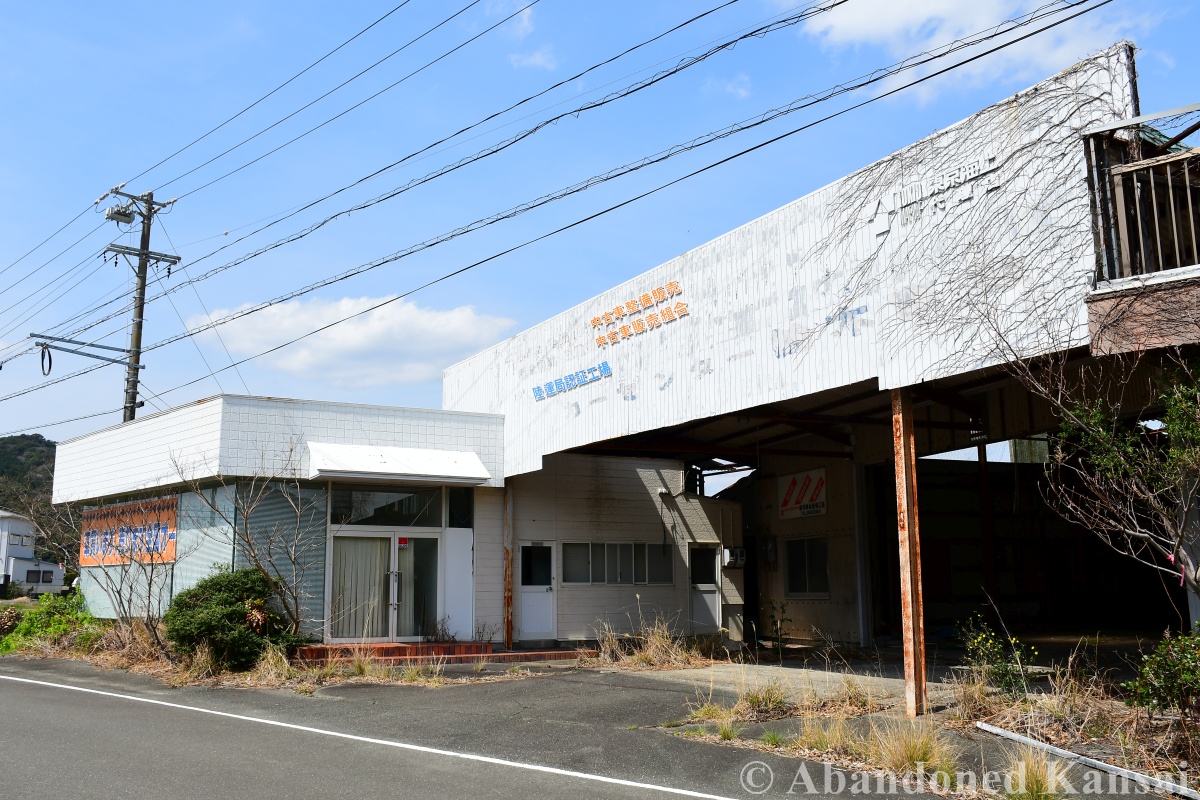
When I found the Pachinko Animal Farm it was nothing more than a rather random smudge on GoogleMaps, a blurry greyish-green blob indicating a couple of buildings in the middle of nowhere on the way to a rather famous abandoned hotel. I was on a no risk exploration day trip with three generations of Americans, age about 7 months to 70 years; obviously none of them were my family, but I’ve been exploring with my parents in Japan before, so I knew what kind of places to select. After a day of nice locations and surprisingly good beach hut pizza, we were about to check out said famous hotel to have a look from the outside when I realized that the Pachinko Animal Farm was basically on the way there, so we made a stop to have a look around. And what can I say? It wasn’t exactly the *Billionaire’s Villa*, but it wasn’t that bad either. Since it was an original find, it was first and foremost exciting, especially for my co-explorers. Okay, maybe not for the 7 months old, but the other ones! (And before some of you turn a lump of coal into a diamond with your butt cheeks: The baby never entered a building all day – no risk, fresh air. It was even fed outside… No child was harmed during any of my explorations ever!)
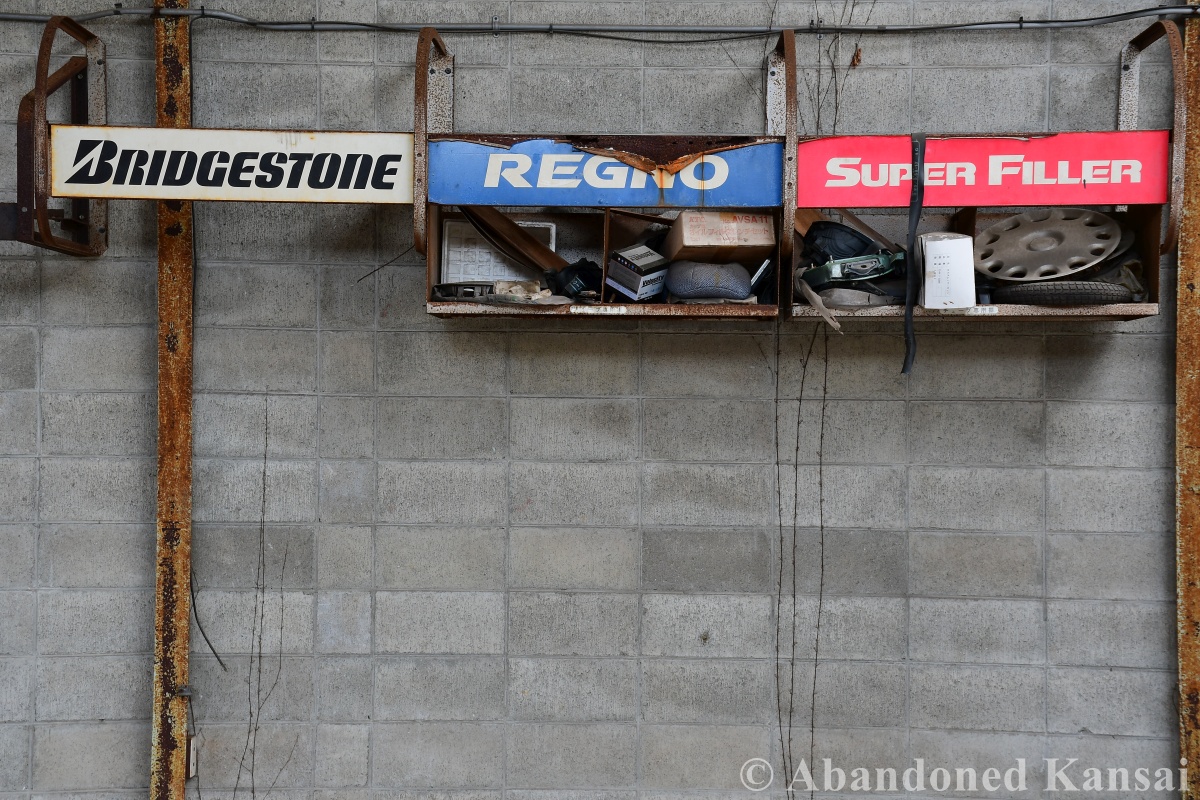
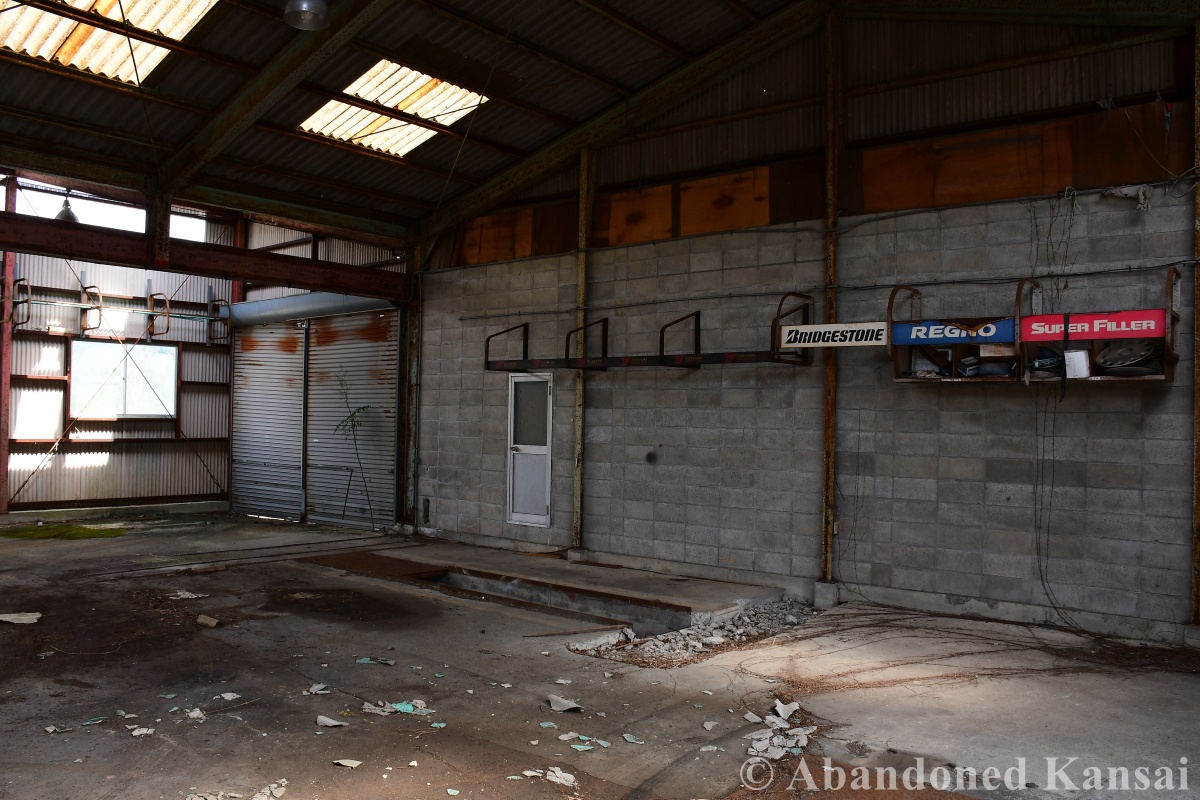
It looked like a mudslide damaged the stables, though it’s hard to say if that happened before or after abandonment. Probably after, given the cracked floors that reminded me of *an abandoned school that I’ve explored years prior*. Also completely unexpected: The dozen or so abandoned pachinko machines, most of them broken. They looked rather old, maybe from the 70s, and were probably just dumped there. I’ve never heard of a combined poultry/pachinko business before… So, yeah, a decent place to explore, nothing spectacular at all, but still better than nothing. Next week though… Boy, oh, boy… Next week’s location will be one of my favorite unpublished places. I’m looking forward to it. I hope you do, too!

(*Like Abandoned Kansai on Facebook* or *follow us on Twitter* if you don’t want to miss the latest articles and exclusive content – and subscribe to the *video channel on Youtube* to receive a message right after a new video is online…)
Read Full Post »

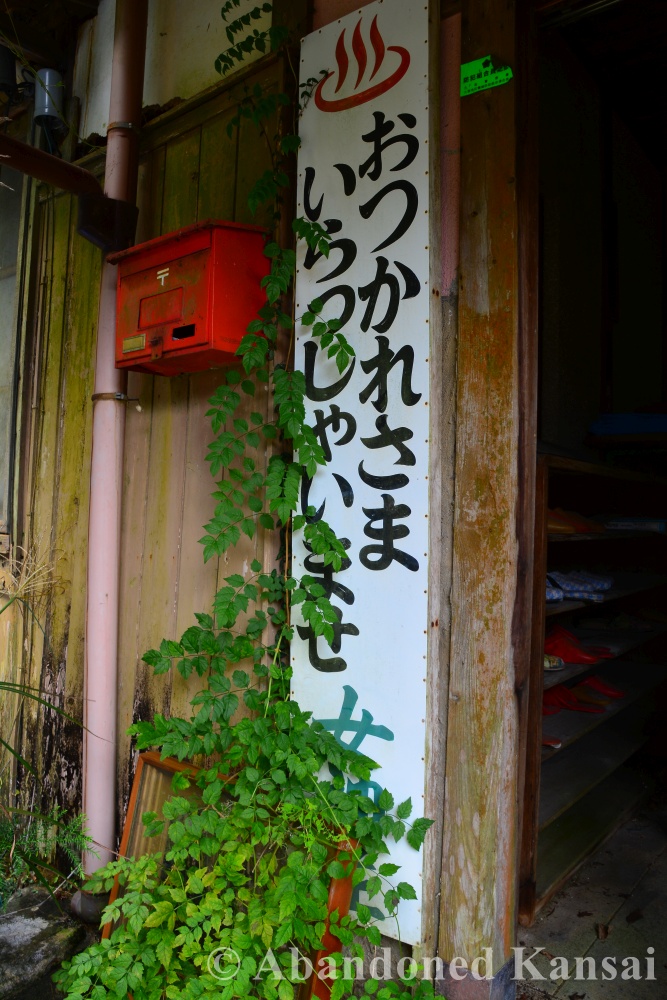
If you are looking for abandoned buildings in Japan, go to an (old) onsen town. There is no guaranty that you’ll find a spectacular ruin, it’s actually rather unlikely – but it’s almost guaranteed that you’ll stumble across a derelict building or two… or two dozen. Snack bars, restaurants, shops, ryokan, barbers, in some cases even museums and strip clubs. Oh, and of course onsen. You can find all these things and more in old onsen towns, even those that are still (rather) successful.
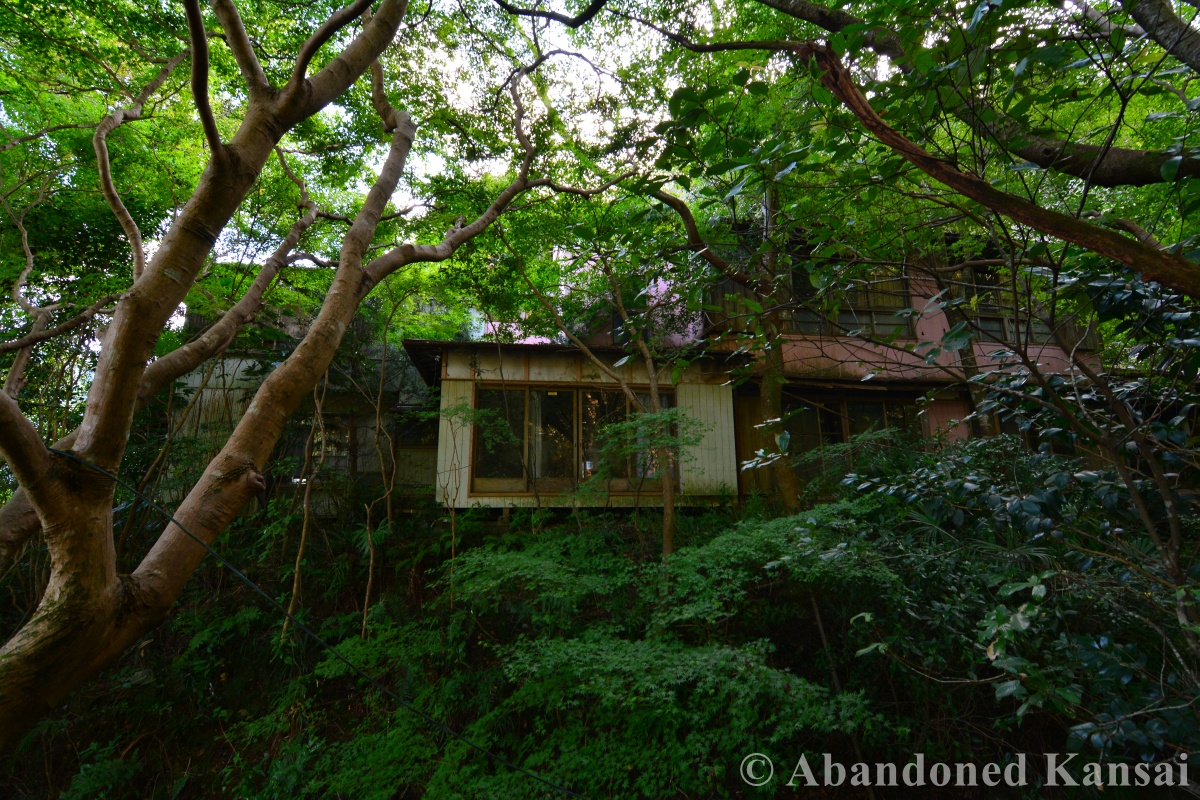
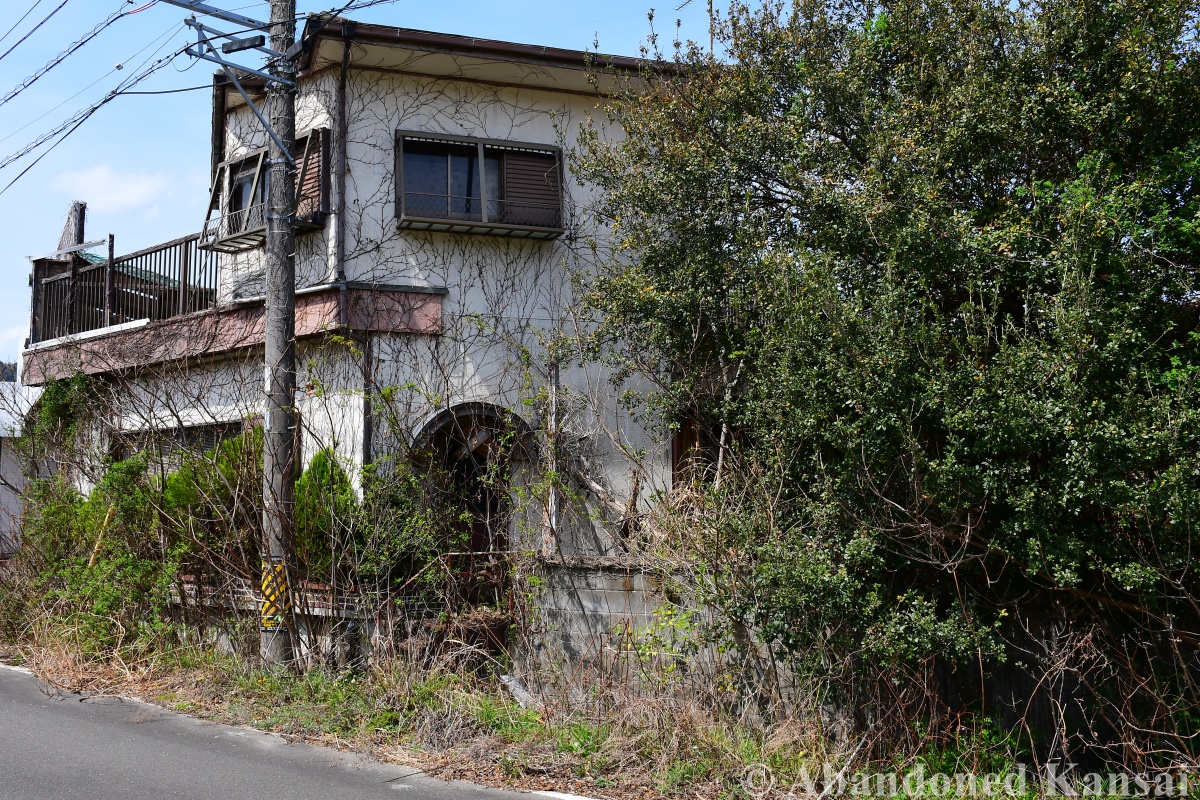
On my many weekend trips across Japan I often end up in one of those towns. Mid-sized, mid-aged, mid-successful – just mid. In this case a planned exploration failed, but when I had a look across the street, I saw a mid-sized building, apparently abandoned, but mostly shielded from prying eyes by a bunch of trees. I came all the way from Kansai, so another 15 meters probably wouldn’t hurt me… quite the opposite! When I reached what once most likely was the building’s parking lot, I got a first view of what turned out to be one of my favorite exteriors of all time. Usually I prefer sunny days for reasons I’ve explained countless times, but in this instance the overcast weather created a perfectly desolate atmosphere. Sunshine would have cast weird shadows of the trees onto the building, making it difficult and most likely ugly to photograph – instead this cooperation of mid created a synergy that made a simple apartment building look spectacular. Well, the back of the building with all the balconies looked spectacular.
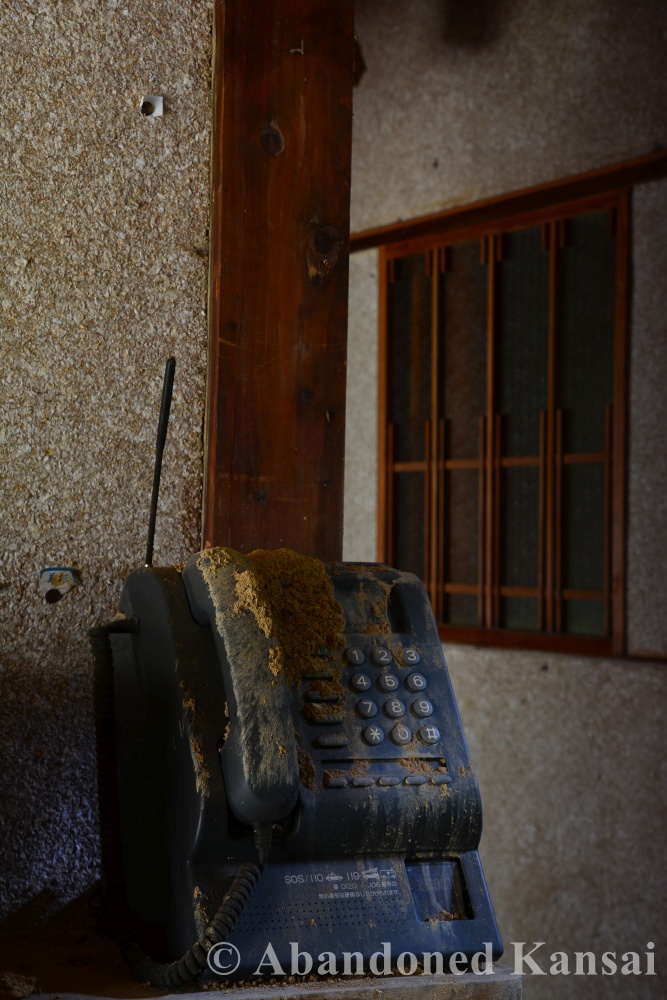
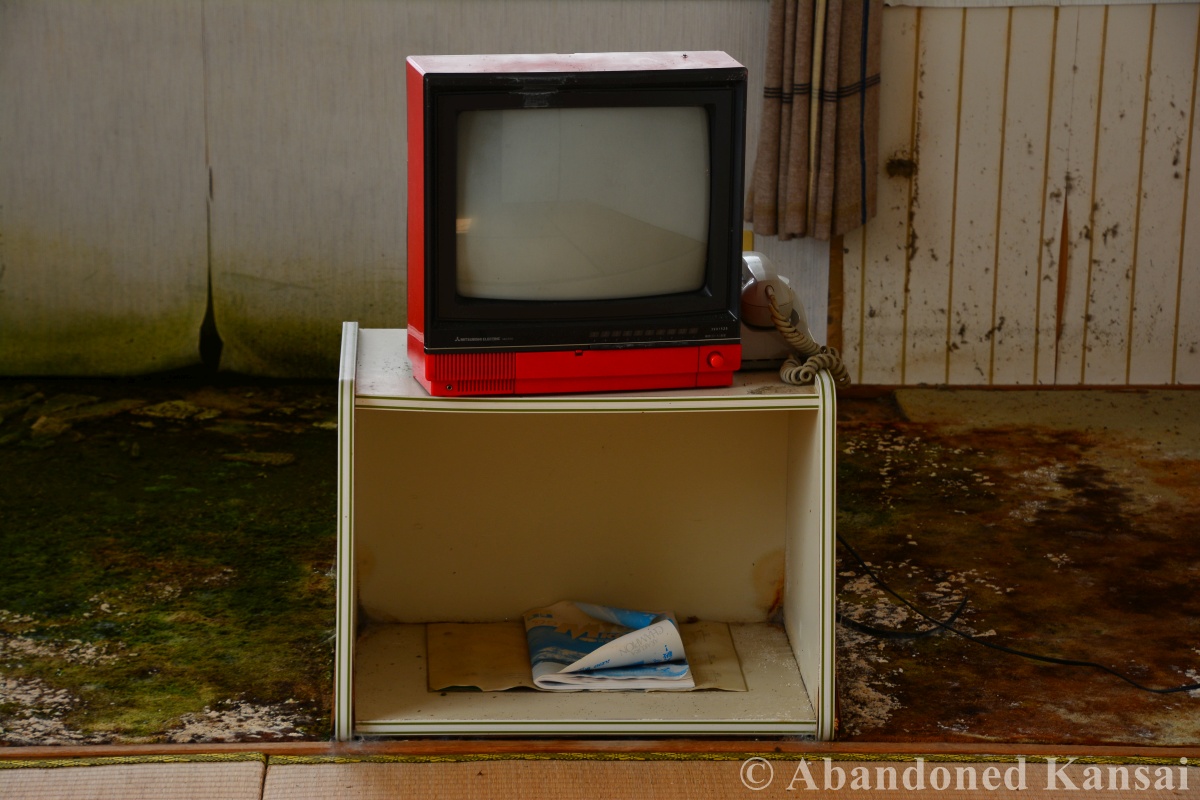
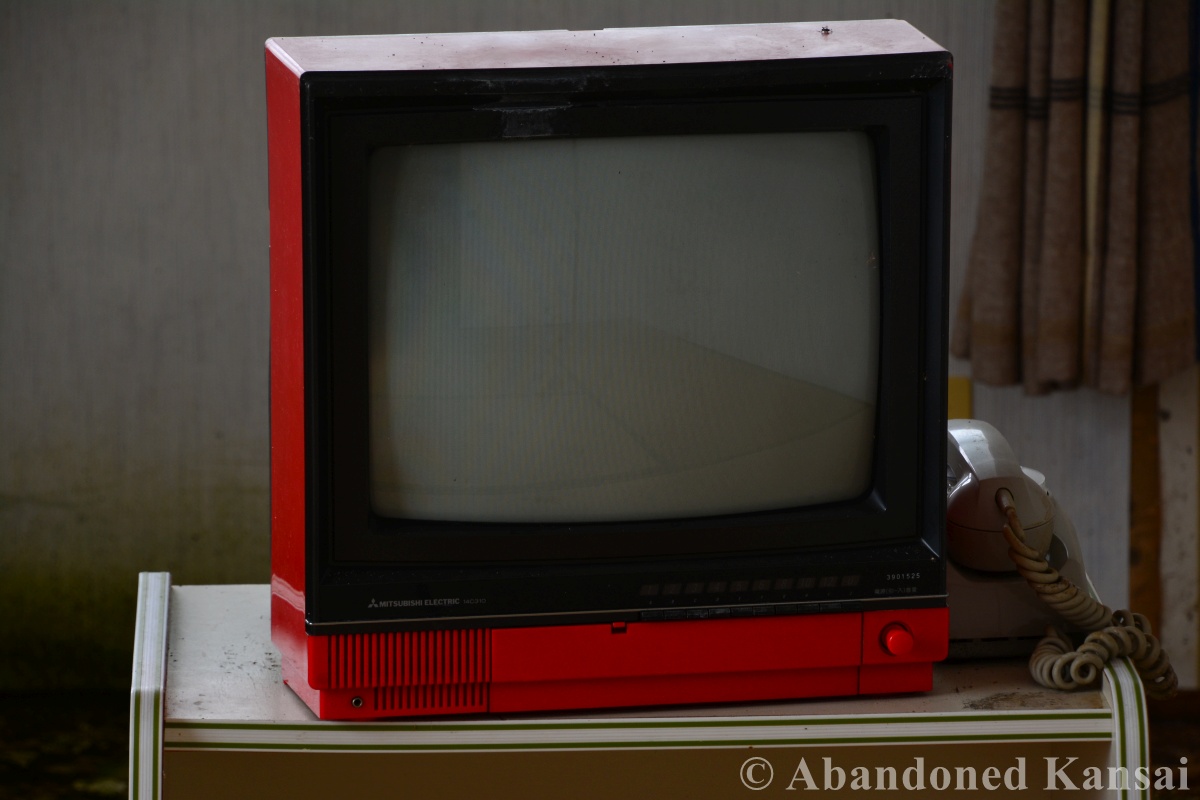
The rest of the building was rather mid… Quite a bit of trash near the back entrance / exit, most apartments either not accessible or empty / rotten. The green door with the paint flaking off was super cool though, so was the abandoned Showa era TV in one of the hallways. And the building itself was rather cool, temperature wise – which was cool with me, given that it was late spring already at the time of my exploration. And late spring is the new early summer in Japan. Just like late autumn is the new early autumn now. And summer is the hellish phase between early June and mid-October. But hey, shoganai, eh? Maybe you can use this nightmarish time to catch up with old articles on Abandoned Kansai?! If you like Japanese apartment buildings, check out *this really old one* and *this modern one* – I’m sure you’ll love them!
(*Like Abandoned Kansai on Facebook* or *follow us on Twitter* if you don’t want to miss the latest articles and exclusive content – and subscribe to the *video channel on Youtube* to receive a message right after a new video is online…)

Read Full Post »

Driving around in the countryside is one of the best ways to find abandoned places in Japan that are not (yet) known in the urbex community – original finds. But you have to be careful or you might end up in somebody’s living room or at their work place…

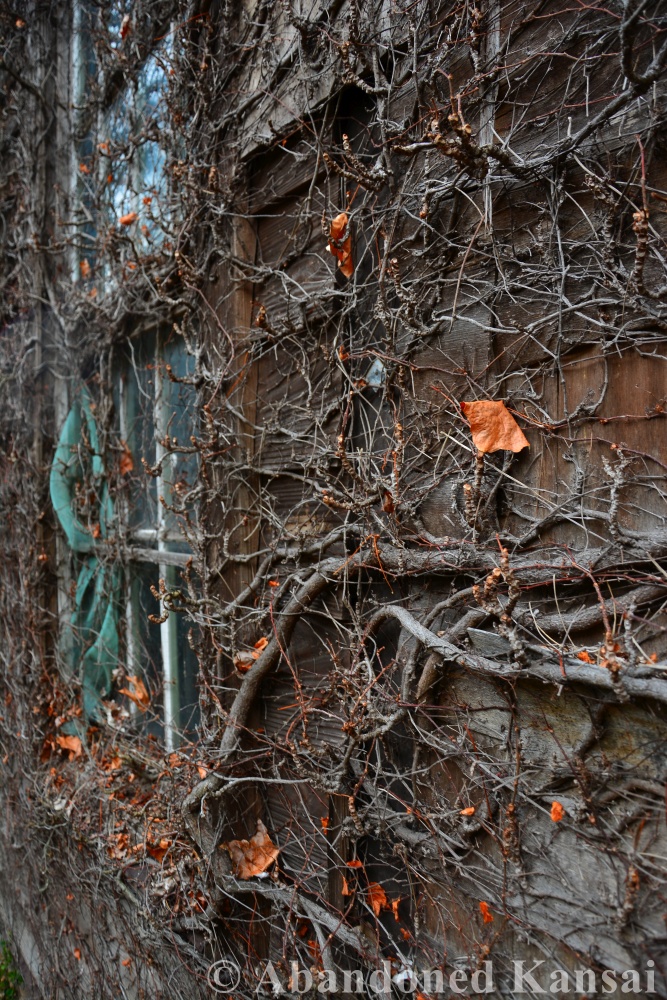
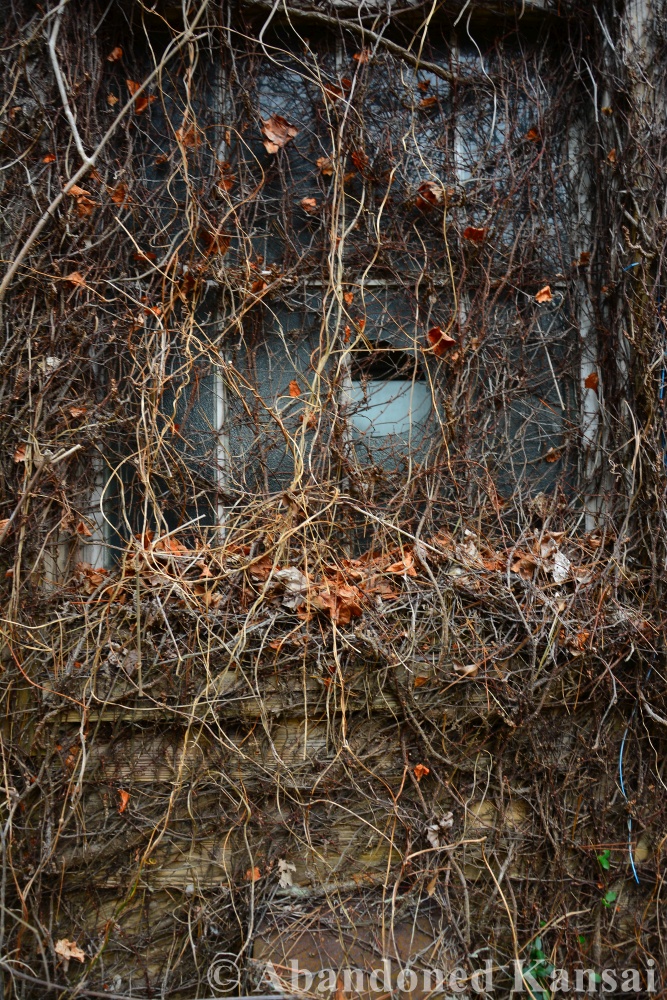
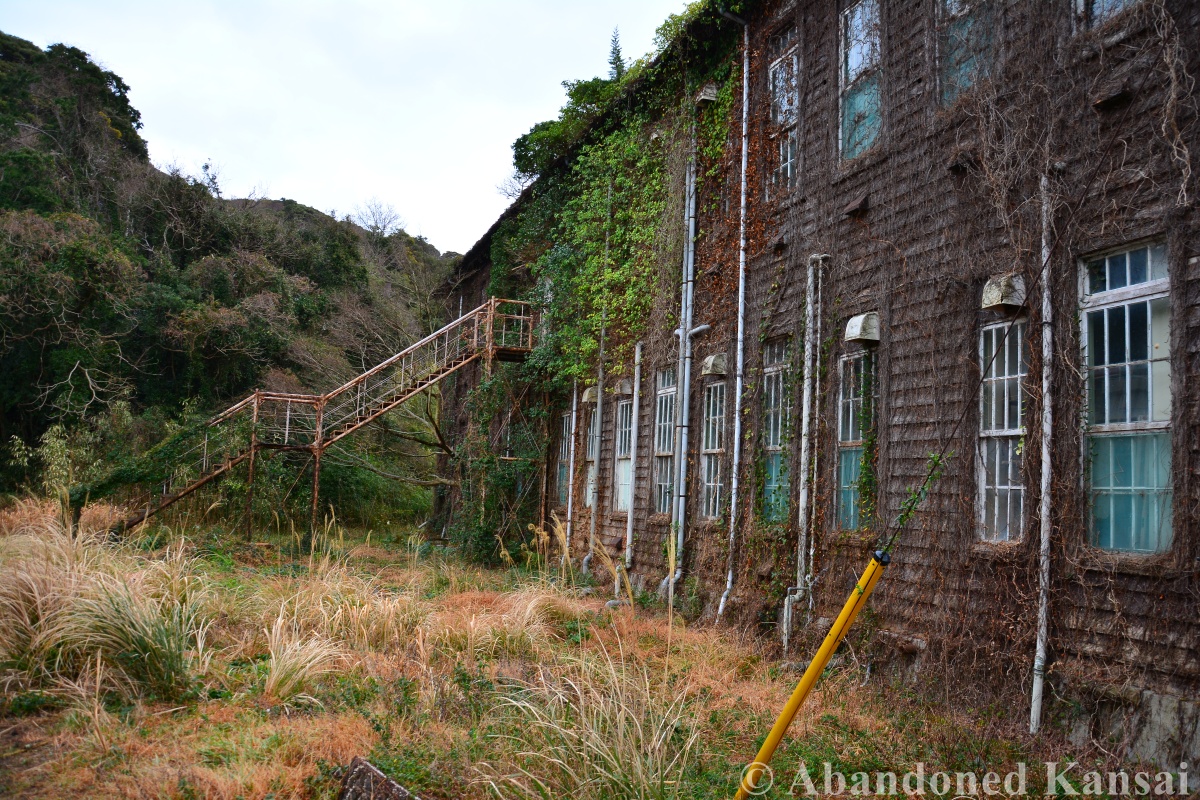
In the mid-2010s I went exploring with two journalists from Scandinavia who did research for a book about abandoned places and industrial decay. On our way to a deserted hotel we drove past this wooden, rundown factory… and turned around to have a closer look. There were some cars with license plates parked on the premises, despite it being Sunday, but nobody was there. The place had a very abandoned look to it, but most buildings were locked and could have still been used, though we had no clue what for, so we took some photos, mostly outdoors, and drove on – breaking and entering isn’t my thing… and original finds are extra risky. I didn’t know until my research for this article that the company wasn’t officially shut down until two years after this exploration!
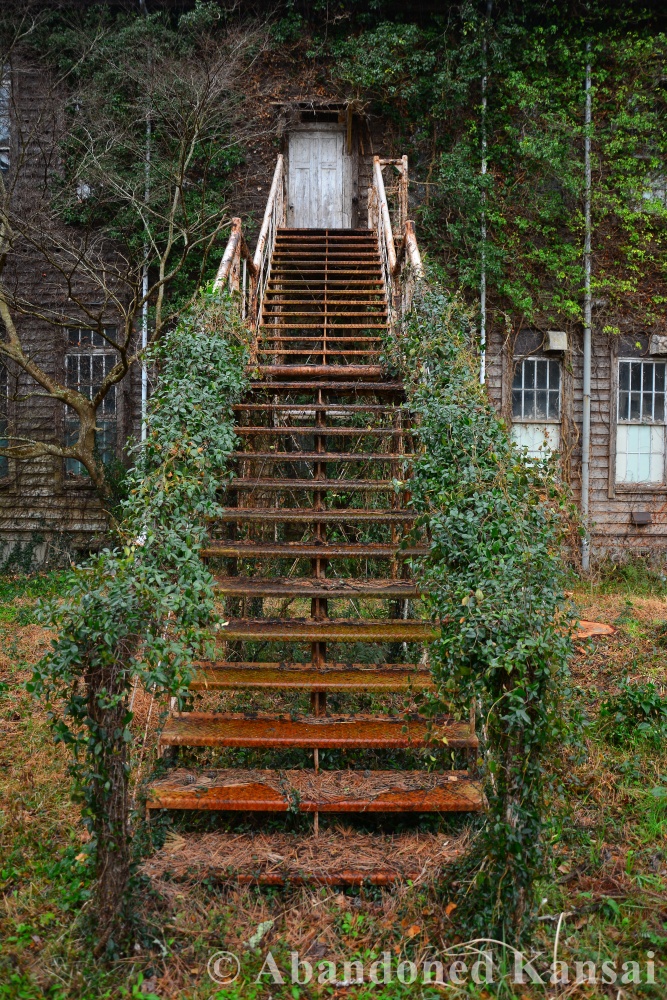
7 years later I was in that part of Kyoto prefecture again with another urbex friend, so we decided to stop by the countryside factory again. And this time it was completely different. All the cars were gone, about one third of the factory had been demolished, the rest was easily accessible through open or unlocked doors. This time we had to rush, because we were running out of daylight, but it was nevertheless a super interesting exploration as the factory looked like it must have been a hundred years old and could collapse at any time when slamming a door shut.

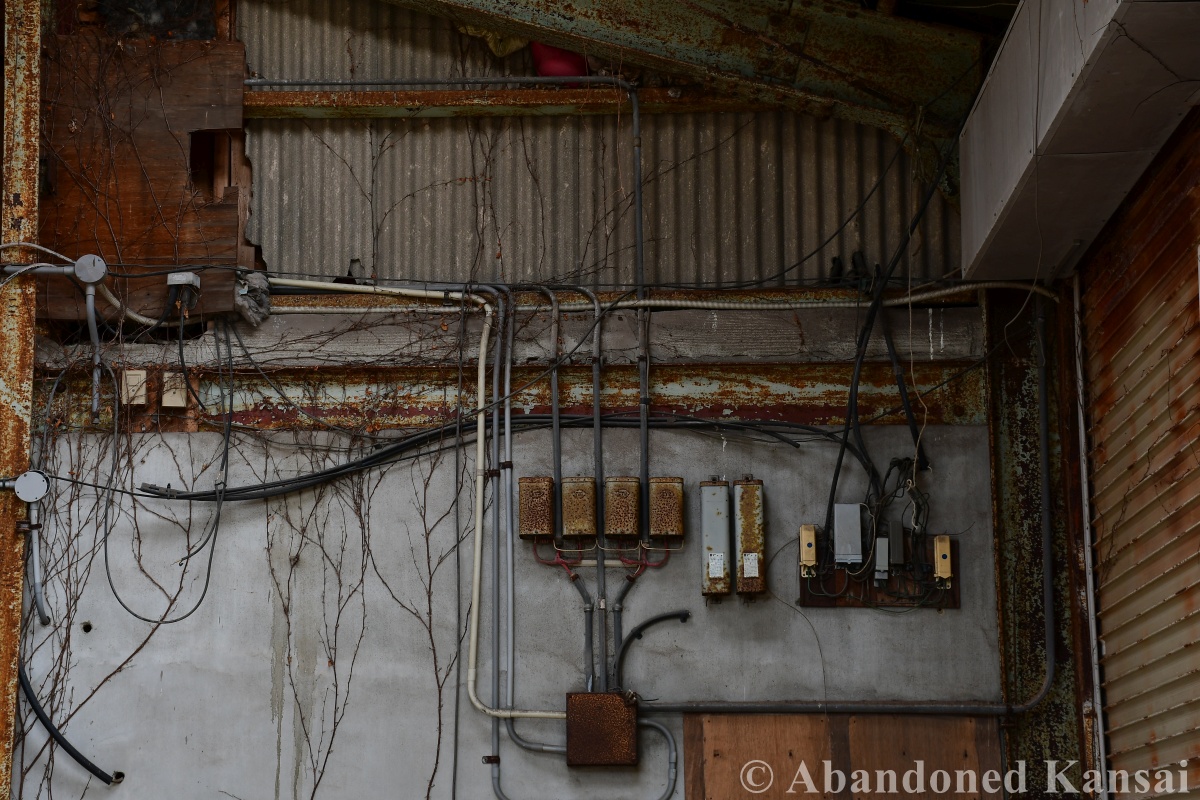
It wasn’t until selecting photos from both sets for this article that I realized how different the factory looked on both visits. During my first exploration I wasn’t sure about the status of the place, but when comparing those photos with the second set, it’s super clear that the factory was still in use during the first visit – electrical wires and other cables hadn’t been cut yet, some tables and areas looked like active workspaces, there was less vegetation… and of course the factory was still complete and not partly demolished.
Technically this is not one of the most beautiful photo sets I’ve ever published, but it’s an original find and Showa AF – maybe even Meiji. At the same time parts of the Kyoto Countryside Factory had almost a fantasy vibe, if you were able to ignore the computers and cables and plastic crates… I’ve been to more than my fair share of abandoned wooden structures, but this facility was huge and had hardly any metal elements. Even the small rail system had more wooden elements than metal ones and could have been right out of an 80s fantasy flick. So, yeah, even if the photos are not great, I really enjoyed exploring this place. Which is rare, as I hardly do revisits, despite the fact that this is the second location in a row with a combined gallery of two explorations. So next time I’ll post a one-off again. Which one? I don’t know yet, but you should definitely *check out some older locations*!

(*Like Abandoned Kansai on Facebook* or *follow us on Twitter* if you don’t want to miss the latest articles and exclusive content – and subscribe to the *video channel on Youtube* to receive a message right after a new video is online…)
Read Full Post »

Older Posts »