Feeds:
Posts
Comments

Archive for the ‘Chūbu’ Category

As much as I dislike hospitals and mistrust doctors in real life (I’m grateful for them, but to me they are a necessary evil fighting for good) as much do I enjoy clinics and other health facilities when they are abandoned. Japan has not only plenty of them (I must have explored more than 50 over the years), but the variety is also amazing. Everything from *local doctors with a pharmacy in their wooden countryside mansions* to *large concrete monsters with modern machinery* – and except for a handful now vandalized or demolished ones, they are also among the hardest to find abandoned places; even Japanese explorers with no English skills whatsoever occasionally contact me for coordinates.

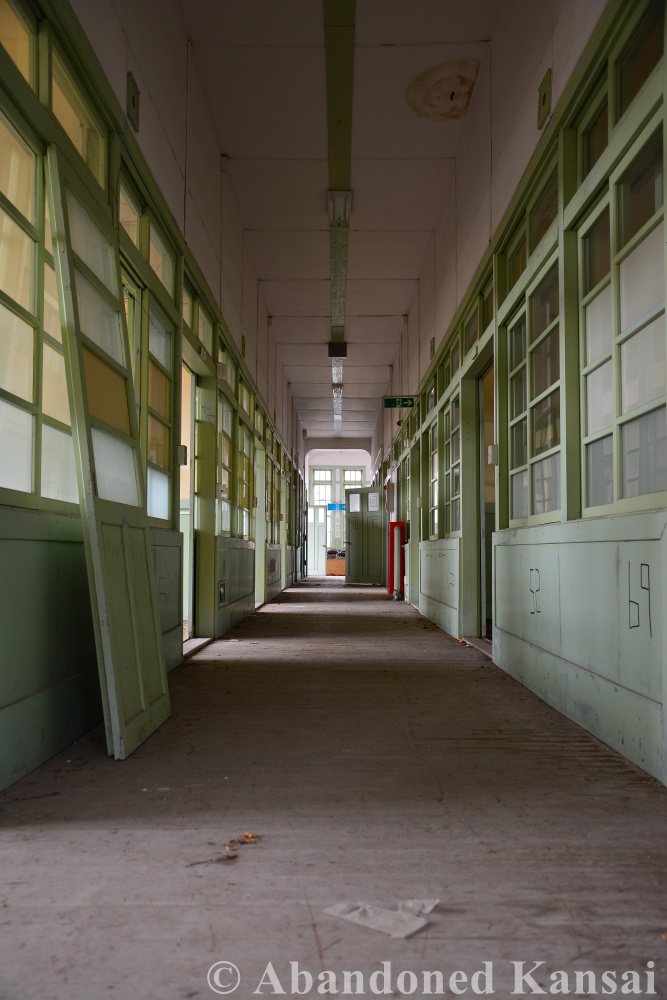
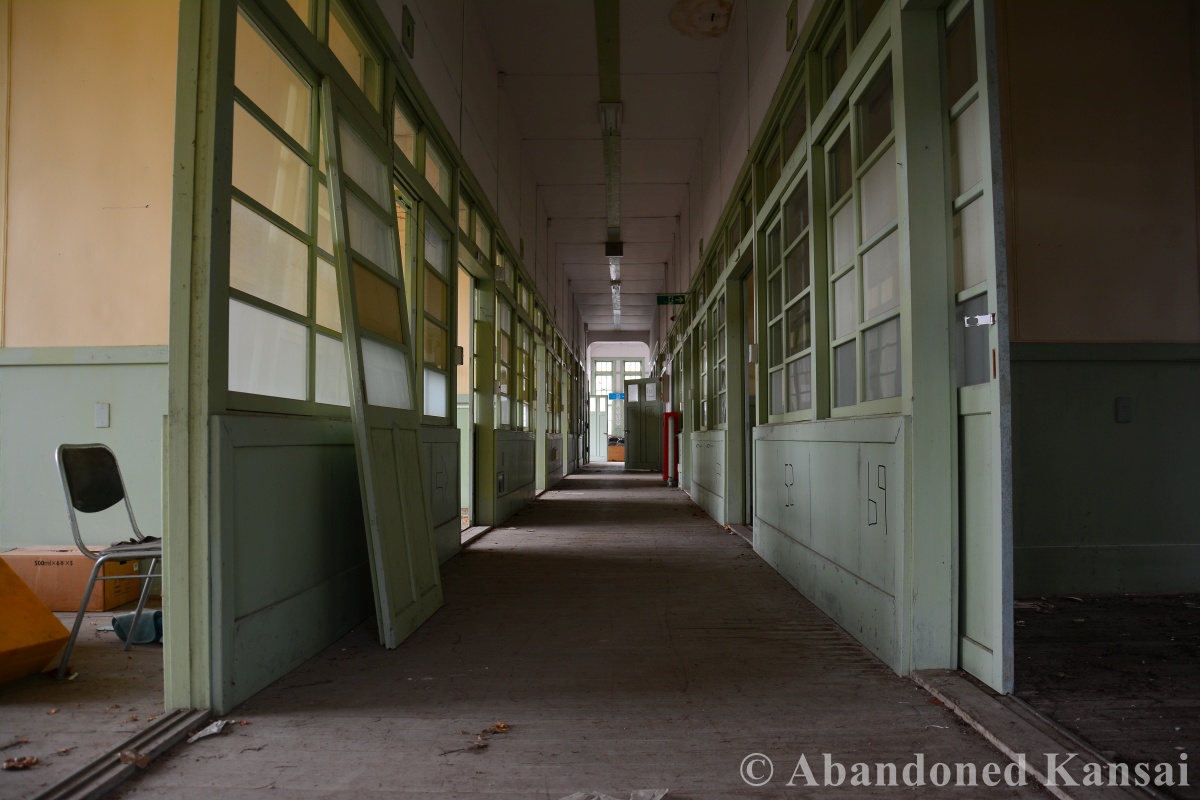
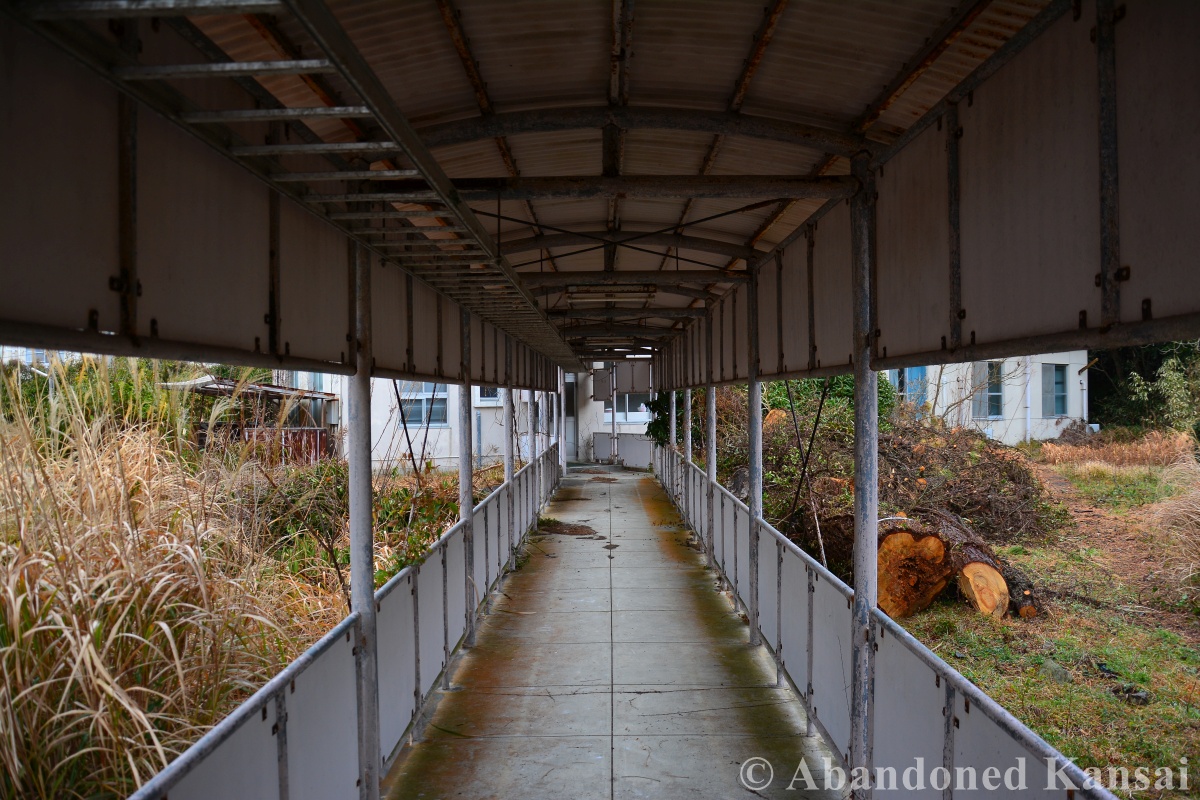
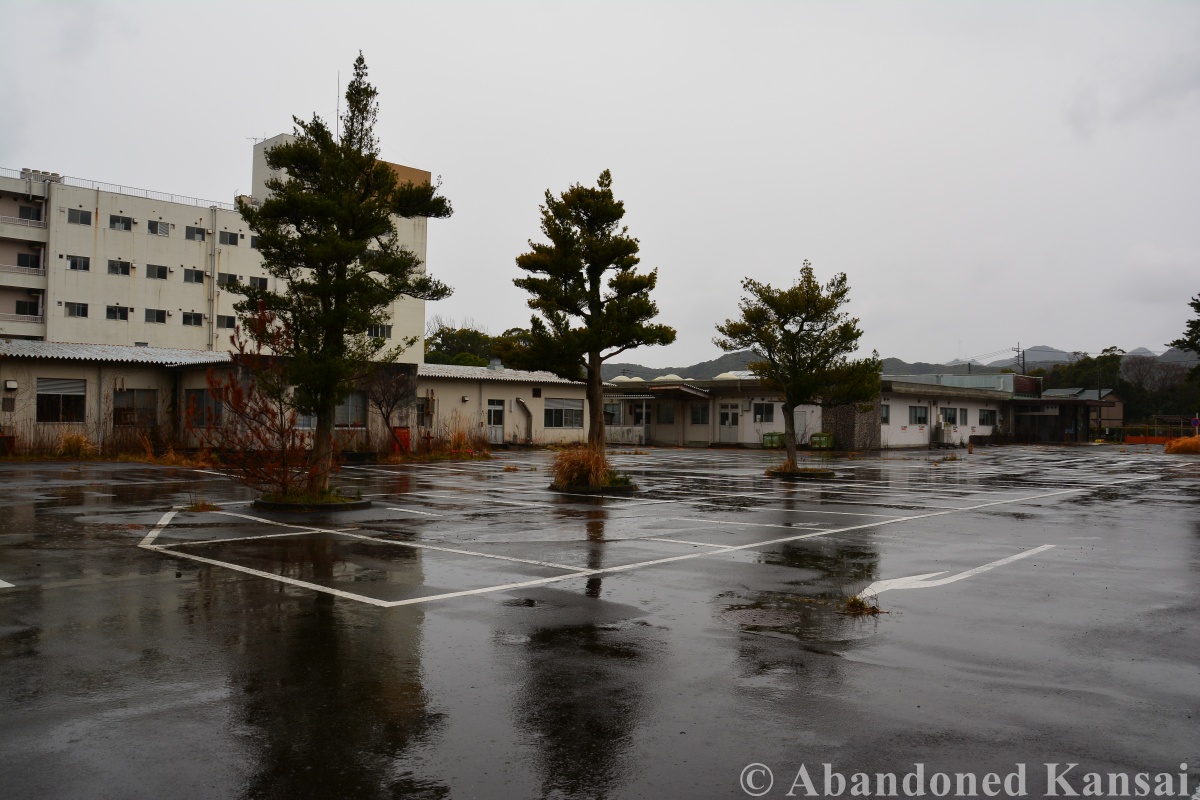
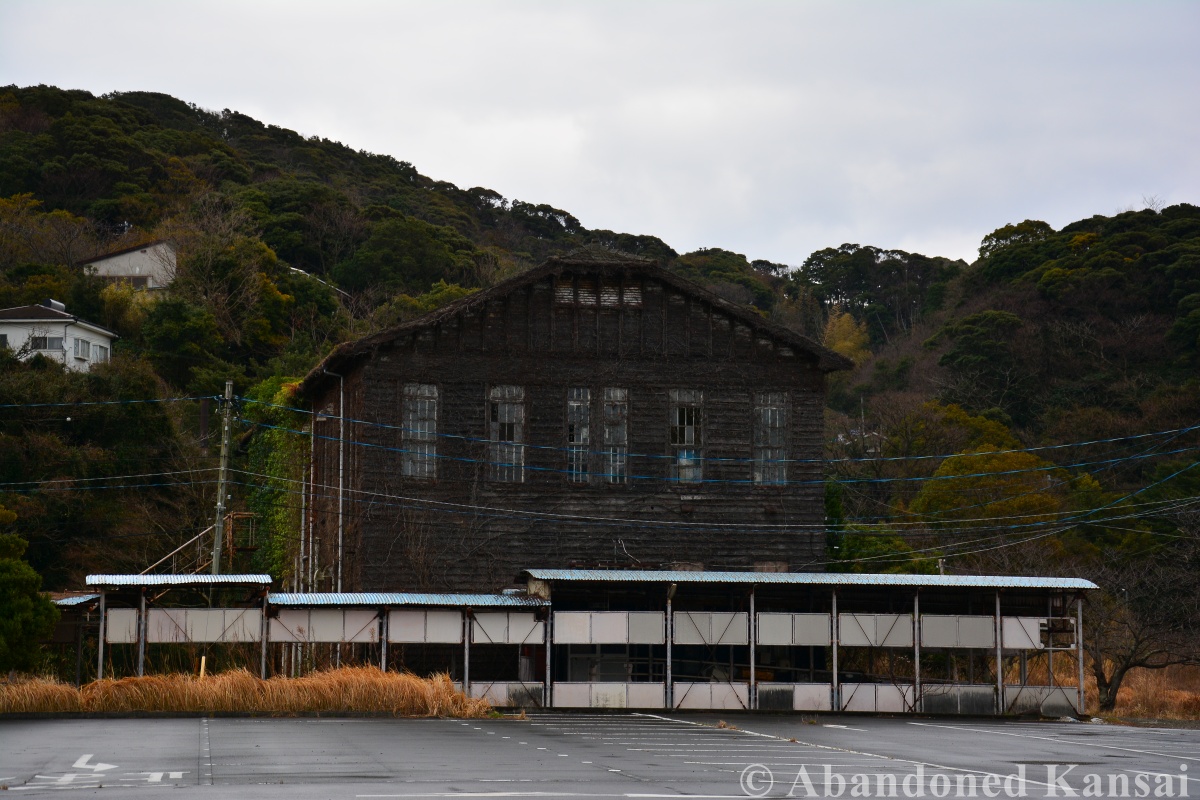
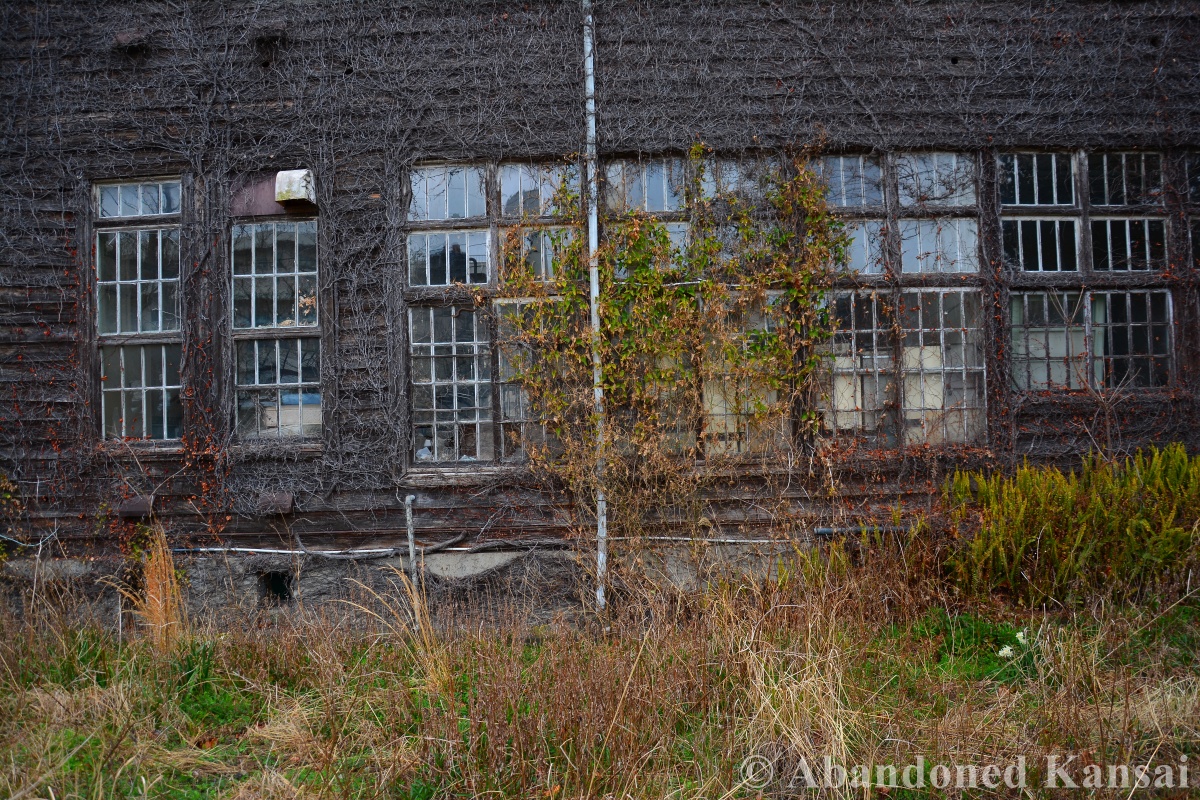
One of my favorite up till now unpublished abandoned medical facilities is the Minato Naval Hospital – an institution so old that the nearest modern JSDF base is about 60 kilometers away, the nearest JSDF naval base even 100 kilometers. The hospital was established in 1923, though the building featured in this article was constructed in 1932. 65 years later it was reorganized into another facility and probably closed as part of the restructuring of national hospitals. In 2012 the institution was renamed and moved to nearby Shimoda where it still exists as the Shimoda Medical Center.

I explored the Minato Naval Hospital back in 2015 on my way to the now demolished *Irozaki Jungle Park* – so I guess it sitting somewhat forgotten on my hard-drive for 10 years is long enough! The exploration was part of a weekend trip to the Izu Peninsula and I have to admit it would have been impossible to do without the help of a friend I was travelling with. The naval hospital was on the premises of a semi-abandoned hospital complex, part of which is still active to this very day… and the building of our interest was tightly locked. Fortunately there was a hole the size of maybe a tennis ball in the plastic part of the door, slightly off above the lock. Now, I’m a big guy with big arms and there was not a snowball’s chance in hell my hand let alone my arm would have fit through that hole – luckily my friend was a skinny woman who literally had a can of coffee and a cigarette for breakfast (guess which country she’s from!), so it took her about 5 seconds to unlock the door and get us into the building.

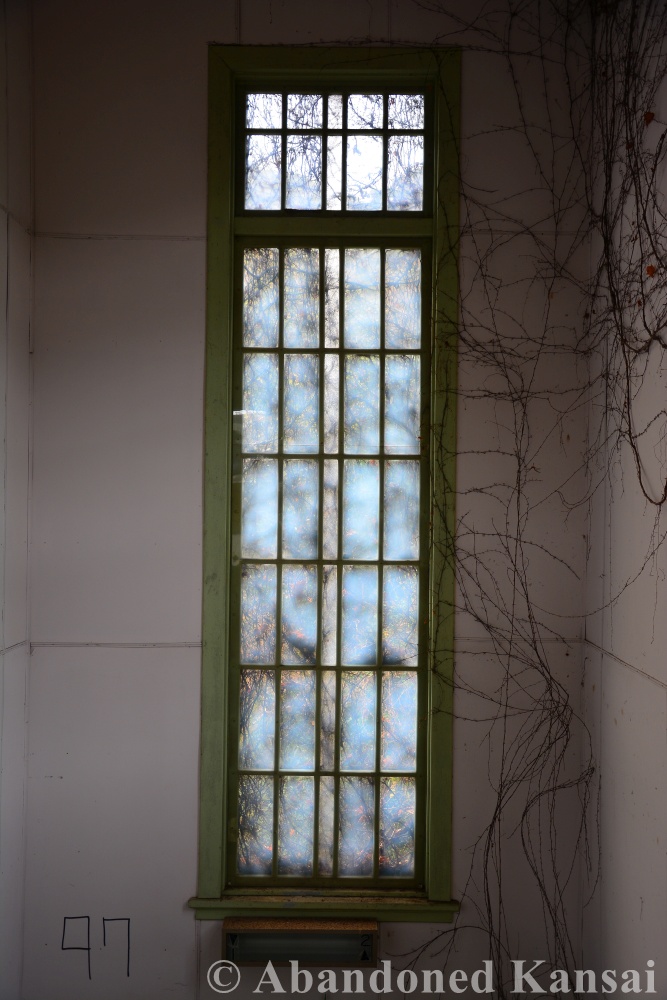
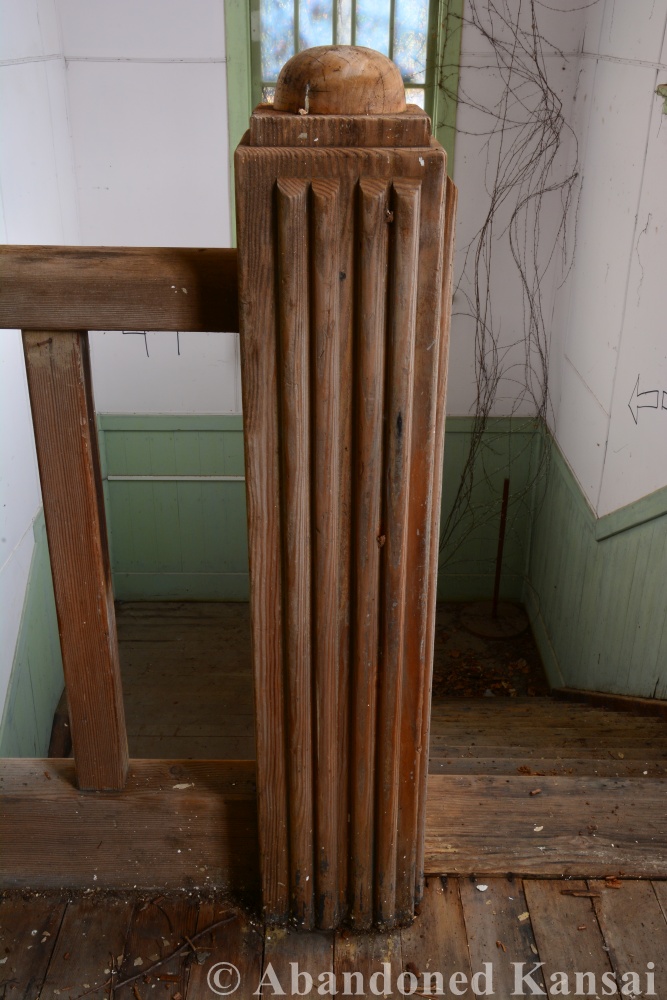
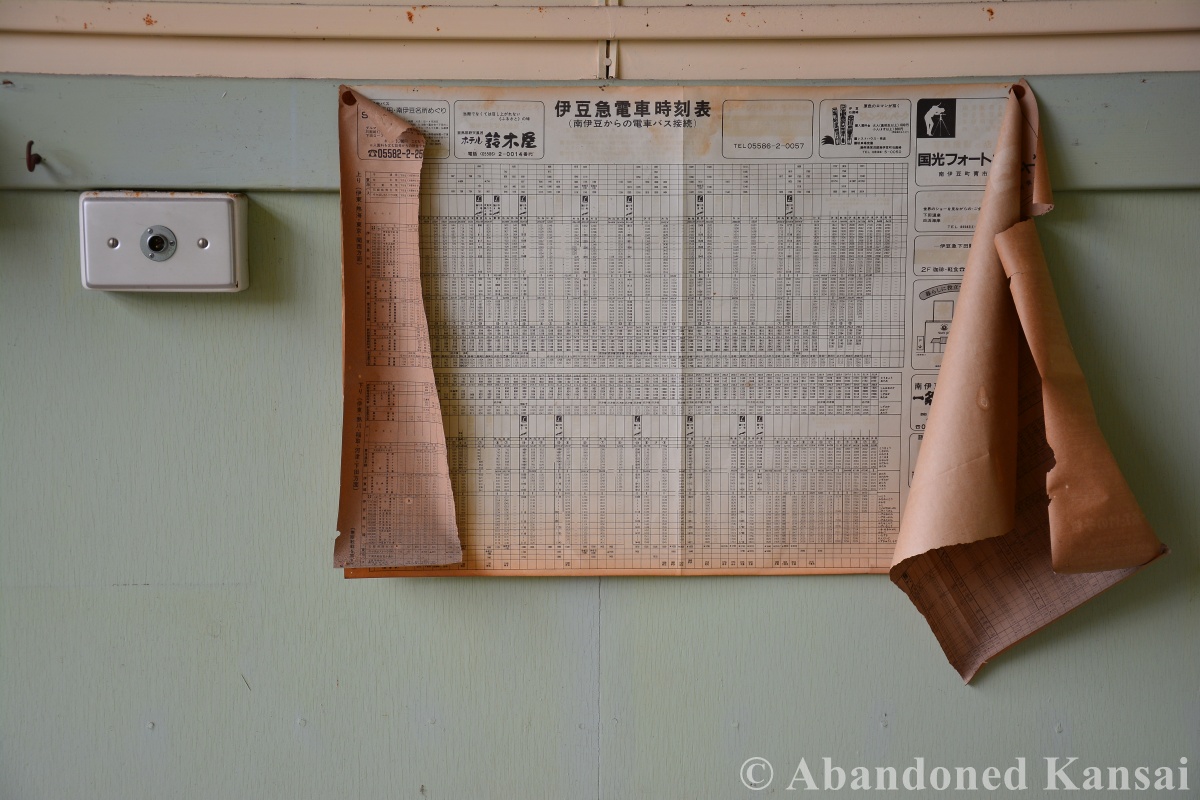
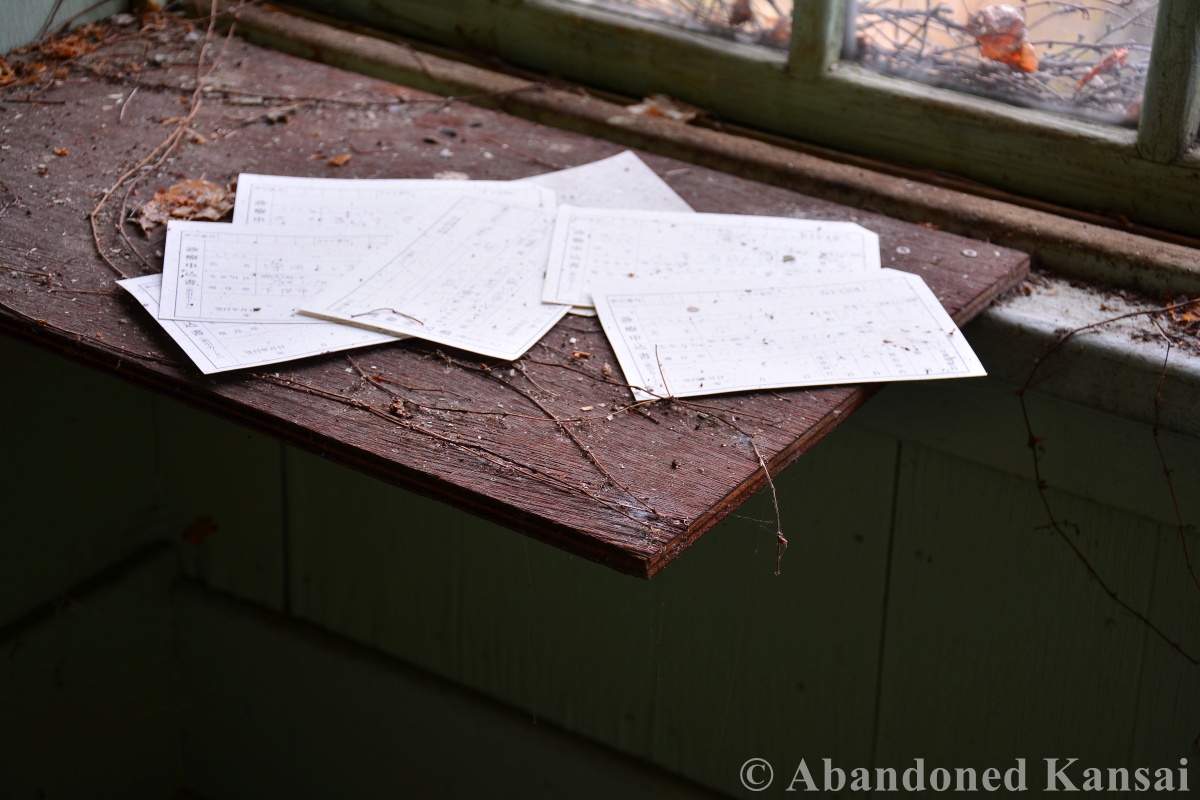
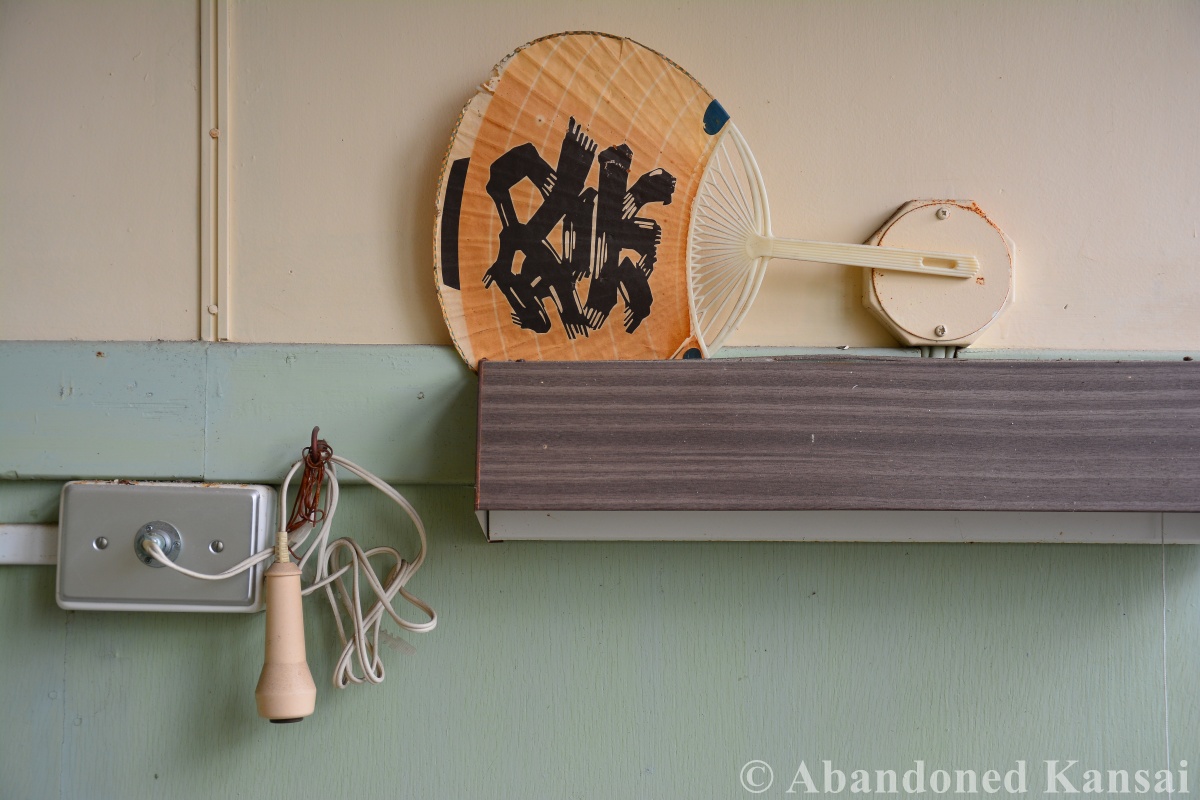
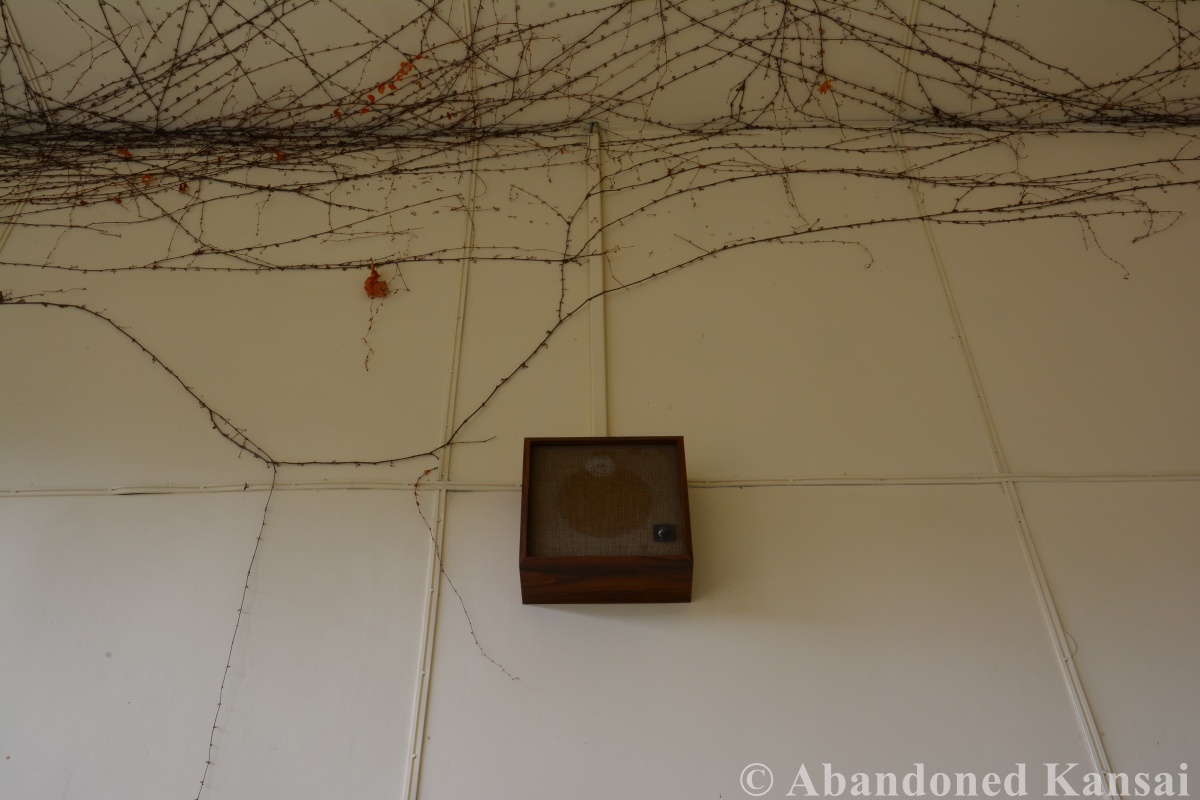
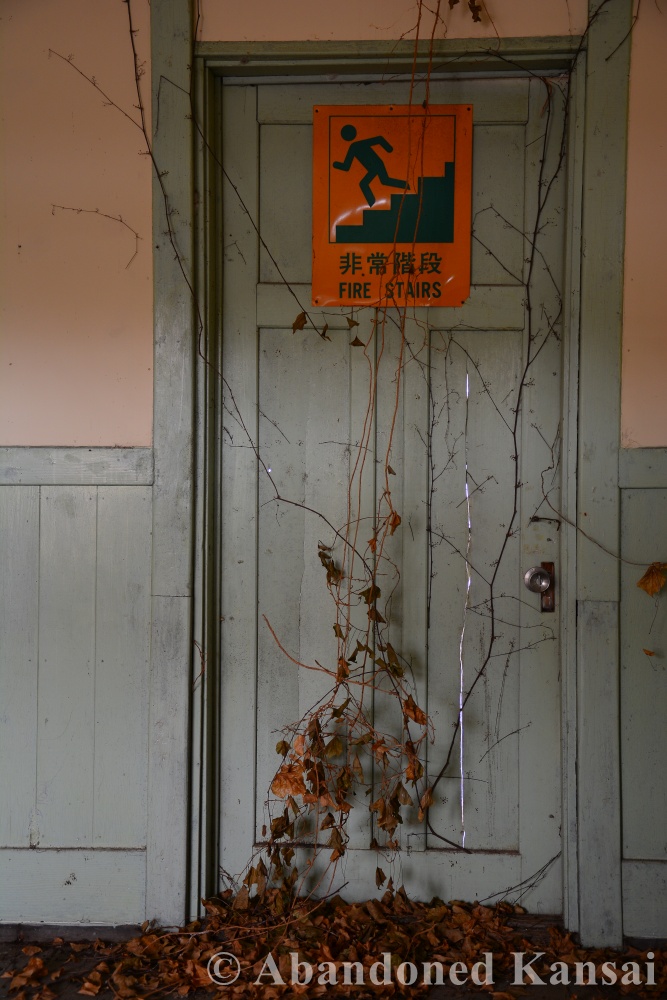
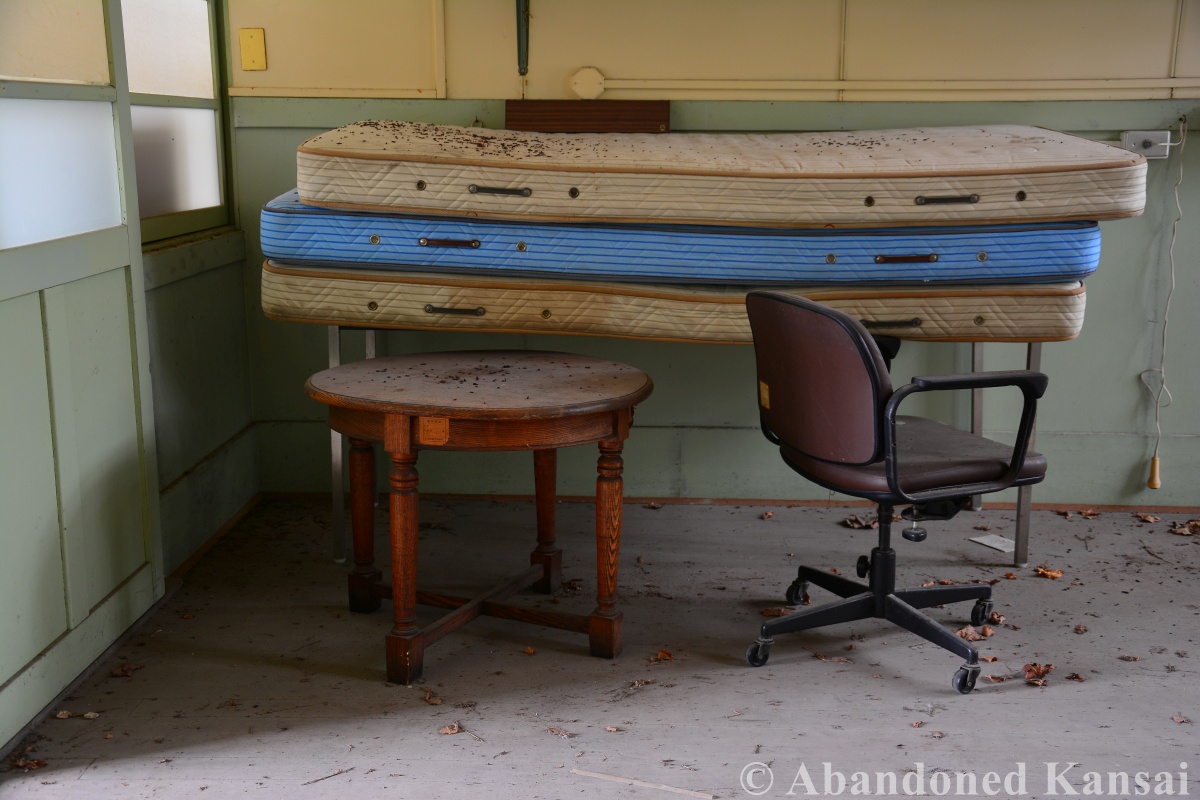
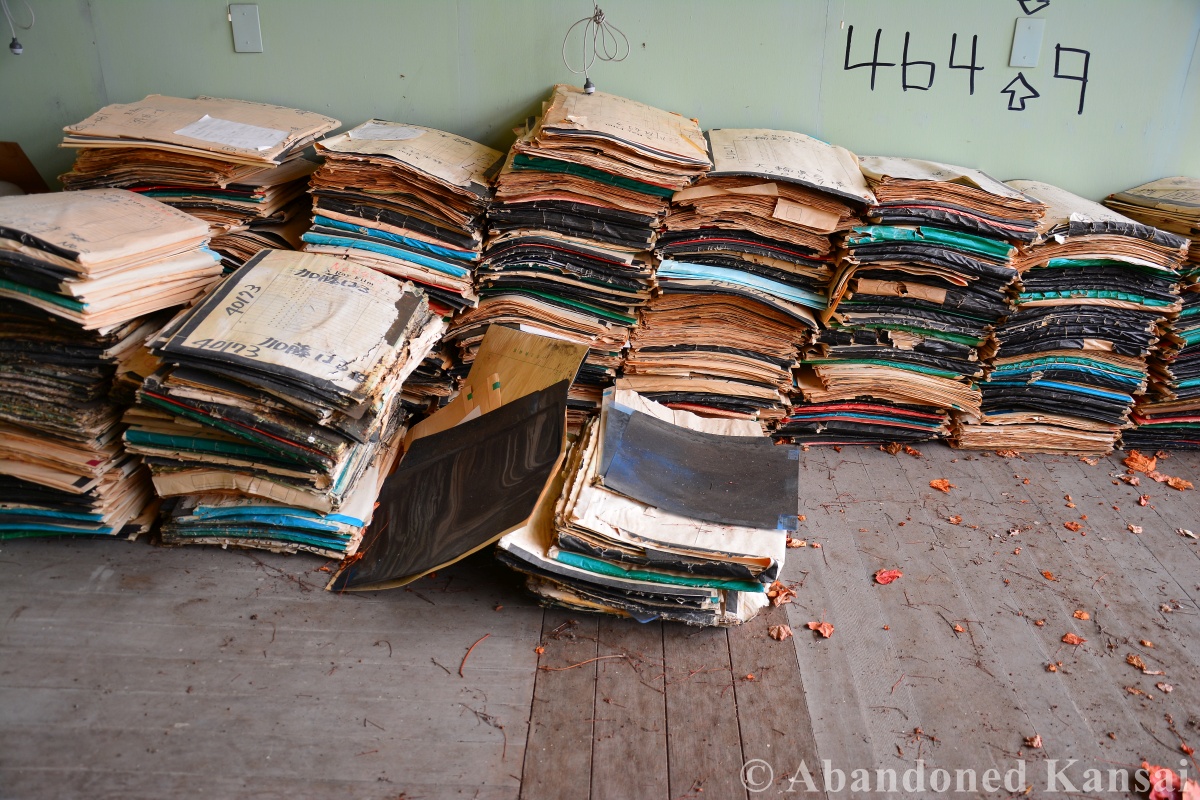
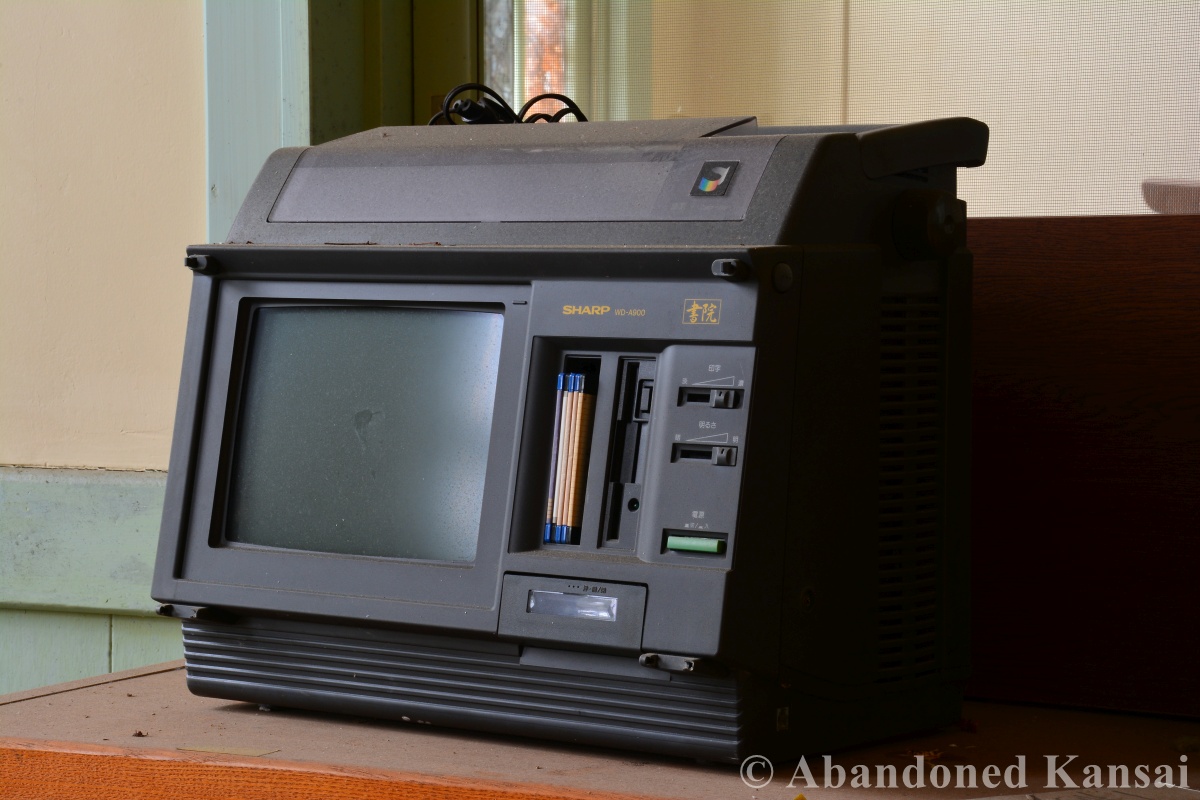
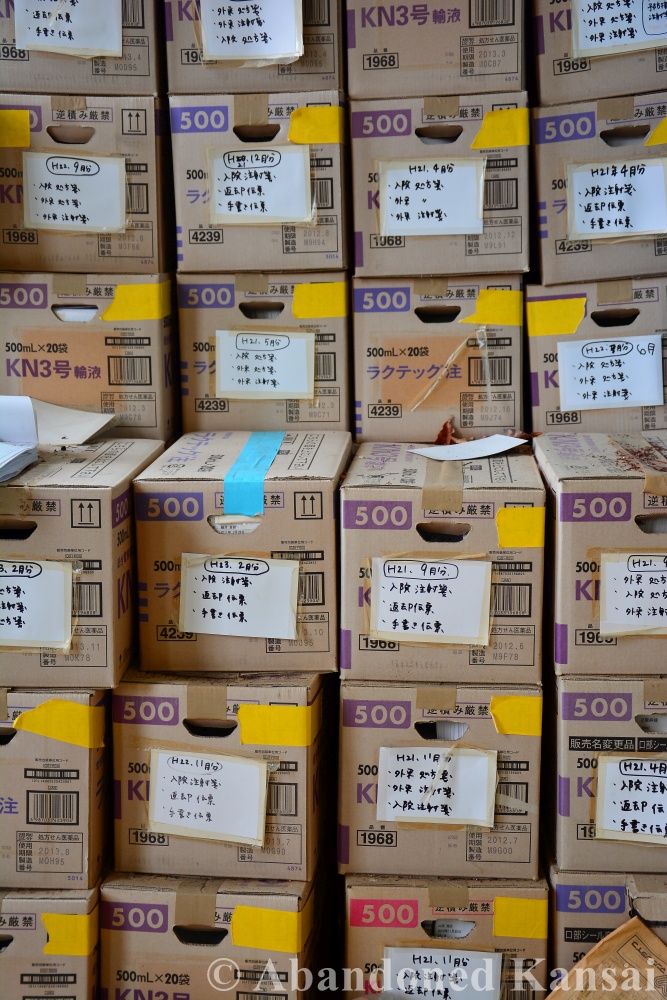
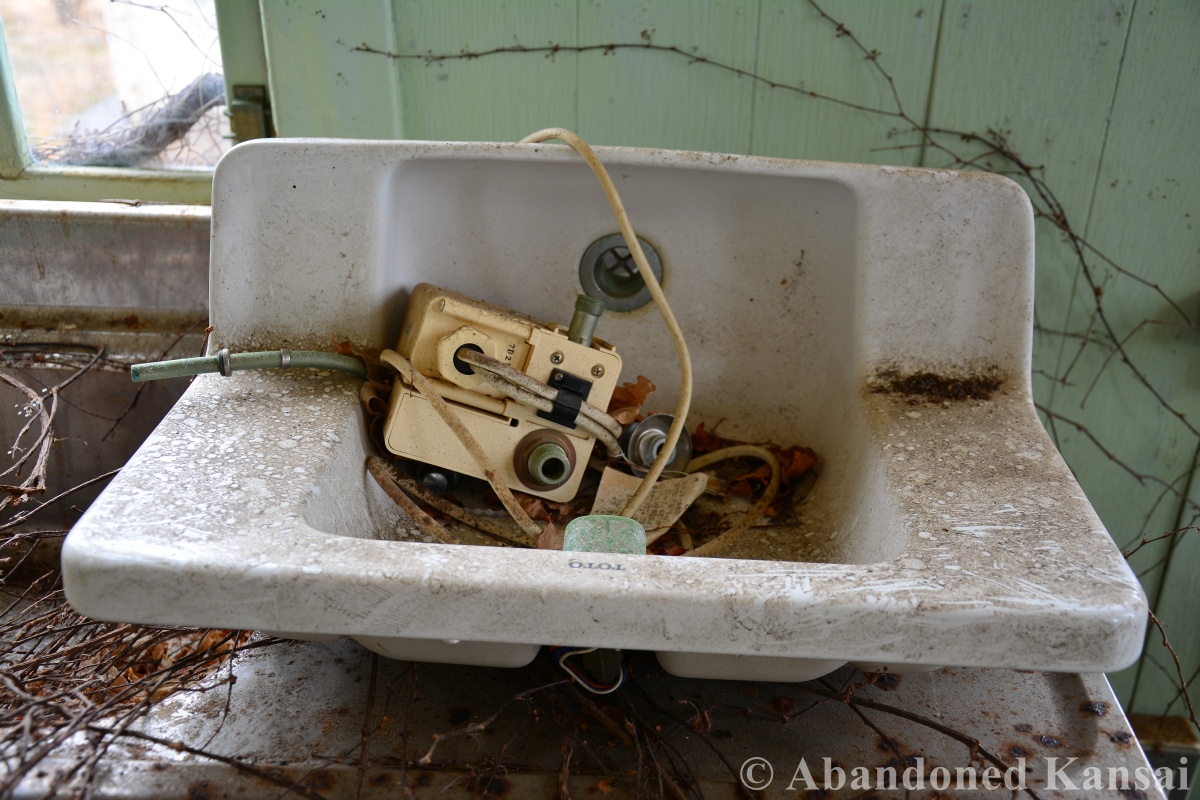
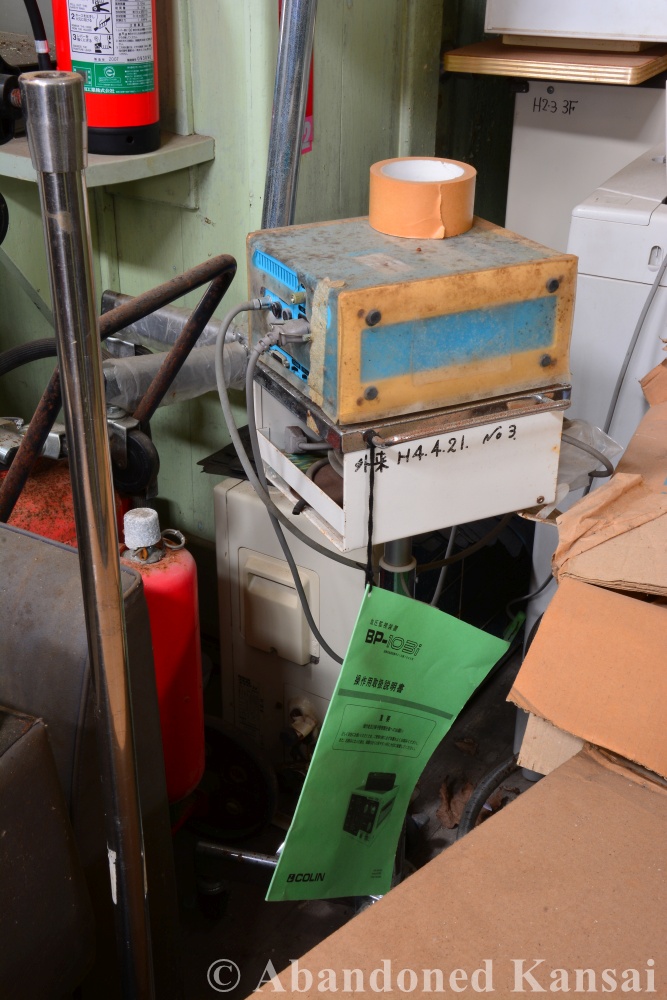
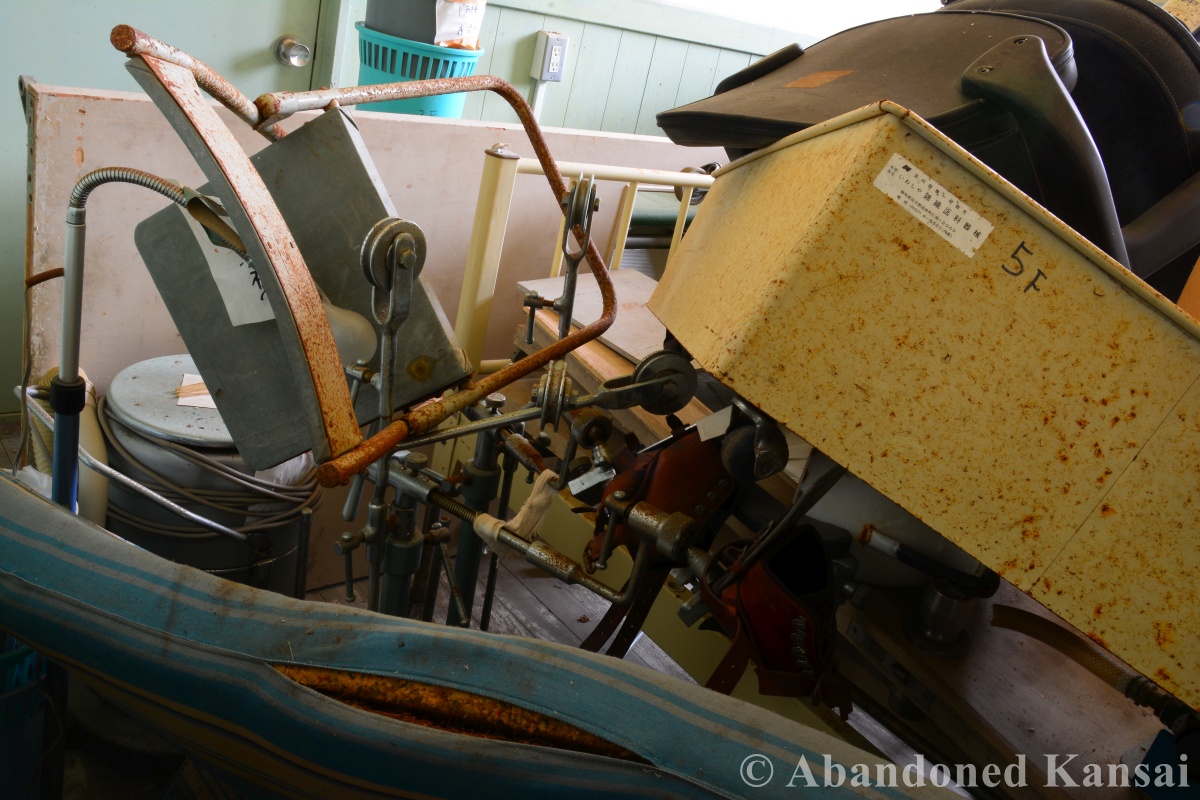
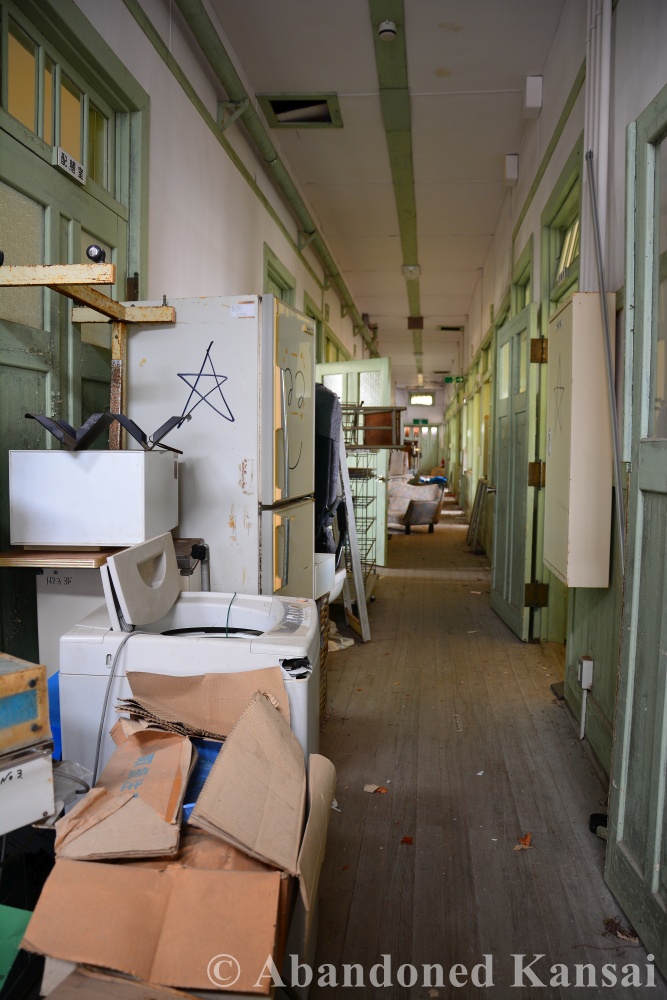
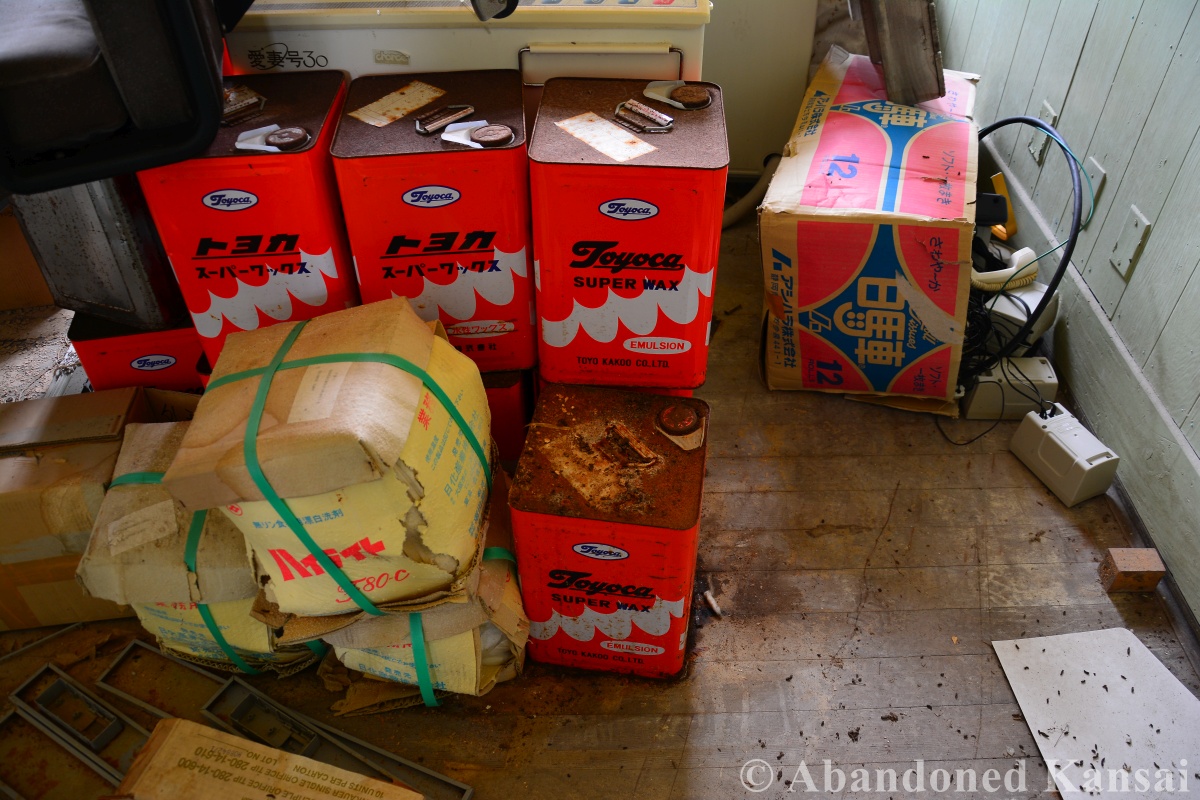
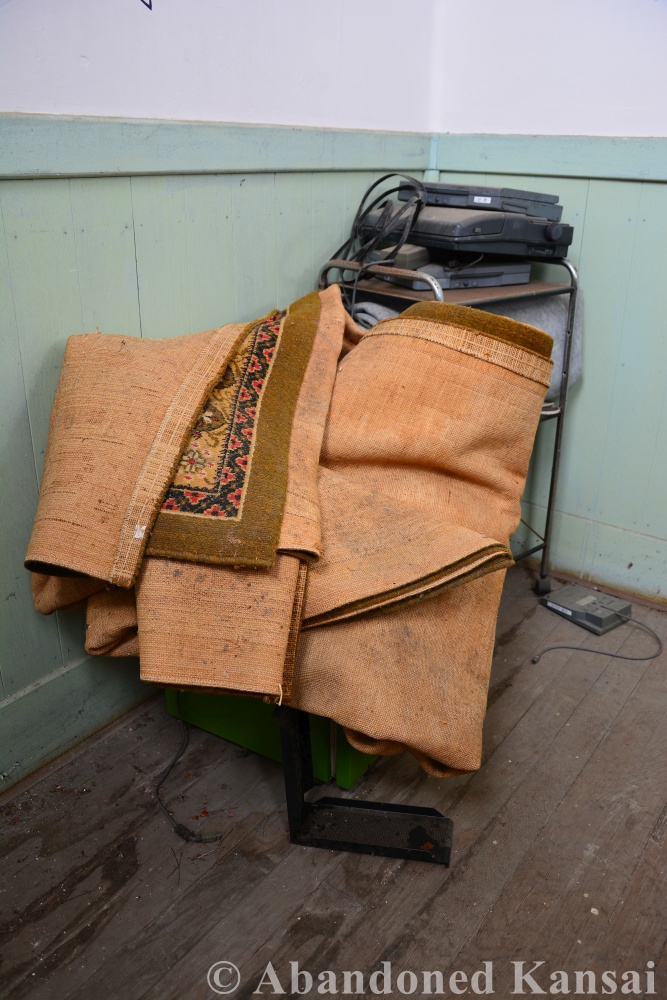
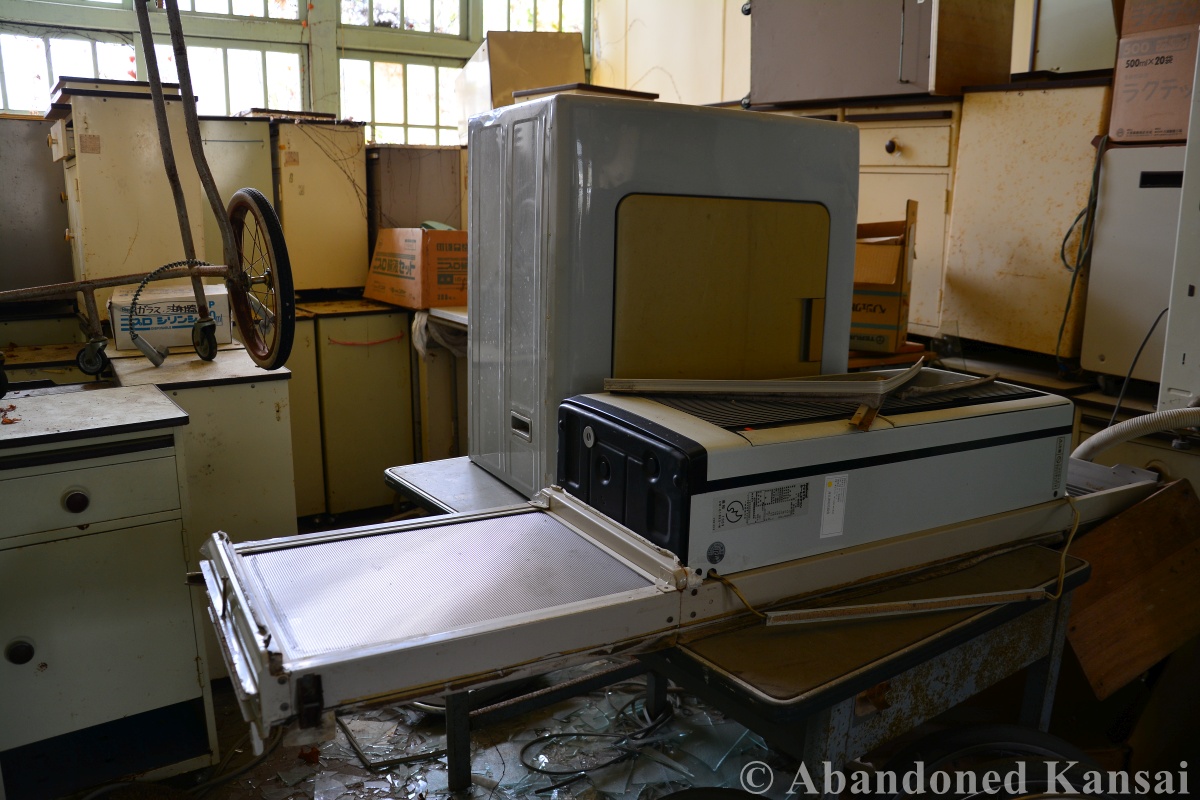
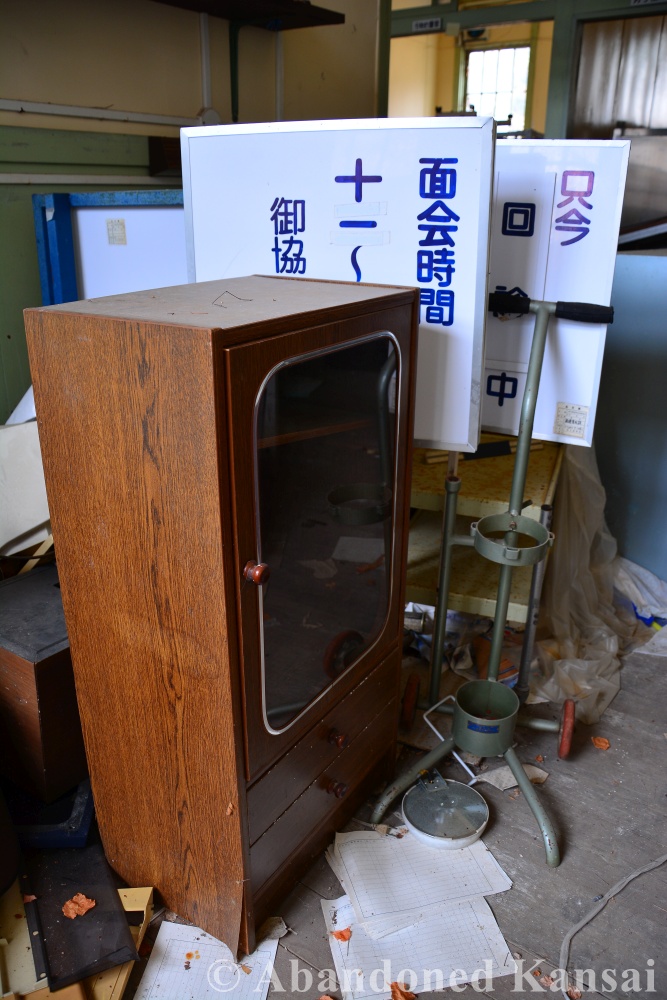
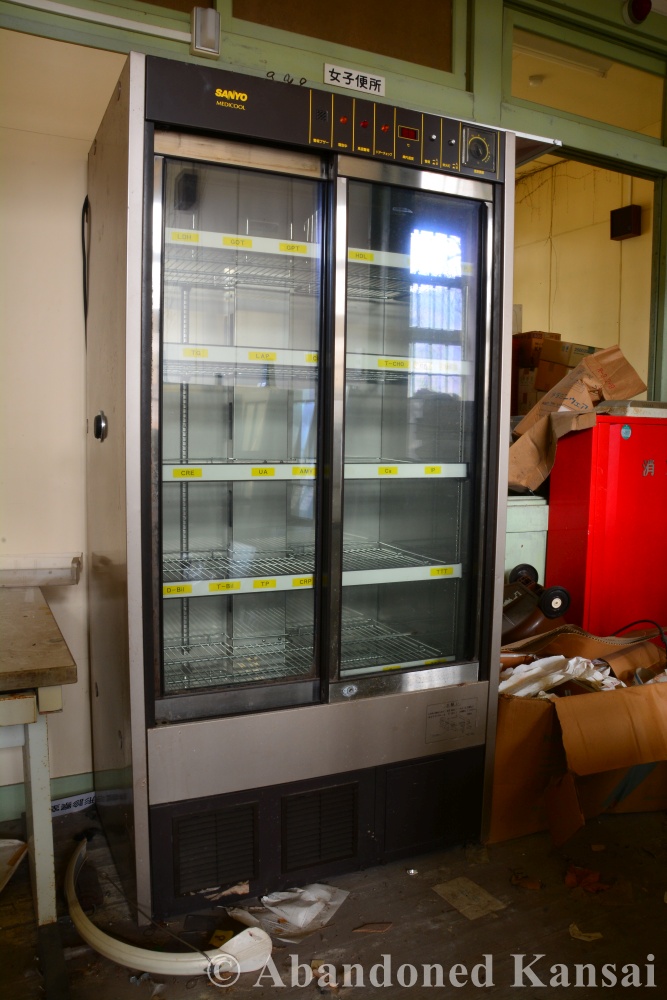
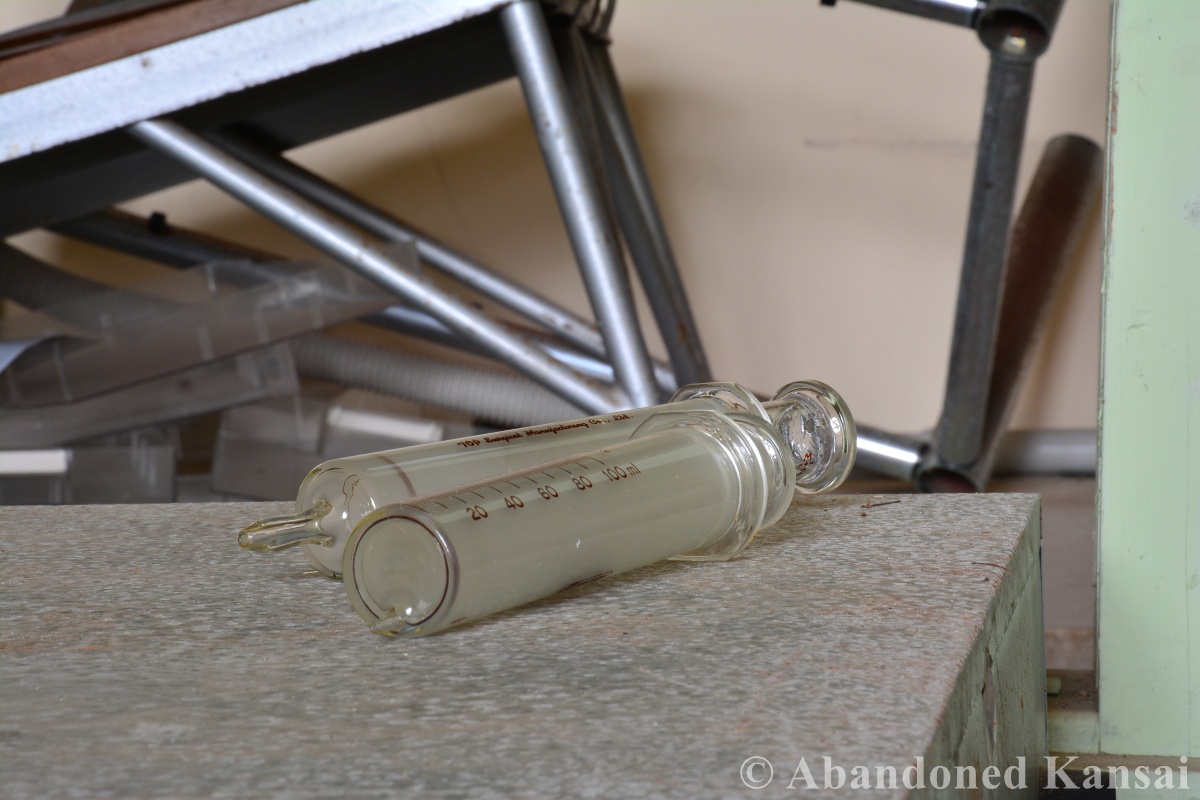
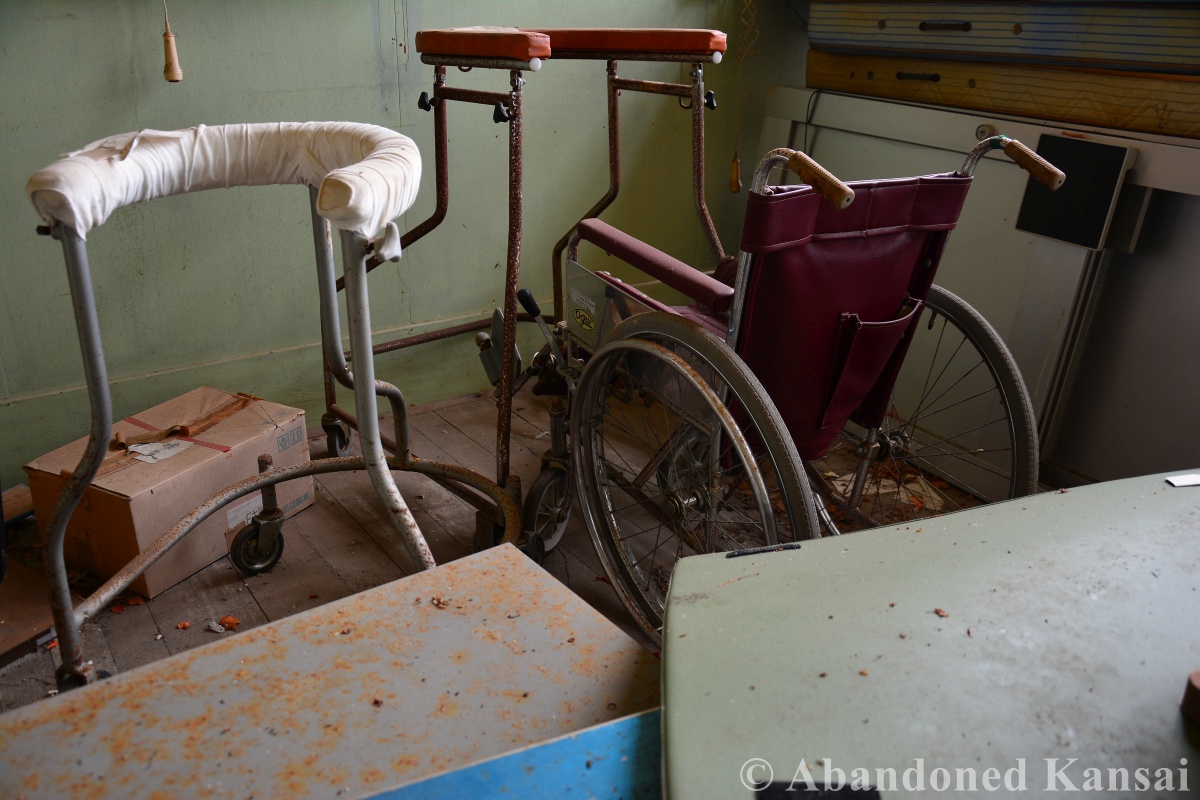
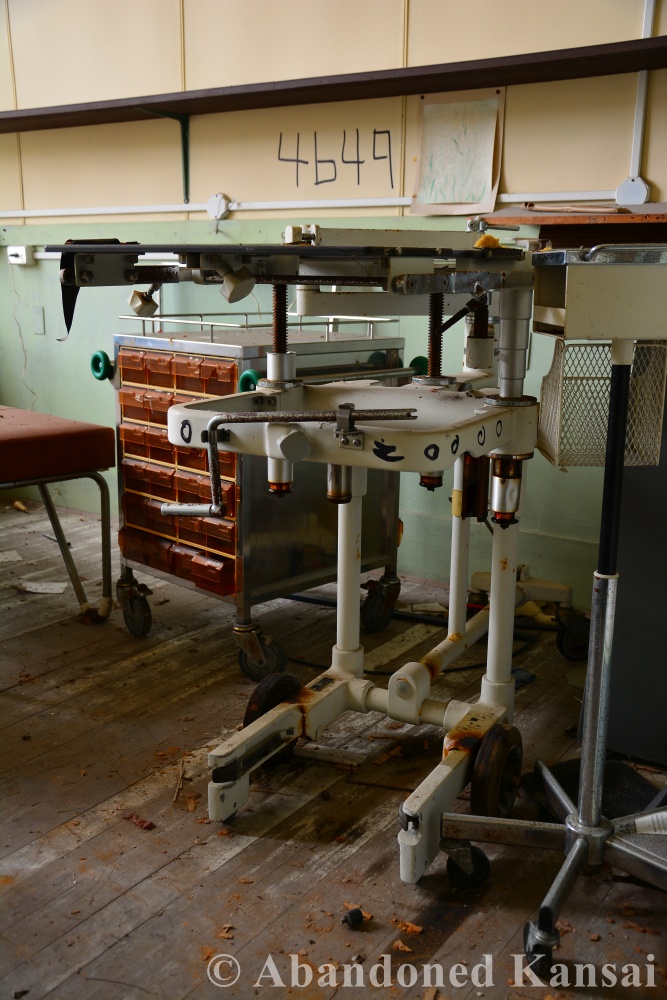
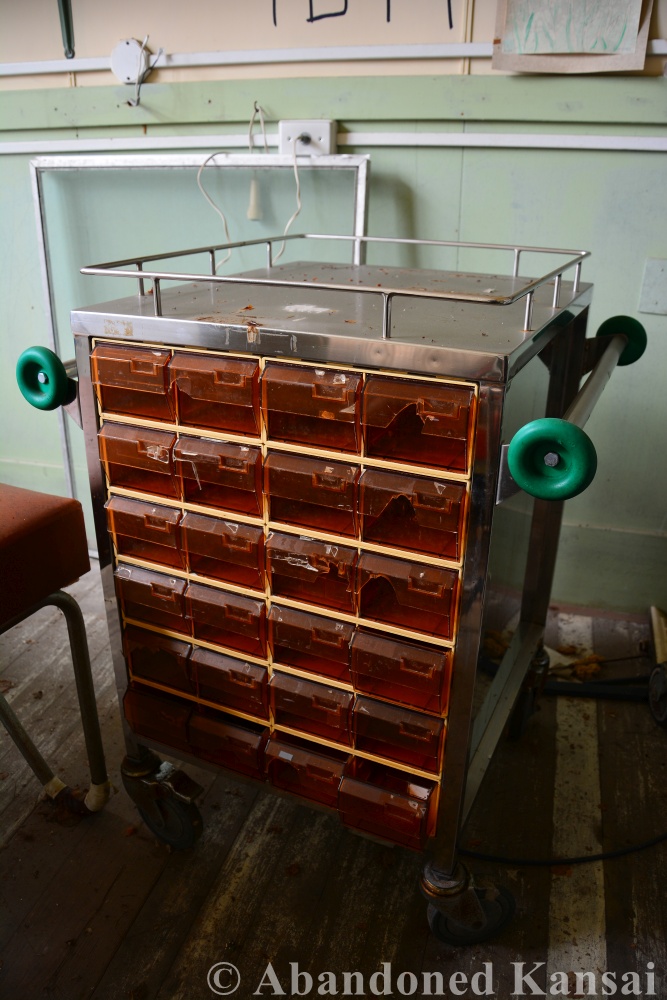
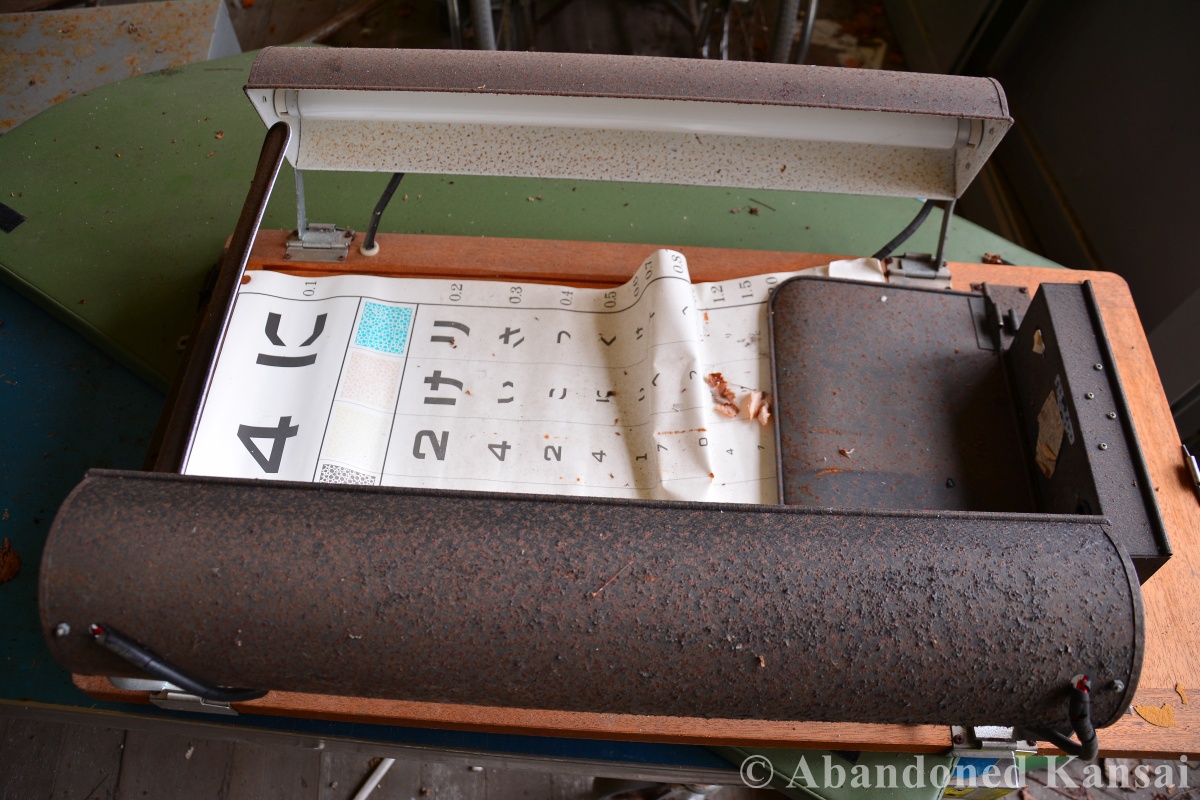
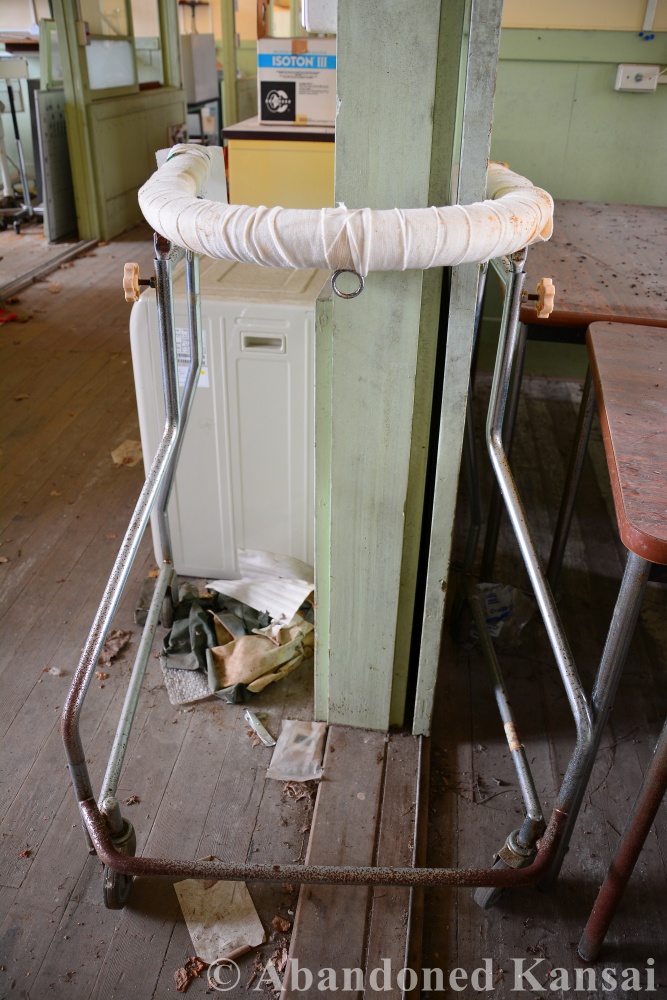
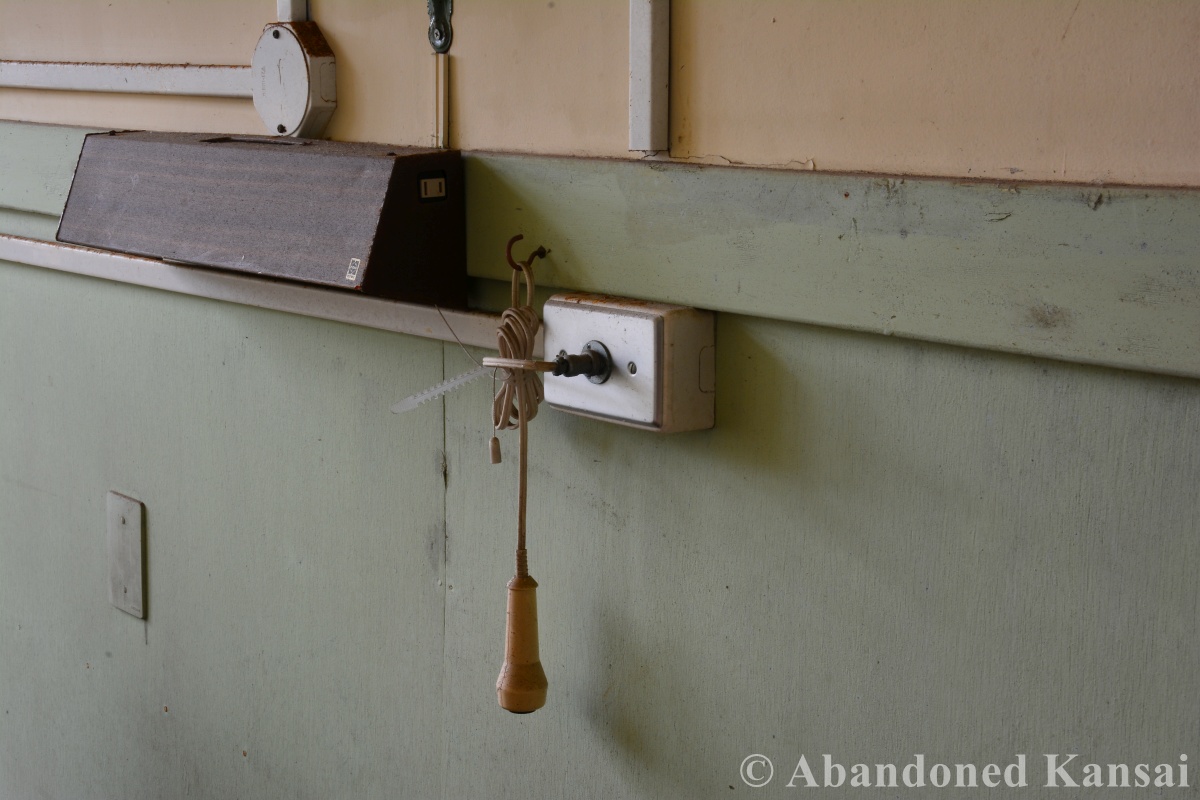
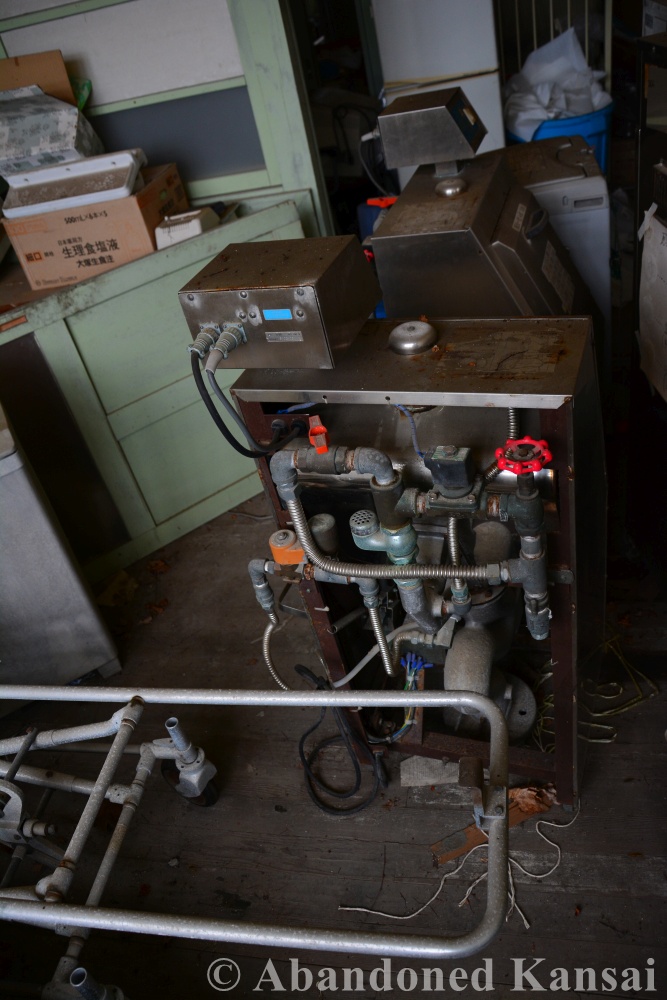
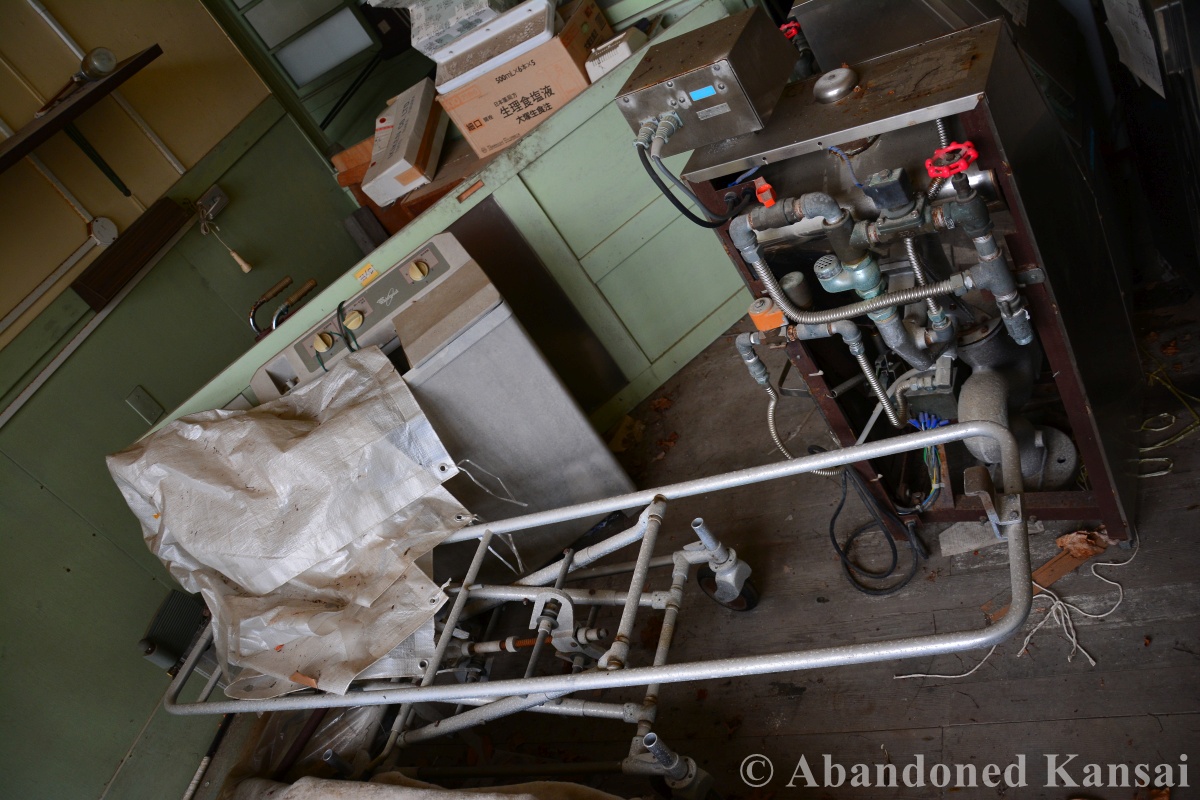
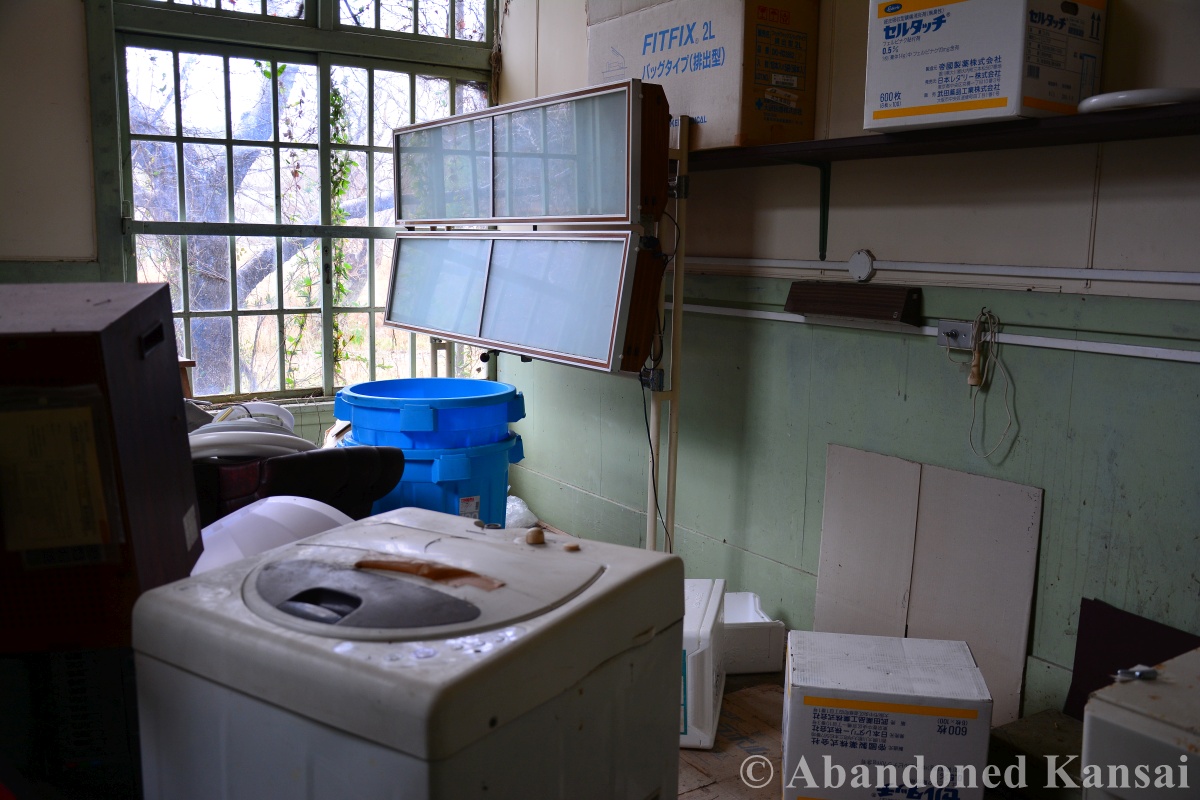
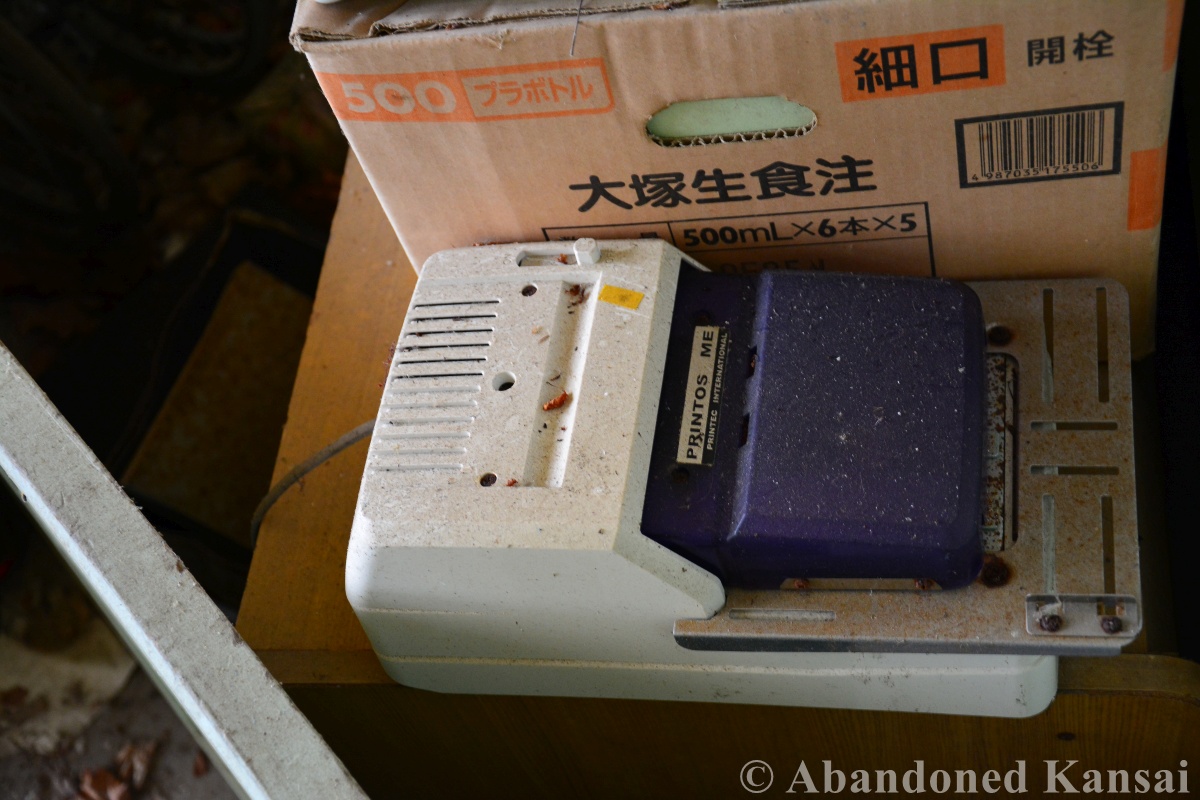
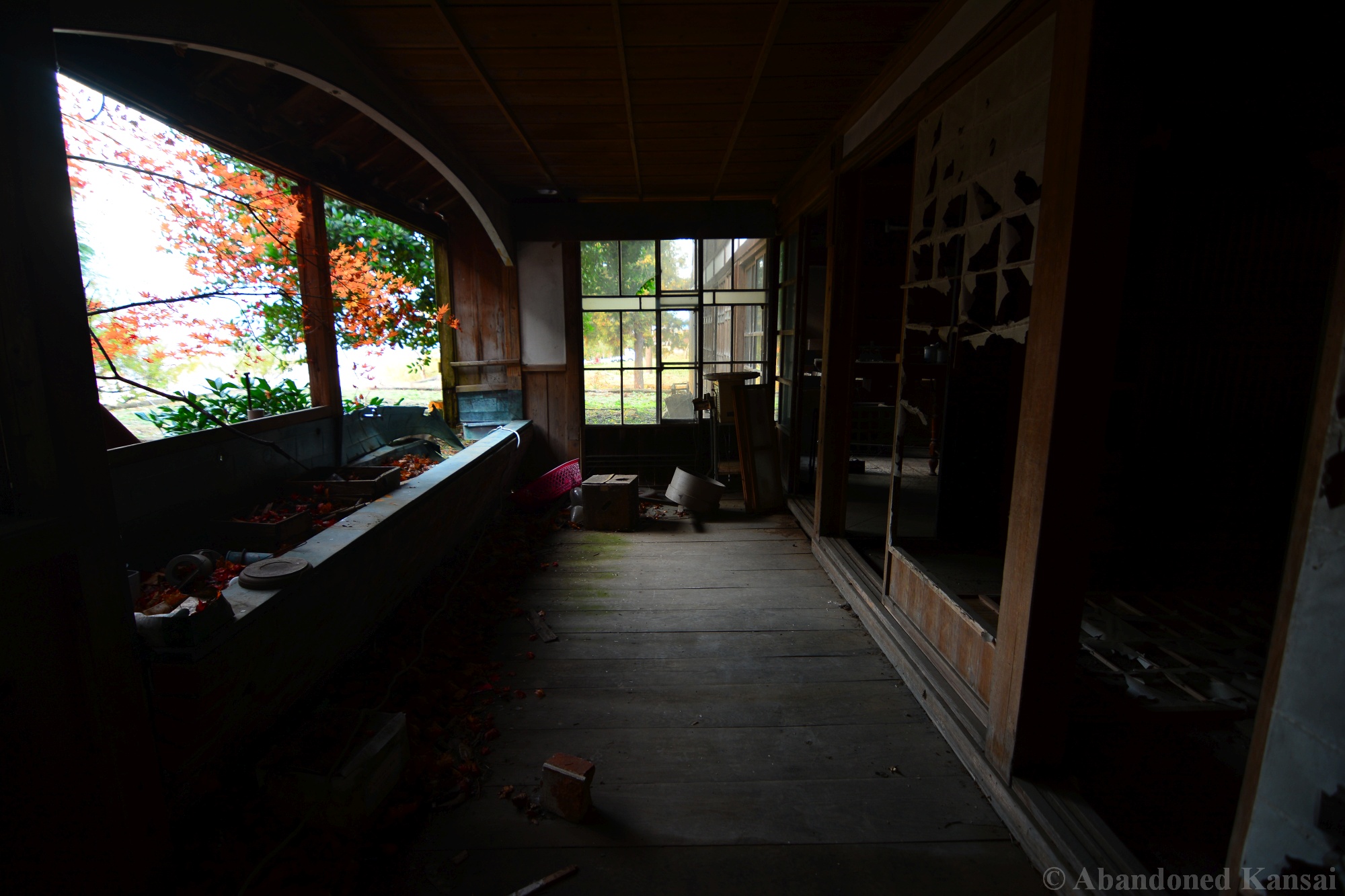
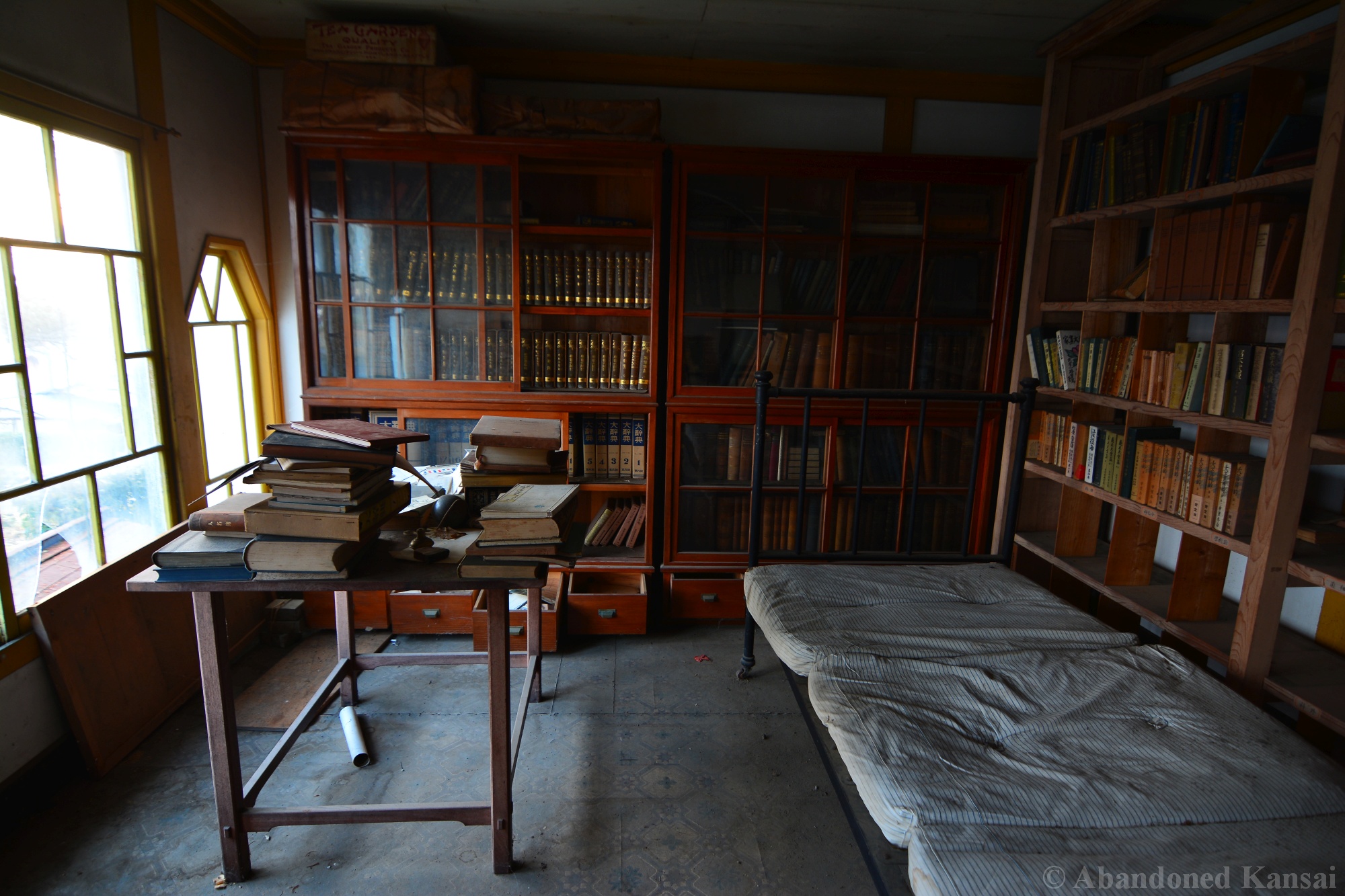
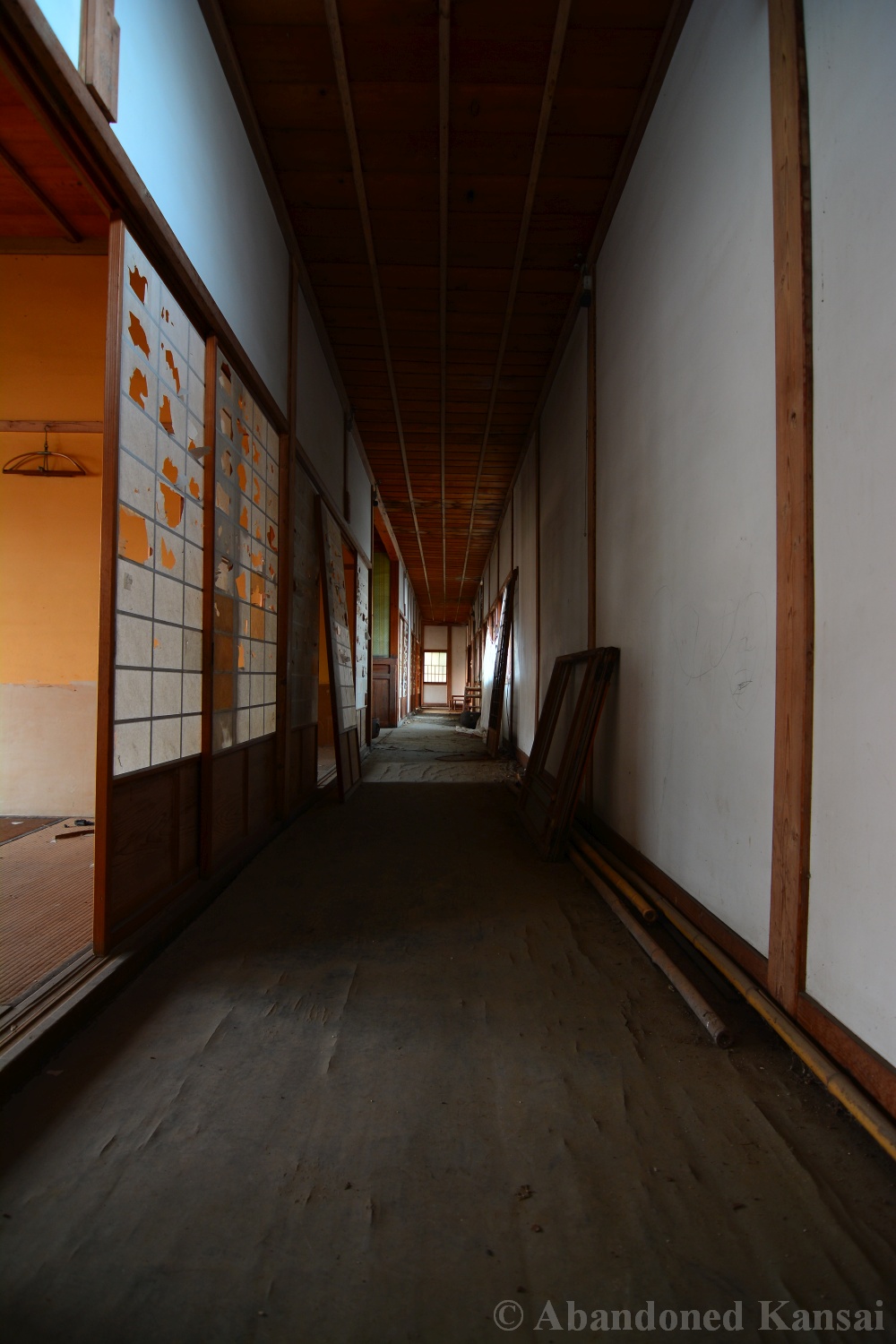
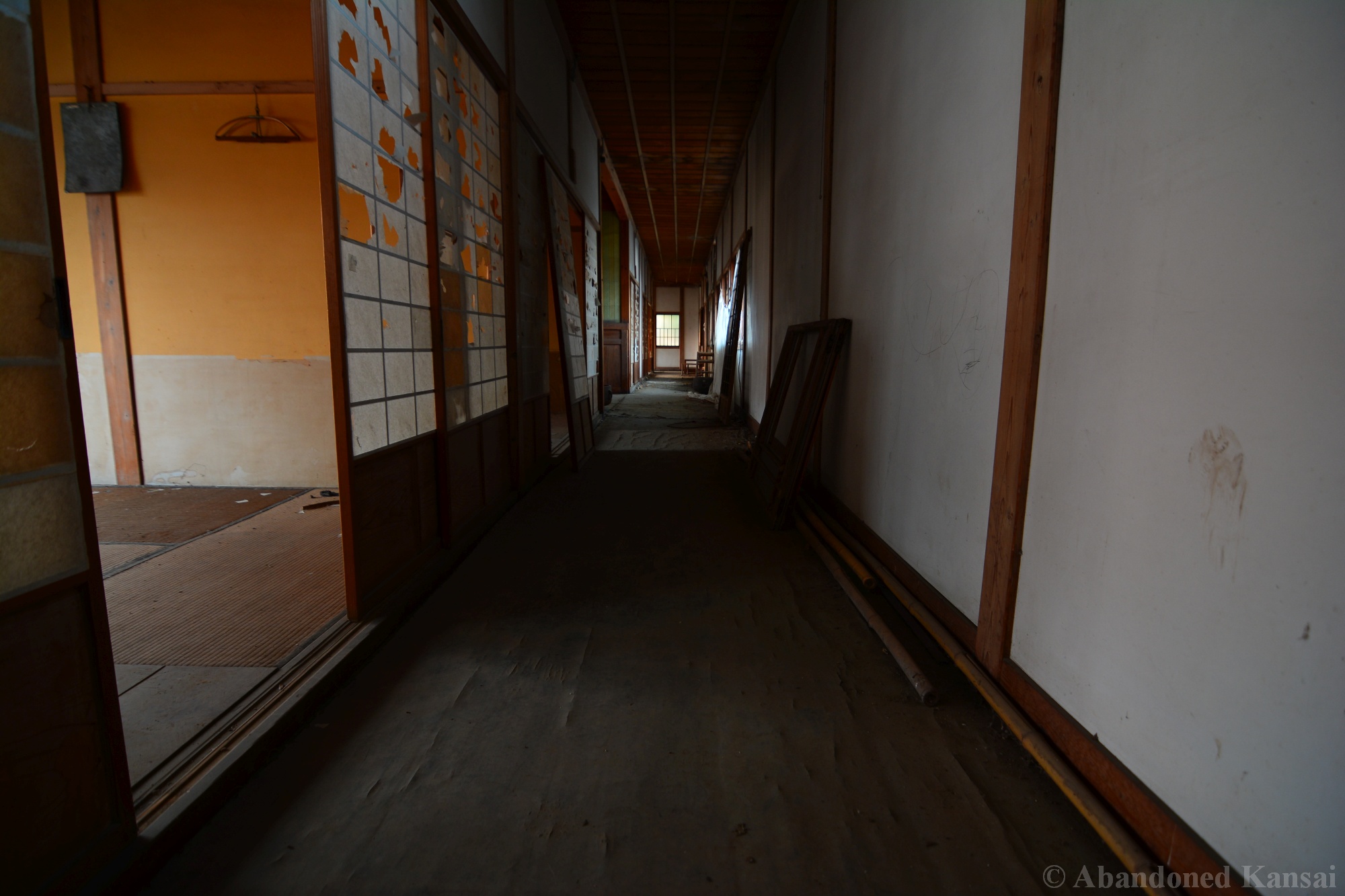
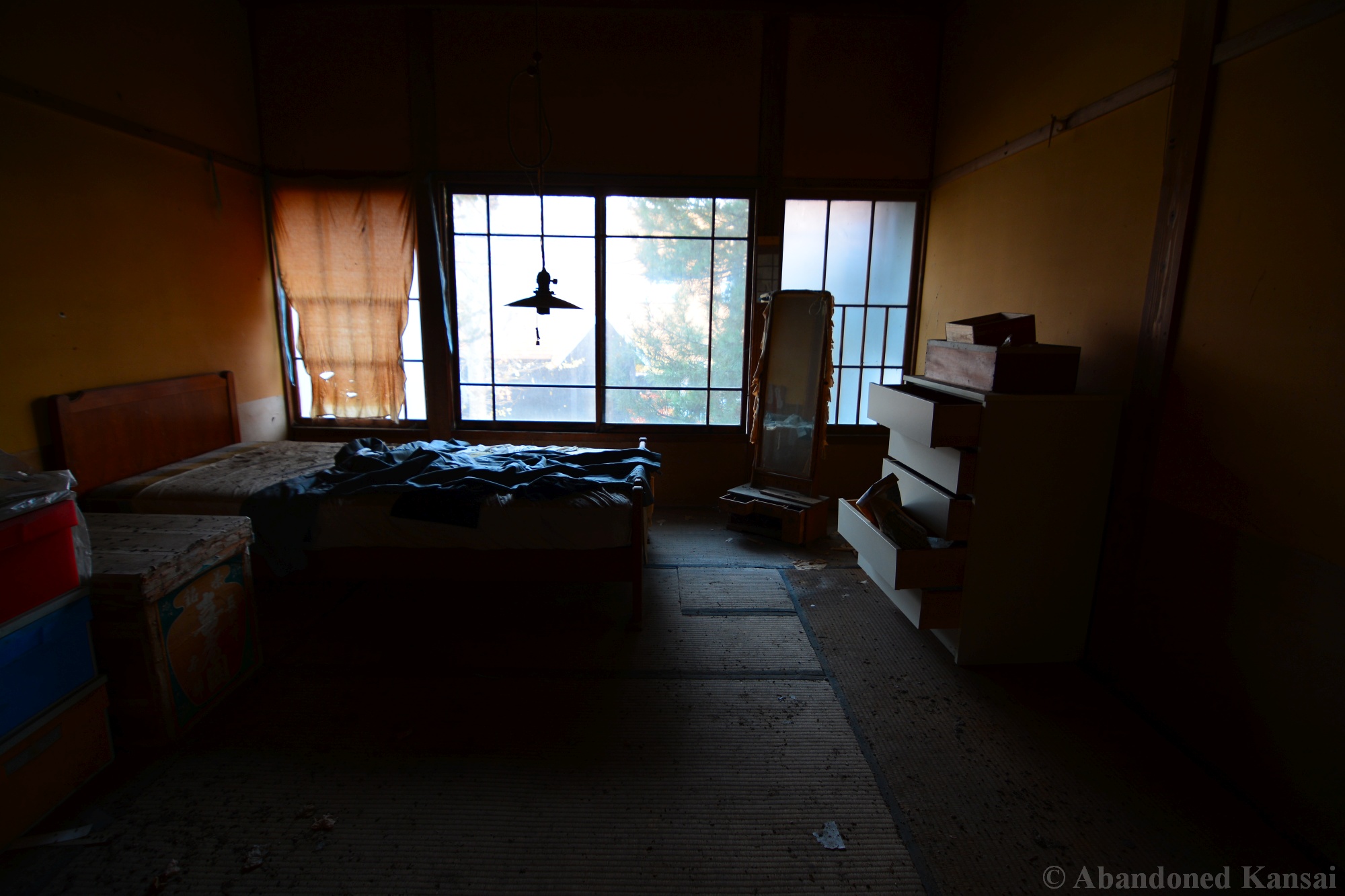
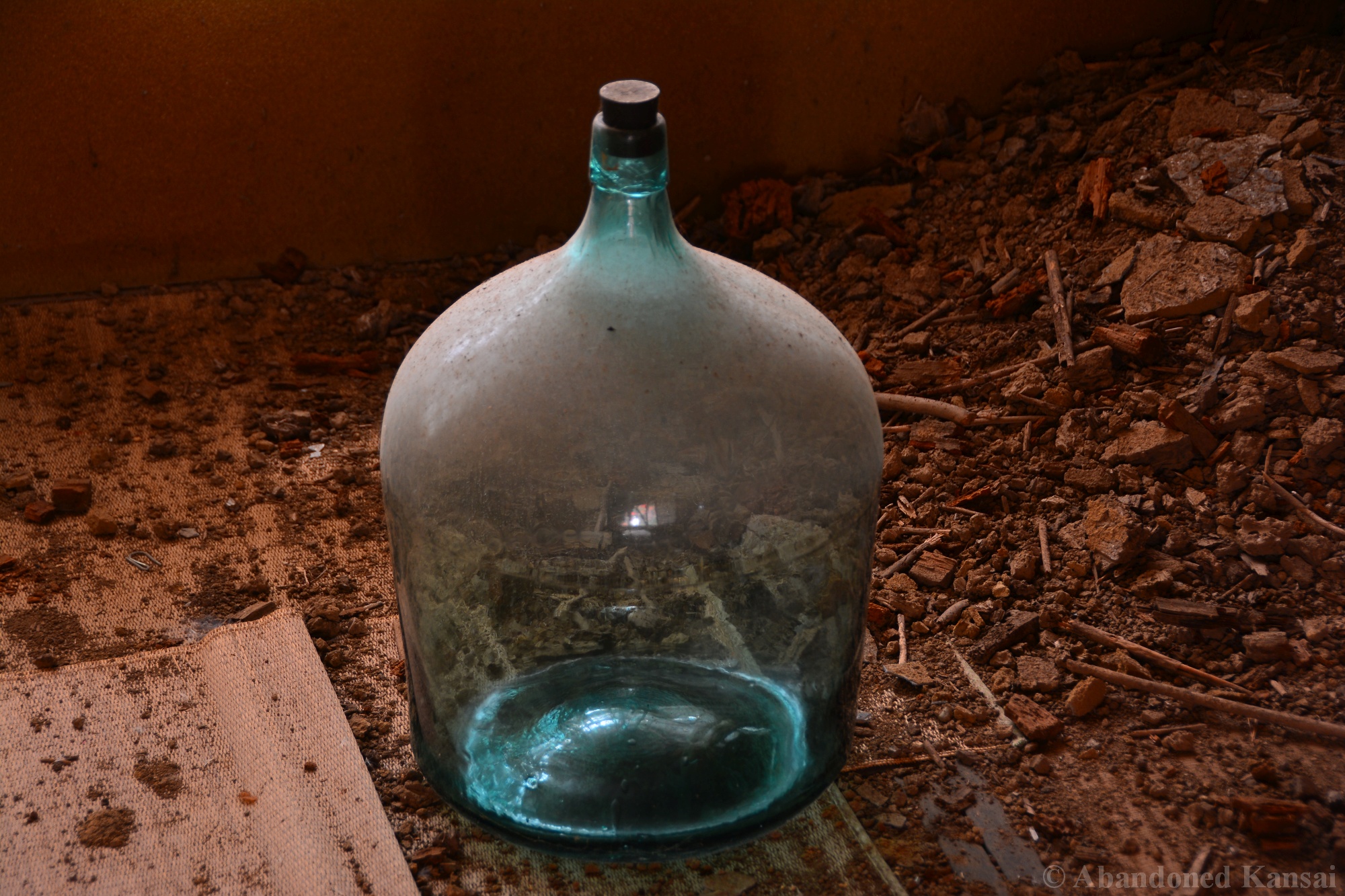
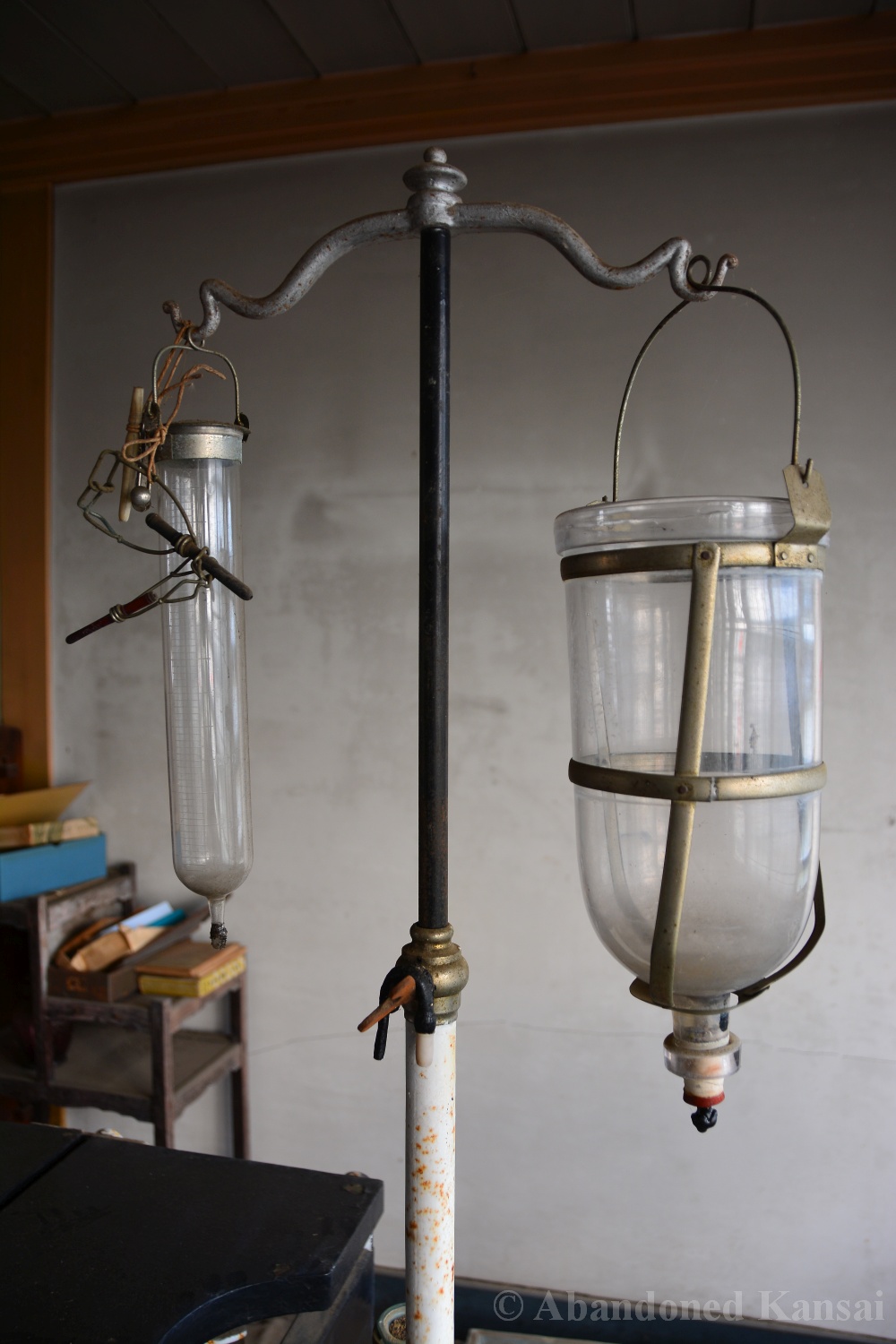
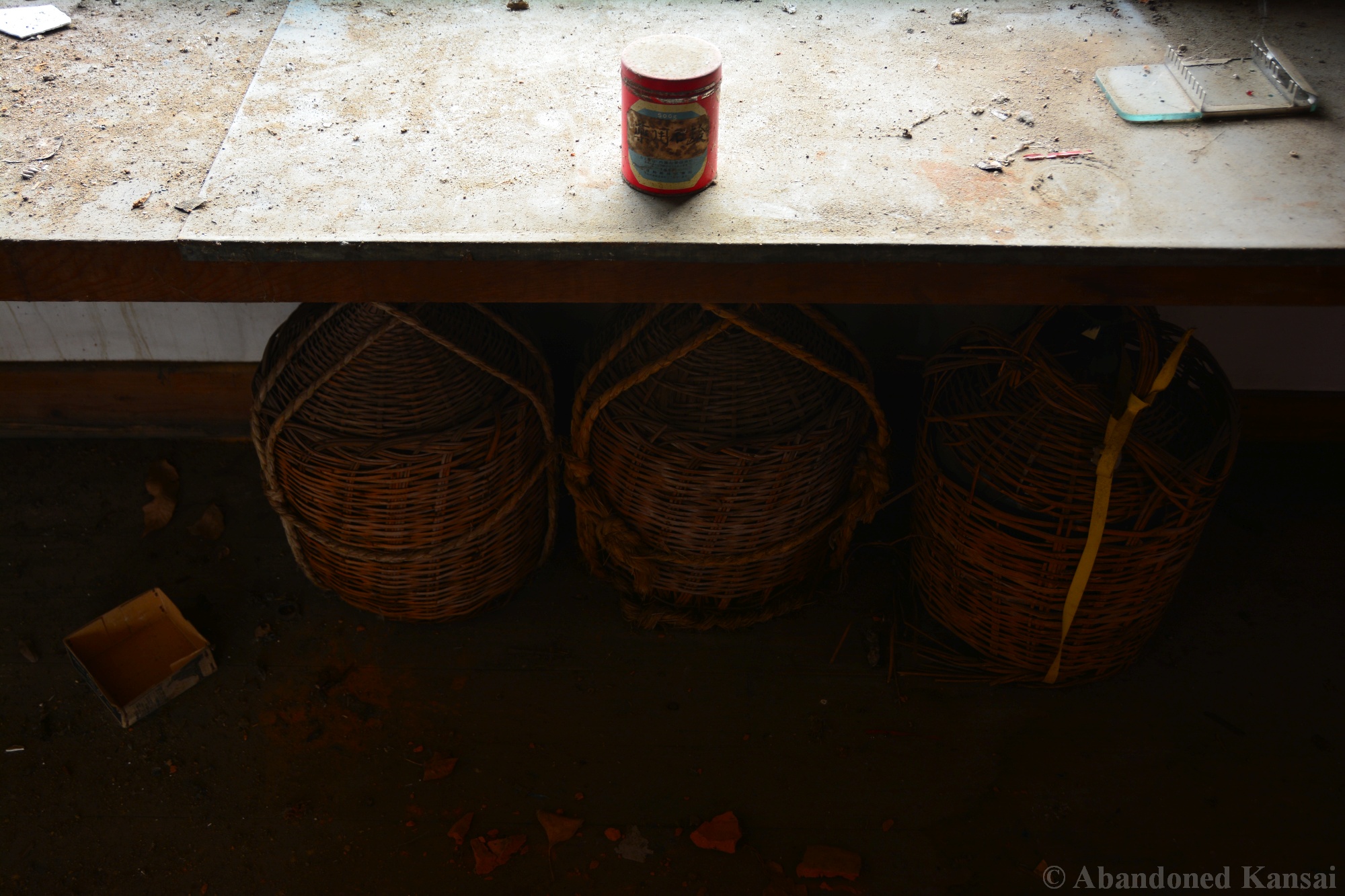
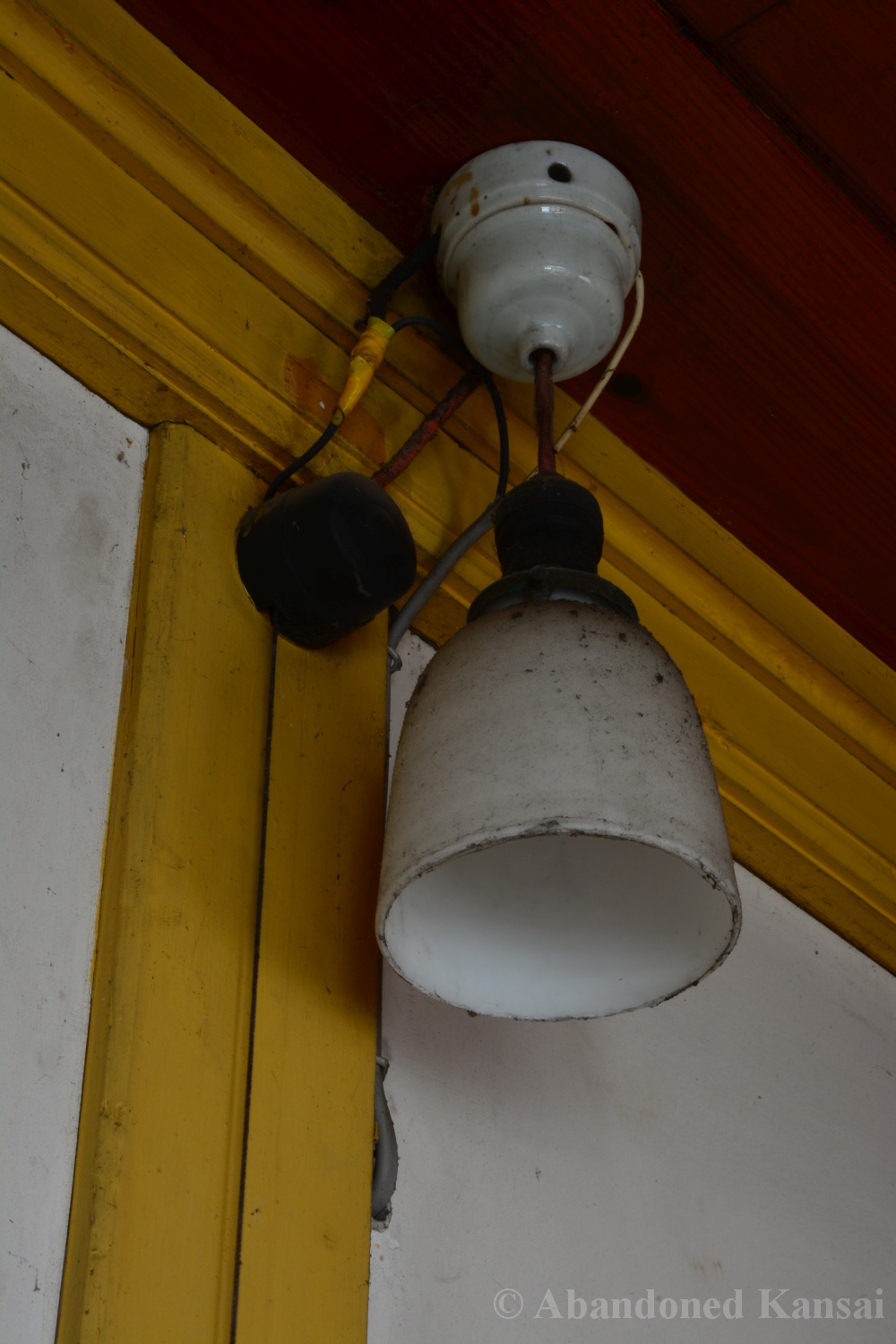
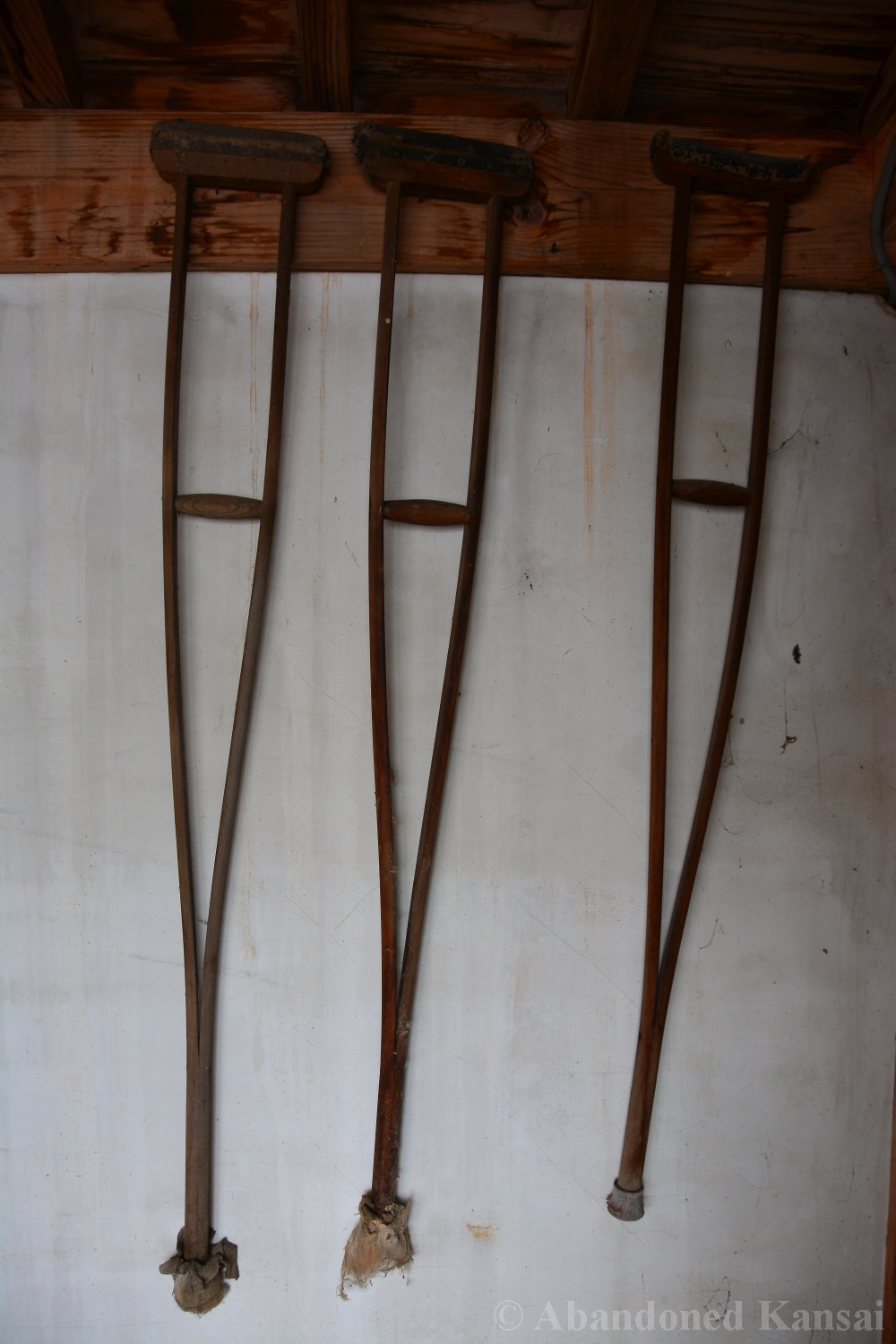
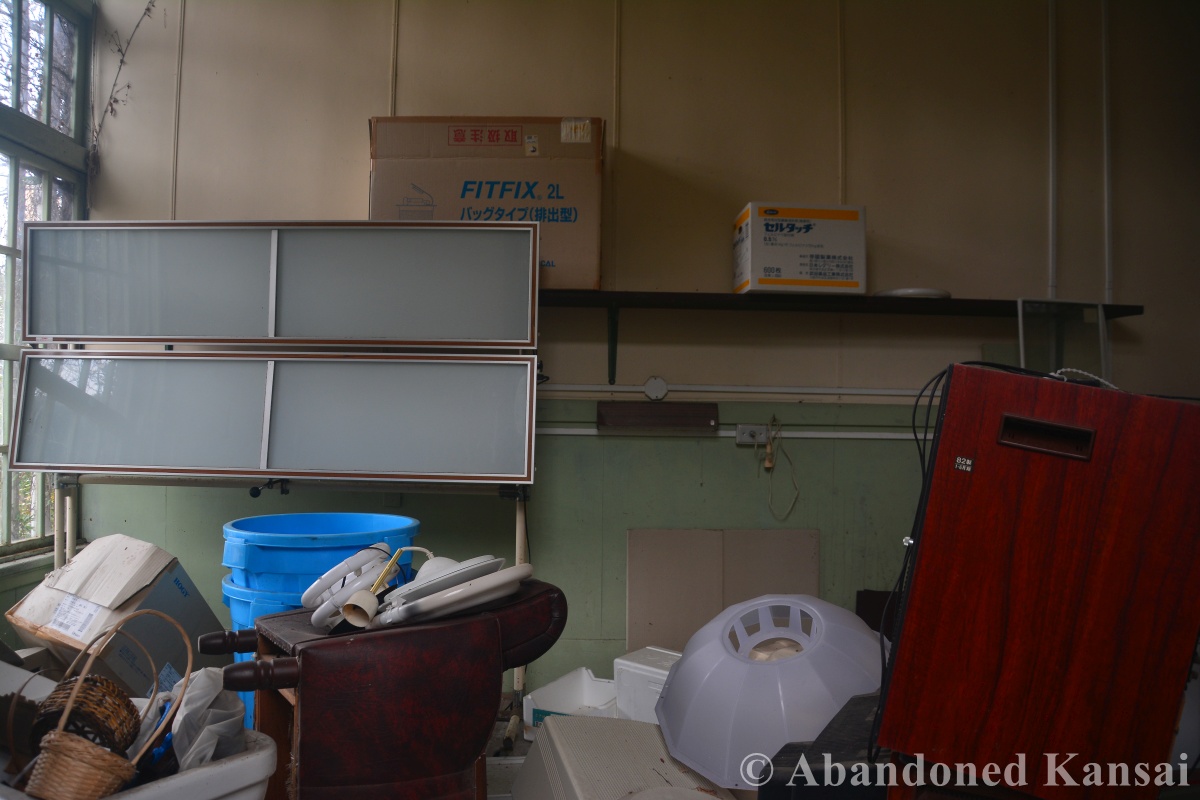
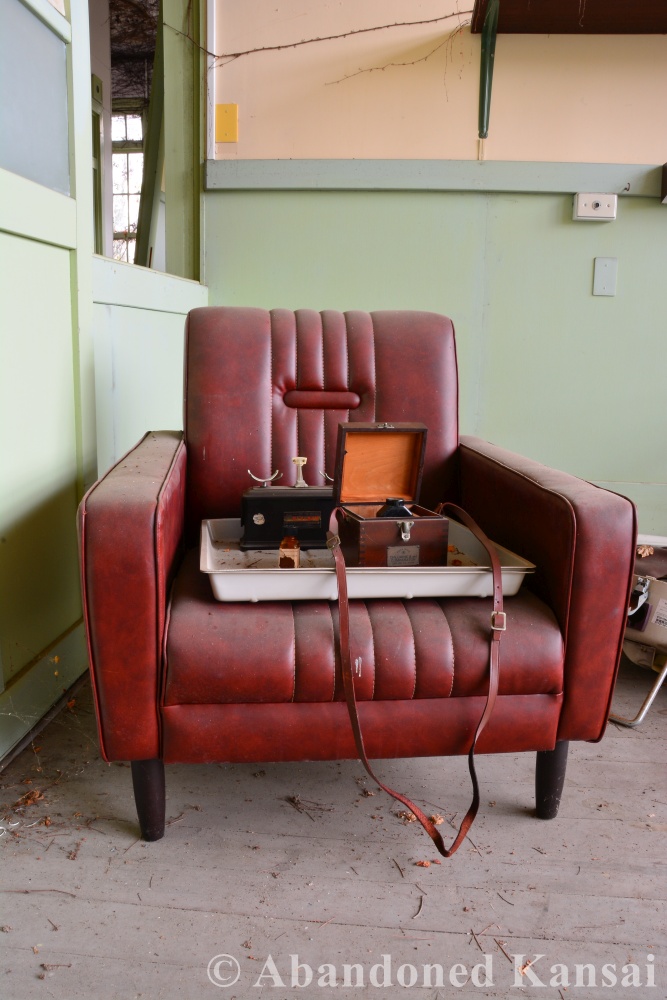
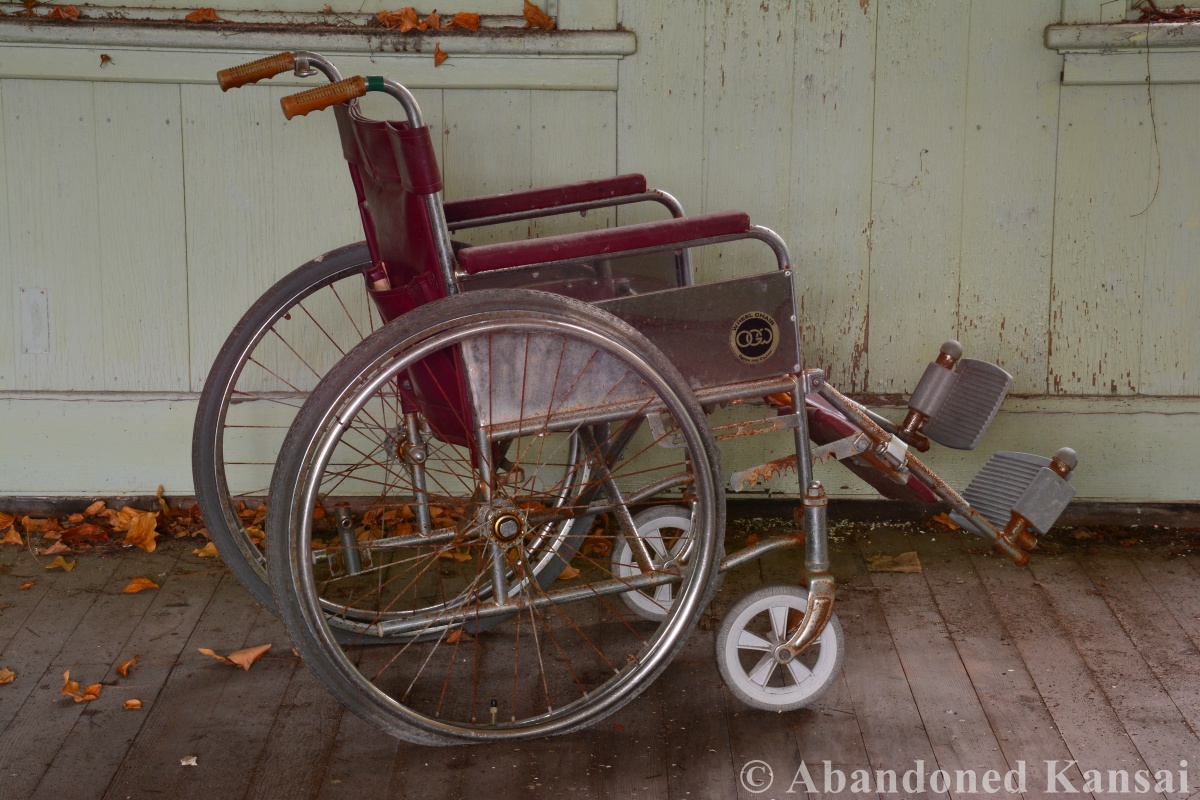
As beautiful as the semi-overgrown wooden structure was from the outside, the interior matched it – despite being rather cluttered, but not really vandalized. It clearly was an abandoned building used as a storage for medical devices and files no longer needed. Room after room there were items to discover and photos to capture – especially since I hadn’t seen any interior pictures before, so I had no idea what to expect. Old equipment, new equipment (some with screens!), and tons of stuff I had no clue what they were used for. After looking at the photos again, I have to admit that the exploration would have been much less exciting if I would have seen the same stuff in a regular abandoned warehouse – but we weren’t in an abandoned warehouse, we were in an abandoned 85 year old military hospital not a lot of people knew about! Upon leaving we made sure to lock the door again – the hole was later covered as I found out in 2023, when I was in the area again to have a look at the semi abandoned modern part of the hospital. Because back in 2015 we ran out of time and had to rush to the *Irozaki Jungle Park*, which was a unique exploration by itself.

(*Like Abandoned Kansai on Facebook* or *follow us on Twitter* if you don’t want to miss the latest articles and exclusive content – and subscribe to the *video channel on Youtube* to receive a message right after a new video is online…)

Read Full Post »
I’ve been urbexing for almost 15 years. During that time I’ve never written any articles about equipment, despite being very happy with three different Nikon DSLRs, two Manfrotto tripods, and a Sanyo video camera – which broke in 2019 after almost 15 years of recording countless hours at hundreds of locations as well as places like Chernobyl and North Korea. Videos I always considered a bonus anyway… and I’m still having a hard time thinking of myself as a photographer, given that I have no formal education in that field and only do it as a hobby. A really time-consuming hobby, but nevertheless just a hobby. I also don’t have a background in technology, so what’s the point of reviewing camera equipment when I just have an opinion based on learning by doing? Well, that doesn’t keep countless “influencers” and Youtubers from churning out incompetent nonsense, but I wouldn’t want to be found dead with either label on me! And like my favorite professor at university once said in regards to papers we had to hand in: “Don’t claim anything you can’t proof!”

Fortunately there is no need to be technical or scientific about this Insta360 X4 article, because unfortunately we never got that far…
Like I said, I always considered video walkthroughs of the locations I explore a bonus. I started them pretty much right away, but at first I didn’t even publish them, because I only took them for myself. And even when I published them, I didn’t edit them. No cuts, no voice overs. Just me walking around breathing heavily into the silence. That all came to a sudden halt when my Sanyo stopped working after exploring the abandoned *Trump Hotel*, also wiping out the recordings of the whole day. At that point I was tired of doing the videos anyway – and my co-explorers were increasingly annoyed, because I added 10 to 30 minutes at the end of every exploration for the walkthrough. So I stopped doing them.
For the past 18 months I’ve been exploring solo again (don’t ask, it’s complicated and often quite frustrating, to be honest), but a few weeks ago a colleague of mine showed me an older model Insta360 video camera that a visiting cousin from the States forgot at his place in Japan. I was fascinated by the easy to use 360 photos and videos, so I did some research and decided to get one. I’ve read reviews, I’ve read product pages – I did my best to make an informed decision, because at first I considered buying the X2 or X3 as older models often are cheaper with only slightly fewer / worse features. The X2 was out of the race when I read in a review that it required a smartphone to be activated – something I didn’t read anywhere about the X3 and X4. I guess because it’s an idea that is so stupid that it probably was a one-time mistake by Insta360, facing so much backlash that they removed the requirement from following models. The price difference between the X3 and X4 wasn’t very big and since the latter was only four weeks old at the time, the price on Amazon and in brick and mortar stores was the same, so I decided to get it at my local Yodobashi Camera (street block sized electronics stores with hundreds of employees each, in case you are not familiar with the chain), where I’ve been a customer for almost 18 years – ever since I moved to Japan.
BIG MISTAKE!

Yodobashi Camera was extremely stingy, giving only 1% points on the video camera, despite a promotional campaign of giving 13% points for purchases over amount X – except for (small print)… But when you shell out 80k Yen on a new video camera you are looking forward to use, store points are the last thing you worry about anyway. Fortunately I still had some of those points, which I used to get a seriously overpriced MicroSD card, because without it the video camera would be useless and I wanted to try it out on the weekend before an upcoming urbex trip. 83500 Yen poorer, but with a big smile on my face I left Yodobashi Camera on a Friday evening after an otherwise pretty horrible week.

Saturday was supposed to be a great day, though it started with a rude awakening / realization…
After sleeping in and having a delicious breakfast, I enjoyed a nice unboxing. The first slight disappointment was when I realized that the included battery was dead. Well, not dead dead, but completely empty. Whatever, an hour or two wouldn’t make a difference. It would not dent my great mood for sure. That came a few hours later when the battery was fully charged. I booted the small brick for the first time, its screen came to life, asking me to choose a language – and then the screen showed what the camera was seeing… for about a second or so. Then some text popped up and my heart sank. You gotta be kidding me! What I was looking at was a screen telling me to download an app by Insta360 to a smartphone, iOS or Android, to unlock the video camera. What. The. Heck? I literally felt it in my fingers how my blood-pressure exploded, because unlike pretty much every person on the planet above the age of 6 years I don’t own a smartphone. Never have. In the late 90s I had a black and white Nokia for work (yes, I’m not the youngest anymore, though I started working full-time in my early 20s). When I moved to Japan I had a flip phone or two, but for the past 15 years or so I didn’t have any mobile phone at all, smart or not, because I don’t like them as they turn way too many people into dumb zombies. So here I had a brand-new, quite expensive video camera… that forced me to make it usable by using another device with cameras? Who comes up with stupid ideas like that?!
Certainly not Nikon! Their D7500 DSLR I bought just weeks prior worked with a partly charged battery and regular SD cards straight out of the box 5 minutes after purchase – without any charging or unlocking BS!
So I started to do some research… and didn’t find much. Like I said, I couldn’t care less about smartphones, apps and all that stuff, so I tried to find a solution to unlock the darn X4 via PC or MicroSD card. Of course I couldn’t find anything about that either, so I contacted Insta360 directly – who apparently didn’t read my message and instead sent me a standard reply. So I got back to them, apologized for not describing my problem properly (I’ve been in Japan too long…), and this time got an answer that at least implied that they understood the situation I was in – without being able to help, because though it seems to be nowhere stated on the box, the promo material or even on the X4 website (at least back in mid / late May, maybe they changed it by now)… you really need a smartphone and the Insta360 app to use a newly bought X4 video camera, that seems to work perfectly fine, but is made not usable on purpose by the manufacturer. Which absolutely blows my mind!
How is that even legal?
How can a company force you to use a completely unrelated piece of expensive technology that actually partly does the job of the product you just bought, to make your purchase usable? Without mentioning that essential detail with big warnings before purchase! And in addition, forces you to use an app, which does who knows what in the background without one knowing?
What’s next? You need an electric bike with WiFi to unlock your newly bought car? And if you don’t… sucks to be you, it’s completely useless!

Yodobashi Camera – (The Lack Of) Customer Service In Japan!
After some back and forth it was Monday and I came to the conclusion that I won’t be able to use the Insta360 X4, because it really needs a smartphone to unlock, which wasn’t properly communicated. So after work I went back to Yodobashi Camera, my go-to electronics store for the past almost 18 years. Never had a problem with them, because all the products I bought worked as intended right out of the box. So I went back to the cashier counter where I bought the video camera… and already ran into the first minor bump in the road – apparently I hadn’t paid for it in the camera department, but a neighboring one, which wasn’t a problem on Friday evening, but very well on Monday evening. So I went 20 meters over to the camera department and told them about my unfortunate situation: That I had bought this video camera three days prior, but couldn’t use it, because it doesn’t work without a smartphone, which wasn’t properly communicated by Insta360 or Yodobashi Camera. But I was very careful with everything, I didn’t even remove the protective film from either of the lenses. Some air through the teeth sucking, some going back behind the counter to talk to a superior and then something like the following conversation – it’s in quotation marks, but they are not really quotes, you know… just something like that, from memory:
“I can’t sell this anymore, you opened the box. You can’t return it.”
“But I can’t use the video camera.”
“I can’t sell this anymore, you opened the box. You can’t return it.”
“I don’t have a smartphone. The X4 is useless to me.”
“I can’t sell this anymore, you opened the box. You can’t return it.”
“I did proper research and I only found out about this after I opened the box and tried to use the X4.”
“I can’t sell this anymore, you opened the box. You can’t return it.”
“I bought a D7500 last month, it worked out of the box…”
“I can’t sell this anymore, you opened the box. You can’t return it.”
“Then take it back and ask Insta360 to exchange the X4 – you have dozens of them here, you probably have to return one once in a while anyway.”
“I can’t sell this anymore, you opened the box. You can’t return it.”
“Are you serious? I’ve been a customer here for almost 18 years, spent millions at your store and other ones in the building that has your name. Never had a problem – and the first time I have, you are stonewalling me?”
“I can’t sell this anymore, you opened the box. You can’t return it.”
“Really?”
“I can’t sell this anymore, you opened the box. You can’t return it.”

At this point I gave up and exchanged a few more e-mails with Insta360 (“You should try to return the X4 where you bought it!” No kidding…), but their responses quickly became as useless and repetitive as the one of the guy at Yodobashi Camera – who is just a small cog in a big machine, so I don’t blame him; he’s punished enough with the lighting in the store and the uniform he has to wear all day.
So here we are, after me falling for the usual misconception about (customer) service in Japan, because I rarely ever had a real problem anywhere. It’s great as long as everything is within procedures – if somebody has planned for it, it most likely will go smoothly. Service is great. When service becomes customer service though, i.e. an individual customer needs help that requires improvisation outside of the planned service… you’re basically on your own. The only thing flexible in Japan is bamboo.

Nevertheless I still have moments when I wonder: AITAH?
I’m a huge believer in personal responsibility. If I make a mistake, I stand by it. I find behavior like ordering 20 items of clothes in different sizes and colors with the intention of sending 18 of them back despicable. In fact I’ve never sent anything back that I’ve ordered online, except for two USB-HDDs – and only because they didn’t work. I don’t do fast fashion, I don’t buy garbage from questionable sites like Shein oder Temu, I don’t replace electronics unless they are broken. (RIP, Nikon D7100!) I did due diligence before buying the Insta360 X4 and to this day everything in that (opened…) box is in mint condition. If I would have known about the smartphone requirement, I wouldn’t have bought the X4. It’s the reason why I didn’t buy the X2.
This is actually only the second time that I tell this story to anybody, because part of me is a bit ashamed that this series of unfortunate events happened – despite all the research before buying. But spending more than 80k on a useless brick of tech isn’t exactly something to be proud of. I don’t regret much in my life, but buying the Insta360 X4 I regret. And buying it at Yodobashi Camera is something I regret, too. Maybe Amazon would have been more accommodating with returns…
But I guess it is what it is – only money in the end. And no videos for Abandoned Kansai in the future. Heck, even if I would get the currently useless X4 to work, I would always be reminded of this story. Screw video cameras! Never was a fan, now I dislike them almost as much as smartphones. Which kind of closes the circle. But I’ll make sure to never ever even consider buying anything from Insta360 again – I still don’t understand how it’s even legal that they can do this. What’s next to unlock their cameras? Having to send them a voice message, swearing loyalty to Winnie the Xi(thead)? Apparently they can do anything without people questioning it…
I went back to Yodobashi Camera once more though, two days ago. I spent the remaining shop points I had on presents for my nephews without having to pay a single sen – my goal was it to hit +/- 20 points/Yen, but going to exactly 0 was priceless – and so I left the Yodobashi Camera building one last time with a big smile on my face. Upon arriving back home I cut up my loyalty card after almost 18 years. It probably doesn’t mean much to a large store chain like that. But it meant a lot to me!

Thank you for reading till the end and… What has your worst experience with Japanese (customer) service been? Write it in the comments!

(*Like Abandoned Kansai on Facebook* or *follow us on Twitter* if you don’t want to miss the latest articles and exclusive content – and subscribe to the *video channel on Youtube* to receive a message right after a new video is online…)

Read Full Post »
The Ruins of the Tokyo Olympics 2020 / 2021… will come soon, no doubt about it. Unless they cancel the event on very, very short notice. But for now we’ll deal with The Ruins of the Nagano Olympics 1998 – of which there are surprisingly few as most venues are still in use.
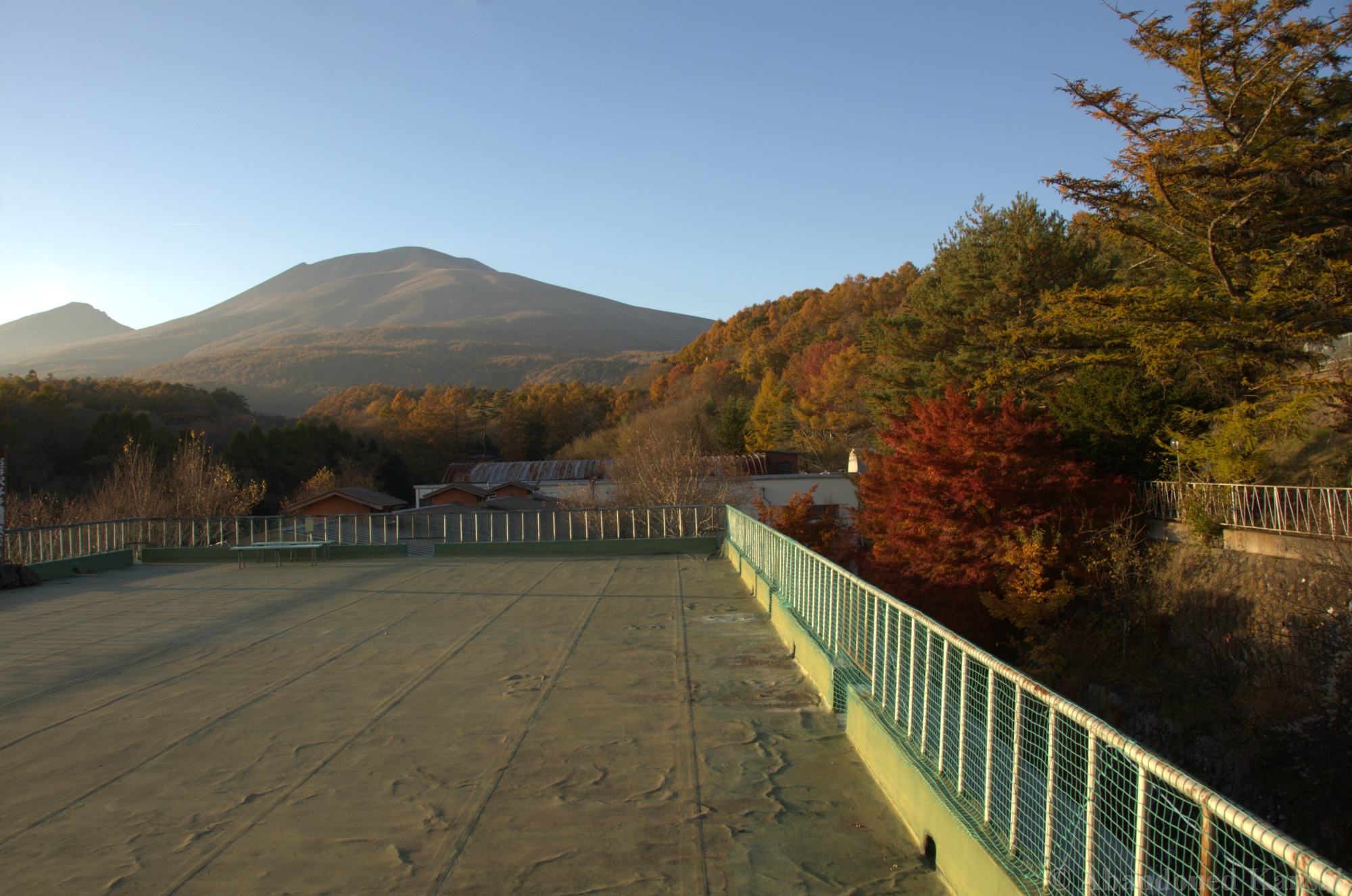
The first abandoned place connected to the Nagano Olympics that I am aware of is an abandoned hotel, used to accommodate the curling teams as their event was held at the Kazakoshi Park Arena in Karuizawa; about 80 kilometers southwest of Nagano and the first town to host events for both the Summer Olympics and the Winter Olympics as the Tokyo Olympics 1964 outsourced the equestrian events to the popular resort area. Unfortunately I wasn’t aware of that fact back then, to me it was just a random abandoned hotel with high security (warning signs for both camera and personnel everywhere!). If I would have known I’d probably have pushed harder to get some better photos, especially since one side of the hotel apparently featured the Olympic Rings. And abandoned Olympic Rings always make for a good photo! Unfortunately I was inexperienced, exploring solo and running out of time… so I guess we’ll all have to live with the results. Still better than the original plan of heading back to the train station directly without making the little detour. 🙂

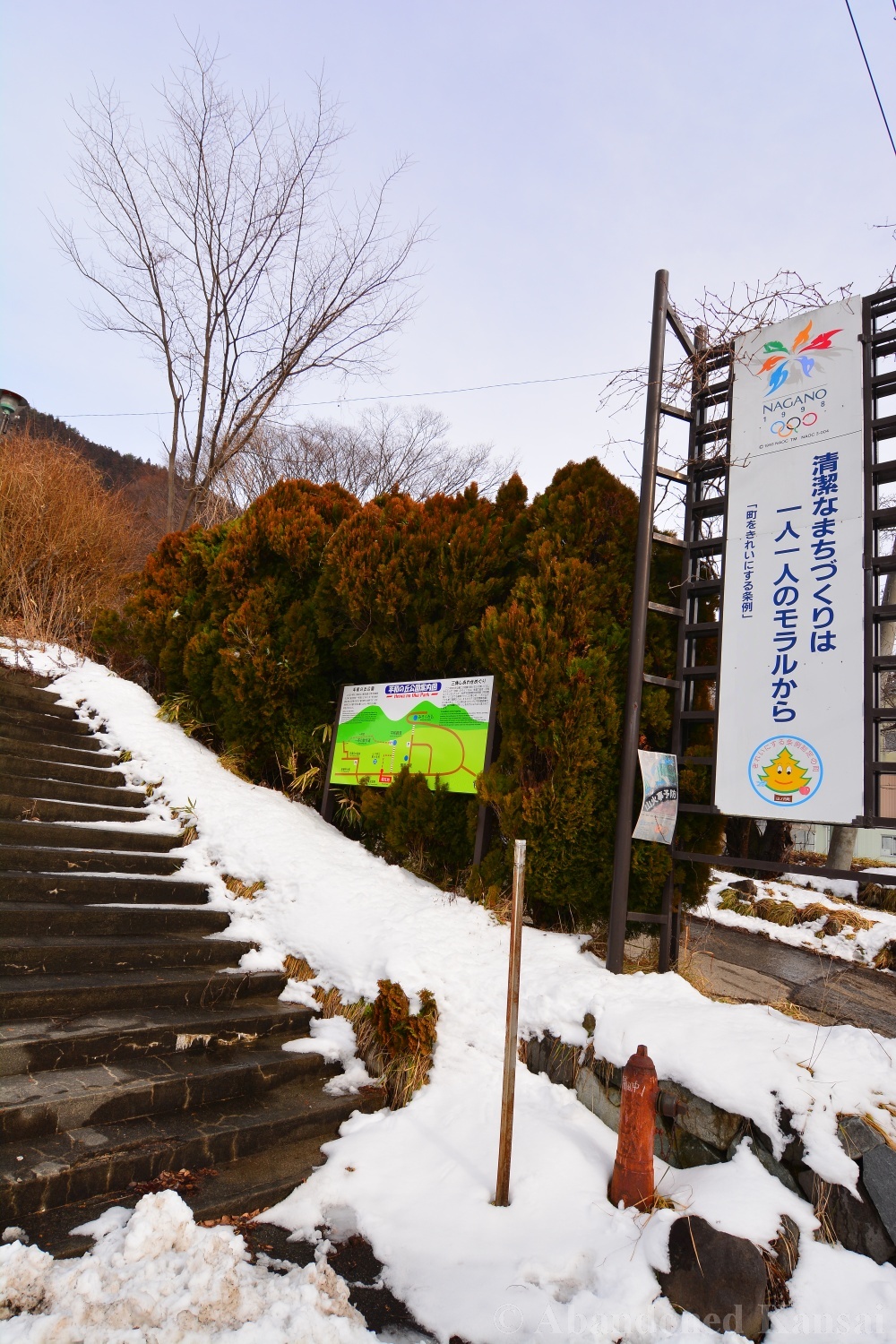
The other abandoned place connected to the Nagano Olympics was a rather small public gymnasium – apparently there were no events there, but it was rather close to two actual venues, so it was most likely used for athletes to exercise and warm up before their competitions. This location I found by chance when I was strolling around town. “Oh, an abandoned looking strange building, let me have a closer look!” The front was closed tightly, but like every good man I appreciate a nice back, so I sniffed around a little bit. One locked door and a couple of blocked ones by large, heavy pieces of furniture to the left – but on the right side I spotted some kind of side entrance. A bit nervous due to some cars coming and leaving at the lot in front of the building I tried to make my way to the most likely locked door across some elevated gravel area when all of a sudden my right leg sank into the ground almost up to my knee. The area I was passing wasn’t solid gravel – it was a pile of melting snow somebody put a thin layer of gravel on top, (almost?) like a friggin trap! As I suffered extremely painful ankle and knee injuries in the past and since there was no guarantee that the side door would allow entrance to the otherwise locked building, I called it a day and was about to leave when I saw a large sign next to some stairs. It featured the Nagano 1998 logo, including the Olympic Rings – not as good as on the building directly, but better than nothing…

Two vastly different locations, explored almost ten years apart. Not the most spectacular ones, but the timing is just right. 🙂 *If you crave more Olympic Ruins, please have a look at my article about the Olympics Ruins of Sapporo 1972.*

(*Like Abandoned Kansai on Facebook* or *follow us on Twitter* if you don’t want to miss the latest articles and exclusive content – and subscribe to the *video channel on Youtube* to receive a message right after a new video is online…)

Read Full Post »
A beautiful pre-war mansion or a large countryside hospital with its own operating room? Well, you deserve both, so here you get both!

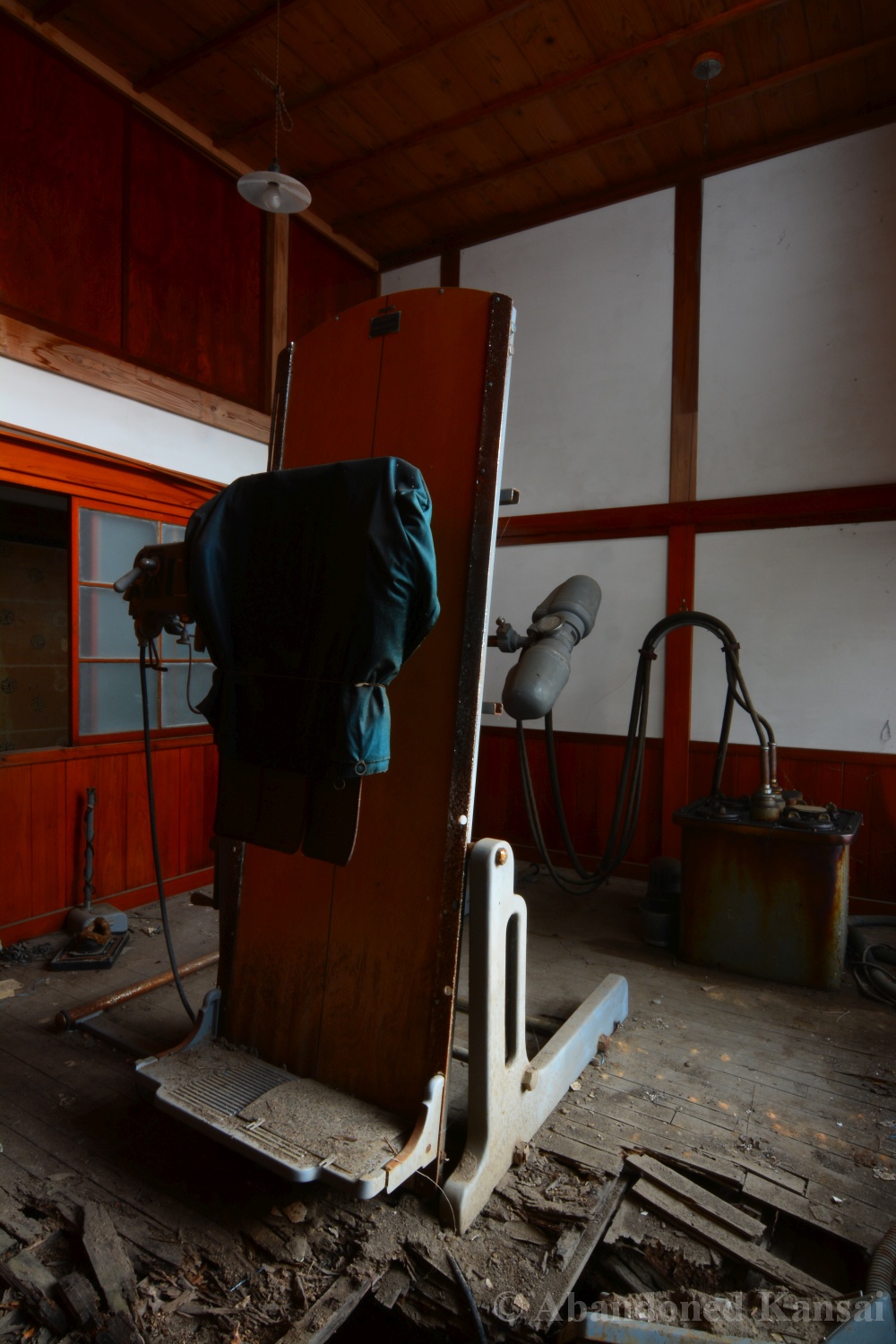
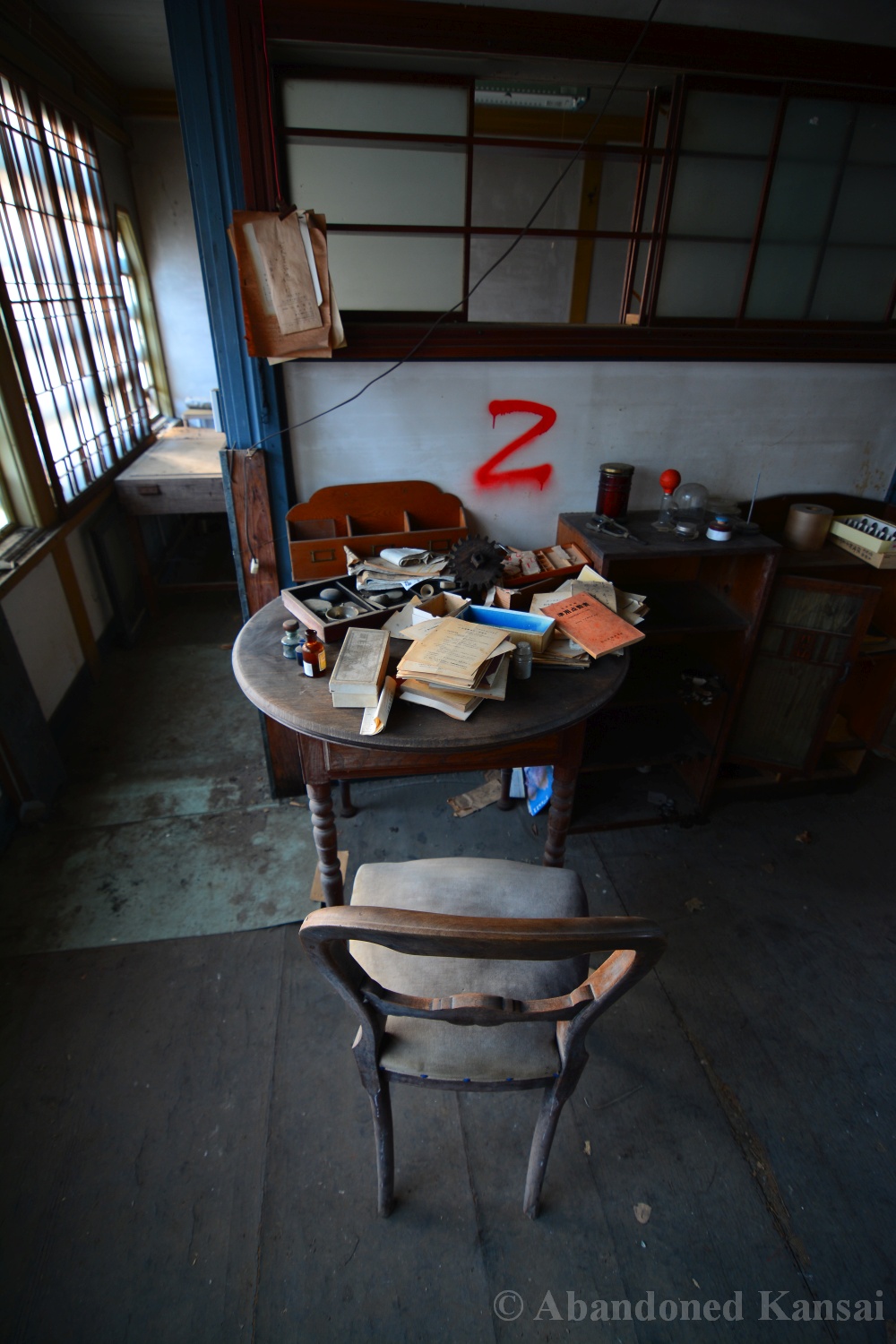
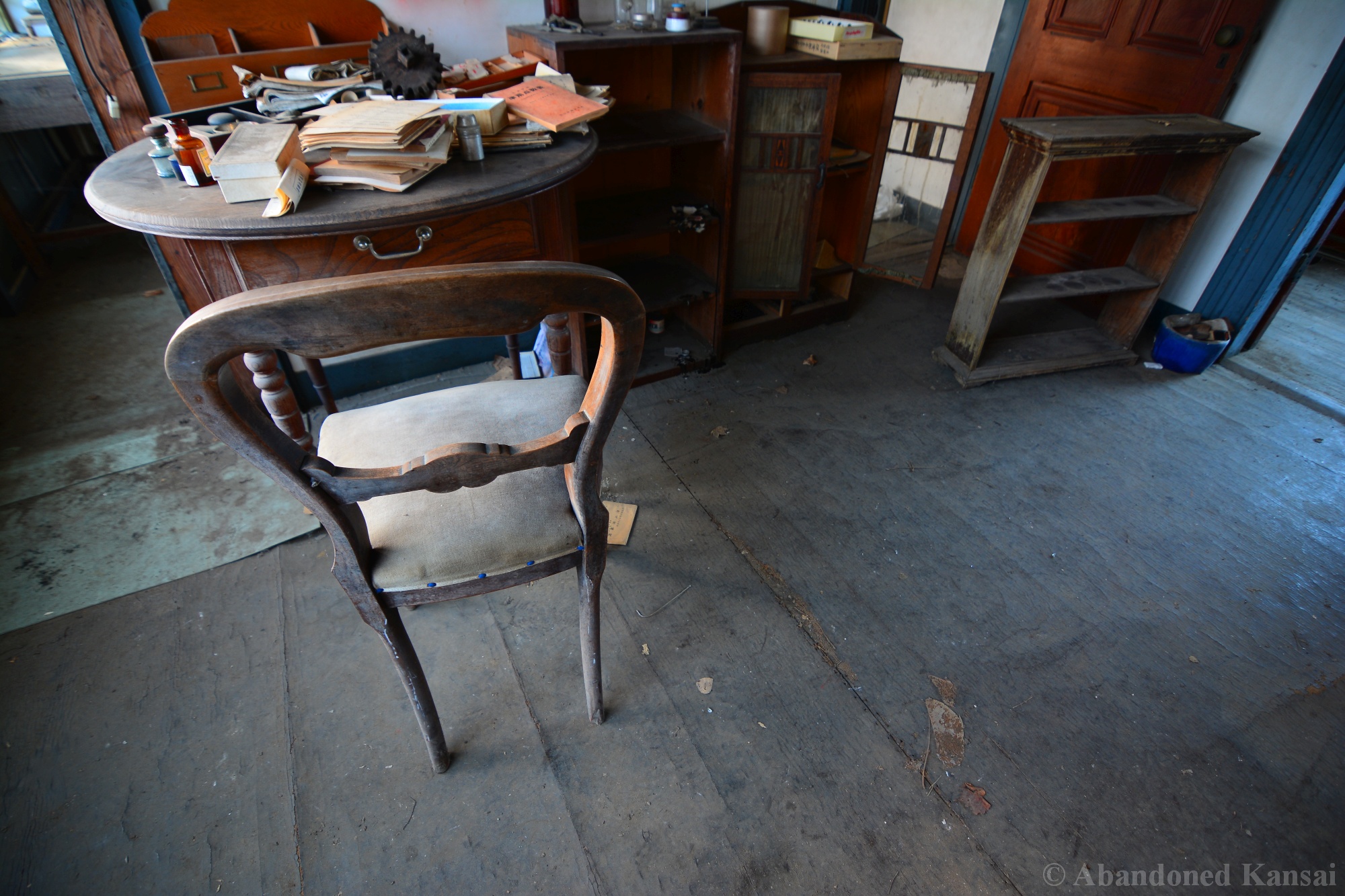
About 10 years ago the Nagano Countryside Clinic was THE abandoned hospital in Japan! It was not as secret as *The Doctor’s Shack*, not as far from Tokyo as *The Tokushima Countryside Clinic* and long abandoned before the *Wakayama Hospital*, all of which are urbex classics in Japan now, too – and yet it featured not only the usual array of bottled chemicals and pre-war medicine books you typically find in countryside doctors’ offices, it also had some early versions of modern equipment, though I wouldn’t be able to tell you what was which as I am not in the medical profession myself; but it looked cool, kinda steampunk-ish, stuff I’d actually use as decoration pieces if I’d had the space or the money for them.
Which brings me to a topic that is more and more annoying to me the bigger my social media channels on *Facebook* and *Twitter* grow (please follow for time-exclusive brand-new material – and don’t forget: sharing is caring!) as it’s not just fellow explorers following each other anymore, but more and more people who don’t really know what urbex is about… or happily ignore what it stands for. They just enjoy the photos and sometimes have a completely different set of values, which is perfectly fine… unless they start to rant about how they would totally take home this and that – or even worse: ask me if I took it and whether I’d sell it to them. Which to me is borderline insulting. “Take nothing but pictures, leave nothing but footprints!”, a motto widely respected amongst explorers worldwide, but especially in Japan; unfortunately less and less apparently, as the number of people trampling through abandoned places with smartphones seems to be on the rise everywhere. Anyway, I am always grateful when the people exploring before me didn’t loot or vandalize, so of course I try to keep everything as I found it – I don’t even like to move things around or to snoop through drawers and boxes. “But when a place is abandoned nobody owns those things anymore and they are just going to waste, so you / I can as well take it!” Uhm, no! Just because a place is rundown and easily accessible doesn’t mean that there is no owner anymore. In Japan the vast majority of abandoned places are actually abandoned, but especially in Europe and the States a ton of “abandoned” places have alarms or even security, so the whole urbex thing is a huge grey area with different legal implications, as I’ve mentioned before – but removing things from a place, especially with the intention to enrich yourself, is a completely different level, both legally and morally! AFAIK in Japan for example even taking bulky waste from the sidewalk is considered theft! If you find money or items with a value of more than 10 euros in Germany you have to try and find the owner (usually by bringing it to the nearest police station) or you are guilty of stealing by finding – and in that case no owner is in sight either. So again, just because there is no apparent owner doesn’t mean that you can take whatever you want! Unfortunately I’m probably preaching to the choir as people interested enough in urbex to read a blog already know and respect that – it’s usually casuals on social media that annoy and sometimes really scare me as I run this blog to entertain people, not to reveal locations or guide looters to new treasures.
Why this rant about stealing now? Because Nagano Countryside Clinic was loaded with potentially valuable items! (I don’t even know for sure, I don’t watch shows like Antiques Roadshow.) Everything from old medical books, medical equipment, and medical devices to private items like letters, furniture and gramophone records. The Historical Village of Hokkaido in Sapporo has a fully restored countryside clinic as one of their exhibition houses, the Kondo Clinic – and the Nagano Countryside Clinic was kind of a rundown version of that hospital. So when you look at the gallery below you’ll see a ton of pre-war items, of which I took none. Not even one of those large, heavy shellac records. Because I’m not a looter and because I wanted to give the explorers following me the same opportunity to enjoy the sight of this extraordinary location in as much of its glory as possible.
And before the people out there with questionable morals start to drool too much, let me give you a quick rundown of the Nagano Countryside Clinic: It was opened in 1910, its owner apparently studied in Berlin and perhaps Freiburg (according to letters on a table), and it was closed around 1980. In the early 2010s it was a popular abandoned place with many names – and rumors of imminent demolition started to spread soon after. In 2014 my buddy *Hamish* and I were in the area due to other locations, so we had a quick look. Much to our surprise the clinic was still standing and accessible, resulting in a 1.5 hour long exploration until it was too dark inside to take photos – and the use of flashlights was too risky as it would have probably alarmed neighbors or people passing by. So we came back the next day, an hour earlier this time, for another go at it; 2.5 hours this time. (Hence some similar photos, but also pictures of the operating room in darkness and well-lit.) After some more years of waiting, construction workers finally showed up at the Nagano Countryside Clinic in 2018 – not demolish, but to renovate / restore the building, probably cleaning it out first. So obviously there still was an owner, proving all those questionable characters wrong who are trying to convince me that looting “abandoned” buildings is a victimless crime. Stop drooling, it’s over – one way or another. Unfortunately this also means that everybody else had to wait a few years longer than necessary for this article. And now just imagine what other locations are waiting in my vault when I had the patience to wait seven years for this spectacular place to be released… 🙂

(*Like Abandoned Kansai on Facebook* or *follow us on Twitter* if you don’t want to miss the latest articles and exclusive content – and subscribe to the *video channel on Youtube* to receive a message right after a new video is online…)

Read Full Post »
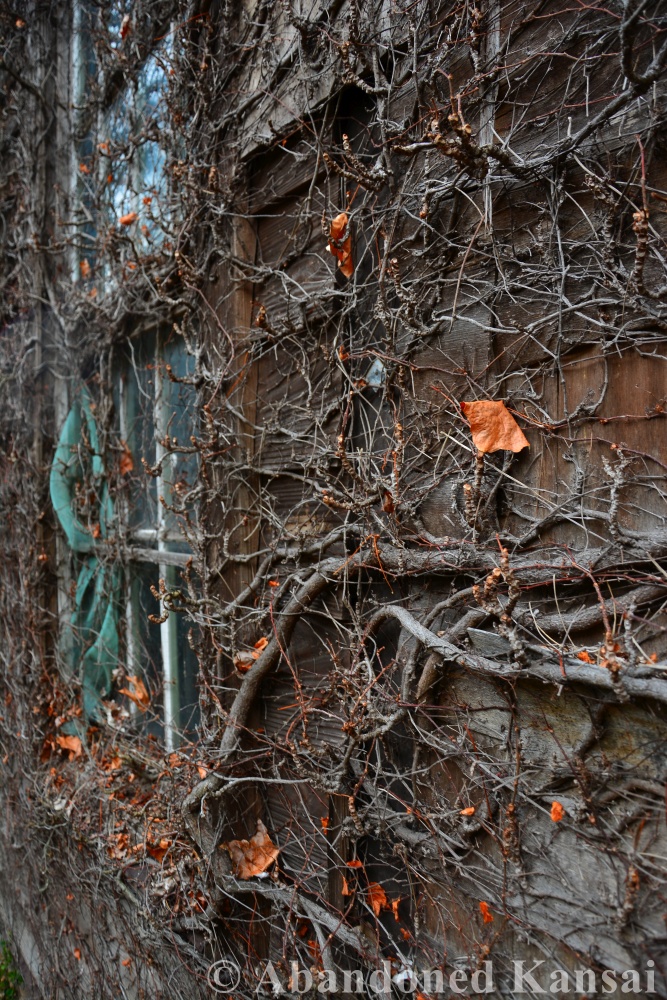
When I first came to Japan in 1998 the country had only 4.1 million foreign visitors. I was in my second year at university, traveled alone and barely ever saw another tourist (despite being there during cherry blossom season!), neither the internet nor cell phones were common, and Japan had a reputation for being kind of “inaccessible” – and expensive. The good old days…

By the time I moved to Japan in 2006 the number of tourists had almost doubled to 7.3 million, but that didn’t really matter to me, especially since they kept going up and down. Being a tourist and being an expat (i.e. being a tax payer with a job!) are two completely different things, two completely different experiences; especially in Japan. It’s like visiting an amusement park and working in an amusement park! And as a new hire at a Japanese company I neither had the time nor the financial resources, so for the first two or three years all I saw of Japan was Kansai in day trips. Now, there is a lot to see and do in this area, so I didn’t feel restricted – I was just living my daily life and my vacation time I spent visiting family and friends back home.
In late 2009 I picked up urban exploration as a hobby and a few months later started this blog, Abandoned Kansai. Kansai, because that was my home, the area I was familiar with, the area I traveled well. Not Abandoned Japan, because I never expected that I would travel much outside of Kansai – I hadn’t for three years, so why start now?
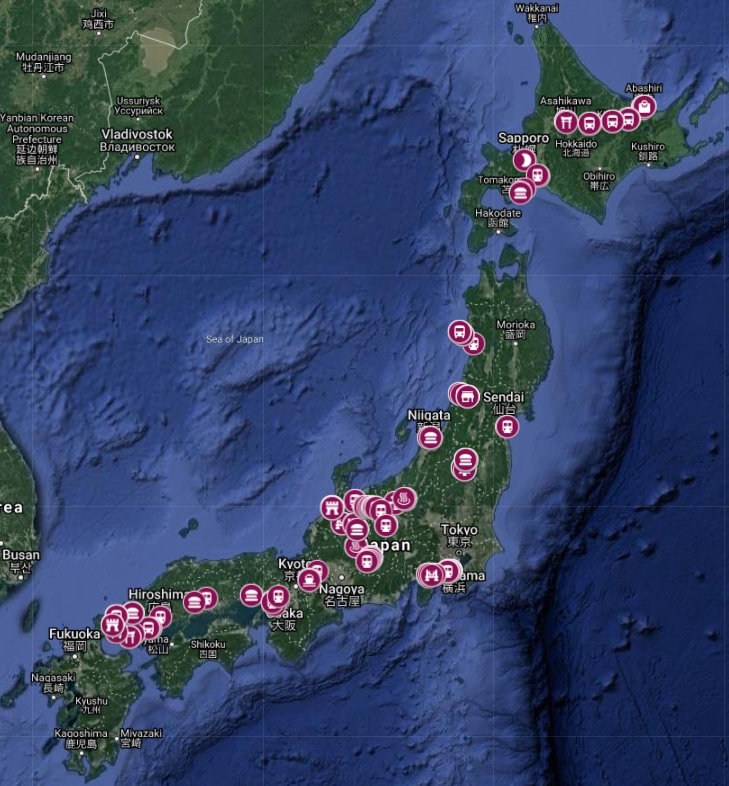
Well, because I wanted to document certain abandoned places in other prefectures, as I realized rather quickly… Two months after the *Mount Atago Cable Car* I did my first exploration in another region (Chubu), three months later I went to another main island (Kyushu) – and eight years later I traveled so much that I covered all nine regions of Japan (Hokkaido, Tohoku, Kanto, Chubu, Kansai, Chugoku, Shikoku, Kyushu, and Okinawa) within one calendar year! Though it wasn’t until 2020 that I had visited and explored abandoned places in all of Japan’s 47 prefectures… (Ehime was last ؘ– by something like two years!)
For the first few years those urbex trips were more or less strictly urbex trips. I did them to explore certain abandoned places, *a lot of which don’t exist anymore as described in this article*, with little time for other things to do, except enjoying local food after sunset. And I didn’t think much about it, because I lived in Japan. I could go sightseeing at any time anyway! Meanwhile Abe and his monkey bunch decided that Japan should be a vacation destination (under his reign the number of tourists exploded from 6.2 million to 31.9 million visitors!) and aggressively pushed for overseas tourists by devaluating the Yen, propaganda campaigns and tax exemptions for shoppers from overseas while raising taxes on his own people, including doubling the consumption tax in two steps. Anyway, Japan became more and more popular worldwide, including among urban explorers, some of which came for hardcore trips with half a dozen locations per day, hardly any sleep, and definitely no sightseeing – which changed my attitude towards my own trips within Japan significantly around 2015/2016, because I felt so sorry for those poor souls who came all this way and experienced little more than moldy buildings similar to others in the rest of the world. Unfortunately for me around that time Japan had already passed the 20 million mass market mark, 5 times as many tourists as I was used to in 1998. Nearby places like Kyoto and Nara had already become unbearable as I found out on occasion when friends and family visited me in my new home country, but even in places like Otaru I heard more Chinese than Japanese in the streets as tourists from China went from 267k in 1998 to 9.6 million in 2019, the last full year of worldwide tourism before the coronavirus. To me overtourism is one of the ultimate turnoffs in life. And that’s a general thing. When I’m in Otaru I don’t want to hear Chinese everywhere, when I’m at the Great Wall I don’t want to hear Italian everywhere, when I’m at the Coliseum I don’t want to hear German everywhere, when I’m at the Berlin Wall I don’t want to hear Russian everywhere, when I’m at the Red Square I don’t want to hear French everywhere – and when I’m at the Eiffel Tower I don’t want Japanese to be the dominant language. So as much as I tried to implement touristic places into my urbex trips I mainly limited them to rather off the beaten track locations like Hirosaki or Lake Ikeda, because even places like Hakodate, Kanazawa, or Nagasaki had been overrun by the Eurasian hordes. (And it’s not just the amount of people and their constant yapping, it’s also the (misbehaving) type of people that visited Japan in recent years. When the country was still special interest, in the 20th century, people went to Japan for specific reasons; to see or do something, to educate themselves about a certain topic – nowadays it seems to be a cool Instagram location for dumb phonies with selfish sticks that book flights to Japan and then go through the Top 5 lists on Instagram, Tripadvisor, or some “True soul of Japan!!!” blogger to find out what they can actually brag about on social media with. The amount of signs EVERYWHERE about “How to use a toilet!” / “How to not misbehave!” in four languages has become ridiculous and should be embarrassing to every person visiting Japan. Unfortunately most tourists don’t seem to be bothered by those signs as they are too self-absorbed and busy taking selfies, but as somebody who lives here I feel bad that locals need to state the obvious so often as visitors have become a serious nuisance.)

When the coronavirus spread across the world in late 2019 / early 2020 Japan was one of the last countries to close its borders, desperately clinging to its Frankenstein’s monster tourism industry and the Tokyo Olympics. Despite that, the country was hit much less hard than most others due to cultural coincidences – Japanese people are not exactly affectionate in public / outside of the family, and wearing masks is a long-standing flu season tradition, so what prevented spreading the coronavirus (avoiding close contact and wearing masks) was common practice in Japan anyway. If kisses on the cheeks and drinking red wine would have prevented the disease, France would have done much better and Japan would have been screwed… Anyway, Japan did comparatively well (though it is currently hitting record high numbers!), so the overall terribly phlegmatic Japanese government imposed only few restrictions, most of them in form of “recommendations”. Since recommendations usually are considered orders due to preemptive obedience, I spent most of the summer 2020 working from home, a liberating and deeply frustrating experience at the same time as I didn’t meet any friends for months and left my hamster cage maybe three times a week for grocery shopping to avoid the second wave, that’s it; work, eat, sleep, repeat. The same for a few weeks around New Year’s Day – while Japanese people were visiting their families (recommendations are only followed unless people really don’t want to…) I sat alone at home and skyped with mine to get past the third wave.

February: Matsumoto, Nagano, Obuse, Gero, Takayama, Shirakawa-go, Kanazawa
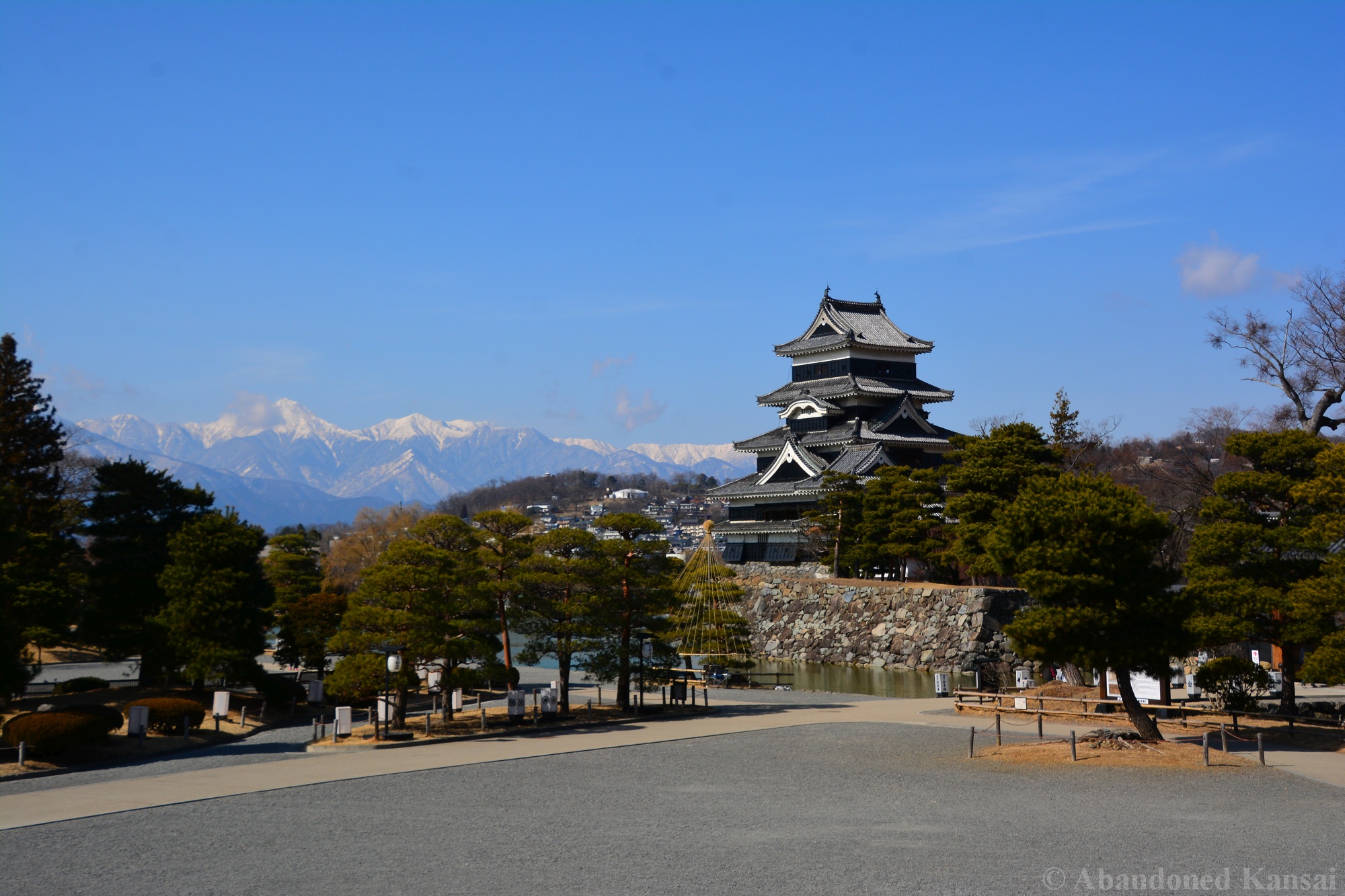
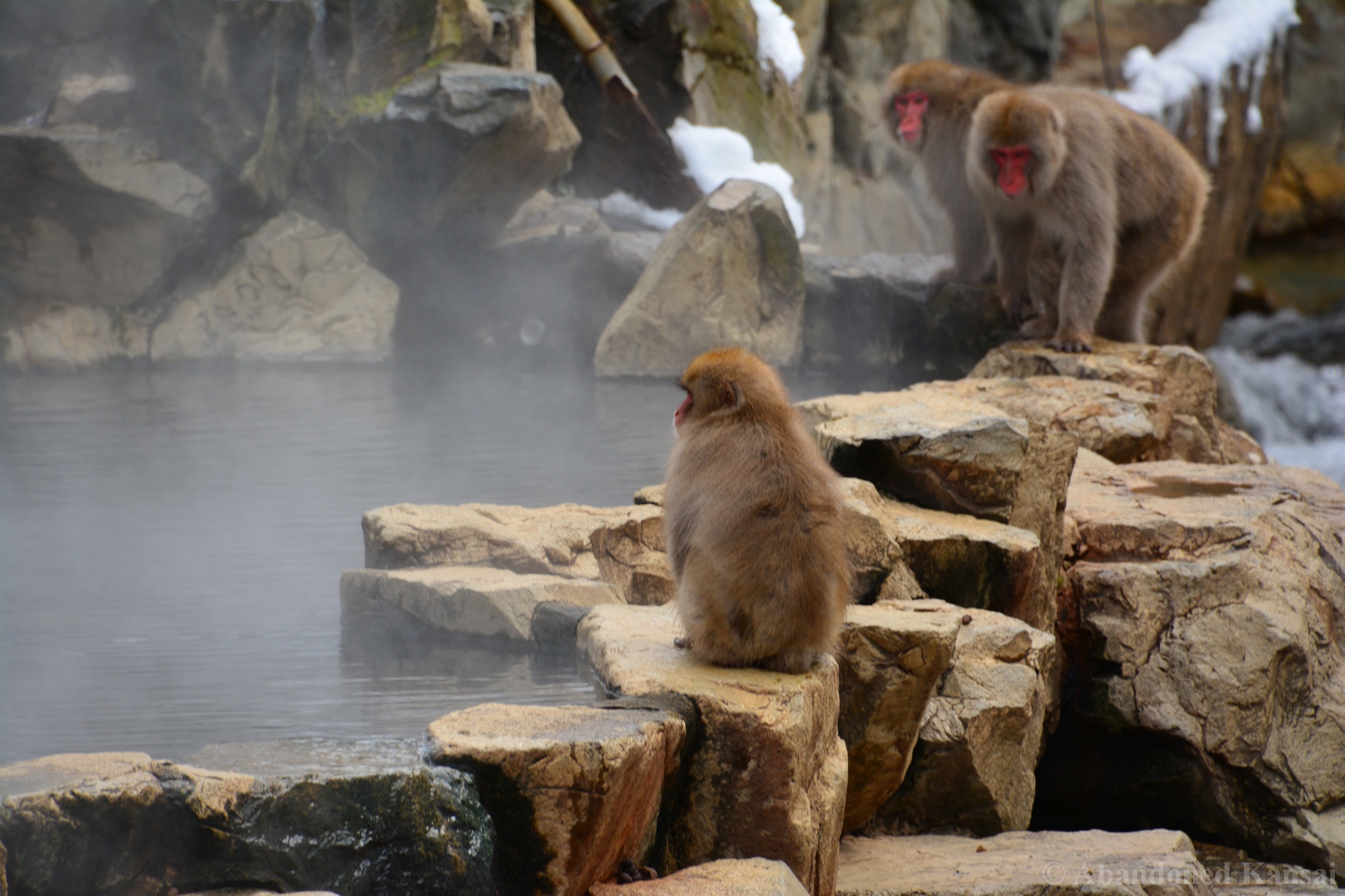
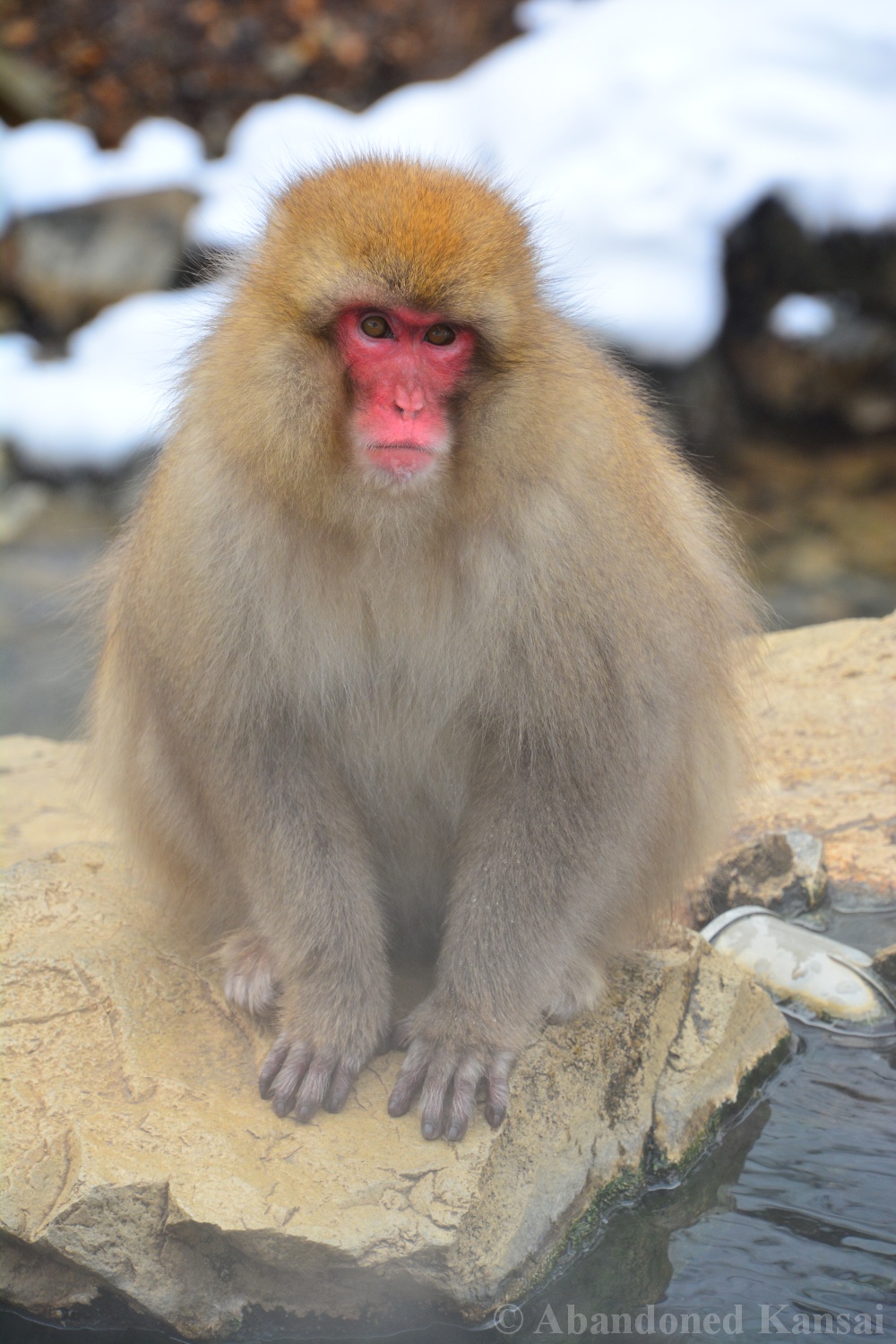
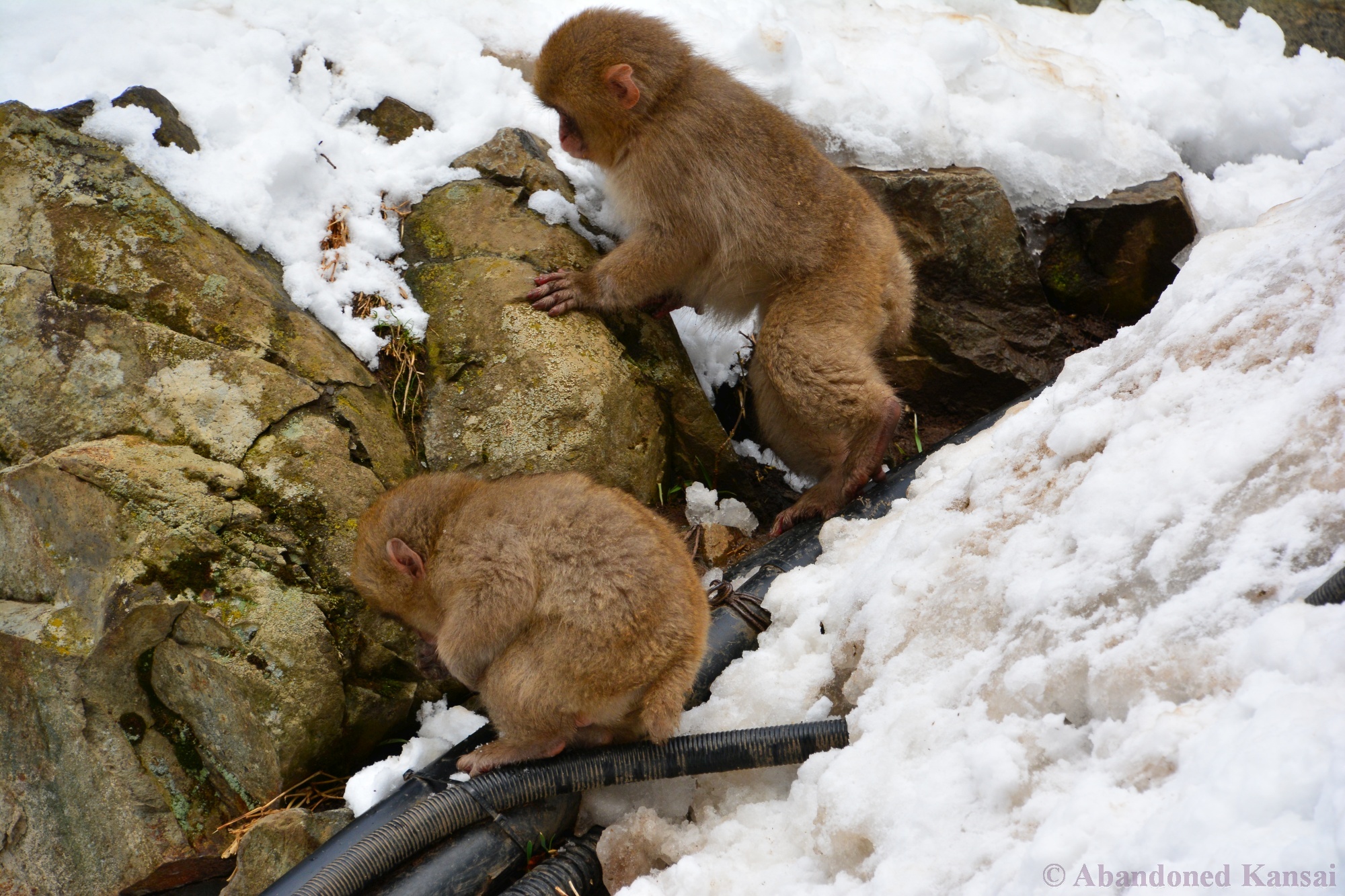
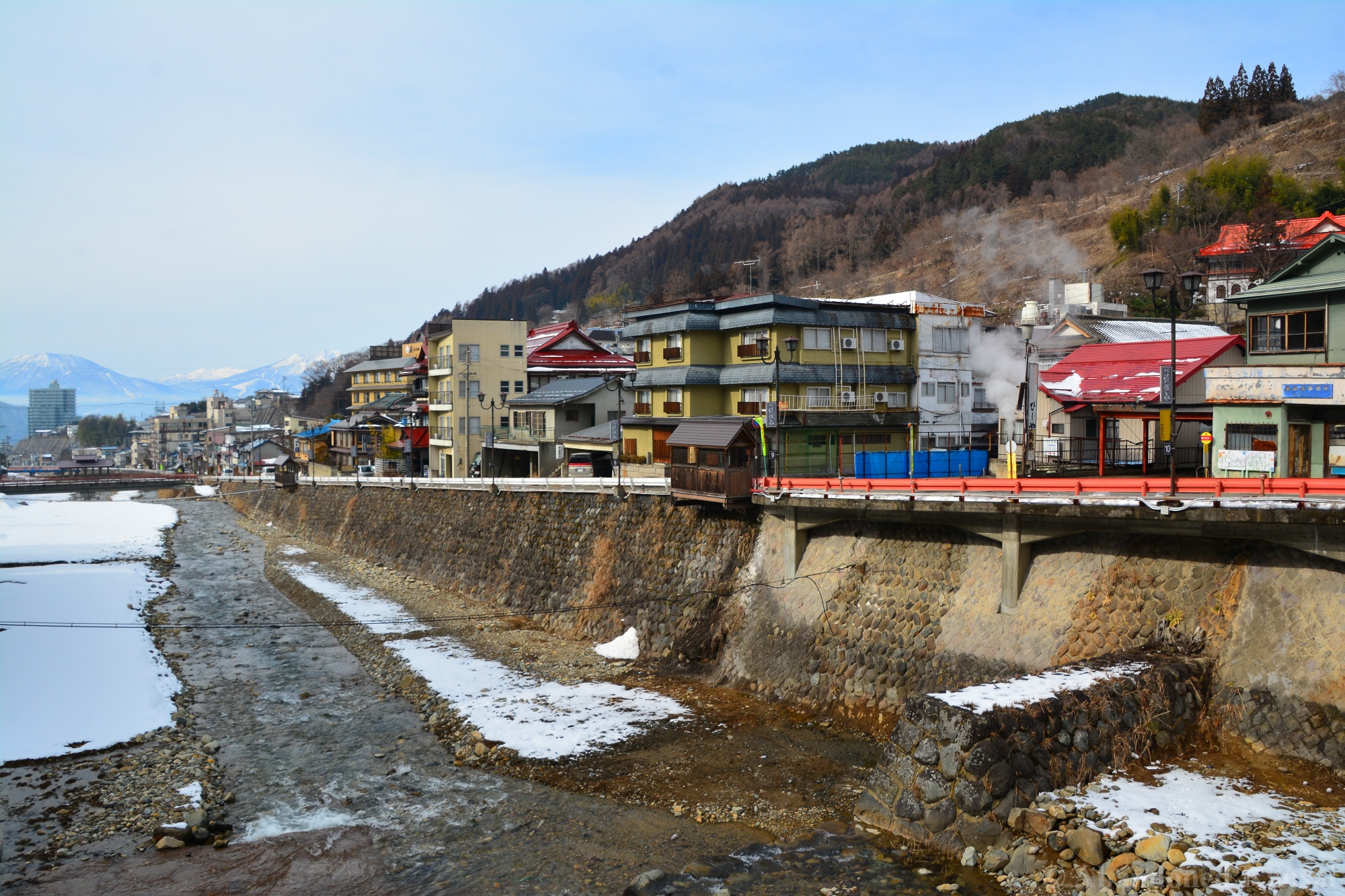
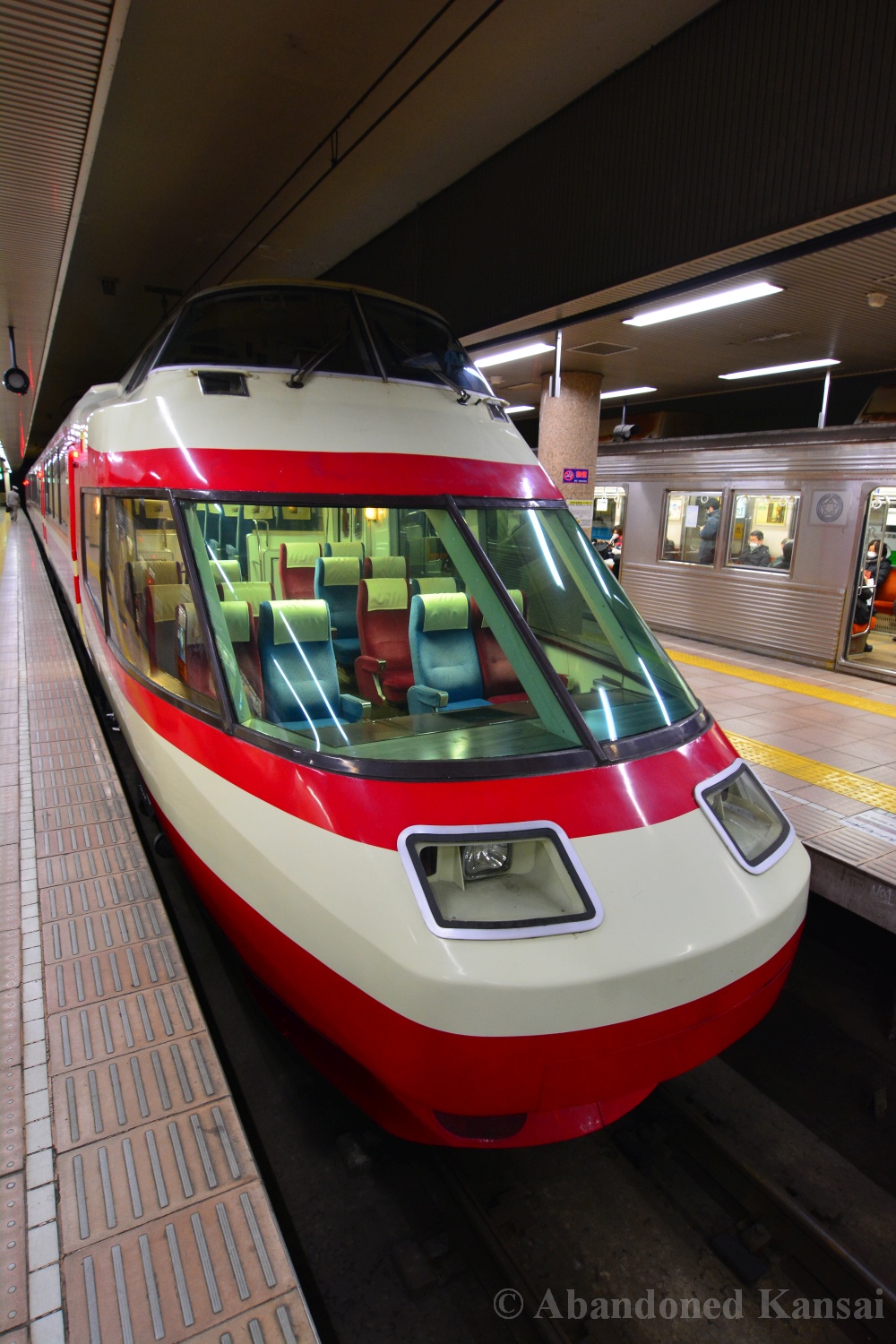
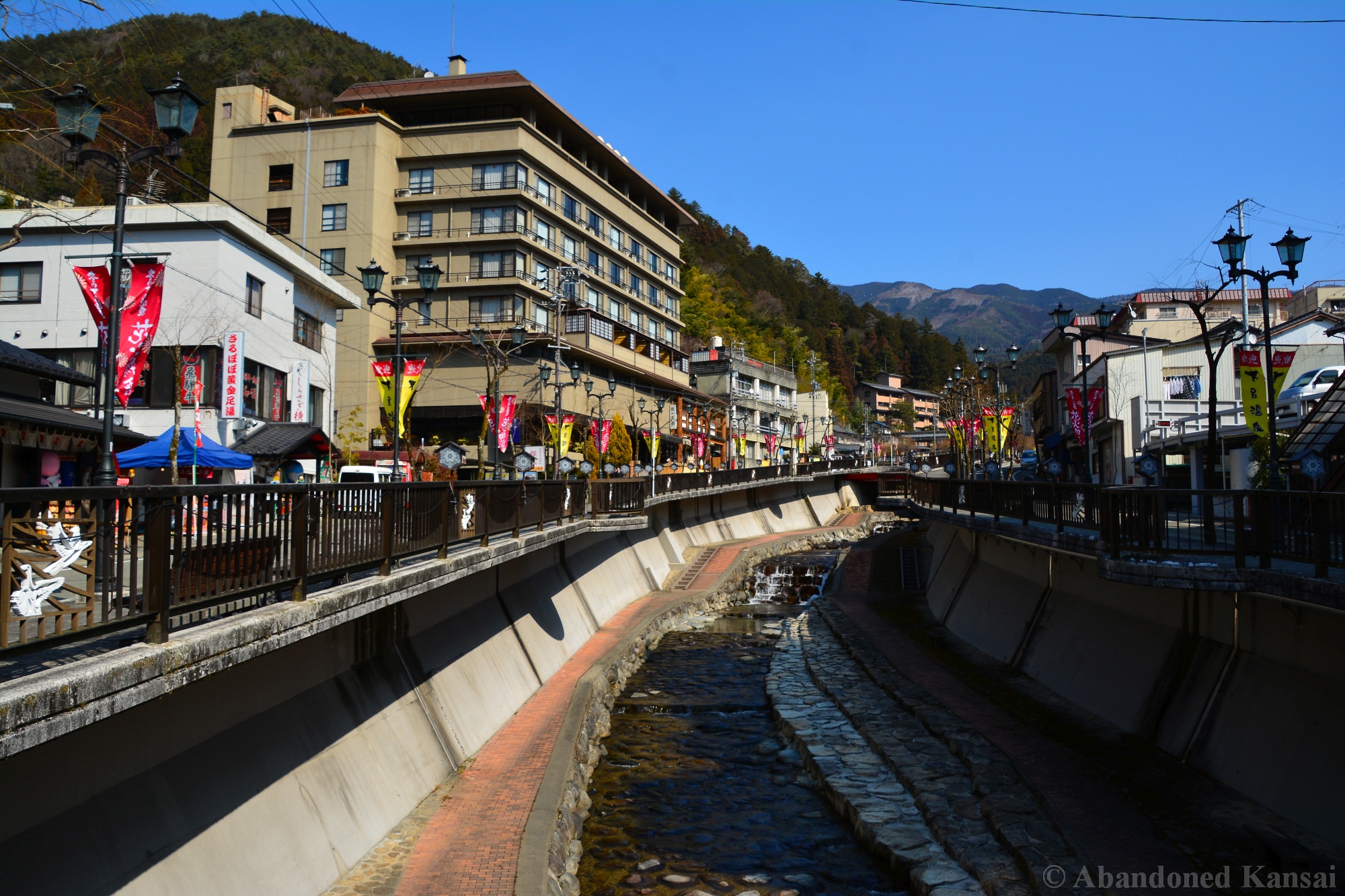
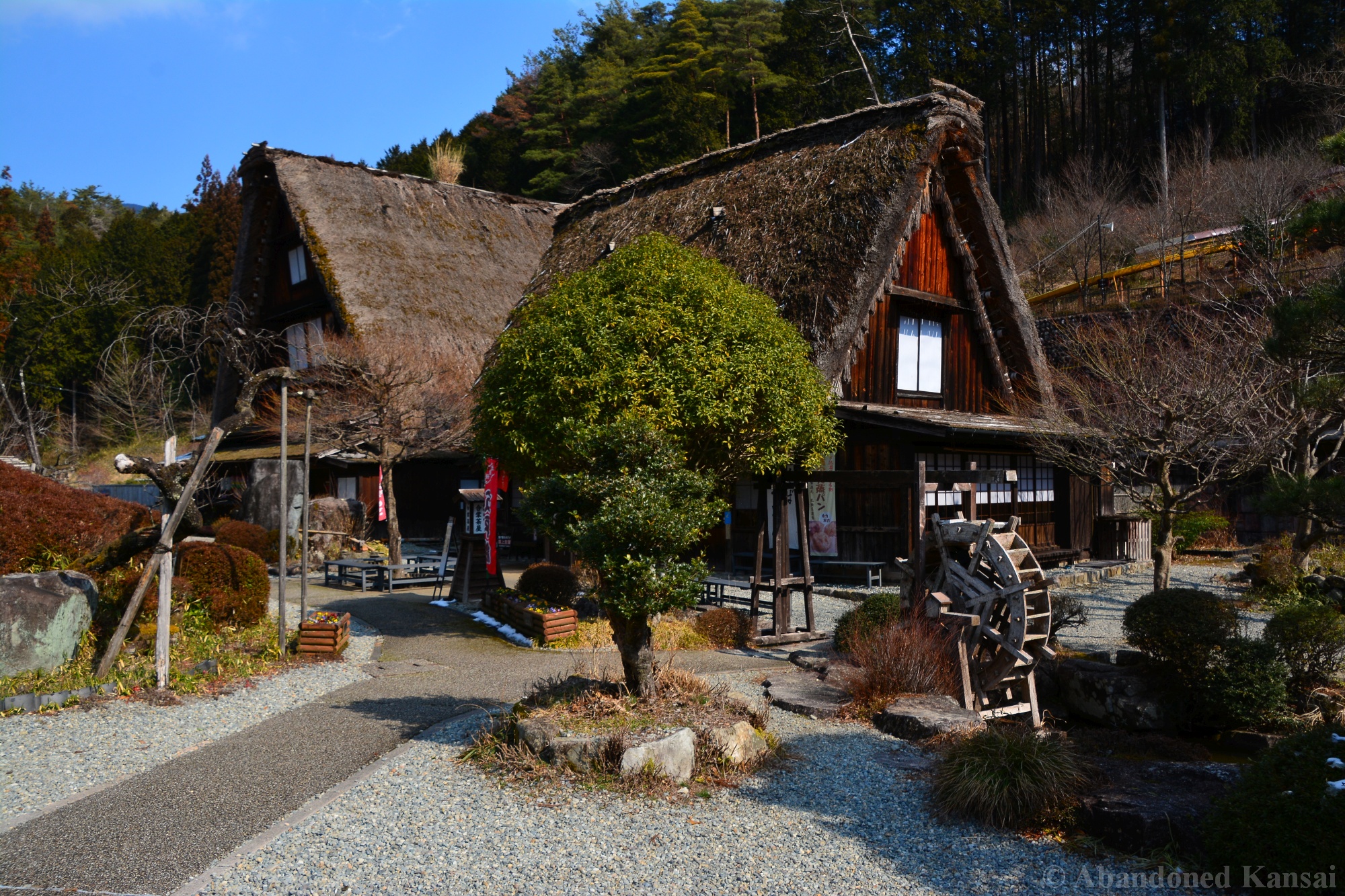
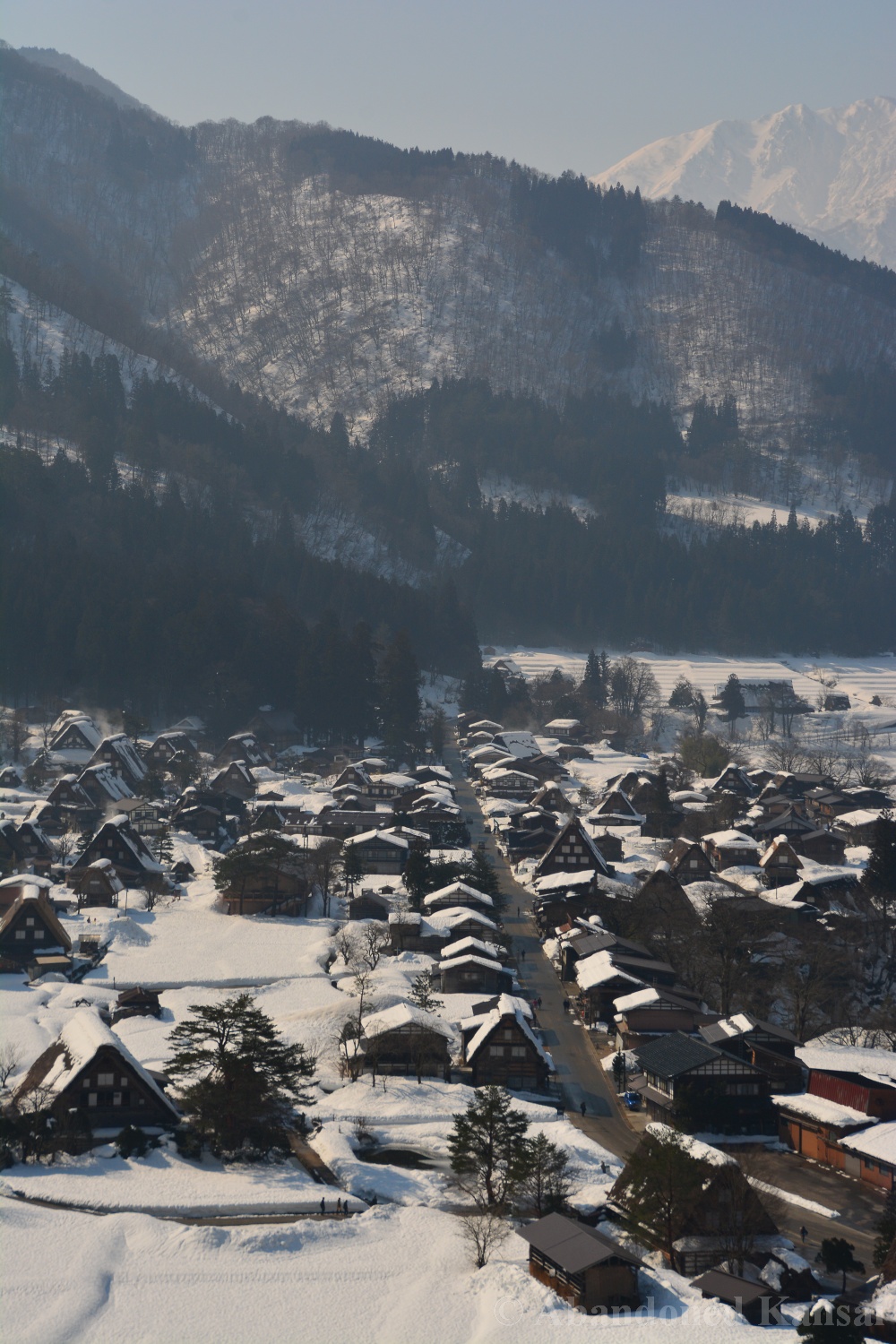
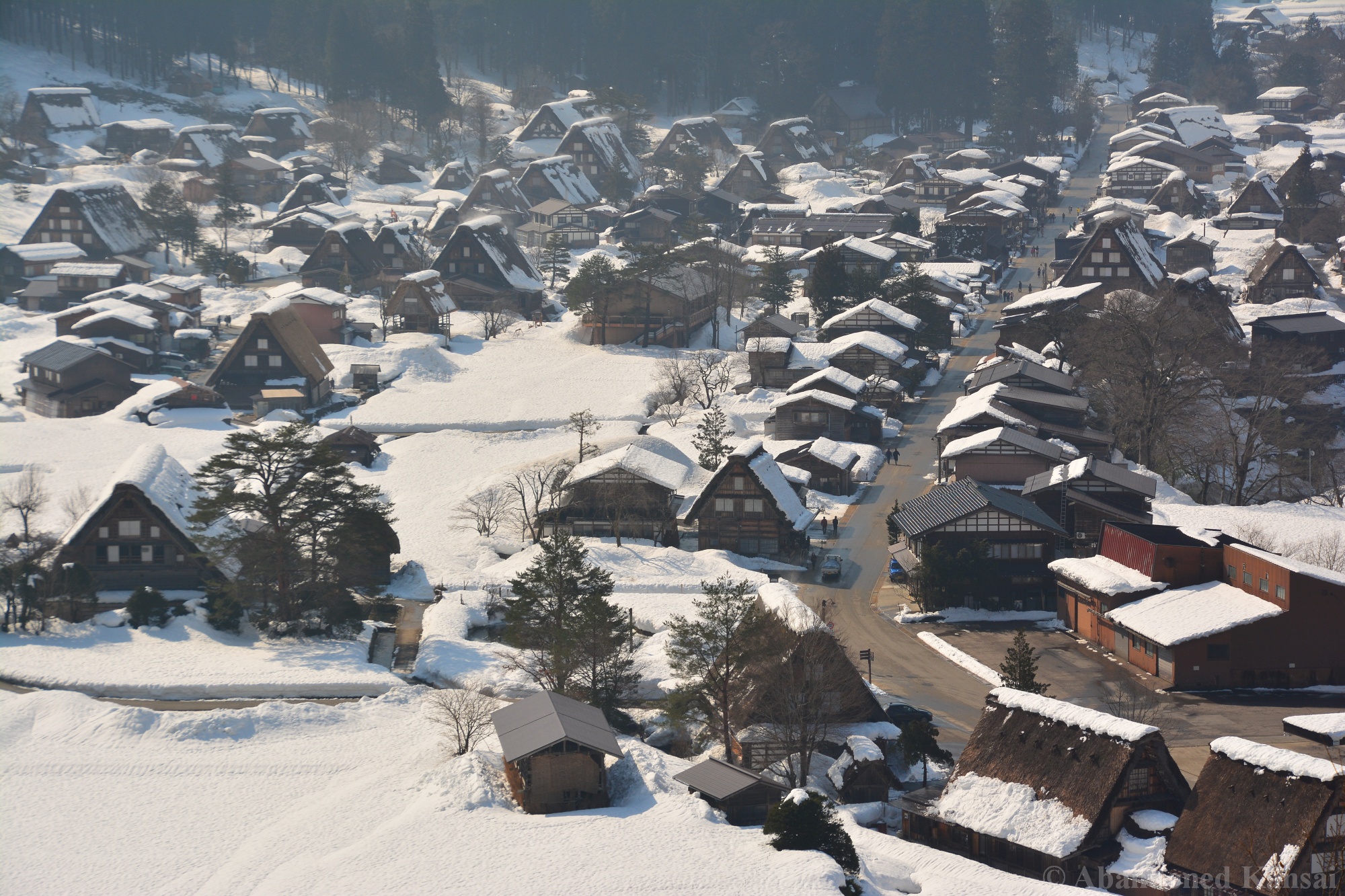
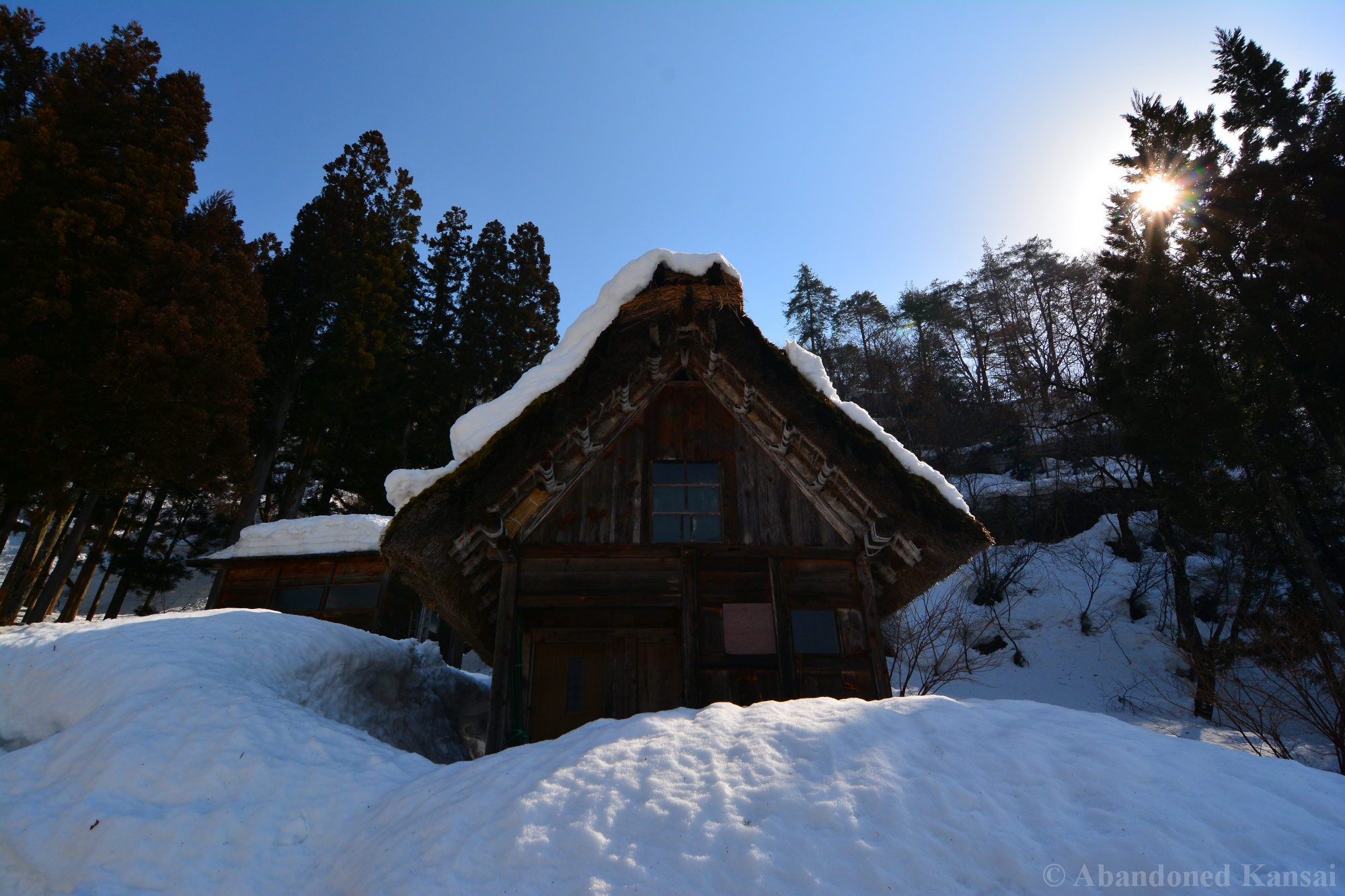
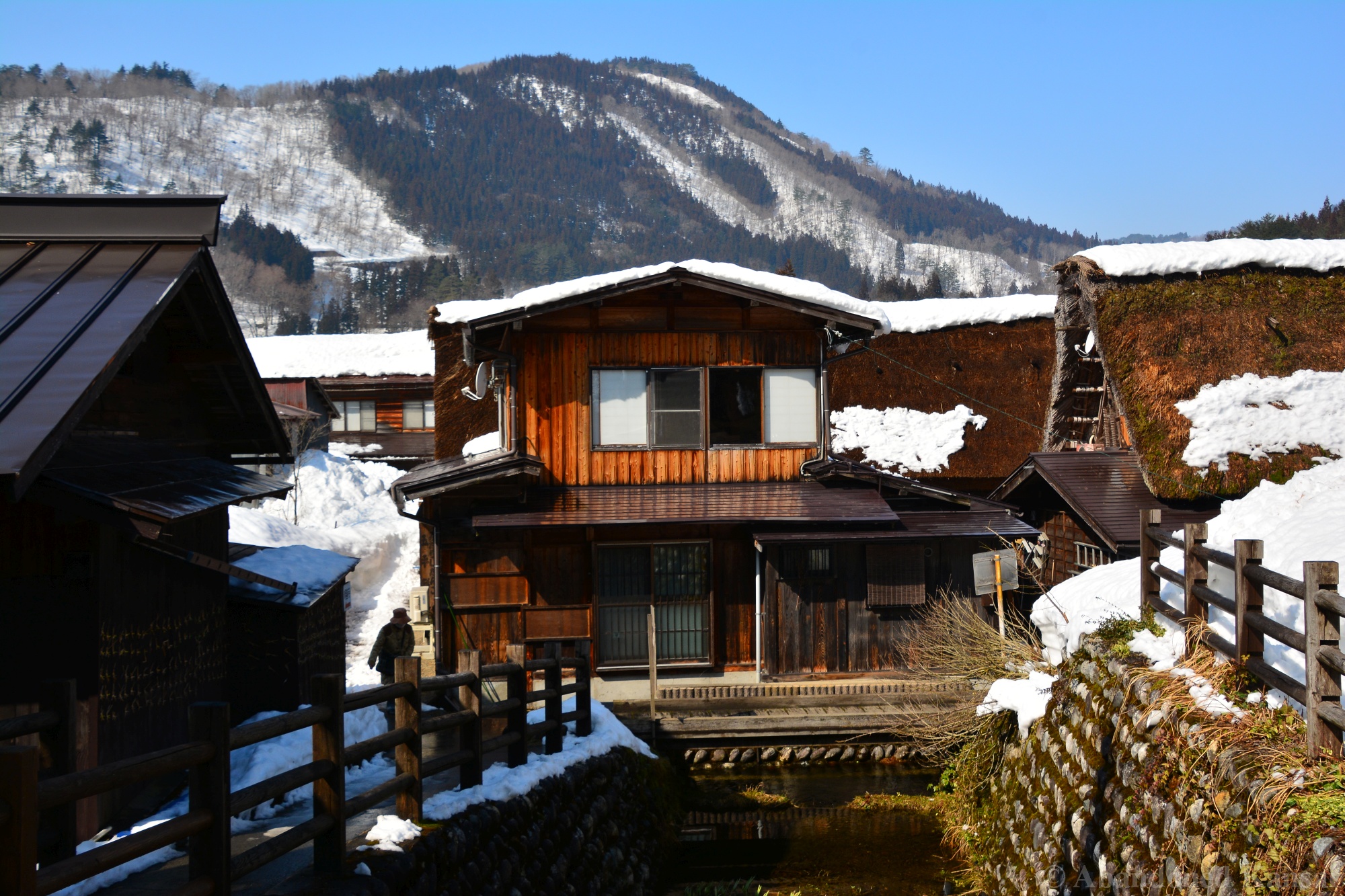
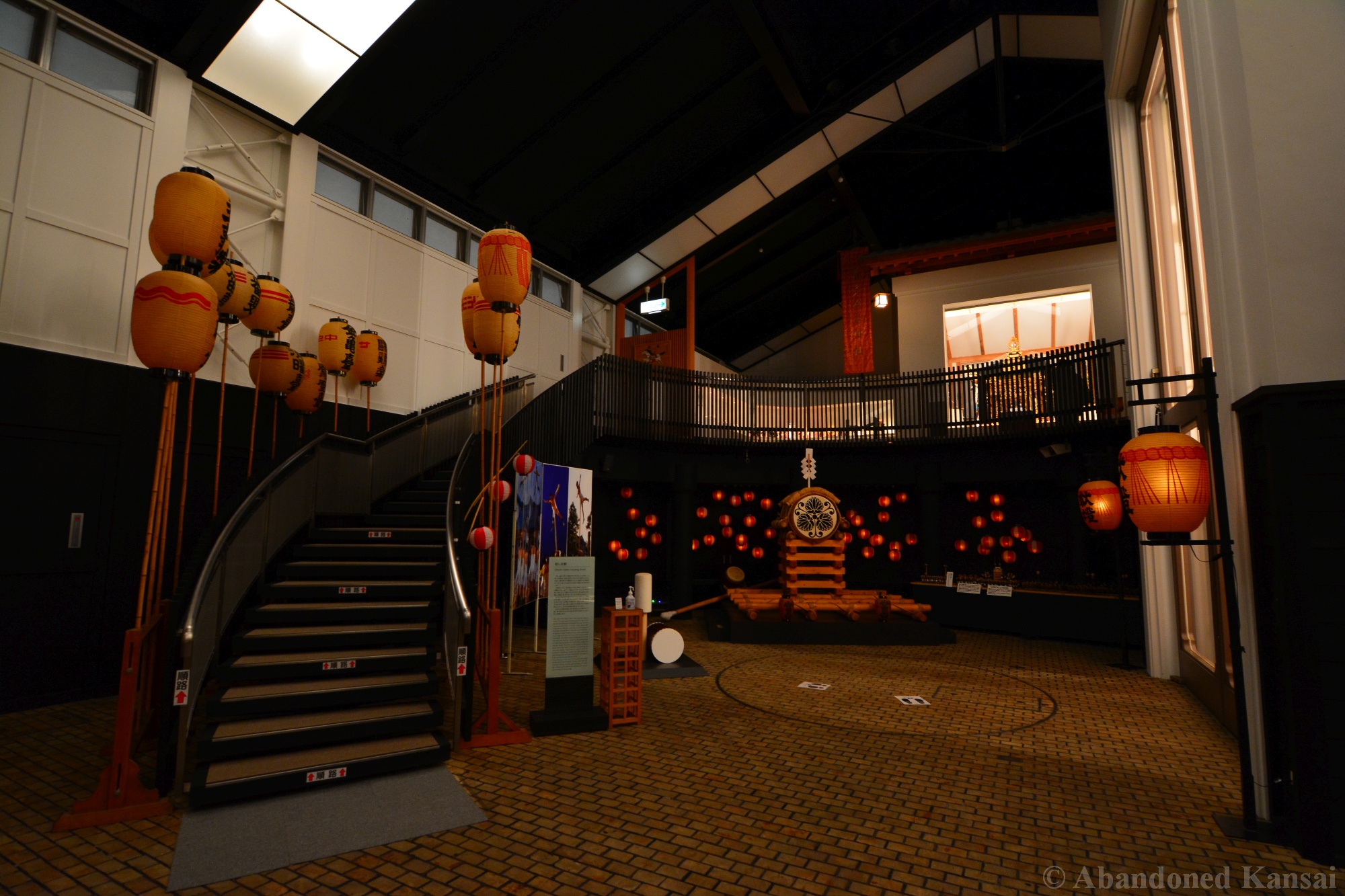
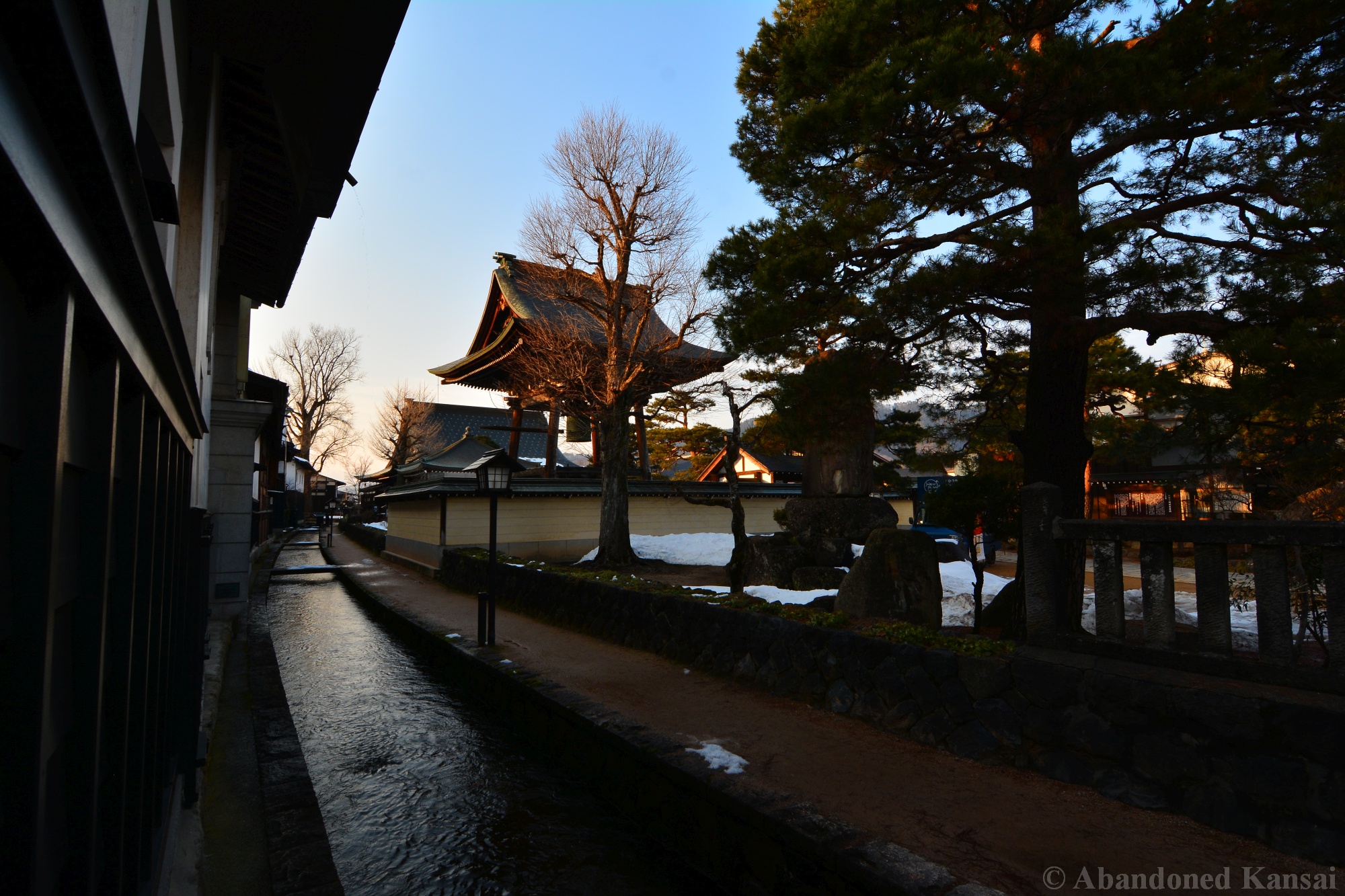
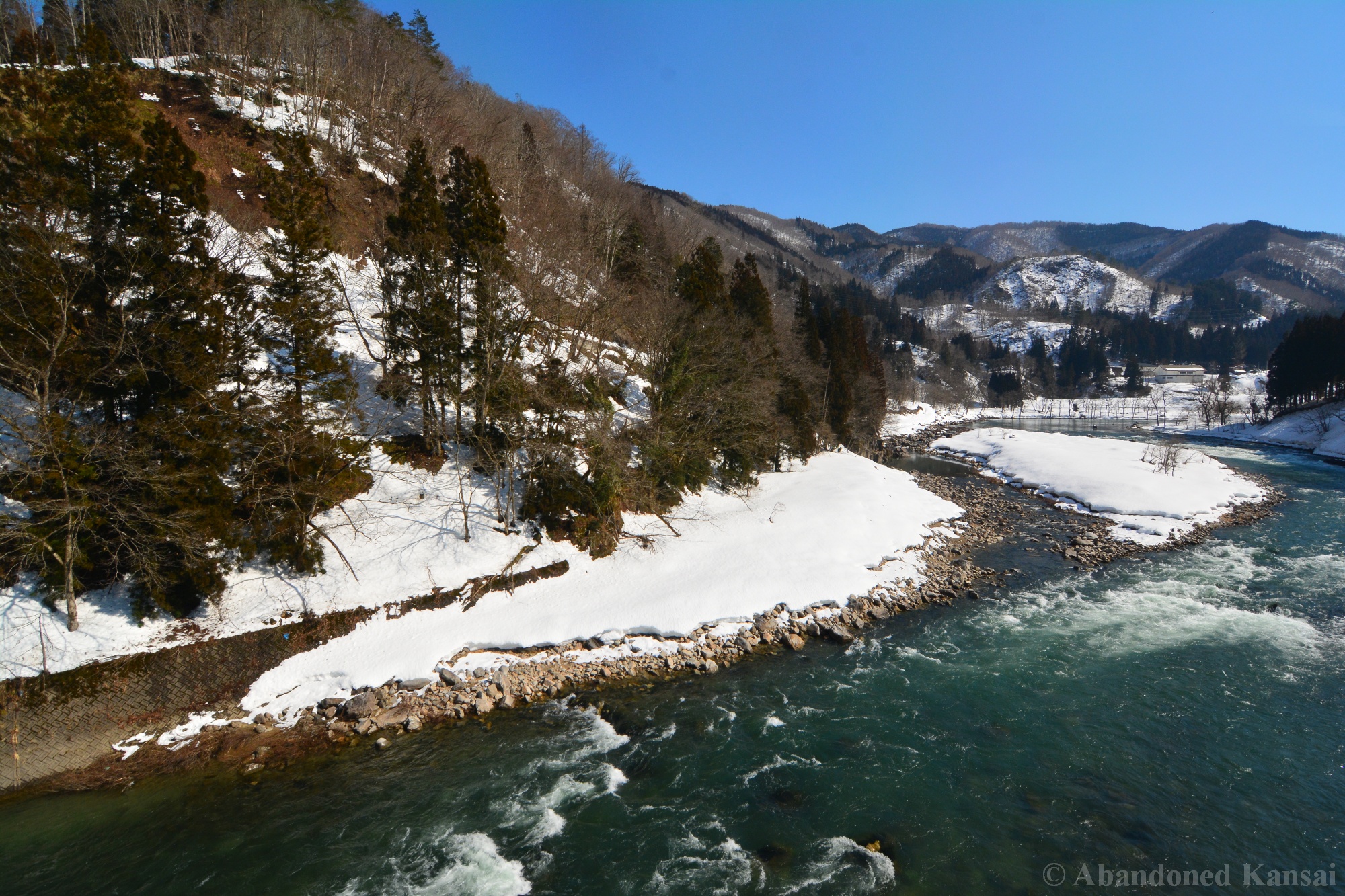
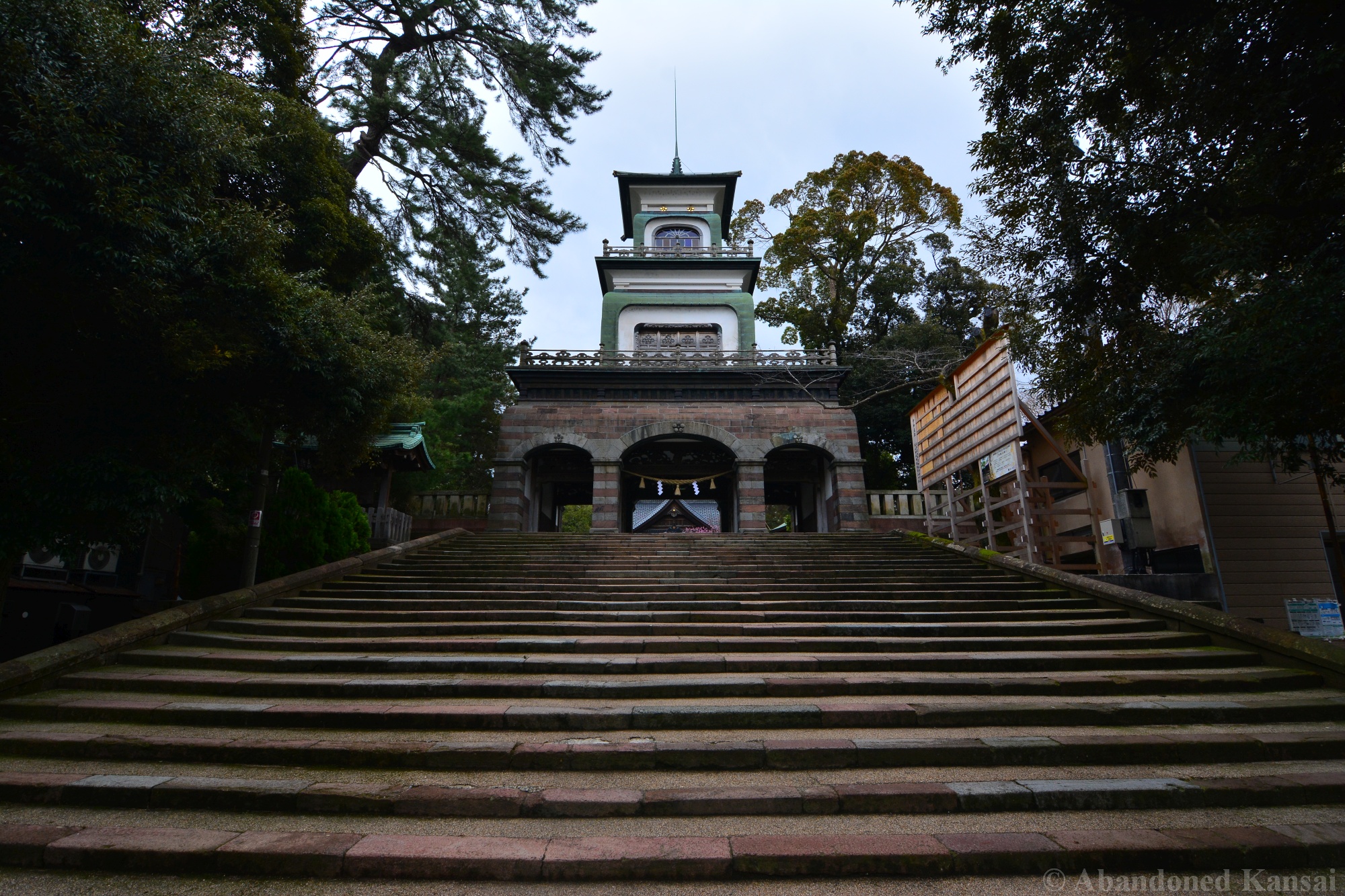
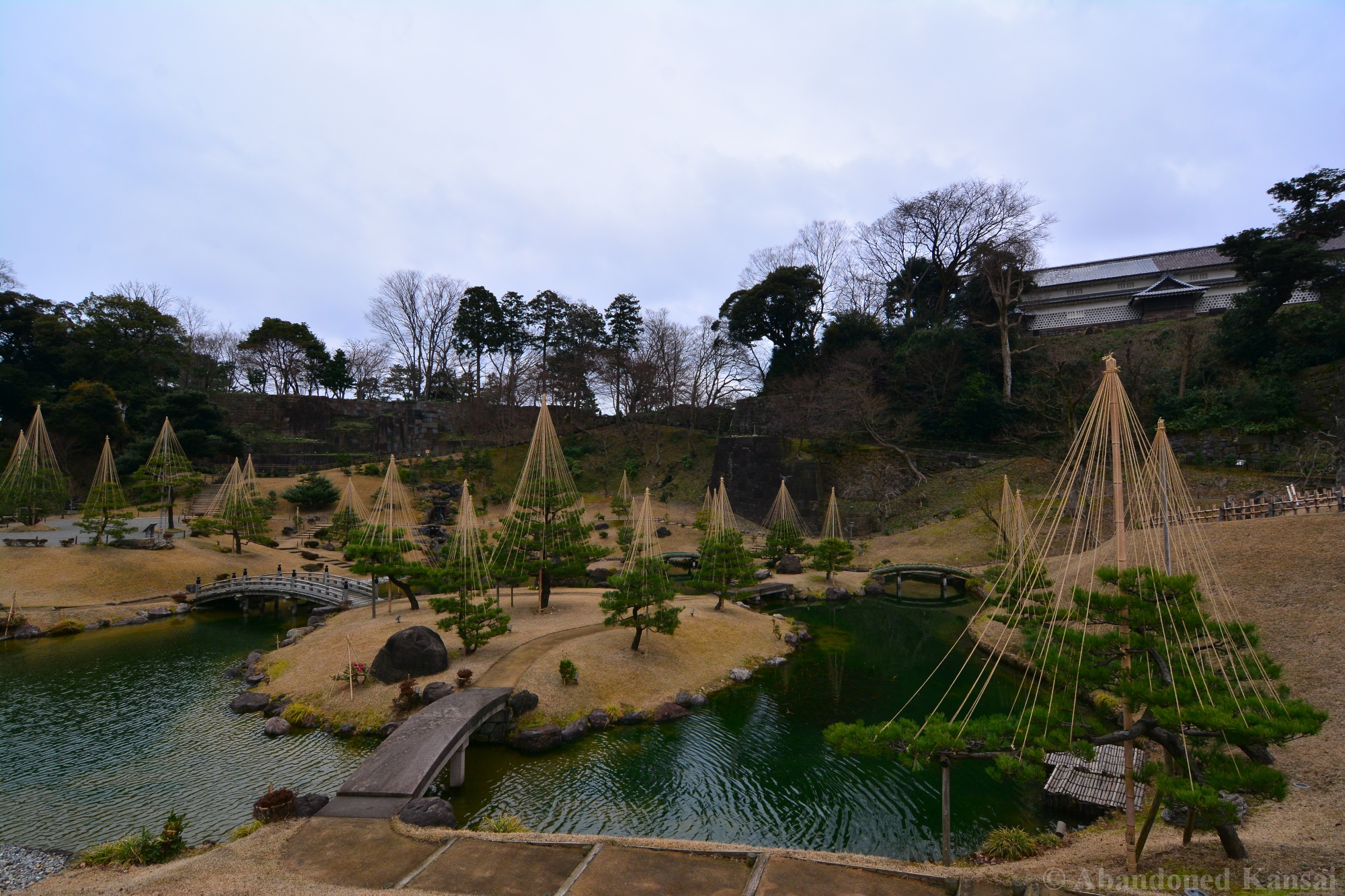
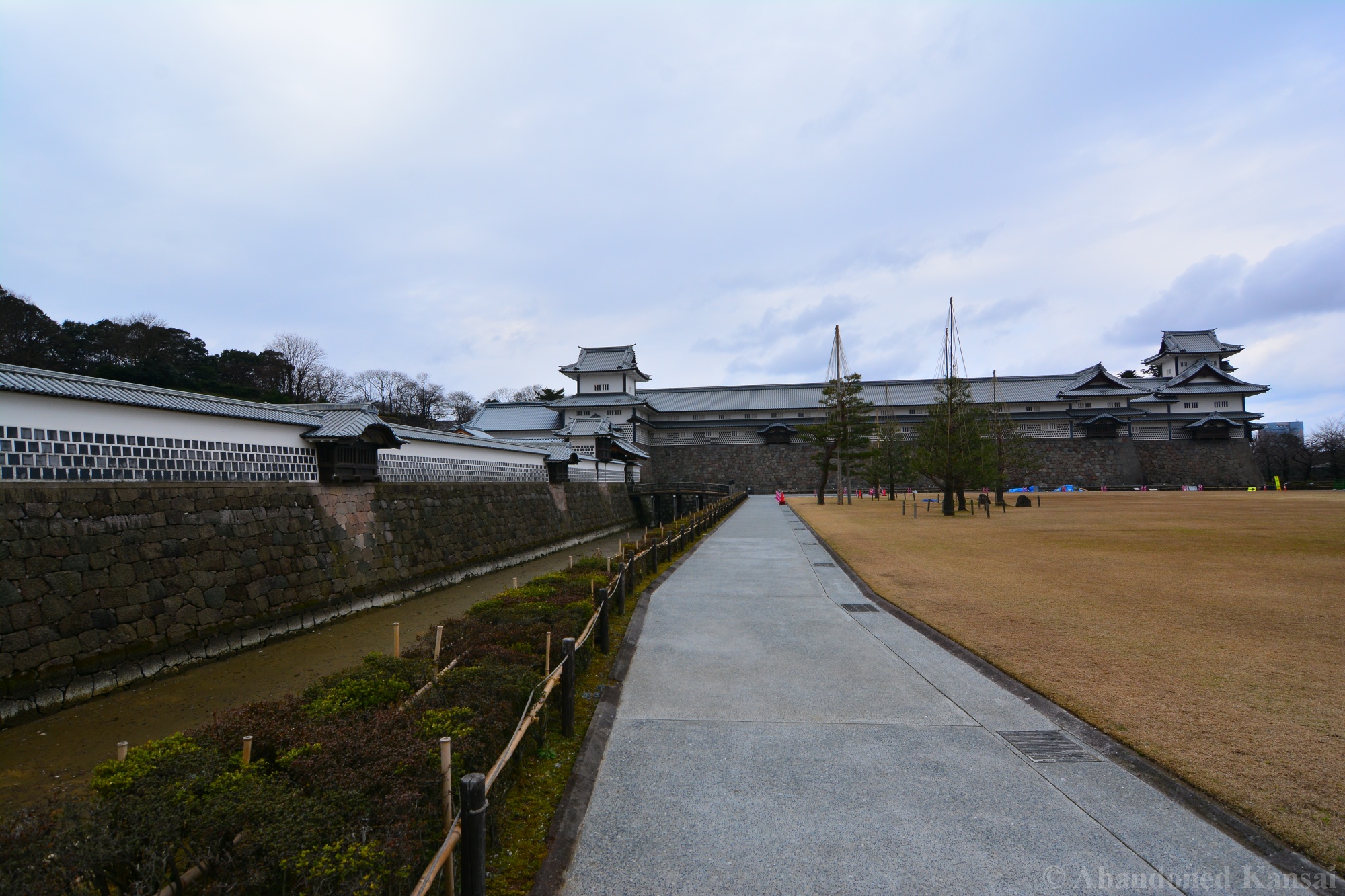
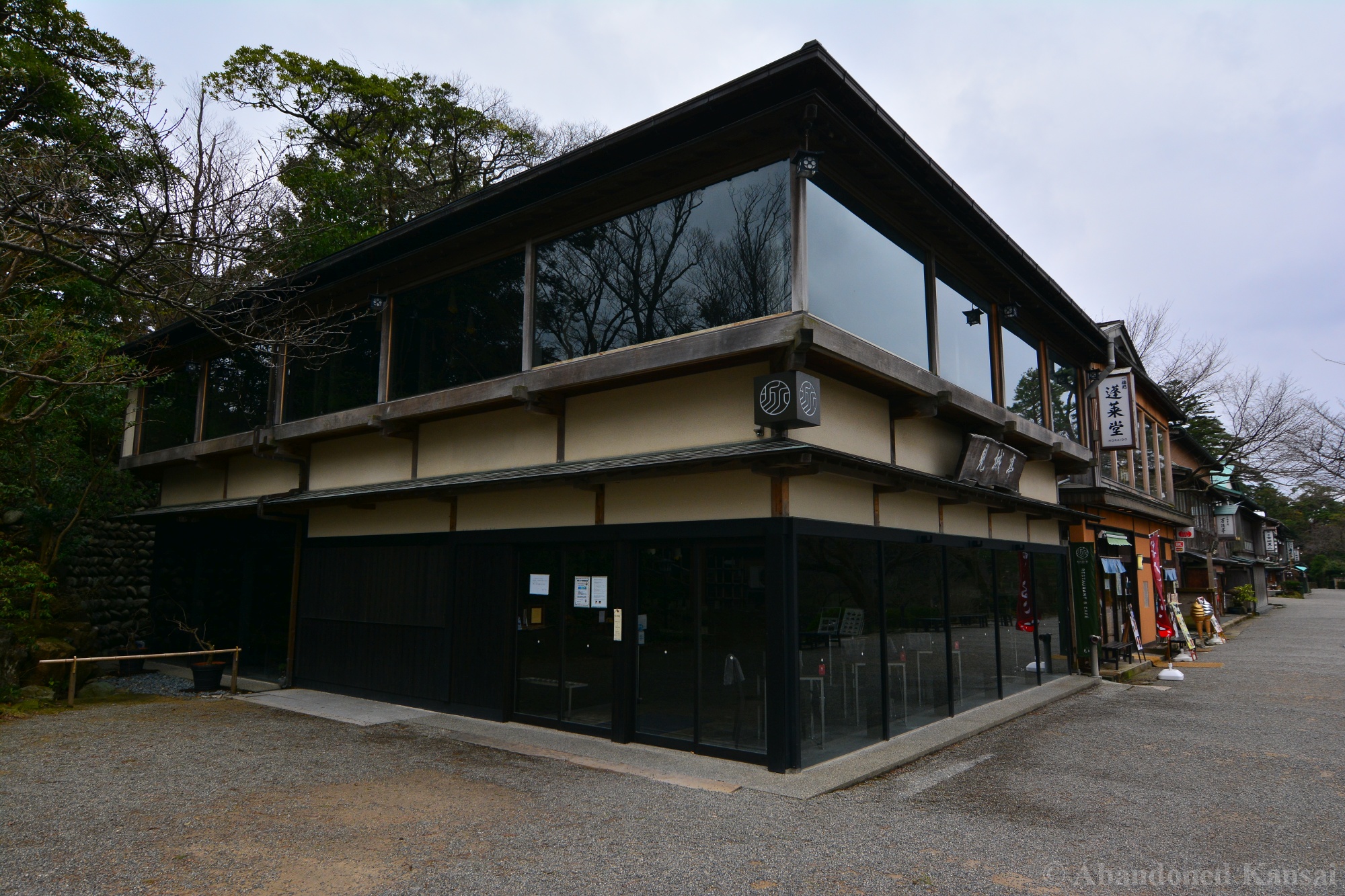
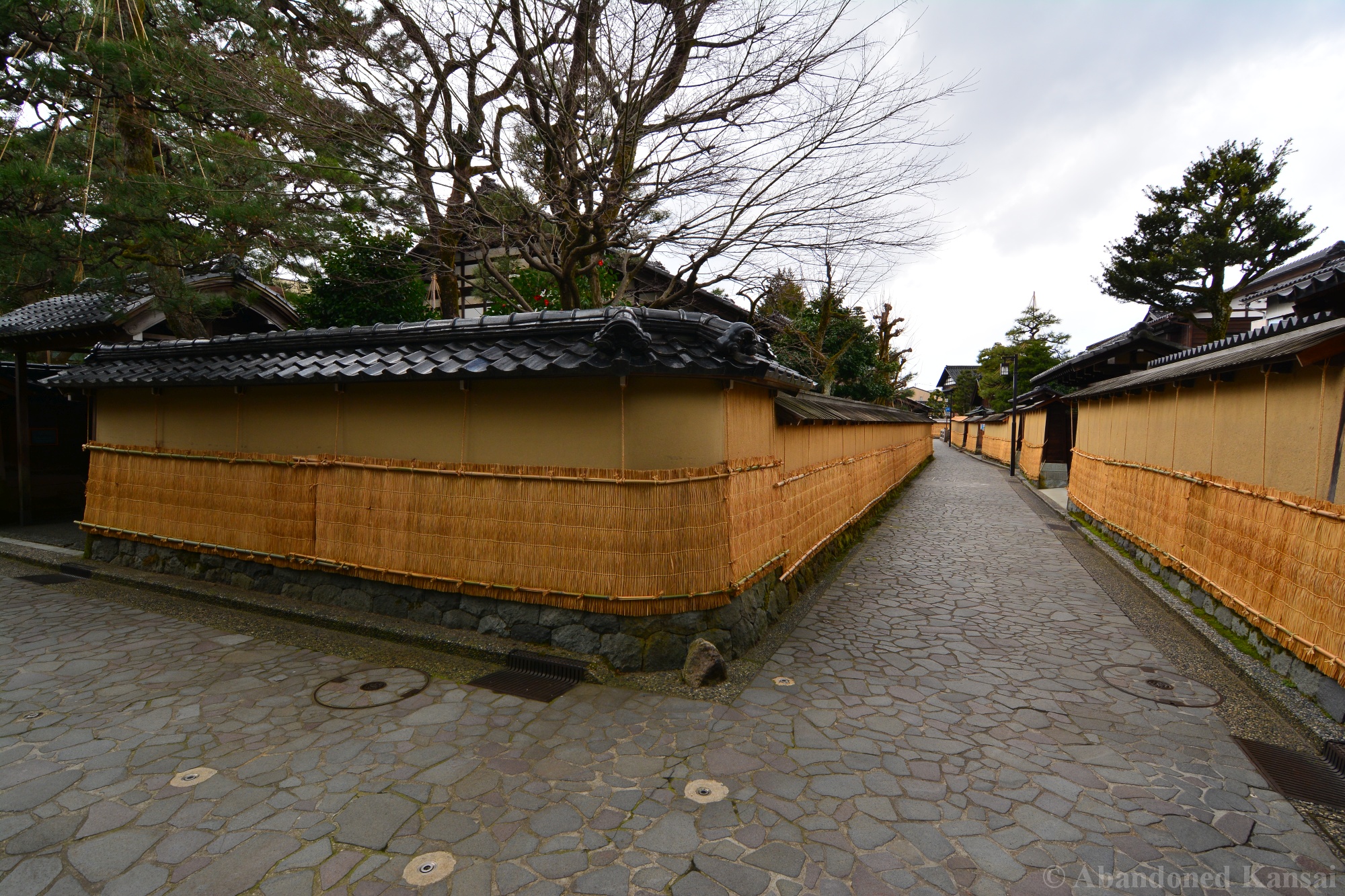
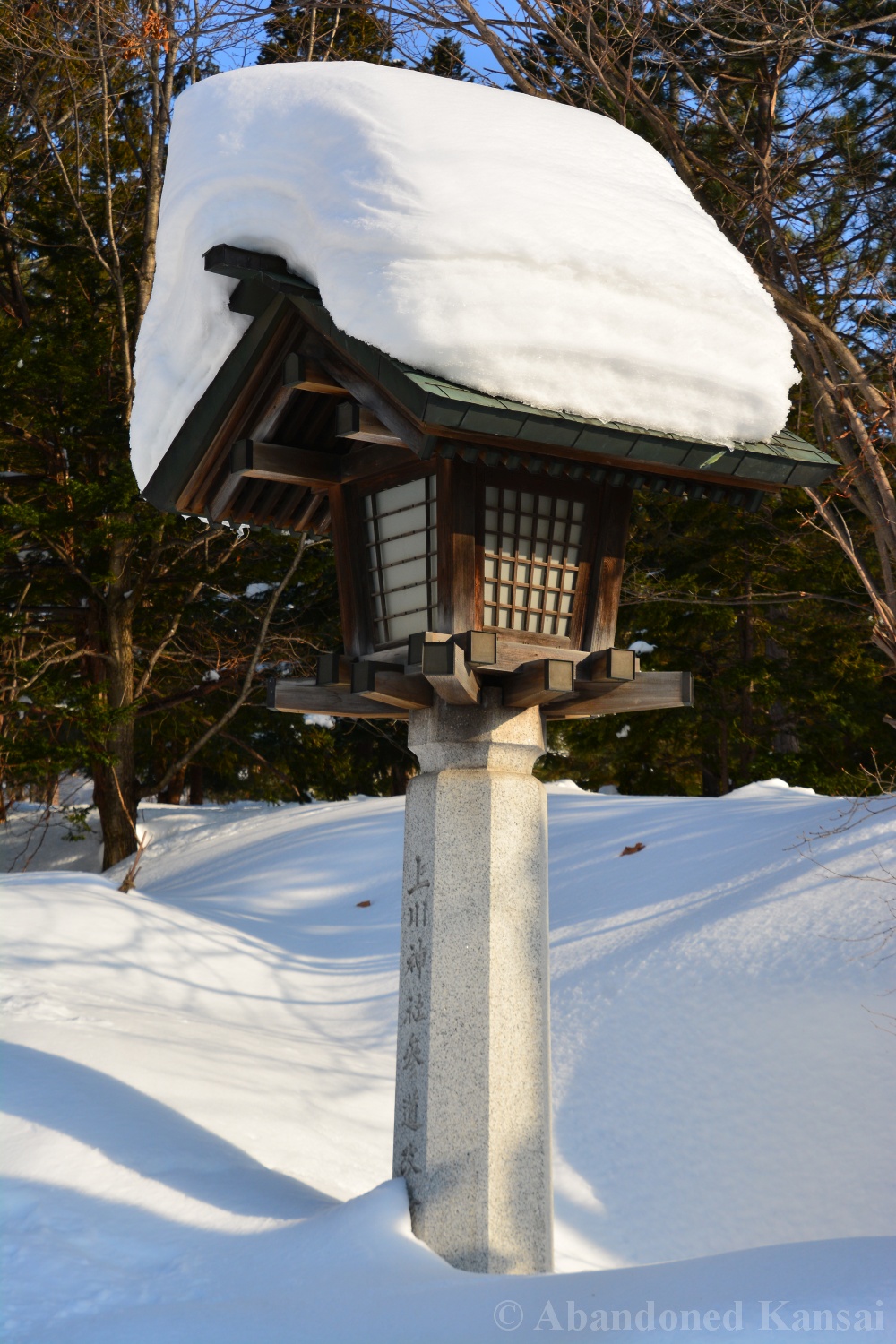
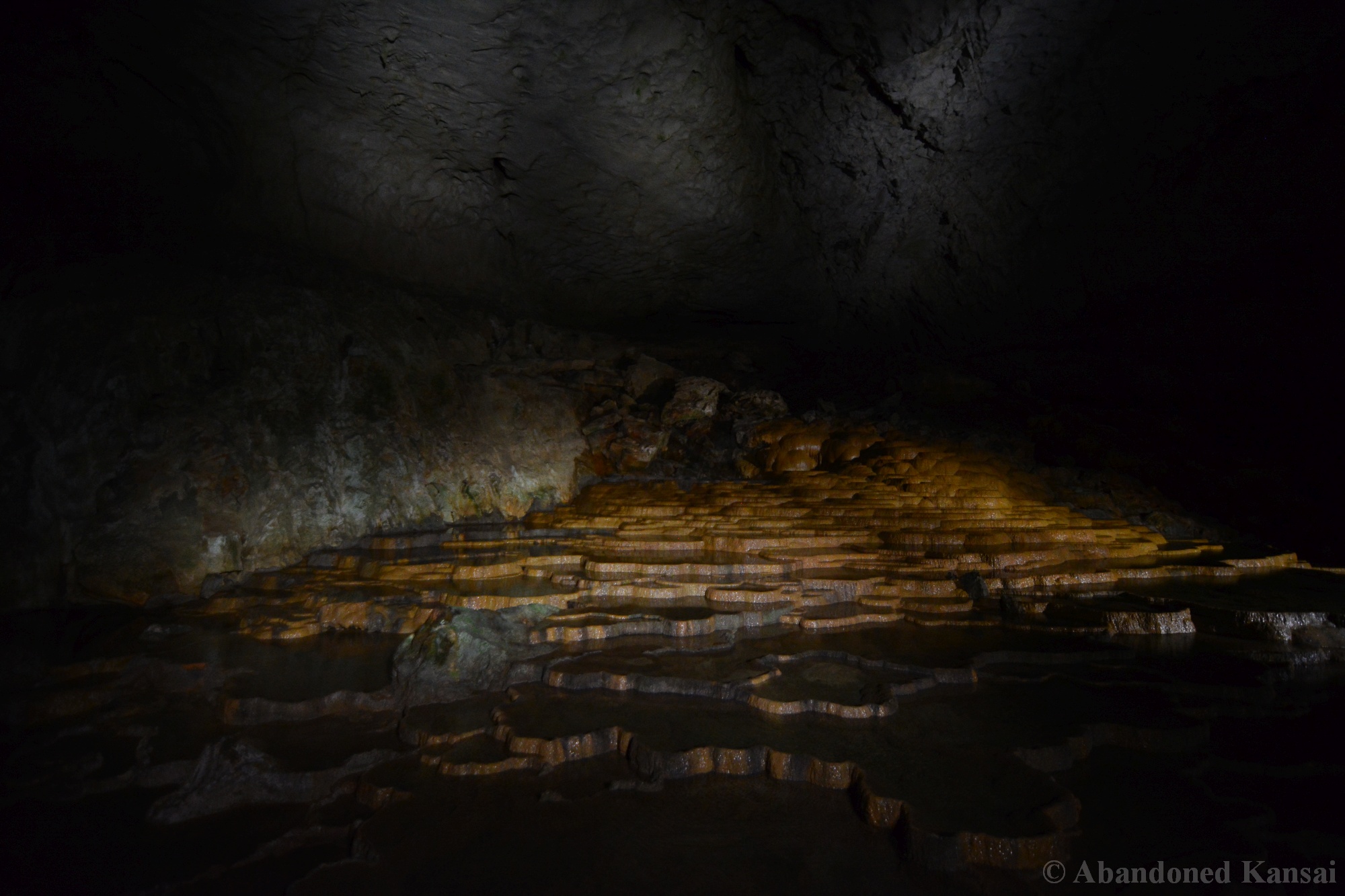
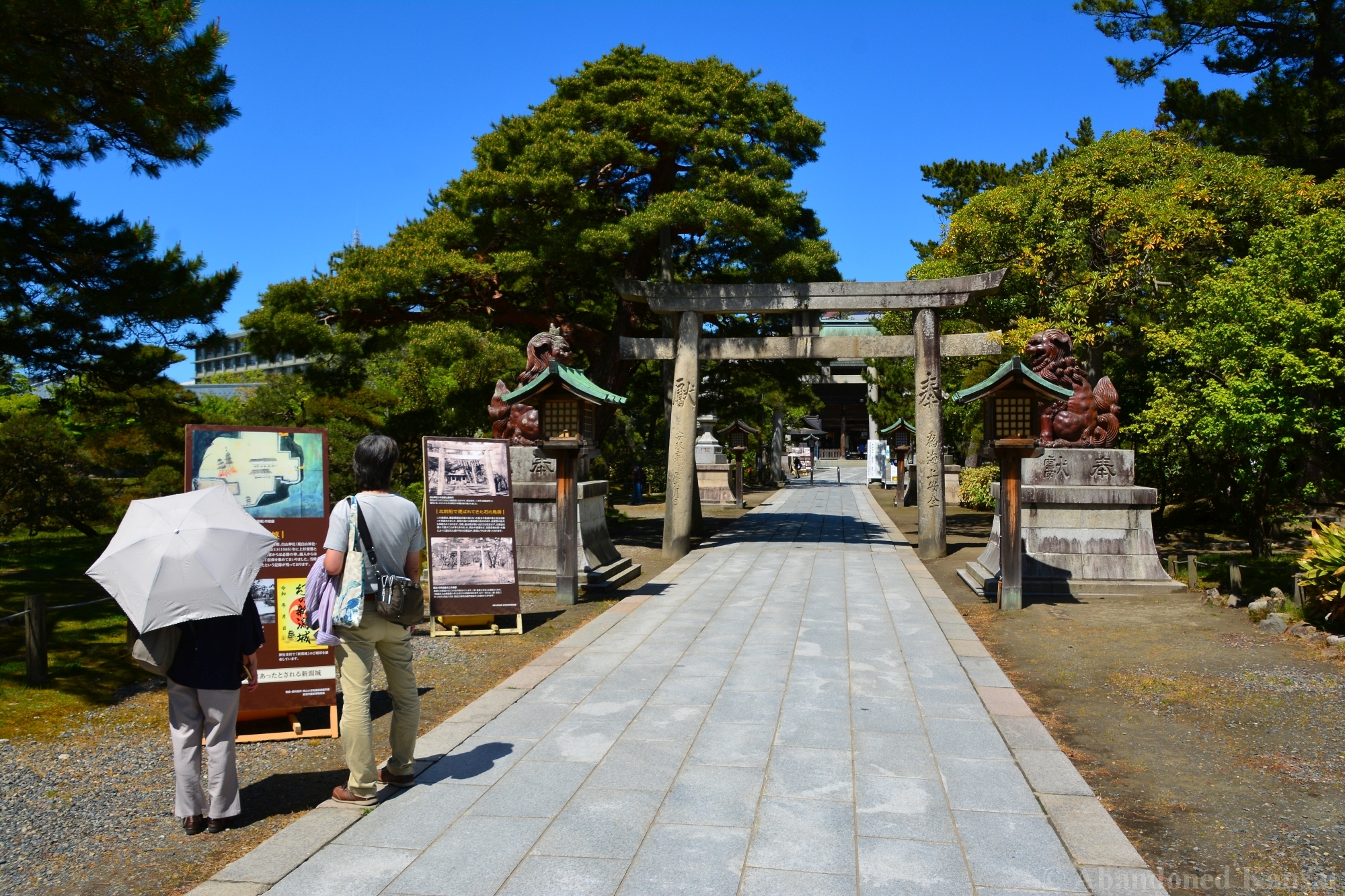
In early 2020 things went “back to normal” in Japan with as few as 698 new cases per day nationwide (Kanto and Kansai being responsible for the vast majority of cases and some prefectures going down to 0 active cases and no new infections for weeks!), so I decided to jump on the opportunity and visit some places that had been unbearably crowed in the last five to eight years – especially since some of my regular co-explorers had become increasingly busy with fur and other babies. My first main destination on February 12th, after nights in Matsumoto and Nagano (where I had been years prior on the way to the abandoned *Asama Volcano Museum*), were the famous onsen snow macaques in the Jigokudani Monkey Park; a place so touristy and swamped that my buddy Hamish discouraged me from going there many, many years ago. Upon my arrival towards noon I shared the park with hardly more than a dozen people, and that number barely doubled during my hour long stay there – now that turned out even much better than I had hoped for in my wildest dreams! 🙂 So for the next weekend I made even bolder plans, for a place usually so overrun by busloads of foreign and domestic tourists that you could have offered me serious money to go there and I would have declined without hesitating – Shirakawa-go in winter! And to make it the ultimate challenge I added Takayama the day before and Kanazawa the day after, with a quick stop in Gero on the way to Takayama. What can I say? Gero was lovely, Takayama absolutely gorgeous, Kanazawa virtually empty (I was able to take photos in the old samurai district without people ruining them!), and Shirakawa-go… Shirakawa-go was still busy, but bearable. Already borderline too busy for my taste, but knowing that there usually were five or ten times as many people made me enjoy my visit much more than expected. (The car parking lots were rather busy, the bus parking spots basically empty – the lack of mass tourism saved my day!)

March 2021: Hokkaido, Yamaguchi, Kamakura / Hakone
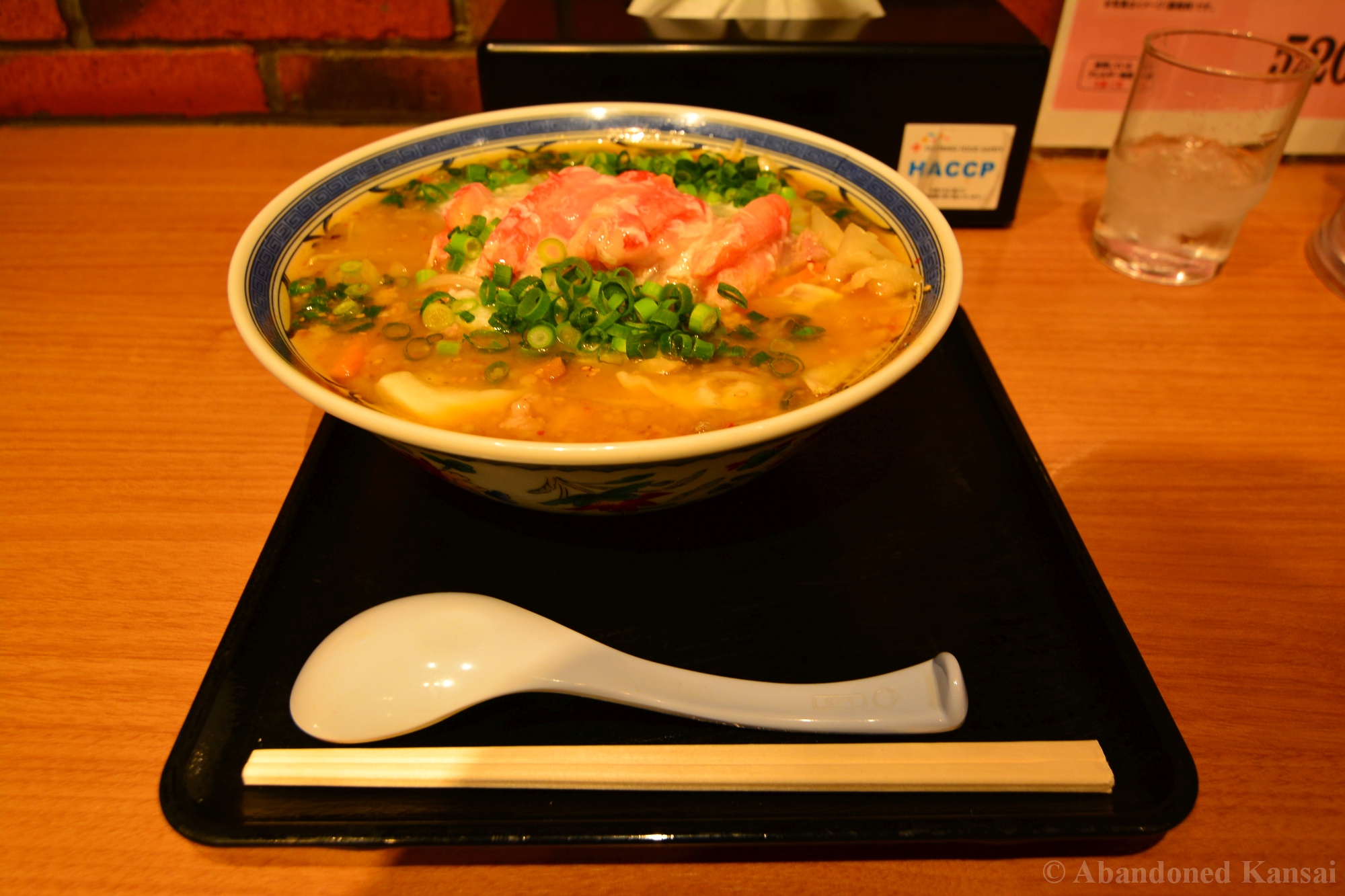
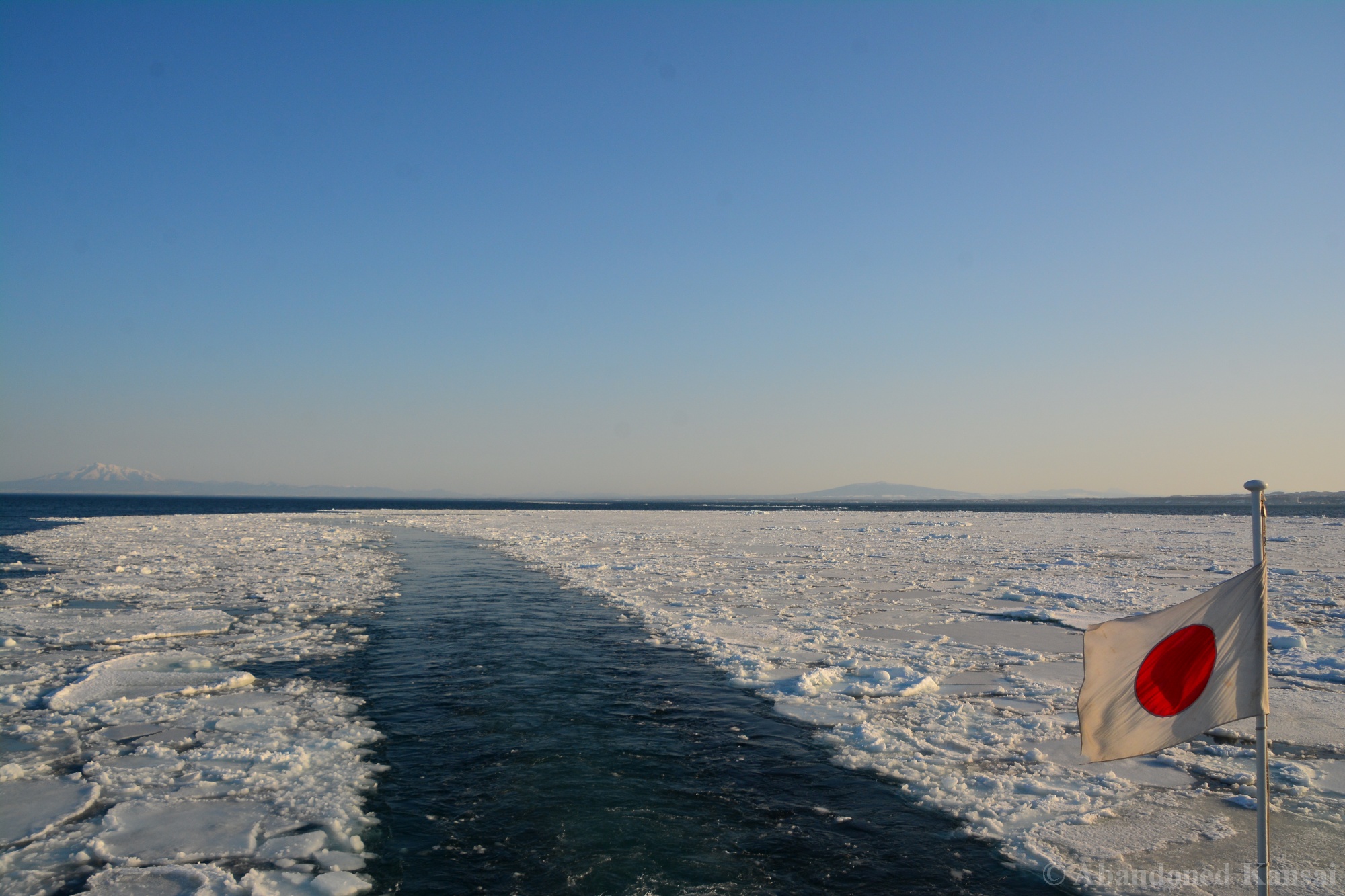
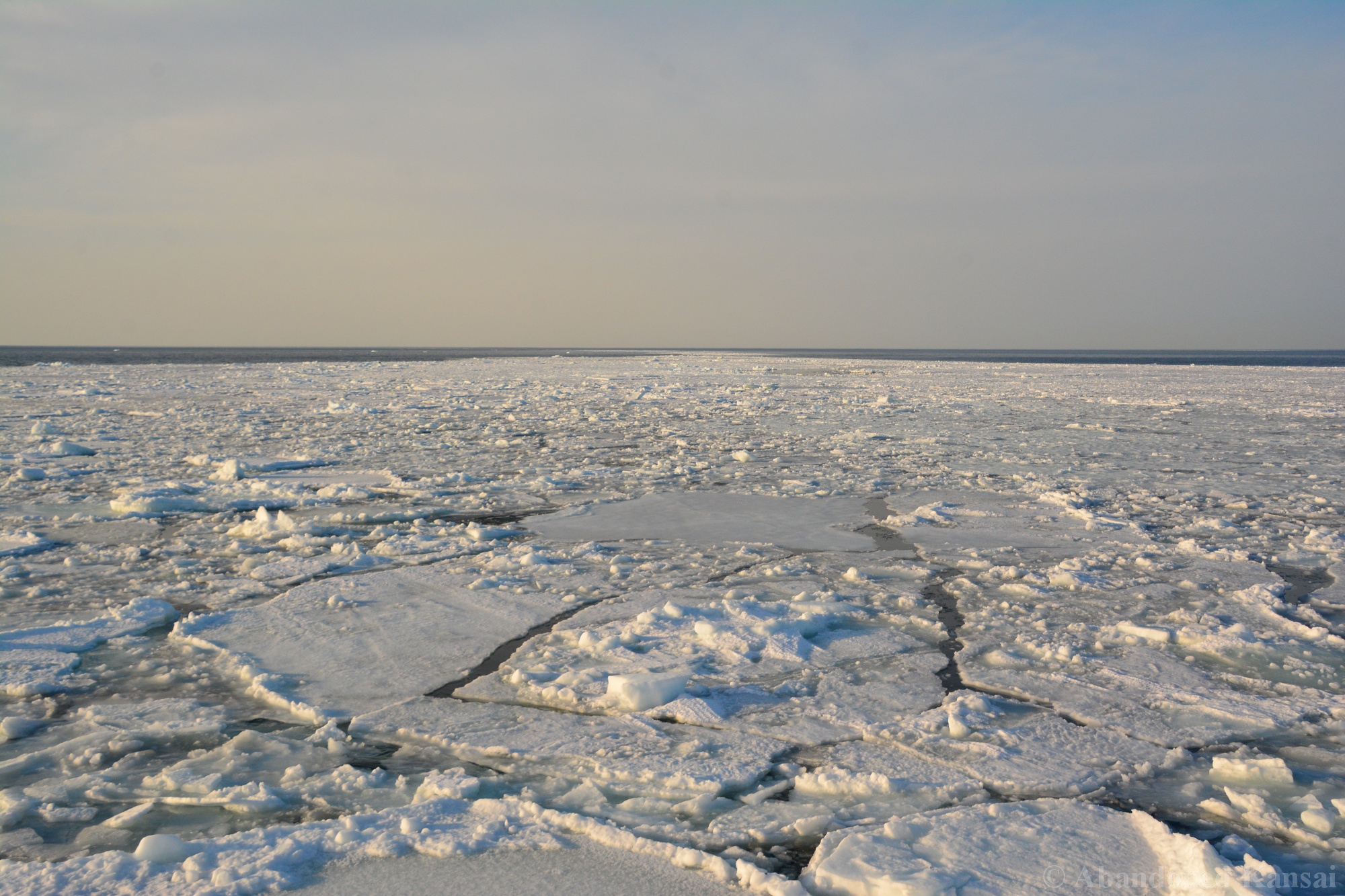
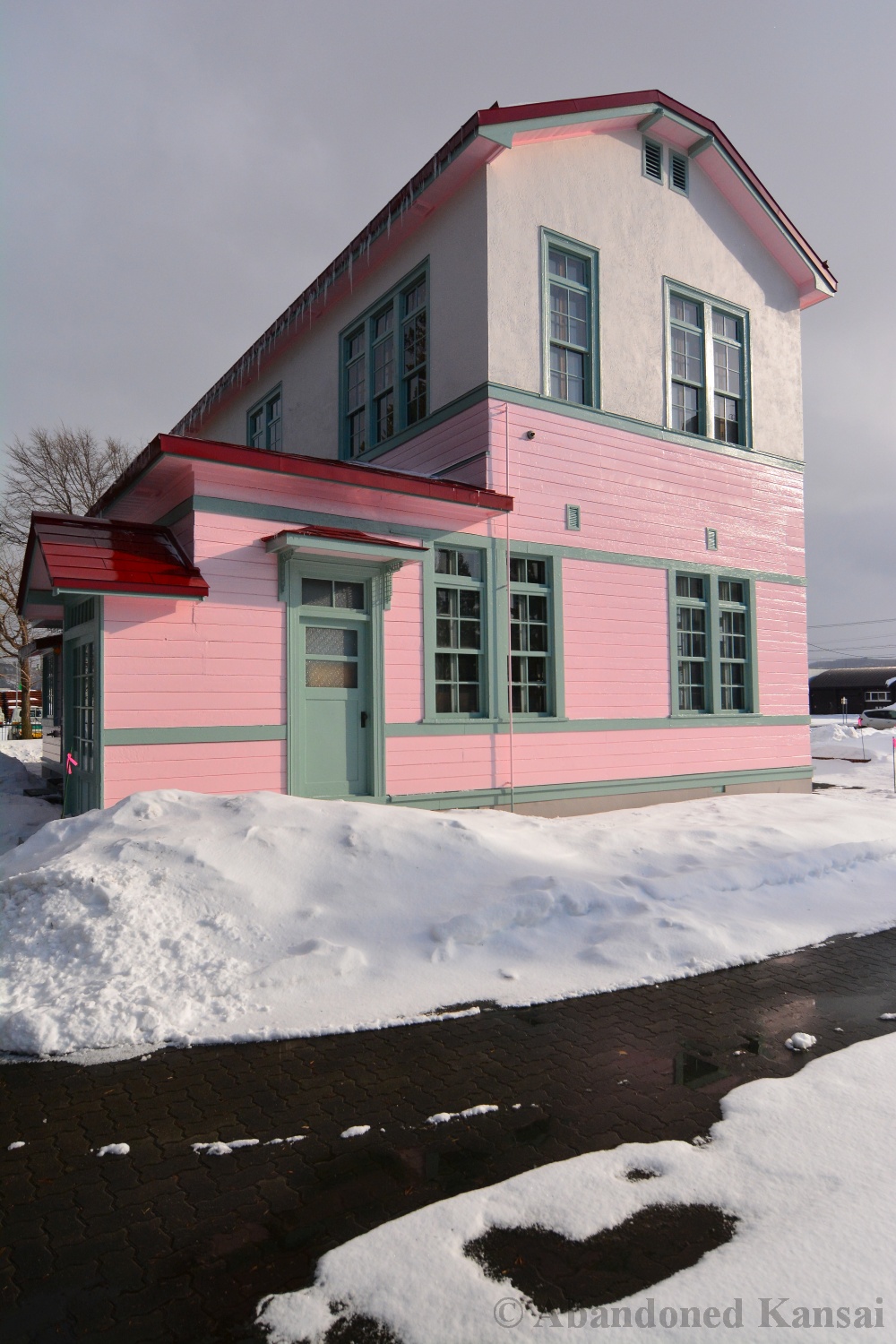
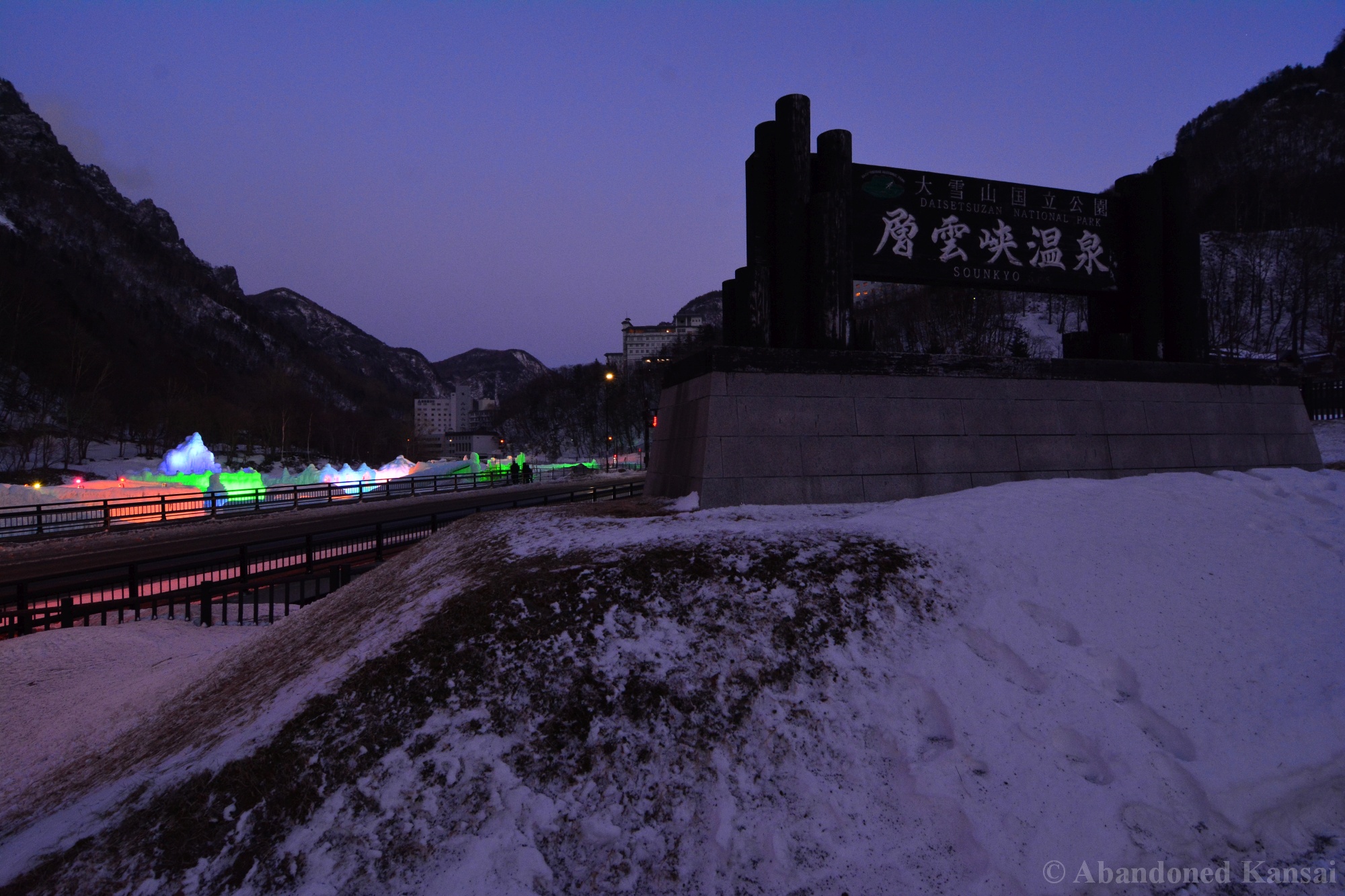
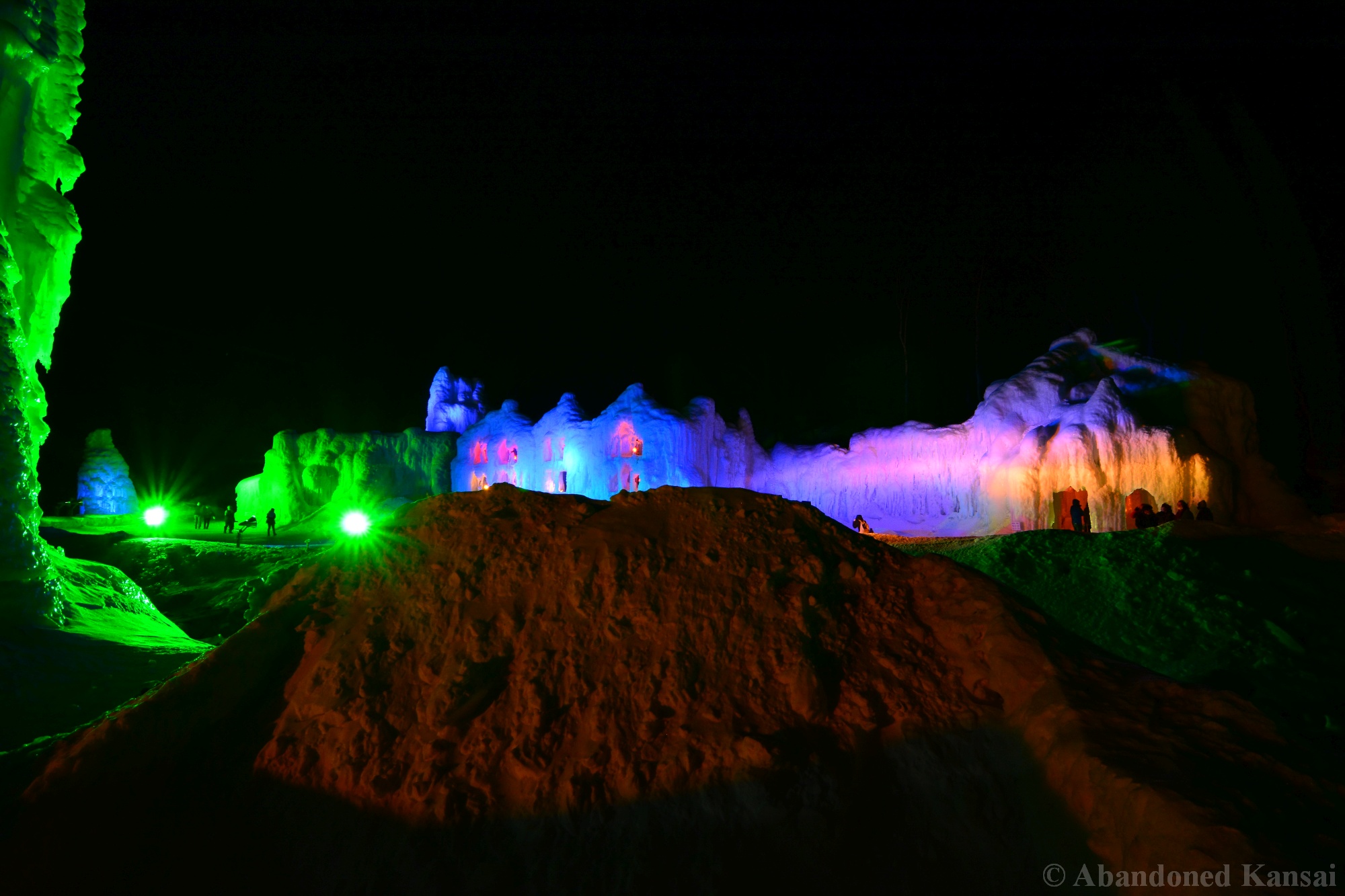
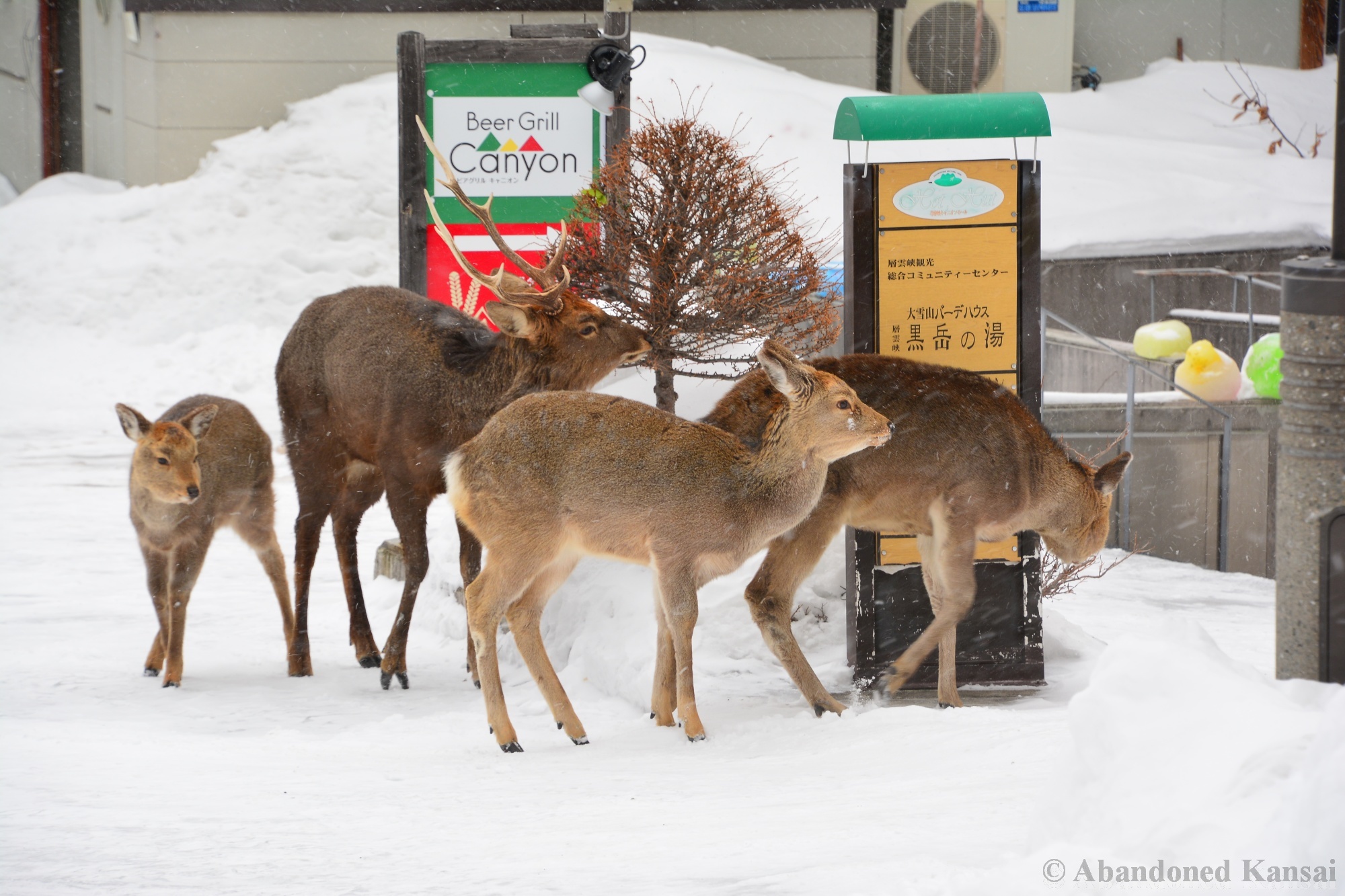
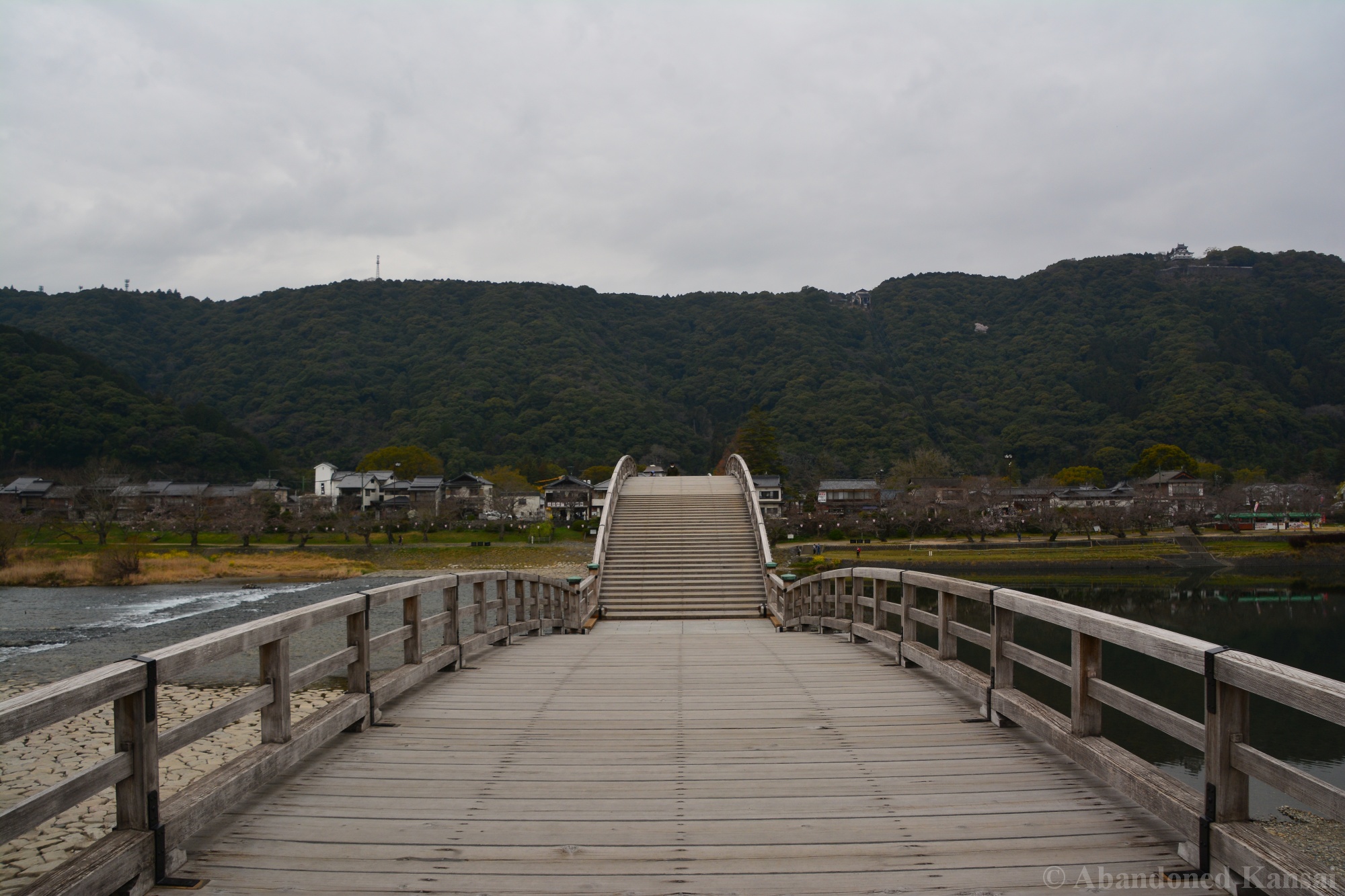
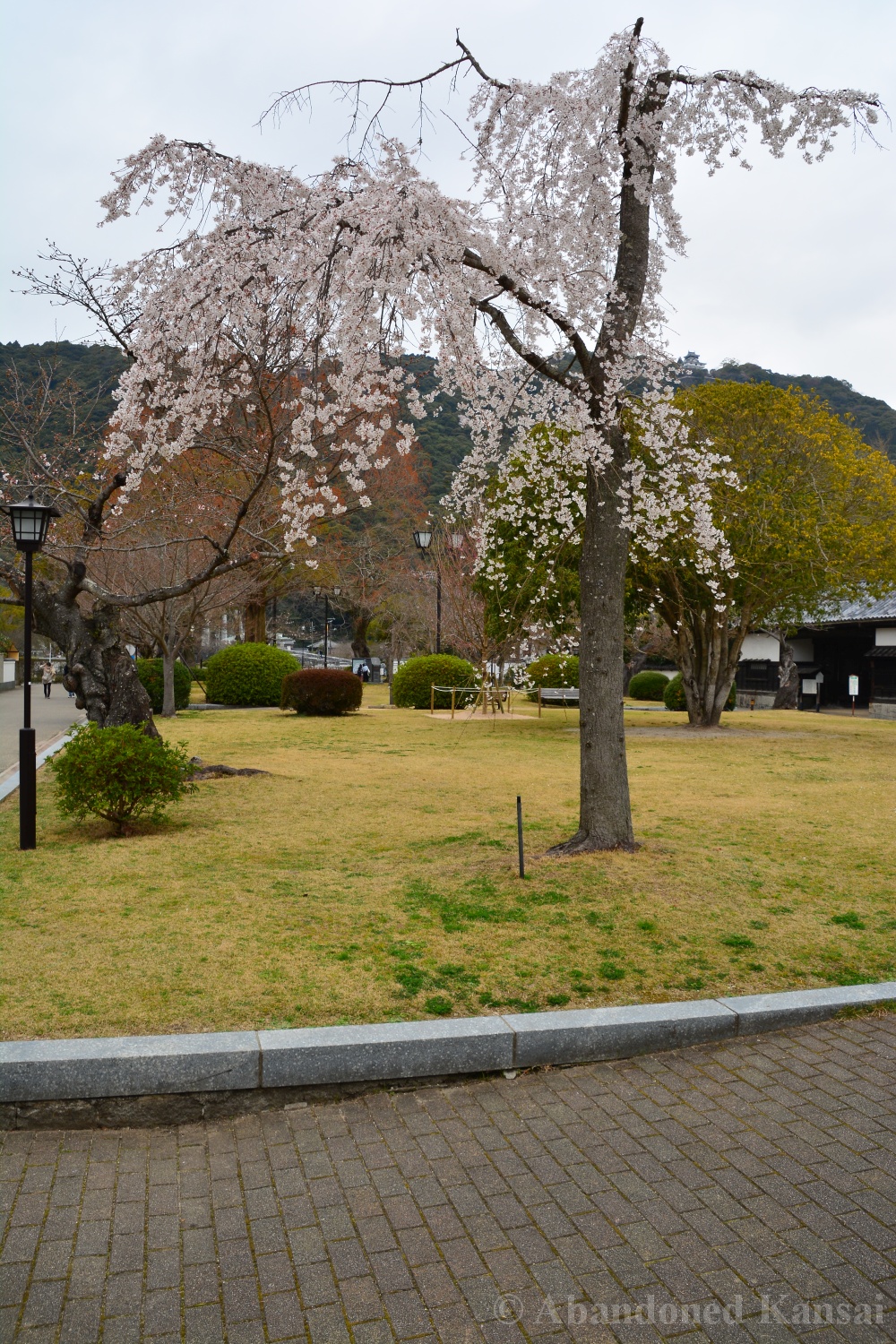
March started with another touristy trip to Hokkaido. If you are a regular of Abandoned Kansai and paid attention reading my article about the *Toya-Usu Geopark* you already know that I had been up north in early November – too early for the drift ice of the Okhotsk Sea, so I went back just four months and a coronavirus wave later. Despite the unusually warm weather in Abashiri (10°C!) I was able to experience the drift ice by pure luck before moving on to Kitami and the peppermint museum, Onneyu Onsen and the fox farm, as well as the mostly closed Sounkyo Onsen and its ice festival (-9°C and strong wind!). Also worth mentioning was my stop in Asahikawa and its cross country ski track right behind the main train station in the city center. Gotta love Japan! Two weeks later I took advantage of the early cherry blossom season and went south – Iwakuni, Tsuwano, Hagi, and Akiyoshido / Akiyoshidai. All four places rather off the beaten tracks, but even more so in the spring of 2021. On both of those trips I didn’t see a single non-Asian person after my first stop (New Chitose Airport and Iwakuni respectively), which gave me serious flashbacks to 1998 – not only did I enjoy both of those trips tremendously, I felt young again! 🙂
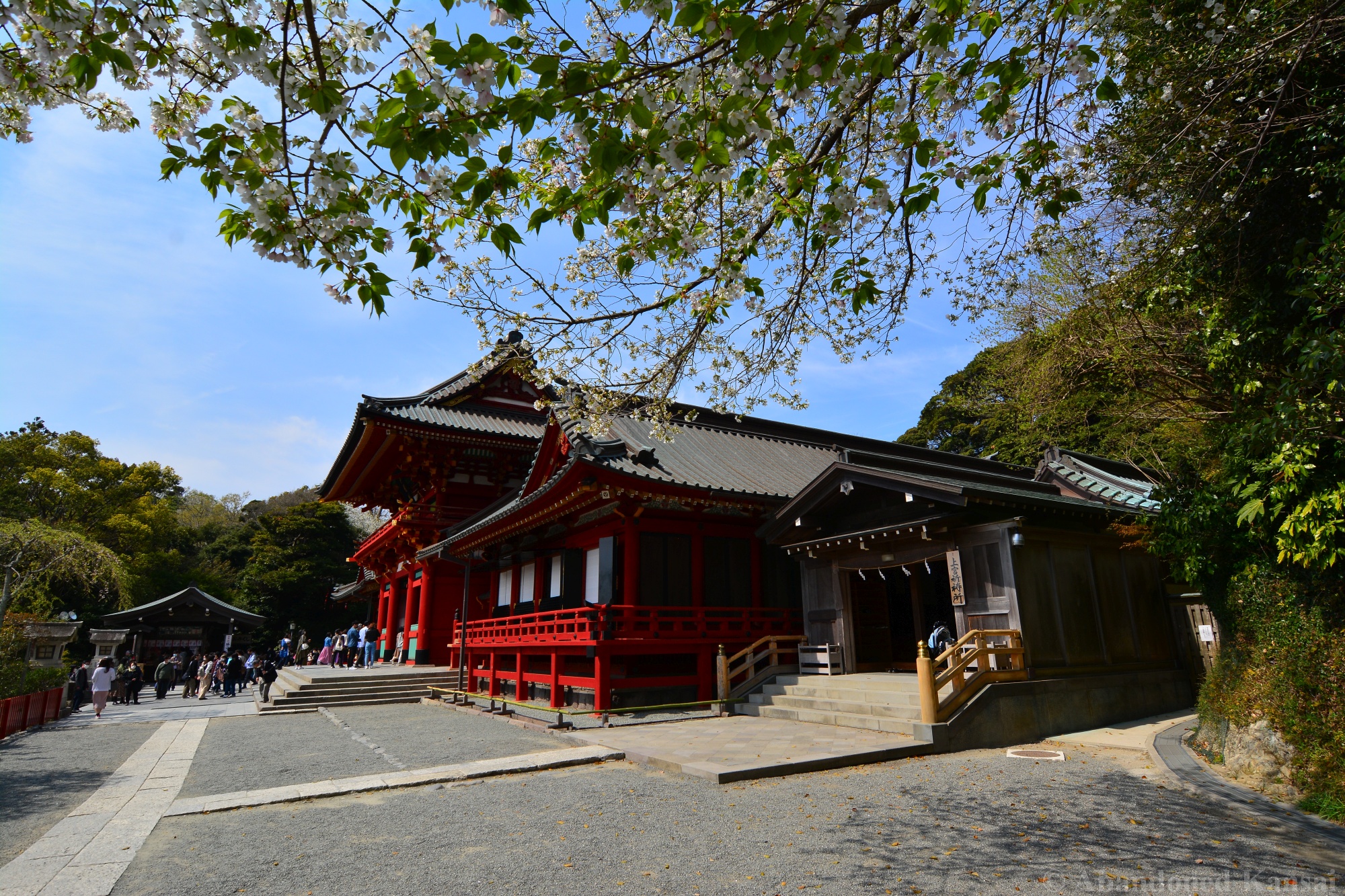
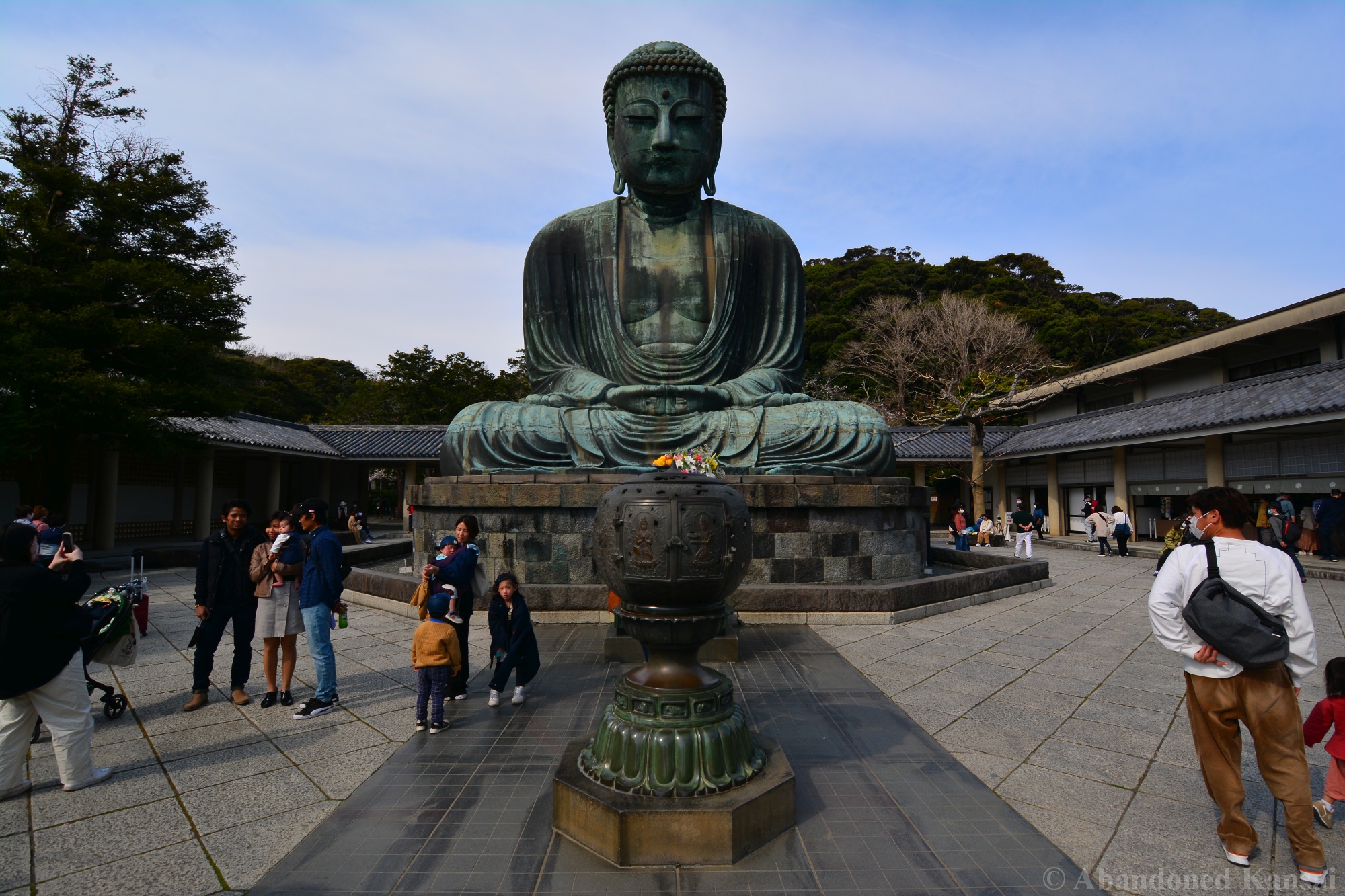
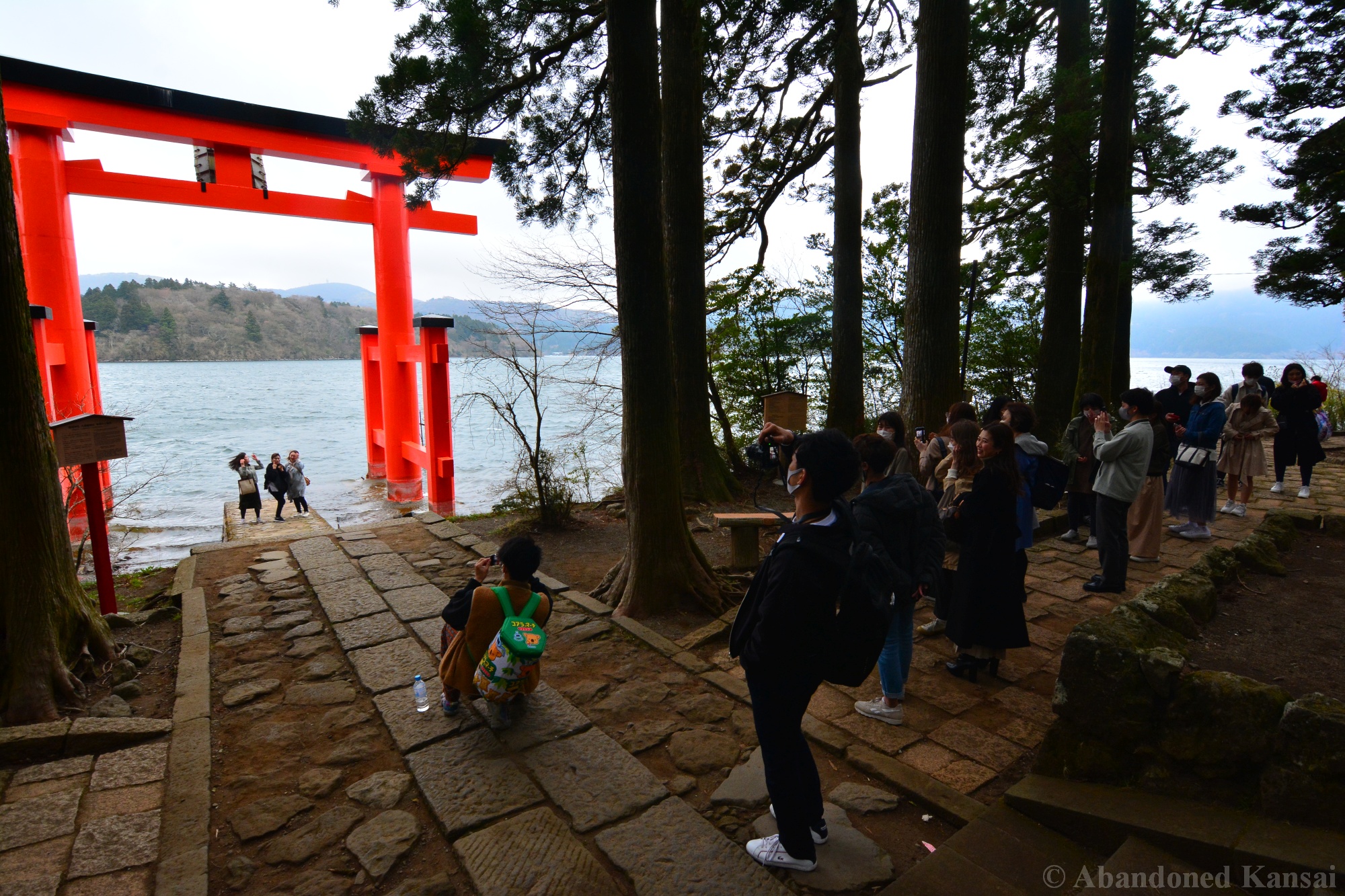
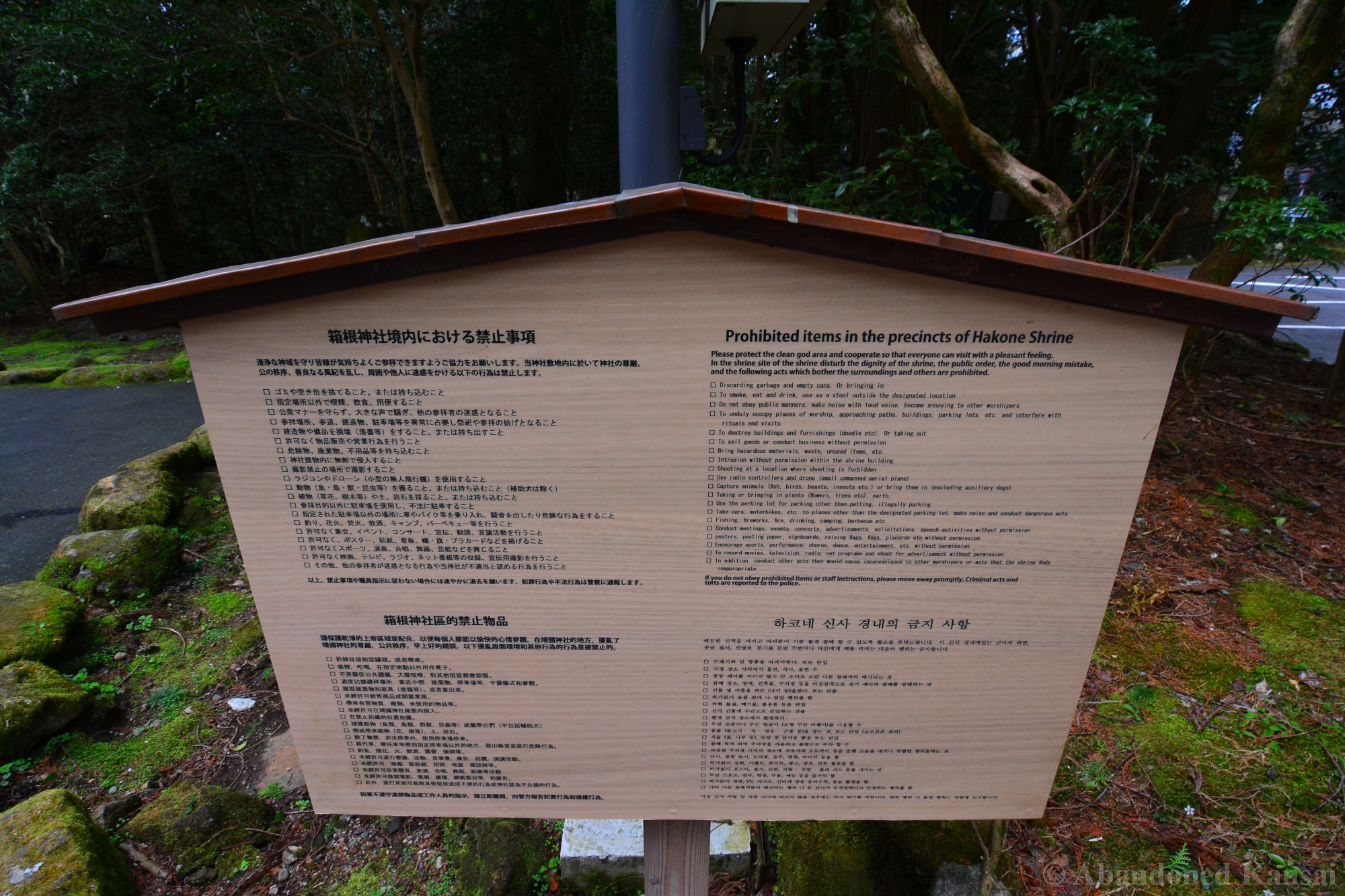
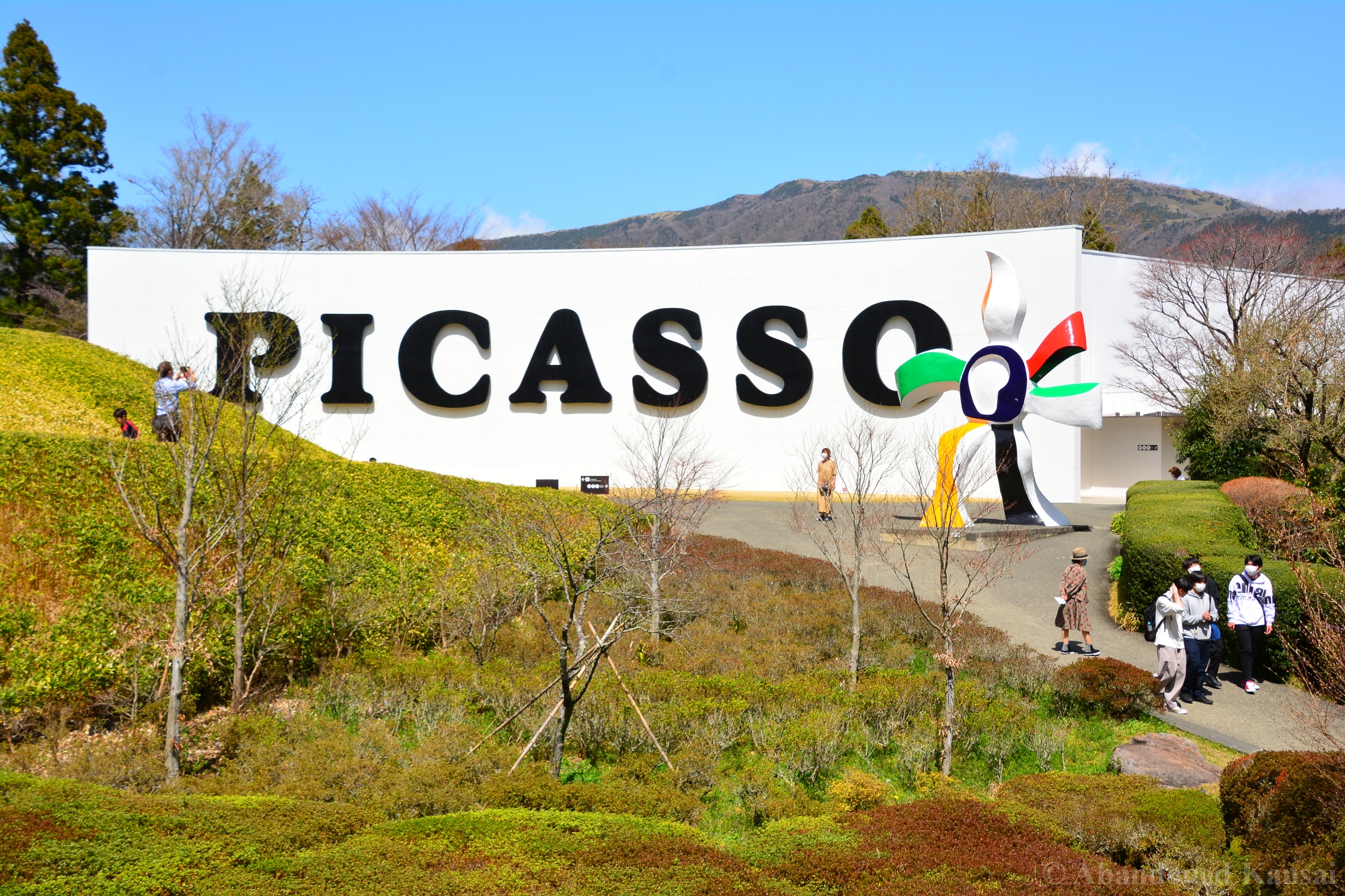
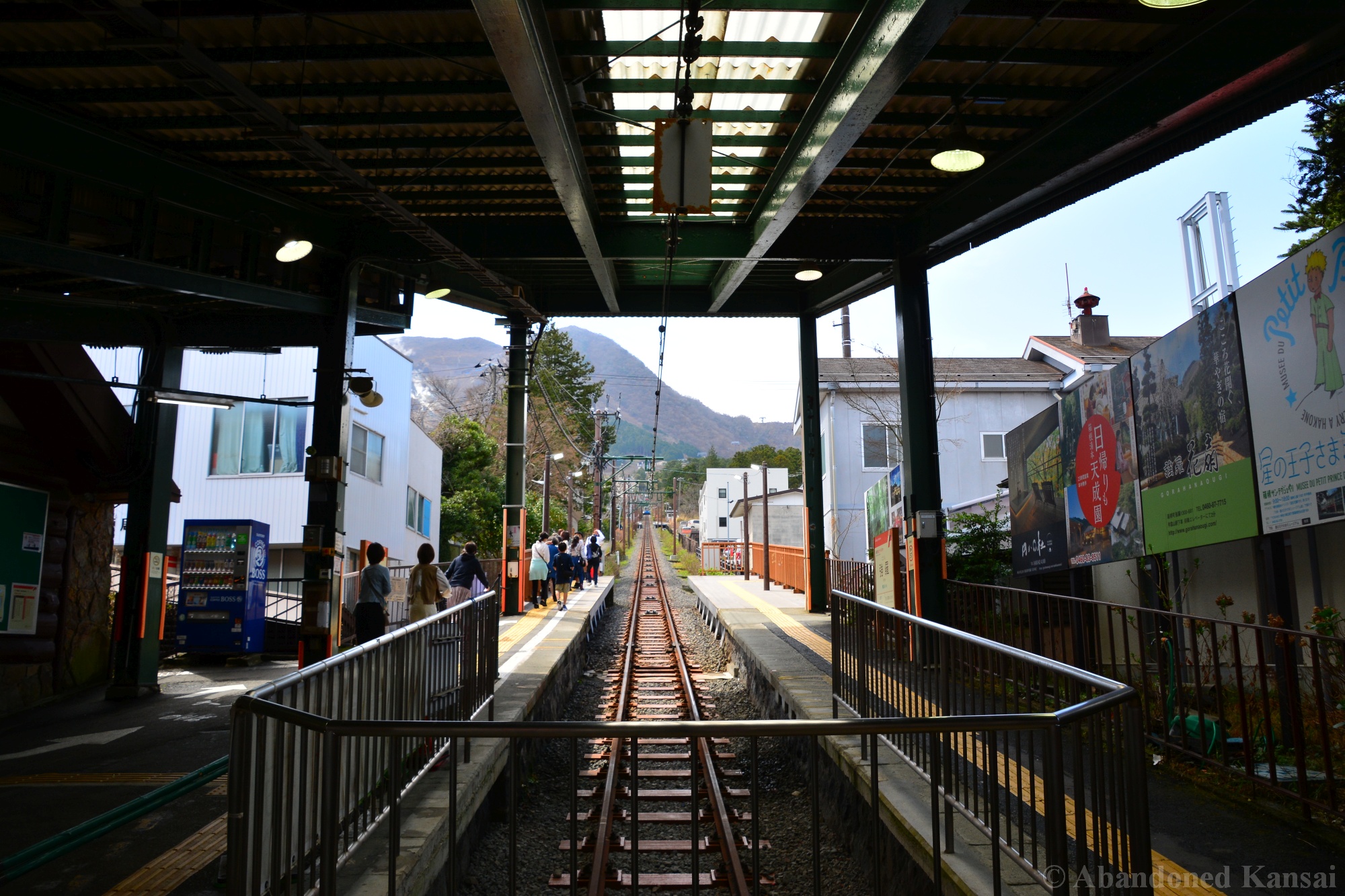
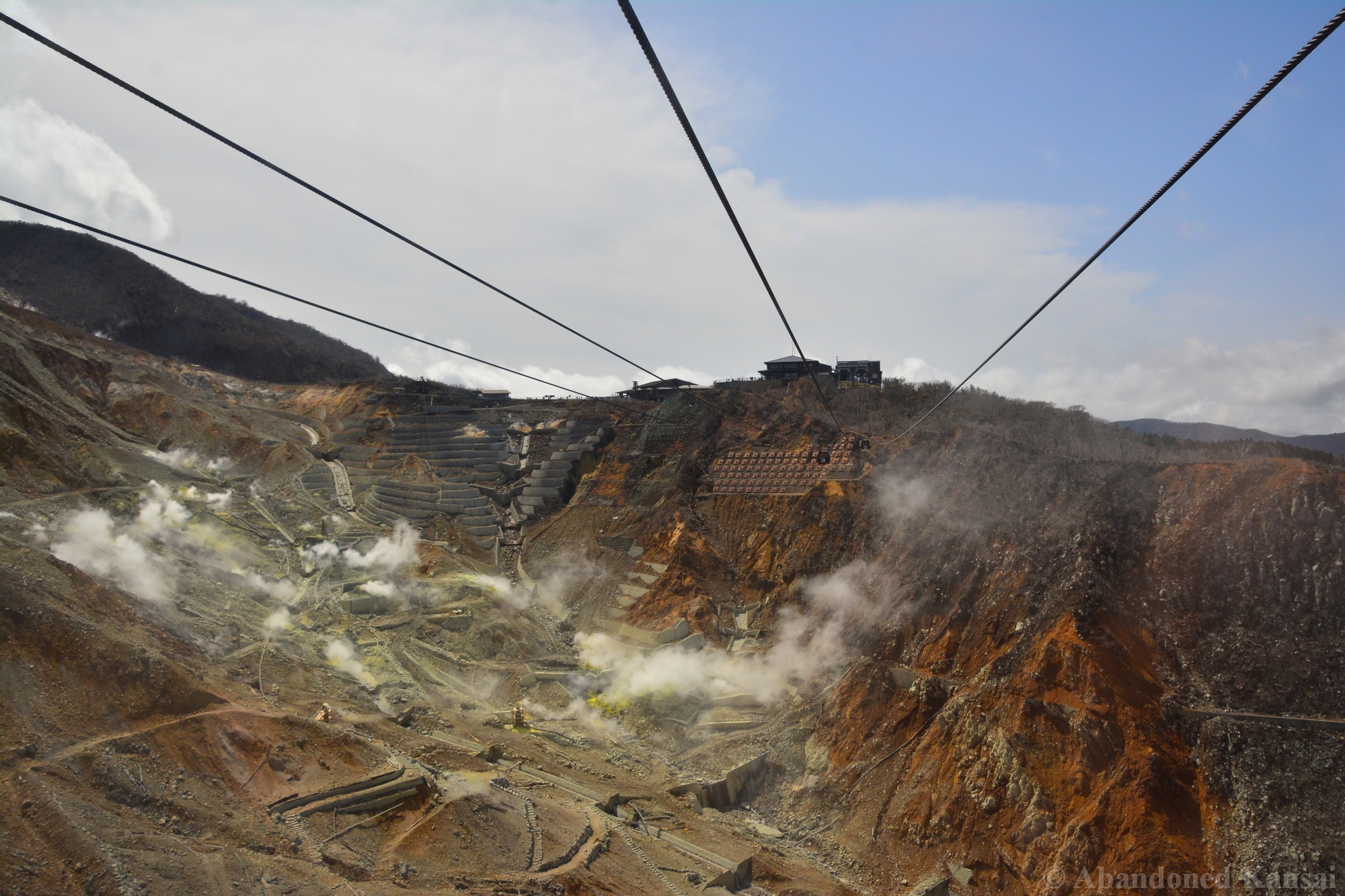
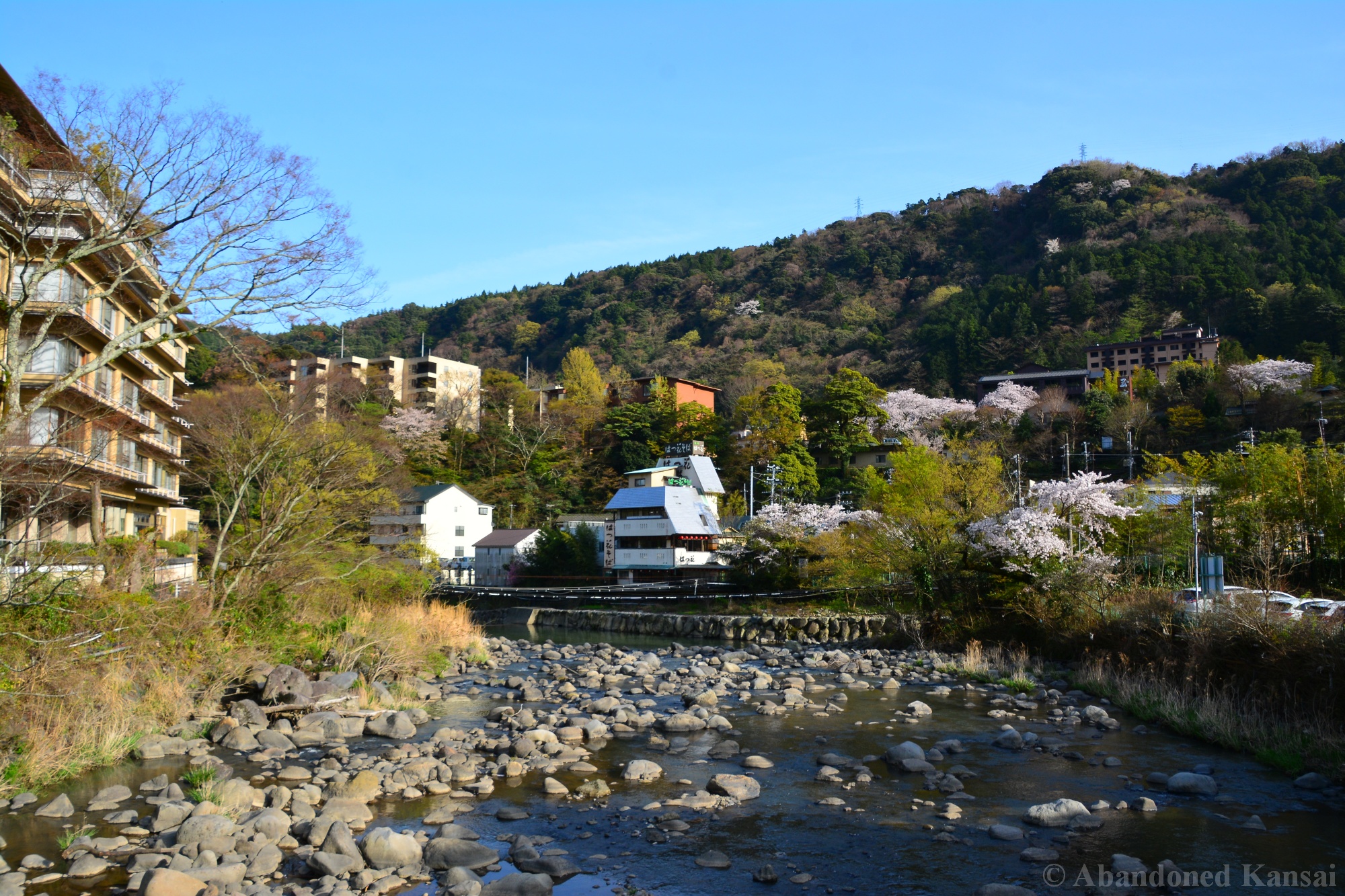
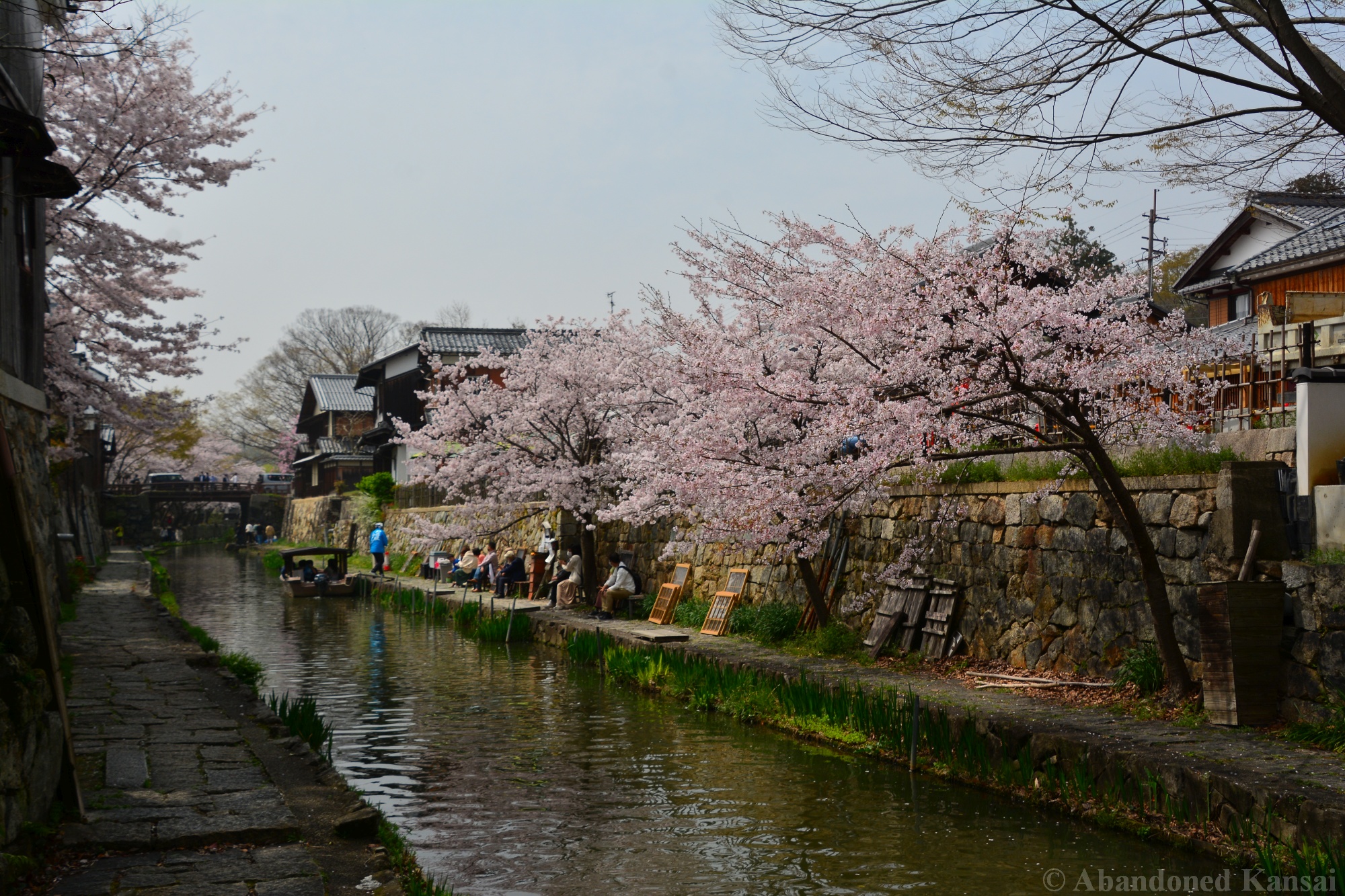
Next a trip to Kanto (Kamakura, Odawara, Hakone) with a quick stop in Omihachiman on the way back – as expected full of ups and downs, both literally and figuratively… and with significantly more people than on the trips before. Overall worth the time and effort, but especially Hakone seemed terribly overrated to me (the Museum Of Photography is a joke, but the pizza at 808 Monsmare made up for that disappointment).

April: Tateyama Kurobe Alpine Route, Tsumago / Magome
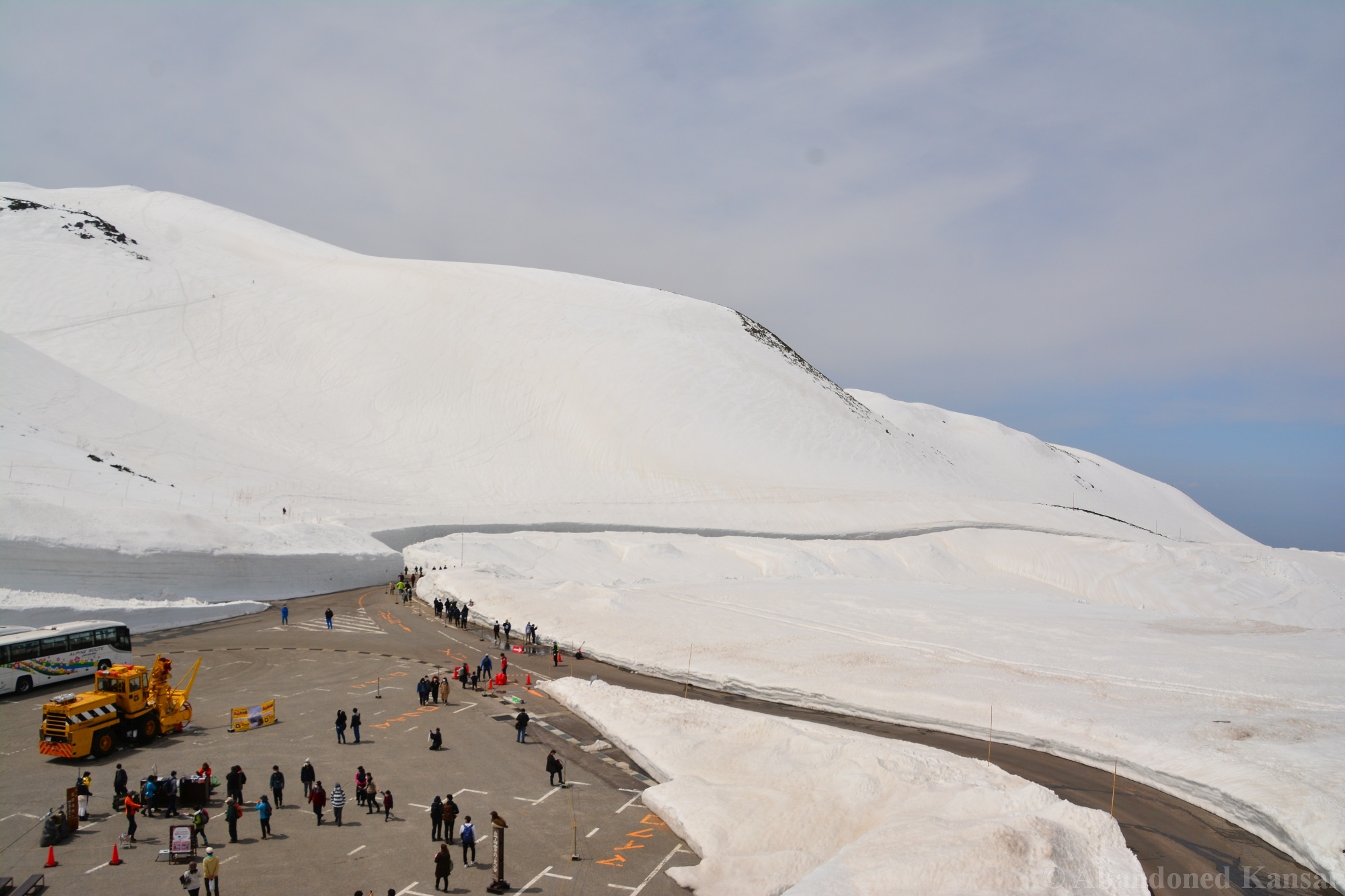
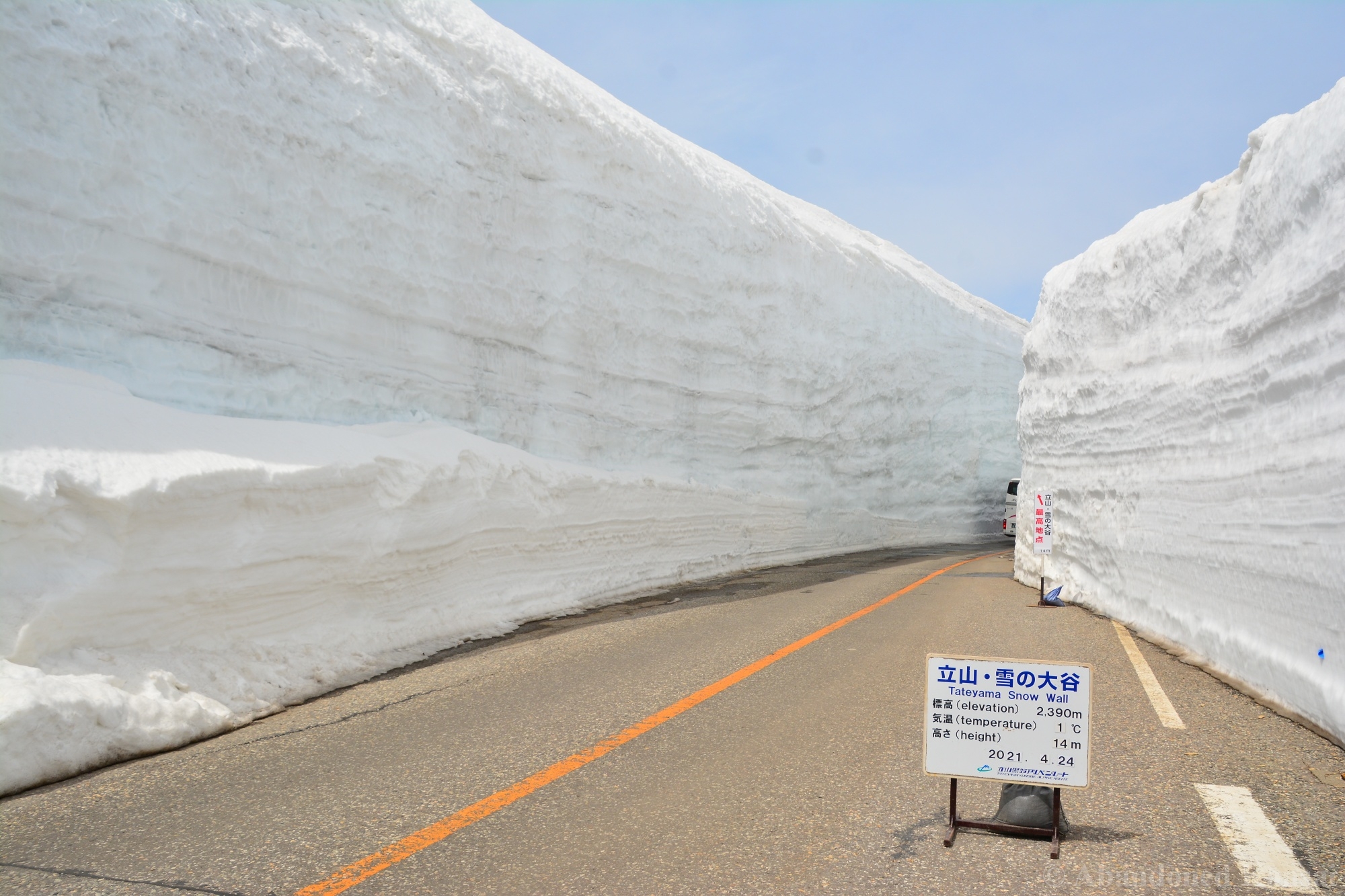
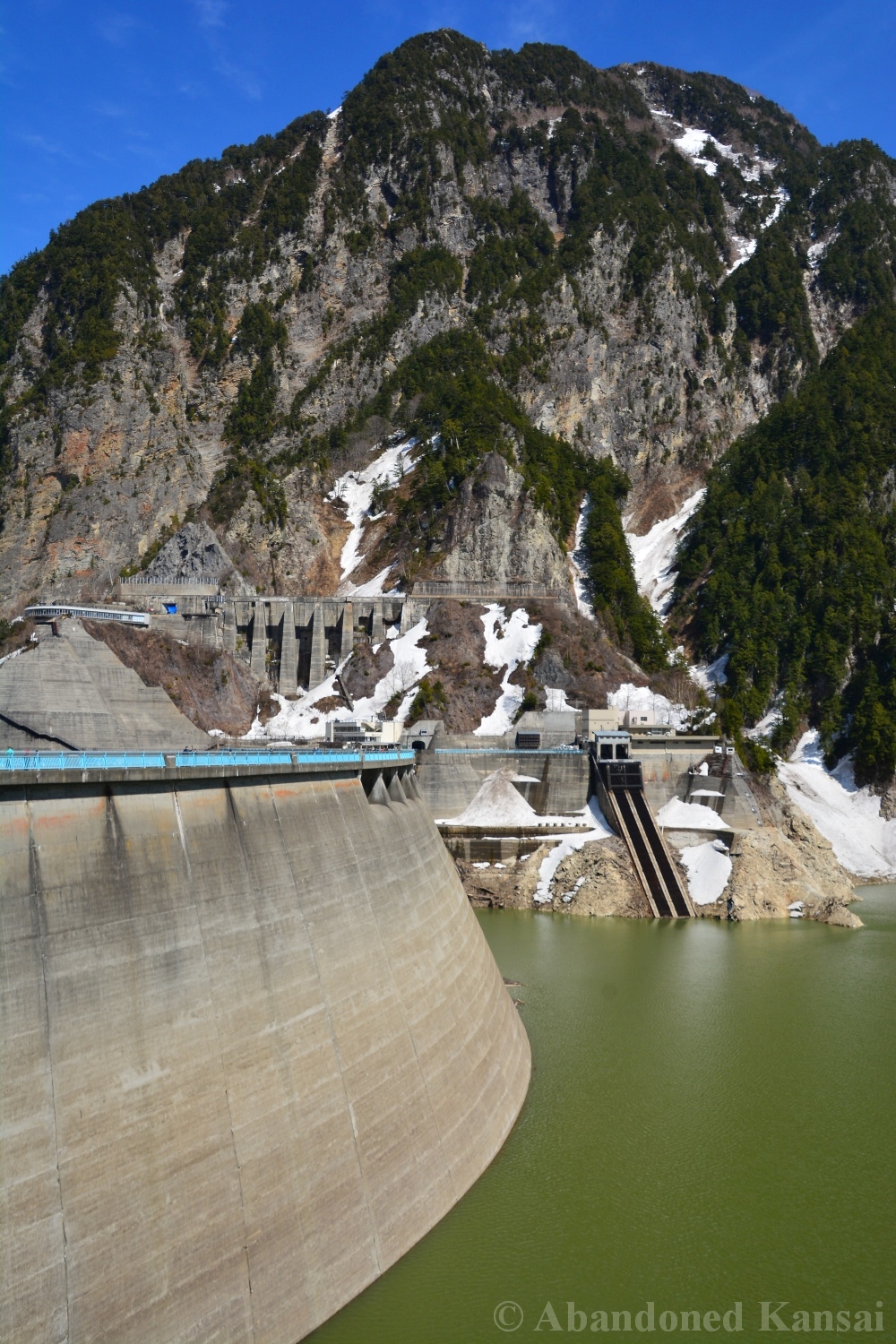
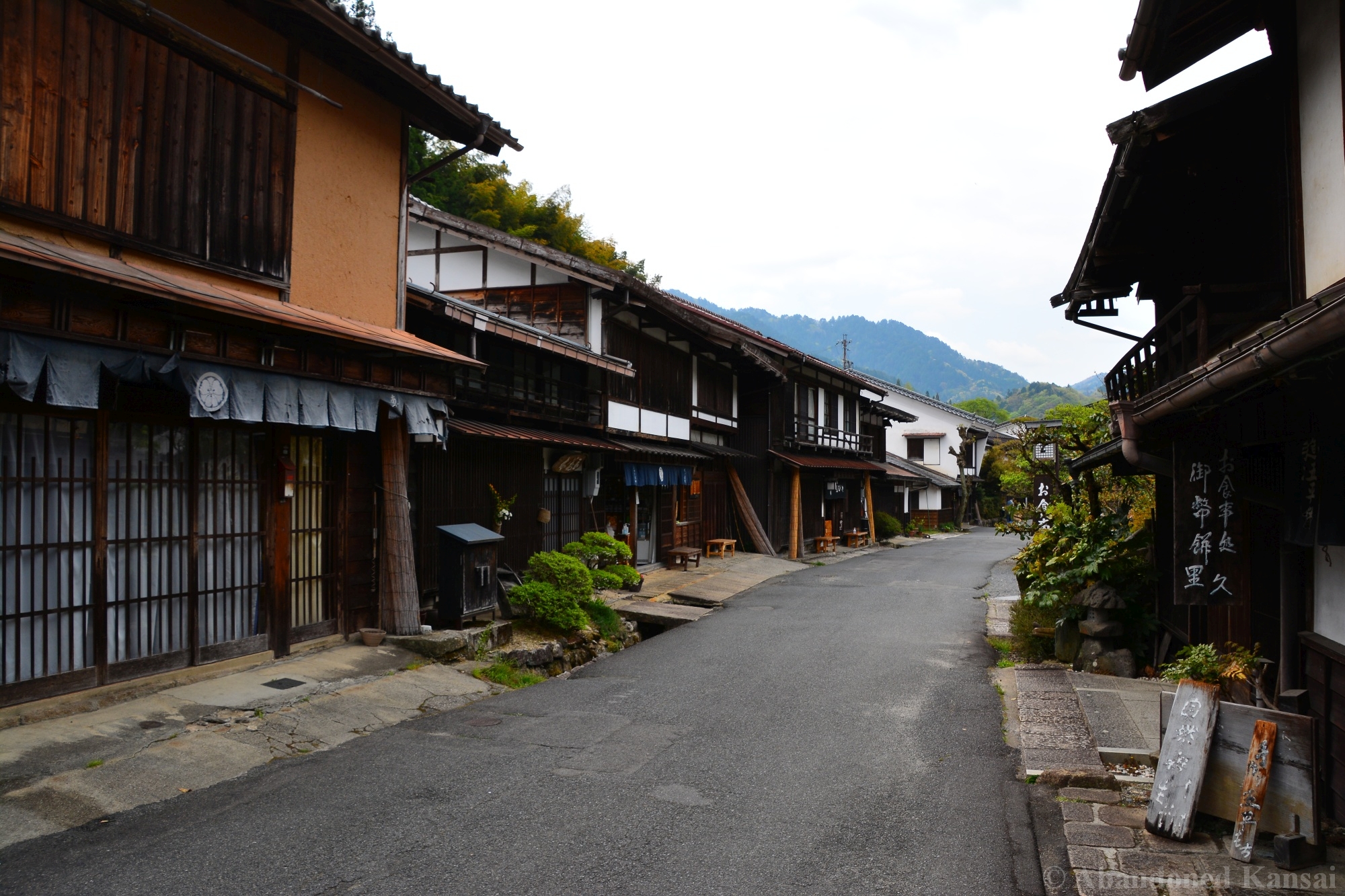
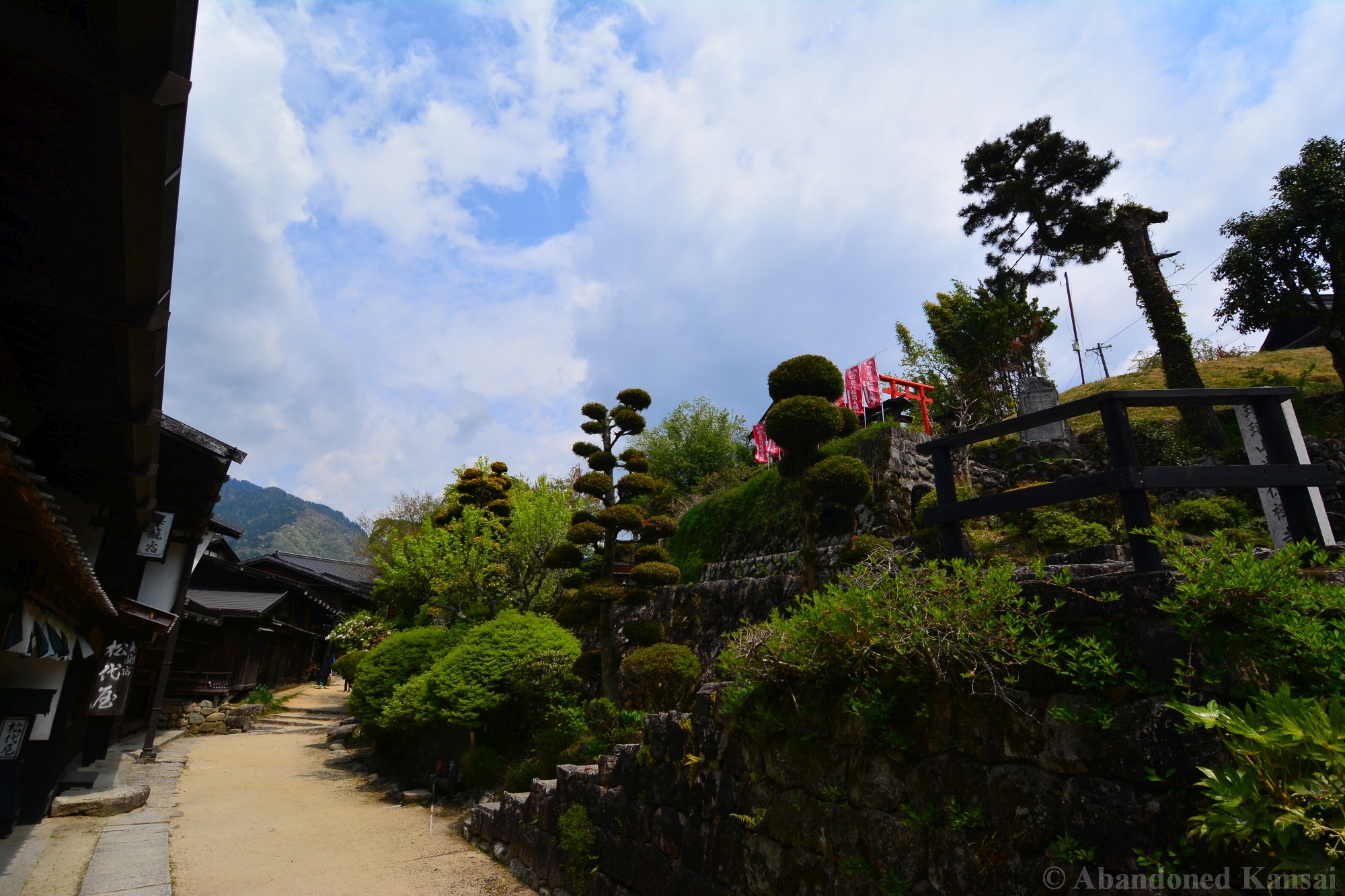
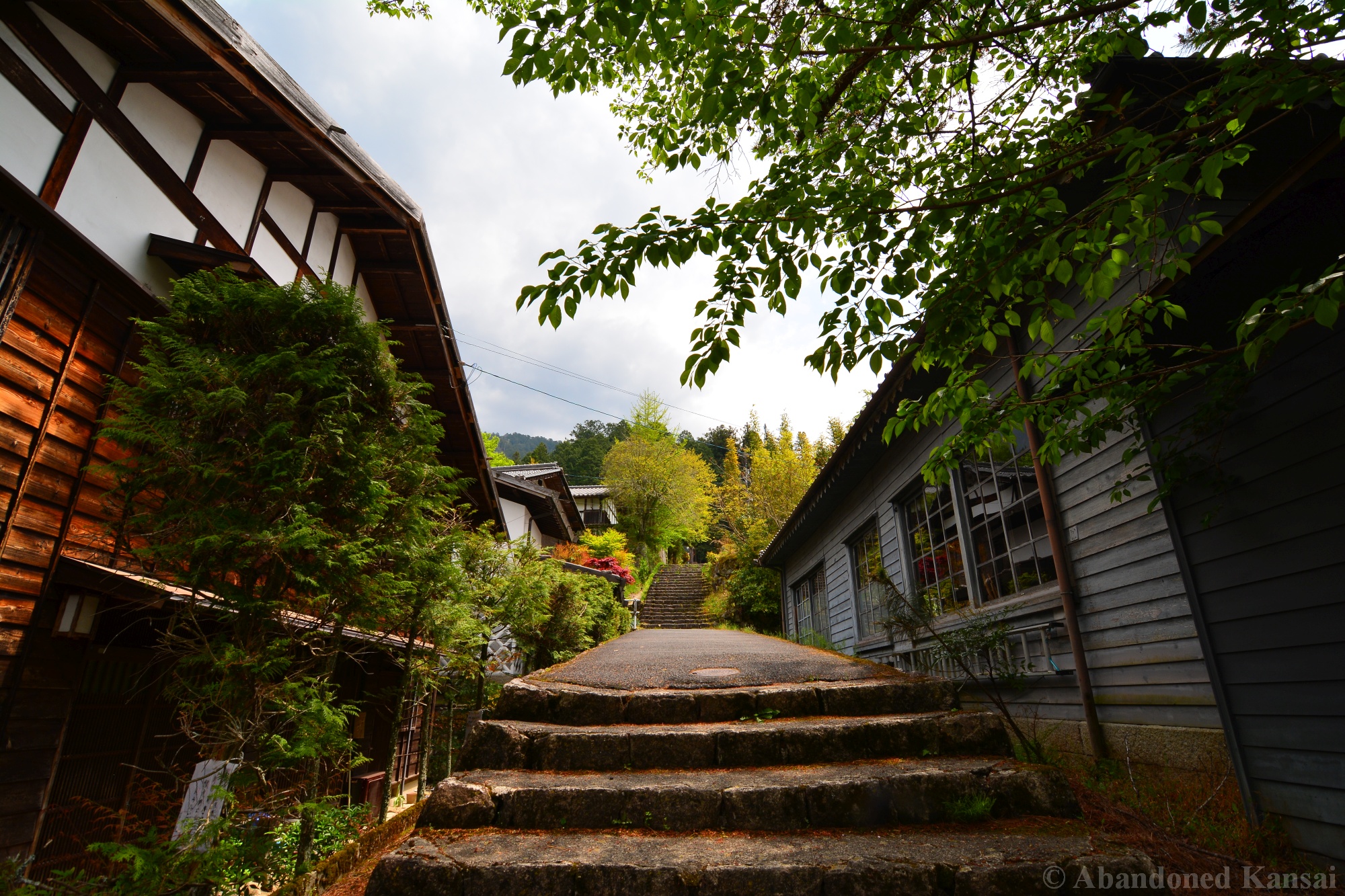
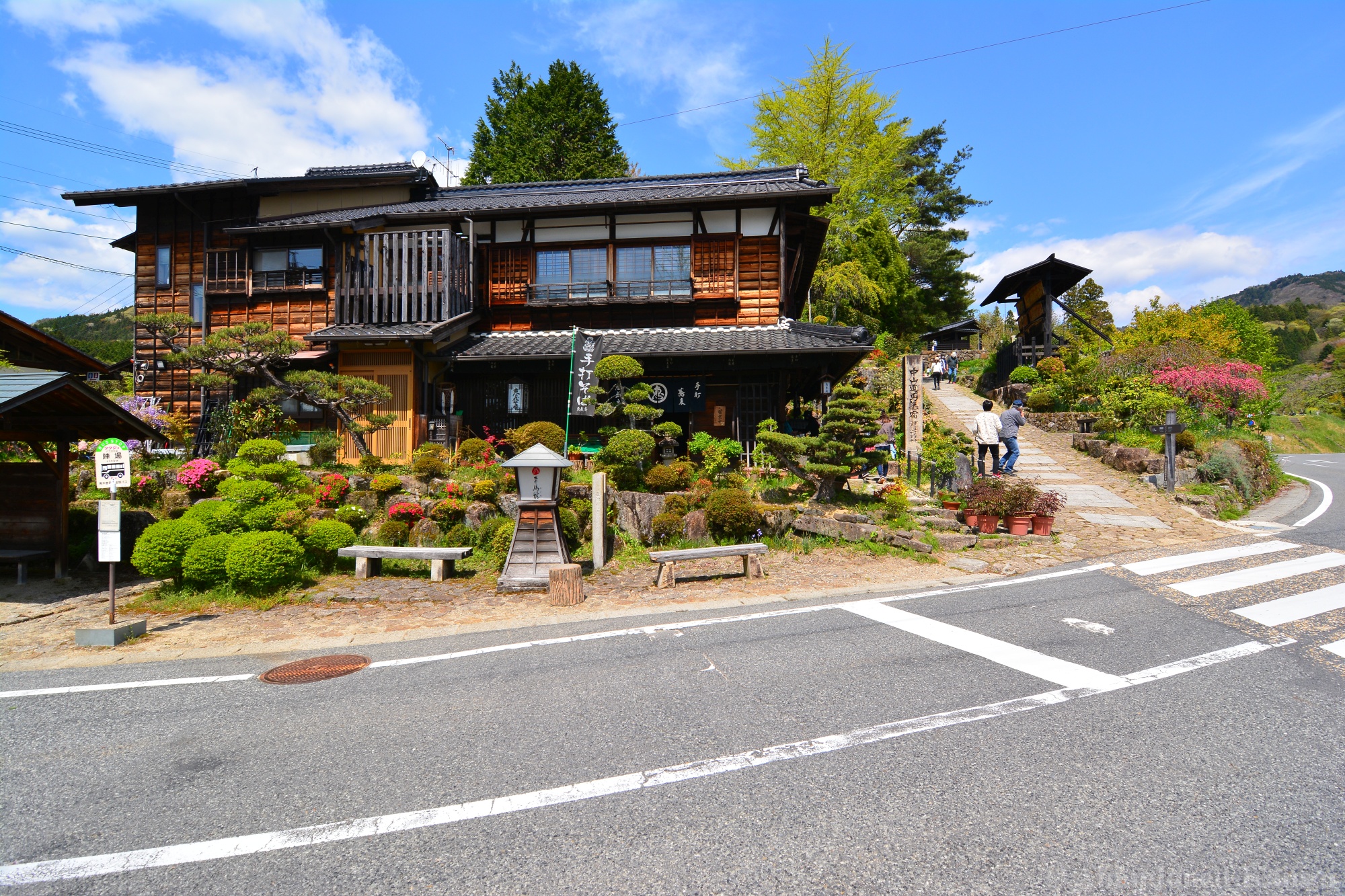
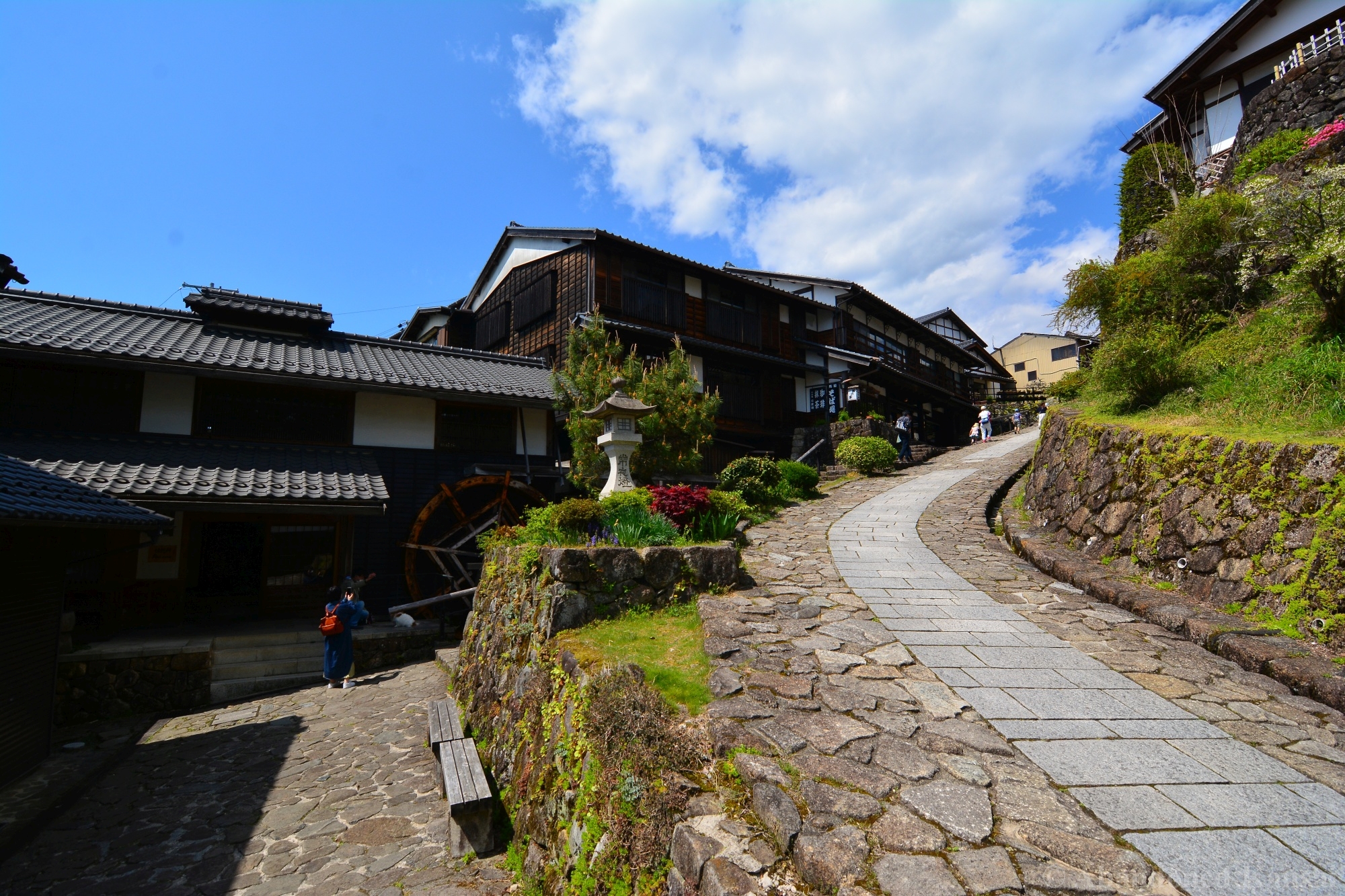
Which brings us to April and one more cliché destination for Instagram victims: the Tateyama Kurobe Alpine Route with the Tateyama Snow Wall and the Kurobe Dam. The latter is impressive, but in the end just a dam with little to see and do in spring, whereas the snow wall is only accessible / existing in spring as that part is closed in winter. Summer and autumn promises tons of nature, a boat cruise on Lake Kurobe, and heaps of hiking trails, but when you do the route in spring you basically only get the snow wall and lots of waiting in line without proper social distancing / climbing stairs. Really disappointing! Fortunately I was able to visit two gorgeous post towns called Tsumago and Magome on my way back to Osucka, which was absolutely lovely – I’d call them hidden gems, but Magome was already surprisingly busy, I can only imagine how insanely crowded the town has been and probably will be again soon.

May: Oga, Akita, Tsuruoka, Niigata, Aizu-Wakamatsu, Ouchi
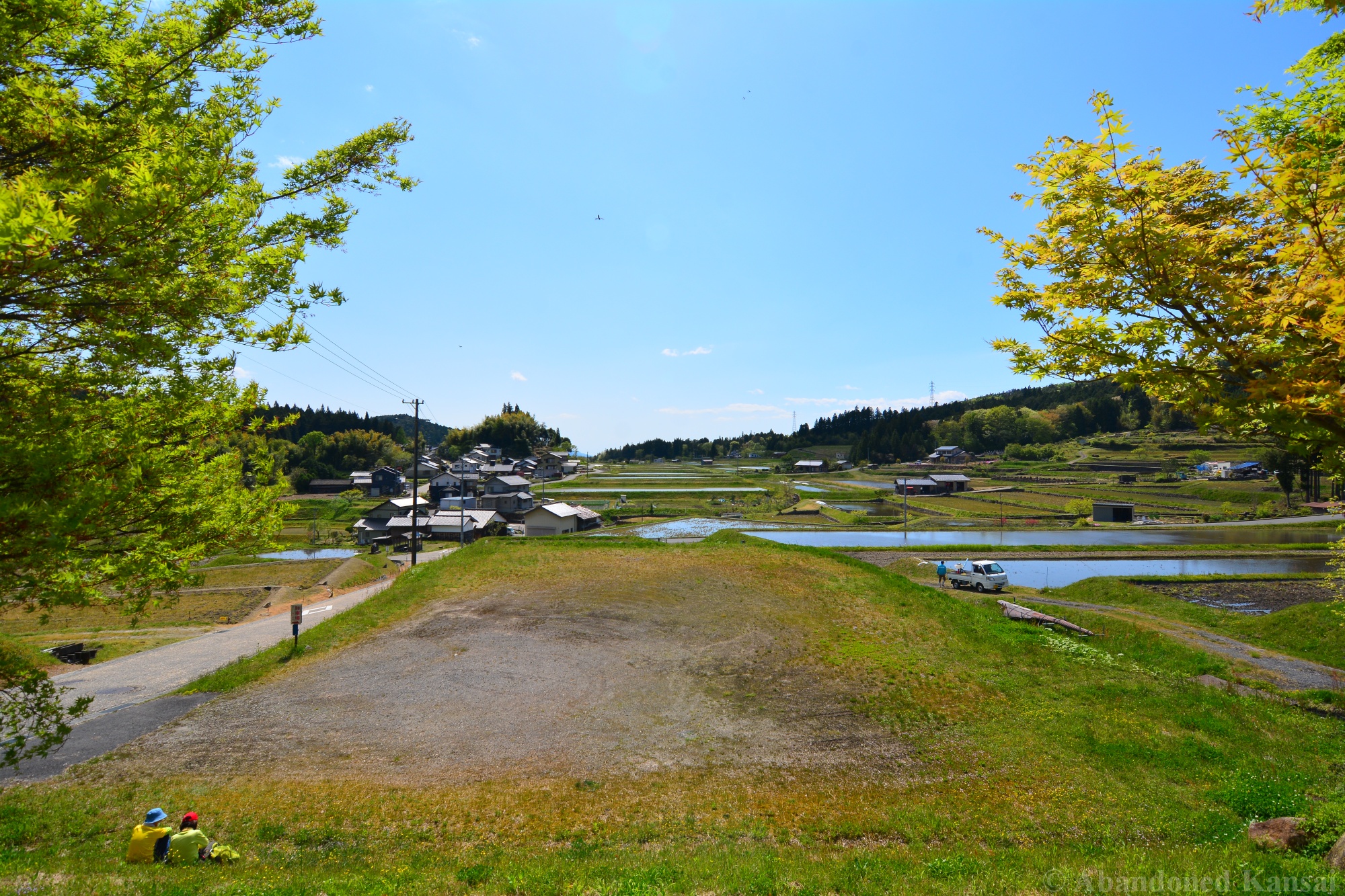
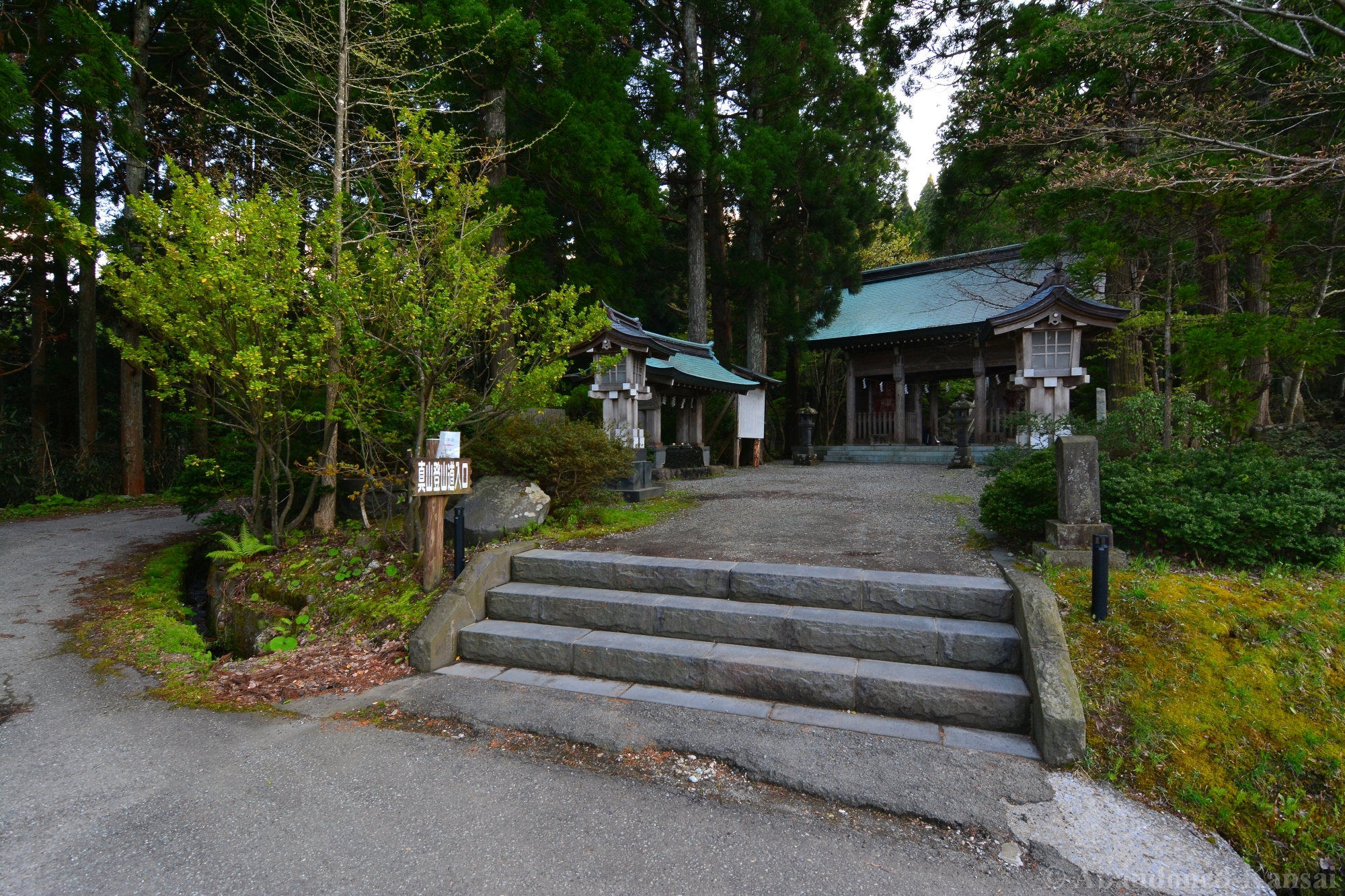
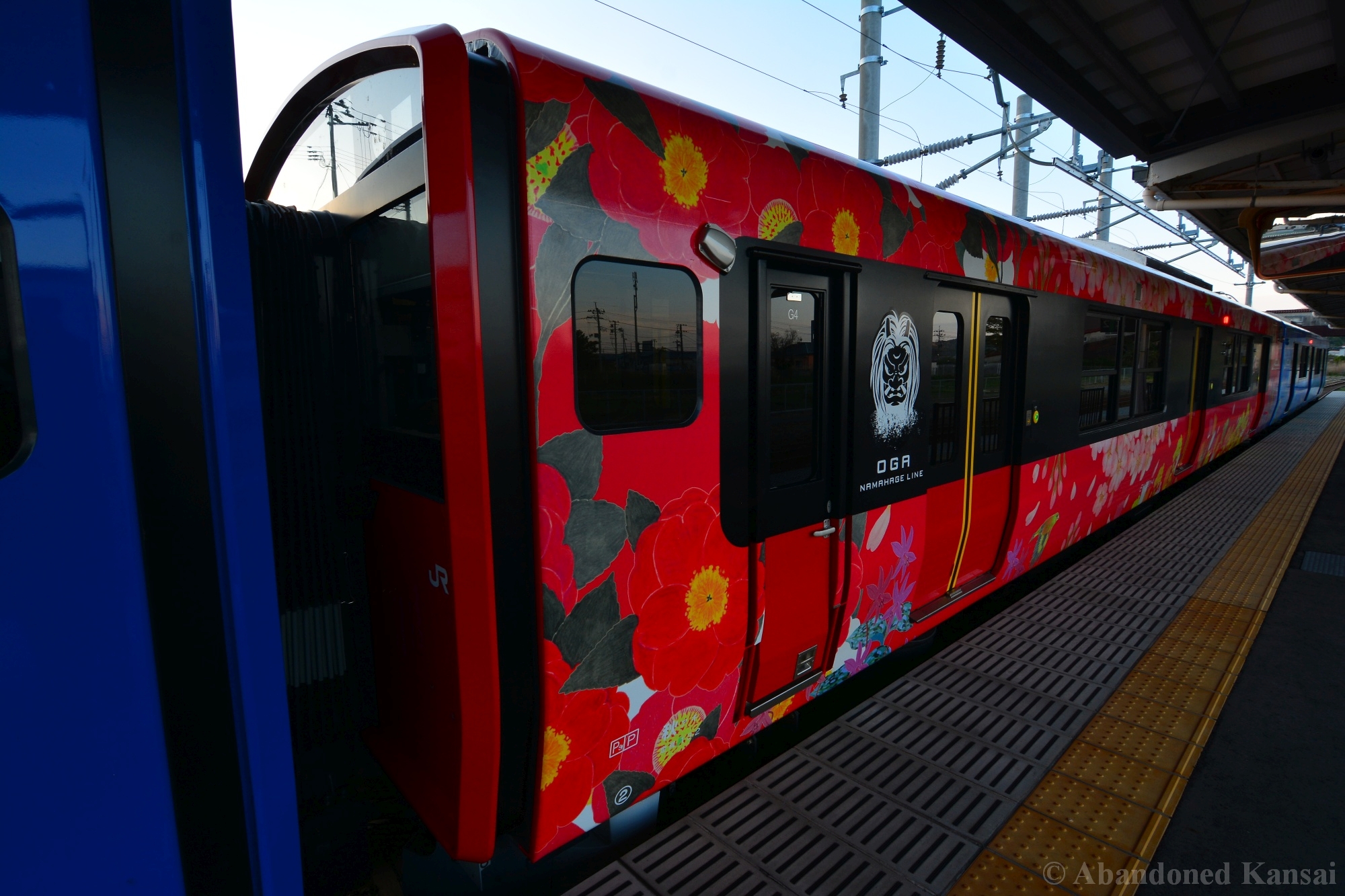
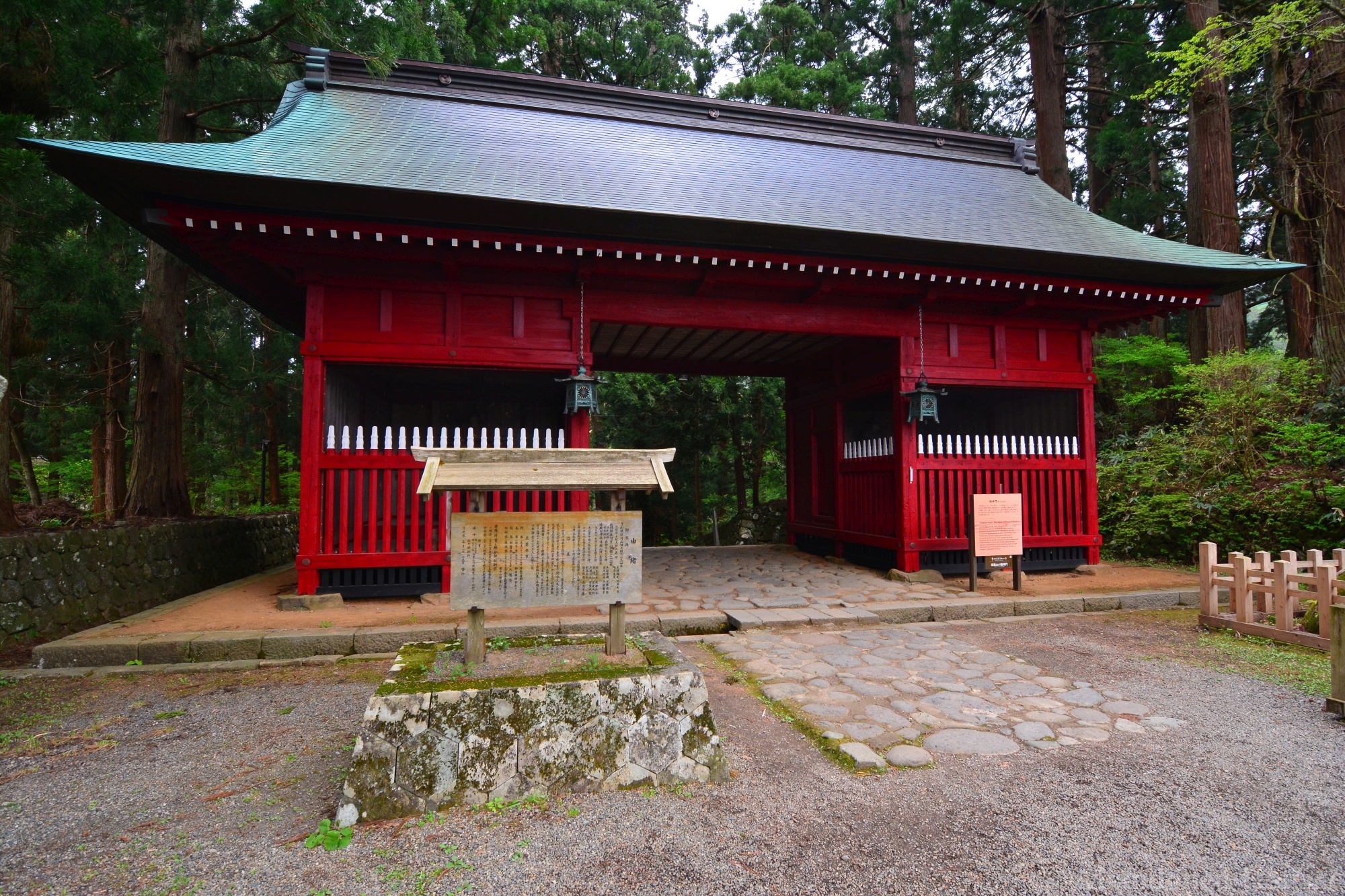
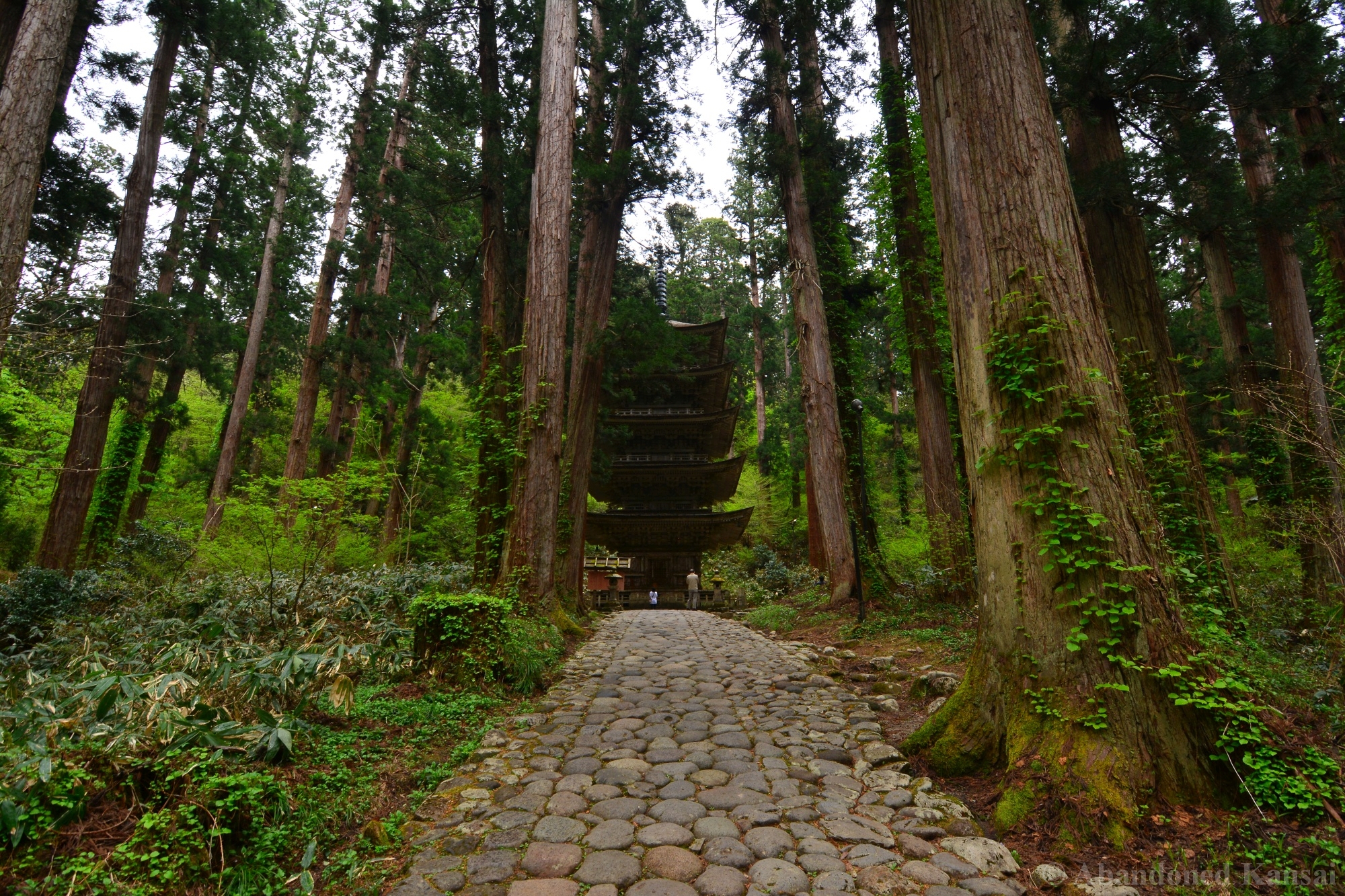
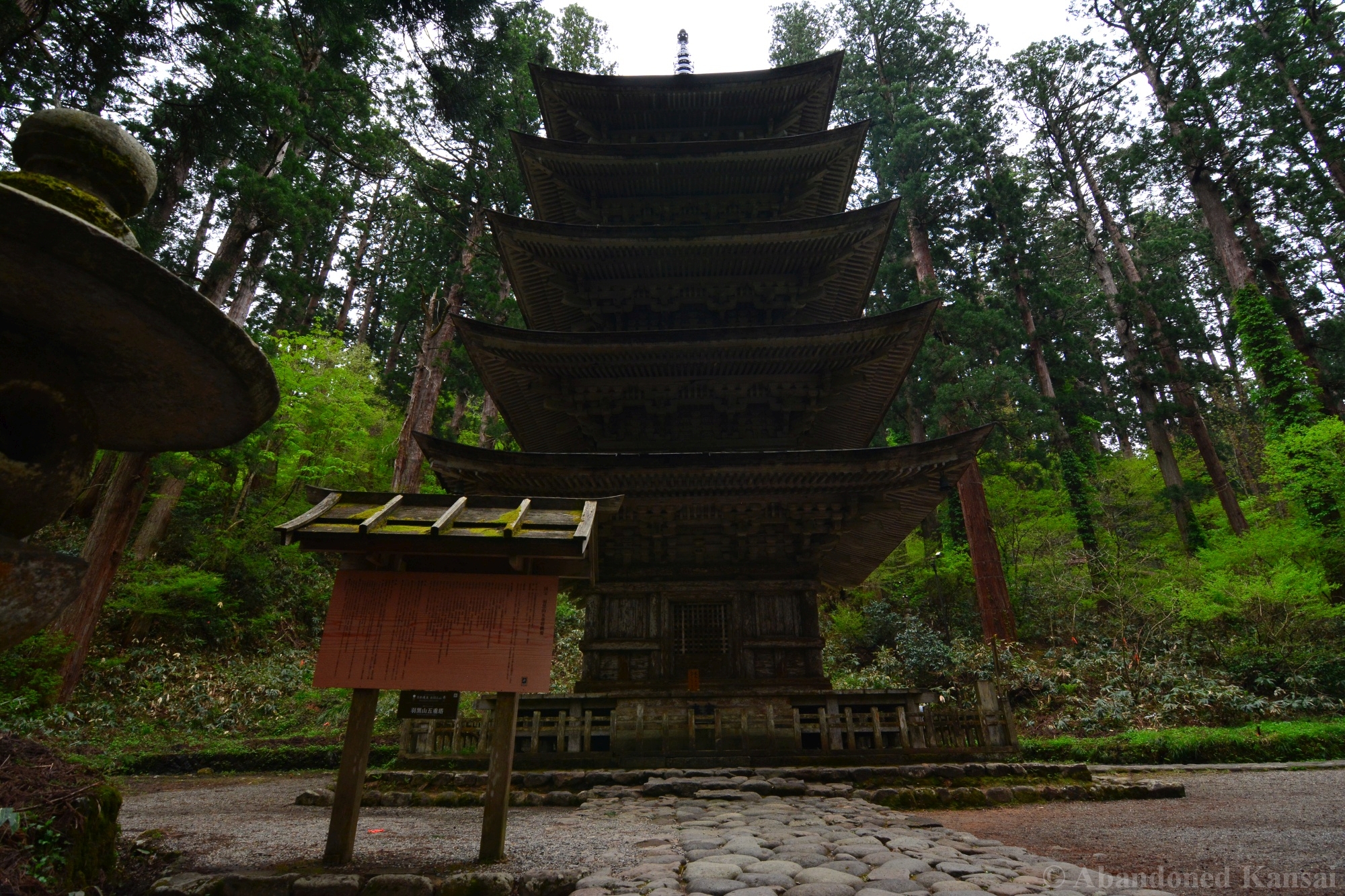
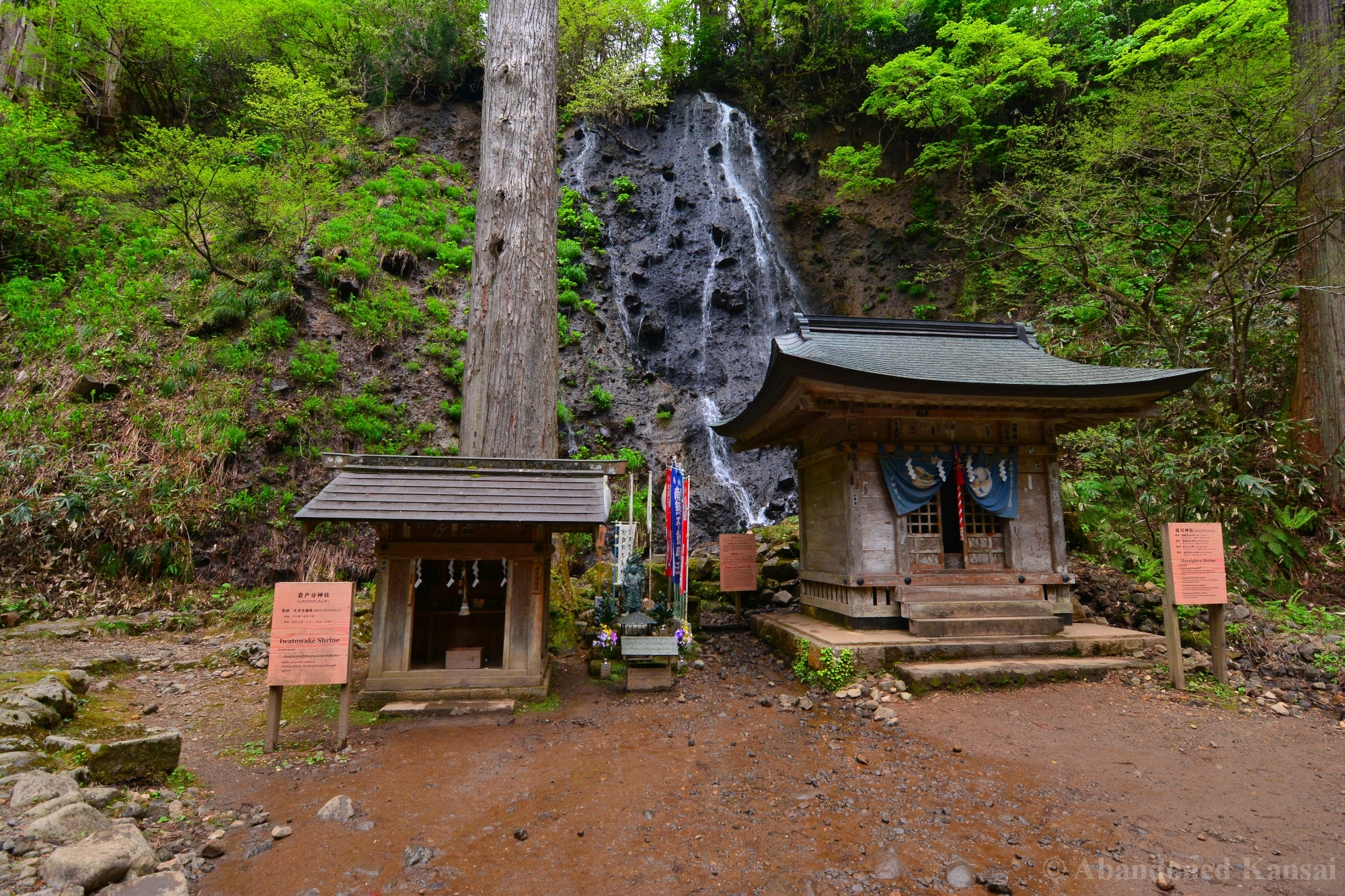
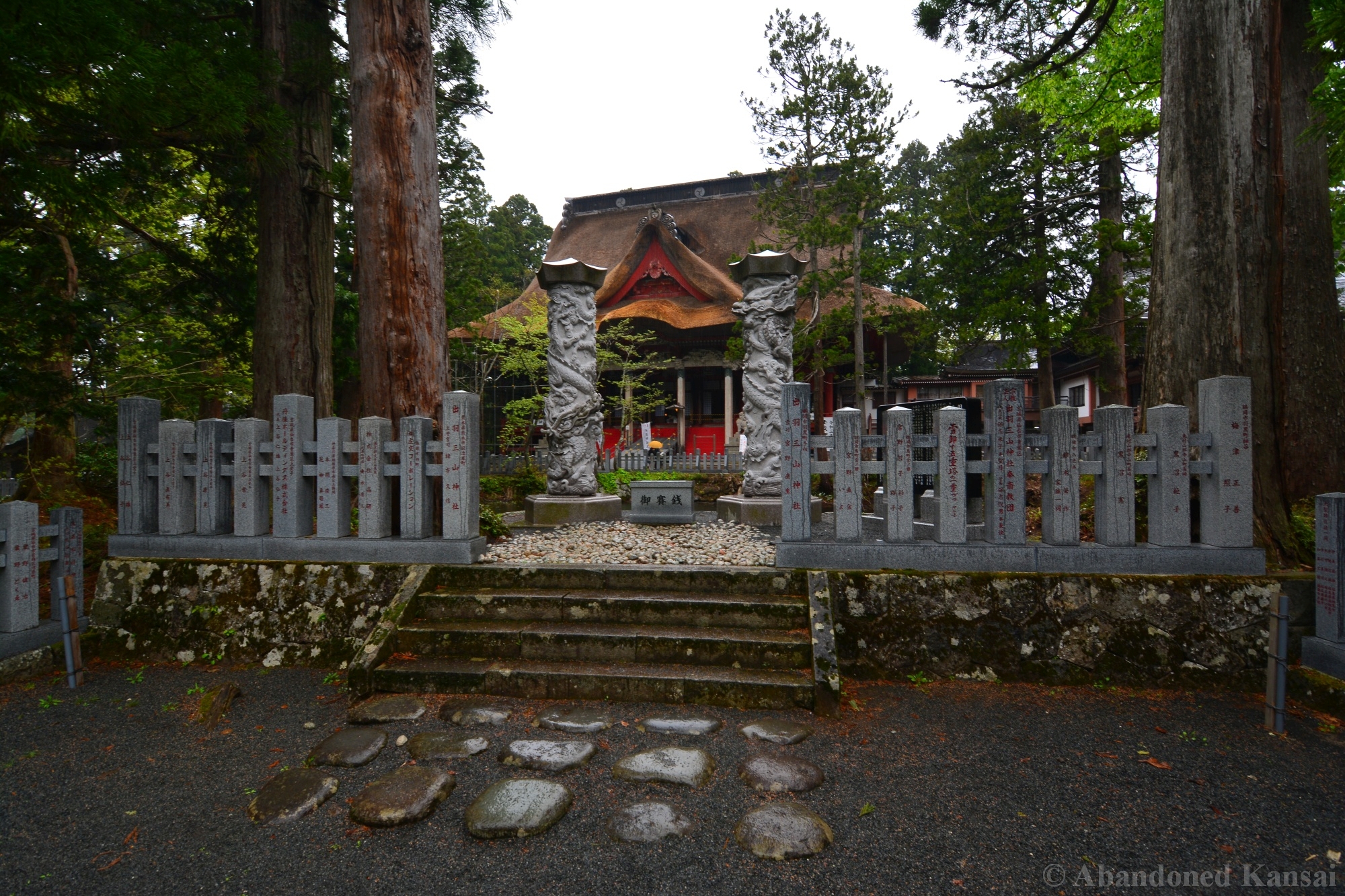
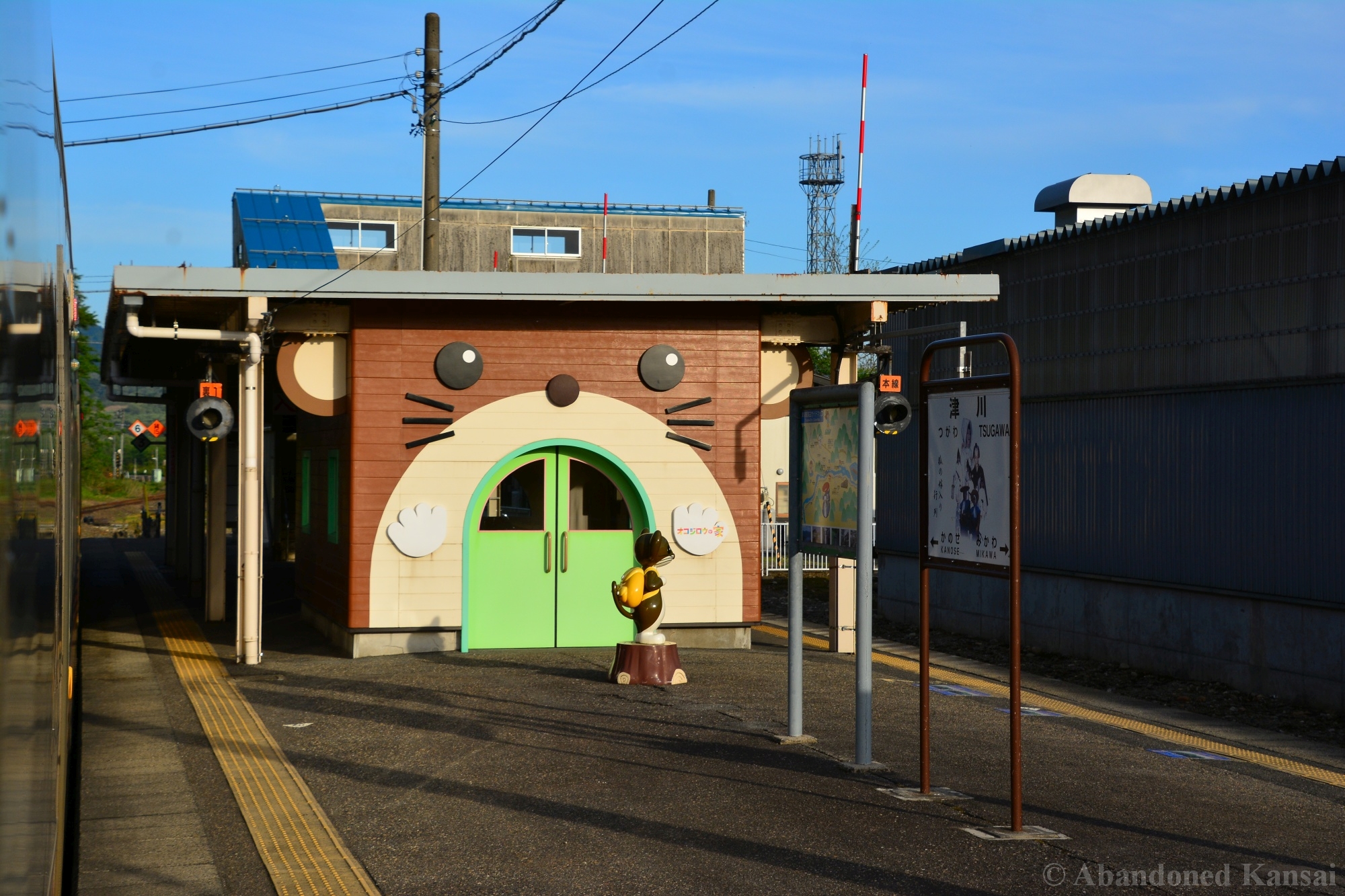
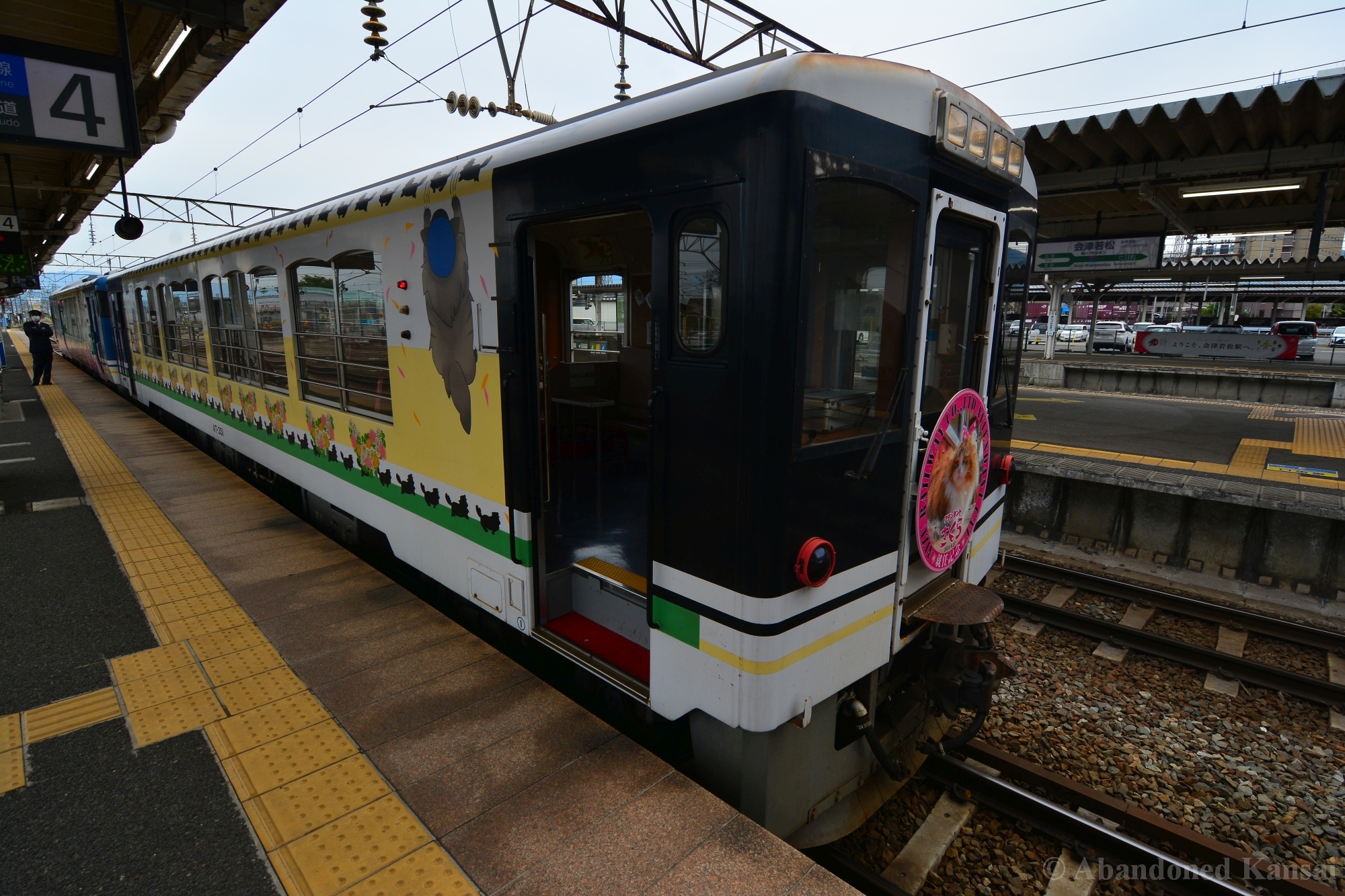
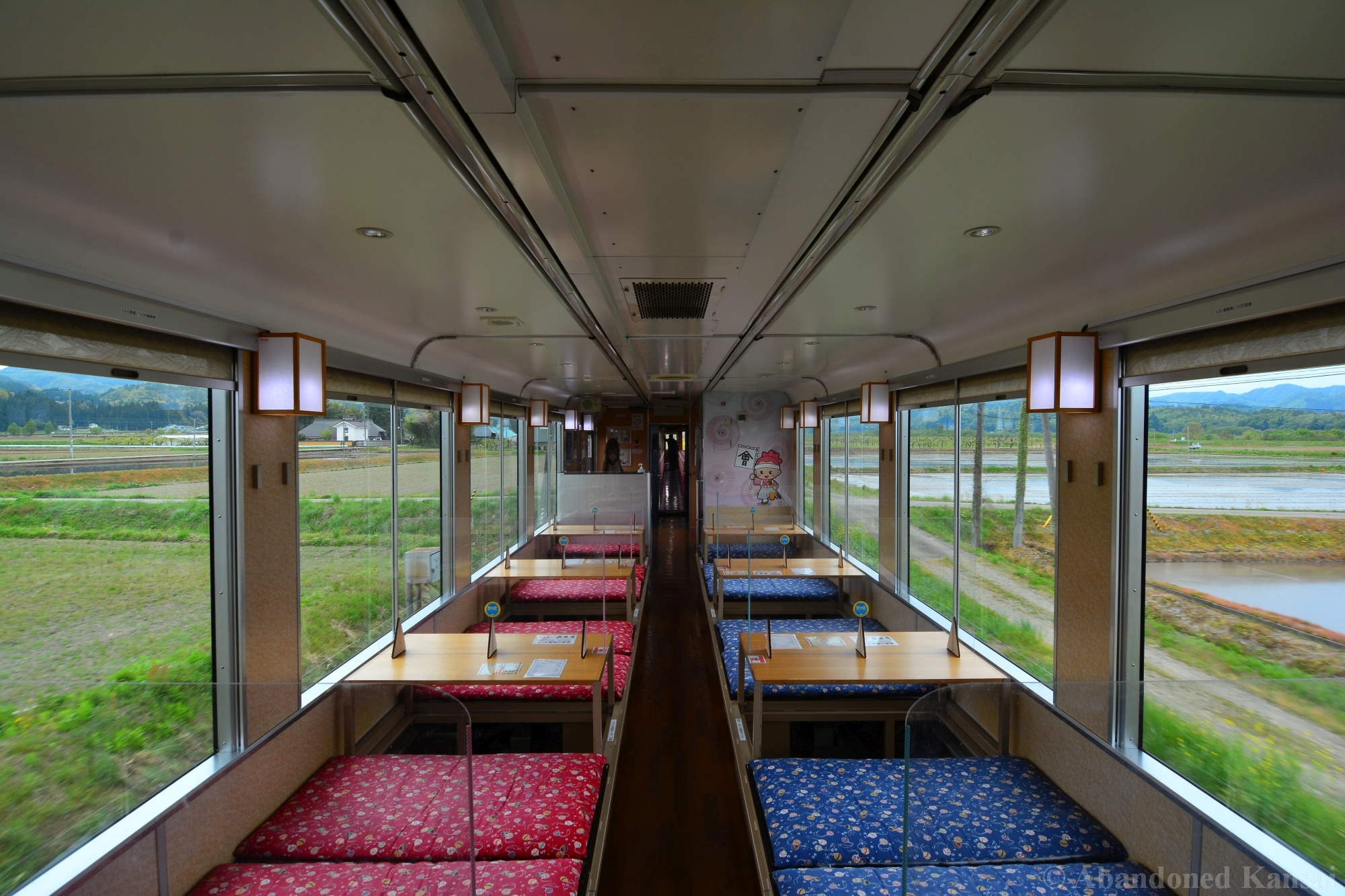
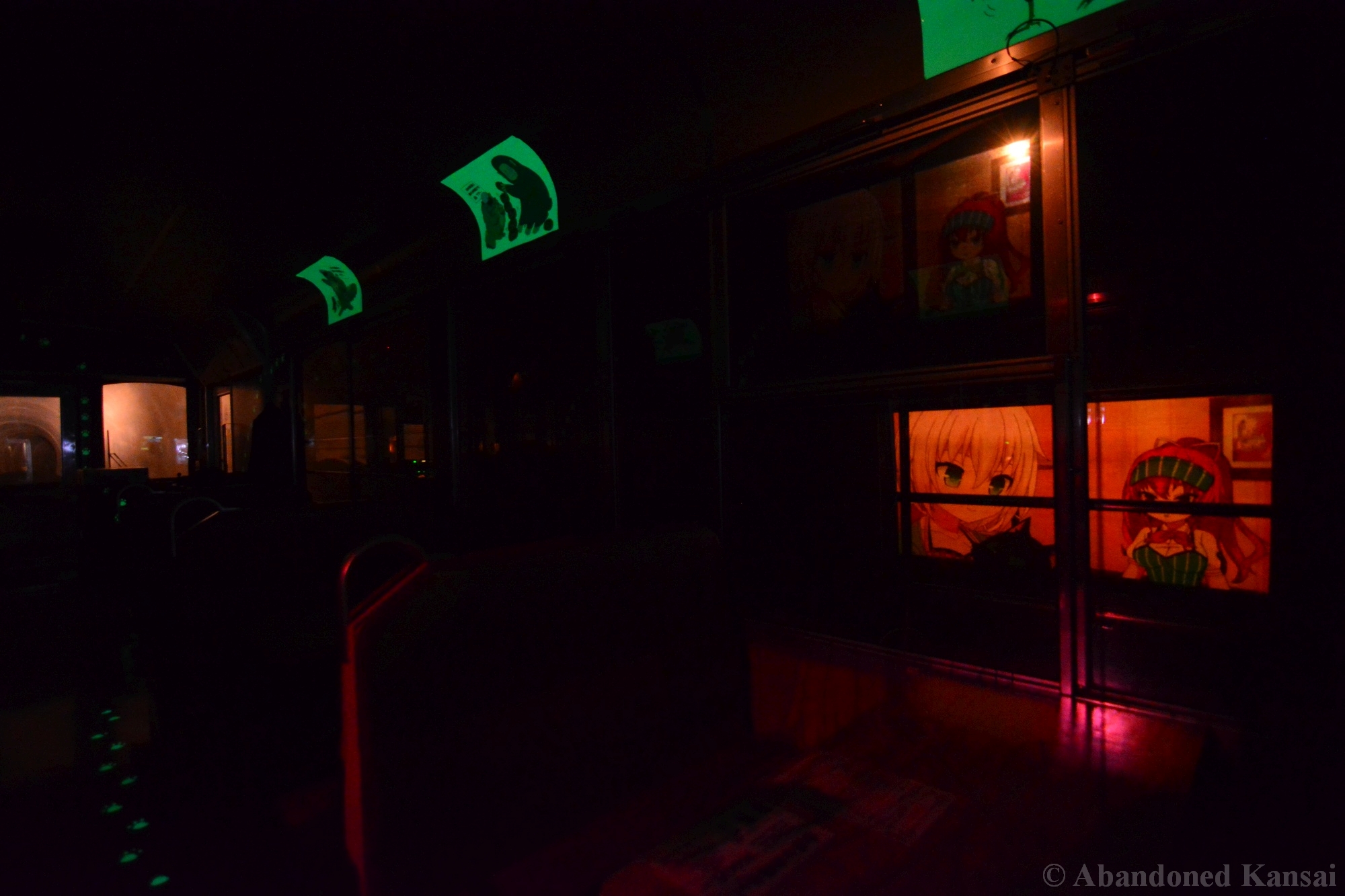
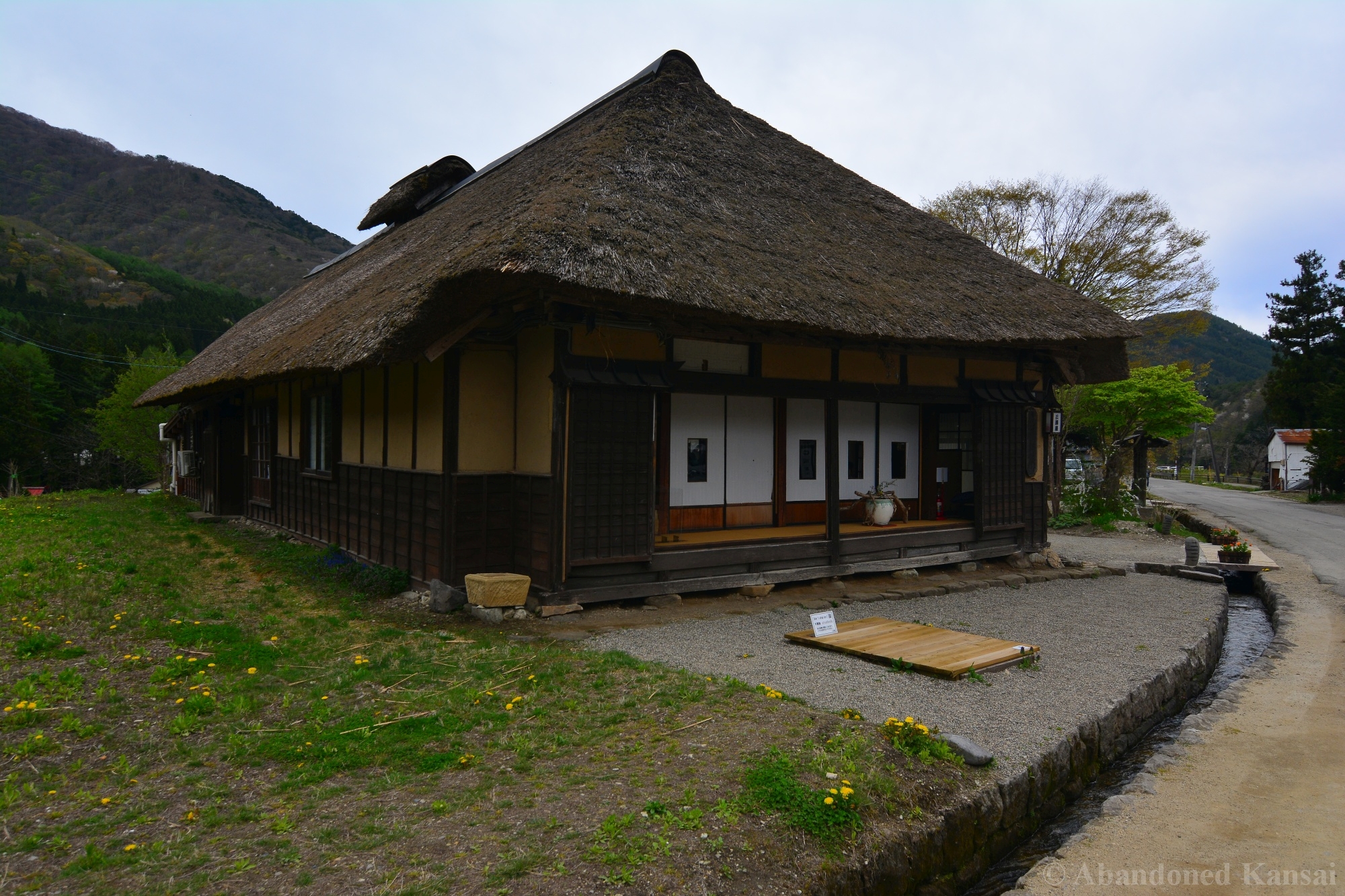
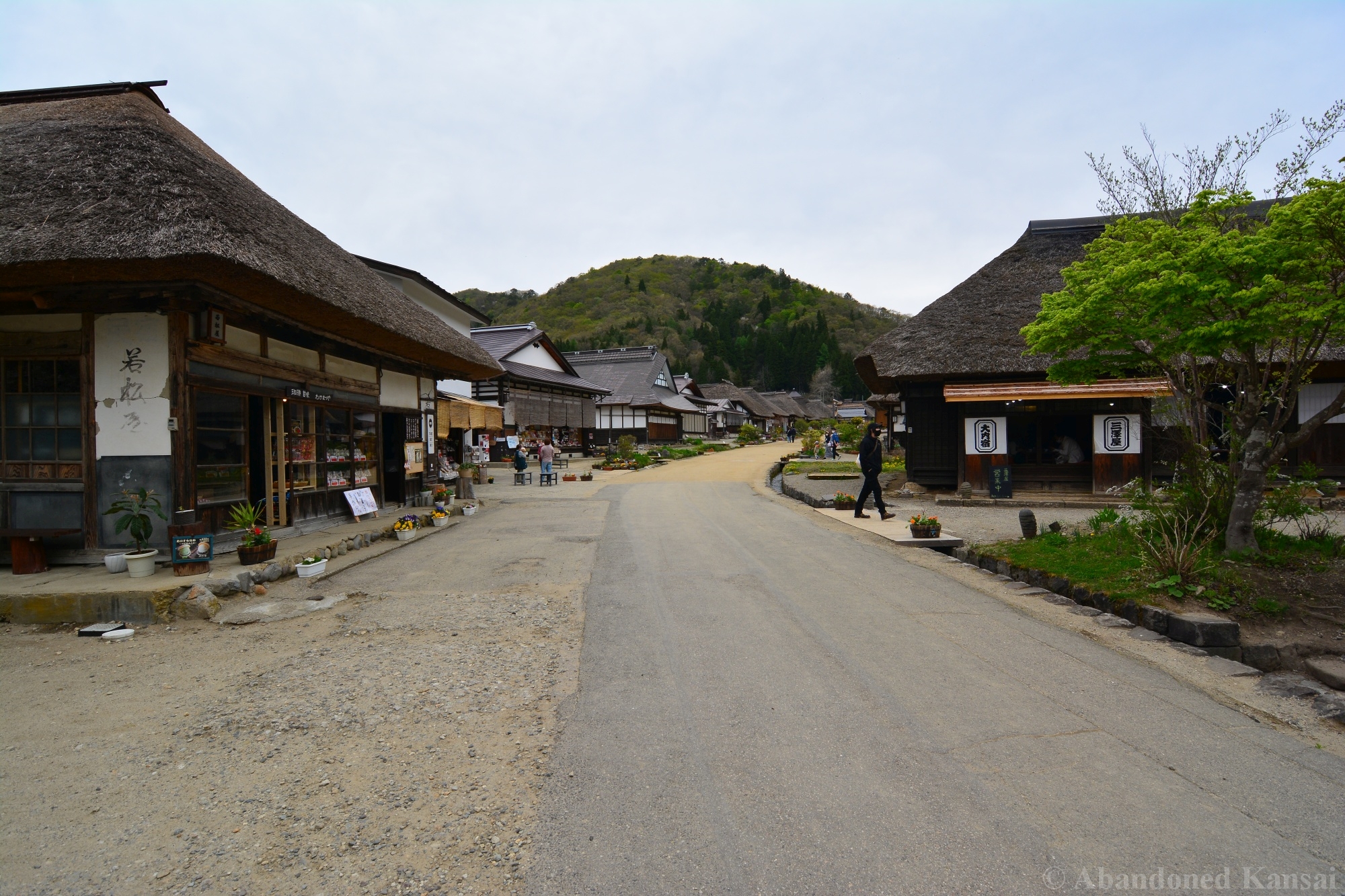
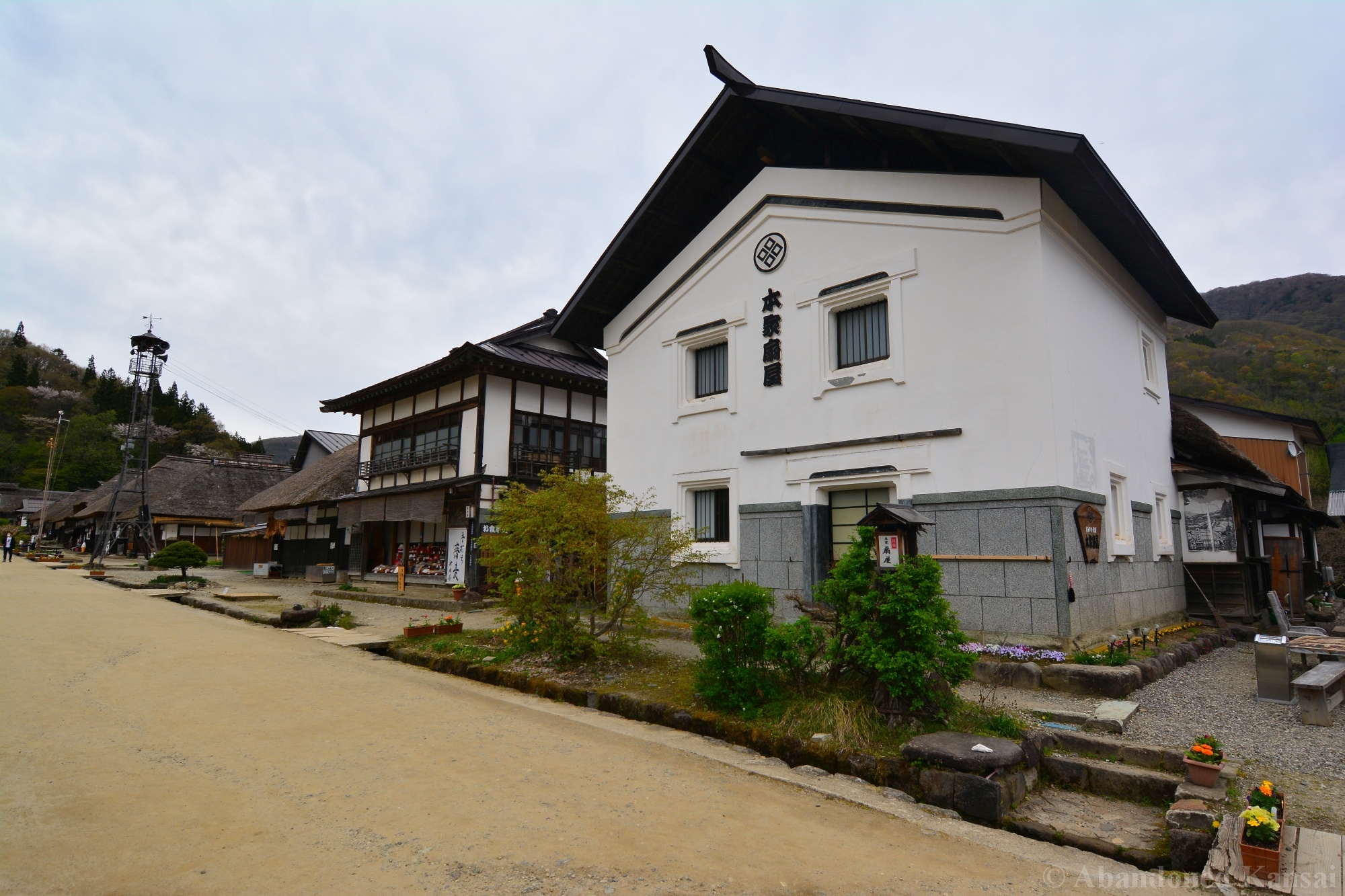
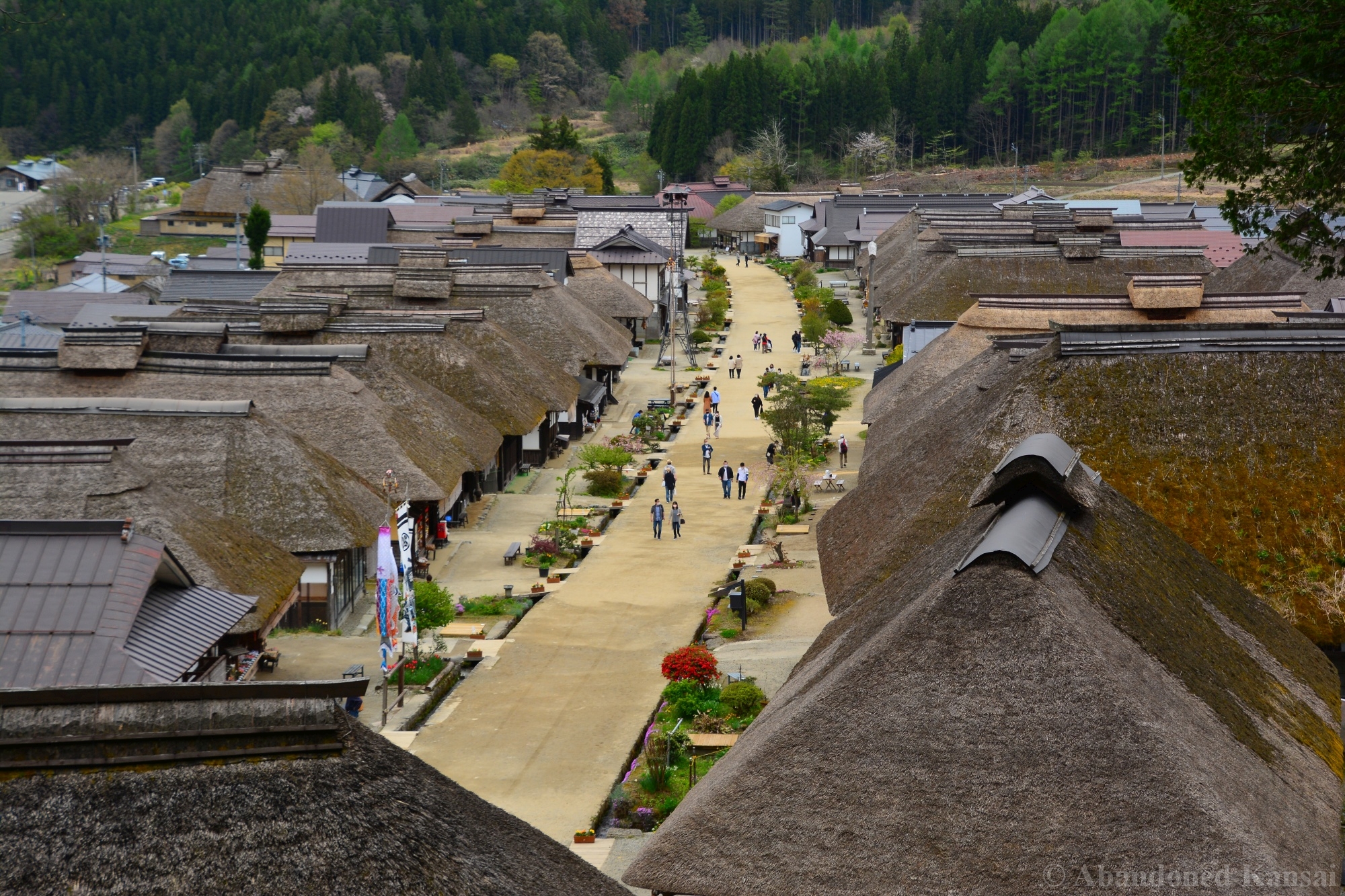
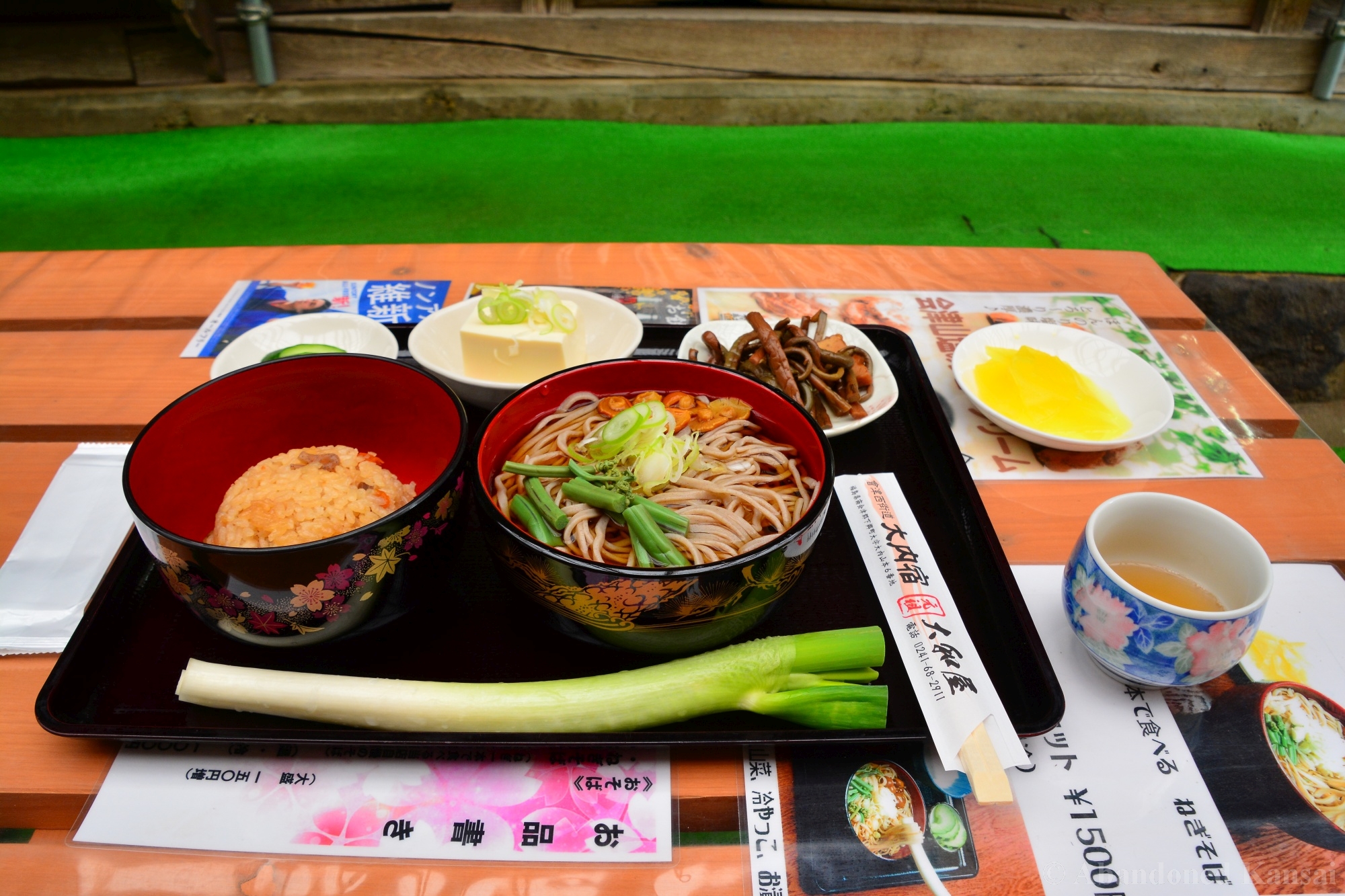
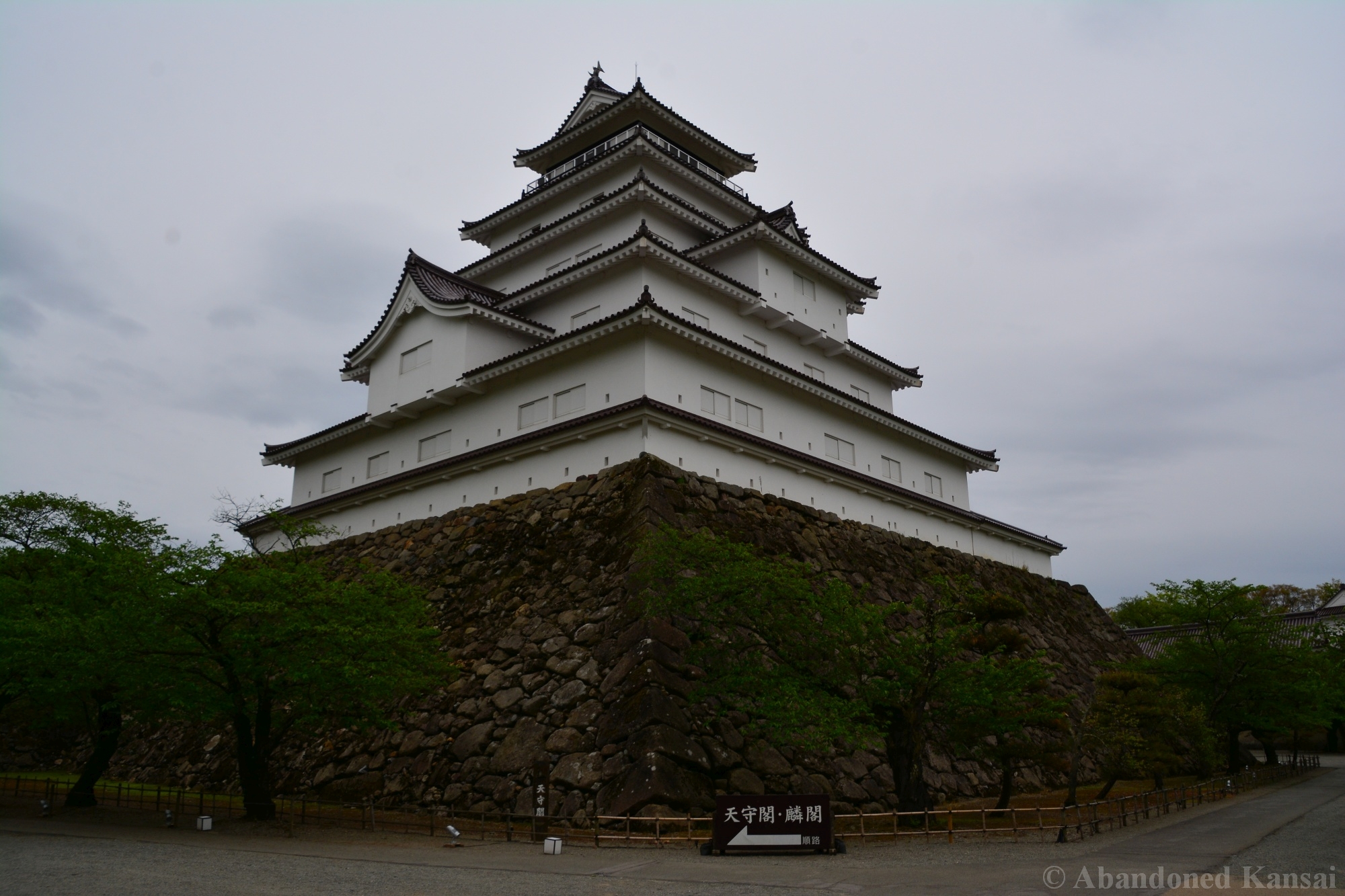
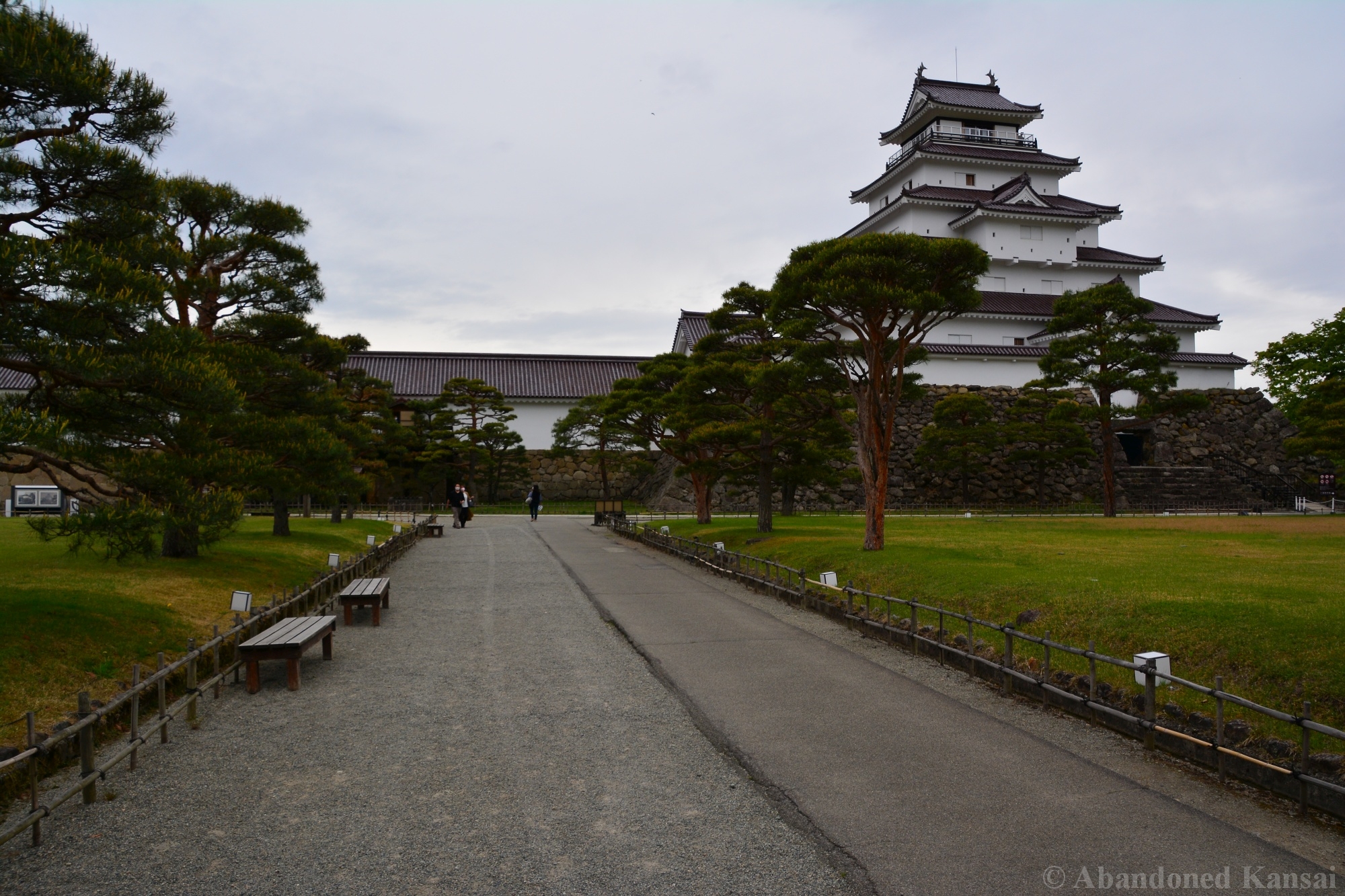
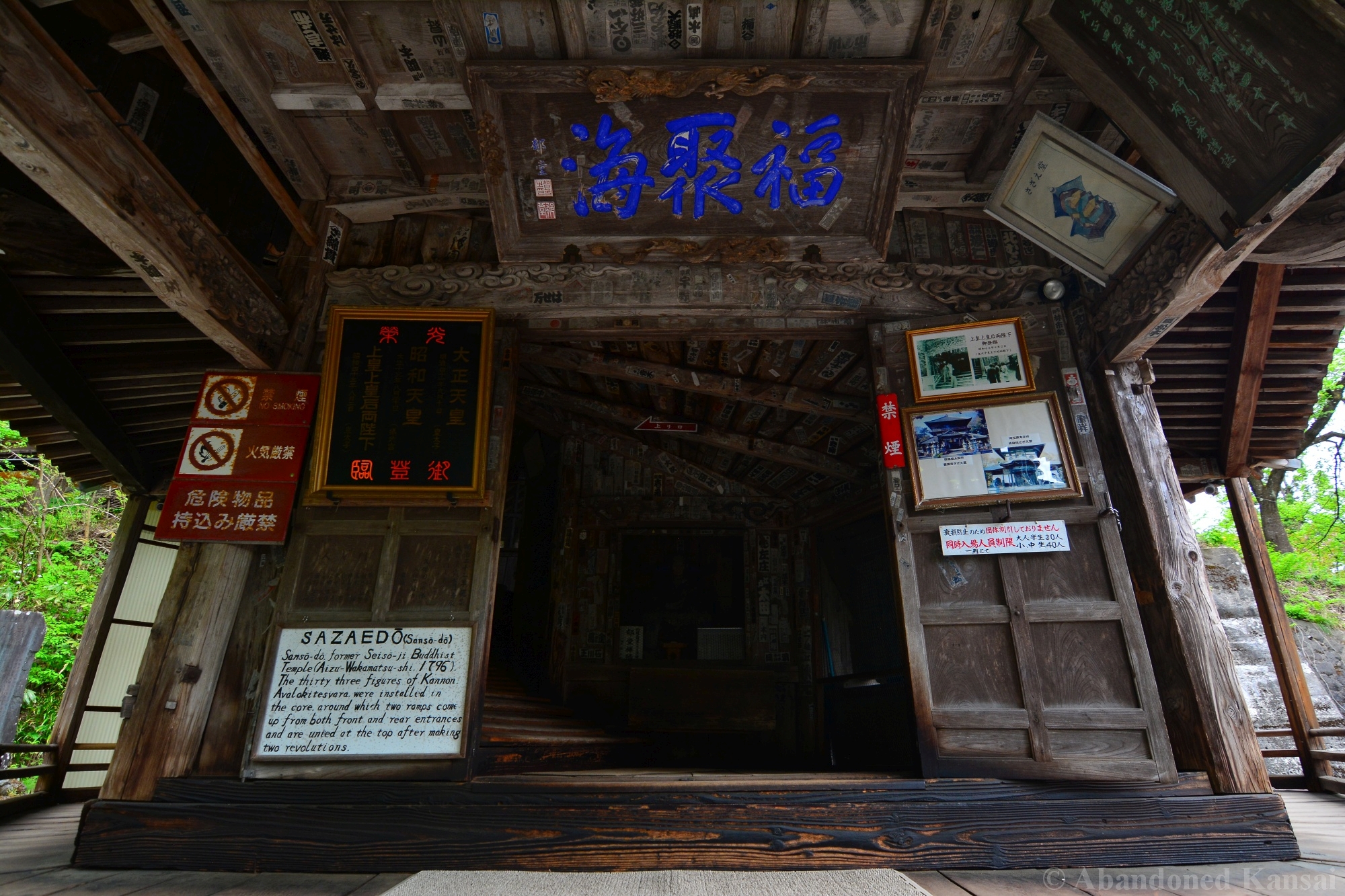
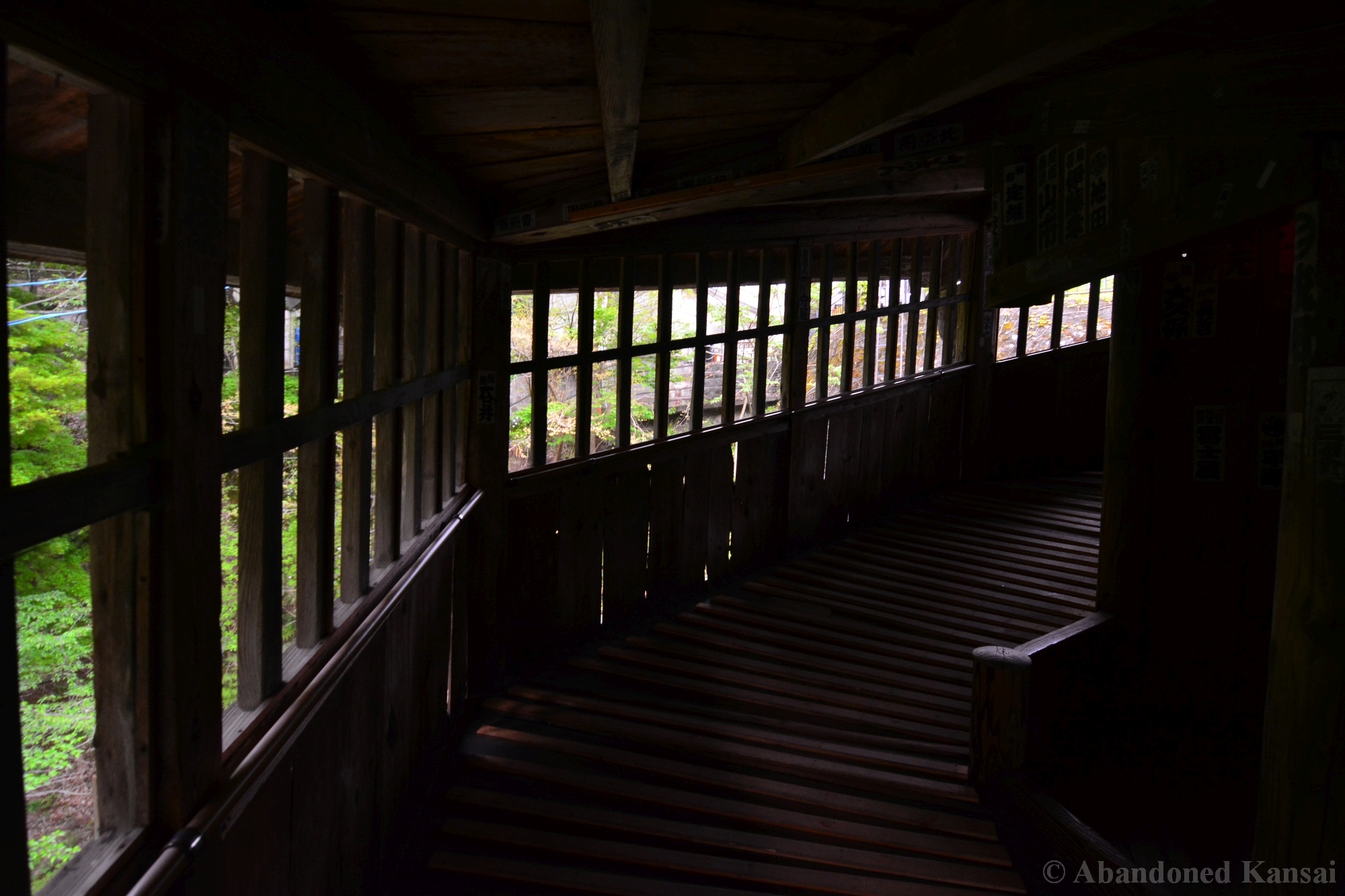
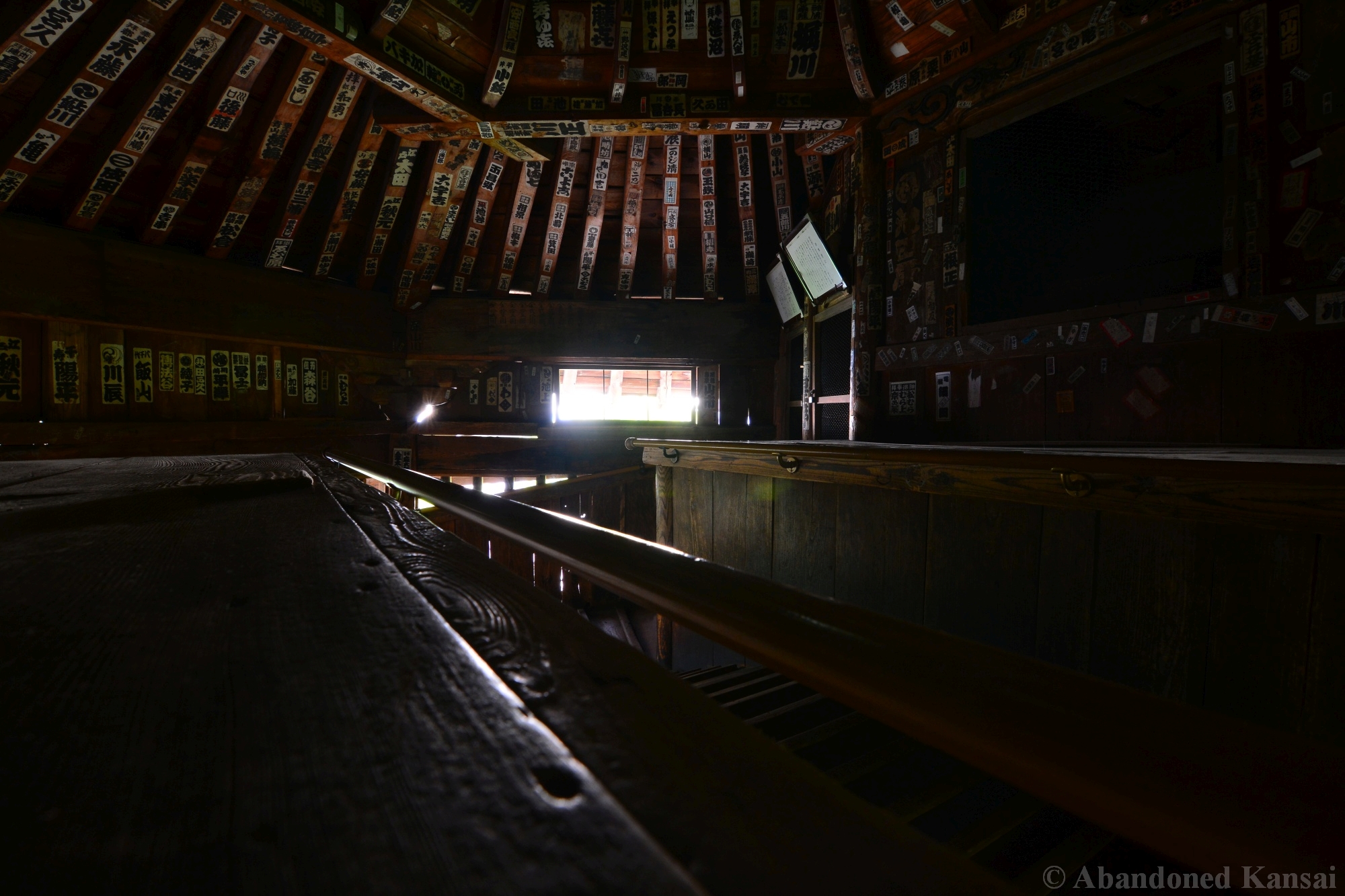
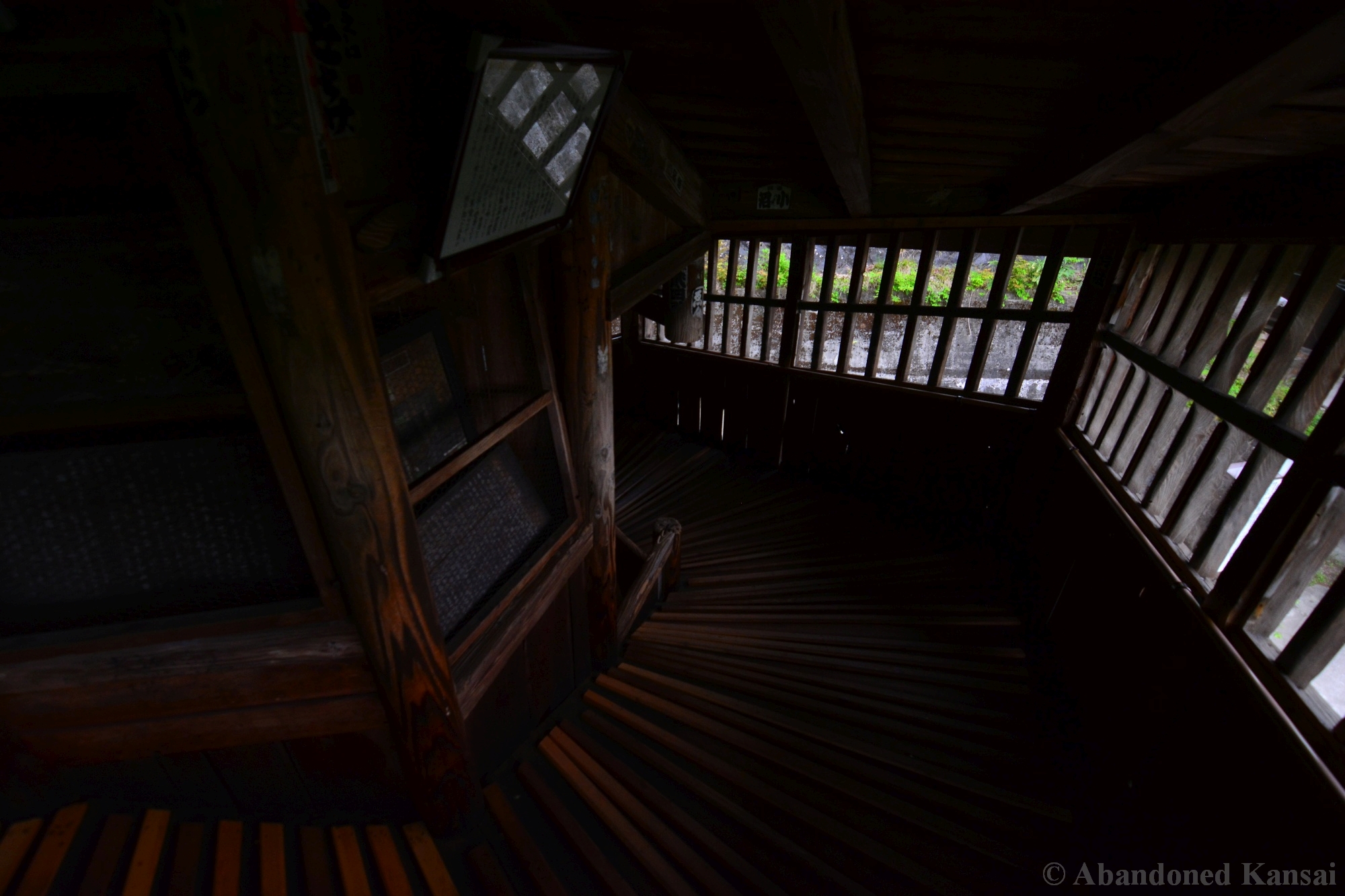
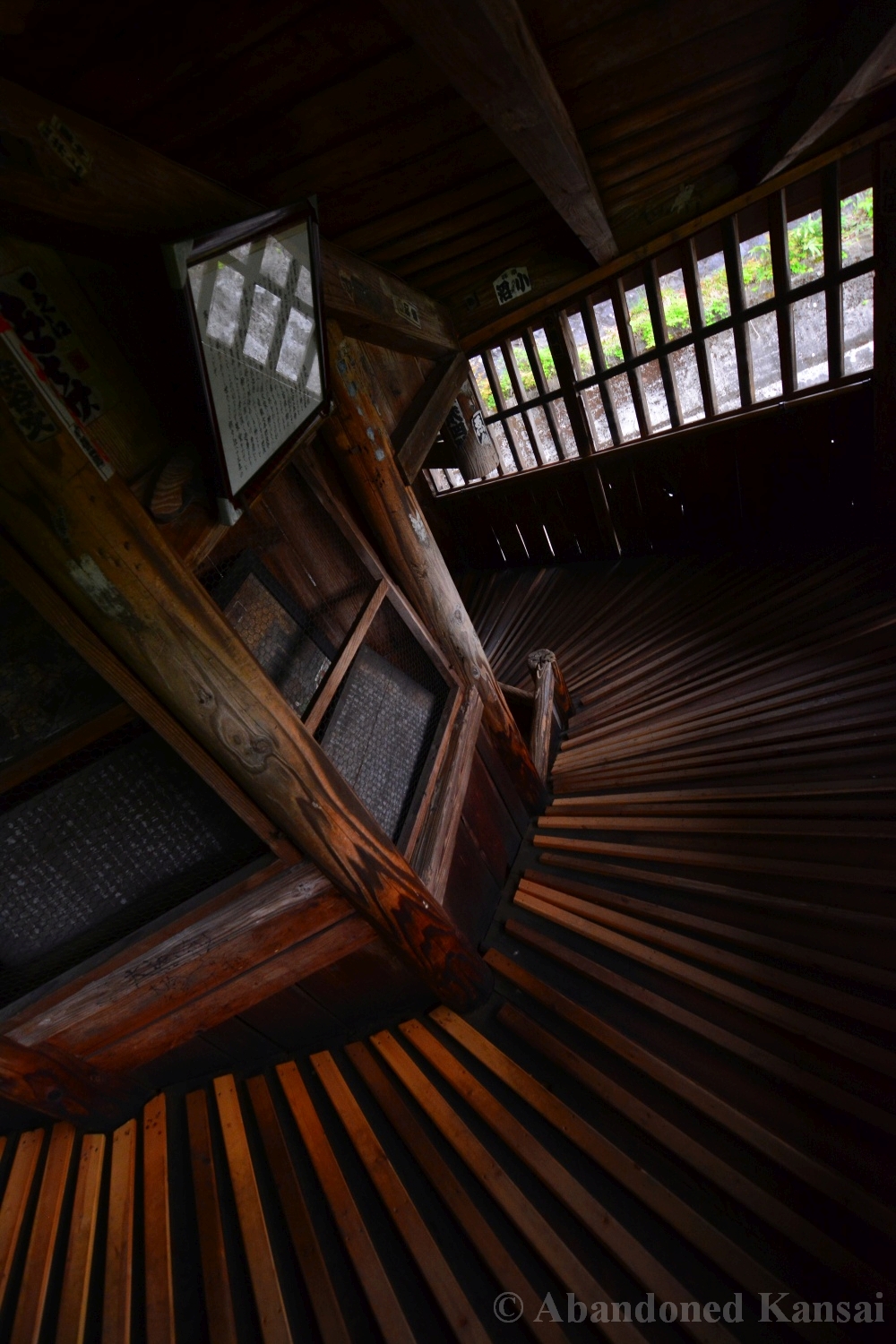
Golden Week was my final opportunity to travel before most of Japan will turn into a hot and humid hellhole for about four months, so I went to Tohoku for the first time in three years, mainly for those locations: The Namahage Museum in Oga, Dewa Sanzan and the five-storey pagoda of Mount Haguro as well as Aizu-Wakamatsu for the Sazaedo (a 225 year old wooden temple with a double-helix staircase) and the Ouchi post town – and my really high expectations were fulfilled and partly surpassed. All of those places were absolutely gorgeous, especially the pagoda and the temple; both of which I had to myself for a couple of minutes between small groups of people supporting domestic tourism like I did. To get to Ouchi I took a tourist train to Yunokami Onsen that featured animations in dark tunnels and made special stops at Ashinomaki Onsen Station (as it “employs” cats as the station master and the rail manager…) as well as at scenic spots along the route. I was the only passenger that day, so the train driver consulted with the conductor that I had taken all the photos I needed before continuing, while the train’s shop lady (on special trains exclusive merchandising is often sold) was visibly amused by the situation; of course there were limits to that, bit apparently we had two or three minutes of wiggle room and weirdly enough they let me take advantage of that!

Final thoughts
Attached you’ll find a rather large gallery… the largest in Abandoned Kansai history. All photos are freehand snapshots as I didn’t bring my tripod or much time to any of those late winter / early spring trips, on some of which I struggled with the weather and lighting (wind, rain, snow, rather extreme temperatures, (lack of) clouds, darkness). Despite having done a lot less urbex than usual this year, this was definitely my most active and probably my favorite spring I’ve spent in Japan. Overtourism has become a problem for many countries and maybe this health crisis will initiate some change – domestic tourists should be more appreciated instead of alienated… and quality instead of quantity be attracted!
I don’t think anybody who experienced 31.9 million tourists to Japan in 2019 really wants to live through 60 million tourists in 2030… Not even the many of my friends who actually work(ed) in the tourism industry!

Oh, and if you are interested in specific locations or trips let me know – I might expand some of those quick sneak peaks into full articles. But first I will publish a spectacular abandoned place next week, one of my all-time favorites. Easily Top 10! 🙂

(*Like Abandoned Kansai on Facebook* or *follow us on Twitter* if you don’t want to miss the latest articles and exclusive content – and subscribe to the *video channel on Youtube* to receive a message right after a new video is online…)

Read Full Post »
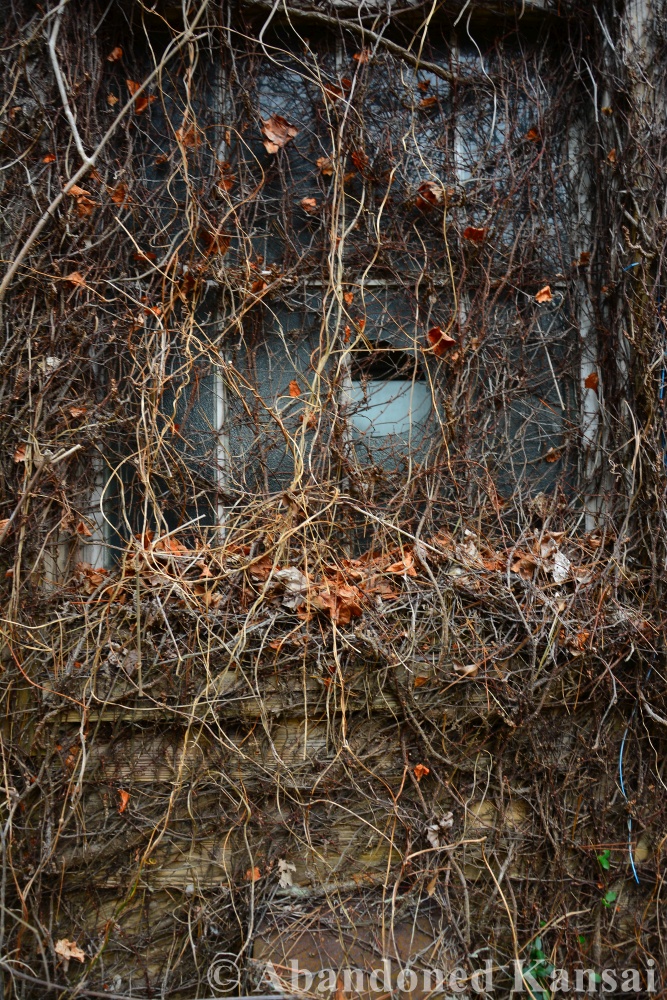
Small, but spooky… Hardly any abandoned place gave me the creeps as much as the Sanyo Securities Vault, a massive semi-underground construction inhabited by bats and gigantic bugs.

Sanyo Securities (not to be confused with the world renowned Sanyo Electric!) was a mid-size Japanese brokerage firm. Founded in 1910 it got into serious financial trouble after the Japanese price asset bubble burst in the early 1990s. In March of 1998 the financial situation was so dire that there were talks about Mitsui Sumitomo taking over, but that option fell through. Even a restructuring of the company in June of the same year couldn’t save it, and so all employees were sacked on August 31st.

Like many successful companies of the 1980s, Sanyo Securities owned a scenic countryside retreat and training center for employees, in this case with a massive semi-underground safe. The first thing my explorer buddy *Hamish* and I found upon reaching the premises were some tennis courts in really bad condition – it was more than obvious that the area had been abandoned for quite a while.
On the way back to the training center buildings I spotted a low dome like construction in the vegetation to our left. It took us no time to find the entrance, though I can’t remember seeing any sign of the metal door, except for its left-behind solid frame. The hallway behind was lit from above through the glass dome we spotted from the outside, the walls probably quite massive ferroconcrete – the thing looked like from a 1960s SciFi movie! And there it was, behind a corner, the biggest metal door I’ve ever seen in my life, open – as if a watching mastermind was just waiting for somebody to enter, so it could be slammed shut via a remote control. Some bored people with too much strength actually removed a panel on the back, so the locking mechanism was exposed; quite interesting! Behind that door was a narrow square hallway, surrounding the inner sanctum: a room about four by four meters, guarded by another set of inside concrete walls at least 30 centimeters thick and another massive metal door with a complicated lock. This must have been the safe for most prized possessions owned by the customers of Sanyo Securities; now inhabited by a few bats in the inner hallway and some huge bugs (giant grasshoppers, if I remember correctly) in the center room. Fascinating place, but creepy as hell!
The company retreat part was quite interesting in its own way. Built from various materials and partly in line with its surroundings, I especially liked the fire place and the huge windows in what must have been some kind of cafeteria / conference room. Sadly the upper floor suffered from arson – and whoever took care of that problem probably cleared / cleaned some of the building, as parts of it looked a lot more cluttered on older photos I’ve seen before my visit. The burned-out room offered a gorgeous few at the other building below and especially at the lake across the street. The other rooms were either tatami rooms that looked like regular hotel rooms – or carpeted dormitory style rooms with bunk beds. I guess not all Sanyo Securities employees were treated the same…
The training center below was quite unspectacular though; mainly conference rooms, from the looks of it. The upper floors were mostly moldy and rotten, the lower floor showed signs of severe vandalism – broken windows and graffiti. Usually I try to avoid showing graffiti to not motivate those “artists” vandalizing abandoned places, but the One Piece one kinda looked nice and almost suited the wall it was sprayed on.

(*Like Abandoned Kansai on Facebook* if you don’t want to miss the latest articles and exclusive content – and subscribe to the *video channel on Youtube* to receive a message right after a new video is online…)

Read Full Post »
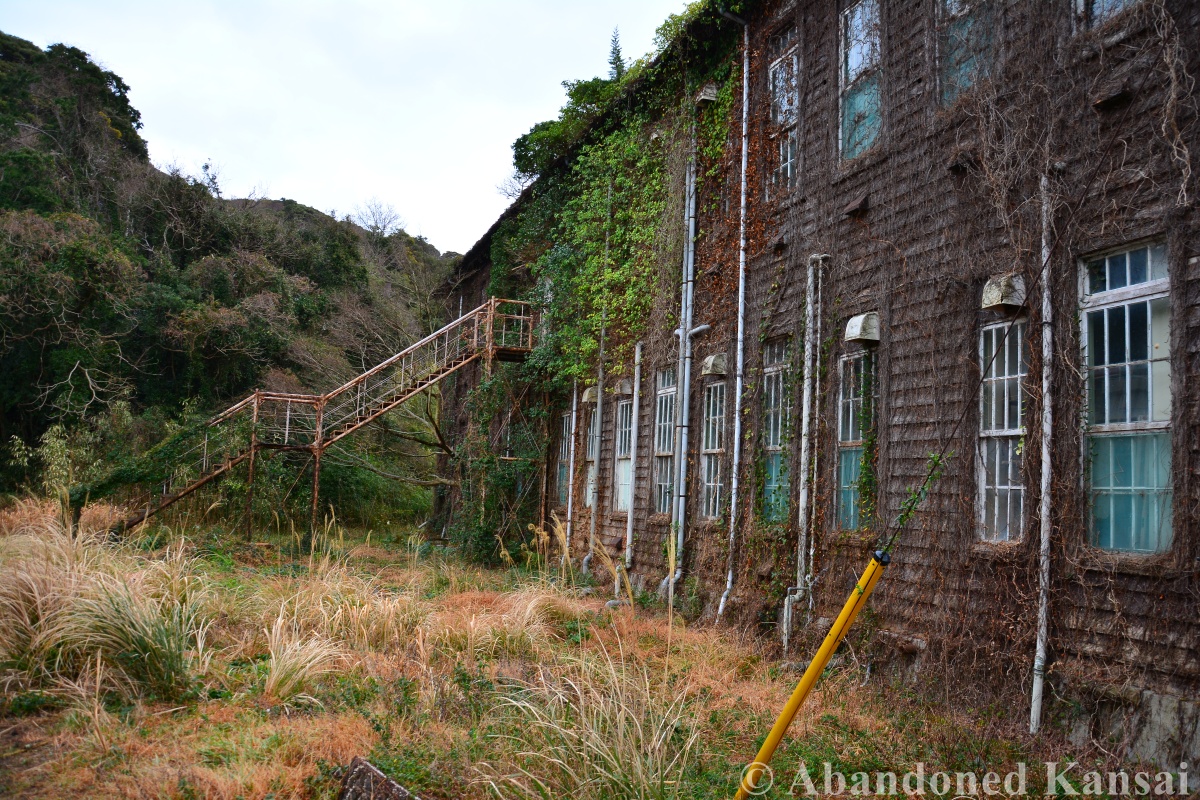
The Fuji 5 Lakes area consists of Lake Yamanaka, Lake Kawaguchi, Lake Sai, Lake Shoji, and Lake Motosu – forming an arch around the northern part of Mount Fuji in Yamanashi prefecture. Famous for hiking, mountain climbing, sailing, fishing, the Aokigahara Suicide Forest, Fujikyu Highland and local udon noodles, this recreational area two hours outside of Tokyo attracts about nine million visitors per year… and many of them enjoy a soak at an onsen in the evening. Of course not all of those public baths can be successful – bad for the owners, good for explorers like me and readers like you…
The Fuji Five Lakes Onsen is a surprisingly rare location and apparently virtually unknown to the Japanese urbex scene. It’s actually easier to find information about the time when it was open for business than about its current abandoned state; hence the rather vague fake name for it. The place was actually not just a day trip spa (charging 300 Yen for the time between 9 a.m. and 4 p.m.), it was also a ryokan, a Japanese inn for overnight guests. Located next to a river in a tiny mountain town, the Fuji Five Lakes Onsen turned out to be a hidden wooden gem, a glimpse at Japan’s simple past that is disappearing quickly.

At 7,000 to 10,000 Yen per person and night the FFLO wasn’t exactly a cheap place to stay at, especially considering that it closed about 10 years ago. I am sure back then it was easily possible to get a more luxurious accommodation for a lower price – but probably with a lot less character. The main building of the Fuji Five Lakes Onsen was a narrow, but rather long wooden construction – followed by small apartments in the backyard along the river. After ten years of abandonment rather wobbly and squeaky, the main hallway wasn’t for the faint of heart, especially with road construction going on right outside. If we were able to hear them scavenge the street, they were able to hear almost any noise we made. Luckily they weren’t aware of *Hamish* and I being there, so they didn’t pay attention; a huge advantage on our side and a late reward for us approaching the Fuji Five Lakes Onsen carefully, avoiding any noises getting in.
The tricky part was the upper floor with its tatami party room. Regular readers know what kind of place I mean – the big one with the stage and the karaoke machine and stuff like that. What was so tricky about it? Well, the upper part was actually on road level, so the construction workers were able to look inside through some of the windows… if they would have paid attention, which they didn’t. Good for me, as the party room held some interesting items to take pictures of, including some 60s or 70s music devices and a Konami Hyper Shot controller for use with the smash hit Hyper Sports.
Down on the main floor again I took some photos of the pretty run down onsen part, the gender-separated shared bath. Surprisingly small, it must have offered a nice view on the river a few decades prior. Now the huge windows were mostly overgrown from the outside and vandalized by penis graffiti from the inside – the whole room felt rather cold and inhospitable on this beautiful autumn day.
The half a dozen guest “houses” in the back looked a bit like an afterthought and some were already in quite questionable condition. The eclectic conglomerate was big enough for about 30 people, with each hut hosting a family or a carload full of friends. Been there, done that… and the light was disappearing quickly.
What made the Fuji Five Lakes Onsen such a memorable exploration was the simplicity of the place. No shiny modern kitchen, no ten-storey concrete building, no spa area the size of a football field, no arcade, no elevators – just plain wooden buildings, a handful of guest apartments and an almost underwhelming shared bath. The most modern item probably was that controller for said Konami game, every other item there most likely was from the 70s, 60s or even 50s.
The last couple of places I presented on *Abandoned Kansai* were not very Japanese at first sight, especially locations like the *Western Village* or the *Hachijo Royal Hotel*… but the Fuji Five Lakes Onsen is as Japanese as it gets!

(*Like Abandoned Kansai on Facebook* if you don’t want to miss the latest articles and exclusive content – and subscribe to the *video channel on Youtube* to receive a message right after a new video is online…)

Read Full Post »
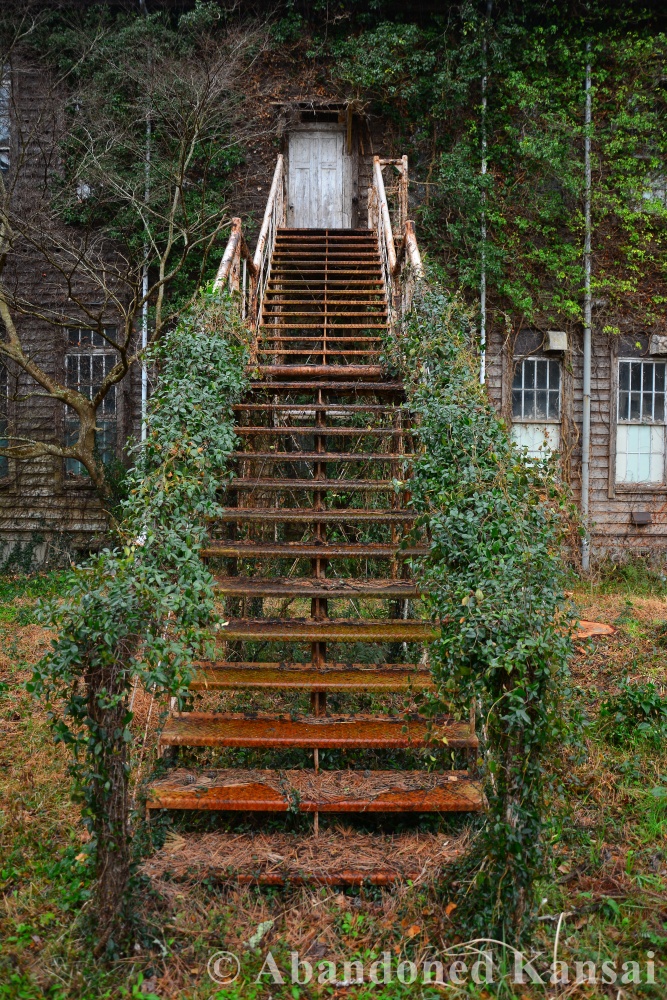
The abandoned Love Hotel London was one of the most pitiful places I have ever explored and borderline worthy to become a part of the soon to come “Worst of Japan 2014” article (scheduled for December 30th!) – but it’s one of the most famous rotting places in all of central Japan; probably because of the name…

Despite being called London, this deserted and dilapidated love hotel apparently had nothing to do with Great Britain’s capital. It looked like a cheap, fake castle and the rooms had the usual array of themed rooms from all over the world. Like most love hotels in Japan, the London was actually more of a motel. You parked your car in some kind of garage on the ground floor and then went upstairs to… well, do what people usually do at no-tell motels.
In its heyday the London, conveniently located next to the Hamamatsu Air Base in central Japan, must have been quite a site – now there is not much left to see. Some furniture pieces outside, some vandalized, rotting rooms inside. Pretty much everything was busted open, all windows smashed, everything beyond repair.
If you ever wanted to know more about the love hotel industry in Japan I recommend *this old article*… and I also wrote about *my two cents on relationships in Japan* – both articles come with photos from other abandoned love hotels in better condition…

(*Like Abandoned Kansai on Facebook* if you don’t want to miss the latest articles and exclusive content – and subscribe to the *video channel on Youtube* to receive a message right after a new video is online…)

Read Full Post »
Spring is the perfect time for hanami haikyo – exploring abandoned places while the plum and cherry blossoms are in full bloom. The window of opportunity every year is small, especially during cold and rainy springs, but this year I was luckily to hit one of those perfect days early in the year…

A few years ago I saw the remains of what appeared to be a playground on some random Japanese blog. Another source called it an abandoned amusement park. And then some photos of a golden Buddha statue appeared. It took me a while to piece all those pieces together – and afterwards I knew as much about that mysterious place as before… plus its exact location on a small mountain in Gifu prefecture; very countryside, and so I explored in Gifu and passed through Gifu several times before I was finally able to visit the Golden Buddha Park myself – most likely not its original name, but the fake names Japanese blogs used make even less sense, so mine is as good as theirs.
In the Japanese countryside GoogleMaps often is little more than a general hint, especially when construction is going on, so Dan, Kyoto, Spencer and I (big group this time!) knew where we had to go, but didn’t exactly know how to get there. After several twists and turns we reached a strange area where about a dozen regular cars were parked on what appeared to be an abandoned road with small abandoned houses – and one active apartment building at the end, much too small to house everybody parking there. We turned back again and parked at pretty much the last available spot, next to a partly collapsed house and an overgrown and dried-out pond. The paved street had turned into a cobblestone road, the condition getting worse and worse, so we decided to walk. Soon even the cobblestones were missing and we hiked up what appeared to be a dirt road getting narrower and narrower, becoming more and more overgrown. But we were on the right track as I remember a mushroom shaped resting area I saw on photos years prior. At that point there was a rift about half a meter deep splitting the road / wide path we were on. A strange place and probably creepy as hell on a foggy day. After a couple of minutes we reached some kind of plateau with a metal beam cage – probably for bird or maybe a small feline predator. There was trash all over the nearby slope and a vandalized bus was rusting away, offering the first good photo opportunity of the day. Opposite of the bus and mostly overgrown were several flights of stairs, some handrails and other concrete leftovers – it seems like there had been a now mostly demolished solid building once, but what it was… your guess is as good as mine. Next to the construction ruin we found a massive flight of stairs leading up the mountain, one huge concrete elephant statue on each side, with the weirdest plastic eyes I have ever seen; also worth mentioning: since the trunk was crumbling away we could see that there was a hose inside, so those statues were probably able to spray water…
On top of the mountain / hill we finally saw the golden Buddha in its white dome, lined with cherry trees. What a sight! But it was also guarded by two statues that probably were supposed to be dogs or lions, but looked more aliens – or alions… The statues with their weird eyes formed an unnerving contrast to the tranquil atmosphere of the Buddha and the countryside beauty. Such a strange place!
Upon closer look the base of the interesting looking concrete construction must have been hollow as we found a door on the back. Since it was locked we rather climbed the socket and had a closer look at the statue. Most of it was actually undamaged, but the gold leaves of lowest part, even in reach of small people, needed some refoiling.
Sadly there we no sign or other hints what this could have been, so after a while we hiked back down the mountain to our car. There we had a closer look at the dried out pond and the neighboring building, probably a conference center or something like that. The front was already collapsed and the interior had seen much better days, too. With that, our motivation to go through another half a dozen abandoned houses dwindled and we decided to call it a day – if Japanese explorers were not able to figure out what this strange setup was, we figured it would be rather unlikely that we will. And it was a good decision, because later that day we found the most amazing *abandoned ski resort* ever. But that’s the story of another time…

(*Like Abandoned Kansai on Facebook* if you don’t want to miss the latest articles and exclusive content – or subscribe to the *video channel on Youtube* to receive a message right after a new video is online…)

Read Full Post »
I love maps! I always loved *maps*. When I was a little kid, my grandma taught me the names of every capital in Europe, and my desk pad was a world map. To me, GoogleMaps is the best thing since sliced bread. Whether I need a quick two-minute break or have to kill a rainy day on the weekends, GM is one of my favorite websites of all time, especially since I picked up urban exploration as a hobby. Sometimes I just browse through Japan via the satellite view… and actually find abandoned places, like an abandoned ropeway station I yet have to write about, or the *Abandoned Poultry Farm* I mistook for the *Red Factory*. About two years ago I saw a red roofed building in almost Y shape that caught my eyes – and on Street View the entrance looked abandoned, yet in decent condition…

Well, it turned out that my first exploration in Yamanashi prefecture was a total dud and that the entrance was pretty much the only thing about the Sun Park Hotel Naito that was in decent condition. When my buddy Dan opened the door to the hotel’s bar (the front entrance consisted of massive automatic glass doors that wouldn’t move a millimeter…), I instantly knew that we were up for a disappointment – the smell of rotting carpets, wallpapers and all kinds of other materials was heavy in the air. While the abandoned bar still had a certain 1980s TV show retro charme, the rest of the hotel kept me wondering what the heck I was doing there.
We reached the reception area through a small hallway and went on a short walkthrough of the ground floor (or first floor, as it is called in Japan) – restaurant, kitchen, employee rooms / toilets, offices. The smell was bad and the air probably wasn’t healthy, but it got worse after climbing the sketchy main staircase to the second and third floors. The hallways were completely trashed, everything was rotting, except for the ripped-out yellow insulation that smelled like urine. What a disgusting, miserable place; and the rain outside didn’t help to lighten up the atmosphere. Since the third floor was less vandalized at least some of the rooms were accessible, though none of them contained anything out of the ordinary. The really kitschy telephones were kind of interesting, but that’s pretty much it. My favorite item though was a pillow in the hallway, rotting, partly overgrown by moss. It reminded me of the fading stack of tatami mats at the *Bio Center* in Hokkaido, still one of my favorite photos.
Well, not all abandoned places can be surprise super hits – and the Sun Park Hotel Naito definitely wasn’t a hit. It was just another abandoned countryside hotel, and those are a dime a dozen all over Japan. Luckily every once in a while a few of those mystery hotels turn out to be great finds, so you can look forward to some amazingly unique abandoned hotels on Abandoned Kansai in the future; and… well… some crappy ones, too…

(*Like Abandoned Kansai on Facebook* if you don’t want to miss the latest articles and exclusive content – or subscribe to the *video channel on Youtube* to receive a message right after a new video is online…)

Read Full Post »
Older Posts »