Feeds:
Posts
Comments

Archive for the ‘Chugoku’ Category

It’s summer and I can’t explore, so this month I’ll throw in a bonus location. It’s not a spectacular one, but they can’t all be…

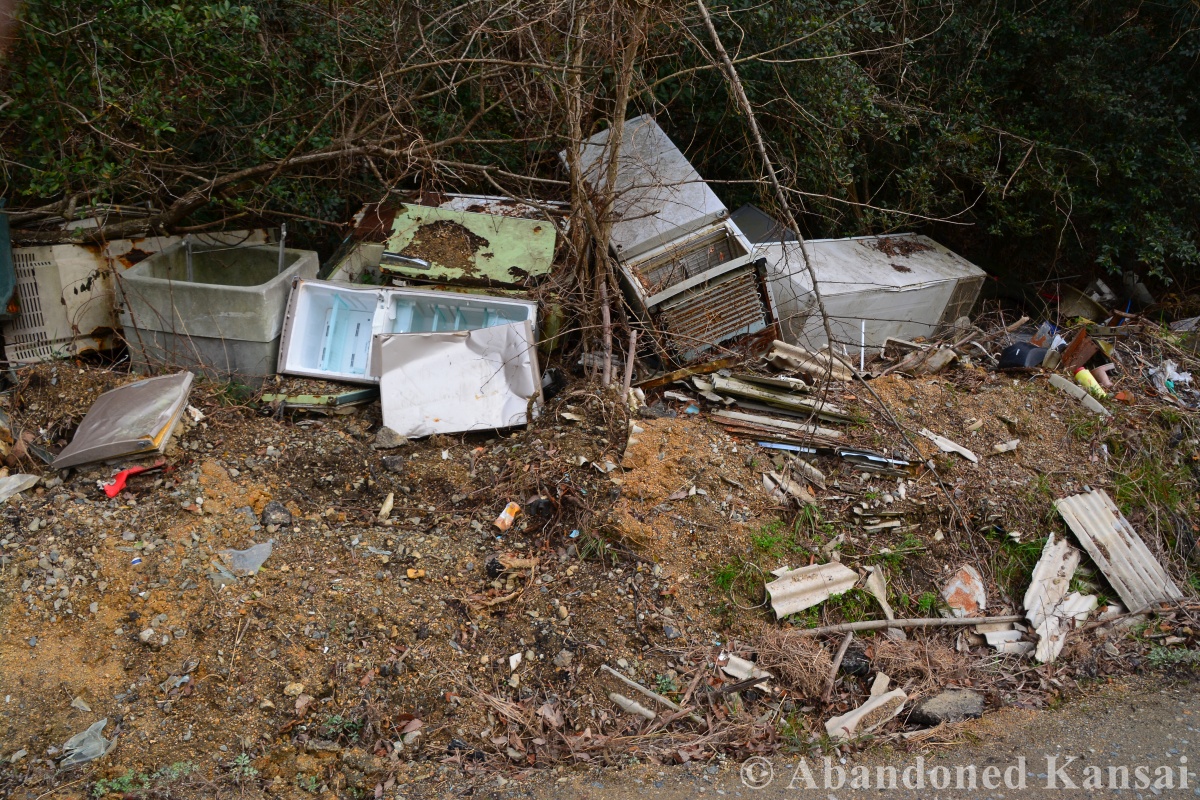
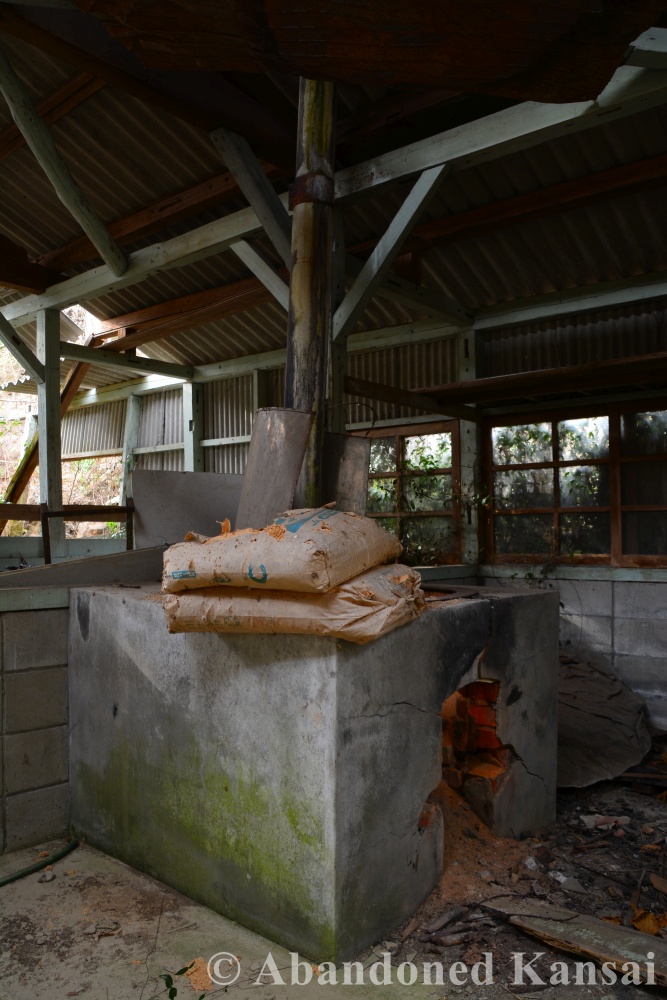
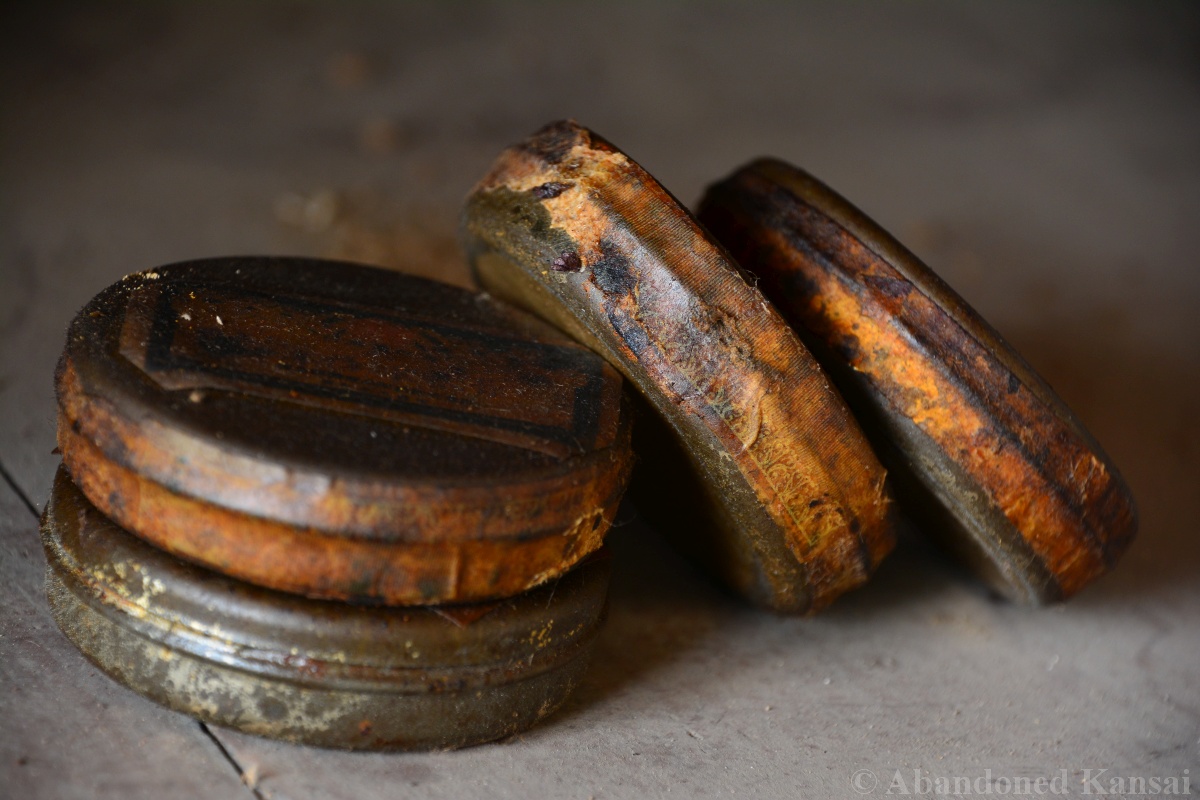
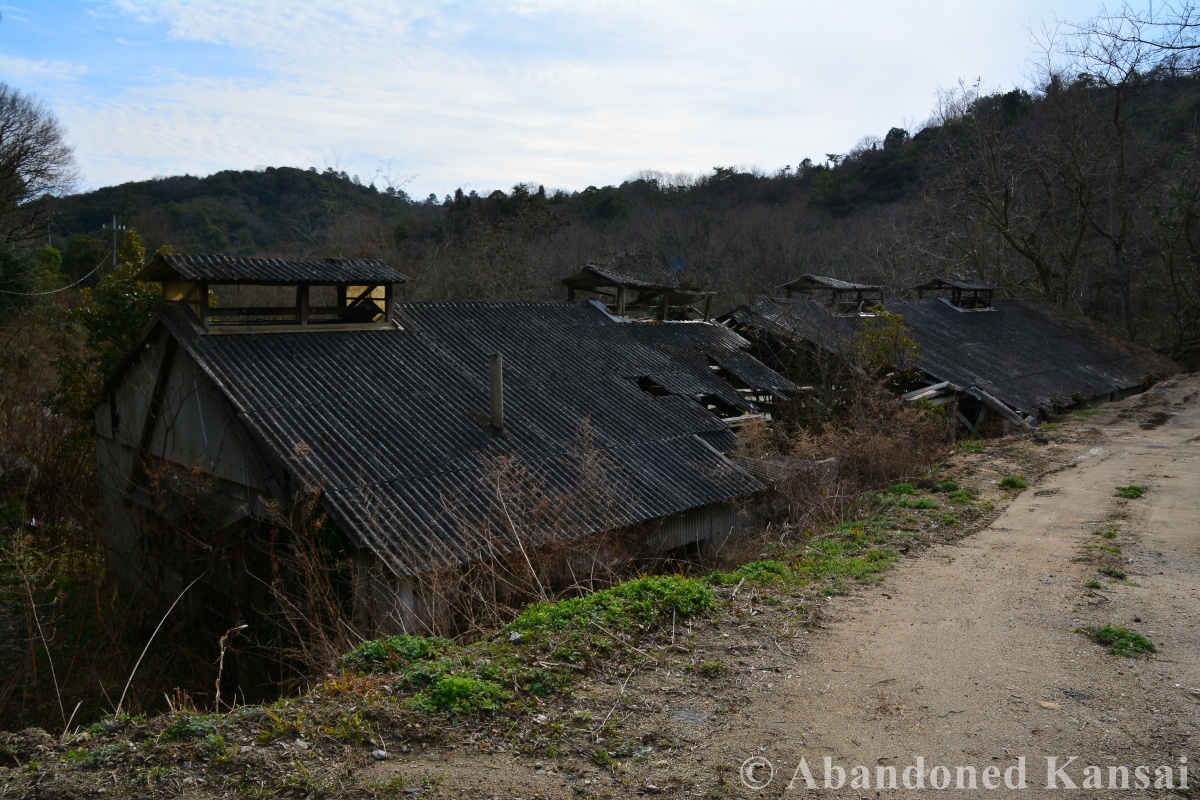
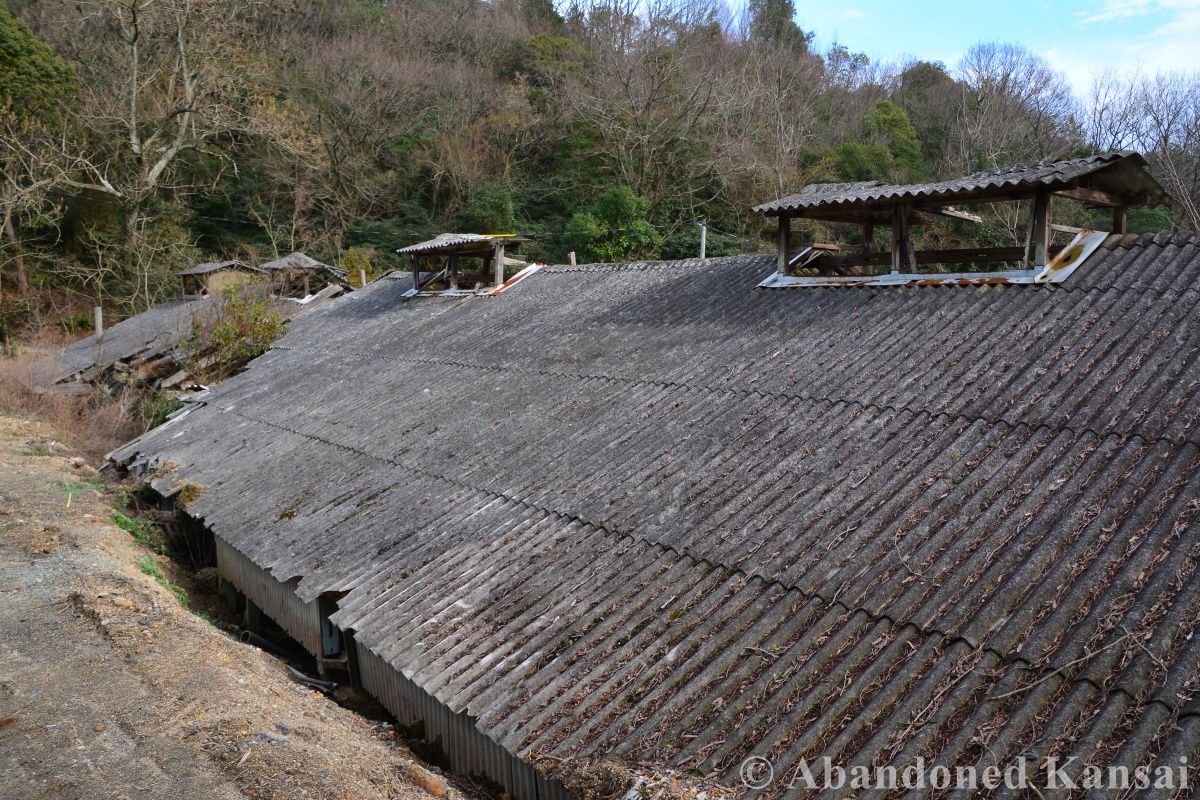
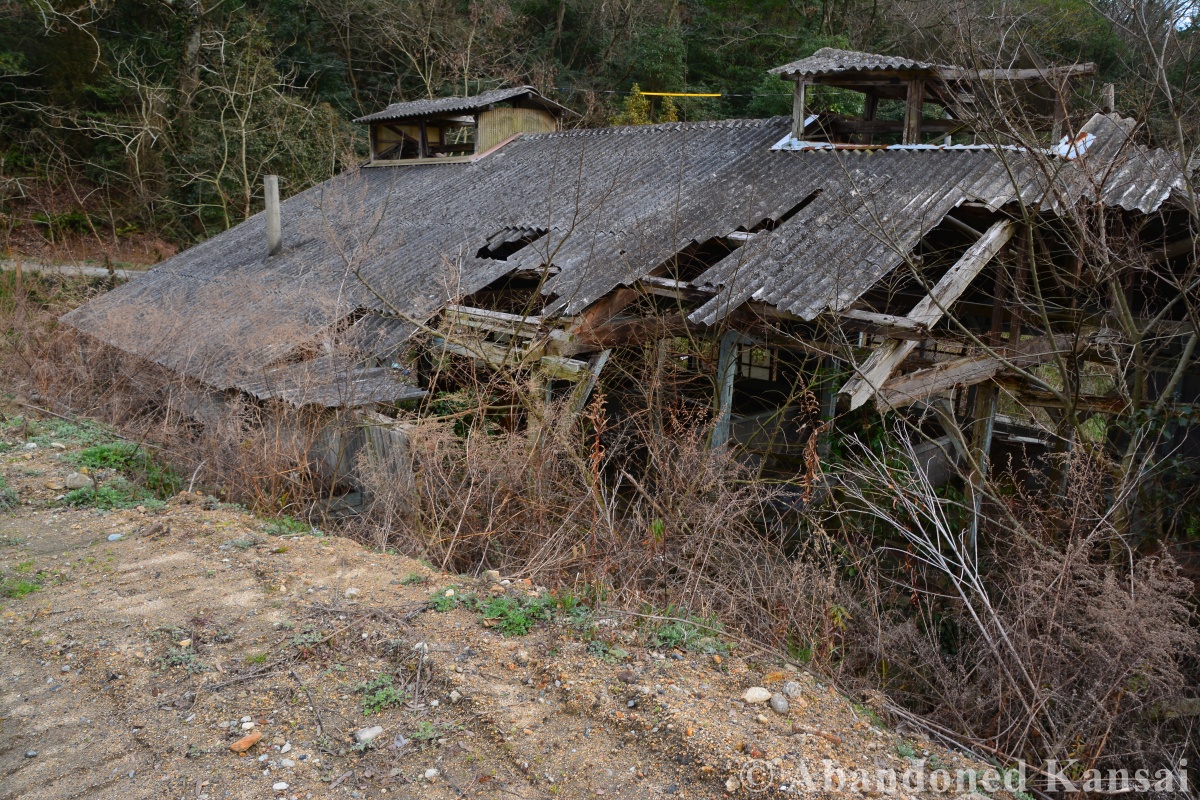
Animal farms reek – even more so than Osaka, which smells pretty bad, especially in summer, especially after a shower of rain. But not as bad as cattle or chicken farms, which is why people live in Osaka and animal farms are banned to the countryside. Not even the regular small town countryside. Remote places halfway up a hill – out of sight, sound and smell of the local yokels who have to work there since the Japanese countryside is dying faster than poultry during an outbreak of the bird flu. I grew up in a pretty agricultural small town in Germany, I have relatives with a farm and restaurant in the Black Forest – despite living in the big bad city for the past 25 years I know what livestock smells like. But it’s nothing in comparison to the chicken farms I passed by in Japan. Holy crap, those things smell like sewage plants. Maybe worse. I guess it depends on the part of the sewage plant. Anyway, what I am trying to say is: Japan has tons of animal farms, you just never see them since they are tucked away in the countryside, far away from the noses of locals and tourists alike. Quite a few of those farms are abandoned – and this is one of them!
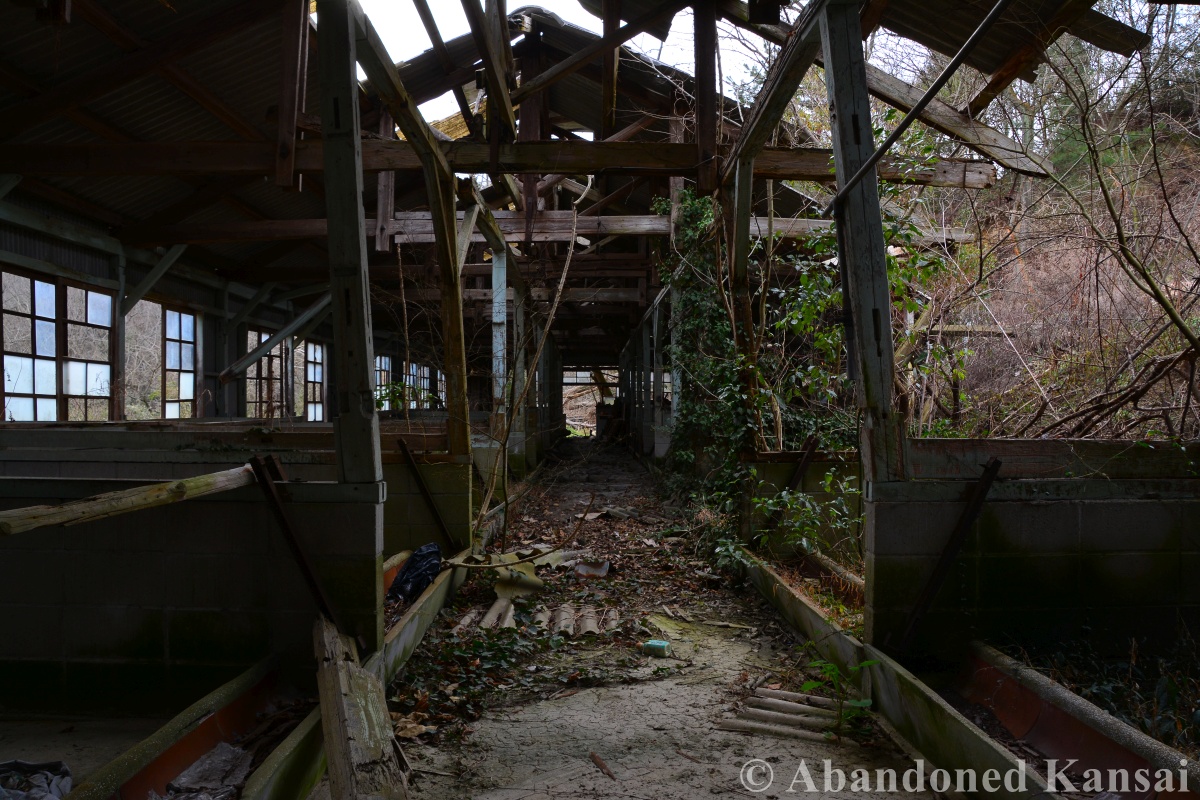
When I found the Pachinko Animal Farm it was nothing more than a rather random smudge on GoogleMaps, a blurry greyish-green blob indicating a couple of buildings in the middle of nowhere on the way to a rather famous abandoned hotel. I was on a no risk exploration day trip with three generations of Americans, age about 7 months to 70 years; obviously none of them were my family, but I’ve been exploring with my parents in Japan before, so I knew what kind of places to select. After a day of nice locations and surprisingly good beach hut pizza, we were about to check out said famous hotel to have a look from the outside when I realized that the Pachinko Animal Farm was basically on the way there, so we made a stop to have a look around. And what can I say? It wasn’t exactly the *Billionaire’s Villa*, but it wasn’t that bad either. Since it was an original find, it was first and foremost exciting, especially for my co-explorers. Okay, maybe not for the 7 months old, but the other ones! (And before some of you turn a lump of coal into a diamond with your butt cheeks: The baby never entered a building all day – no risk, fresh air. It was even fed outside… No child was harmed during any of my explorations ever!)
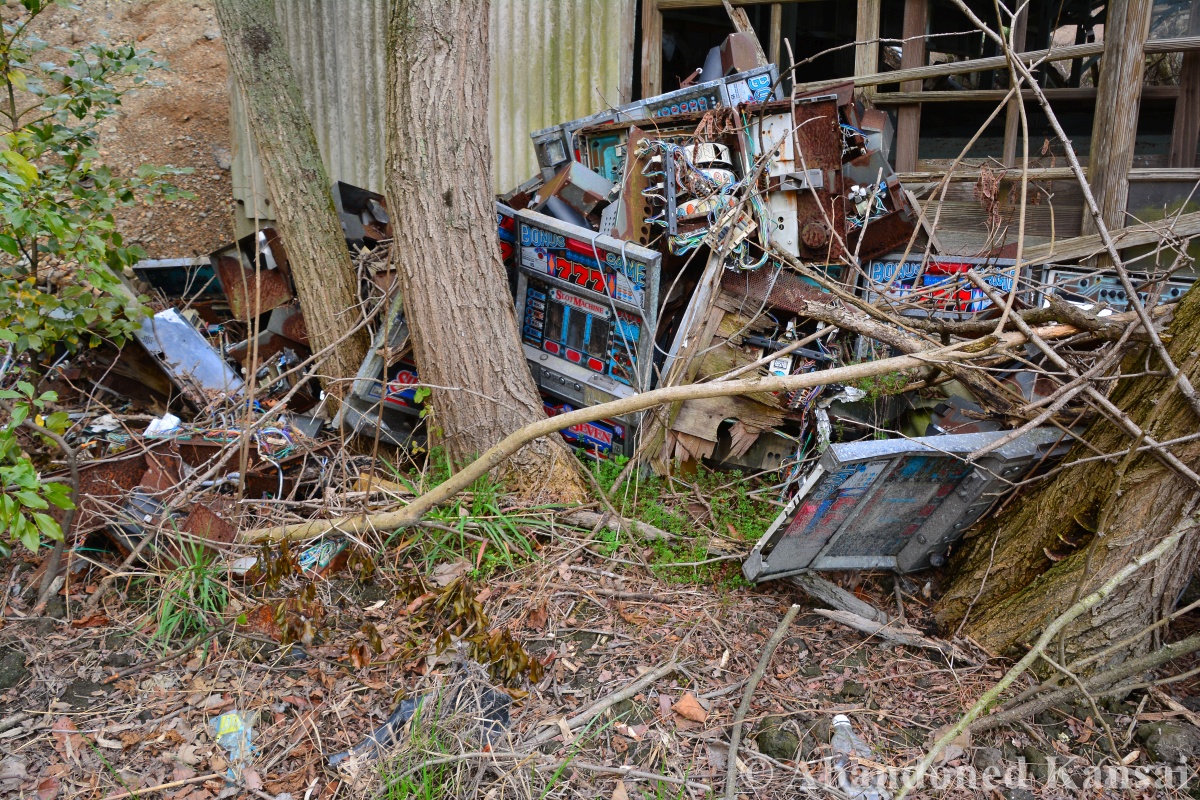
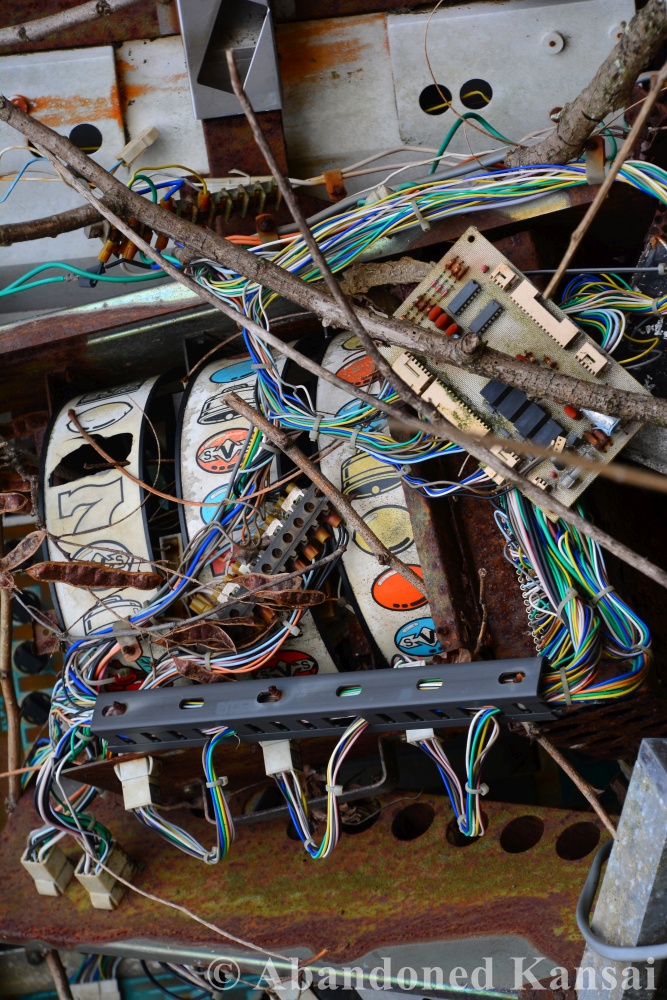
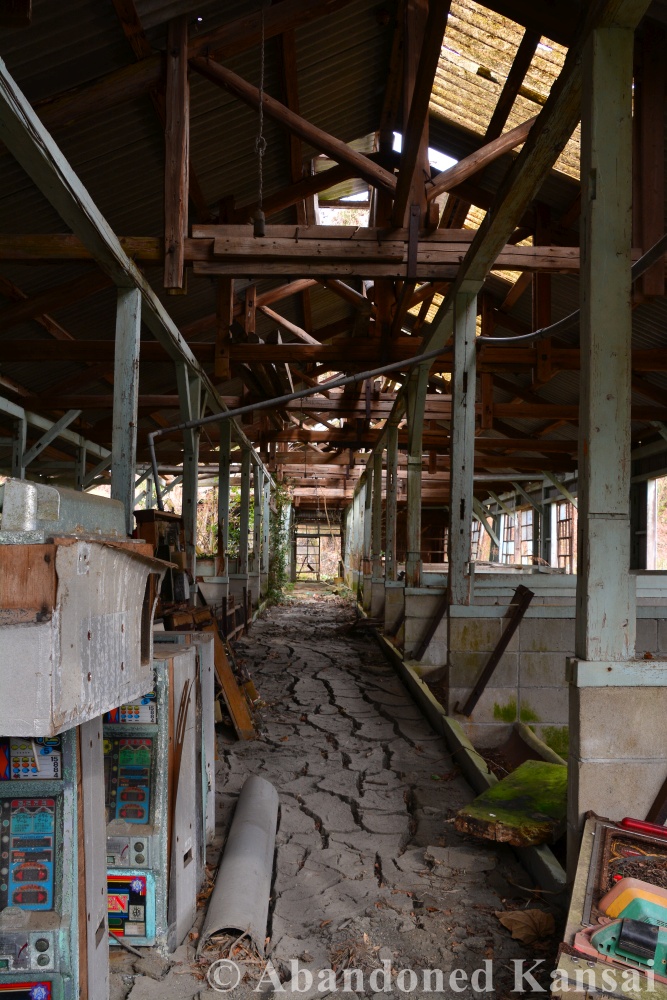
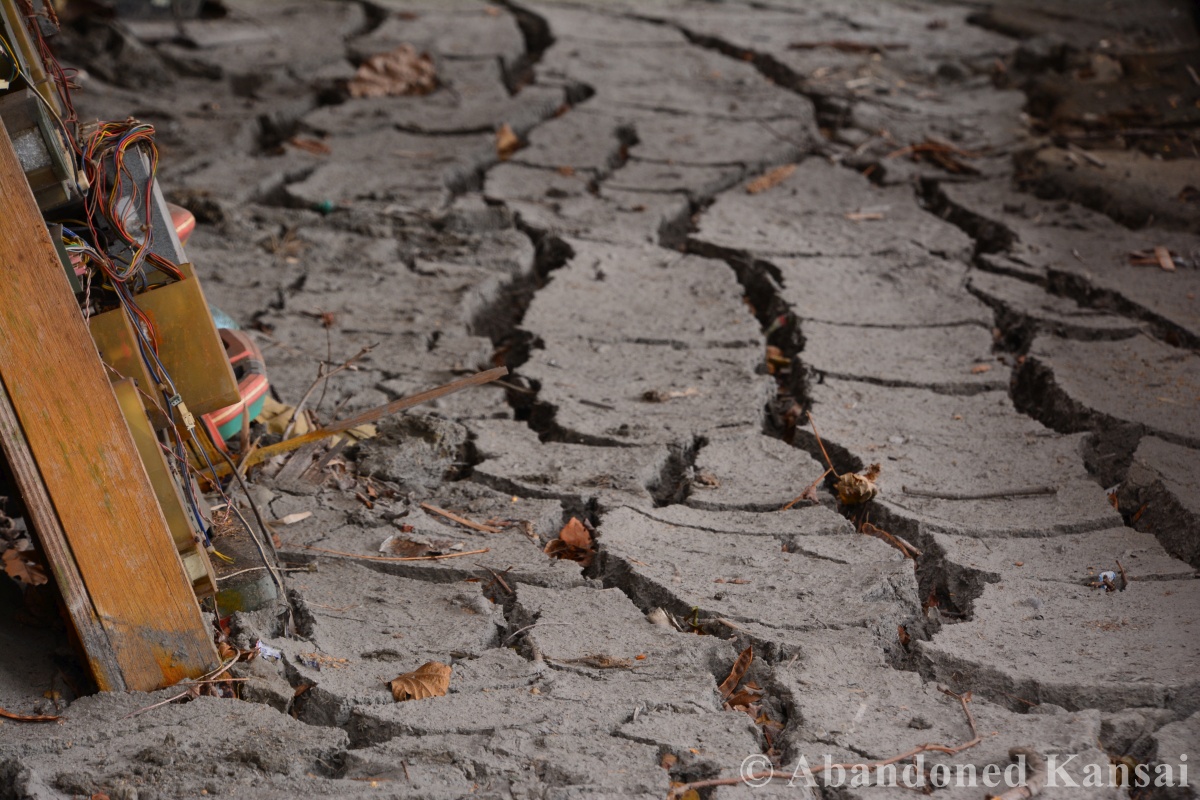
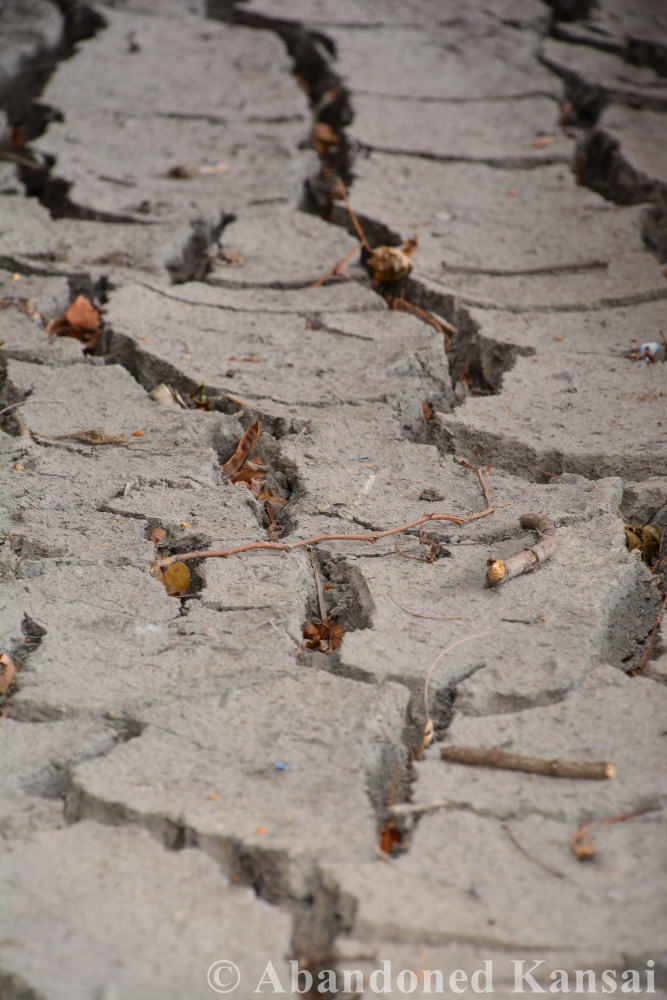
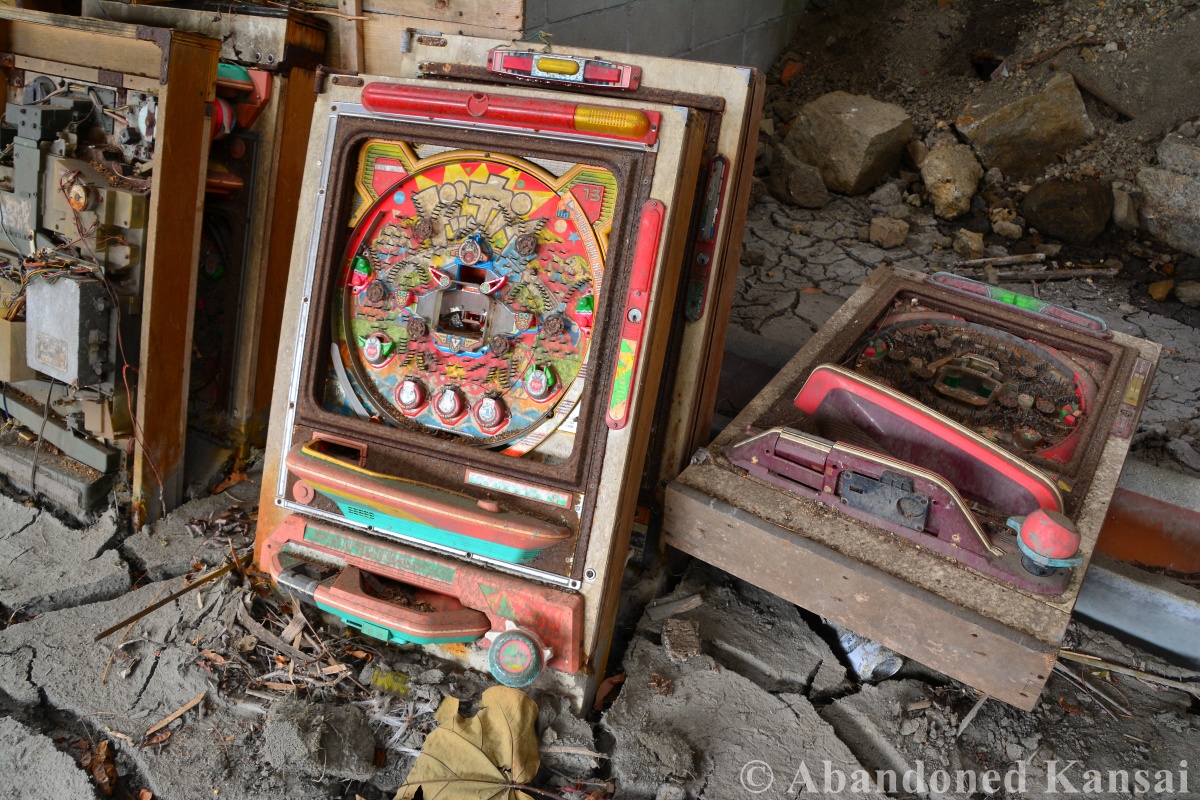
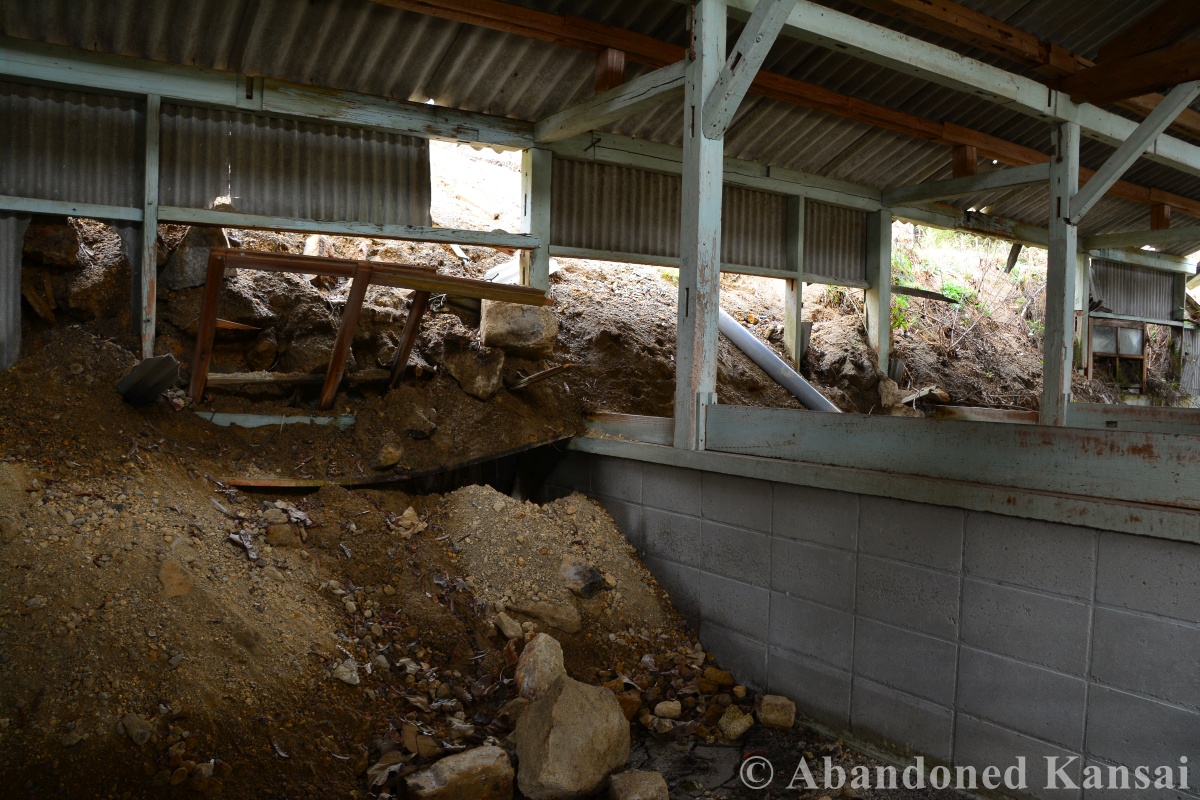
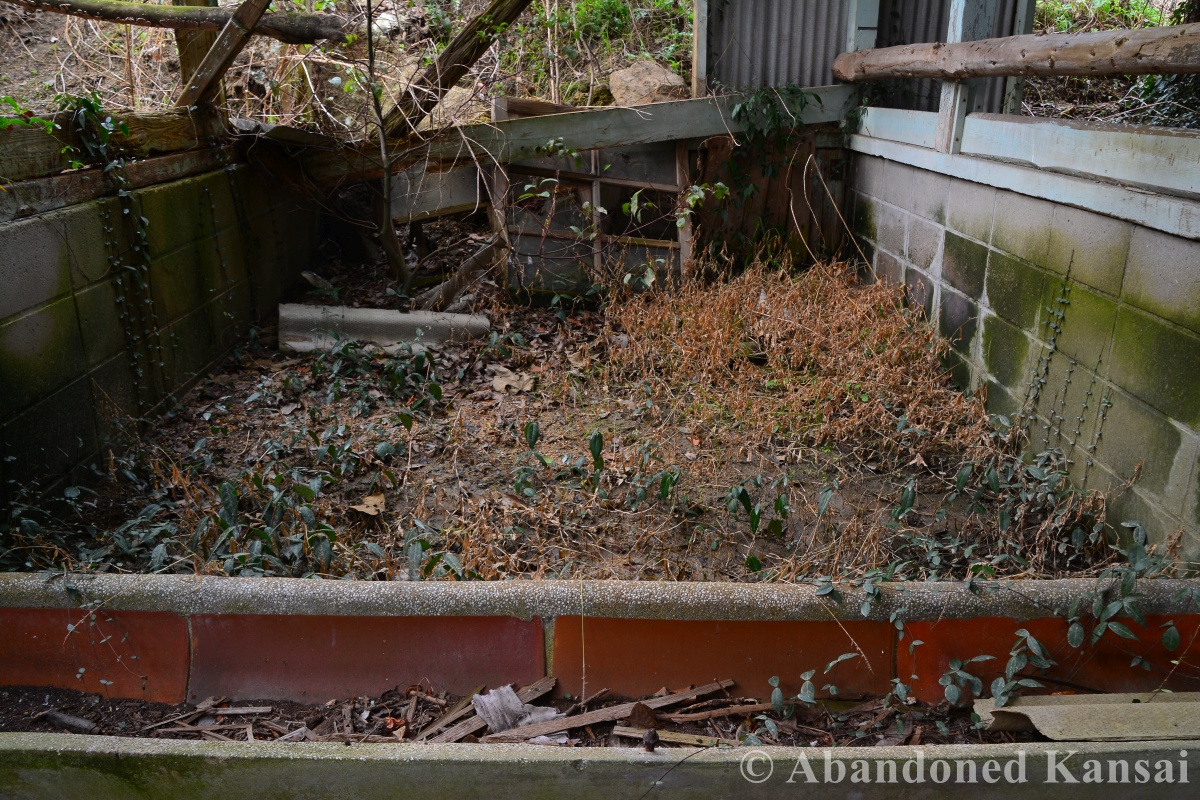
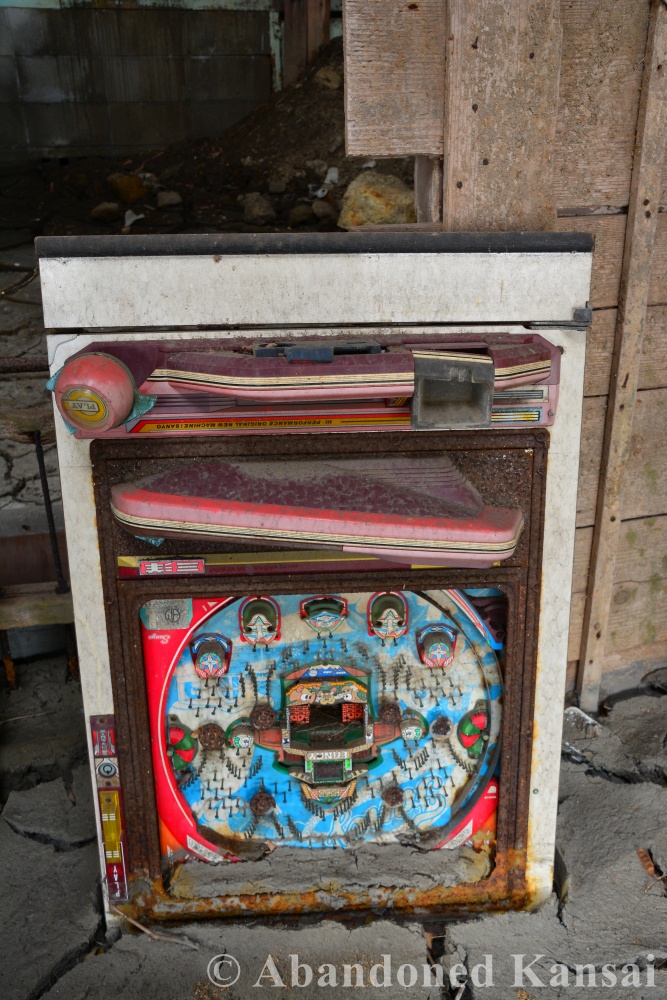
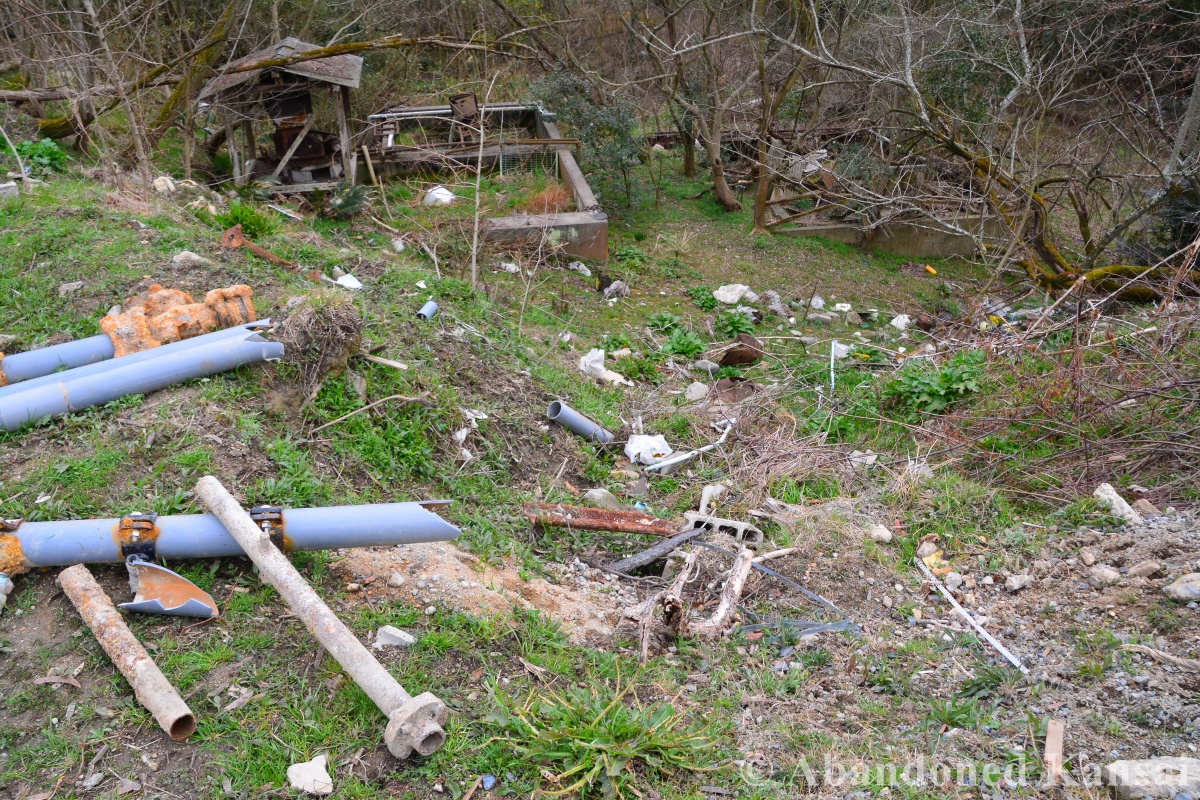
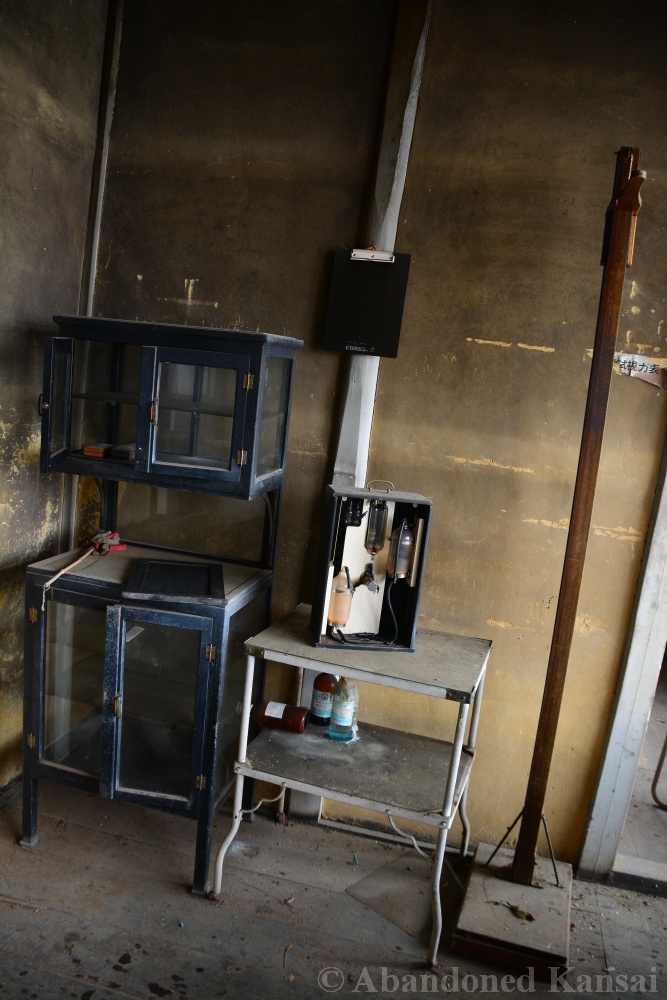
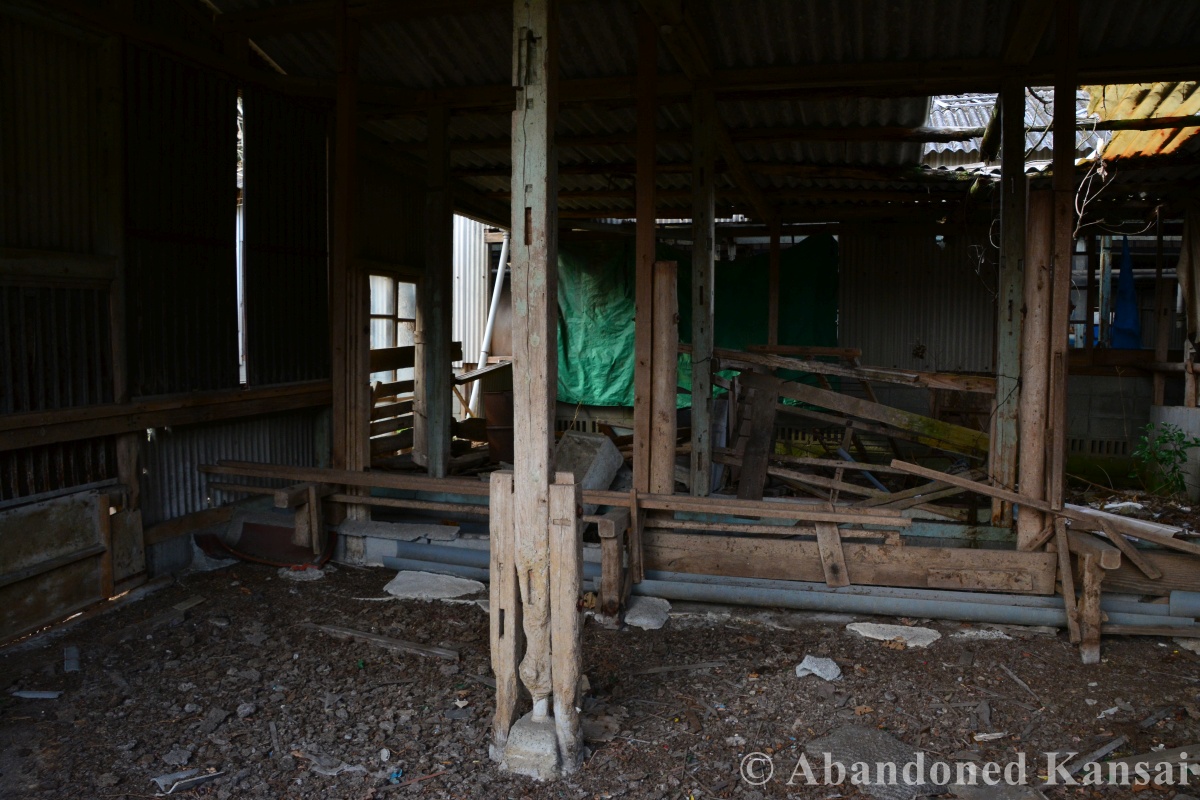
It looked like a mudslide damaged the stables, though it’s hard to say if that happened before or after abandonment. Probably after, given the cracked floors that reminded me of *an abandoned school that I’ve explored years prior*. Also completely unexpected: The dozen or so abandoned pachinko machines, most of them broken. They looked rather old, maybe from the 70s, and were probably just dumped there. I’ve never heard of a combined poultry/pachinko business before… So, yeah, a decent place to explore, nothing spectacular at all, but still better than nothing. Next week though… Boy, oh, boy… Next week’s location will be one of my favorite unpublished places. I’m looking forward to it. I hope you do, too!

(*Like Abandoned Kansai on Facebook* or *follow us on Twitter* if you don’t want to miss the latest articles and exclusive content – and subscribe to the *video channel on Youtube* to receive a message right after a new video is online…)

Read Full Post »
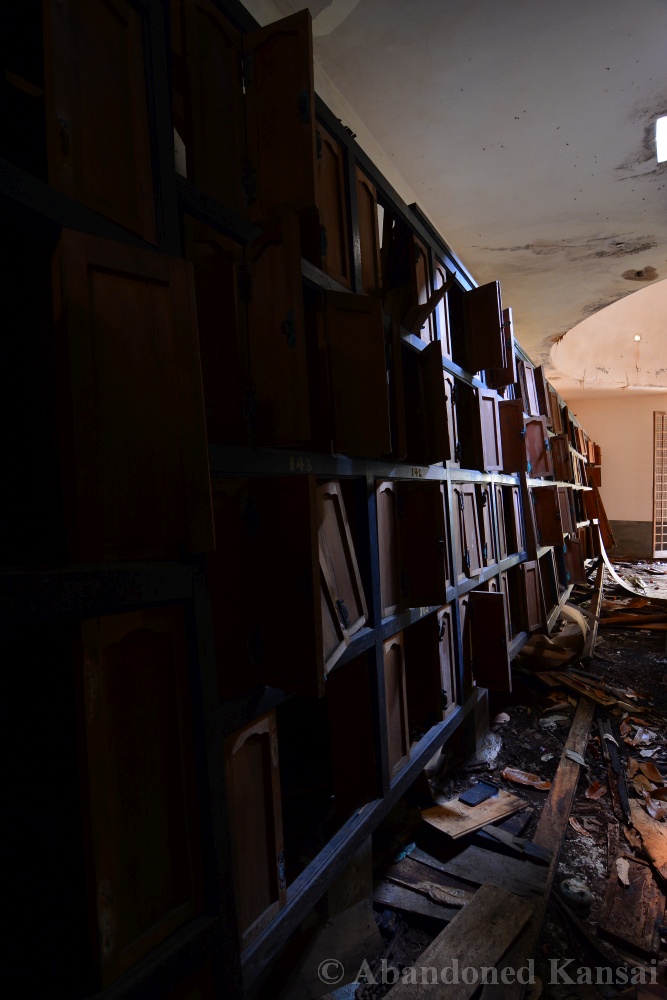
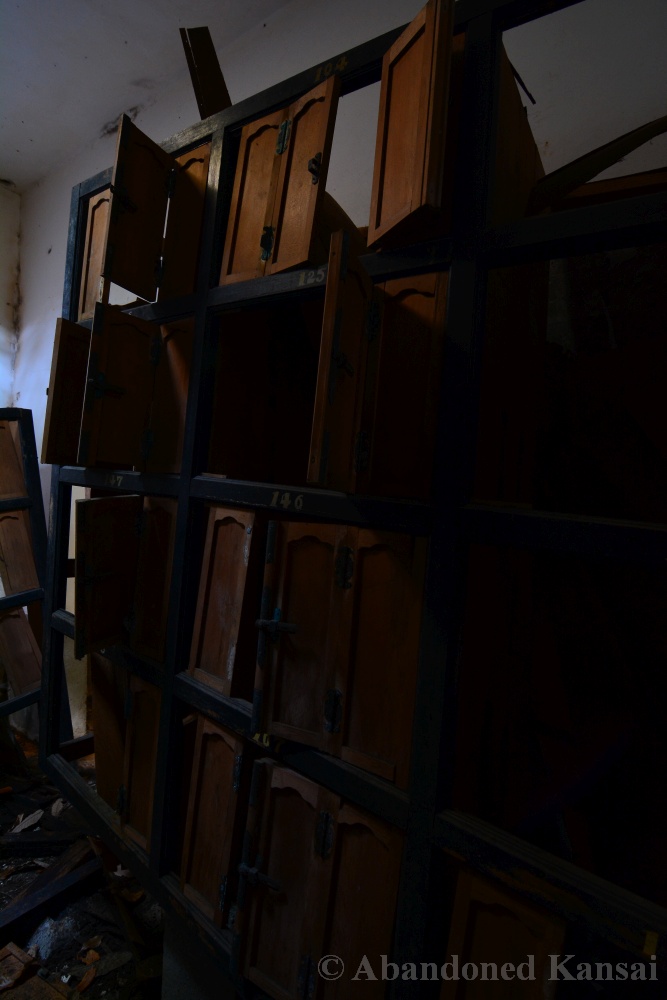
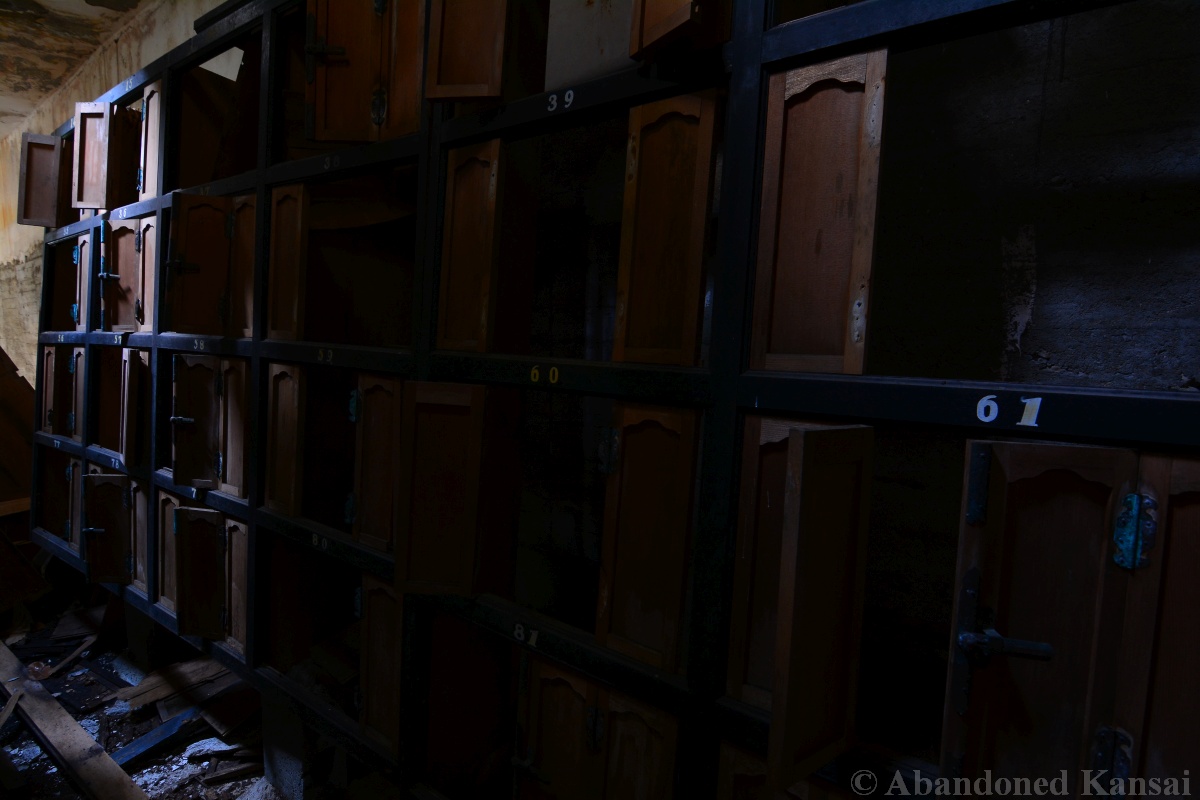
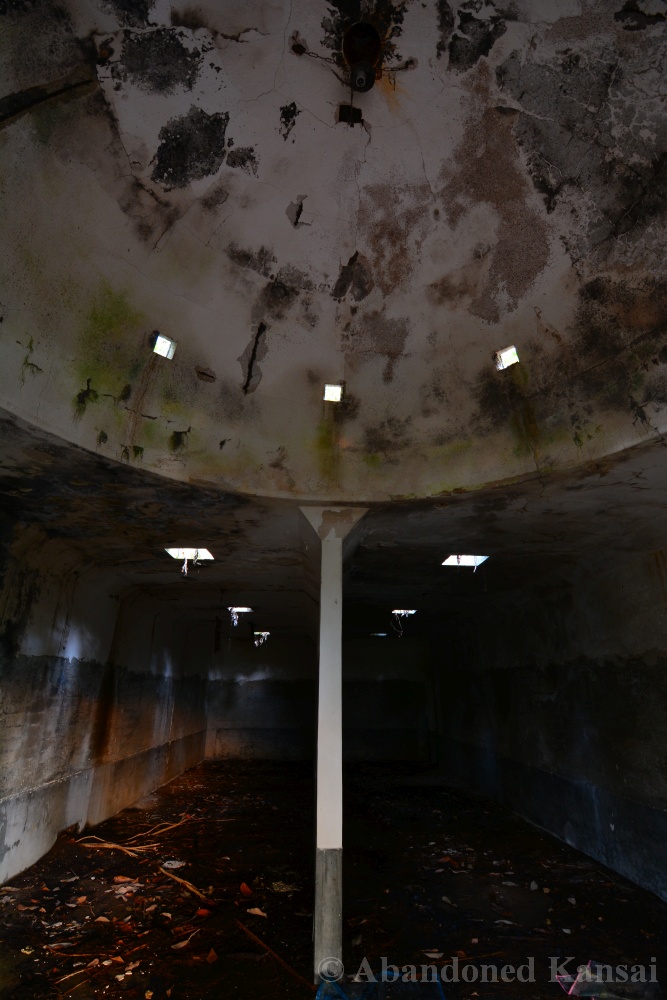
An abandoned ossuary / columbarium / cinerarium? Now that’s something you don’t see every day!

If you’ve been reading this blog for a while, you probably realized that I am not religious at all. I grew up Roman-Catholic and was dragged to church by my grandma every Sunday for years, quickly realizing that it wasn’t for me and just a great waste of time – so I started to play video games with a friend every Sunday morning and left the house while everybody was still sleeping, just to have a decent excuse for not going to church anymore. Now I care about religion so little that I’m not even sure if I consider myself an atheist or agnostic. I mention this, because today’s abandoned place is quite unusual and a far cry from the regular abandoned shrine I usually post as the first location of the year in the spirit of hatsumode. So if I confuse terminology (you know, like all rosaries are prayer beads, but not all prayer beads are rosaries), please forgive me – which should be in the spirit of your made-up invisible friend / ruler anyway. (And if you are upset with me for not being a believer: There are about 10000 religions in the world. You don’t believe in 9999 of them. For me it’s just 1 more…) A while ago I went exploring with a couple of Japanese friends, which usually means that I have no say in which locations we’ll check out that day – and that is kind of a gamble, because sometimes I waste hours at places I’ve already been to, whereas sometimes they drag my sorry ass to ruins I didn’t even know existed.
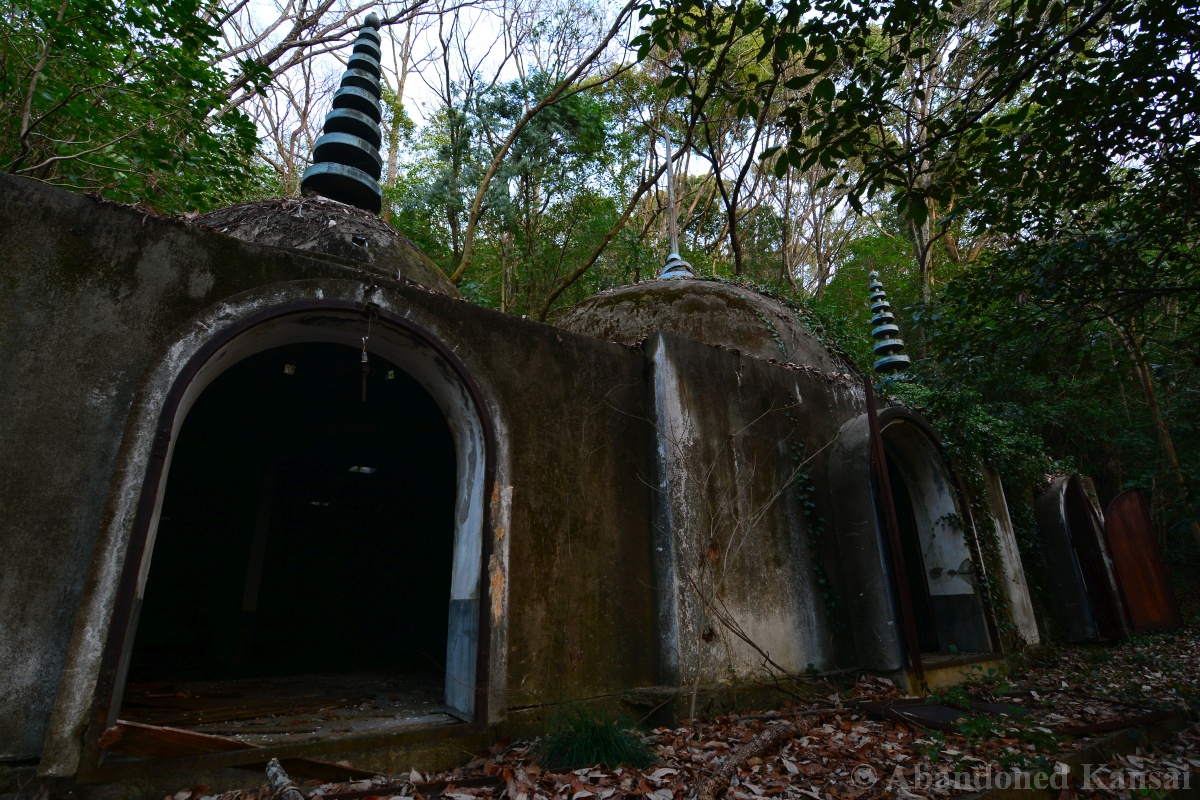
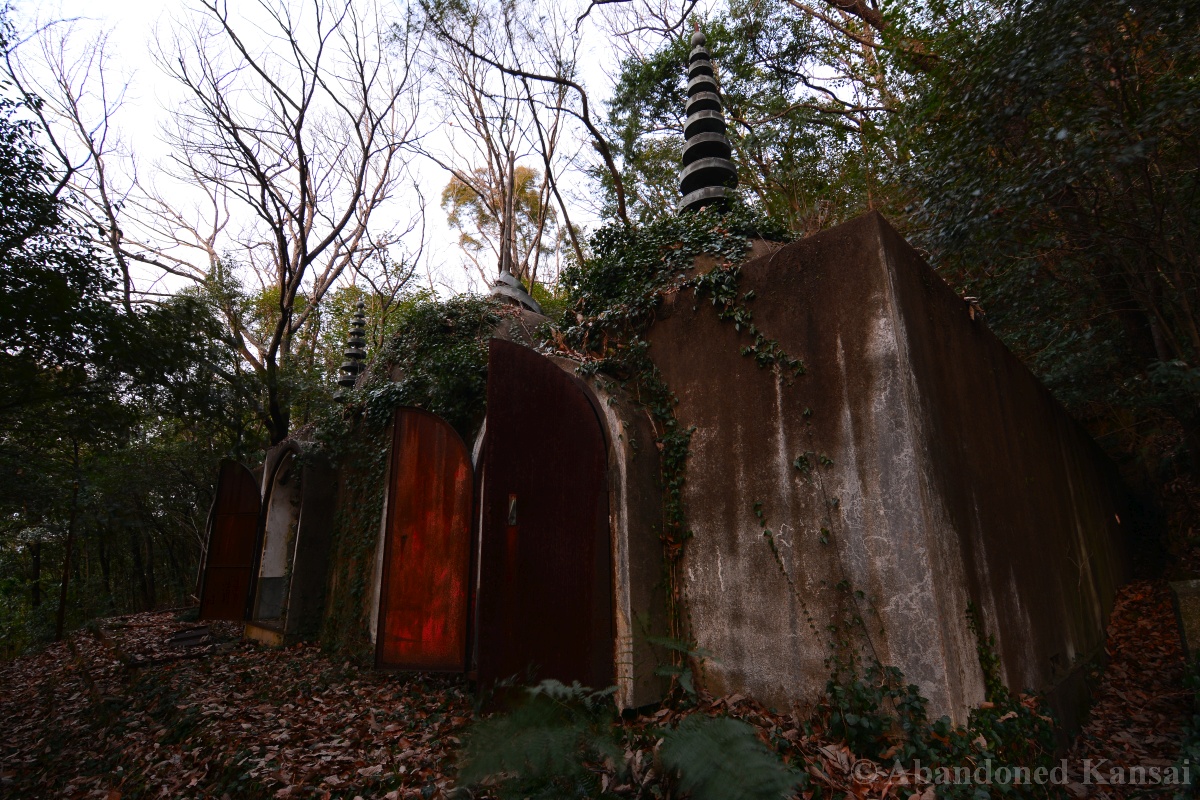
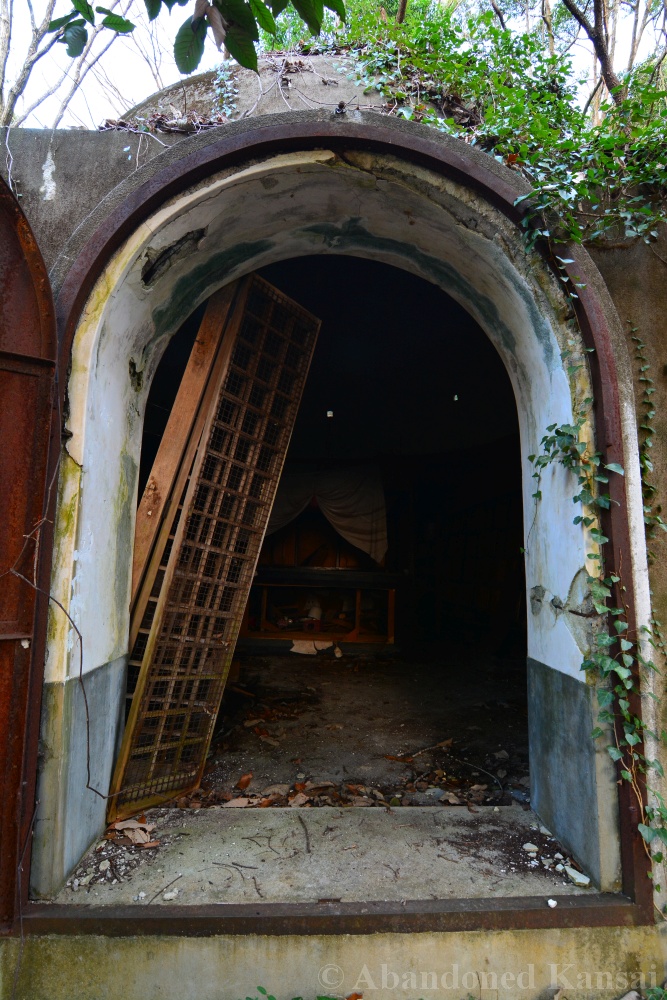
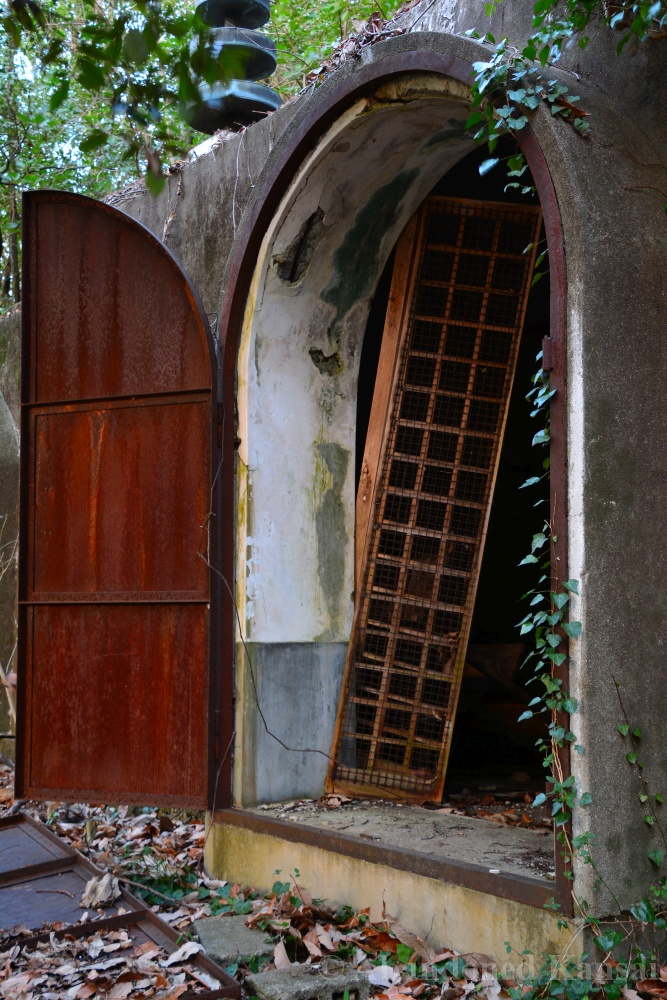
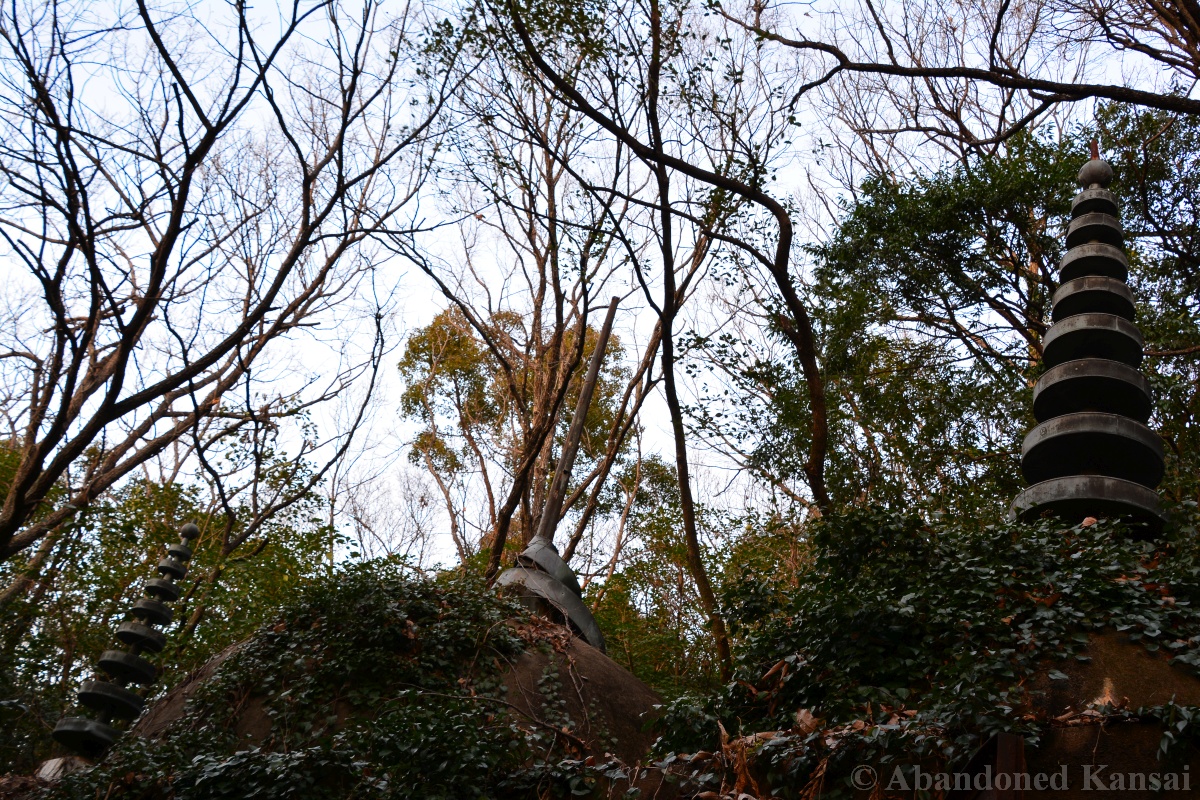
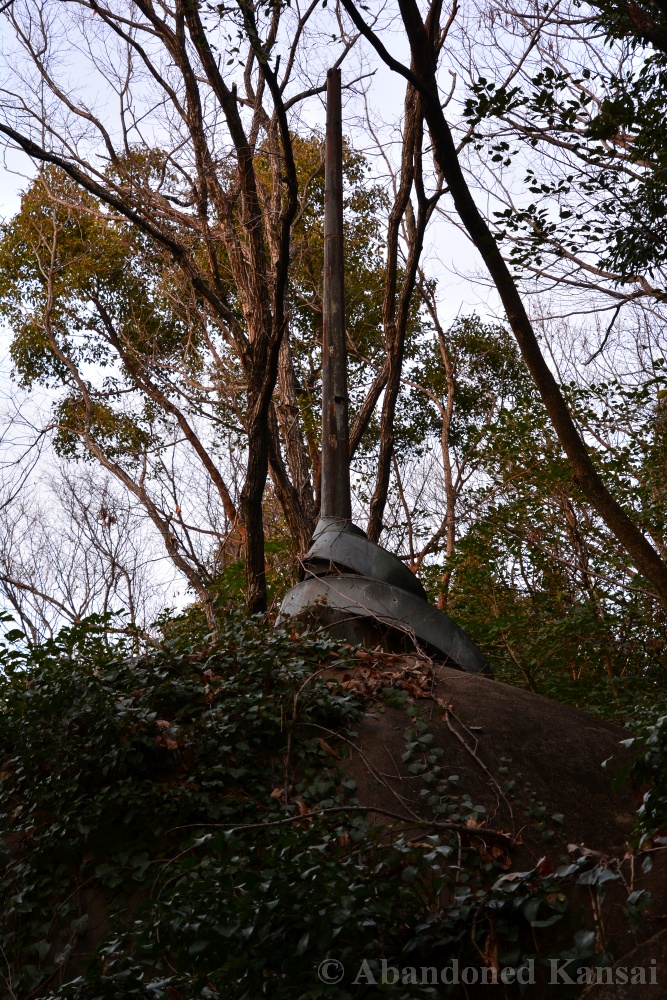
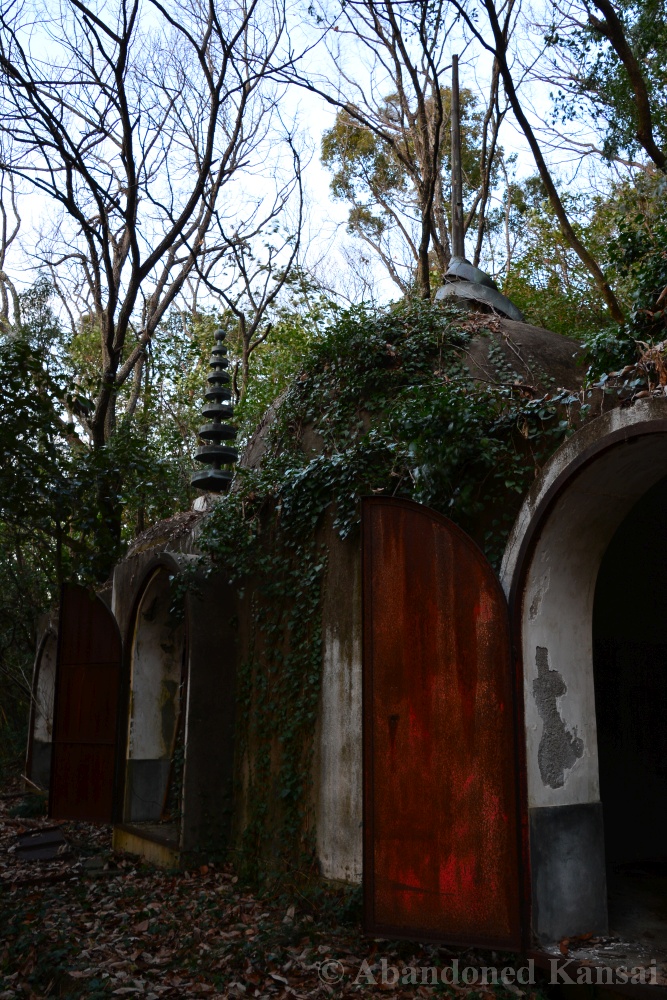
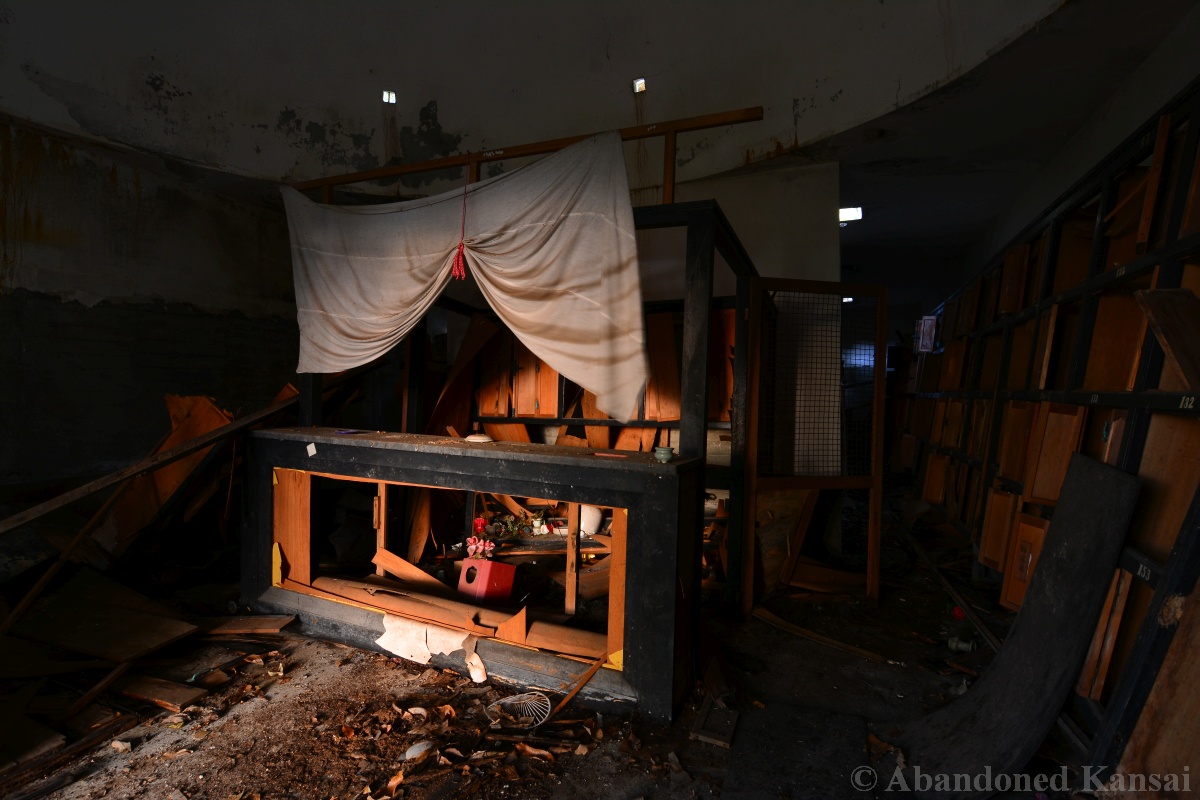
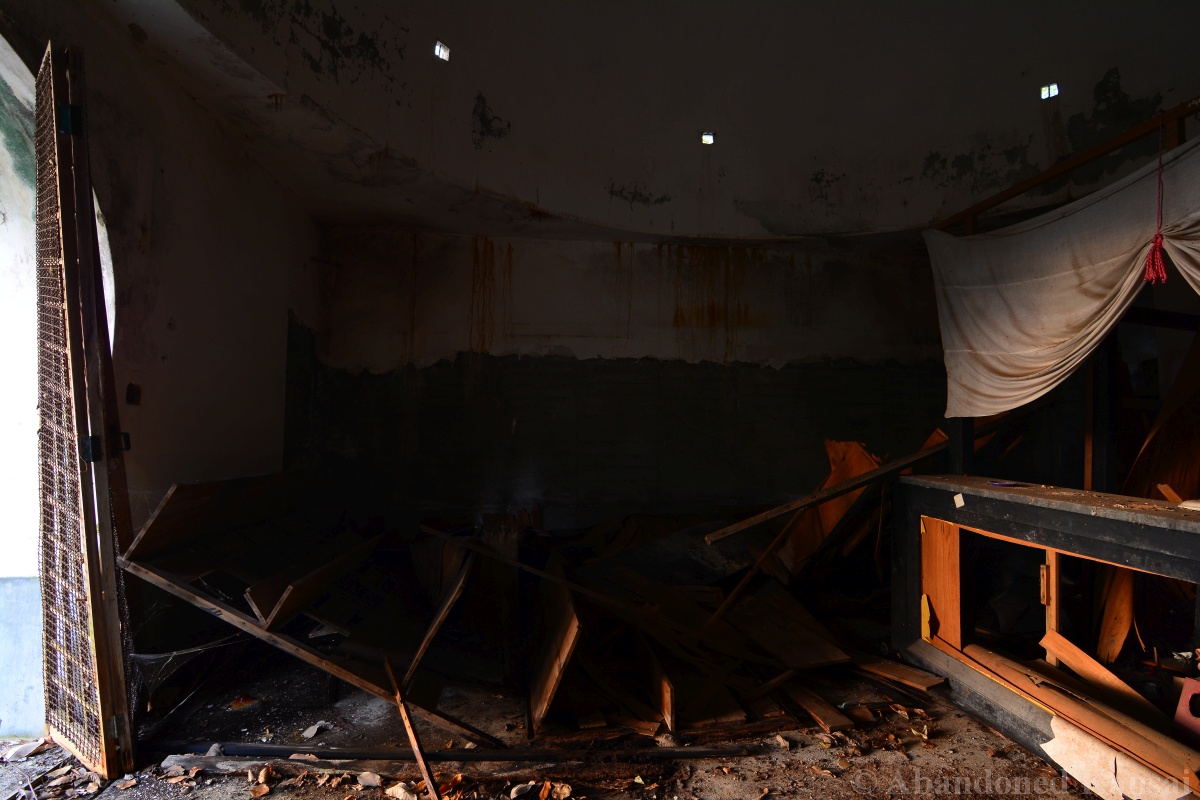
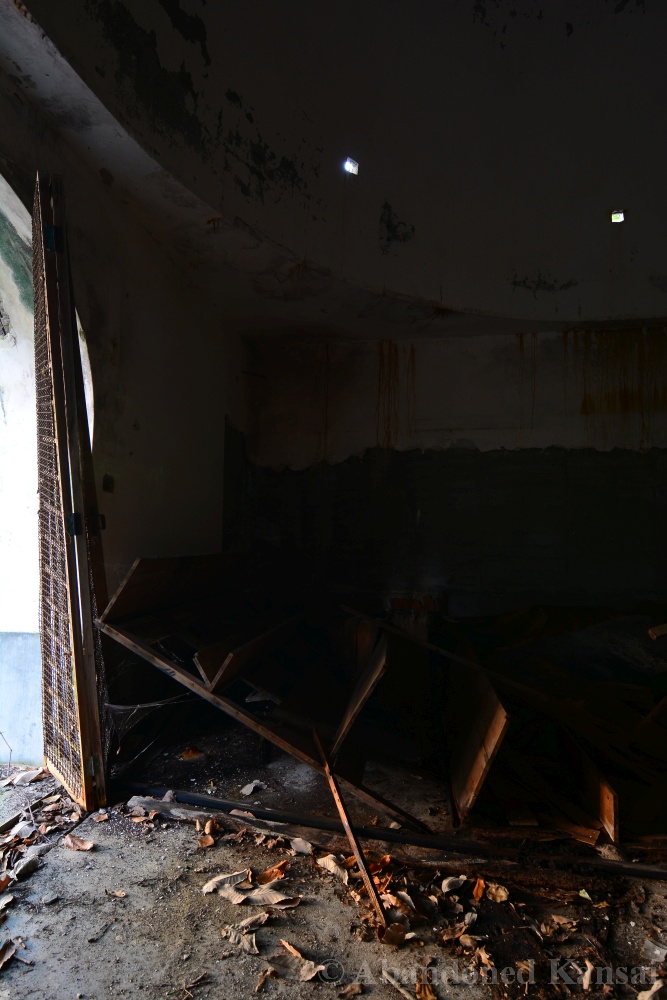
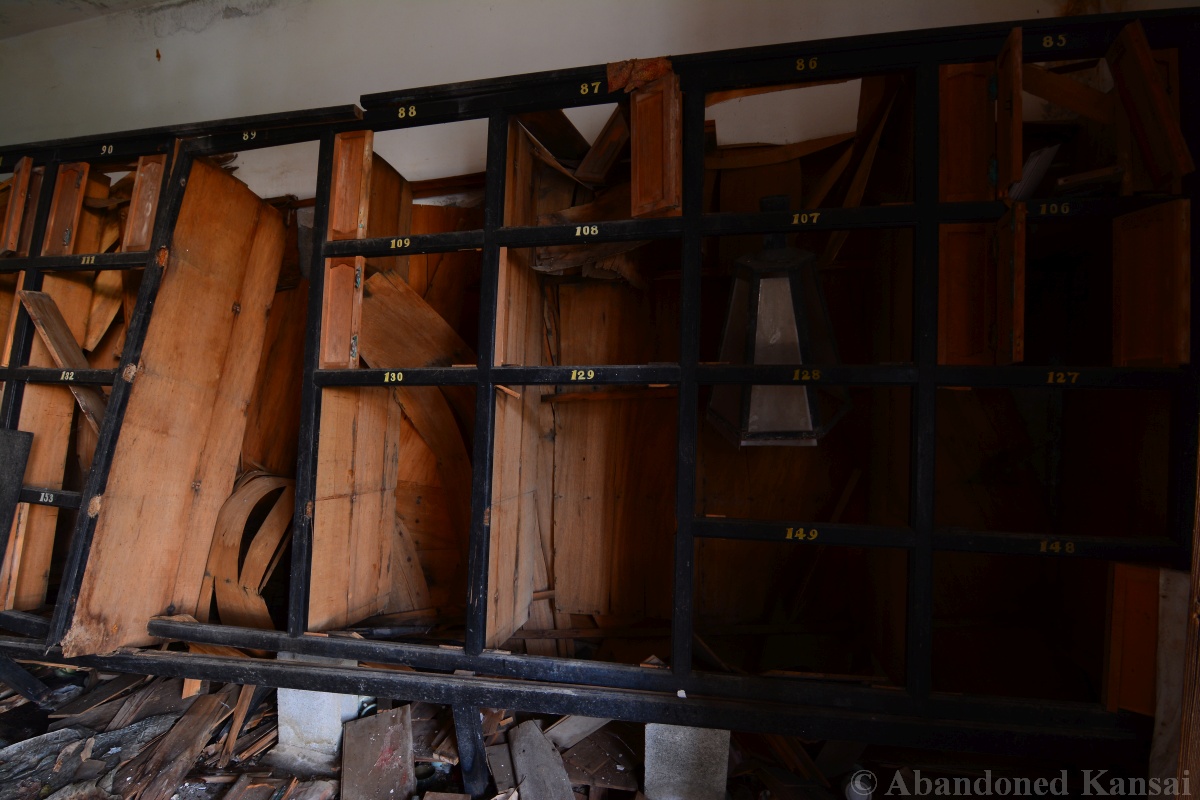
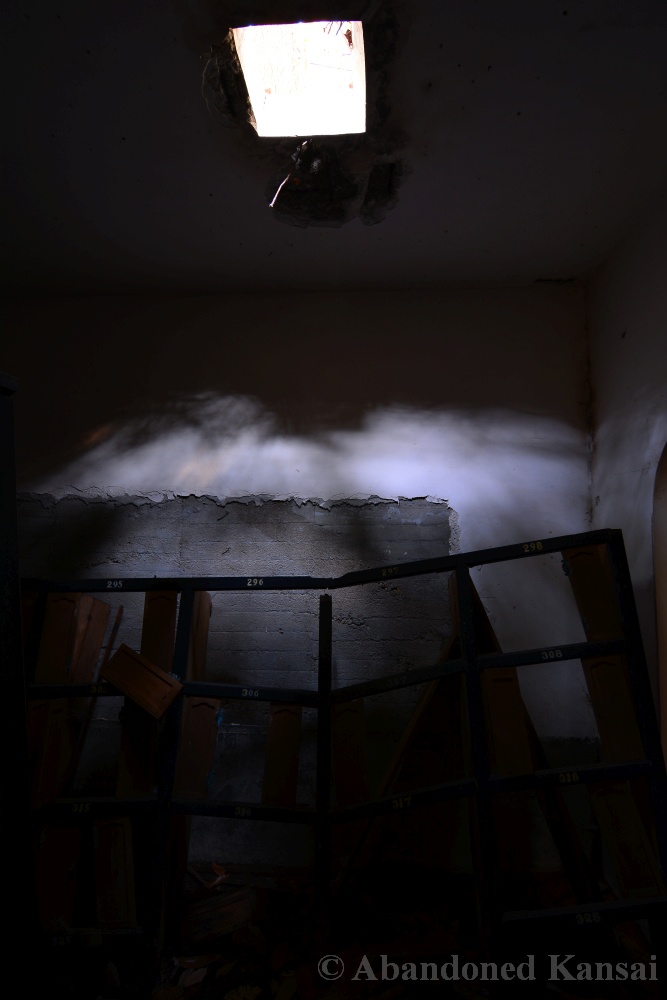
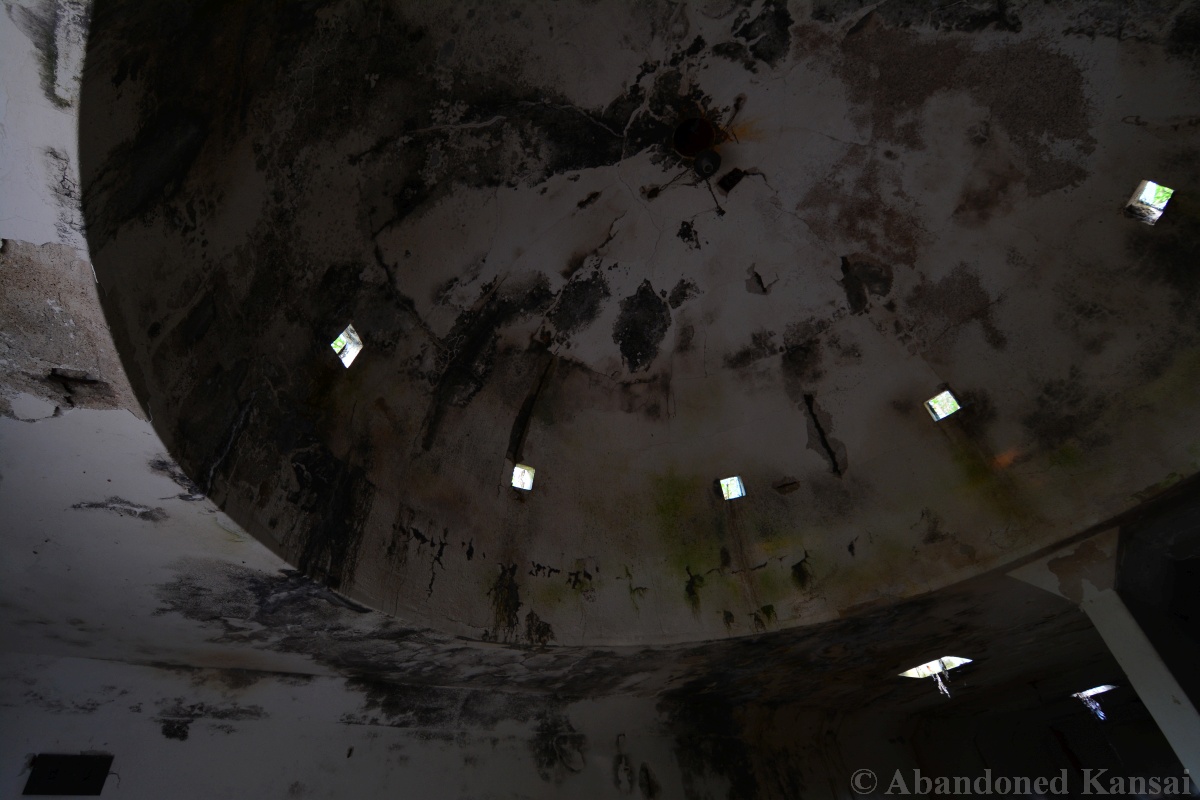
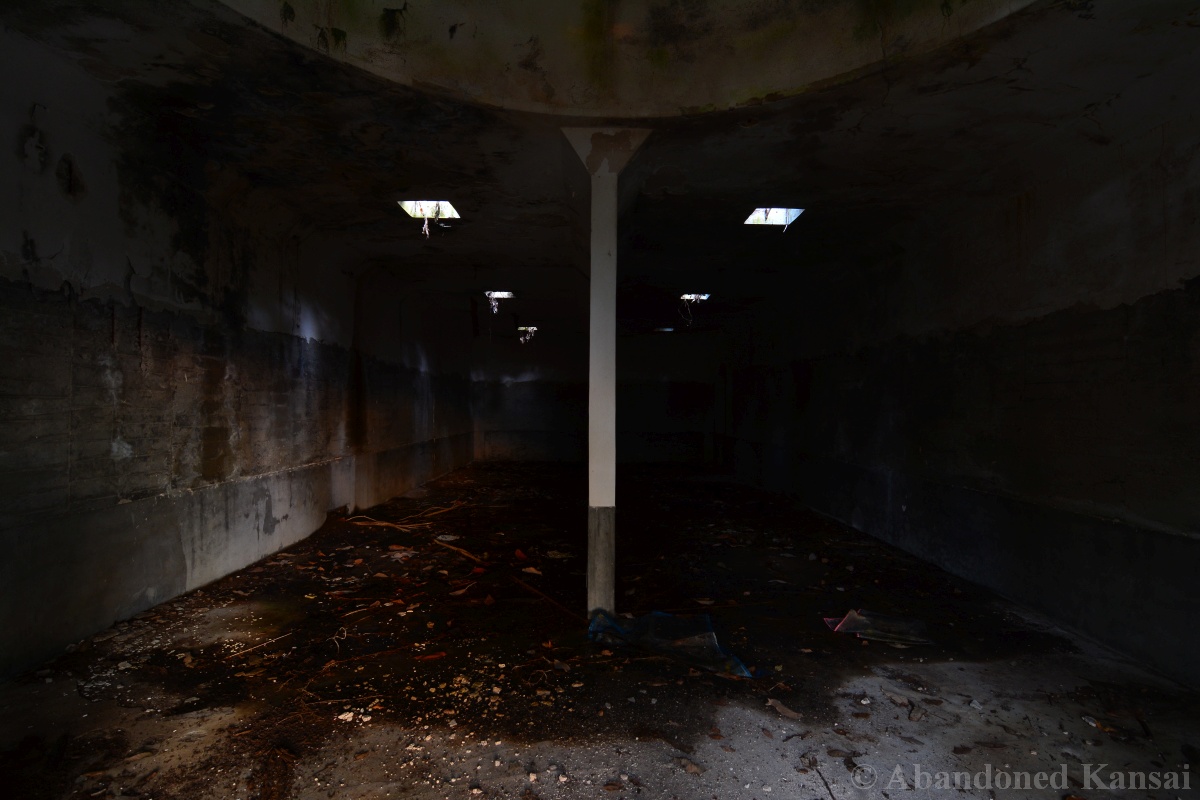
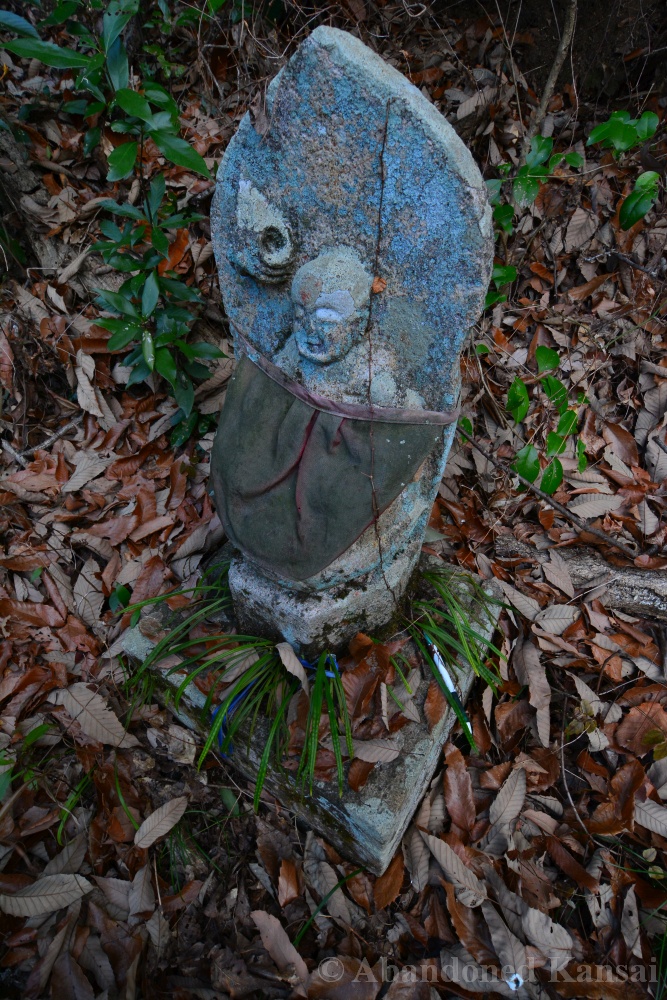
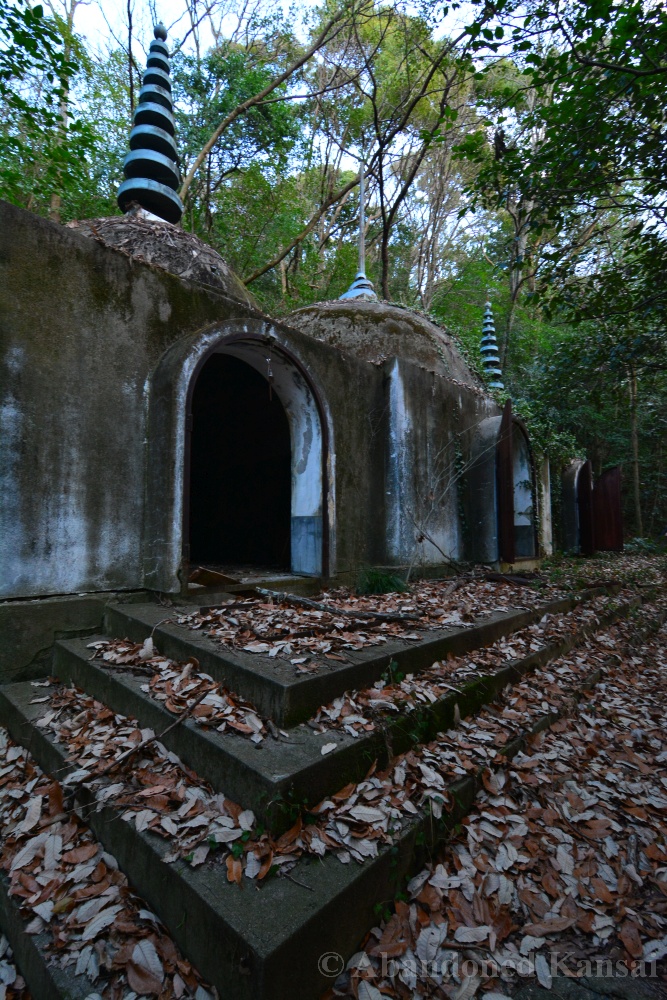
After spending quite some time on a late lunch we stopped next to a regular temple of a quiet neighborhood in the outskirts of Okayama. Parking was sparse, but we found a spot and walked past the temple and up a gentle forested slope. The path was completely covered by years’ worth of dried foliage (clearly nobody was raking and cleaning there, so I guess it’s a miracle that there never was a wildfire…) – and I still had no clue where we were going to (fortunately I wasn’t murdered and burnt beyond recognition that day, though it would have fitted the location, as it turned out…). Two or three switchbacks later we finally stood in front of the strangest structure I had seen in a long time – a long one storey tall concrete structure with three entrances and a spikey ornament on top of each room. It kind of reminded me of the *now famous stupa in an abandoned religious park*, but I really didn’t know what to make of it. Unfortunately were running out of time as it has been overcast all day and we were on a forested slope. We were four people, which meant everybody was shooting in one of the rooms, plus one person outside. A rather rushed exploration, but fun in an eerie way. Later I did some research and found out that the place was an ossuary built in the 1970s and used for about 30 years. A really interesting location that would have been even better if it would have been located closer to the abandoned *Japanese Crematorium* I explored a few years earlier.

(*Like Abandoned Kansai on Facebook* or *follow us on Twitter* if you don’t want to miss the latest articles and exclusive content – and subscribe to the *video channel on Youtube* to receive a message right after a new video is online…)

Read Full Post »

I’ve been urbexing for almost 15 years. During that time I’ve never written any articles about equipment, despite being very happy with three different Nikon DSLRs, two Manfrotto tripods, and a Sanyo video camera – which broke in 2019 after almost 15 years of recording countless hours at hundreds of locations as well as places like Chernobyl and North Korea. Videos I always considered a bonus anyway… and I’m still having a hard time thinking of myself as a photographer, given that I have no formal education in that field and only do it as a hobby. A really time-consuming hobby, but nevertheless just a hobby. I also don’t have a background in technology, so what’s the point of reviewing camera equipment when I just have an opinion based on learning by doing? Well, that doesn’t keep countless “influencers” and Youtubers from churning out incompetent nonsense, but I wouldn’t want to be found dead with either label on me! And like my favorite professor at university once said in regards to papers we had to hand in: “Don’t claim anything you can’t proof!”

Fortunately there is no need to be technical or scientific about this Insta360 X4 article, because unfortunately we never got that far…
Like I said, I always considered video walkthroughs of the locations I explore a bonus. I started them pretty much right away, but at first I didn’t even publish them, because I only took them for myself. And even when I published them, I didn’t edit them. No cuts, no voice overs. Just me walking around breathing heavily into the silence. That all came to a sudden halt when my Sanyo stopped working after exploring the abandoned *Trump Hotel*, also wiping out the recordings of the whole day. At that point I was tired of doing the videos anyway – and my co-explorers were increasingly annoyed, because I added 10 to 30 minutes at the end of every exploration for the walkthrough. So I stopped doing them.
For the past 18 months I’ve been exploring solo again (don’t ask, it’s complicated and often quite frustrating, to be honest), but a few weeks ago a colleague of mine showed me an older model Insta360 video camera that a visiting cousin from the States forgot at his place in Japan. I was fascinated by the easy to use 360 photos and videos, so I did some research and decided to get one. I’ve read reviews, I’ve read product pages – I did my best to make an informed decision, because at first I considered buying the X2 or X3 as older models often are cheaper with only slightly fewer / worse features. The X2 was out of the race when I read in a review that it required a smartphone to be activated – something I didn’t read anywhere about the X3 and X4. I guess because it’s an idea that is so stupid that it probably was a one-time mistake by Insta360, facing so much backlash that they removed the requirement from following models. The price difference between the X3 and X4 wasn’t very big and since the latter was only four weeks old at the time, the price on Amazon and in brick and mortar stores was the same, so I decided to get it at my local Yodobashi Camera (street block sized electronics stores with hundreds of employees each, in case you are not familiar with the chain), where I’ve been a customer for almost 18 years – ever since I moved to Japan.
BIG MISTAKE!

Yodobashi Camera was extremely stingy, giving only 1% points on the video camera, despite a promotional campaign of giving 13% points for purchases over amount X – except for (small print)… But when you shell out 80k Yen on a new video camera you are looking forward to use, store points are the last thing you worry about anyway. Fortunately I still had some of those points, which I used to get a seriously overpriced MicroSD card, because without it the video camera would be useless and I wanted to try it out on the weekend before an upcoming urbex trip. 83500 Yen poorer, but with a big smile on my face I left Yodobashi Camera on a Friday evening after an otherwise pretty horrible week.

Saturday was supposed to be a great day, though it started with a rude awakening / realization…
After sleeping in and having a delicious breakfast, I enjoyed a nice unboxing. The first slight disappointment was when I realized that the included battery was dead. Well, not dead dead, but completely empty. Whatever, an hour or two wouldn’t make a difference. It would not dent my great mood for sure. That came a few hours later when the battery was fully charged. I booted the small brick for the first time, its screen came to life, asking me to choose a language – and then the screen showed what the camera was seeing… for about a second or so. Then some text popped up and my heart sank. You gotta be kidding me! What I was looking at was a screen telling me to download an app by Insta360 to a smartphone, iOS or Android, to unlock the video camera. What. The. Heck? I literally felt it in my fingers how my blood-pressure exploded, because unlike pretty much every person on the planet above the age of 6 years I don’t own a smartphone. Never have. In the late 90s I had a black and white Nokia for work (yes, I’m not the youngest anymore, though I started working full-time in my early 20s). When I moved to Japan I had a flip phone or two, but for the past 15 years or so I didn’t have any mobile phone at all, smart or not, because I don’t like them as they turn way too many people into dumb zombies. So here I had a brand-new, quite expensive video camera… that forced me to make it usable by using another device with cameras? Who comes up with stupid ideas like that?!
Certainly not Nikon! Their D7500 DSLR I bought just weeks prior worked with a partly charged battery and regular SD cards straight out of the box 5 minutes after purchase – without any charging or unlocking BS!
So I started to do some research… and didn’t find much. Like I said, I couldn’t care less about smartphones, apps and all that stuff, so I tried to find a solution to unlock the darn X4 via PC or MicroSD card. Of course I couldn’t find anything about that either, so I contacted Insta360 directly – who apparently didn’t read my message and instead sent me a standard reply. So I got back to them, apologized for not describing my problem properly (I’ve been in Japan too long…), and this time got an answer that at least implied that they understood the situation I was in – without being able to help, because though it seems to be nowhere stated on the box, the promo material or even on the X4 website (at least back in mid / late May, maybe they changed it by now)… you really need a smartphone and the Insta360 app to use a newly bought X4 video camera, that seems to work perfectly fine, but is made not usable on purpose by the manufacturer. Which absolutely blows my mind!
How is that even legal?
How can a company force you to use a completely unrelated piece of expensive technology that actually partly does the job of the product you just bought, to make your purchase usable? Without mentioning that essential detail with big warnings before purchase! And in addition, forces you to use an app, which does who knows what in the background without one knowing?
What’s next? You need an electric bike with WiFi to unlock your newly bought car? And if you don’t… sucks to be you, it’s completely useless!

Yodobashi Camera – (The Lack Of) Customer Service In Japan!
After some back and forth it was Monday and I came to the conclusion that I won’t be able to use the Insta360 X4, because it really needs a smartphone to unlock, which wasn’t properly communicated. So after work I went back to Yodobashi Camera, my go-to electronics store for the past almost 18 years. Never had a problem with them, because all the products I bought worked as intended right out of the box. So I went back to the cashier counter where I bought the video camera… and already ran into the first minor bump in the road – apparently I hadn’t paid for it in the camera department, but a neighboring one, which wasn’t a problem on Friday evening, but very well on Monday evening. So I went 20 meters over to the camera department and told them about my unfortunate situation: That I had bought this video camera three days prior, but couldn’t use it, because it doesn’t work without a smartphone, which wasn’t properly communicated by Insta360 or Yodobashi Camera. But I was very careful with everything, I didn’t even remove the protective film from either of the lenses. Some air through the teeth sucking, some going back behind the counter to talk to a superior and then something like the following conversation – it’s in quotation marks, but they are not really quotes, you know… just something like that, from memory:
“I can’t sell this anymore, you opened the box. You can’t return it.”
“But I can’t use the video camera.”
“I can’t sell this anymore, you opened the box. You can’t return it.”
“I don’t have a smartphone. The X4 is useless to me.”
“I can’t sell this anymore, you opened the box. You can’t return it.”
“I did proper research and I only found out about this after I opened the box and tried to use the X4.”
“I can’t sell this anymore, you opened the box. You can’t return it.”
“I bought a D7500 last month, it worked out of the box…”
“I can’t sell this anymore, you opened the box. You can’t return it.”
“Then take it back and ask Insta360 to exchange the X4 – you have dozens of them here, you probably have to return one once in a while anyway.”
“I can’t sell this anymore, you opened the box. You can’t return it.”
“Are you serious? I’ve been a customer here for almost 18 years, spent millions at your store and other ones in the building that has your name. Never had a problem – and the first time I have, you are stonewalling me?”
“I can’t sell this anymore, you opened the box. You can’t return it.”
“Really?”
“I can’t sell this anymore, you opened the box. You can’t return it.”

At this point I gave up and exchanged a few more e-mails with Insta360 (“You should try to return the X4 where you bought it!” No kidding…), but their responses quickly became as useless and repetitive as the one of the guy at Yodobashi Camera – who is just a small cog in a big machine, so I don’t blame him; he’s punished enough with the lighting in the store and the uniform he has to wear all day.
So here we are, after me falling for the usual misconception about (customer) service in Japan, because I rarely ever had a real problem anywhere. It’s great as long as everything is within procedures – if somebody has planned for it, it most likely will go smoothly. Service is great. When service becomes customer service though, i.e. an individual customer needs help that requires improvisation outside of the planned service… you’re basically on your own. The only thing flexible in Japan is bamboo.

Nevertheless I still have moments when I wonder: AITAH?
I’m a huge believer in personal responsibility. If I make a mistake, I stand by it. I find behavior like ordering 20 items of clothes in different sizes and colors with the intention of sending 18 of them back despicable. In fact I’ve never sent anything back that I’ve ordered online, except for two USB-HDDs – and only because they didn’t work. I don’t do fast fashion, I don’t buy garbage from questionable sites like Shein oder Temu, I don’t replace electronics unless they are broken. (RIP, Nikon D7100!) I did due diligence before buying the Insta360 X4 and to this day everything in that (opened…) box is in mint condition. If I would have known about the smartphone requirement, I wouldn’t have bought the X4. It’s the reason why I didn’t buy the X2.
This is actually only the second time that I tell this story to anybody, because part of me is a bit ashamed that this series of unfortunate events happened – despite all the research before buying. But spending more than 80k on a useless brick of tech isn’t exactly something to be proud of. I don’t regret much in my life, but buying the Insta360 X4 I regret. And buying it at Yodobashi Camera is something I regret, too. Maybe Amazon would have been more accommodating with returns…
But I guess it is what it is – only money in the end. And no videos for Abandoned Kansai in the future. Heck, even if I would get the currently useless X4 to work, I would always be reminded of this story. Screw video cameras! Never was a fan, now I dislike them almost as much as smartphones. Which kind of closes the circle. But I’ll make sure to never ever even consider buying anything from Insta360 again – I still don’t understand how it’s even legal that they can do this. What’s next to unlock their cameras? Having to send them a voice message, swearing loyalty to Winnie the Xi(thead)? Apparently they can do anything without people questioning it…
I went back to Yodobashi Camera once more though, two days ago. I spent the remaining shop points I had on presents for my nephews without having to pay a single sen – my goal was it to hit +/- 20 points/Yen, but going to exactly 0 was priceless – and so I left the Yodobashi Camera building one last time with a big smile on my face. Upon arriving back home I cut up my loyalty card after almost 18 years. It probably doesn’t mean much to a large store chain like that. But it meant a lot to me!

Thank you for reading till the end and… What has your worst experience with Japanese (customer) service been? Write it in the comments!

(*Like Abandoned Kansai on Facebook* or *follow us on Twitter* if you don’t want to miss the latest articles and exclusive content – and subscribe to the *video channel on Youtube* to receive a message right after a new video is online…)

Read Full Post »
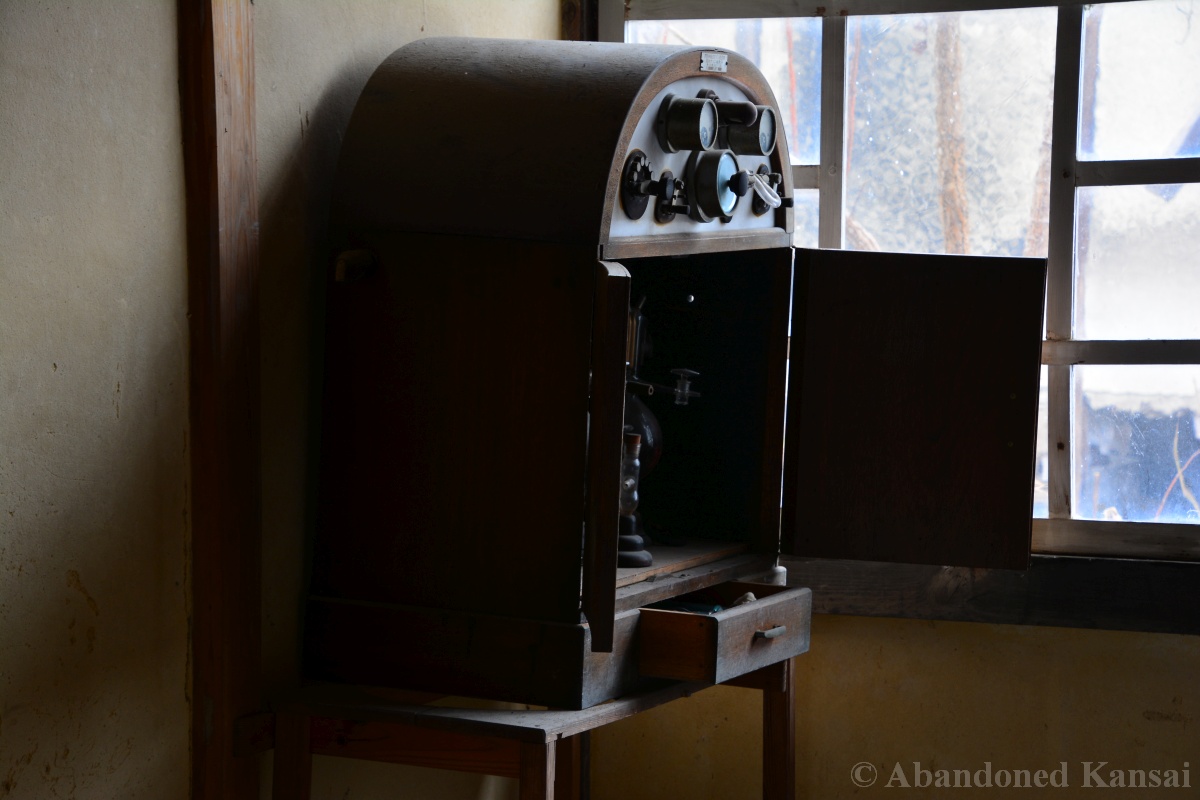
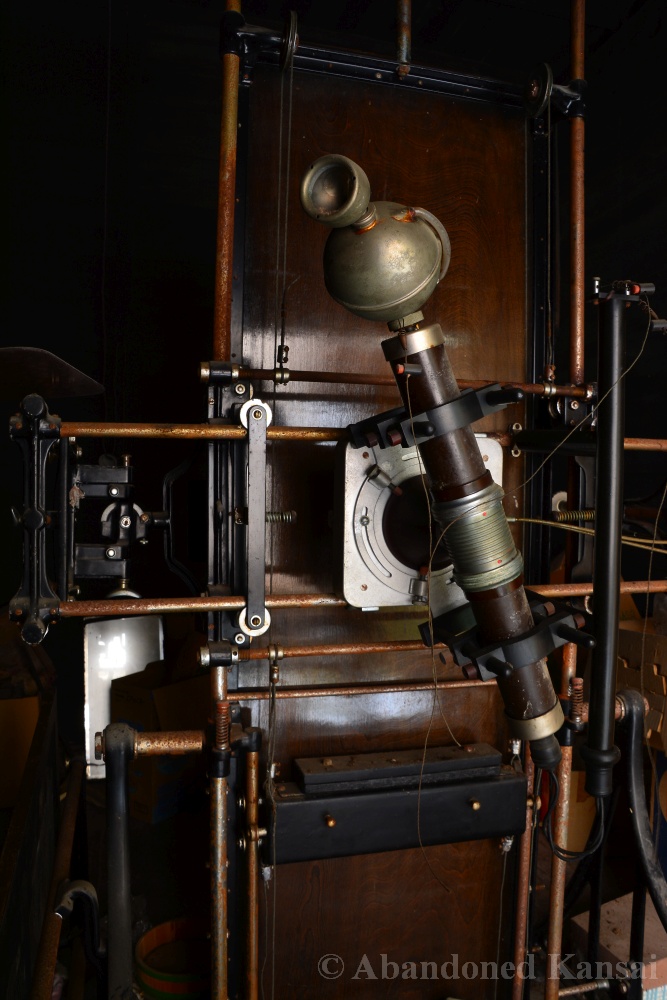
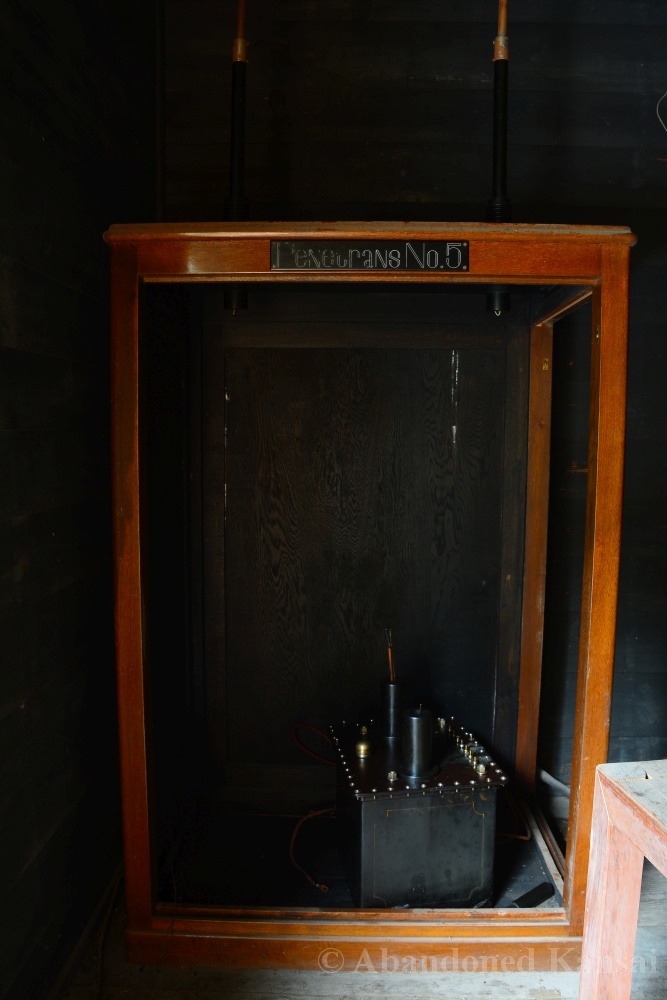
This abandoned old countryside clinic had a surprise in the back – an old X-ray machine that looked like something from a Jules Verne or H.G. Wells novel! And that wasn’t all…

One of the most interesting places to explore in Japan are abandoned hospitals. From 100 year old clinics in countryside mansions to large concrete buildings with rather modern equipment – we’ve all been to them in variations as patients, but seeing them abandoned and with full access is an amazing experience.

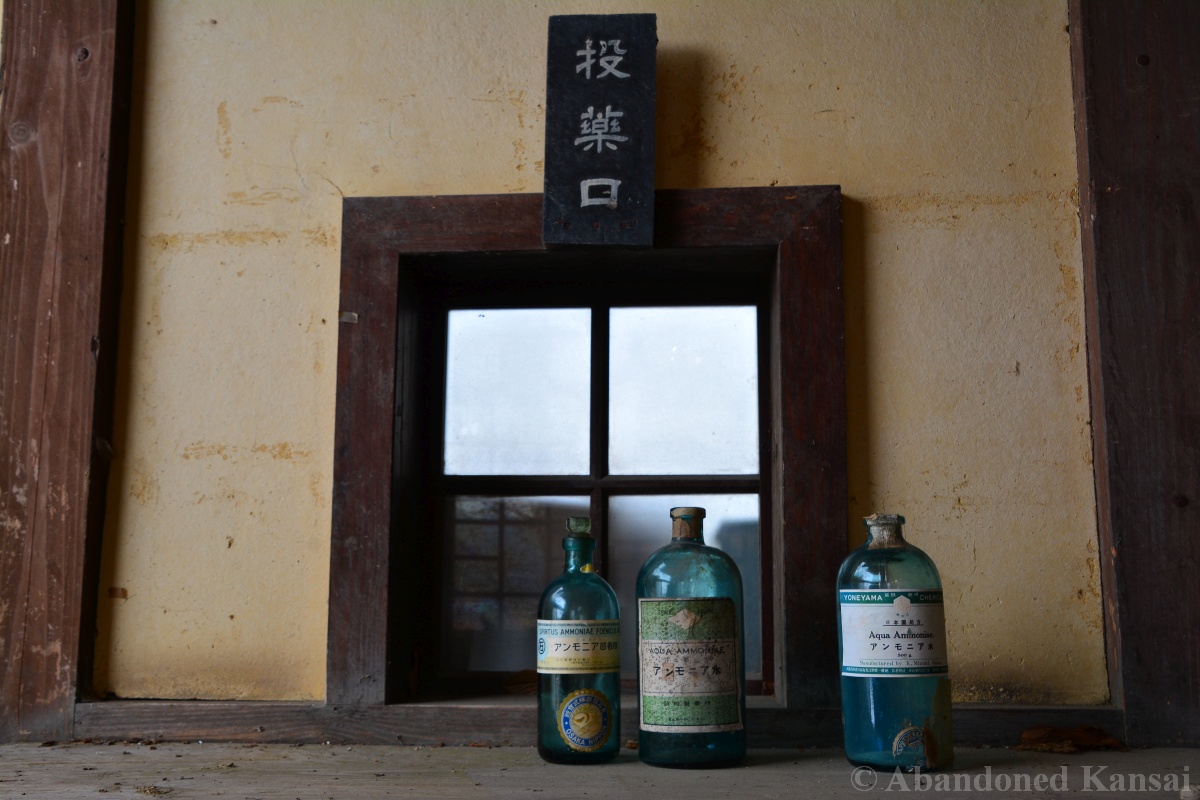
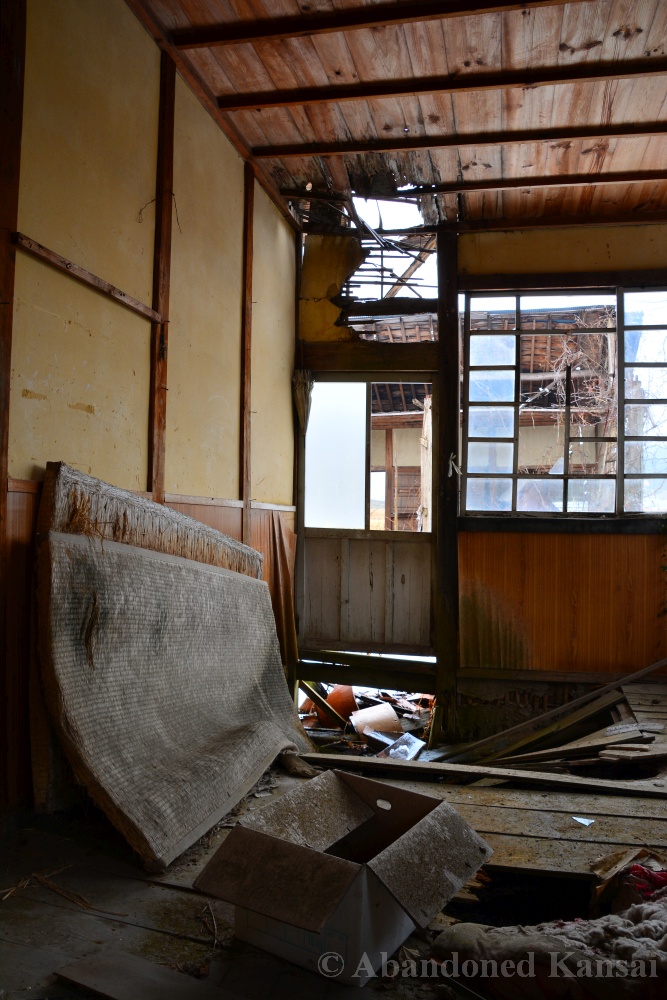
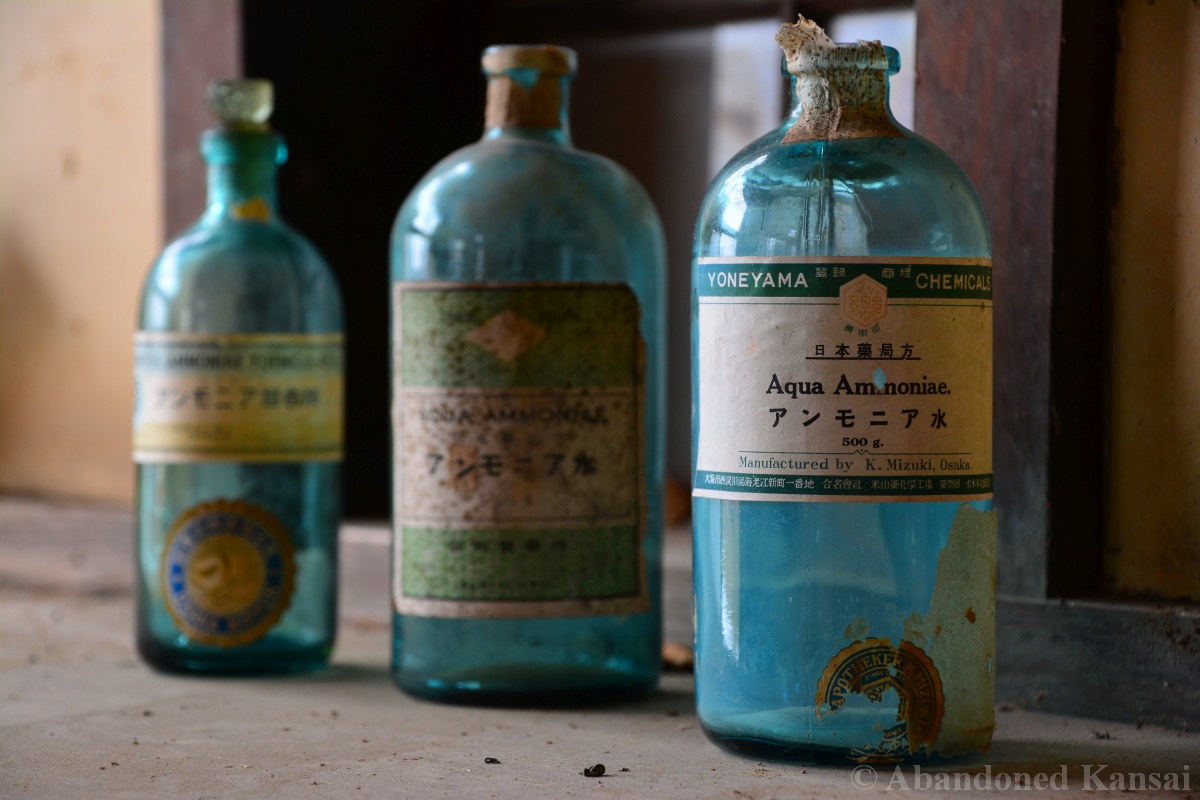
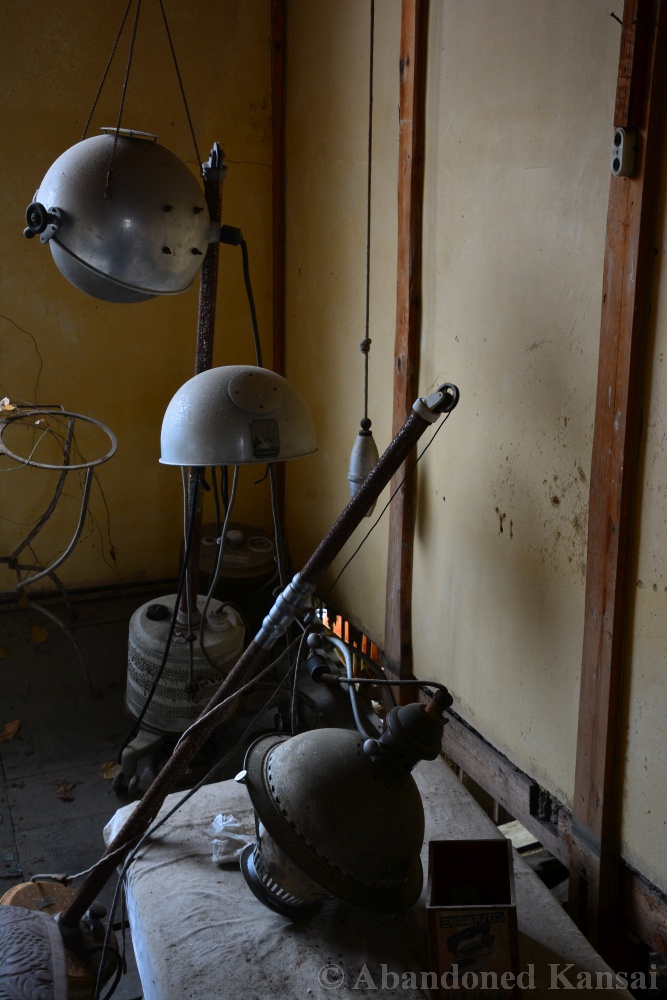
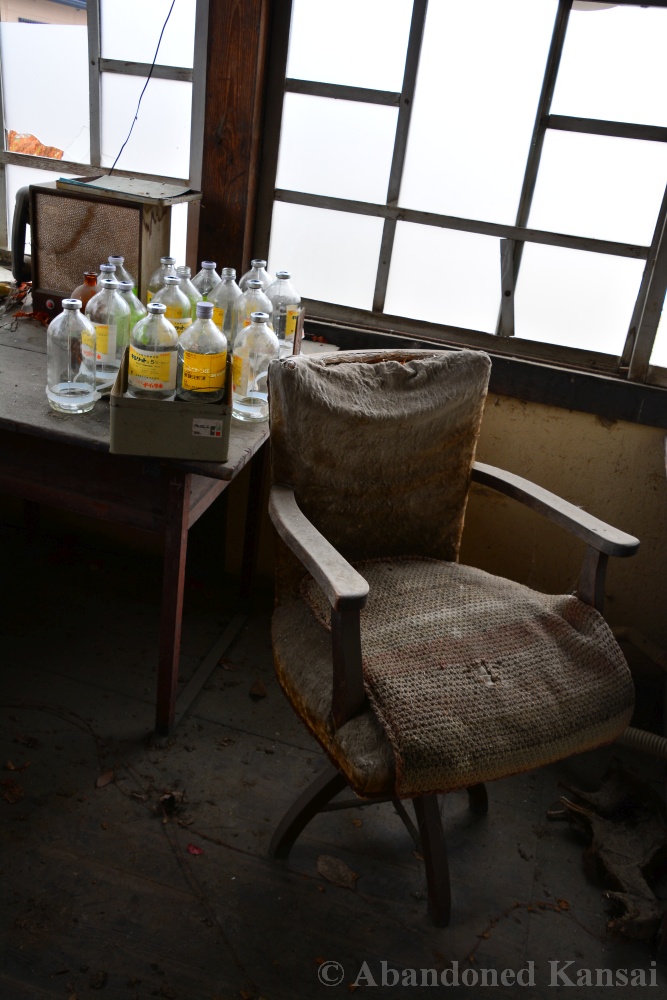
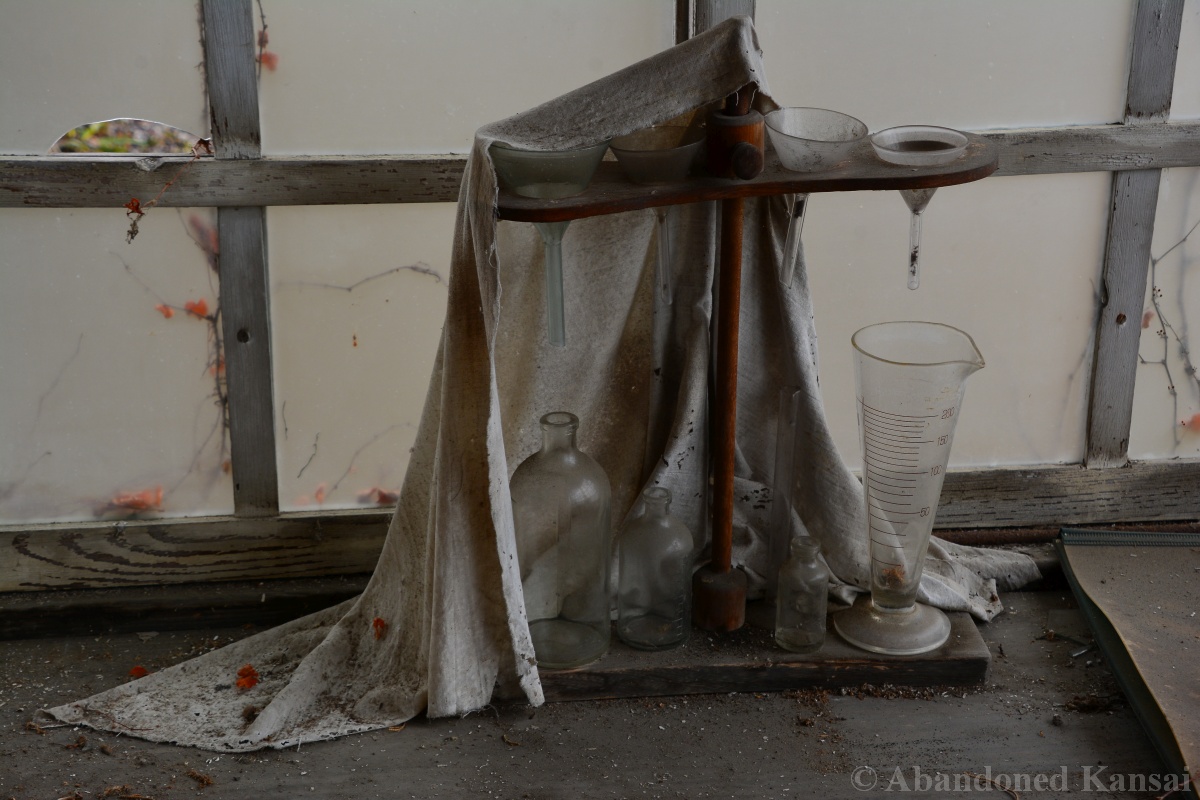
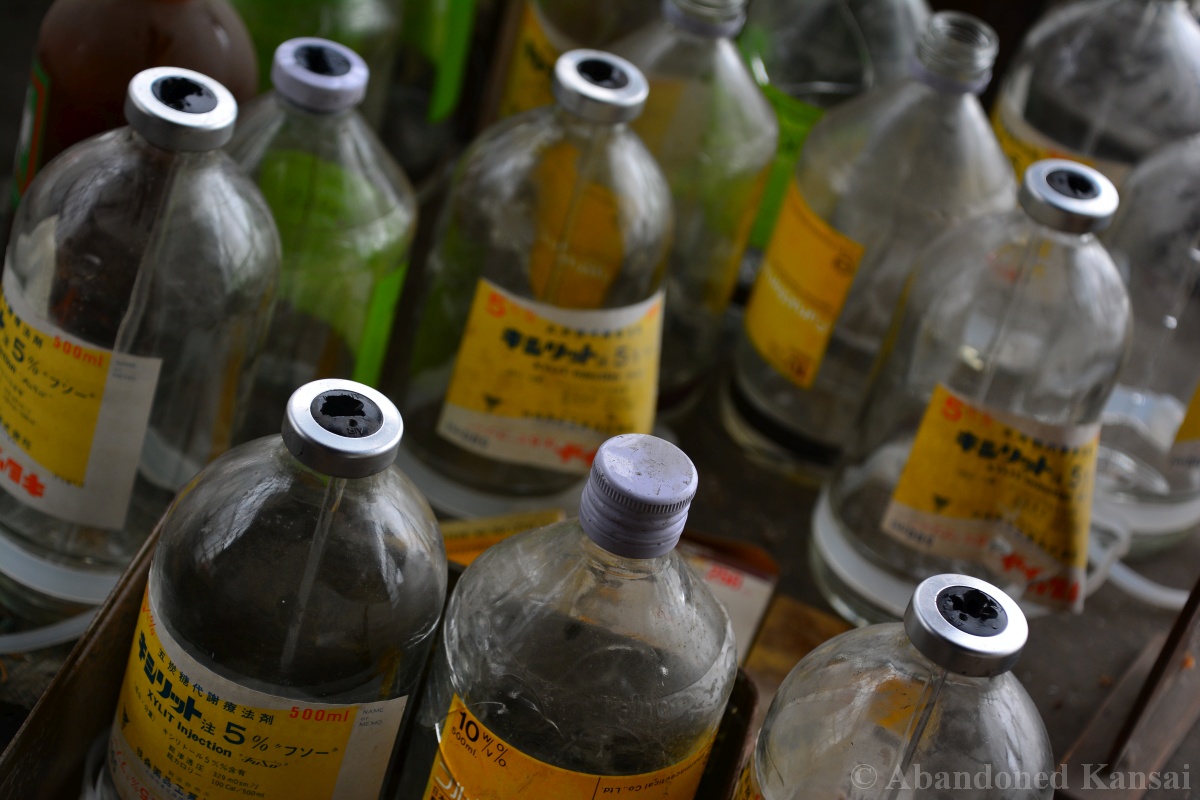
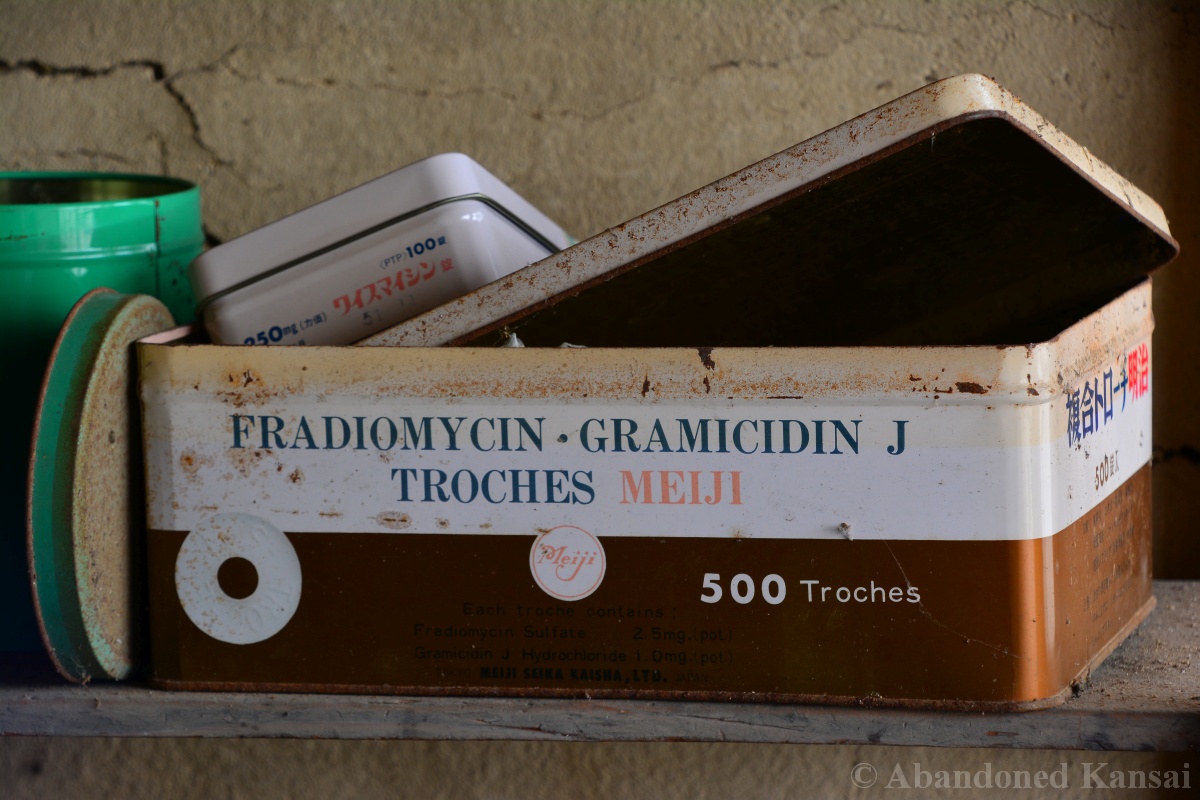
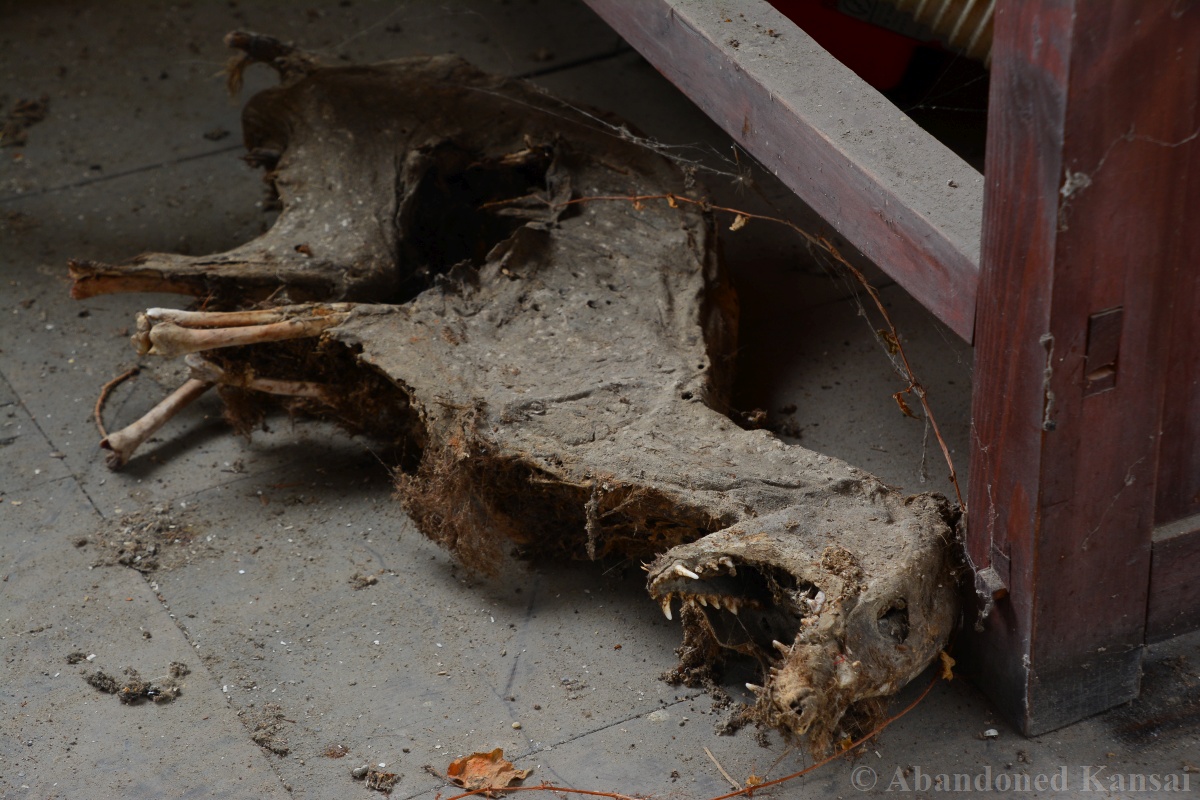
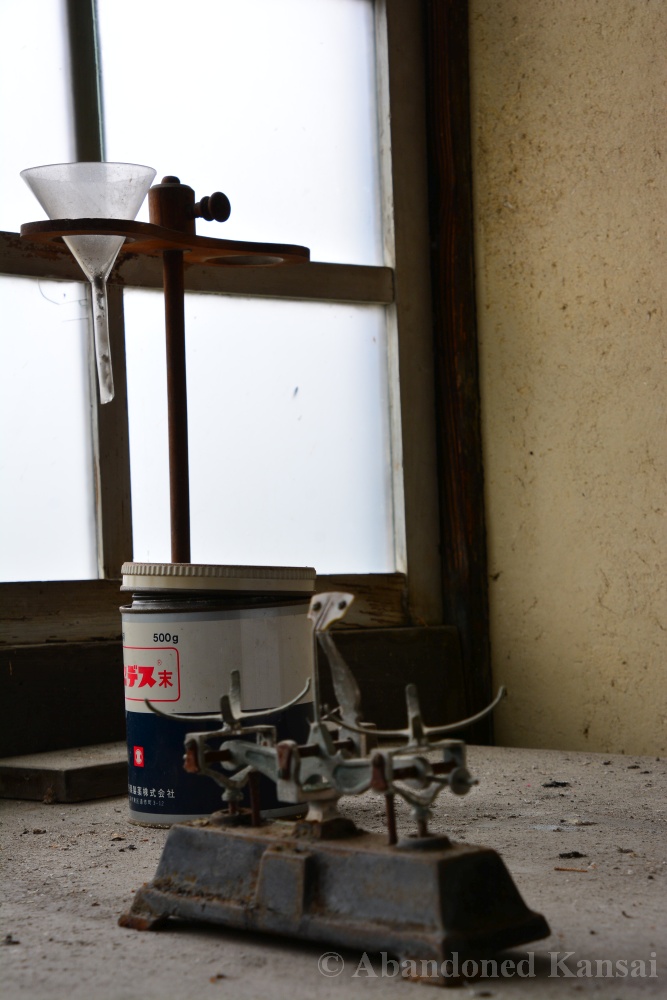
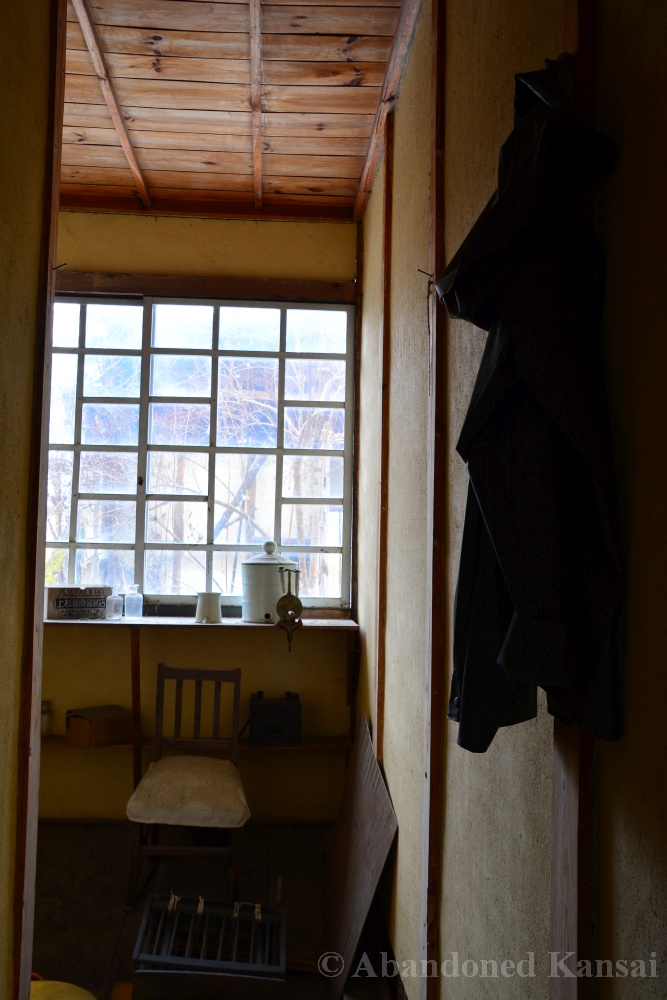
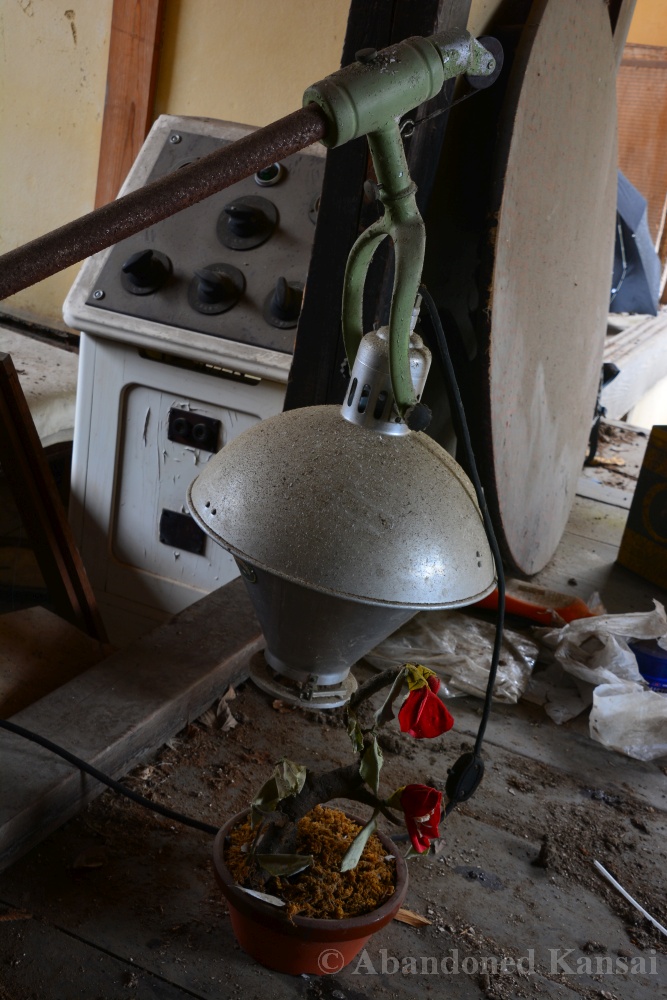
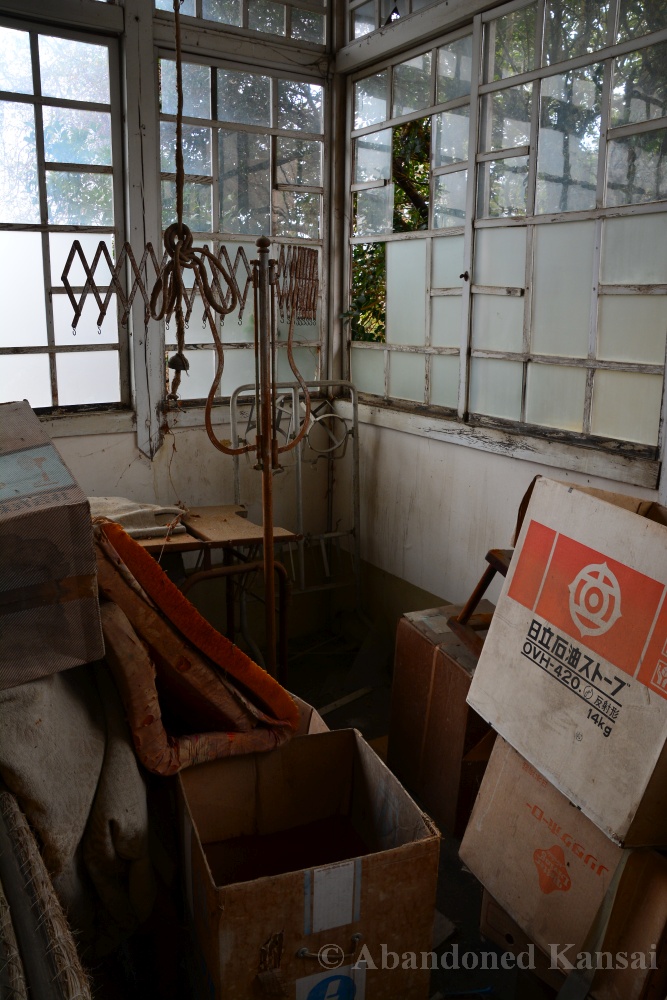
The now abandoned Röntgen Clinic was a mid-size countryside clinic only a few hours drive from Osaka and quite unspectacular from the outside – a slightly rundown wooden building near the main street of a small town, barely visible from the road. The entrance with its chemical bottles was promising, the next few rooms delivered, too. In one of them I took a few photos of some Xylit injections without realizing what was right in front of my feet – it wasn’t until I left the room and came back that I found the most bone-chilling dead animal I ever saw at an abandoned place (I don’t know what it was, it neither barked nor meowed) – so be careful when you are scrolling through the photo gallery.

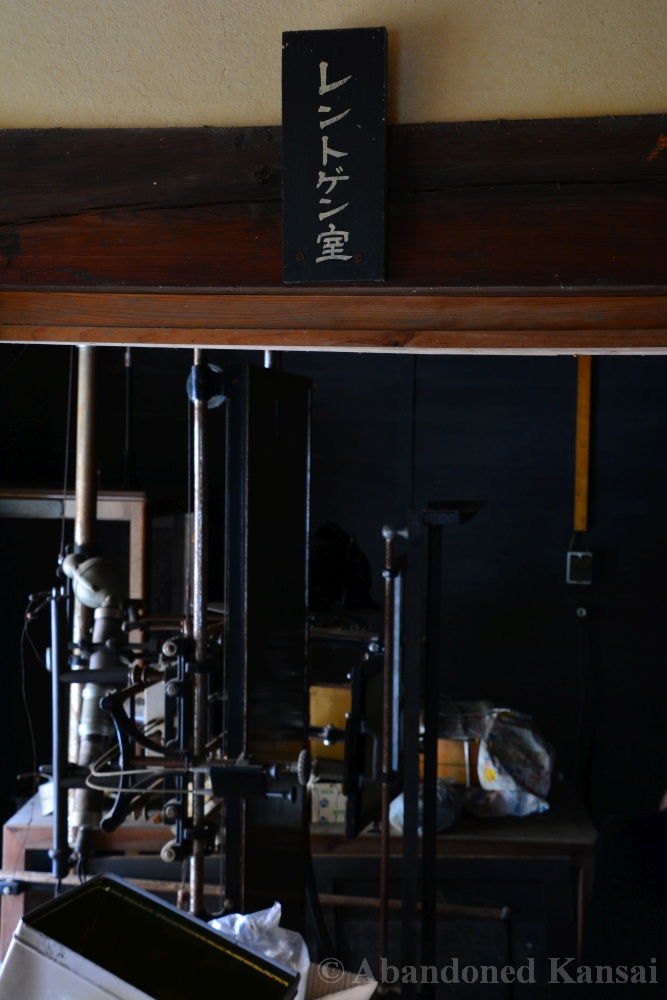
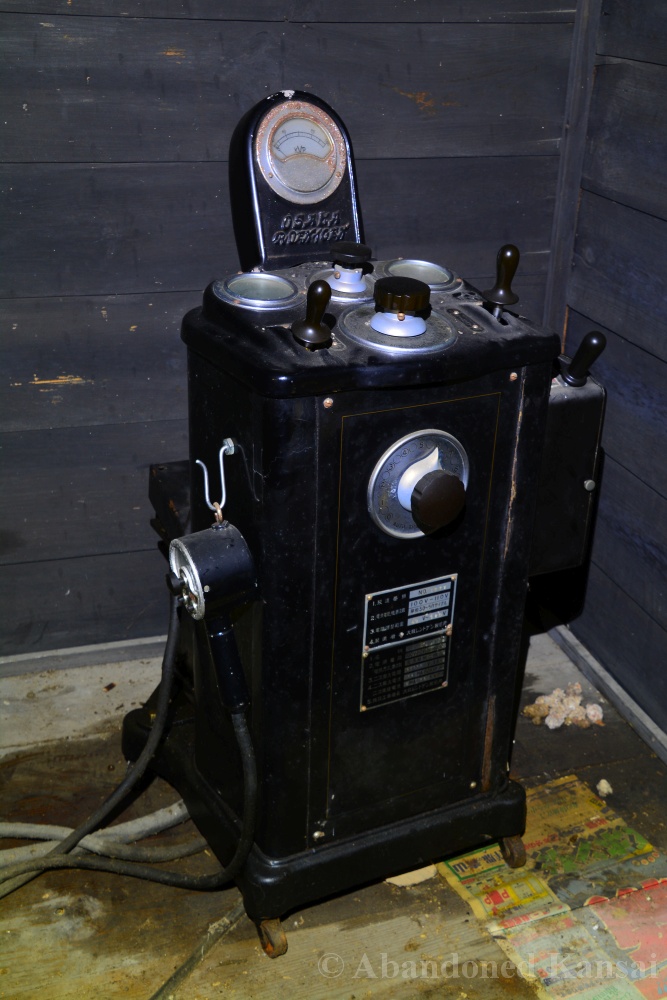
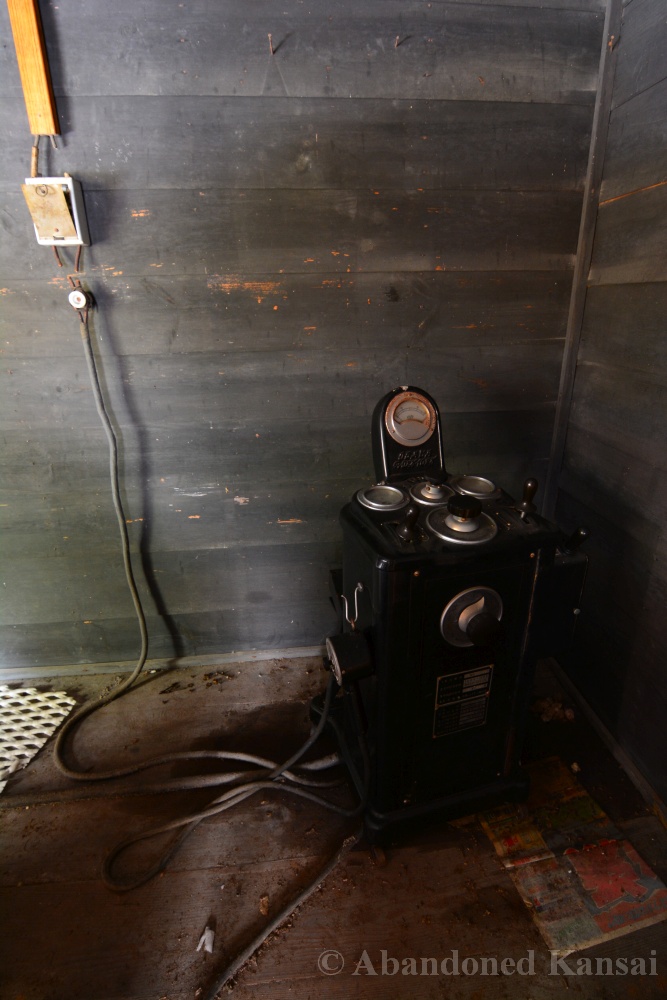
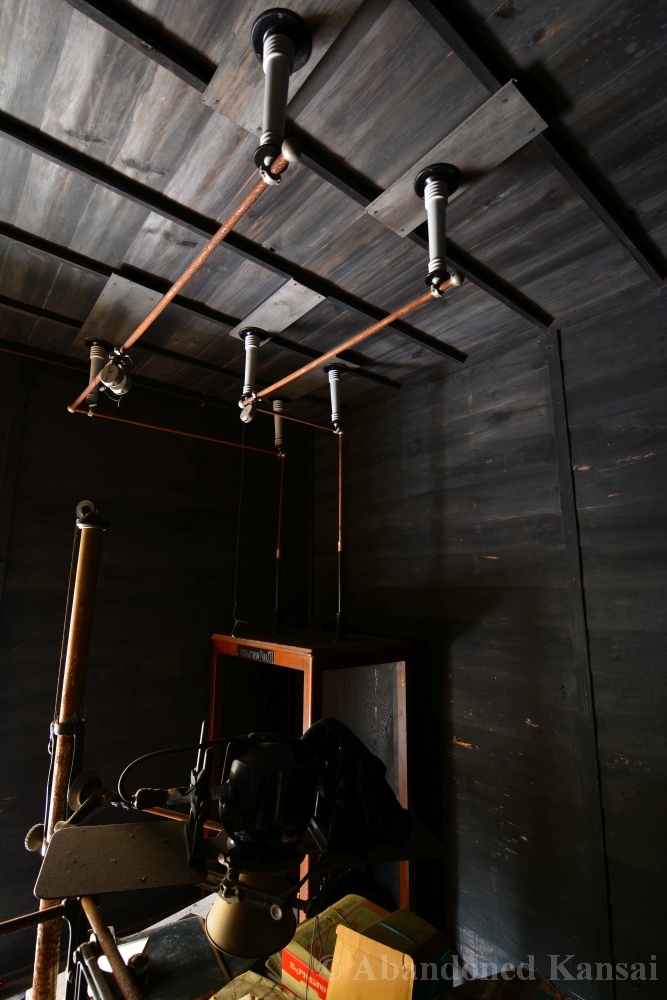
Highlight of the Röntgen Clinic was the name-giving X-ray machine in the last room I explored. How do I know that it was an X-ray machine? Well, the room was labelled “Röntgen Room” and one part of the machine indicated that the whole thing was built by Osaka Roentgen, a company established in the late 1920s and merged with Hitachi Medical in 1969. So… an X-ray machine from the 30s, 40s, 50s, or 60s – most likely from the earlier years by the looks of it. What could possibly go wrong? A lot! Which is why I spent as little time in that room as possible and quickly took some photos, preferably through the door or a hole in the wall; not a window, a real hole. As a fan of early science fiction literature this was probably one of the most spectacular finds I ever made and in hindsight I wish would have had more time – but a pressing schedule and the potential dangers only lead to a dozen or so photos. At the time I didn’t even pay attention to who the manufacturer was…

Overall this was one of the great explorations of all time, definitely a highlight of my 2018 season. Equipment like that X-ray machine must have cost a fortune at the time and is something like 80 years old by now – not exactly things you expect to see in a wooden building of the road in countryside Japan… and you actually don’t see them very often, not even on the internet or in museums, so… enjoy the photo gallery!

(*Like Abandoned Kansai on Facebook* or *follow us on Twitter* if you don’t want to miss the latest articles and exclusive content – and subscribe to the *video channel on Youtube* to receive a message right after a new video is online…)

Read Full Post »
When I first came to Japan in 1998 the country had only 4.1 million foreign visitors. I was in my second year at university, traveled alone and barely ever saw another tourist (despite being there during cherry blossom season!), neither the internet nor cell phones were common, and Japan had a reputation for being kind of “inaccessible” – and expensive. The good old days…

By the time I moved to Japan in 2006 the number of tourists had almost doubled to 7.3 million, but that didn’t really matter to me, especially since they kept going up and down. Being a tourist and being an expat (i.e. being a tax payer with a job!) are two completely different things, two completely different experiences; especially in Japan. It’s like visiting an amusement park and working in an amusement park! And as a new hire at a Japanese company I neither had the time nor the financial resources, so for the first two or three years all I saw of Japan was Kansai in day trips. Now, there is a lot to see and do in this area, so I didn’t feel restricted – I was just living my daily life and my vacation time I spent visiting family and friends back home.
In late 2009 I picked up urban exploration as a hobby and a few months later started this blog, Abandoned Kansai. Kansai, because that was my home, the area I was familiar with, the area I traveled well. Not Abandoned Japan, because I never expected that I would travel much outside of Kansai – I hadn’t for three years, so why start now?
Well, because I wanted to document certain abandoned places in other prefectures, as I realized rather quickly… Two months after the *Mount Atago Cable Car* I did my first exploration in another region (Chubu), three months later I went to another main island (Kyushu) – and eight years later I traveled so much that I covered all nine regions of Japan (Hokkaido, Tohoku, Kanto, Chubu, Kansai, Chugoku, Shikoku, Kyushu, and Okinawa) within one calendar year! Though it wasn’t until 2020 that I had visited and explored abandoned places in all of Japan’s 47 prefectures… (Ehime was last ؘ– by something like two years!)
For the first few years those urbex trips were more or less strictly urbex trips. I did them to explore certain abandoned places, *a lot of which don’t exist anymore as described in this article*, with little time for other things to do, except enjoying local food after sunset. And I didn’t think much about it, because I lived in Japan. I could go sightseeing at any time anyway! Meanwhile Abe and his monkey bunch decided that Japan should be a vacation destination (under his reign the number of tourists exploded from 6.2 million to 31.9 million visitors!) and aggressively pushed for overseas tourists by devaluating the Yen, propaganda campaigns and tax exemptions for shoppers from overseas while raising taxes on his own people, including doubling the consumption tax in two steps. Anyway, Japan became more and more popular worldwide, including among urban explorers, some of which came for hardcore trips with half a dozen locations per day, hardly any sleep, and definitely no sightseeing – which changed my attitude towards my own trips within Japan significantly around 2015/2016, because I felt so sorry for those poor souls who came all this way and experienced little more than moldy buildings similar to others in the rest of the world. Unfortunately for me around that time Japan had already passed the 20 million mass market mark, 5 times as many tourists as I was used to in 1998. Nearby places like Kyoto and Nara had already become unbearable as I found out on occasion when friends and family visited me in my new home country, but even in places like Otaru I heard more Chinese than Japanese in the streets as tourists from China went from 267k in 1998 to 9.6 million in 2019, the last full year of worldwide tourism before the coronavirus. To me overtourism is one of the ultimate turnoffs in life. And that’s a general thing. When I’m in Otaru I don’t want to hear Chinese everywhere, when I’m at the Great Wall I don’t want to hear Italian everywhere, when I’m at the Coliseum I don’t want to hear German everywhere, when I’m at the Berlin Wall I don’t want to hear Russian everywhere, when I’m at the Red Square I don’t want to hear French everywhere – and when I’m at the Eiffel Tower I don’t want Japanese to be the dominant language. So as much as I tried to implement touristic places into my urbex trips I mainly limited them to rather off the beaten track locations like Hirosaki or Lake Ikeda, because even places like Hakodate, Kanazawa, or Nagasaki had been overrun by the Eurasian hordes. (And it’s not just the amount of people and their constant yapping, it’s also the (misbehaving) type of people that visited Japan in recent years. When the country was still special interest, in the 20th century, people went to Japan for specific reasons; to see or do something, to educate themselves about a certain topic – nowadays it seems to be a cool Instagram location for dumb phonies with selfish sticks that book flights to Japan and then go through the Top 5 lists on Instagram, Tripadvisor, or some “True soul of Japan!!!” blogger to find out what they can actually brag about on social media with. The amount of signs EVERYWHERE about “How to use a toilet!” / “How to not misbehave!” in four languages has become ridiculous and should be embarrassing to every person visiting Japan. Unfortunately most tourists don’t seem to be bothered by those signs as they are too self-absorbed and busy taking selfies, but as somebody who lives here I feel bad that locals need to state the obvious so often as visitors have become a serious nuisance.)

When the coronavirus spread across the world in late 2019 / early 2020 Japan was one of the last countries to close its borders, desperately clinging to its Frankenstein’s monster tourism industry and the Tokyo Olympics. Despite that, the country was hit much less hard than most others due to cultural coincidences – Japanese people are not exactly affectionate in public / outside of the family, and wearing masks is a long-standing flu season tradition, so what prevented spreading the coronavirus (avoiding close contact and wearing masks) was common practice in Japan anyway. If kisses on the cheeks and drinking red wine would have prevented the disease, France would have done much better and Japan would have been screwed… Anyway, Japan did comparatively well (though it is currently hitting record high numbers!), so the overall terribly phlegmatic Japanese government imposed only few restrictions, most of them in form of “recommendations”. Since recommendations usually are considered orders due to preemptive obedience, I spent most of the summer 2020 working from home, a liberating and deeply frustrating experience at the same time as I didn’t meet any friends for months and left my hamster cage maybe three times a week for grocery shopping to avoid the second wave, that’s it; work, eat, sleep, repeat. The same for a few weeks around New Year’s Day – while Japanese people were visiting their families (recommendations are only followed unless people really don’t want to…) I sat alone at home and skyped with mine to get past the third wave.

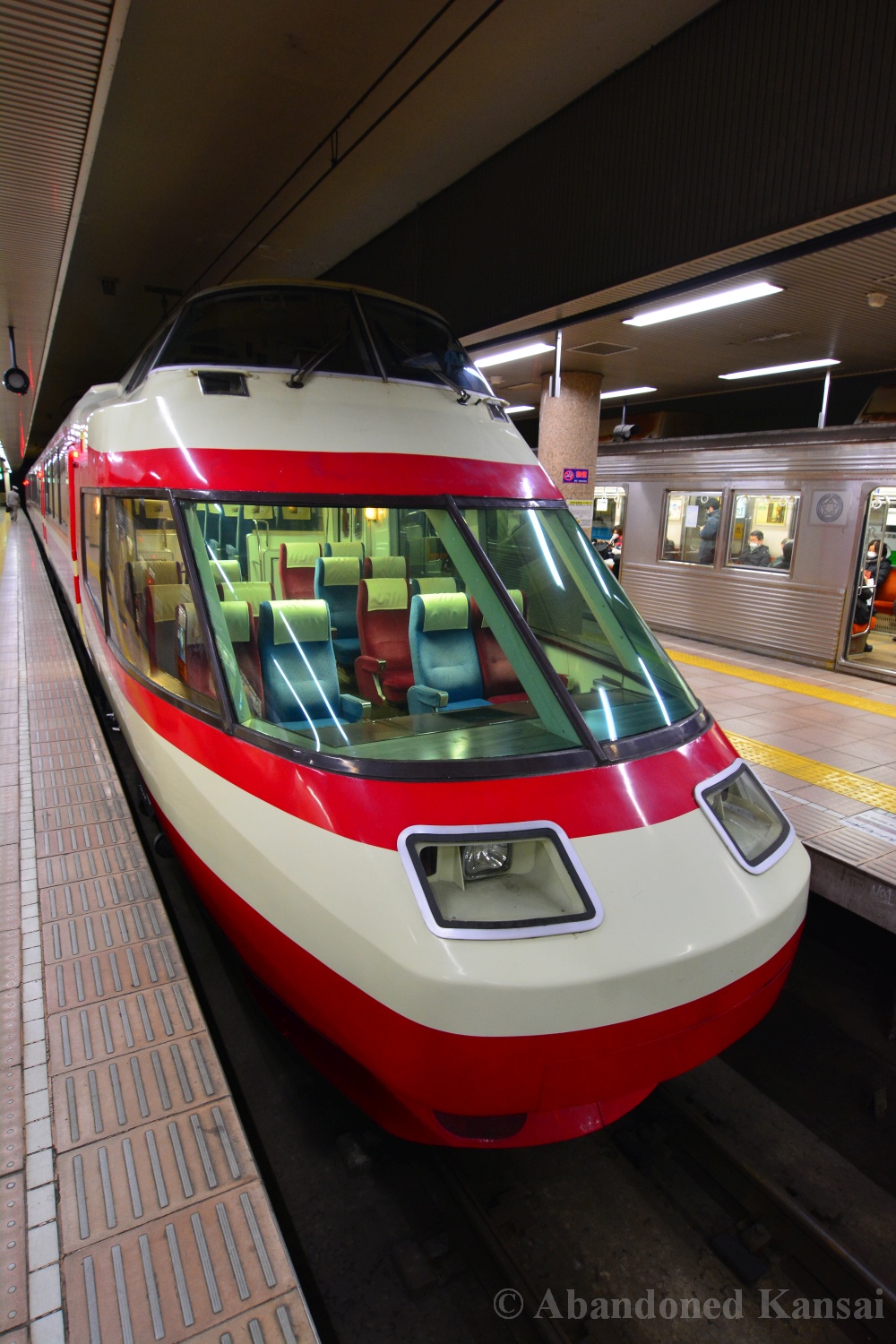
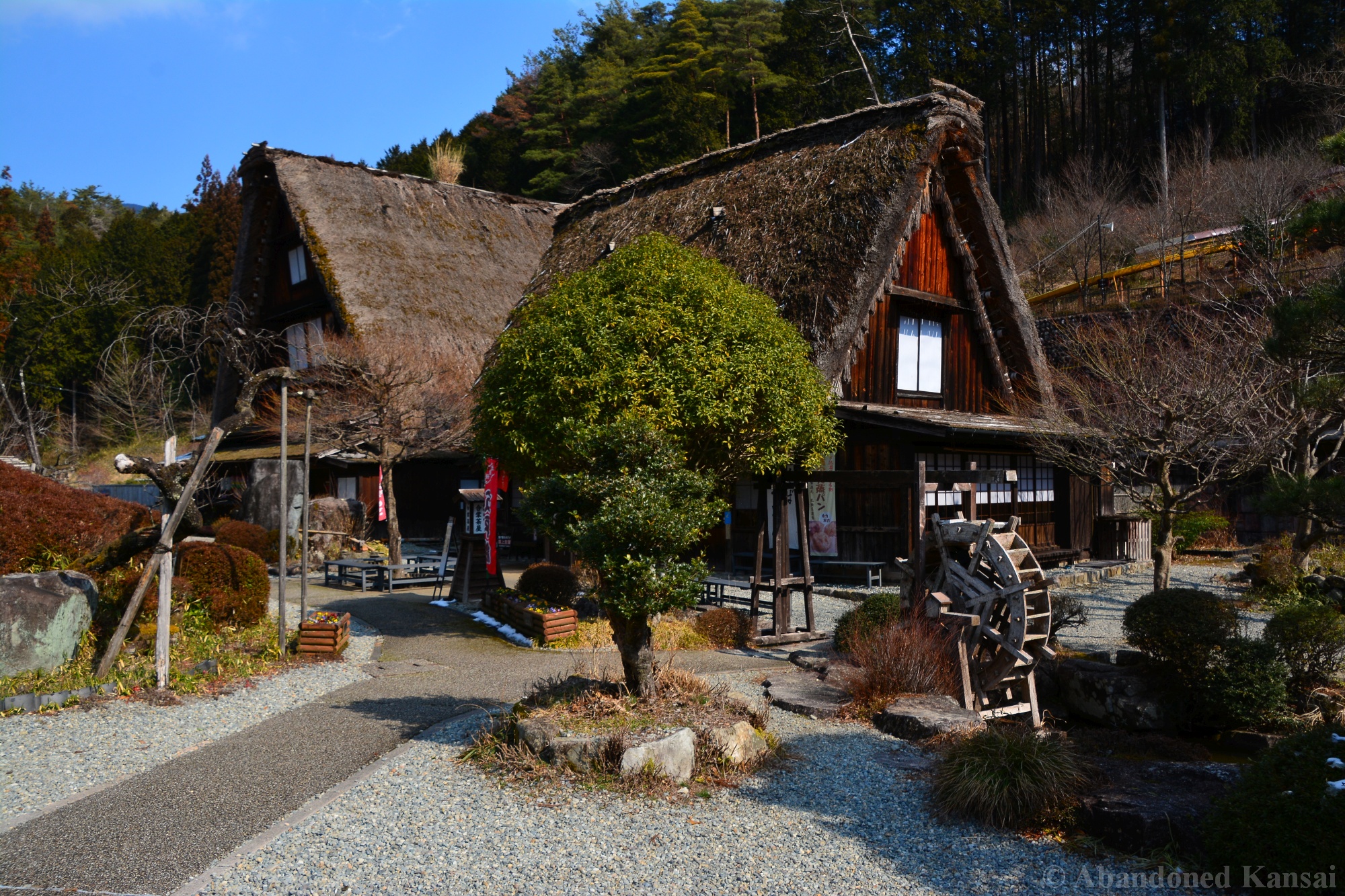
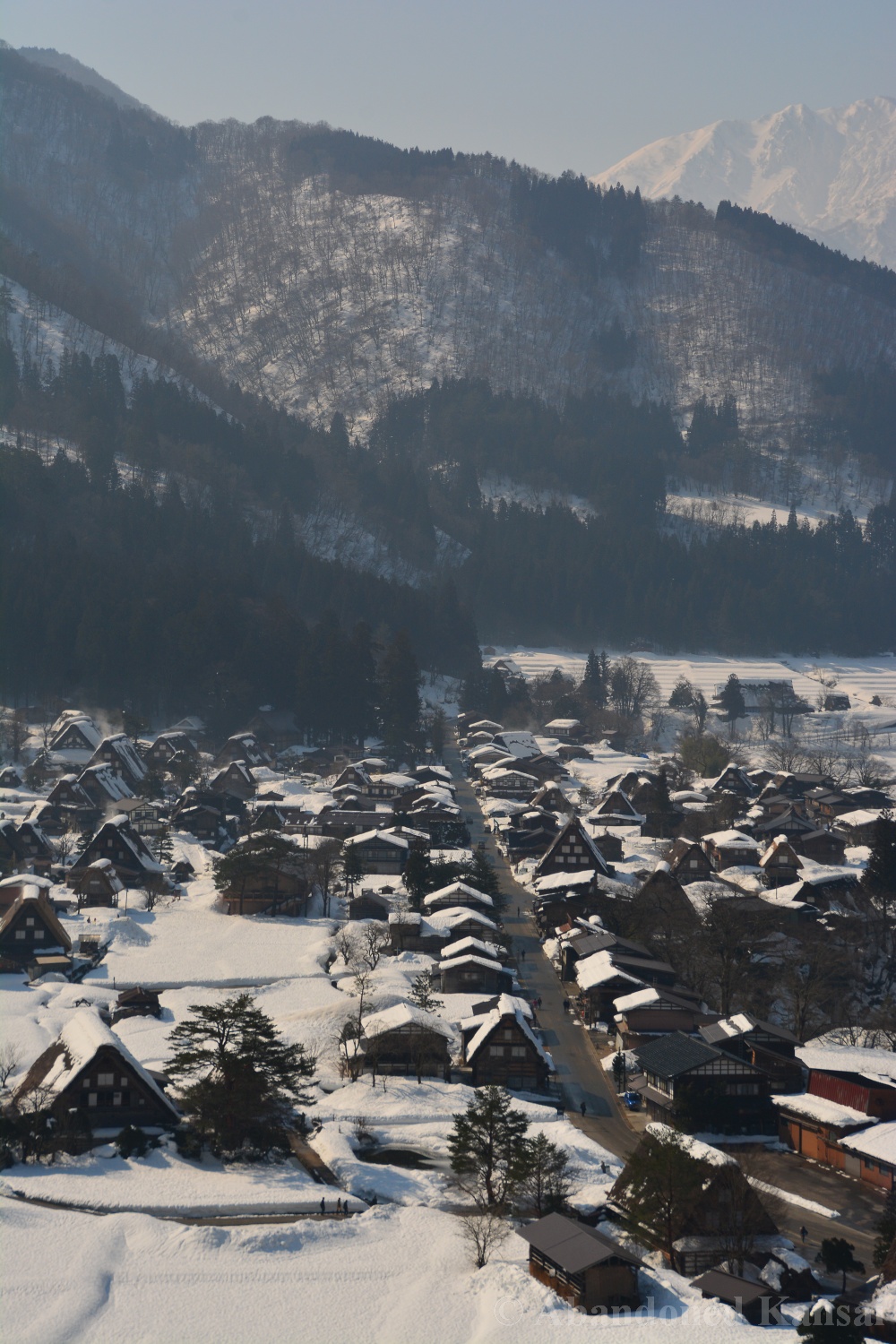
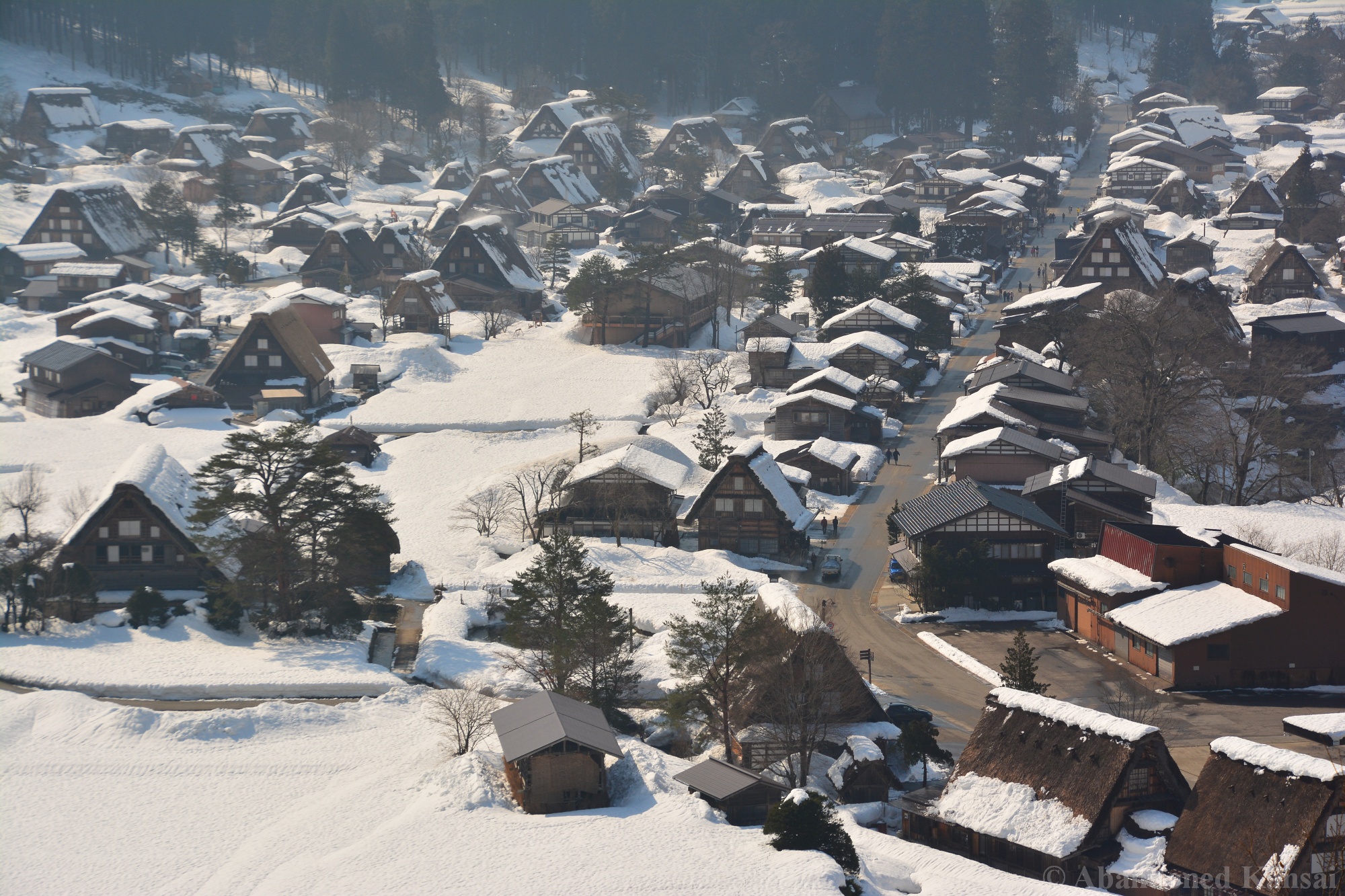
February: Matsumoto, Nagano, Obuse, Gero, Takayama, Shirakawa-go, Kanazawa
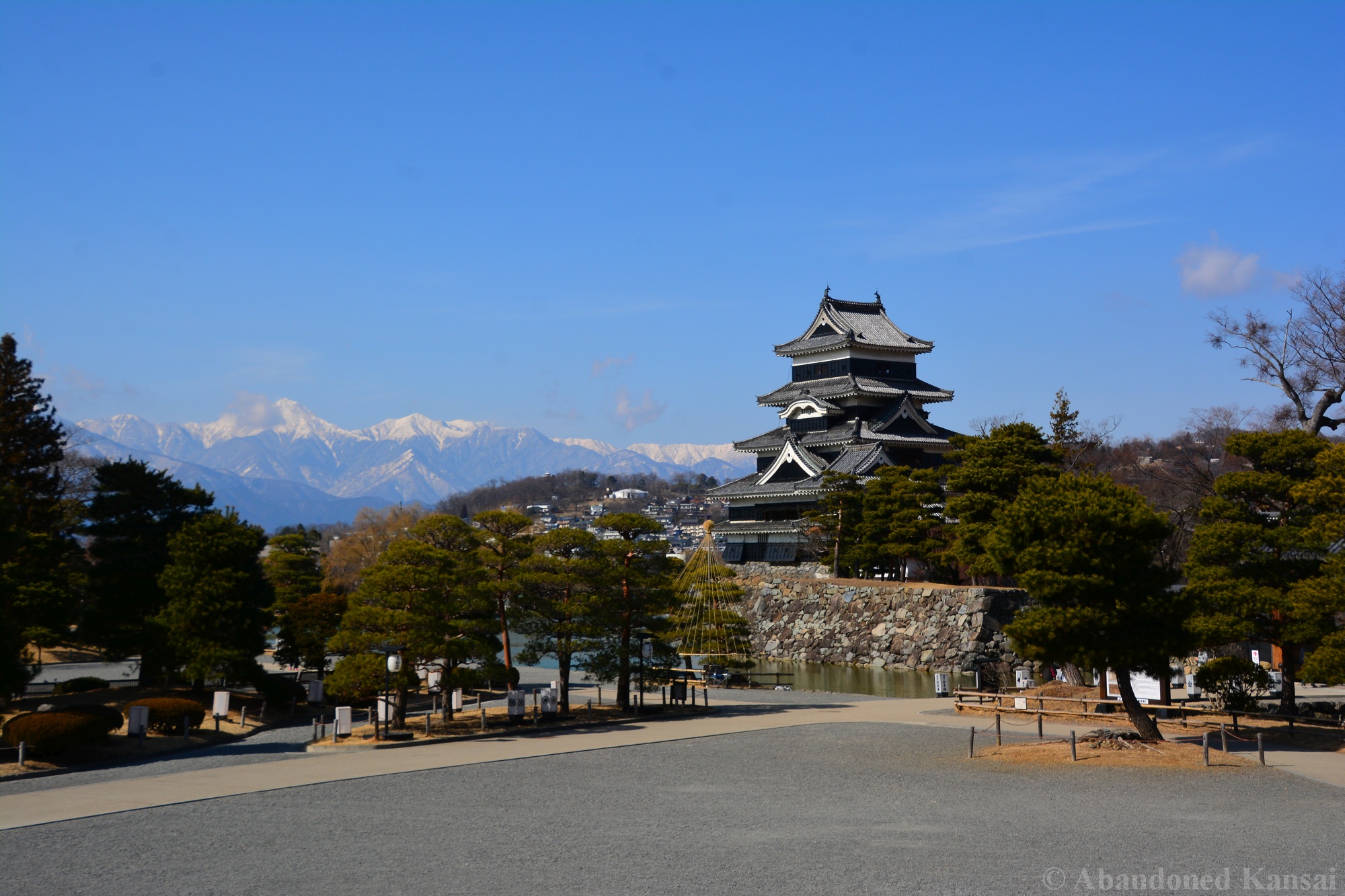
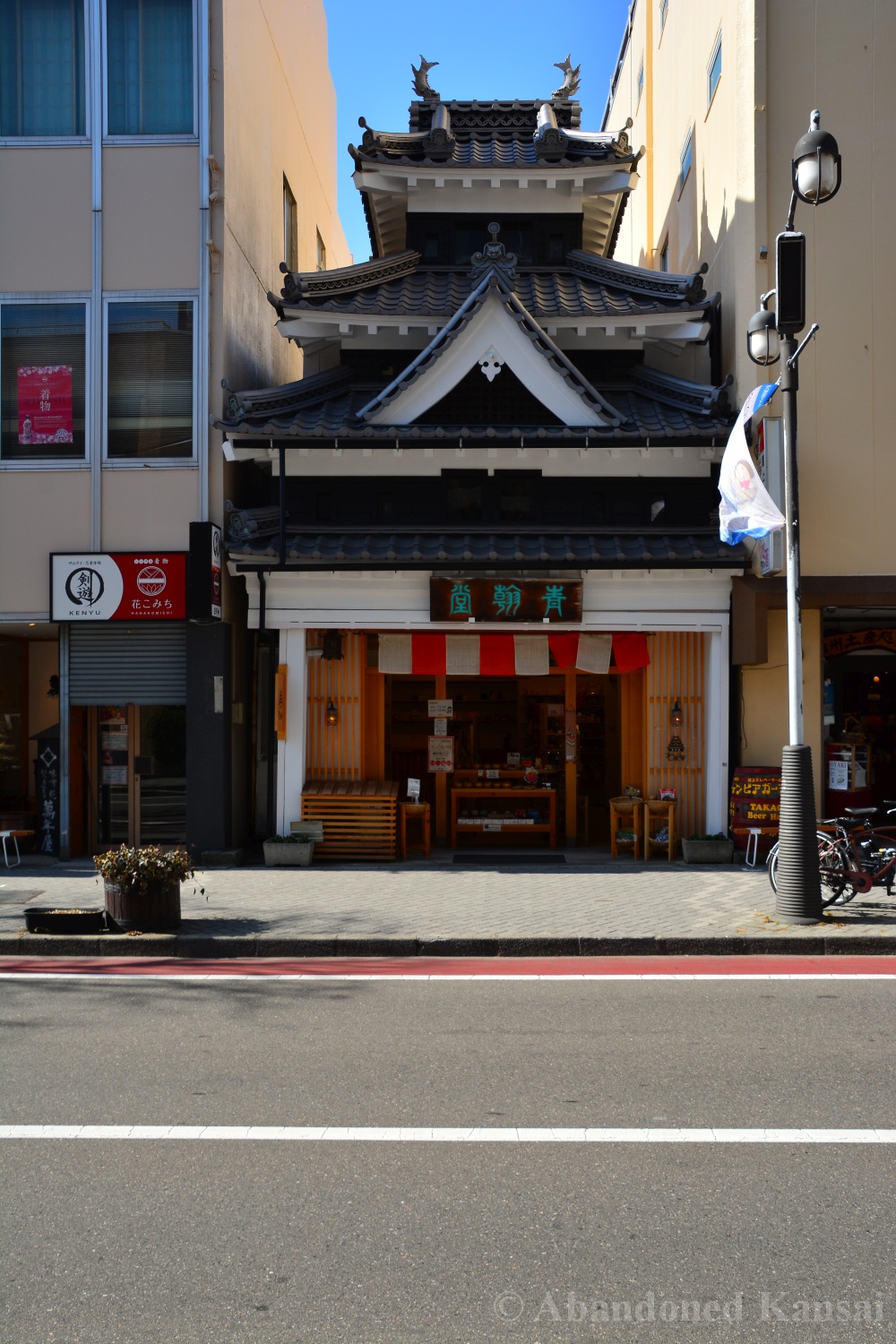
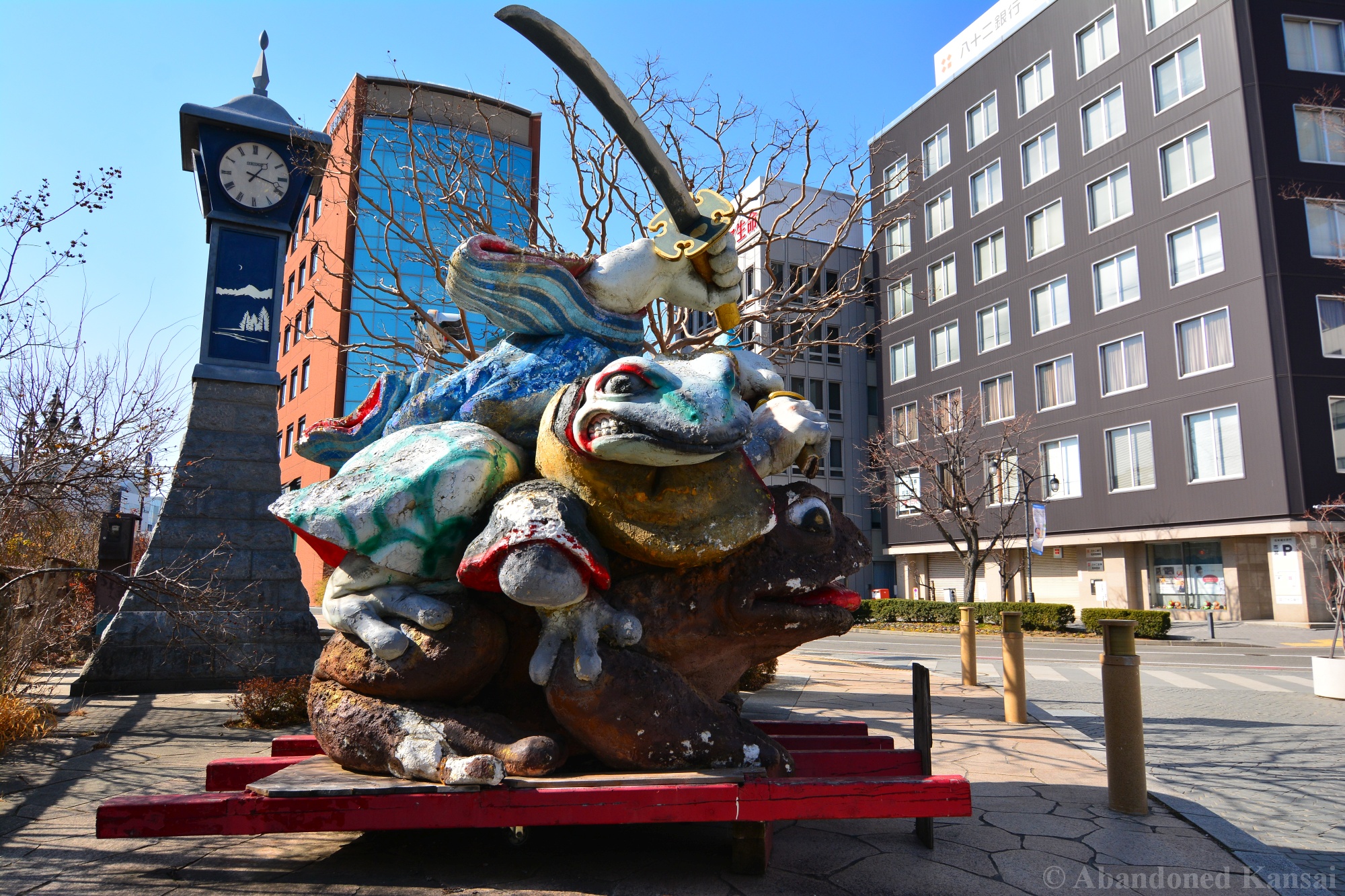
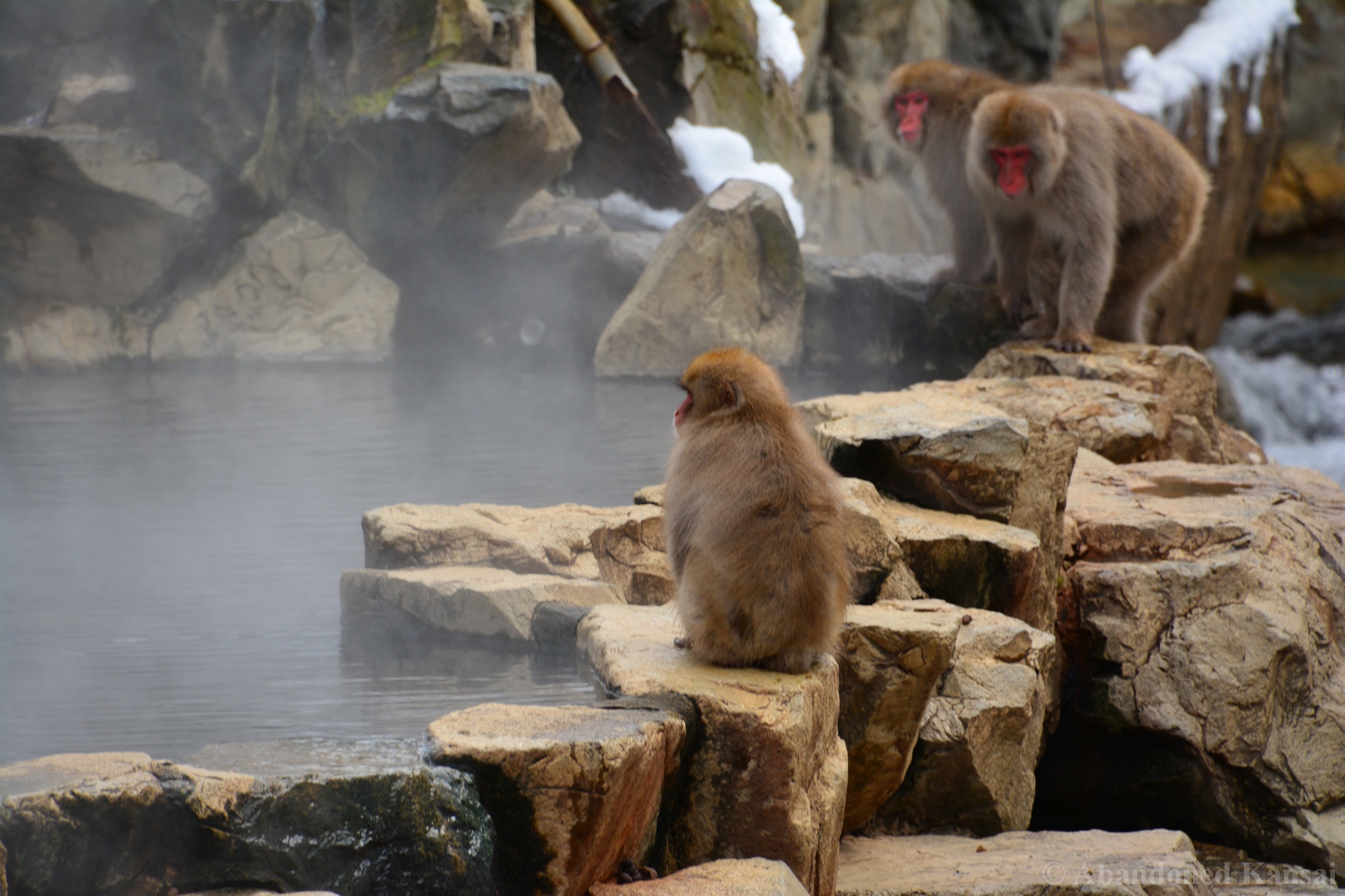
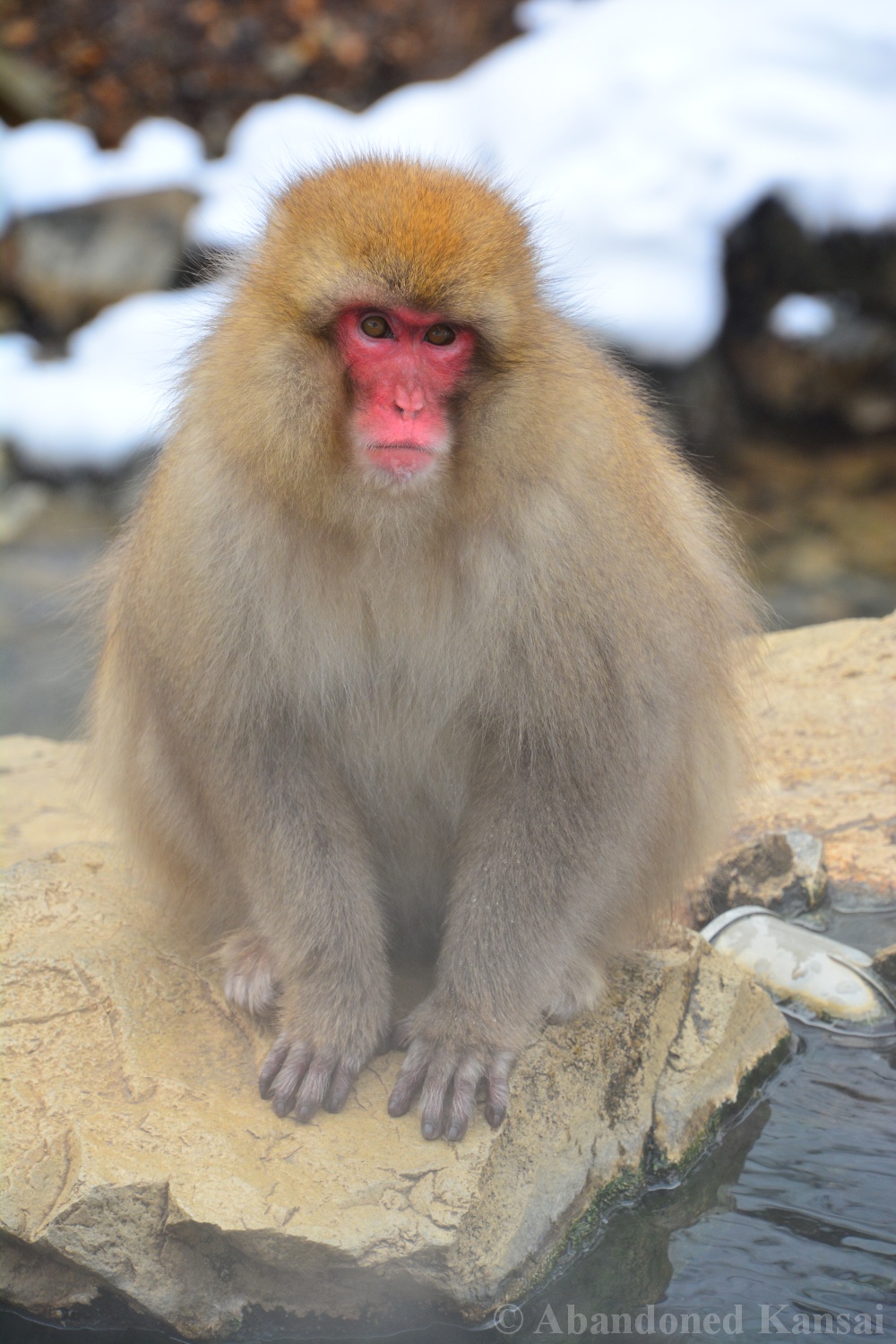
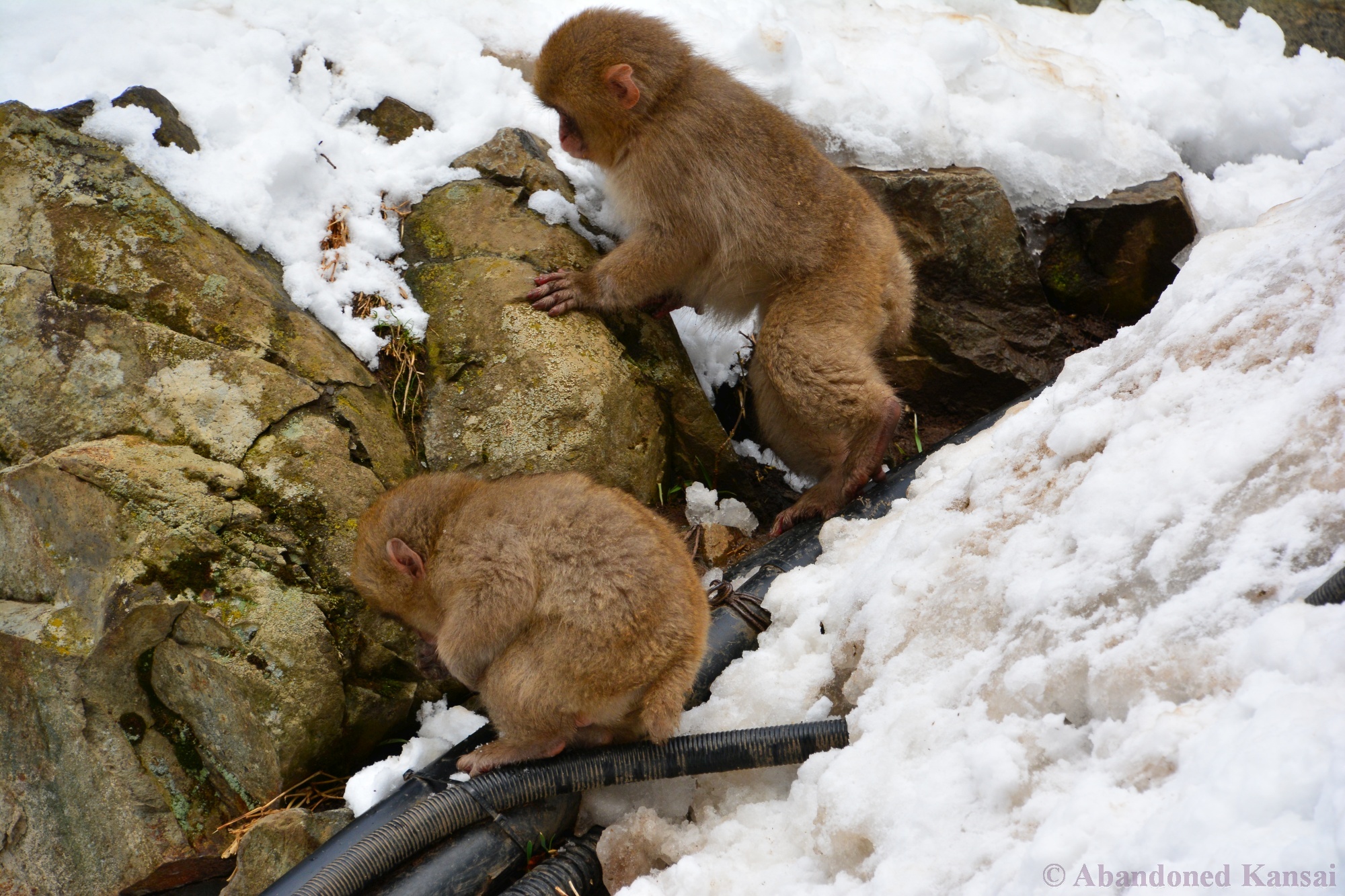
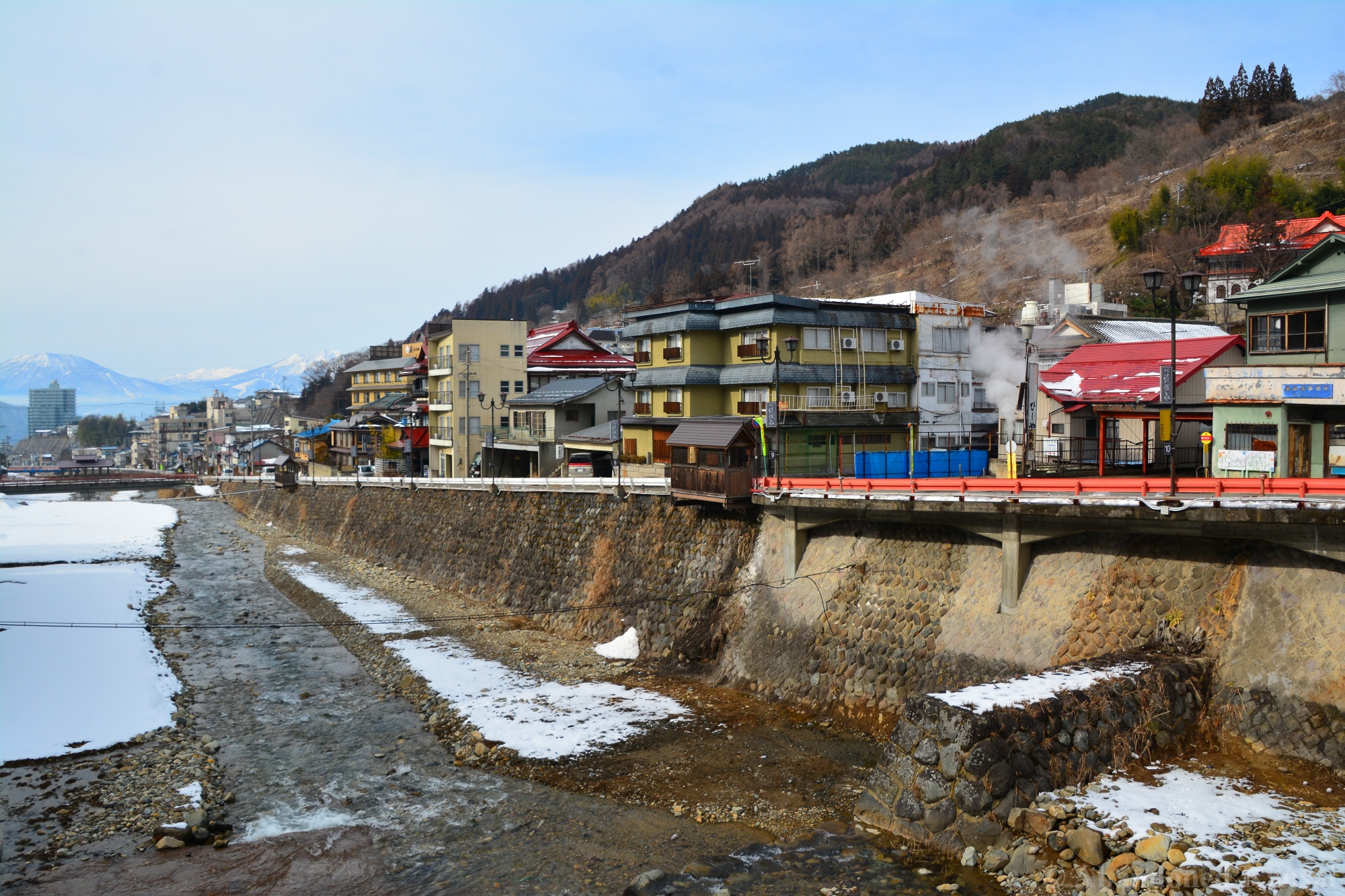
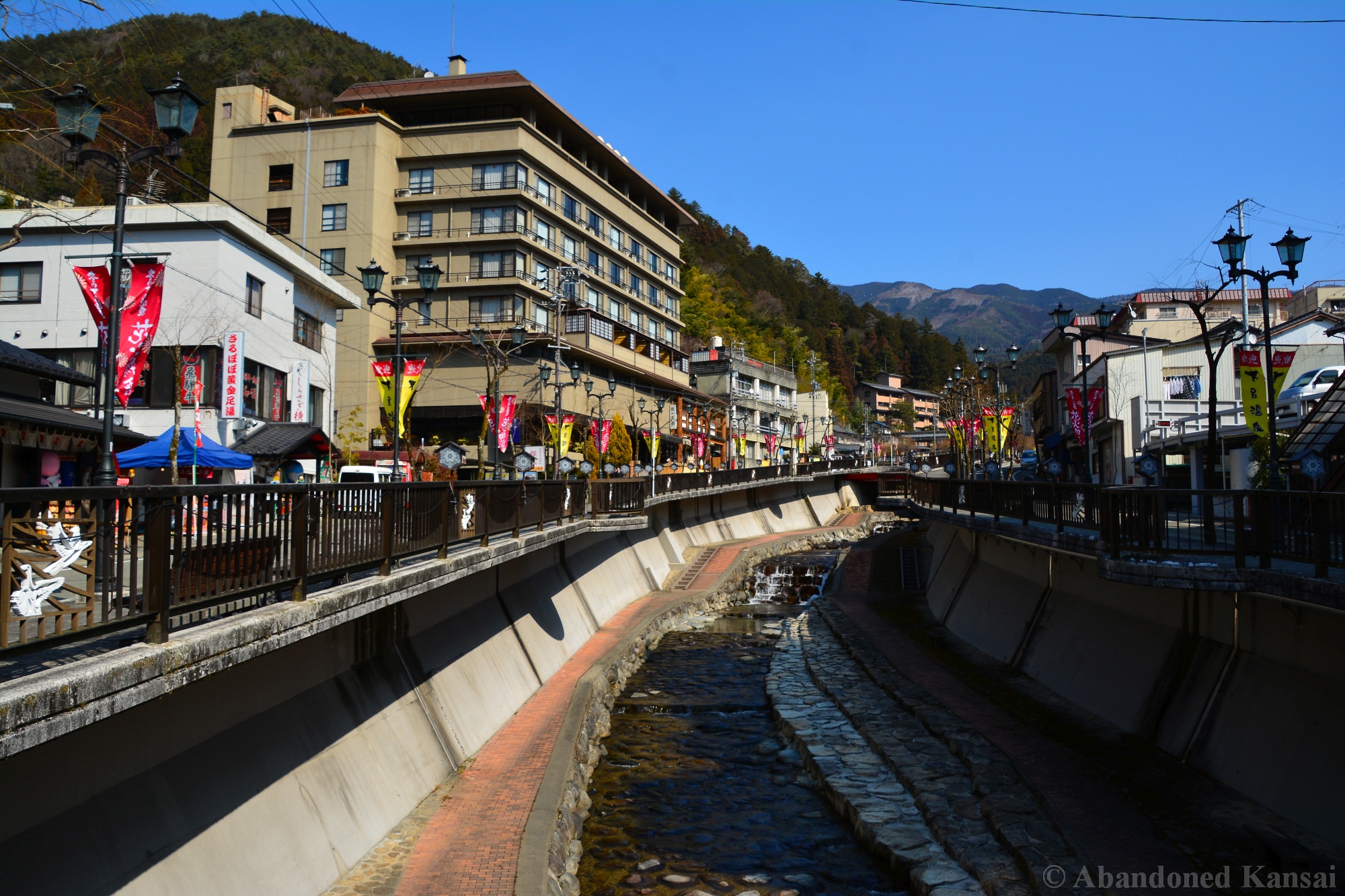
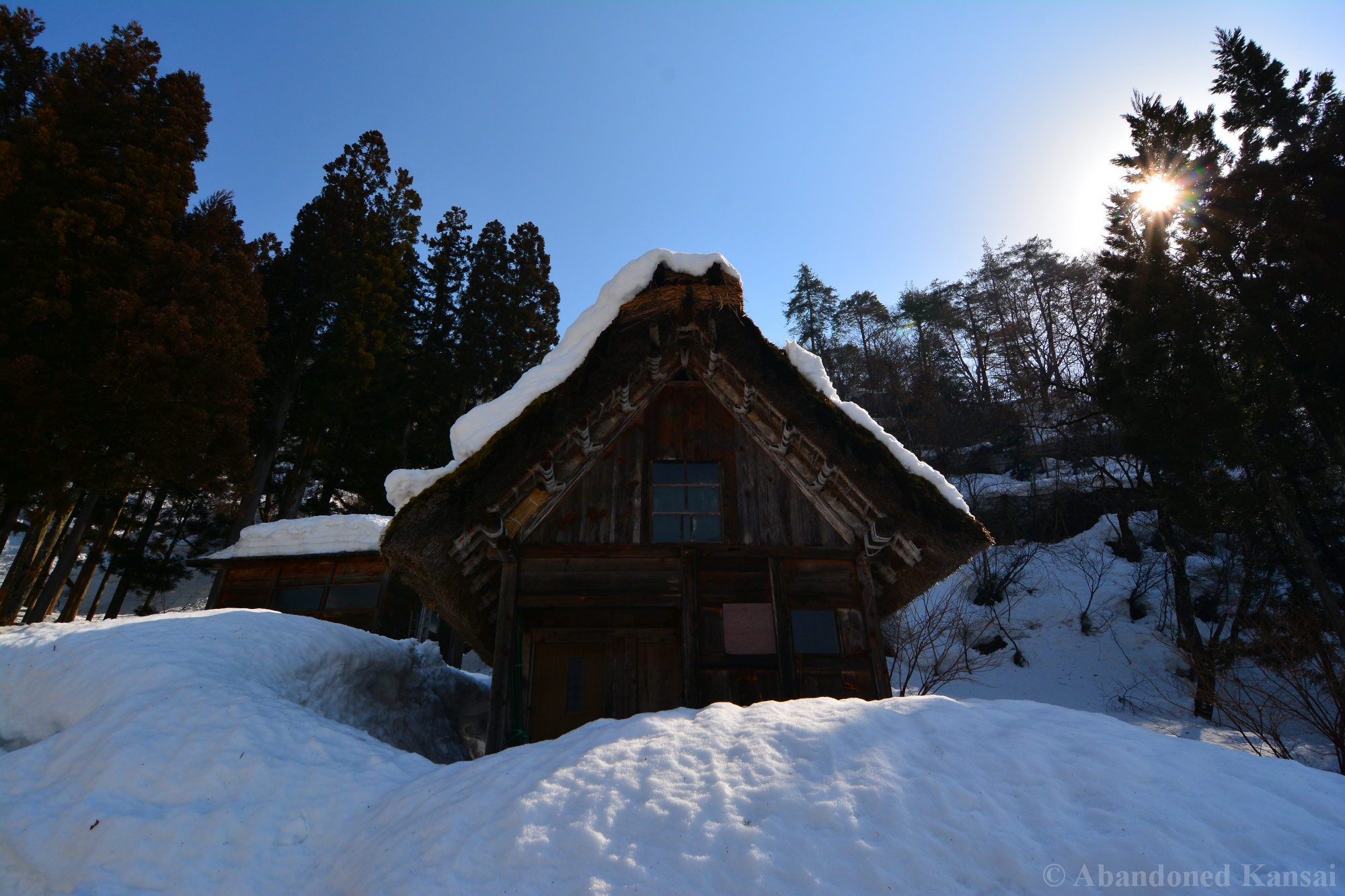
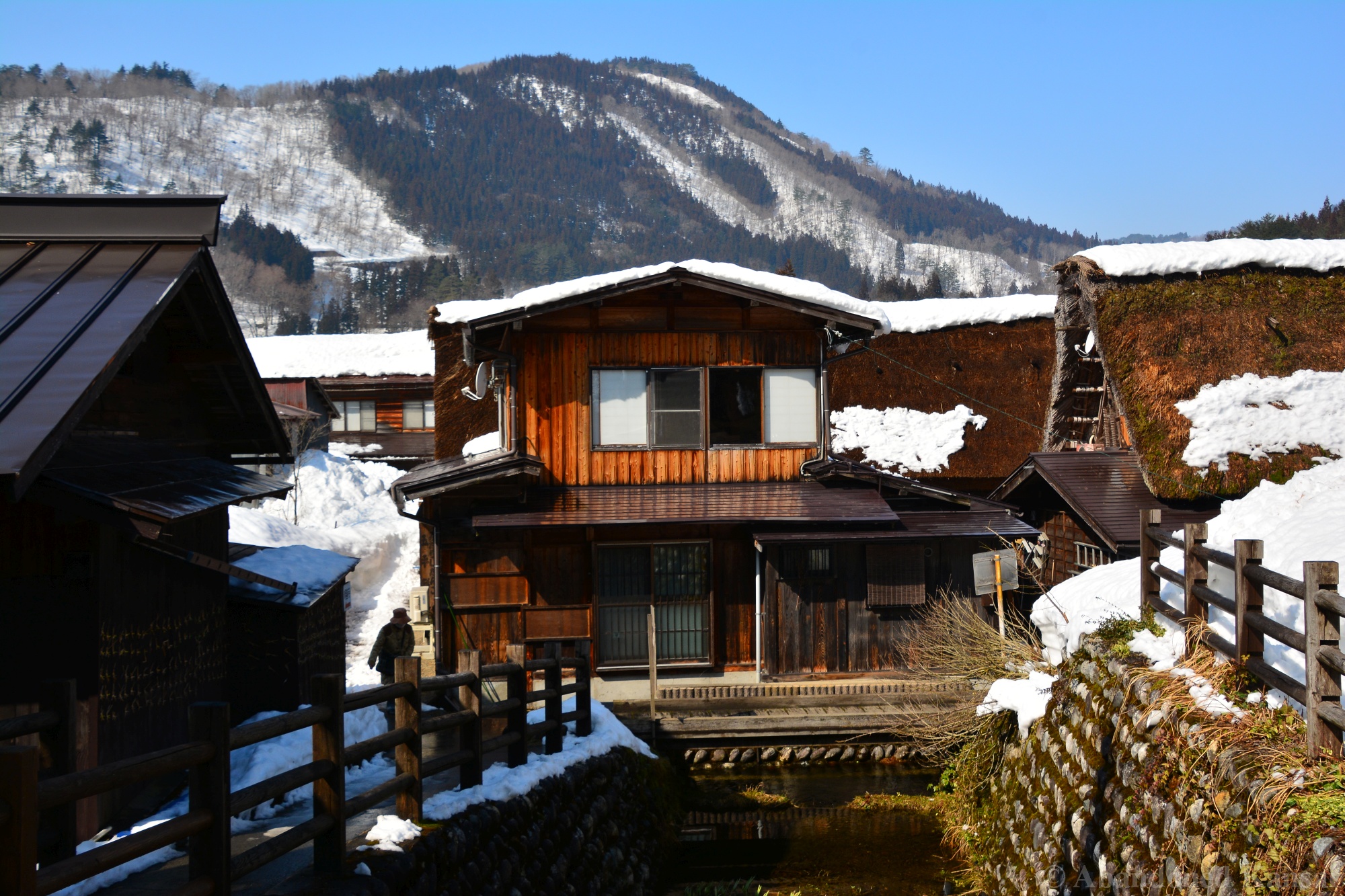
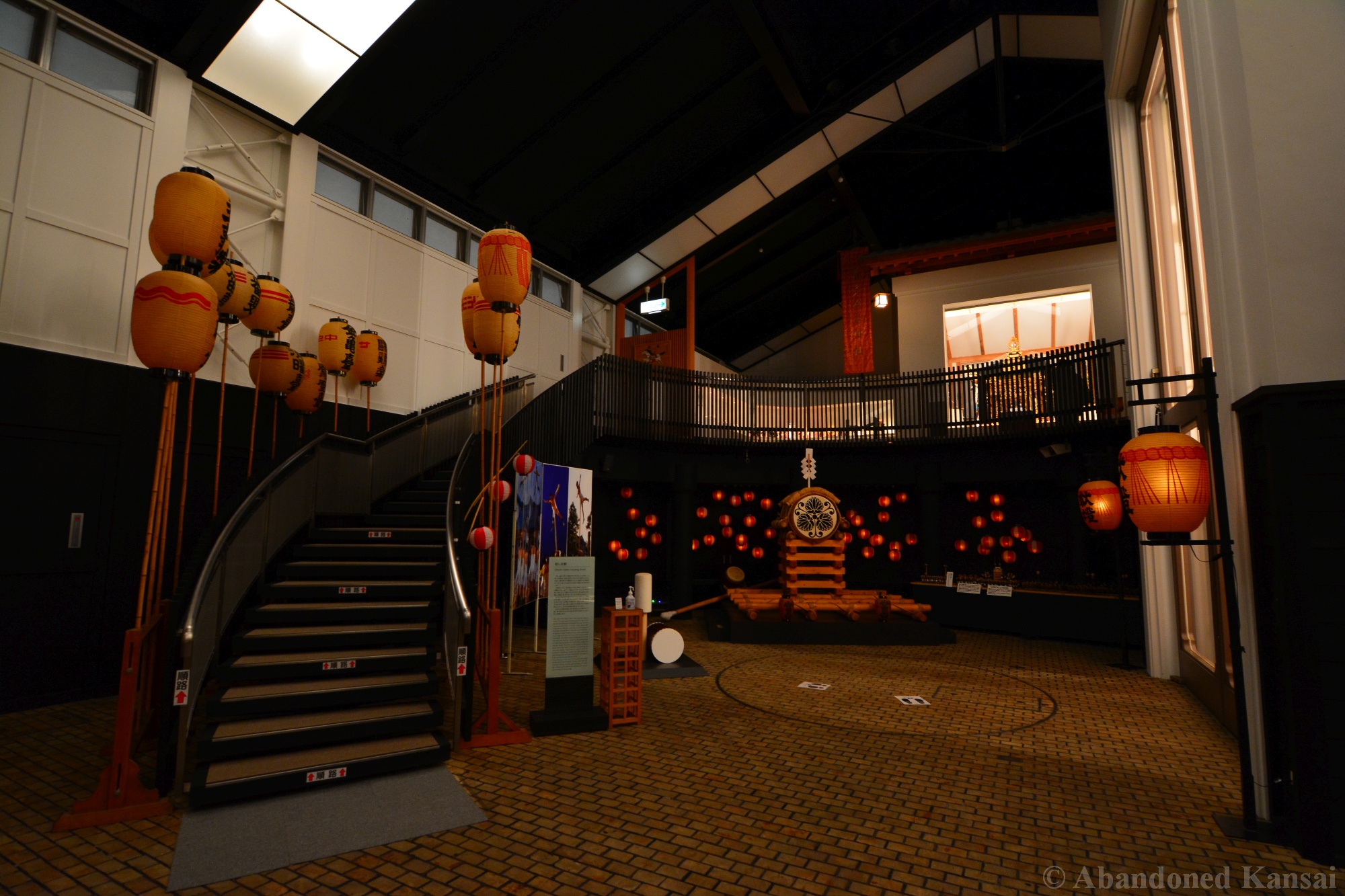
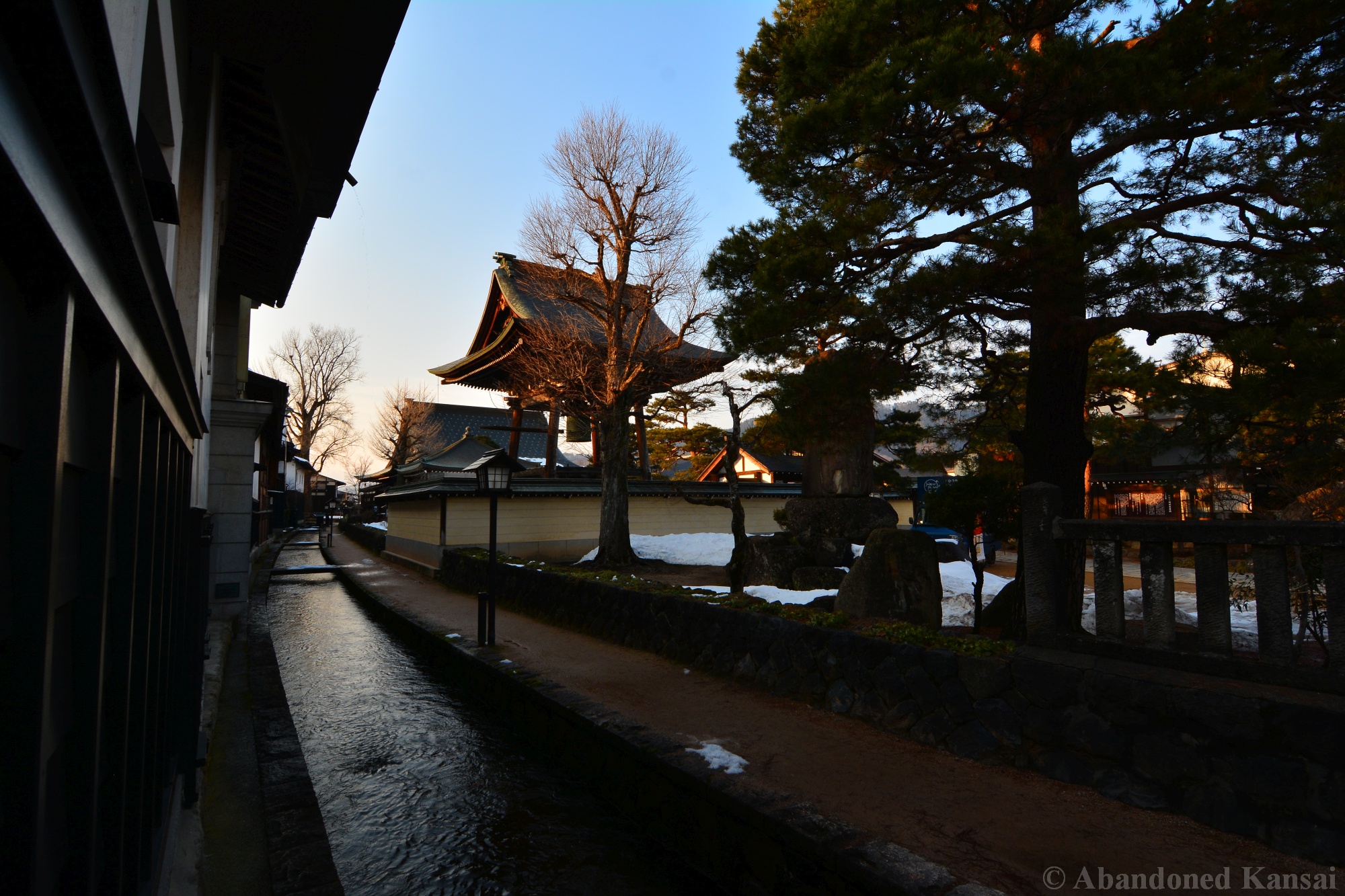
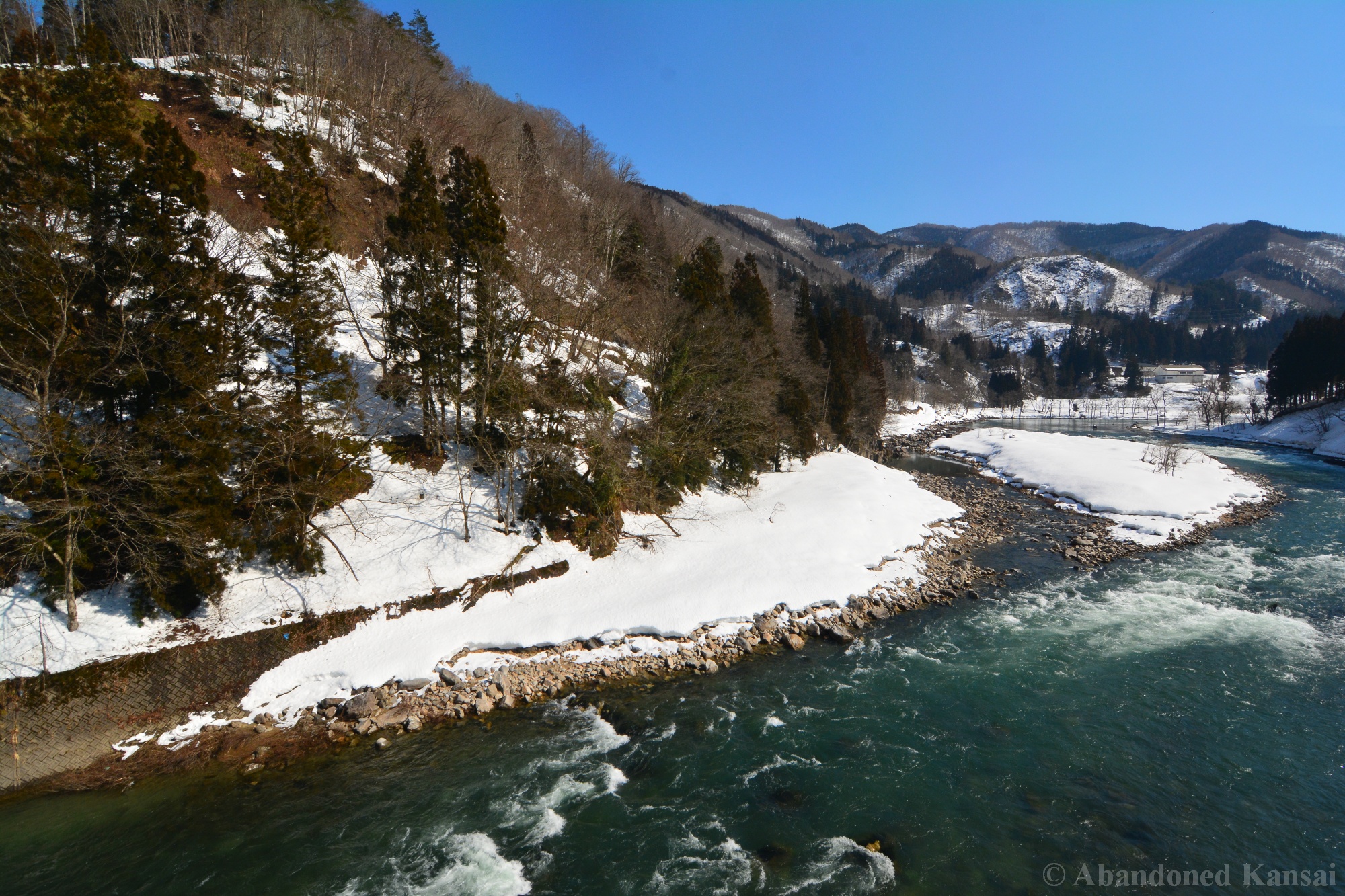
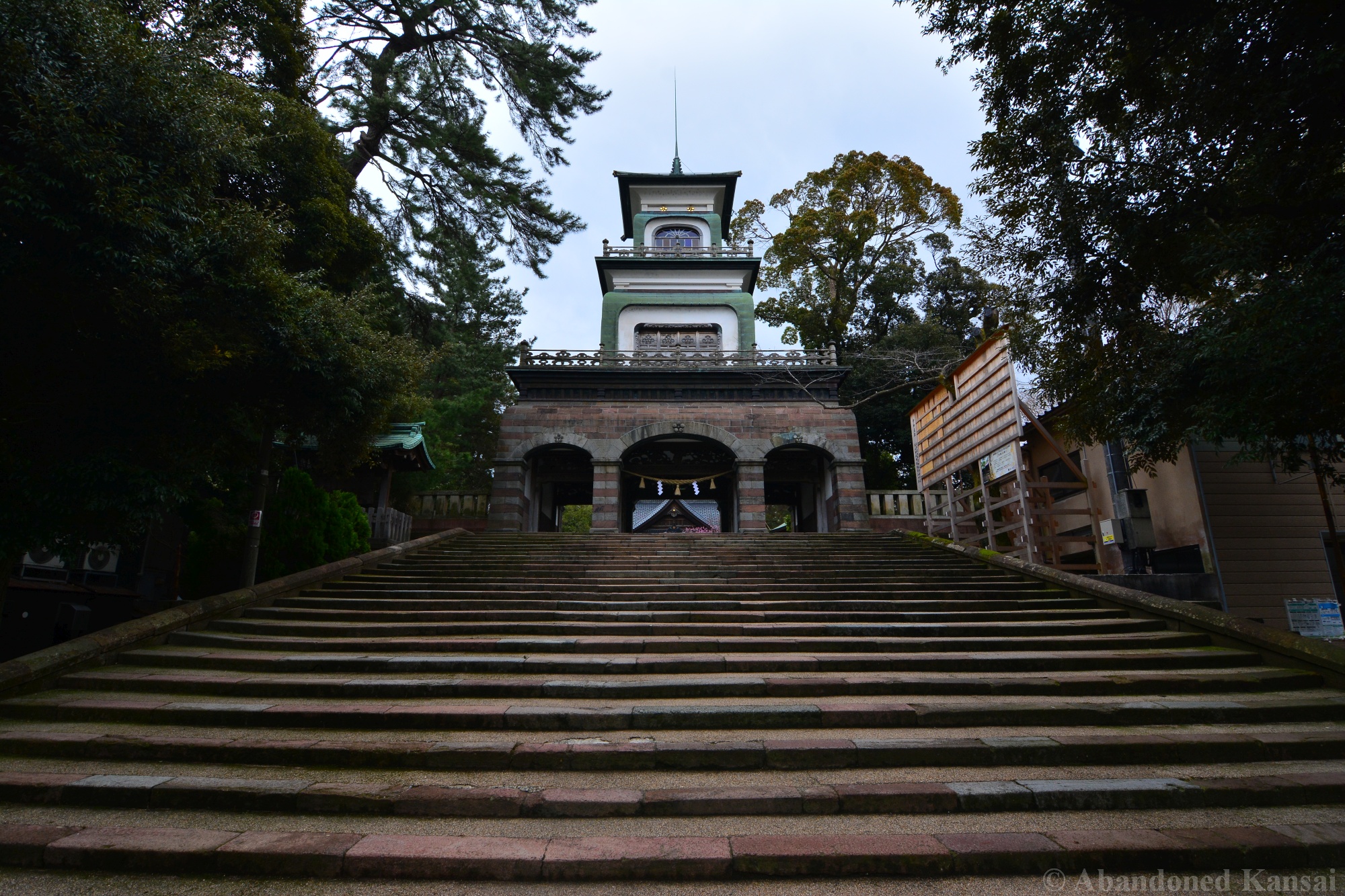
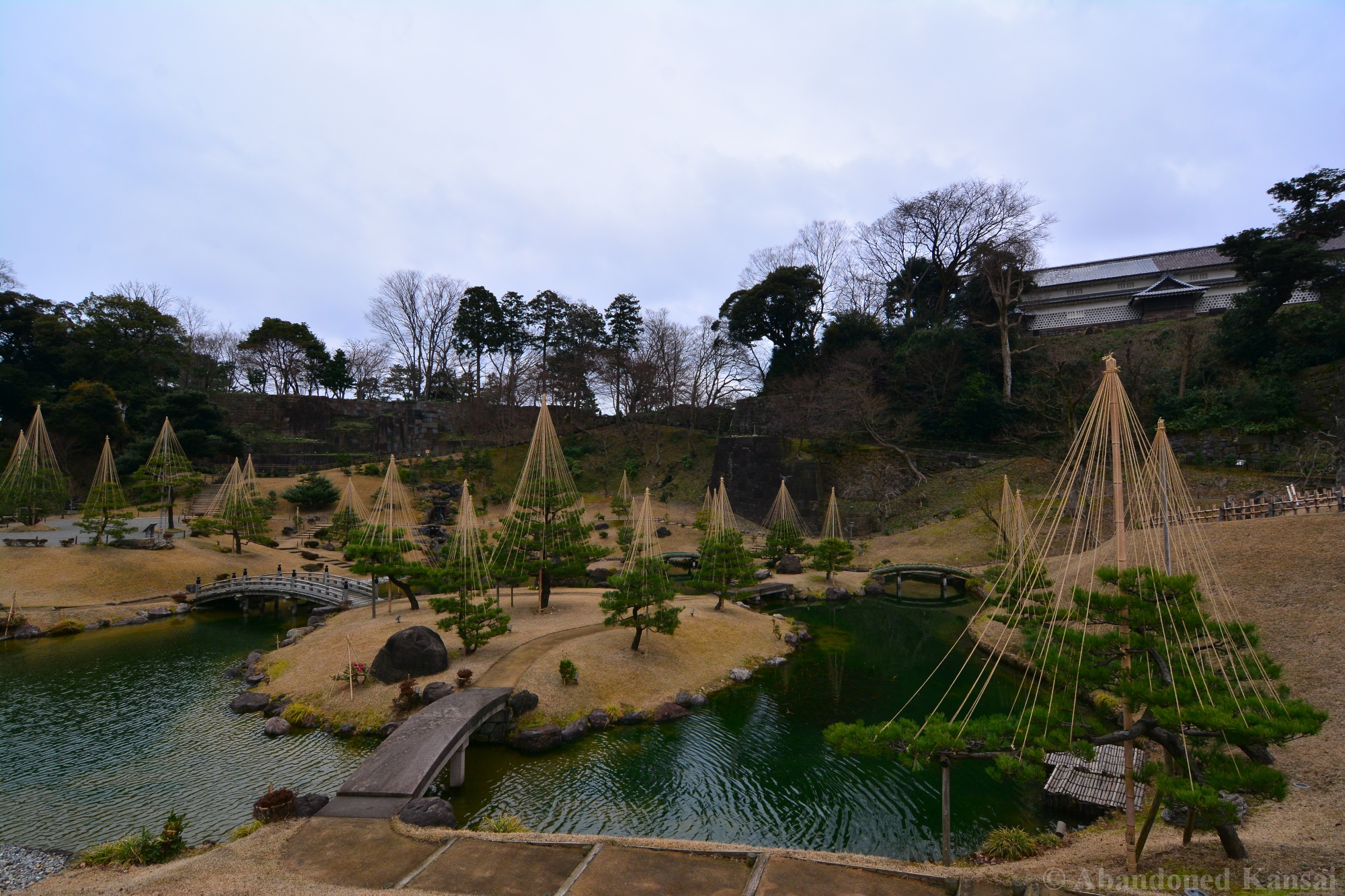
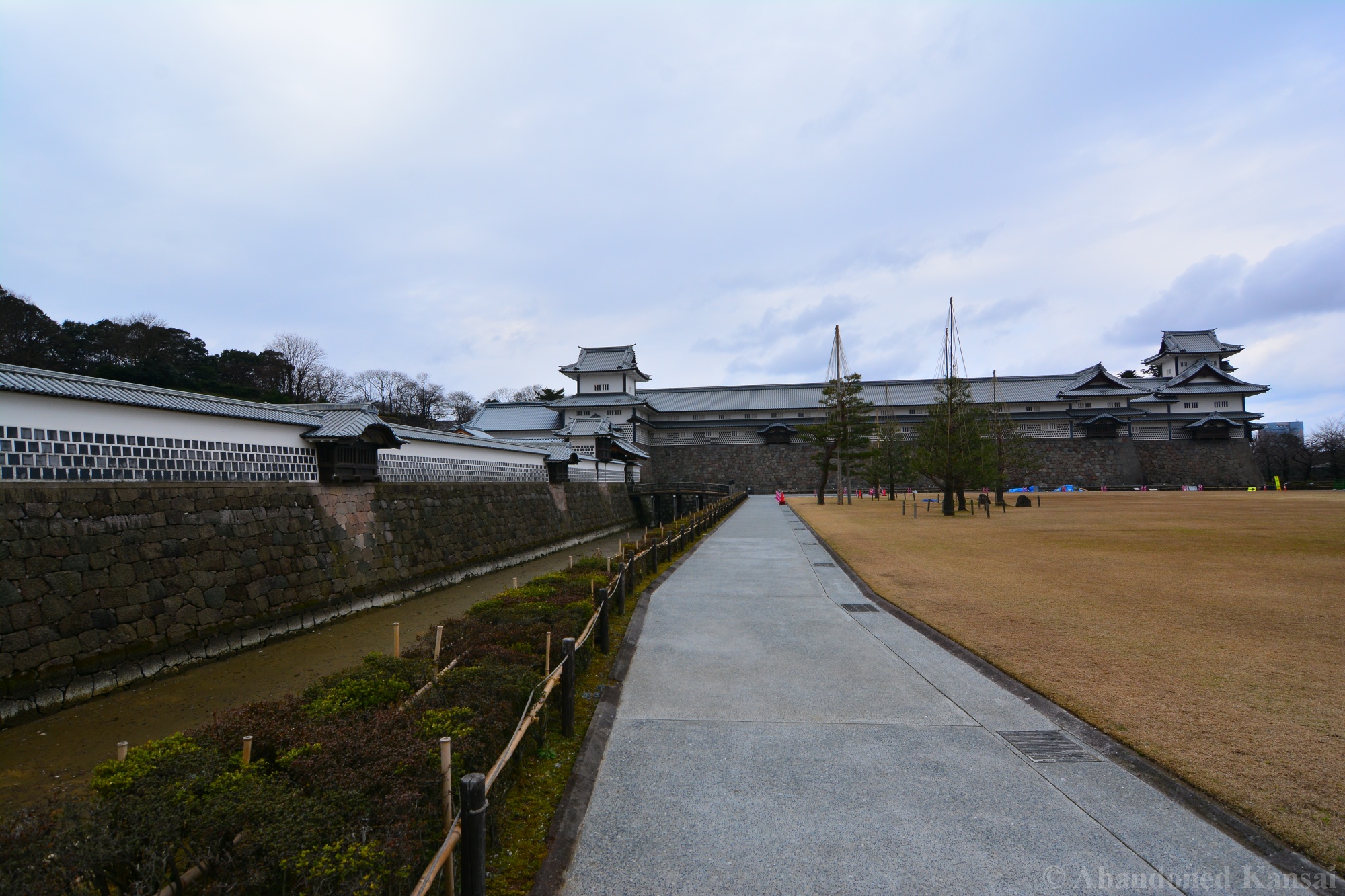
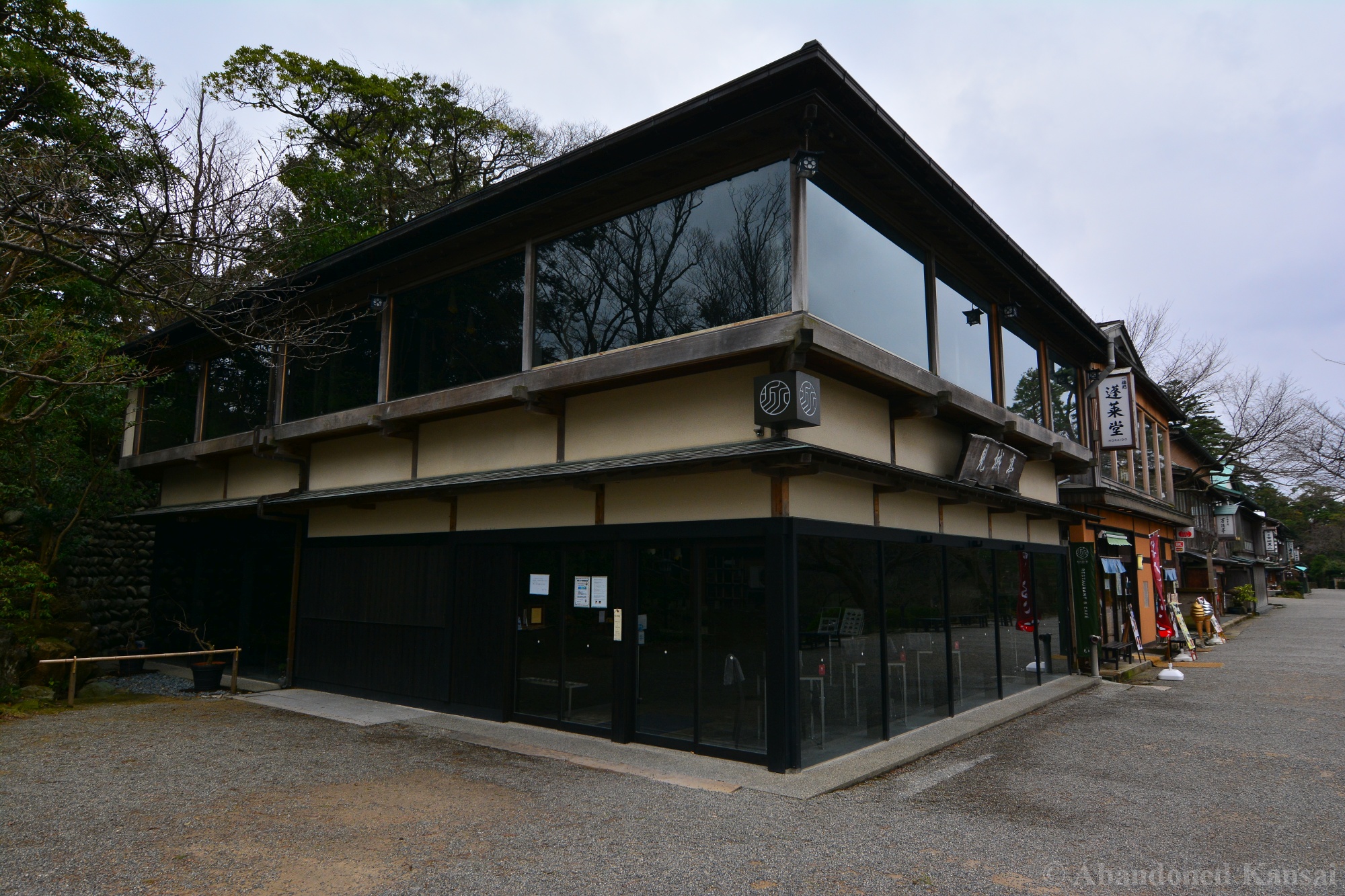
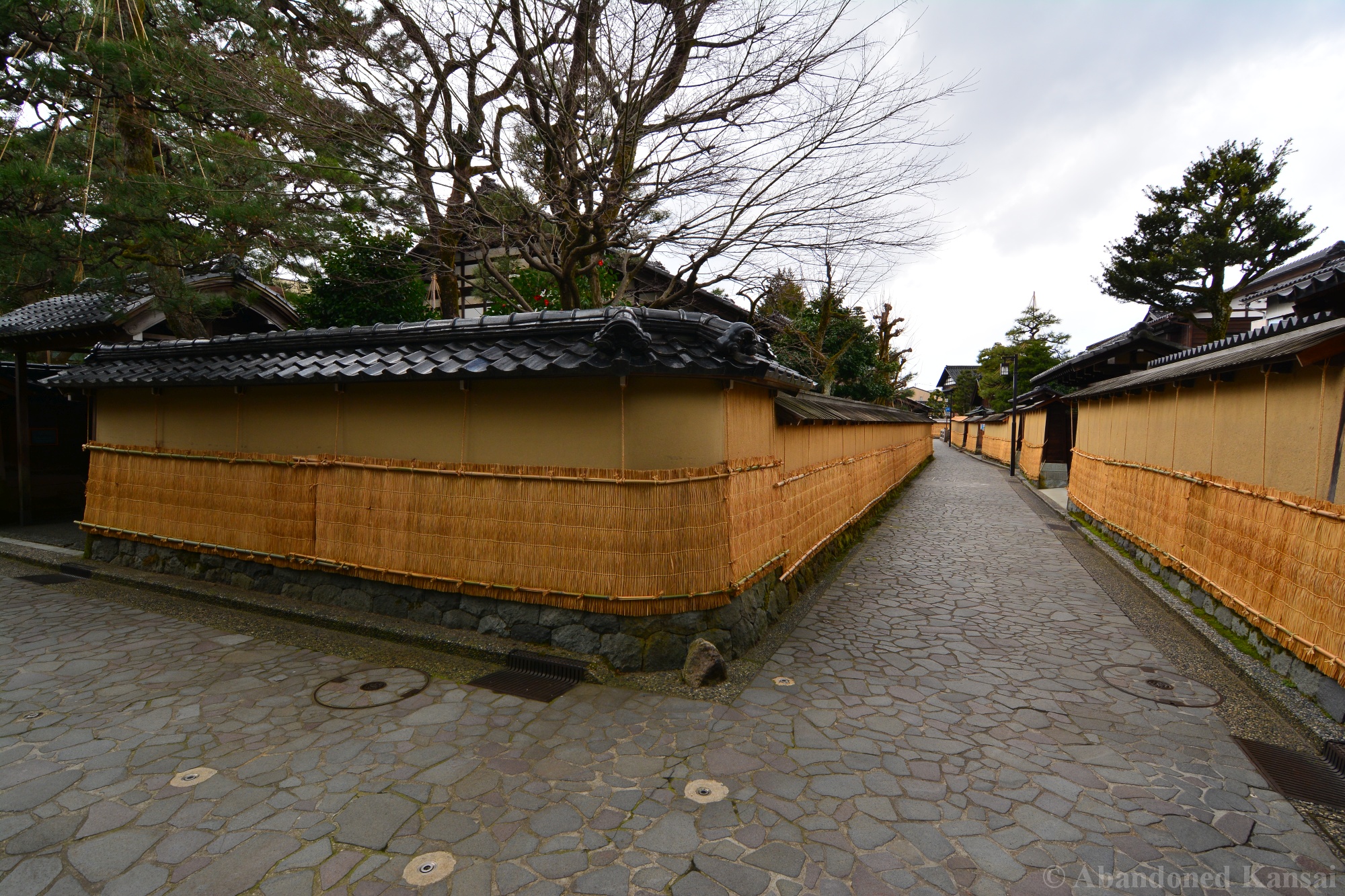
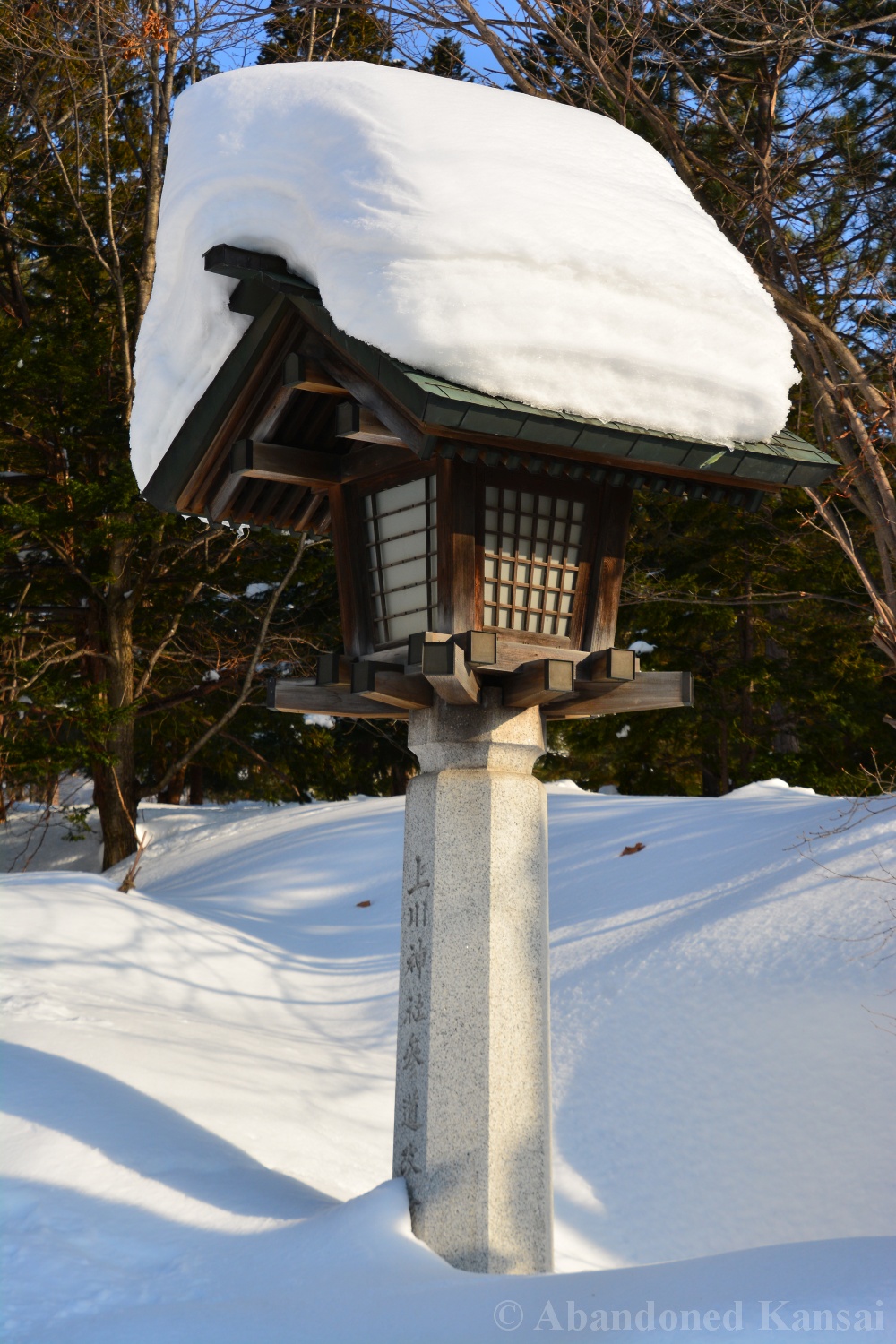
In early 2020 things went “back to normal” in Japan with as few as 698 new cases per day nationwide (Kanto and Kansai being responsible for the vast majority of cases and some prefectures going down to 0 active cases and no new infections for weeks!), so I decided to jump on the opportunity and visit some places that had been unbearably crowed in the last five to eight years – especially since some of my regular co-explorers had become increasingly busy with fur and other babies. My first main destination on February 12th, after nights in Matsumoto and Nagano (where I had been years prior on the way to the abandoned *Asama Volcano Museum*), were the famous onsen snow macaques in the Jigokudani Monkey Park; a place so touristy and swamped that my buddy Hamish discouraged me from going there many, many years ago. Upon my arrival towards noon I shared the park with hardly more than a dozen people, and that number barely doubled during my hour long stay there – now that turned out even much better than I had hoped for in my wildest dreams! 🙂 So for the next weekend I made even bolder plans, for a place usually so overrun by busloads of foreign and domestic tourists that you could have offered me serious money to go there and I would have declined without hesitating – Shirakawa-go in winter! And to make it the ultimate challenge I added Takayama the day before and Kanazawa the day after, with a quick stop in Gero on the way to Takayama. What can I say? Gero was lovely, Takayama absolutely gorgeous, Kanazawa virtually empty (I was able to take photos in the old samurai district without people ruining them!), and Shirakawa-go… Shirakawa-go was still busy, but bearable. Already borderline too busy for my taste, but knowing that there usually were five or ten times as many people made me enjoy my visit much more than expected. (The car parking lots were rather busy, the bus parking spots basically empty – the lack of mass tourism saved my day!)

March 2021: Hokkaido, Yamaguchi, Kamakura / Hakone
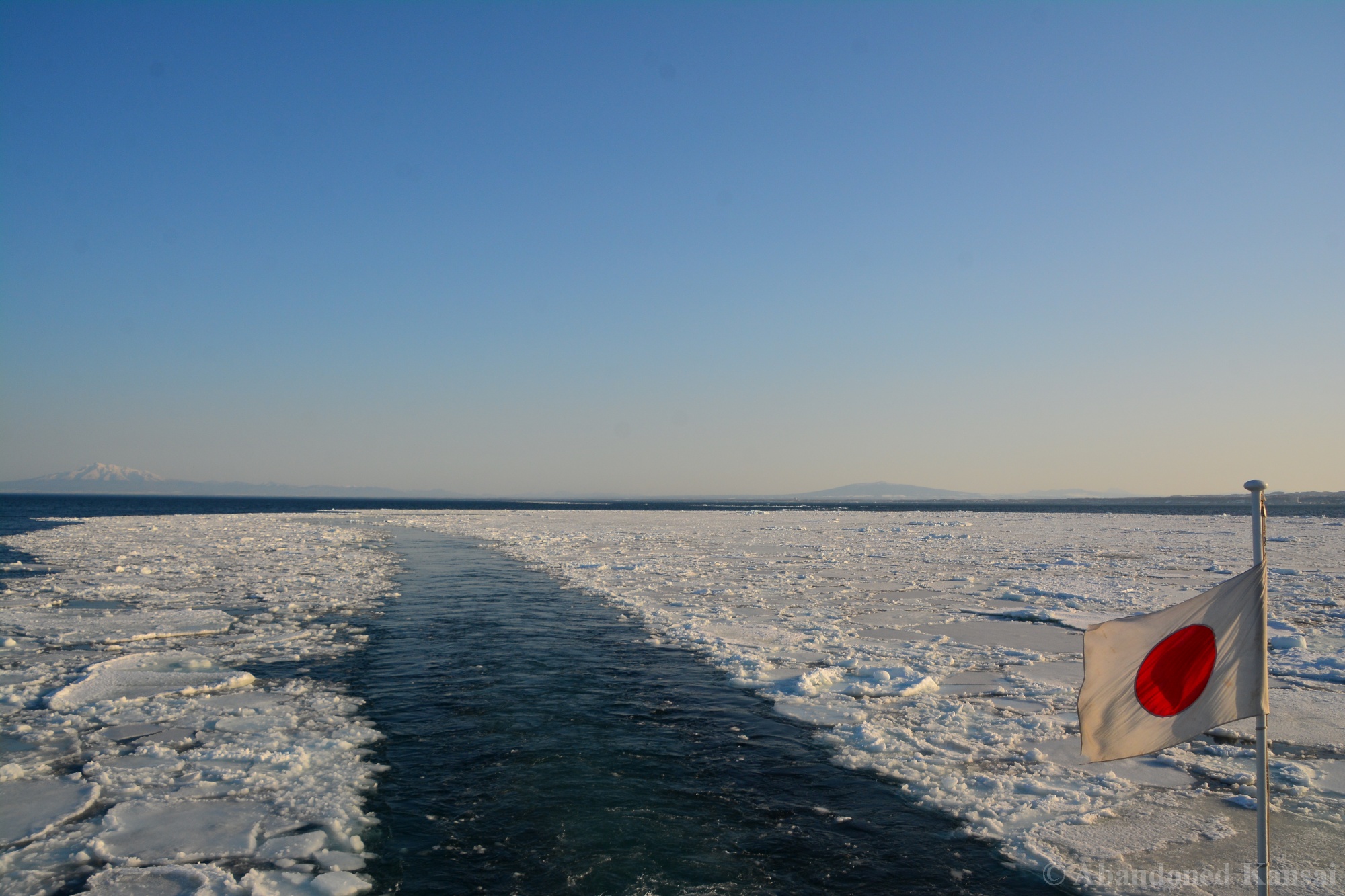
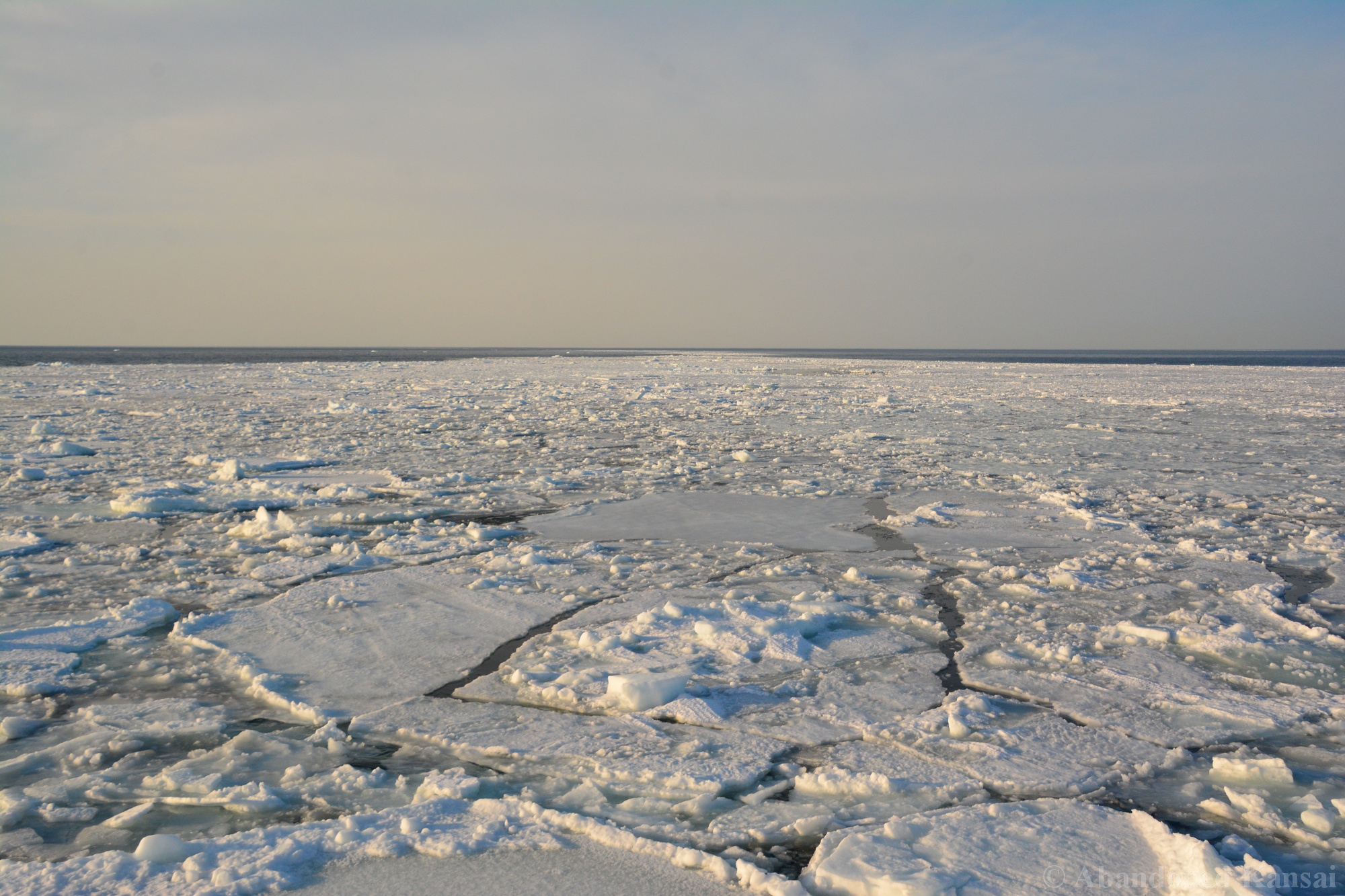
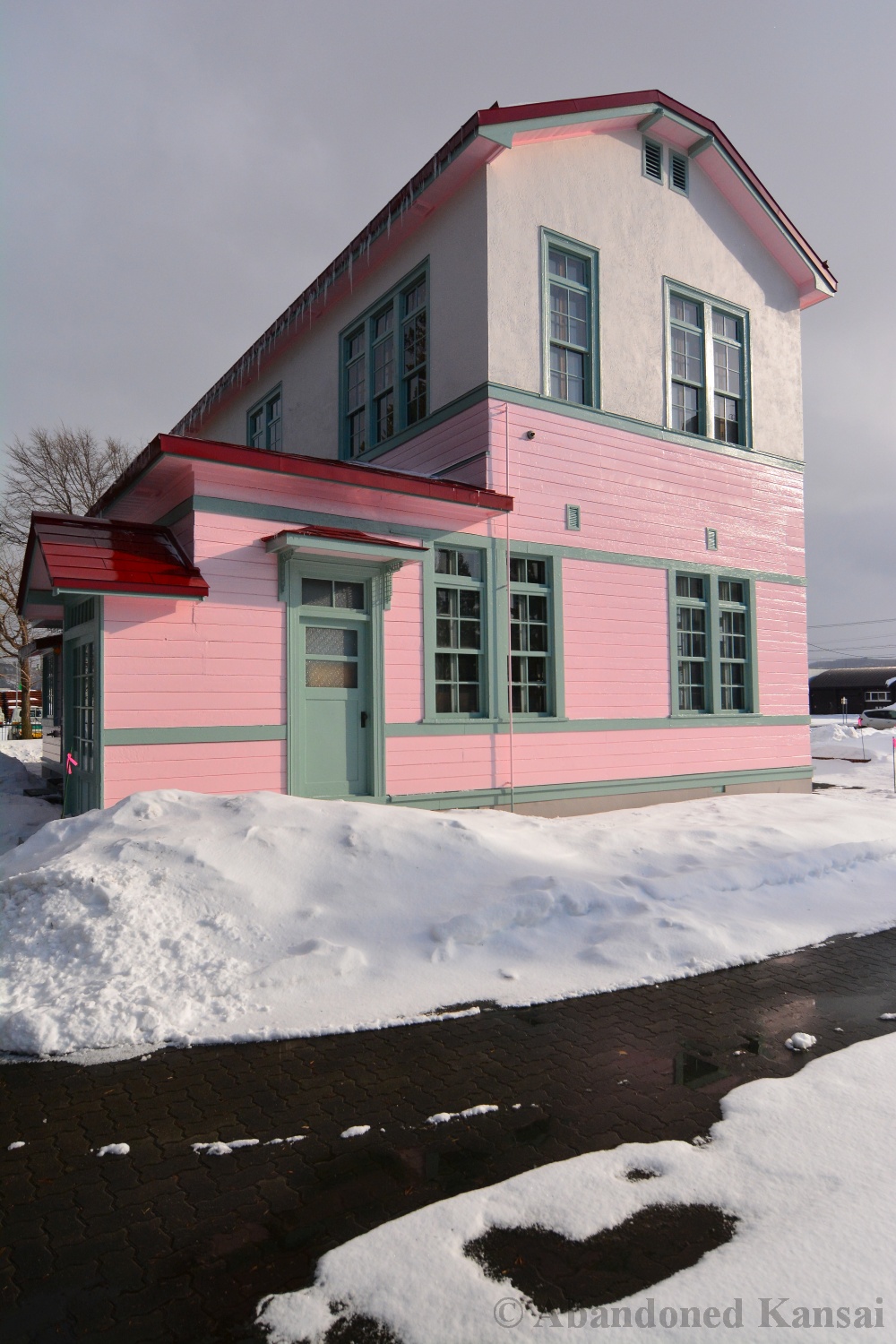
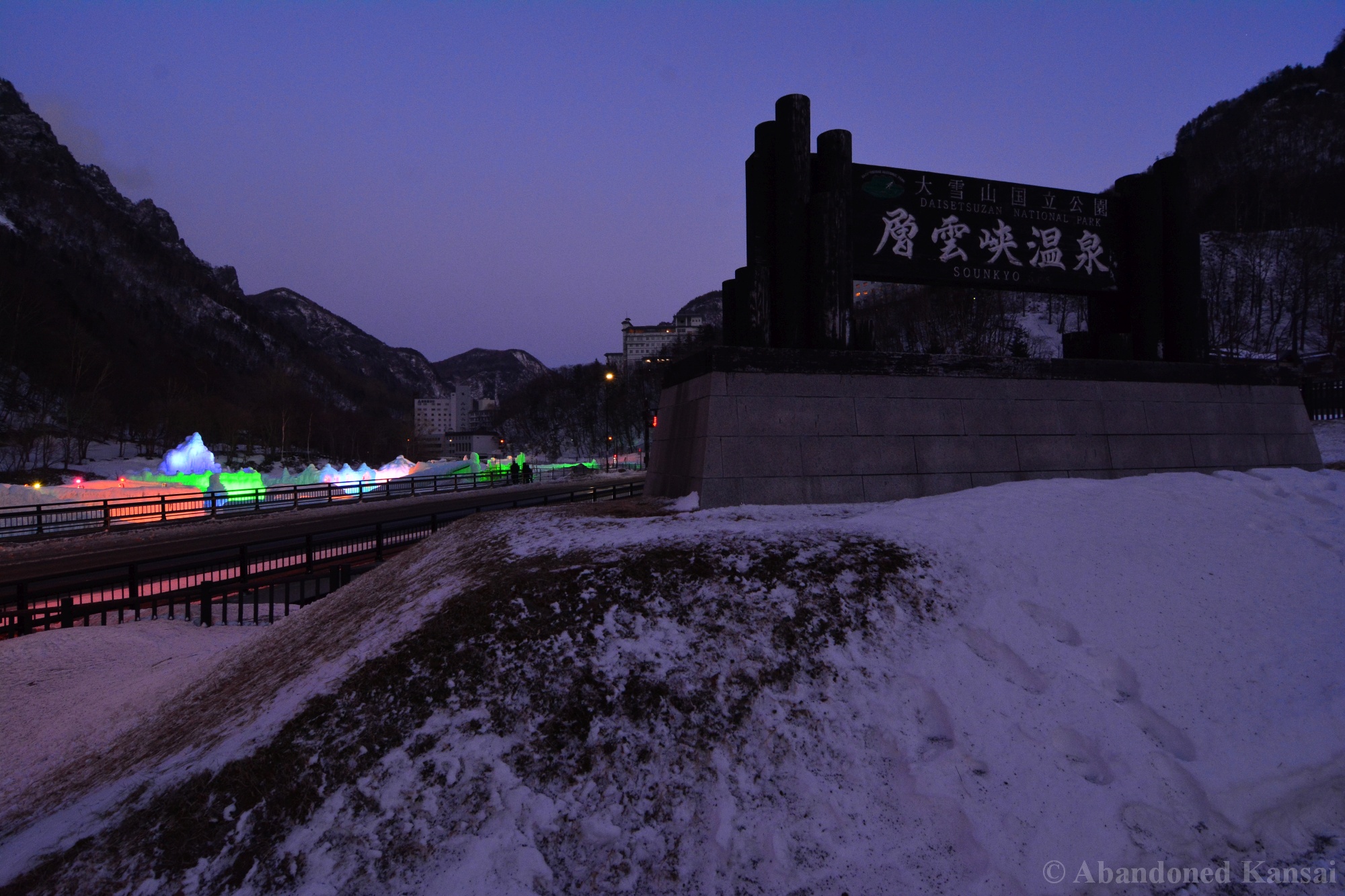
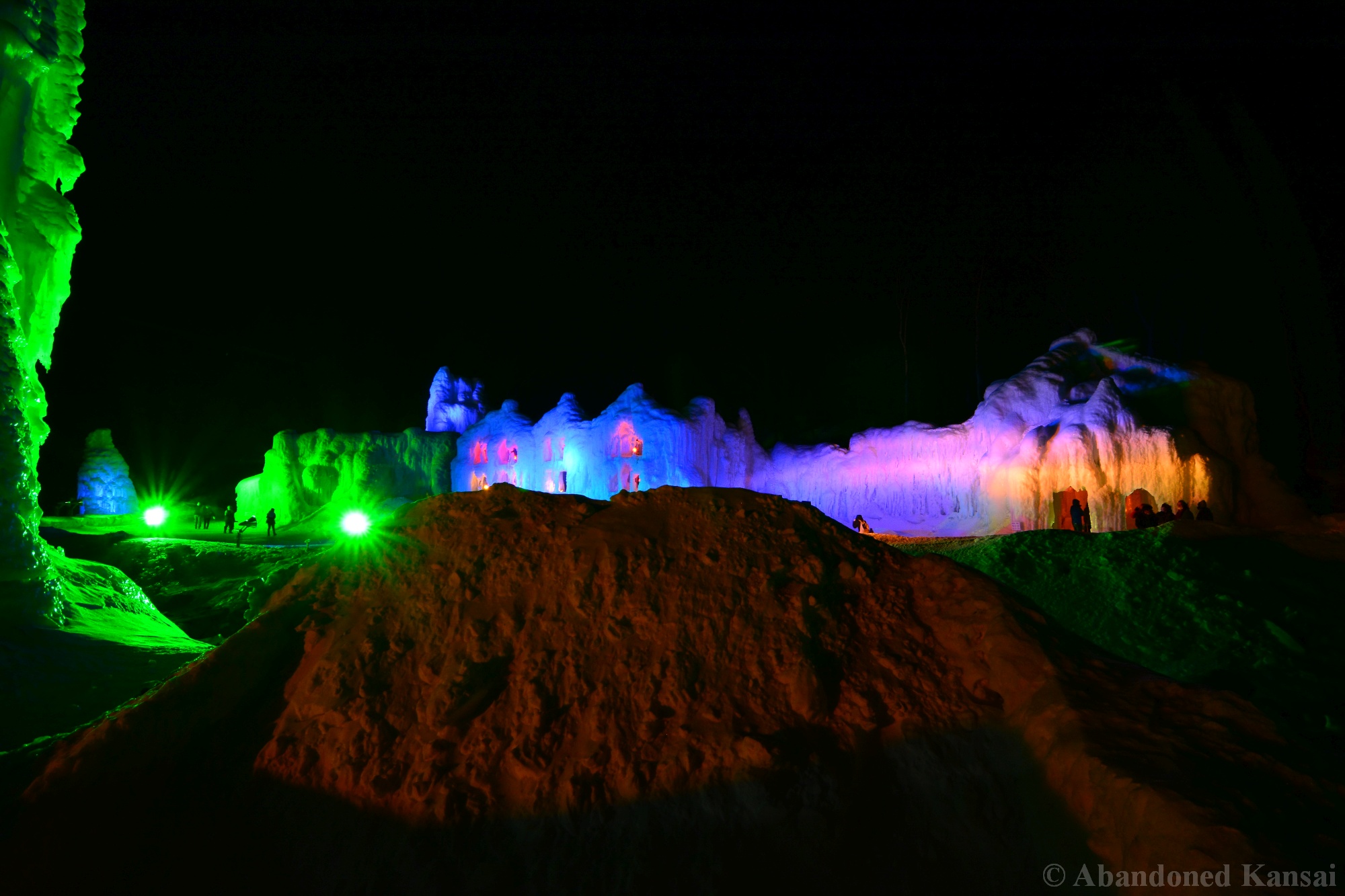
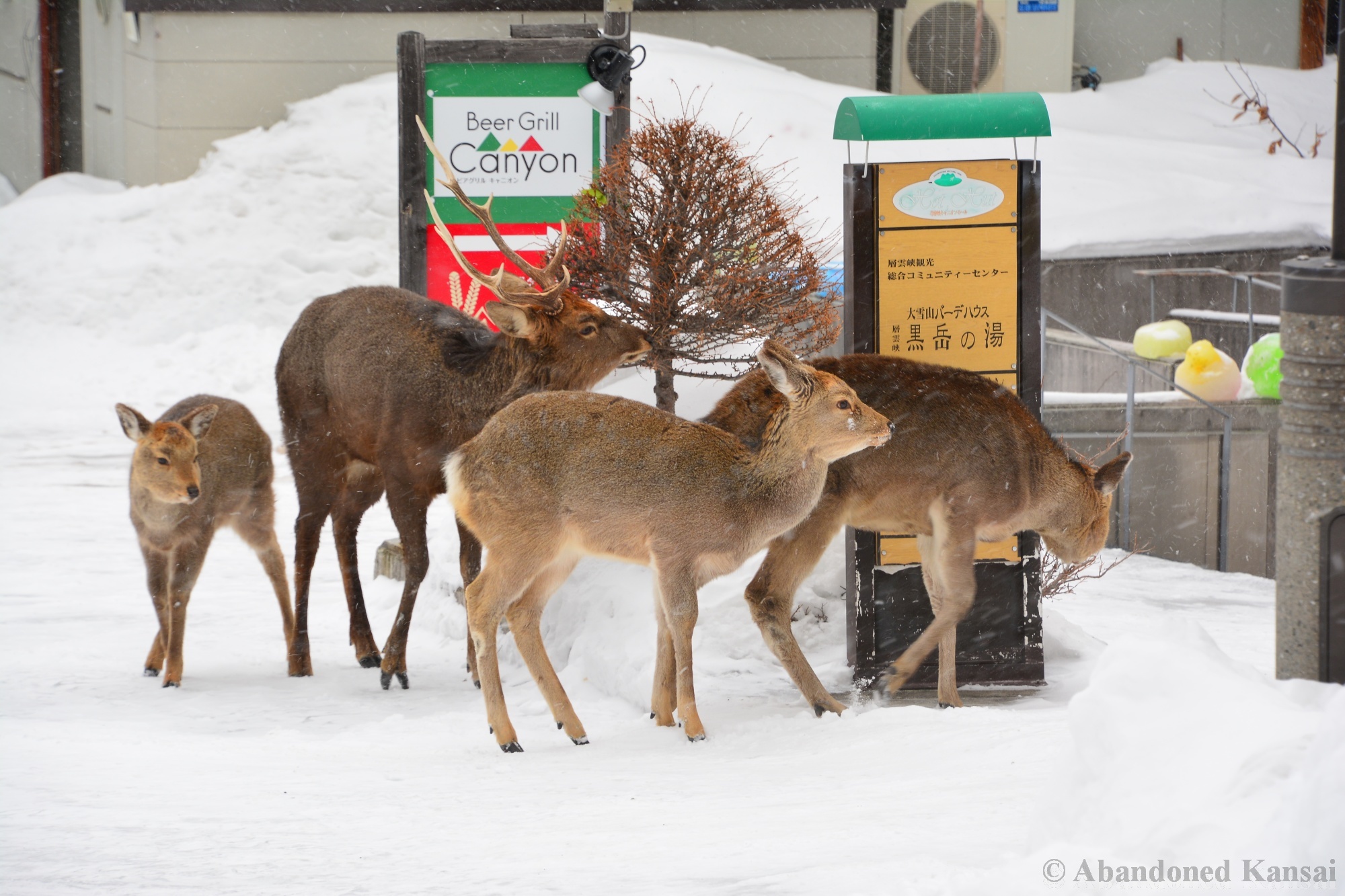
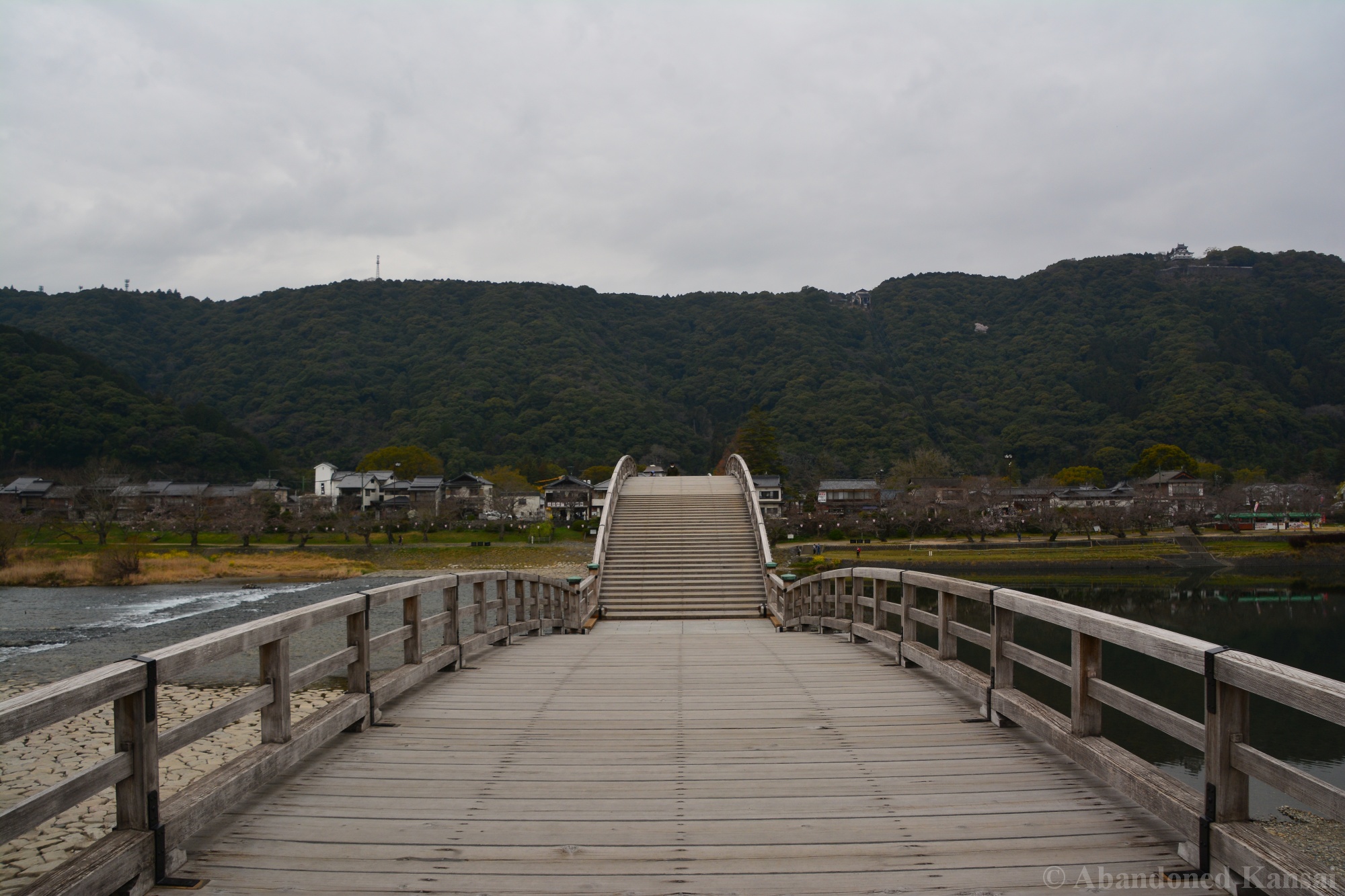
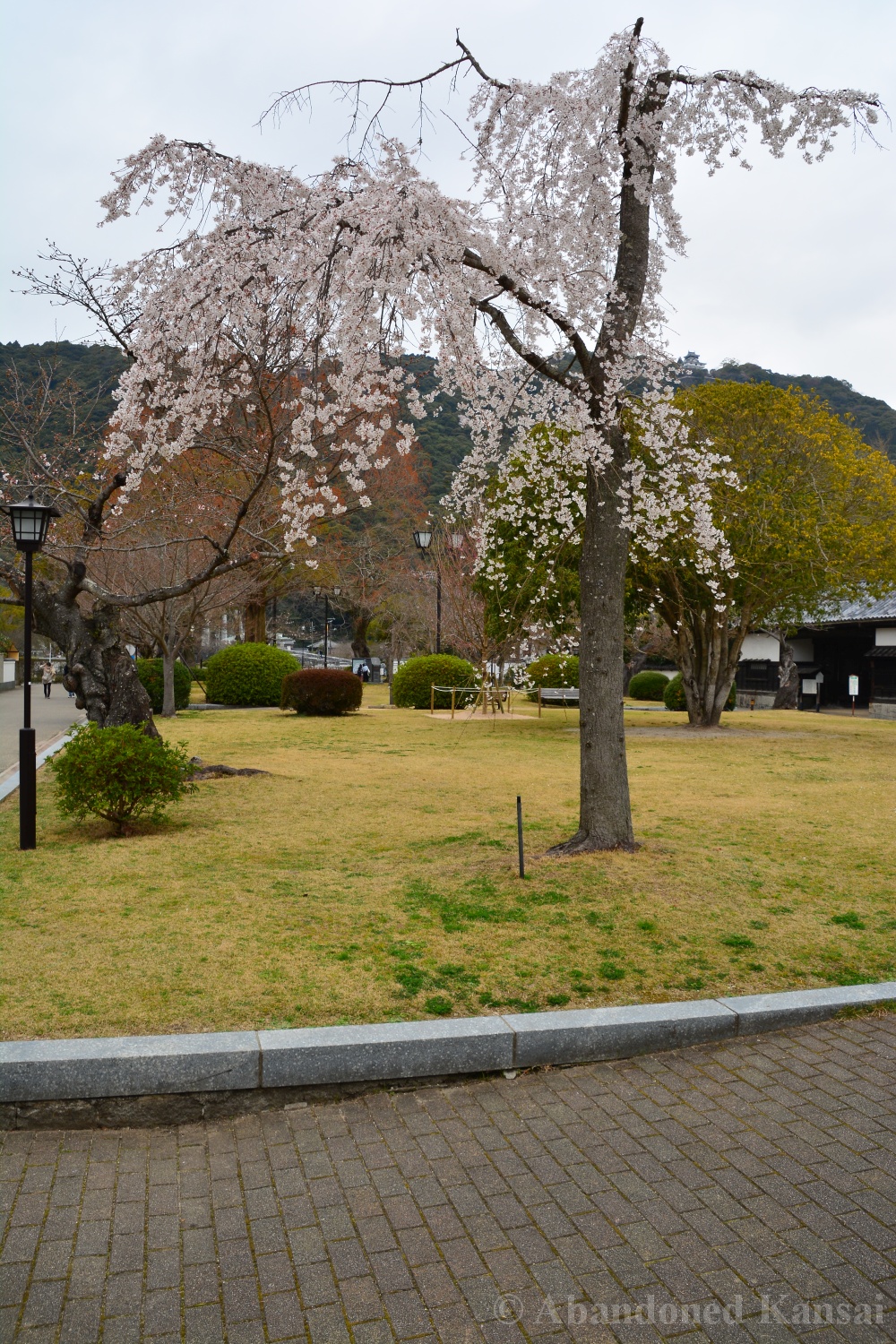
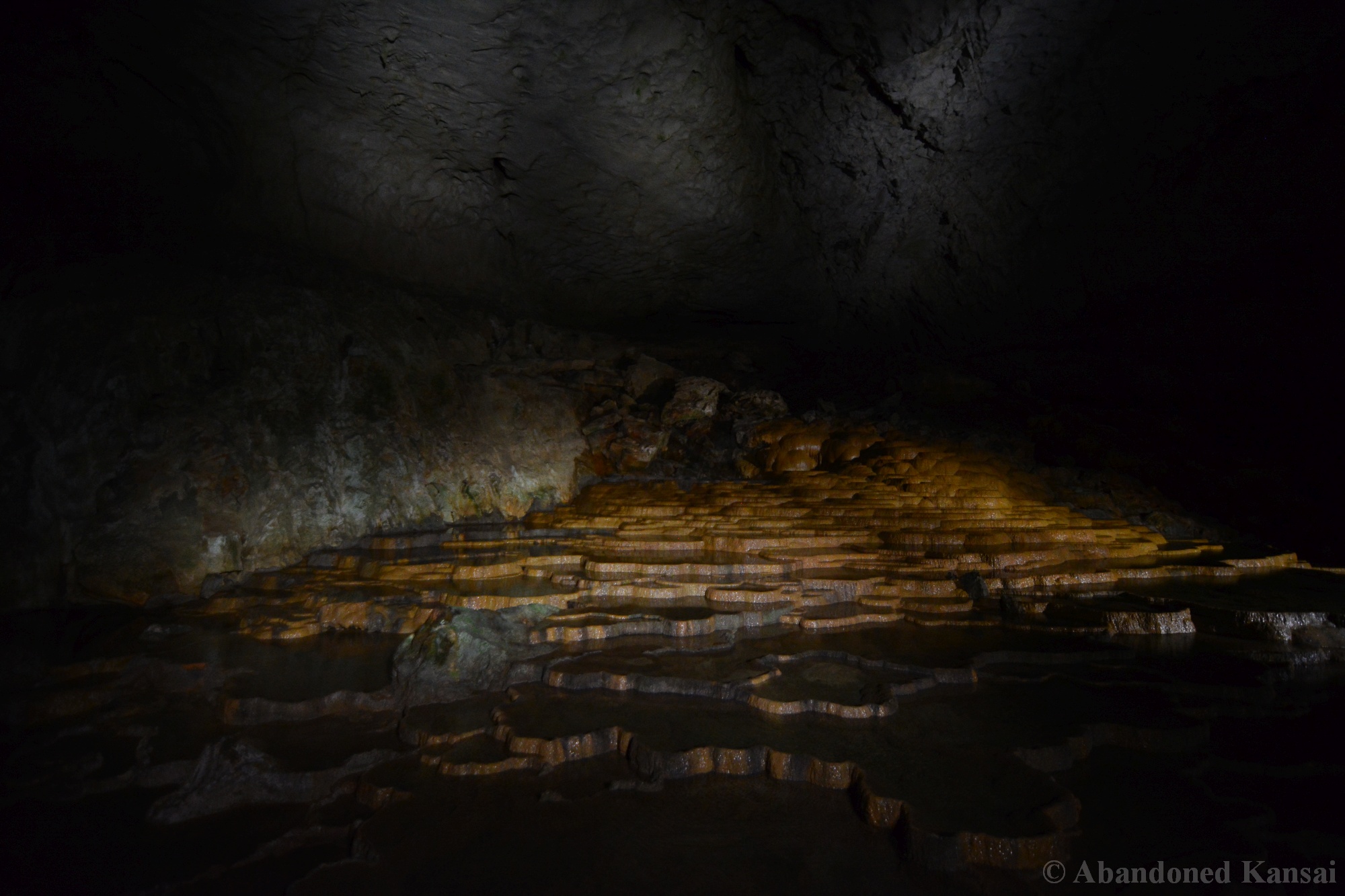
March started with another touristy trip to Hokkaido. If you are a regular of Abandoned Kansai and paid attention reading my article about the *Toya-Usu Geopark* you already know that I had been up north in early November – too early for the drift ice of the Okhotsk Sea, so I went back just four months and a coronavirus wave later. Despite the unusually warm weather in Abashiri (10°C!) I was able to experience the drift ice by pure luck before moving on to Kitami and the peppermint museum, Onneyu Onsen and the fox farm, as well as the mostly closed Sounkyo Onsen and its ice festival (-9°C and strong wind!). Also worth mentioning was my stop in Asahikawa and its cross country ski track right behind the main train station in the city center. Gotta love Japan! Two weeks later I took advantage of the early cherry blossom season and went south – Iwakuni, Tsuwano, Hagi, and Akiyoshido / Akiyoshidai. All four places rather off the beaten tracks, but even more so in the spring of 2021. On both of those trips I didn’t see a single non-Asian person after my first stop (New Chitose Airport and Iwakuni respectively), which gave me serious flashbacks to 1998 – not only did I enjoy both of those trips tremendously, I felt young again! 🙂
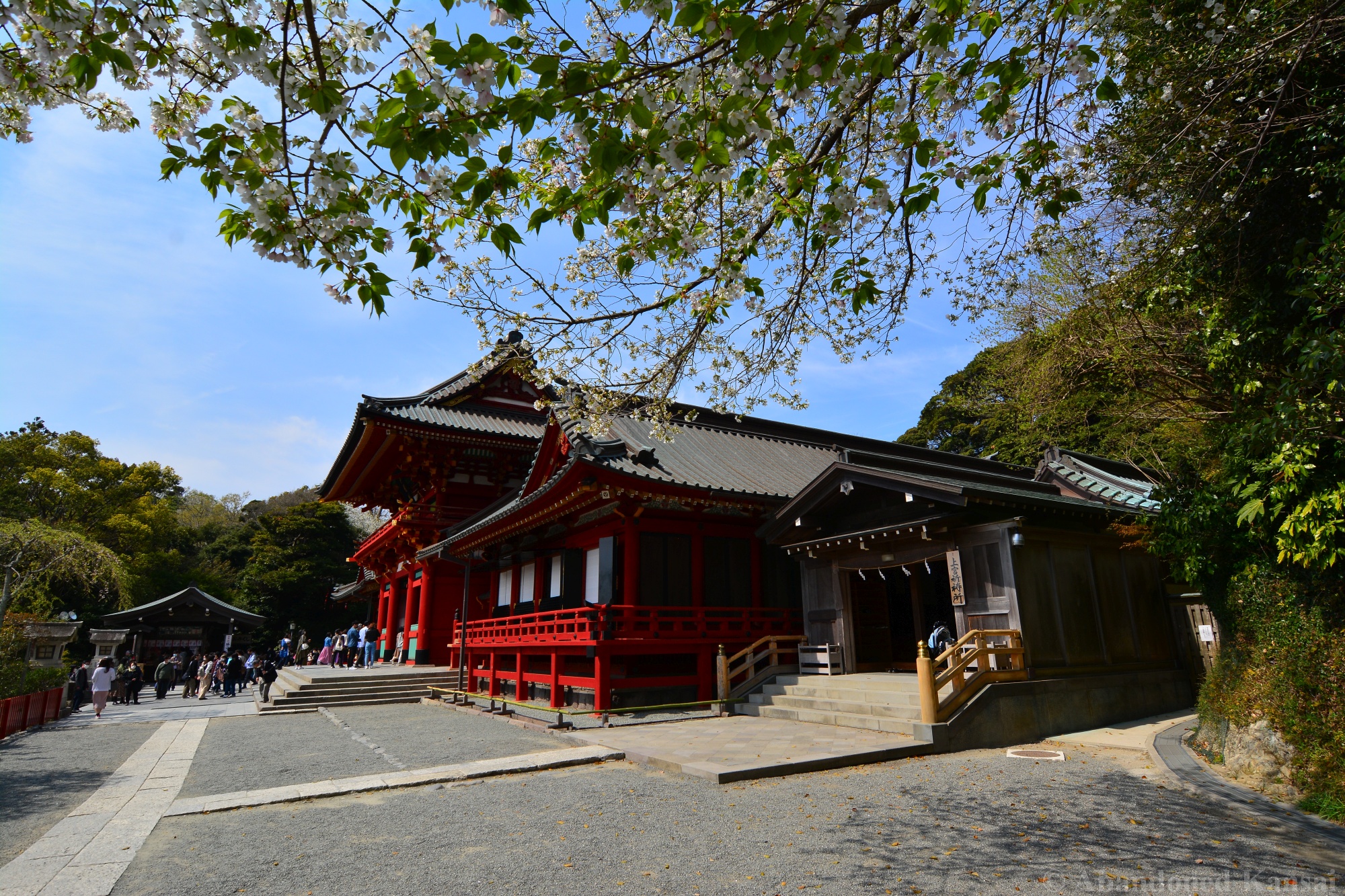
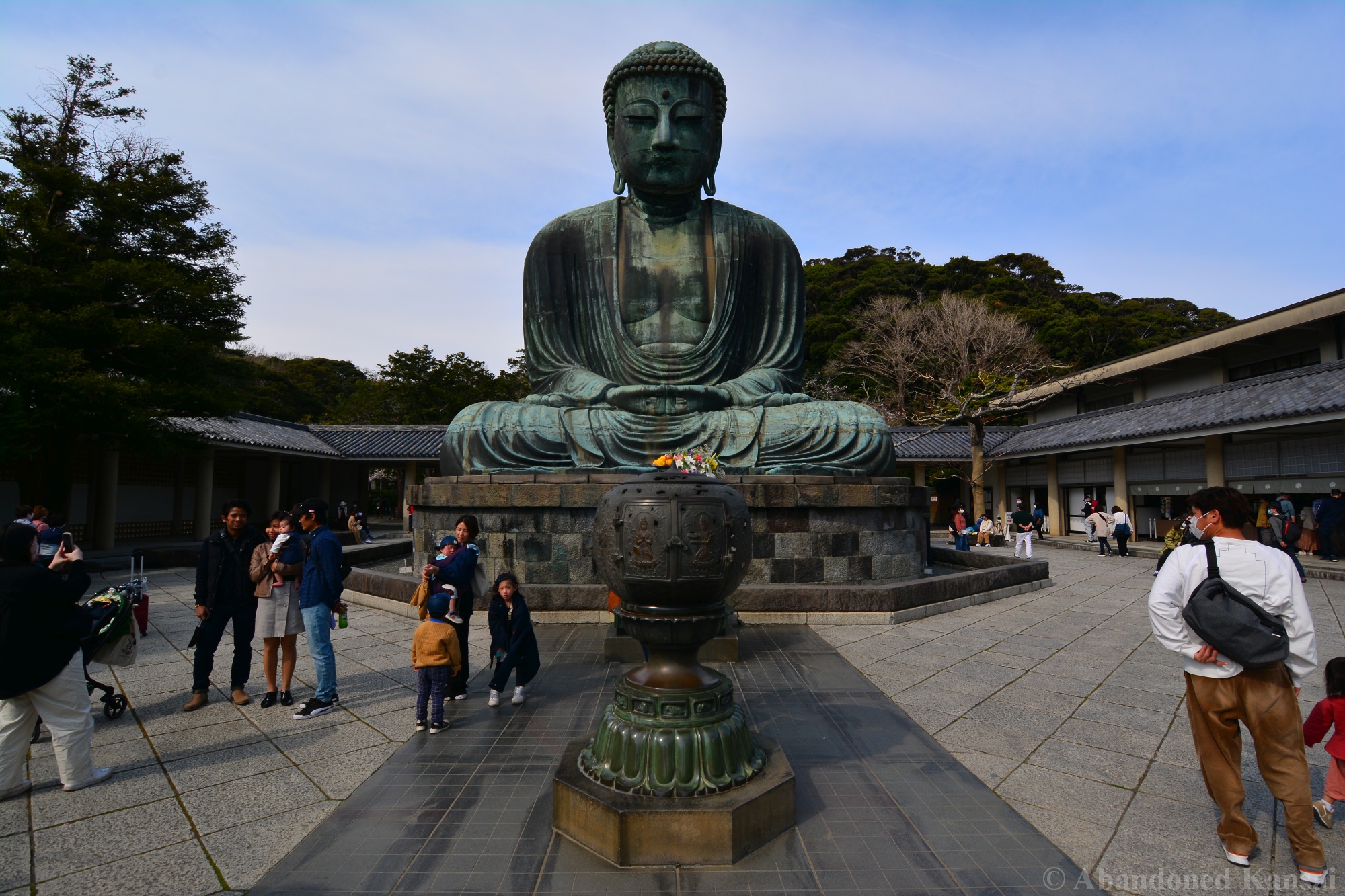
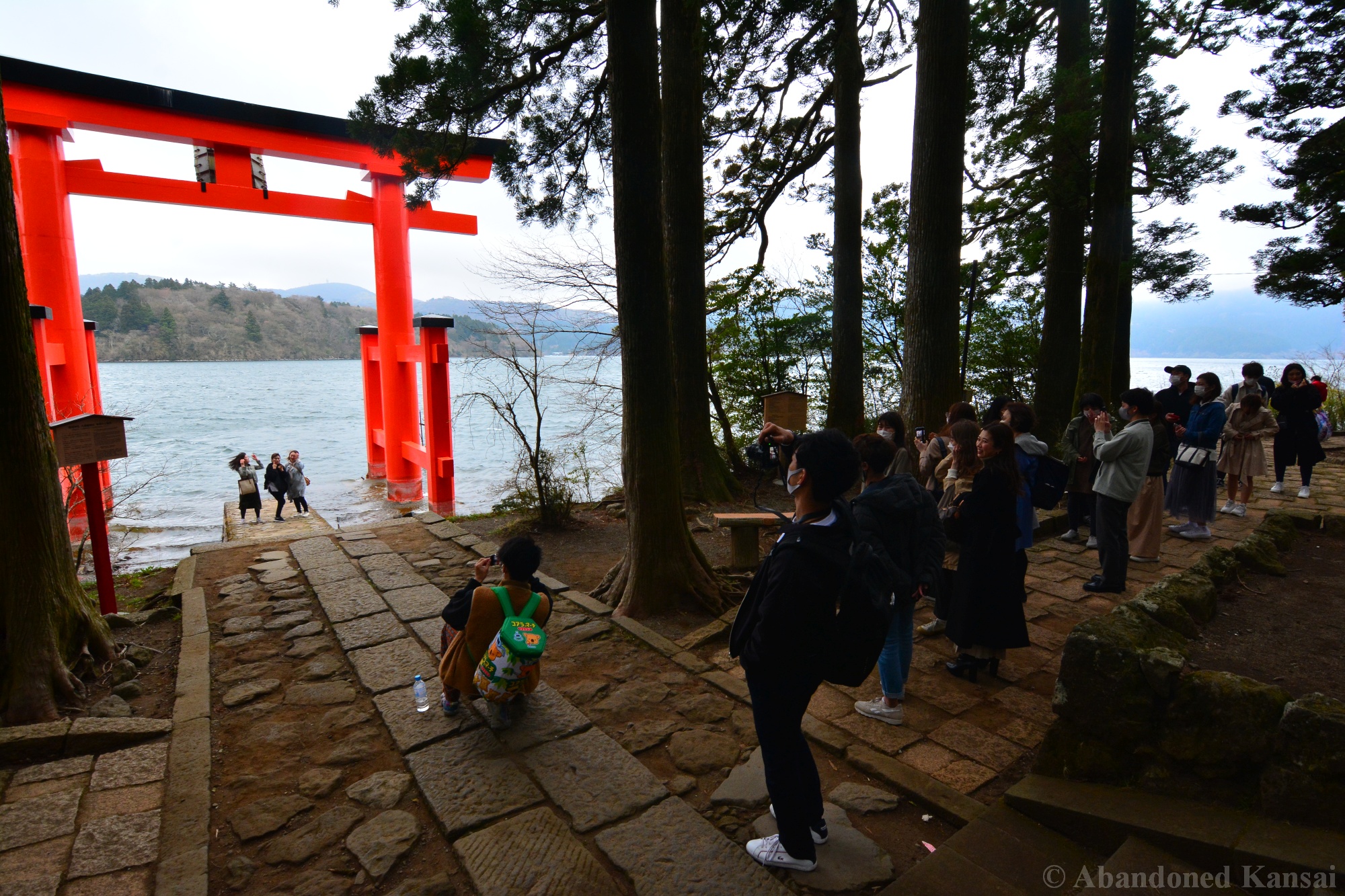
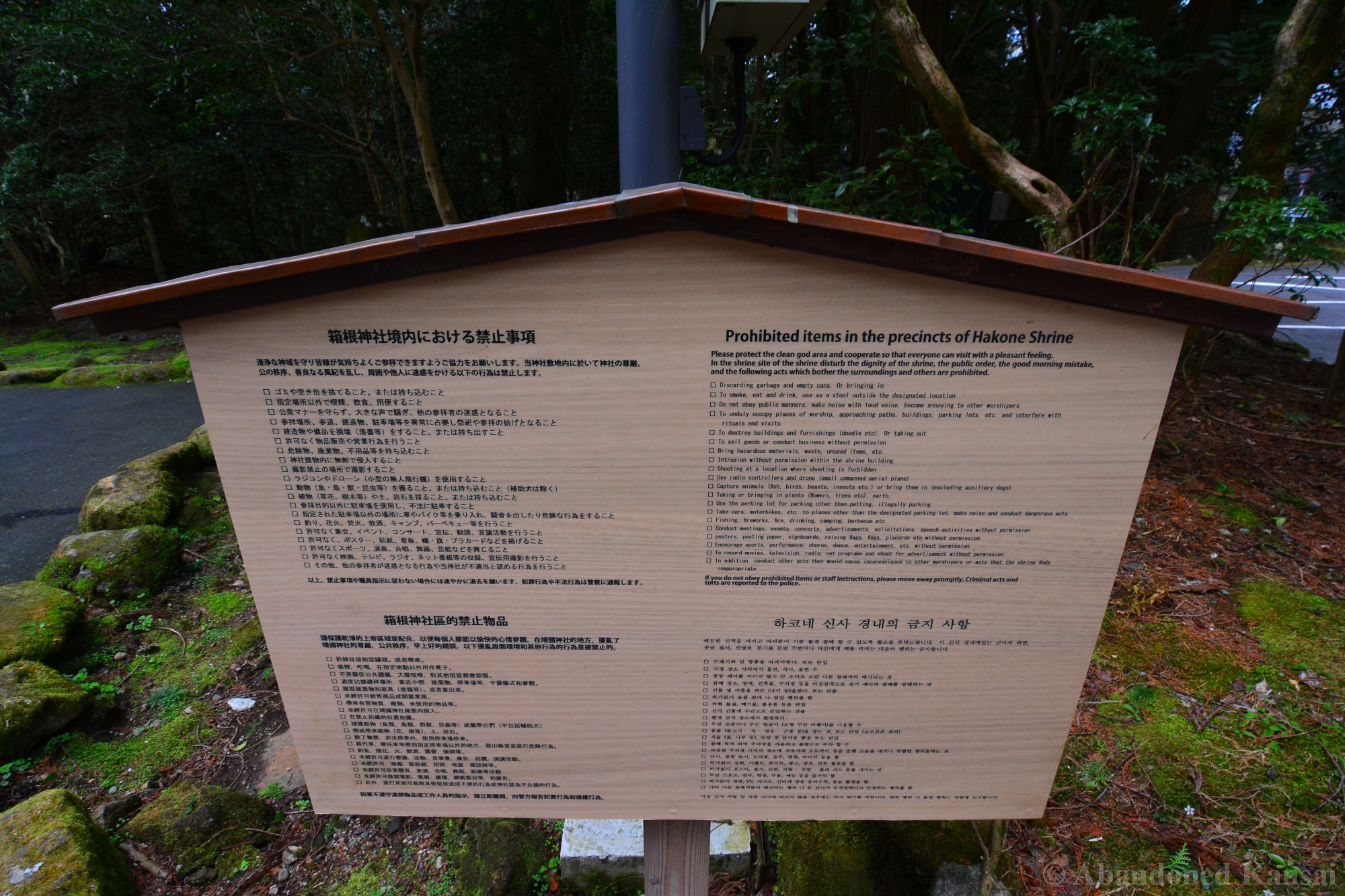
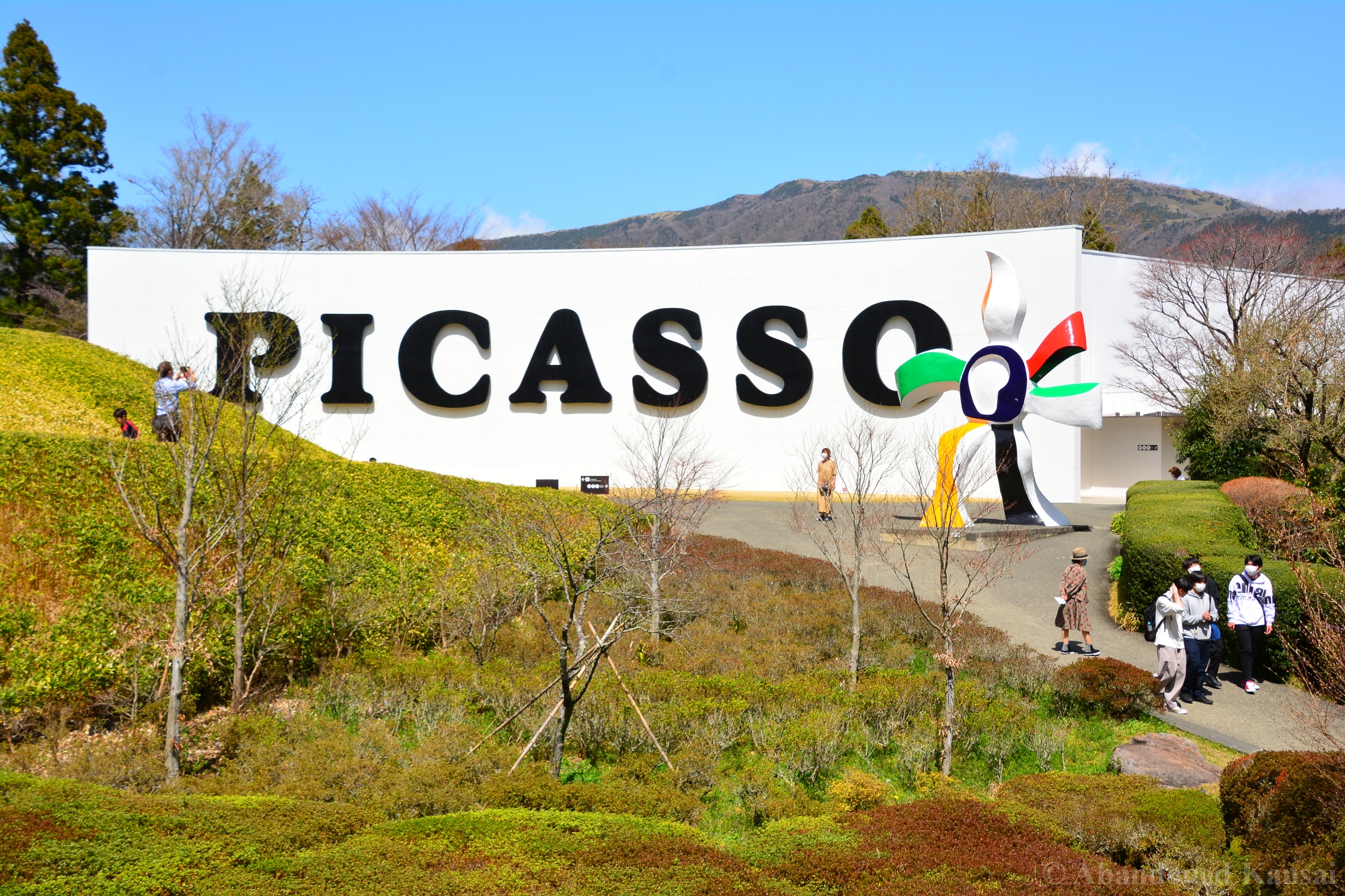
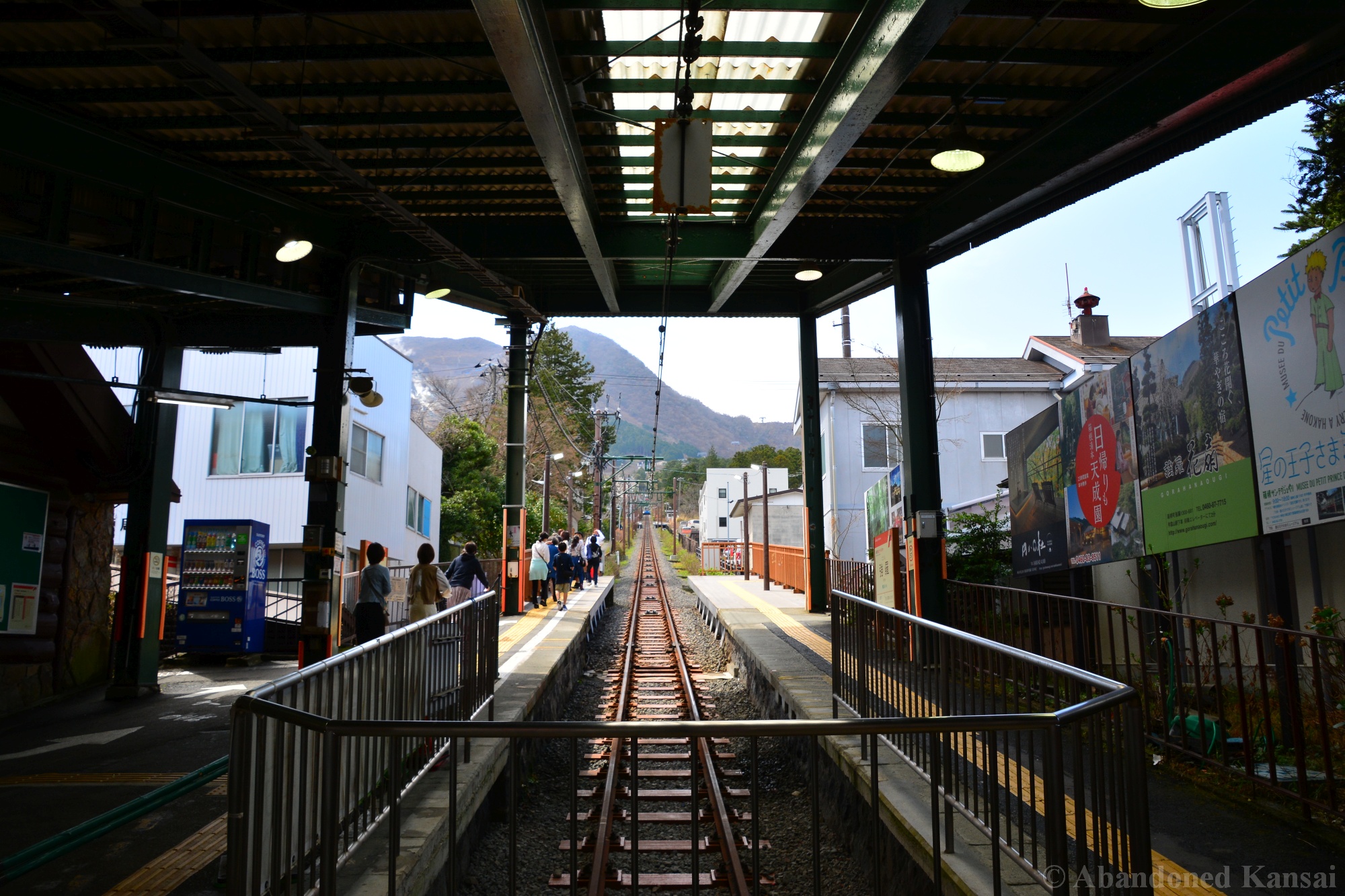
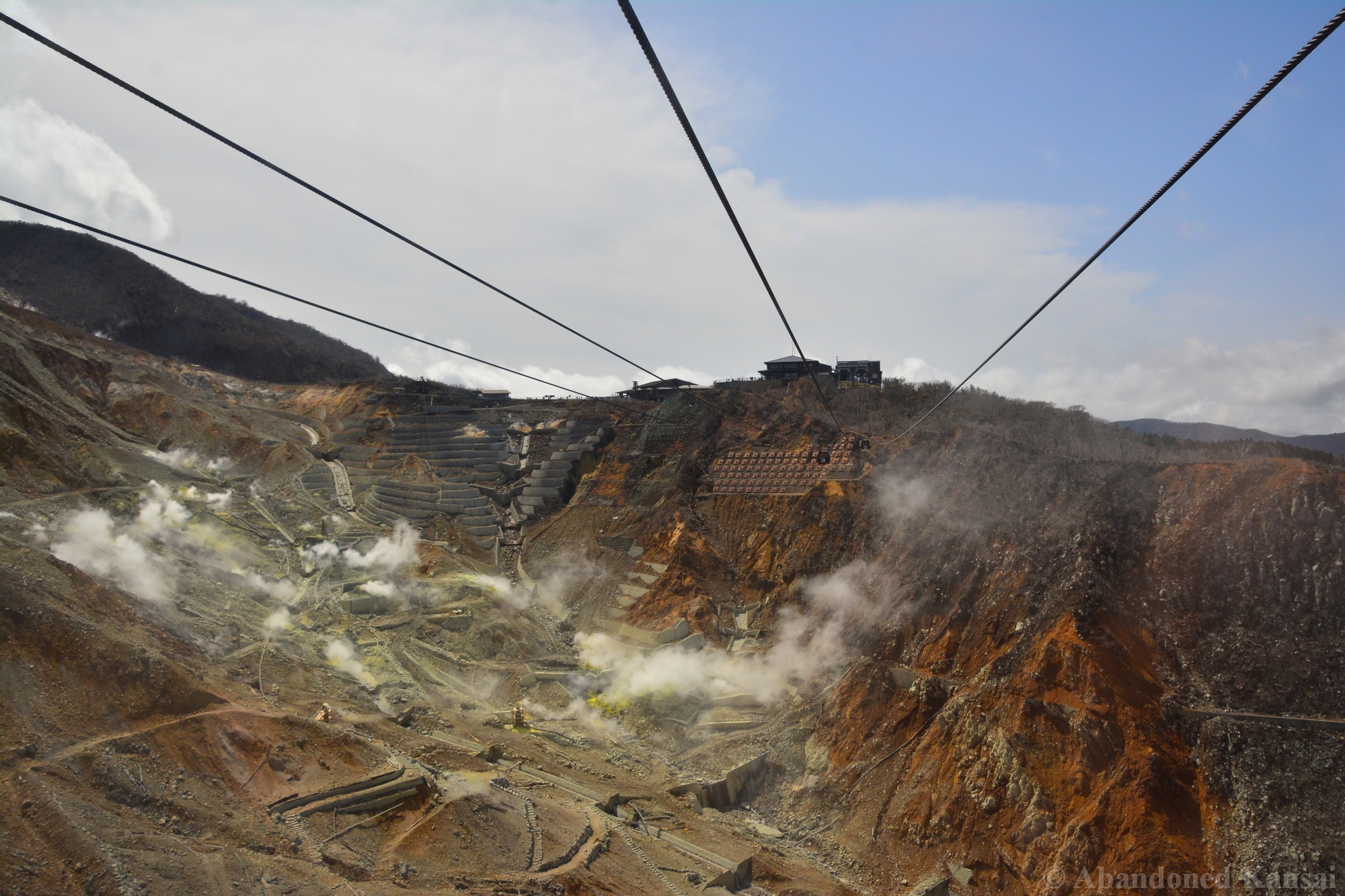
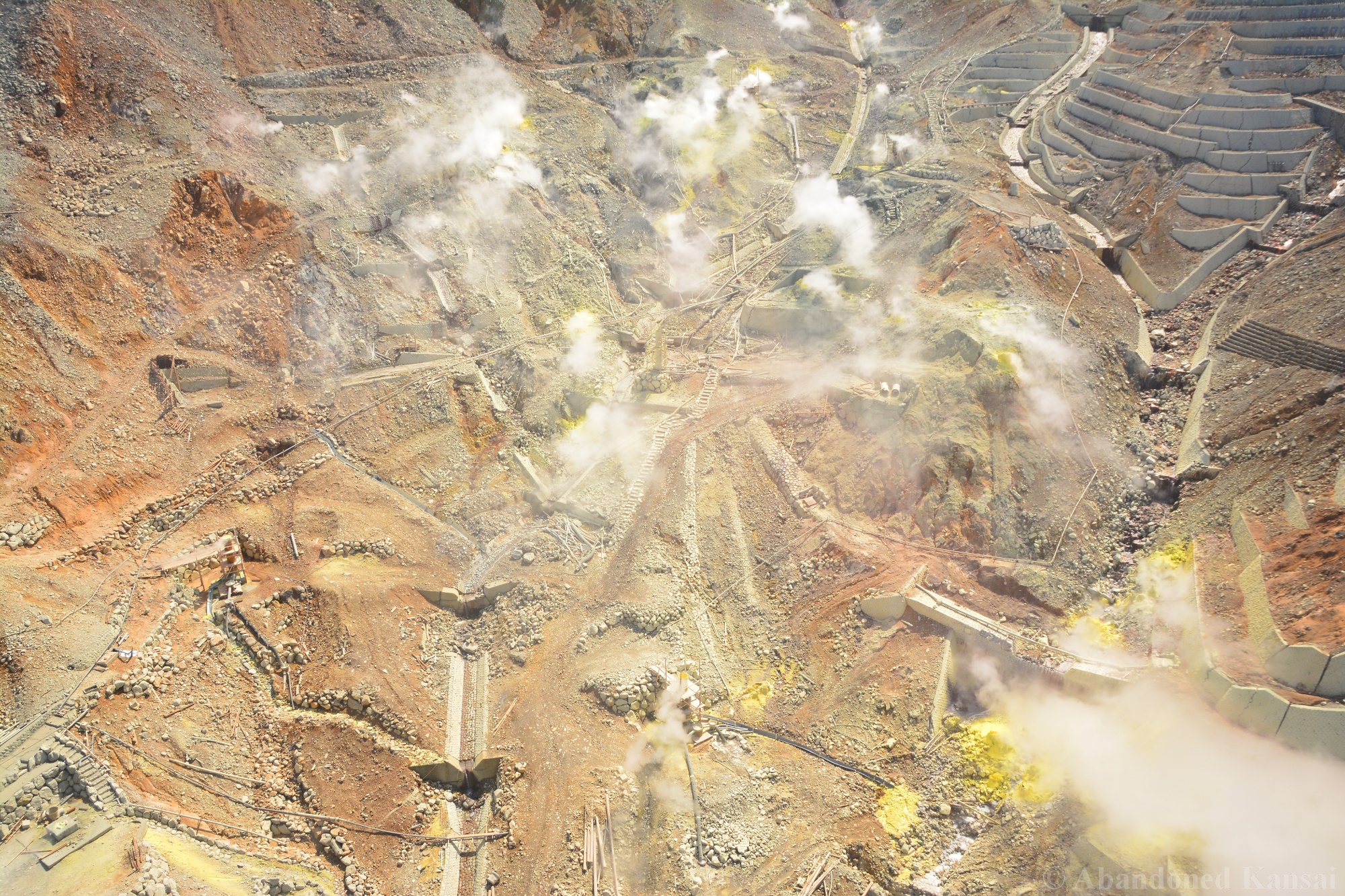
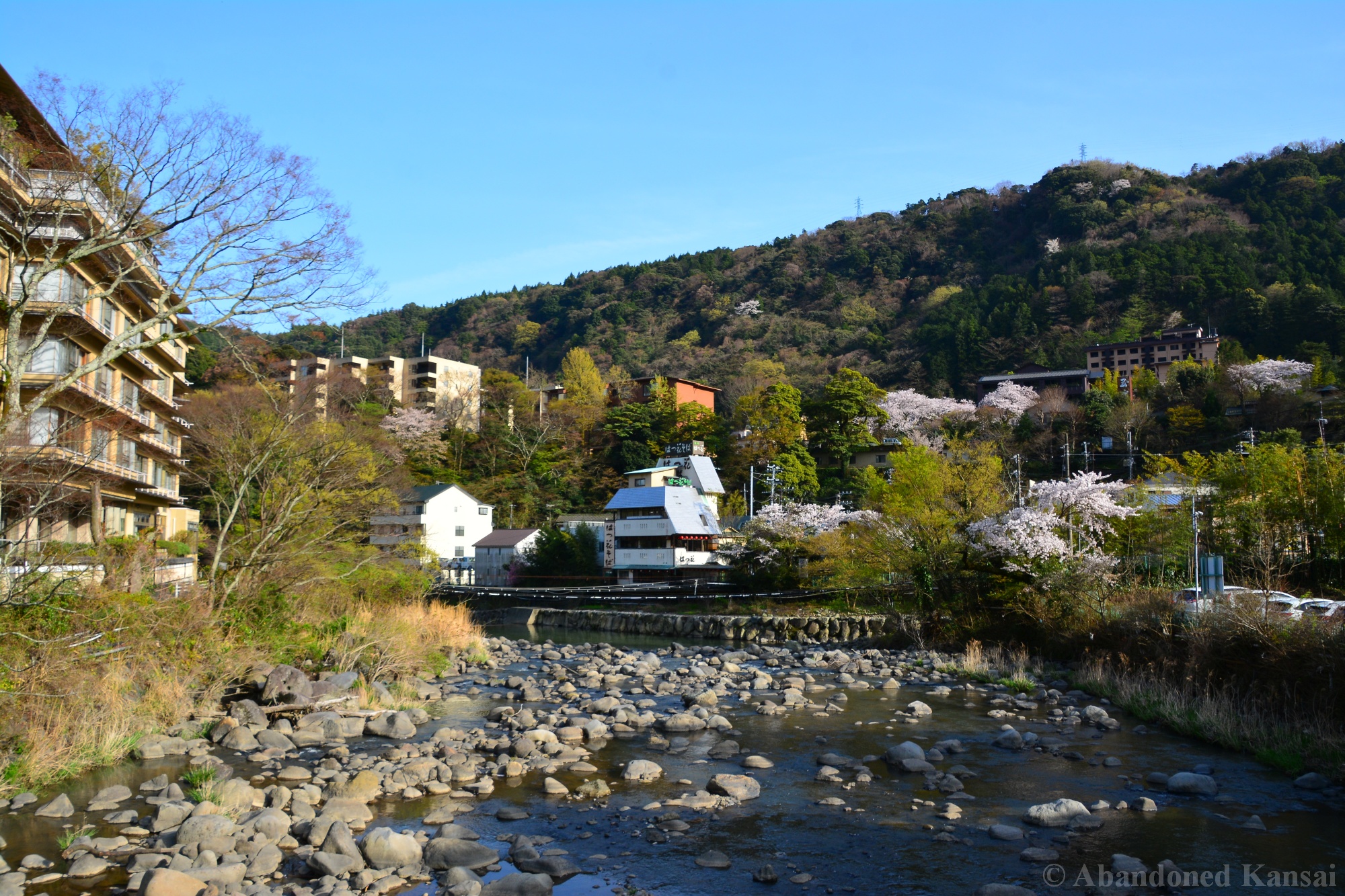
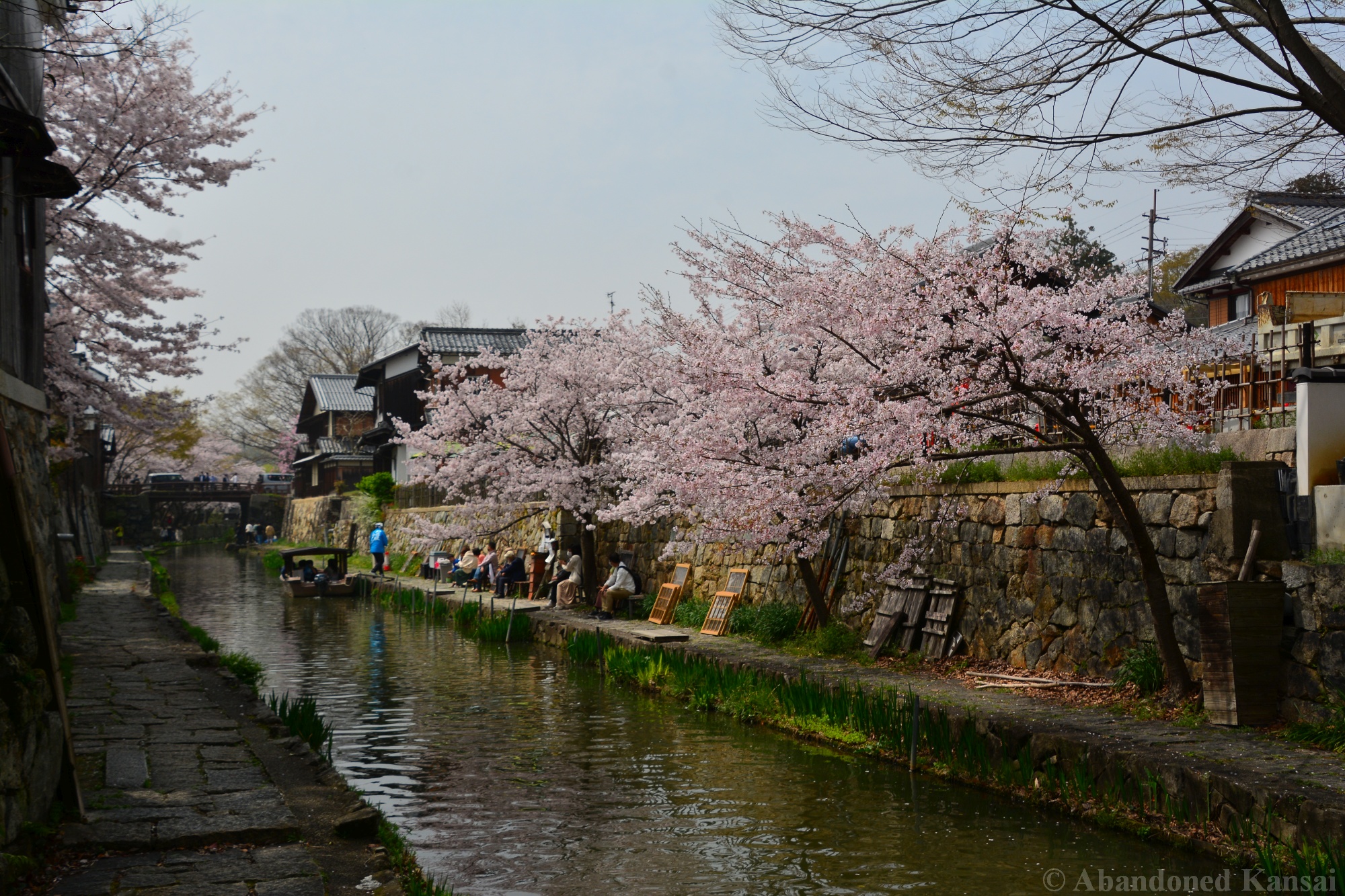
Next a trip to Kanto (Kamakura, Odawara, Hakone) with a quick stop in Omihachiman on the way back – as expected full of ups and downs, both literally and figuratively… and with significantly more people than on the trips before. Overall worth the time and effort, but especially Hakone seemed terribly overrated to me (the Museum Of Photography is a joke, but the pizza at 808 Monsmare made up for that disappointment).

April: Tateyama Kurobe Alpine Route, Tsumago / Magome
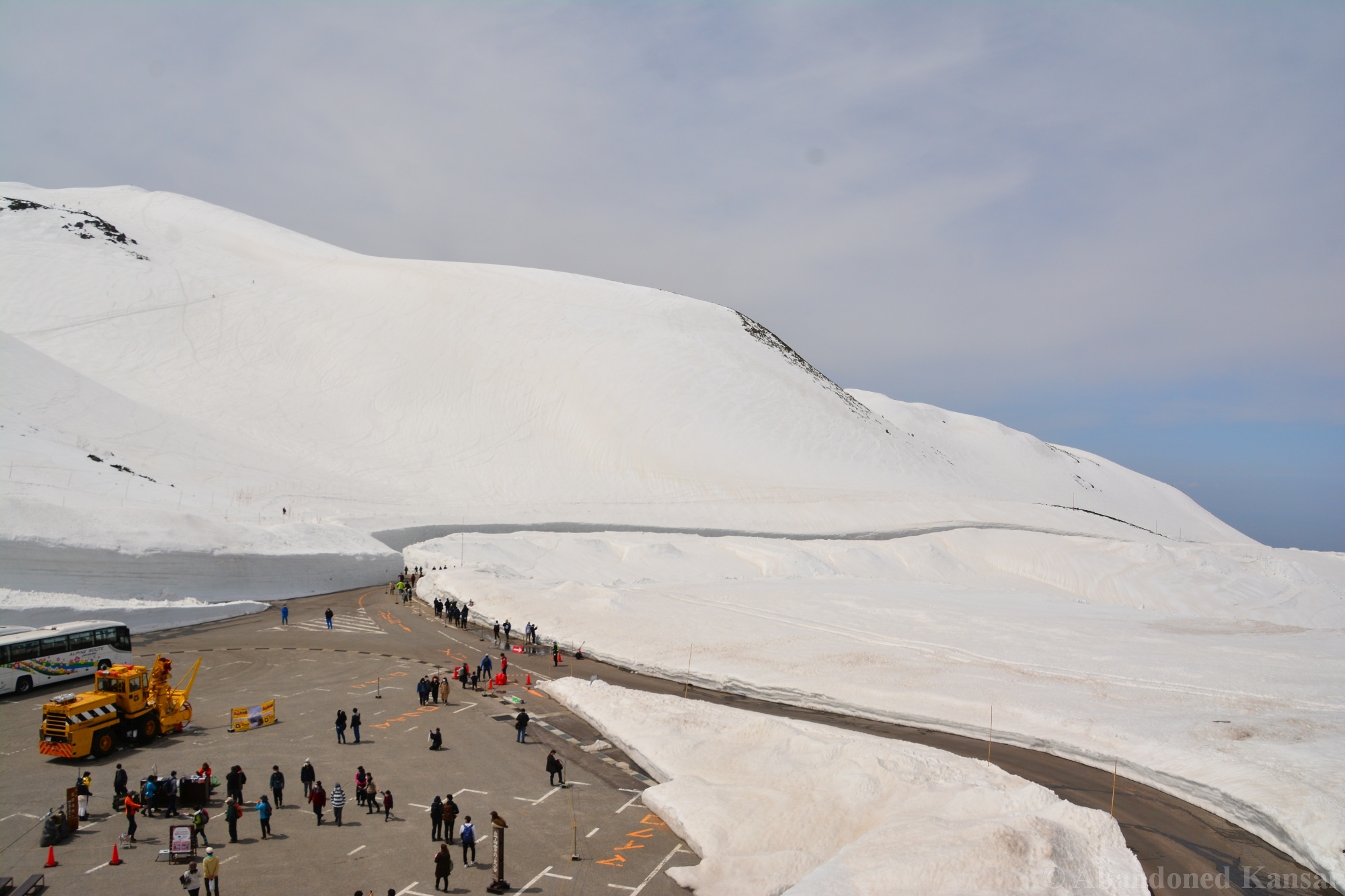
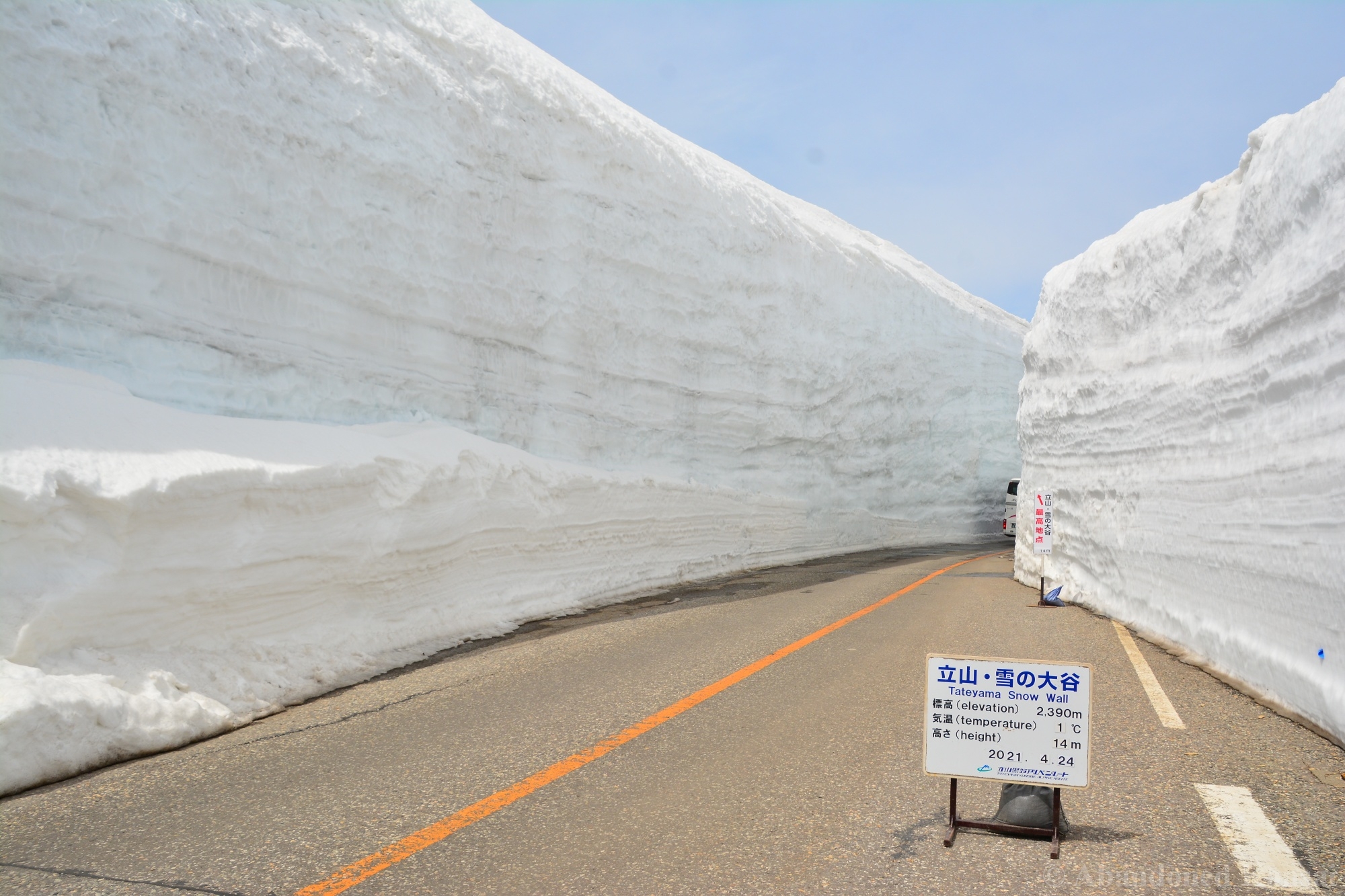
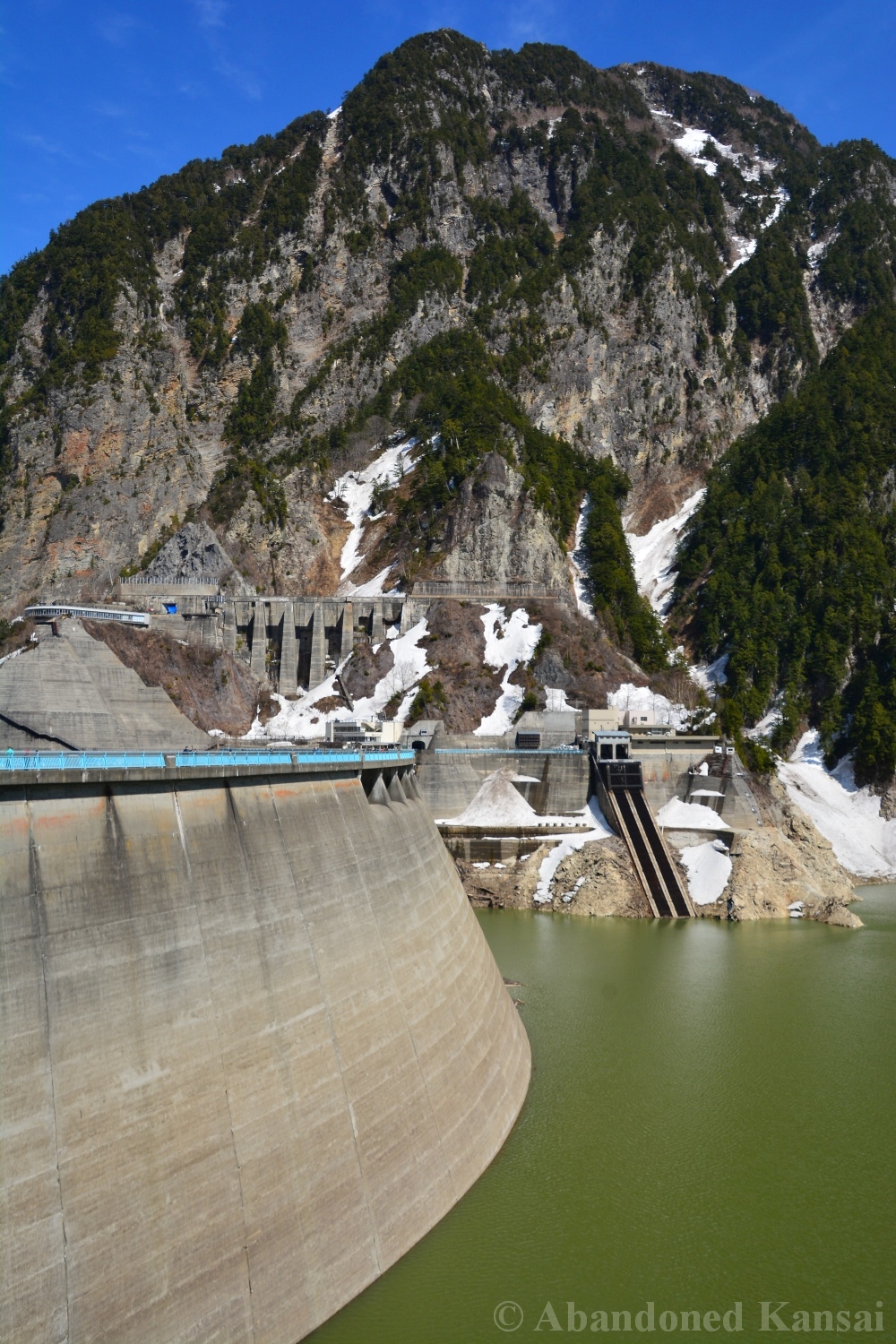
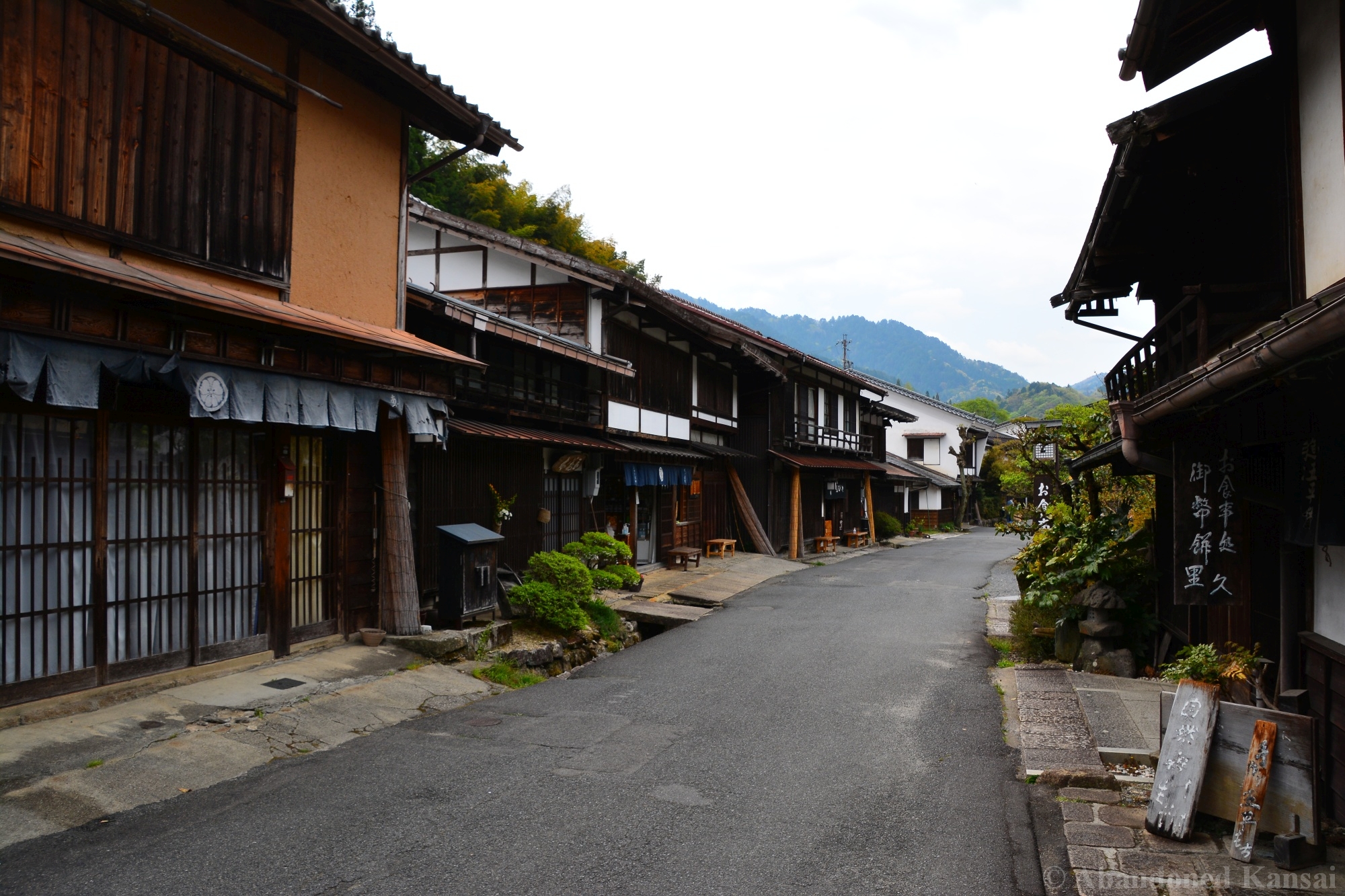
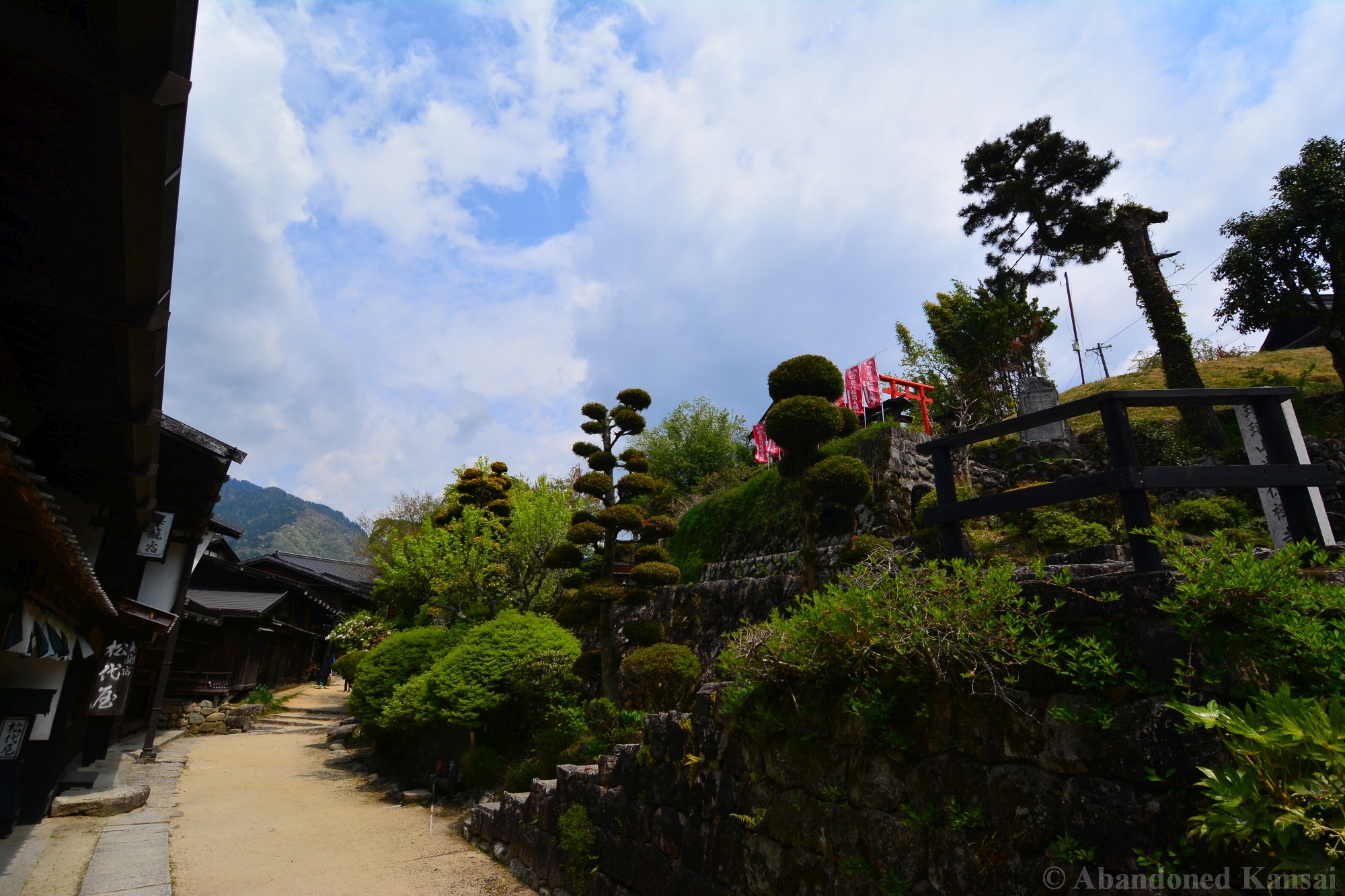
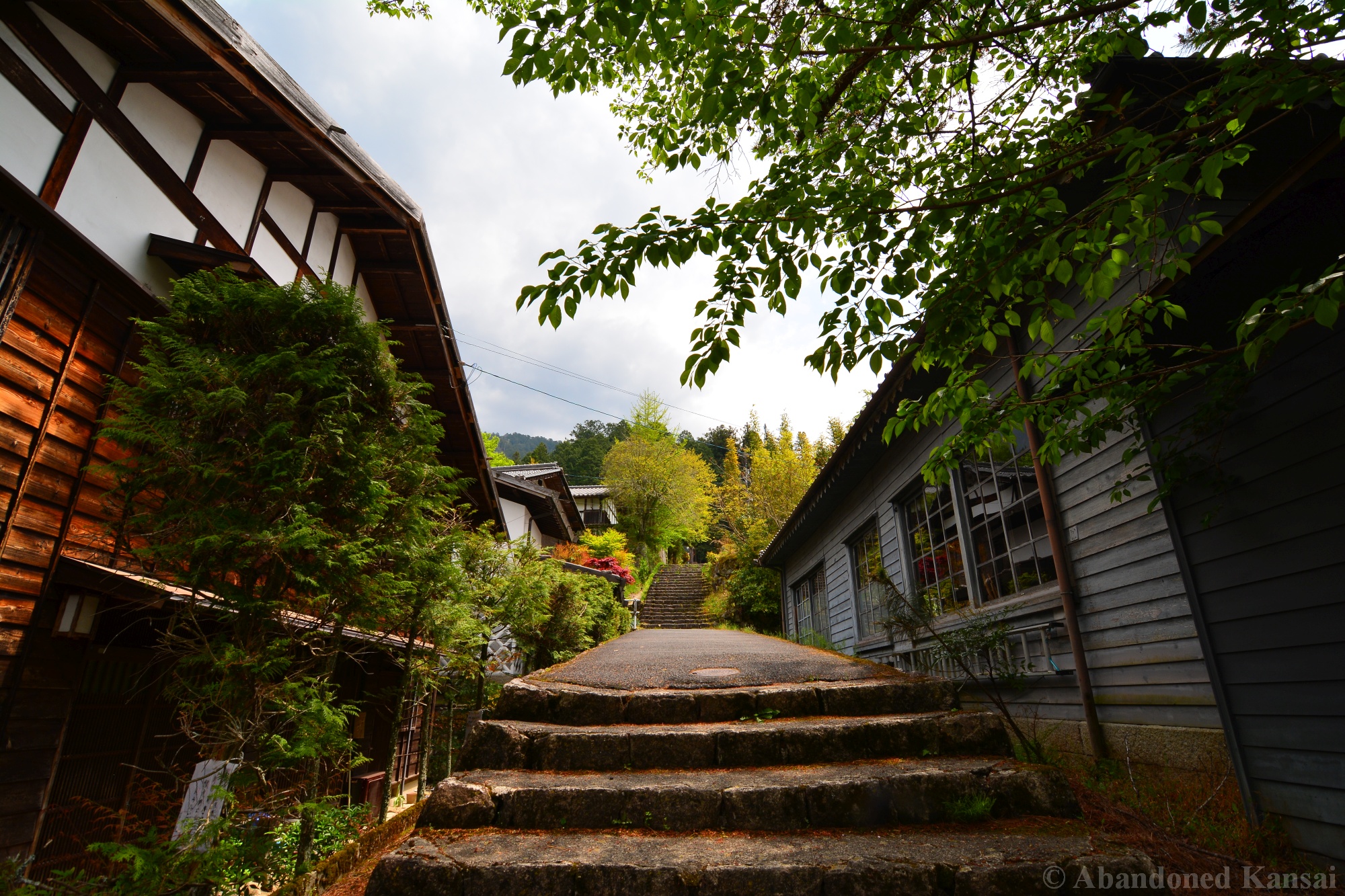
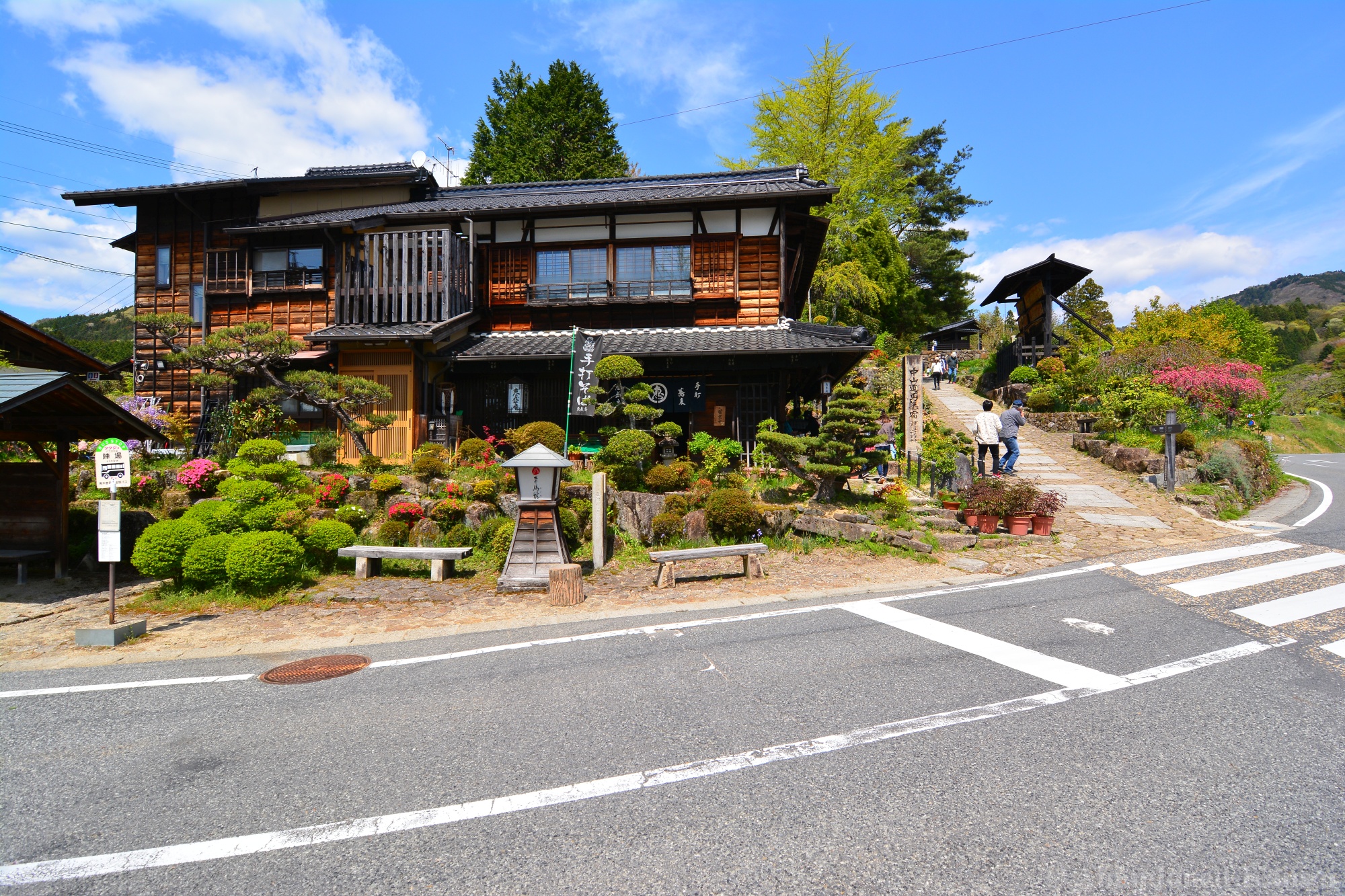
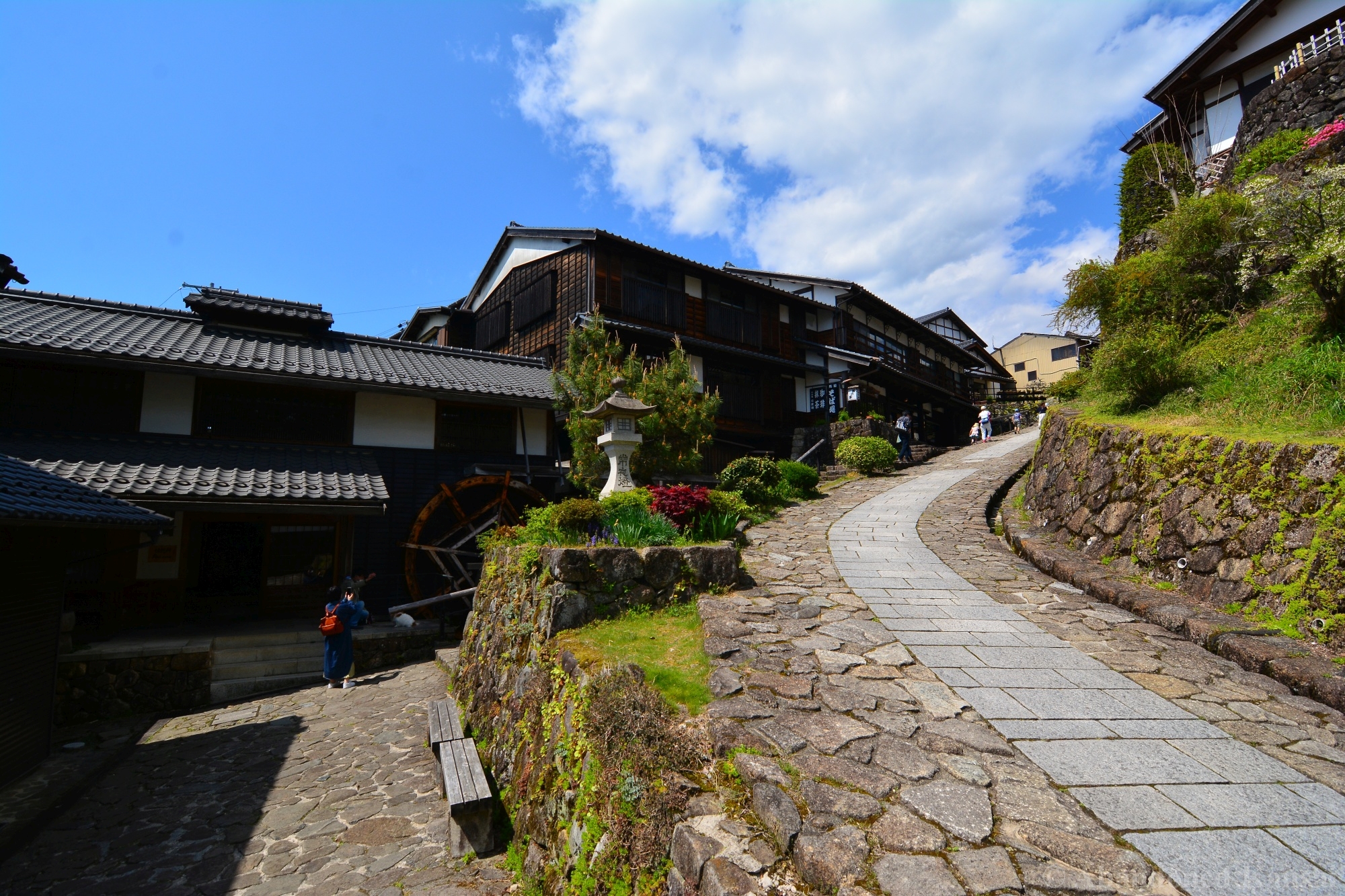
Which brings us to April and one more cliché destination for Instagram victims: the Tateyama Kurobe Alpine Route with the Tateyama Snow Wall and the Kurobe Dam. The latter is impressive, but in the end just a dam with little to see and do in spring, whereas the snow wall is only accessible / existing in spring as that part is closed in winter. Summer and autumn promises tons of nature, a boat cruise on Lake Kurobe, and heaps of hiking trails, but when you do the route in spring you basically only get the snow wall and lots of waiting in line without proper social distancing / climbing stairs. Really disappointing! Fortunately I was able to visit two gorgeous post towns called Tsumago and Magome on my way back to Osucka, which was absolutely lovely – I’d call them hidden gems, but Magome was already surprisingly busy, I can only imagine how insanely crowded the town has been and probably will be again soon.

May: Oga, Akita, Tsuruoka, Niigata, Aizu-Wakamatsu, Ouchi
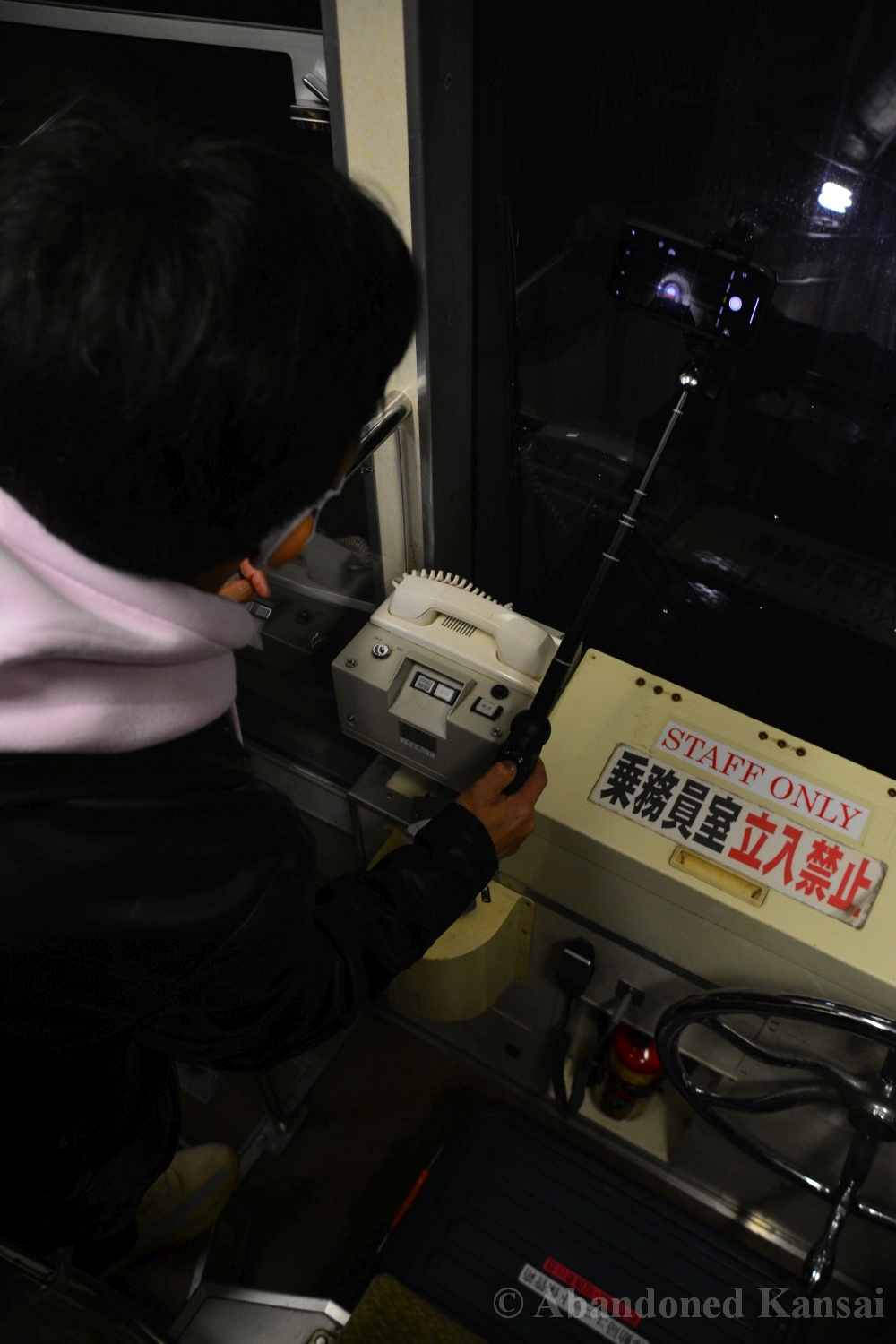
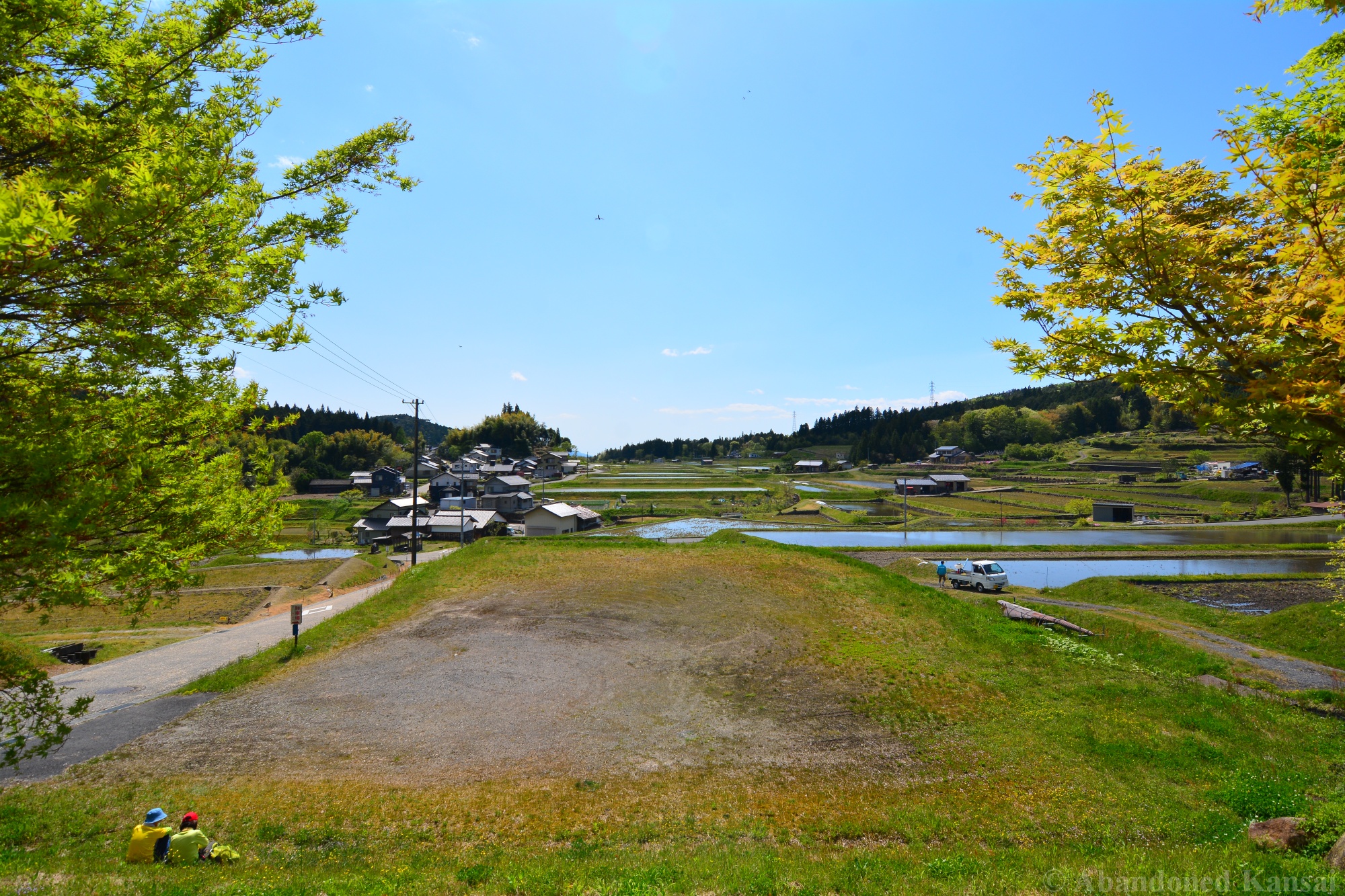
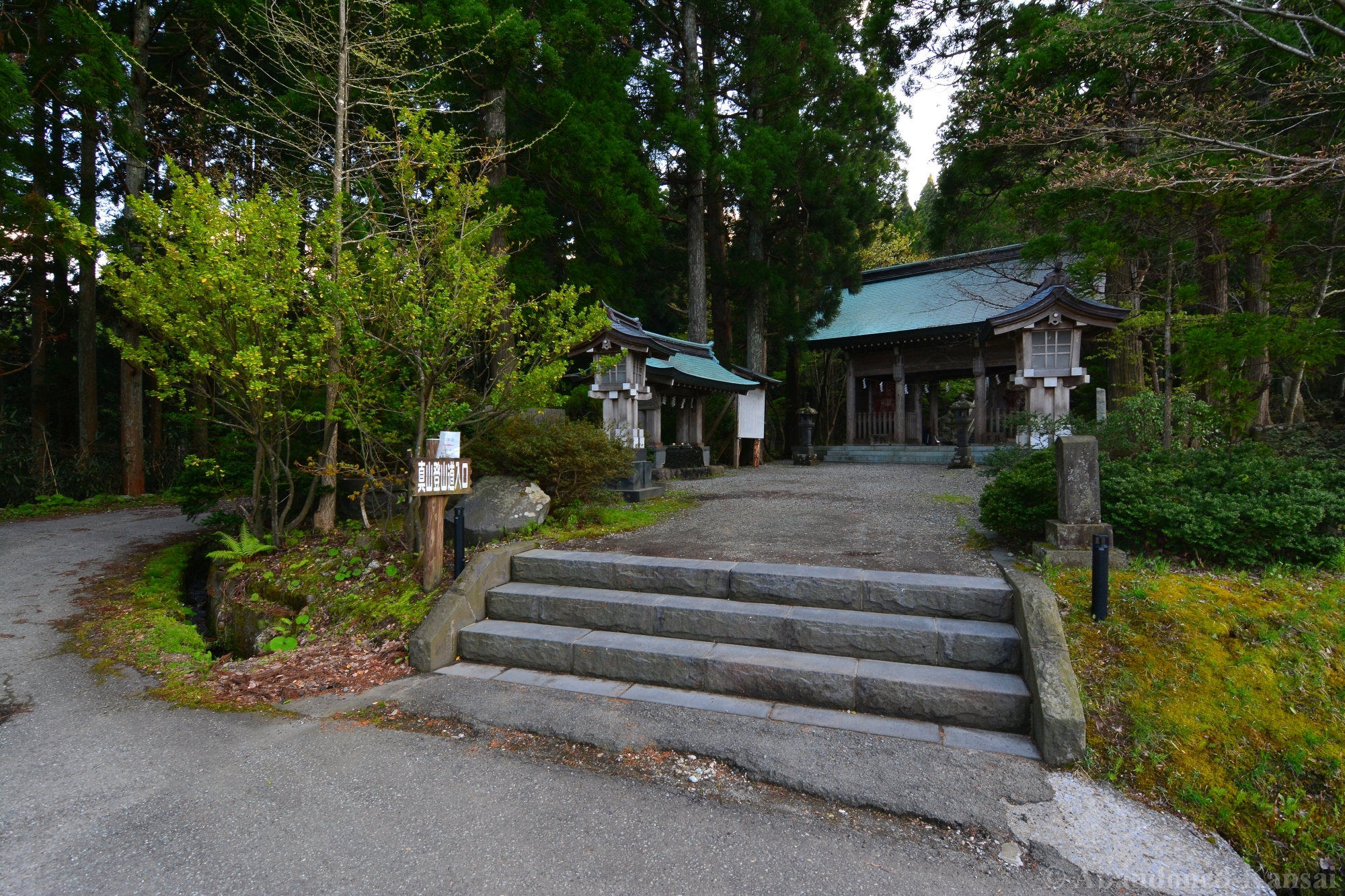
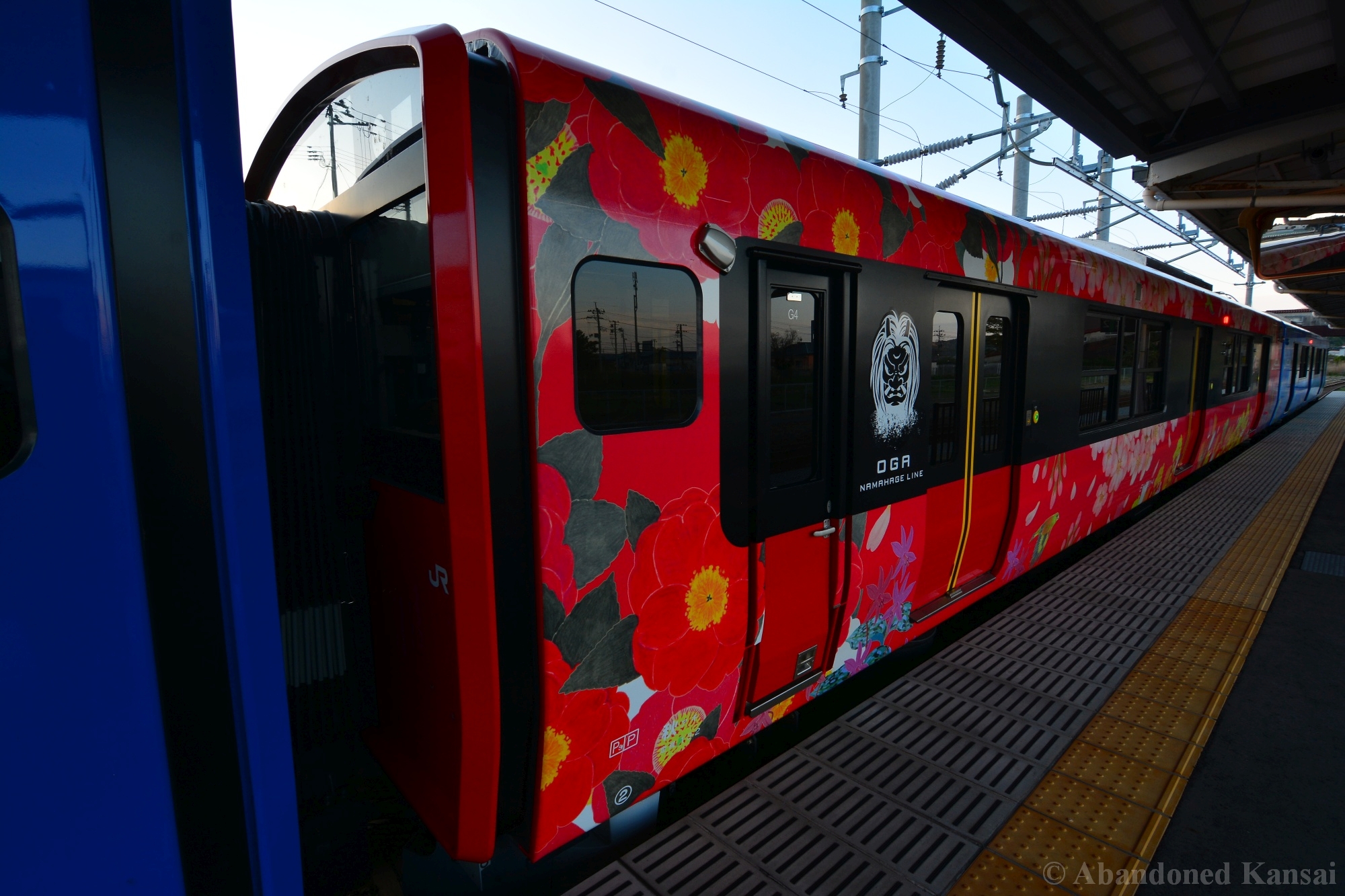
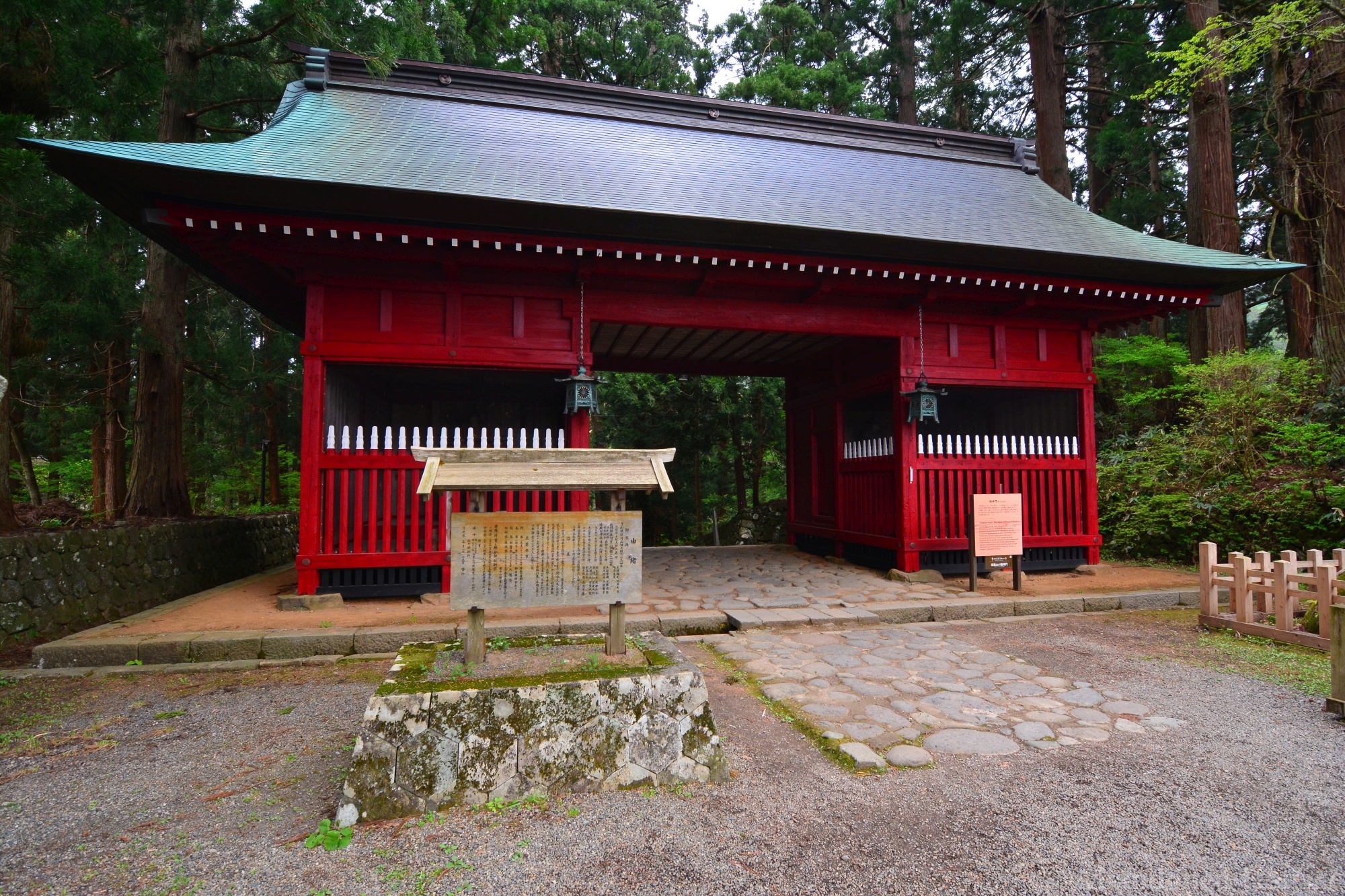
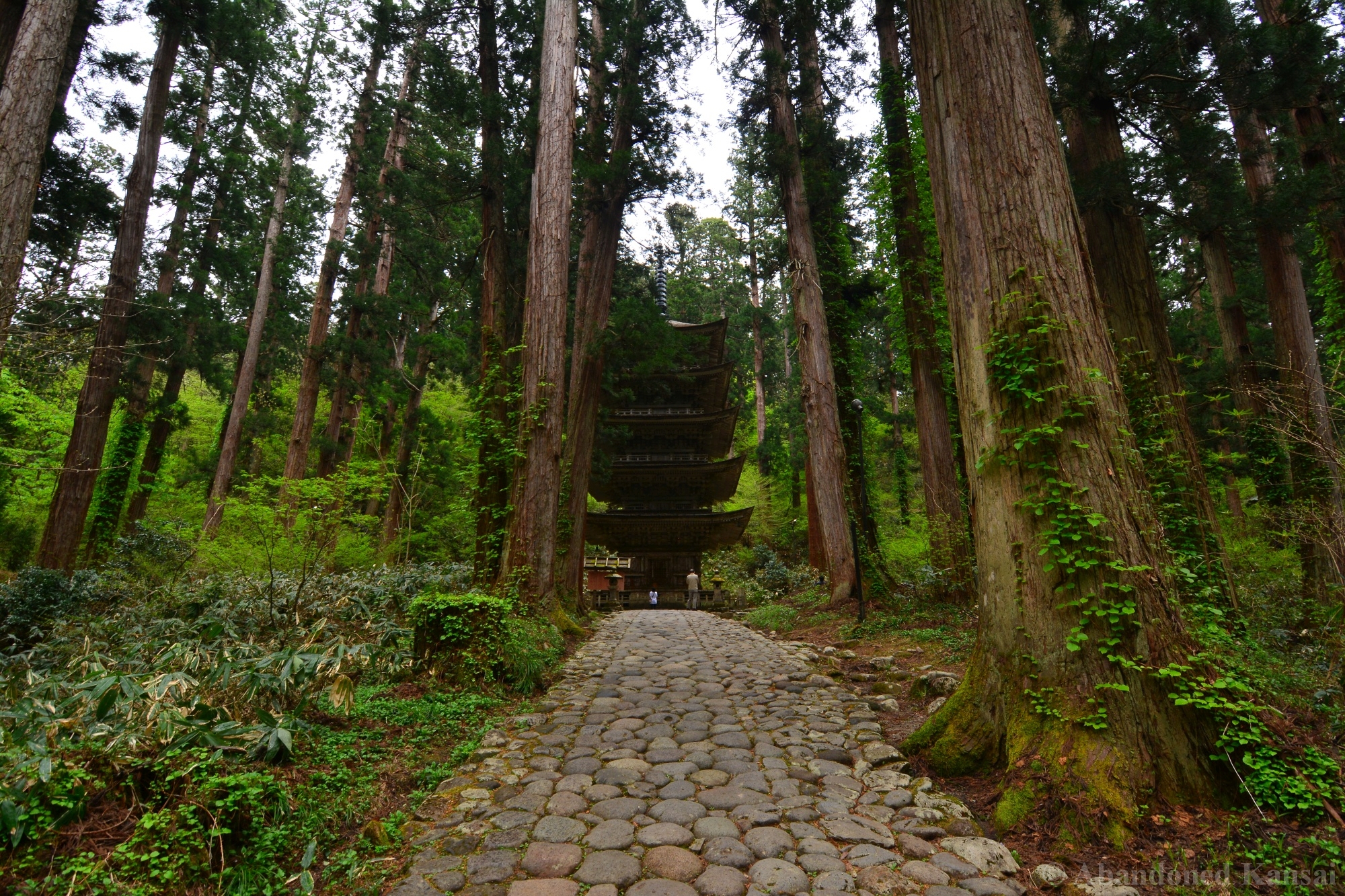
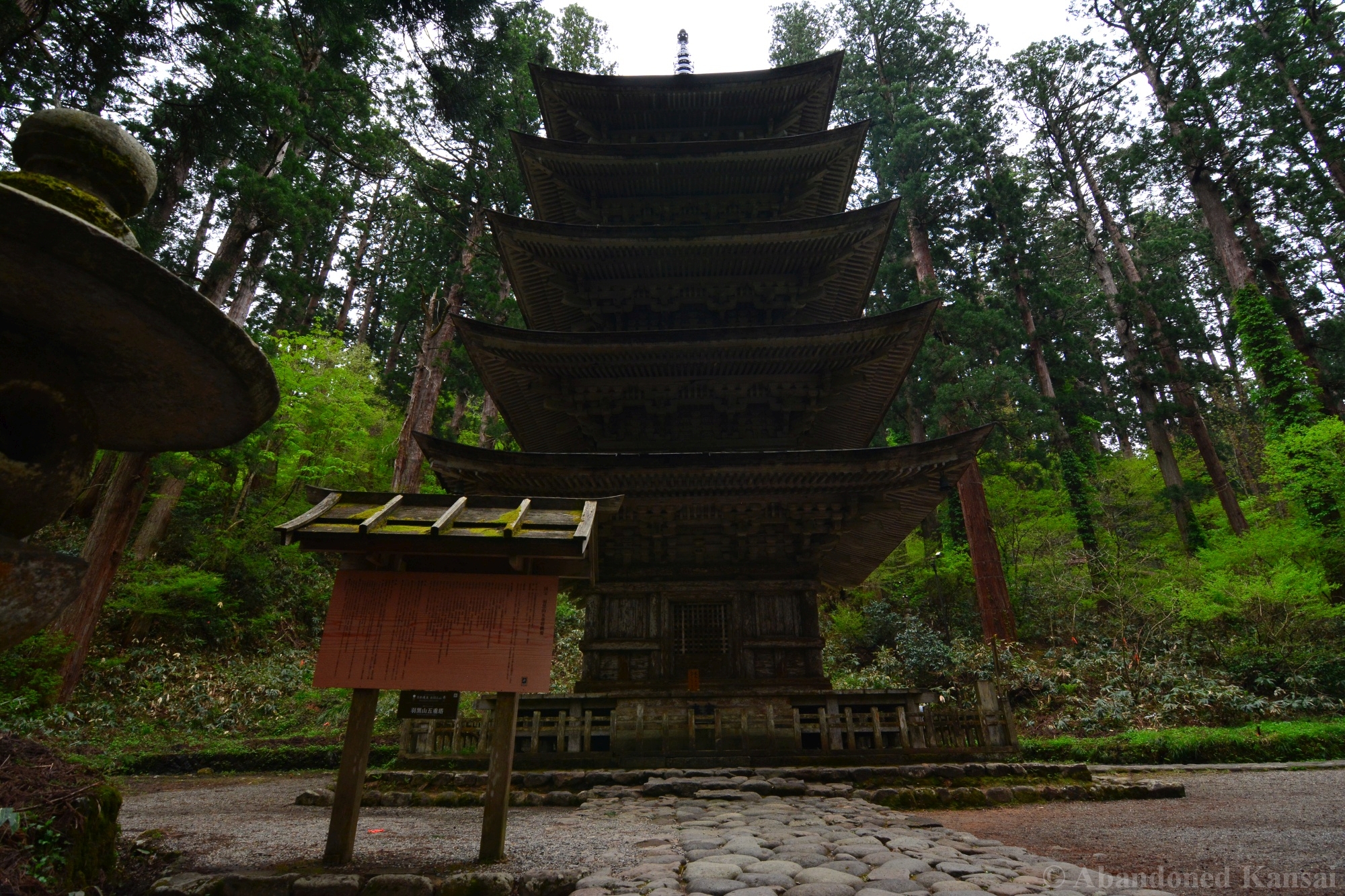
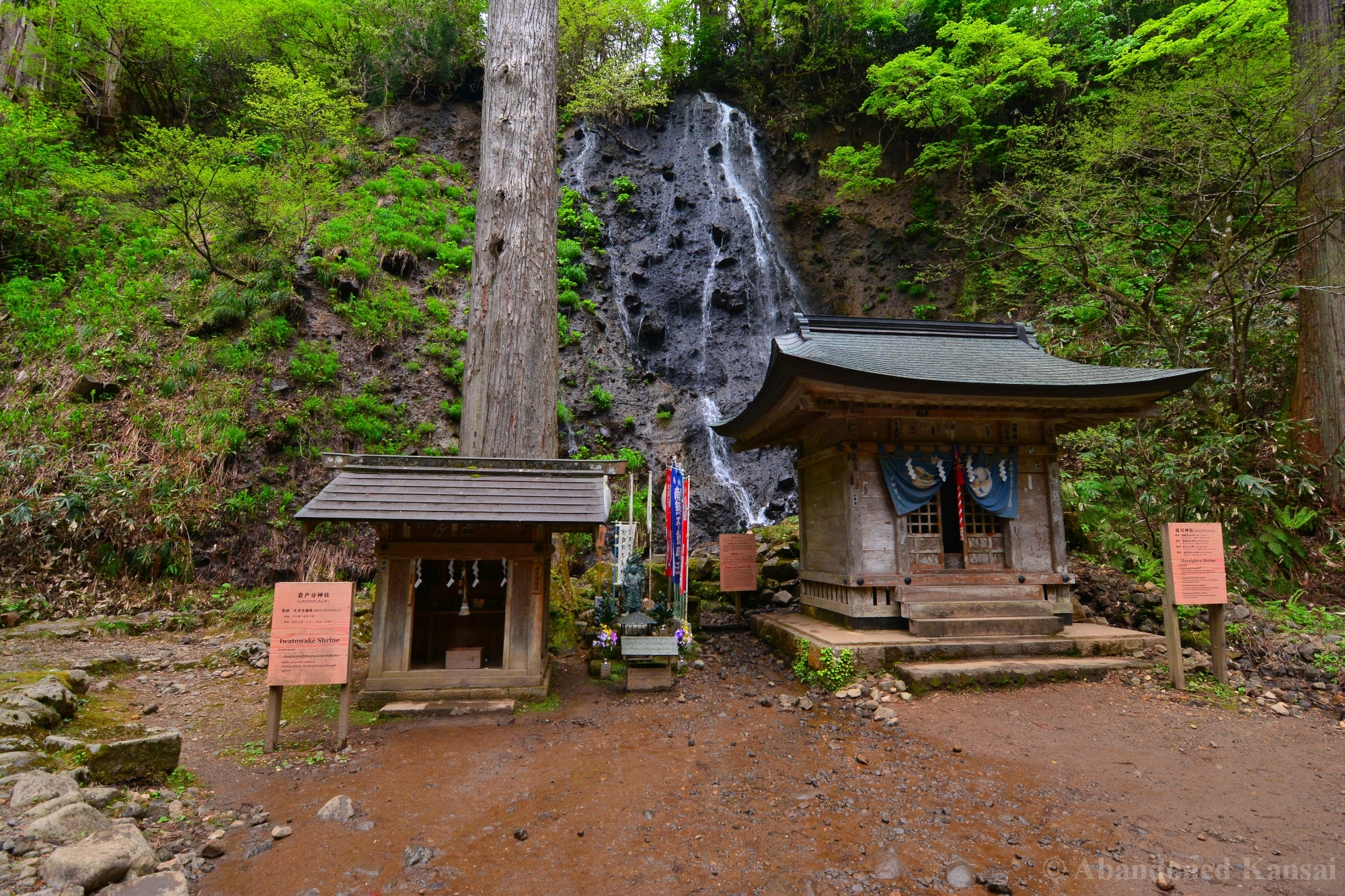
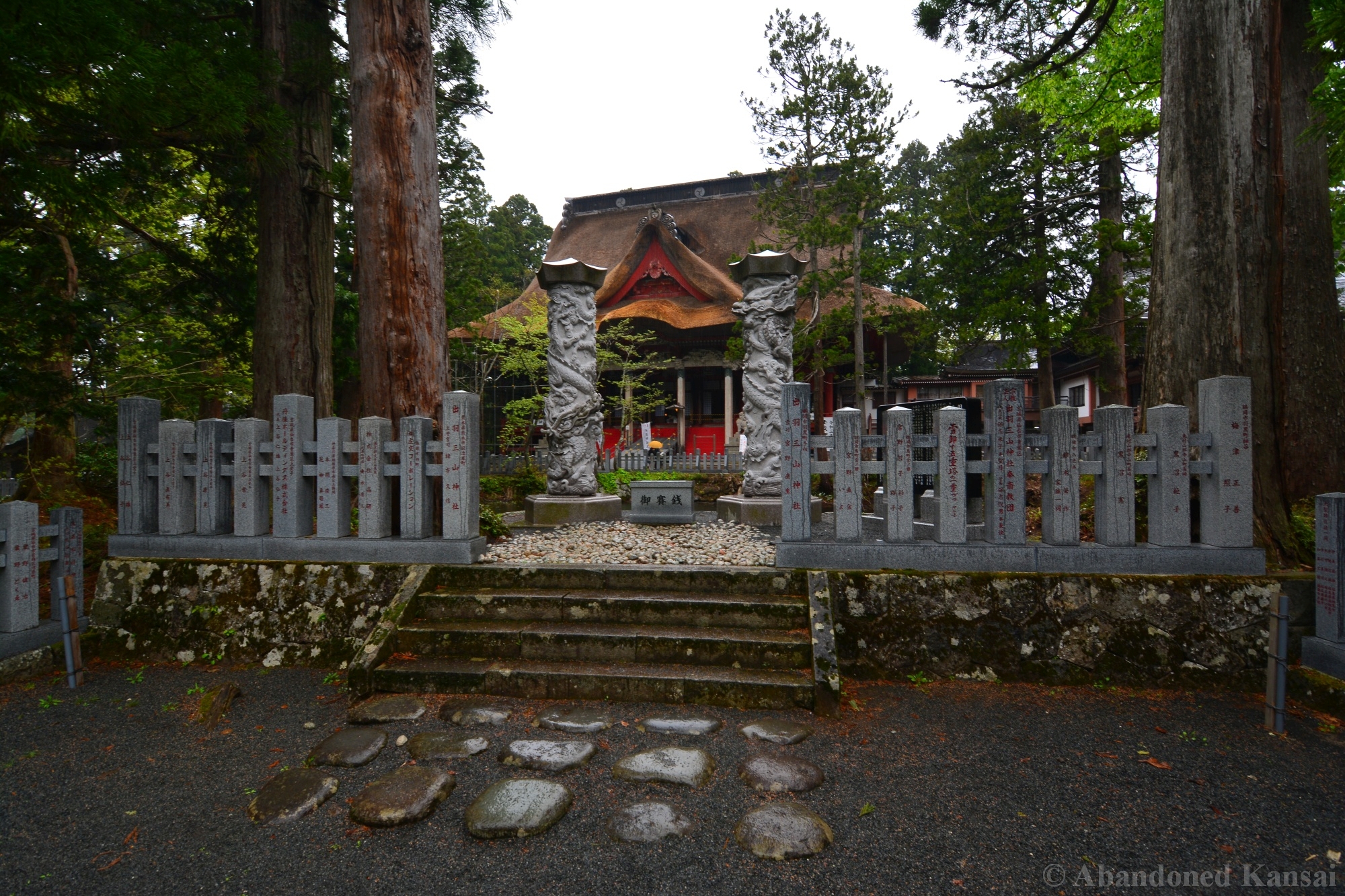
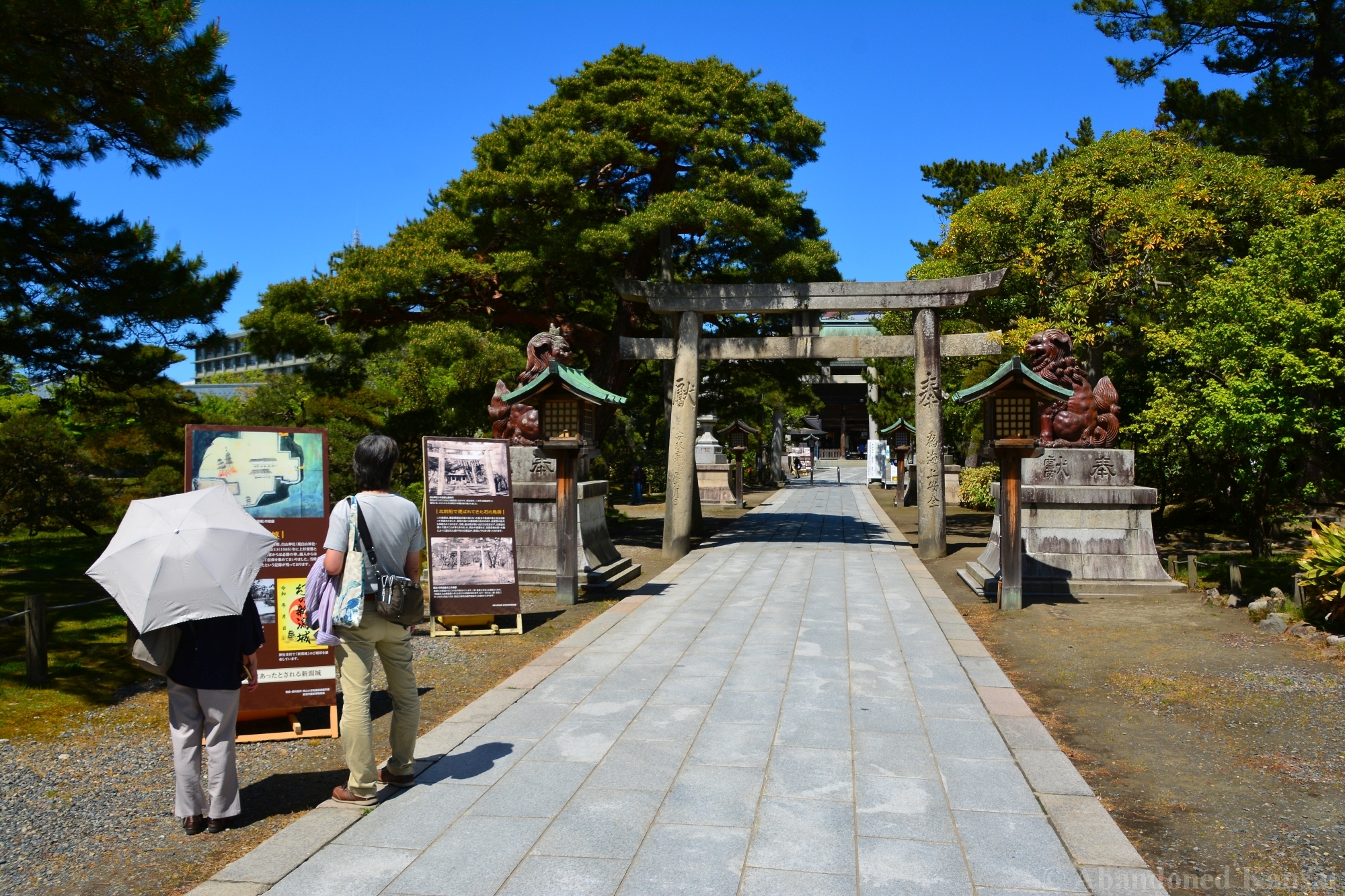
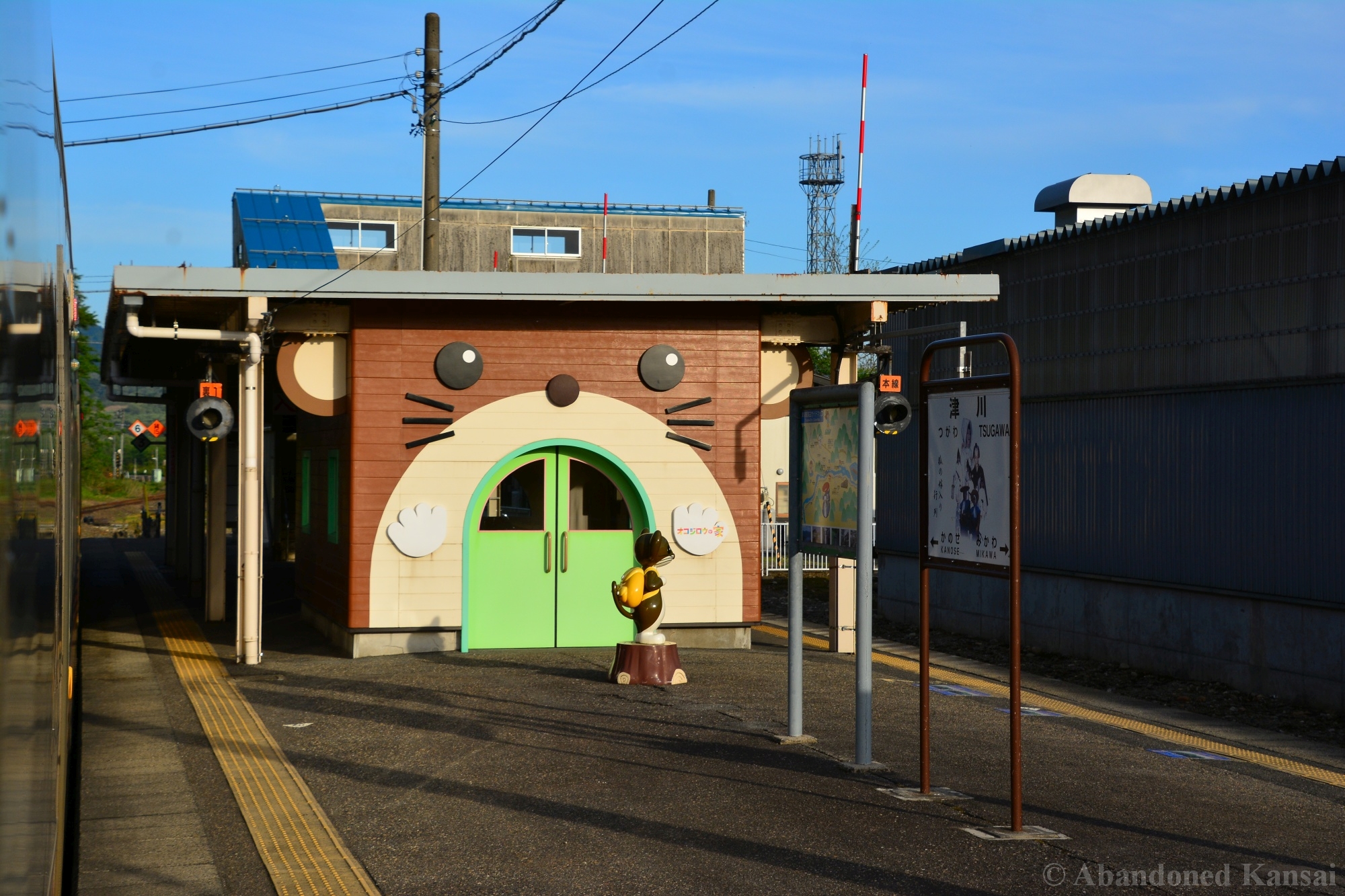
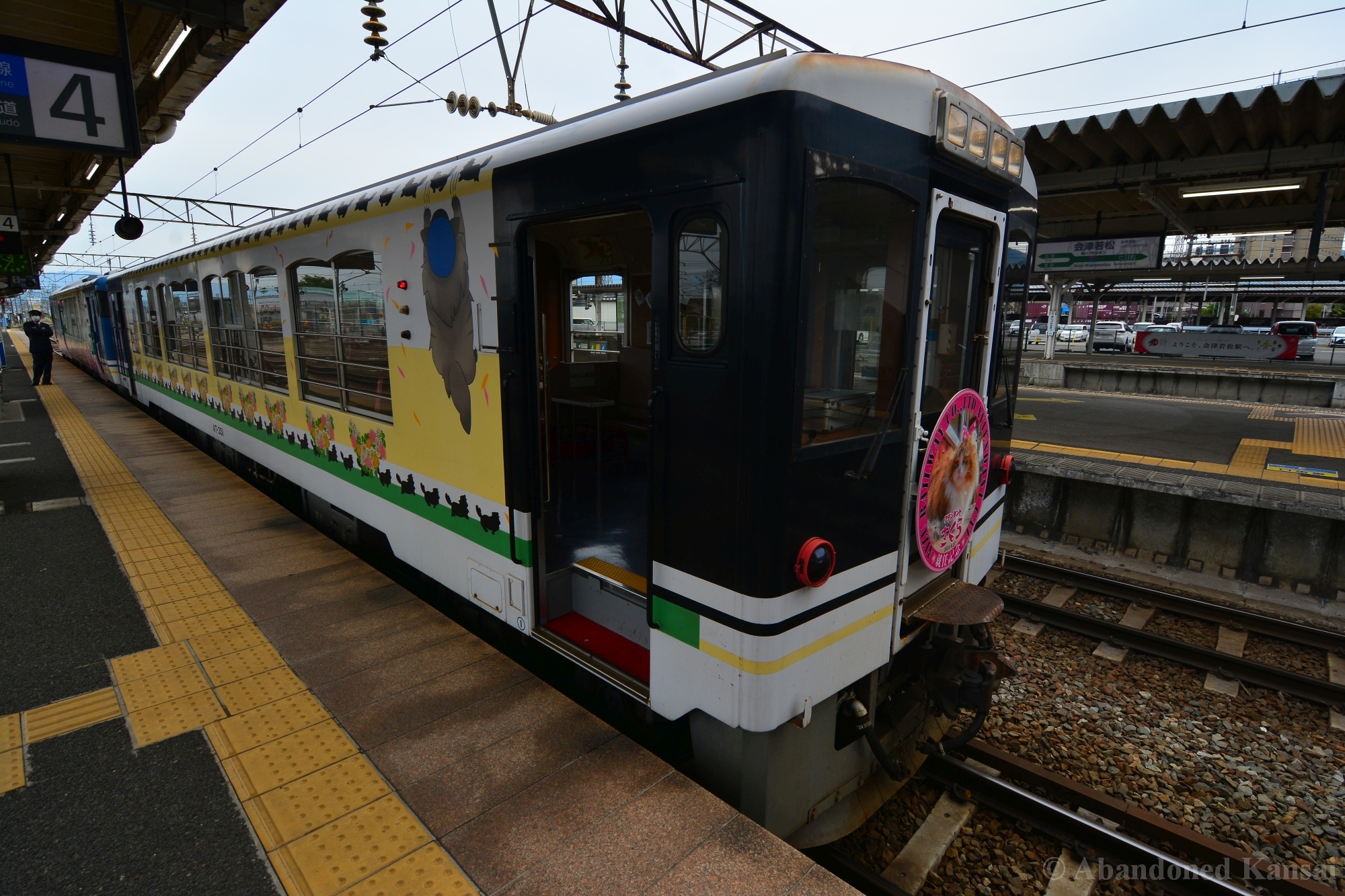
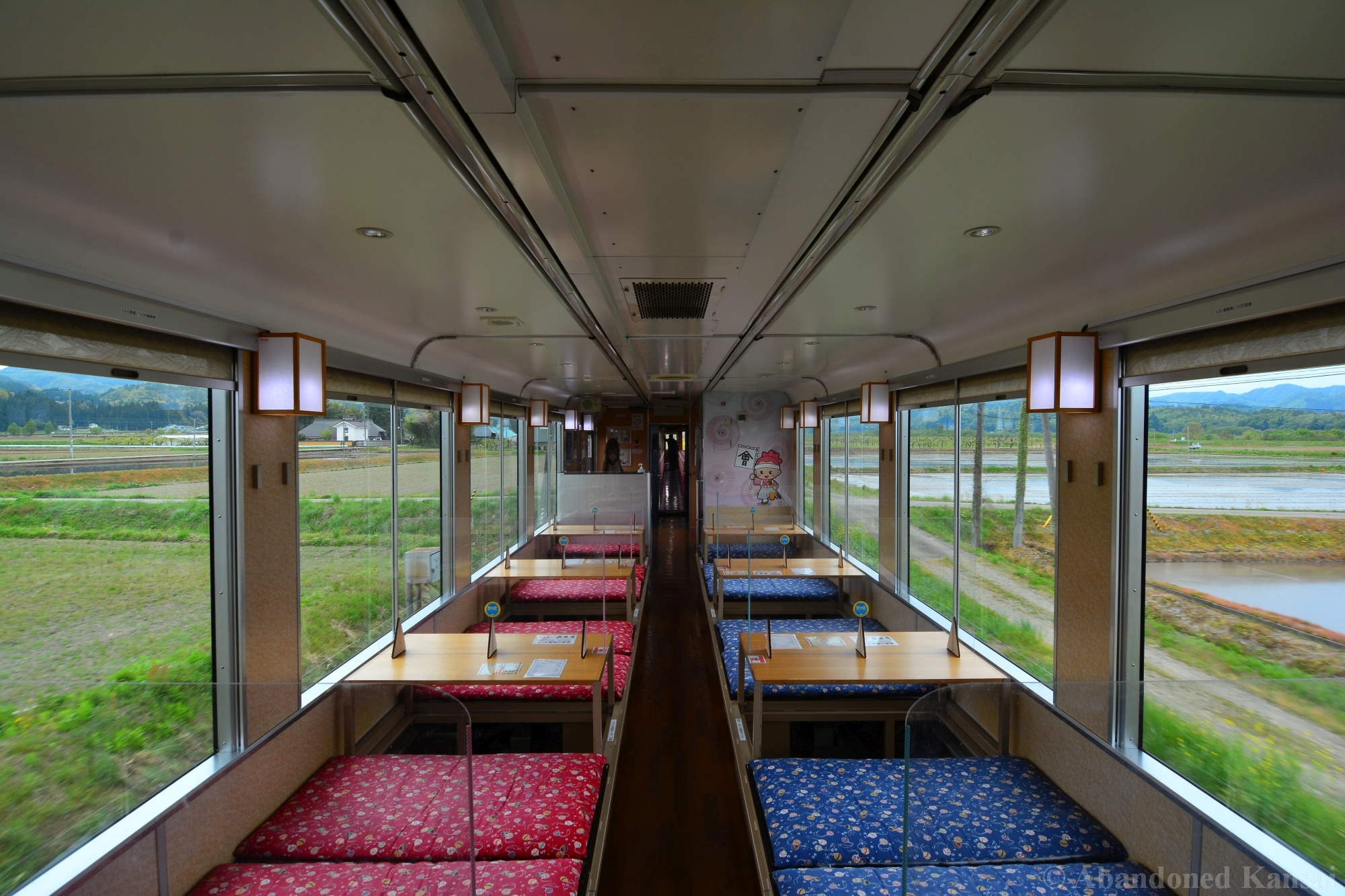
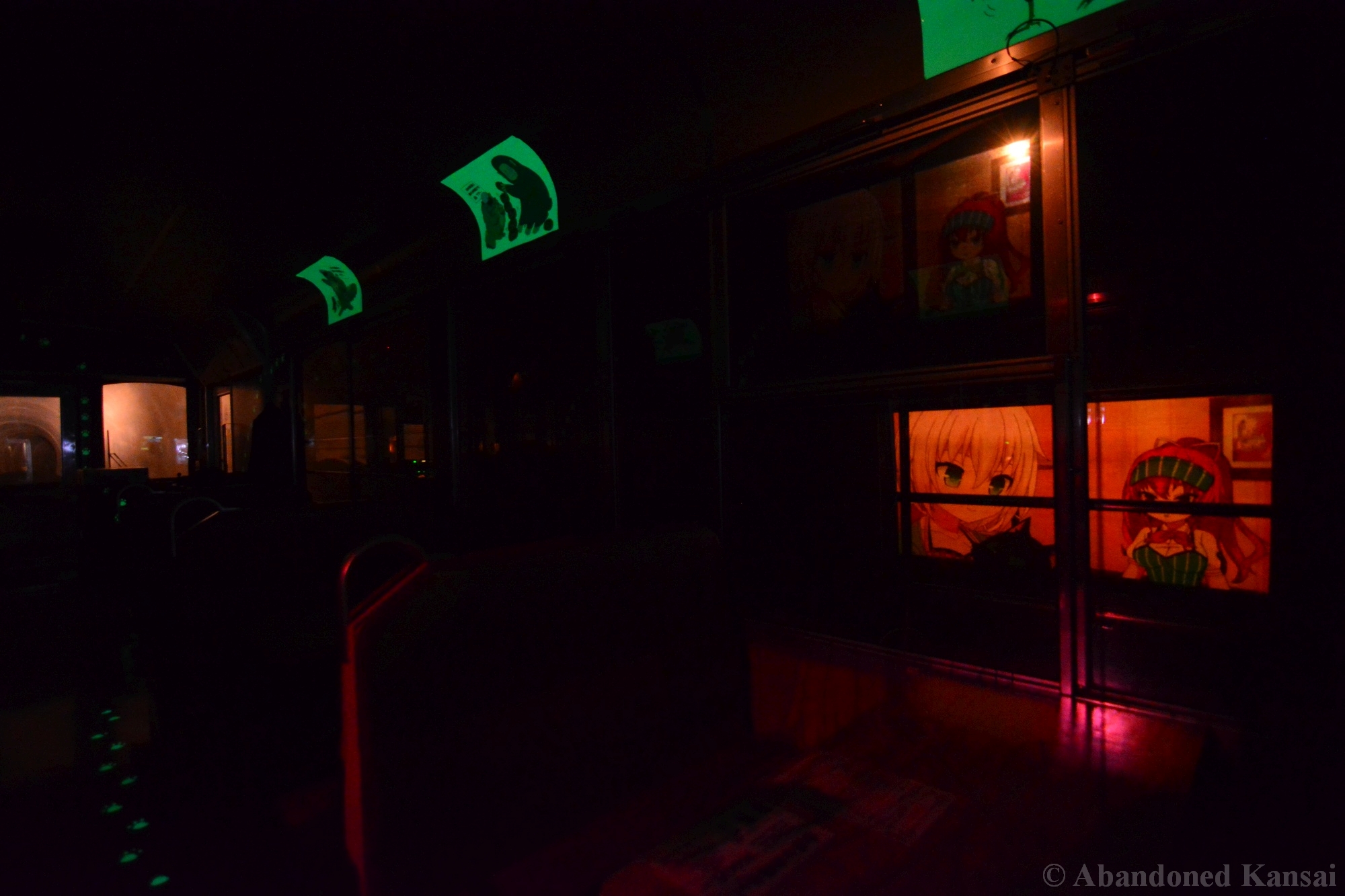
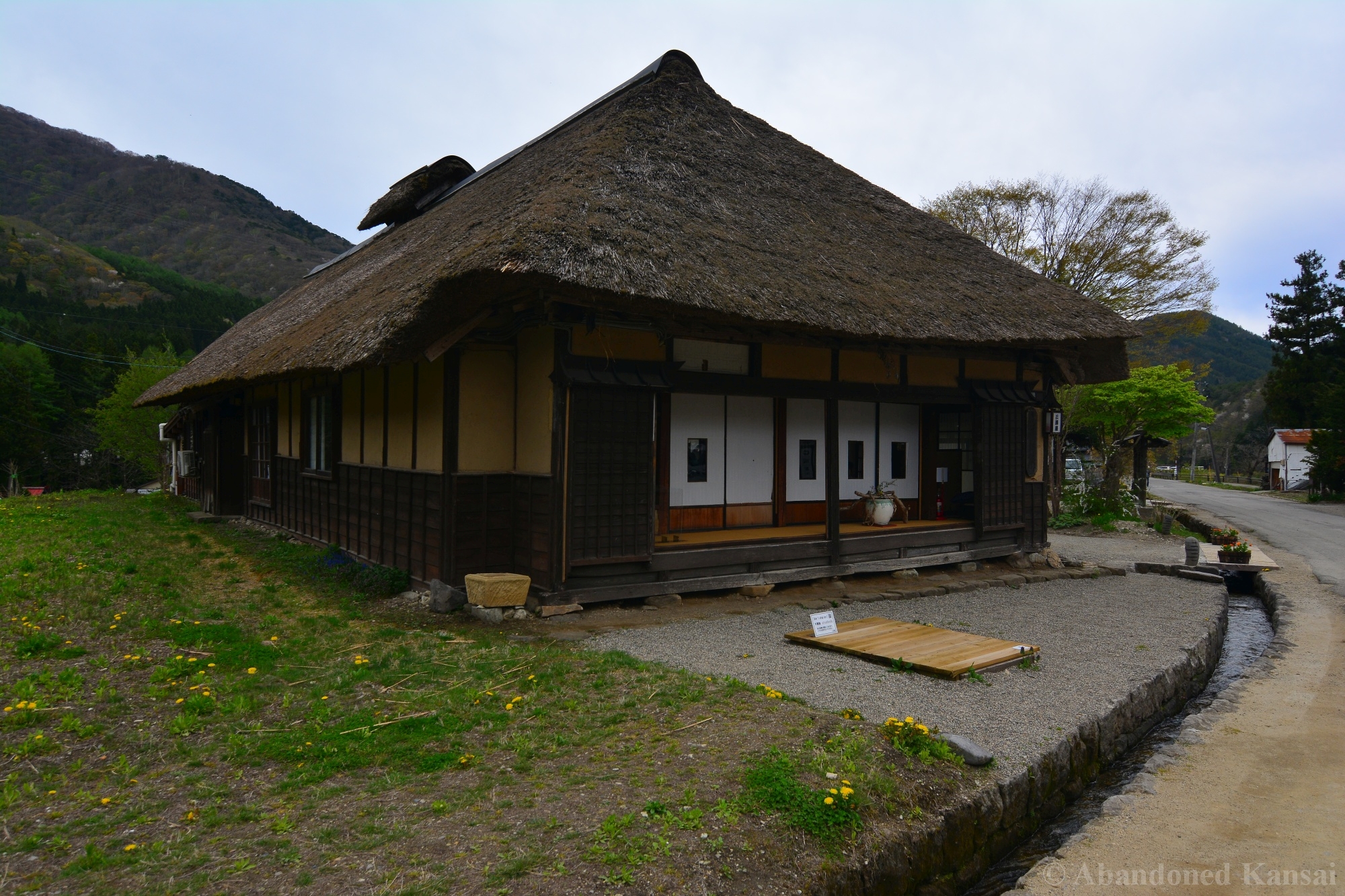
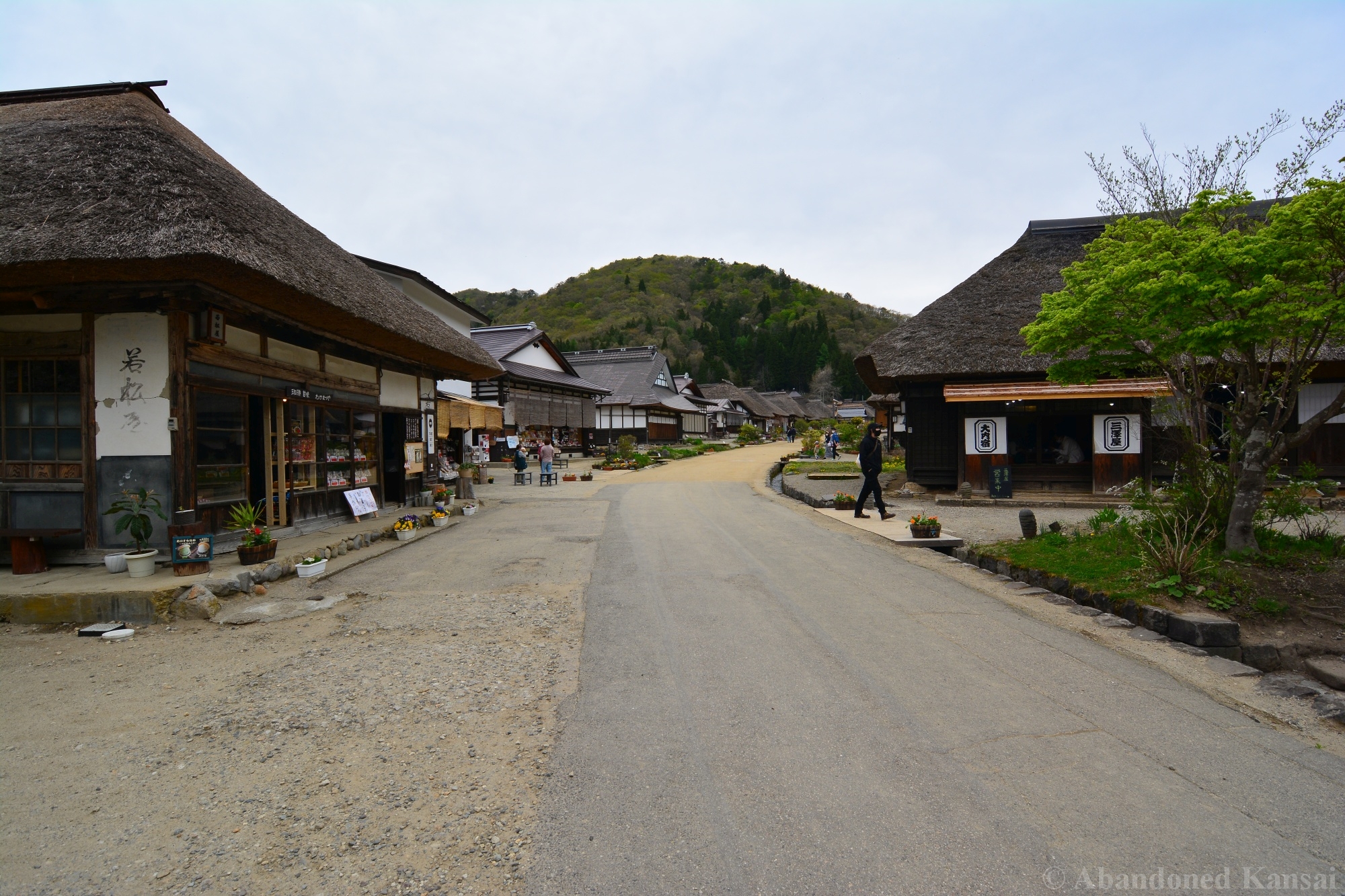
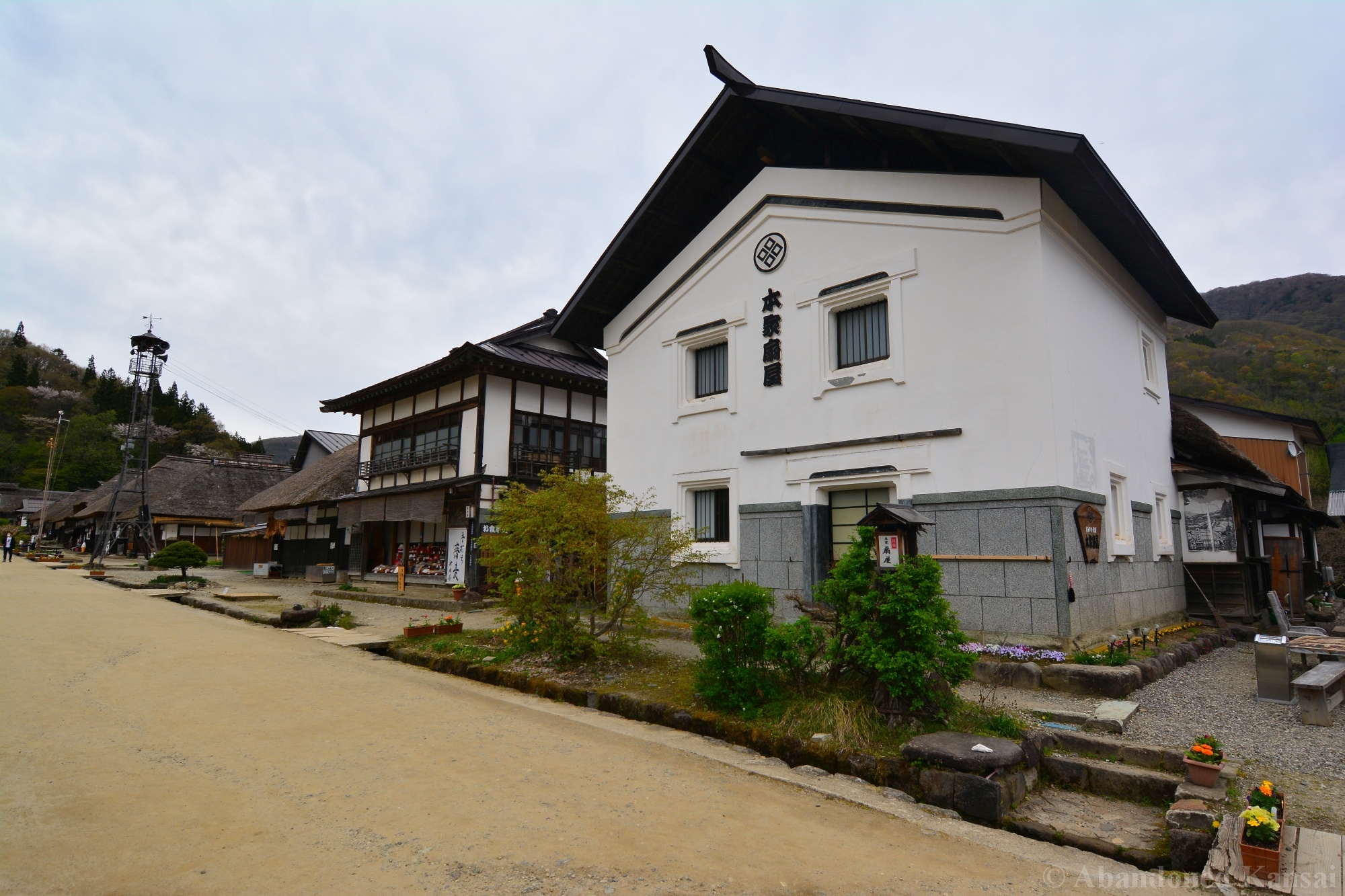
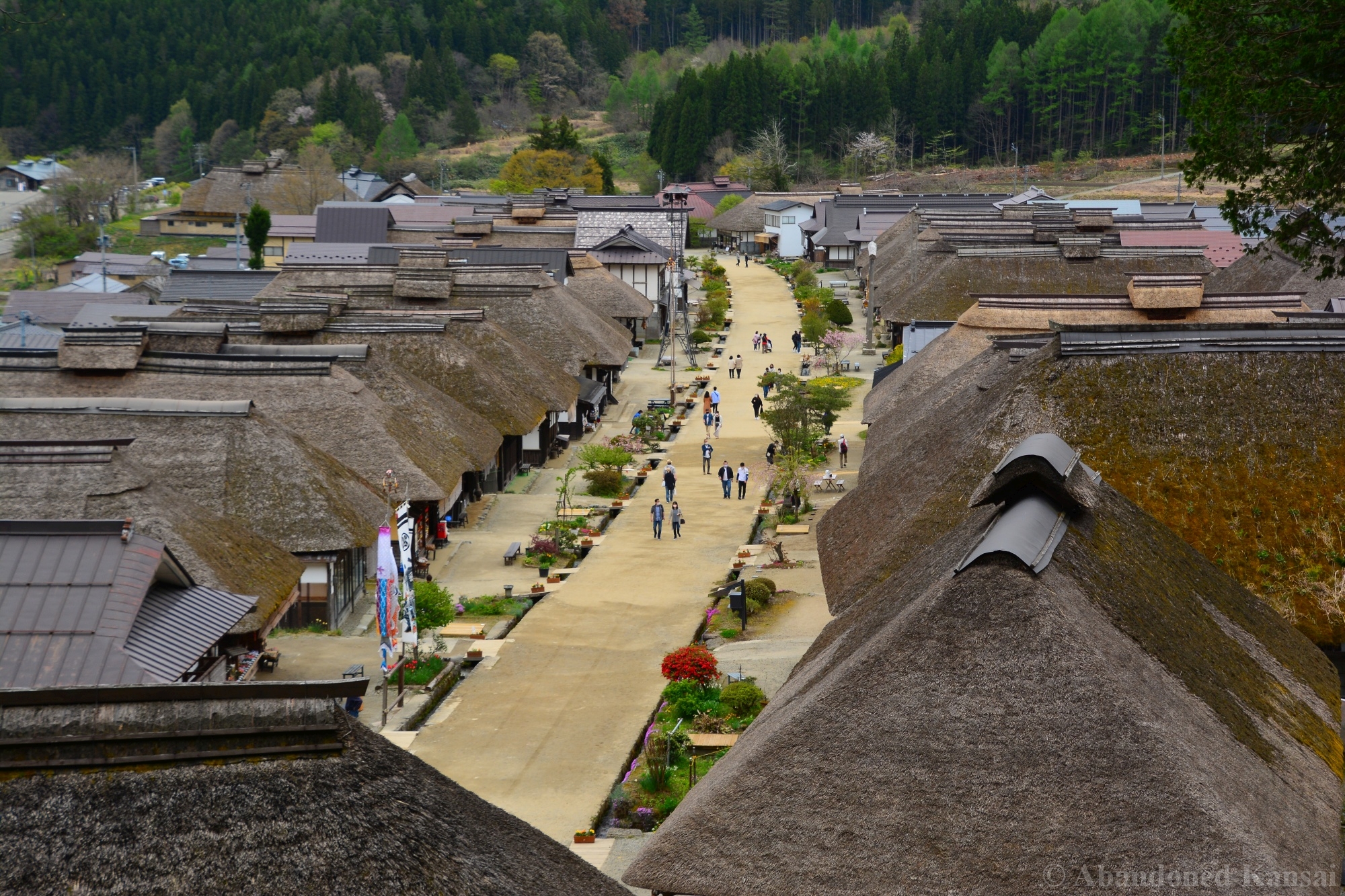
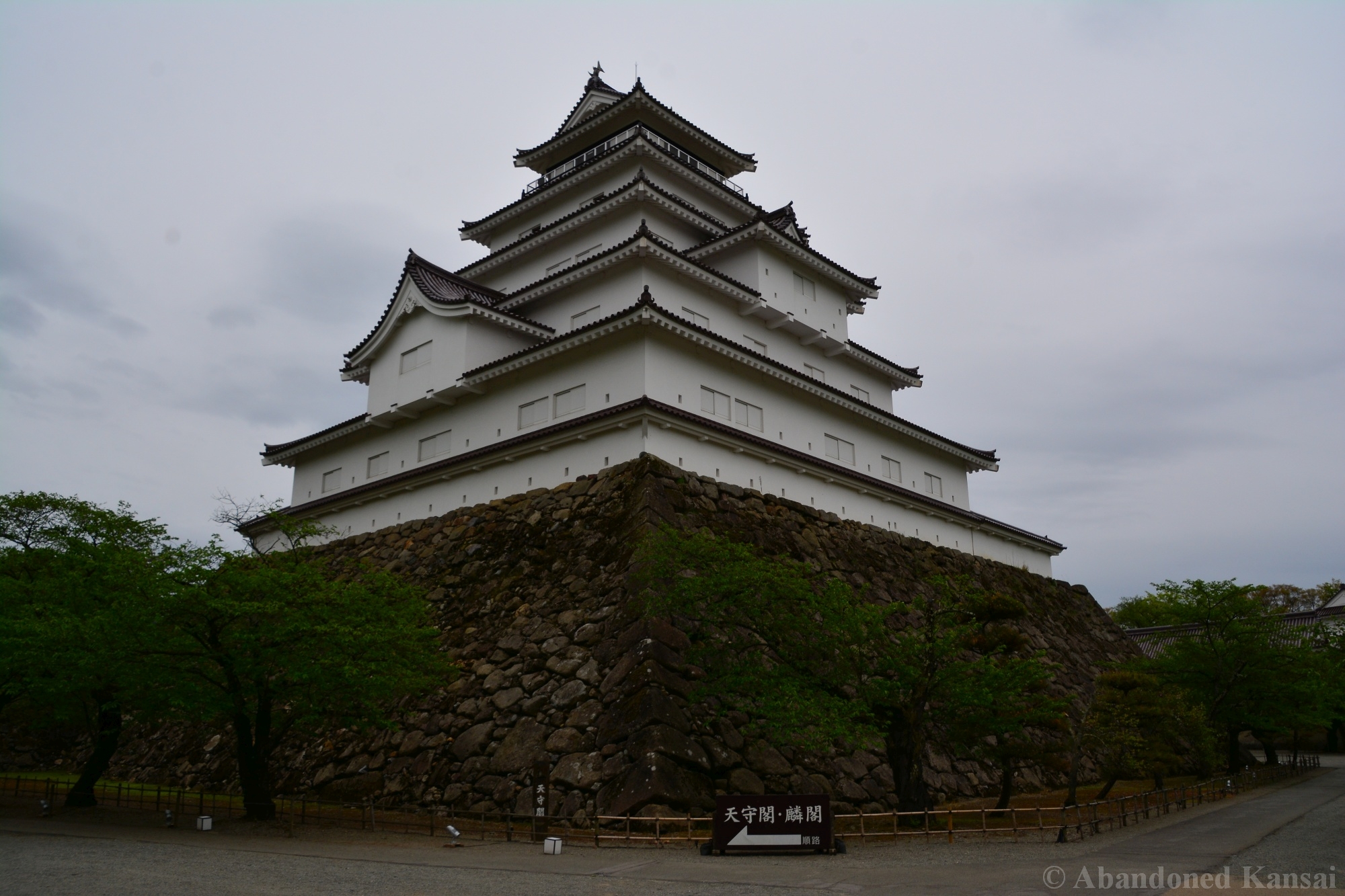
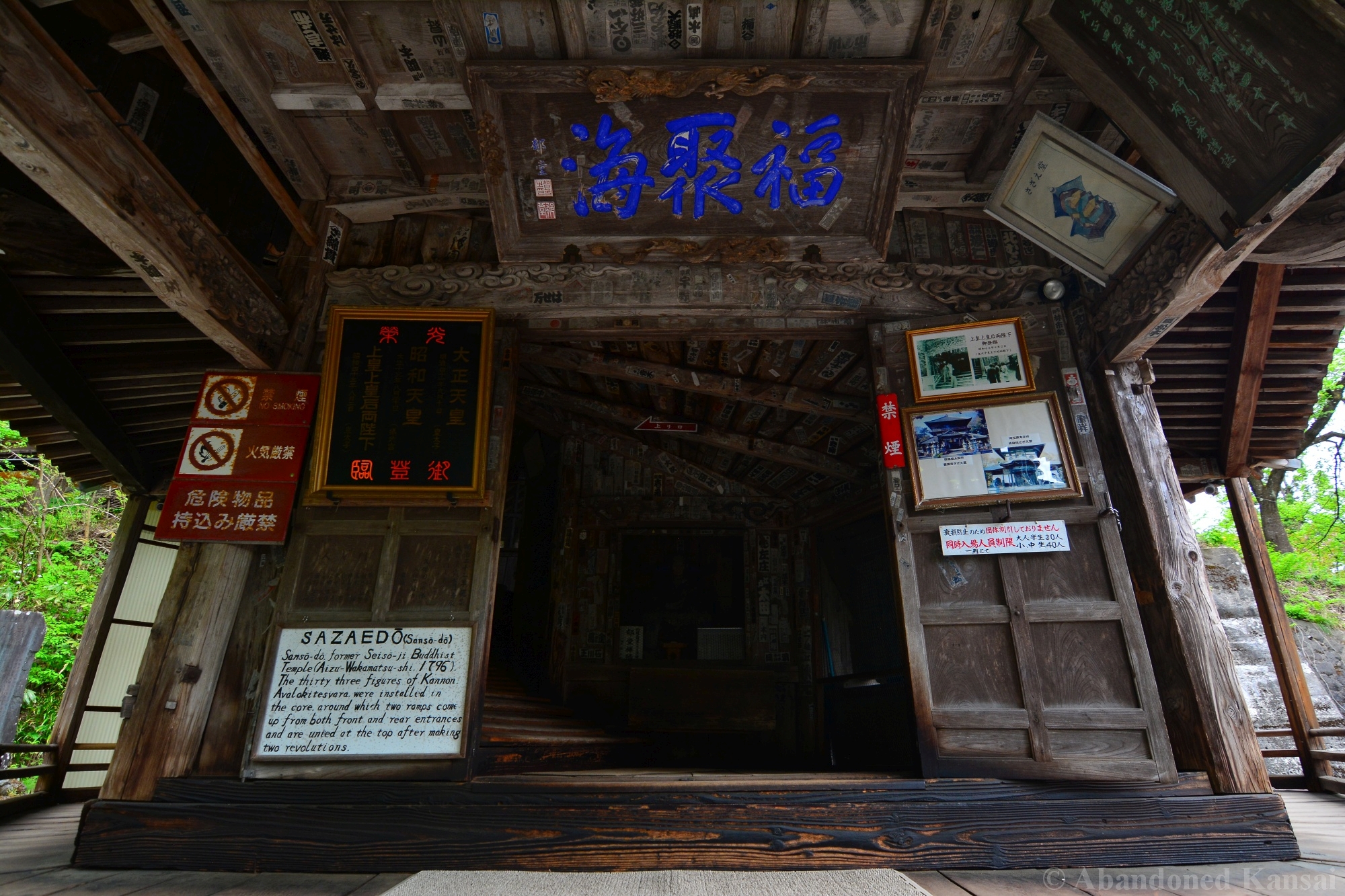
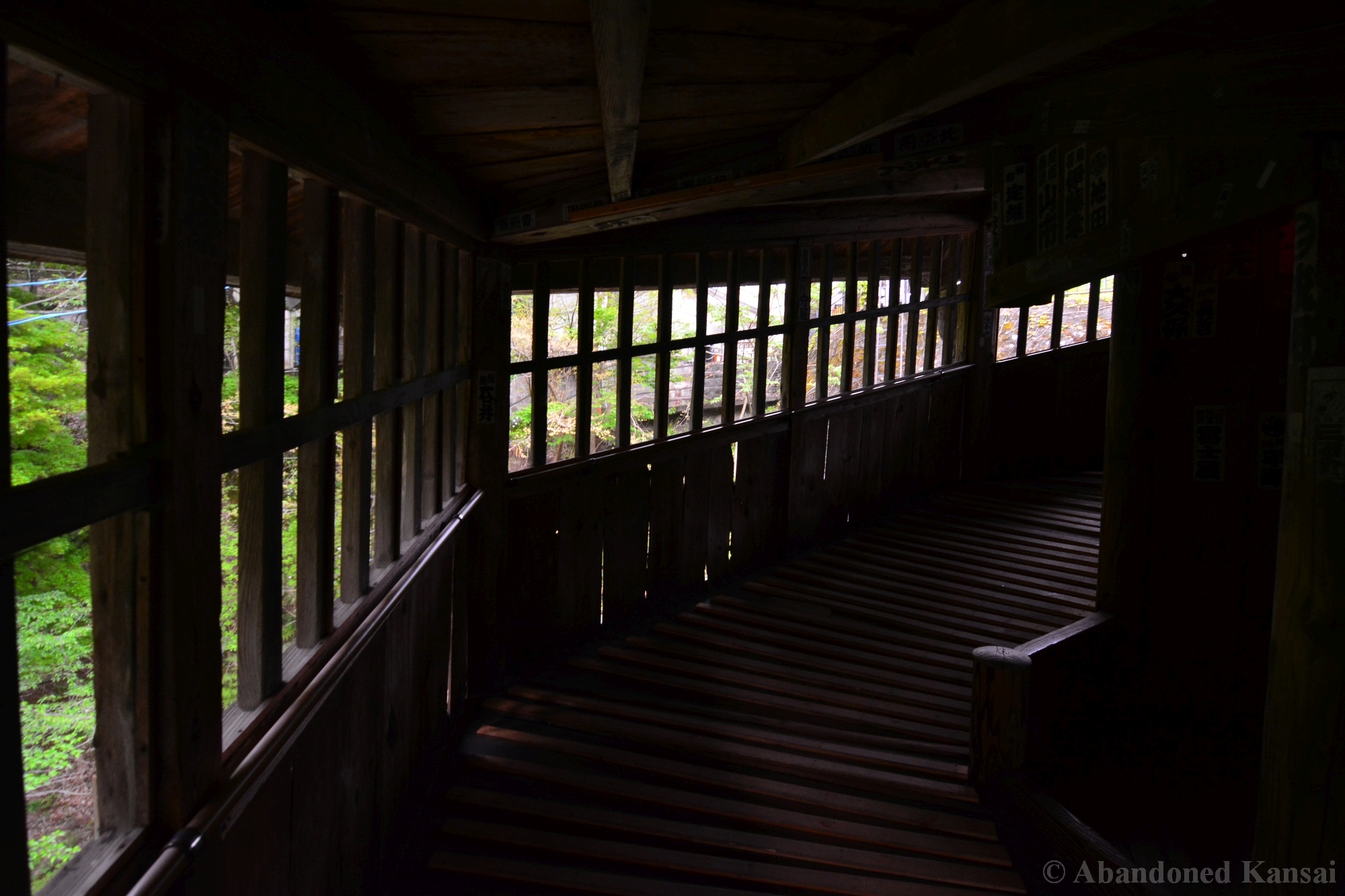
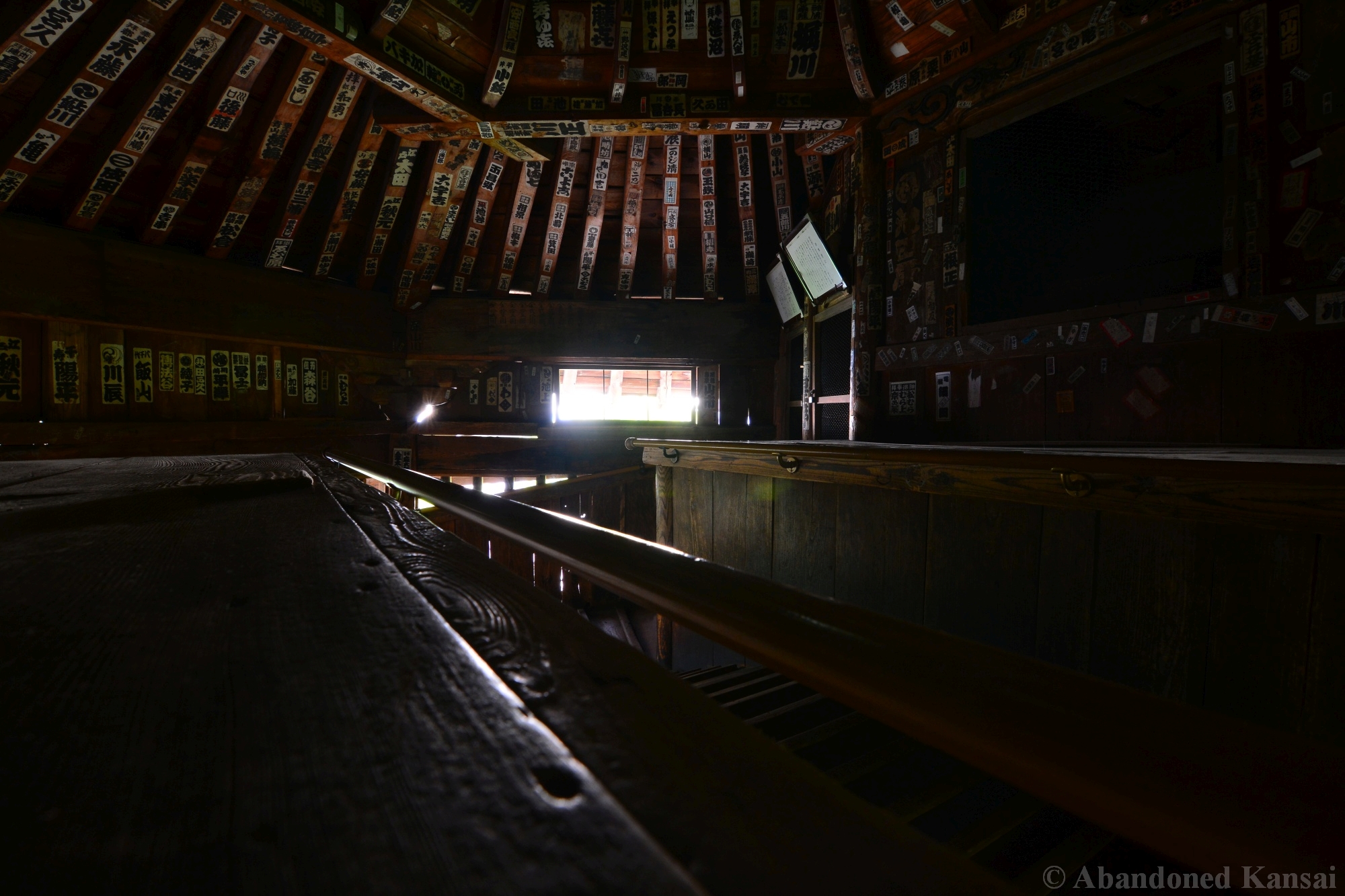
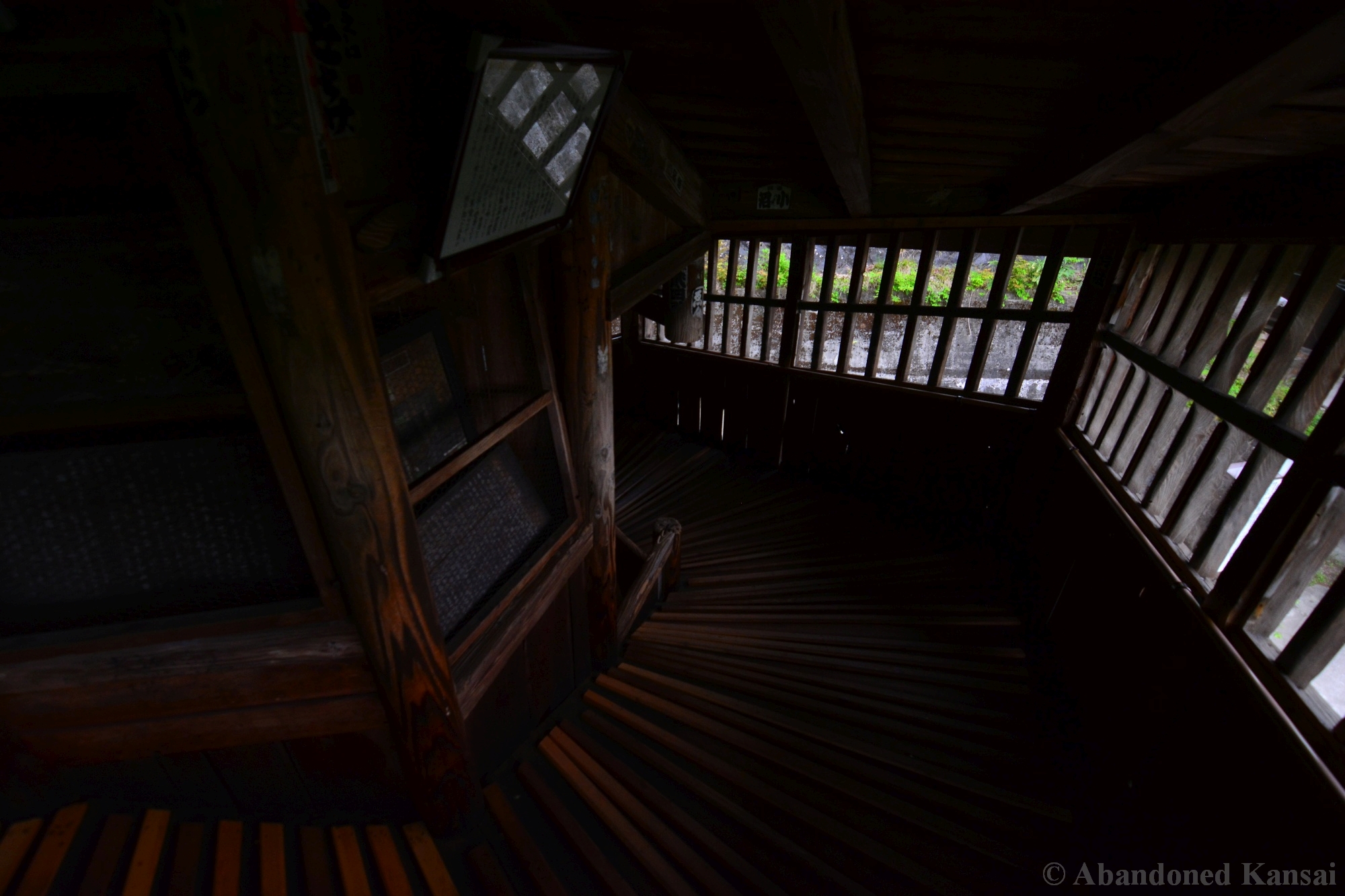
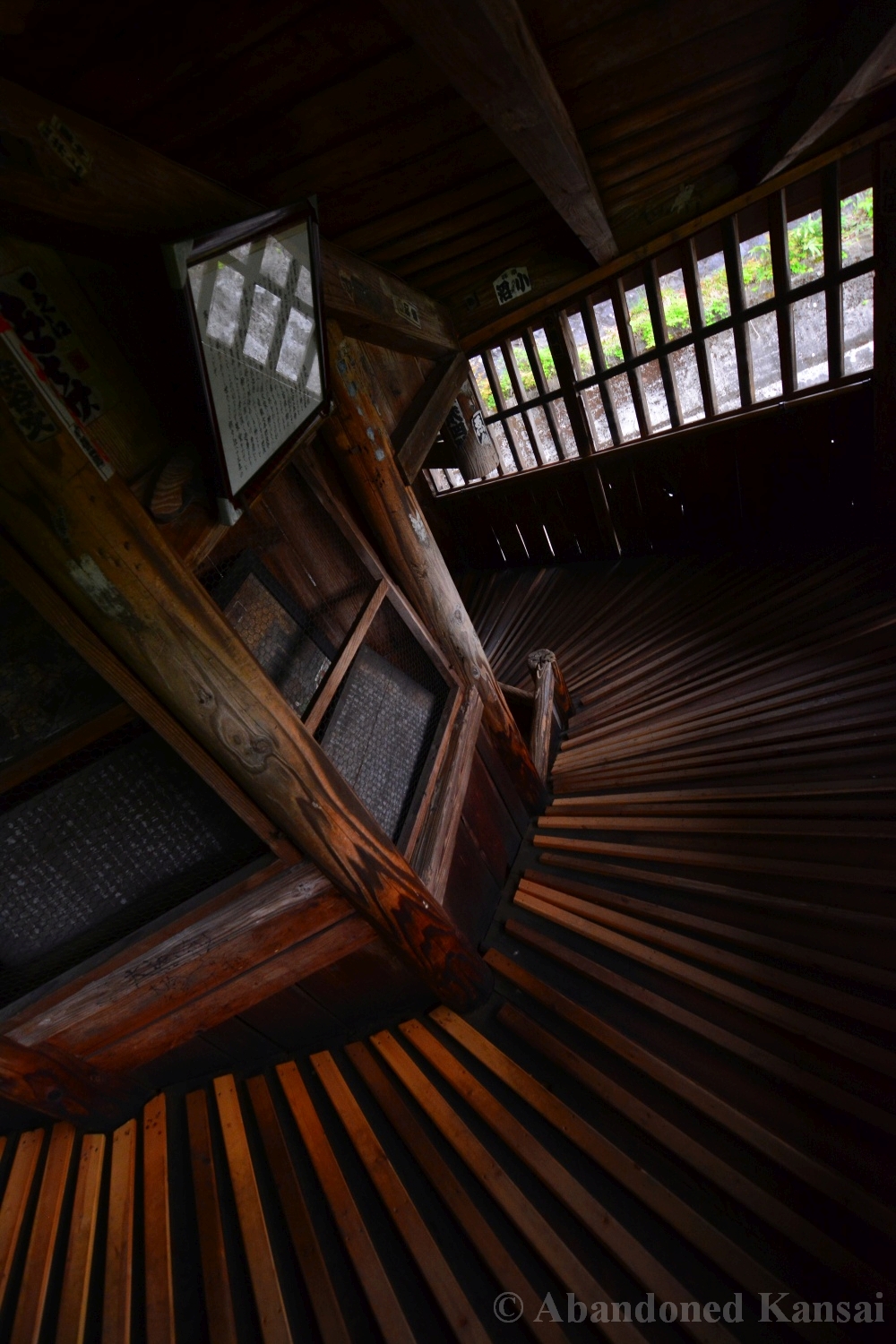
Golden Week was my final opportunity to travel before most of Japan will turn into a hot and humid hellhole for about four months, so I went to Tohoku for the first time in three years, mainly for those locations: The Namahage Museum in Oga, Dewa Sanzan and the five-storey pagoda of Mount Haguro as well as Aizu-Wakamatsu for the Sazaedo (a 225 year old wooden temple with a double-helix staircase) and the Ouchi post town – and my really high expectations were fulfilled and partly surpassed. All of those places were absolutely gorgeous, especially the pagoda and the temple; both of which I had to myself for a couple of minutes between small groups of people supporting domestic tourism like I did. To get to Ouchi I took a tourist train to Yunokami Onsen that featured animations in dark tunnels and made special stops at Ashinomaki Onsen Station (as it “employs” cats as the station master and the rail manager…) as well as at scenic spots along the route. I was the only passenger that day, so the train driver consulted with the conductor that I had taken all the photos I needed before continuing, while the train’s shop lady (on special trains exclusive merchandising is often sold) was visibly amused by the situation; of course there were limits to that, bit apparently we had two or three minutes of wiggle room and weirdly enough they let me take advantage of that!

Final thoughts
Attached you’ll find a rather large gallery… the largest in Abandoned Kansai history. All photos are freehand snapshots as I didn’t bring my tripod or much time to any of those late winter / early spring trips, on some of which I struggled with the weather and lighting (wind, rain, snow, rather extreme temperatures, (lack of) clouds, darkness). Despite having done a lot less urbex than usual this year, this was definitely my most active and probably my favorite spring I’ve spent in Japan. Overtourism has become a problem for many countries and maybe this health crisis will initiate some change – domestic tourists should be more appreciated instead of alienated… and quality instead of quantity be attracted!
I don’t think anybody who experienced 31.9 million tourists to Japan in 2019 really wants to live through 60 million tourists in 2030… Not even the many of my friends who actually work(ed) in the tourism industry!

Oh, and if you are interested in specific locations or trips let me know – I might expand some of those quick sneak peaks into full articles. But first I will publish a spectacular abandoned place next week, one of my all-time favorites. Easily Top 10! 🙂

(*Like Abandoned Kansai on Facebook* or *follow us on Twitter* if you don’t want to miss the latest articles and exclusive content – and subscribe to the *video channel on Youtube* to receive a message right after a new video is online…)

Read Full Post »
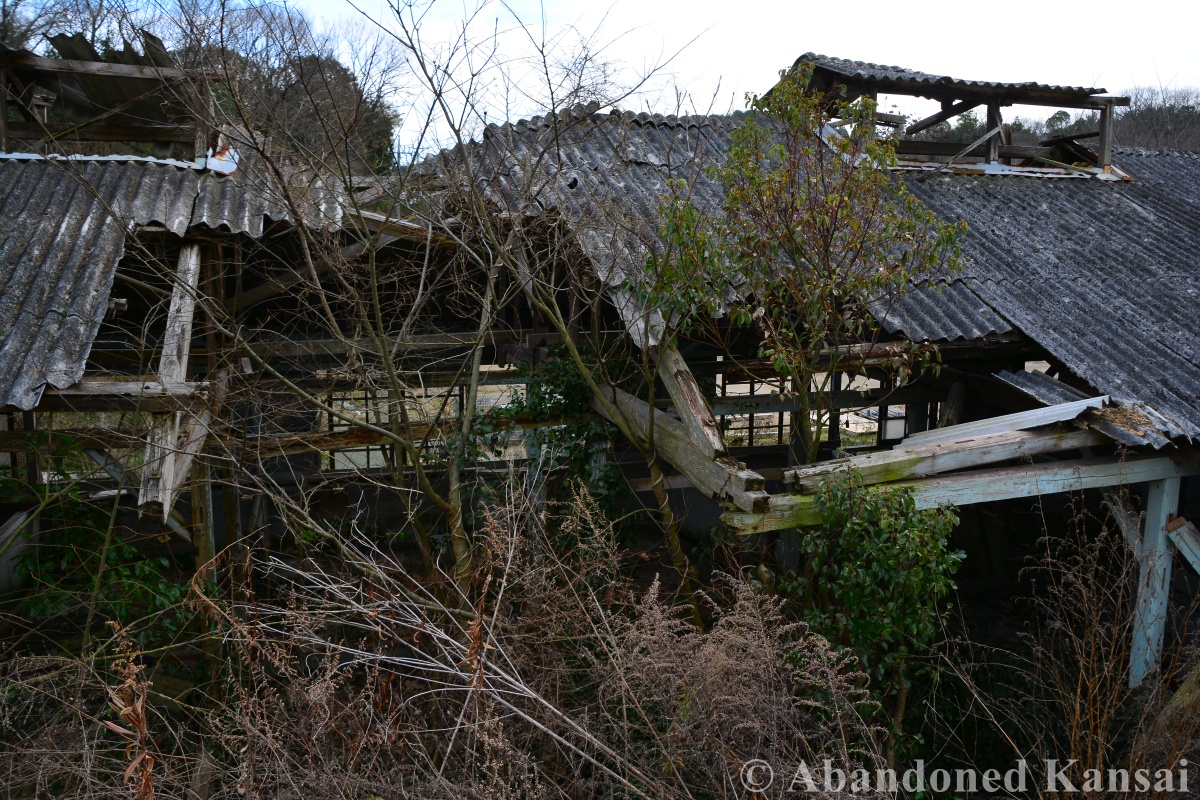
The Japanese Art School in the mountains of Okayama was one of those mysterious and legendary places I wanted to visit for years, but wasn’t able to find… and in the end I barely made it!

In spring of 2014 I was exploring the *White School* with my urbex buddy Rory when… Darn, I actually forgot the details of the story. We finished exploring the school and somehow we talked about the art school, though it wasn’t even on our schedule for the day. I think Rory’s wife, who helped me out finding the *Japanese Gold Cult*, pinned down the general area of the Japanese Art School the day before and we had to decide whether wanted to head to a mediocre *haikyo* I located exactly… or if we wanted to roll the dice and go for the unknown. So we headed north, deeper into the mountains. We knew that the school was near a very countryside train station (5 connections per day in each direction!), but that almost turned out to be a dead end. Rory tried to call his wife for more details while we spent about an hour or two on foot and by car looking for the art school. Running out of time we dared a most desperate move: We just stopped at a house near the train station and asked the people living there if they knew about the school. Not only did they in fact do, the lady of the house was even willing to escort us there! A kilometer can be near, but it also can be very, very far… especially when you have to turn half a dozen times and don’t know where.

The sun already started to set when we arrived at the school and I knew that time was of the essence. Access was surprisingly easy, though navigating was rather tough due to serious damage to the wooden floors. While I am still not 100% sure what the Japanese Art School really was, it turned out that at the end of its use it had been a private company – originally it was a local elementary school, closed in 1975. Japanese urbex blogs always portrayed it as an art school, but upon arrival (and based on what our lady guide told us) it was pretty clear that there was more to it. We entered through a massive hole in the wall and stumbled into some kind of warehouse I was never aware of. 40 years prior it must have been the main auditorium of the school, but now it was filled with boxes and crates full with all kinds of art supplies: colored pencils, oil colors, engraving knives, watercolors, little bottles and flasks and even models of pagodas and horses. Dozends, hundreds, thousands – depending on the item and its size. A lot more stuff than an art school could make use of in decades! One of the former class rooms was equipped with a heavy machine to help casting busts and masks, bolted to the wooden ground; the room next to it was a storage of those busts. The second main building was stuffed with all kinds of art equipment, too, including a room focusing on sewing. And one thing was pretty clear: There wasn’t enough space to house a full-blown art school, even if you would limit it to painting and sewing. The whole thing looked more like an art supplies company that manufactured busts and masks (some of which I had seen before at the amazing *Shizuoka Countryside School* and other places!) and probably offered hobby arts and craft lessons to the locals.

For a little under two hours I felt like a kid in a candy store… or a nerdy kid in an art supply store. There was so much to see, so much to discover! The auditorium alone would have deserved two hours, but I had to rush to see everything – I wouldn’t have had time to open boxes or drawers even if I would have wanted to. Interestingly enough this forced me to be creative with angles, focal lengths and exposure times. Overwhelming and challenging, the Japanese Art School was all I hoped for. And it left me yearning for more, which is one of the best things in life; having a great experience that makes you desperately wanting more… like a fantastic first date!
Sadly my heart was broken just half a year later, in September, before I was able to see the Japanese Art School again – it was cleaned out and most likely demolished…

(*Like Abandoned Kansai on Facebook* if you don’t want to miss the latest articles and exclusive content – and subscribe to the *video channel on Youtube* to receive a message right after a new video is online…)

Read Full Post »
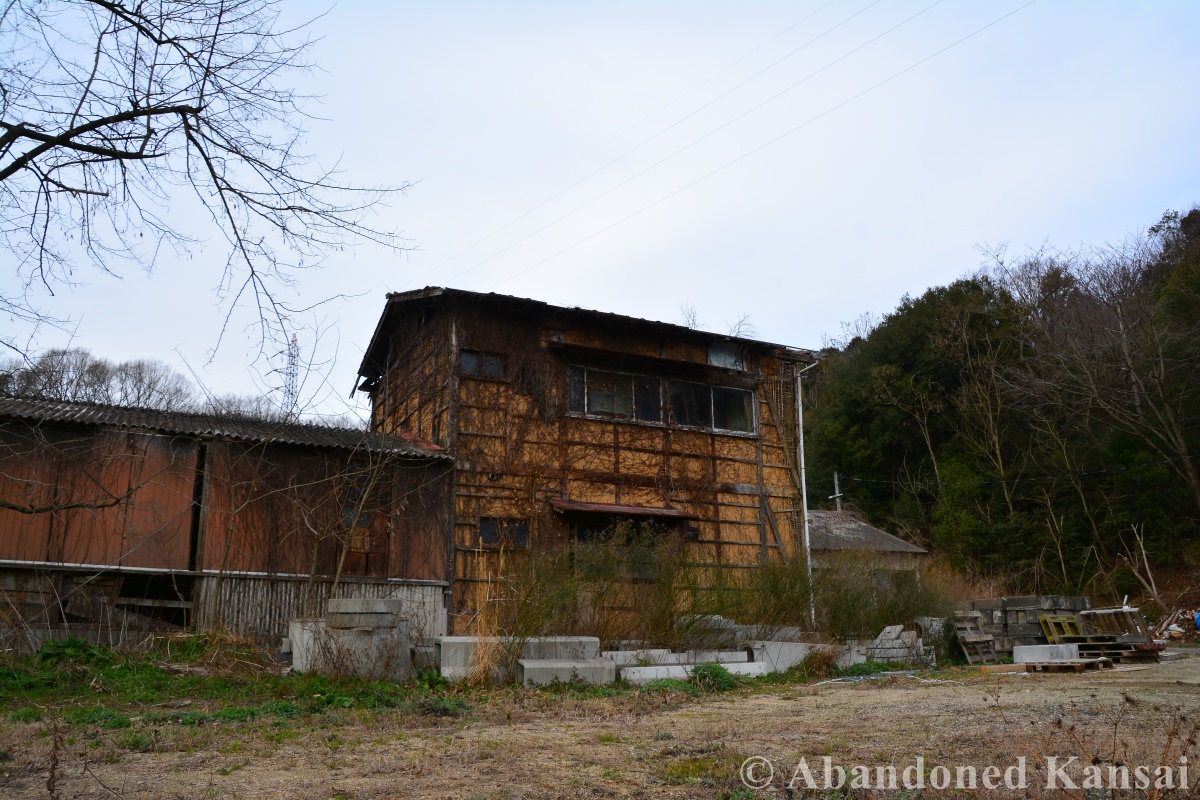
The Jonan Junior High School a.k.a. the White School is one of those abandoned places that are spectacular in very subtle ways.
Japan’s countryside is full of old schools, ranging from barely open for business to closed and preserved to closed and locked up to just abandoned to collapsed. But one thing all of them have in common – they are brown wooden buildings, inside and outside; at best they have a protecting frontage to prevent or at least slow down decay. (*A prime example for such a school you can see here.*)

At first sight the Jonan Junior High School was just one more of those schools somewhere in the Japanese mountains. From the distance it didn’t even look abandoned. Closed at best / worst. But upon closer look it became quickly evident that *Rory* and I found the right place. Fenced off by a rusty barbed wire metal construction, the back of the school revealed a partly collapsed wooden restroom building. After we found a way on the premises we were lucky to find a way in – a couple of boarded-up window were proof that somebody had taken care of the school for a while, and that vandalism is a problem even in countryside towns.
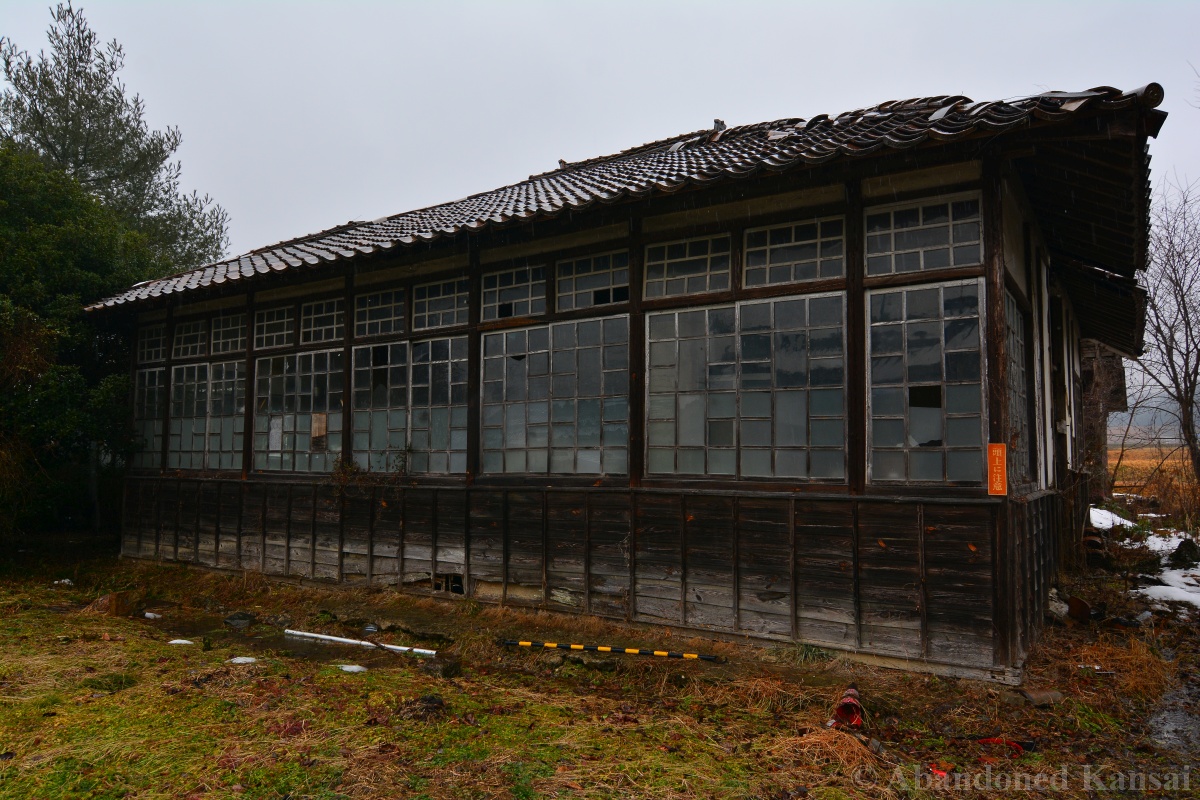
At first the White School is amazing – a large wooden hallway, almost looking endless through an ultra wide-angle lens. Whoever closed the school decided to take out the interior walls that made up the classrooms, so the wooden two-storey building basically consisted of two long hallways, two gigantic rooms with support logs and two staircases, plus smaller rooms on the upper floor. All painted white! But after about 15 minutes of excitement one quickly realizes that there is not much else. A photo on the wall on the lower floor, some rather random items left behind in one of the small rooms on the upper floor, that’s i t. And that’s usually all you get to see when the White School appears on the internet.
Luckily there was more to see. Several more buildings actually, but none of them were painted white, so I guess nobody gives them much attention. First there was the apartment of the caretaker. The kitchen was still in decent condition, but the floor of the living room collapsed and it was rather dark inside. And then there were three smaller school buildings, looking similar from the outside, but brown inside. And indeed, after being flashed by the white empty main building the common brown areas looked rather boring, almost dull.

Nevertheless it was a great experience to finally explore the White School. It came to my attention quite a while ago and due to circumstances out of my control it took me a while to finally have a look myself – and I enjoyed it as it is such a unique place to see. Not worth to spend a day trip on, but perfect when on the way to an even better location, borderline mind-blowing, to be honest… But that’s a story for another time! 🙂

(*Like Abandoned Kansai on Facebook* if you don’t want to miss the latest articles and exclusive content – or subscribe to the *video channel on Youtube* to receive a message right after a new video is online…)

Read Full Post »
Merry XXX-Mas everyone!

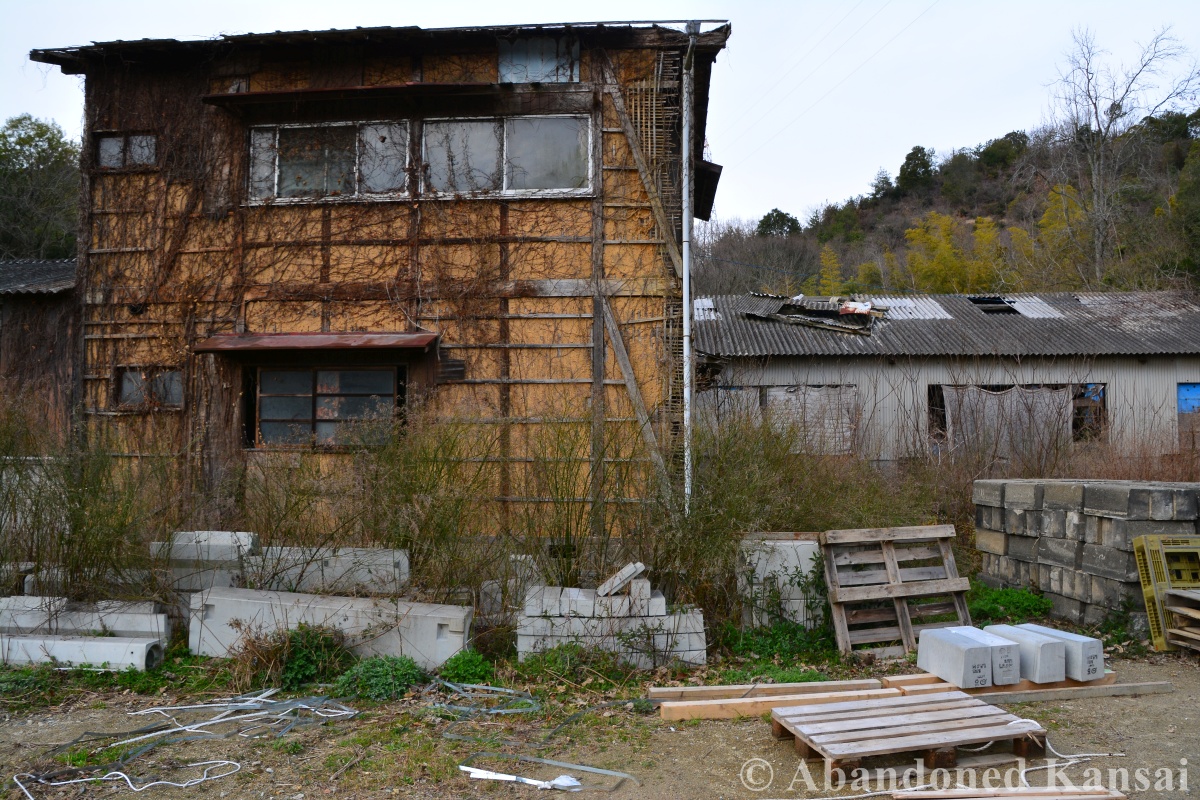
The Love Hotel tinna is one of those locations that are giving me a headache. On the one hand I am happy about every exploration, on the other hand… this was barely an exploration and I have hardly enough material for an article. About 20 months ago I was walking along a countryside road on the way to an abandoned place I was looking forward to explore, when I came across the tinna Love Hotel by chance. Not sure how the rest of the day would turn out I passed without a closer look, but considered having one on the way back. If it wouldn’t have been for the ropes blocking off the car entrance I probably wouldn’t have even realized that the place was abandoned or at least closed.

Two hours later I was on my way back to the train station – and since I wasn’t in a hurry I indeed had a closer look. Entering the premises and getting out of sight was quick and easy, the ropes were more or less symbolic. Luckily the sensors at the entrance must have been for triggering lights back in the days, because they surely didn’t cause an alarm to go off.
The back of the love hotel looked a little more abandoned, but just barely. Each room came with a separate garage – you drove in and shut the plastic curtain to get your car some privacy. The room rates (rest / stay) were written at signs next to the doors – which were all locked. That fact makes this article even duller, especially since I don’t know anything about the history of the Love Hotel tinna. I guess it was abandoned just weeks or a few months prior to my visit, but it’s hard to tell for sure. On the other hand: a lot of westerners don’t know much about love hotel, so here you can finally see some exterior shots. For interior shots you might want to have a look at the two articles about love hotels I published in 2011 and 2012. The one about the *Love Hotel Gion* is all about love hotels in general and how big the business is (a whopping 50 billion $-US!), the one about the *Furuichi Love Hotel* is more about dating in Japan and why some Japanese women were once called “Leftover Christmas Cake”…

And that’s it for this week – Merry XXX-Mas!

(If you don’t want to miss the latest articles and exclusive content you can *like Abandoned Kansai on Facebook* – or subscribe to the *video channel on Youtube* to receive a message right after a new video is online…)

Read Full Post »
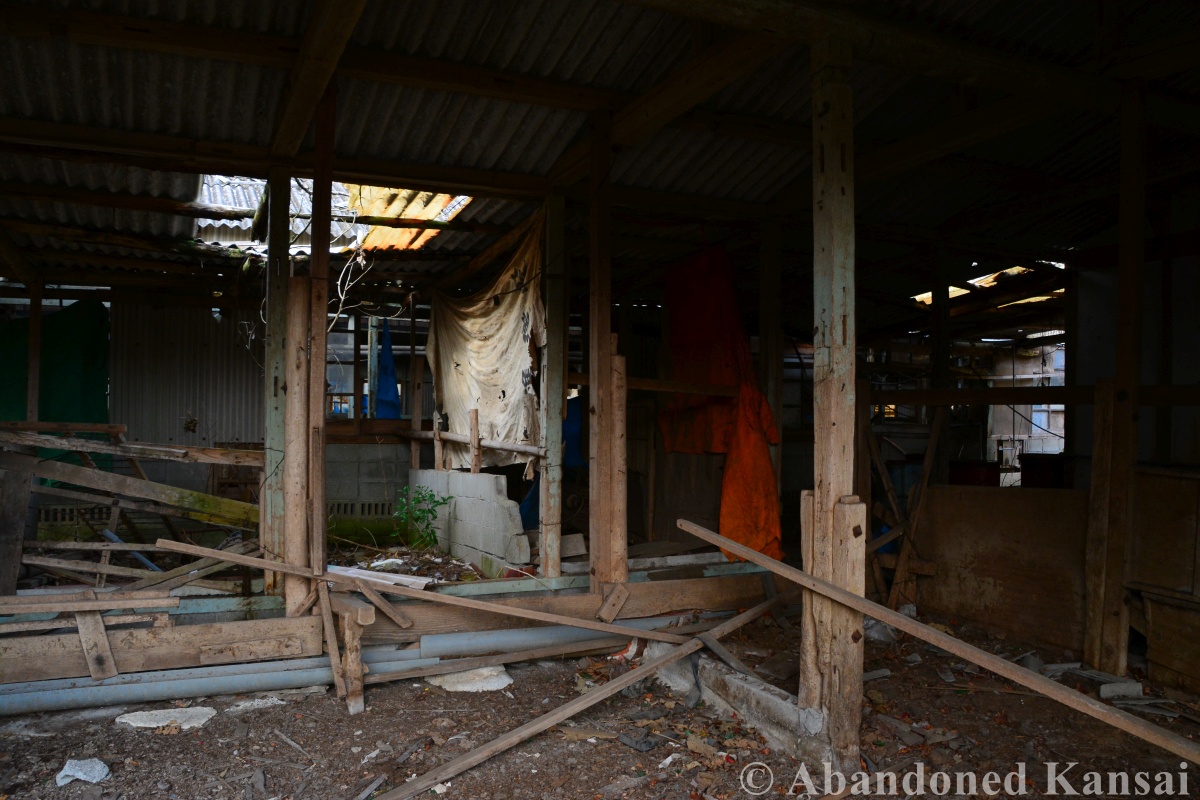
Tottori is famous for its sand dunes, vast natural parks and pear omiyage – not for urban exploration. Located in the Chugoku region at the Sea of Japan (a.k.a. Korea East Sea and Japanese Sea) and therefore at the northern coast of Japan, Tottori is a little bit off the beaten tracks – most tourists travelling south of Tokyo continue via Kyoto, Osaka and Kobe to Himeji, Hiroshima and Kyushu along the Seto Inland Sea. Only a handful of Western tourists switch to one of the express trains from Kansai to Tottori (city), the capital of Tottori (prefecture) – there is no Shinkansen service as a northern line connecting Osaka and Shimonoseki via Tottori and Matsue was proposed in 1973 and then shelved indefinitely. The least populous of Japan’s prefectures (3.5 million inhabitants, less than the city Yokohama) is generally rather rural and agriculture is the most important economical factor – pears, scallions, yams and watermelons from Tottori are famous in all of Japan.

One thing Tottori is not famous for is urban exploration. Nevertheless I had plans to go to Tottori for almost a year, but for some reason I never followed through. The places I wanted to visit there were not that spectacular, the weather wasn’t consistent for a whole weekend, the season wasn’t right or I simply had other plans. In spring of 2012 everything came together finally, so I hopped on the first of eight special direct trains to Tottori and enjoyed the 2.5 hour long ride through the stunning Chugoku Mountains. After finding and checking into a hotel I did some haikyo hiking to another location and finally arrived at the gorgeous Tottori Sand Dunes in the late afternoon – running out of time, as so often.
The Sand Dune Palace turned out to be quite a rundown building secured by rusty barbed wire, only worth taking pictures of thanks to its relative fame and the round viewing platform which gave this old rest house (built in 1965) a little bit of an edge by making it more round… The salty sea air was gnawing through anything metal, especially lamp posts and handrails. All the bells and whistles, like door handles and lamps looked so 60s that it almost hurt the eyes. Really nothing special, so I headed over to the dunes to find my way to the beach in order to take some sunset photos. On the way back, late into dusk, I made another quick stop to take a couple of night shots, but then I had to leave to catch the last bus back to the city – it was an exhausting day and sadly not everything lived up to my expectations; for example the Sand Dune Palace – the pear sweets on the other hand were divine and if you ever go to Tottori, make sure to try the “nashi usagi” (literally “pear rabbits”, mochi filled with pear jam).

(If you don’t want to miss the latest articles and exclusive content you can *like Abandoned Kansai on Facebook* – or subscribe to the *video channel on Youtube* to receive a message right after a new video is online…)

Read Full Post »
All of the photos I publish with articles on Abandoned Kansai are without any form of enhancing post-production – I don’t even crop them; they either look good or they don’t. Every once in a while I like to play with an HDR tool or two. I wouldn’t call those photos enhanced or improved, I would barely call them photos anymore. That’s why I created a sub-page for them in the background. Today I added ten more of those little artworks to that page. *Please click here to have a look!*

Read Full Post »
Older Posts »