Feeds:
Posts
Comments

Archive for the ‘Europe’ Category

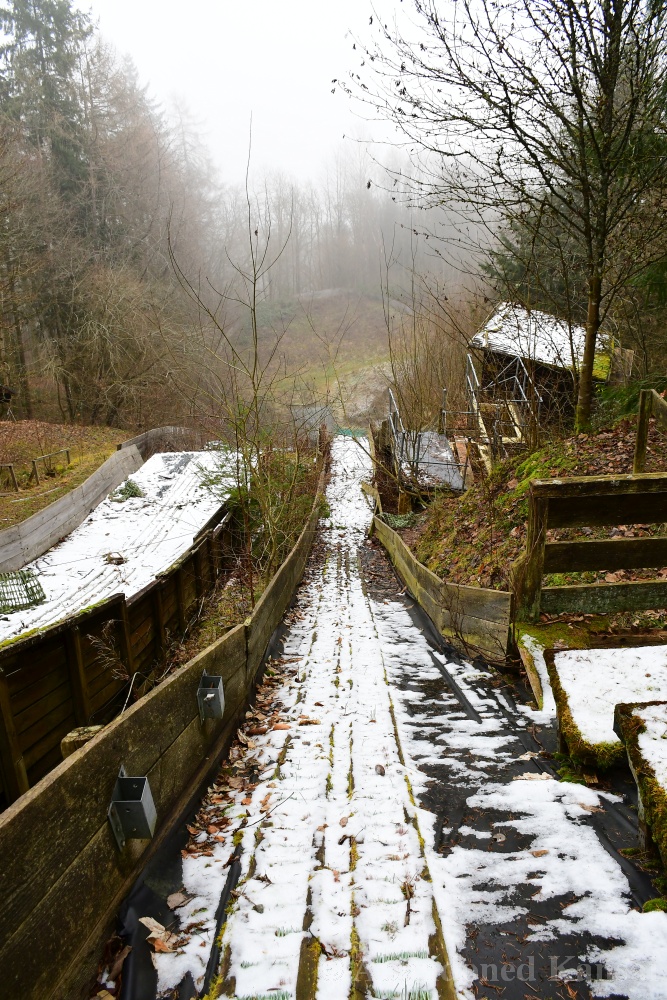
In the 1990s ski jumping was super popular in Germany thanks to successful athletes like Jens Weisflog, Dieter Thoma, Martin Schmitt, and Sven Hannawald – major events were even broadcasted on popular TV stations. Kind of a surprise to me as it is a sport hardly anybody actively does themselves – every kid plays soccer at one point, maybe not in a team, but in school or on the street. But who actually does ski jumping? Only a few thousand people worldwide. In the past 20 years interest went down a bit, despite actives like Severin Freund and Andreas Wellinger continuously being successful. In addition to dwindling interest, climate change is a threat to ski jumping as it has left some ski resorts and ski jumping hill without enough snow to run them with financial success.

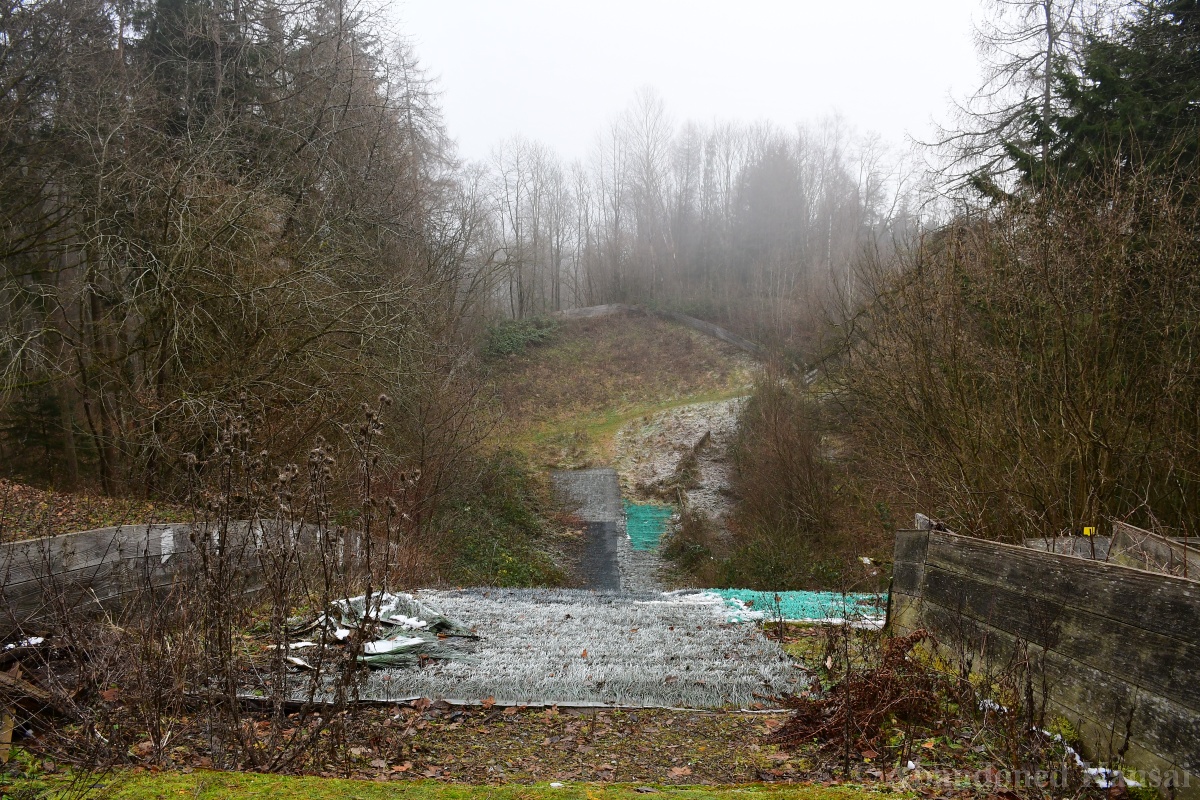
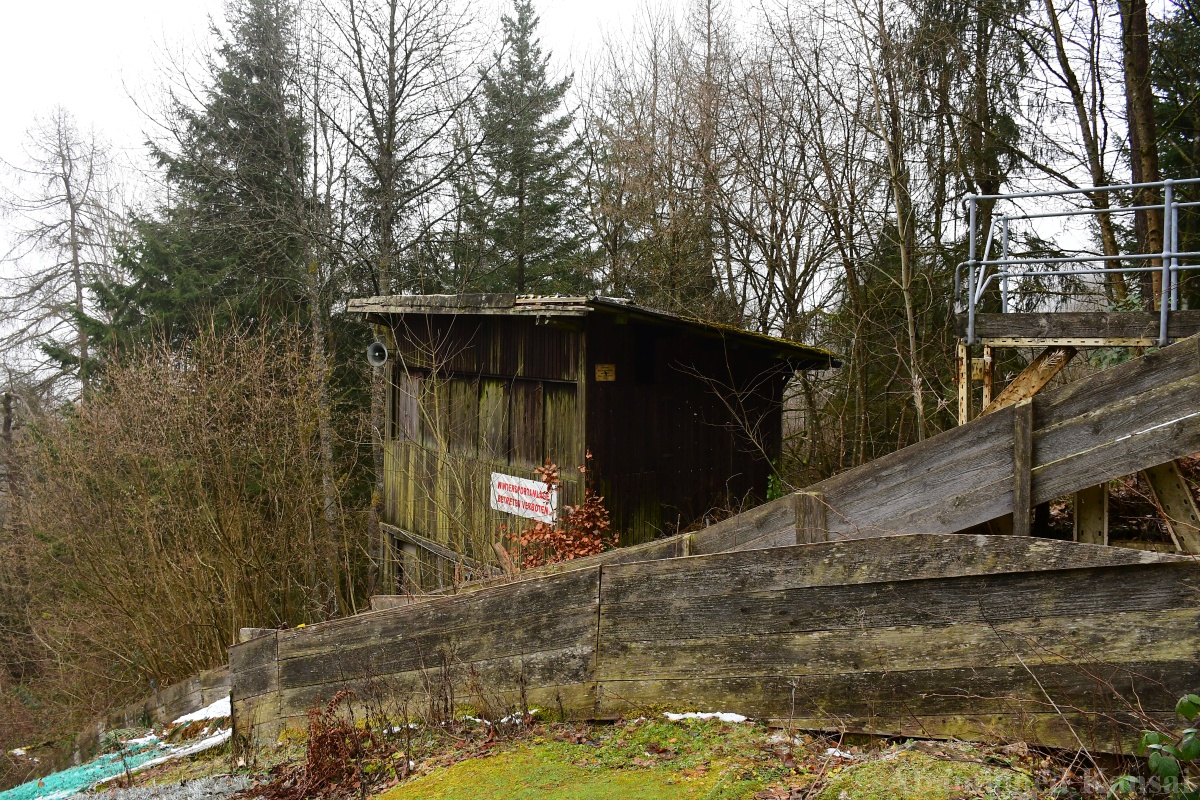
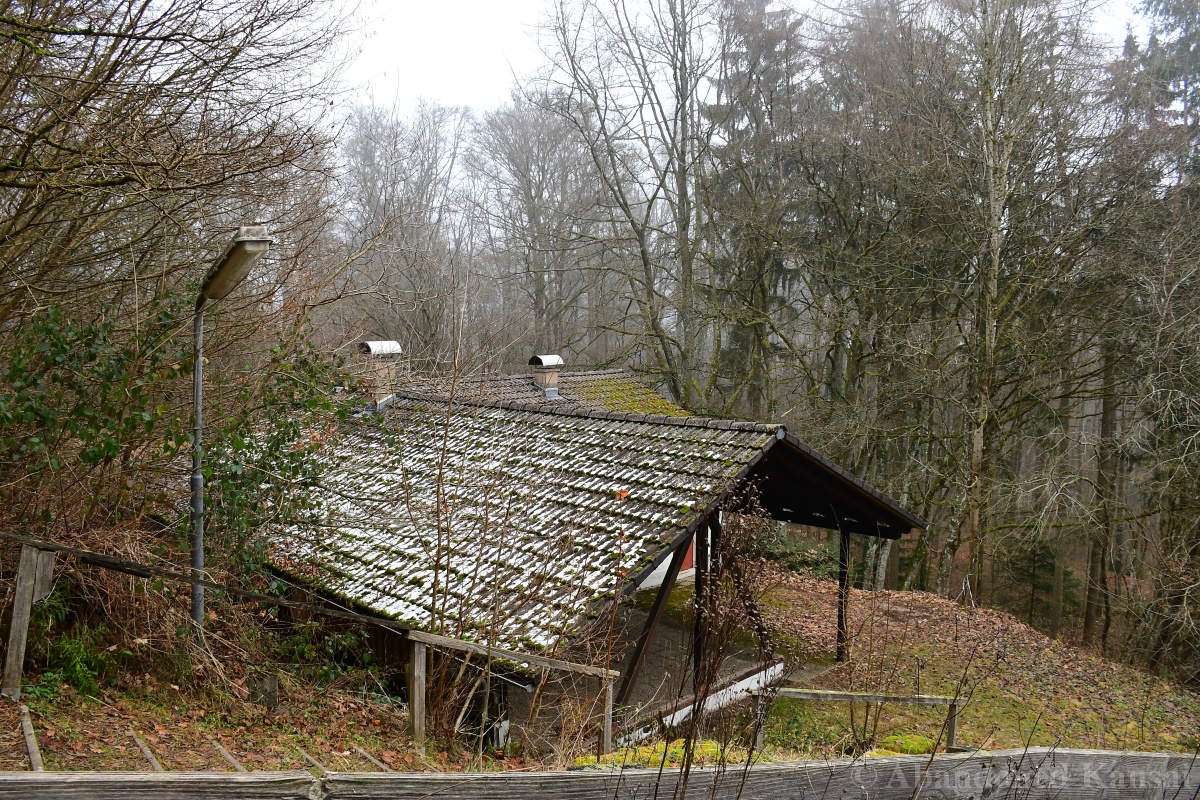
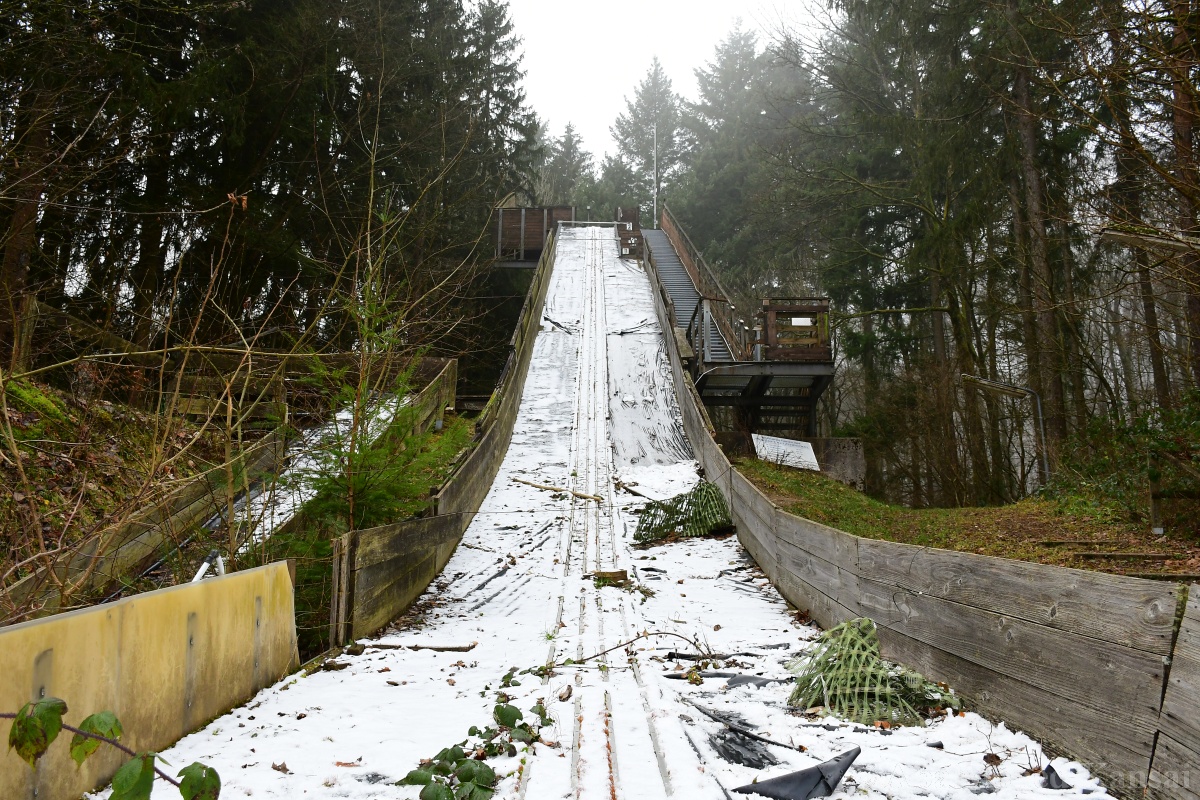
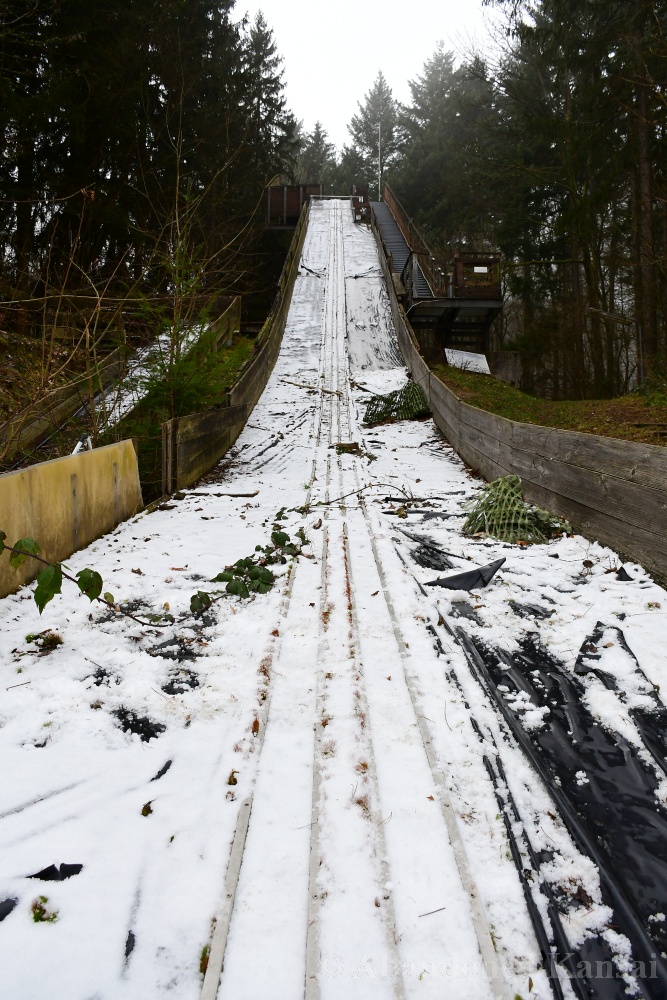
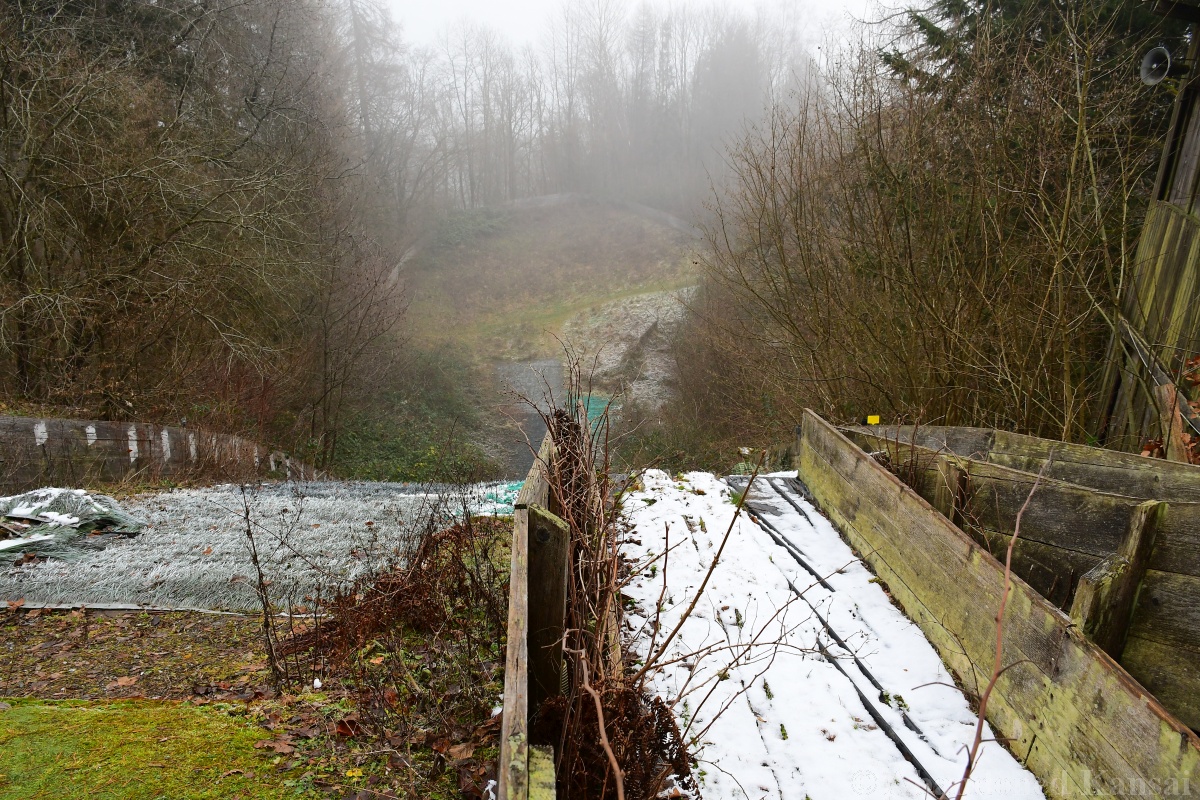
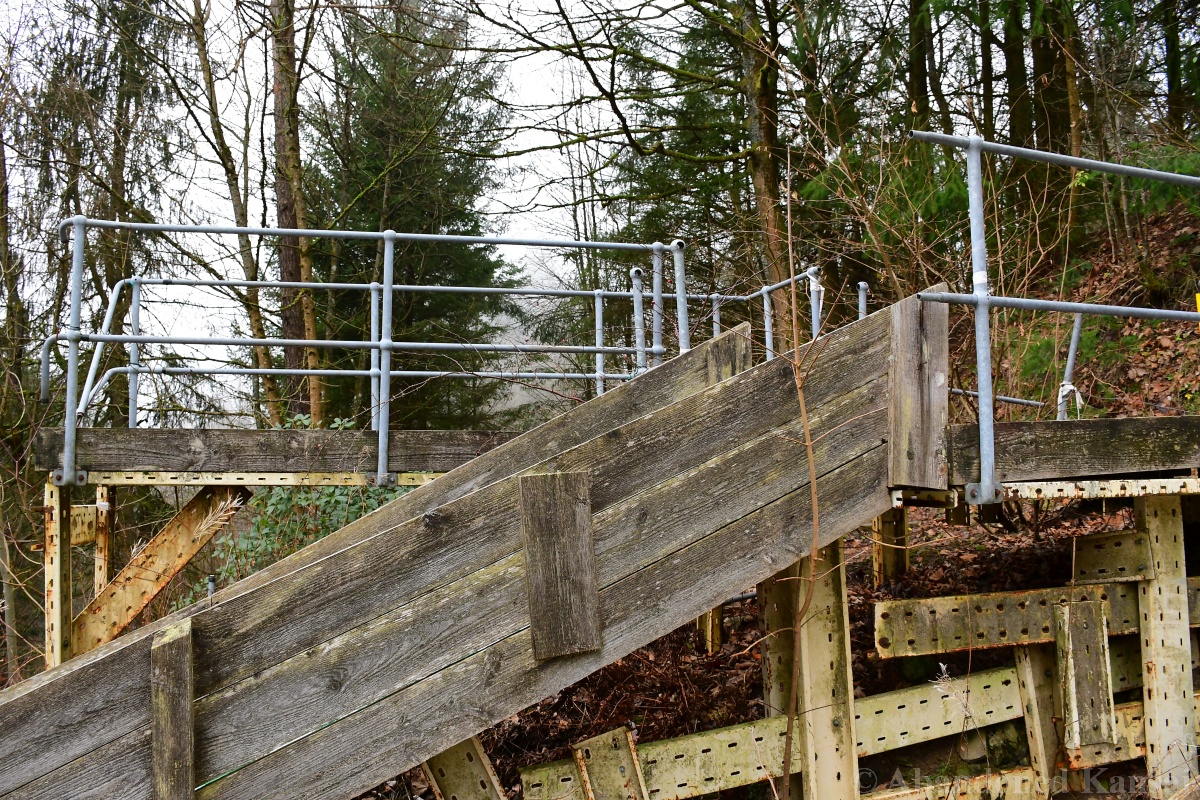
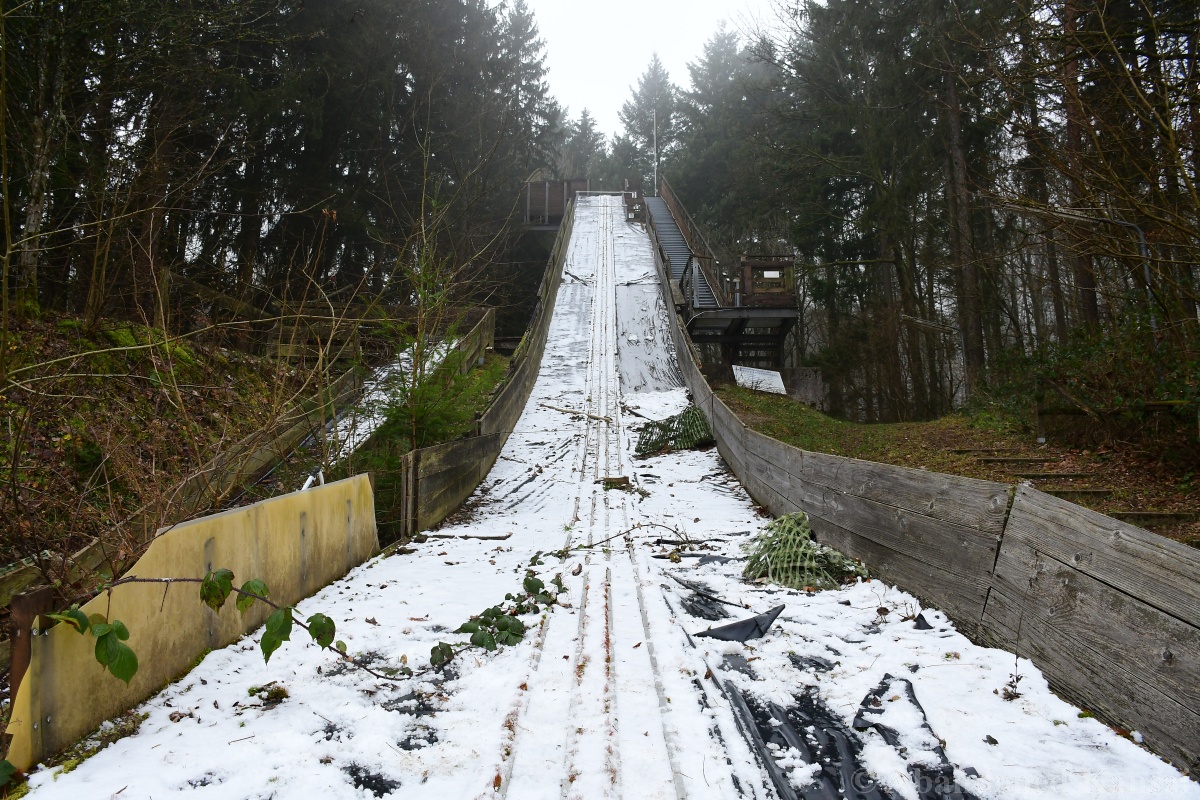
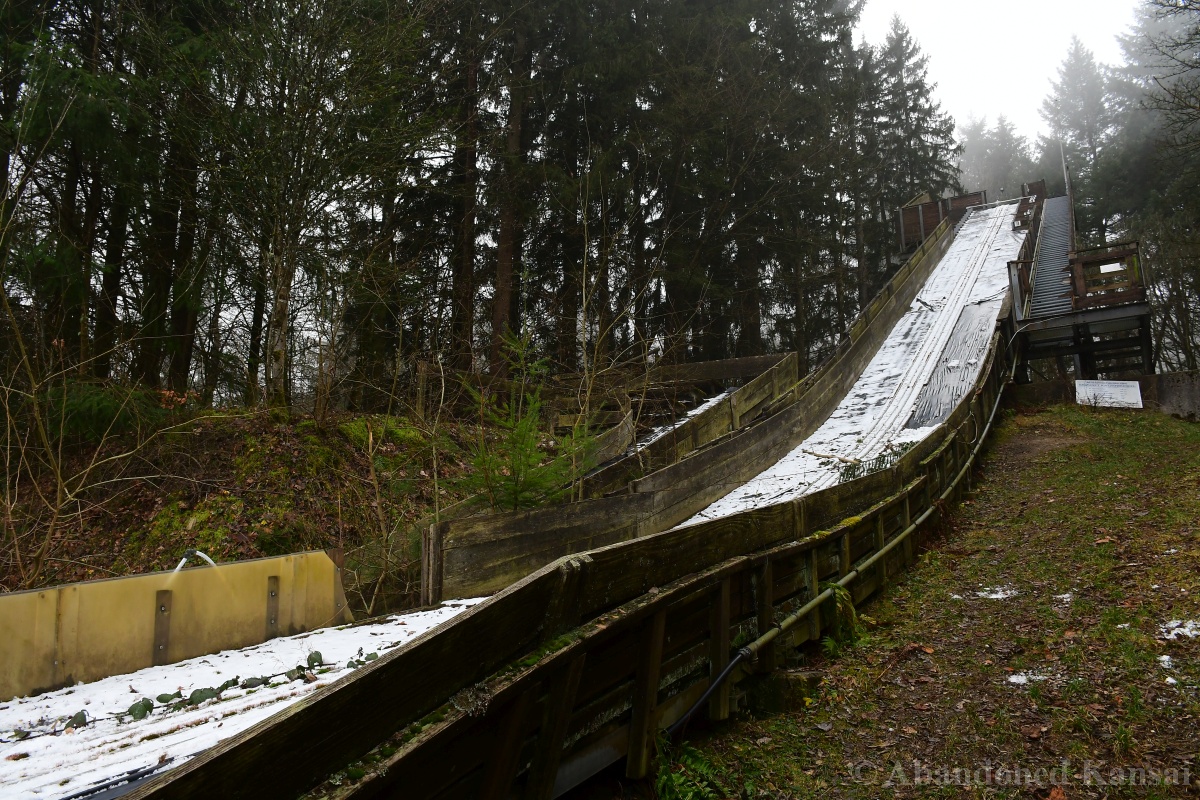
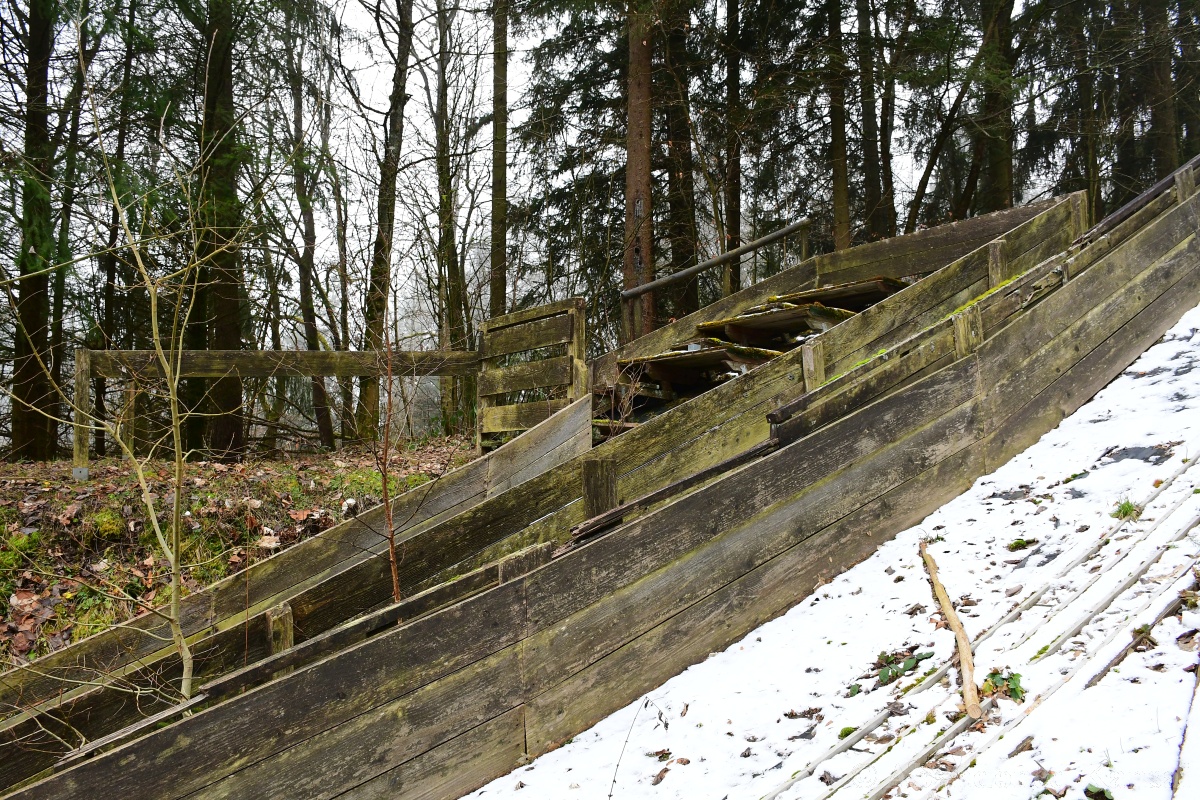
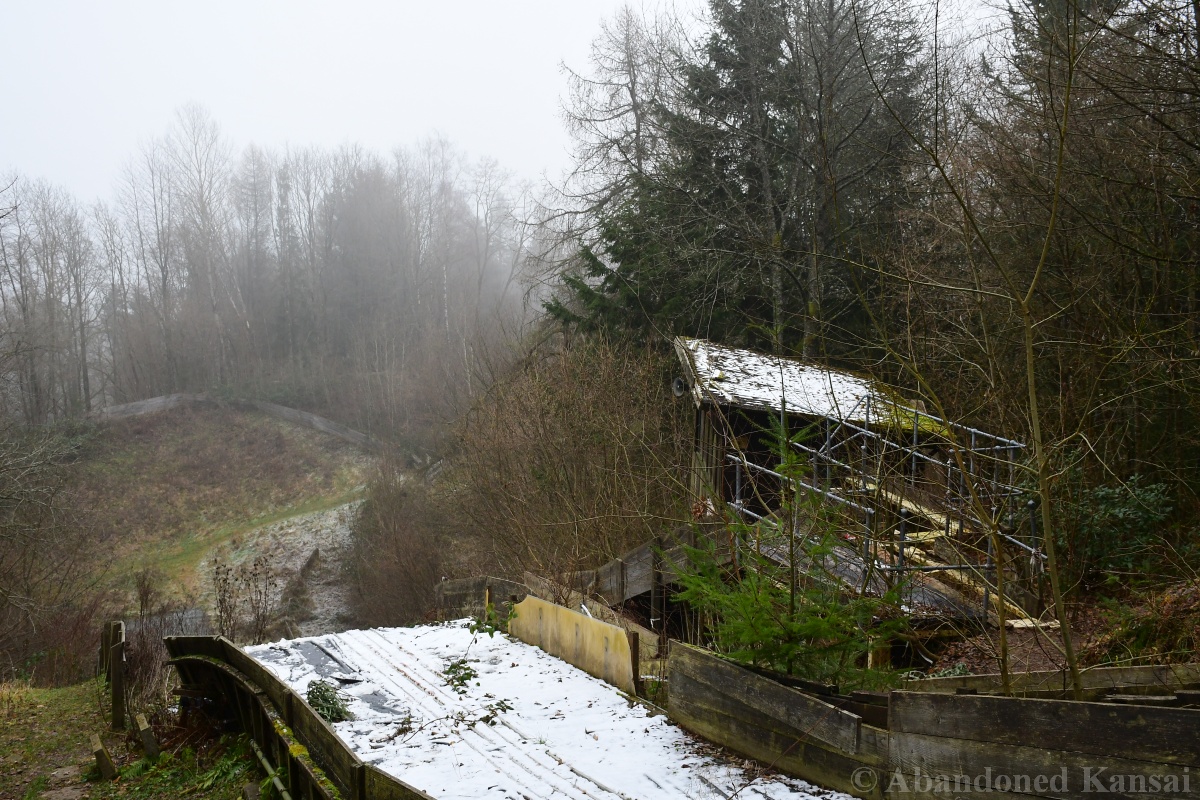
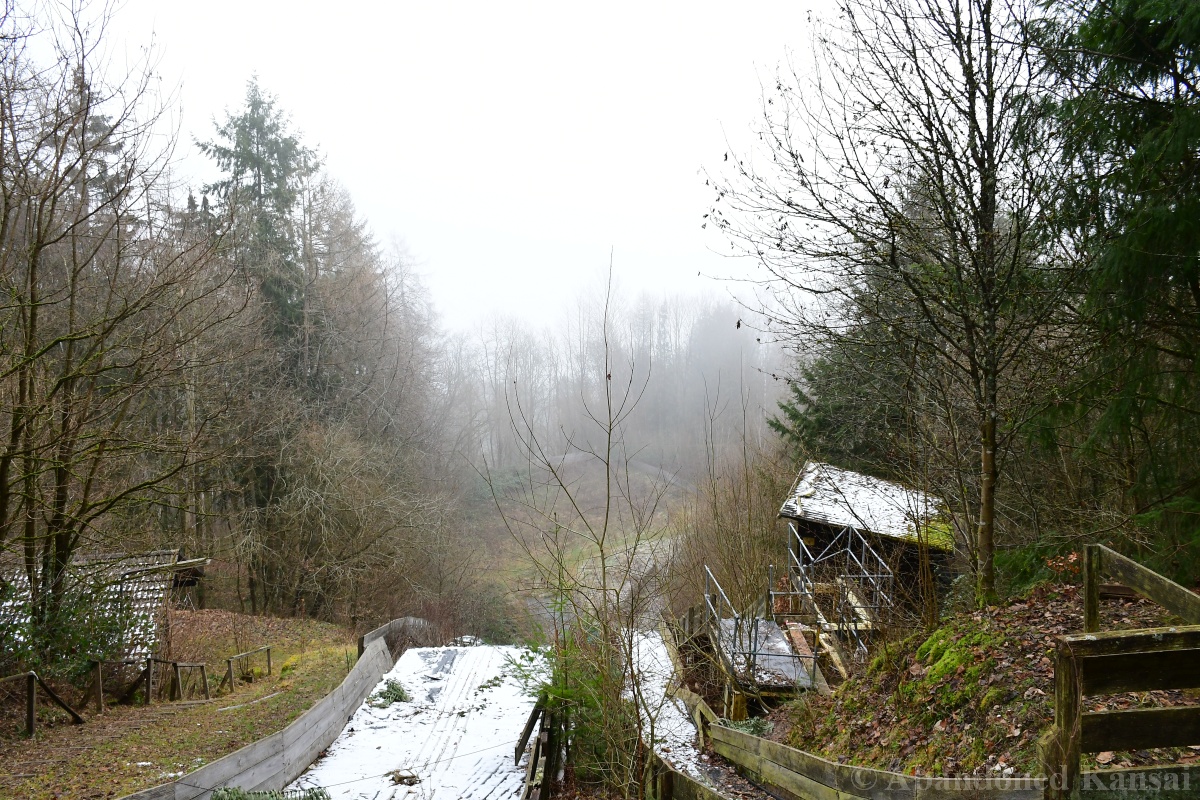
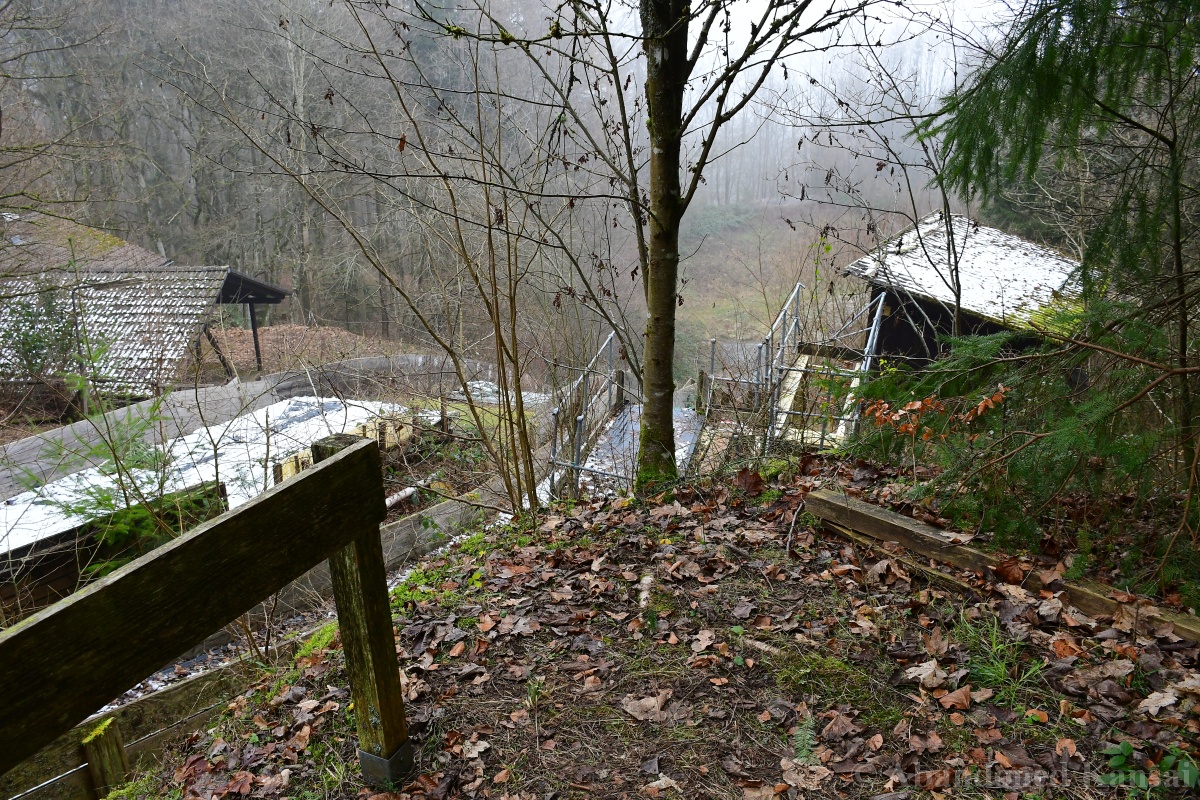
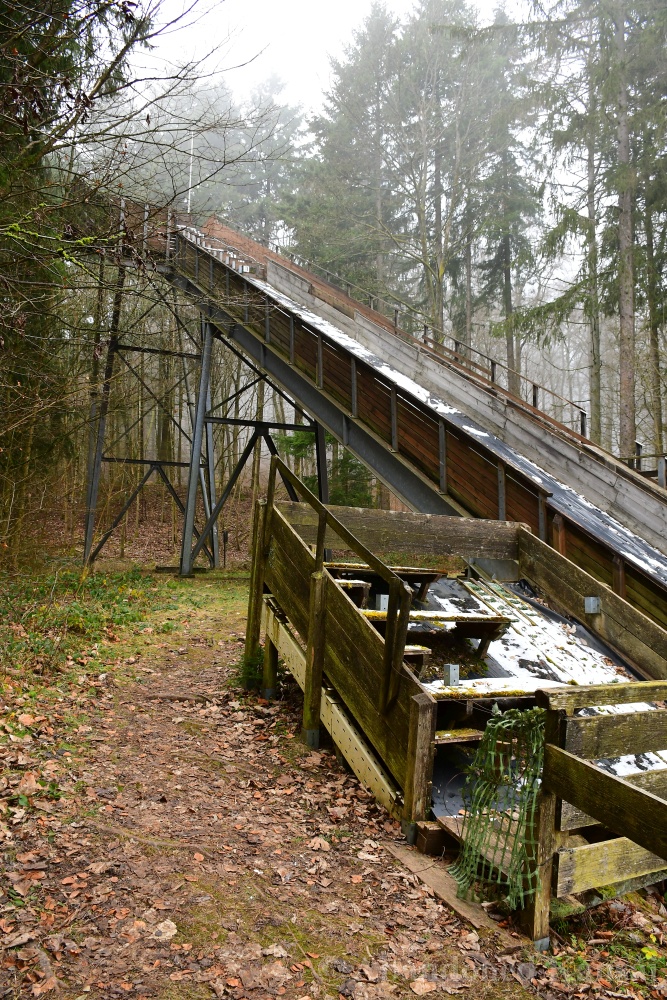
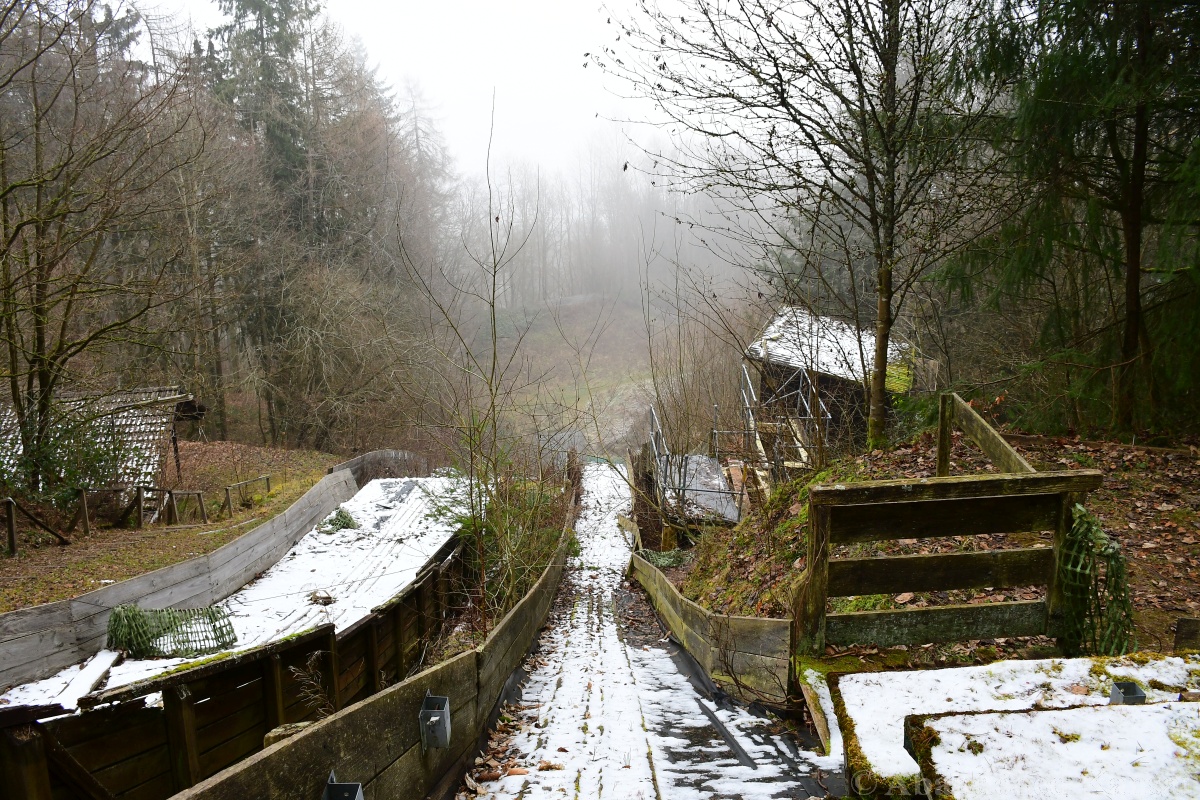
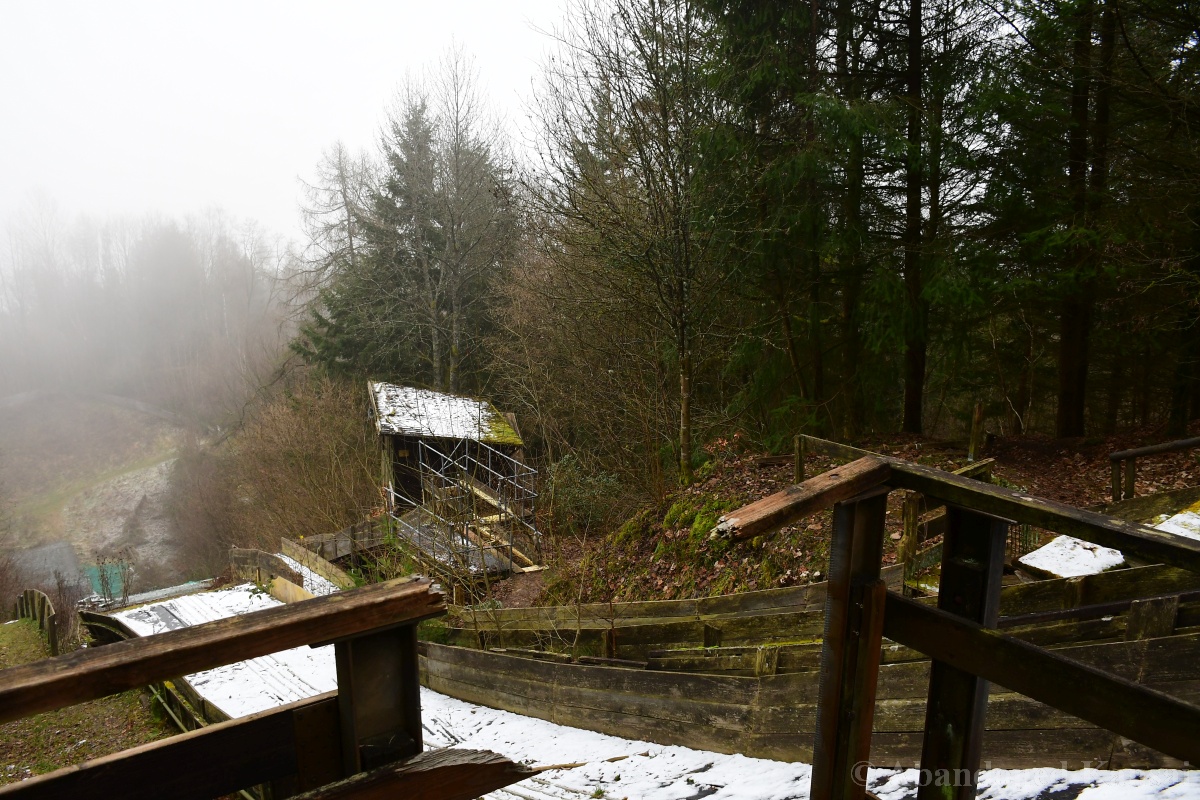
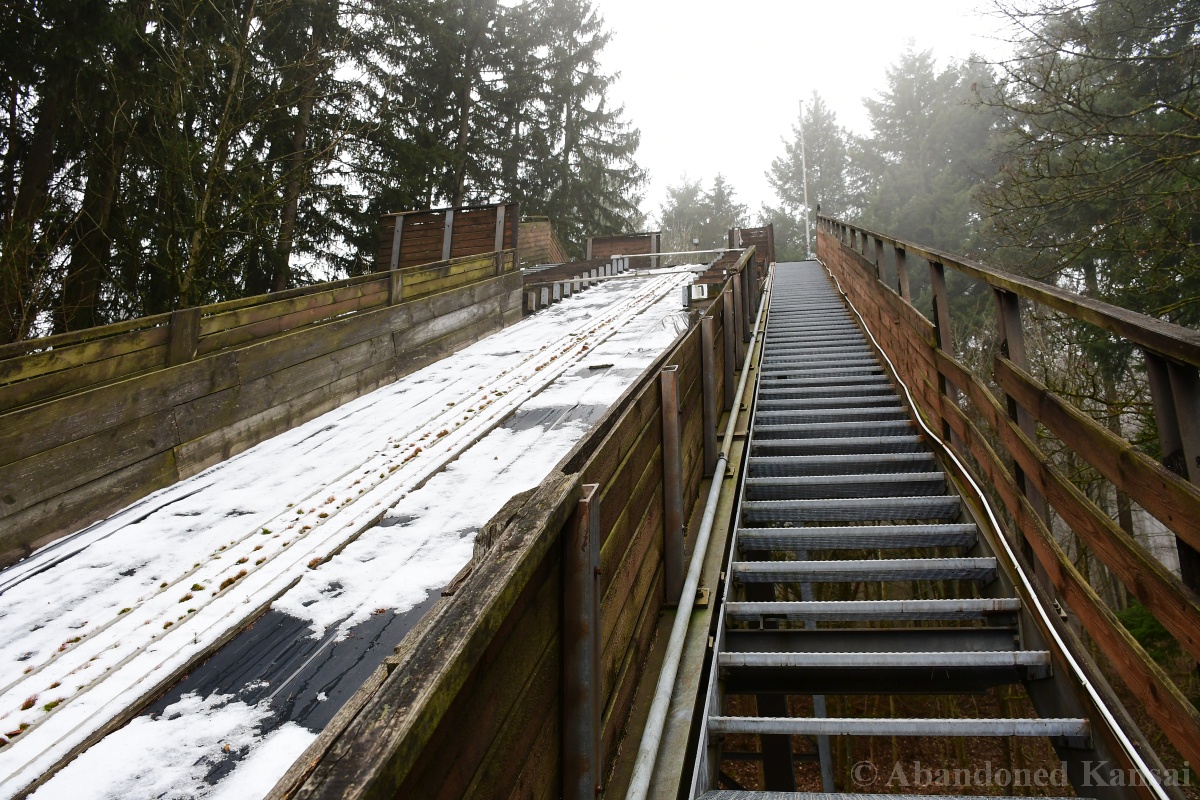
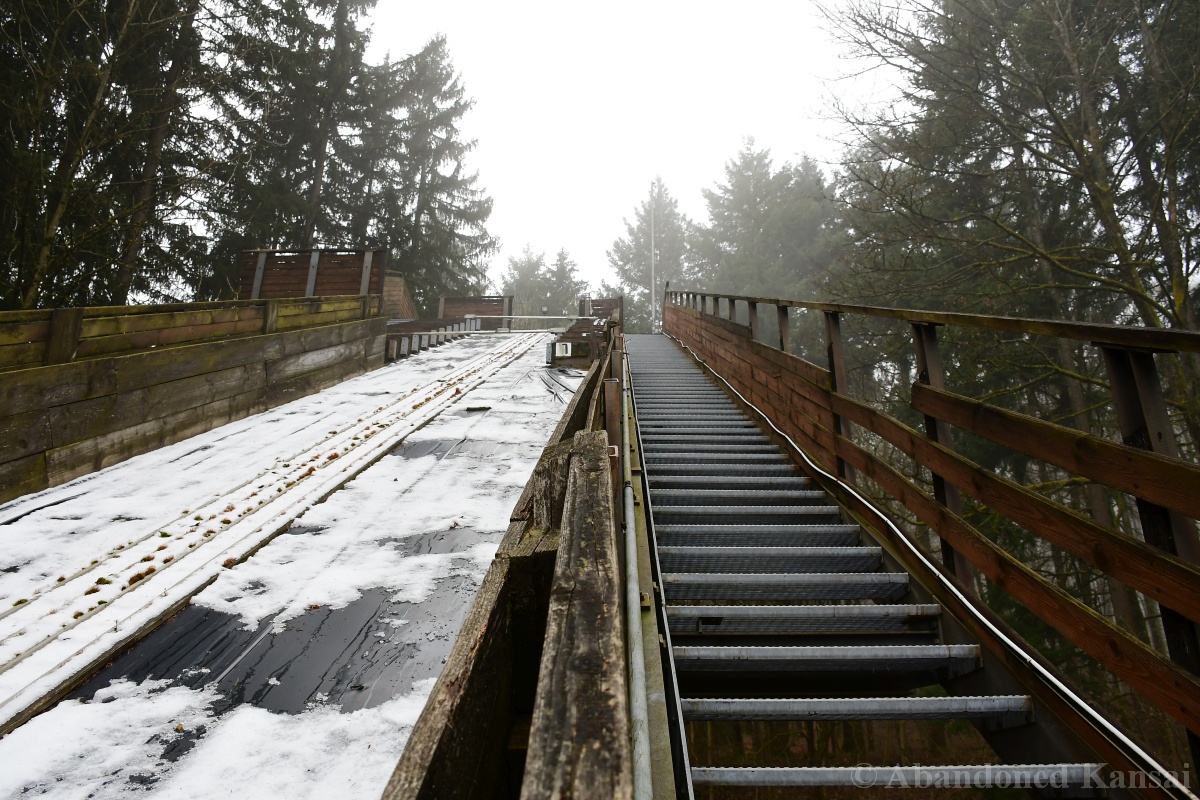
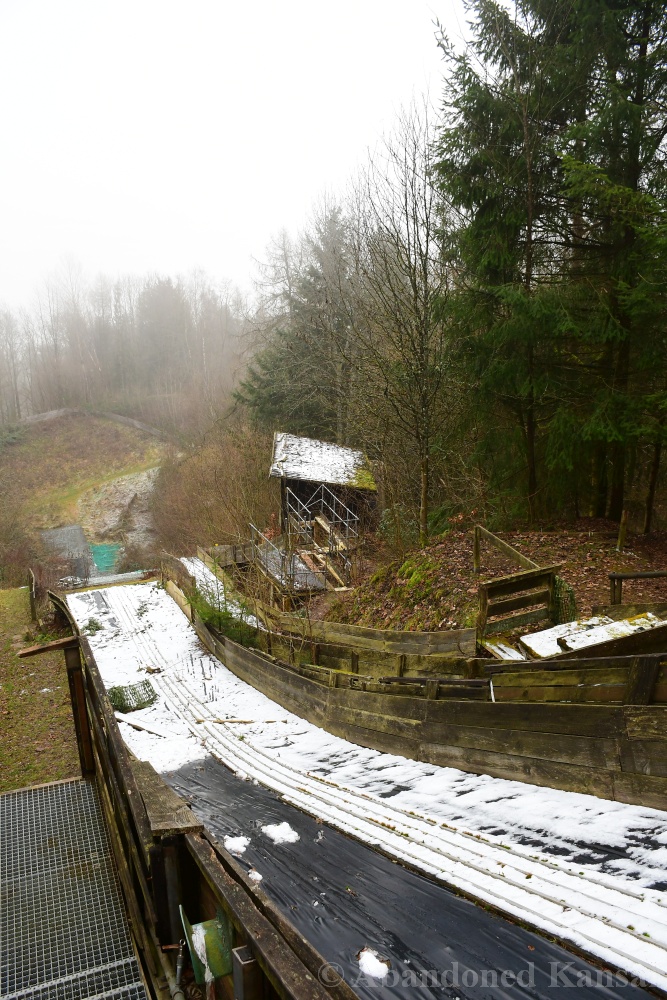
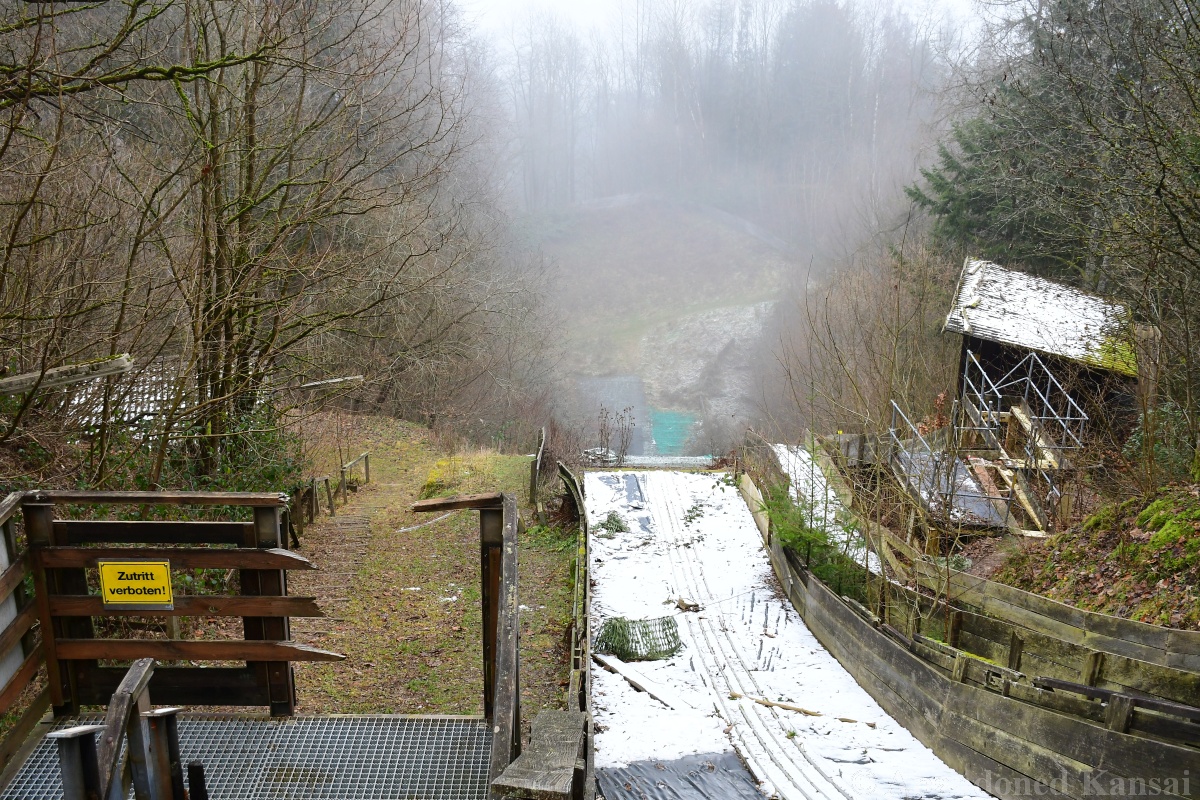
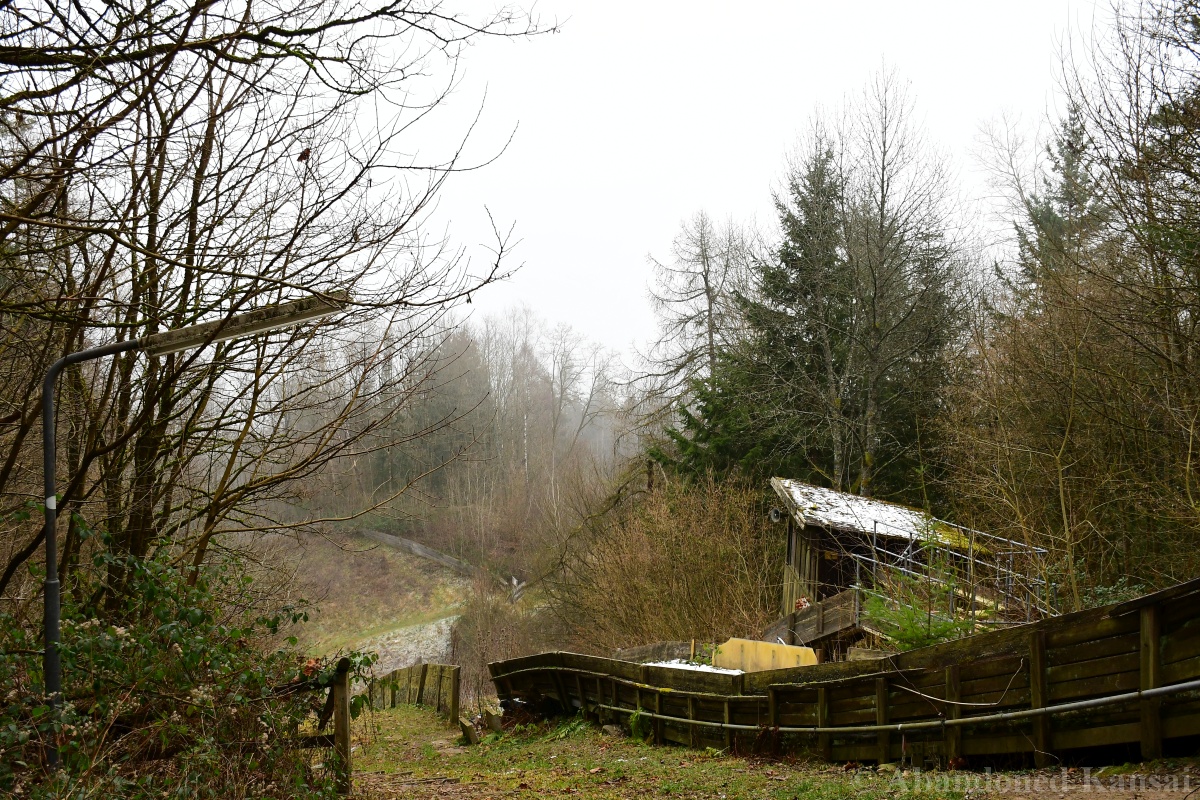
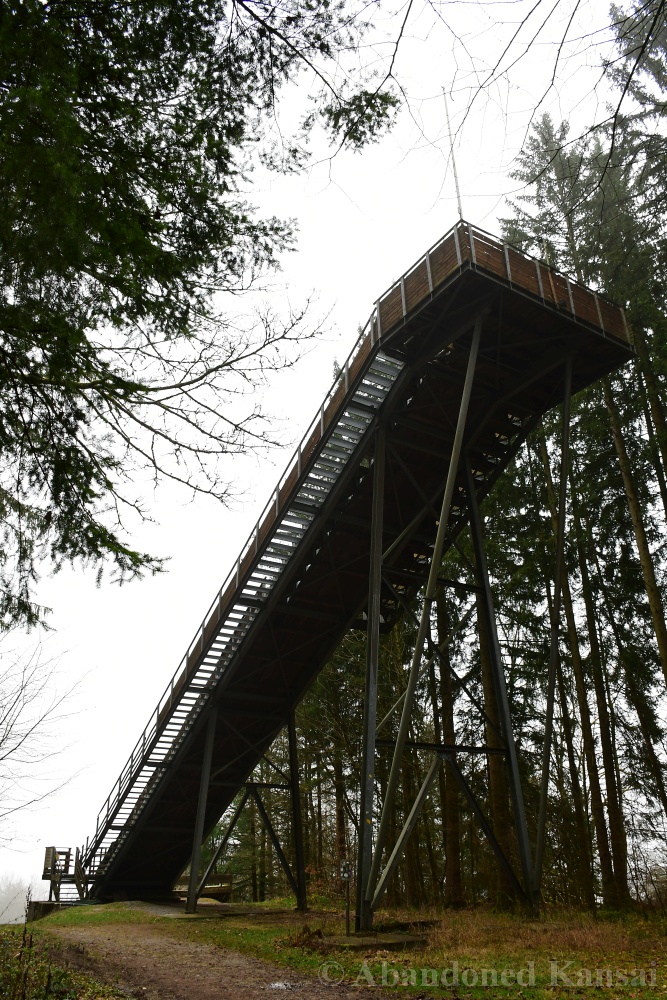
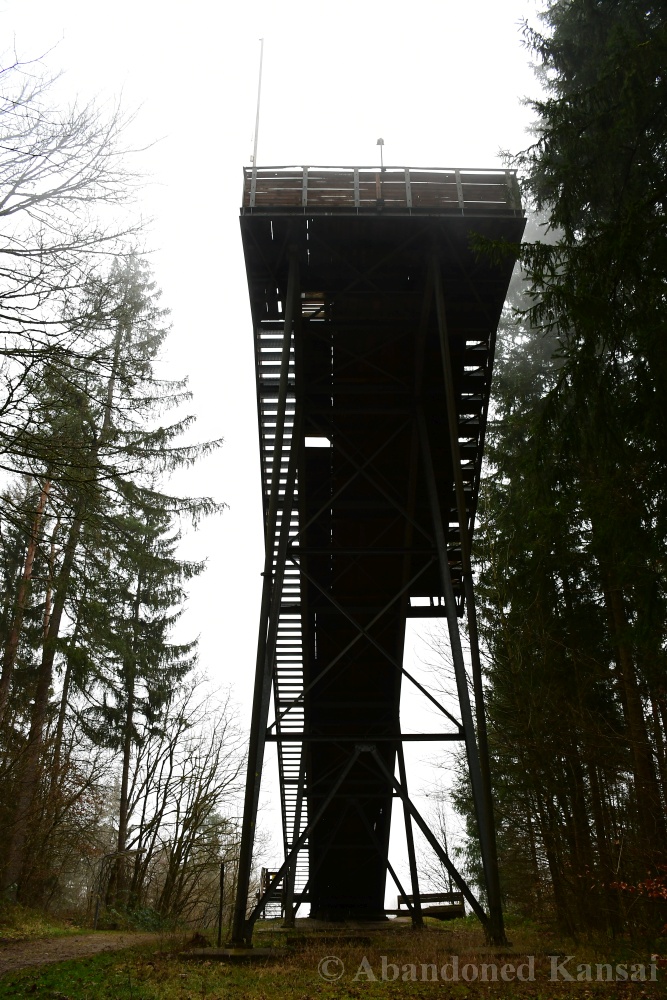
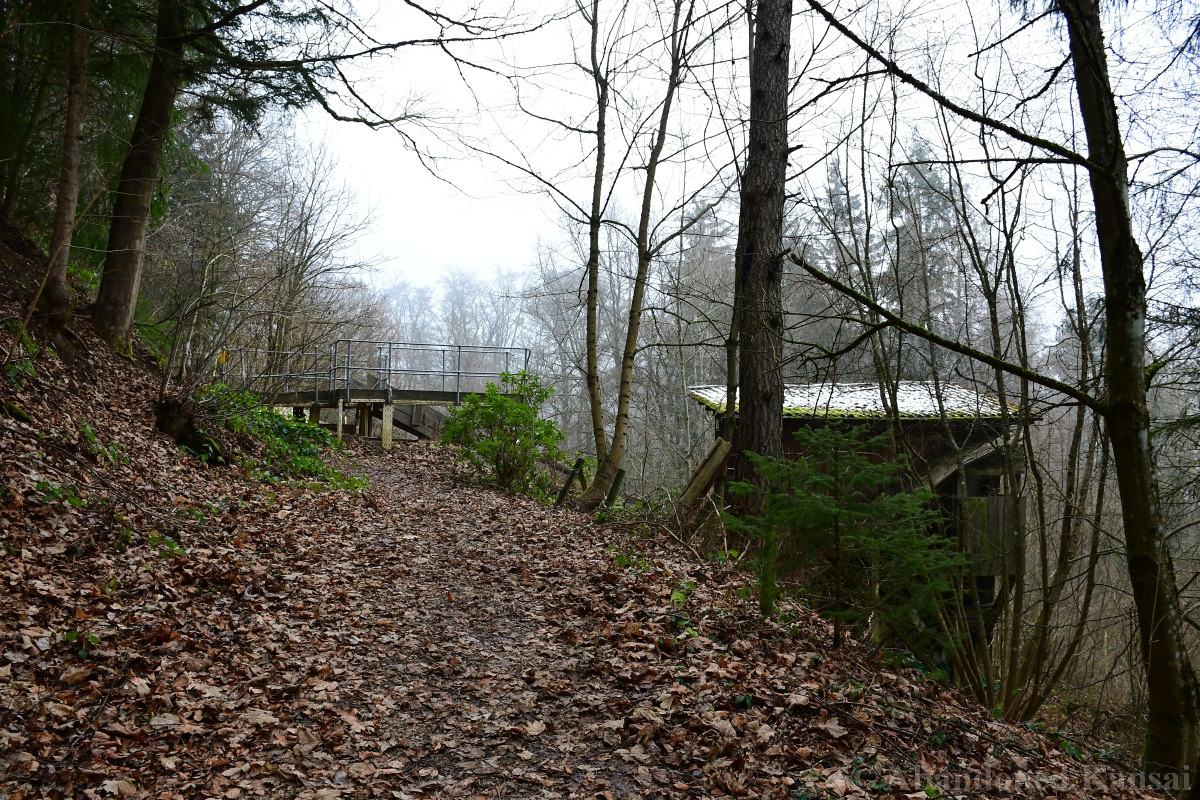
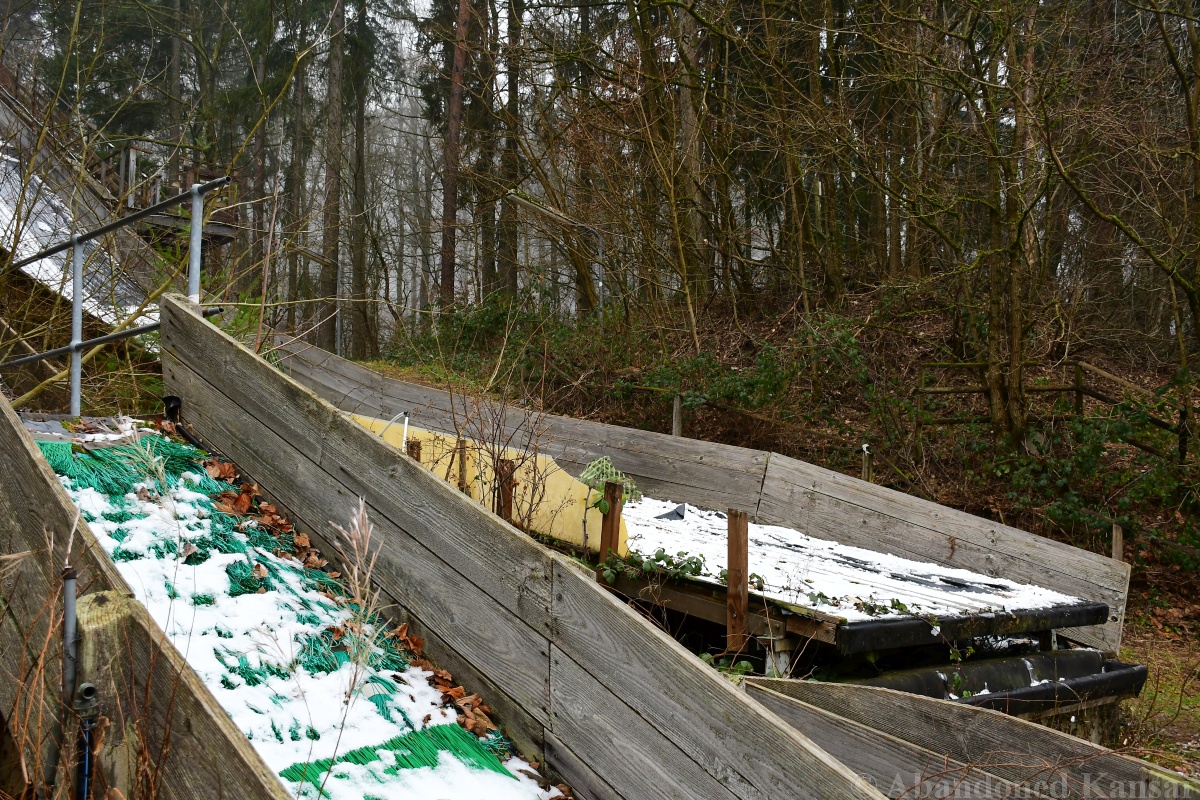
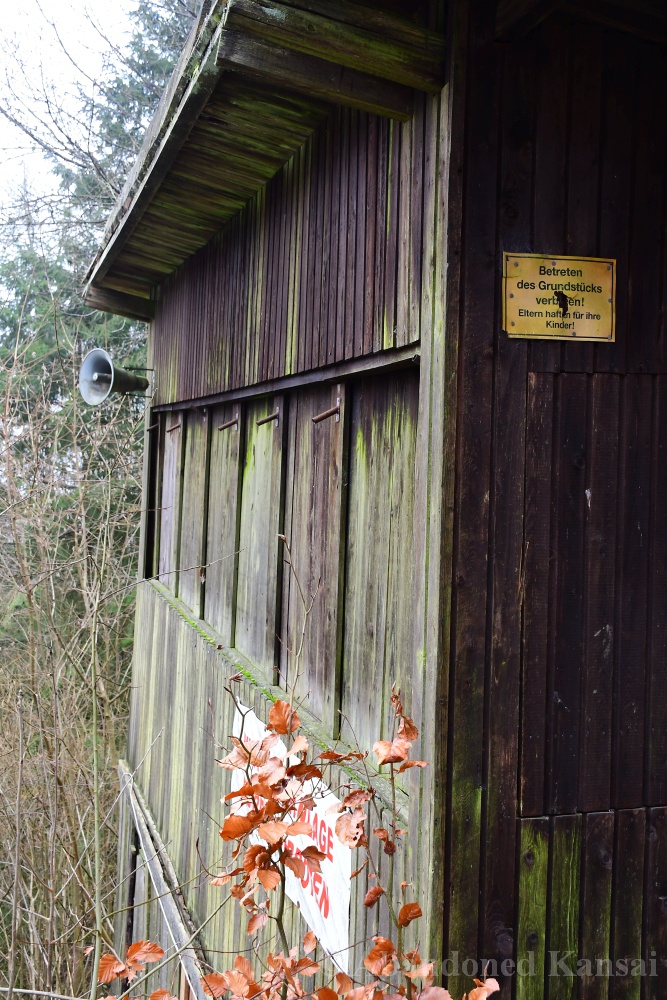
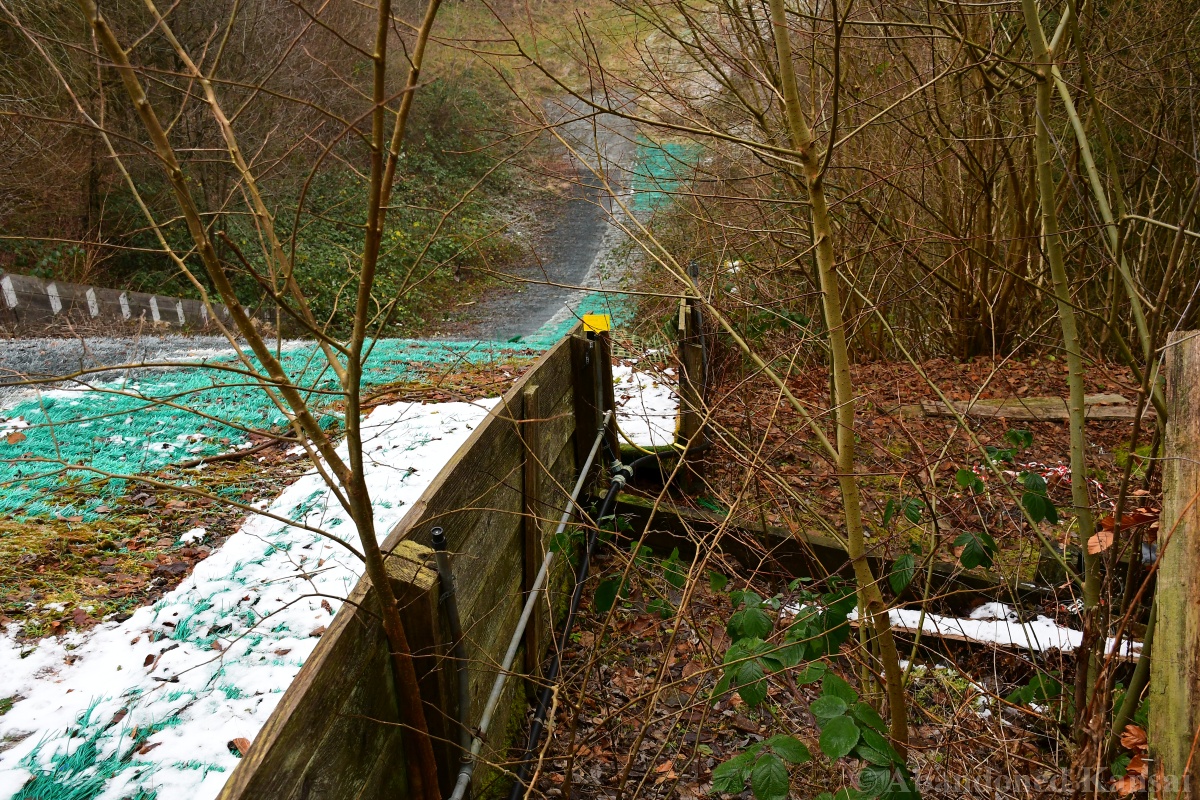
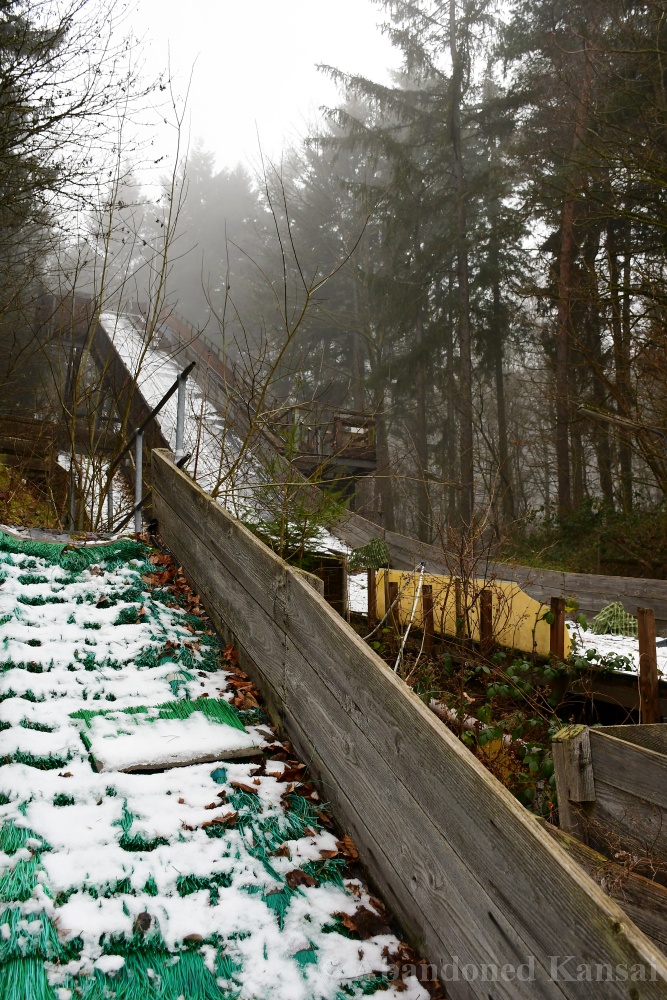
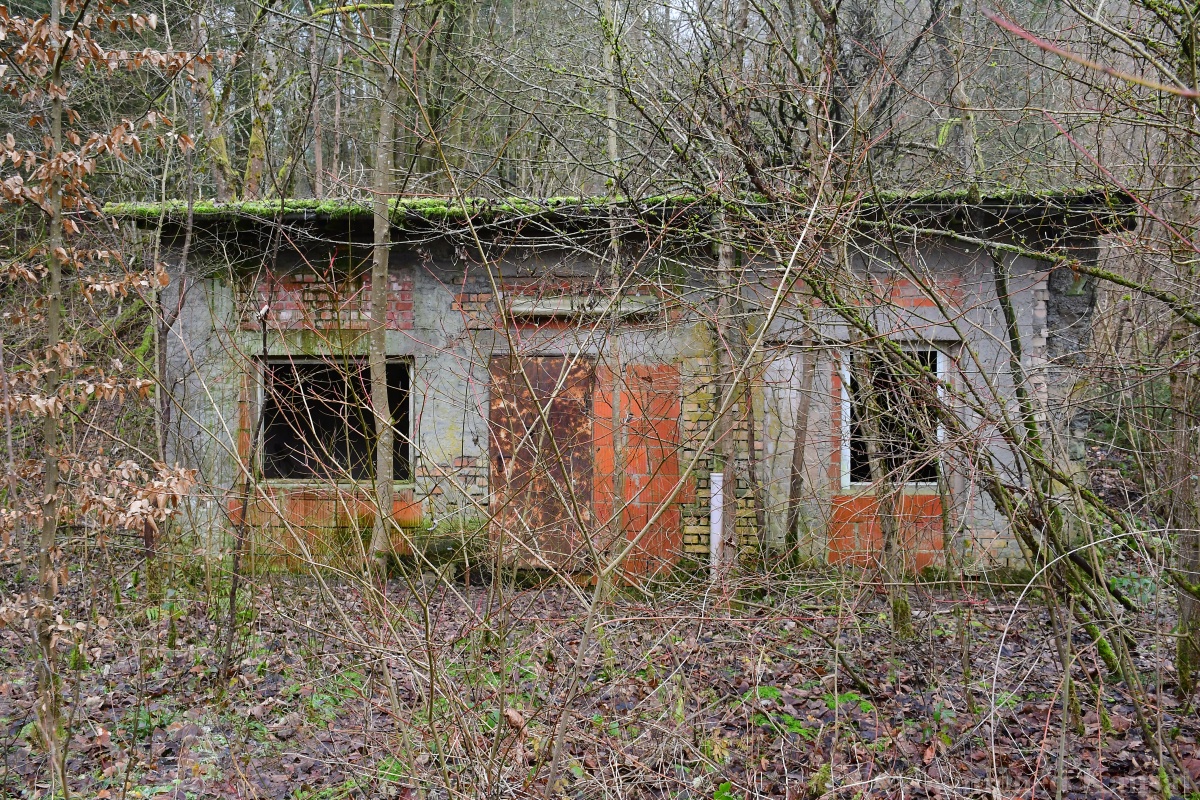
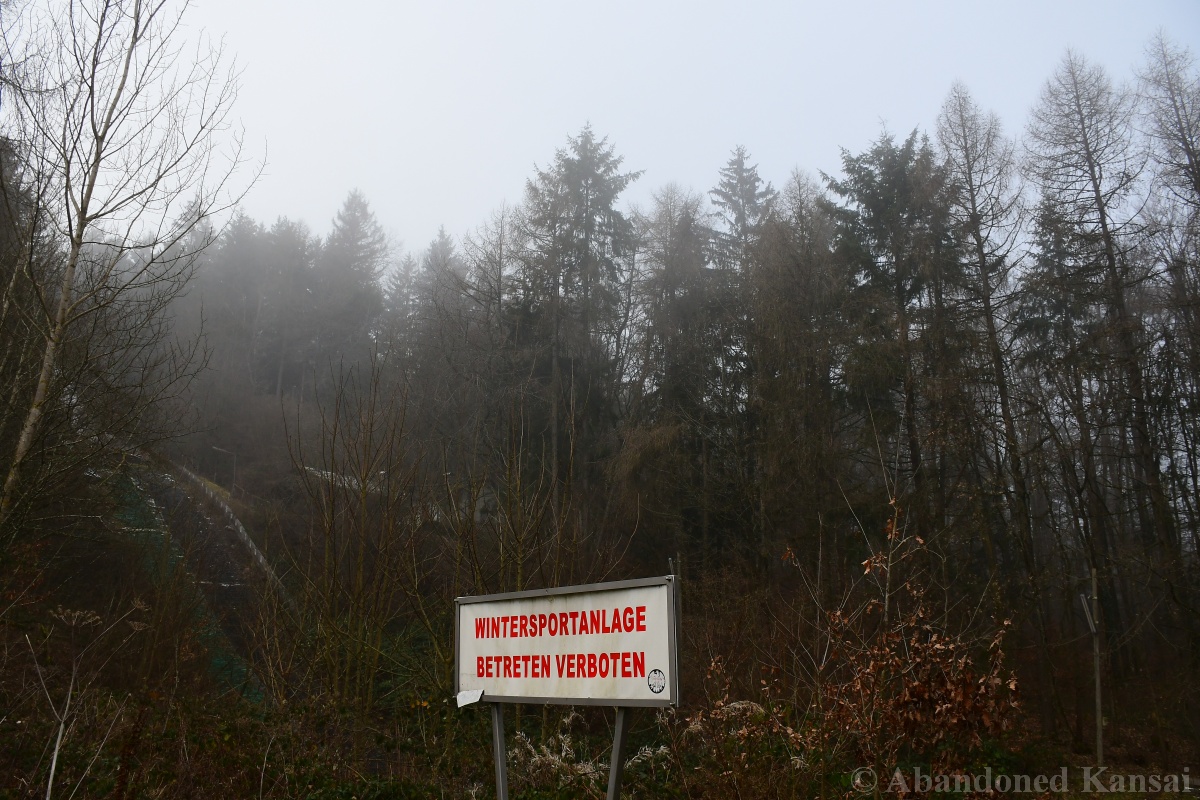
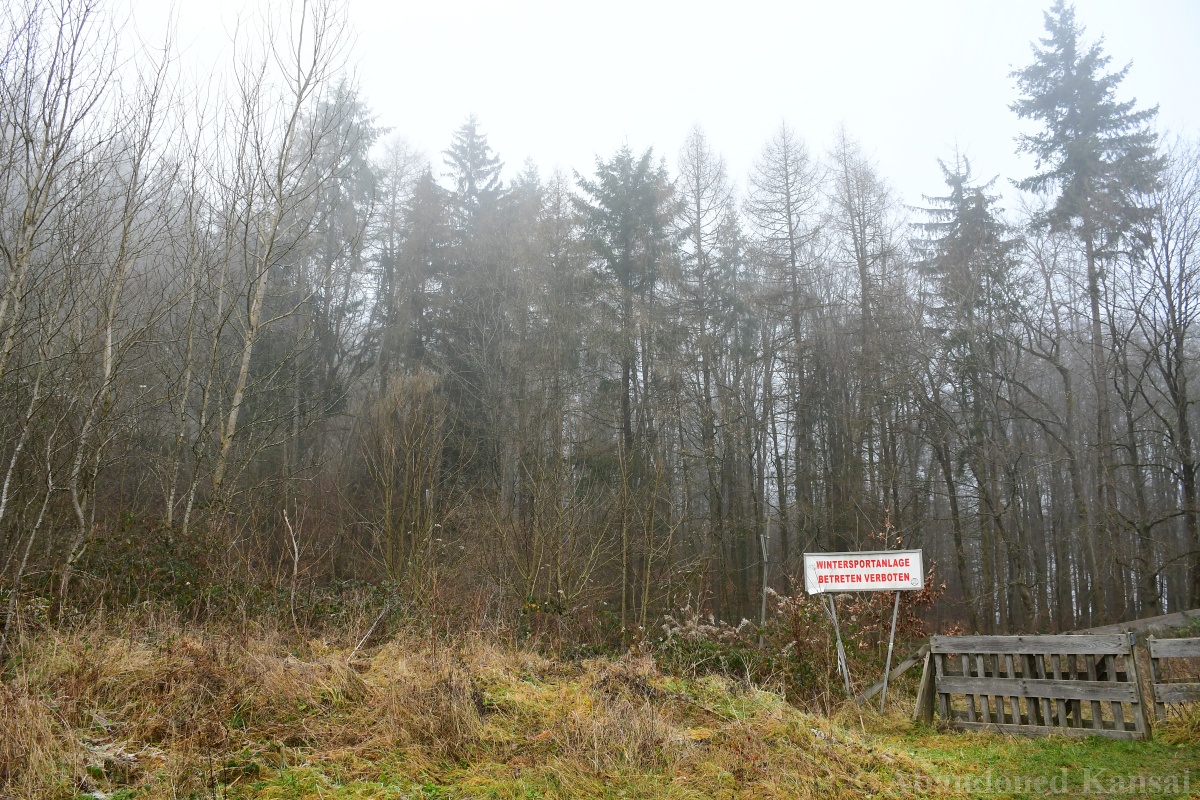
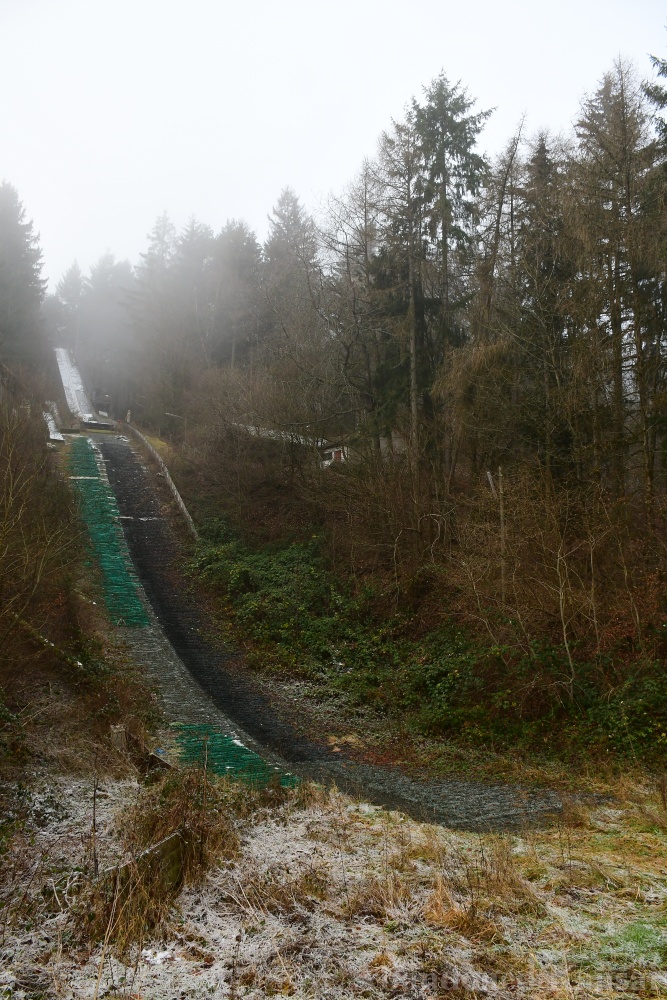
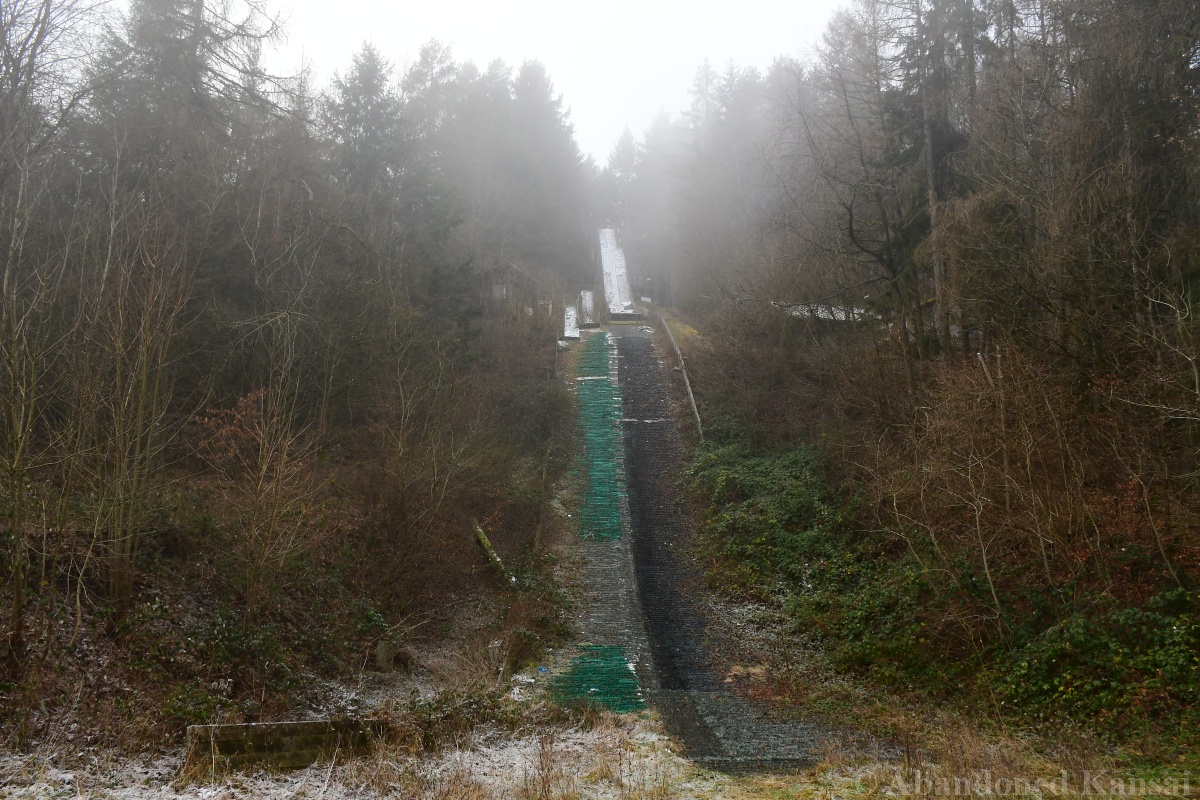
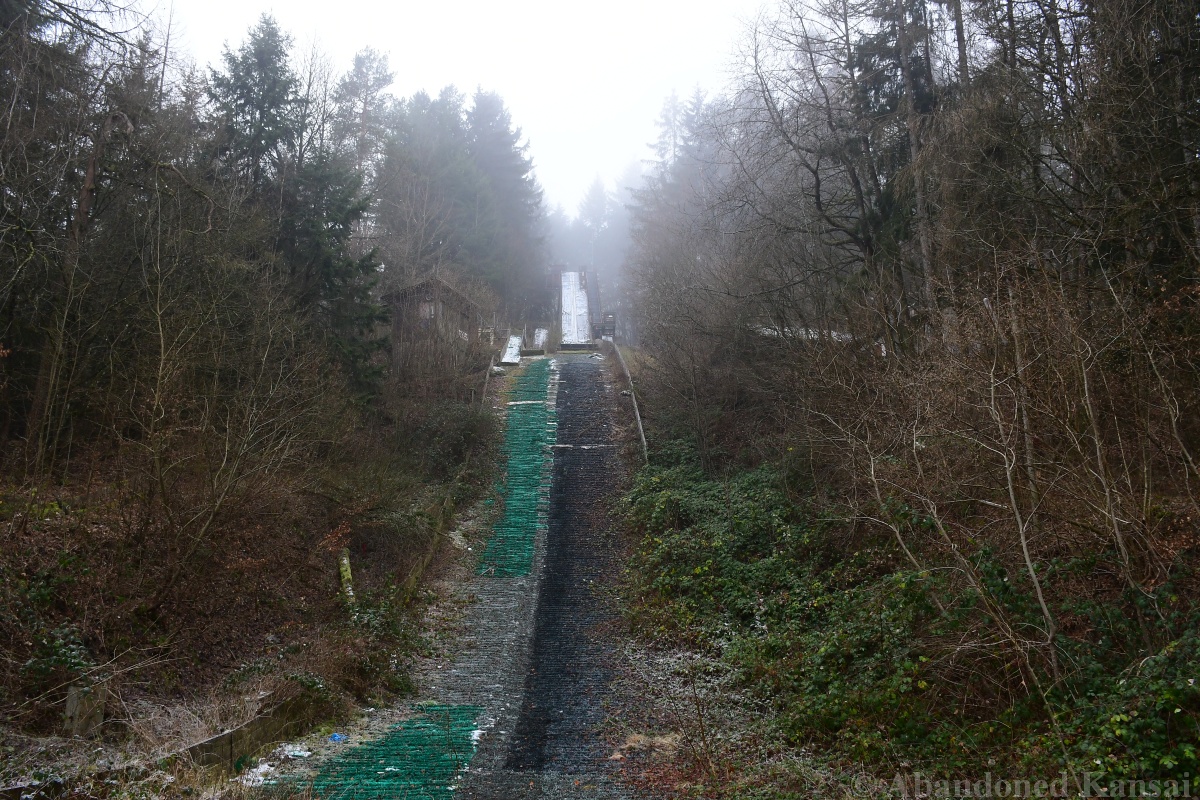
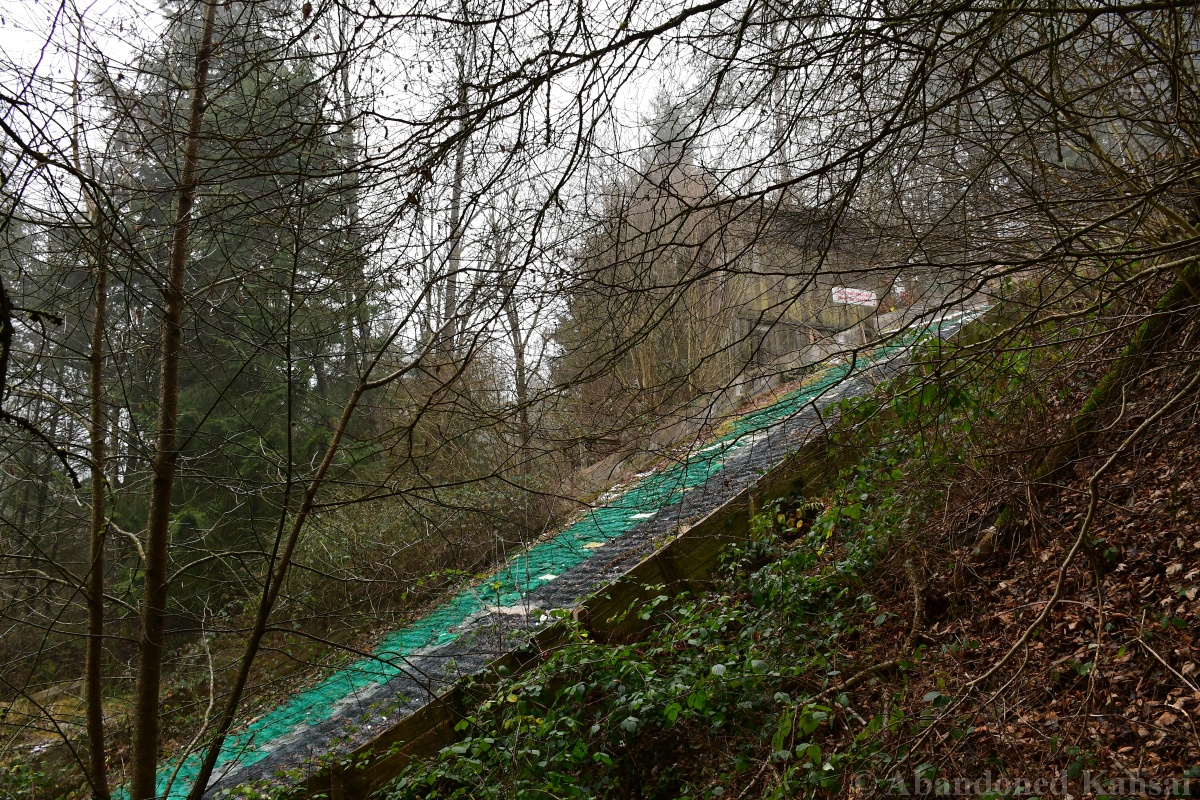
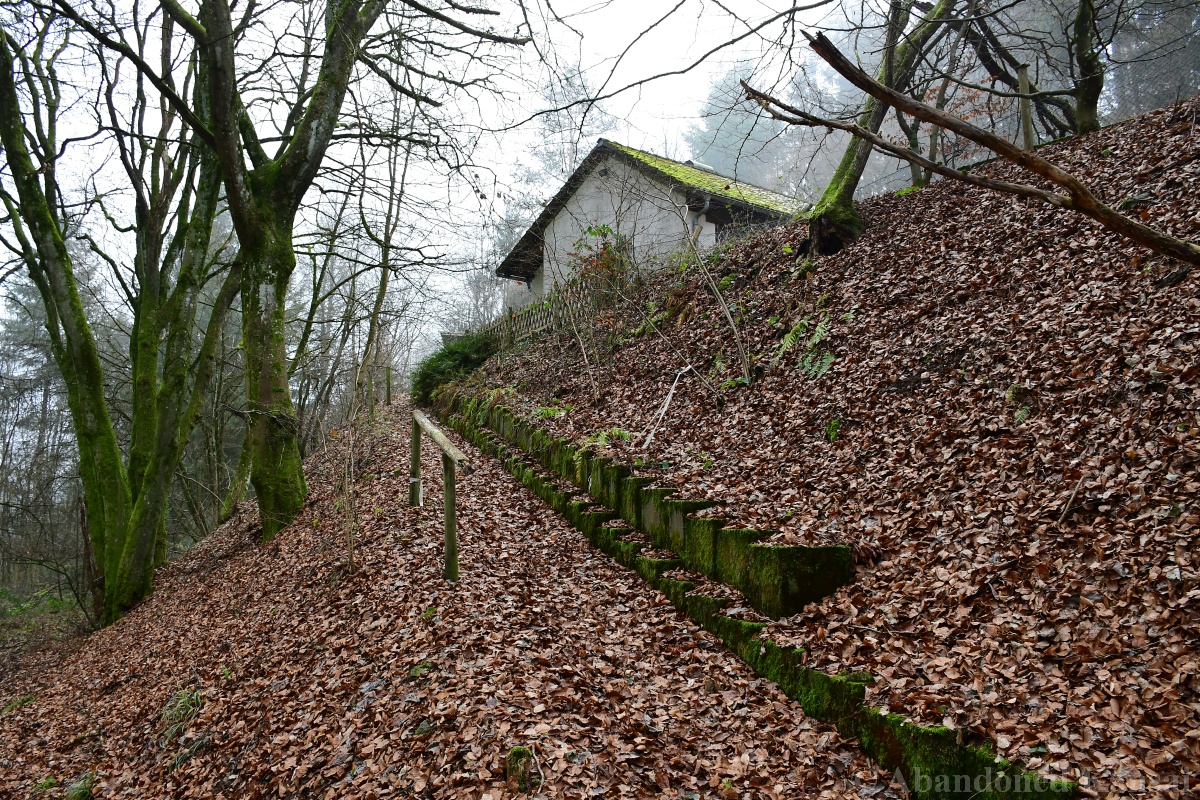
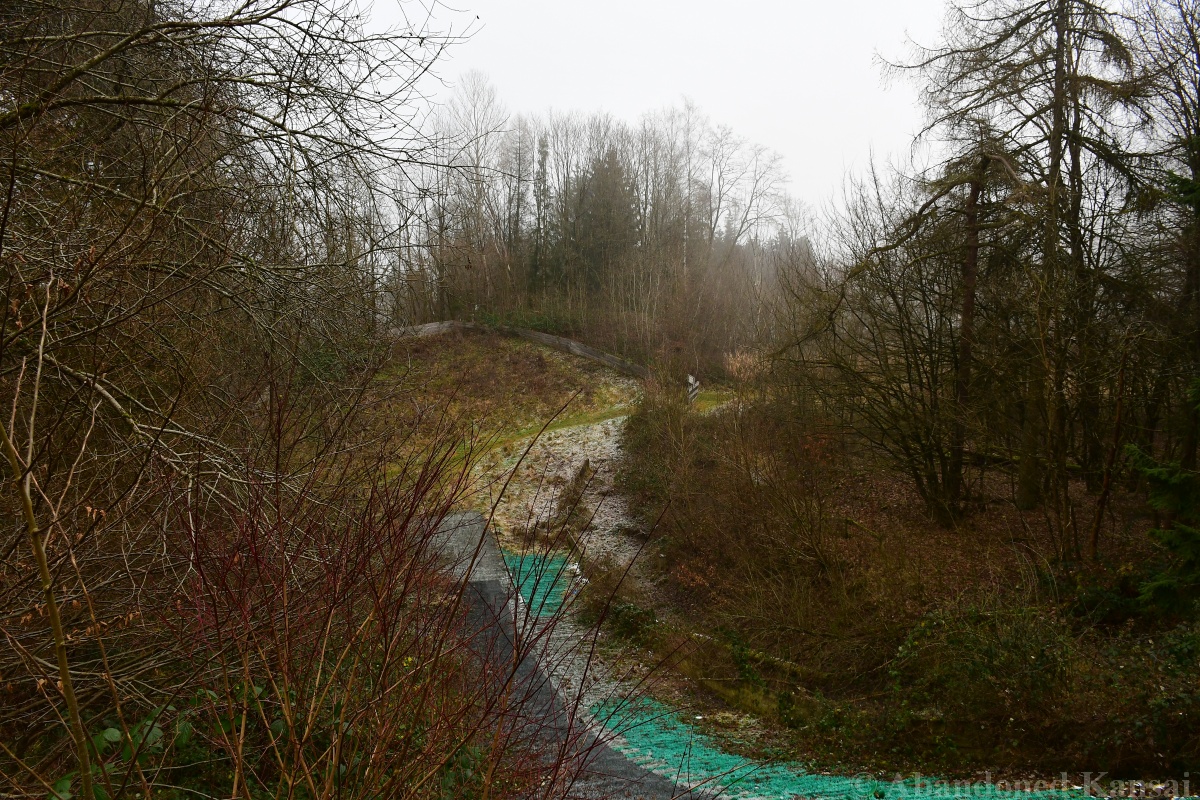
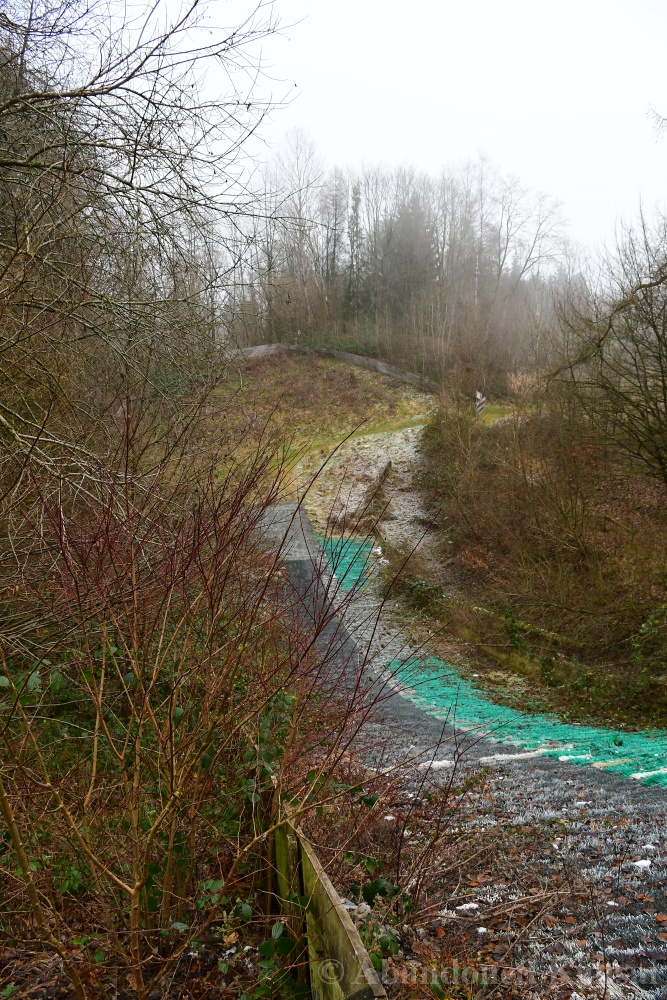
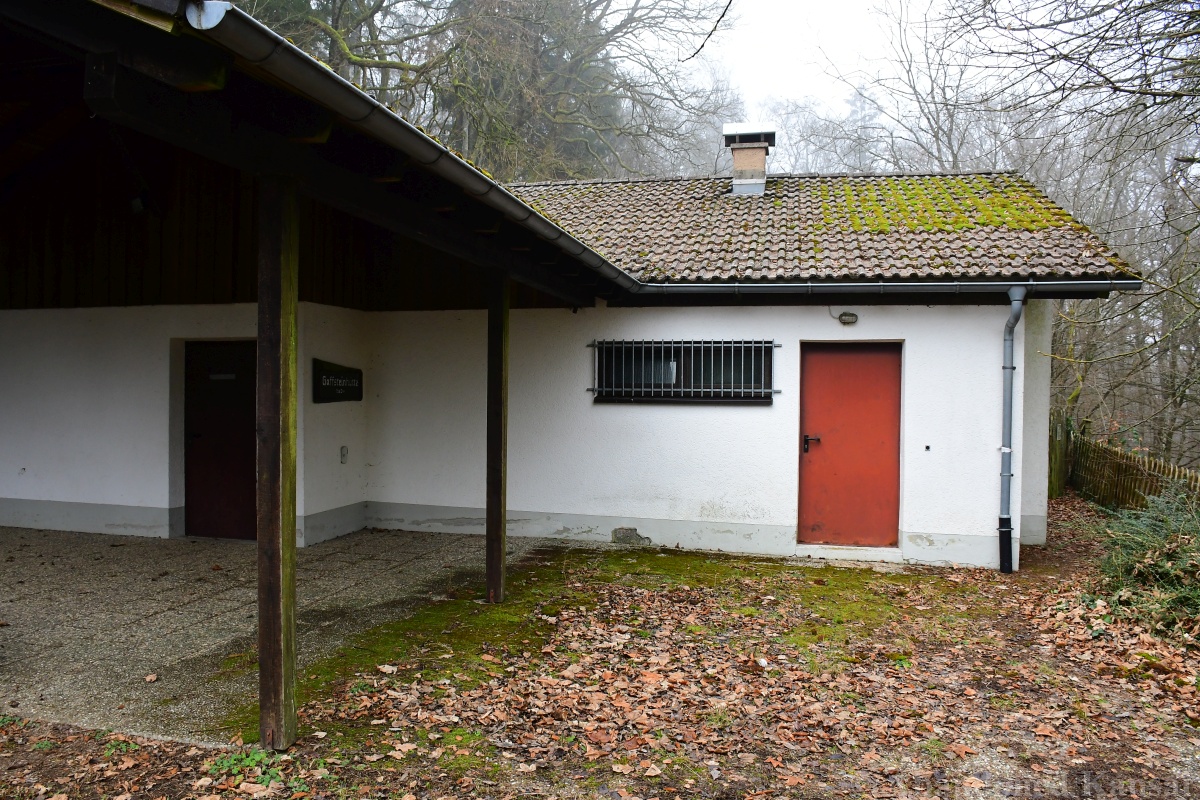
The 624m high Katzenbuckel (which translates to something like cat hump) is the highest peak of a lovely low mountain range full of history called Odenwald, roughly stretching from Darmstadt to Heidelberg (north/south) and to Wertheim in the east. In 1949 the Skizunft Katzenbuckel (skiing guild Katzenbuckel) was founded, a year later the first ski jumping hill was constructed, which allowed jump of up to 15 meters. The hill was steadily enlarged and 10 years the length of the original jumps was more than doubled. In 1976 a brand-new ski jump was built, including a 17-meter-high tower. Fueled by the German jumping success of the 90s a new plastic covered ski jumping hill with a steel tower was inaugurated in 1995 – also featuring two junior hills for young talents. It’s a bit unclear when the Schanze was finally closed – there are several reports from the 00s about activities there, but it seems like they started to fizzle out in the 2010s. If not dead already at the time, Corona definitely killed it as there are plenty of reports about the abandoned Schanze from 2020/21 on, when hiking became a popular activity during the years of social distancing. Those reports mostly were from local hikers, not urban explorers… so depending on which group you are looking at, I was either rather late or perfectly on time to the party, which I am fine with, given that I wasn’t able to go back home to Germany for several years.

Exploring the Katzenbuckel-Sprungsschanze was super easy and became a little family event. There was a free parking lot for hikers and other nature lovers just a few hundred meters away, which brings me to why I’m rather open with information about the Schanze: It was probably the busiest place I’ve ever explored due to two hiking trails running through – one behind the tower, one through the landing area. Even on a cold and damp winter day there were several dozen people walking past or through, some also had a closer look. Outdoor explorations far away from civilization are among my favorites, so despite the weather I really enjoyed this one… especially after exploring half a dozen ski-jumping hills in Japan, for example the *Overgrown Ski-Jumping Hill* and the spectacular *Hokkaido Ski-Jumping Hill*.

(*Like Abandoned Kansai on Facebook* or *follow us on Twitter* if you don’t want to miss the latest articles and exclusive content – and subscribe to the *video channel on Youtube* to receive a message right after a new video is online…)

Read Full Post »
I’ve been urbexing for almost 15 years. During that time I’ve never written any articles about equipment, despite being very happy with three different Nikon DSLRs, two Manfrotto tripods, and a Sanyo video camera – which broke in 2019 after almost 15 years of recording countless hours at hundreds of locations as well as places like Chernobyl and North Korea. Videos I always considered a bonus anyway… and I’m still having a hard time thinking of myself as a photographer, given that I have no formal education in that field and only do it as a hobby. A really time-consuming hobby, but nevertheless just a hobby. I also don’t have a background in technology, so what’s the point of reviewing camera equipment when I just have an opinion based on learning by doing? Well, that doesn’t keep countless “influencers” and Youtubers from churning out incompetent nonsense, but I wouldn’t want to be found dead with either label on me! And like my favorite professor at university once said in regards to papers we had to hand in: “Don’t claim anything you can’t proof!”

Fortunately there is no need to be technical or scientific about this Insta360 X4 article, because unfortunately we never got that far…
Like I said, I always considered video walkthroughs of the locations I explore a bonus. I started them pretty much right away, but at first I didn’t even publish them, because I only took them for myself. And even when I published them, I didn’t edit them. No cuts, no voice overs. Just me walking around breathing heavily into the silence. That all came to a sudden halt when my Sanyo stopped working after exploring the abandoned *Trump Hotel*, also wiping out the recordings of the whole day. At that point I was tired of doing the videos anyway – and my co-explorers were increasingly annoyed, because I added 10 to 30 minutes at the end of every exploration for the walkthrough. So I stopped doing them.
For the past 18 months I’ve been exploring solo again (don’t ask, it’s complicated and often quite frustrating, to be honest), but a few weeks ago a colleague of mine showed me an older model Insta360 video camera that a visiting cousin from the States forgot at his place in Japan. I was fascinated by the easy to use 360 photos and videos, so I did some research and decided to get one. I’ve read reviews, I’ve read product pages – I did my best to make an informed decision, because at first I considered buying the X2 or X3 as older models often are cheaper with only slightly fewer / worse features. The X2 was out of the race when I read in a review that it required a smartphone to be activated – something I didn’t read anywhere about the X3 and X4. I guess because it’s an idea that is so stupid that it probably was a one-time mistake by Insta360, facing so much backlash that they removed the requirement from following models. The price difference between the X3 and X4 wasn’t very big and since the latter was only four weeks old at the time, the price on Amazon and in brick and mortar stores was the same, so I decided to get it at my local Yodobashi Camera (street block sized electronics stores with hundreds of employees each, in case you are not familiar with the chain), where I’ve been a customer for almost 18 years – ever since I moved to Japan.
BIG MISTAKE!

Yodobashi Camera was extremely stingy, giving only 1% points on the video camera, despite a promotional campaign of giving 13% points for purchases over amount X – except for (small print)… But when you shell out 80k Yen on a new video camera you are looking forward to use, store points are the last thing you worry about anyway. Fortunately I still had some of those points, which I used to get a seriously overpriced MicroSD card, because without it the video camera would be useless and I wanted to try it out on the weekend before an upcoming urbex trip. 83500 Yen poorer, but with a big smile on my face I left Yodobashi Camera on a Friday evening after an otherwise pretty horrible week.

Saturday was supposed to be a great day, though it started with a rude awakening / realization…
After sleeping in and having a delicious breakfast, I enjoyed a nice unboxing. The first slight disappointment was when I realized that the included battery was dead. Well, not dead dead, but completely empty. Whatever, an hour or two wouldn’t make a difference. It would not dent my great mood for sure. That came a few hours later when the battery was fully charged. I booted the small brick for the first time, its screen came to life, asking me to choose a language – and then the screen showed what the camera was seeing… for about a second or so. Then some text popped up and my heart sank. You gotta be kidding me! What I was looking at was a screen telling me to download an app by Insta360 to a smartphone, iOS or Android, to unlock the video camera. What. The. Heck? I literally felt it in my fingers how my blood-pressure exploded, because unlike pretty much every person on the planet above the age of 6 years I don’t own a smartphone. Never have. In the late 90s I had a black and white Nokia for work (yes, I’m not the youngest anymore, though I started working full-time in my early 20s). When I moved to Japan I had a flip phone or two, but for the past 15 years or so I didn’t have any mobile phone at all, smart or not, because I don’t like them as they turn way too many people into dumb zombies. So here I had a brand-new, quite expensive video camera… that forced me to make it usable by using another device with cameras? Who comes up with stupid ideas like that?!
Certainly not Nikon! Their D7500 DSLR I bought just weeks prior worked with a partly charged battery and regular SD cards straight out of the box 5 minutes after purchase – without any charging or unlocking BS!
So I started to do some research… and didn’t find much. Like I said, I couldn’t care less about smartphones, apps and all that stuff, so I tried to find a solution to unlock the darn X4 via PC or MicroSD card. Of course I couldn’t find anything about that either, so I contacted Insta360 directly – who apparently didn’t read my message and instead sent me a standard reply. So I got back to them, apologized for not describing my problem properly (I’ve been in Japan too long…), and this time got an answer that at least implied that they understood the situation I was in – without being able to help, because though it seems to be nowhere stated on the box, the promo material or even on the X4 website (at least back in mid / late May, maybe they changed it by now)… you really need a smartphone and the Insta360 app to use a newly bought X4 video camera, that seems to work perfectly fine, but is made not usable on purpose by the manufacturer. Which absolutely blows my mind!
How is that even legal?
How can a company force you to use a completely unrelated piece of expensive technology that actually partly does the job of the product you just bought, to make your purchase usable? Without mentioning that essential detail with big warnings before purchase! And in addition, forces you to use an app, which does who knows what in the background without one knowing?
What’s next? You need an electric bike with WiFi to unlock your newly bought car? And if you don’t… sucks to be you, it’s completely useless!

Yodobashi Camera – (The Lack Of) Customer Service In Japan!
After some back and forth it was Monday and I came to the conclusion that I won’t be able to use the Insta360 X4, because it really needs a smartphone to unlock, which wasn’t properly communicated. So after work I went back to Yodobashi Camera, my go-to electronics store for the past almost 18 years. Never had a problem with them, because all the products I bought worked as intended right out of the box. So I went back to the cashier counter where I bought the video camera… and already ran into the first minor bump in the road – apparently I hadn’t paid for it in the camera department, but a neighboring one, which wasn’t a problem on Friday evening, but very well on Monday evening. So I went 20 meters over to the camera department and told them about my unfortunate situation: That I had bought this video camera three days prior, but couldn’t use it, because it doesn’t work without a smartphone, which wasn’t properly communicated by Insta360 or Yodobashi Camera. But I was very careful with everything, I didn’t even remove the protective film from either of the lenses. Some air through the teeth sucking, some going back behind the counter to talk to a superior and then something like the following conversation – it’s in quotation marks, but they are not really quotes, you know… just something like that, from memory:
“I can’t sell this anymore, you opened the box. You can’t return it.”
“But I can’t use the video camera.”
“I can’t sell this anymore, you opened the box. You can’t return it.”
“I don’t have a smartphone. The X4 is useless to me.”
“I can’t sell this anymore, you opened the box. You can’t return it.”
“I did proper research and I only found out about this after I opened the box and tried to use the X4.”
“I can’t sell this anymore, you opened the box. You can’t return it.”
“I bought a D7500 last month, it worked out of the box…”
“I can’t sell this anymore, you opened the box. You can’t return it.”
“Then take it back and ask Insta360 to exchange the X4 – you have dozens of them here, you probably have to return one once in a while anyway.”
“I can’t sell this anymore, you opened the box. You can’t return it.”
“Are you serious? I’ve been a customer here for almost 18 years, spent millions at your store and other ones in the building that has your name. Never had a problem – and the first time I have, you are stonewalling me?”
“I can’t sell this anymore, you opened the box. You can’t return it.”
“Really?”
“I can’t sell this anymore, you opened the box. You can’t return it.”

At this point I gave up and exchanged a few more e-mails with Insta360 (“You should try to return the X4 where you bought it!” No kidding…), but their responses quickly became as useless and repetitive as the one of the guy at Yodobashi Camera – who is just a small cog in a big machine, so I don’t blame him; he’s punished enough with the lighting in the store and the uniform he has to wear all day.
So here we are, after me falling for the usual misconception about (customer) service in Japan, because I rarely ever had a real problem anywhere. It’s great as long as everything is within procedures – if somebody has planned for it, it most likely will go smoothly. Service is great. When service becomes customer service though, i.e. an individual customer needs help that requires improvisation outside of the planned service… you’re basically on your own. The only thing flexible in Japan is bamboo.

Nevertheless I still have moments when I wonder: AITAH?
I’m a huge believer in personal responsibility. If I make a mistake, I stand by it. I find behavior like ordering 20 items of clothes in different sizes and colors with the intention of sending 18 of them back despicable. In fact I’ve never sent anything back that I’ve ordered online, except for two USB-HDDs – and only because they didn’t work. I don’t do fast fashion, I don’t buy garbage from questionable sites like Shein oder Temu, I don’t replace electronics unless they are broken. (RIP, Nikon D7100!) I did due diligence before buying the Insta360 X4 and to this day everything in that (opened…) box is in mint condition. If I would have known about the smartphone requirement, I wouldn’t have bought the X4. It’s the reason why I didn’t buy the X2.
This is actually only the second time that I tell this story to anybody, because part of me is a bit ashamed that this series of unfortunate events happened – despite all the research before buying. But spending more than 80k on a useless brick of tech isn’t exactly something to be proud of. I don’t regret much in my life, but buying the Insta360 X4 I regret. And buying it at Yodobashi Camera is something I regret, too. Maybe Amazon would have been more accommodating with returns…
But I guess it is what it is – only money in the end. And no videos for Abandoned Kansai in the future. Heck, even if I would get the currently useless X4 to work, I would always be reminded of this story. Screw video cameras! Never was a fan, now I dislike them almost as much as smartphones. Which kind of closes the circle. But I’ll make sure to never ever even consider buying anything from Insta360 again – I still don’t understand how it’s even legal that they can do this. What’s next to unlock their cameras? Having to send them a voice message, swearing loyalty to Winnie the Xi(thead)? Apparently they can do anything without people questioning it…
I went back to Yodobashi Camera once more though, two days ago. I spent the remaining shop points I had on presents for my nephews without having to pay a single sen – my goal was it to hit +/- 20 points/Yen, but going to exactly 0 was priceless – and so I left the Yodobashi Camera building one last time with a big smile on my face. Upon arriving back home I cut up my loyalty card after almost 18 years. It probably doesn’t mean much to a large store chain like that. But it meant a lot to me!

Thank you for reading till the end and… What has your worst experience with Japanese (customer) service been? Write it in the comments!

(*Like Abandoned Kansai on Facebook* or *follow us on Twitter* if you don’t want to miss the latest articles and exclusive content – and subscribe to the *video channel on Youtube* to receive a message right after a new video is online…)

Read Full Post »
After several poultry farms and regular nurseries I finally had the opportunity to explore an abandoned plant nursery – and all I had to do was traveling 10000 kilometers…

Yesterday was Greenery Day in Japan, a public holiday to remind people to appreciate the beauty of nature – originally celebrated on April 29th, Emperor Hirohito’s birthday (because the guy apparently liked plants…), it was moved to May 4th in 2007 to annoy Star Wars fans. Nah, it was actually moved due to a revision of public holidays in 2005, which included stuffing Golden Week with one more day off to make it really shine! Unfortunately this year GW didn’t really shine at all as it was rebranded „Stay Home Week (To Save Lives)“ – which seems to be much more successful than the rest of this weak state of emergency the government proclaimed in Japan.
Anyway, Greenery Day reminded me of an unpublished plant nursery I explored on a vacation to Germany back in summer 2016. Since it was a virtually unknown business in the outskirts of a small town I basically know nothing about its history – but since I’ve never explored a garden nursery before it was nevertheless quite interesting, despite sounding dull at first sight.

The location basically consisted of several green houses, some sheds and a private house – since there were no signs of a shop I assume that they either produced for wholesale, a shop in town, or had seasonal stands somewhere on the property. Unfortunately I’m not much of a botanist, so I have no idea what they were growing there; though I think I spotted a couple of blackberry bushes. I just snapped a few pictures and got the hedge out of there… I was late already anyway as the exploration of the nearby abandoned school *Alte Martinsschule* with its large indoor pool took much longer than expected…

(*Like Abandoned Kansai on Facebook* or *follow us on Twitter* if you don’t want to miss the latest articles and exclusive content – and subscribe to the *video channel on Youtube* to receive a message right after a new video is online…)

Read Full Post »
Nature loves Germany – no earthquakes, no hurricanes, no tornados, hardly any venomous animals or floods! So bricks as a building material have been popular and in high demand for centuries… just not high enough to save the Brick Factory Rhine.

The Brick Factory Rhine was built in 1965 and therefore was a rather modern and large scale brickworks. Business was good for about 30 years, but in 2001 the financials finally collapsed and a company collecting and disposing materials like dioxin and asbestos moved onto the premises, actually using the ovens to burn off some of the stuff – when it also went bust after five years, tons of special waste were stored all over the place. It took local authorities three years and almost 2 million EUR to get rid of the inherited waste and they took over in 2012 when the compound was finally foreclosed – and of course soon later a case of arson destroyed the offices (causing damages of about 50k EUR). Not much happened since then. The local authorities are trying to sell the property, but developing a legally binding land-use plan apparently takes forever, especially since the factory is on land that gets flooded regularly once every decade or so.
In Japan I try to stay away from “abandoned” properties that are owned by the state, because… of bad experiences, but in Germany state employees are much more relaxed than in post-Imperial Japan. When I grew up in Germany, the police was promoted as “Your friend and helper”, with the informal version of “your” – and I don’t recall a single bad experience with the guys. In addition to that, the brick factory is in the middle of nowhere, but along a somewhat busy road, so we parked out of sight and walked the remaining couple of hundred meters. Nowadays there seems to be a construction fence around the property, but back in 2014 you could just walk in and have a look around. Unfortunately I explored the factory after the place was cleaned out… and after the arson, so there weren’t a lot of items left behind. Nevertheless the Brick Factory Rhine offered quite a few photo opportunities just based on the fact that it was a big abandoned industrial site with all kinds of tanks, pipes and ovens – which is hard to find in Japan, for whatever reason; I guess here factories are used till they are held together by little more than chewing gum and duct tape – and then they turn into dust during the next typhoon. The lack of items also made the factory look much better than it actually did, because there wasn’t a lot of broken stuff lying around, despite the fact that pretty much everything left behind was actually broken. An unusual, handheld, quick (40 minutes + plus video) exploration. I’ve experienced worse… 🙂

(*Like Abandoned Kansai on Facebook* or *follow us on Twitter* if you don’t want to miss the latest articles and exclusive content – and subscribe to the *video channel on Youtube* to receive a message right after a new video is online…)

Read Full Post »
Military explorations are always some of the most uncomfortable ones as you never know how abandoned or risky they really are – and what the consequences will be if getting caught…
Luckily exploring this abandoned shooting range near Dudenhofen in Germany was a rather relaxed operation. After spending a couple of hours at the pretty impressive *German Countryside Retirement Home*, my sister Sabine and I went to a small town outside of Speyer to have a look at a rather little known location similar to the *Military Shooting Range Neustadt*, which we explored three years prior. The front entrance featured a massive locked gate with large warning signs (Military Area! No trespassing! Contraventions will be prosecuted!), but it didn’t take us too long to find a rather easy way in. Interestingly enough the first things we found weren’t signs of a military installation, but dozens of boxes for beekeeping, probably put there by an amateur apiarist… and countless bees flying around. A blast from the past, because while I was studying Japanese history, I had to get credits outside my main subject, too – so I participated in a hands-on class about bees and beekeeping taught by the biology department; four hours every two weeks, one of the most amazing experiences of my university days! Unfortunately the abandoned shooting range itself wasn’t that impressive – a couple of concrete arches, partly wooden clad. No big bunker or a large bullet trap. Nevertheless a nice little outdoor exploration on a sunny summer day. Perfect as a filler in a busy week like this…

(*Like Abandoned Kansai on Facebook* or *follow us on Twitter* if you don’t want to miss the latest articles and exclusive content – and subscribe to the *video channel on Youtube* to receive a message right after a new video is online…)

Read Full Post »
Why on earth would you nickname an abandoned mansion in the French mountains Chateau Banana? Well, the answer is surprisingly obvious…

Sometimes I wonder if I publish too many photos with my articles… probably around 30 in average, usually between 20 and 40. So far nobody has complained about too many photos, some people actually want even more pictures, but I often feel like I am watering down photo sets by posting too many average photos that show the average or below average parts of a location – because let’s be honest, only a handful of locations are interesting enough for 30 really good photos, a more realistic number is probably between 10 and 12 per set… and “just” good Pictures, which is in the ballpark of what I’ve seen of the Chateau Banana before exploring it. People were rather monosyllabic with information and stinted with photos, giving the impression that the Chateau Banana was a spectacular kitschy version of the now legendary *Chateau Lumiere*. The location wasn’t even on my radar as I just don’t have the time to intensely follow urbex trends outside of Japan, but luckily my reader Dennis made me aware of it and pointed me in the right direction without just handing me coordinates – very much appreciated!
The Chateau Banana is a rather recent discovery even amongst European urbexers, which is why there is only little known about it. Located in the Vosges Mountains, the Chateau Banana most likely originated as a private mansion maybe 80 to 100 years ago on quite a piece of land on the edge of a small town. Luckily my friend Nina and I found a quick and easy way in, because two hours and forty-five minutes into our three hour long drive it started to rain – the main door was locked, but the side entrance through the kitchen was only closed.
Kitchen instead of kitsch… The Chateau Banana was nothing like it looked like on the photos – at first. I’m sure it once was a majestic kitchen, but not at the time of our visit. The whole area was cluttered; boxes, cartons and random items stacked over each other, along the wall till underneath the ceiling – a path just wide enough to walk through leading deeper inside the eerie building. Lighting on the ground floor was difficult in general as most window shutters were closed and nailed shut – only a few of them had been partly “opened”, with the use of force and not without damaging the shutters. The hallway and most of the other rooms on the ground floor were as cluttered as the kitchen, only the gorgeous living room was in excellent condition… like on the photos I had seen. Since the lighting situation didn’t improve during the first few minutes we decided to explored the building from the top – two more floors plus the attic. The wooden staircase didn’t inspire confidence, but I had seen worse. At least it was made from massive, solid wood, much more sturdy than the lightweight construction I am used to in Japan.
The attic was not much of a surprise, maybe except for the fact that there was still laundry to dry on the clothesline rope. The floor below looked like it was privately used, with the peculiarity that that every room had its own bathroom, some even a dressing room. It was there where I found one of most unusual abandoned items ever – a fencing mask. A little less cluttered than the rest of the house it slowly dawned on us what was going on at the Chateau Banana. This wasn’t just an abandoned mansion – this was a failed conversion, private villa to hotel. The middle floor gave even more hints – most of the rooms there were almost done and ready to welcome guests, the most beautiful room with the biggest bath was labelled private though. Interestingly enough a lot of items we found at the Chateau Banana had German text on it – like the Happy Families card game with classical composers or pretty much all of the renovation material.
By the time I finished shooting the upper floors it stopped raining and the sun came out… for a few minutes, only to hide behind clouds again, and again, and again… Nevertheless I took a couple of photos in the beautiful dining room and living room – in such good condition that some of the tableware was still in the glass cabinet. Other items left behind included a great piano, an old bible and a turn of the century stroller plus quite a few pieces of furniture; whether they just looked like antiques or actually were antiquities is impossible for me to say. Just before we left I final look around, still wondering why this was called the Chateau Banana – and then it dawned on me. A lot of the boxes between the living room and the main entrance, stacked up to the ceiling, were actually banana cartons from a variety of companies…

At first the Chateau Banana was kind of a disappointment as it didn’t live up at all to the image I had in my mind based on the pictures I had seen beforehand. Luckily my friend Nina was extremely patient and allowed me to explore and take pictures for three and a half hours, sacrificing a second location I had in mind for the same day. It wasn’t an easy photo shoot, especially since I had to deal with a really crappy tripod (if you buy one, buy a good one – sadly I left mine in Japan as I was just on vacation…), some tight spaces and ever changing lighting. And yet I ended up with 40 photos again. Usually I post them in chronologically order – this time I will post them differently. The good ones first, then the crappy ones you usually don’t see on other blogs / urbex sites. So in the end the Chateau Banana was beautiful in its own way – but my favorite location in France is still the amazing *Chateau Lumiere*.

(*Like Abandoned Kansai on Facebook* if you don’t want to miss the latest articles and exclusive content – and subscribe to the *video channel on Youtube* to receive a message right after a new video is online…)

Read Full Post »
The Patton Barracks in Heidelberg, once the headquarters of the United States Army Garrison Heidelberg, were closed in 2013, along with the nearby Patrick Henry Village – earlier this summer I had a quick look…

While the PHV was quickly used as an emergency shelter for refugees of the European Migrant Crisis after being transferred to the Bundesanstalt für Immobilienaufgaben (“Institute for Federal Real Estate”) in mid-2014, the Patton Barracks went a different way and got bought by the city of Heidelberg, who has big plans with the property that included 29 buildings (everything from storages and repair shops to a theater and even a church!) on 14.8 ha and has access to two street car and bus stops. Currently there are two main projects going on – the planning and construction of an indoor sports arena for up to 5000 paying visitors (planned grand open: October 2019), and a brand-new high tech center (Heidelberg Innovation Park, HIP) for IT, digital media and industry 4.0 businesses to keep up with the city’s latest twin towns – Palo Alto and Hangzhou!
Sadly I wasn’t able to find out much about the history of the Patton Barracks. Apparently it was founded before World War 2, but the first mentioning I found was in connection with the 110th Infantry Regiment, which was activated in 1936 and lead to the construction of a new base (from 1938 on Großdeutschlandkaserne, after WW2 Campbell Barracks) as the existing Grenadier-Kaserne (now Patton Barracks) wasn’t big enough. In 1952 the Patton Barracks became the headquarters of the United States Army Garrison Heidelberg… and 61 years later they were closed, leading to the current activities.
Sorry, just a small article about a quick Exploration, but Abandoned Kansai has a long history of covering closed US military bases in Germany, going all the way back to the *Cambrai-Fritsch-Kaserne* in 2011. Next week’s piece will be much more… mysterious… and Japanese! 🙂

(*Like Abandoned Kansai on Facebook* if you don’t want to miss the latest articles and exclusive content – and subscribe to the *video channel on Youtube* to receive a message right after a new video is online…)

Read Full Post »
Trains – most of us were fascinated by them when we were kids… and started to hate them when we had to take them to school or to work. I fell in love with trains again when I found a few of them fading away in sight of a still active line. Probably because they were the same models I remember from the 80s and early 90s.

I know that train aficionados are an extremely passionate and knowledgable bunch of people – and I have no clue about trains. As a history buff I know about their origins and importance for the industrial revolution, but when it comes to details… no idea! So there is not a lot I can say about the trains and machinery I took pictures of, maybe I even mislabeled one or two; my apology in advance for that!

The railroad system in Germany has a rather negative image – people love to complain about the prices, the lack of service, the frequency of trains, the (perceived) large amount of delays (interestingly enough the Deutsche Bahn counts trains up to five minutes late as “on time”…), the (lack of) cleanliness, and much, much more. And while there is no excuse for the often mediocre job the Deutsche Bahn does, one has to admit that they are still doing well in comparison. Overall the track network is rather tight and you can all big cities, most mid-sized cities and even a ton of small cities for reasonable prices – considering that there are no barriers to the tracks, which means a lot of people fare-dodge, which raises the prices for everyone who’s paying. From what I’ve experienced and heard (after working in international teams and various countries for about 15 years) the German system is much more reliable than let’s say in France, Spain or Italy and it is right up there with Great Britain and a bit below Japan. In many ways on par with Japan for international travelers – because as fun as it is to mock the rather poor English of the average Deutsche Bahn employee, at least they are trying to keep their international guests informed when something happens. In Japan? Nothing. If you are lucky a prerecorded message on the Shinkansen, but on the levels below or at train stations? Silence… between Japanese messages. Anyway – surely not a perfect system in many ways, but much better than its reputation among locals. (Which also applies for the country’s economy, politicians, bureaucracy, food prices, health care system, and much, much more…)

I explored the German Railroad Graveyard two years ago with my sister Sabine on an exceptionally bright and hot summer day. The access point was about a kilometer down the road from where we parked without a single patch of shadow, which wasn’t exactly a good start. Luckily the exploration itself was smooth sailing, despite the fact that the tracks next to the abandoned carriages and maintenance cars were still active – and you probably remember the *other time I explored along an active train line*… Kids playing on / near tracks is a rather common nuisance in Germany and often the official explanation when a line shuts down due to a suicide. Luckily we didn’t cause any problems and had a fun hour or two in and on the back of the trains. Despite rumors saying something different there is progress even within the Deutsche Bahn – and the trains changed drastically over time. The ones fading away were from the 80s / early 90s, the ones I grew up with – signs printed on paper within the cars implied that those carriages were used for training after being removed from active day to day duty. Then they ended up in the countryside, where some vandals had a go with them. Nothing too serious, but pristine would have looked differently. Overall a rather unusual exploration and a fun trip down memory lane.

(*Like Abandoned Kansai on Facebook* if you don’t want to miss the latest articles and exclusive content – and subscribe to the *video channel on Youtube* to receive a message right after a new video is online…)

Read Full Post »
Big industrial locations are rather rare in Japan, so when I had the chance to explore the Ausbesserungswerk Trier, an abandoned train repair shop in one of the oldest cities in Germany, I was quite excited…

The Ausbesserungswerk in Trier dates back to 1911, when it opened as the main repair shop of the Preußische Staatseisenbahnen (Prussian State Railways) with 400 employees. In the following years the shop grew and grew – in 1943 almost 1500 employees took care of 885 locomotives. After being damaged in WW2, that number went down to 622 in 1954 and continually lower in the following years. In 1974 the last steam locomotive was repaired, and in 1986 the Ausbesserungswerk was shut down. After falling into disrepair the area was privatized, but only three buildings were converted into apartment buildings, most of the rest were demolished. Today pretty much only the main hall, the Lokrichthalle, still stands, partly cleaned out and surrounded by all kinds of businesses.

Back in 2013 my high school buddy Gil and I were able to sneak inside the Ausbesserungswerk Trier to take a couple of photos. Most of the building was in really bad condition already, hardly any window still intact. Despite being partly cleaned out it was an interesting exploration as the aesthetics were quite different from the ones I am used to in Japan – and there were a handful of large graffiti / murals that were absolutely gorgeous. Usually I can’t stand them at abandoned places, but those here were pieces of art, not like anything I’ve ever seen here in Japan. Overall I liked the similar locations in *Schwetzingen* and *Berlin* a little bit better, but exploring the Ausbesserungswerk Trier was definitely a good experience…

(*Like Abandoned Kansai on Facebook* if you don’t want to miss the latest articles and exclusive content – and subscribe to the *video channel on Youtube* to receive a message right after a new video is online…)

Read Full Post »
Modern military ruins are rather rare in Japan. The country still tends to deny or cover up its responsibilities for the Imperial years, especially the 1930s and 1940s – or even worse, tries to glorify the past, for example my special friend Shinzo Abe and his wife, both being tied to the ultra-nationalist kindergarten Moritomo Gakuen in Osaka recently; *please read The Guardian’s article* to find out more as a lot of people missed that story. So most of my military explorations happened in Germany, where countless abandoned American, British, French, and German bases (or remaining parts of them) can be found within like a 100 kilometer radius…

The Shooting Range of the Markgraf Ludwig Wilhelm von Baden Barracks (or Schießanlage der Markgraf-Ludwig-Wilhelm-von-Baden-Kaserne) was one of the last remains of a Bundeswehr garrison in Achern, Baden-Württemberg, German. The barracks were officially opened in Mai 1962, about half a year after the first recruit moved in. At the end of 1993 the location was closed and occasionally used for band rehearsals and emergency drills. In 2003 most of the area was levelled and turned into an industrial park – for some unknown reason the overgrown shooting range on the edge of the forest survived…
My friend Nina and I explored this rather unusual location during my summer vacation to Germany in 2012, almost five years ago. The front end of the shooting range was easy to find and had lots of available parking spots next to it, but it was also so overgrown that there was barely anything to see other than the first bullet trap and a small wooden rain protection. So we went for a walk into the forest and actually found the massive concrete back end of the shooting range after what once probably was a small water-filled ditch. Now, outdoor shooting ranges in general are not exactly exciting constructions – basically a couple of earth walls and walls, some of them wood-clad. The Shooting Range of the Markgraf Ludwig Wilhelm von Baden Barracks also featured a massive bunker with a very outdated way to hoist up paper targets… and a few other items / installations left behind. Luckily this wasn’t a restricted military area anymore, so exploring this abandoned shooting range was not much of a deal – the overall lack of graffiti and rather low amount of vandalism were a real surprise.
Now, when it comes to abandoned military installations, places like the *Cambrai-Fritsch-Kaserne*, the *Langerkopf Communication Center* and the *Hochspeyer Munitions Storage* are hard to beat and have become all-time classics on Abandoned Kansai as those articles still attract the attention of veterans once stationed there. The Shooting Range of the Markgraf Ludwig Wilhelm von Baden Barracks will probably be forgotten much sooner as German soldiers tend to show a lot less pride in and nostalgia for their service to their country, nevertheless it was a good experience for Nina and I as the shooting range was visually quite different from the usual school / hospital / hotel / repeat routine, and there is nothing like a nice walk on a sunny summer day…

(Please *like Abandoned Kansai on Facebook* if you don’t want to miss the latest articles and exclusive content – and subscribe to the *video channel on Youtube* to receive a message right after a new video is online…)


Read Full Post »
Older Posts »