Feeds:
Posts
Comments

Archive for the ‘Fukuoka’ Category

I’ve been urbexing for almost 15 years. During that time I’ve never written any articles about equipment, despite being very happy with three different Nikon DSLRs, two Manfrotto tripods, and a Sanyo video camera – which broke in 2019 after almost 15 years of recording countless hours at hundreds of locations as well as places like Chernobyl and North Korea. Videos I always considered a bonus anyway… and I’m still having a hard time thinking of myself as a photographer, given that I have no formal education in that field and only do it as a hobby. A really time-consuming hobby, but nevertheless just a hobby. I also don’t have a background in technology, so what’s the point of reviewing camera equipment when I just have an opinion based on learning by doing? Well, that doesn’t keep countless “influencers” and Youtubers from churning out incompetent nonsense, but I wouldn’t want to be found dead with either label on me! And like my favorite professor at university once said in regards to papers we had to hand in: “Don’t claim anything you can’t proof!”

Fortunately there is no need to be technical or scientific about this Insta360 X4 article, because unfortunately we never got that far…
Like I said, I always considered video walkthroughs of the locations I explore a bonus. I started them pretty much right away, but at first I didn’t even publish them, because I only took them for myself. And even when I published them, I didn’t edit them. No cuts, no voice overs. Just me walking around breathing heavily into the silence. That all came to a sudden halt when my Sanyo stopped working after exploring the abandoned *Trump Hotel*, also wiping out the recordings of the whole day. At that point I was tired of doing the videos anyway – and my co-explorers were increasingly annoyed, because I added 10 to 30 minutes at the end of every exploration for the walkthrough. So I stopped doing them.
For the past 18 months I’ve been exploring solo again (don’t ask, it’s complicated and often quite frustrating, to be honest), but a few weeks ago a colleague of mine showed me an older model Insta360 video camera that a visiting cousin from the States forgot at his place in Japan. I was fascinated by the easy to use 360 photos and videos, so I did some research and decided to get one. I’ve read reviews, I’ve read product pages – I did my best to make an informed decision, because at first I considered buying the X2 or X3 as older models often are cheaper with only slightly fewer / worse features. The X2 was out of the race when I read in a review that it required a smartphone to be activated – something I didn’t read anywhere about the X3 and X4. I guess because it’s an idea that is so stupid that it probably was a one-time mistake by Insta360, facing so much backlash that they removed the requirement from following models. The price difference between the X3 and X4 wasn’t very big and since the latter was only four weeks old at the time, the price on Amazon and in brick and mortar stores was the same, so I decided to get it at my local Yodobashi Camera (street block sized electronics stores with hundreds of employees each, in case you are not familiar with the chain), where I’ve been a customer for almost 18 years – ever since I moved to Japan.
BIG MISTAKE!

Yodobashi Camera was extremely stingy, giving only 1% points on the video camera, despite a promotional campaign of giving 13% points for purchases over amount X – except for (small print)… But when you shell out 80k Yen on a new video camera you are looking forward to use, store points are the last thing you worry about anyway. Fortunately I still had some of those points, which I used to get a seriously overpriced MicroSD card, because without it the video camera would be useless and I wanted to try it out on the weekend before an upcoming urbex trip. 83500 Yen poorer, but with a big smile on my face I left Yodobashi Camera on a Friday evening after an otherwise pretty horrible week.

Saturday was supposed to be a great day, though it started with a rude awakening / realization…
After sleeping in and having a delicious breakfast, I enjoyed a nice unboxing. The first slight disappointment was when I realized that the included battery was dead. Well, not dead dead, but completely empty. Whatever, an hour or two wouldn’t make a difference. It would not dent my great mood for sure. That came a few hours later when the battery was fully charged. I booted the small brick for the first time, its screen came to life, asking me to choose a language – and then the screen showed what the camera was seeing… for about a second or so. Then some text popped up and my heart sank. You gotta be kidding me! What I was looking at was a screen telling me to download an app by Insta360 to a smartphone, iOS or Android, to unlock the video camera. What. The. Heck? I literally felt it in my fingers how my blood-pressure exploded, because unlike pretty much every person on the planet above the age of 6 years I don’t own a smartphone. Never have. In the late 90s I had a black and white Nokia for work (yes, I’m not the youngest anymore, though I started working full-time in my early 20s). When I moved to Japan I had a flip phone or two, but for the past 15 years or so I didn’t have any mobile phone at all, smart or not, because I don’t like them as they turn way too many people into dumb zombies. So here I had a brand-new, quite expensive video camera… that forced me to make it usable by using another device with cameras? Who comes up with stupid ideas like that?!
Certainly not Nikon! Their D7500 DSLR I bought just weeks prior worked with a partly charged battery and regular SD cards straight out of the box 5 minutes after purchase – without any charging or unlocking BS!
So I started to do some research… and didn’t find much. Like I said, I couldn’t care less about smartphones, apps and all that stuff, so I tried to find a solution to unlock the darn X4 via PC or MicroSD card. Of course I couldn’t find anything about that either, so I contacted Insta360 directly – who apparently didn’t read my message and instead sent me a standard reply. So I got back to them, apologized for not describing my problem properly (I’ve been in Japan too long…), and this time got an answer that at least implied that they understood the situation I was in – without being able to help, because though it seems to be nowhere stated on the box, the promo material or even on the X4 website (at least back in mid / late May, maybe they changed it by now)… you really need a smartphone and the Insta360 app to use a newly bought X4 video camera, that seems to work perfectly fine, but is made not usable on purpose by the manufacturer. Which absolutely blows my mind!
How is that even legal?
How can a company force you to use a completely unrelated piece of expensive technology that actually partly does the job of the product you just bought, to make your purchase usable? Without mentioning that essential detail with big warnings before purchase! And in addition, forces you to use an app, which does who knows what in the background without one knowing?
What’s next? You need an electric bike with WiFi to unlock your newly bought car? And if you don’t… sucks to be you, it’s completely useless!

Yodobashi Camera – (The Lack Of) Customer Service In Japan!
After some back and forth it was Monday and I came to the conclusion that I won’t be able to use the Insta360 X4, because it really needs a smartphone to unlock, which wasn’t properly communicated. So after work I went back to Yodobashi Camera, my go-to electronics store for the past almost 18 years. Never had a problem with them, because all the products I bought worked as intended right out of the box. So I went back to the cashier counter where I bought the video camera… and already ran into the first minor bump in the road – apparently I hadn’t paid for it in the camera department, but a neighboring one, which wasn’t a problem on Friday evening, but very well on Monday evening. So I went 20 meters over to the camera department and told them about my unfortunate situation: That I had bought this video camera three days prior, but couldn’t use it, because it doesn’t work without a smartphone, which wasn’t properly communicated by Insta360 or Yodobashi Camera. But I was very careful with everything, I didn’t even remove the protective film from either of the lenses. Some air through the teeth sucking, some going back behind the counter to talk to a superior and then something like the following conversation – it’s in quotation marks, but they are not really quotes, you know… just something like that, from memory:
“I can’t sell this anymore, you opened the box. You can’t return it.”
“But I can’t use the video camera.”
“I can’t sell this anymore, you opened the box. You can’t return it.”
“I don’t have a smartphone. The X4 is useless to me.”
“I can’t sell this anymore, you opened the box. You can’t return it.”
“I did proper research and I only found out about this after I opened the box and tried to use the X4.”
“I can’t sell this anymore, you opened the box. You can’t return it.”
“I bought a D7500 last month, it worked out of the box…”
“I can’t sell this anymore, you opened the box. You can’t return it.”
“Then take it back and ask Insta360 to exchange the X4 – you have dozens of them here, you probably have to return one once in a while anyway.”
“I can’t sell this anymore, you opened the box. You can’t return it.”
“Are you serious? I’ve been a customer here for almost 18 years, spent millions at your store and other ones in the building that has your name. Never had a problem – and the first time I have, you are stonewalling me?”
“I can’t sell this anymore, you opened the box. You can’t return it.”
“Really?”
“I can’t sell this anymore, you opened the box. You can’t return it.”

At this point I gave up and exchanged a few more e-mails with Insta360 (“You should try to return the X4 where you bought it!” No kidding…), but their responses quickly became as useless and repetitive as the one of the guy at Yodobashi Camera – who is just a small cog in a big machine, so I don’t blame him; he’s punished enough with the lighting in the store and the uniform he has to wear all day.
So here we are, after me falling for the usual misconception about (customer) service in Japan, because I rarely ever had a real problem anywhere. It’s great as long as everything is within procedures – if somebody has planned for it, it most likely will go smoothly. Service is great. When service becomes customer service though, i.e. an individual customer needs help that requires improvisation outside of the planned service… you’re basically on your own. The only thing flexible in Japan is bamboo.

Nevertheless I still have moments when I wonder: AITAH?
I’m a huge believer in personal responsibility. If I make a mistake, I stand by it. I find behavior like ordering 20 items of clothes in different sizes and colors with the intention of sending 18 of them back despicable. In fact I’ve never sent anything back that I’ve ordered online, except for two USB-HDDs – and only because they didn’t work. I don’t do fast fashion, I don’t buy garbage from questionable sites like Shein oder Temu, I don’t replace electronics unless they are broken. (RIP, Nikon D7100!) I did due diligence before buying the Insta360 X4 and to this day everything in that (opened…) box is in mint condition. If I would have known about the smartphone requirement, I wouldn’t have bought the X4. It’s the reason why I didn’t buy the X2.
This is actually only the second time that I tell this story to anybody, because part of me is a bit ashamed that this series of unfortunate events happened – despite all the research before buying. But spending more than 80k on a useless brick of tech isn’t exactly something to be proud of. I don’t regret much in my life, but buying the Insta360 X4 I regret. And buying it at Yodobashi Camera is something I regret, too. Maybe Amazon would have been more accommodating with returns…
But I guess it is what it is – only money in the end. And no videos for Abandoned Kansai in the future. Heck, even if I would get the currently useless X4 to work, I would always be reminded of this story. Screw video cameras! Never was a fan, now I dislike them almost as much as smartphones. Which kind of closes the circle. But I’ll make sure to never ever even consider buying anything from Insta360 again – I still don’t understand how it’s even legal that they can do this. What’s next to unlock their cameras? Having to send them a voice message, swearing loyalty to Winnie the Xi(thead)? Apparently they can do anything without people questioning it…
I went back to Yodobashi Camera once more though, two days ago. I spent the remaining shop points I had on presents for my nephews without having to pay a single sen – my goal was it to hit +/- 20 points/Yen, but going to exactly 0 was priceless – and so I left the Yodobashi Camera building one last time with a big smile on my face. Upon arriving back home I cut up my loyalty card after almost 18 years. It probably doesn’t mean much to a large store chain like that. But it meant a lot to me!

Thank you for reading till the end and… What has your worst experience with Japanese (customer) service been? Write it in the comments!

(*Like Abandoned Kansai on Facebook* or *follow us on Twitter* if you don’t want to miss the latest articles and exclusive content – and subscribe to the *video channel on Youtube* to receive a message right after a new video is online…)

Read Full Post »

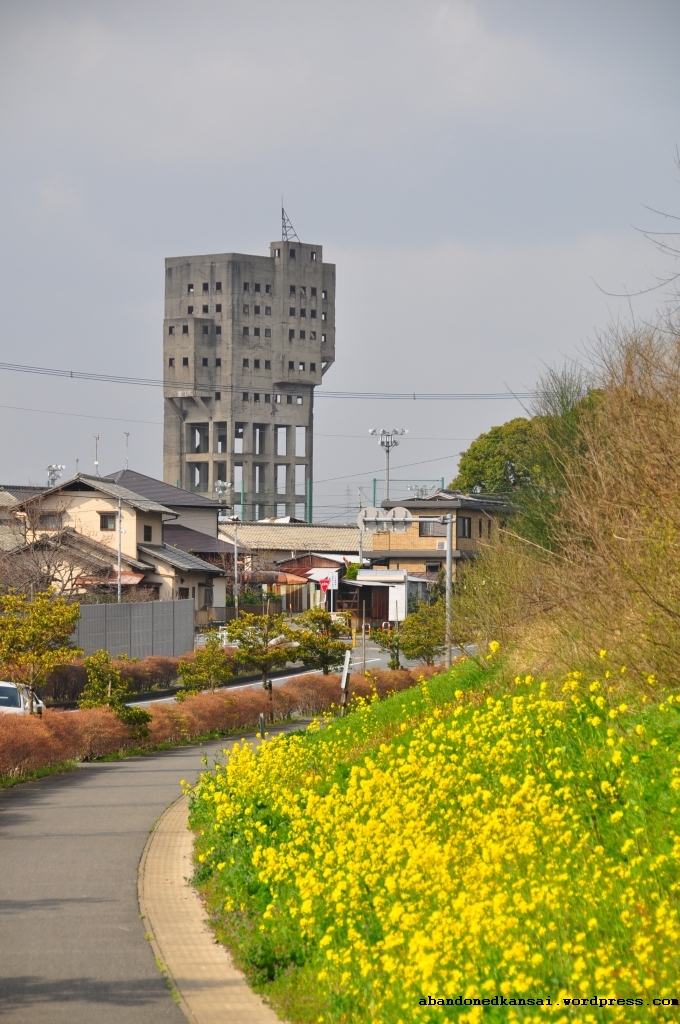
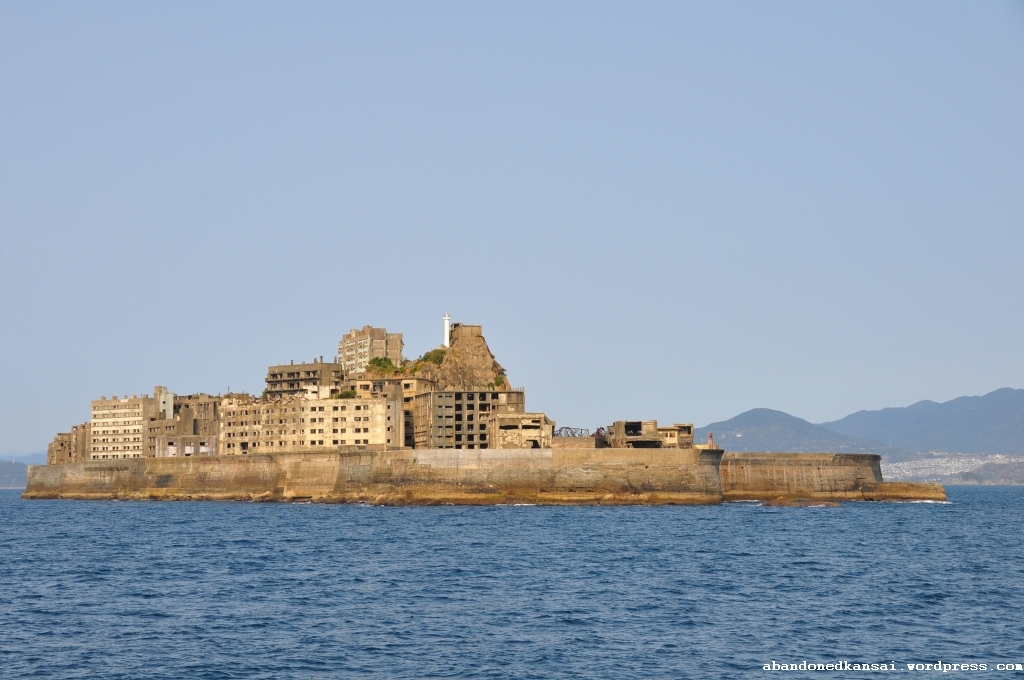
The zombie apocalypse, no doubt, will start in Japan – some claim it actually already began; and if you’ve ever been in a train with salarymen you cannot help but wonder. Nevertheless zombies were the last thing on my mind when I first visited the *Shime Coal Mine* with my buddy Enric in March of 2010, a mere 4 month after I started doing urban exploration in Japan. Despite being a noob back then I realized quickly that the concrete construction was beautiful, but inaccessible, at least during daytime. The mine shaft entry was fenced off and the area was freshly converted into a sports center, with a new community building, playground and fields for soccer, baseball and other sports. I took a couple of quick photos and a short video before we left for *Gunkanjima*, now known as Skyfall Island thanks to the latest James Bond movie, without thinking much about the Shime Coal Mine. Until… it came back, but not to haunt us.

The Anti-Zombie Fortress meme started on April 1st 2011 (no joke!) when somebody on reddit by the nickname of Mitsjol posted a photo of the winding tower of the Shime Coal Mine, mentioning that it would make an awesome fortification against zombies. Back then zombies were the latest upcoming hot thing, so the board sucked up the idea like the previous trendy monster sucks blood. People were longing for more information and I have to thank the user bakerybob for linking to Abandoned Kansai – when the meme picked up speed in the following days my small and otherwise pretty much overlooked article about the Shime Coal Mine took off, too.
Since then I passed through Fukuoka several times, to visit *Ikeshima* and *Navelland*, but I never had the opportunity to have a look at the location that turned out to be my first 10k+ views article. Last weekend was different though. I hadn’t been on a rushed and packed urbex trip for a change, but on a short vacation to the south of Japan. So I took a couple of hours of my day in Fukuoka and went back to have a look at the now famous mine shaft.

As expected the situation hasn’t changed much. In the past 3.5 years a couple of local Japanese explorers were brave enough to sneak into the winding tower at night, taking some unique shots, but when I arrived around noon on a national holiday the same thing would have gotten me arrested in no time – the place was buzzing thanks to what appeared to be a soccer tournament for kids. Hundreds of children and the same amount of adults were enjoying the Respect-For-The-Aged Day, so I basically did what I did years before: I spent 15 minutes taking photos and a video – and then I left… not for Gunkanjima, but for a small bakery 2.5 kilometers down the road.

The Konditorei RothenBurg, undoubtably named after the stunningly beautiful German city of Rothenburg ob der Tauber, differs from your average local cake shop in two ways:
1.) It doesn’t suck up to the French (as 80% of the bakeries and pâtisseries in Japan do…), but chose a German setting with the same (or at least similar) concept, including German cook books in the store.
2.) It sells urbex cookies, which most likely makes it unique in all of Japan, probably in the world.

About a year ago I saw a small story about RothenBurg on a Japanese blog, not only mentioning but showing a cookie designed after the winding tower of the Shime coal mine. I knew I had to go there the next time I was in Fukuoka… and I did. (Thanks to my buddy Gen for making sure that the bakery was open for business on this national holiday!) Upon arrival I was a bit disappointed. RothenBurg was a really small store deep in the suburbs of Fukuoka – and apparently the cookie information was outdated. But then I saw two of them lying on a white plate, about 4 by 6 centimeters, 252 Yen each. Of course I bought both of them; one for Gen and one to try myself. Upon closer look it turned out that the small package contained two cookies, a brown one above a black one. Luckily the cookies were not just a novelty item, they actually tasted good. If you are a true urbex fan visiting Fukuoka, you have to go there and try them yourself! I added the location of RothenBurg to my *GoogleMap of Touristy and Demolished Haikyo*, but here is the address, too: ローテンブルグ, 福岡県糟屋郡志免町別府120-18, telephone 092-936-0009.

(If you don’t want to miss the latest article you can *like Abandoned Kansai on Facebook* and *follow this blog on Twitter* – and of course there is the *video channel on Youtube*…)

Read Full Post »

2012 didn’t start well for urban exploration in Japan – January has been a sad month for abandoned places in Kyushu. Two of the most famous haikyo in southern Japan were demolished:
The demolition of the *Kawaminami Shipyard* didn’t come as a surprise. It was decided on June 9th 2011 by the Yamashiro City Zoning Committee and executed in mid-January 2012 after all the greens were removed in late 2011. Nevertheless it is a big loss to the urbex community in Japan as it was one of the few locations that aged for decades without being affected much by anything but nature itself.
At the same time (late 2011 / early 2012) an up-and-coming location called *Navelland* was destroyed just 70 kilometers away from the famous deserted shipyard. The former amusement park was turned into a lot to soon become another campus of the Teikyo University. I was lucky enough to visit both places during Golden Week 2011 before they were destroyed and I have fond memories of both visits. You can find out their exact locations on my *map of touristy and demolished ruins in Japan*.
I guess it’s the normal run of things. New abandoned places show up, well-known ones get demolished. Nevertheless it makes me a bit heavy-hearted, especially since I decided a while ago to concentrate on western Japan and leave the east to all the blogs and people who live there. I already missed the famous Sports World in Izu for sure, but even if I change my mind chances are “good” that I might miss *Western Village in Tochigi*, the Russian Village amusement park near Nagano, *Kejonuma Leisure Land* in Tohoku and the Irozaki Jungle Park in Izu. Famous abandoned military installations like the Fuchu Air Base, Camp Drake Army Base or the Tachikawa Air Base. Popular deserted mines like the *Matsuo Ghost Town*, *the Taro Mine*, the Ashio Mine, the Murakashi Mine, *the Osarizawa Mine*, the Seigoshi Mine, the Kamaishi Mine or the *Nichitsu Ghost Town*. Not to forget the quirky remains of the sex industry like the Queen Chateau soapland, the Hotel Royal love hotel, the Fuu# Motel, the Yui Grand Love Hotel, the Akeno Gekijo strip club or the Pearl love hotel – and all the other places like the Royal House, the Small Pox Isolation Ward, the Japan Snake Center, the Okutama Ropeway, the *Heian Wedding Hall*, the many spas and resort hotels of the Yamanaka Lake, the Mount Asama Vulcano Museum, the Okawa Grand Stand or the Gunma Motor Lodge.
I probably forgot some famous spots as the east of Japan has plenty of wonderful abandoned places – but so has the west, and most of them are only described on Japanese urbex blogs until now. So I guess I’ll continue to focus on deserted locations east of Nagano / Nagoya, hoping that I will be able to see as many as possible before they falls victim to jackhammers, wrecking balls and other heavy machinery…

Read Full Post »

There’s nothing like abandoned theme parks. Everybody seems to love them, including yours truly. No matter if just recently closed (*Doggy Land*), closed a while ago (*Nara Dreamland*), mostly demolished (*Koga Family Land*), completely demolished (*Sekigahara Menard Land*), under deconstruction (*Expoland*) or left behind after a nuclear catastrophe (*Pripyat Amusement Park*) – each and every one of them has a unique, absolutely stunning atmosphere; even if they were just waterparks (*Tokushima Countryside Healthspa* / *Kyoto Waterland*). “New” abandoned amusement parks barely every show up – it’s more likely that well-known ones get demolished. Here’s an exception to the rule: Navelland. (ネイブルランド)
You would think that Navelland (or Navel Land), a science themed amusement park with an aquarium and a greenhouse that welcomes its guests with a huge half-“diving” whale in front of the entrance, most likely should have been called Navalland (or Naval Land) – but you would think wrong. The Japanese investors and creators chose the name on purpose, at least to some degree. Initially it was supposed to be called GeoBio World in the “BioCity” (or “Bio-City”) Omuta – but the name of the executing company was called Navel Land for three reasons, all related to its location in Omuta, Kyushu: GeoBio World was considered the “belly button project” (heso jigyo, 臍事業) of Omuta’s revitalization efforts with several other projects being based on it, Omuta’s history is strongly connected to coal (mined from the “belly” of the earth…) and Omuta is located in the center of Kyushu (or so the makers thought – to me it looks more like the “nipple of Kyushu”). At which stage of developement did GeoBio World become Navelland? I don’t know. But I guess a lot of things wrent wrong planning and executing the project, so the naming issue was just one of many, considering that Navelland was open to the public for less than two years…
Omuta’s economy was intertwined with coal for more than five centuries, for the longest time it was actually based on it. In 1467 a local farmer named Denzaemon found coal when making a bonfire in the hills of his home – like many Japanese cities Omuta is spread from the sea to the mountains. Mining on a larger scale didn’t begin until 1721 when Ono Harunobu (most likely not related to the producer of the series of “Street Fighter” games) was granted coal mining rights. When the age of industrialization finally reached Japan after the Meiji restauration the number of mines in the area was increased. In 1872 the Meiji nationalized the mines, most of them in the township of Miike (三池), nowadays part of Omuta. Towards the end of the 19th century the Japanese state privatized a lot of their model companies und sold them way under value. Mitsui, for centuries successful in finance and trade, got into heavy industries just a couple of decades prior when they aquired a mine as collateral for a loan they gave, bought the mine cheaply and turned it into the Mitsui Miike Coal Mine (三井三池炭鉱) in 1899.
The mine’s history is similar to most coal mines – a huge success in the early 20th century it became less and less profitable thanks to the fact that coal was replaced by oil as the most important natural resource in highly industrialized countries. So when the local politicians realized that the industry that provided the area with both jobs and wealth for centuries would be gone soon they looked for alternatives and came up with several ideas – one of them being Navelland, which ironically closed in 1998, only one year after the Mitsui Miike Coal Mine. (A rather interesting fact that shouldn’t be swept under the rug: The Mitsui Miike Coal Mine was also home of Fukuoka 17, a Japanese prisoner of war camp, mostly for Americans, Australians, British and Dutch – soldiers of the latter three nationalities survived the construction of the Burma Railway in Thailand; nowadays still famous thanks to a movie based on a book by the French author Pierre Boulle, The Bridge over the River Kwai. The camp was opened on August 7th 1943 and help up to 1735 prisoners. It was liberated on September 2nd 1945, almost a month after the atomic bombing of Hiroshima. The camp’s commandant, Asao Fukuhara, was later executed for war crimes.)
In 1988 it was more than obvious that coal wouldn’t be Omuta’s future. Mining it just wasn’t profitable enough anymore. At that time amusement parks were the current money makers, biotechnology the future ones. So why not combine both? Throw in some history and you’d get GeoBio World – split up into Geo Zone to remember Omuta’s coal history and Bio Zone to celebrate Omuta’s biotechnological future at the Ariake Sea. An amusement park with affiliated research labs and a mining museum. Turning Omuta from a dirty coal city into “BioCity”. In Kitakyushu, another former center of heavy industries only 1.5 hours away by car, a similar concept called “Spaceworld” was about to open, so the planners in Omuta spared neither trouble nor expense with about 82 million dollars to spend and about four years to plan and execute.
Navel Land (not the park, the company behind it) was finally established in September 1989 with the sole purpose of constructing and managing GeoBio World – to get the idea off the ground they even sponsored a large bio symposium in Omuta in November 1989. But four rejected concepts, one of them being presented by Futurist Light and Show who worked on Tokyo Disneyland, and more than two years later, Navel Land decided to come up with a concept by themselves, since none of the previous ones could convince the Japan Development Bank – the main backer of the project.
At this point information about GeoBio World and Navel Land becomes vague. While it’s a fact that the park finally opened under the name “Navelland” it seems like everybody agrees that it was closed down on December 25th 1998. What happened to GeoBio World and the biotechnology concept between the early 90s and 1998? I have no idea. All I know is that by the time Navelland closed its costs went way over budget (between 100 million and 200 million US-$ – or up to 160$ od debt for each Omuta resident) and that the visitor numbers never came close to the projected 600,000 per year. One of my sources said Navelland was opened in July of 1995, another one stated that it closed after less than two years – all three agreed it closed in late 1998. Maybe we will all find out more about Navelland soon since it is becoming more and more popular as a haikyo, a Japanese ruin, recently. Until then I’ll leave you with some photos and a quick video walking tour. The “House of Coal” exists as well as an aquarium and a greenhouse, so I guess the main concept was realized and not yet demolished. The amusement part of Navelland is mostly gone by now – both rollercoasters can only be seen on maps and the one thing that’s left of Kiddie Land is the entrance…
Addendum 2012-1-30: Navelland was demolished in late 2011 / early 2012. Now you can find its exact location on my *map of touristy and demolished ruins in Japan*.
(If you don’t want to miss the latest postings you can *follow Abandoned Kansai on Twitter* and *like this blog on Facebook* – and of course there is the *video channel on Youtube*…)

Read Full Post »

The first *haikyo* stop on *my recent Kyushu trip* is one of the internet favorites: The Vertical Shaft of the Shime Coal Mine.
Easy to spot from long distances this 47.65 meters high tower was finished in 1943 as the center of a coal mine that opened in 1889 and closed in 1964. But that’s not the only reason why the place is on virtually every haikyo homepage: It’s easy to access by public transportation and even easier by car. In fact there is a soccer field and a children’s playground right next to it. But that’s not all: Since December 8th 2009 it is considered an “important cultural property” by the Japanese state – so they fenced it off and put up some lights as if it was a 400 year old cathedral, so you can enjoy the view around the clock; you can even find the address and coordinations of the shaft on the Japanese Wikipedia. Right now they are putting up fences around two or three other remains of the mine and they planted some cherry trees to create a park surrounding. Haikyo for the whole family with no entrance fee – but nothing else either, not even a photography challenge. The construction itself is quite unique, but other than that it feels kind of dull, nothing anybody would (or should) spend more than 15 minutes on…
(EDIT 2011-04-02: To all the visitors coming from Reddit – thanks for stopping by; and thanks to bakerybob for linking this blog! Since you seem to like zombies, please have a look at the *Hospital #126 in Pripyat* and my *Nara Dreamland Special*. Both won’t make good zombie fortresses, but they would be perfect as settings for zombie movies! And there will be more “zombie style” locations soon, so please don’t forget about this blog in the future… maybe by *following me on Twitter* or / and *on Facebook*?
EDIT 2011-04-04: Since the discussion on Reddit turned into a full-grown meme now known as the “Anti-Zombie Fortress” meme I decided to add a short video clip I took when visiting the mine. It’s nothing special at all – I just put it up since so many people are interested in the topic right now… For more interesting videos, all in 720p,  *please click here*.
EDIT 2013-09-17: *Yesterday I revisited the Anti-Zombie Fortress…*)

Read Full Post »

Living in Japan days off are a valuable thing. And long weekends, even if they are only three days long, are a perfect opportunity to go on vacation.
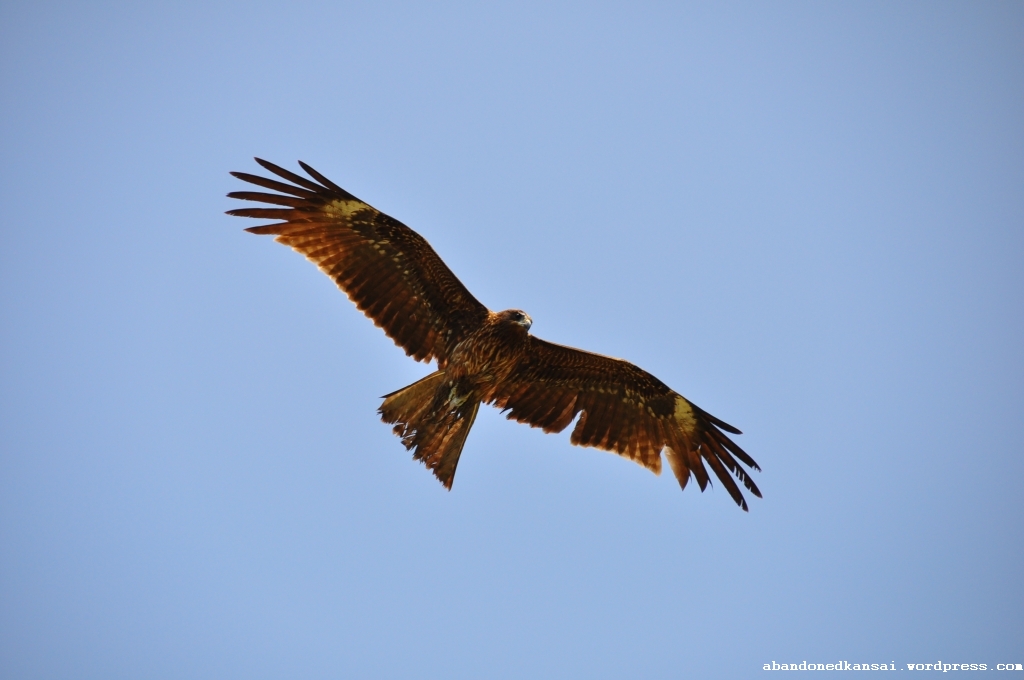
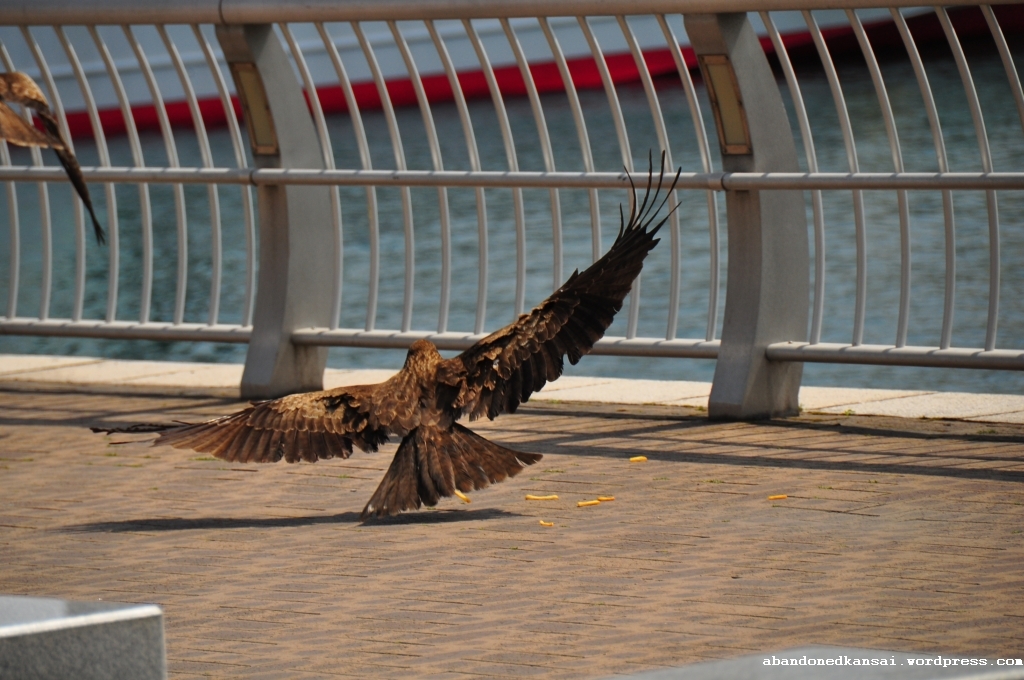
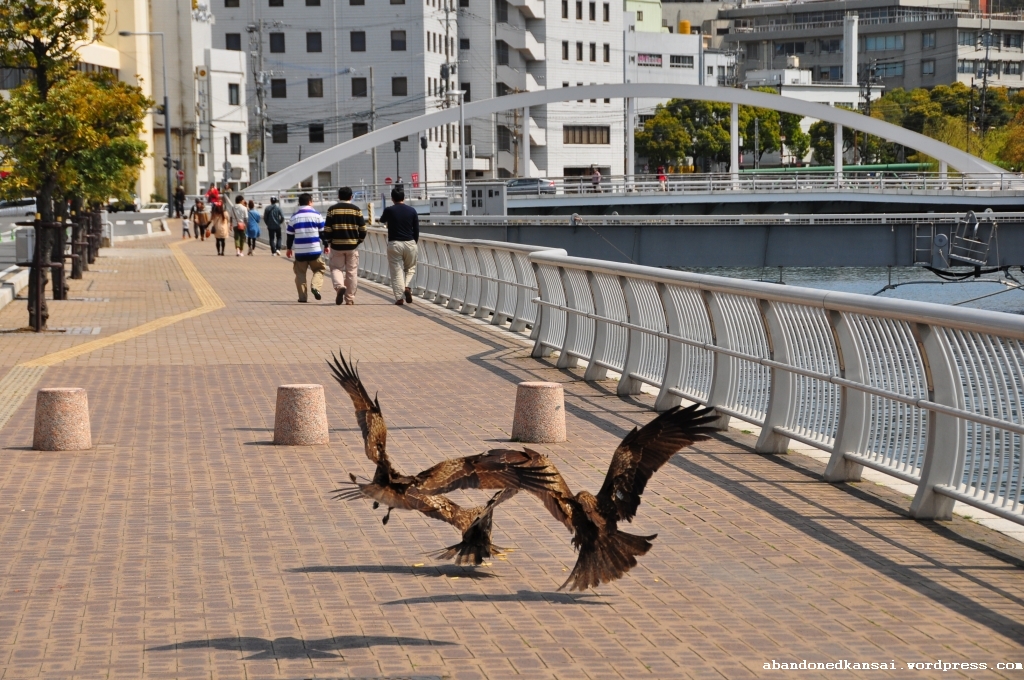
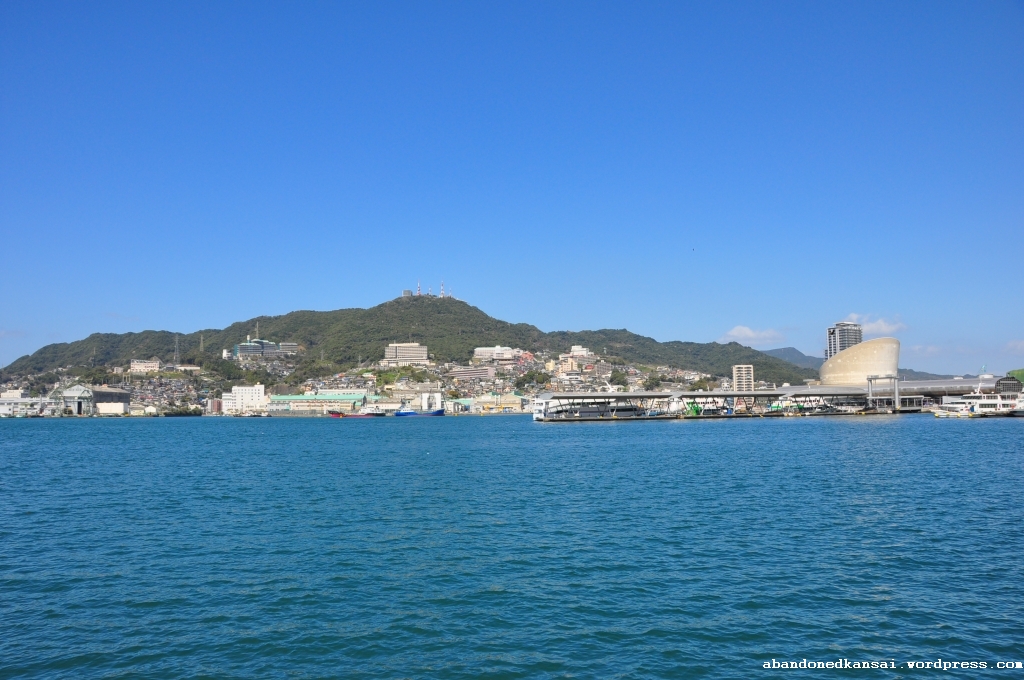
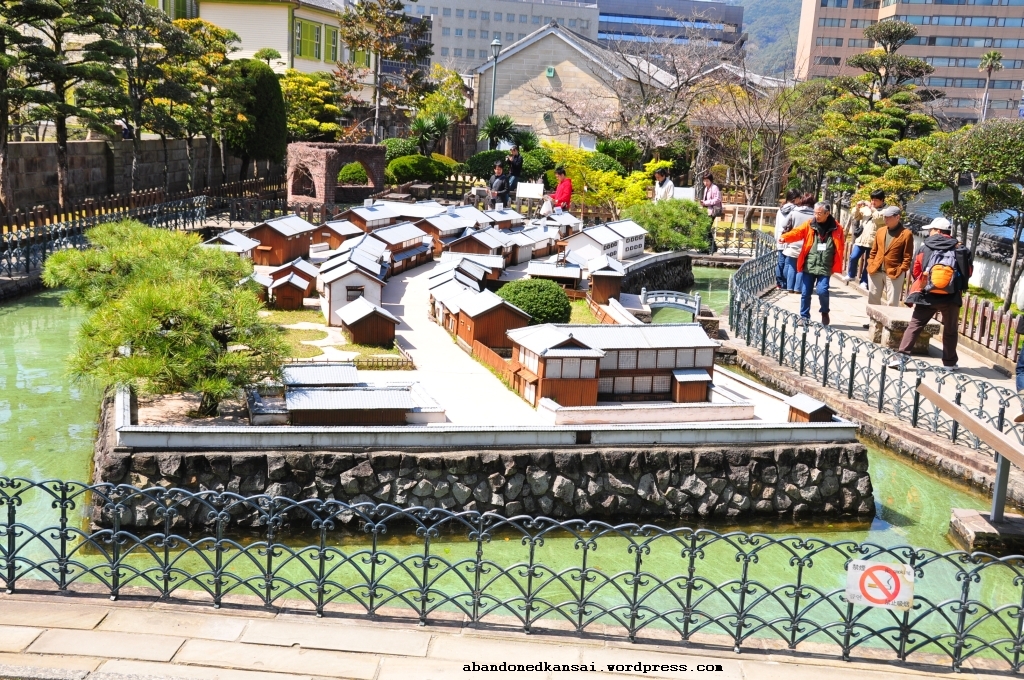
This time my buddy E and I went to Kyushu to enjoy some days of photography, food and haikyo. Fukuoka, Nagasaki, Sasebo. Not everything went according to plan, we had to cut down the haikyo locations from four to three, but in the end the trip turned out to be great. Great food, great locations, great comradeship.
This posting is accompanied by photos that are not necessarily haikyo related – the haikyo locations deserve three postings of their own, so please keep coming back for more. One of them will be about the Shime Coal Mine, one about the Katashima Training School and the last one… well… it will be about Gunkanjima, the most awesome ruin complex in Japan.

Read Full Post »