Feeds:
Posts
Comments

Archive for the ‘Kanto’ Category

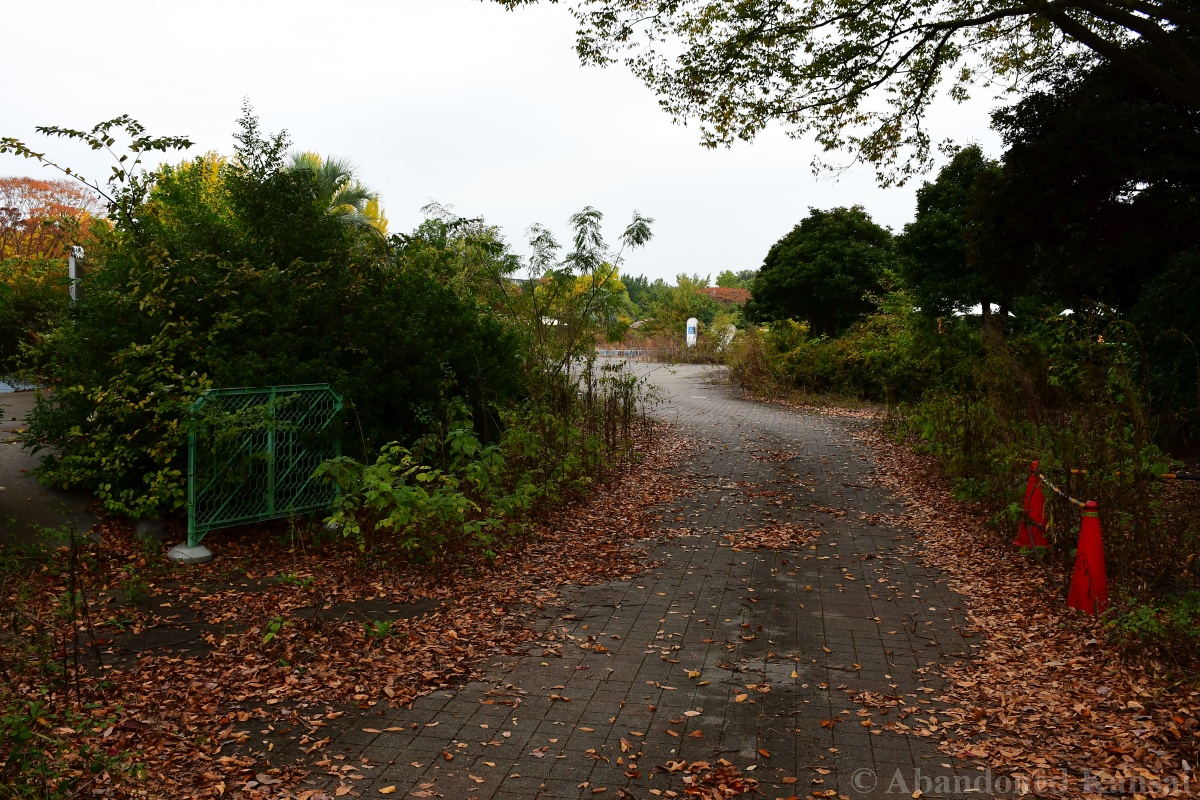
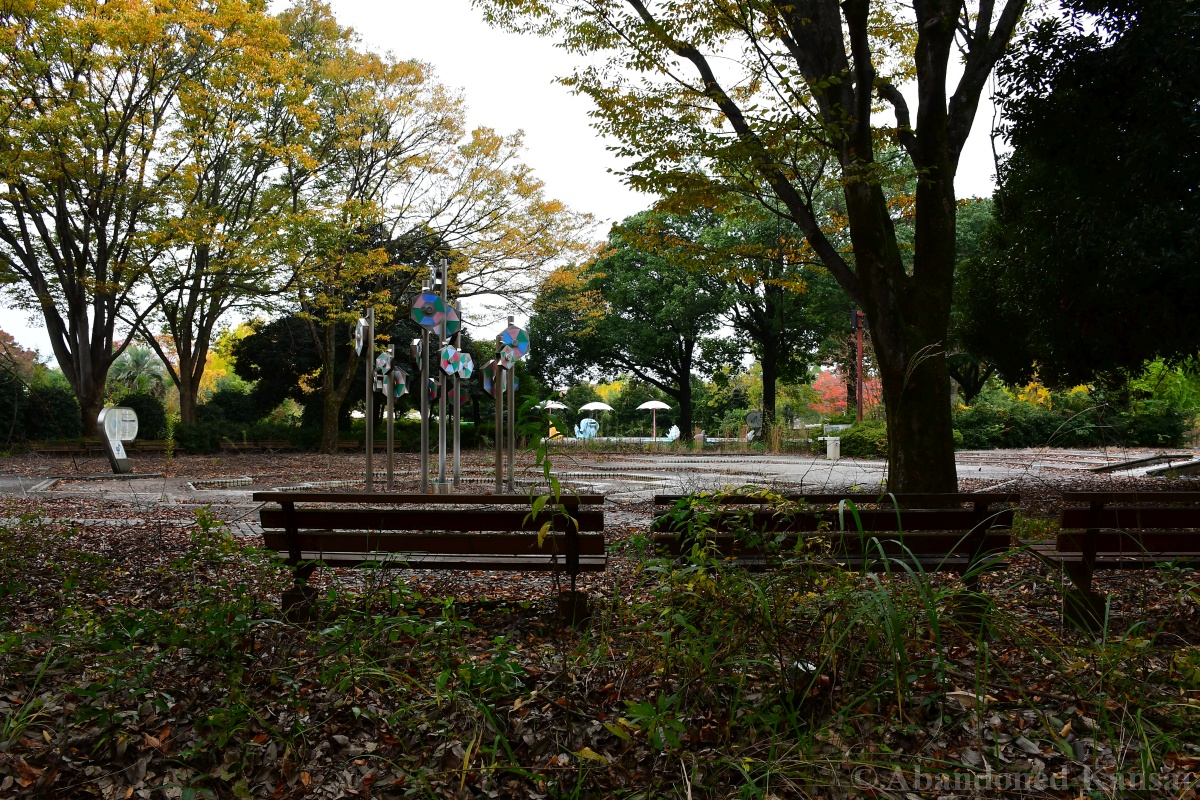
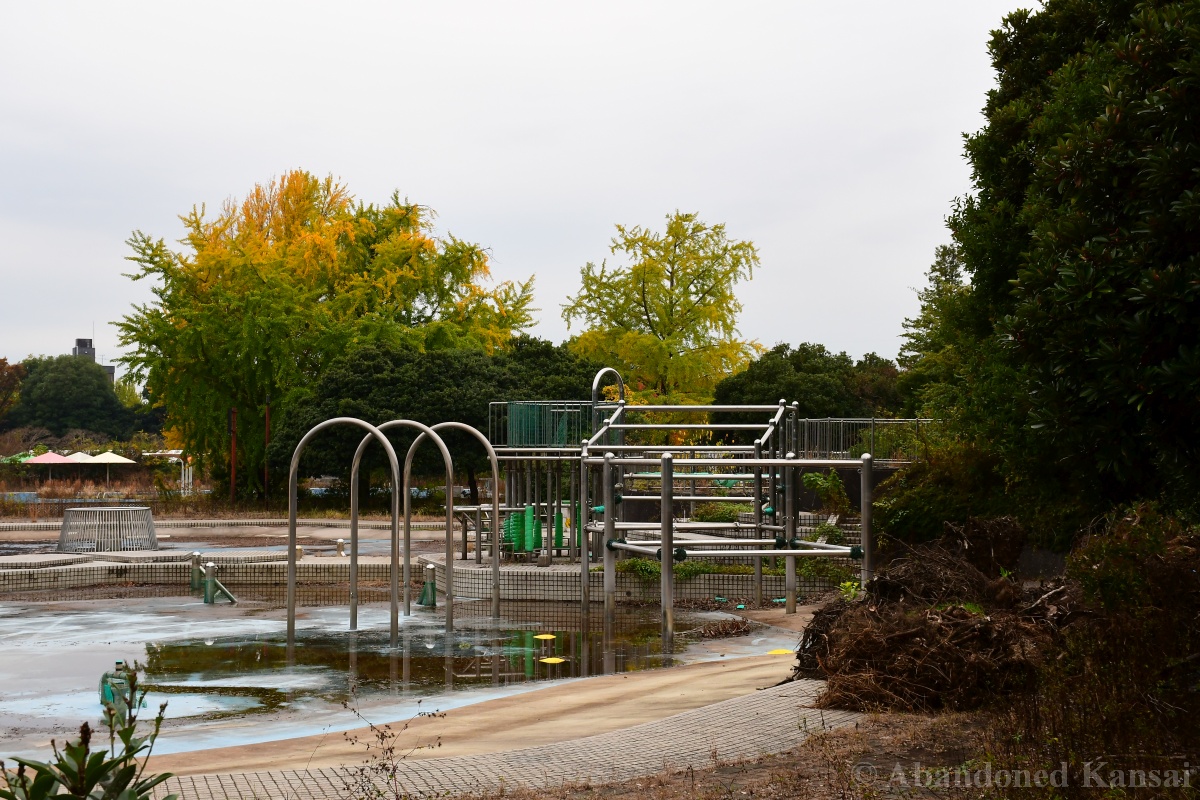
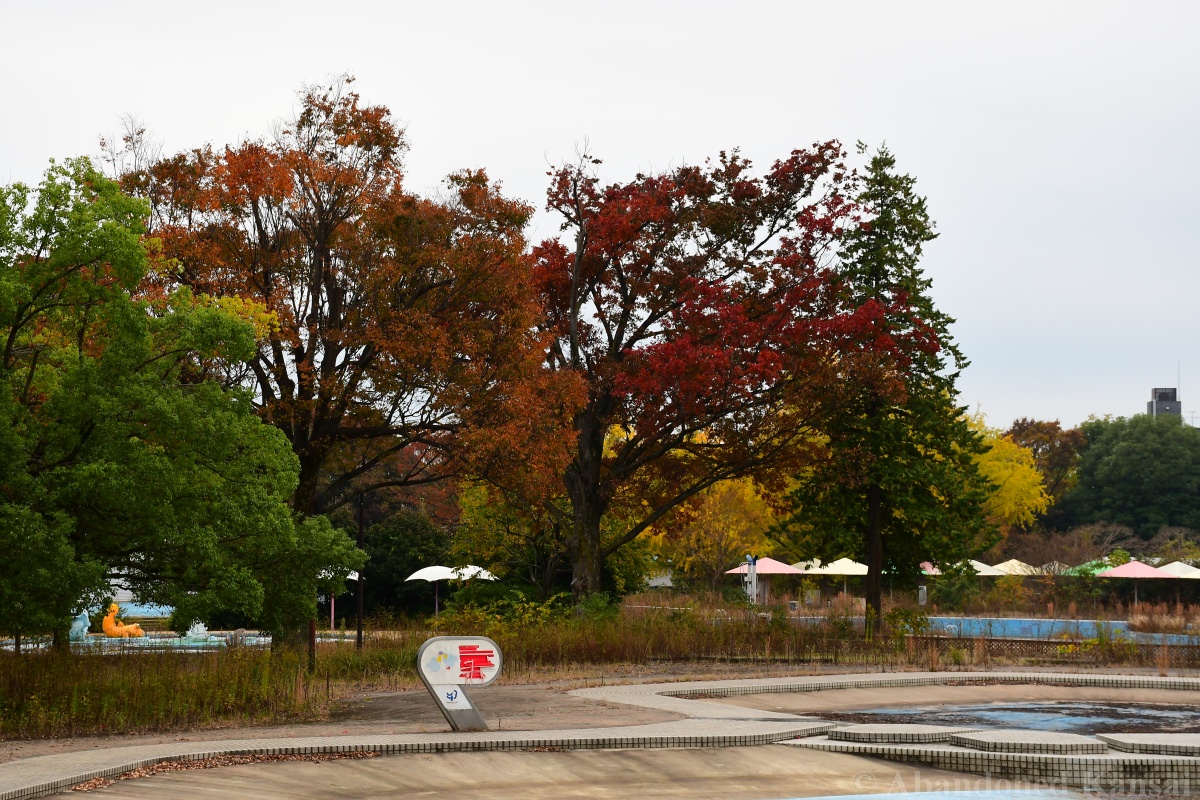
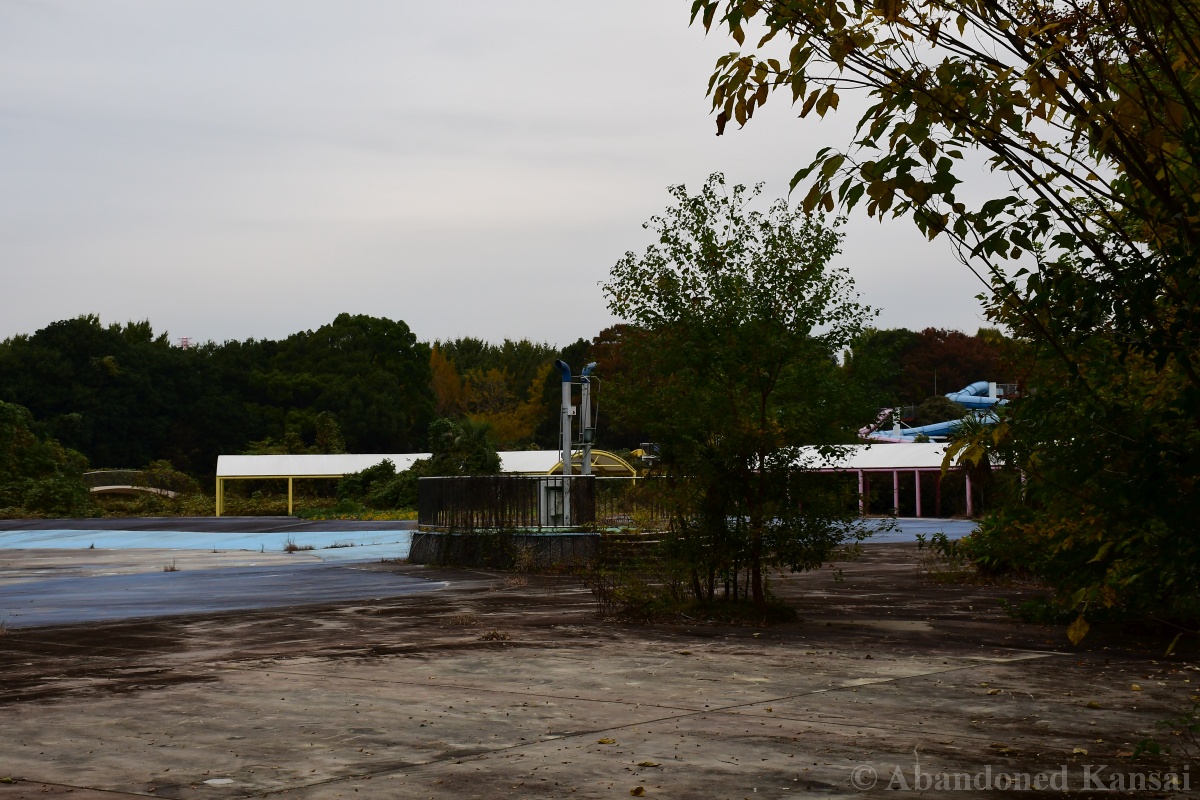
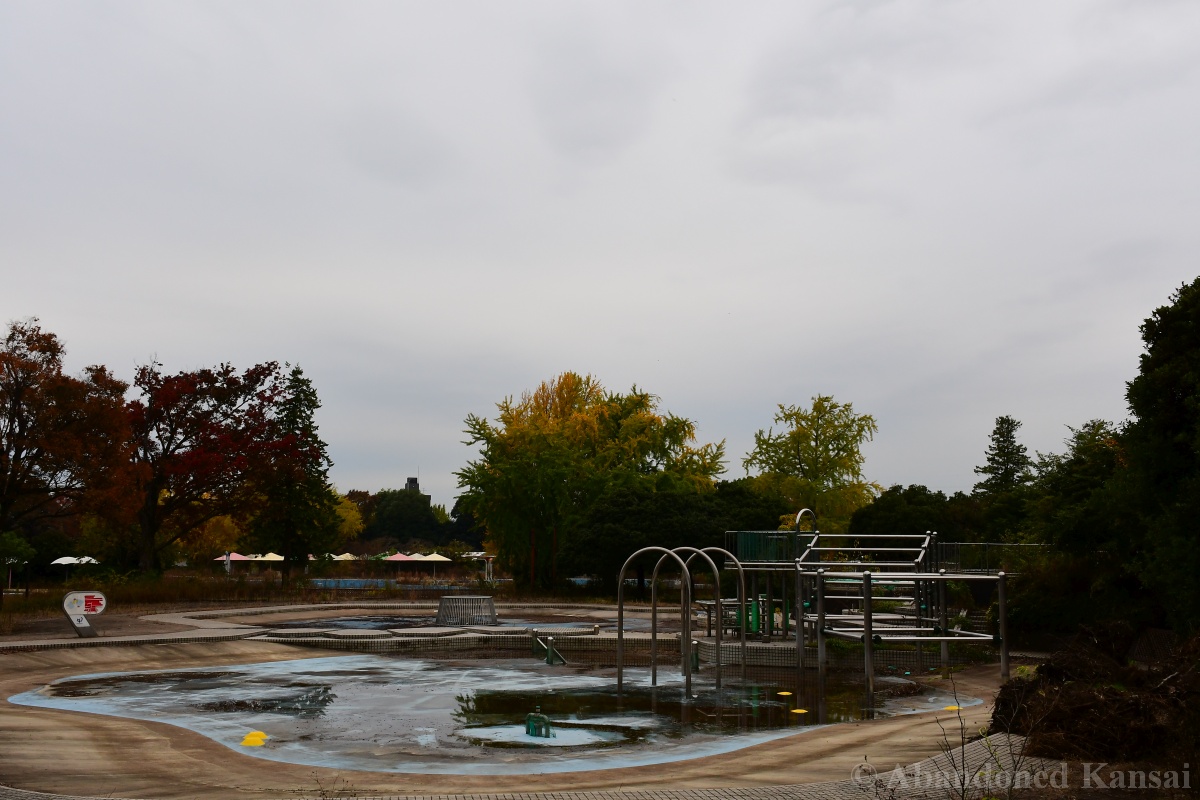
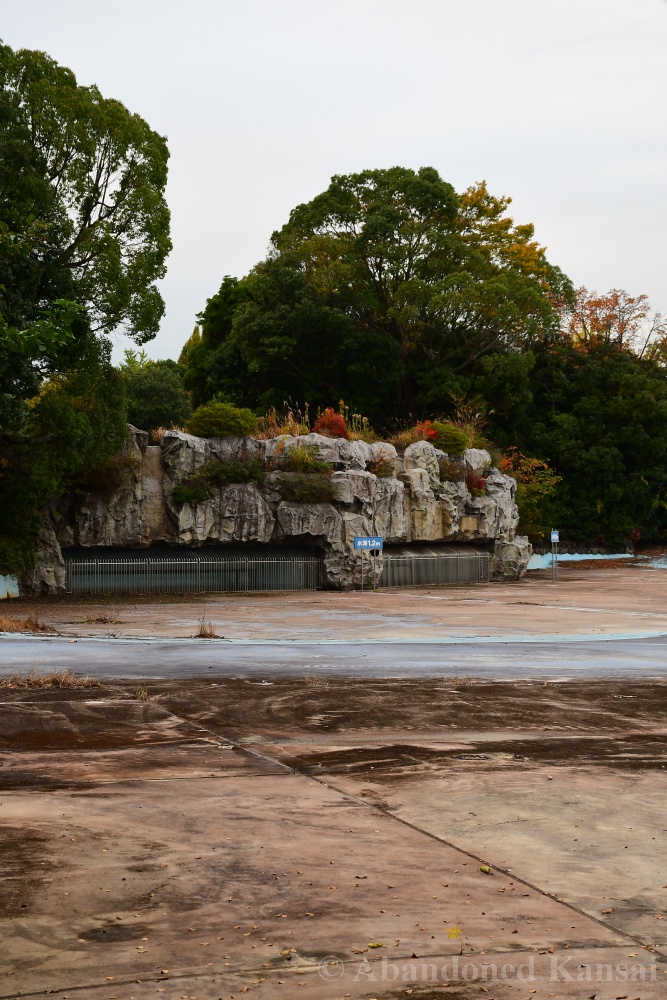
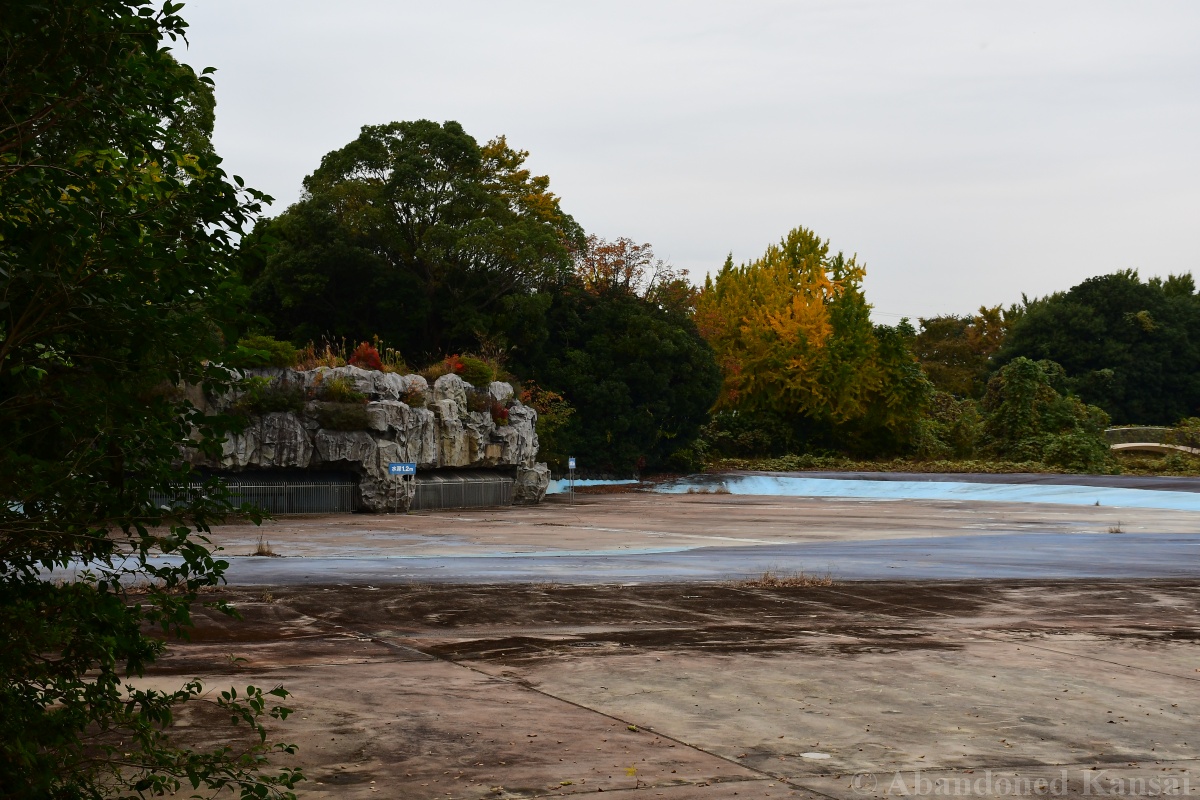
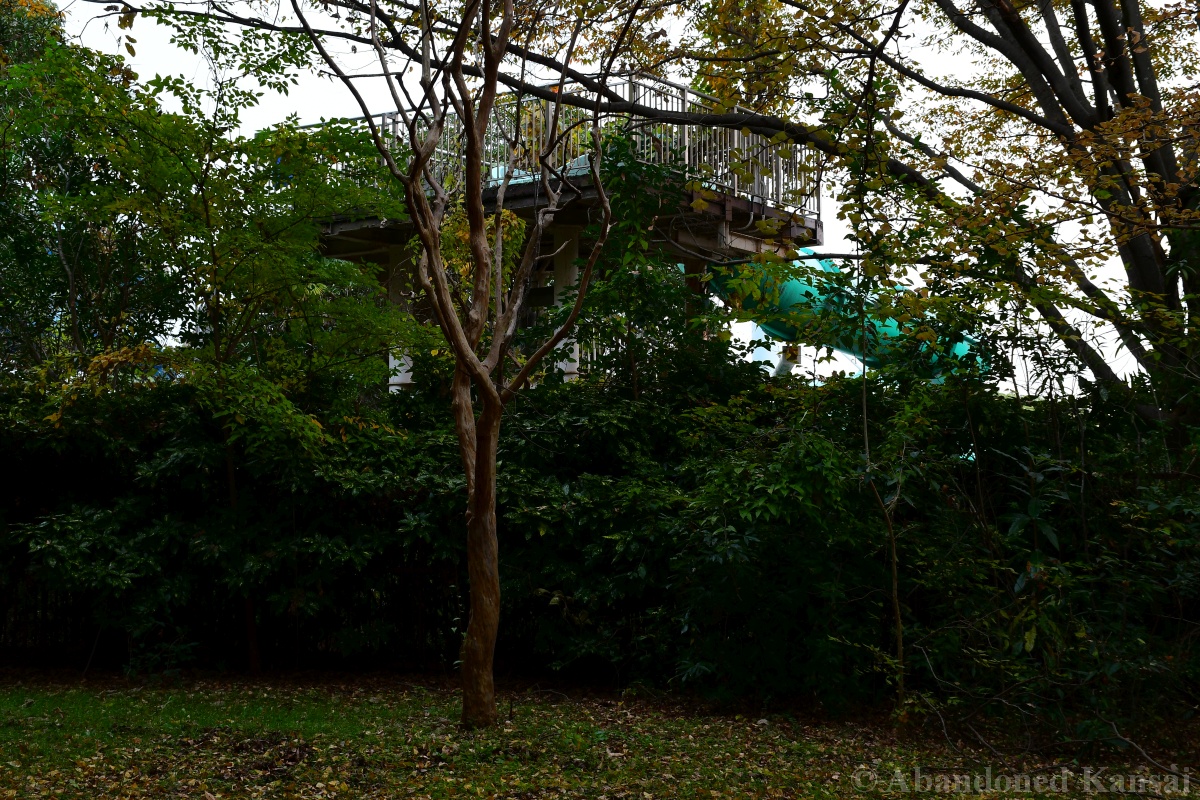
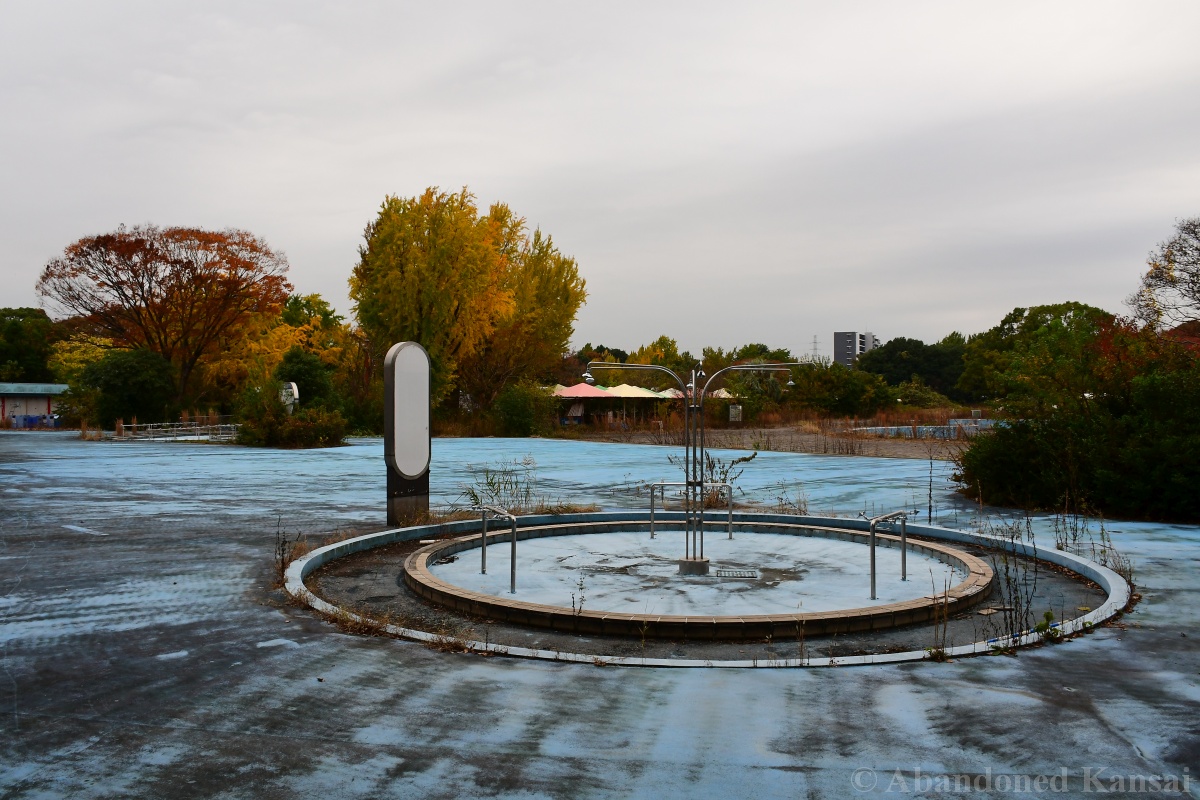
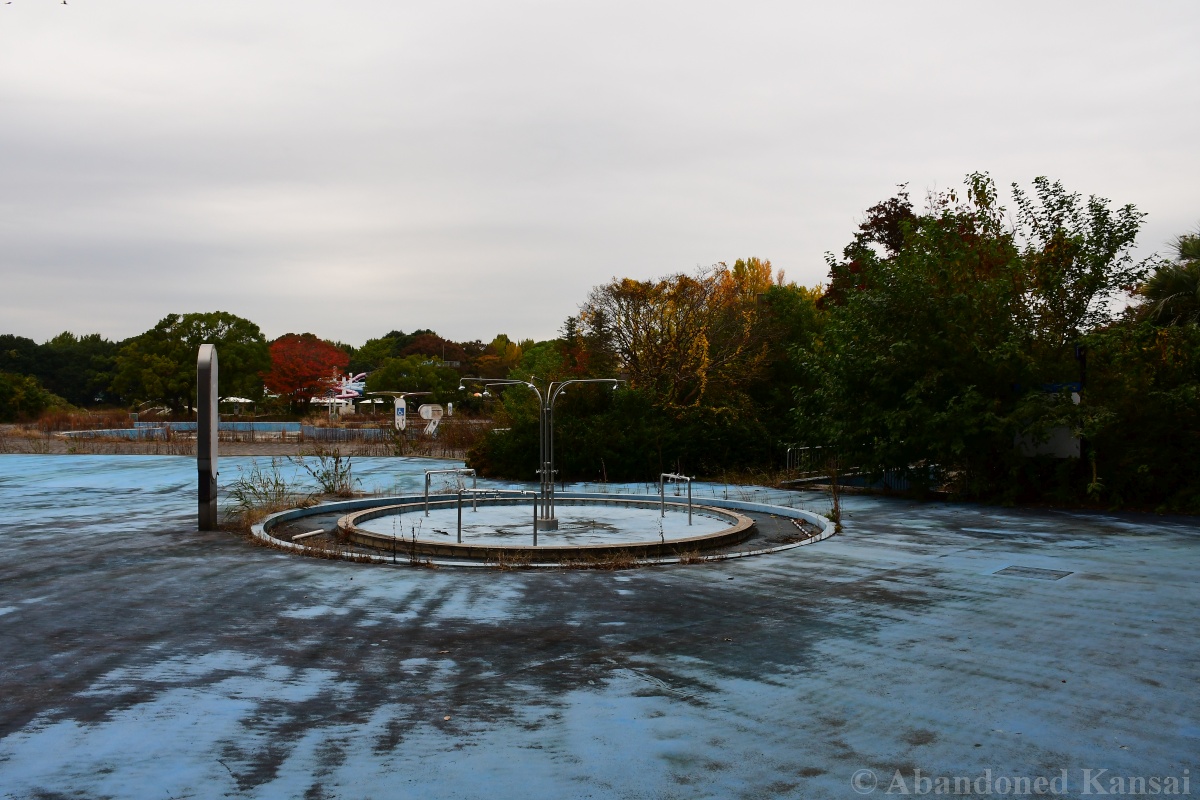
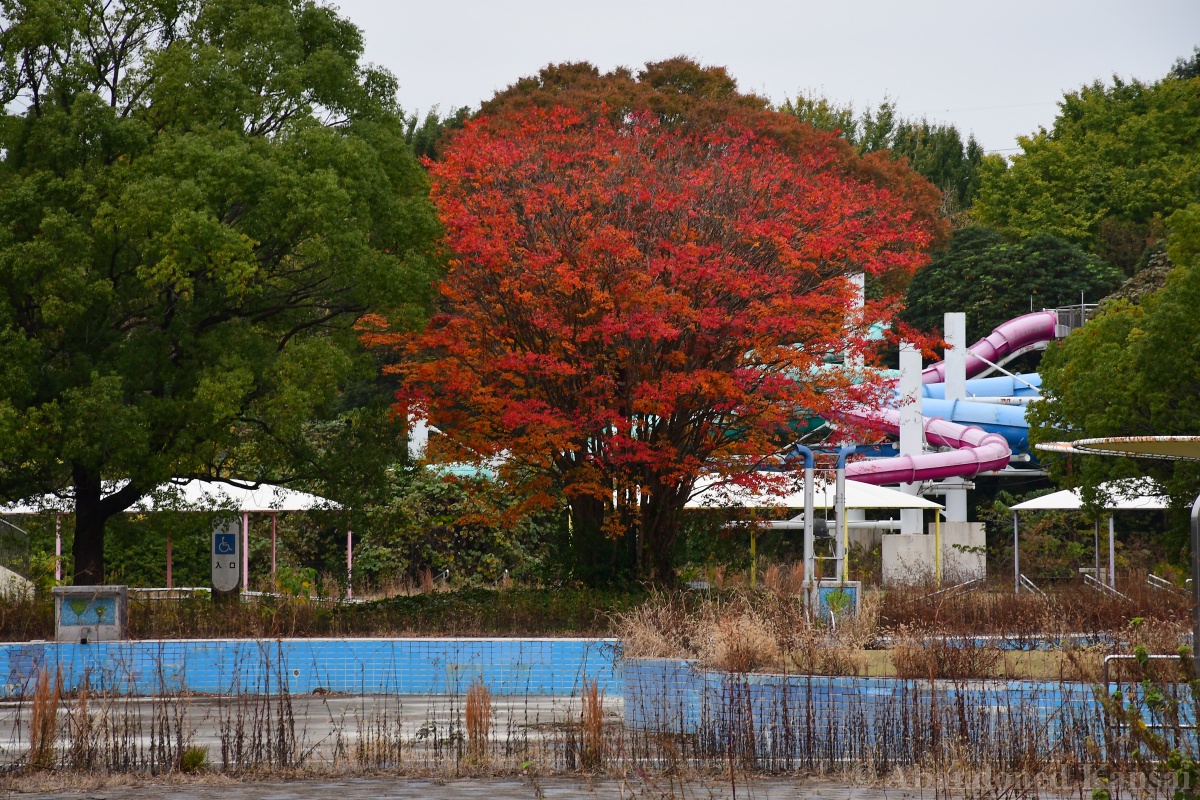
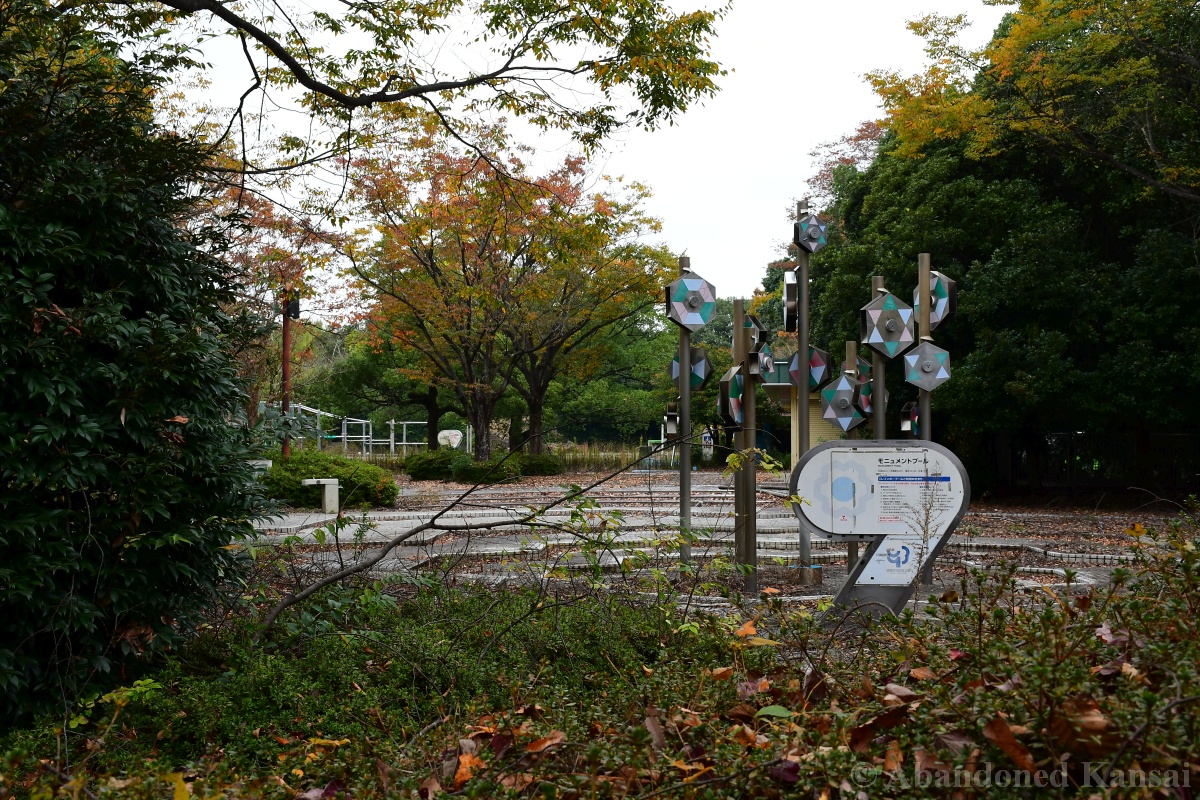
Tourism to Japan is at an all-time high, so I guess it’s time for another urbex location for tourists. Enjoy a walk in the park and check out this abandoned water wonderland by simply looking over / through fences!

I’ve talked about the risks of urban exploration plenty of times in the past – and all those nuisance streamers and urbex tourists from overseas don’t make the whole thing easier for us locals, who just want to enjoy something fun to do in our spare time. Life in Japan is tough enough…
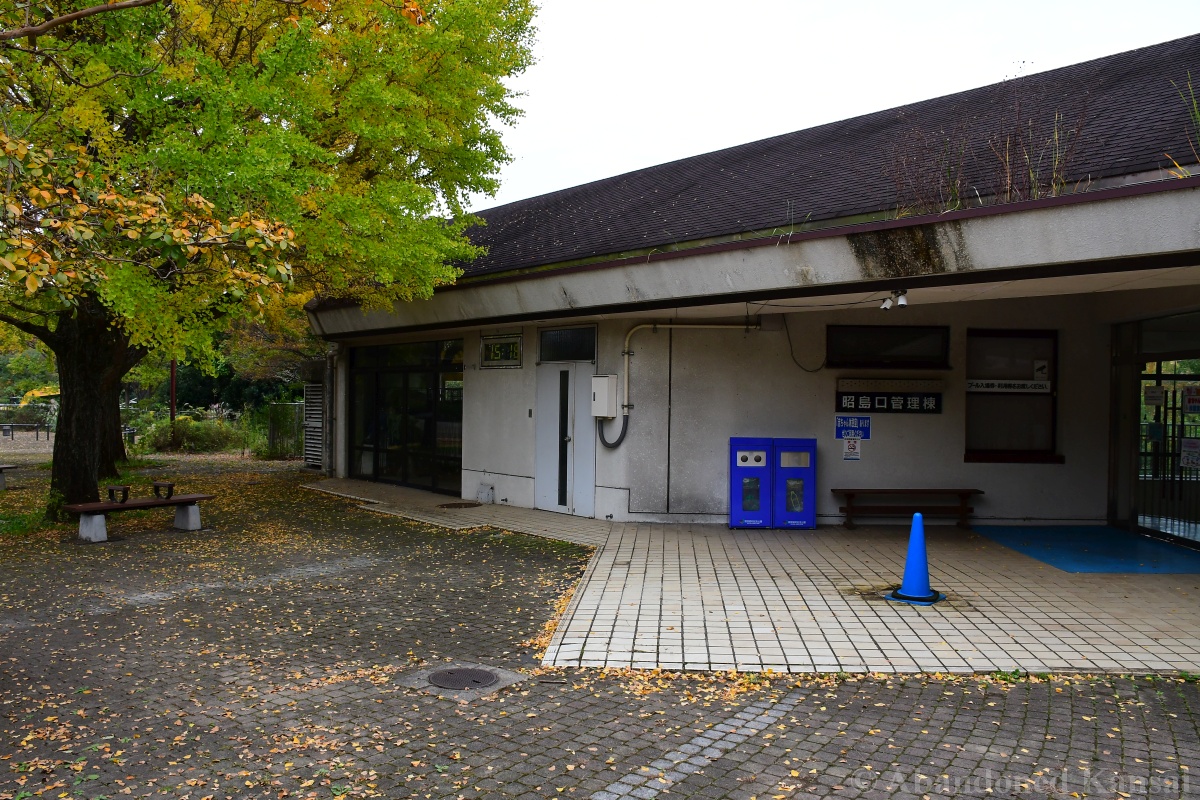
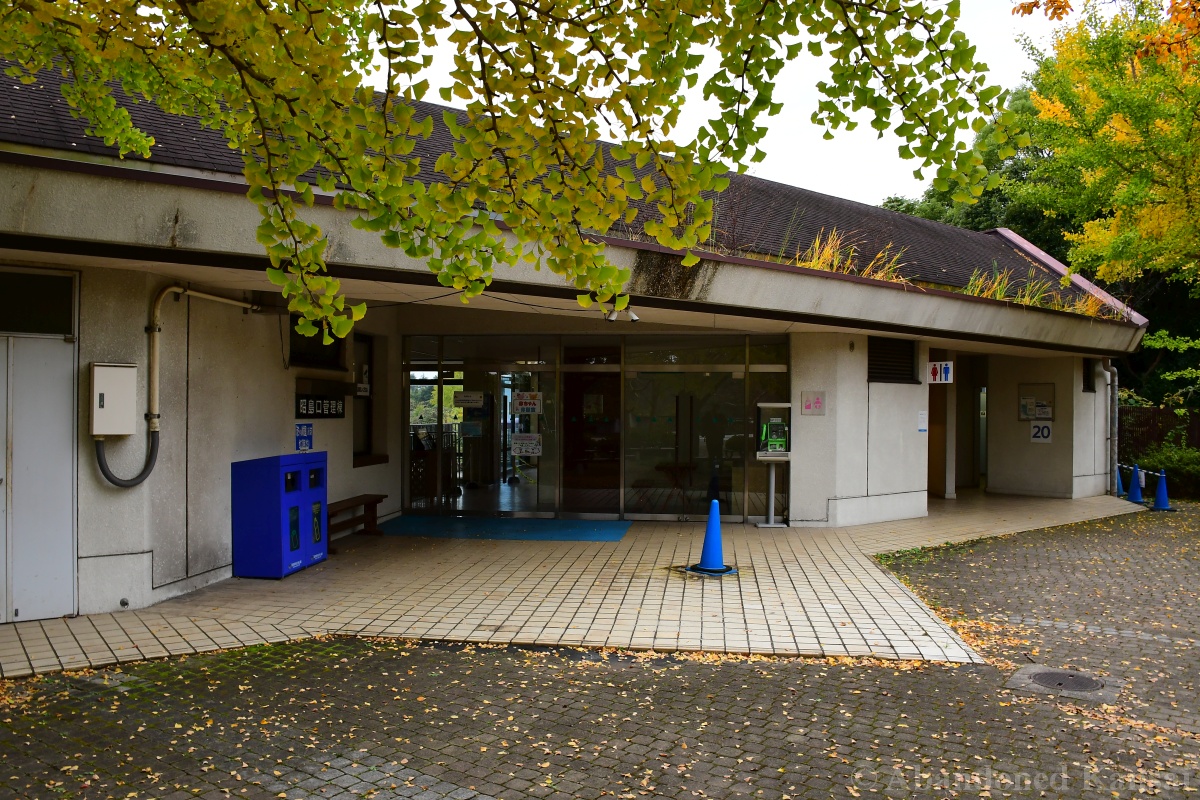
A couple of years ago I created a *Special “Urbex for Tourists”* to point out places where people can enjoy the aesthetics and atmosphere of abandonment without all the pesky dangers. Places like *Ikeshima*, *Tomogashima*, and *Okunoshima*. For today’s location though you don’t have to take a boat to a shima… pardon… island! You don’t even have to leave Tokyo. The now abandoned Rainbow Pool sits right there for you to enjoy in Showa Memorial Park, next to Nishi-Tachikawa Station in the outskirts of Tokyo. All you gotta do is get there, pay up (450 Yen entrance fee!) and enjoy.

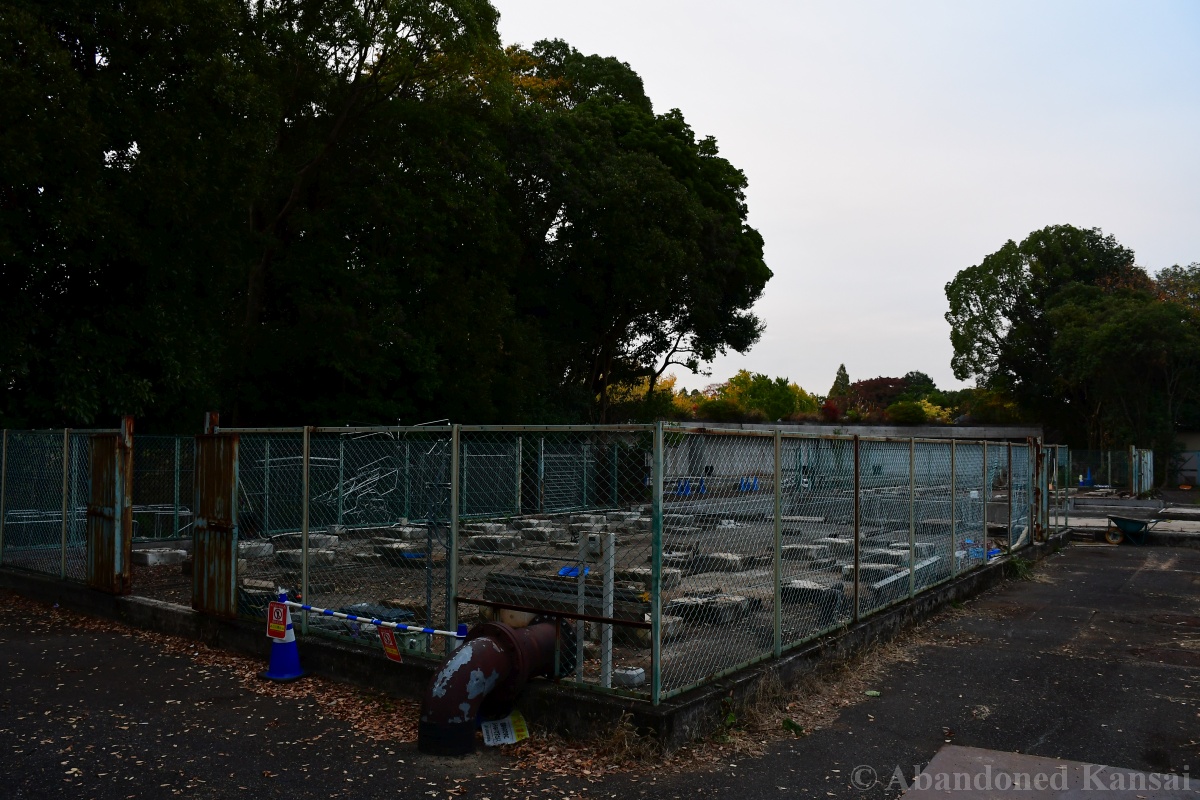
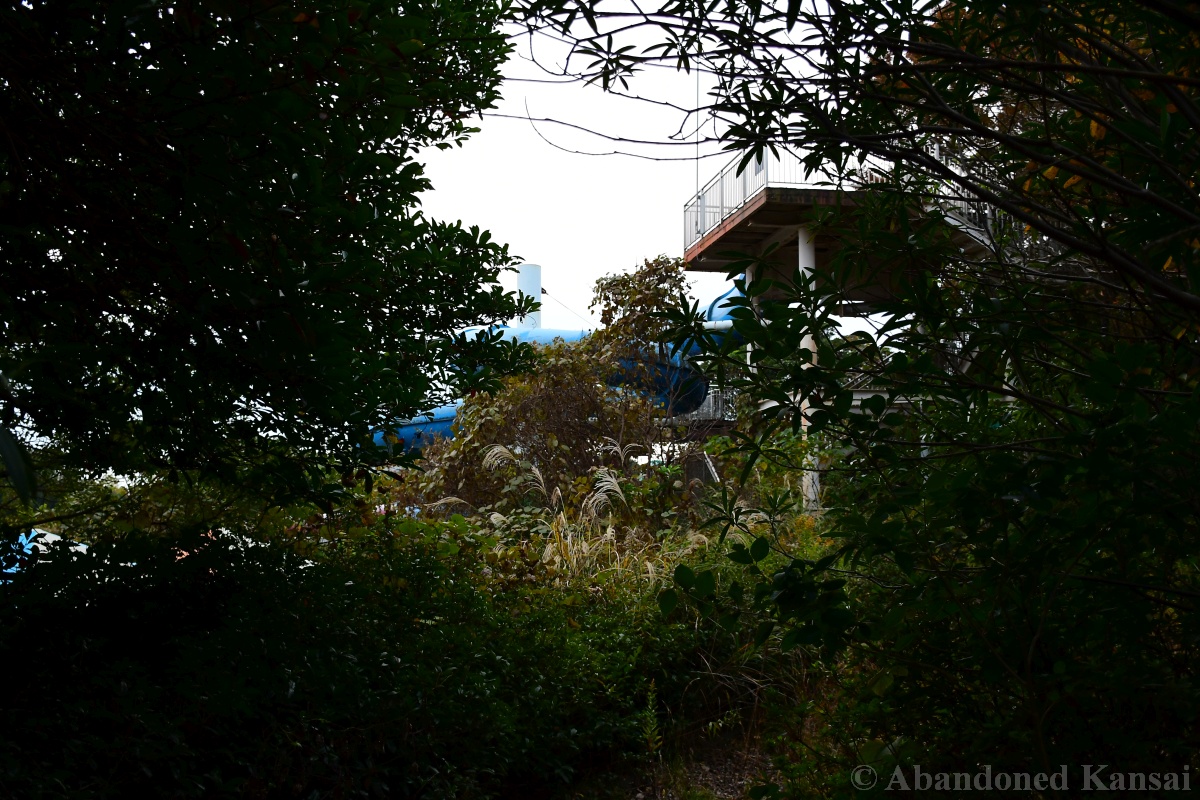
I guess it’s this Matryoshka doll system of organization that makes the Rainbow Pool not really viable as a typical abandoned place. When the park is open, there are so many people present even on an overcast weekday, that there is basically no chance you would be able to jump a fence and explore the place without getting caught. When the park is closed, you would have to break into an active location, most likely while it’s still or already dark, and then you would have to jump a fence to explore the Rainbow Pool – with the risk of triggering god knows what kind of alarms or running into security / regular employees doing whatever they are paid to do in the park during off-hours. There are many much easier to explore water parks, which is probably why I’ve never seen the Rainbow Park on regular urbex sites.
So, what else is there to say about this place? You can walk along the fenced Rainbow Pool area (up until summer 2023 it cost an additional access fee, so of course it was always separated from the main park) and enjoy the abandoned looks of it – maybe take some photos over / through the fence. It’s not a real exploration and of course it’s impossible to get any really interesting shots that way, but it literally is a relaxing walk in the park, so why not? Not all explorations are enjoyable or spectacular or exciting – and overall it was still an above average experience, especially in combination with the autumn leaves at the time. So, yeah, have a look yourself, if you are in the area, and support a local park with your 450 Yen. And if you would like to know more about abandoned places for tourists, *check out this article*. 🙂

(*Like Abandoned Kansai on Facebook* or *follow us on Twitter* if you don’t want to miss the latest articles and exclusive content – and subscribe to the *video channel on Youtube* to receive a message right after a new video is online…)

Read Full Post »

In spring I visited the *Ashizuri Underwater Aquarium* on Shikoku and it blew my mind. One of the greatest day trips ever. When all of a sudden something occurred to me that I never thought of before: What if… there are similar structures in Japan? I did some research… and here we go: The Katsuura Marine Park Underwater Observation Tower in Chiba prefecture, a fun day trip from Tokyo!

The Katsuura Marine Park Underwater Observation Tower is located in walking distance of Ubara Station, about two hours by train (or car…) from Tokyo Station – an area popular with surfers even in November, but not exactly a destination for tourists from overseas… or any other tourists. I have been in the area before about a decade ago to check out some abandoned places, but of course at the time I didn’t know about B-Spots like this hidden gem.
Arriving at Ubara Station on an unexpectedly sunny Saturday morning in autumn I was surprised that I was the only person to get off the train. Not the only non-Asian person, that happens a lot at places I go to – the only person in total! The Japanese countryside is dying, that’s no secret, but come on! The only person on their way to a lovely seaside town with a beach, cliffs, a museum and an underwater aquarium? And then people wonder why train lines and bus stops get abandoned constantly, accelerating the death of rural areas. And that’s something you can’t blame on overseas tourists alone – they follow the beaten Instagram path promoted by the JNTO. Japanese people need to go out there! It’s bad enough that they stop living in smaller towns… at least support them and the declining public transport system by heading out there instead of hiding from fresh air and human interactions in anonymous housing blocks, surrounded by millions of people, yet not speaking a single word all weekend!
Where was I? Oh, yeah, the lovely Japanese countryside, Chiba coastline, to be more specific. The Katsuura Marine Park was created in June of 1974 and consists of the underwater observation tower, a restaurant, a museum and several other facilities as well as some of the surrounding nature. The tower was opened on November 1st 1980, almost a decade after the one in Kochi. Its total height is 24.4 meters – the above sea level entrance and viewing platform is about 8 meters above water, the underwater main area with 24 windows is about 8 meters below sea level. Which leaves… 8 meters for the structure on the platform? Seems a bit much, maybe the numbers don’t really add up. Details, I guess. Fact is: The entrance fee is 980 Yen, slightly more expensive than the Kochi one – and the bridge to the tower is a bit more scary as it is longer and maybe a bit more rusty. A small viewing platform on the way is even roped off currently as the railings have rusted away! Visually I found the Kochi tower quite a bit more appealing, though an accidentally underexposed shot made the Chiba one look like from a post-apocalyptic world – it would perfectly fit the Apple TV+ show Silo. The concept of both towers is the same though: You have to walk down a staircase to the bottom of the sea to observe a variety of fish in their natural habitat, the Katsuura one though features small cushioned rest areas on the way up and on the way down. No photos of the underwater platform as the underwater aquarium was surprisingly crowded, despite my rant earlier. I guess Tokyo people have more cars than I thought. And more kids. Tons of kids, actually. Or maybe they were all Chiba countryside locals who desperately need a car, because like I said: public transport in Japan is dying, despite what the “L@@K AT THE HOKURIKU-SHINKANSEN!!!” propaganda is trying to sell.
To make up for it, I added a photo of an abandoned boat I found on the way to the marine park… and a few more of what looked like the hideout of a 1980s action movie villain. The concrete structure is just off the coast in the ocean, connected by a bridge similar to the one leading to the tower. It’s not marked as anything on the map, but it might have been used as a facility / headquarter during the construction of the underwater aquarium. In any case, it looked really cool, but to my surprise wasn’t abandoned. On the third photo you can see a white car – and when I was heading back to land, I saw some guys handling oxygen tanks, so maybe it’s a diving center now?
Anyway, I hope you enjoyed this… and if you did, please check out the *Ashizuri Underwater Aquarium* again for comparison.

(*Like Abandoned Kansai on Facebook* or *follow us on Twitter* if you don’t want to miss the latest articles and exclusive content – and subscribe to the *video channel on Youtube* to receive a message right after a new video is online…)

Read Full Post »

I’ve been urbexing for almost 15 years. During that time I’ve never written any articles about equipment, despite being very happy with three different Nikon DSLRs, two Manfrotto tripods, and a Sanyo video camera – which broke in 2019 after almost 15 years of recording countless hours at hundreds of locations as well as places like Chernobyl and North Korea. Videos I always considered a bonus anyway… and I’m still having a hard time thinking of myself as a photographer, given that I have no formal education in that field and only do it as a hobby. A really time-consuming hobby, but nevertheless just a hobby. I also don’t have a background in technology, so what’s the point of reviewing camera equipment when I just have an opinion based on learning by doing? Well, that doesn’t keep countless “influencers” and Youtubers from churning out incompetent nonsense, but I wouldn’t want to be found dead with either label on me! And like my favorite professor at university once said in regards to papers we had to hand in: “Don’t claim anything you can’t proof!”

Fortunately there is no need to be technical or scientific about this Insta360 X4 article, because unfortunately we never got that far…
Like I said, I always considered video walkthroughs of the locations I explore a bonus. I started them pretty much right away, but at first I didn’t even publish them, because I only took them for myself. And even when I published them, I didn’t edit them. No cuts, no voice overs. Just me walking around breathing heavily into the silence. That all came to a sudden halt when my Sanyo stopped working after exploring the abandoned *Trump Hotel*, also wiping out the recordings of the whole day. At that point I was tired of doing the videos anyway – and my co-explorers were increasingly annoyed, because I added 10 to 30 minutes at the end of every exploration for the walkthrough. So I stopped doing them.
For the past 18 months I’ve been exploring solo again (don’t ask, it’s complicated and often quite frustrating, to be honest), but a few weeks ago a colleague of mine showed me an older model Insta360 video camera that a visiting cousin from the States forgot at his place in Japan. I was fascinated by the easy to use 360 photos and videos, so I did some research and decided to get one. I’ve read reviews, I’ve read product pages – I did my best to make an informed decision, because at first I considered buying the X2 or X3 as older models often are cheaper with only slightly fewer / worse features. The X2 was out of the race when I read in a review that it required a smartphone to be activated – something I didn’t read anywhere about the X3 and X4. I guess because it’s an idea that is so stupid that it probably was a one-time mistake by Insta360, facing so much backlash that they removed the requirement from following models. The price difference between the X3 and X4 wasn’t very big and since the latter was only four weeks old at the time, the price on Amazon and in brick and mortar stores was the same, so I decided to get it at my local Yodobashi Camera (street block sized electronics stores with hundreds of employees each, in case you are not familiar with the chain), where I’ve been a customer for almost 18 years – ever since I moved to Japan.
BIG MISTAKE!

Yodobashi Camera was extremely stingy, giving only 1% points on the video camera, despite a promotional campaign of giving 13% points for purchases over amount X – except for (small print)… But when you shell out 80k Yen on a new video camera you are looking forward to use, store points are the last thing you worry about anyway. Fortunately I still had some of those points, which I used to get a seriously overpriced MicroSD card, because without it the video camera would be useless and I wanted to try it out on the weekend before an upcoming urbex trip. 83500 Yen poorer, but with a big smile on my face I left Yodobashi Camera on a Friday evening after an otherwise pretty horrible week.

Saturday was supposed to be a great day, though it started with a rude awakening / realization…
After sleeping in and having a delicious breakfast, I enjoyed a nice unboxing. The first slight disappointment was when I realized that the included battery was dead. Well, not dead dead, but completely empty. Whatever, an hour or two wouldn’t make a difference. It would not dent my great mood for sure. That came a few hours later when the battery was fully charged. I booted the small brick for the first time, its screen came to life, asking me to choose a language – and then the screen showed what the camera was seeing… for about a second or so. Then some text popped up and my heart sank. You gotta be kidding me! What I was looking at was a screen telling me to download an app by Insta360 to a smartphone, iOS or Android, to unlock the video camera. What. The. Heck? I literally felt it in my fingers how my blood-pressure exploded, because unlike pretty much every person on the planet above the age of 6 years I don’t own a smartphone. Never have. In the late 90s I had a black and white Nokia for work (yes, I’m not the youngest anymore, though I started working full-time in my early 20s). When I moved to Japan I had a flip phone or two, but for the past 15 years or so I didn’t have any mobile phone at all, smart or not, because I don’t like them as they turn way too many people into dumb zombies. So here I had a brand-new, quite expensive video camera… that forced me to make it usable by using another device with cameras? Who comes up with stupid ideas like that?!
Certainly not Nikon! Their D7500 DSLR I bought just weeks prior worked with a partly charged battery and regular SD cards straight out of the box 5 minutes after purchase – without any charging or unlocking BS!
So I started to do some research… and didn’t find much. Like I said, I couldn’t care less about smartphones, apps and all that stuff, so I tried to find a solution to unlock the darn X4 via PC or MicroSD card. Of course I couldn’t find anything about that either, so I contacted Insta360 directly – who apparently didn’t read my message and instead sent me a standard reply. So I got back to them, apologized for not describing my problem properly (I’ve been in Japan too long…), and this time got an answer that at least implied that they understood the situation I was in – without being able to help, because though it seems to be nowhere stated on the box, the promo material or even on the X4 website (at least back in mid / late May, maybe they changed it by now)… you really need a smartphone and the Insta360 app to use a newly bought X4 video camera, that seems to work perfectly fine, but is made not usable on purpose by the manufacturer. Which absolutely blows my mind!
How is that even legal?
How can a company force you to use a completely unrelated piece of expensive technology that actually partly does the job of the product you just bought, to make your purchase usable? Without mentioning that essential detail with big warnings before purchase! And in addition, forces you to use an app, which does who knows what in the background without one knowing?
What’s next? You need an electric bike with WiFi to unlock your newly bought car? And if you don’t… sucks to be you, it’s completely useless!

Yodobashi Camera – (The Lack Of) Customer Service In Japan!
After some back and forth it was Monday and I came to the conclusion that I won’t be able to use the Insta360 X4, because it really needs a smartphone to unlock, which wasn’t properly communicated. So after work I went back to Yodobashi Camera, my go-to electronics store for the past almost 18 years. Never had a problem with them, because all the products I bought worked as intended right out of the box. So I went back to the cashier counter where I bought the video camera… and already ran into the first minor bump in the road – apparently I hadn’t paid for it in the camera department, but a neighboring one, which wasn’t a problem on Friday evening, but very well on Monday evening. So I went 20 meters over to the camera department and told them about my unfortunate situation: That I had bought this video camera three days prior, but couldn’t use it, because it doesn’t work without a smartphone, which wasn’t properly communicated by Insta360 or Yodobashi Camera. But I was very careful with everything, I didn’t even remove the protective film from either of the lenses. Some air through the teeth sucking, some going back behind the counter to talk to a superior and then something like the following conversation – it’s in quotation marks, but they are not really quotes, you know… just something like that, from memory:
“I can’t sell this anymore, you opened the box. You can’t return it.”
“But I can’t use the video camera.”
“I can’t sell this anymore, you opened the box. You can’t return it.”
“I don’t have a smartphone. The X4 is useless to me.”
“I can’t sell this anymore, you opened the box. You can’t return it.”
“I did proper research and I only found out about this after I opened the box and tried to use the X4.”
“I can’t sell this anymore, you opened the box. You can’t return it.”
“I bought a D7500 last month, it worked out of the box…”
“I can’t sell this anymore, you opened the box. You can’t return it.”
“Then take it back and ask Insta360 to exchange the X4 – you have dozens of them here, you probably have to return one once in a while anyway.”
“I can’t sell this anymore, you opened the box. You can’t return it.”
“Are you serious? I’ve been a customer here for almost 18 years, spent millions at your store and other ones in the building that has your name. Never had a problem – and the first time I have, you are stonewalling me?”
“I can’t sell this anymore, you opened the box. You can’t return it.”
“Really?”
“I can’t sell this anymore, you opened the box. You can’t return it.”

At this point I gave up and exchanged a few more e-mails with Insta360 (“You should try to return the X4 where you bought it!” No kidding…), but their responses quickly became as useless and repetitive as the one of the guy at Yodobashi Camera – who is just a small cog in a big machine, so I don’t blame him; he’s punished enough with the lighting in the store and the uniform he has to wear all day.
So here we are, after me falling for the usual misconception about (customer) service in Japan, because I rarely ever had a real problem anywhere. It’s great as long as everything is within procedures – if somebody has planned for it, it most likely will go smoothly. Service is great. When service becomes customer service though, i.e. an individual customer needs help that requires improvisation outside of the planned service… you’re basically on your own. The only thing flexible in Japan is bamboo.

Nevertheless I still have moments when I wonder: AITAH?
I’m a huge believer in personal responsibility. If I make a mistake, I stand by it. I find behavior like ordering 20 items of clothes in different sizes and colors with the intention of sending 18 of them back despicable. In fact I’ve never sent anything back that I’ve ordered online, except for two USB-HDDs – and only because they didn’t work. I don’t do fast fashion, I don’t buy garbage from questionable sites like Shein oder Temu, I don’t replace electronics unless they are broken. (RIP, Nikon D7100!) I did due diligence before buying the Insta360 X4 and to this day everything in that (opened…) box is in mint condition. If I would have known about the smartphone requirement, I wouldn’t have bought the X4. It’s the reason why I didn’t buy the X2.
This is actually only the second time that I tell this story to anybody, because part of me is a bit ashamed that this series of unfortunate events happened – despite all the research before buying. But spending more than 80k on a useless brick of tech isn’t exactly something to be proud of. I don’t regret much in my life, but buying the Insta360 X4 I regret. And buying it at Yodobashi Camera is something I regret, too. Maybe Amazon would have been more accommodating with returns…
But I guess it is what it is – only money in the end. And no videos for Abandoned Kansai in the future. Heck, even if I would get the currently useless X4 to work, I would always be reminded of this story. Screw video cameras! Never was a fan, now I dislike them almost as much as smartphones. Which kind of closes the circle. But I’ll make sure to never ever even consider buying anything from Insta360 again – I still don’t understand how it’s even legal that they can do this. What’s next to unlock their cameras? Having to send them a voice message, swearing loyalty to Winnie the Xi(thead)? Apparently they can do anything without people questioning it…
I went back to Yodobashi Camera once more though, two days ago. I spent the remaining shop points I had on presents for my nephews without having to pay a single sen – my goal was it to hit +/- 20 points/Yen, but going to exactly 0 was priceless – and so I left the Yodobashi Camera building one last time with a big smile on my face. Upon arriving back home I cut up my loyalty card after almost 18 years. It probably doesn’t mean much to a large store chain like that. But it meant a lot to me!

Thank you for reading till the end and… What has your worst experience with Japanese (customer) service been? Write it in the comments!

(*Like Abandoned Kansai on Facebook* or *follow us on Twitter* if you don’t want to miss the latest articles and exclusive content – and subscribe to the *video channel on Youtube* to receive a message right after a new video is online…)

Read Full Post »
Somewhere in the Tokyo burbs you can find this overgrown apartment building construction ruin…

On the way back from an amazing road trip to Tohoku my buddy *Hamish* and I made a last overnight stop in the suburbs of Tokyo – which can mean pretty much anything as the big bad city stretches forever and a day in all directions. Heck, this one was so far out, it wasn’t even in Tokyo prefecture anymore. But traffic around Tokyo can be a pain, especially after a long weekend, so we decided to stay close, but not too close, to cross some average locations of that sheer endless list of abandoned places.

Construction of what was supposed to be a 9-storey apartment complex began in January of 1991, but obviously stopped about three floors in. Probably a bit oversized for that kind of rural area, but basically not a bad location – right next to an elementary school and only 10 minutes on foot away from the closest train station. I guess the real estate bubble created and killed this project… and 25 years later it still sat pretty, yet overgrown at a somewhat busy road surrounded by family homes with gardens and even some fields. The fact that the structure was that overgrown made access impossible at first and the “no tools or weapons” rule we followed kinda backfired – a machete would have been super handy! Instead we had to find an opening in the thick vegetation. Once I spotted something that looked like an animal trail we were golden – easy in, easy out, easy exploration. Solid concrete building, the elevator shafts “secured” by barbed wire. The apartments had no inner walls, windows or doors yet, so there were large, flat concrete spaces available for graffiti people to take advantage of. Which they did. Unfortunately the self-proclaimed artists were neither experienced nor talented, at least not in comparison to the stuff I saw in Germany at the *Ausbesserungswerk in Trier*.

Overall a nice quick and easy exploration – nothing you would want to travel for, but on the way to / from other places it was nice, especially thanks to the vast vegetation. No competition for classics like the *Nakagusuku Hotel* or the gorgeous *Most Beautiful Construction Ruin*.

(*Like Abandoned Kansai on Facebook* or *follow us on Twitter* if you don’t want to miss the latest articles and exclusive content – and subscribe to the *video channel on Youtube* to receive a message right after a new video is online…)


Read Full Post »
Converting love hotels into regular once in the wake of the tourism boom and ahead of the 2020 Olympics sounds like a reasonable idea, but is no guarantee for success – as proven by the Love Hotel Orleans.

Japan (as a whole) has a reputation for having unusual preferences when it comes to sex related things – pixilated porn involving tentacles, underage girls and rather “rapey” topics. While that stuff is comparatively underground as it isn’t shoved in your face like the Heian Shrine or the Tokyo Sky Tree, the love hotel industry is worth about 30something billion USD, twice as much as the anime and mange industry that is happily advertised everywhere and to everyone. Of course the current rather conservative government isn’t the biggest fan of those f#ck hotels, so in 2016 they began to encourage love hotels to convert into regular hotels… but not necessarily with much success. The love hotel industry is not exactly my expertise and I can’t quote studies and statistics, but from me living here for more than a dozen years I have the impression that the number of love hotels stayed about the same, just now some of them are listed on regular hotel booking sites. Not a lot of them, because close to nobody in that industry speaks English or Chinese – and who wants to deal with customers you can’t communicate with unless it’s a quick sell? So Abe, if you think a noteworthy amount of love hotels will turn into regular ones… think again!
Especially since the past showed that similar conversations are not a guarantee for success. First of all, there are plenty of bankrupt regular hotels, hundreds… thousands of them abandoned. And second, there are former love hotels that failed miserably as regular ones. Like the Love Hotel Orleans in Shiga. At least I thought that it was a converted love hotel… There is close to nothing about it on the internet, but the information on location implied that the accommodation started as a love hotel and ended as a regular one (not before 2010) – fading outdoor signs with the rather convoluted love hotel rates, indoor signs calling the place Business Hotel Orleans. The rooms also had both a love hotel vibe (colorful stained glass windows in most rooms, unusual bath tubs / bathrooms) and a regular hotel vibe (not a single kinky room…) – but overall it was surprisingly boring, despite the rather low amount of vandalism. But there was nothing memorable about the Love Hotel Orleans. No pool, no bar, no kinky rooms, no special item. Just one slightly vandalized room to the next. Basically the *Yakuza Love Hotel* without an exciting story…

(*Like Abandoned Kansai on Facebook* or *follow us on Twitter* if you don’t want to miss the latest articles and exclusive content – and subscribe to the *video channel on Youtube* to receive a message right after a new video is online…)

Read Full Post »

I’ve explored all kinds of abandoned hospitals in Japan – old and new, big and small, wooden and concrete, general and specialized, countryside and in the middle of cities, unfinished and fully equipped, private clinics run by a single practitioner and those with a dozen specialized doctors on staff. But hardly ever have I been to a vandalized, mouldy piece of haikyo crap like the Toyo Hospital…

Walking / driving up to a location is always exciting. Have I really found it? Is it still there? Is it accessible? What condition is it in? All those important questions are usually answered in a split-second – not fully, but 95%. My first impression seeing the Toyo Hospital? “Oh no… Damn!” It was still there and the waist high fence was not really an obstacle, but the vandalized entrance area lowered my expectations significantly. My second impression wasn’t any better than the first: Most of the ground floor of this rather modern hospital had been smashed to pieces – and the upper floors didn’t look that much better at all. Vandalism and mould, mould and vandalism. Here and there I found a couple of items left unharmed, lonely witnesses of former urbex glory, but overall vandalism was the dominating shroud hanging over everything. Yes, vandalism. In Japan! Shocking? A little bit. Vandalism always shocks me a little bit. Surprising? Not at all. Have you seen the photo of the dentist equipment I posted last Sunday on *Facebook*? I am pretty sure that clinic will look exactly like the Toyo Hospital in two years. While I was there, I actually met a handful of Japanese explorers, loud and obnoxious. I quickly made my presence known (to ask them to be quiet as I could hear people outside from time to time – meaning that people outside were able to hear noises from inside), which stopped the running and yelling, but I was really glad when they were gone 20 minutes later; I spent more than three hours exploring that place, although it was not even half the size of the Toyo Hospital!

Exploring the Toyo Hospital took less than 1.5 hours – including the video walkthrough at the end. In the past I’ve spent more time documenting single hospital rooms! (For example at the *Tokushima Countryside Clinic*.) The greyish weather outside didn’t contribute to lighten up the atmosphere and gave the whole exploration a very gloomy undertone… and not necessarily in a good way. There are quite a few places I would love to revisit – the Toyo Hospital I wouldn’t give a second thought even if it would be five minutes down the road…

(*Like Abandoned Kansai on Facebook* if you don’t want to miss the latest articles and exclusive content – and subscribe to the *video channel on Youtube* to receive a message right after a new video is online…)

Read Full Post »

Namegawa Island is quite a phenomenon. Every explorer in Japan seems to know about it, every explorer seems to have a high opinion of it… yet apparently nobody has ever been there, because this place is probably the most overrated in all of Japan.

Opened in 1964, this huge zoo and resort at the Pacific coast of Chiba prefecture was a mild success for about half a decade, peaking in 1970 at about 1.2 million visitors – probably thanks to a brand-new train station of the same name opening right across the street that very same year. Unfortunately for Namegawa Island a place called Kamogawa Seaworld also opened in 1970 just 12 kilometers down the road / train line – new facilities tend to beat old ones in Japan, and so the downfall of Namegawa Island began, resulting in its closure more than 30 years later; after the summer season of 2001. The resort featured several indoor and outdoor habitats for animals (including a monkey house and a center for tropical birds), a hotel, a mini water park, a BBQ area, an outdoor stage, several eateries, Polynesian dance shows from 1971 to 1996 for six months per year, and several animal shows with flamingos, penguins and seals. Three years after Namegawa Island was closed, an investor bought it for 42 million Yen; less than 400k USD at the time. Another three years later without any further development, a hot spring well was drilled on the premises, but never put to use – I guess it was around that time, 2007/2008, that all the buildings have been demolished. Interestingly enough I never found any inside photos of the abandoned state – only of the ticket booth outside the now heavily fortified, gated entrance tunnel; all the other ones were either pre-closing or post-demolition.

So why the larger than life image of Namegawa Island? I have no idea, probably because of said impassable massive gate. But over the last decade there must have been several dozen conversations like that:
“Hm… abandoned places in Chiba prefecture…”
“How about Namegawa Island?!”
“I’ve heard about it! It’s huge, isn’t it? But is it any good?”
“I don’t know! Let’s check it out – if we can past THE GATE!”
“Challenge accepted!”
I guess my old *haikyo* buddy *Mike* and I at one point had one of those conversations and put it on our schedule… in part due to lack of alternatives. After walking up to the big bad gate, I quickly decided that I wouldn’t be able to get past it, much to the frustration of Mike – a new iteration of the same old story; worse this time as we were actually pressed for time. It was mid-afternoon at the end of a three day weekend, leaving us with less than 90 minutes as I insisted to be back at the car at 5 to have some wiggle room on the way back to Tokyo. Usually the trip takes less than two hours, but we had to get the rental car back by 8 p.m. sharp and traffic is always a nightmare at the end of a long weekend, especially in the Tokyo area. I hate to be rushed as much as the next guy, but I played the role of the bad guy pushing us through the exploration – which was excellent in hindsight, because we were actually back at the car at 5 and only both made it home on time, because Mike generously dropped me off at a train station before returning the car by himself with about two minutes to spare. Kanto traffic is a nightmare!
Exploring an area of about 500 by 450 meters within one and a half hours is close to impossible, but somehow we made it… once we got past the other spiky gate guarding a slope fortified by barbed wire. Not an easy way in, but easier than the main gate. When I first approached it, I saw a guy in an overall behind it and went back to Mike to abort the mission – luckily this time he won the short conversation, so we gave it a second try and it turned out that the guy wasn’t security, but some kind of metal looter or waste dumper… the kind of people that give us explorers a bad name in Japan. Once we got up the mountain past Mr. Overall we had to pass through two narrow tunnels, one once blocked by a heavy metal grid. Then we had to walk down an overgrown path with a very steep drop to right before running into three bad surprises.
1.) An animal trap – for a large animal, maybe a bear?
2.) The trap and all the roads looked well maintained – signs of security?
3.) Only foundations left of first buildings we saw – neither of us was aware that Namegawa Island had been demolished about a decade prior…
Speaking of bears – the mountainous area was riddled with tunnel entrances big and small, most of them blocked, but every couple of hundred meters there was a cave that would have made a perfect bear’s den. Why all those holes in the mountains? Because, as I assumed on location and confirmed later, this area was used by the Imperial military in an effort to fortify the coastline to prevent an American invasion from the sea. A waste of resources as it turned out, but at least some niche explorers are having a great time now…

Anyway, despite the possible bear and security threats, the exploration of Namegawa Island was rather uneventful und a series of disappointments, as almost all the buildings were gone – if it wouldn’t have been for the hotel’s pool at the coast, the lush autumn vegetation and an amazing sunset, this whole exploration would have been a rushed disaster. Yet strangely enough I can’t say that I hated the experience, despite the time pressure and the lack of structures. There was something special about this demolished resort… something quite assuasive, probably thanks to the calming waves and the beautiful light. Spending three of four hours there to have a look at every cave and concrete platform would have been an unforgivable waste of time, so maybe the unfortunate terms of this exploration turned out to be a blessing in disguise… though overall it didn’t come even close to amazing afternoon explorations like *Kejonuma Leisure Land* or the *Katashima Suicide Attack Training School*.

(*Like Abandoned Kansai on Facebook* if you don’t want to miss the latest articles and exclusive content – and subscribe to the *video channel on Youtube* to receive a message right after a new video is online…)

Read Full Post »

Aaaahhh. On some days, there is nothing like a good soak after endless hours of hiking and / or photography. One of the few things that Japan is known for worldwide and that really lives up to the expectations, even long-term, is the bathing culture – but you gotta do it right: Not every onsen (hot spring) or sento (public bath house, which can be fed by an onsen) is a memorable experience! Especially sento can be rather dull places in suburbs or along highways… like the Health Land Yutopi.

The Health Land Yutopi was clearly missing quite a few things. Most of all financial success, obviously. But also an “a” at the end of its name, making it not only a failed business, but also a failed play on words… interestingly enough one of the most common ones in the Japanese language, as yu means water – I guess you get it now: yu, yutopi, yutopia, utopia. Well, the Yutopi turned into a dystopia…
Built in 1996, this public bath charged a 2000 Yen entrance fee, which is quite steep for a sento, given that even well-known onsen with nice views and gorgeous wooden tubs are more in 1000 Yen range. Optional food courses raised the price up to 5800 Yen… which wouldn’t be much of a surprise in an established onsen town, but in a rather generic looking building in the Ibarari inaka? (Inaka means “countryside”!)
Abandoned for at least five years, this location was dead as a dodo. Getting in an out was easy, not just for us, but for the metal thieves who stole all valuables a long time ago, too. While the tiled baths were quite dirty, but in decent condition, the changing rooms both suffered from mold, especially the one for women. Both areas featured a small outdoor area each, quite overgrown now, as well as a sauna and a beauty corner for further upsells; like an oil massage for 4500 Yen. On the upper floor was a bar, a rest room to relax, a “karaoke salon” and the restaurant area – all pretty much emptied out and of little interest.

Overall the Health Land Yutopi was just another abandoned run-of-the-mill sento. In fact, I have been to abandoned hotels with much more interesting baths… and of course to abandoned sento that were bigger and more interesting, for example the *Meihan Health Land*; in that article you can also read more about Japanese bathing culture, if you are interested…

(*Like Abandoned Kansai on Facebook* if you don’t want to miss the latest articles and exclusive content – and subscribe to the *video channel on Youtube* to receive a message right after a new video is online…)

Read Full Post »

Themed parks were one of the outdoor entertainment trends of the 1980s / 1990s in Japan. “They are called theme parks!”, you might say now, but don’ you worry, I know what I am writing about – I really mean “themed parks”. So, what’s the difference? Well, theme parks are those big amusement parks with tons of high tech rides, loosely connected by a common theme – like Disney, Universal Studios or roller coasters. Themed parks on the other hand are focusing on a certain topic, not so much on the rides, which usually are rather low tech – they consist of huge scenic parks with picnic areas, bike rentals, small attractions like merry-go-rounds, go-kart tracks and slides as well as tons of informational / educational facilities like museums, exhibitions, artisan stations and the sale of products made on location, like butter or bread.
Sadly there is little to nothing known about the Japanese Agriculture Museum – except for that one tag line above the real name on a now mostly overgrown sign next to the cheesy looking entrance; darn, I have seen fake playground castles that looked better than that on public ground back home in Germany! The park is surprisingly little covered by Japanese explorers, probably because overall it’s not very spectacular; especially the shots taken from outside or near the entrance, dating back as far as 2007 on blogs with miscellaneous content. Next to the cheap looking entrance with an even cheaper looker ticket booth (700 Yen for adults, 400 for children; opening hours from 9 a.m. to 5 p.m. except on Mondays, rainy days and from November till April) *Mike* and I found a green house… and further down the path were the rather well-known bird peddle boats you can even see on GoogleMaps; white swans, black swans and pink flamingos in rather faded colors. Huge, strong spider webs with arachnids as big as the palm of your hands slowed down our progress even in this early stage and our general disappointment didn’t disappear when we realize that there was a huge stretch of land past the peddle boats with nothing on it – the park had been demolished, probably years prior to our visit, that’s why those other blogs only showed the entrance, the greenhouse and the swans. Or so we thought. Nevertheless I insisted to go further, deeper into the park… and after a couple of minutes we found more. A small river with a now rotten wooden bridge to the left, a grove of fruit trees with ladder looking wooden contraptions to the right – and in front of us? The remains of the Garden Restaurant, a decaying eatery more tent than actual building, the brick print wallpaper peeling off. Not that bad after all, though the spiders and their webs everywhere kept making moving around a bit tricky. Upon entering the restaurant I had to remove a spider web as it was covering most of the door frame, but I made sure our mosquito catching friend left alive – only to find the same frame mostly covered again when coming back an hour later to shoot the video walkthrough. In case you wonder why I didn’t fully enter the room: blocked again by the same friggin spider! Behind the Garden Restaurant we found the usual array of minor attractions you’d expect to find at a themed park, some kind of trampoline and a slide on a slope, both overgrown now.
Overall the Japanese Agriculture Museum wasn’t a great exploration, but a nice way to spend a couple of hours outside on a sunny morning. I wish there would have been more left to see and to take photos of, but sometimes you gotta roll with the punches and play the cards that you are dealt. No regrets – though exploring similar themed parks like the *Tenkaen* and the *Shikoku New Zealand Village* was a lot more fun!

(*Like Abandoned Kansai on Facebook* if you don’t want to miss the latest articles and exclusive content – and subscribe to the *video channel on Youtube* to receive a message right after a new video is online…)


Read Full Post »
Burning people has a very, very long tradition of about 20000 years – luckily most of them were already dead when it happened to them…
Little known fact: Japan currently has the highest rate of cremation in the world (99.9%), after practicing it for about 1400 years; minus 2 years when it was illegal. At a time when burning dead bodies basically disappeared in Europe, as it was fought by the early Christians, it became increasingly popular in Asia due to the rise of Buddhism. In 700 AD the famous monk Dosho died, three years later Empress Jito followed. Dosho apparently was the first person ever in Japan to be cremated at his own request, while Jito was the first (ex-)ruler to be cremated, setting a trend that lasted almost 1000 years. During the Heian period (794-1185) cremation became closely associated with Buddhism and their teachings that everything is impermanent and that the fire has cleansing and dispersing effects. Nevertheless it wasn’t until the Kamakura period (1185-1333) that cremation became the standard for the general populace, not just the country’s clergy and nobility. In the centuries to come, Confucianism became more and more influential in Japan. Their scholars considered cremation unnatural and disrespectful to the dead, and so in 1654 Emperor Gokomyo became the first influential aristocrat to be buried in almost a millennium. During the Meiji Restauration (starting in 1868) cremation was first officially banned (in 1873), then unbanned (in 1875), and finally, in a weird twist of fate, actively promoted by the government (from 1897 on) – when it became law that everybody dying from a communicable disease HAD to be cremated, once again citing the cleansing effects of fire… And so cremation became the standard thing to do in Japan, its rate rising from 40% in the 1890s to 50% in the 1930s to more than 90% in 1980. Nowadays virtually every human body dying in Japan gets cremated (99.9%), the exceptions probably being some hardcore Christians and Confucians.

Sadly I wasn’t able to find out a lot about the abandoned crematorium I explored barely a week ago. Heck, two weeks ago I didn’t even know it existed as my urbex buddy *Mike* was the one who found it and added it to our itinerary of my first dedicated Kanto road trip. I think it was opened in 1964 and closed in 2005, but I am not 100% sure – not even 99.9% sure…
What I know for sure, is that exploring an abandoned crematorium is something different, even on a bright and sunny day. The mostly wooden complex was one of the smallest abandoned places I ever visited, yet it took me two hours to shoot – and that didn’t even include the locked and mostly empty part I first saw when I walked up to the building on a surprisingly busy forest road. The already crumbling chimney in the back was connected to overgrown brick and metal machinery, so I headed past the abandoned jeep to the main room – a white wooden structure with a marble clad cremation furnace, its door open, a massive gurney still standing in the middle of the room. On the left a small door leading to the back room, where the furnace was actually located – a big metal box, with heavy bricks on top of a mechanism to hold the furnace door in the other room open. Interestingly enough the furnace wasn’t directly connected to the chimney and its machinery as you can see in the photos and especially in the video. I guess it would be interesting to look up the construction of 1960s cremation furnaces for more details, because what I saw didn’t look much like what I read about modern ones. I am not even sure what the thing was powered by – by the gasoline tank looking container inside the back room or by the gas bottle outside. The whole setup looked interesting for sure, and with the constantly changing light on an early afternoon, documenting the place was surprisingly time-consuming and challenging. Sometimes it took just a minute to get quite different results with nearly identical camera settings.
Exploring the abandoned Japanese Crematorium was a really unusual experience. Not as spooky as the *Japanese Mental Hospital*, not as scary as the *Sankei Hospital*, and not as spectacular as the *Tokushima Countryside Clinic* – but with a unique atmosphere and amazing light; and just for the fact that it was an abandoned crematorium. How often do you get the opportunity to explore one of those?

(*Like Abandoned Kansai on Facebook* if you don’t want to miss the latest articles and exclusive content – and subscribe to the *video channel on Youtube* to receive a message right after a new video is online…)

Read Full Post »
Older Posts »