Feeds:
Posts
Comments

Archive for the ‘Tohoku’ Category

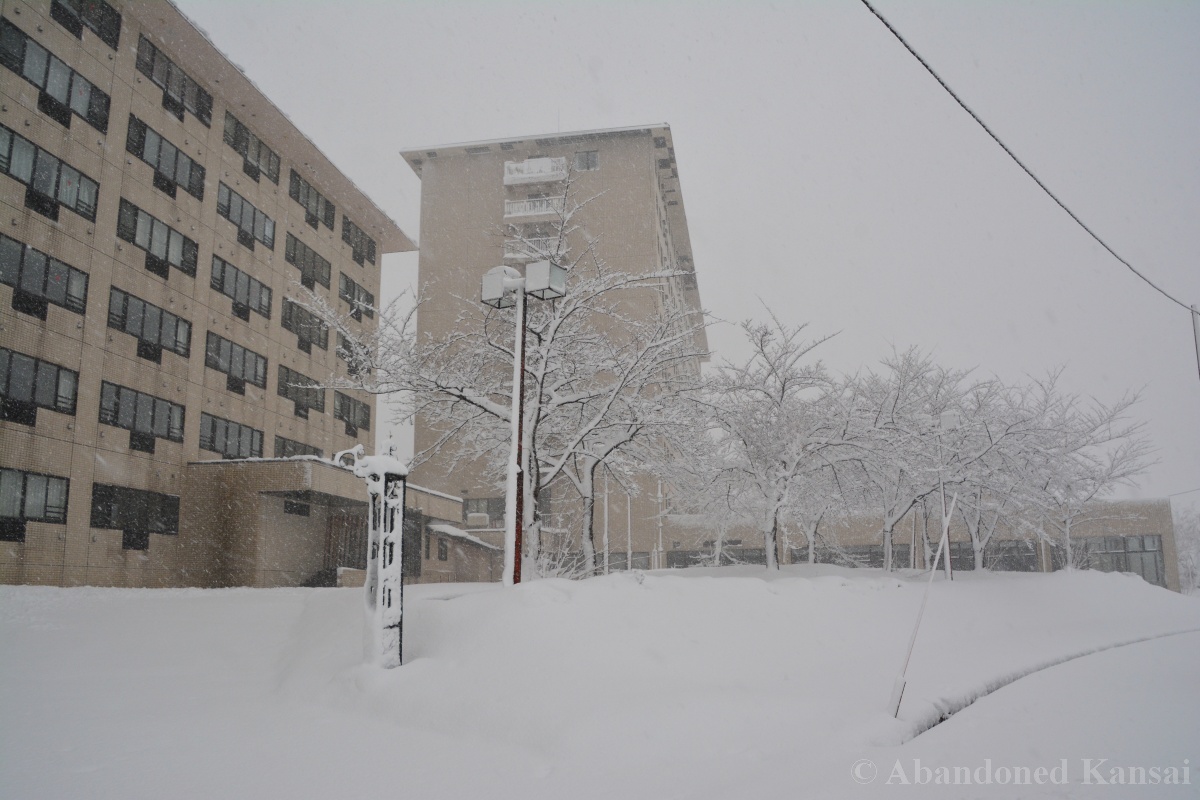
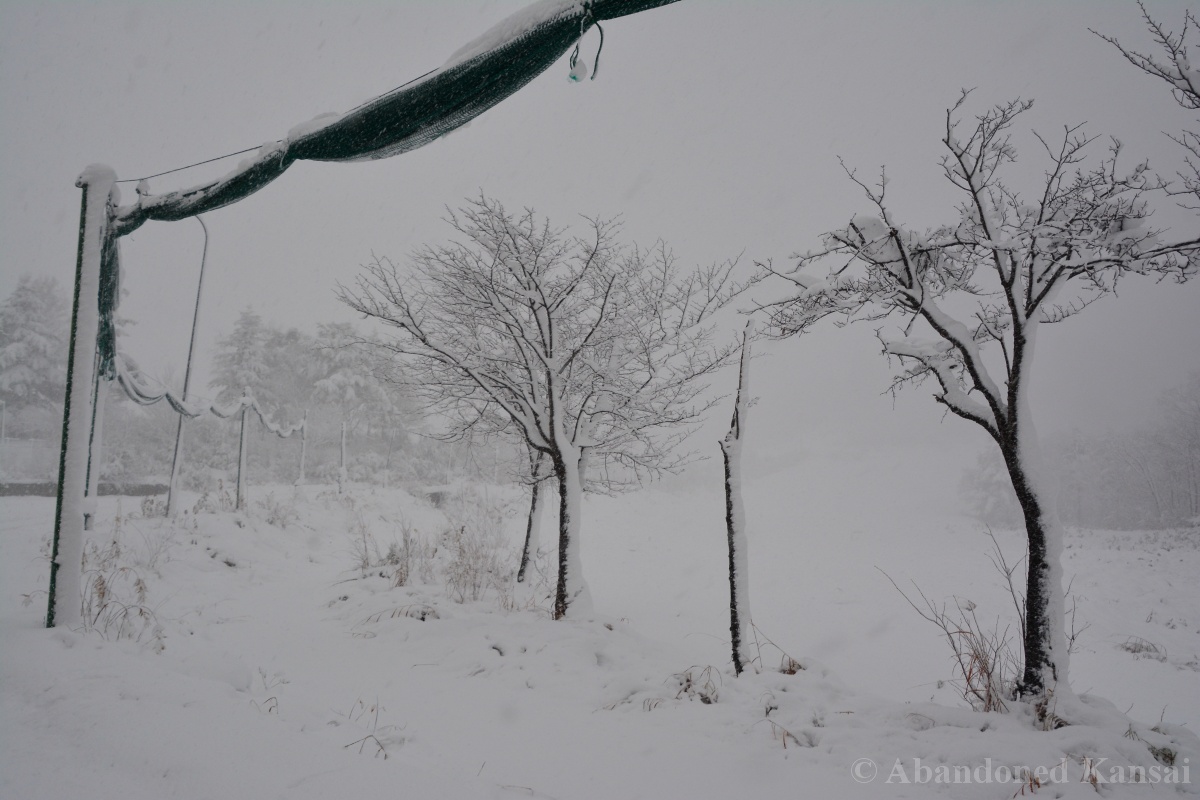
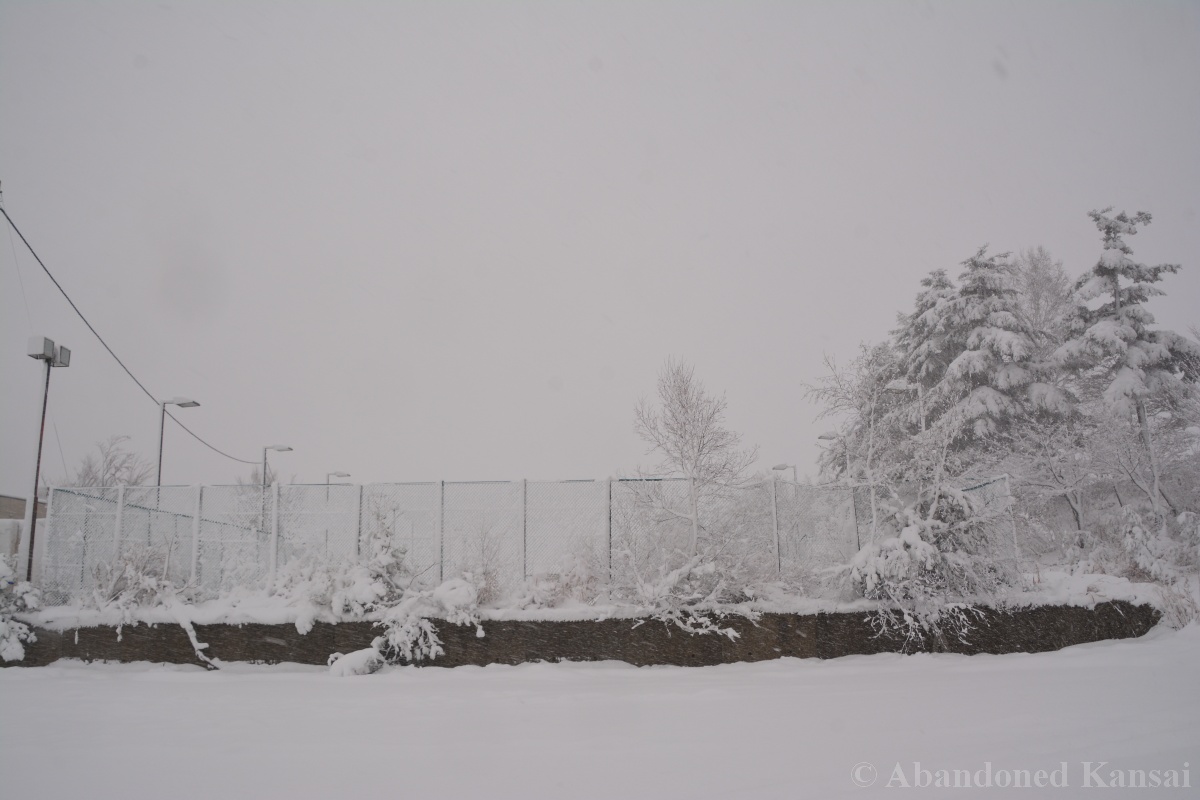
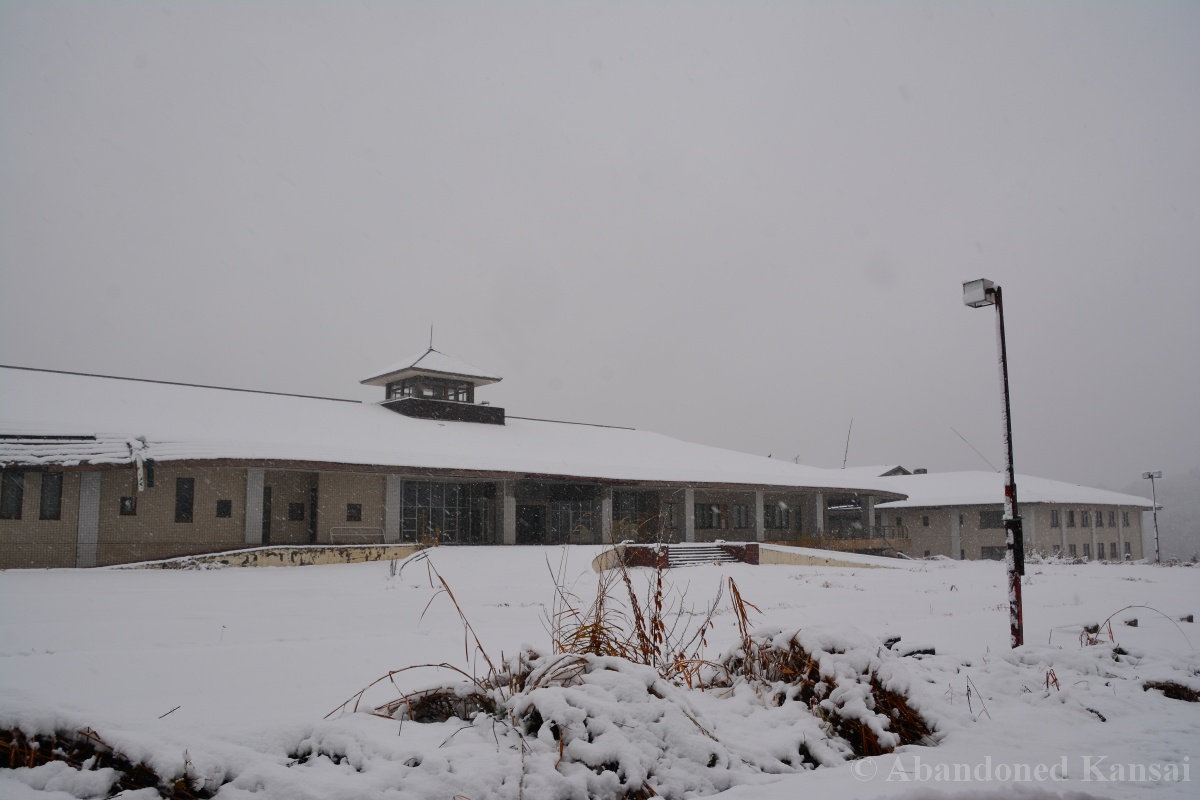
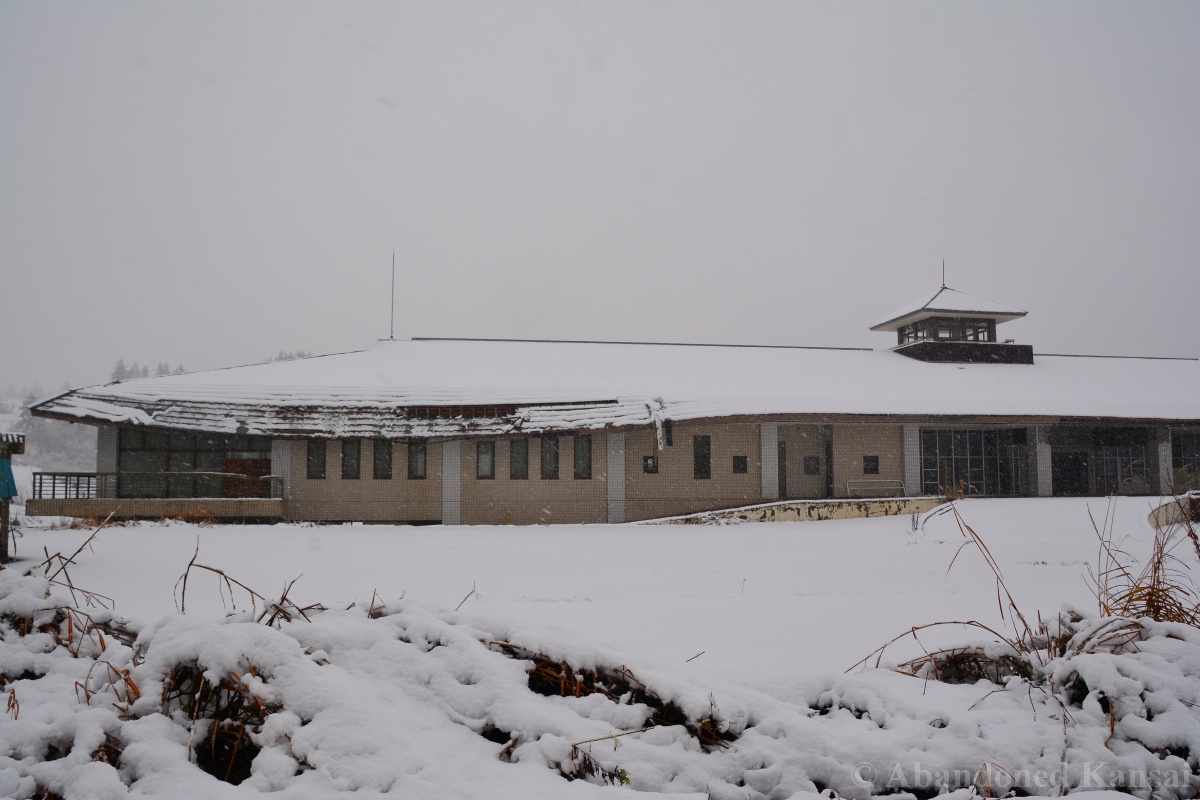
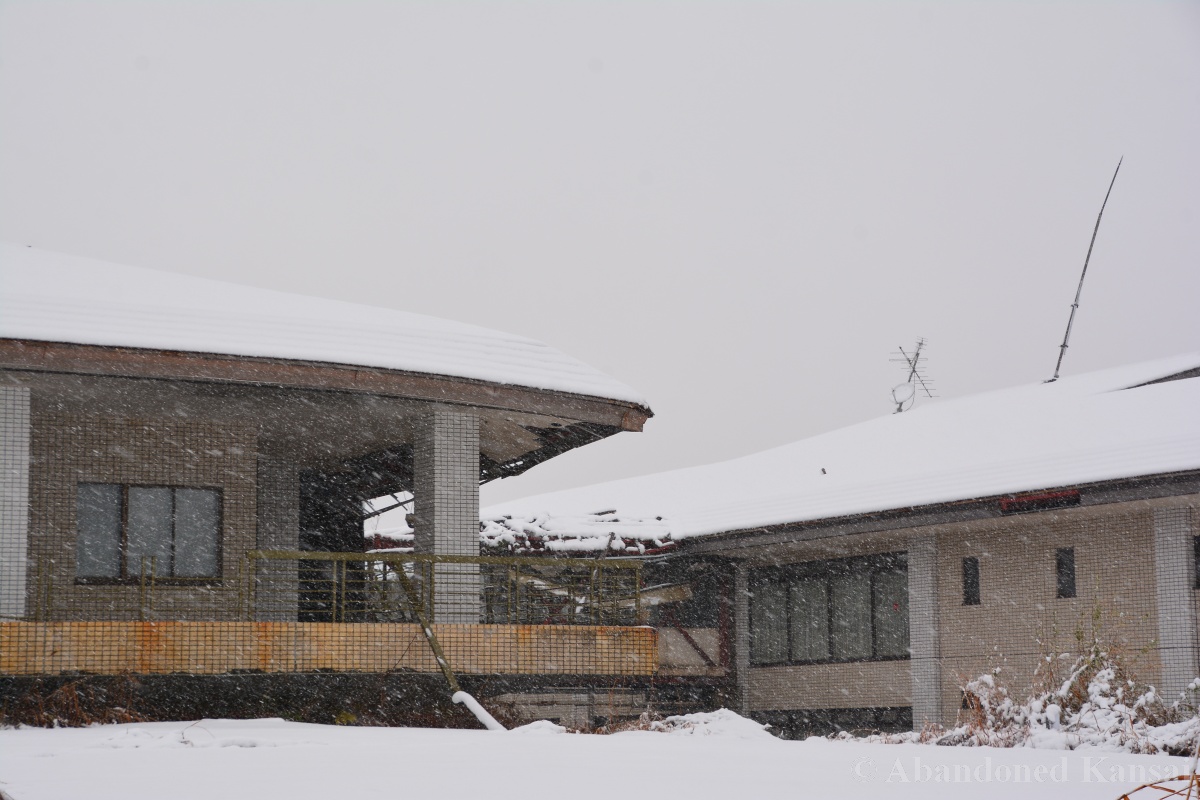
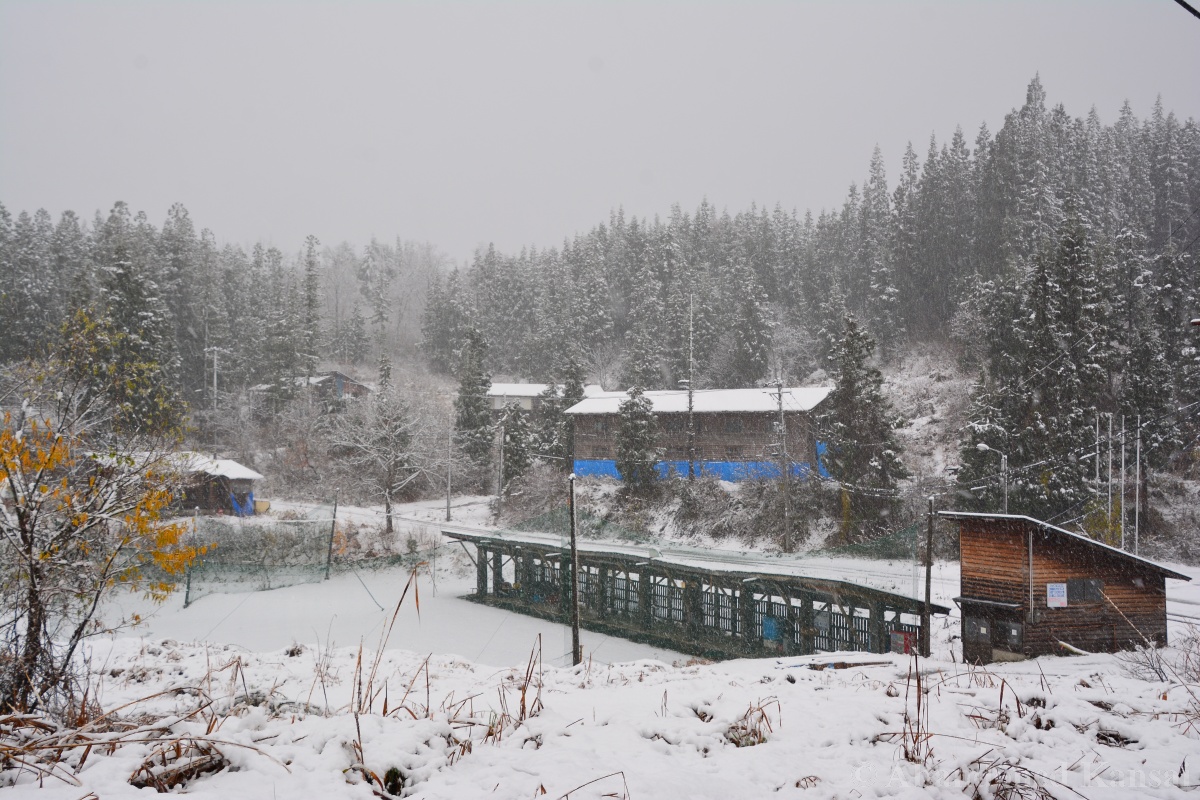
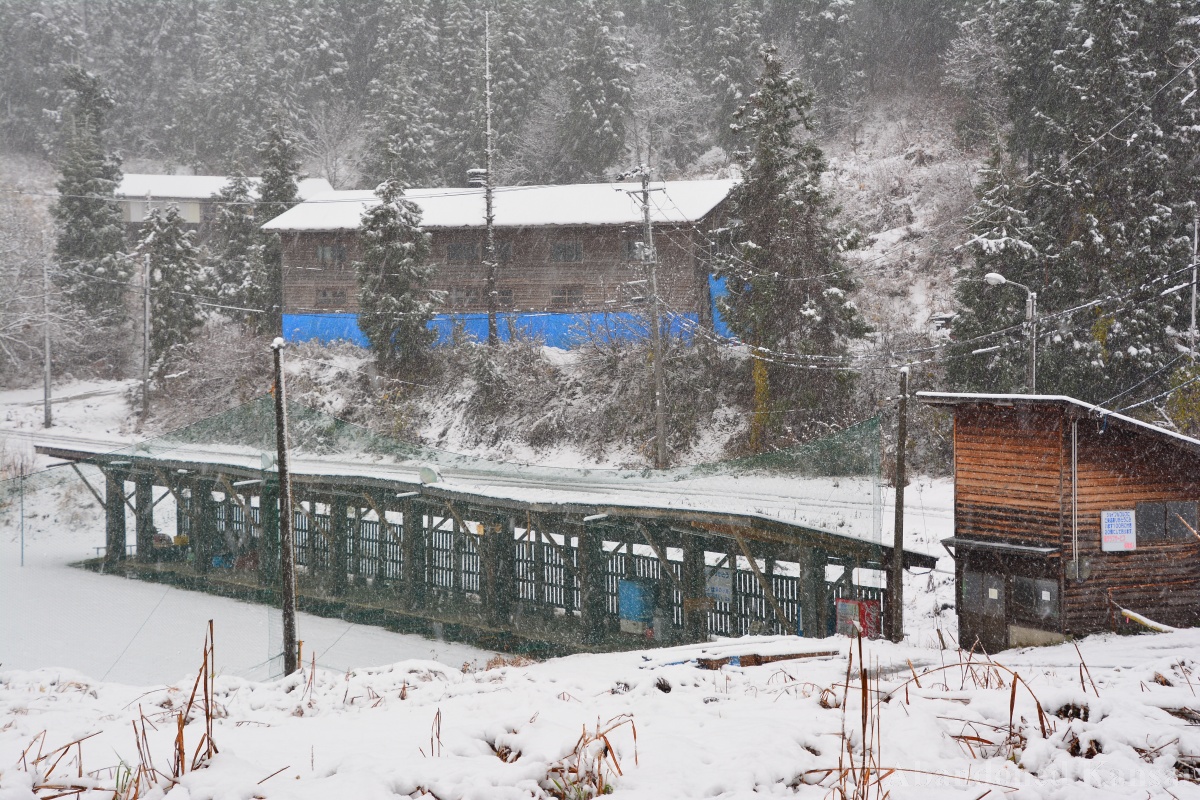
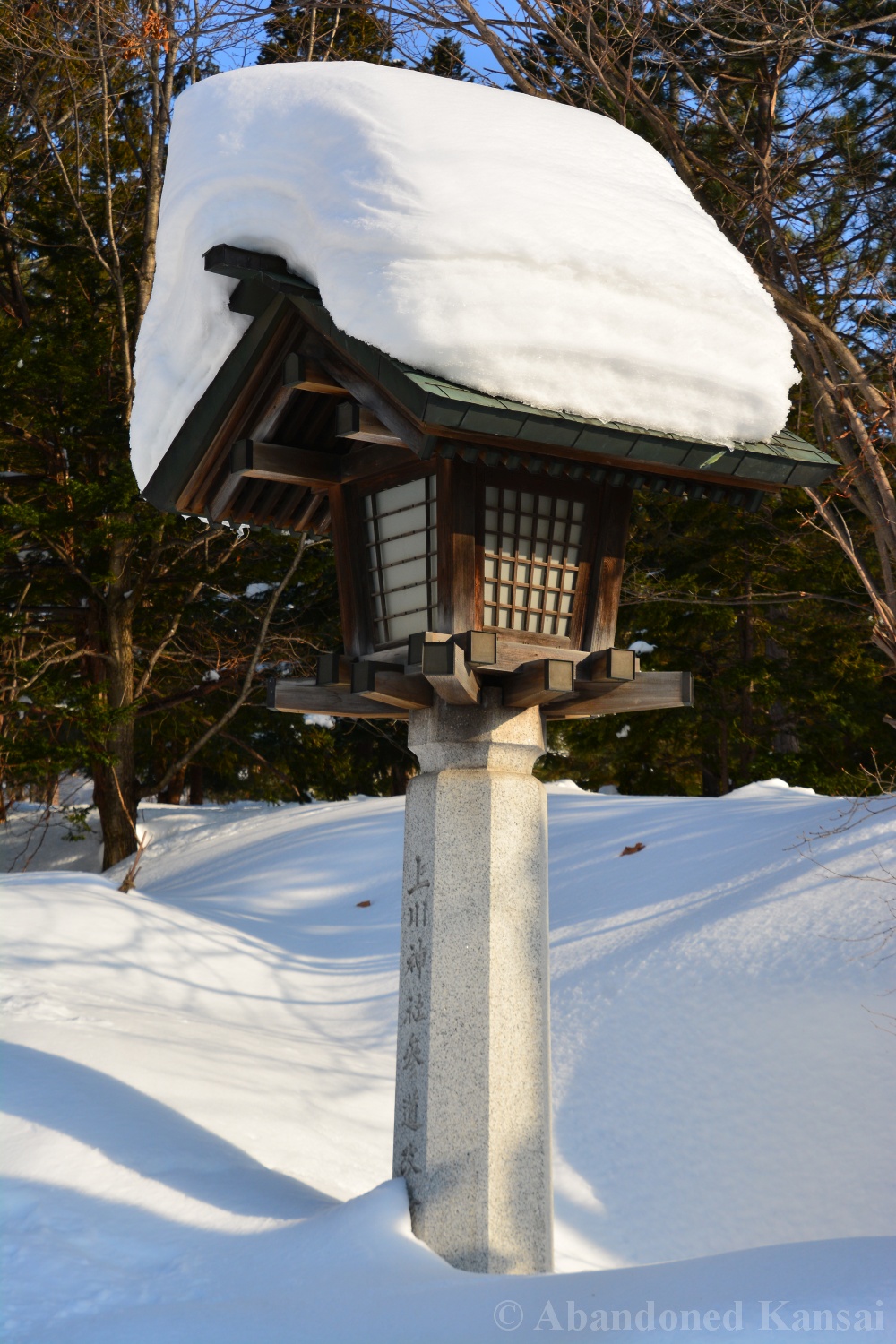
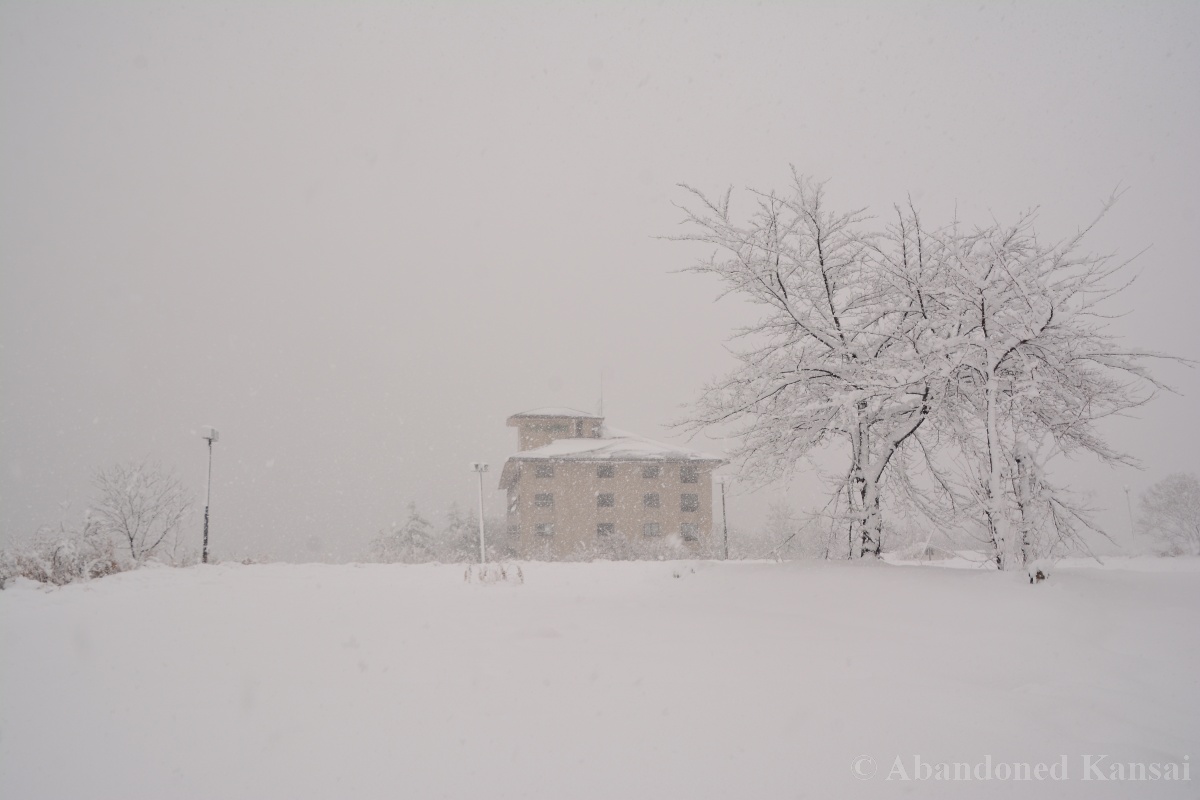
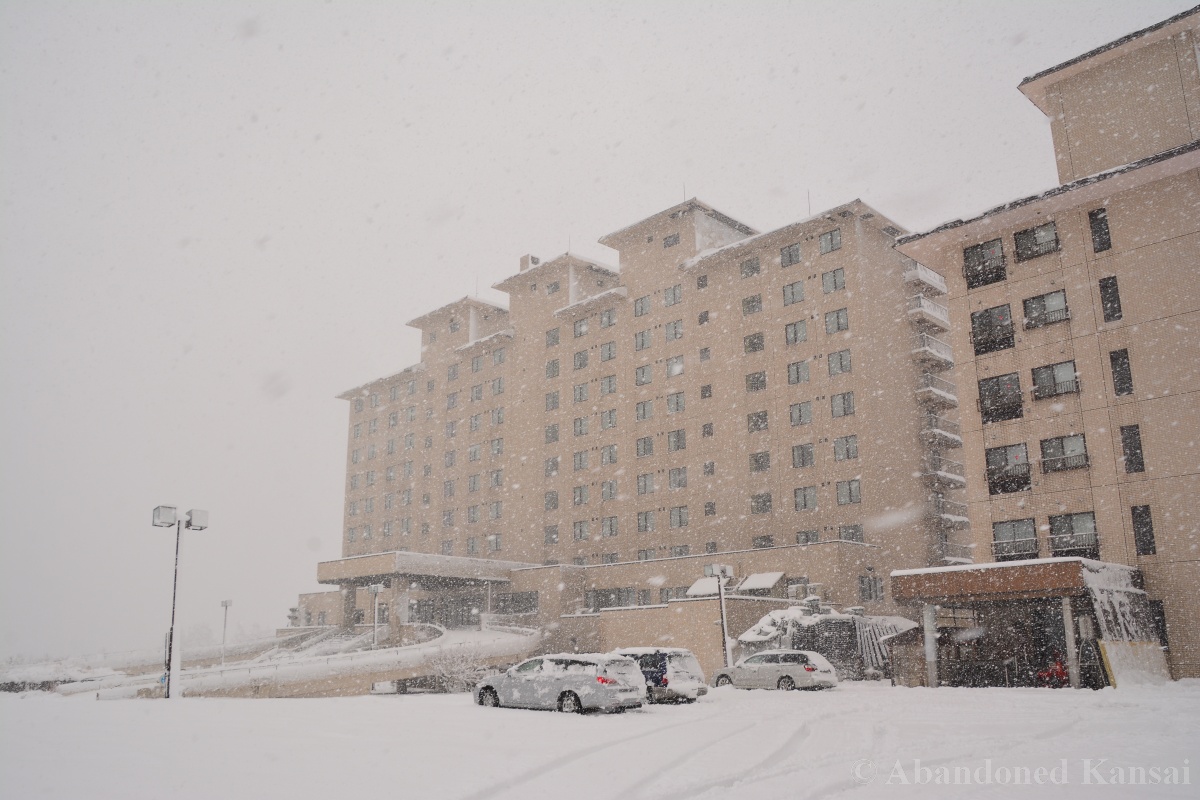
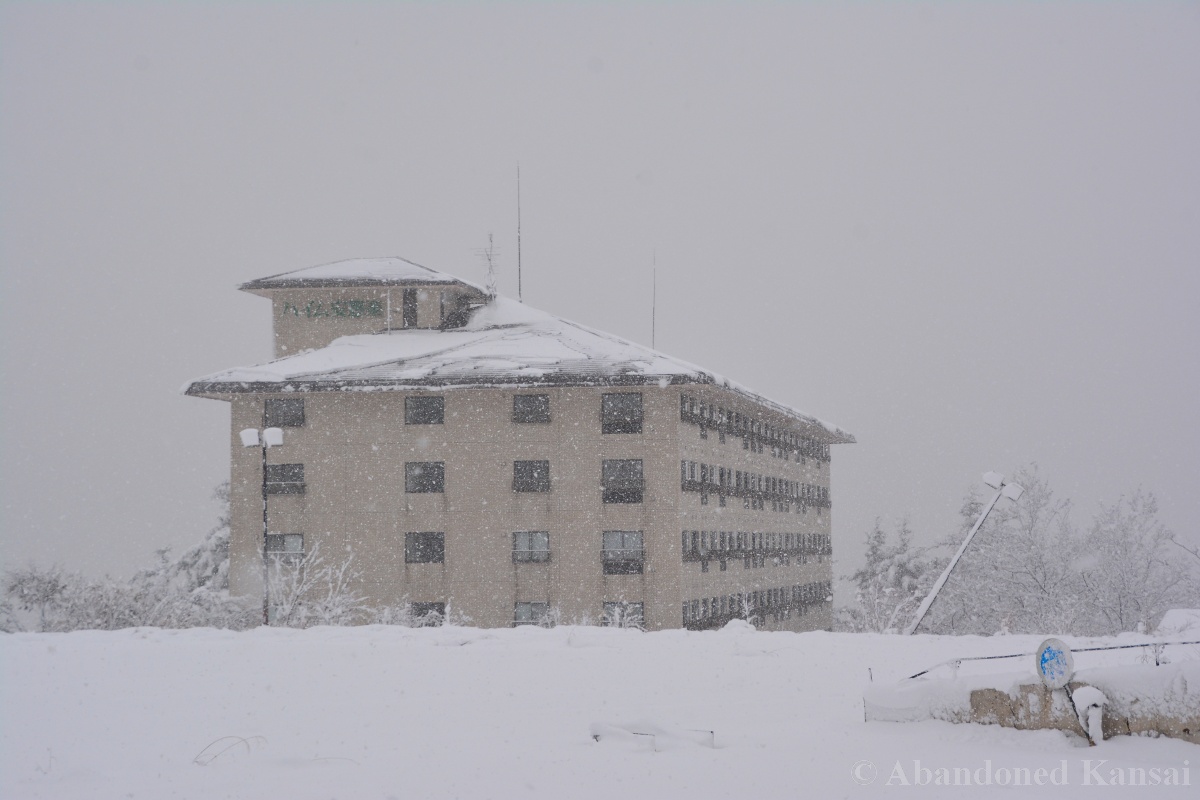
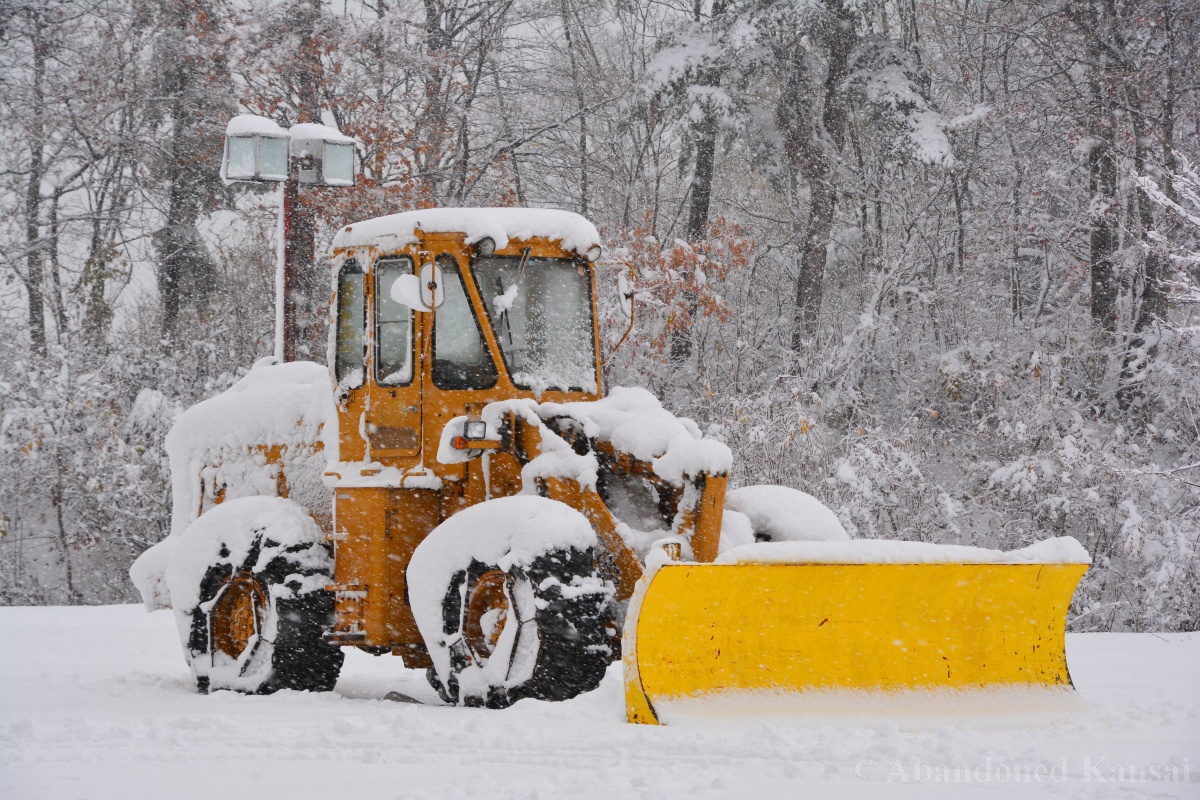
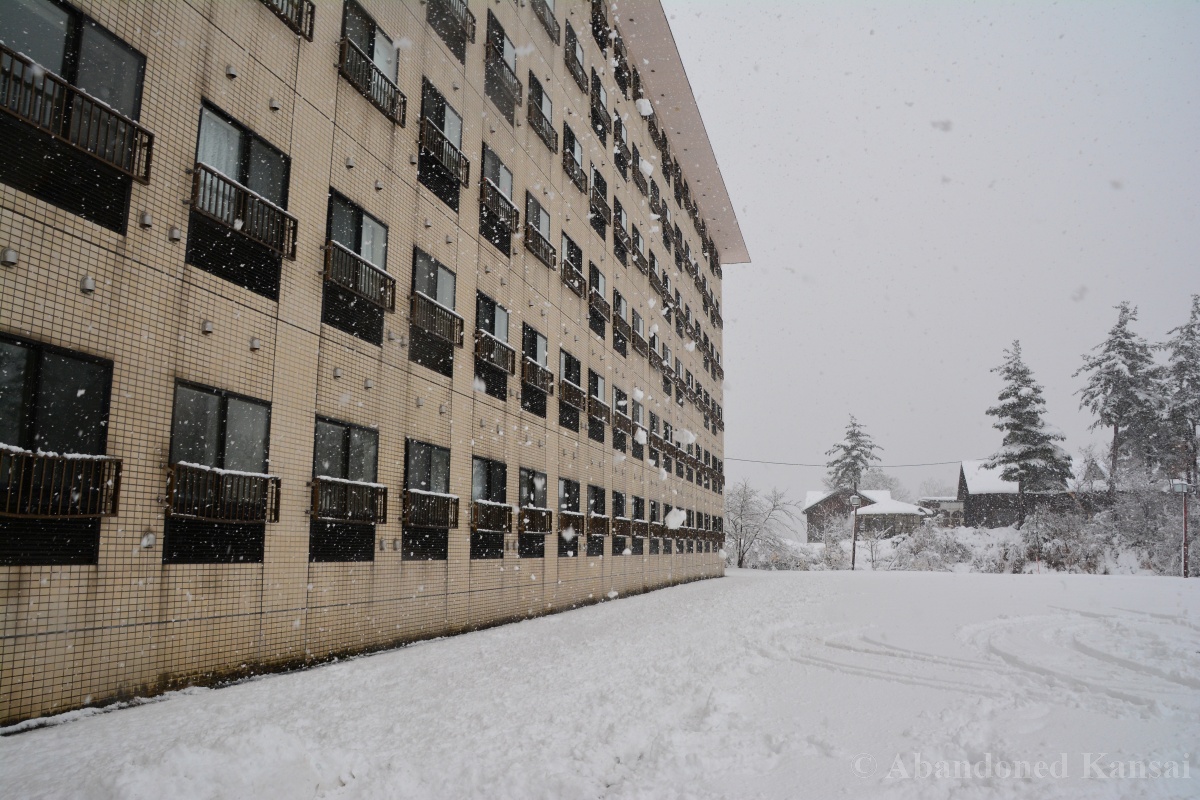
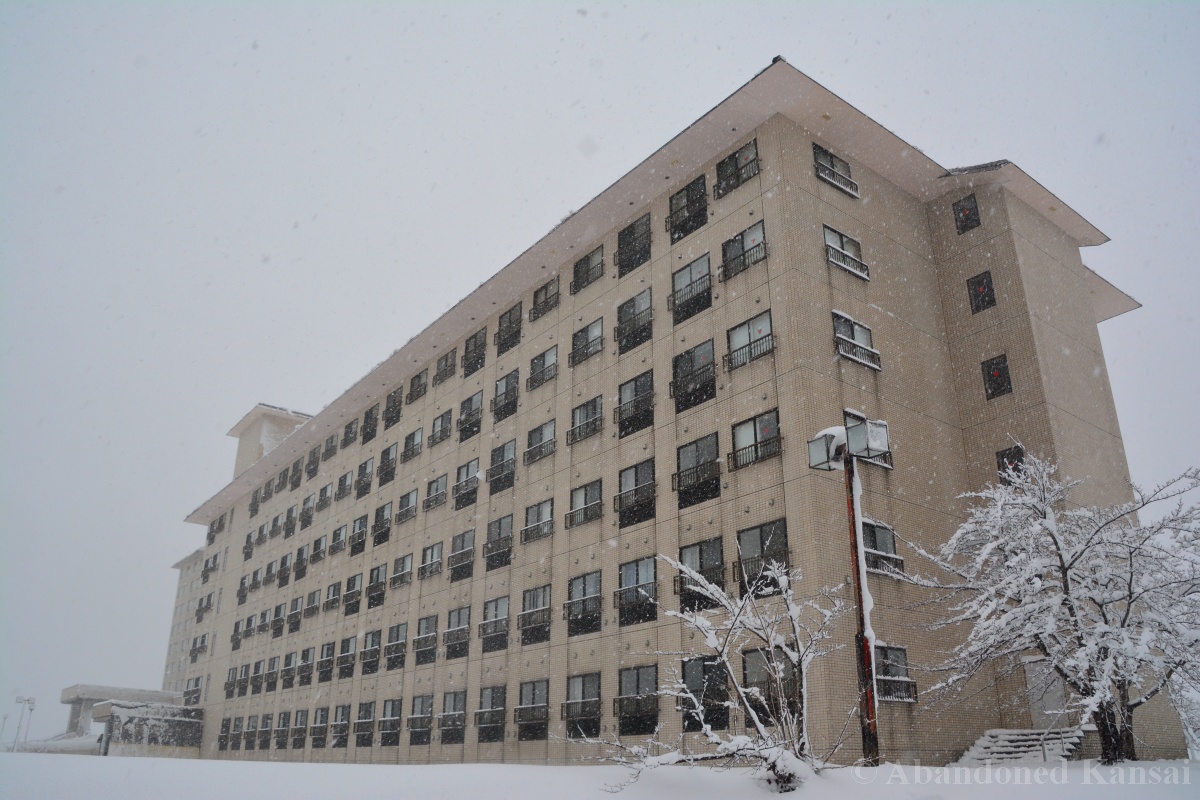
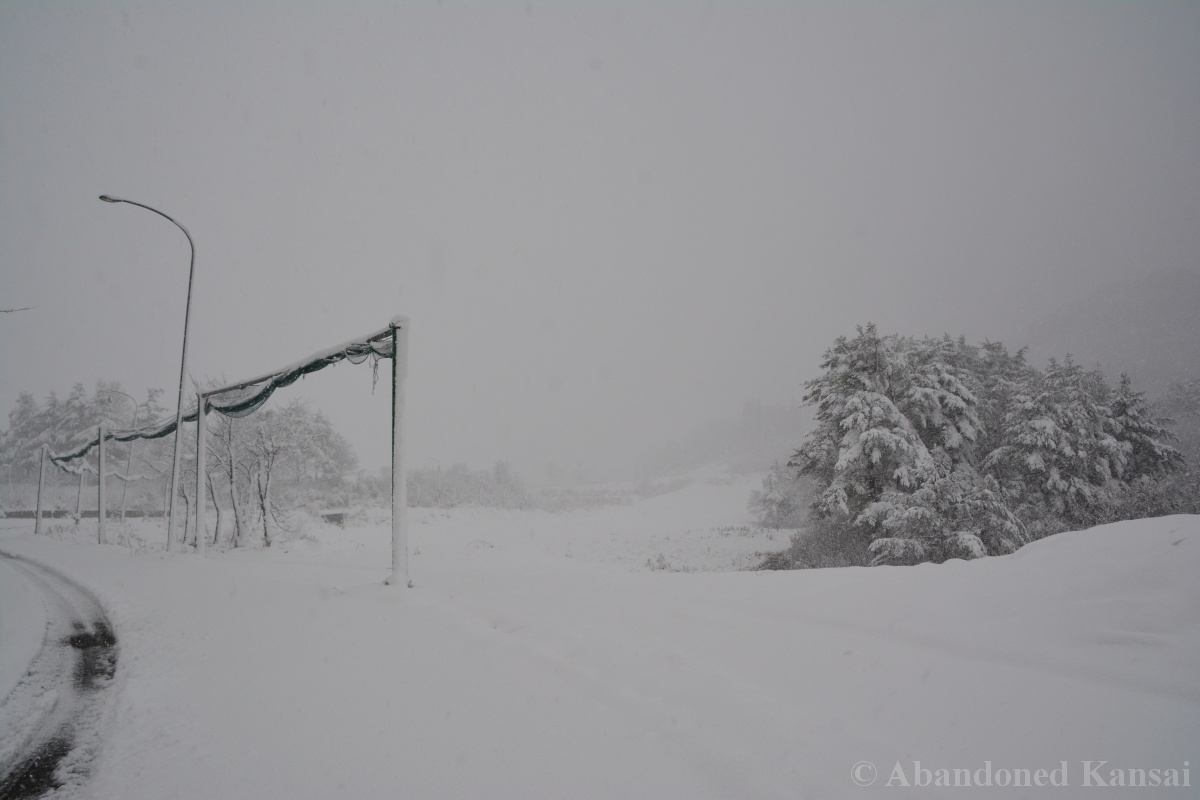
Snow in November isn‘t really common in Japan, especially in southern Tohoku. But sometimes you gotta roll with the punches…

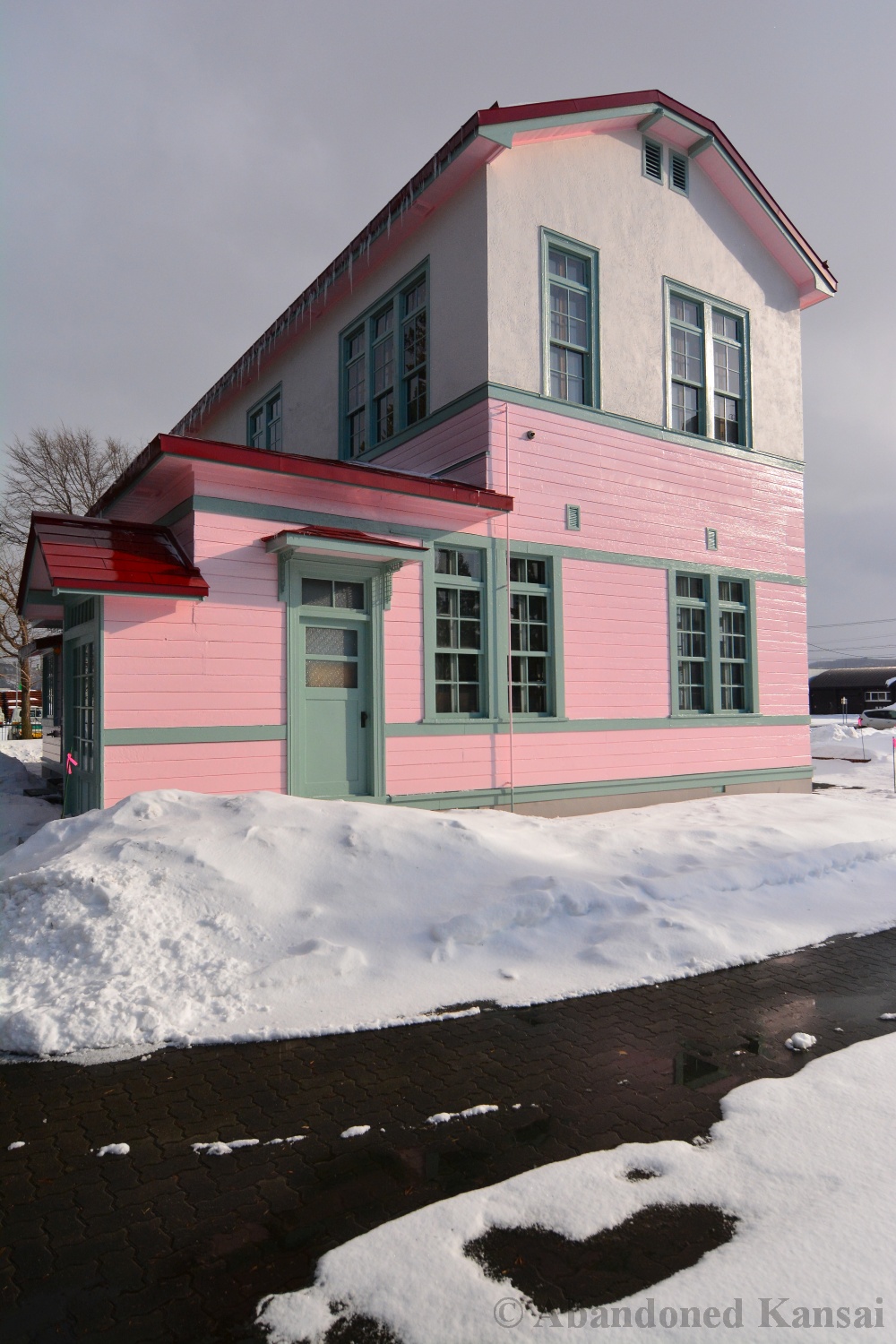
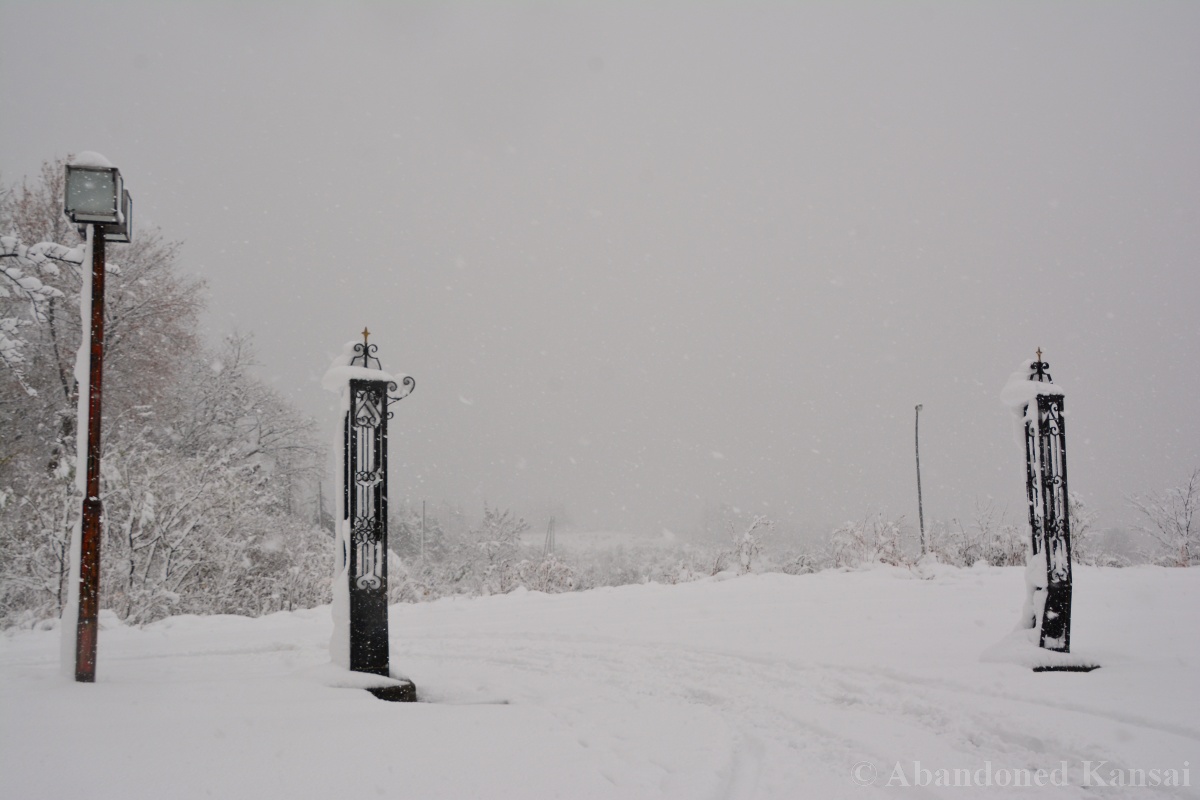
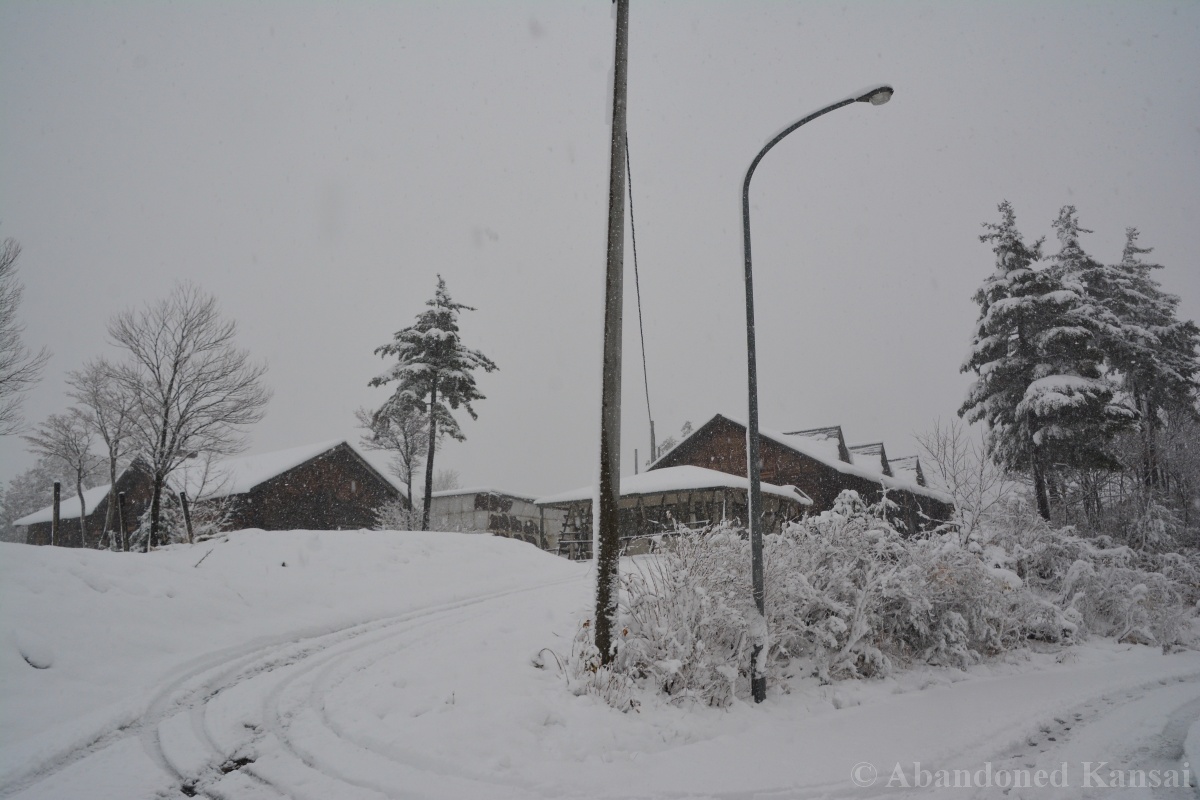
A few years ago I was on an autumn road trip to Tohoku, when I finally saw an opportunity to check out an abandoned country club that I had my eyes on for more than half a decade. Unfortunately it was so remote that I couldn’t explore it by myself due to the lack of transport, so I was really excited when I had the chance to go there. Several club houses, a hotel, a really big golf course, several other buildings – even a ski slope or two, as I found out afterwards. That thing was gigantic, potentially a whole day exploration! We stayed in a hotel about 20 kilometers away, maybe half an hour on countryside roads. It was overcast, maybe 15°C – typical autumn weather. When we left the plain to get into the mountains it suddenly become significantly colder, but who cares? That’s why we wore jackets. We took a final turn up a narrow road to the resort when all of a sudden the weather changed drastically – heavy snowfall, thick flakes. We went from zero snow on the ground to several centimeters in maybe half a minute. Nevertheless we pushed forwards, because you gotta seize opportunities when you have the chance! Unfortunately the resort was really big with lots of roads going all over the place, so we quickly lost track of where we wanted to go. You can look at maps all you want, when you go / drive up to an abandoned place, it usually looks different – it’s like Mike Tyson once said: Everyone has a plan ’till they get punched in the mouth. And the snow hit us hard. As it turned out we made it to the northwestern end of the premises with a large hotel, where half a dozen cars with license plates were parked. I got out of the car while my co-explorer turned around and slowly drove towards the entrance/exit as we both were worried that we might get stuck in the blizzard, given that the roads weren’t in great shape and we didn’t have winter tyres or 4WD. The hotel was properly locked up and the whole area wasn’t really explorable given the weather conditions, so I snapped a few quick shots before we got the hell out of Dodge and went on to greener pastures…

(*Like Abandoned Kansai on Facebook* or *follow us on Twitter* if you don’t want to miss the latest articles and exclusive content – and subscribe to the *video channel on Youtube* to receive a message right after a new video is online…)

Read Full Post »
I’ve been urbexing for almost 15 years. During that time I’ve never written any articles about equipment, despite being very happy with three different Nikon DSLRs, two Manfrotto tripods, and a Sanyo video camera – which broke in 2019 after almost 15 years of recording countless hours at hundreds of locations as well as places like Chernobyl and North Korea. Videos I always considered a bonus anyway… and I’m still having a hard time thinking of myself as a photographer, given that I have no formal education in that field and only do it as a hobby. A really time-consuming hobby, but nevertheless just a hobby. I also don’t have a background in technology, so what’s the point of reviewing camera equipment when I just have an opinion based on learning by doing? Well, that doesn’t keep countless “influencers” and Youtubers from churning out incompetent nonsense, but I wouldn’t want to be found dead with either label on me! And like my favorite professor at university once said in regards to papers we had to hand in: “Don’t claim anything you can’t proof!”

Fortunately there is no need to be technical or scientific about this Insta360 X4 article, because unfortunately we never got that far…
Like I said, I always considered video walkthroughs of the locations I explore a bonus. I started them pretty much right away, but at first I didn’t even publish them, because I only took them for myself. And even when I published them, I didn’t edit them. No cuts, no voice overs. Just me walking around breathing heavily into the silence. That all came to a sudden halt when my Sanyo stopped working after exploring the abandoned *Trump Hotel*, also wiping out the recordings of the whole day. At that point I was tired of doing the videos anyway – and my co-explorers were increasingly annoyed, because I added 10 to 30 minutes at the end of every exploration for the walkthrough. So I stopped doing them.
For the past 18 months I’ve been exploring solo again (don’t ask, it’s complicated and often quite frustrating, to be honest), but a few weeks ago a colleague of mine showed me an older model Insta360 video camera that a visiting cousin from the States forgot at his place in Japan. I was fascinated by the easy to use 360 photos and videos, so I did some research and decided to get one. I’ve read reviews, I’ve read product pages – I did my best to make an informed decision, because at first I considered buying the X2 or X3 as older models often are cheaper with only slightly fewer / worse features. The X2 was out of the race when I read in a review that it required a smartphone to be activated – something I didn’t read anywhere about the X3 and X4. I guess because it’s an idea that is so stupid that it probably was a one-time mistake by Insta360, facing so much backlash that they removed the requirement from following models. The price difference between the X3 and X4 wasn’t very big and since the latter was only four weeks old at the time, the price on Amazon and in brick and mortar stores was the same, so I decided to get it at my local Yodobashi Camera (street block sized electronics stores with hundreds of employees each, in case you are not familiar with the chain), where I’ve been a customer for almost 18 years – ever since I moved to Japan.
BIG MISTAKE!

Yodobashi Camera was extremely stingy, giving only 1% points on the video camera, despite a promotional campaign of giving 13% points for purchases over amount X – except for (small print)… But when you shell out 80k Yen on a new video camera you are looking forward to use, store points are the last thing you worry about anyway. Fortunately I still had some of those points, which I used to get a seriously overpriced MicroSD card, because without it the video camera would be useless and I wanted to try it out on the weekend before an upcoming urbex trip. 83500 Yen poorer, but with a big smile on my face I left Yodobashi Camera on a Friday evening after an otherwise pretty horrible week.

Saturday was supposed to be a great day, though it started with a rude awakening / realization…
After sleeping in and having a delicious breakfast, I enjoyed a nice unboxing. The first slight disappointment was when I realized that the included battery was dead. Well, not dead dead, but completely empty. Whatever, an hour or two wouldn’t make a difference. It would not dent my great mood for sure. That came a few hours later when the battery was fully charged. I booted the small brick for the first time, its screen came to life, asking me to choose a language – and then the screen showed what the camera was seeing… for about a second or so. Then some text popped up and my heart sank. You gotta be kidding me! What I was looking at was a screen telling me to download an app by Insta360 to a smartphone, iOS or Android, to unlock the video camera. What. The. Heck? I literally felt it in my fingers how my blood-pressure exploded, because unlike pretty much every person on the planet above the age of 6 years I don’t own a smartphone. Never have. In the late 90s I had a black and white Nokia for work (yes, I’m not the youngest anymore, though I started working full-time in my early 20s). When I moved to Japan I had a flip phone or two, but for the past 15 years or so I didn’t have any mobile phone at all, smart or not, because I don’t like them as they turn way too many people into dumb zombies. So here I had a brand-new, quite expensive video camera… that forced me to make it usable by using another device with cameras? Who comes up with stupid ideas like that?!
Certainly not Nikon! Their D7500 DSLR I bought just weeks prior worked with a partly charged battery and regular SD cards straight out of the box 5 minutes after purchase – without any charging or unlocking BS!
So I started to do some research… and didn’t find much. Like I said, I couldn’t care less about smartphones, apps and all that stuff, so I tried to find a solution to unlock the darn X4 via PC or MicroSD card. Of course I couldn’t find anything about that either, so I contacted Insta360 directly – who apparently didn’t read my message and instead sent me a standard reply. So I got back to them, apologized for not describing my problem properly (I’ve been in Japan too long…), and this time got an answer that at least implied that they understood the situation I was in – without being able to help, because though it seems to be nowhere stated on the box, the promo material or even on the X4 website (at least back in mid / late May, maybe they changed it by now)… you really need a smartphone and the Insta360 app to use a newly bought X4 video camera, that seems to work perfectly fine, but is made not usable on purpose by the manufacturer. Which absolutely blows my mind!
How is that even legal?
How can a company force you to use a completely unrelated piece of expensive technology that actually partly does the job of the product you just bought, to make your purchase usable? Without mentioning that essential detail with big warnings before purchase! And in addition, forces you to use an app, which does who knows what in the background without one knowing?
What’s next? You need an electric bike with WiFi to unlock your newly bought car? And if you don’t… sucks to be you, it’s completely useless!

Yodobashi Camera – (The Lack Of) Customer Service In Japan!
After some back and forth it was Monday and I came to the conclusion that I won’t be able to use the Insta360 X4, because it really needs a smartphone to unlock, which wasn’t properly communicated. So after work I went back to Yodobashi Camera, my go-to electronics store for the past almost 18 years. Never had a problem with them, because all the products I bought worked as intended right out of the box. So I went back to the cashier counter where I bought the video camera… and already ran into the first minor bump in the road – apparently I hadn’t paid for it in the camera department, but a neighboring one, which wasn’t a problem on Friday evening, but very well on Monday evening. So I went 20 meters over to the camera department and told them about my unfortunate situation: That I had bought this video camera three days prior, but couldn’t use it, because it doesn’t work without a smartphone, which wasn’t properly communicated by Insta360 or Yodobashi Camera. But I was very careful with everything, I didn’t even remove the protective film from either of the lenses. Some air through the teeth sucking, some going back behind the counter to talk to a superior and then something like the following conversation – it’s in quotation marks, but they are not really quotes, you know… just something like that, from memory:
“I can’t sell this anymore, you opened the box. You can’t return it.”
“But I can’t use the video camera.”
“I can’t sell this anymore, you opened the box. You can’t return it.”
“I don’t have a smartphone. The X4 is useless to me.”
“I can’t sell this anymore, you opened the box. You can’t return it.”
“I did proper research and I only found out about this after I opened the box and tried to use the X4.”
“I can’t sell this anymore, you opened the box. You can’t return it.”
“I bought a D7500 last month, it worked out of the box…”
“I can’t sell this anymore, you opened the box. You can’t return it.”
“Then take it back and ask Insta360 to exchange the X4 – you have dozens of them here, you probably have to return one once in a while anyway.”
“I can’t sell this anymore, you opened the box. You can’t return it.”
“Are you serious? I’ve been a customer here for almost 18 years, spent millions at your store and other ones in the building that has your name. Never had a problem – and the first time I have, you are stonewalling me?”
“I can’t sell this anymore, you opened the box. You can’t return it.”
“Really?”
“I can’t sell this anymore, you opened the box. You can’t return it.”

At this point I gave up and exchanged a few more e-mails with Insta360 (“You should try to return the X4 where you bought it!” No kidding…), but their responses quickly became as useless and repetitive as the one of the guy at Yodobashi Camera – who is just a small cog in a big machine, so I don’t blame him; he’s punished enough with the lighting in the store and the uniform he has to wear all day.
So here we are, after me falling for the usual misconception about (customer) service in Japan, because I rarely ever had a real problem anywhere. It’s great as long as everything is within procedures – if somebody has planned for it, it most likely will go smoothly. Service is great. When service becomes customer service though, i.e. an individual customer needs help that requires improvisation outside of the planned service… you’re basically on your own. The only thing flexible in Japan is bamboo.

Nevertheless I still have moments when I wonder: AITAH?
I’m a huge believer in personal responsibility. If I make a mistake, I stand by it. I find behavior like ordering 20 items of clothes in different sizes and colors with the intention of sending 18 of them back despicable. In fact I’ve never sent anything back that I’ve ordered online, except for two USB-HDDs – and only because they didn’t work. I don’t do fast fashion, I don’t buy garbage from questionable sites like Shein oder Temu, I don’t replace electronics unless they are broken. (RIP, Nikon D7100!) I did due diligence before buying the Insta360 X4 and to this day everything in that (opened…) box is in mint condition. If I would have known about the smartphone requirement, I wouldn’t have bought the X4. It’s the reason why I didn’t buy the X2.
This is actually only the second time that I tell this story to anybody, because part of me is a bit ashamed that this series of unfortunate events happened – despite all the research before buying. But spending more than 80k on a useless brick of tech isn’t exactly something to be proud of. I don’t regret much in my life, but buying the Insta360 X4 I regret. And buying it at Yodobashi Camera is something I regret, too. Maybe Amazon would have been more accommodating with returns…
But I guess it is what it is – only money in the end. And no videos for Abandoned Kansai in the future. Heck, even if I would get the currently useless X4 to work, I would always be reminded of this story. Screw video cameras! Never was a fan, now I dislike them almost as much as smartphones. Which kind of closes the circle. But I’ll make sure to never ever even consider buying anything from Insta360 again – I still don’t understand how it’s even legal that they can do this. What’s next to unlock their cameras? Having to send them a voice message, swearing loyalty to Winnie the Xi(thead)? Apparently they can do anything without people questioning it…
I went back to Yodobashi Camera once more though, two days ago. I spent the remaining shop points I had on presents for my nephews without having to pay a single sen – my goal was it to hit +/- 20 points/Yen, but going to exactly 0 was priceless – and so I left the Yodobashi Camera building one last time with a big smile on my face. Upon arriving back home I cut up my loyalty card after almost 18 years. It probably doesn’t mean much to a large store chain like that. But it meant a lot to me!

Thank you for reading till the end and… What has your worst experience with Japanese (customer) service been? Write it in the comments!

(*Like Abandoned Kansai on Facebook* or *follow us on Twitter* if you don’t want to miss the latest articles and exclusive content – and subscribe to the *video channel on Youtube* to receive a message right after a new video is online…)

Read Full Post »
Abandon it once, shame on you – abandon it twice, shame on… it? Welcome to Japan’s least loved railway station!

The one thing tourists to Japan can’t stop yapping about is the country’s railway system. It’s so clean, it’s ALWAYS on time, trains run every 5 to 10 minutes, announcements are in four languages, they’ll get you everywhere you want to go (except for Kyoto and it’s nasty, nasty buses!) and you pay a dirt-cheap flat rate! Well, as a long-term resident of Japan I’ll give them 1 out of 6. 1.5 out of 6 at best.
Japanese trains indeed are clean. That doesn’t necessarily apply for the Osaka Subway (they can call it Metro all they want, to me it’ll always be the terribly crowded and quite dirty subway…), but overall and in comparison to other countries Japanese trains indeed are clean. The dirt-cheap flat rate argument you’ll hear much less often since last autumn JR adjusted their passes prices for inflation after something like 40 years, thought there are still some affordable JR Passes and commuter tickets. The claim that trains are running every 5 to 10 minutes can only come from somebody who never left the Shinkansen lines and adjacent built-up areas. Most stations I use while traveling have trains every 60 to 90 minutes, sometimes only three or four connections a day. Miss one and the rest of your plans for the day fall like dominos. Same for announcements in four languages. Sure, in hardcore tourist areas you have pre-recorded announcements in four languages – if something unforeseen happens you are usually down to one. Most regular rural lines have announcements in Japanese and English at best, sometimes Japanese only. And if you are really unlucky, you’ll get voiced announcements only from a croaking speaker, no visuals. Pro-tip: Always make note of scheduled arrival times for reference. Which of course only helps when the trains are actually on schedule. Which is not necessarily always the case. I’ve had more than my fair share of delays (and I mean real delays of up to two hours, not the usual three to five minutes in urban commuter Kansai…) – which is even worse when you rely on the often glorified punctuality of Japanese trains. In Europe you automatically include a 30 minutes buffer, so a 15 minute delay won’t throw you off – when you rely on stuff being on time, five minutes can make a huge difference!
Which brings us to the final myth, that Japanese trains bring you everywhere. They don’t. The Japanese rail network has been shrinking for decades and in November 2016 JR Hokkaido announced that it will “rationalize” up to 50% of it’s network. The remaining part of the Rumoi Main Line has since been closed, the same applies for the Yubari Branch Line, which I had the pleasure to ride while it was still active. More lines in Hokkaido and the rest of Japan will follow – so when you see stuff like the train bridge to Kansai Airport being repaired within two weeks… that happened, sure – but most damaged lines are just quietly abandoned, for example the Hidaka Main Line between Mukawa Station and Samani Station; 116 of 146.5 km gone!

The Twice Abandoned Train Station was first opened in 1929 and the closed in 1975. Three years later the station was converted into a railway museum as an early attempt to keep a memory of once glorious industrial achievements – a rather unusual move in the emerging Information Age, when people moved to white collar jobs and looked down on the era of dirty hard labor. Unfortunately the museum station began to suffer from decreasing visitor numbers and old age, so after a while the station museum was open only on weekends and national holidays before closing for good in 1999.

As the Twice Abandoned Train Station is now 1) abandoned and 2) kind of in the middle of nowhere, public transport to get there wasn’t exactly plentiful. Six connections in one direction and five in the other. Of course those connections didn’t line up very well, so it was either 30 minutes or four hours on location – 30 minutes too short or three hours too long for my taste. Since spending half a day there would have prevented me from checking out another place (like I said, rare countryside connections usually have a domino effect), I decided to rush it… as much as I could, since quite a few people came to see the temple across the street that day, which meant that I had to find in a way through the overgrown back, which was out of sight. The sky being overcast didn’t help either, so I consider the exploration of the Twice Abandoned Train Station a partial success and as good as it gets when you have to plan weeks ahead to get to one of the most remote areas from Kansai by public transport. I hadn’t been to the area before and I haven’t been ever since, so I’m glad that I was able to explore the Twice Abandoned Train Station, because you never know when places like that disappear for good.
Also don’t miss out on my *recent article about some special trains* and *previous transportation related explorations*.

(*Like Abandoned Kansai on Facebook* or *follow us on Twitter* if you don’t want to miss the latest articles and exclusive content – and subscribe to the *video channel on Youtube* to receive a message right after a new video is online…)

Read Full Post »
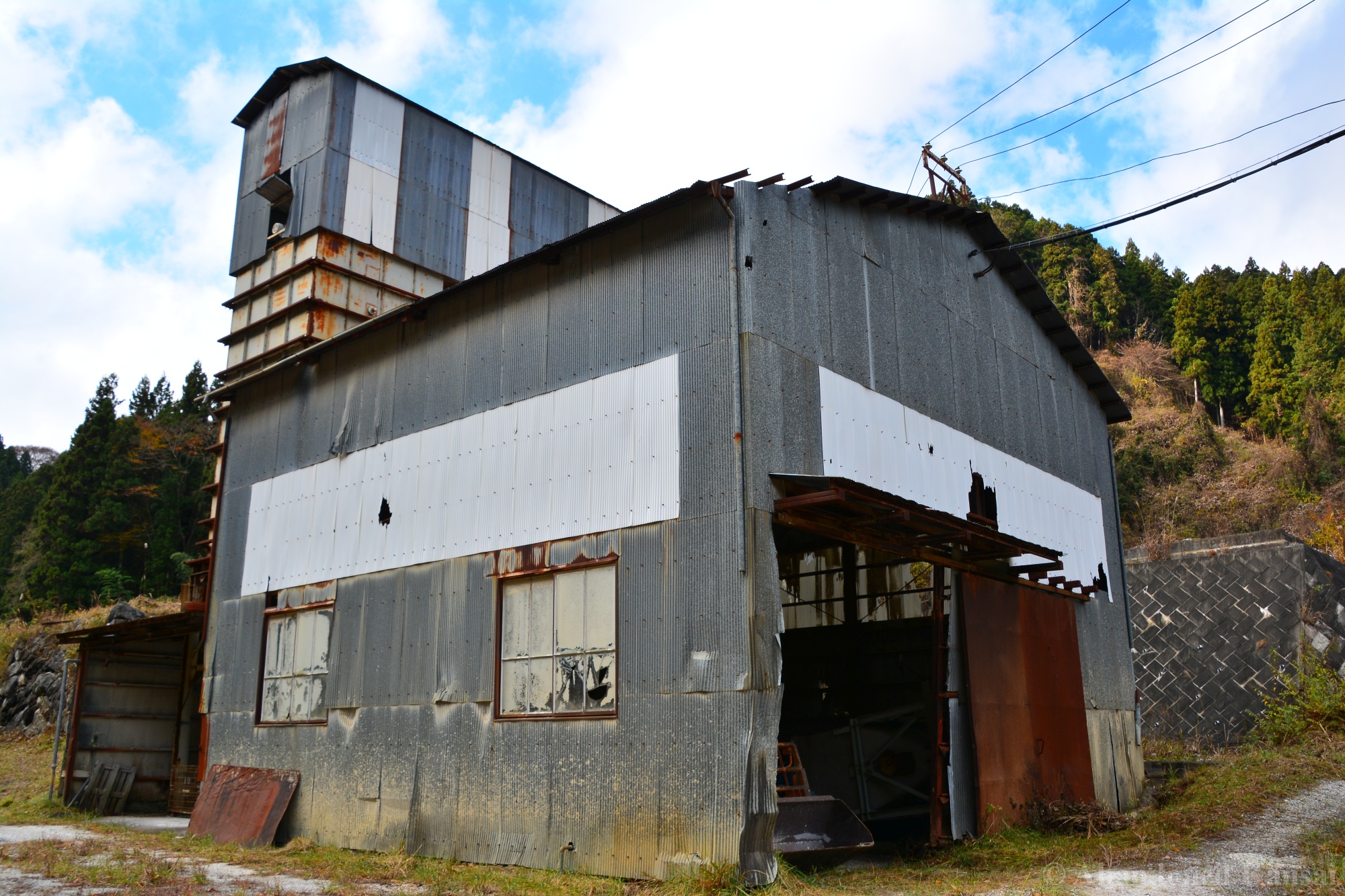
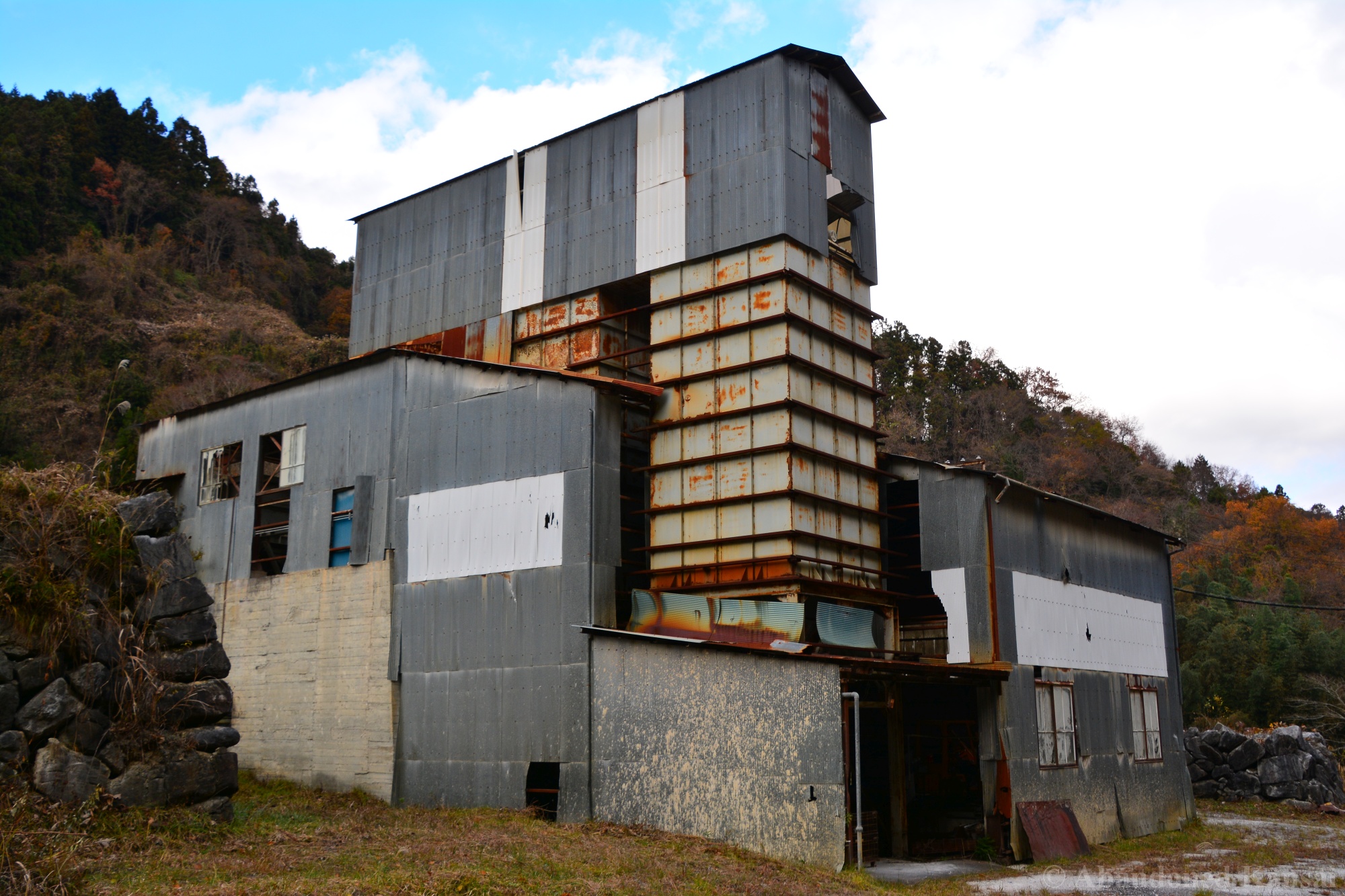
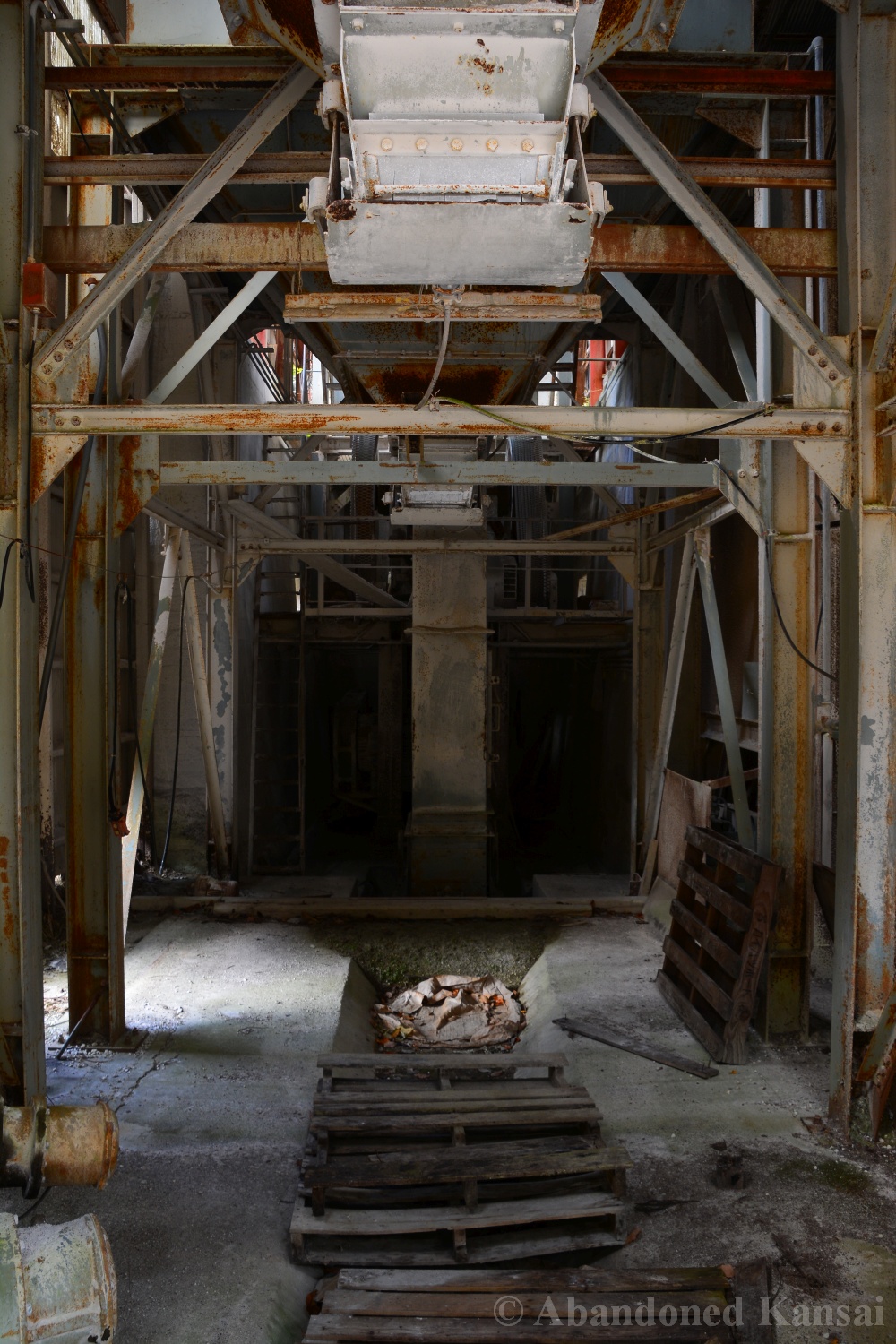
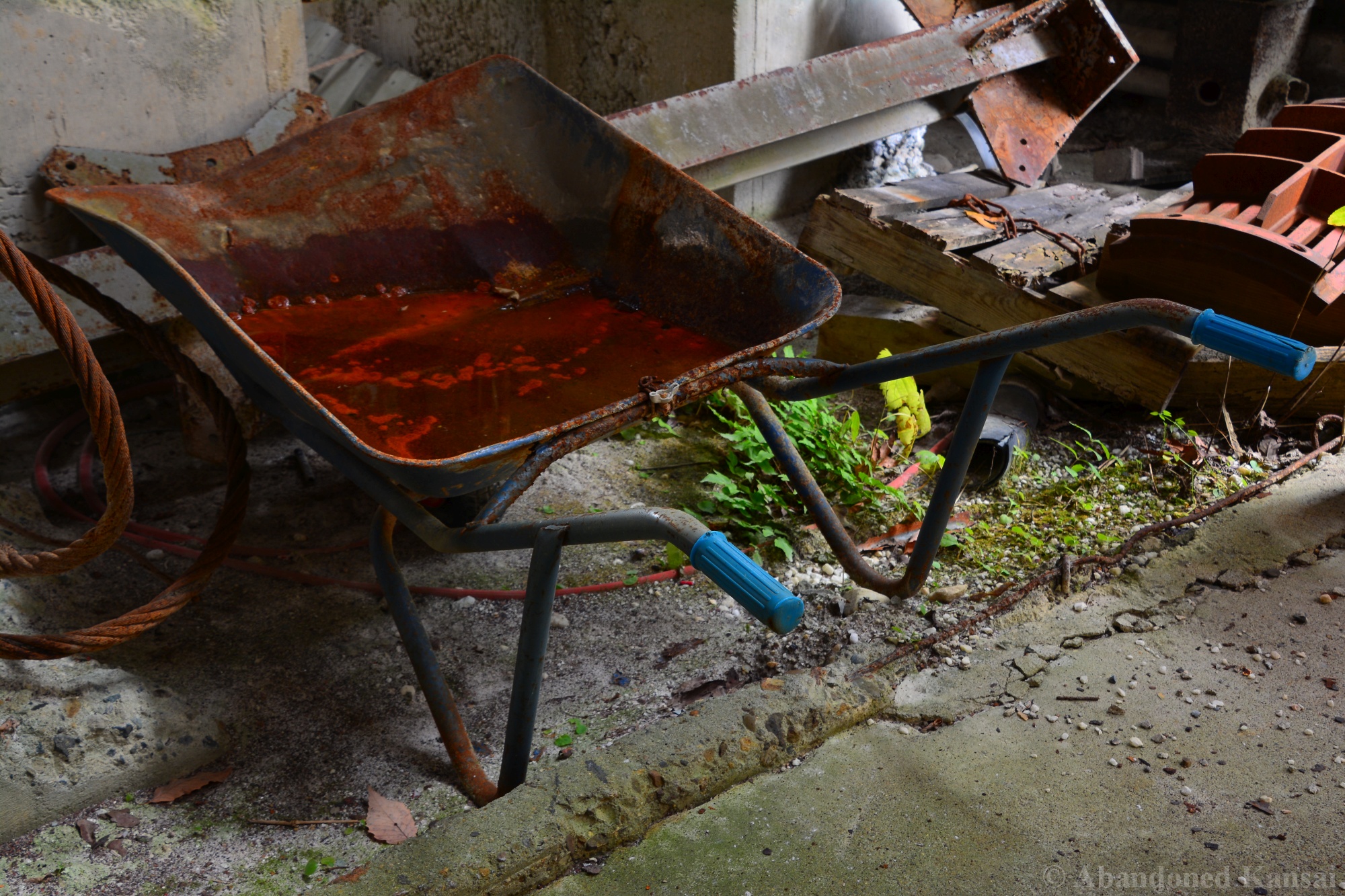
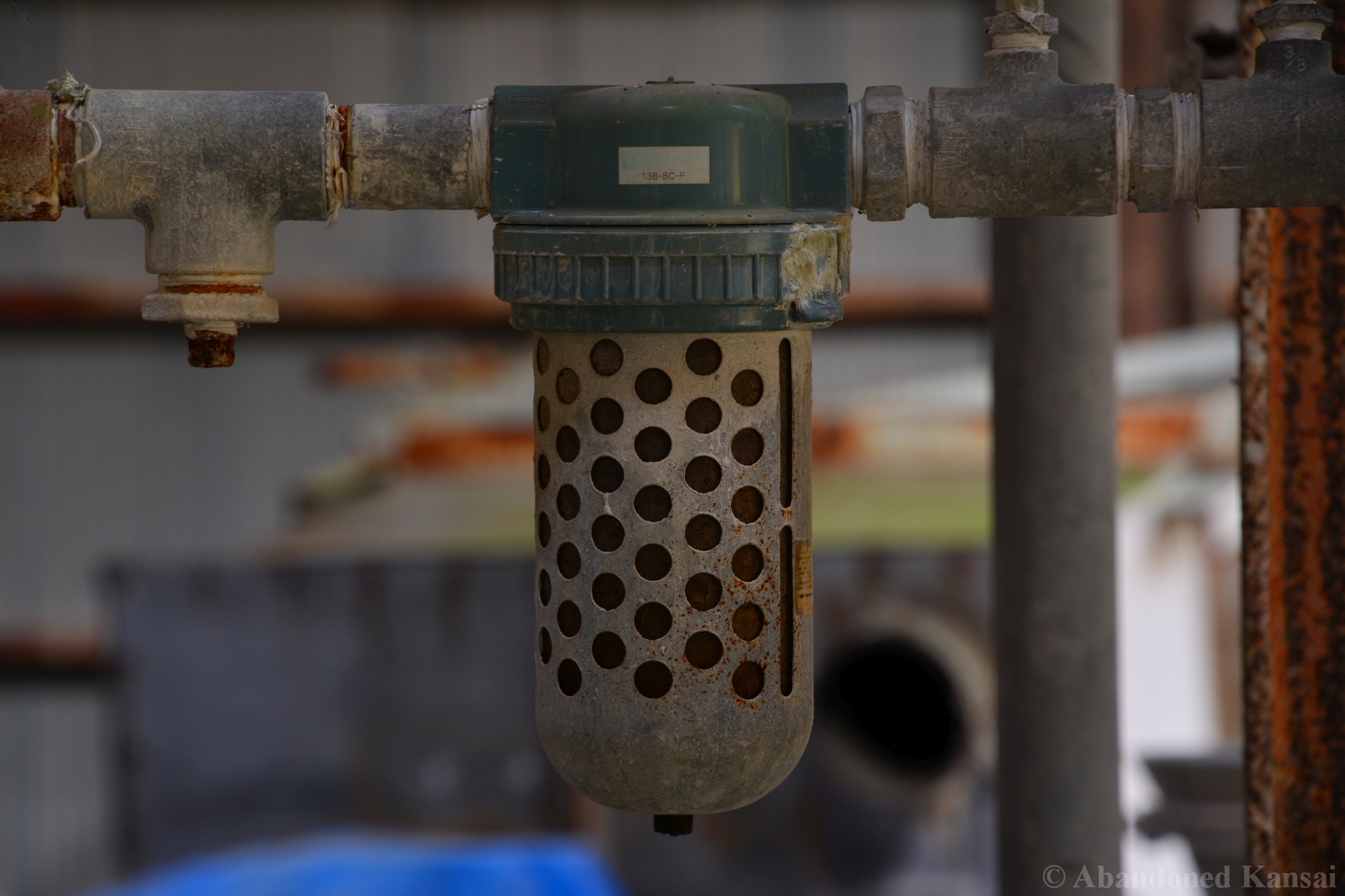
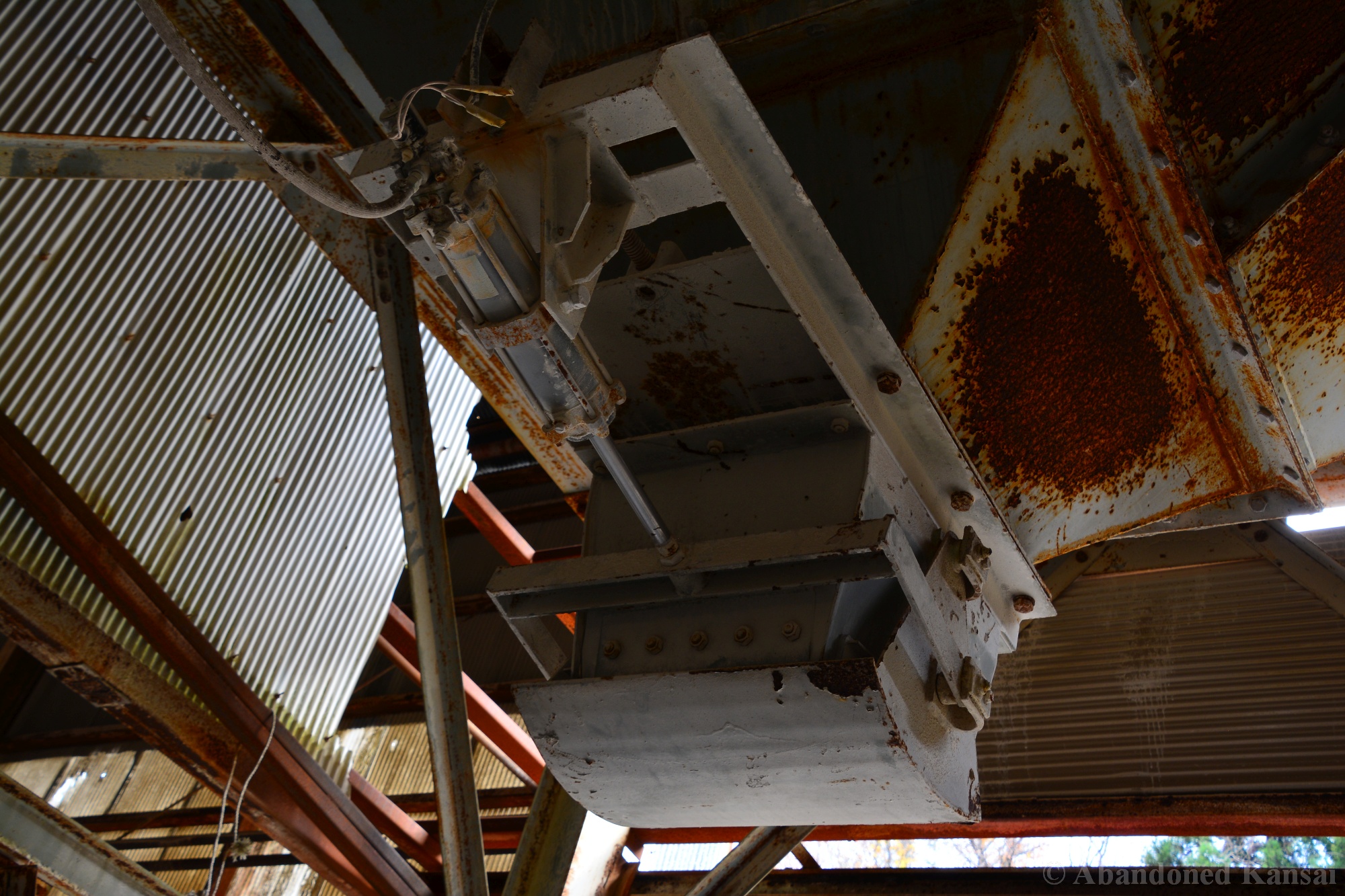
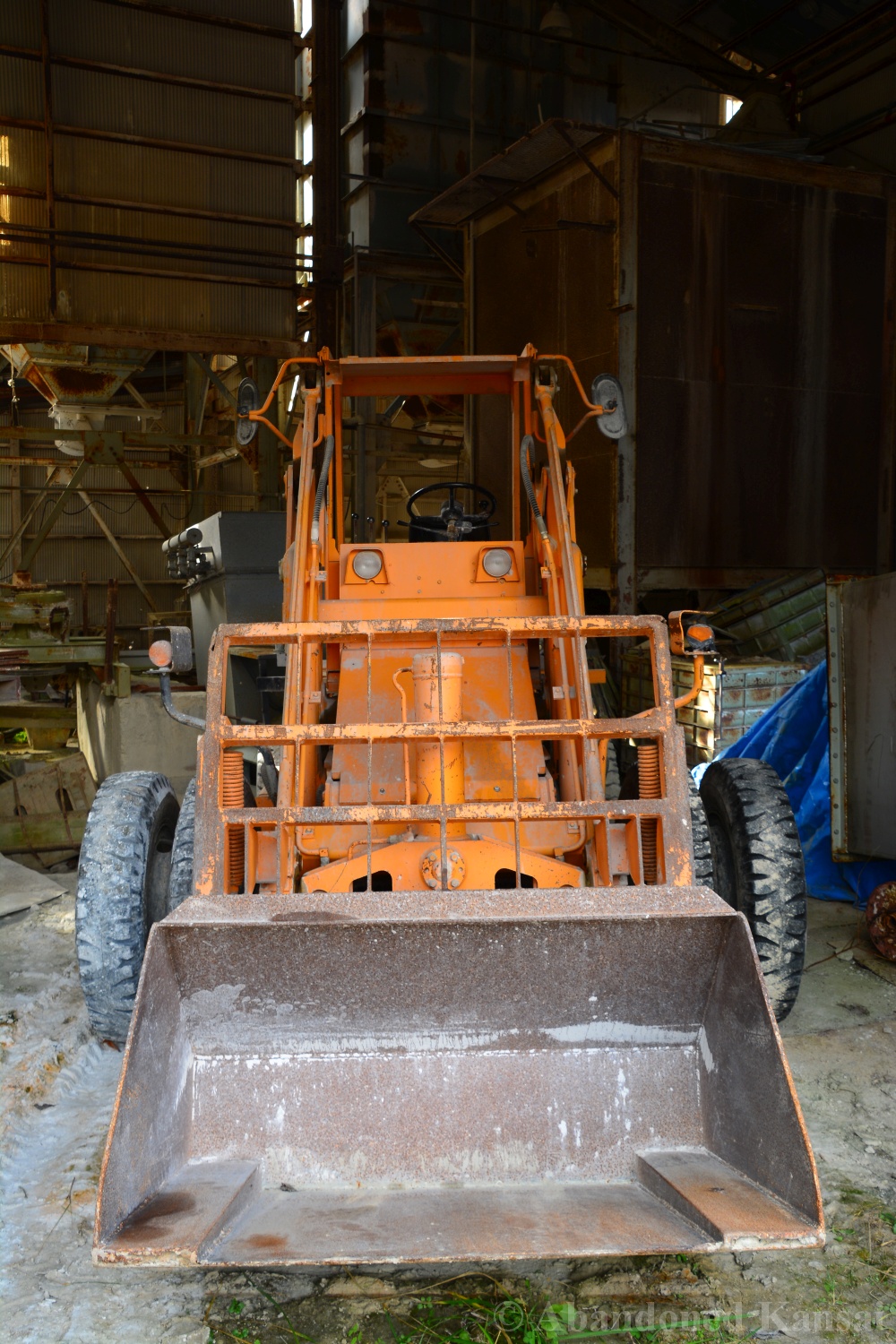
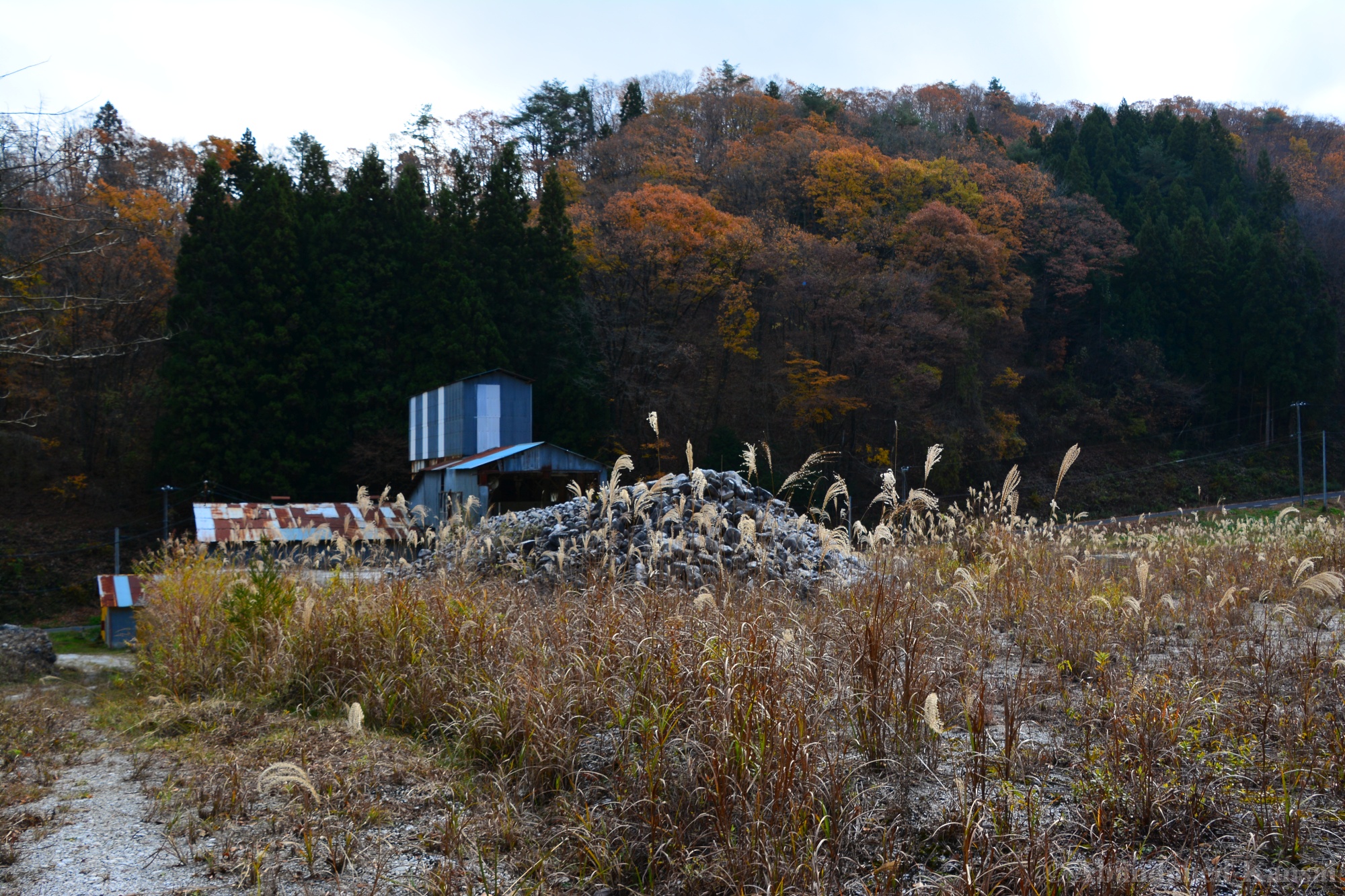
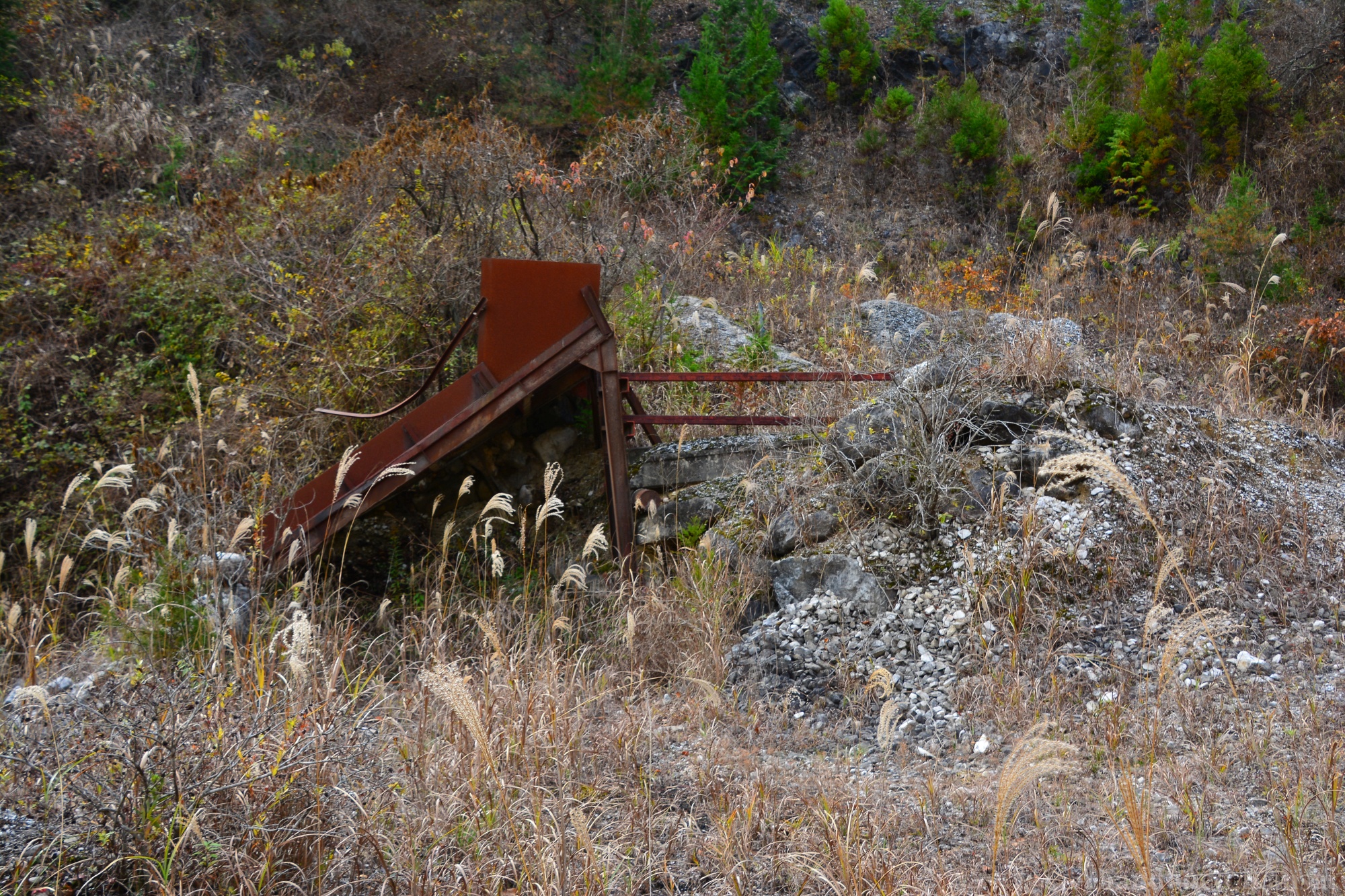
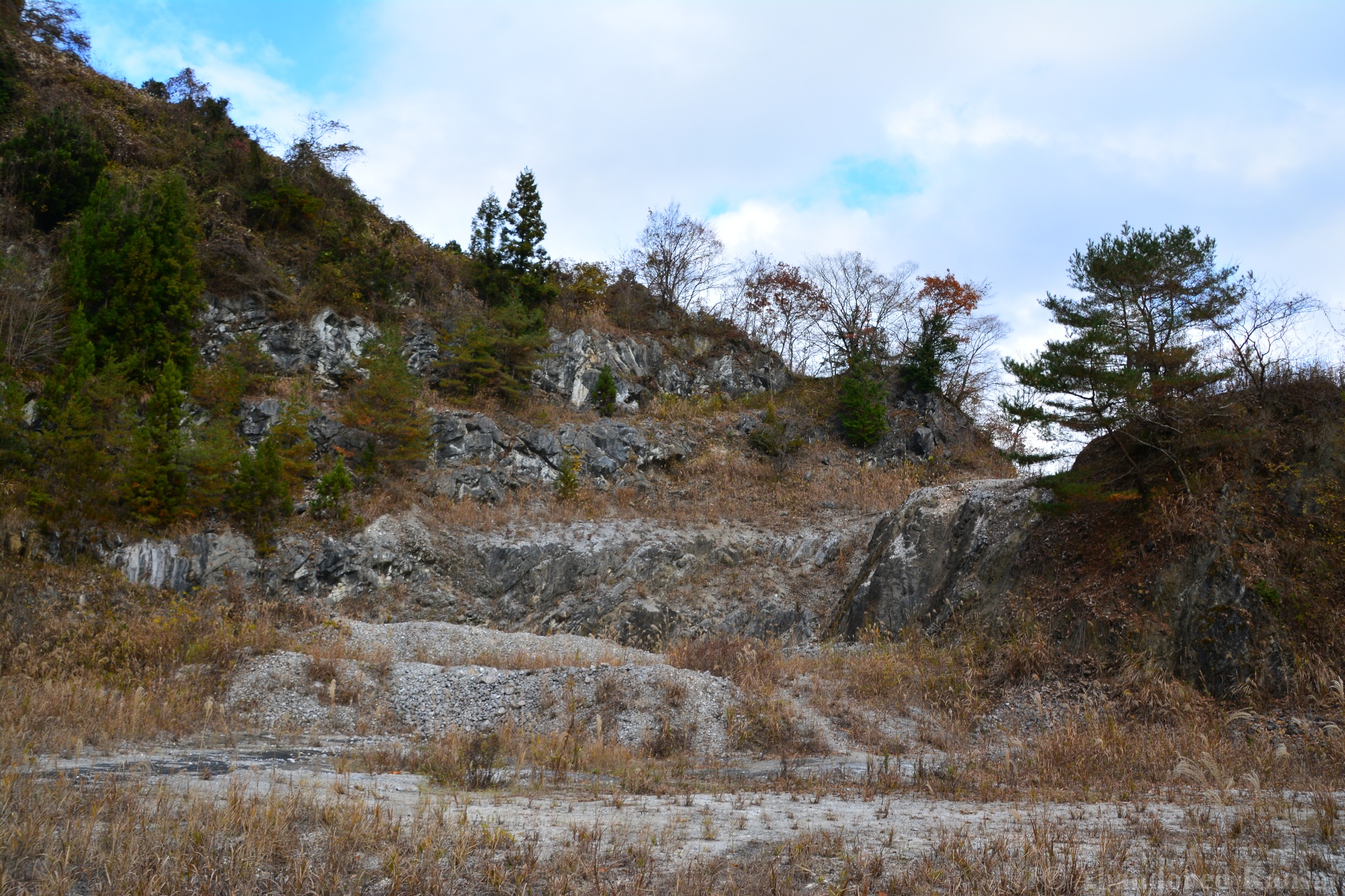
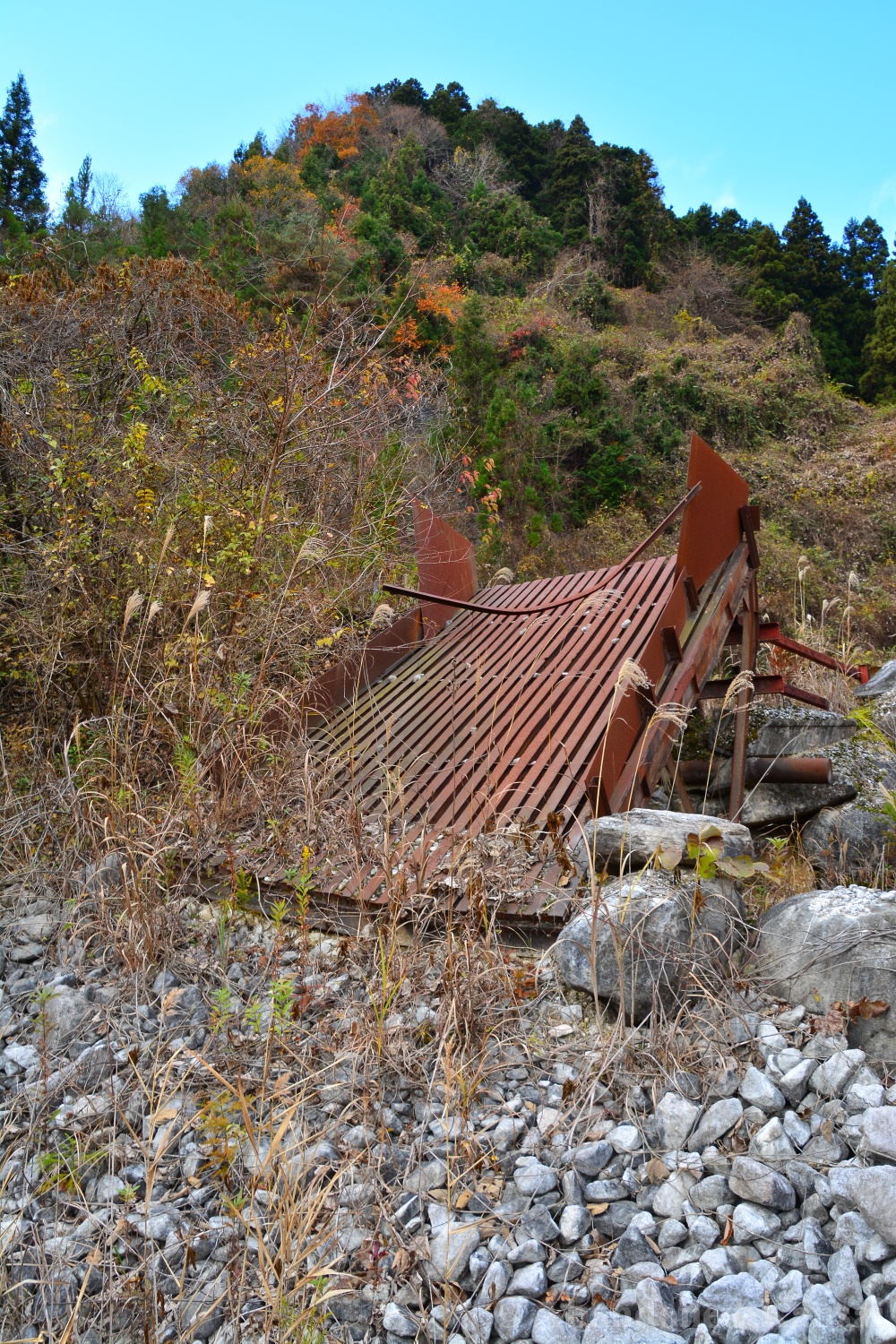
Most abandoned quarries are rather dull since they are usually little more than gaping wounds in the side of a mountain – the Tohoku Quarry though still featured a facility to process the stone material… and it was an original find!

About three years ago I did a Tohoku trip with my buddy *Hamish* – lots of countryside roads off the beaten tracks, often without StreetView support; a blessing in disguise, because the only way to check out locations was to actually go there and check out the locations in person. Of course there was a high failure rate, places were still in use or already demolished, but we were also able to explore some great original finds, including this mid-size quarry in the middle of nowhere. Places that are almost impossible to find and only to be explored by the most dedicated urbexers, which is probably one of the reasons why I still haven’t seen this location anywhere else, neither on blogs nor on social media.

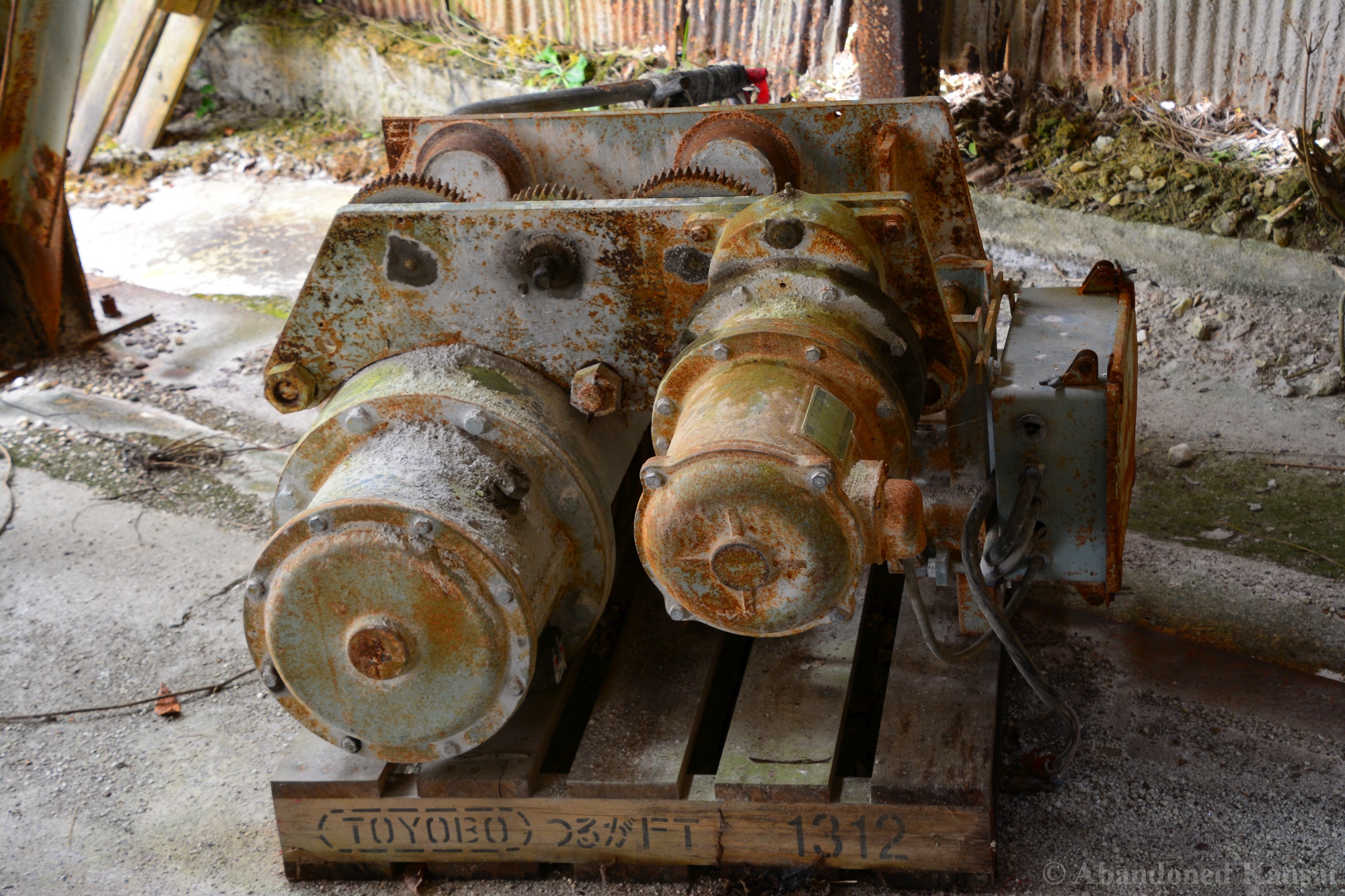
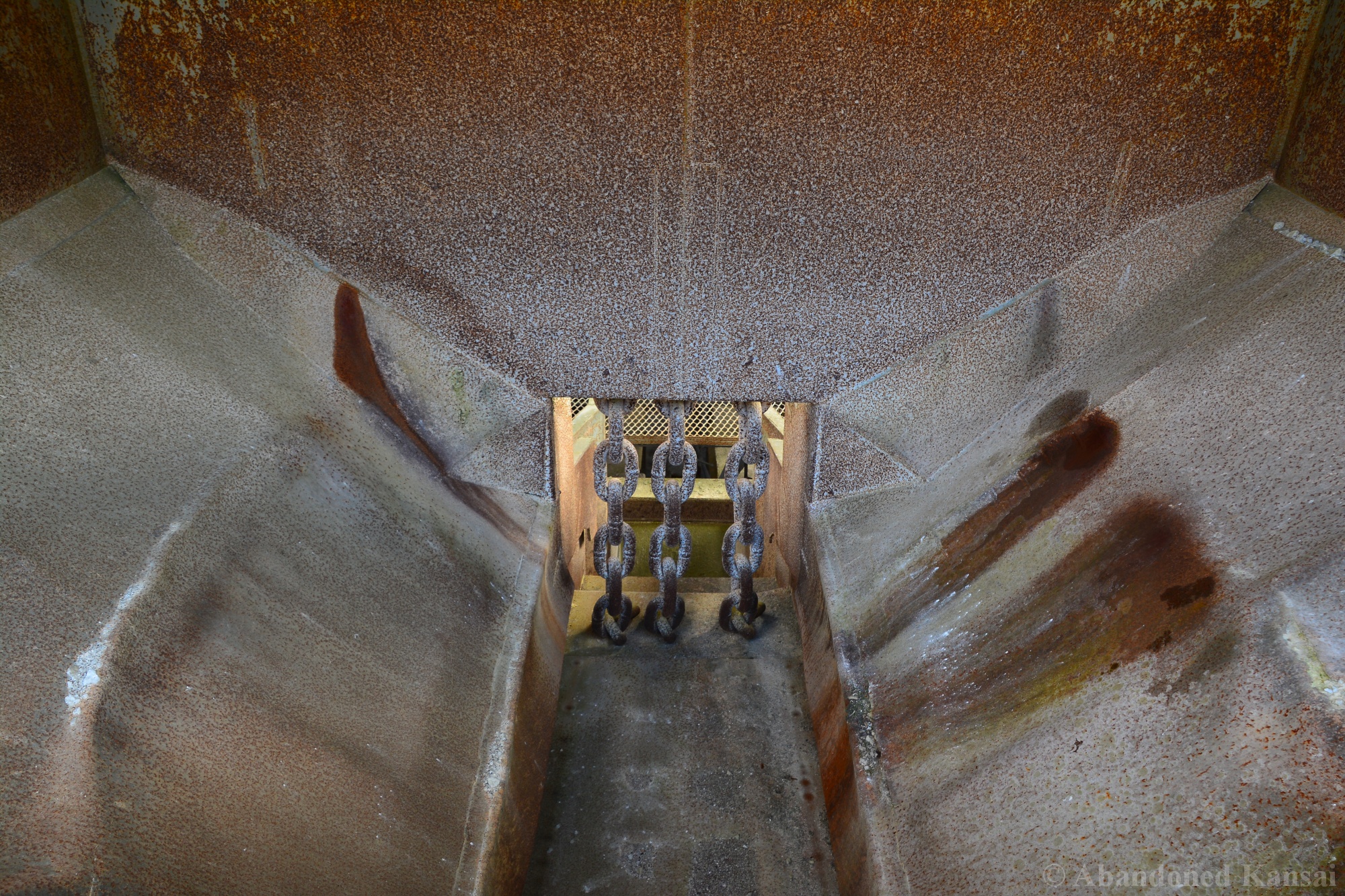
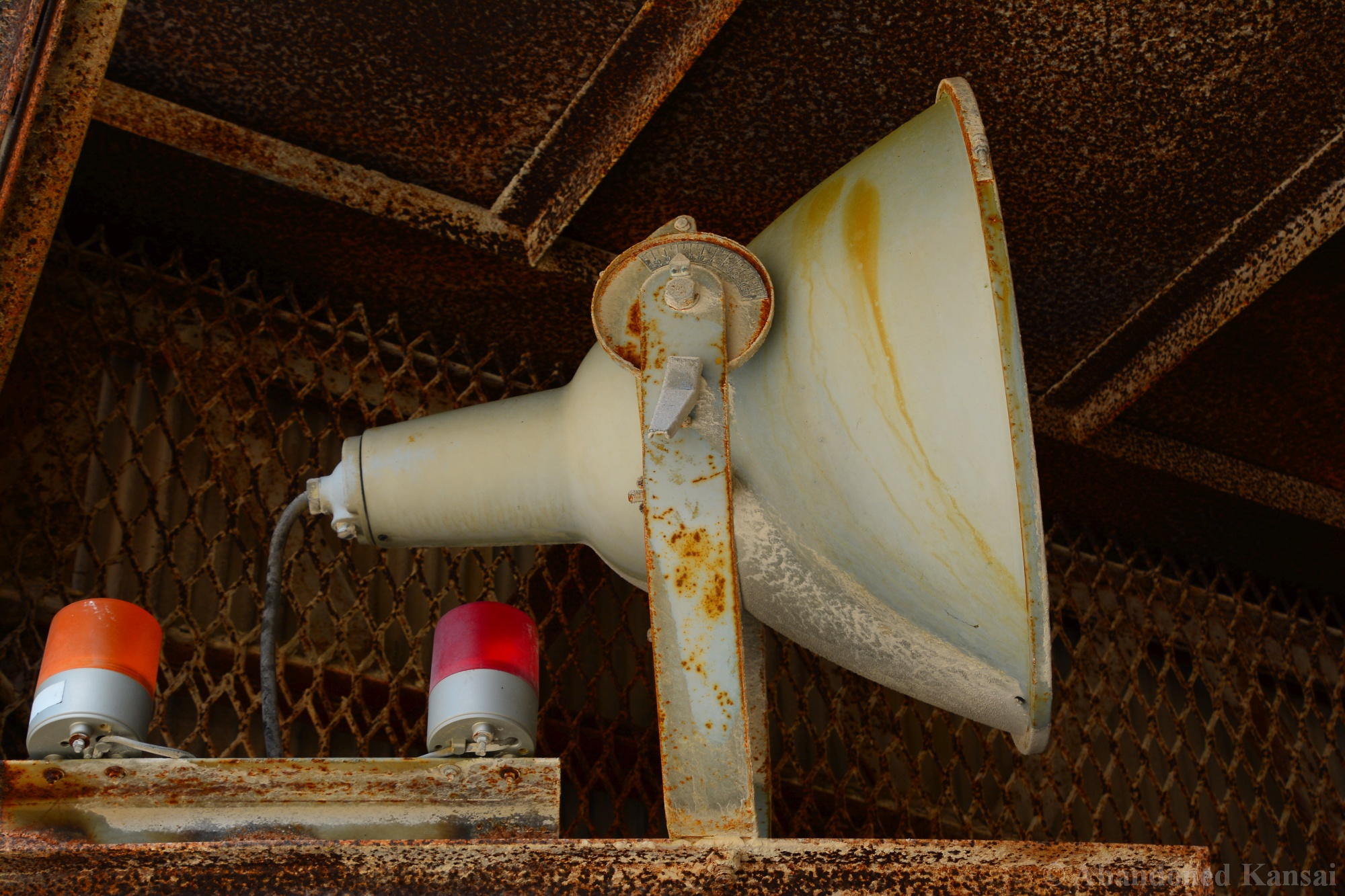
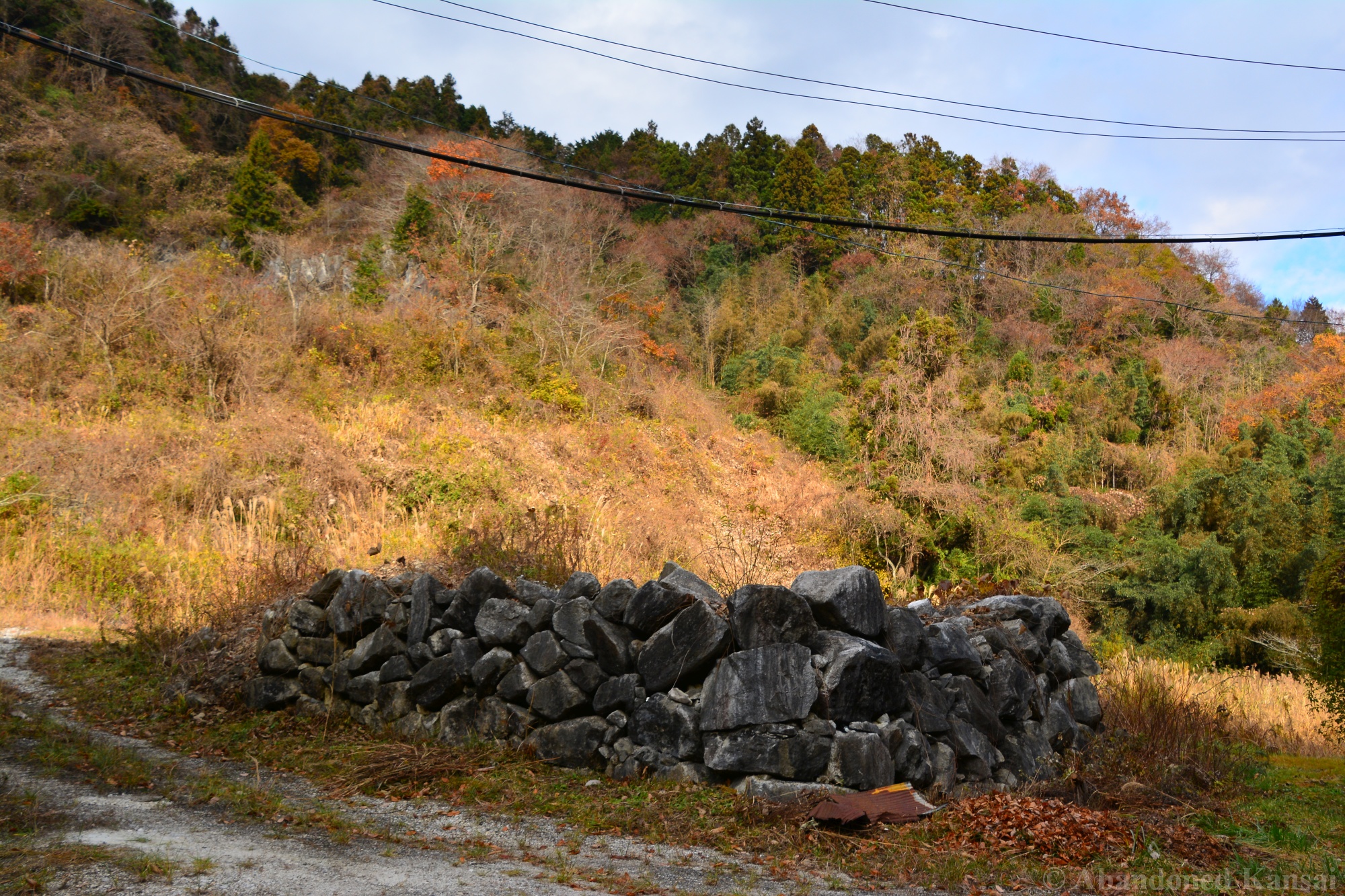
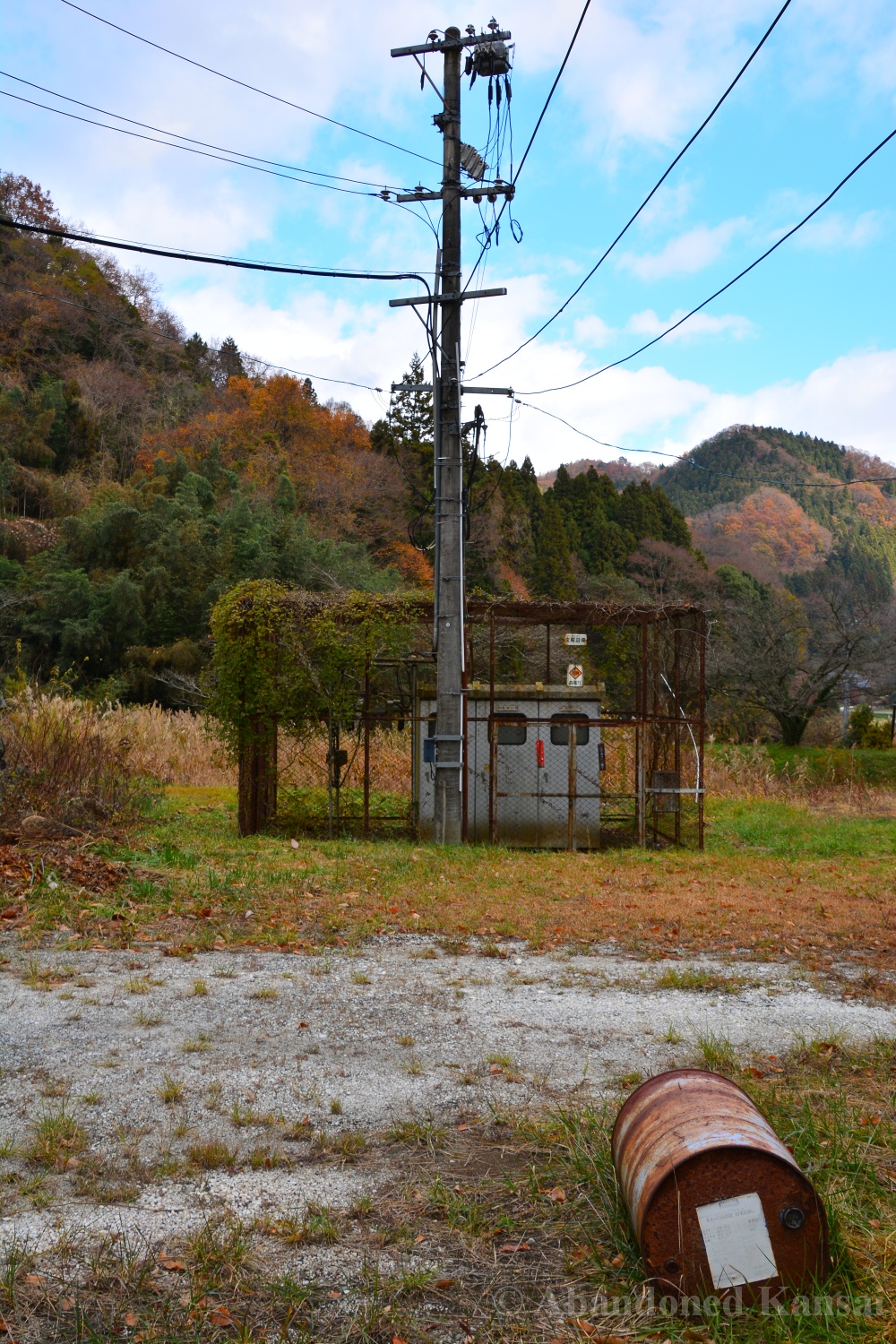
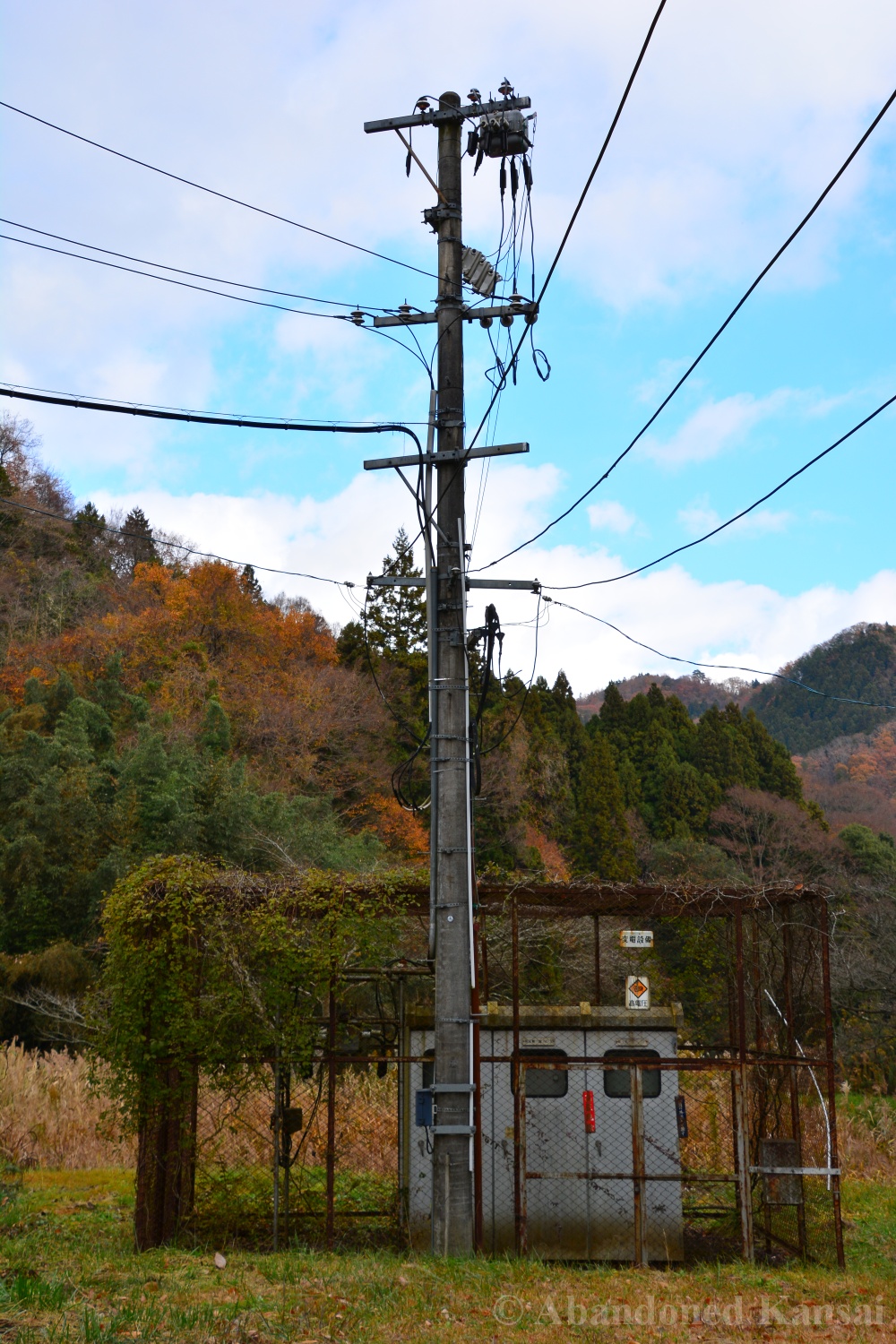
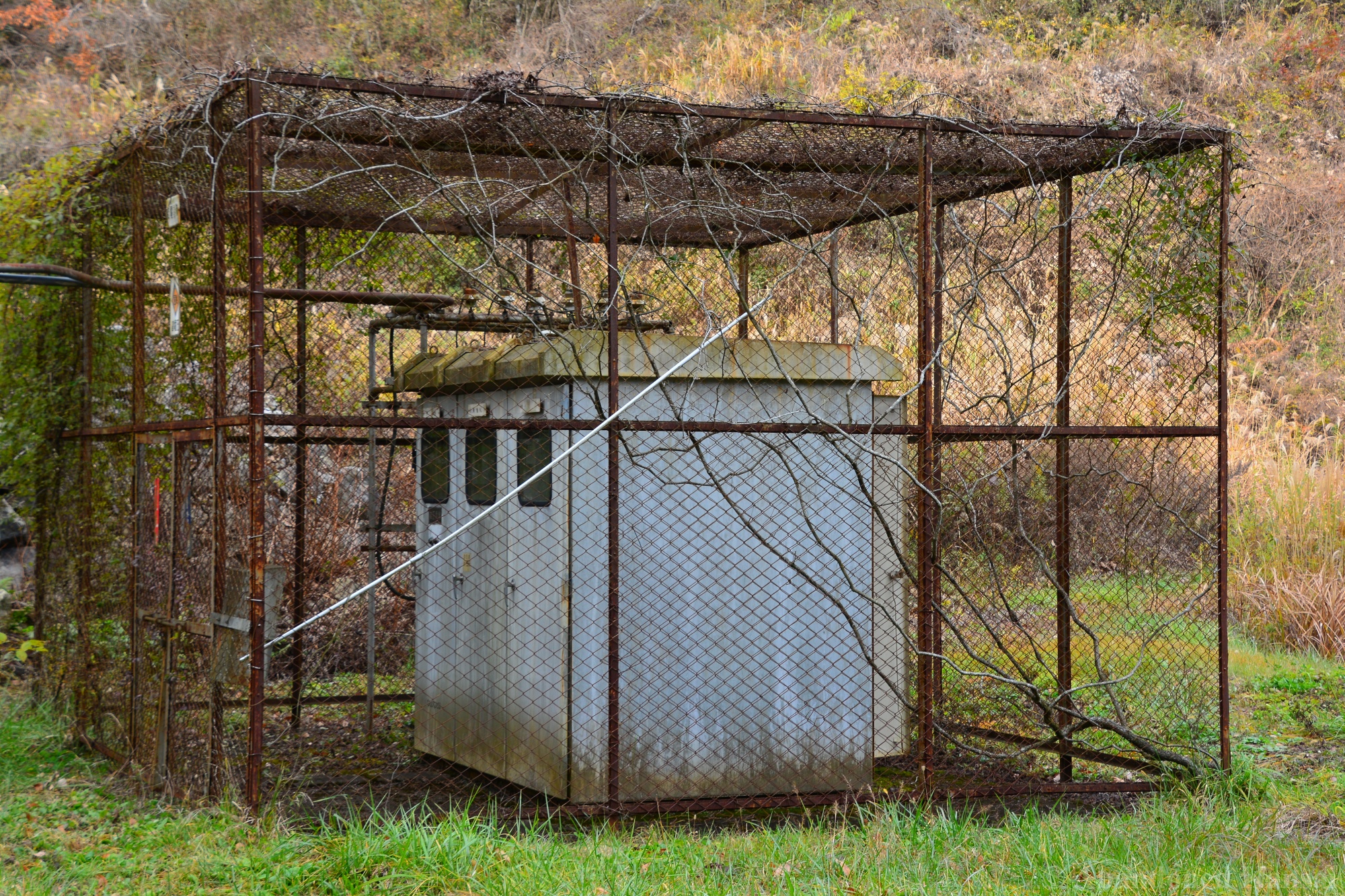
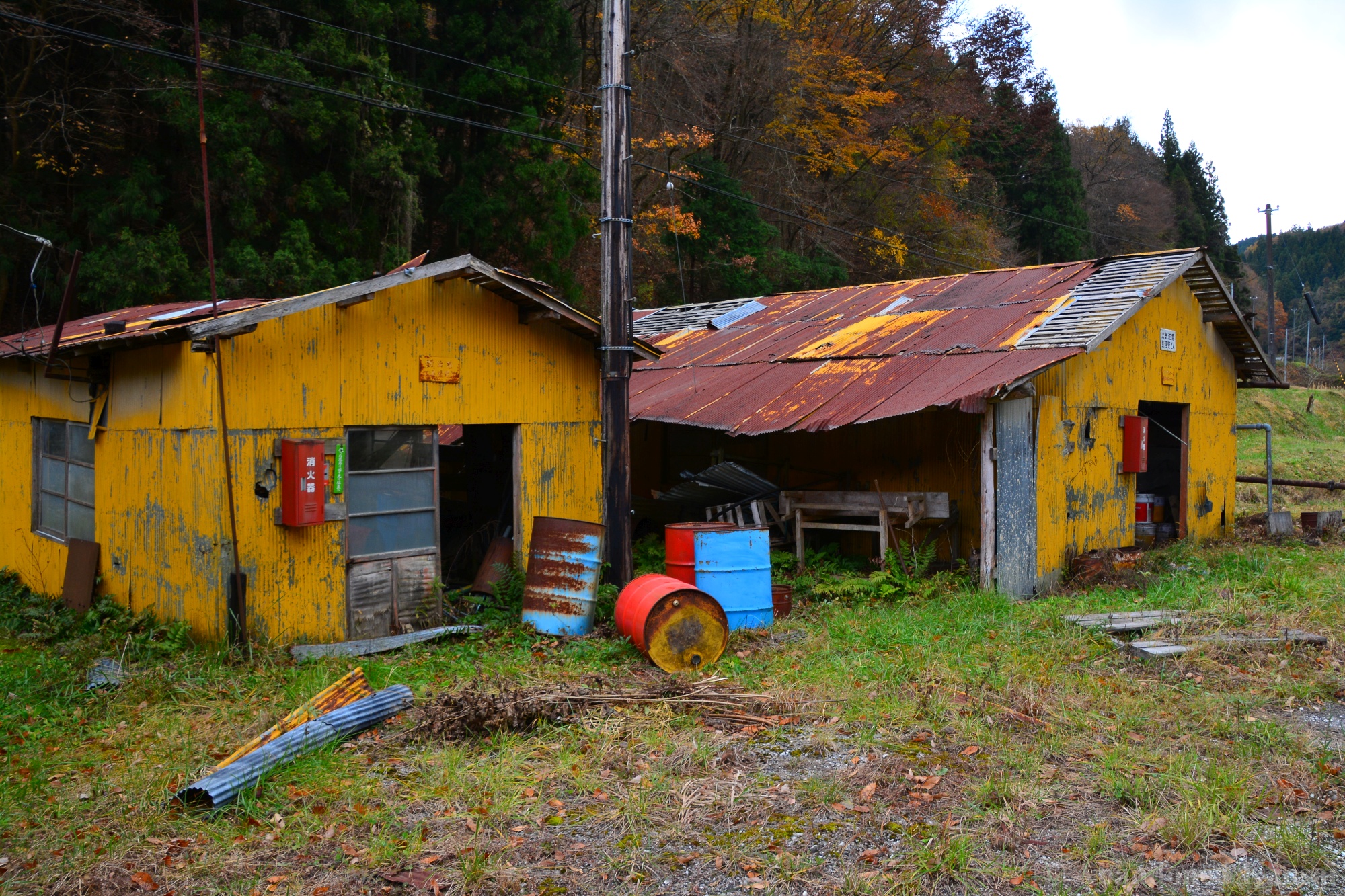
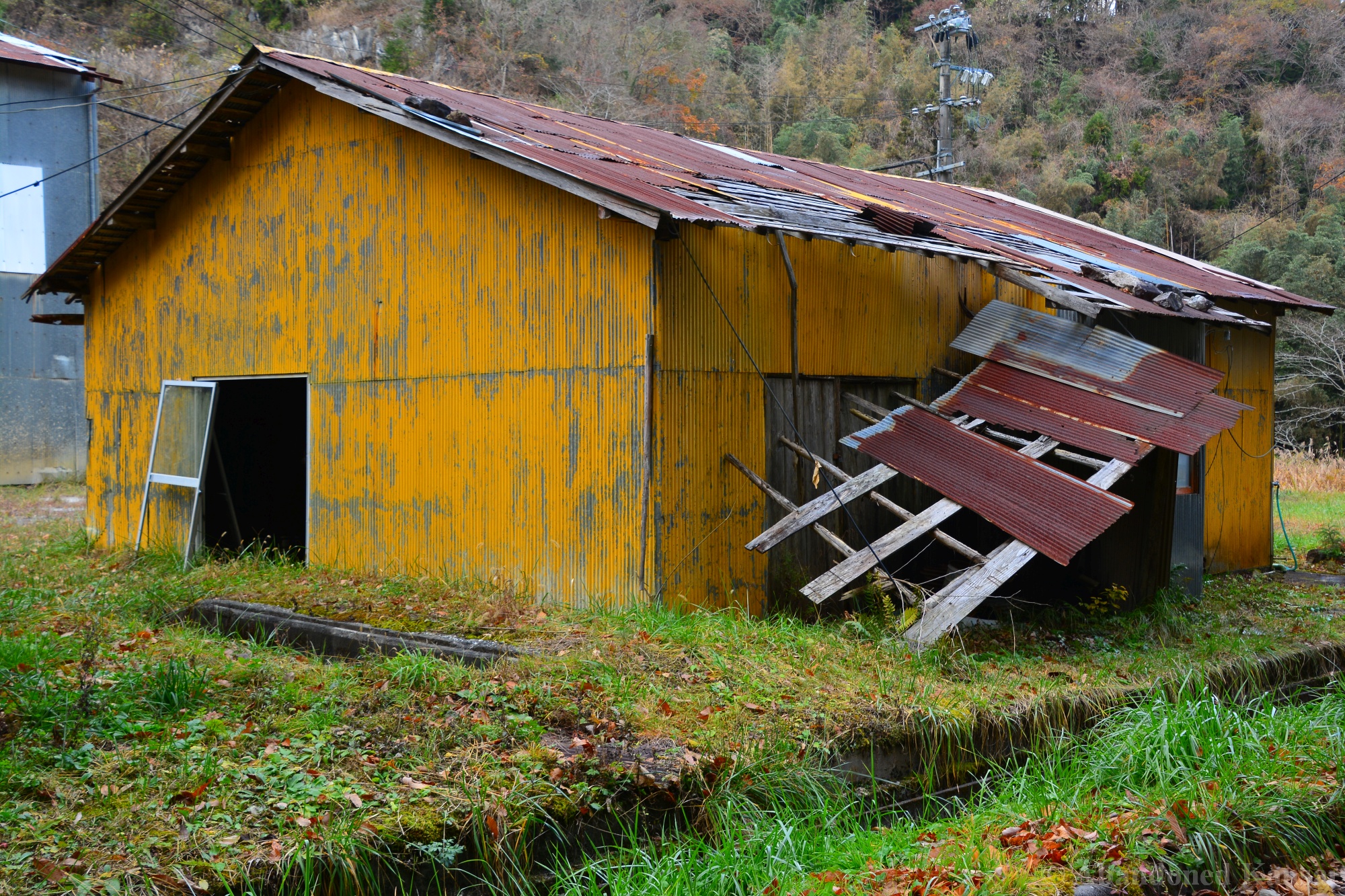
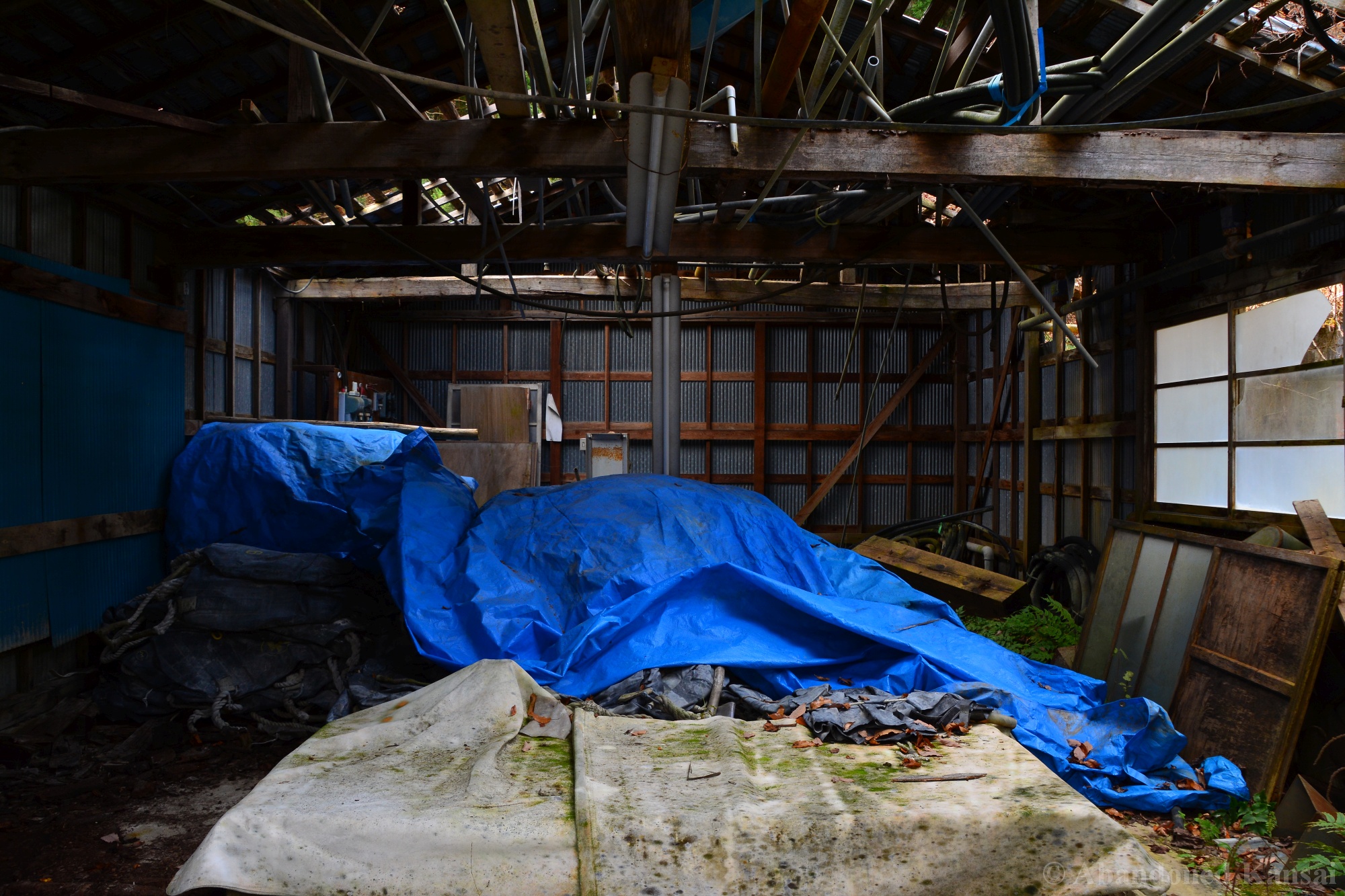
The Tohoku Quarry was a beautiful exploration, but not a very eventful one – we drove up to the place and there were no fences or security, just a rope to prevent vehicles from entering (and dumping large amounts of trash, which is a real problem in the Japanese countryside!). The power supply equipment was protected by a large metal cage, nearby were a couple of huts used for storage and as an office / large break room. A large stone processing plant that was able to load trucks was built into the slope; the quarry itself was at the upper end, of course. It was a beautiful sunny autumn day, and we were exploring mostly outdoors, out of sight and out of sound of civilization – exactly my kind of location. Nothing to worry about, just exploring a naturally decaying industrial site. The place kind of reminded me of the *Takarazuka Macadam Industrial Plant* from almost 10 years ago – a classic site that is not accessible anymore, unfortunately.

(*Like Abandoned Kansai on Facebook* or *follow us on Twitter* if you don’t want to miss the latest articles and exclusive content – and subscribe to the *video channel on Youtube* to receive a message right after a new video is online…)

Read Full Post »
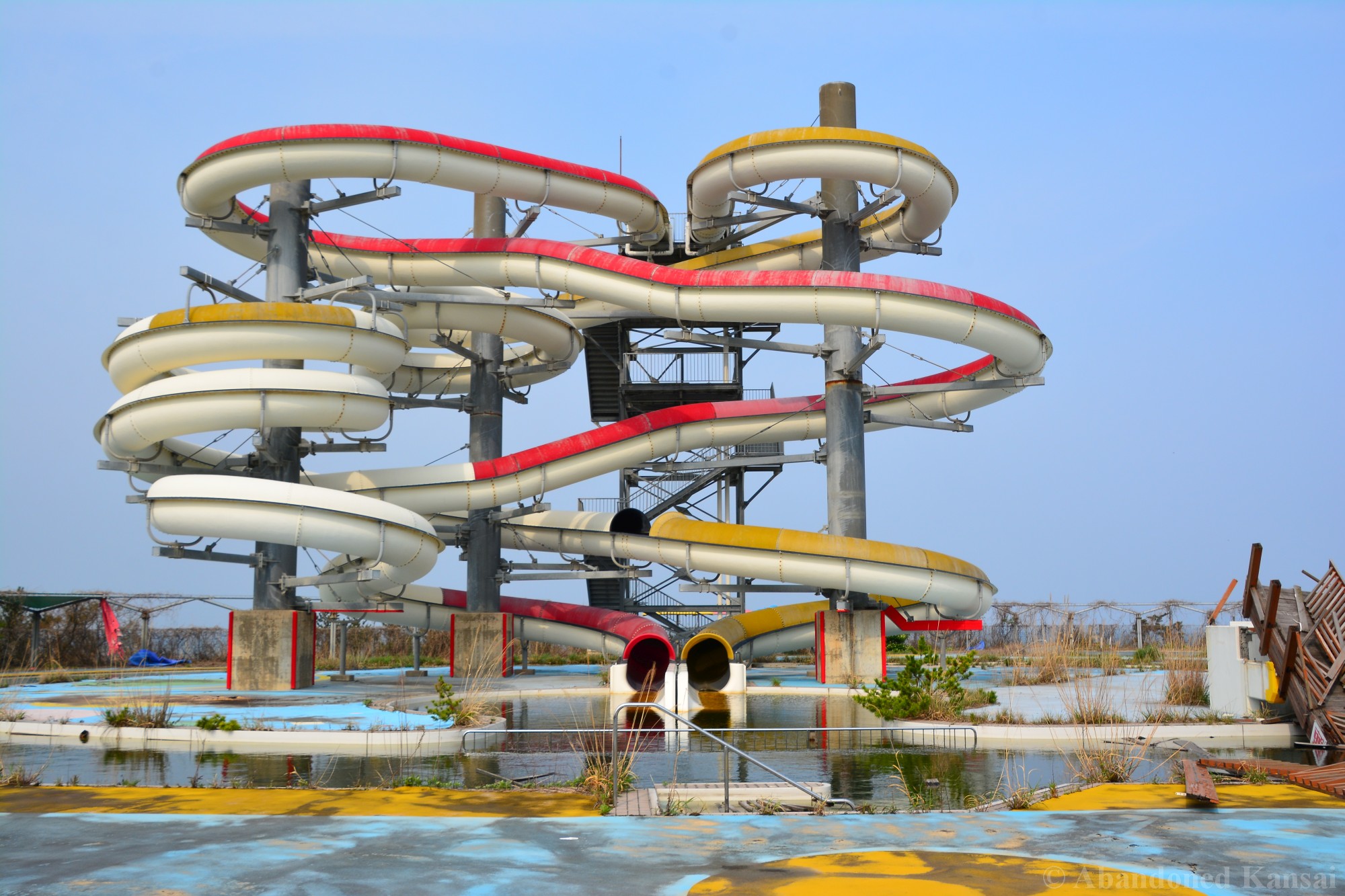
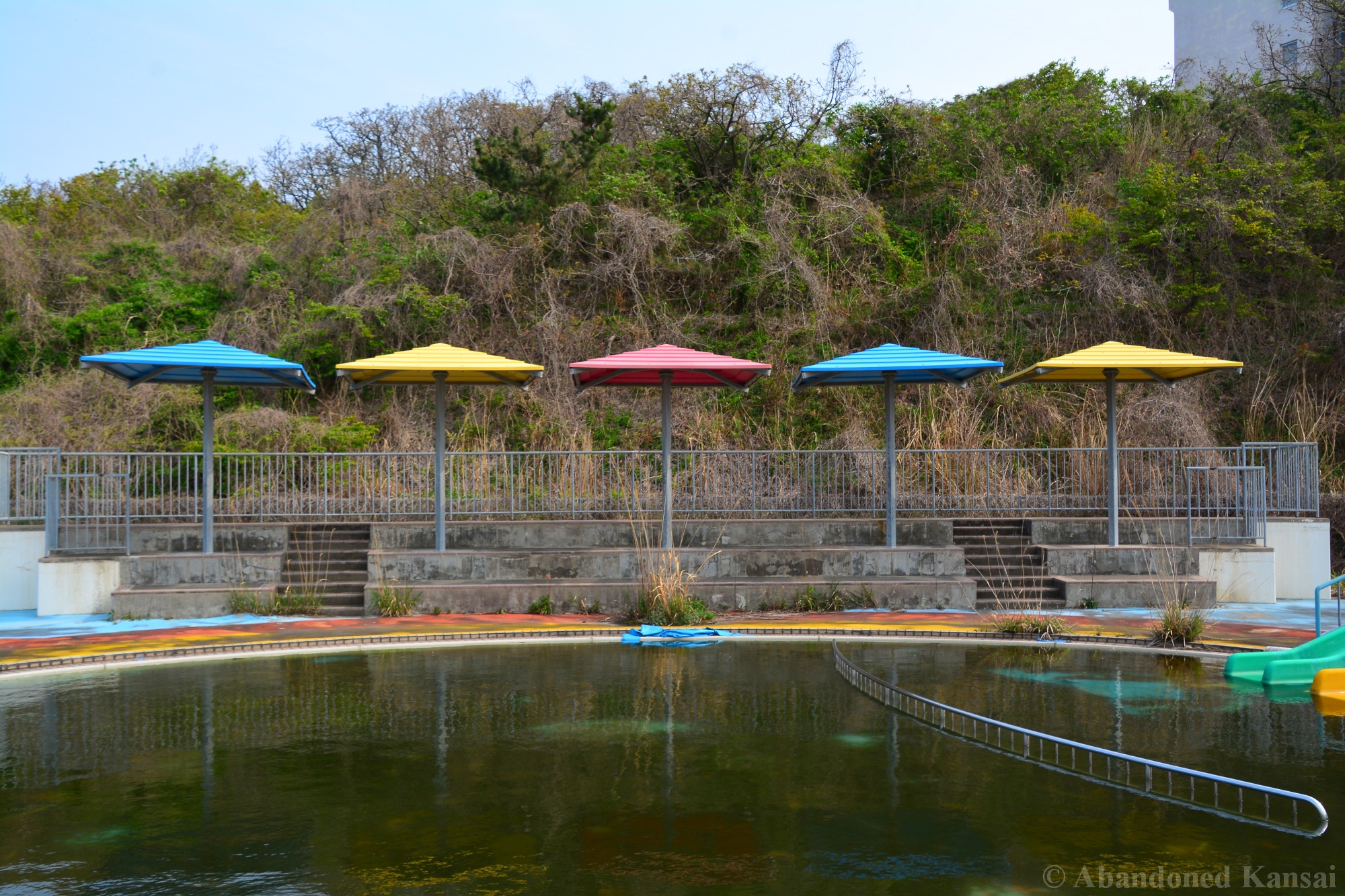
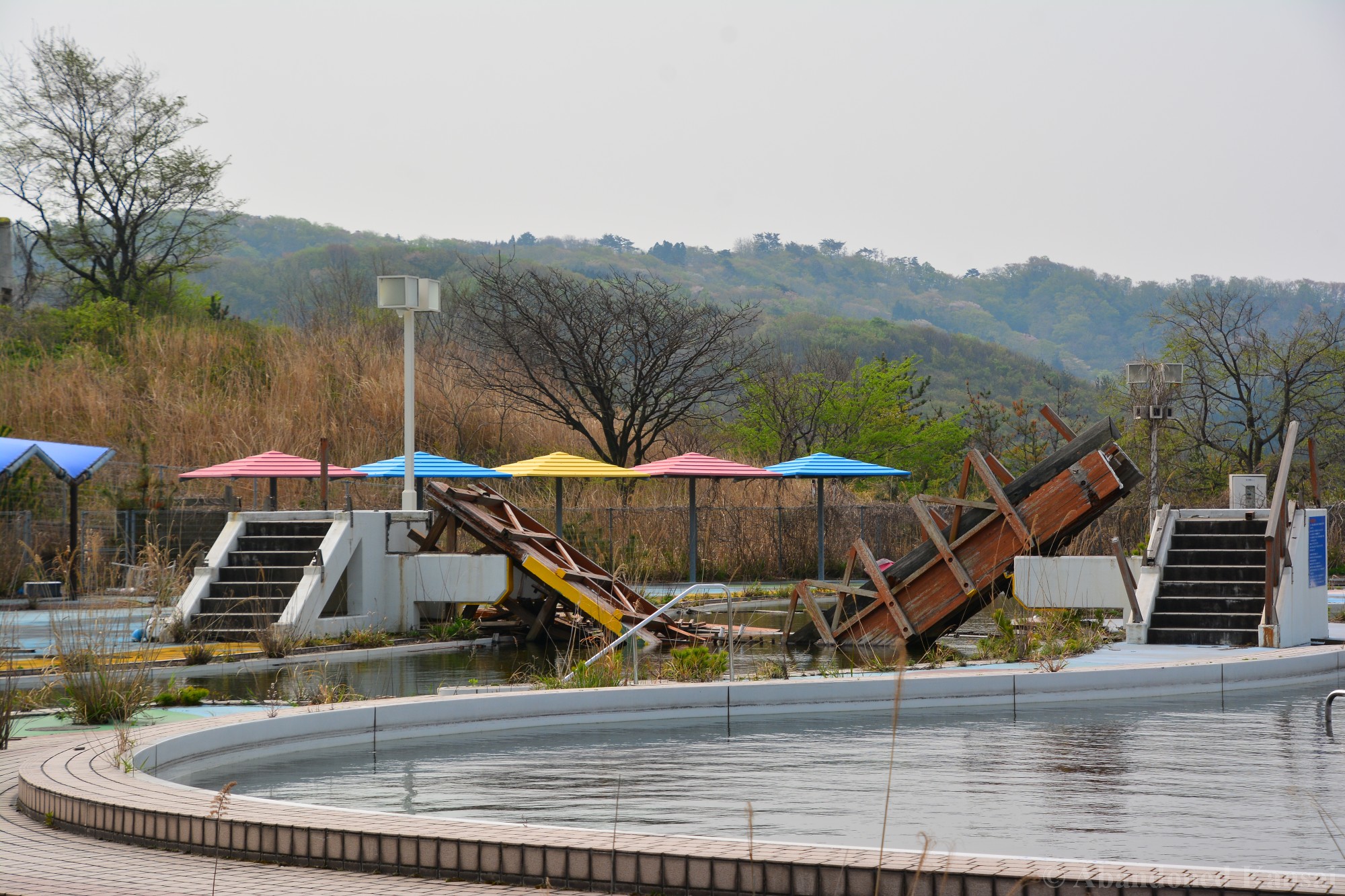
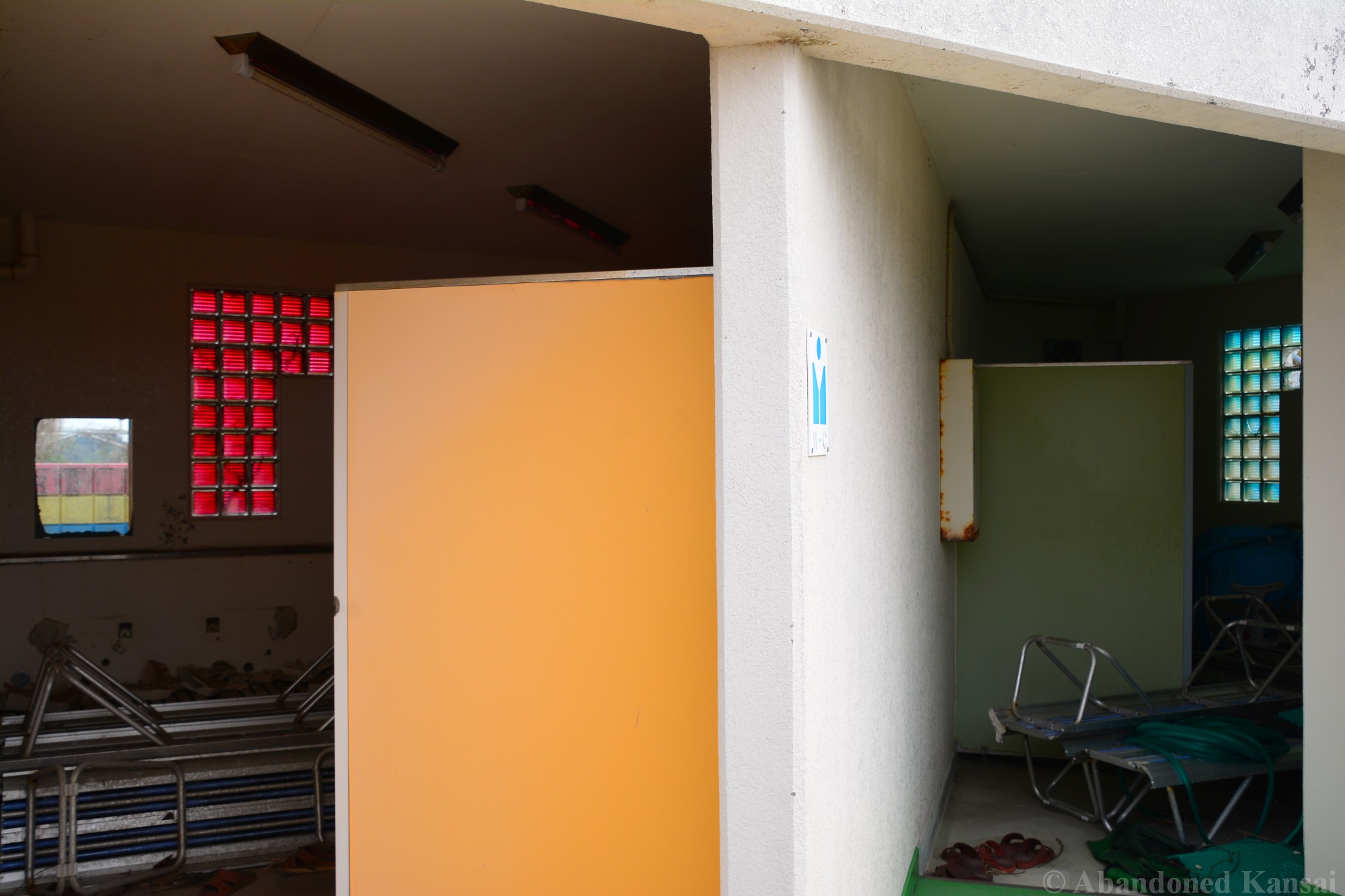
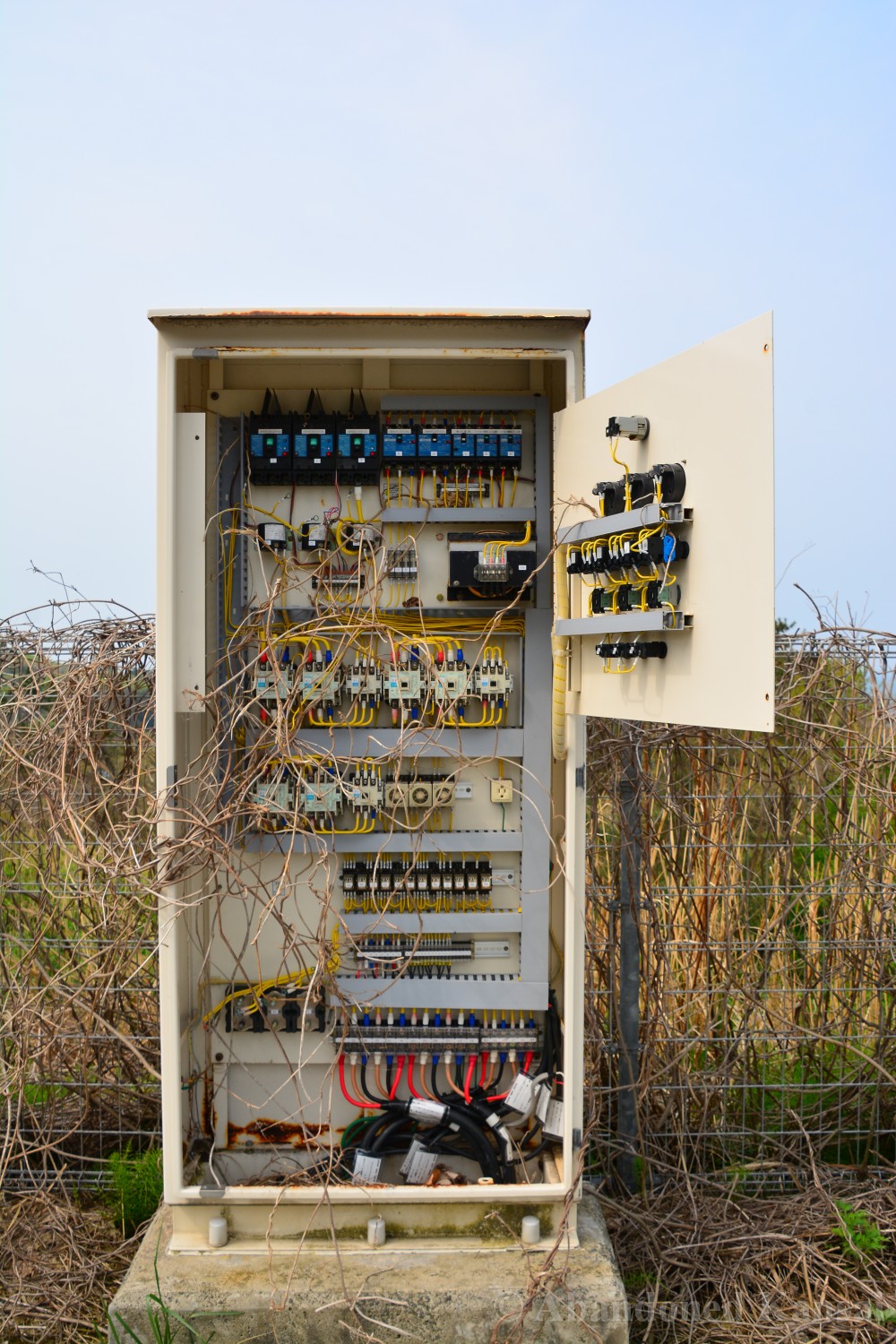
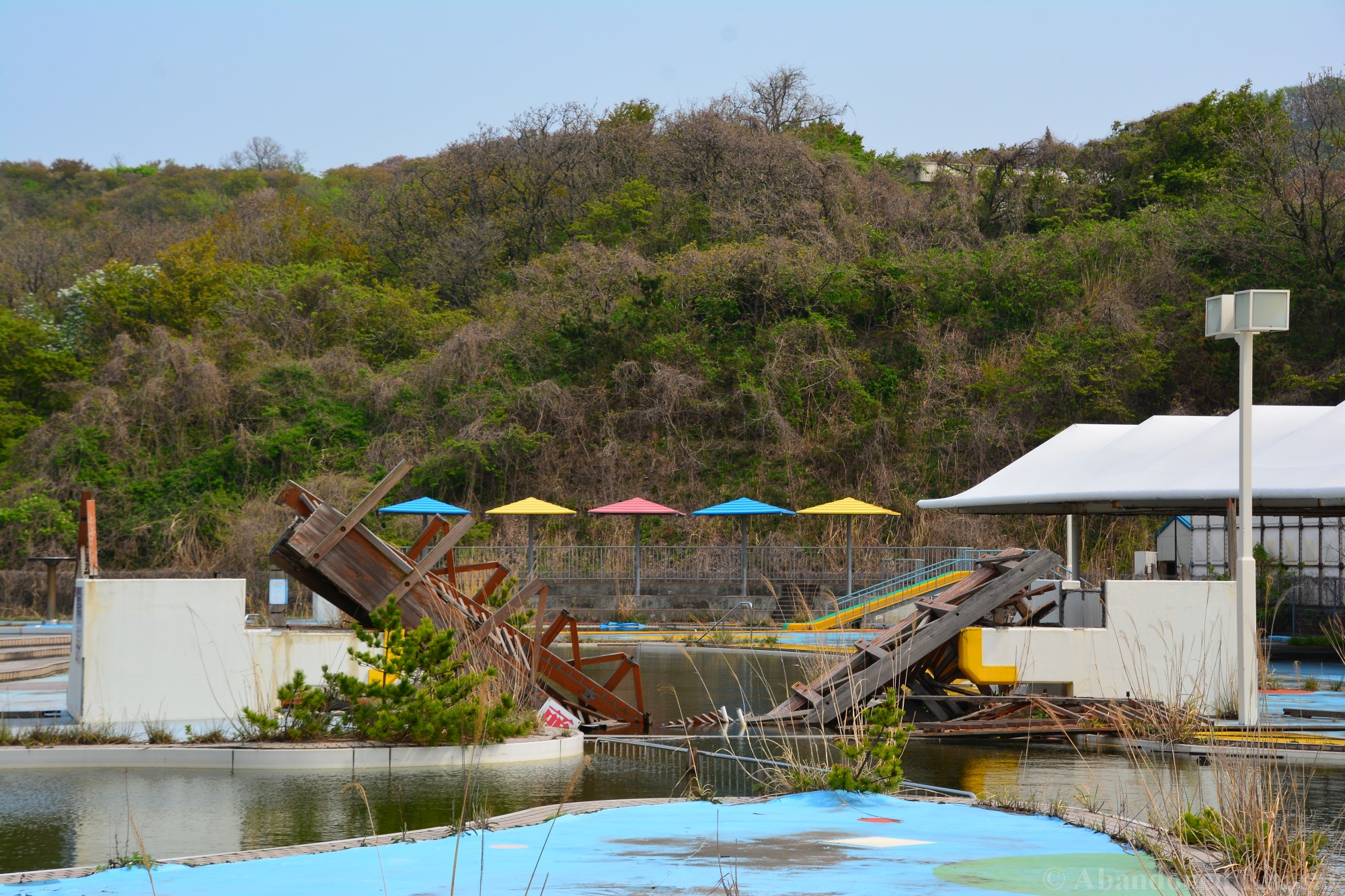
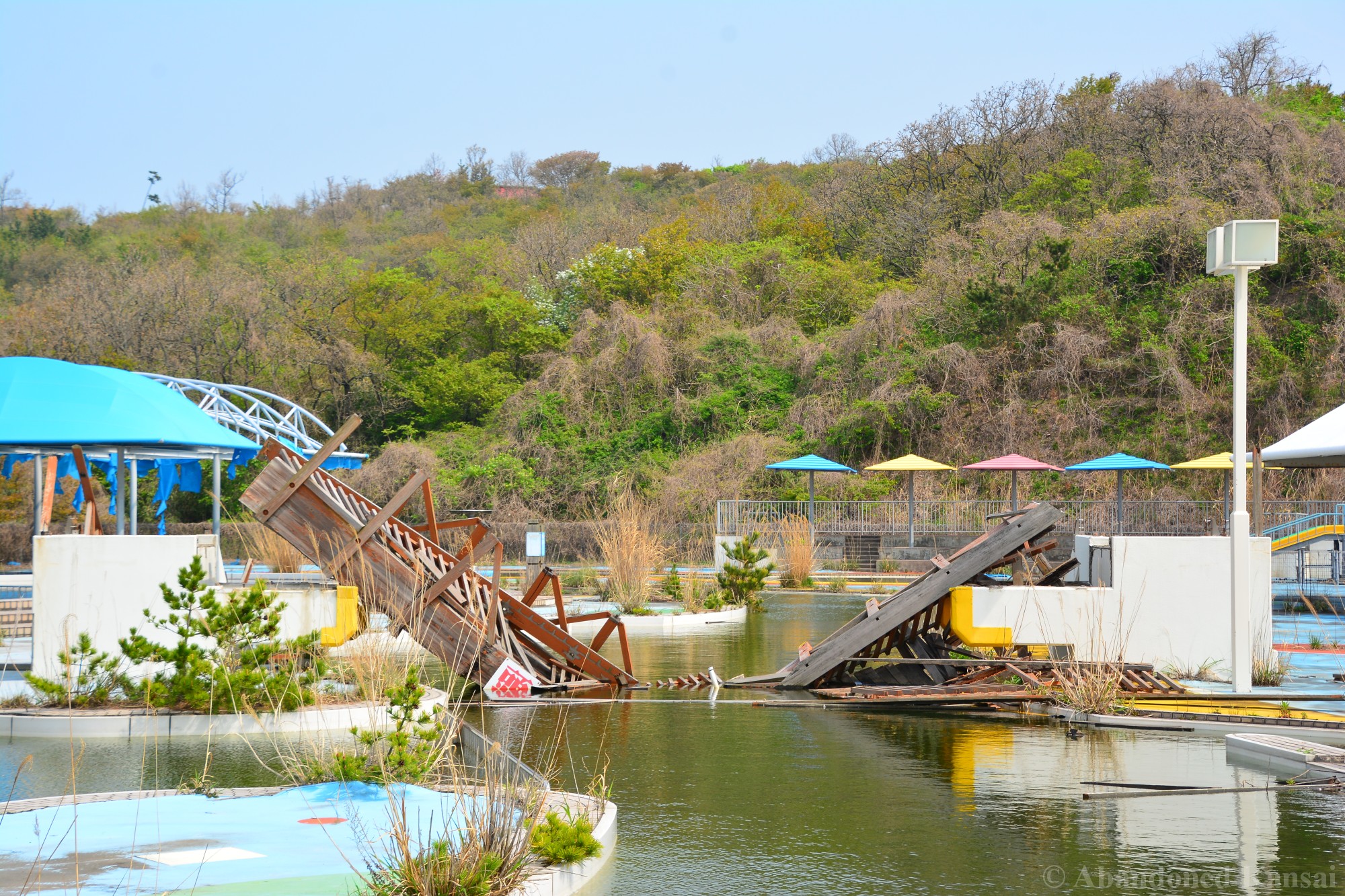
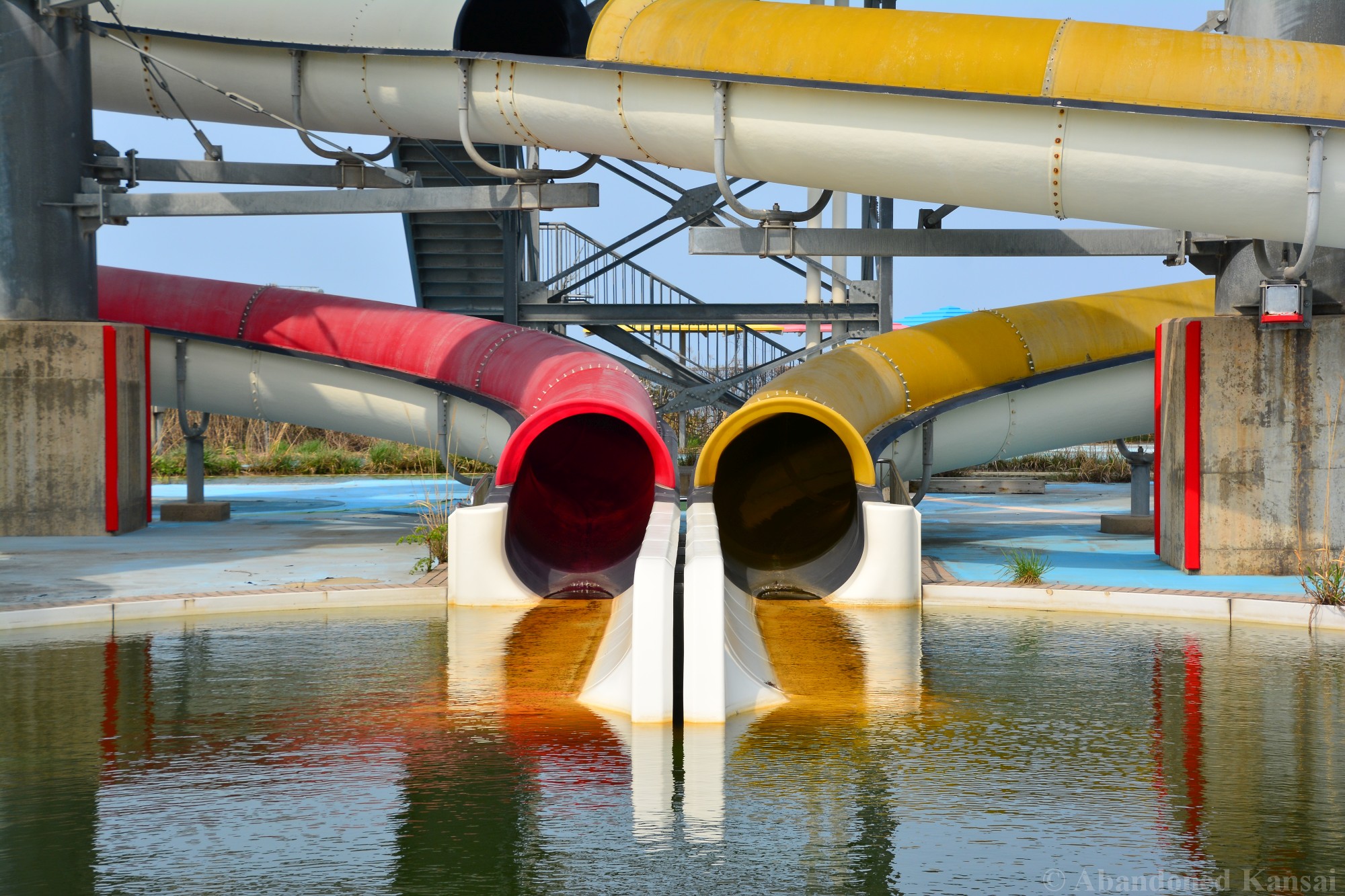
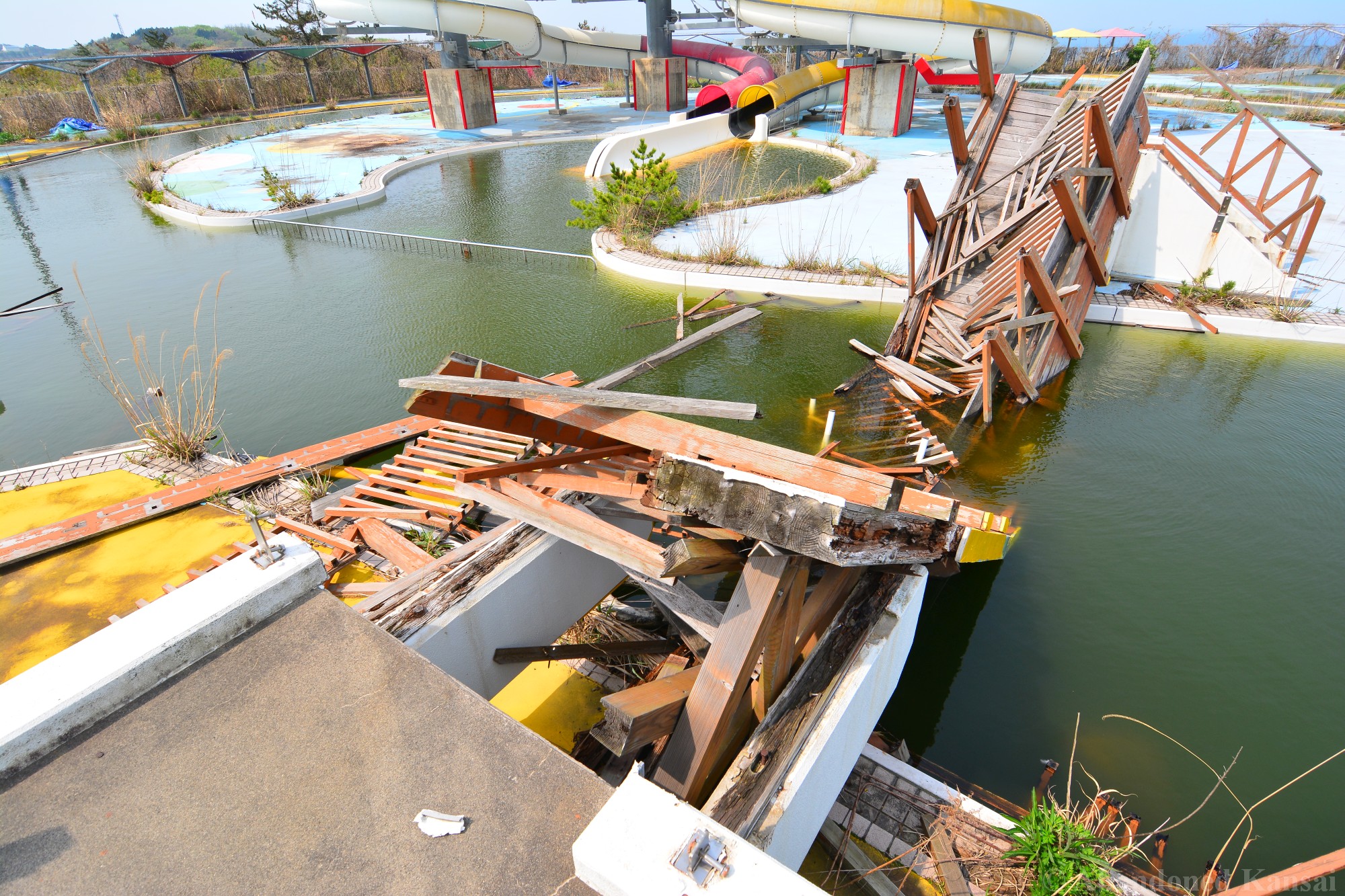
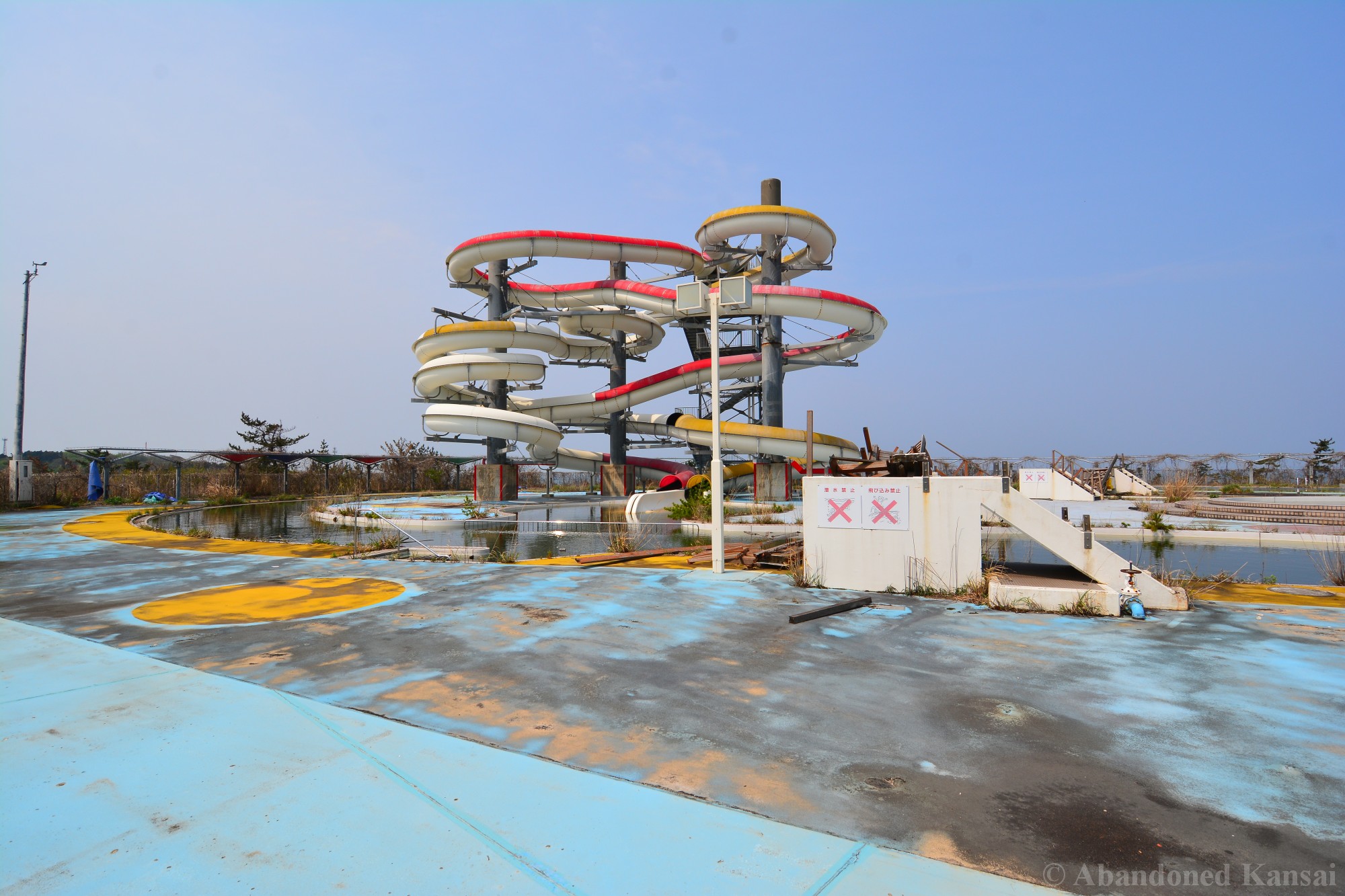
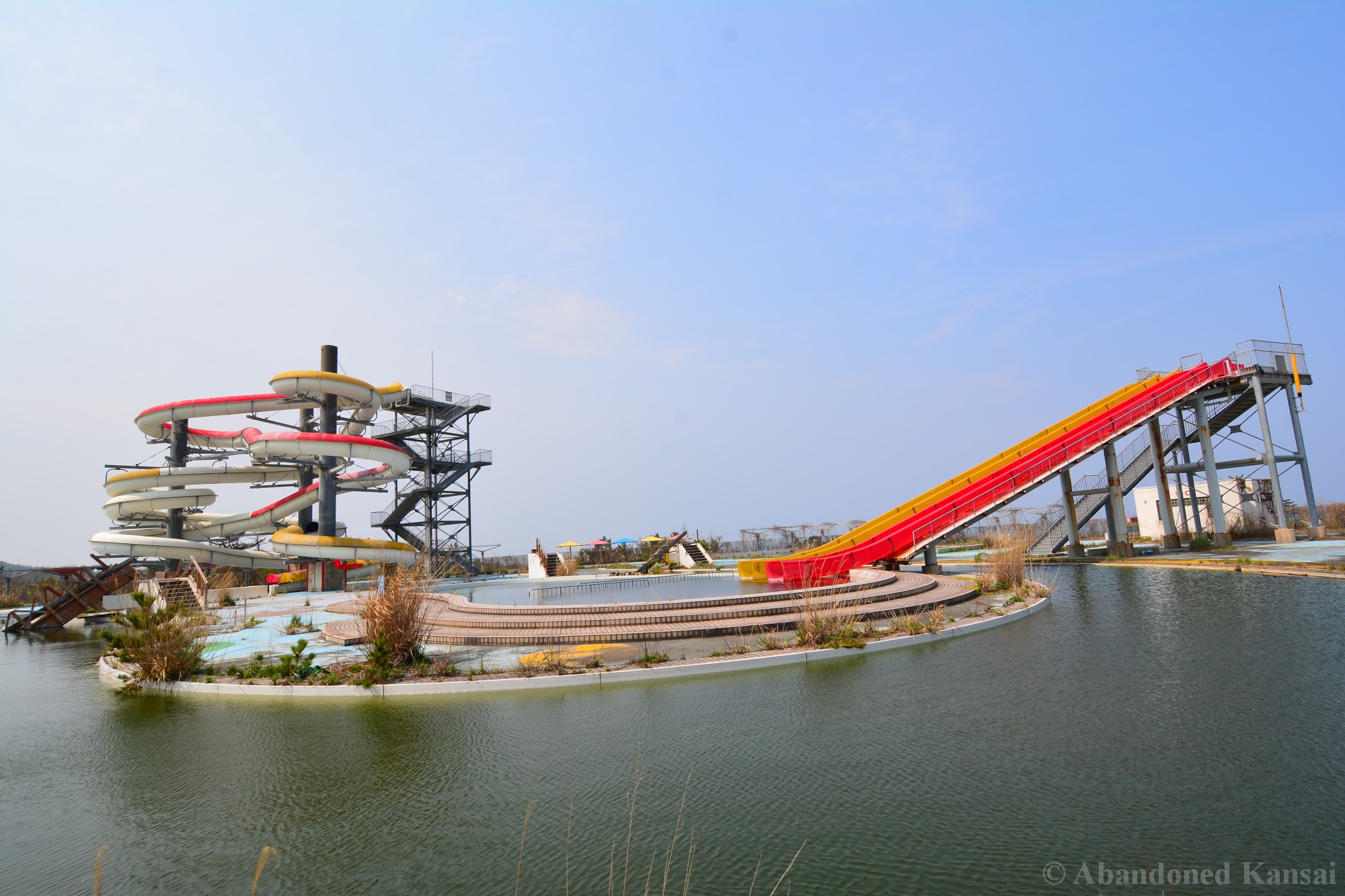
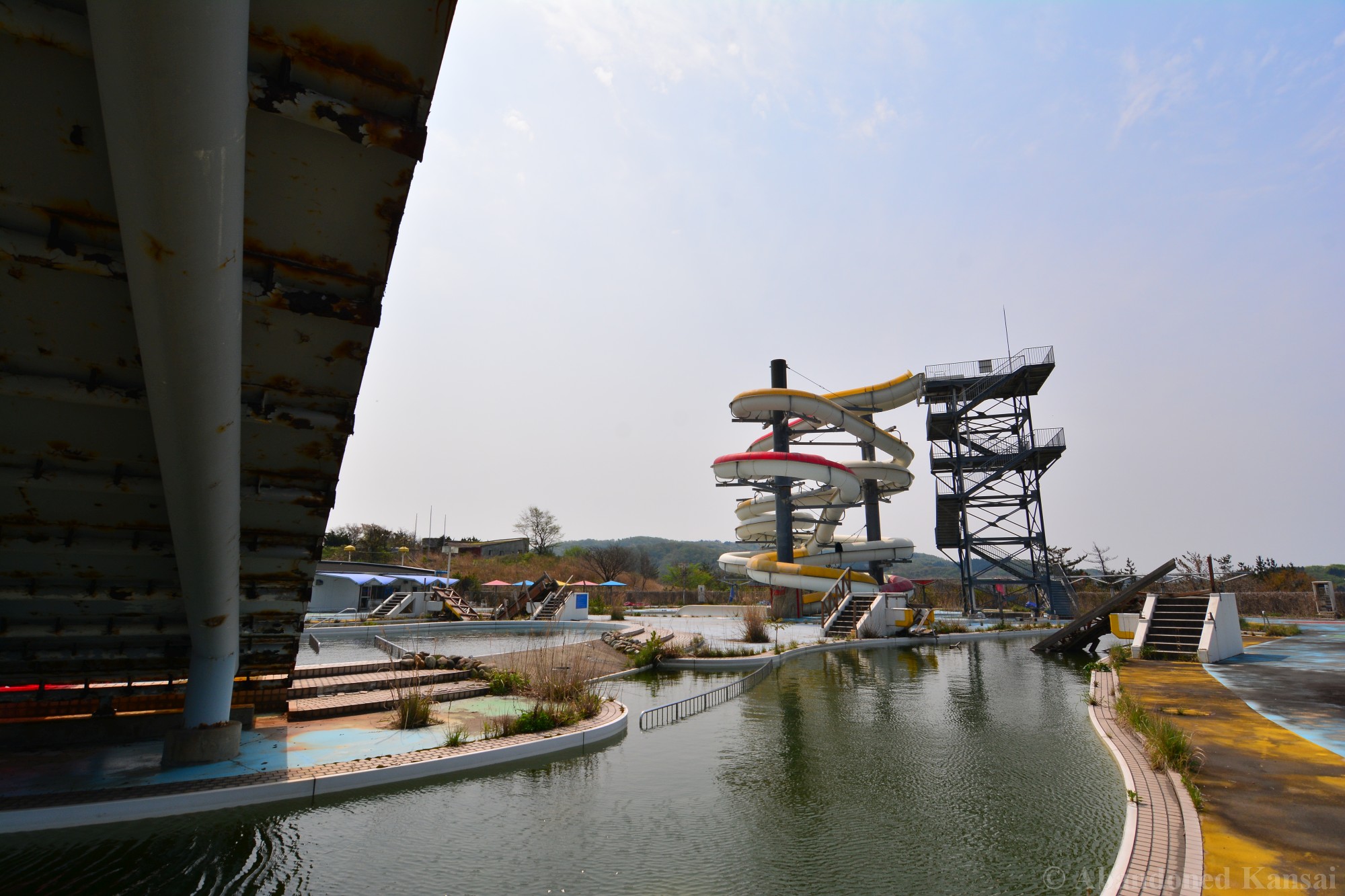
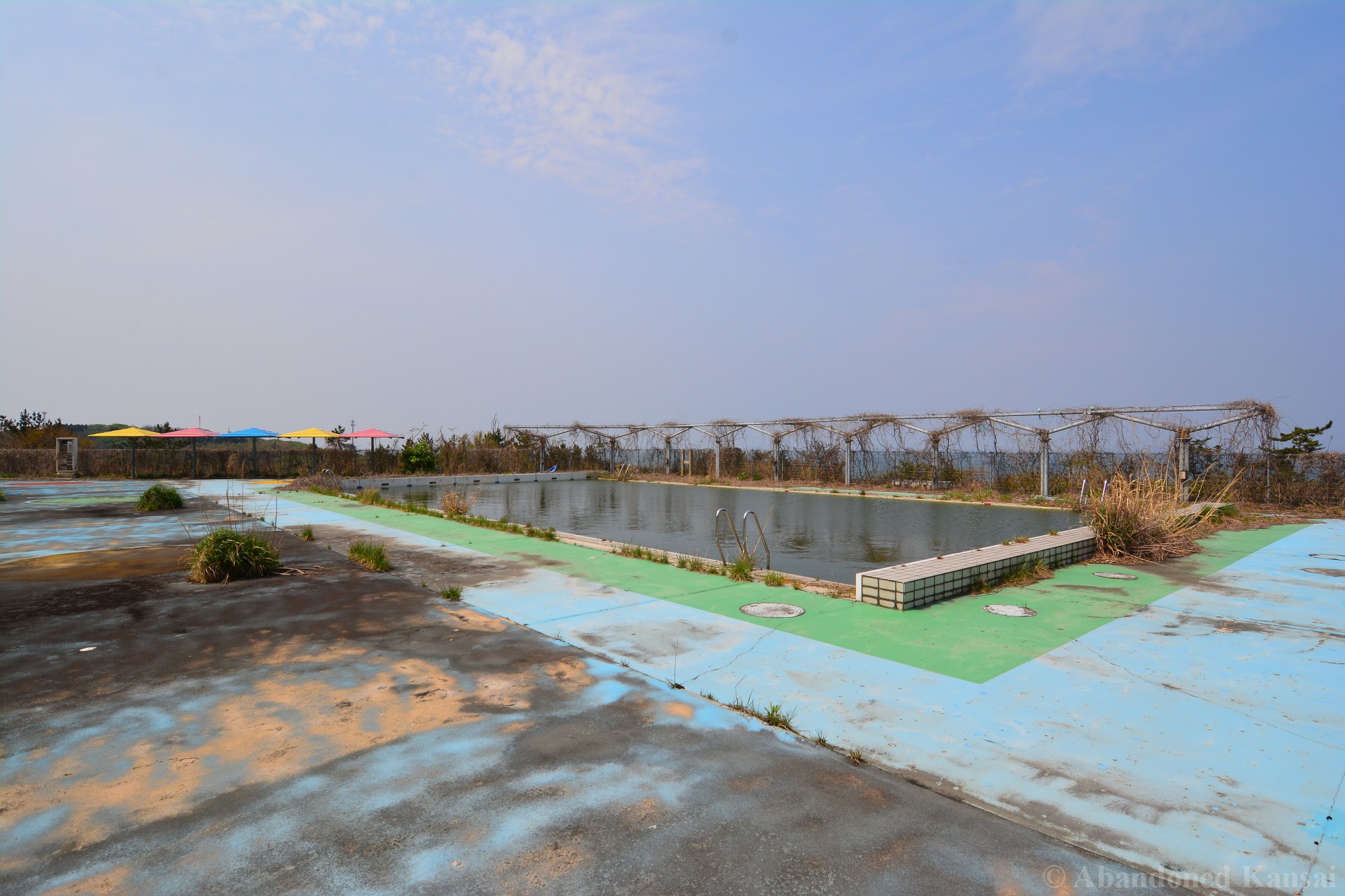
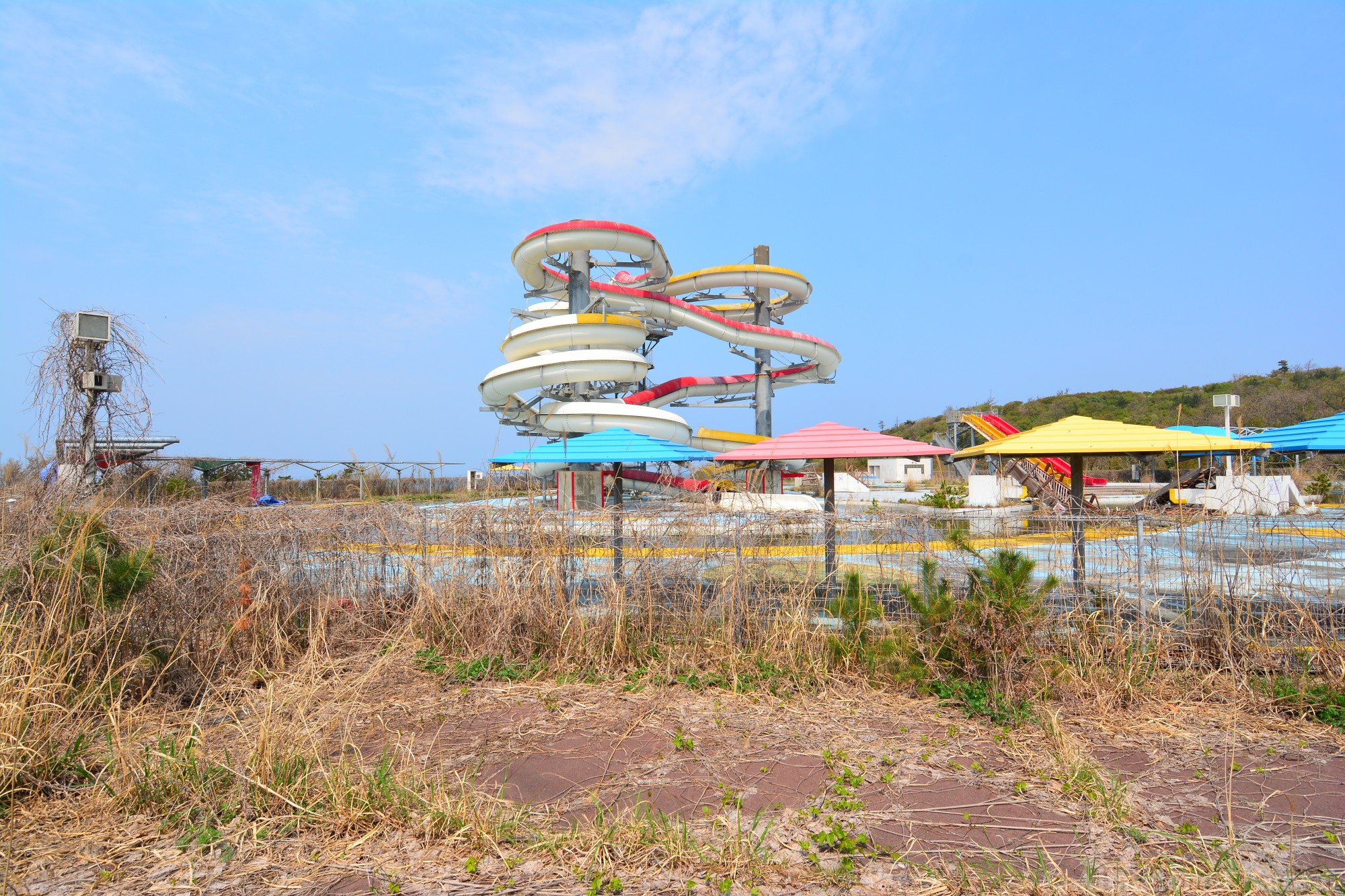
Half a dozen water slides, several pools and a couple of buildings made the abandoned Tohoku Water Park quite photogenic – and a wonderful exploration overall!

Rainy season started three weeks earlier this year in Japan, so summer already is full swing in parts of the country, making life a living hell, unless you are a real masochist and enjoy hot humid weather. And while your body already screams “Make it stop. Good Lord, make it goddamn stop!” your brain knows very well that it will get worse for at least two more months before it will only slowly be getting better. Four months of hell, that’s Japanese summers in most parts of the country for you – and for the second year in a row there is no way to GTFO and relax with family, friends, and homemade cooking / baking thanks to you know what. One of the few things making this s#!tshow bearable for some people are water parks – of which Japan has surprisingly many. One of the biggest abandoned outdoor water parks is off the beaten tracks in a tiny town in Tohoku, quite a pain to get to from Osucka. Fortunately I had the chance to explore that wonderful location on a trip up north three years ago. At the time the place was only semi-famous and GoogleMaps was rather blurry in that area, so I had to progress carefully, especially since I was flying solo. Exploring without a co-pilot is always more dangerous and more nerve-wrecking, so I probably wasn’t as excited initially as I should have been – first I had to make sure the place was really abandoned and not secured, then I could relax and enjoy the pools and slides; well, not myself, but by taking photos of them.
Built in the late 1970s, the Tohoku Water Park was one of the largest of its kind in Japan – which is a bit mind-boggling, considering the fact that Tohoku isn’t exactly known for its cruel, cruel summers, but instead is mostly covered in snow for half of the year. It was closed in 2010 and is currently owned by the local prefecture, which is kind of bad news, as state owned “abandoned” places tend to be most secured ones. They happily keep the lights (and alarms) on by paying the electricity bill and the police tends to show up more often than average, because, well, they are on the clock anyway, so they can as well have a look around and get some fresh air.
Fortunately there were no alarms (at least I didn’t trigger any…) and I was also spared a run-in with our friends and helpers, so while I was enjoying the exploration more and more I realized that I was quickly running out of time. Two hours was my previously set time limit and I was able to stretch that a little bit by walking back to my mode of transportation a little bit faster. Unfortunately the weather decided to be a bit hazy, causing dazzlingly white skies instead of the clear blue or dramatic cloudy ones I much more prefer. But hey, weather… nothing you can do about it – except for bitching about it in an attempt to make you feel better!

So… The abandoned Tohoku Water Park… A nice one! Large, remote, outdoors, theme parkish – this place ticked plenty of boxes! Another hour so would have been nice, but sometimes you gotta work with what you’ve got. Especially the large twin slide gave the *Hot Spring Water Park* and the *water park at Nara Dreamland* a tough fight for the #3 spot – but I’ve already shot two other abandoned outdoor water parks that I’ve liked even better; and I can’t wait to get them published, too!

(*Like Abandoned Kansai on Facebook* or *follow us on Twitter* if you don’t want to miss the latest articles and exclusive content – and subscribe to the *video channel on Youtube* to receive a message right after a new video is online…)

Read Full Post »
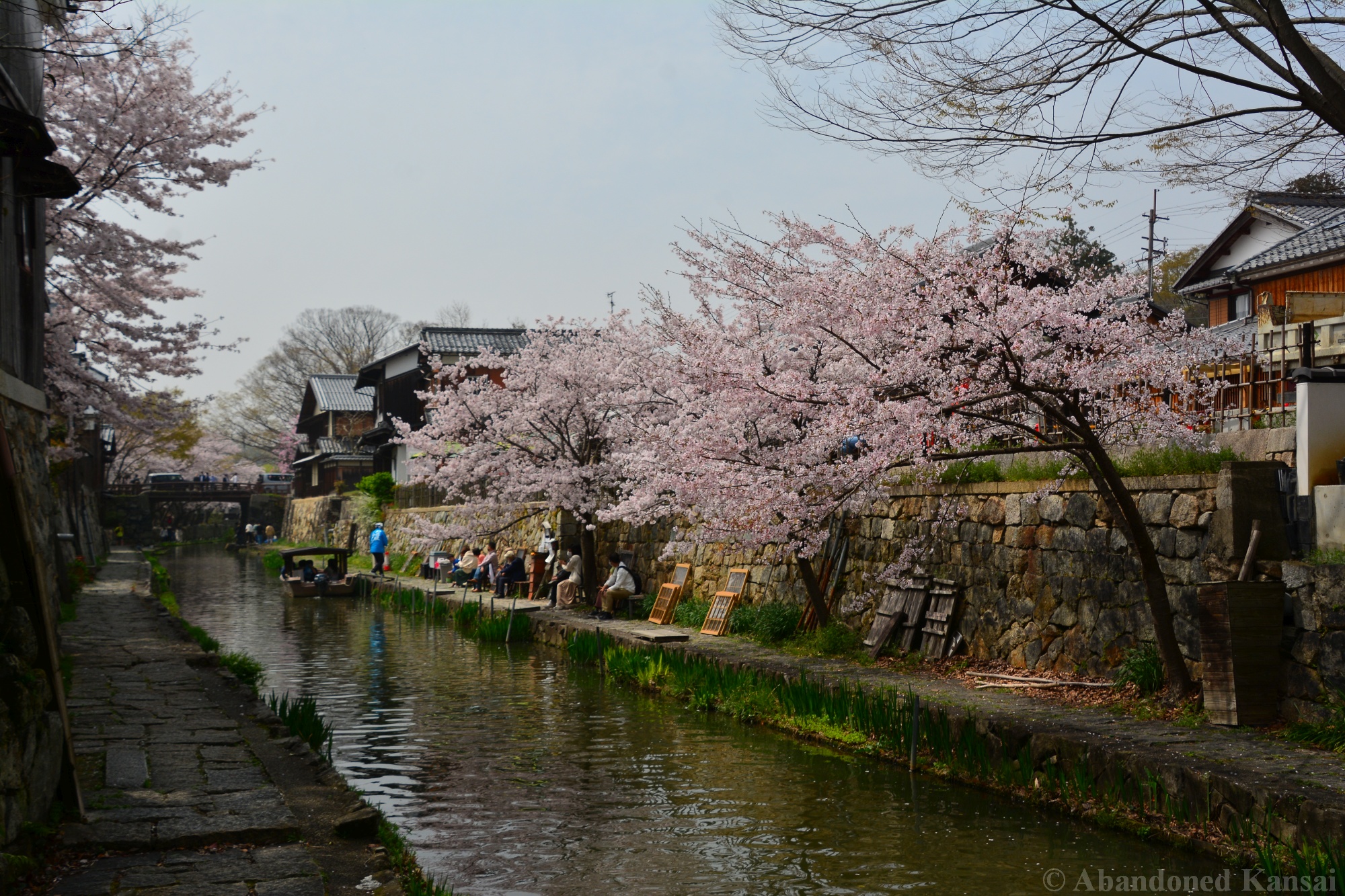
When I first came to Japan in 1998 the country had only 4.1 million foreign visitors. I was in my second year at university, traveled alone and barely ever saw another tourist (despite being there during cherry blossom season!), neither the internet nor cell phones were common, and Japan had a reputation for being kind of “inaccessible” – and expensive. The good old days…

By the time I moved to Japan in 2006 the number of tourists had almost doubled to 7.3 million, but that didn’t really matter to me, especially since they kept going up and down. Being a tourist and being an expat (i.e. being a tax payer with a job!) are two completely different things, two completely different experiences; especially in Japan. It’s like visiting an amusement park and working in an amusement park! And as a new hire at a Japanese company I neither had the time nor the financial resources, so for the first two or three years all I saw of Japan was Kansai in day trips. Now, there is a lot to see and do in this area, so I didn’t feel restricted – I was just living my daily life and my vacation time I spent visiting family and friends back home.
In late 2009 I picked up urban exploration as a hobby and a few months later started this blog, Abandoned Kansai. Kansai, because that was my home, the area I was familiar with, the area I traveled well. Not Abandoned Japan, because I never expected that I would travel much outside of Kansai – I hadn’t for three years, so why start now?
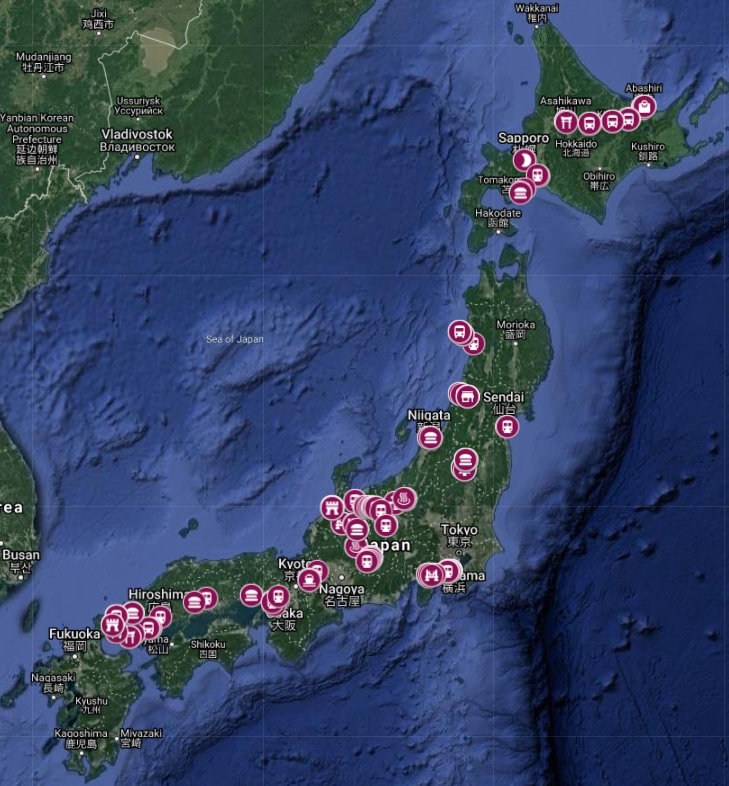
Well, because I wanted to document certain abandoned places in other prefectures, as I realized rather quickly… Two months after the *Mount Atago Cable Car* I did my first exploration in another region (Chubu), three months later I went to another main island (Kyushu) – and eight years later I traveled so much that I covered all nine regions of Japan (Hokkaido, Tohoku, Kanto, Chubu, Kansai, Chugoku, Shikoku, Kyushu, and Okinawa) within one calendar year! Though it wasn’t until 2020 that I had visited and explored abandoned places in all of Japan’s 47 prefectures… (Ehime was last ؘ– by something like two years!)
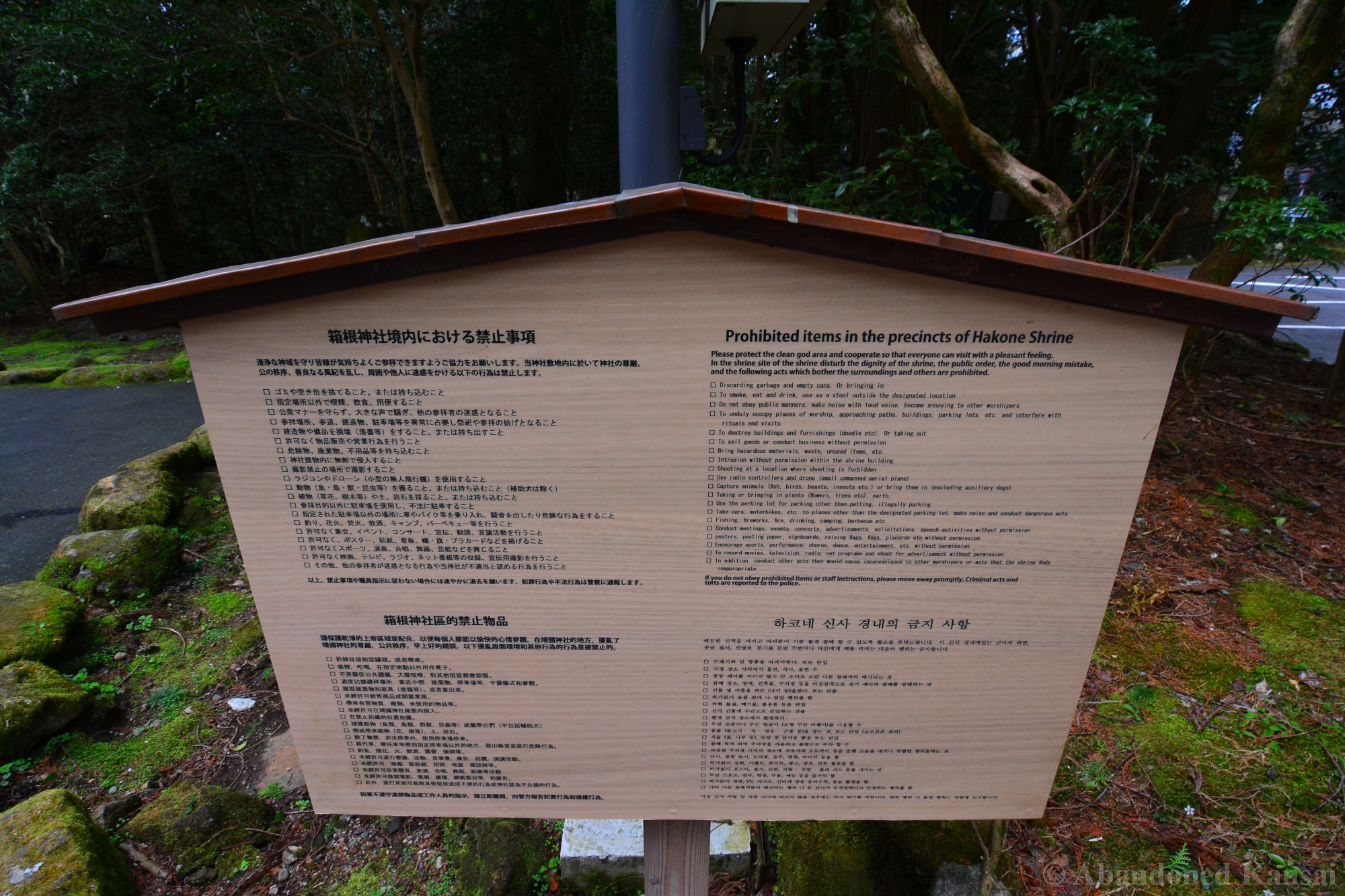
For the first few years those urbex trips were more or less strictly urbex trips. I did them to explore certain abandoned places, *a lot of which don’t exist anymore as described in this article*, with little time for other things to do, except enjoying local food after sunset. And I didn’t think much about it, because I lived in Japan. I could go sightseeing at any time anyway! Meanwhile Abe and his monkey bunch decided that Japan should be a vacation destination (under his reign the number of tourists exploded from 6.2 million to 31.9 million visitors!) and aggressively pushed for overseas tourists by devaluating the Yen, propaganda campaigns and tax exemptions for shoppers from overseas while raising taxes on his own people, including doubling the consumption tax in two steps. Anyway, Japan became more and more popular worldwide, including among urban explorers, some of which came for hardcore trips with half a dozen locations per day, hardly any sleep, and definitely no sightseeing – which changed my attitude towards my own trips within Japan significantly around 2015/2016, because I felt so sorry for those poor souls who came all this way and experienced little more than moldy buildings similar to others in the rest of the world. Unfortunately for me around that time Japan had already passed the 20 million mass market mark, 5 times as many tourists as I was used to in 1998. Nearby places like Kyoto and Nara had already become unbearable as I found out on occasion when friends and family visited me in my new home country, but even in places like Otaru I heard more Chinese than Japanese in the streets as tourists from China went from 267k in 1998 to 9.6 million in 2019, the last full year of worldwide tourism before the coronavirus. To me overtourism is one of the ultimate turnoffs in life. And that’s a general thing. When I’m in Otaru I don’t want to hear Chinese everywhere, when I’m at the Great Wall I don’t want to hear Italian everywhere, when I’m at the Coliseum I don’t want to hear German everywhere, when I’m at the Berlin Wall I don’t want to hear Russian everywhere, when I’m at the Red Square I don’t want to hear French everywhere – and when I’m at the Eiffel Tower I don’t want Japanese to be the dominant language. So as much as I tried to implement touristic places into my urbex trips I mainly limited them to rather off the beaten track locations like Hirosaki or Lake Ikeda, because even places like Hakodate, Kanazawa, or Nagasaki had been overrun by the Eurasian hordes. (And it’s not just the amount of people and their constant yapping, it’s also the (misbehaving) type of people that visited Japan in recent years. When the country was still special interest, in the 20th century, people went to Japan for specific reasons; to see or do something, to educate themselves about a certain topic – nowadays it seems to be a cool Instagram location for dumb phonies with selfish sticks that book flights to Japan and then go through the Top 5 lists on Instagram, Tripadvisor, or some “True soul of Japan!!!” blogger to find out what they can actually brag about on social media with. The amount of signs EVERYWHERE about “How to use a toilet!” / “How to not misbehave!” in four languages has become ridiculous and should be embarrassing to every person visiting Japan. Unfortunately most tourists don’t seem to be bothered by those signs as they are too self-absorbed and busy taking selfies, but as somebody who lives here I feel bad that locals need to state the obvious so often as visitors have become a serious nuisance.)

When the coronavirus spread across the world in late 2019 / early 2020 Japan was one of the last countries to close its borders, desperately clinging to its Frankenstein’s monster tourism industry and the Tokyo Olympics. Despite that, the country was hit much less hard than most others due to cultural coincidences – Japanese people are not exactly affectionate in public / outside of the family, and wearing masks is a long-standing flu season tradition, so what prevented spreading the coronavirus (avoiding close contact and wearing masks) was common practice in Japan anyway. If kisses on the cheeks and drinking red wine would have prevented the disease, France would have done much better and Japan would have been screwed… Anyway, Japan did comparatively well (though it is currently hitting record high numbers!), so the overall terribly phlegmatic Japanese government imposed only few restrictions, most of them in form of “recommendations”. Since recommendations usually are considered orders due to preemptive obedience, I spent most of the summer 2020 working from home, a liberating and deeply frustrating experience at the same time as I didn’t meet any friends for months and left my hamster cage maybe three times a week for grocery shopping to avoid the second wave, that’s it; work, eat, sleep, repeat. The same for a few weeks around New Year’s Day – while Japanese people were visiting their families (recommendations are only followed unless people really don’t want to…) I sat alone at home and skyped with mine to get past the third wave.

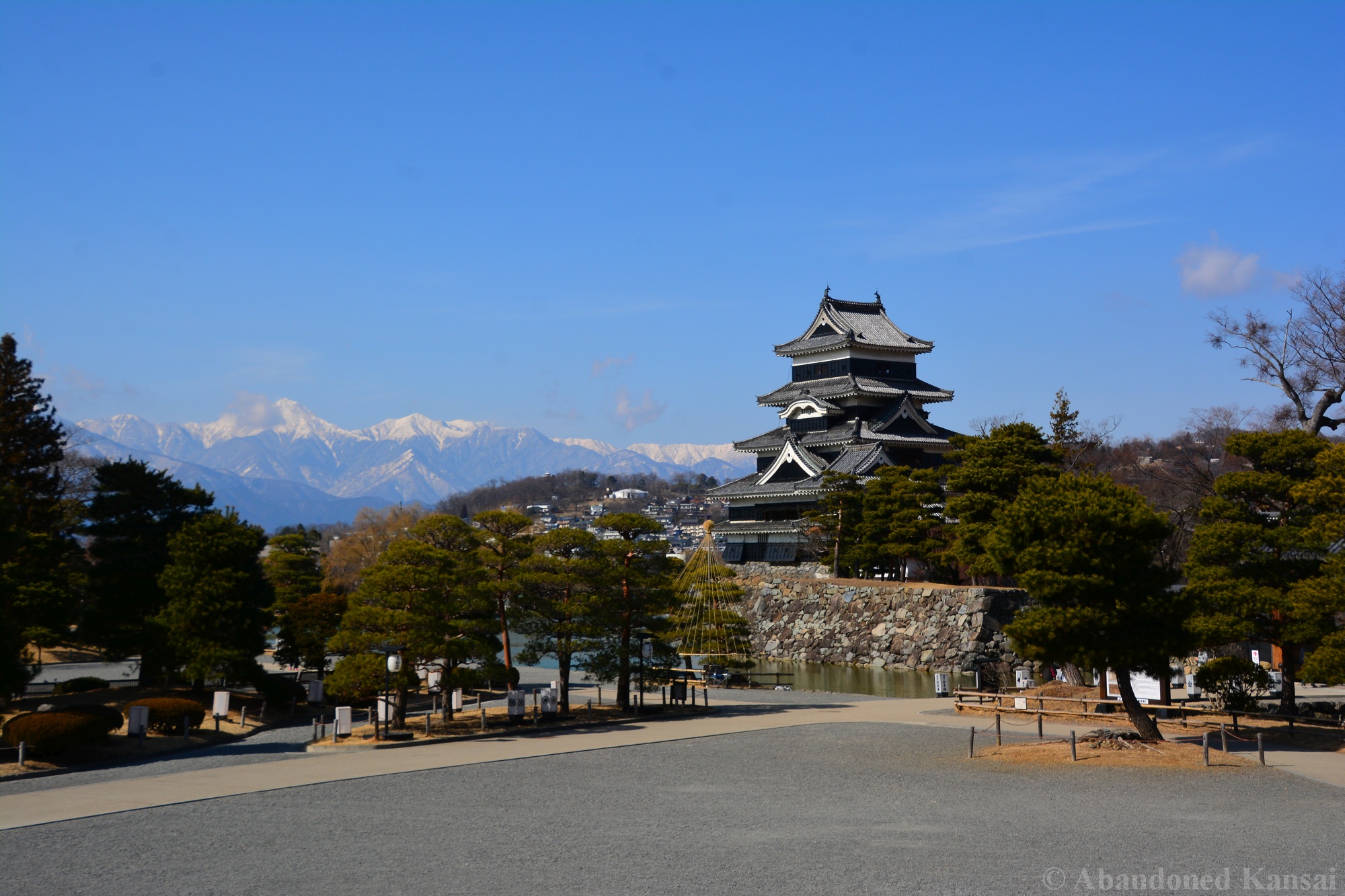
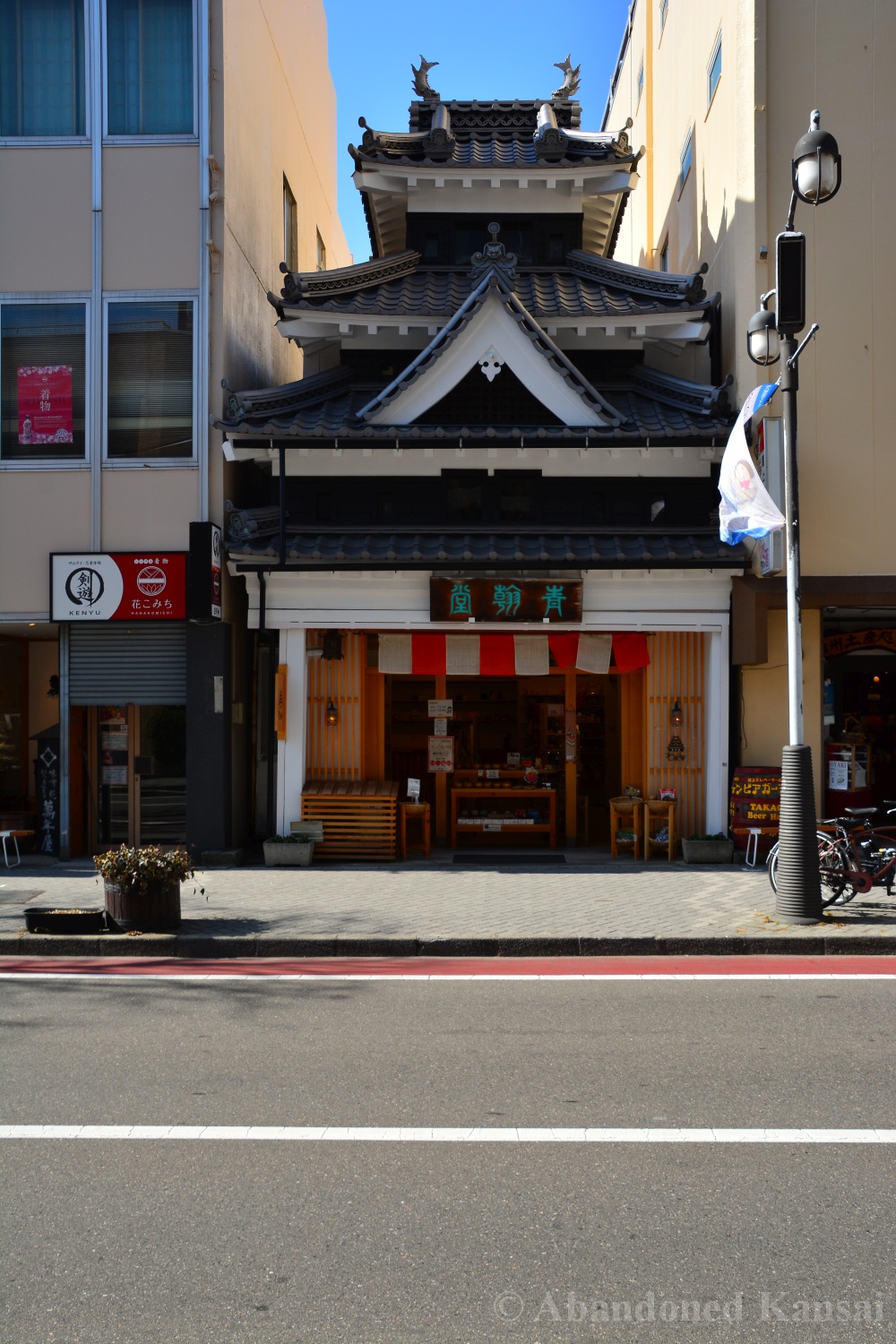
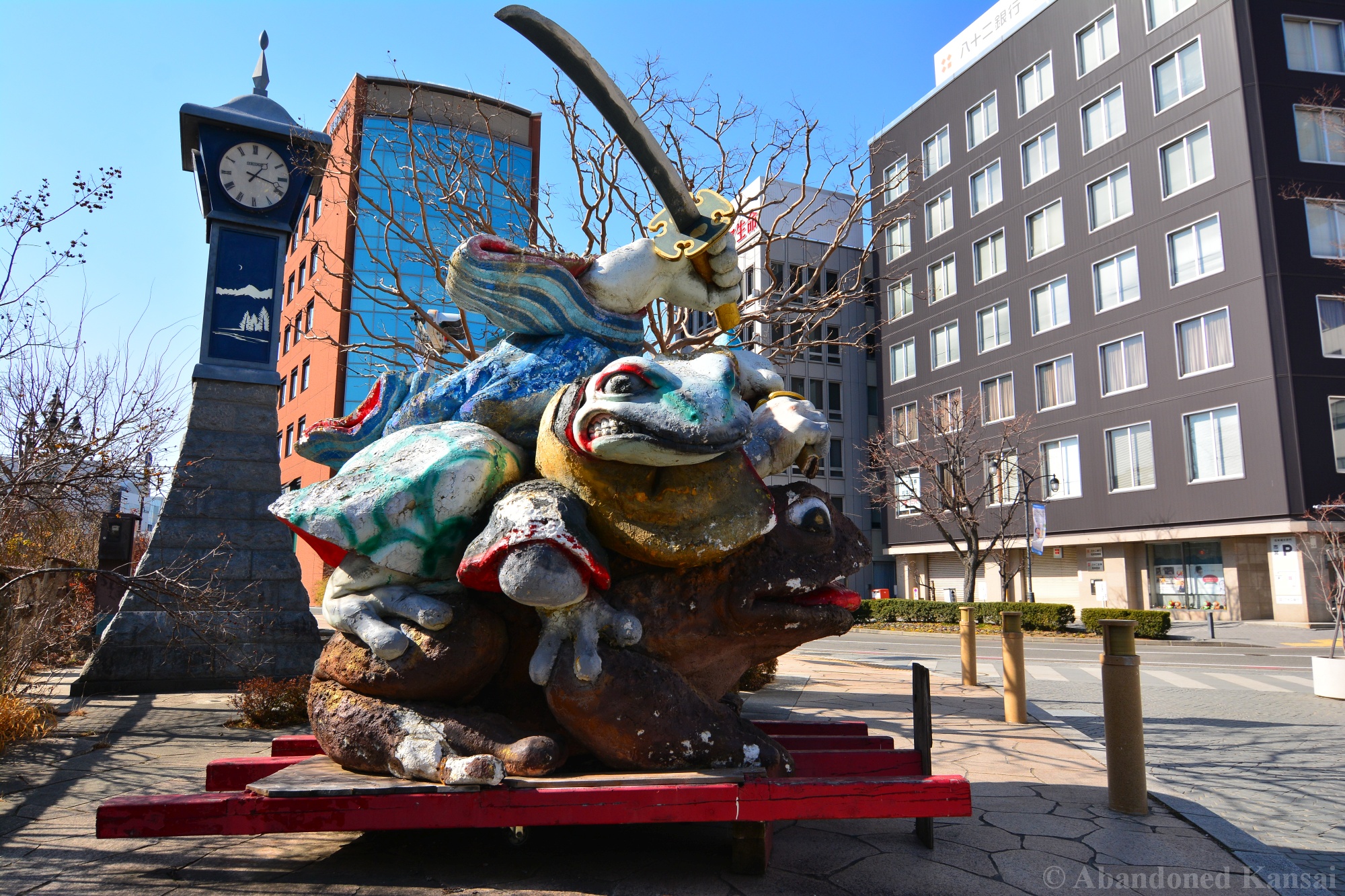
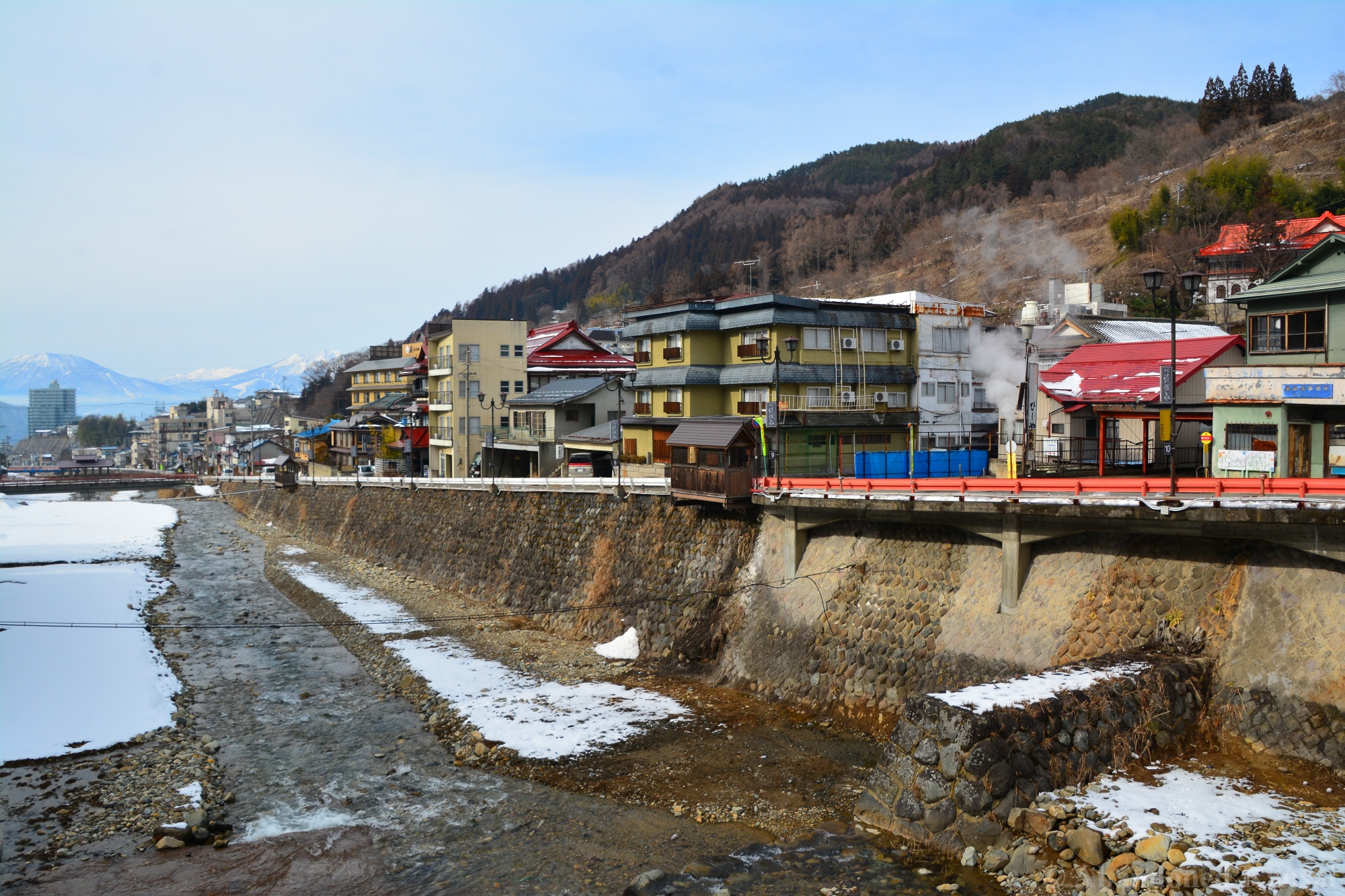
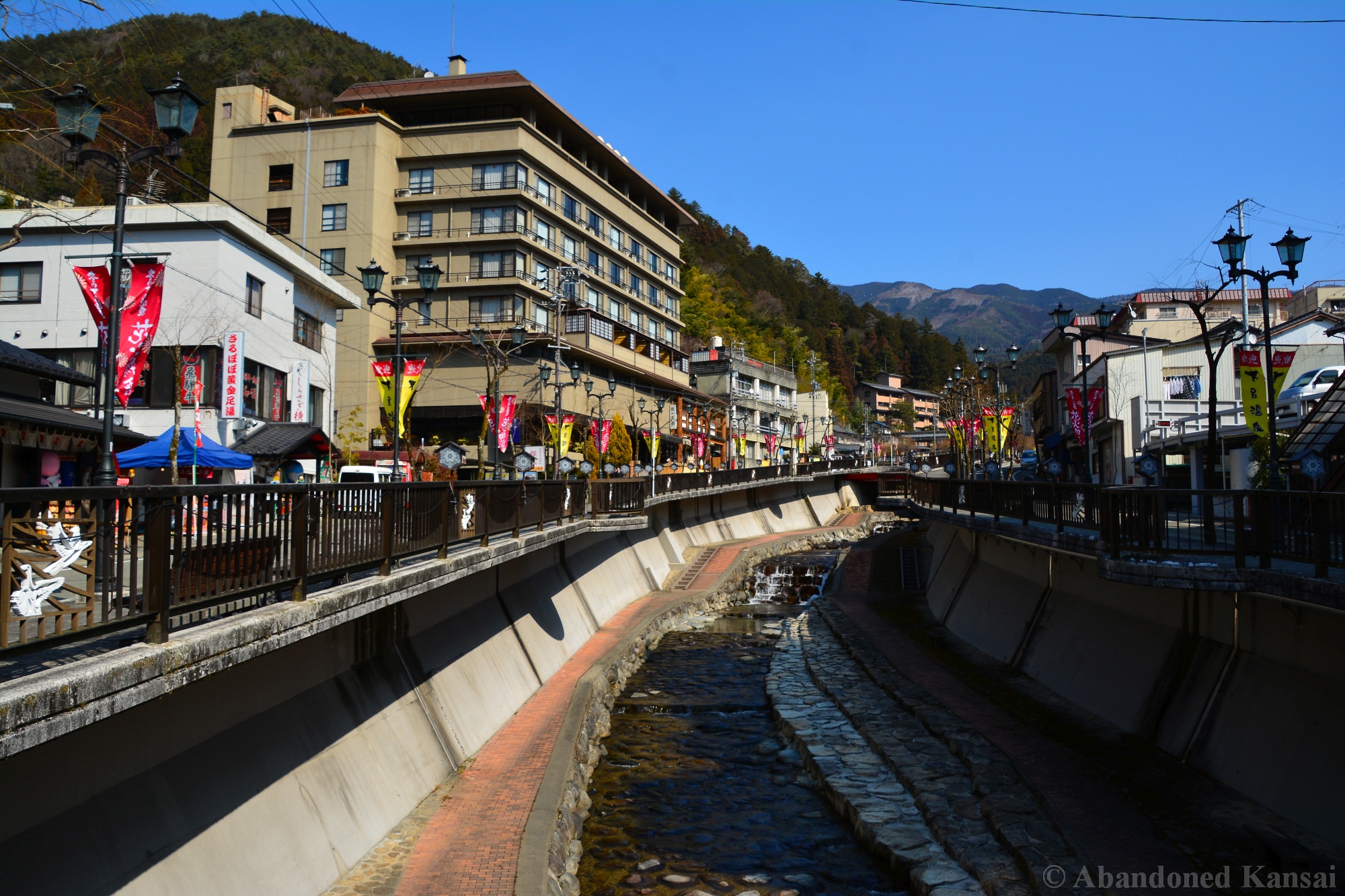
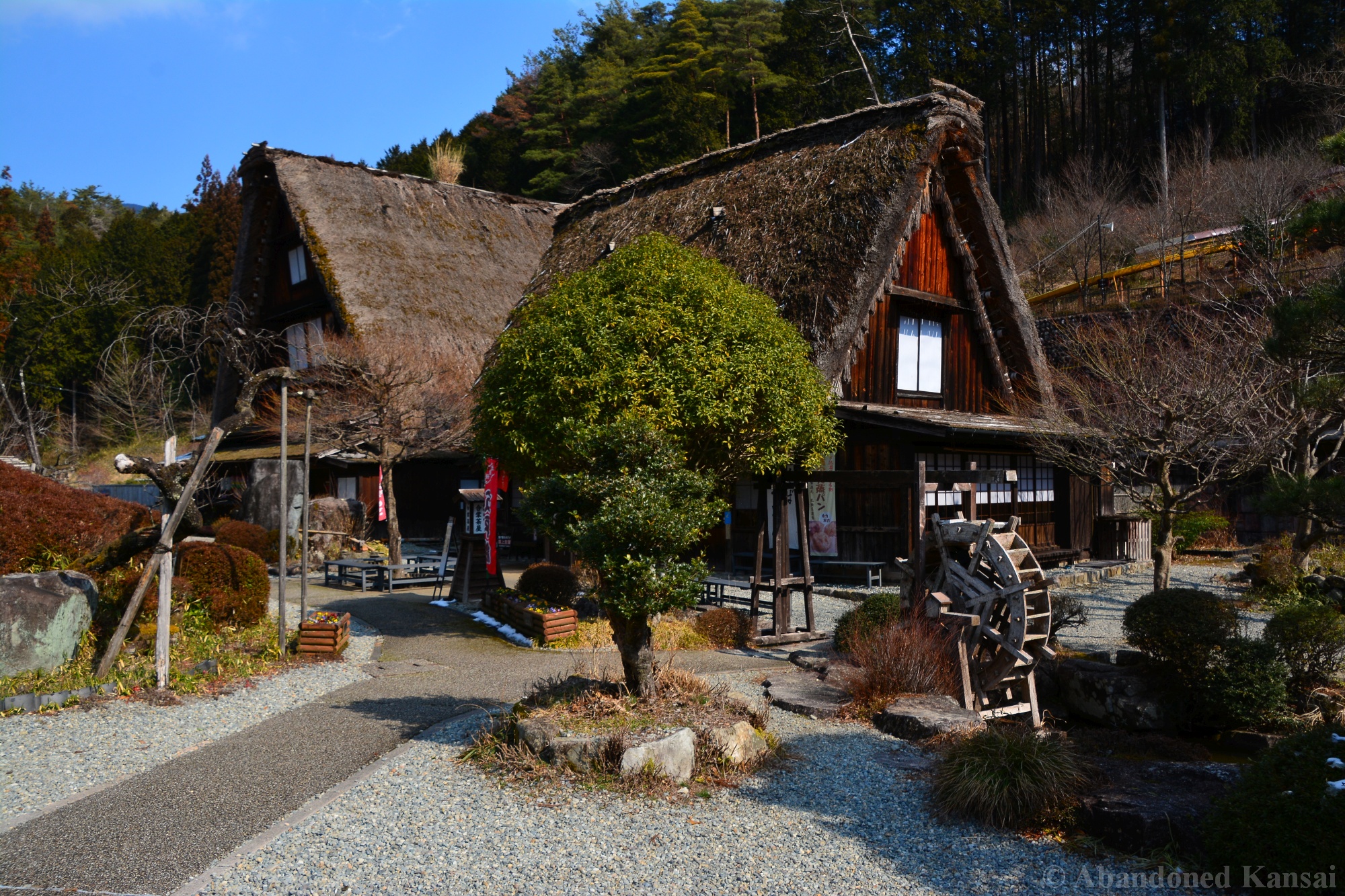
February: Matsumoto, Nagano, Obuse, Gero, Takayama, Shirakawa-go, Kanazawa
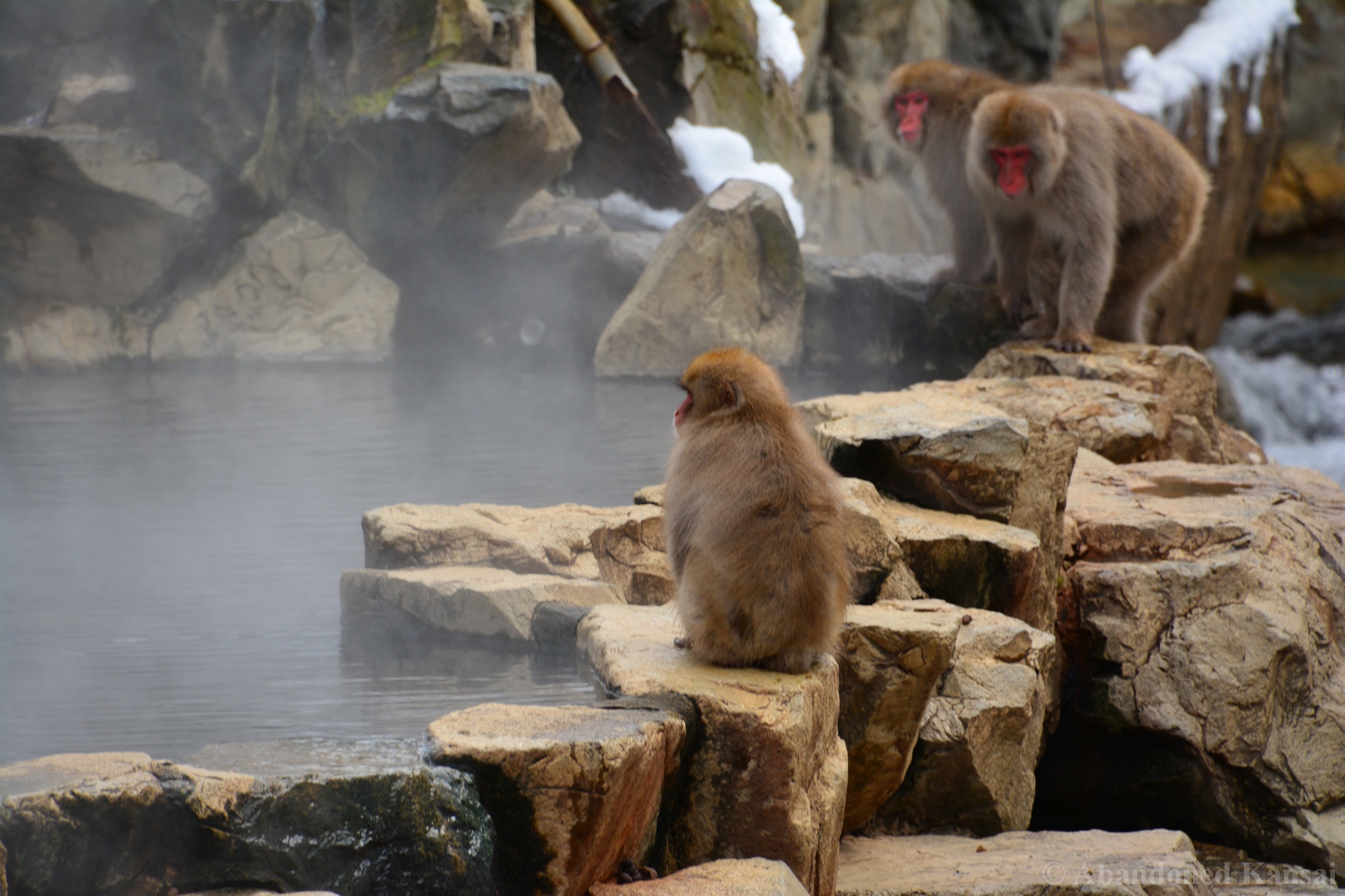
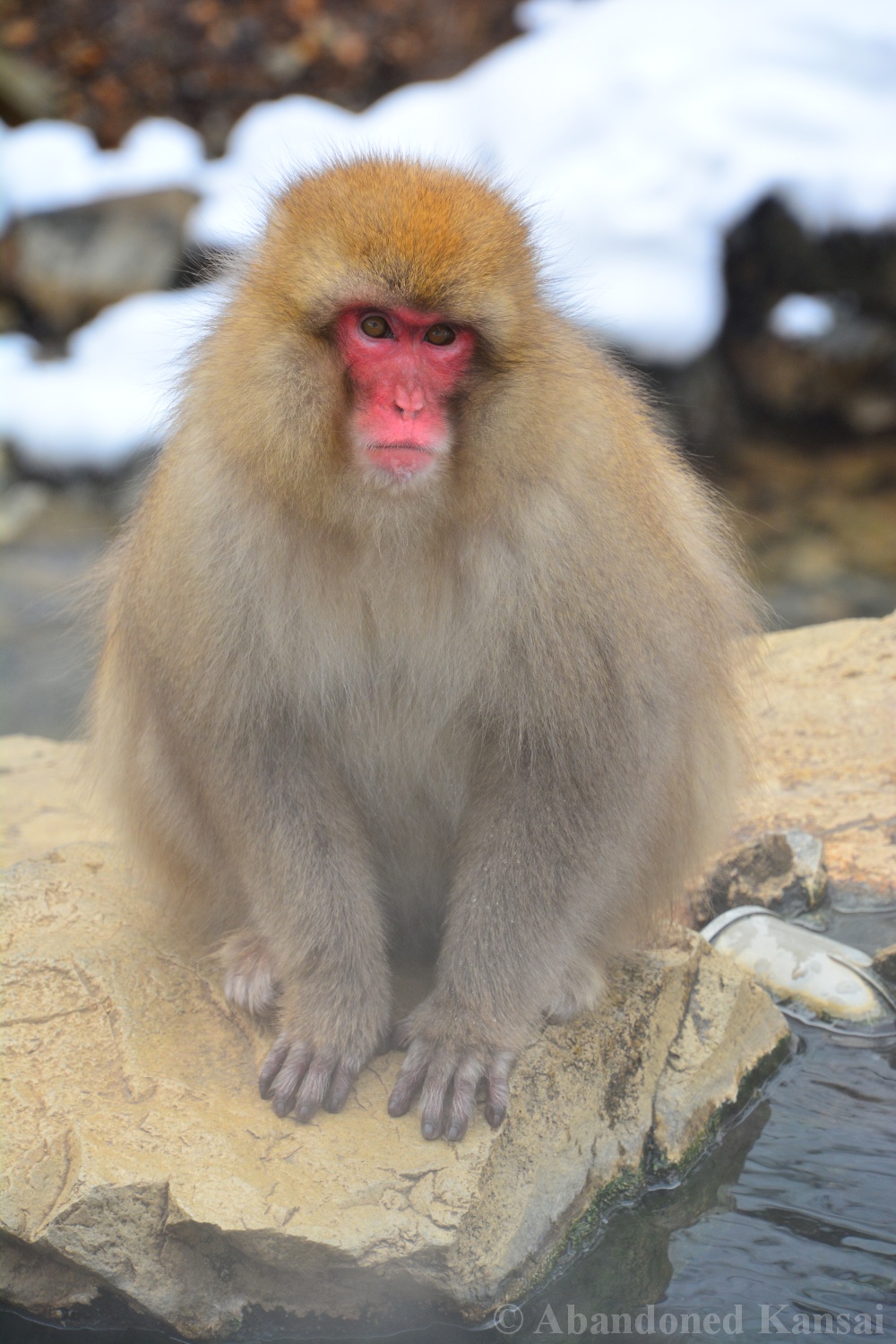
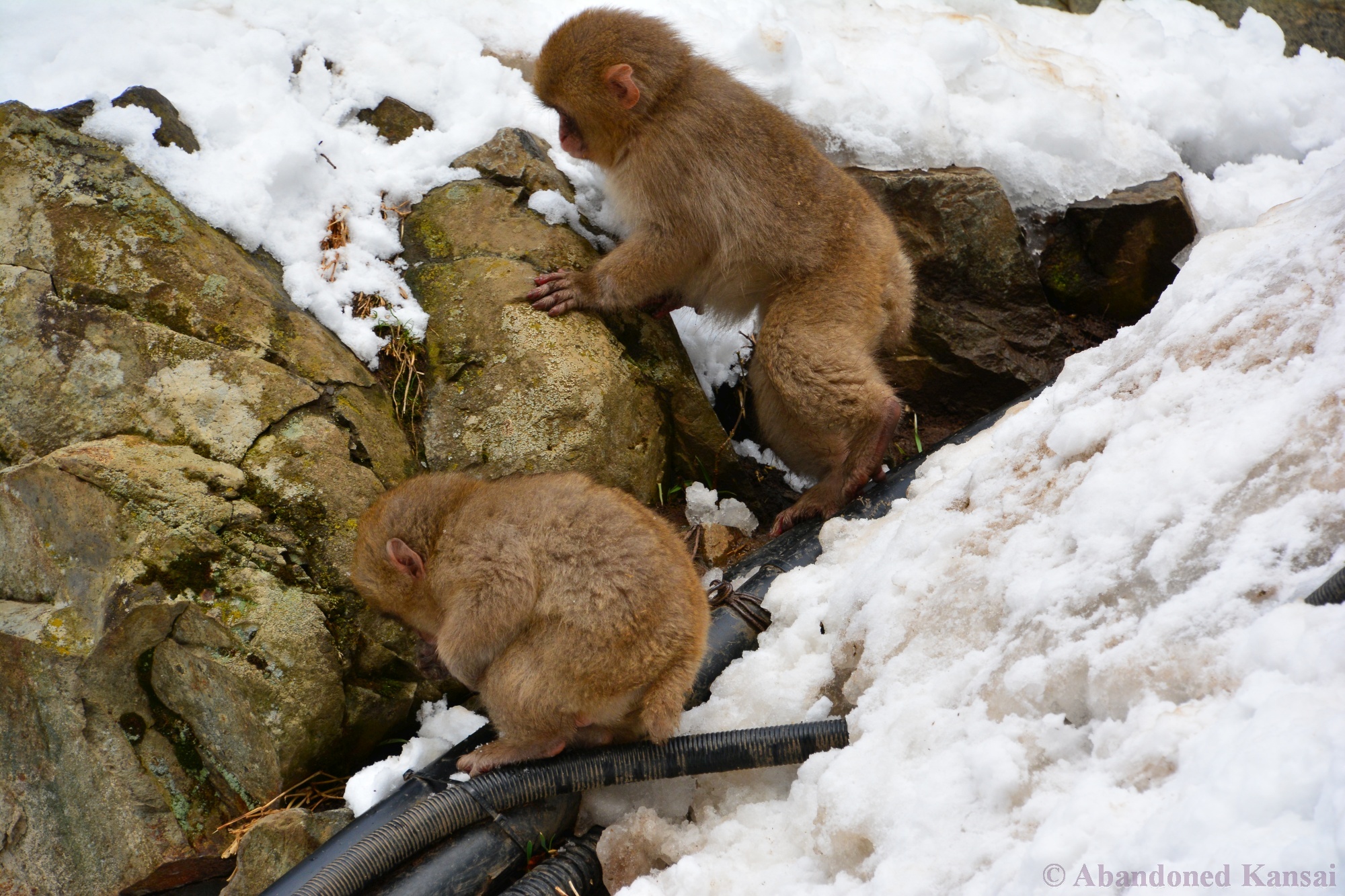
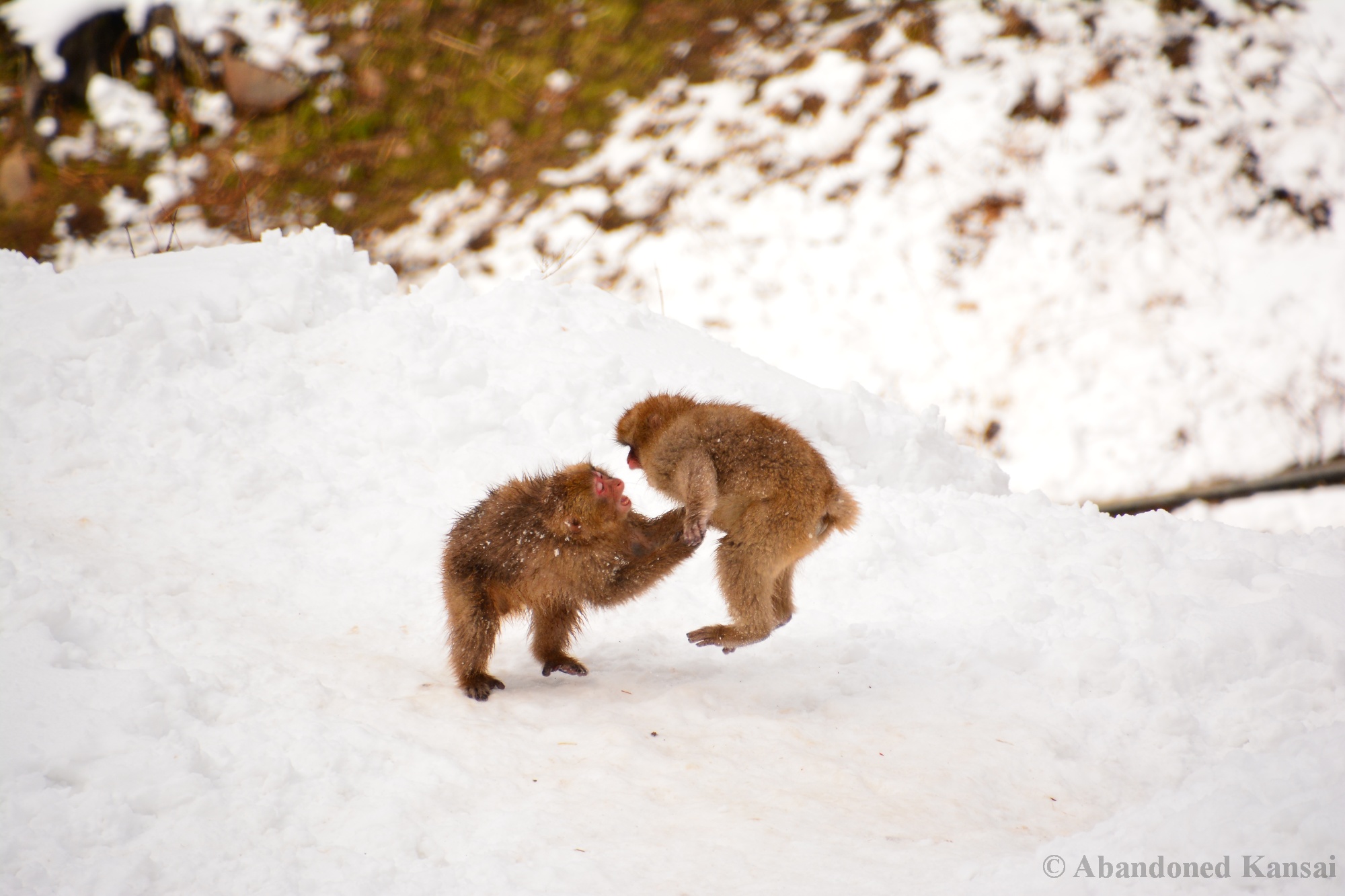
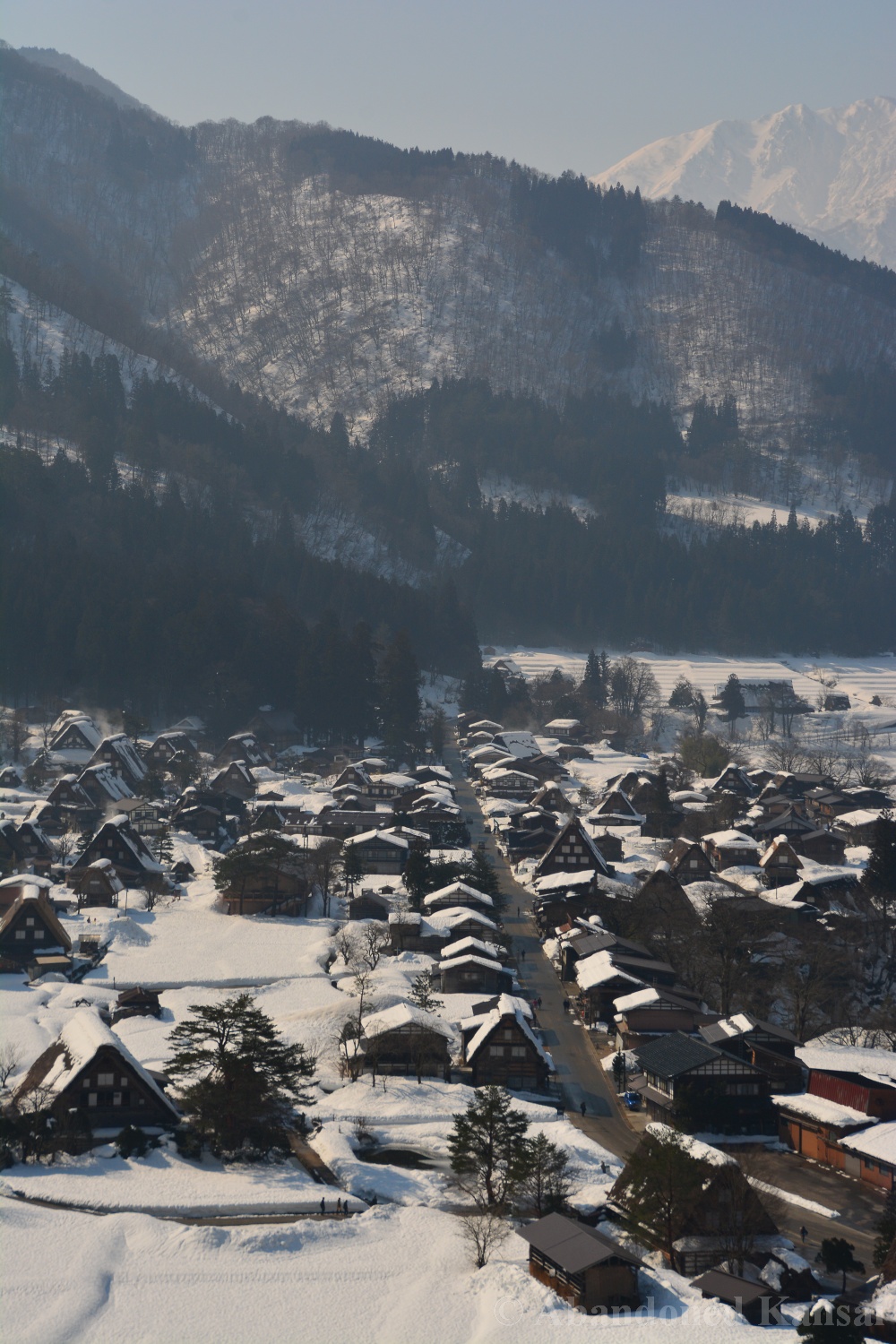
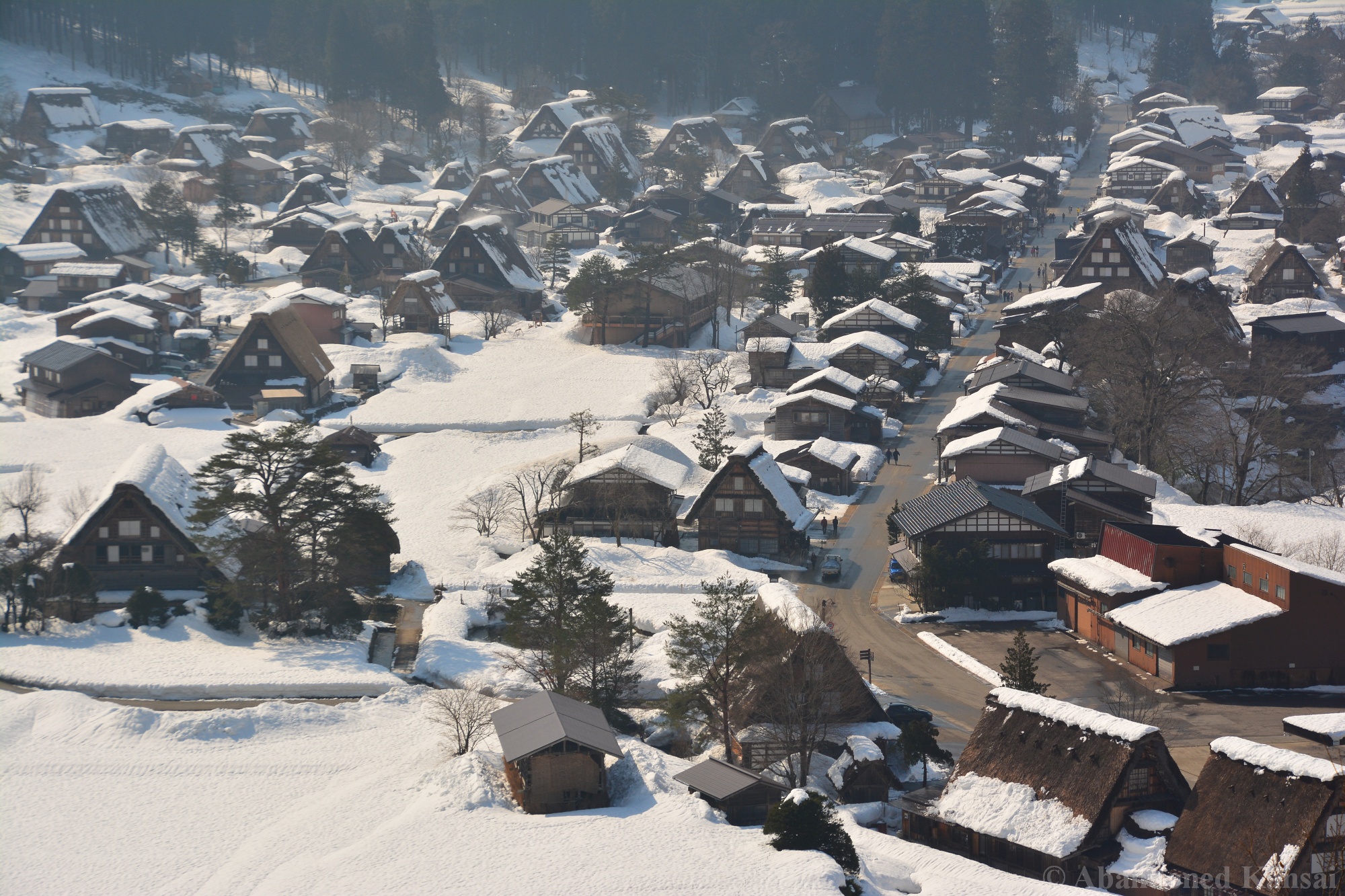
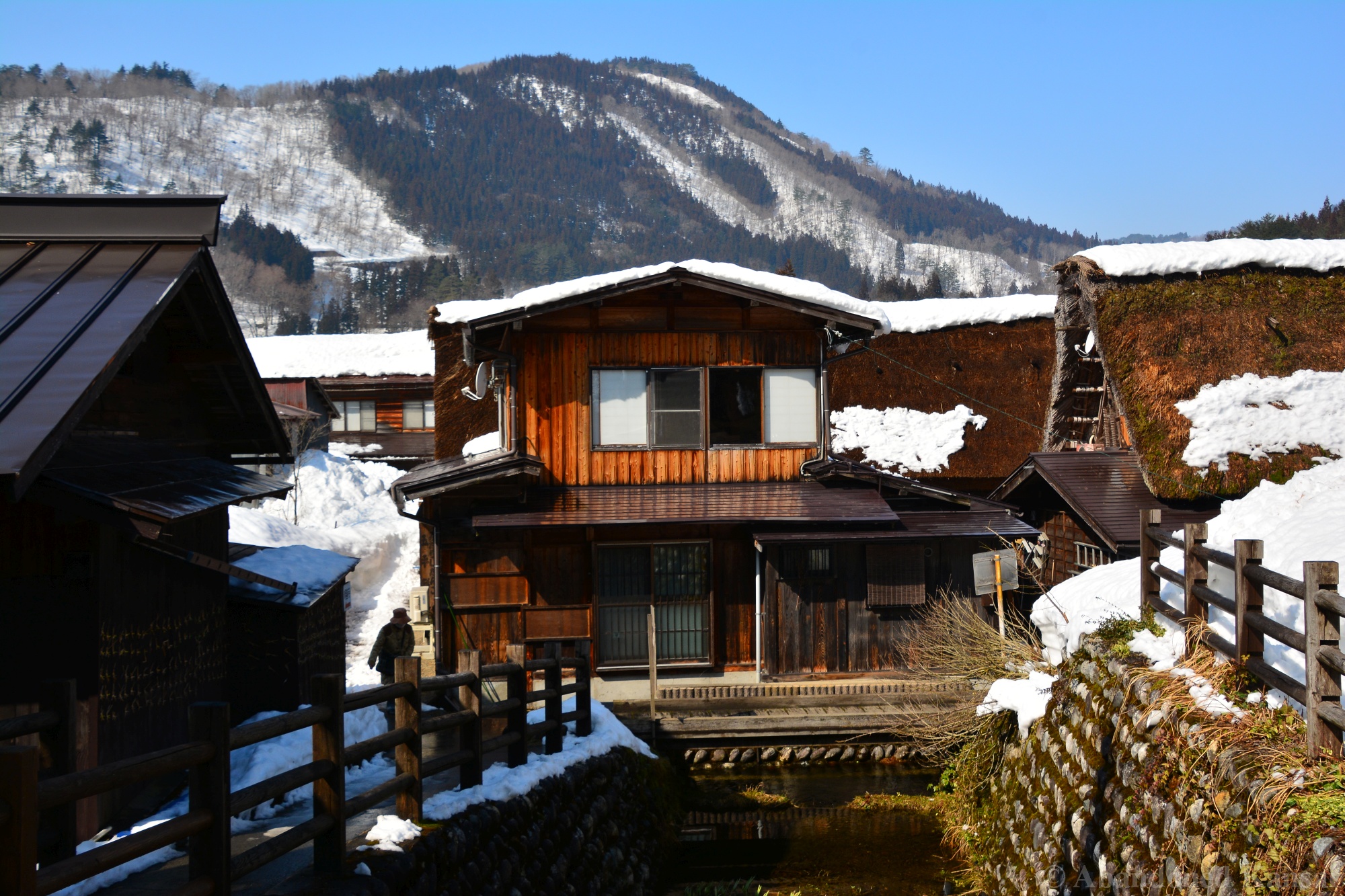
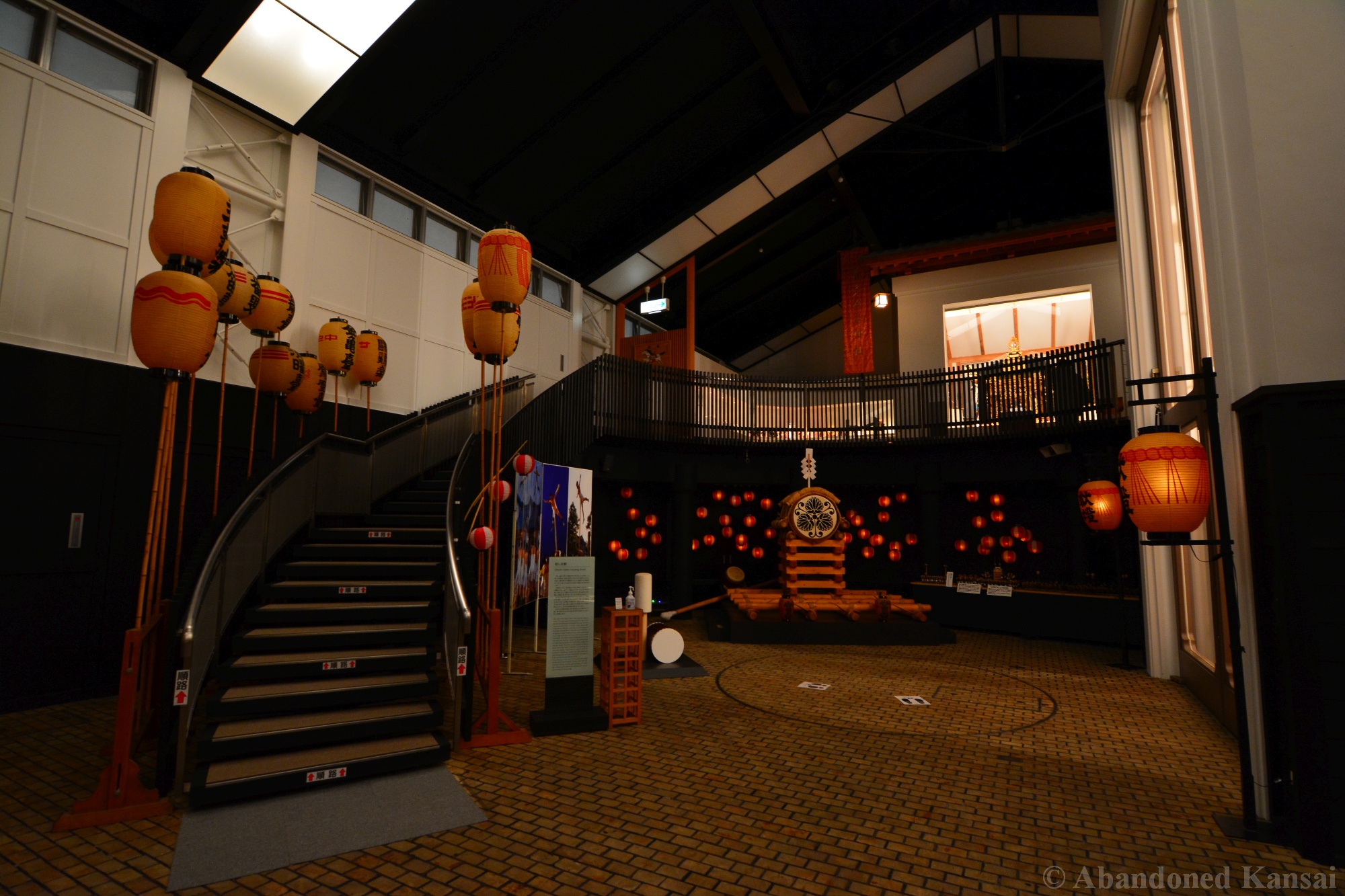
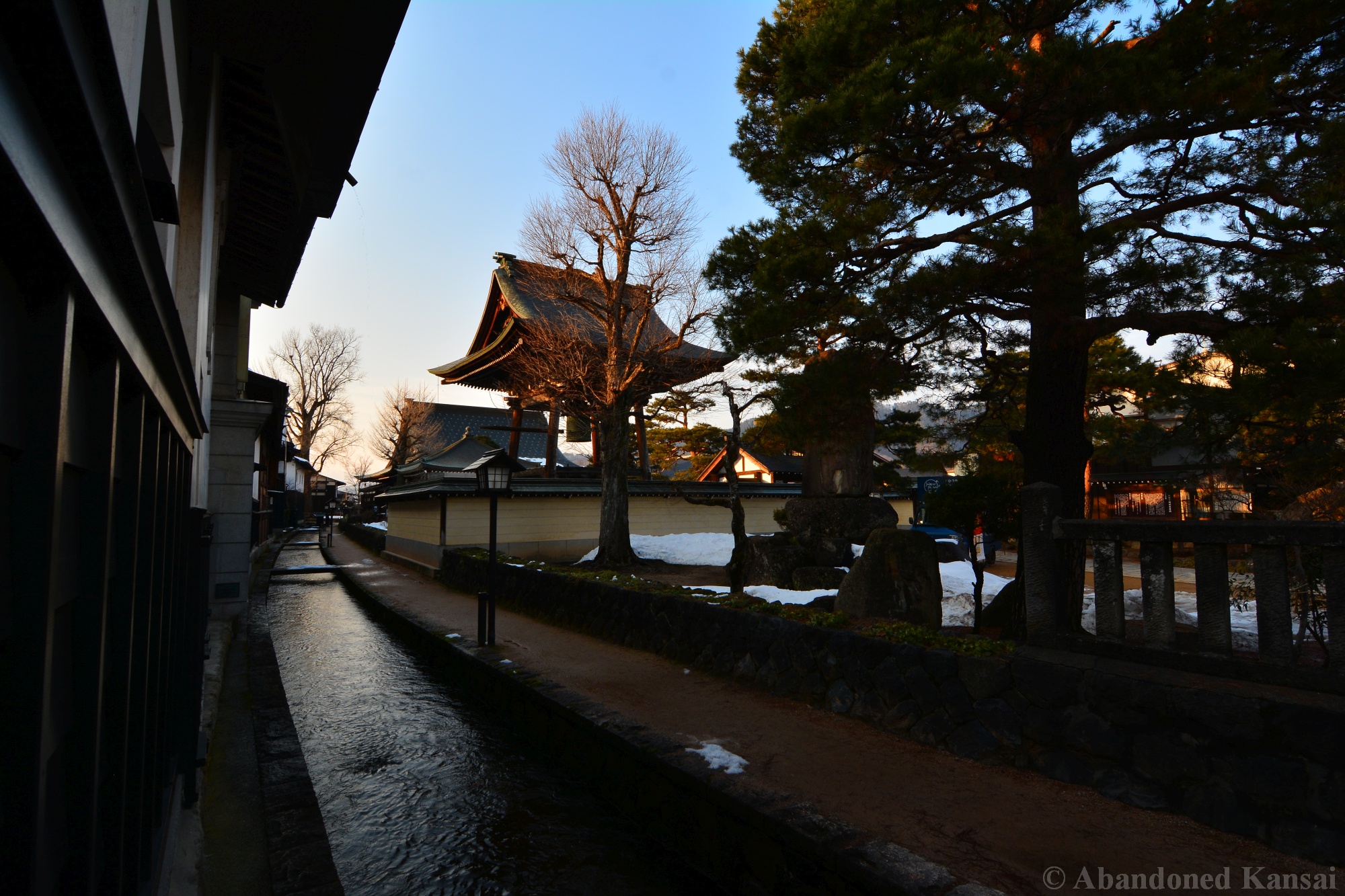
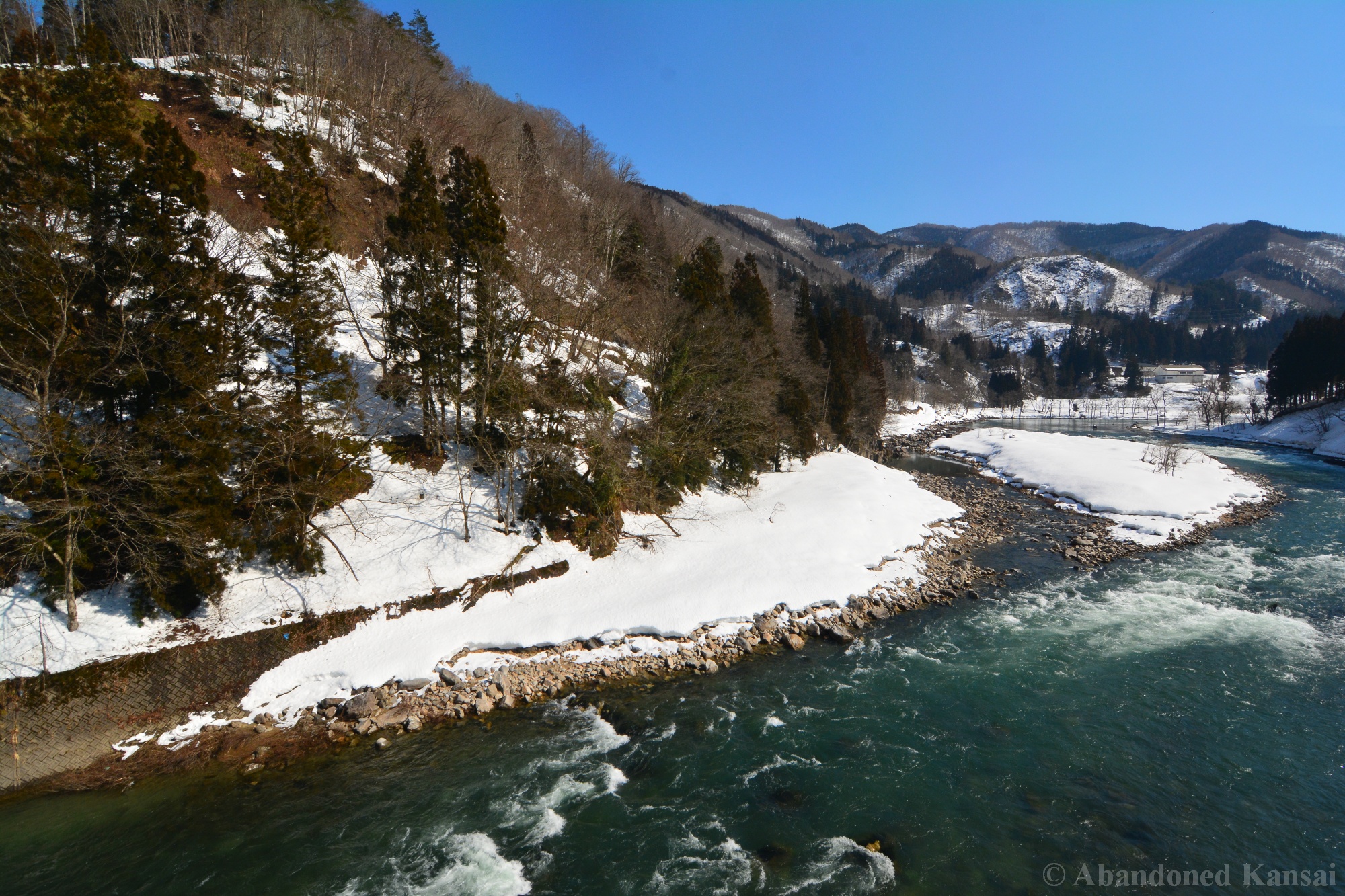
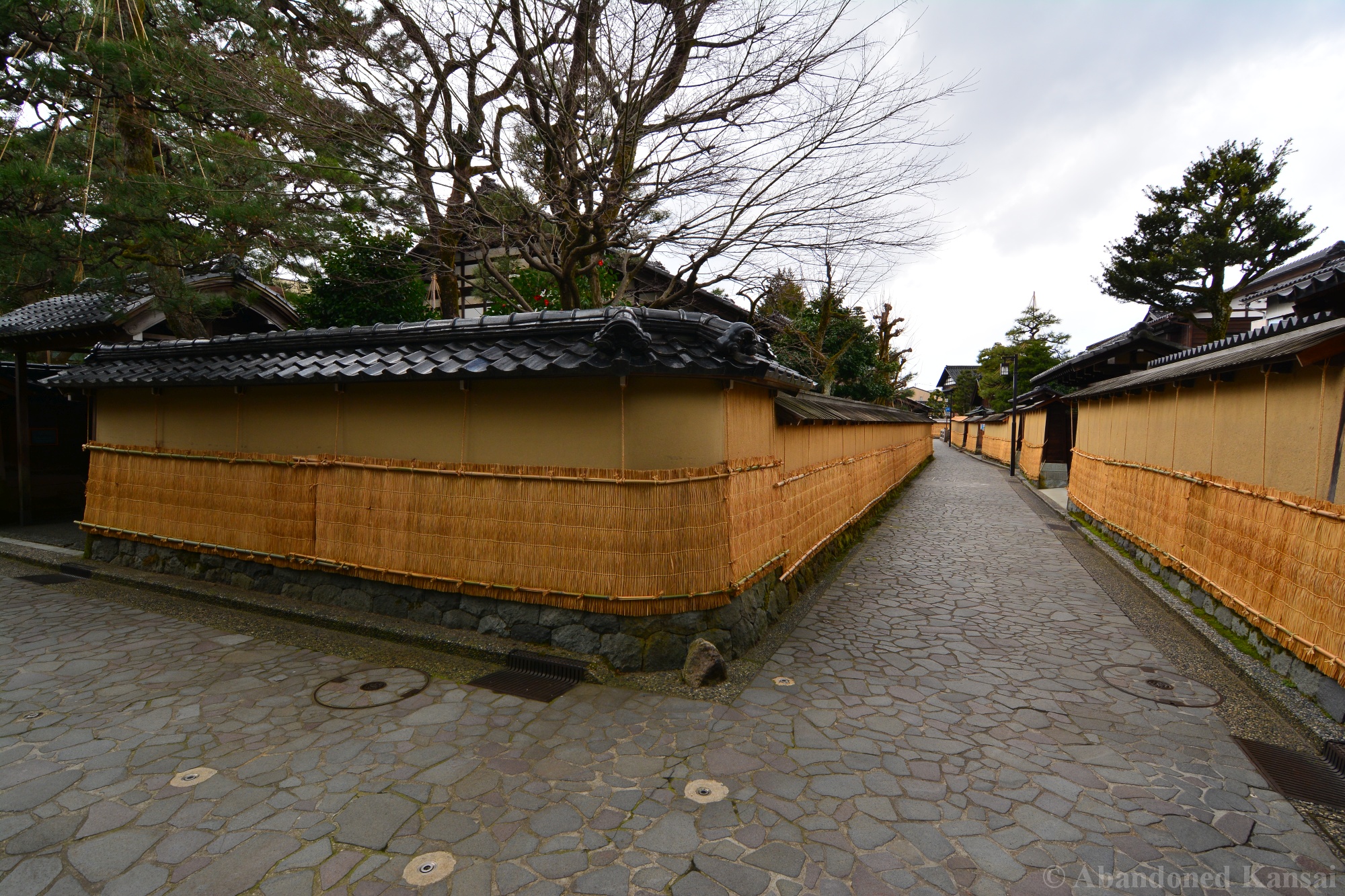
In early 2020 things went “back to normal” in Japan with as few as 698 new cases per day nationwide (Kanto and Kansai being responsible for the vast majority of cases and some prefectures going down to 0 active cases and no new infections for weeks!), so I decided to jump on the opportunity and visit some places that had been unbearably crowed in the last five to eight years – especially since some of my regular co-explorers had become increasingly busy with fur and other babies. My first main destination on February 12th, after nights in Matsumoto and Nagano (where I had been years prior on the way to the abandoned *Asama Volcano Museum*), were the famous onsen snow macaques in the Jigokudani Monkey Park; a place so touristy and swamped that my buddy Hamish discouraged me from going there many, many years ago. Upon my arrival towards noon I shared the park with hardly more than a dozen people, and that number barely doubled during my hour long stay there – now that turned out even much better than I had hoped for in my wildest dreams! 🙂 So for the next weekend I made even bolder plans, for a place usually so overrun by busloads of foreign and domestic tourists that you could have offered me serious money to go there and I would have declined without hesitating – Shirakawa-go in winter! And to make it the ultimate challenge I added Takayama the day before and Kanazawa the day after, with a quick stop in Gero on the way to Takayama. What can I say? Gero was lovely, Takayama absolutely gorgeous, Kanazawa virtually empty (I was able to take photos in the old samurai district without people ruining them!), and Shirakawa-go… Shirakawa-go was still busy, but bearable. Already borderline too busy for my taste, but knowing that there usually were five or ten times as many people made me enjoy my visit much more than expected. (The car parking lots were rather busy, the bus parking spots basically empty – the lack of mass tourism saved my day!)

March 2021: Hokkaido, Yamaguchi, Kamakura / Hakone
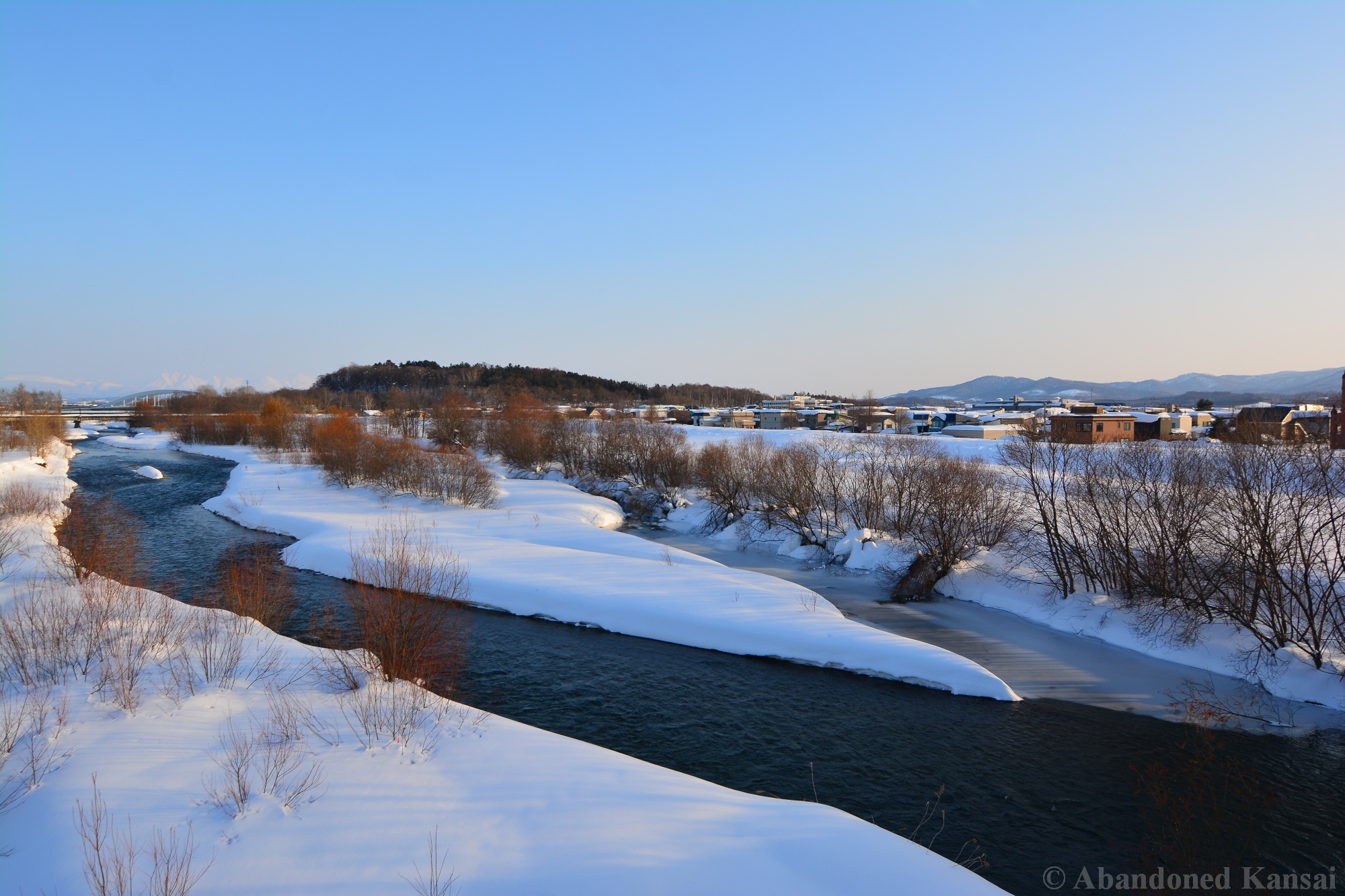
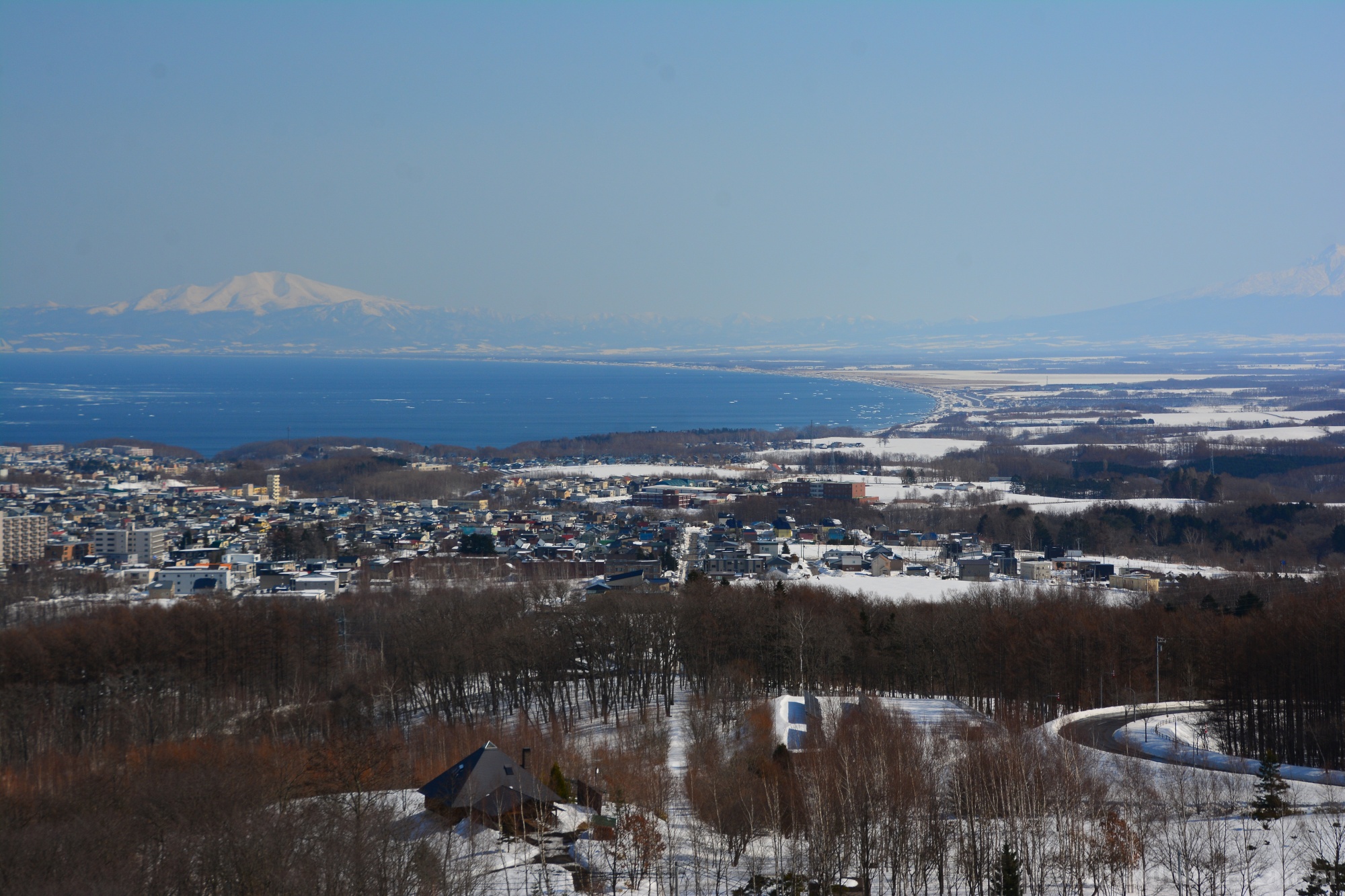
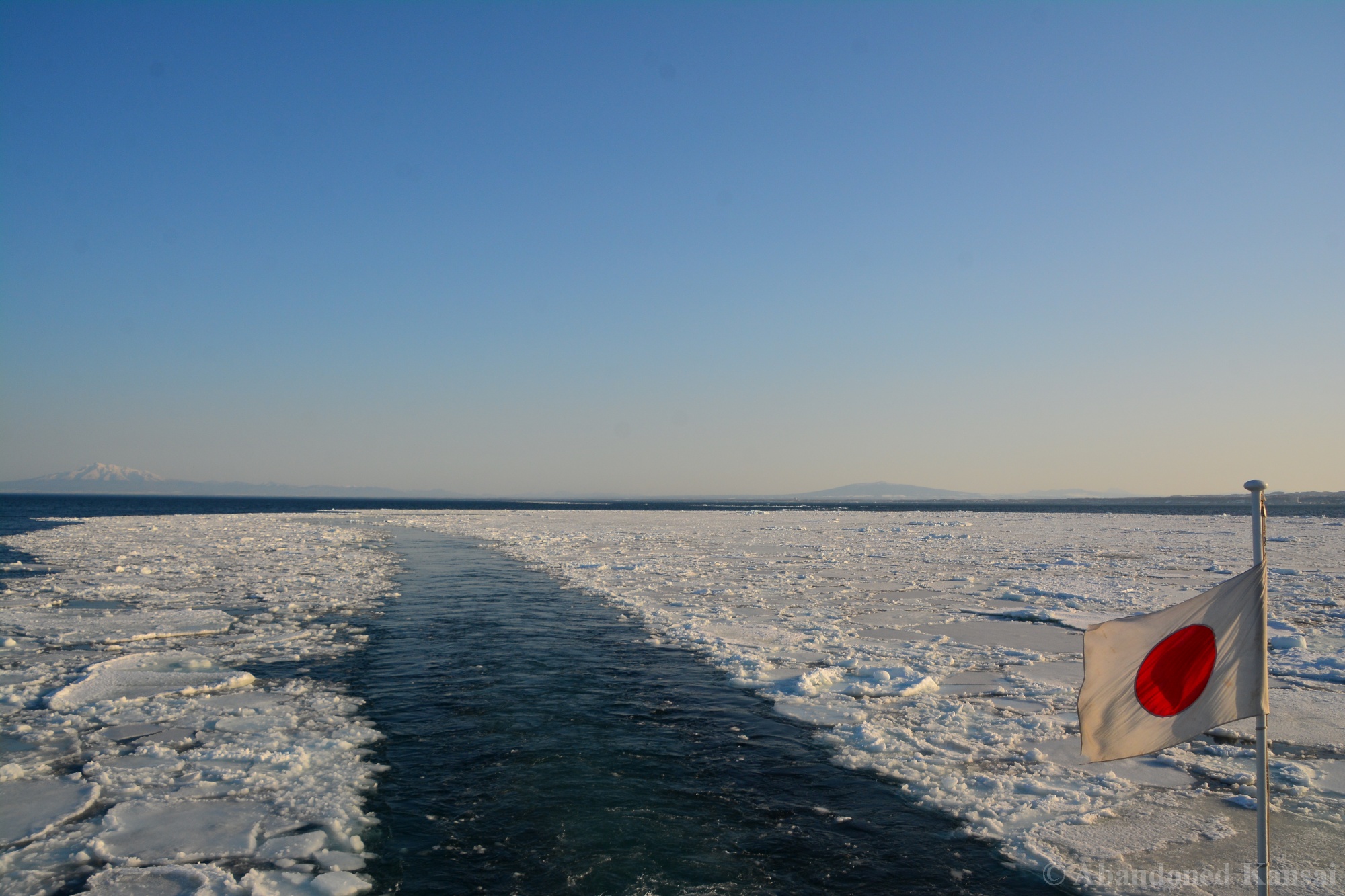
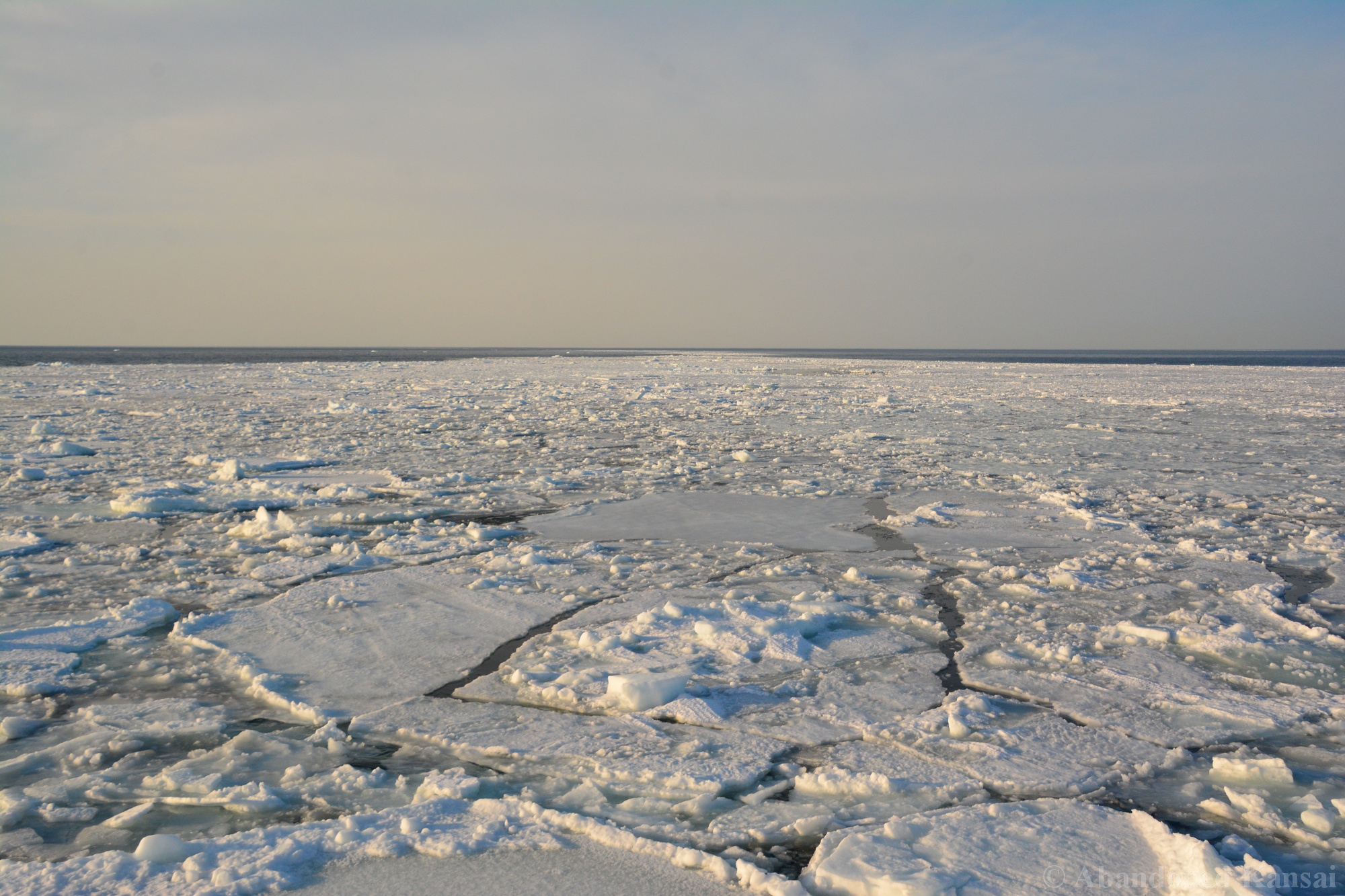
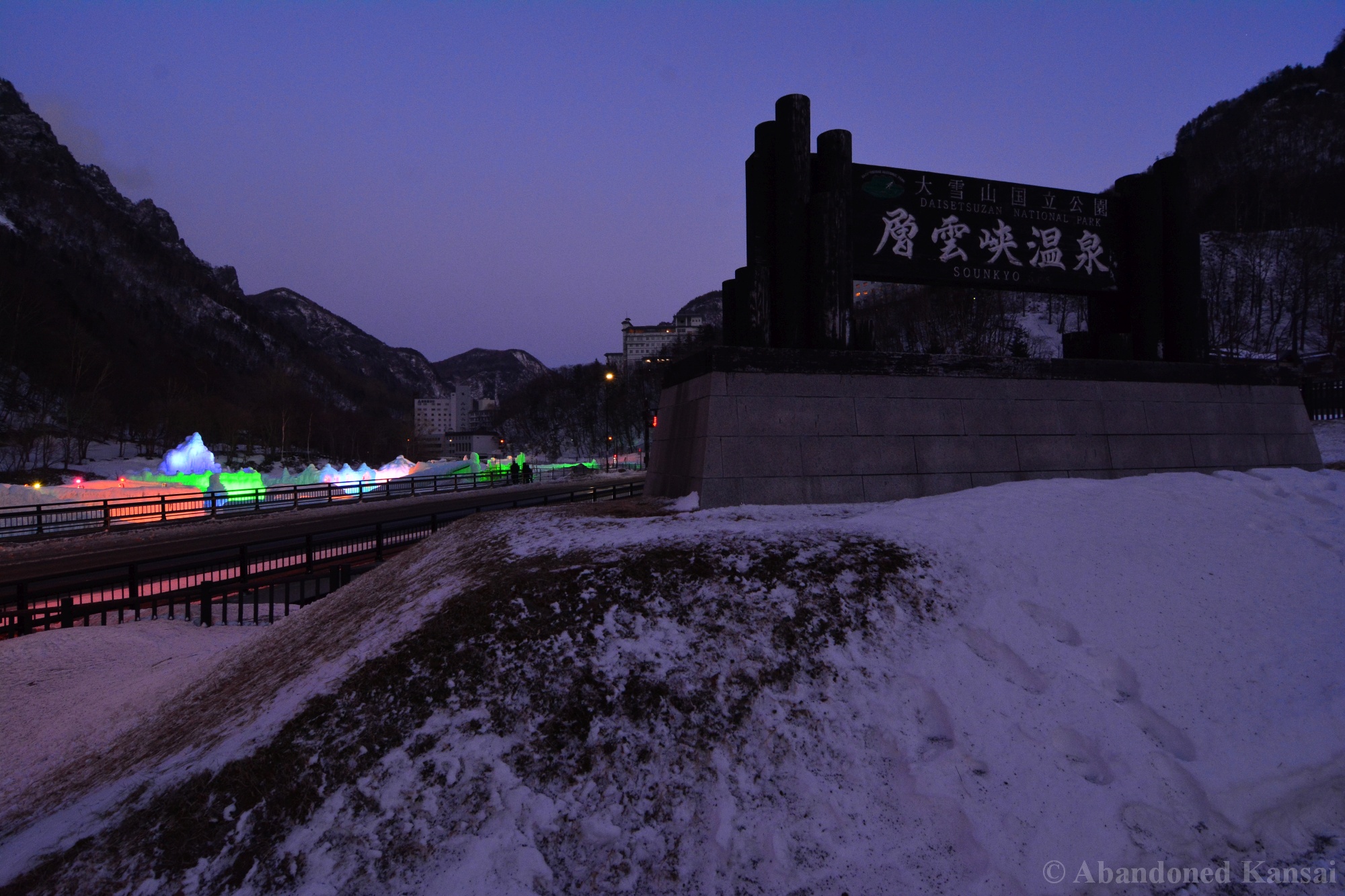
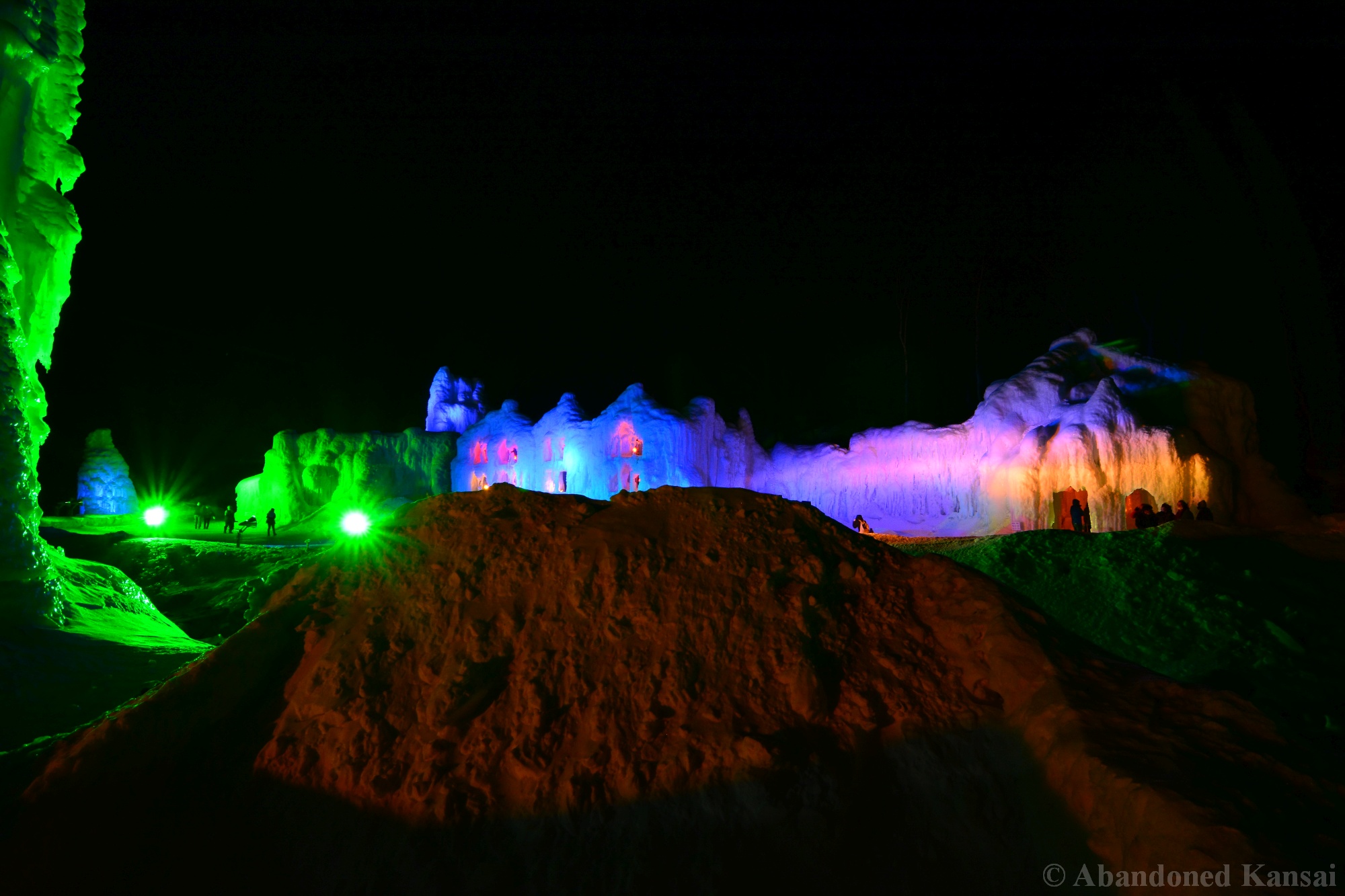
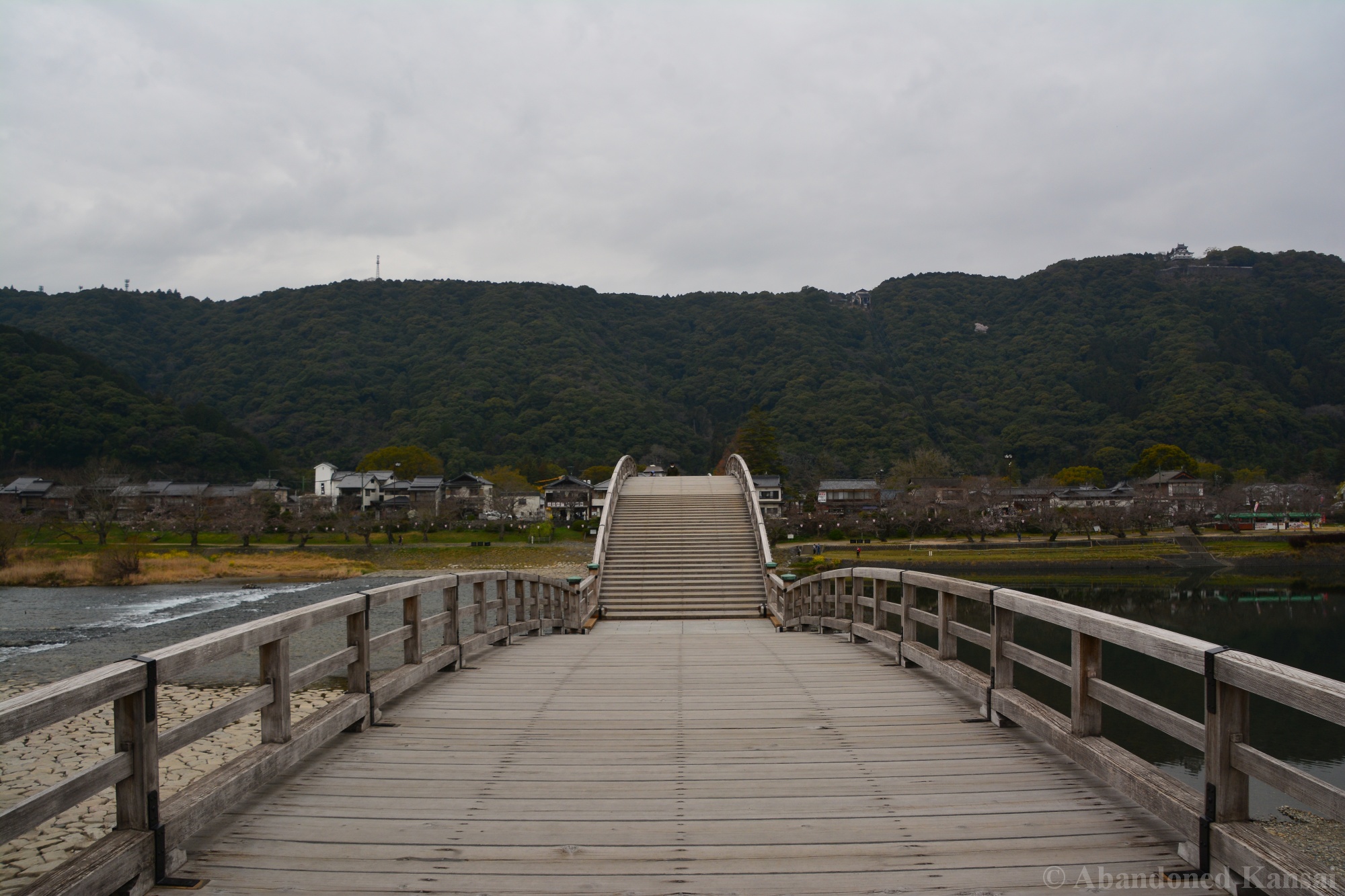
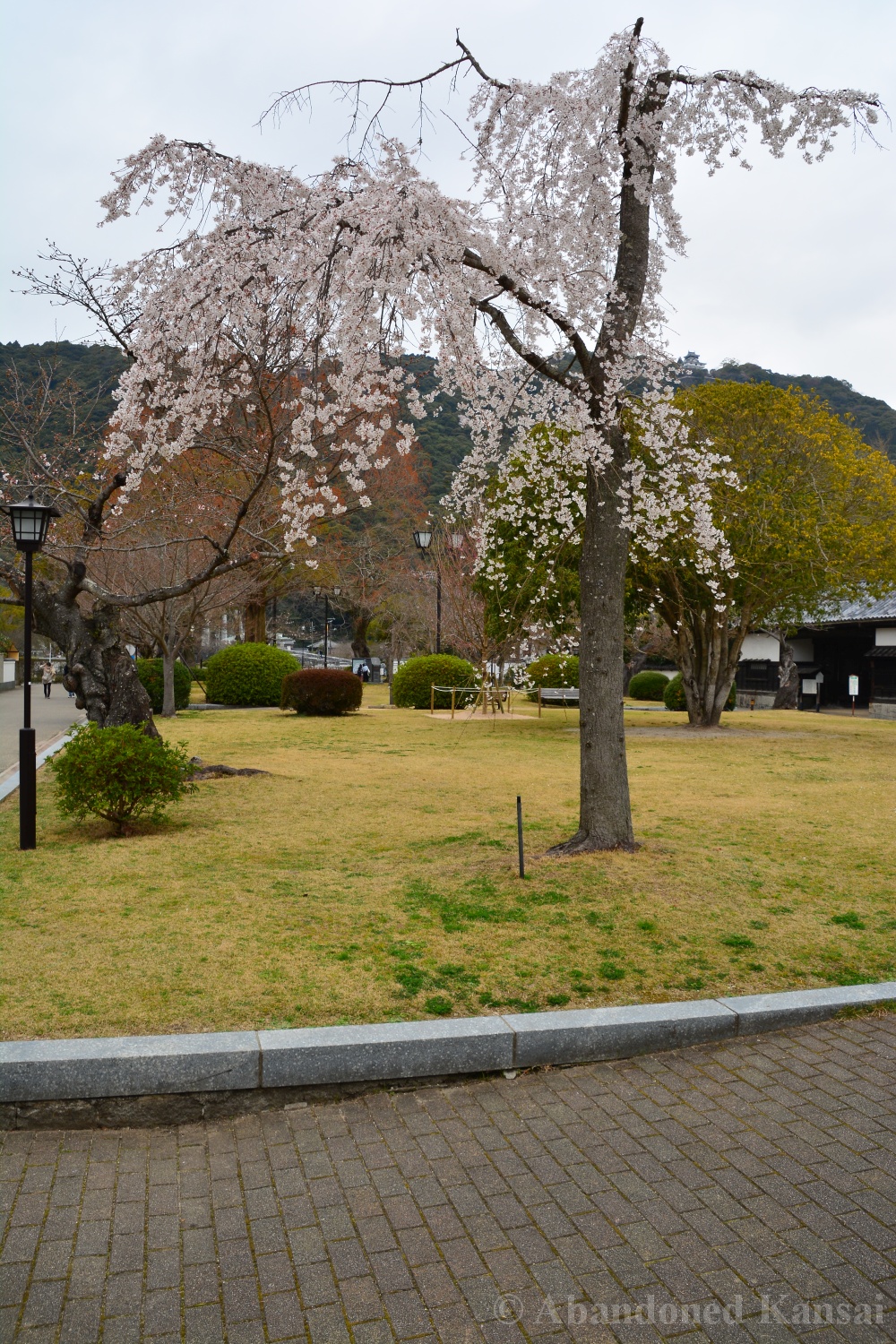
March started with another touristy trip to Hokkaido. If you are a regular of Abandoned Kansai and paid attention reading my article about the *Toya-Usu Geopark* you already know that I had been up north in early November – too early for the drift ice of the Okhotsk Sea, so I went back just four months and a coronavirus wave later. Despite the unusually warm weather in Abashiri (10°C!) I was able to experience the drift ice by pure luck before moving on to Kitami and the peppermint museum, Onneyu Onsen and the fox farm, as well as the mostly closed Sounkyo Onsen and its ice festival (-9°C and strong wind!). Also worth mentioning was my stop in Asahikawa and its cross country ski track right behind the main train station in the city center. Gotta love Japan! Two weeks later I took advantage of the early cherry blossom season and went south – Iwakuni, Tsuwano, Hagi, and Akiyoshido / Akiyoshidai. All four places rather off the beaten tracks, but even more so in the spring of 2021. On both of those trips I didn’t see a single non-Asian person after my first stop (New Chitose Airport and Iwakuni respectively), which gave me serious flashbacks to 1998 – not only did I enjoy both of those trips tremendously, I felt young again! 🙂
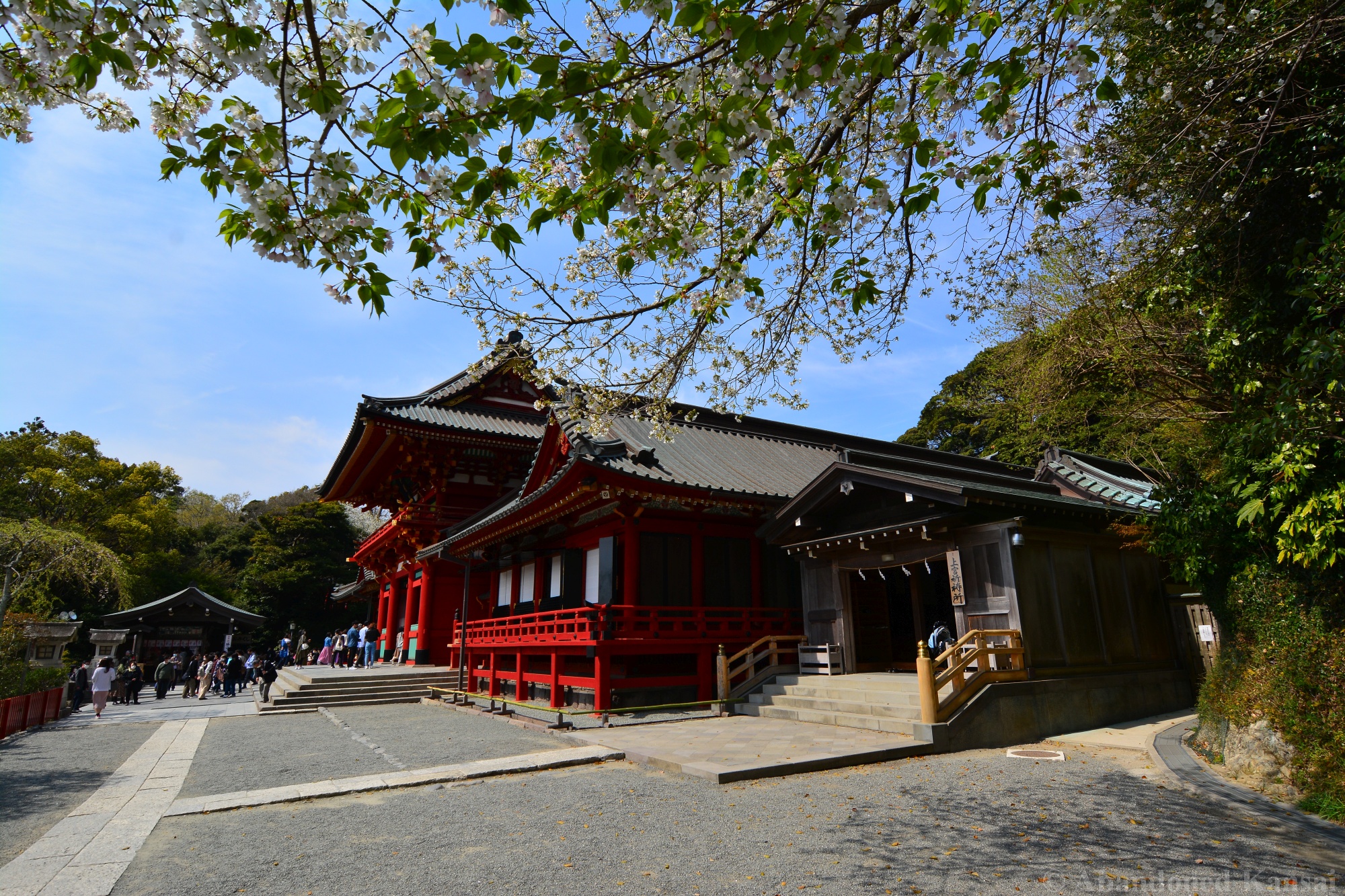
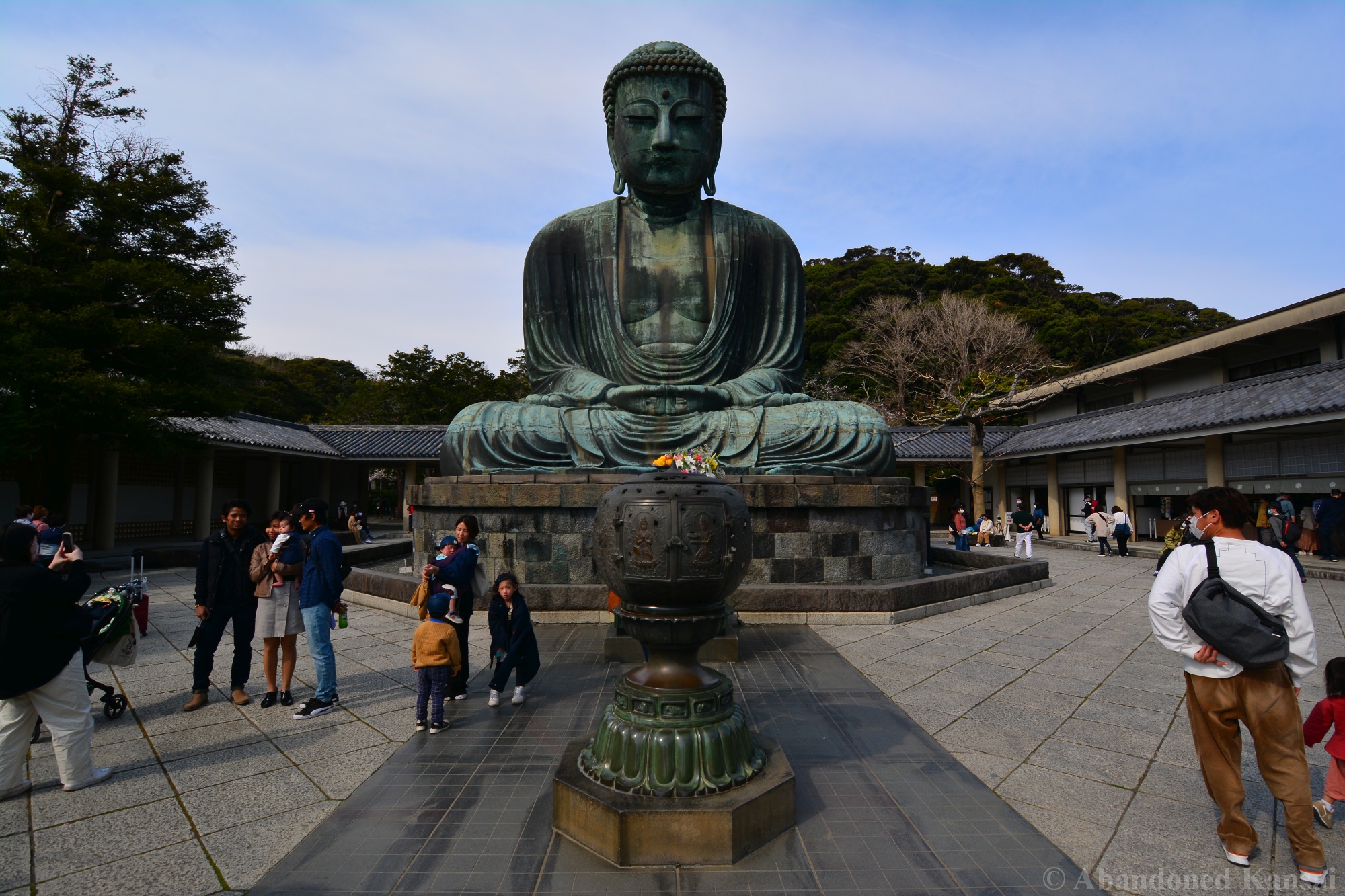
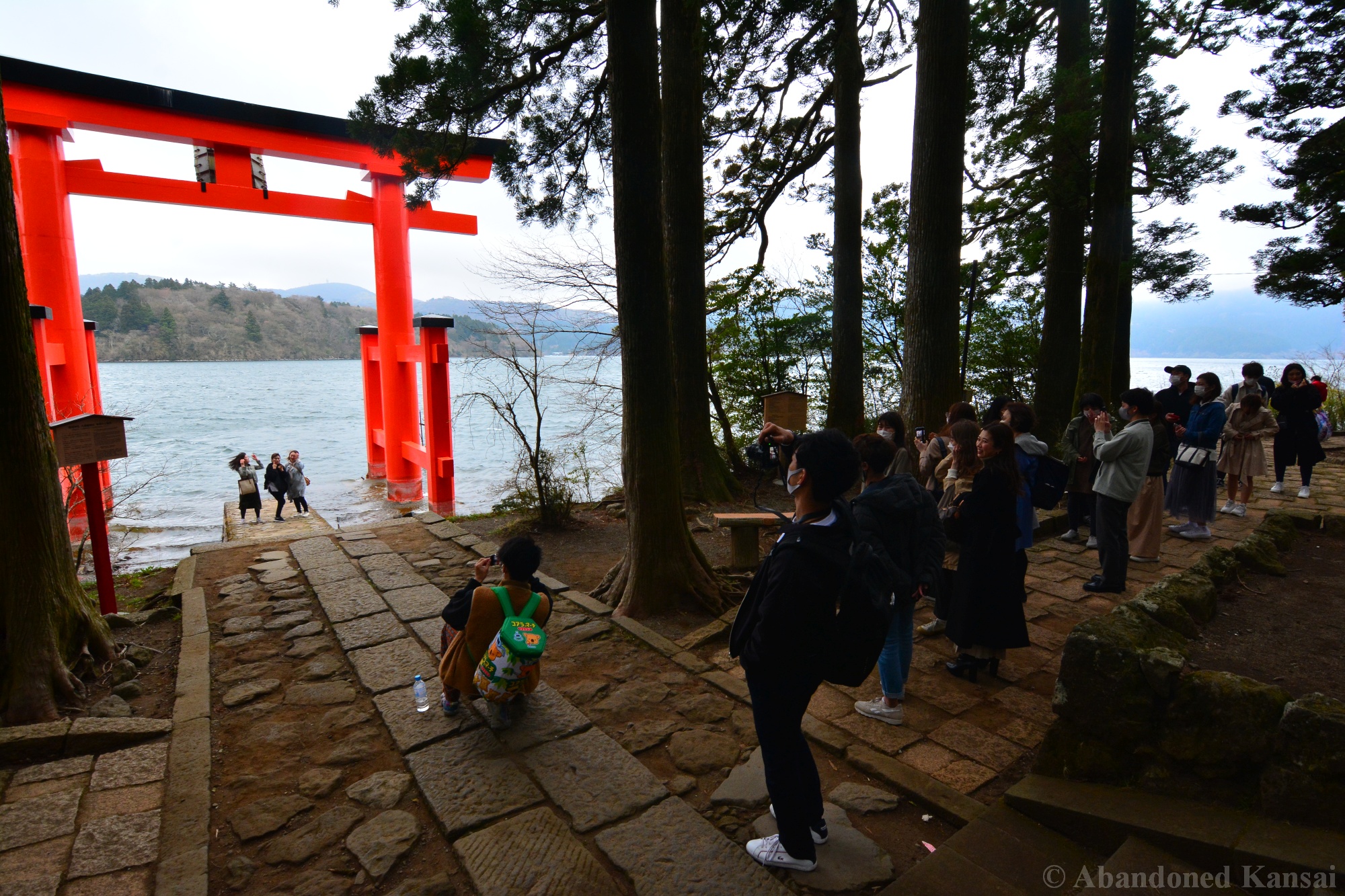
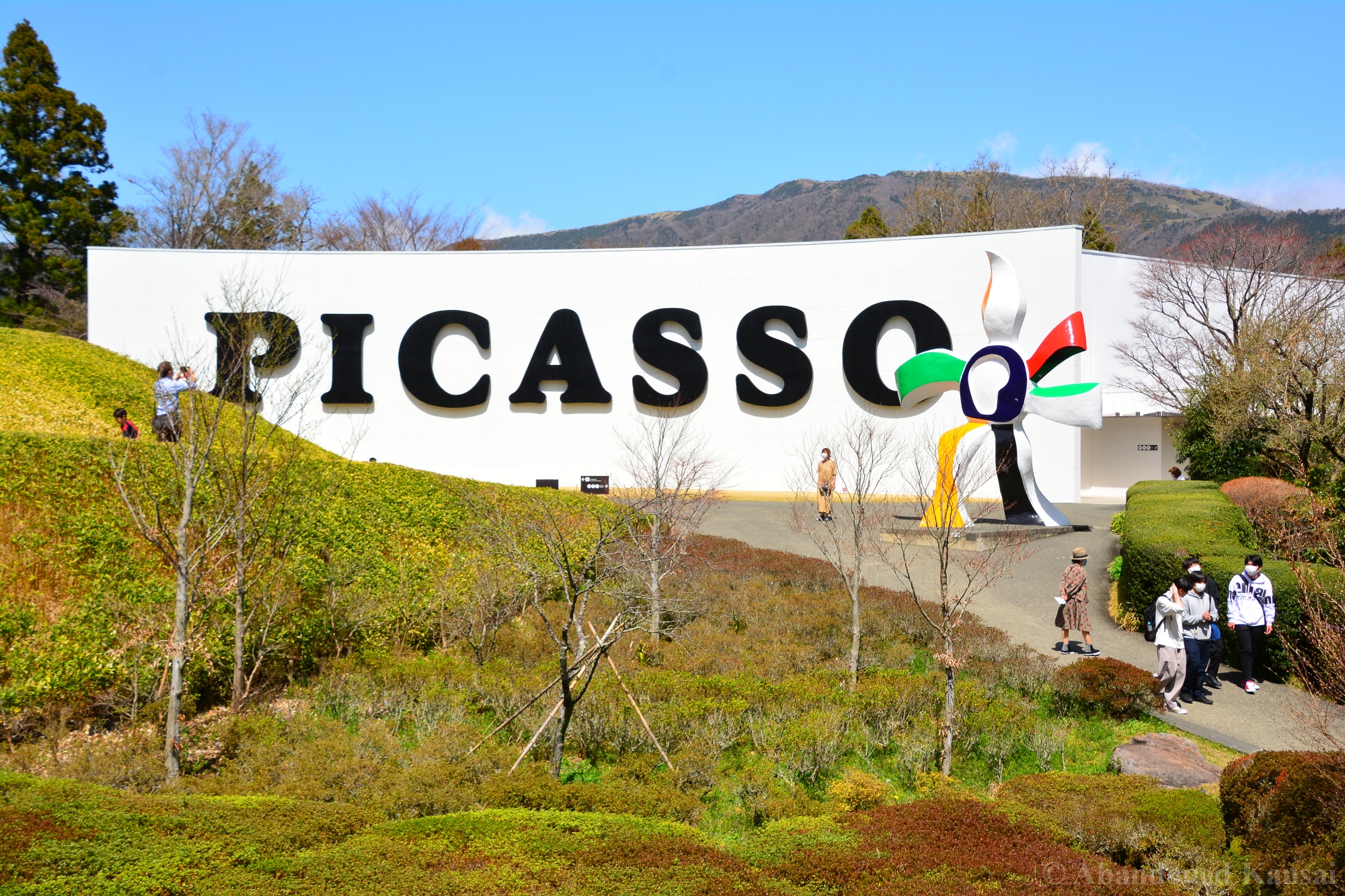
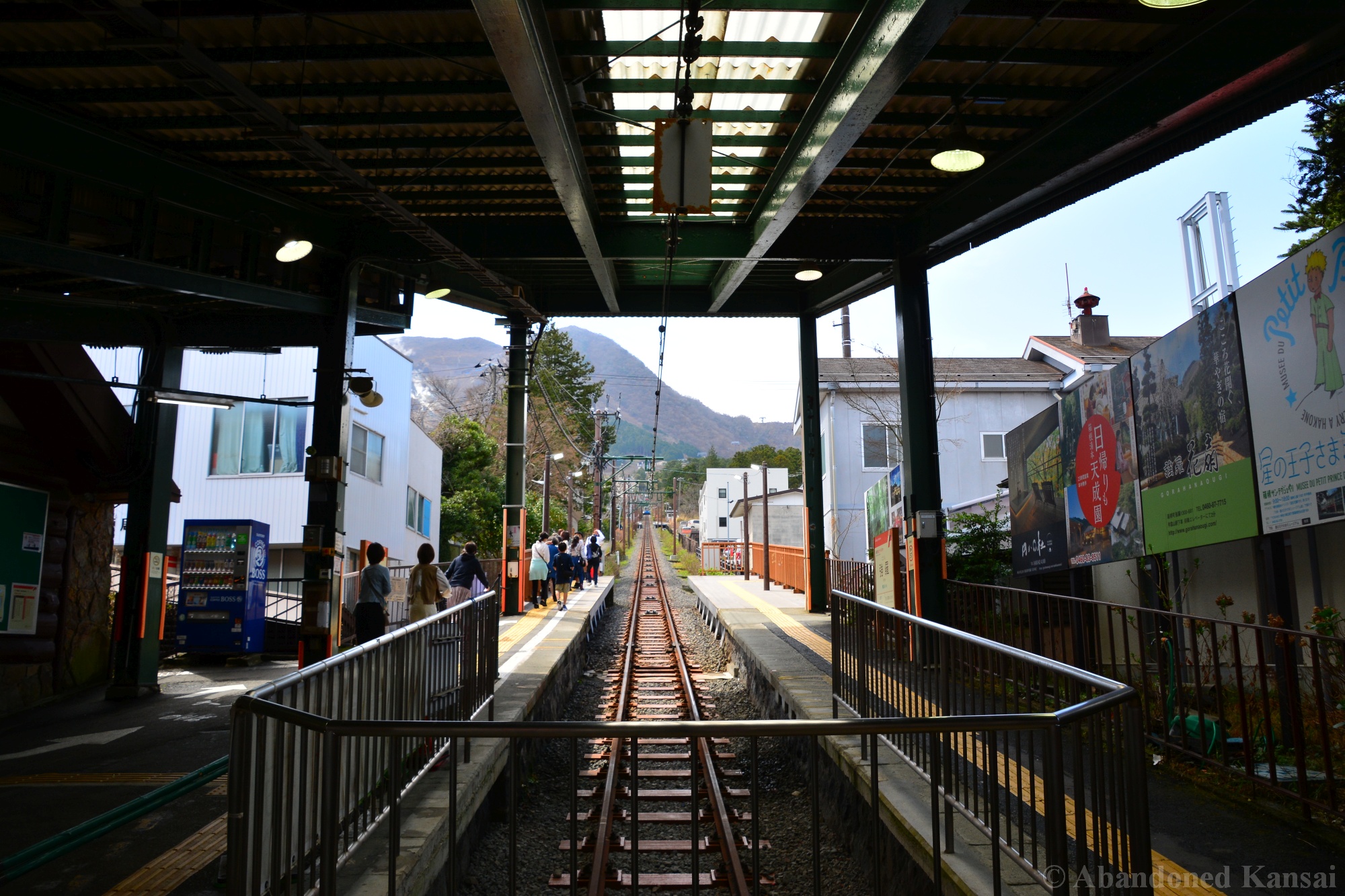
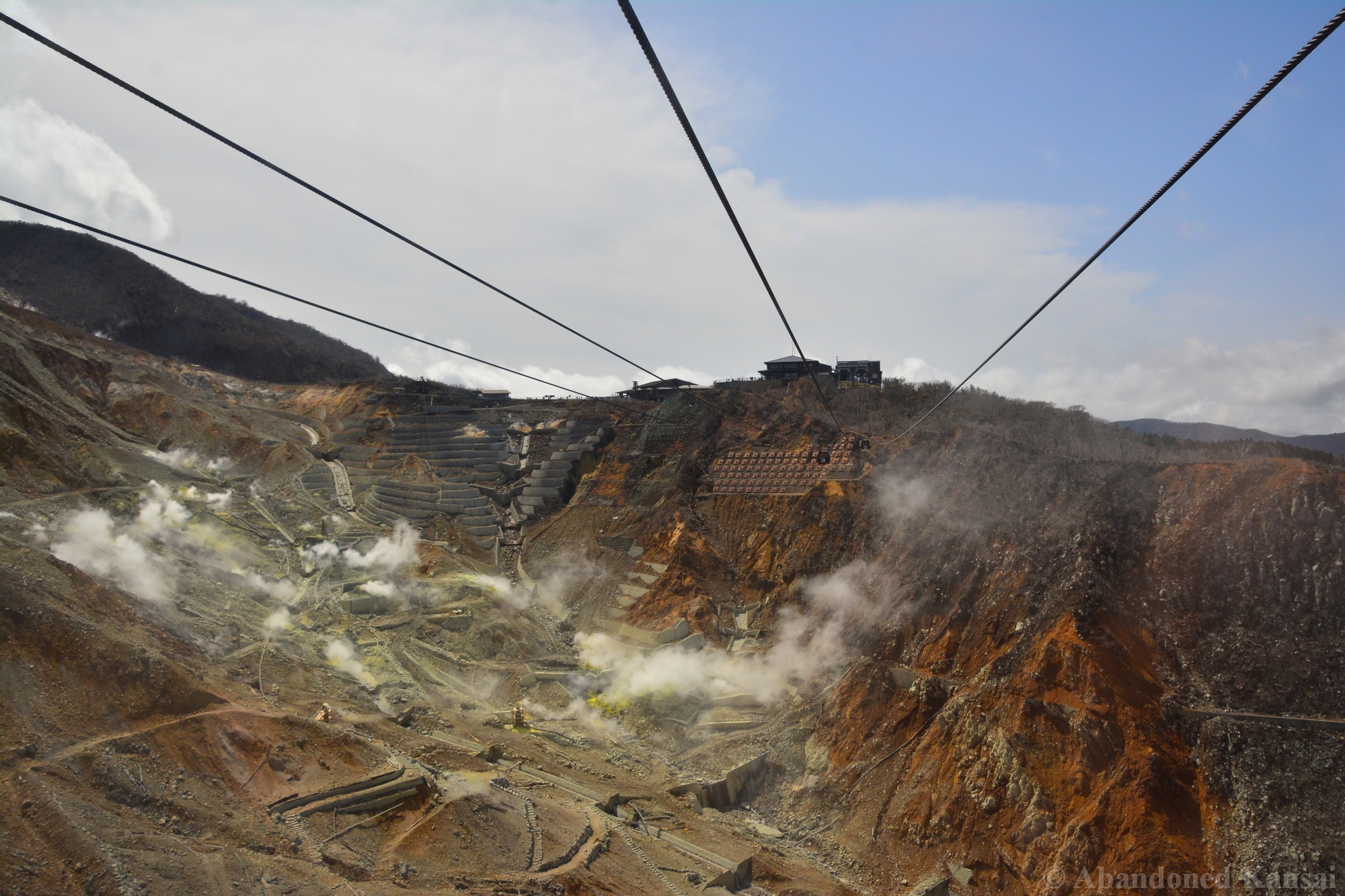
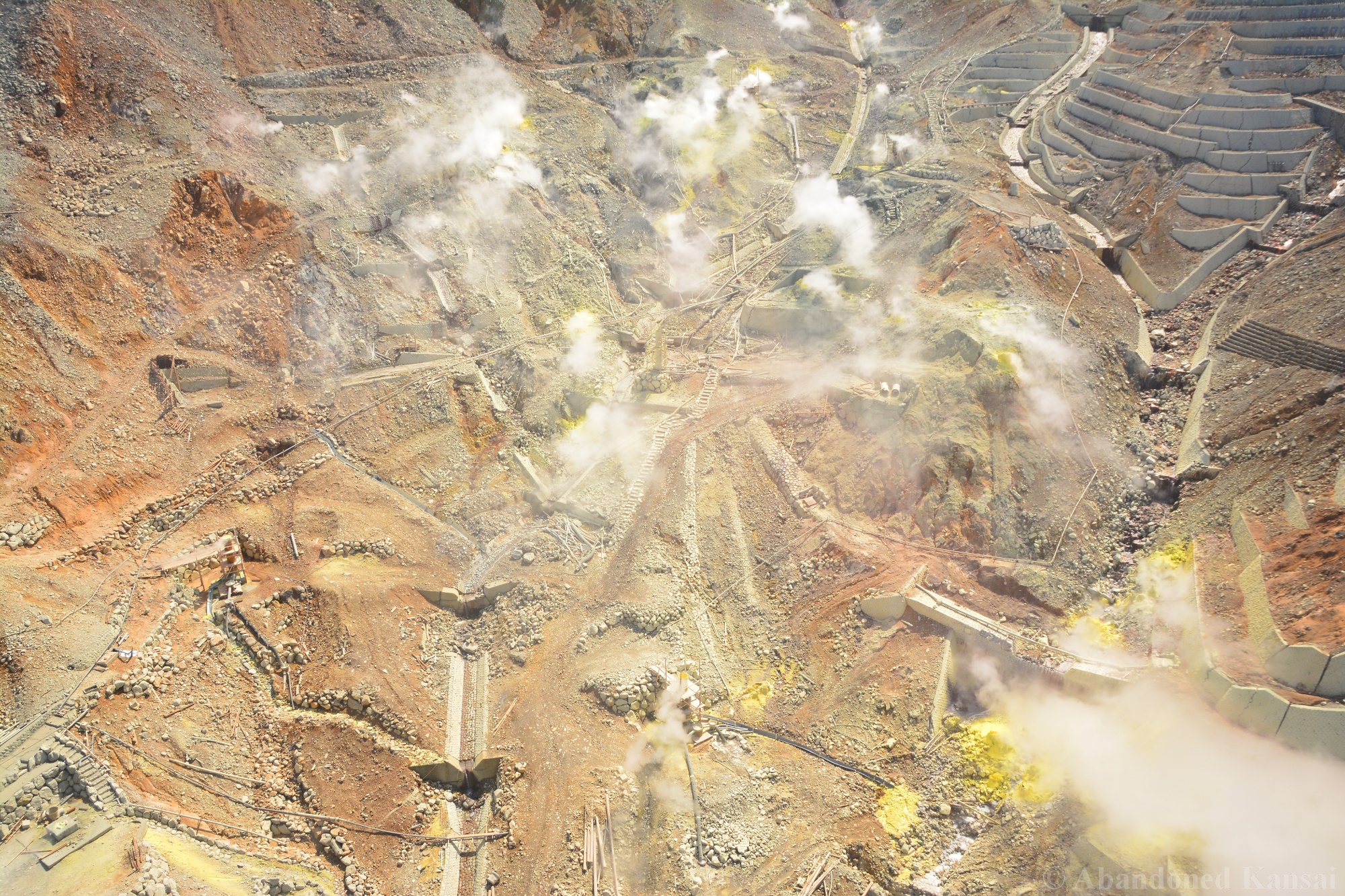
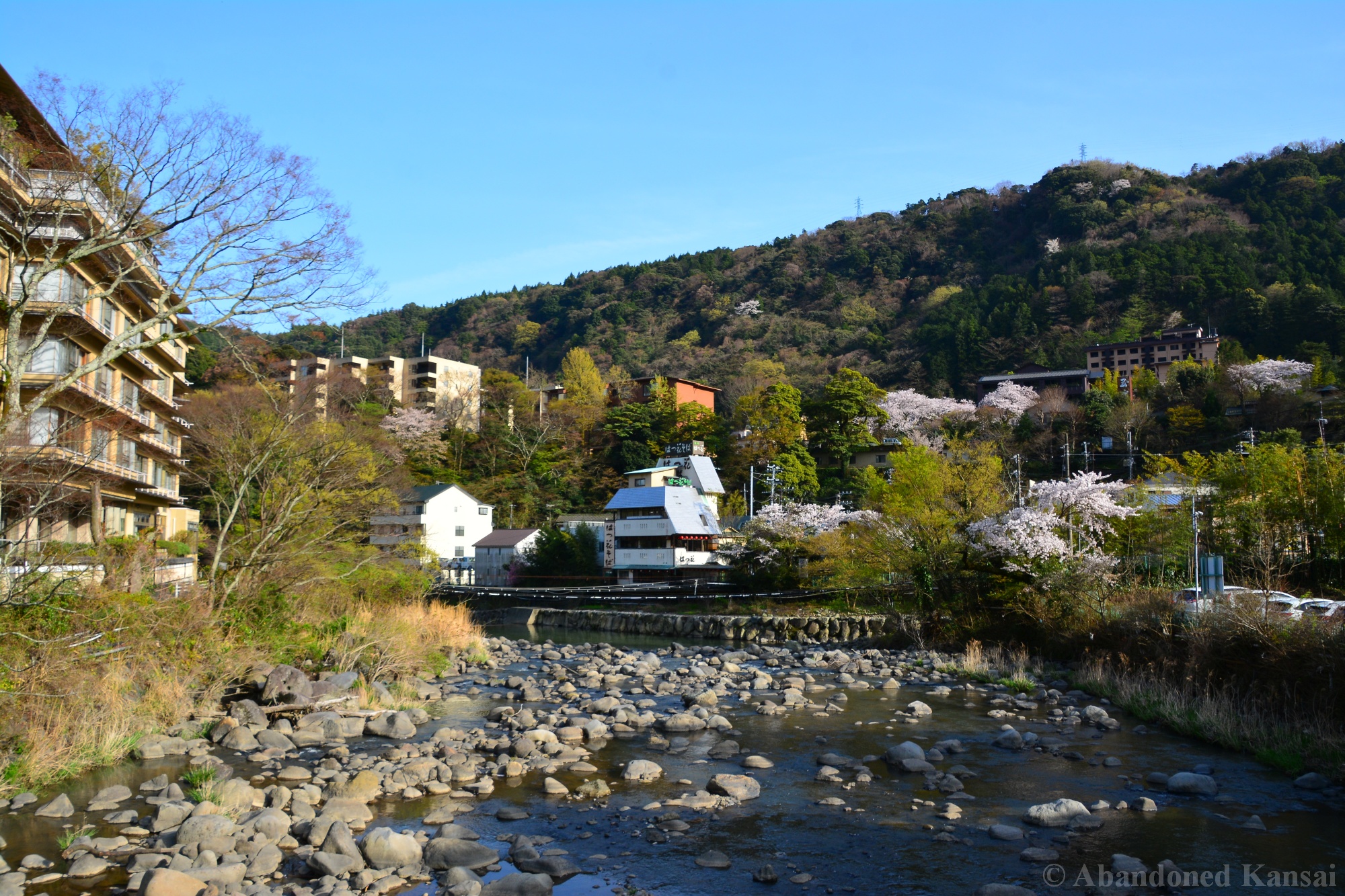
Next a trip to Kanto (Kamakura, Odawara, Hakone) with a quick stop in Omihachiman on the way back – as expected full of ups and downs, both literally and figuratively… and with significantly more people than on the trips before. Overall worth the time and effort, but especially Hakone seemed terribly overrated to me (the Museum Of Photography is a joke, but the pizza at 808 Monsmare made up for that disappointment).

April: Tateyama Kurobe Alpine Route, Tsumago / Magome
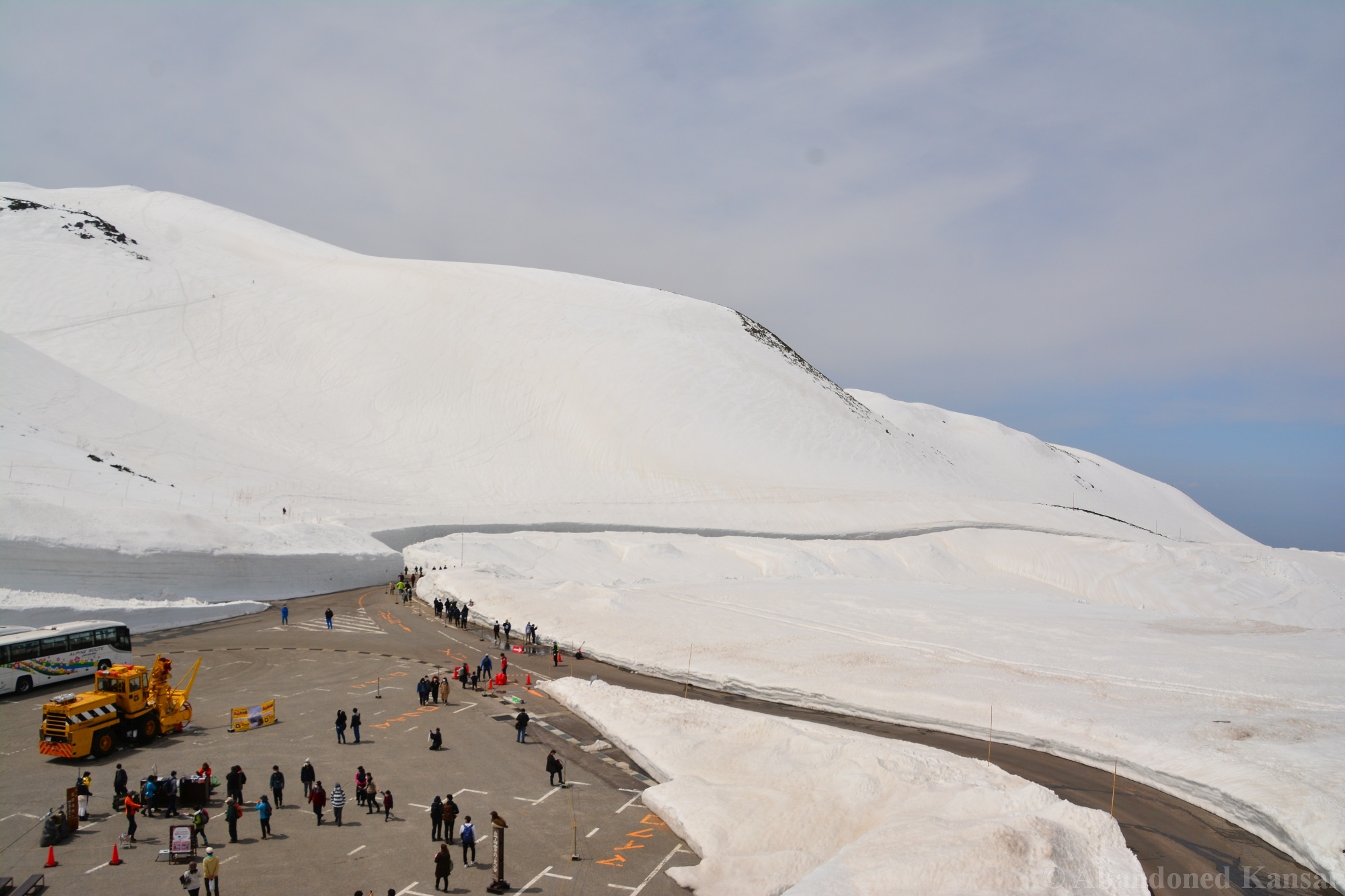
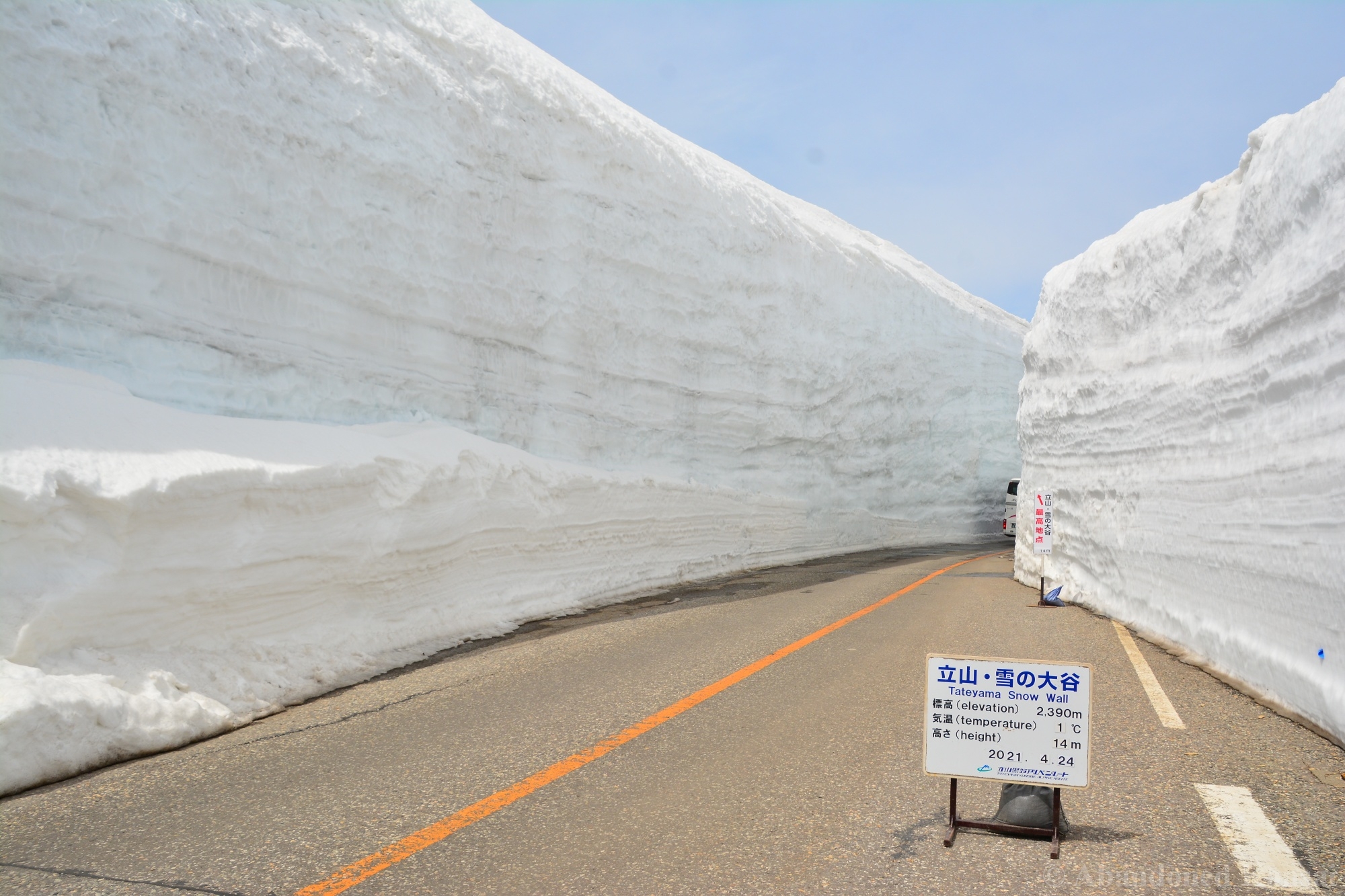
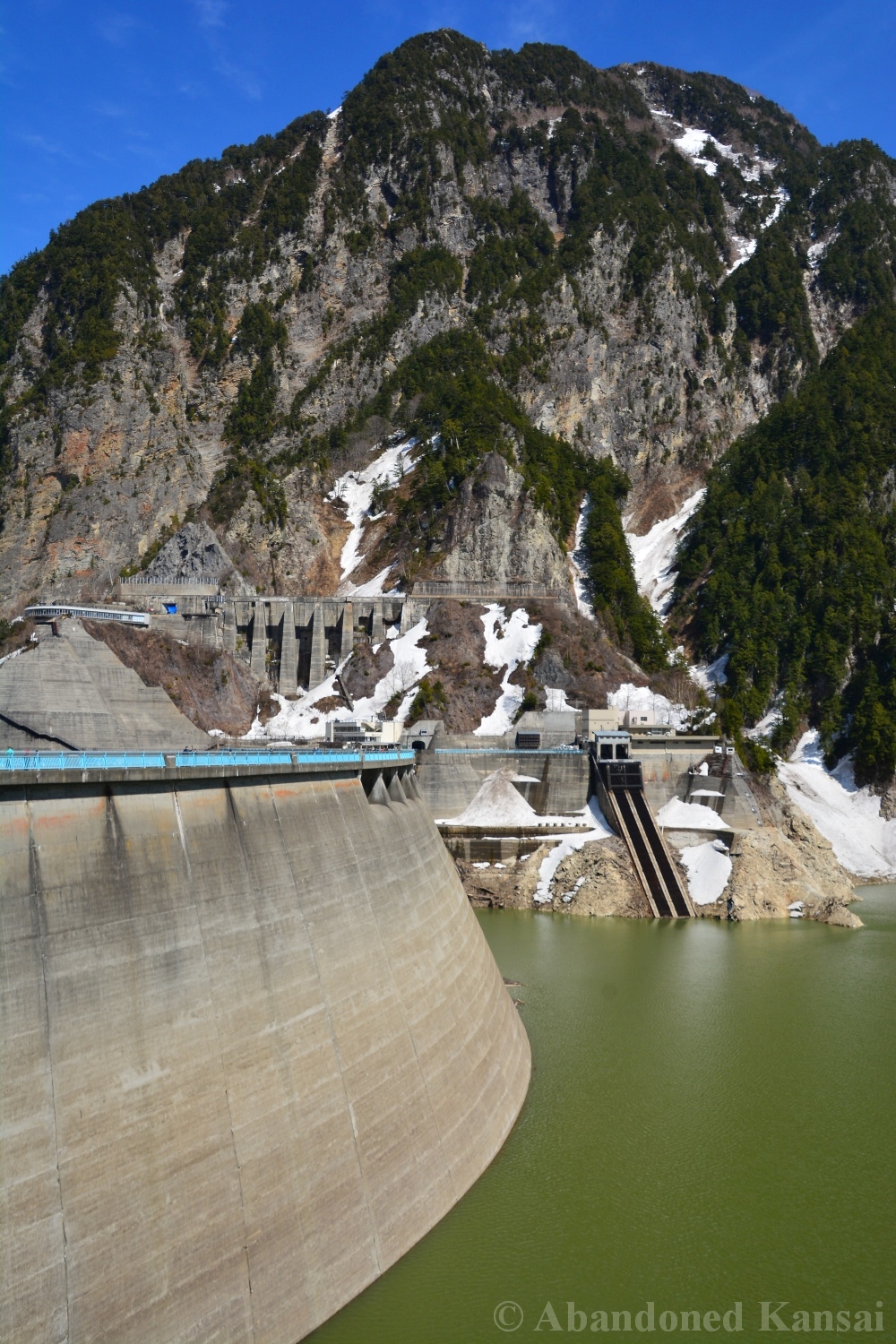
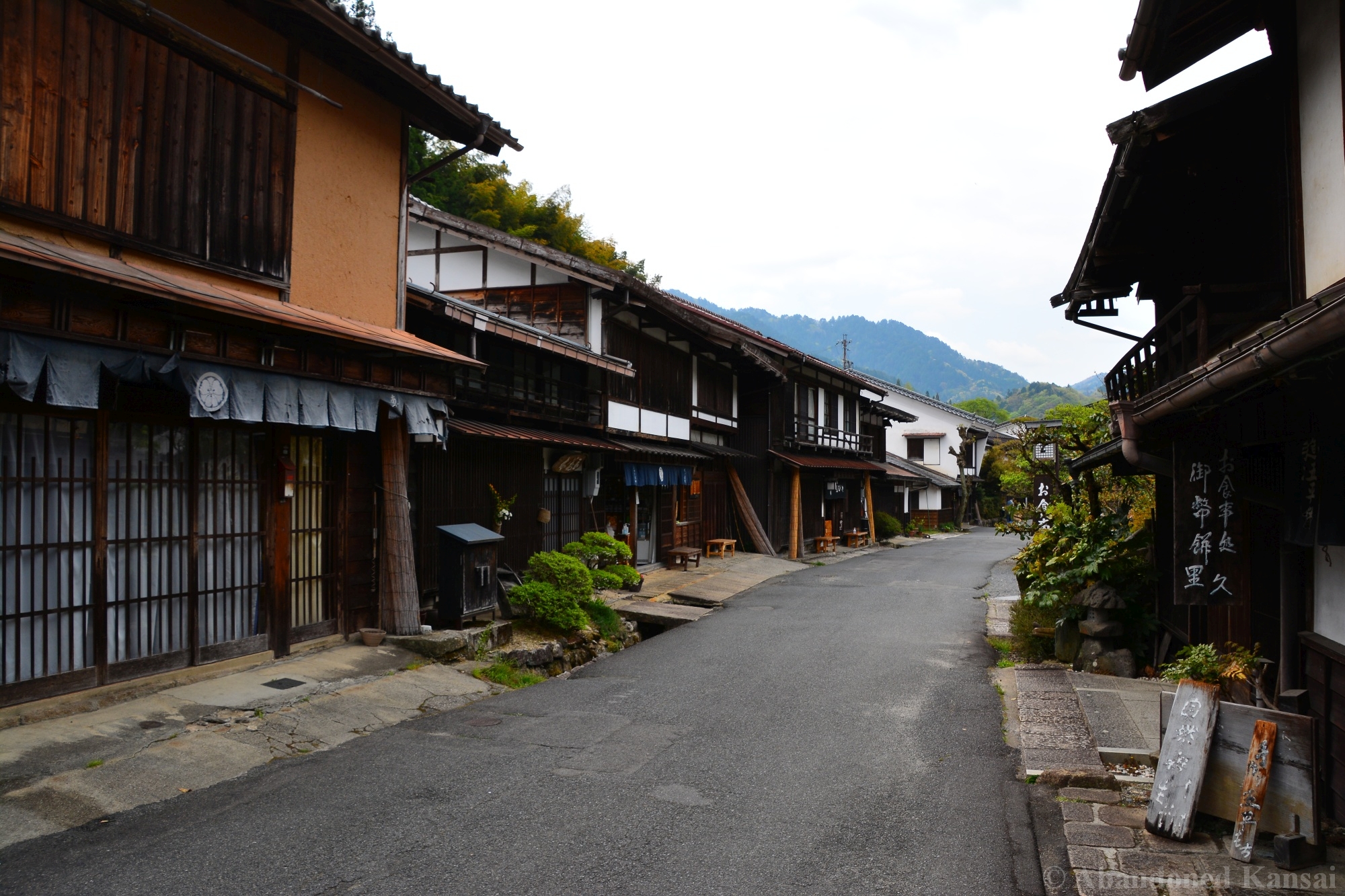
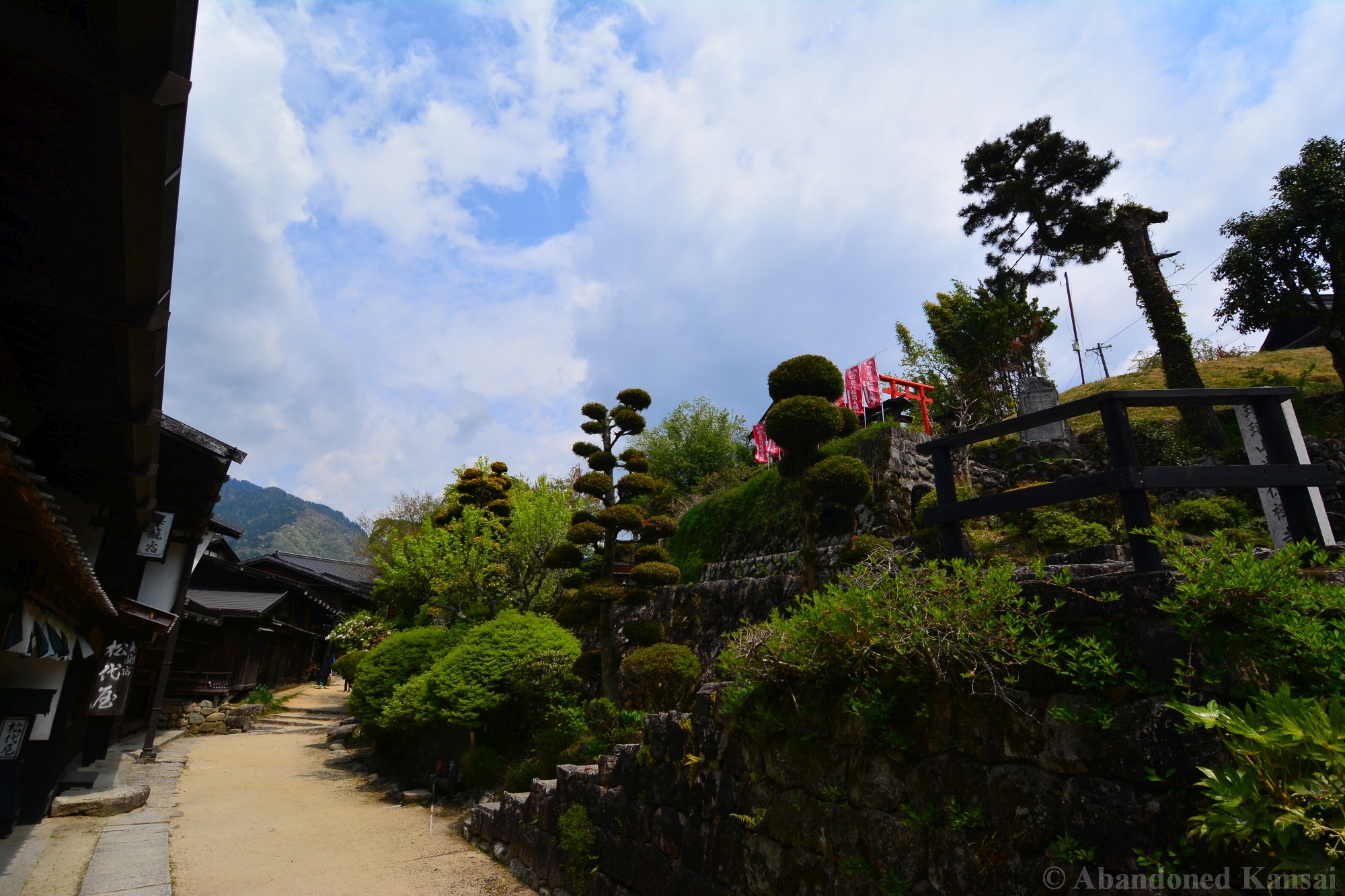
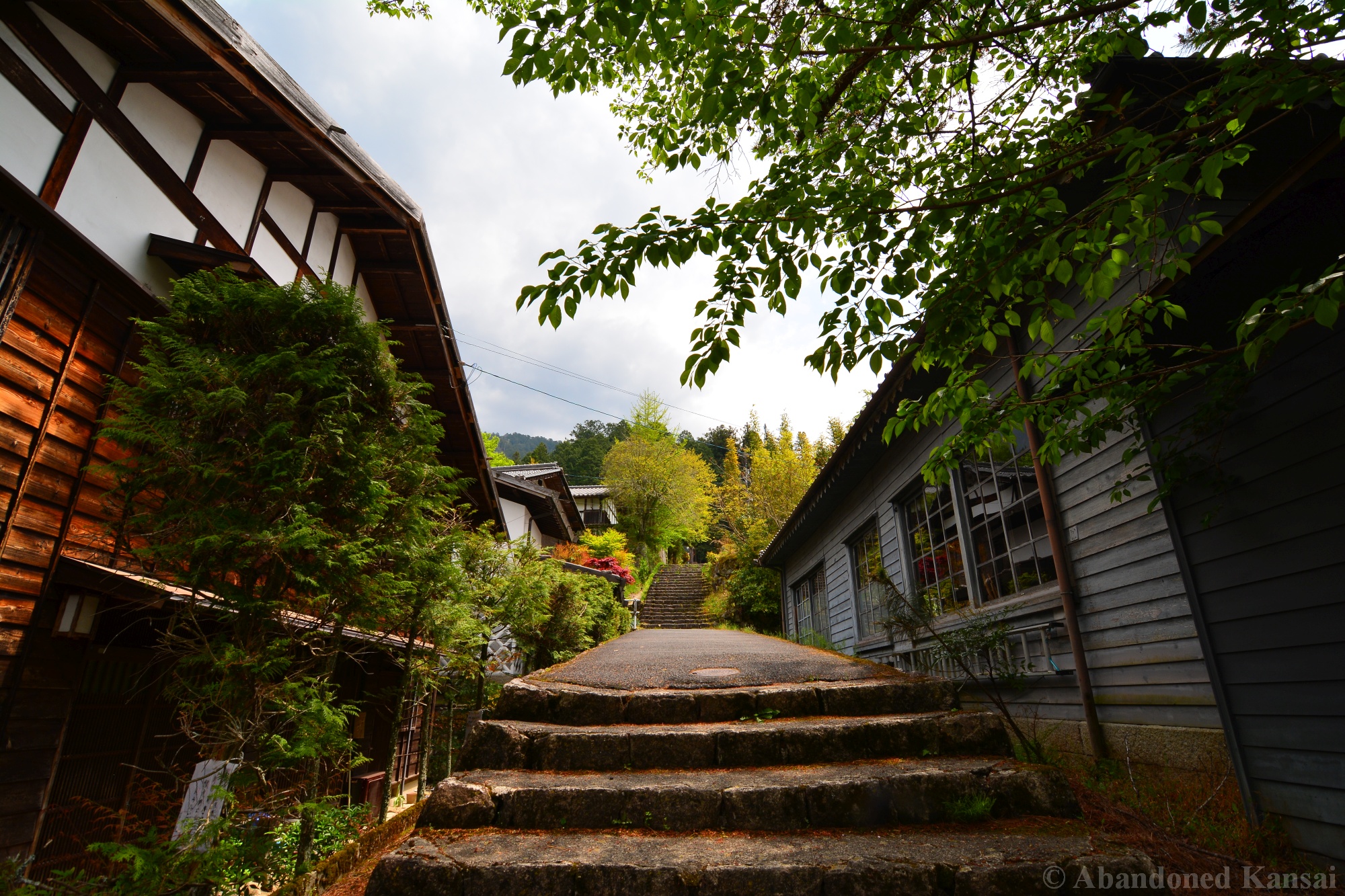
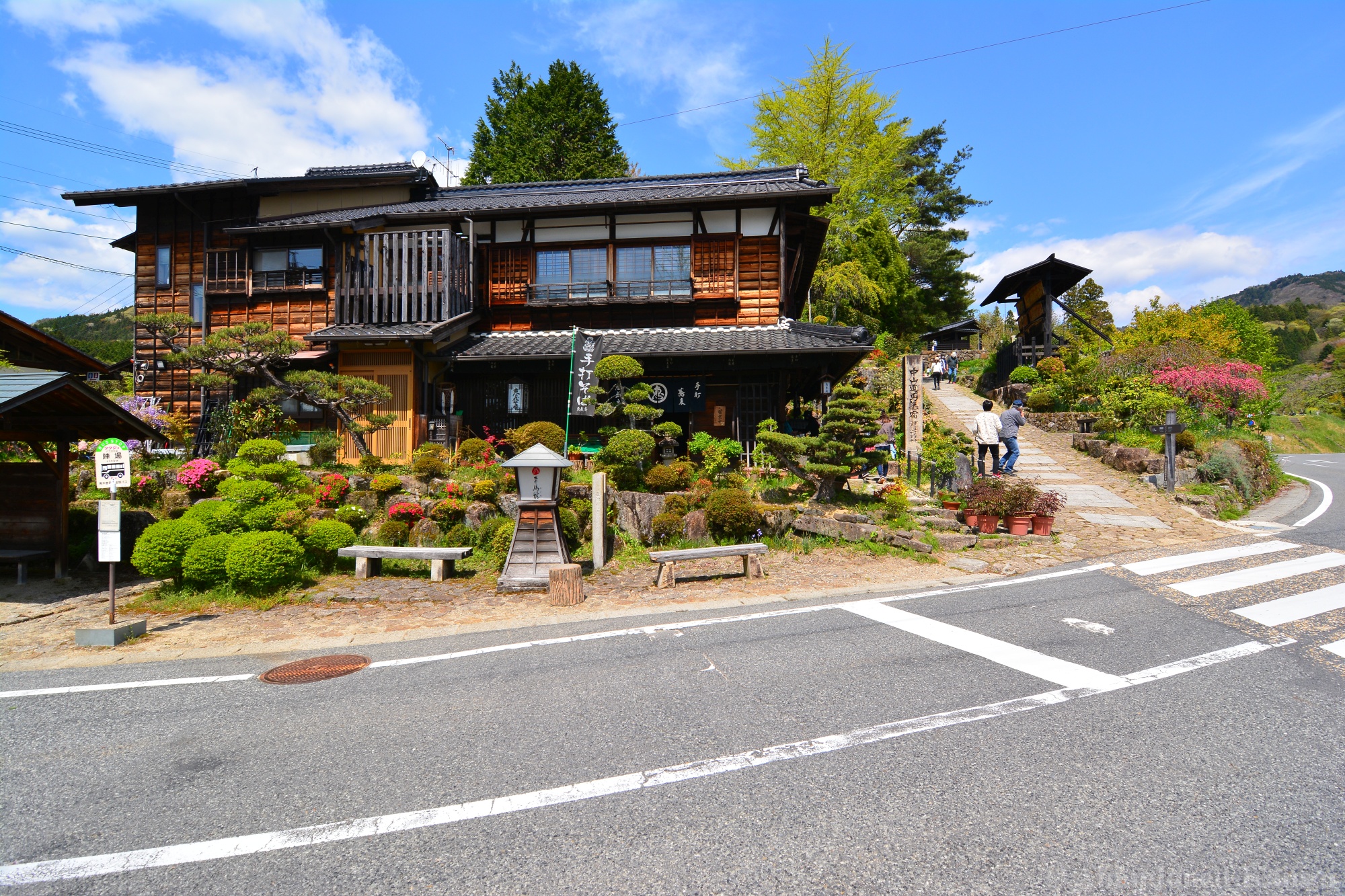
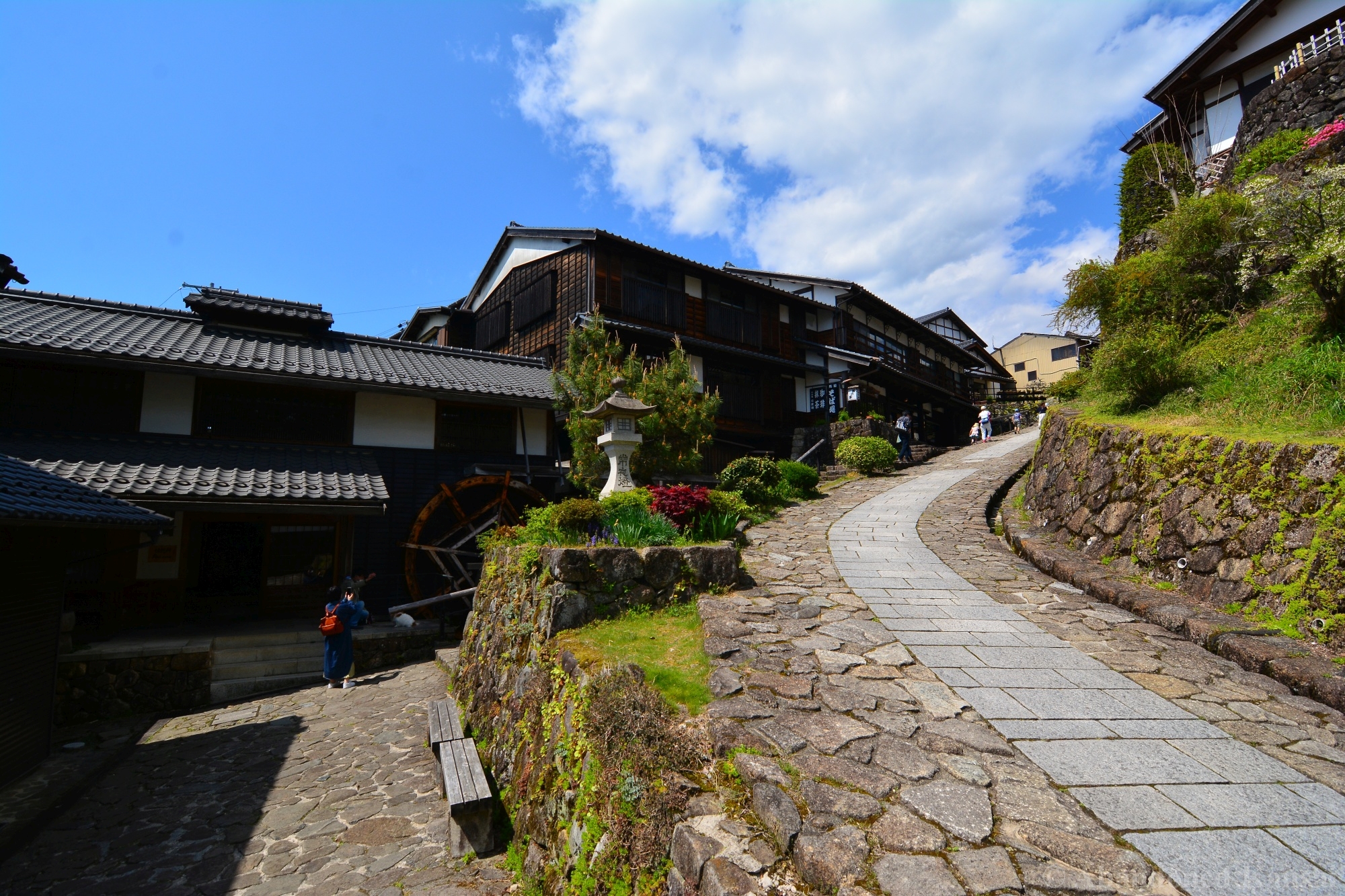
Which brings us to April and one more cliché destination for Instagram victims: the Tateyama Kurobe Alpine Route with the Tateyama Snow Wall and the Kurobe Dam. The latter is impressive, but in the end just a dam with little to see and do in spring, whereas the snow wall is only accessible / existing in spring as that part is closed in winter. Summer and autumn promises tons of nature, a boat cruise on Lake Kurobe, and heaps of hiking trails, but when you do the route in spring you basically only get the snow wall and lots of waiting in line without proper social distancing / climbing stairs. Really disappointing! Fortunately I was able to visit two gorgeous post towns called Tsumago and Magome on my way back to Osucka, which was absolutely lovely – I’d call them hidden gems, but Magome was already surprisingly busy, I can only imagine how insanely crowded the town has been and probably will be again soon.

May: Oga, Akita, Tsuruoka, Niigata, Aizu-Wakamatsu, Ouchi
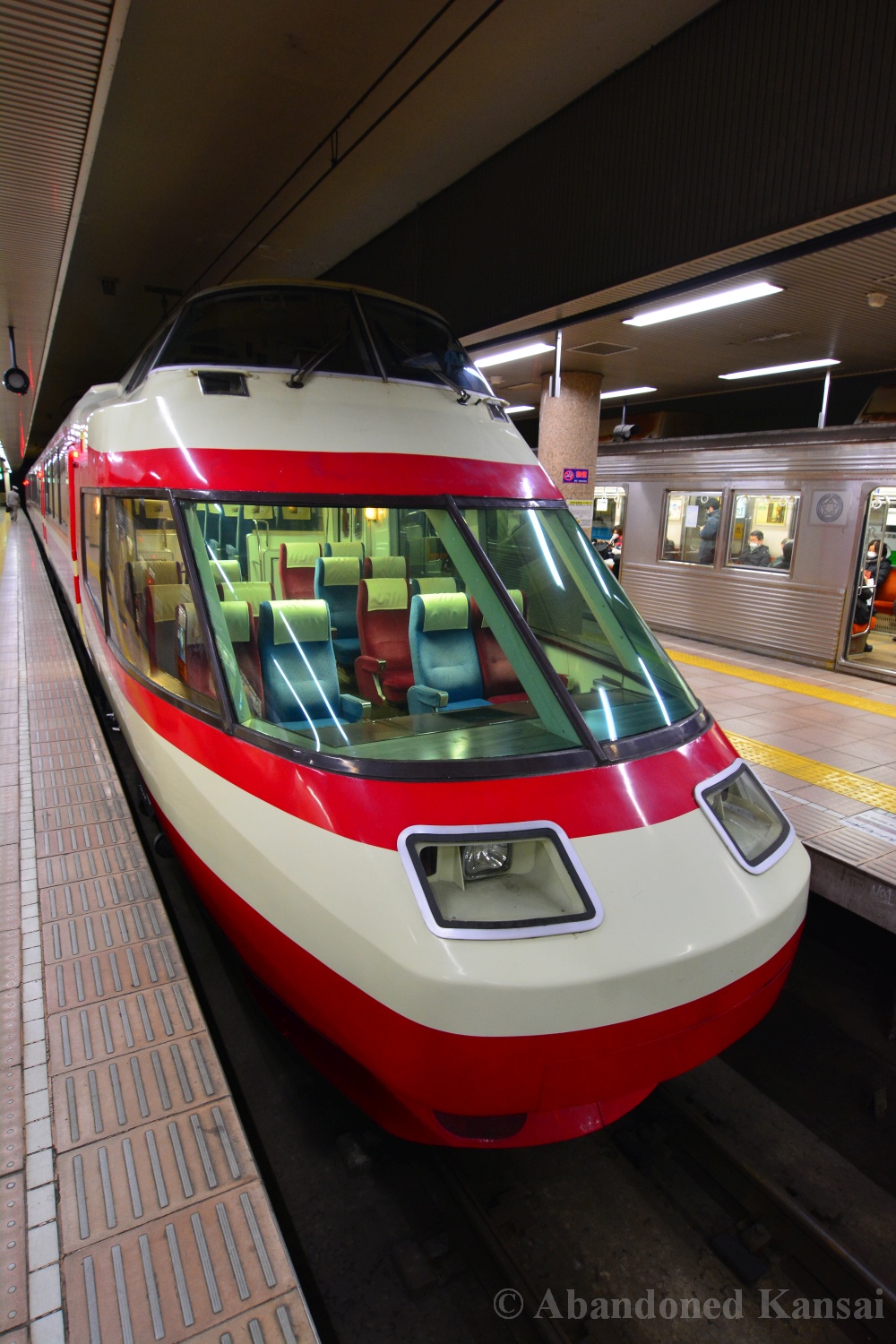
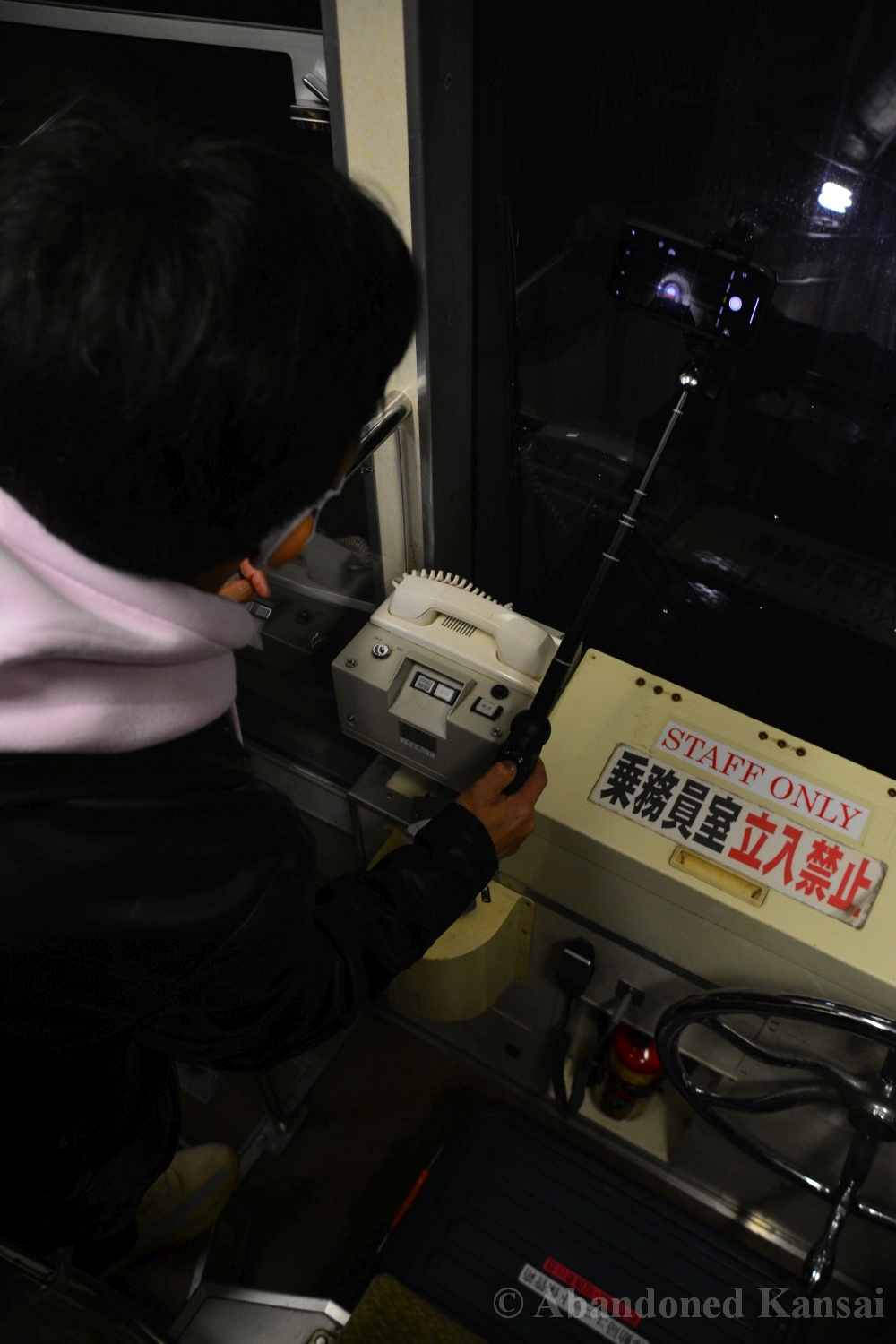
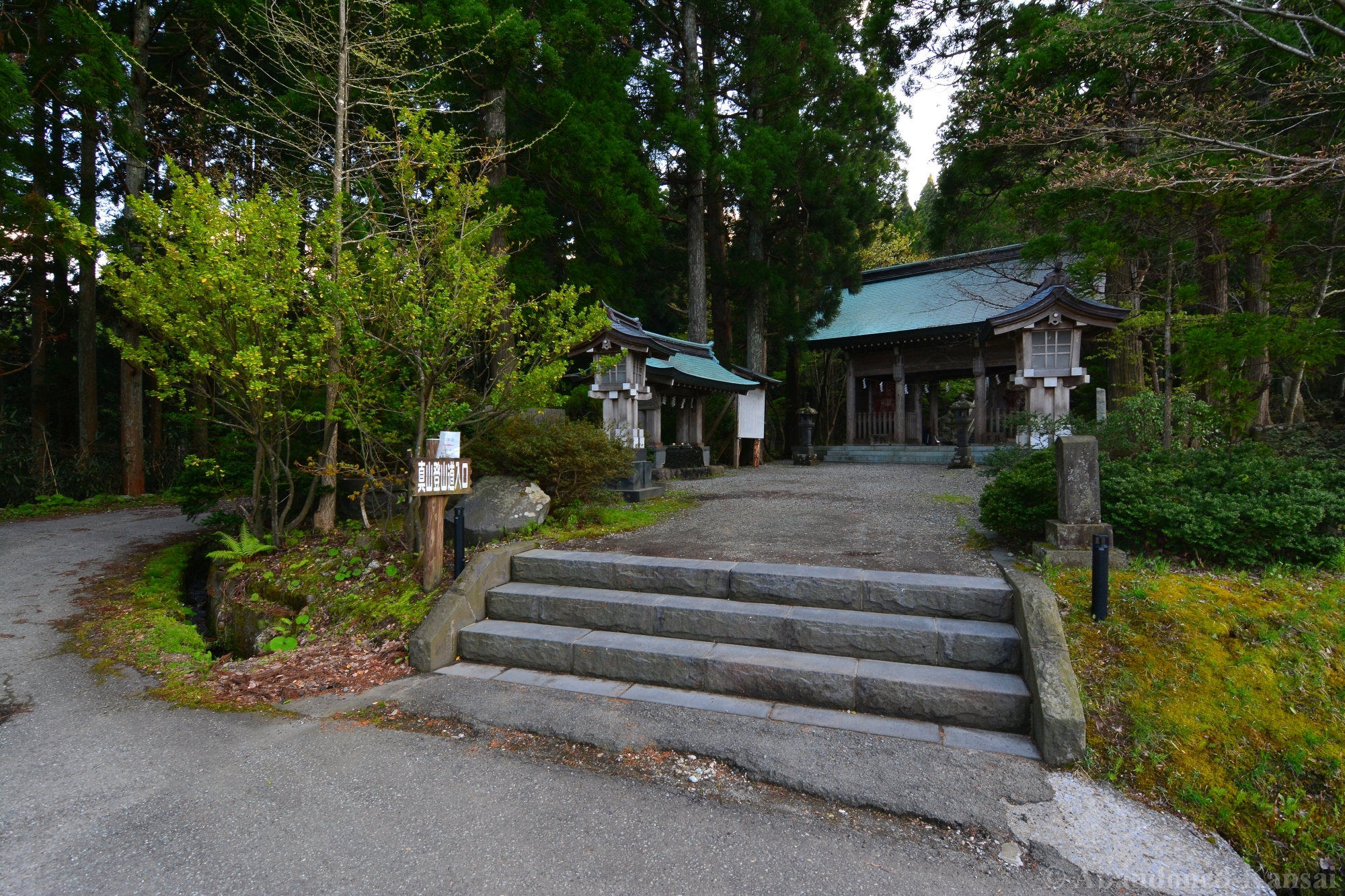
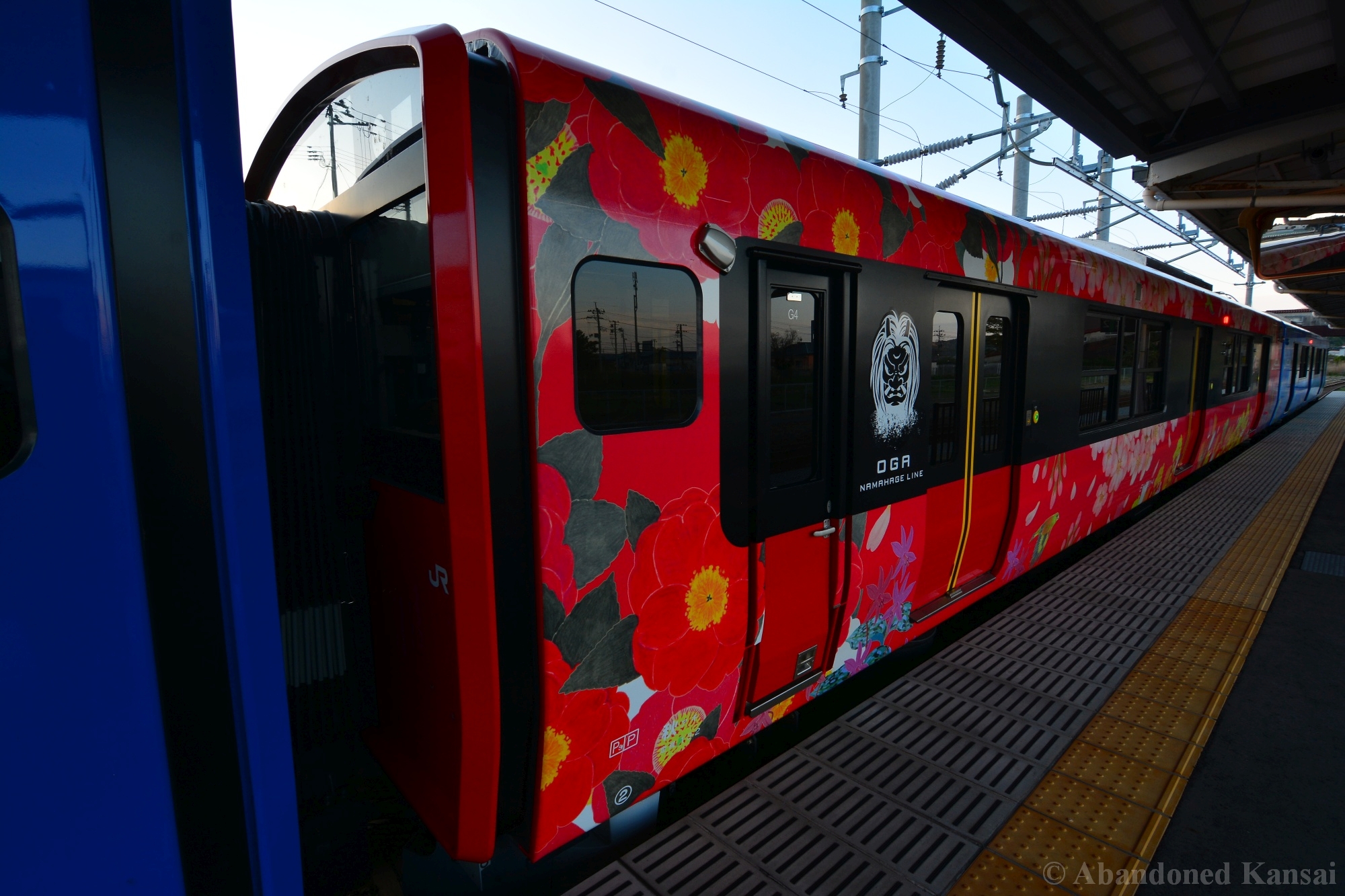
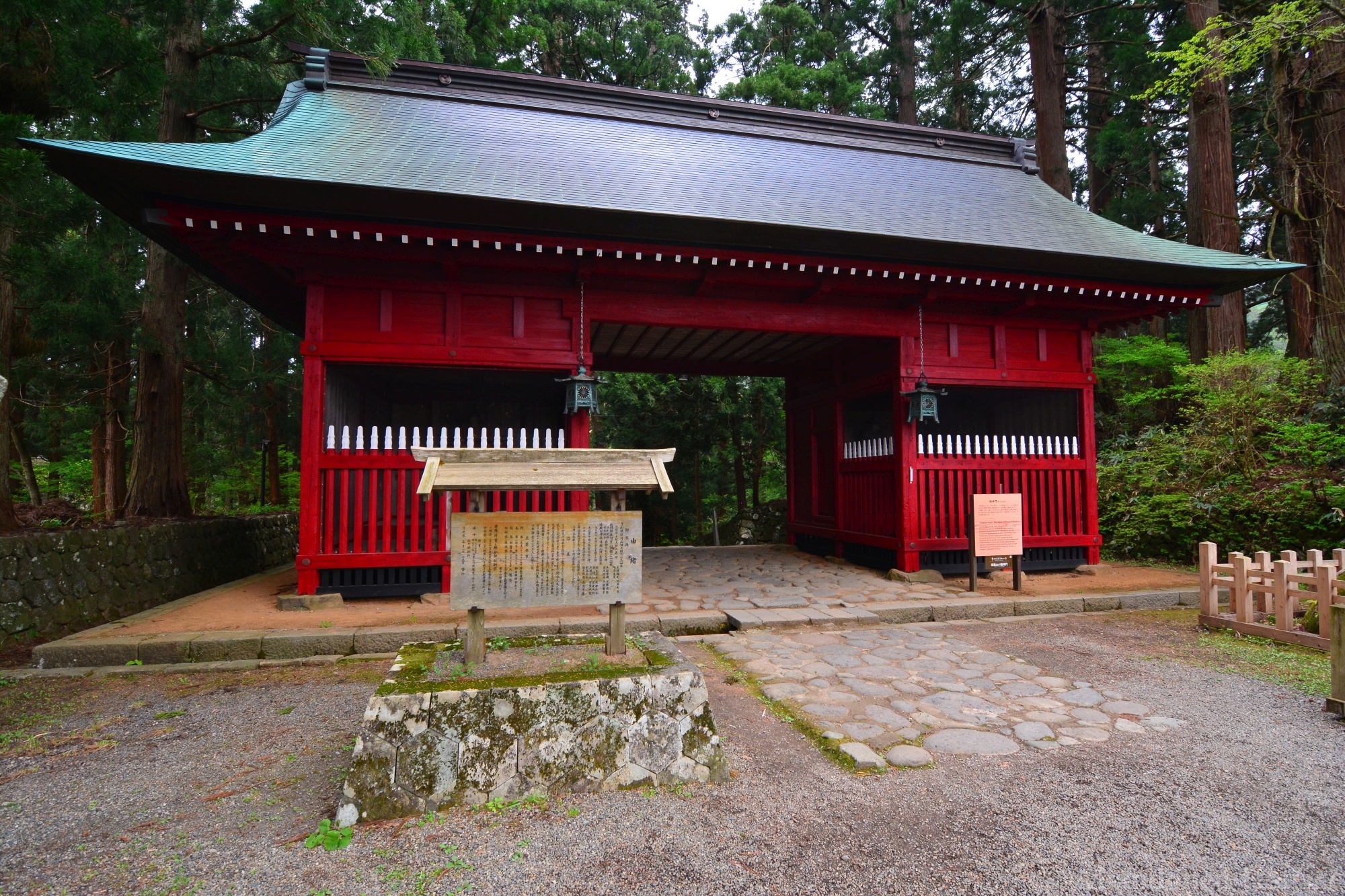
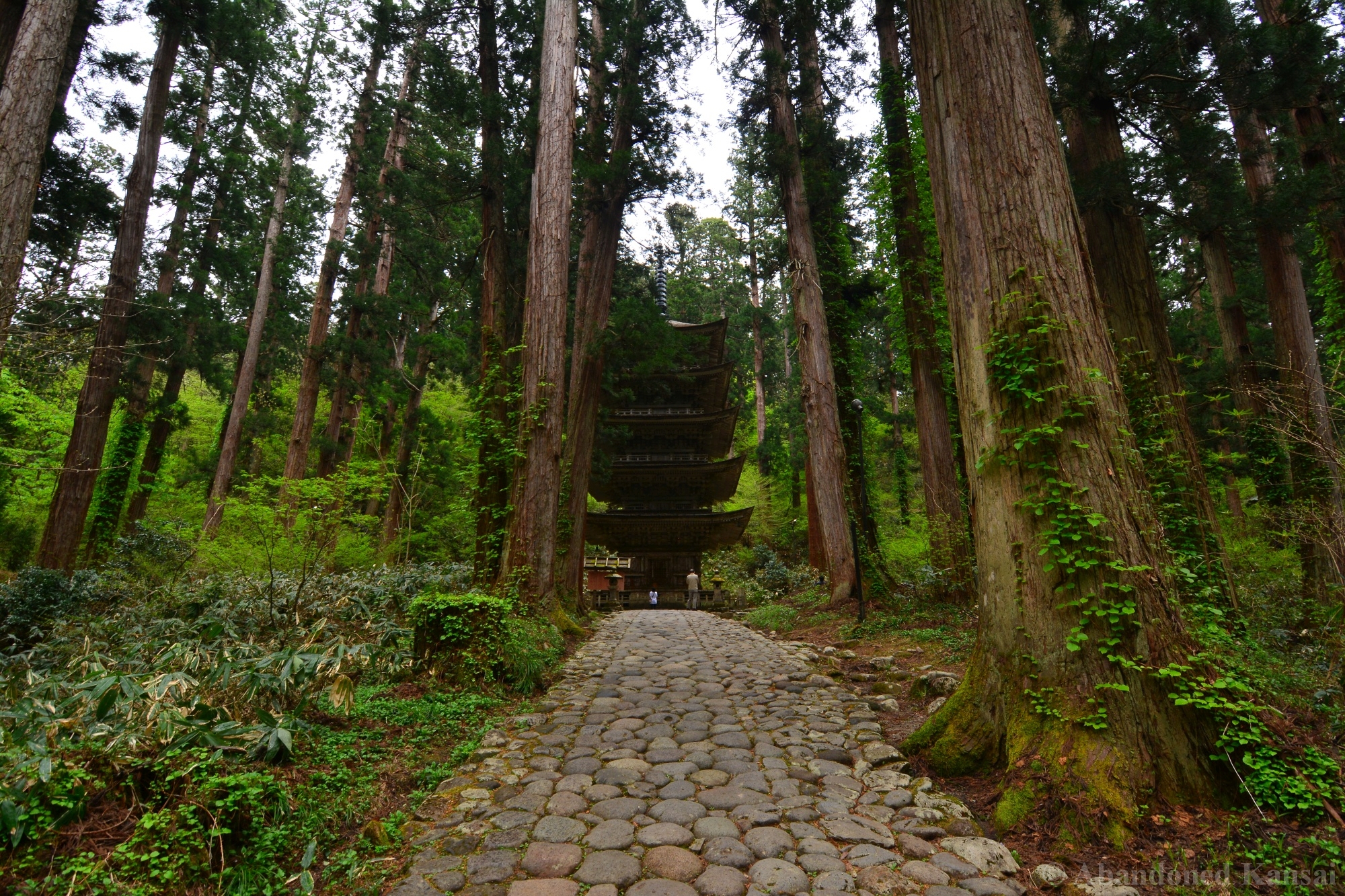
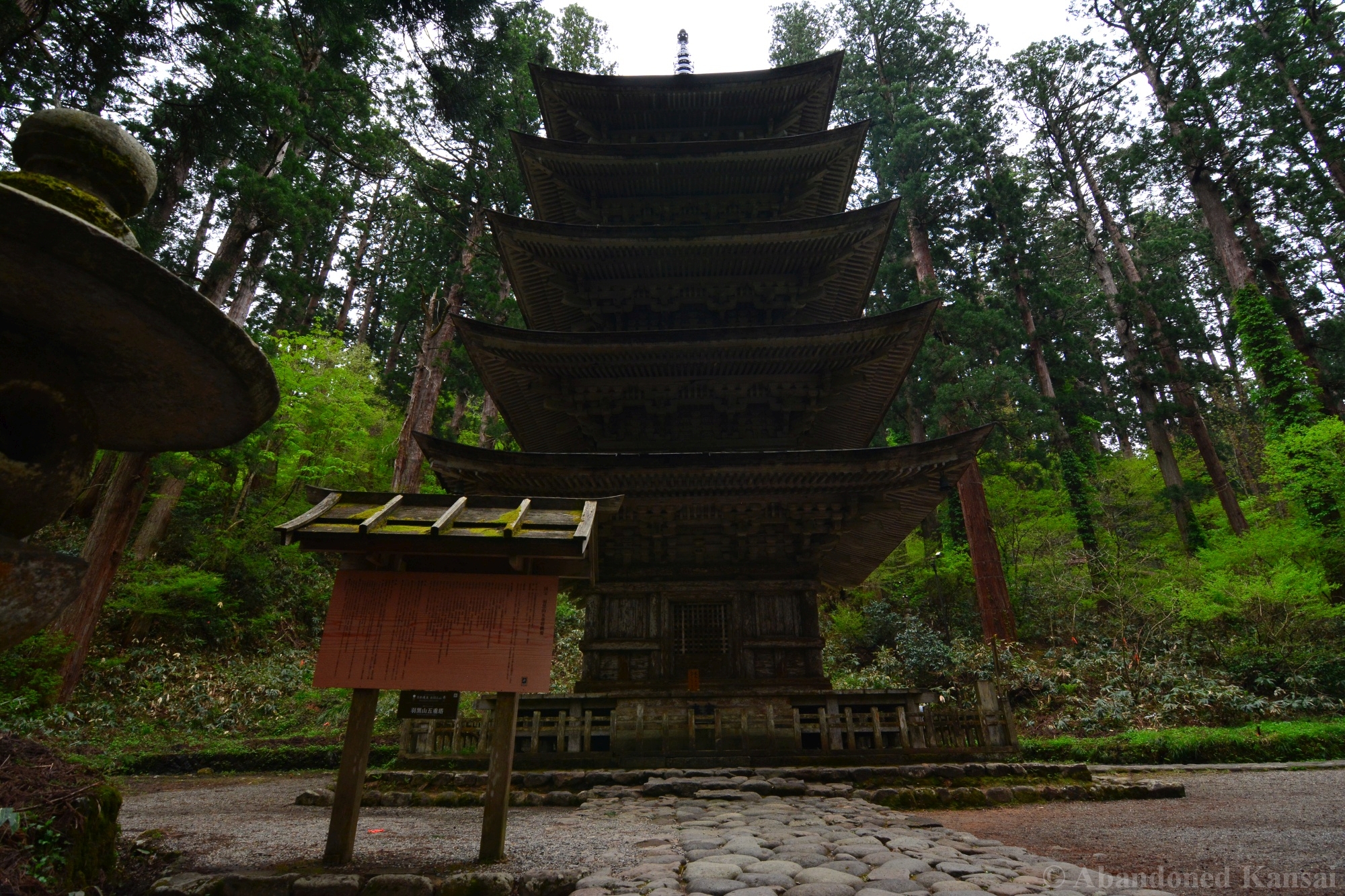
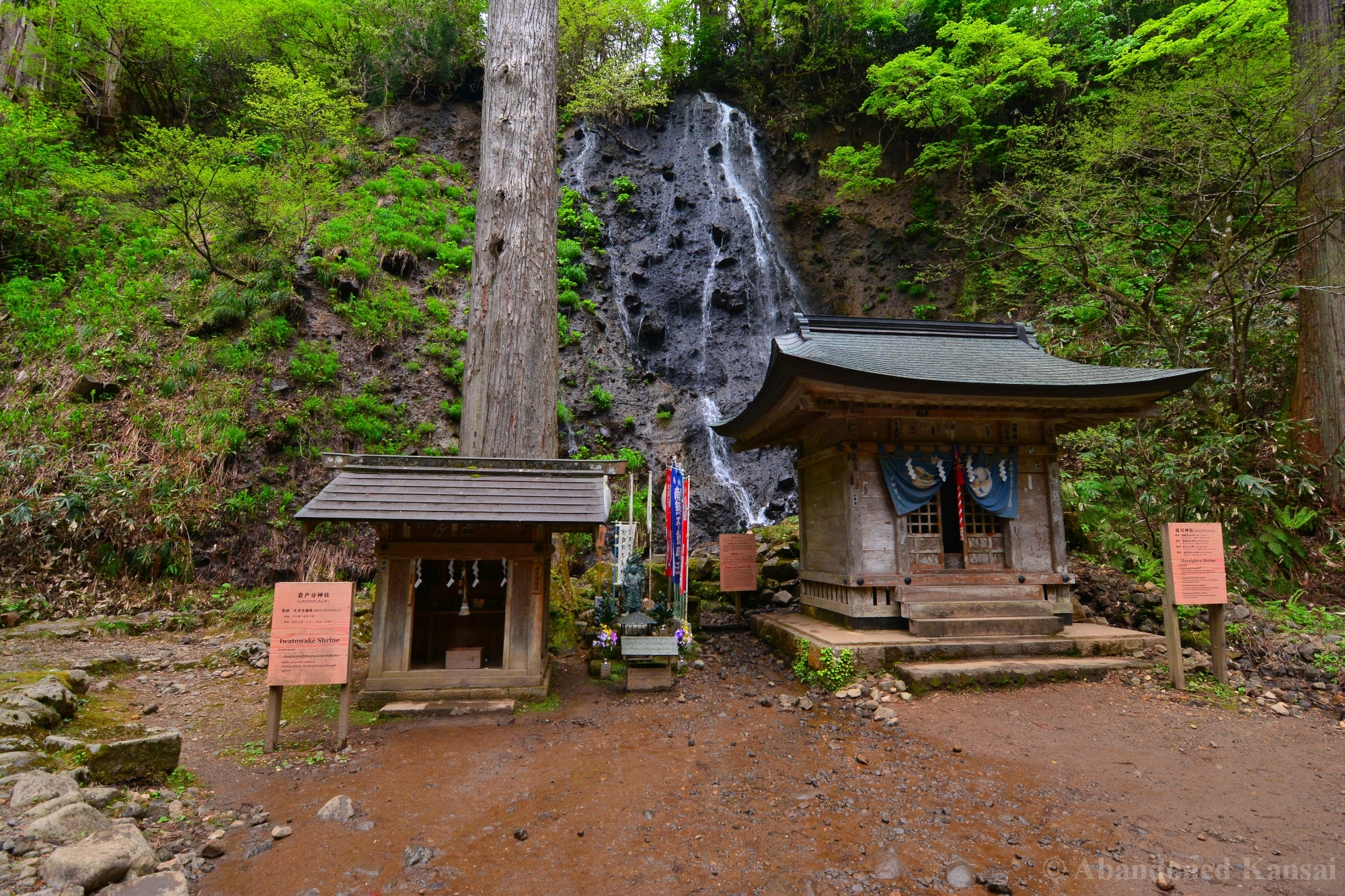
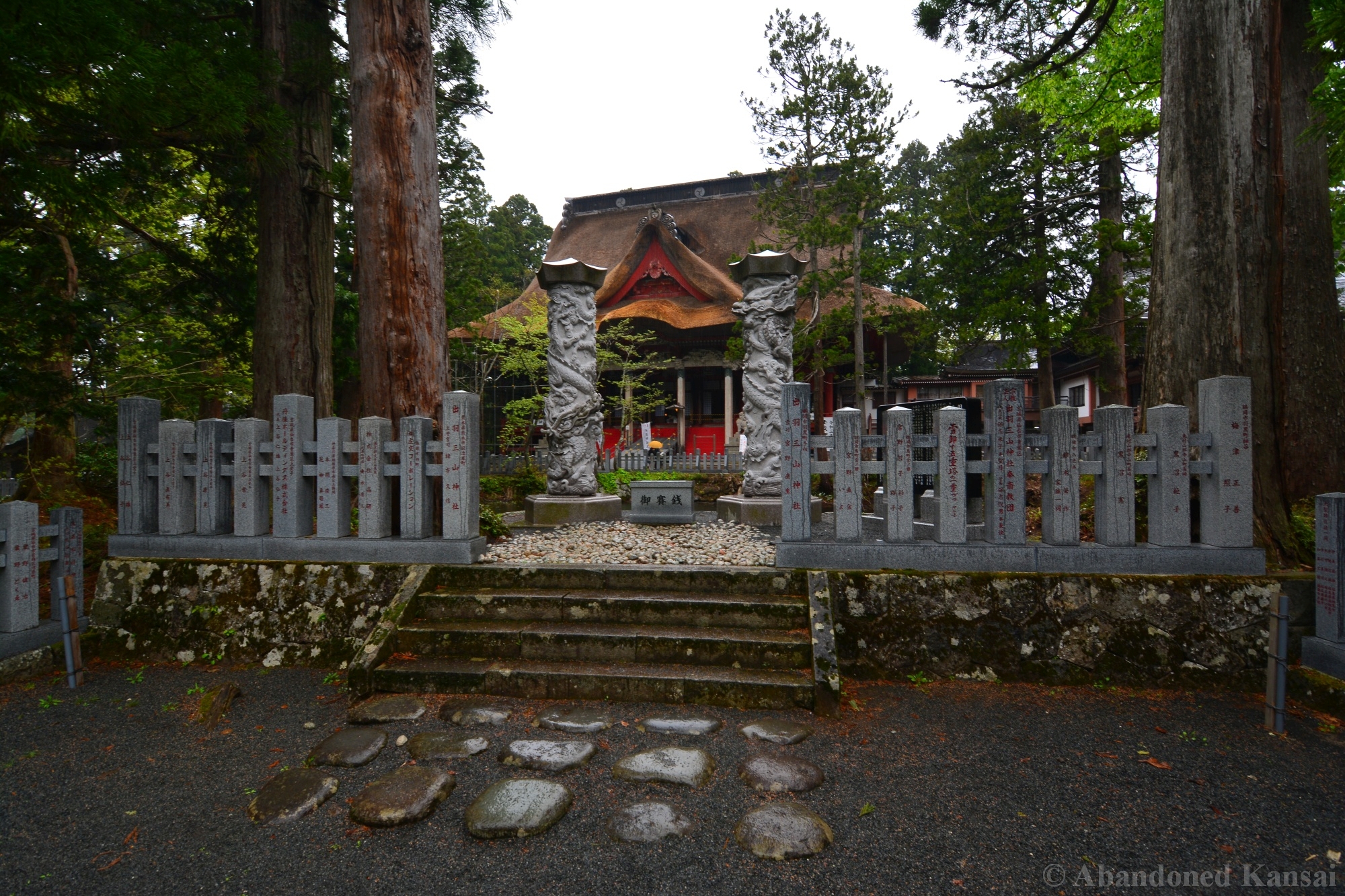
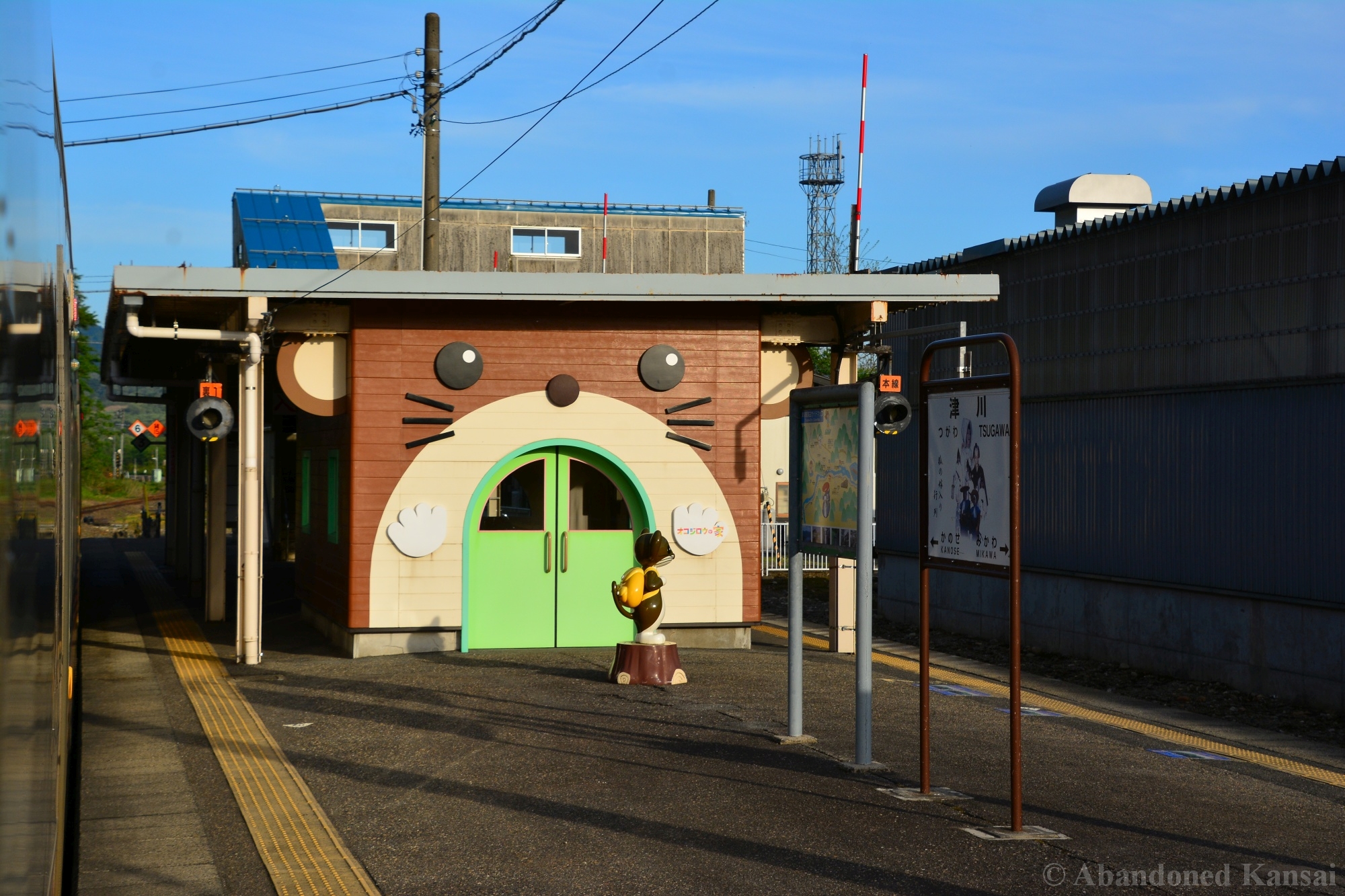
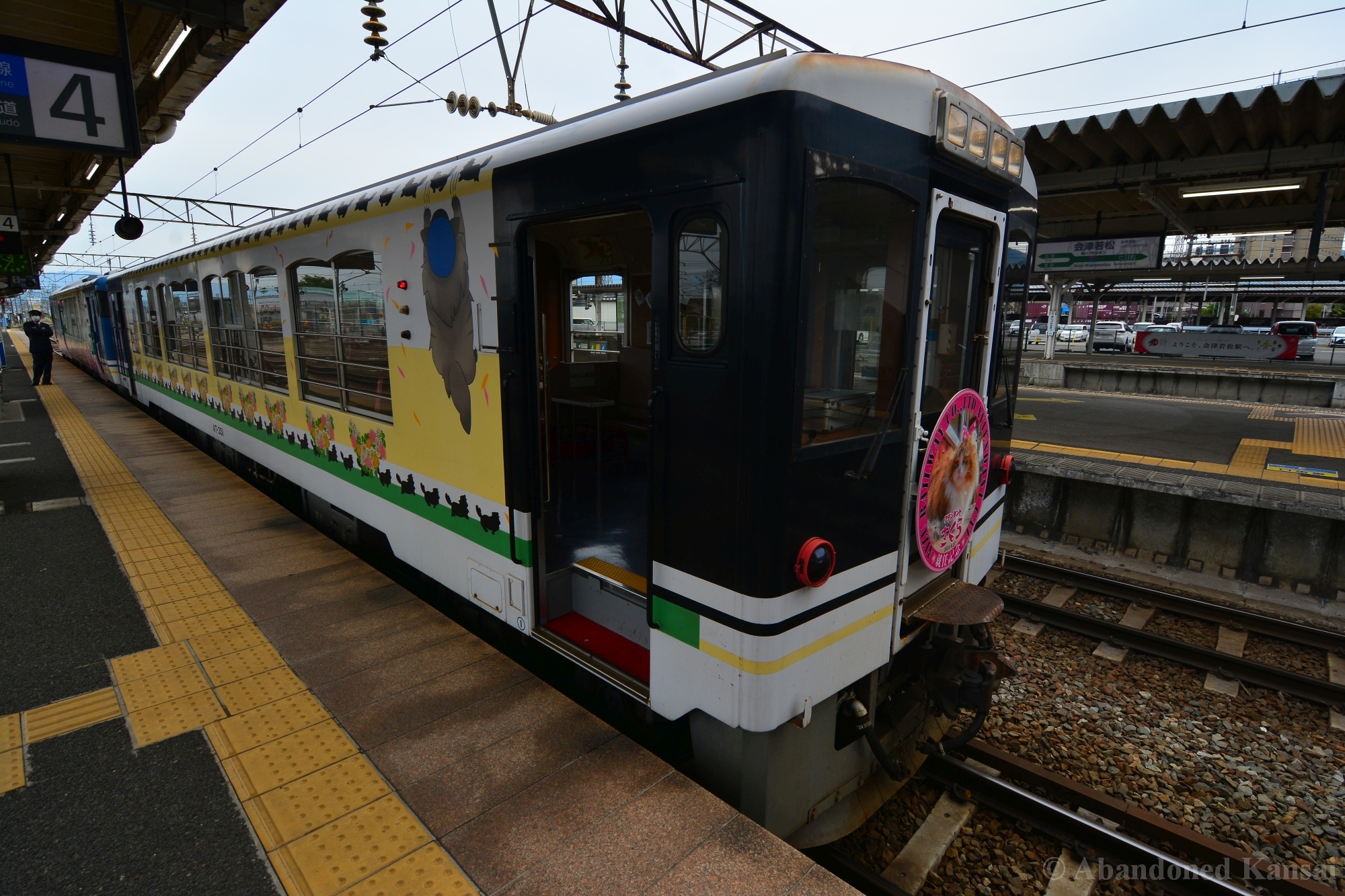
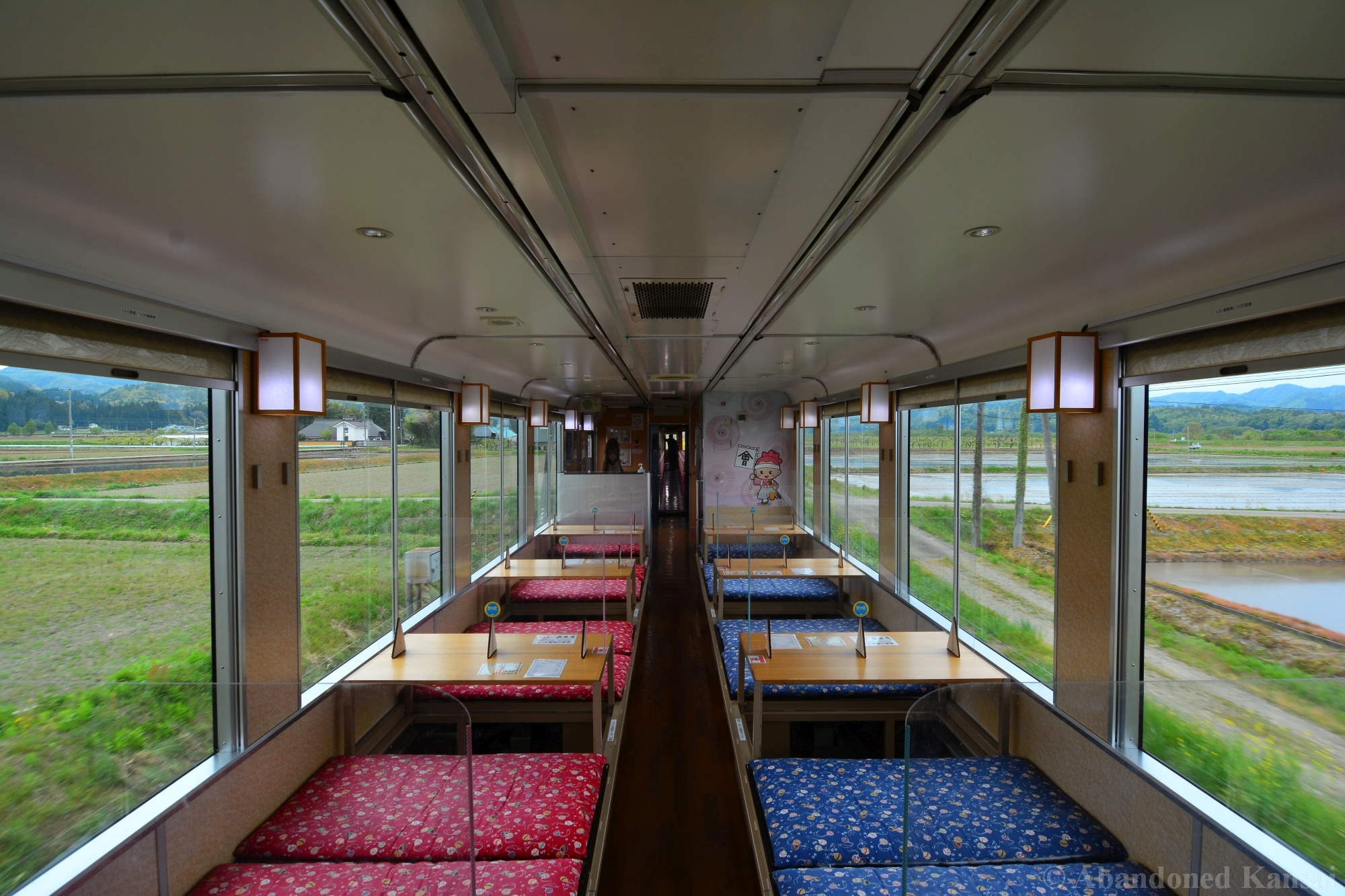
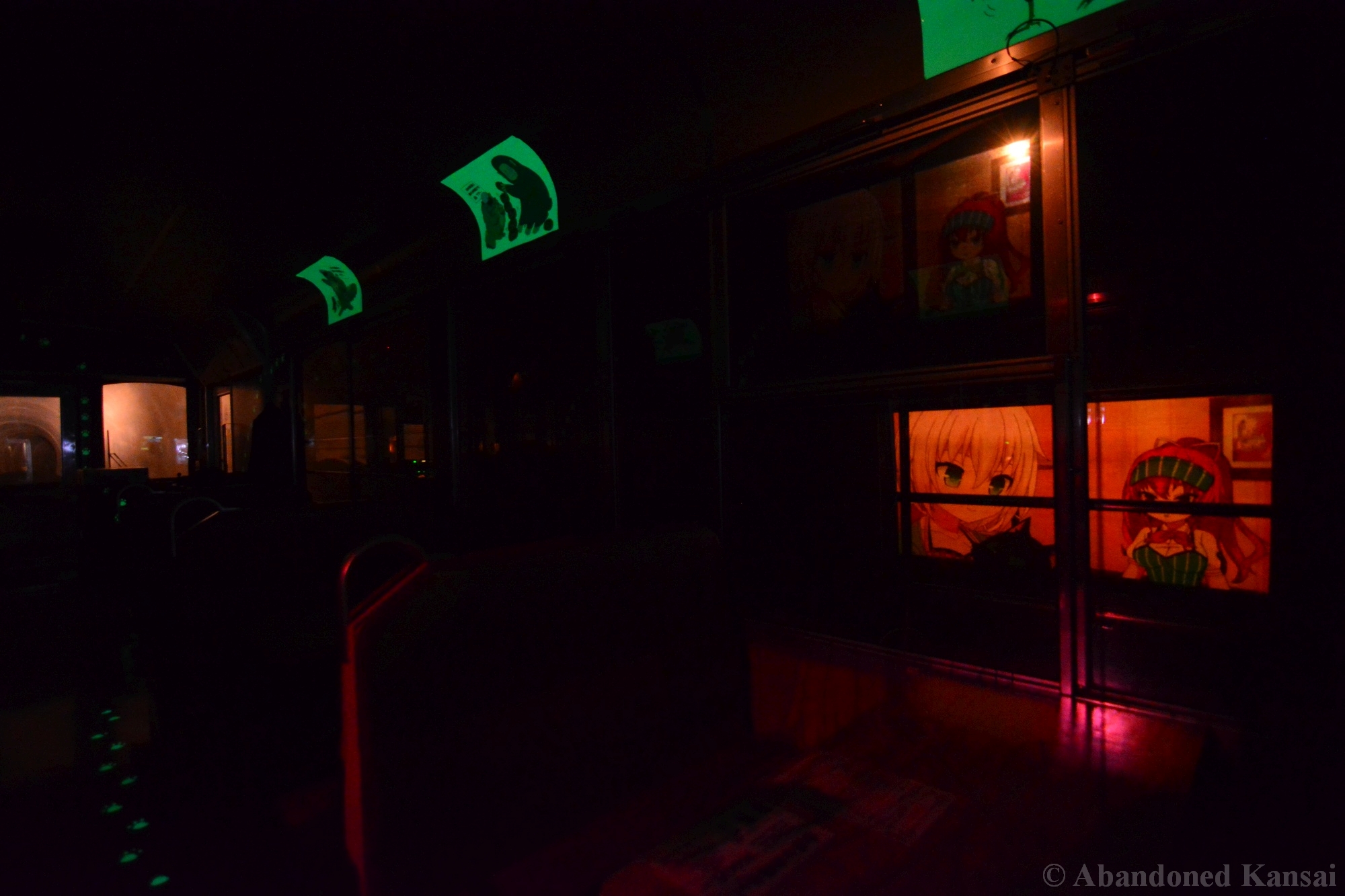
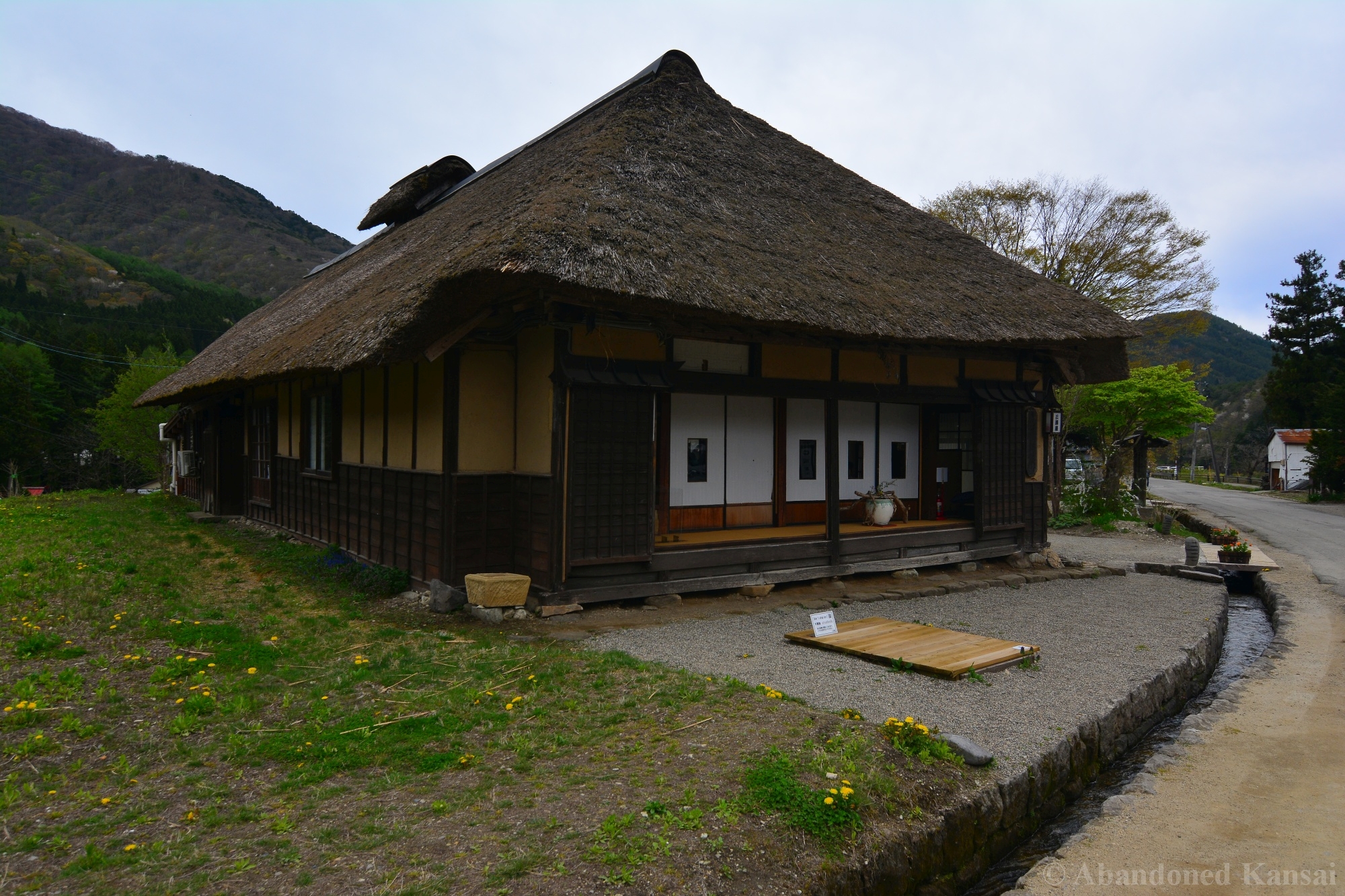
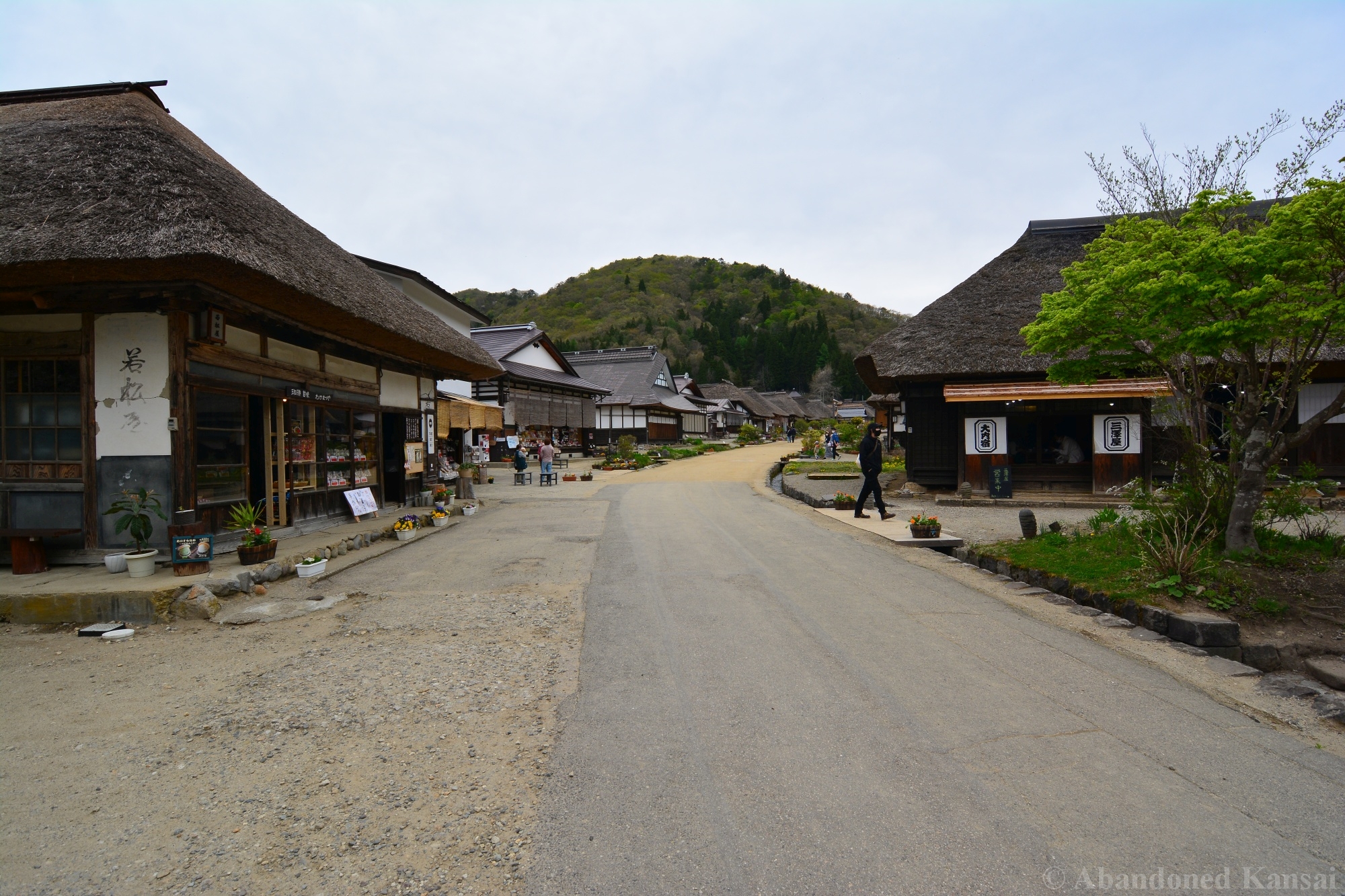
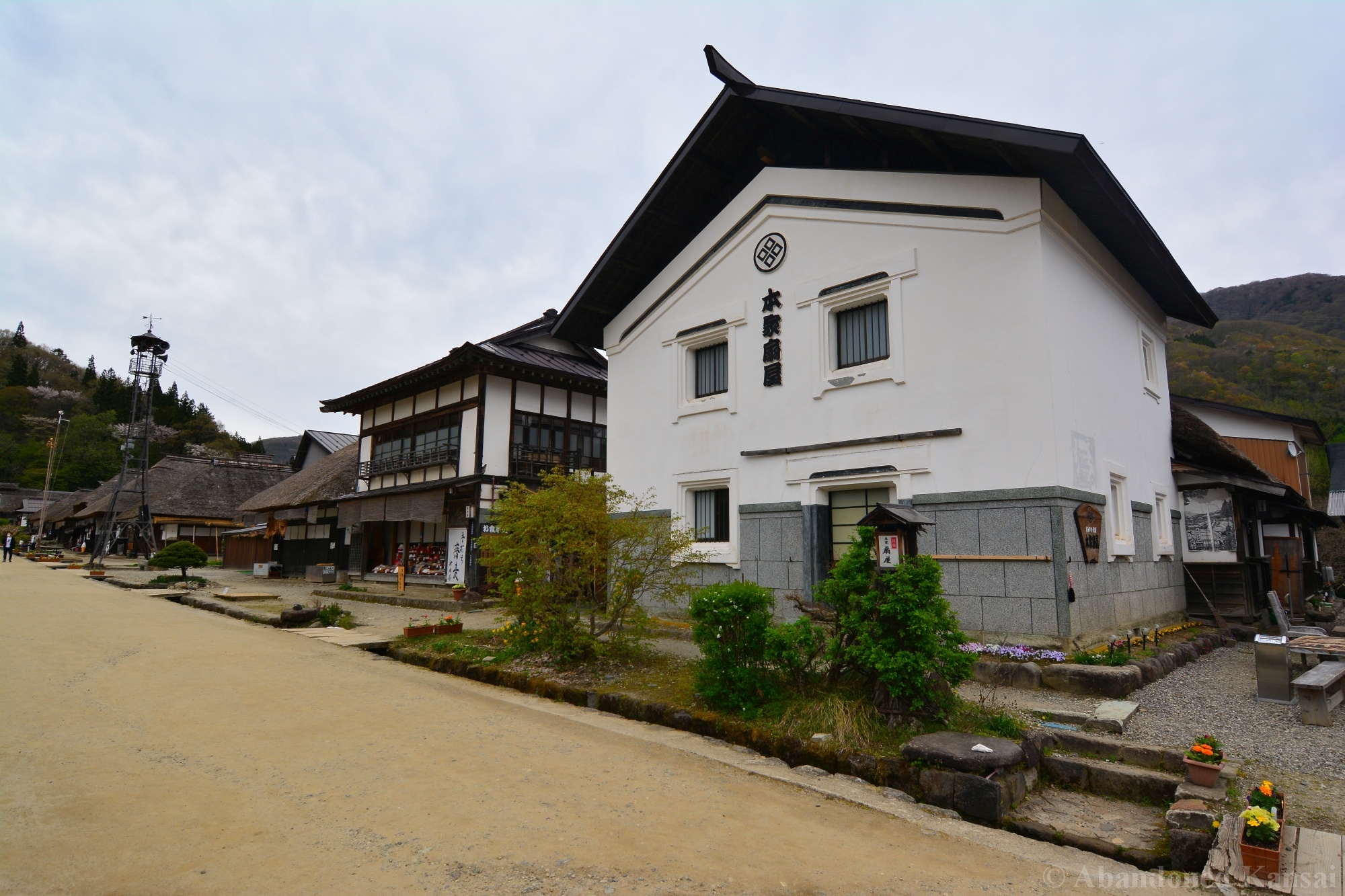
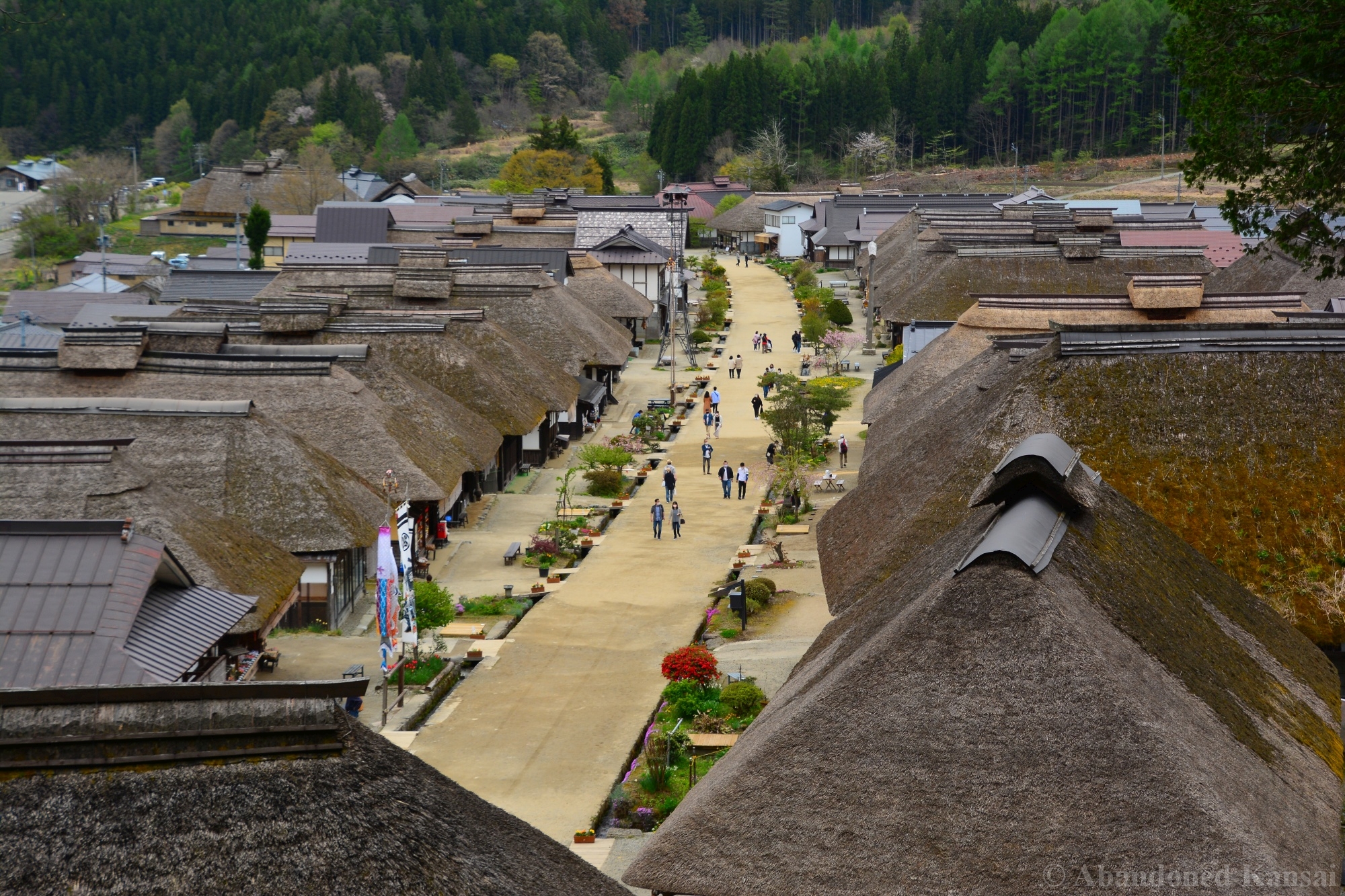
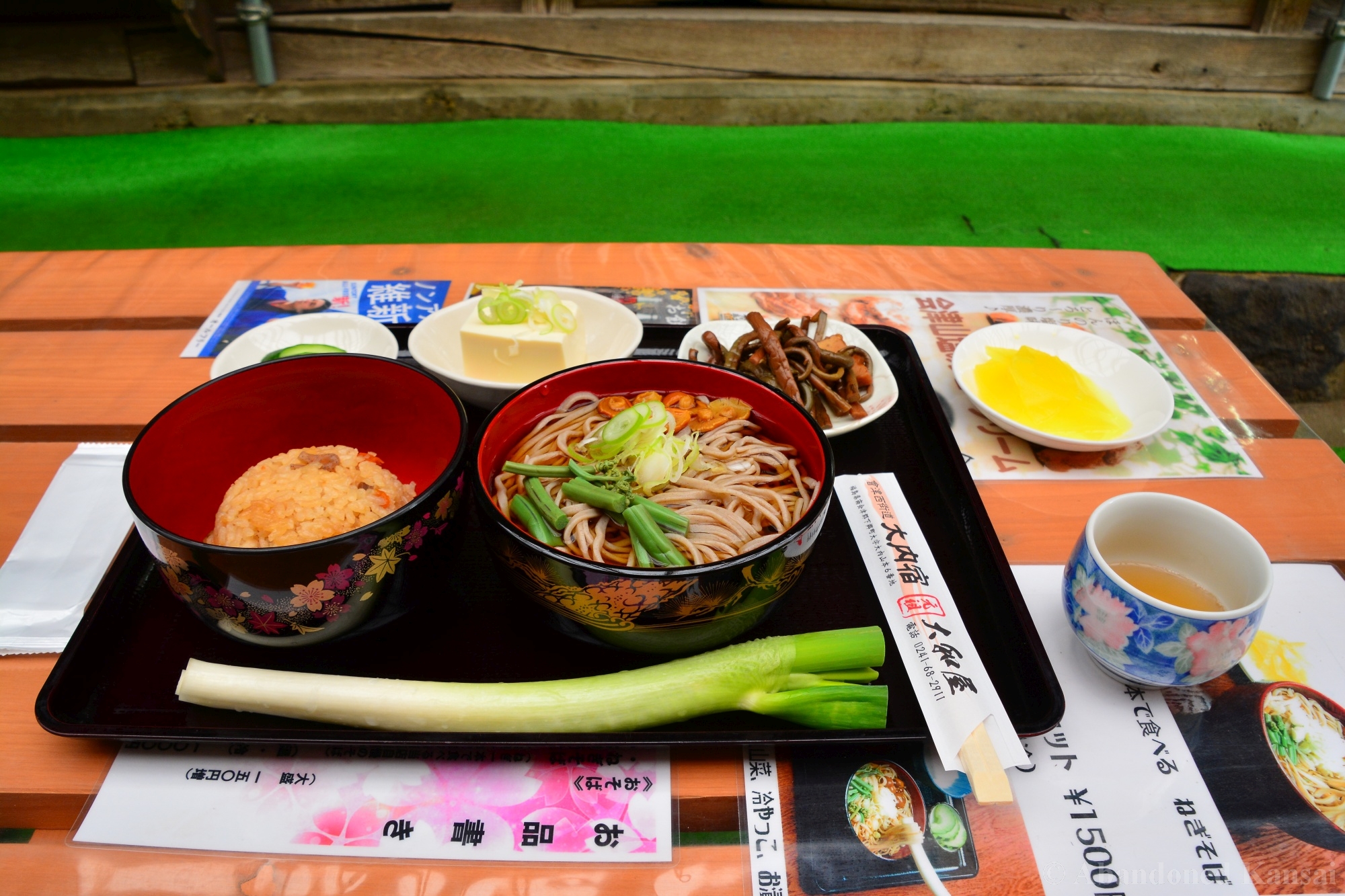
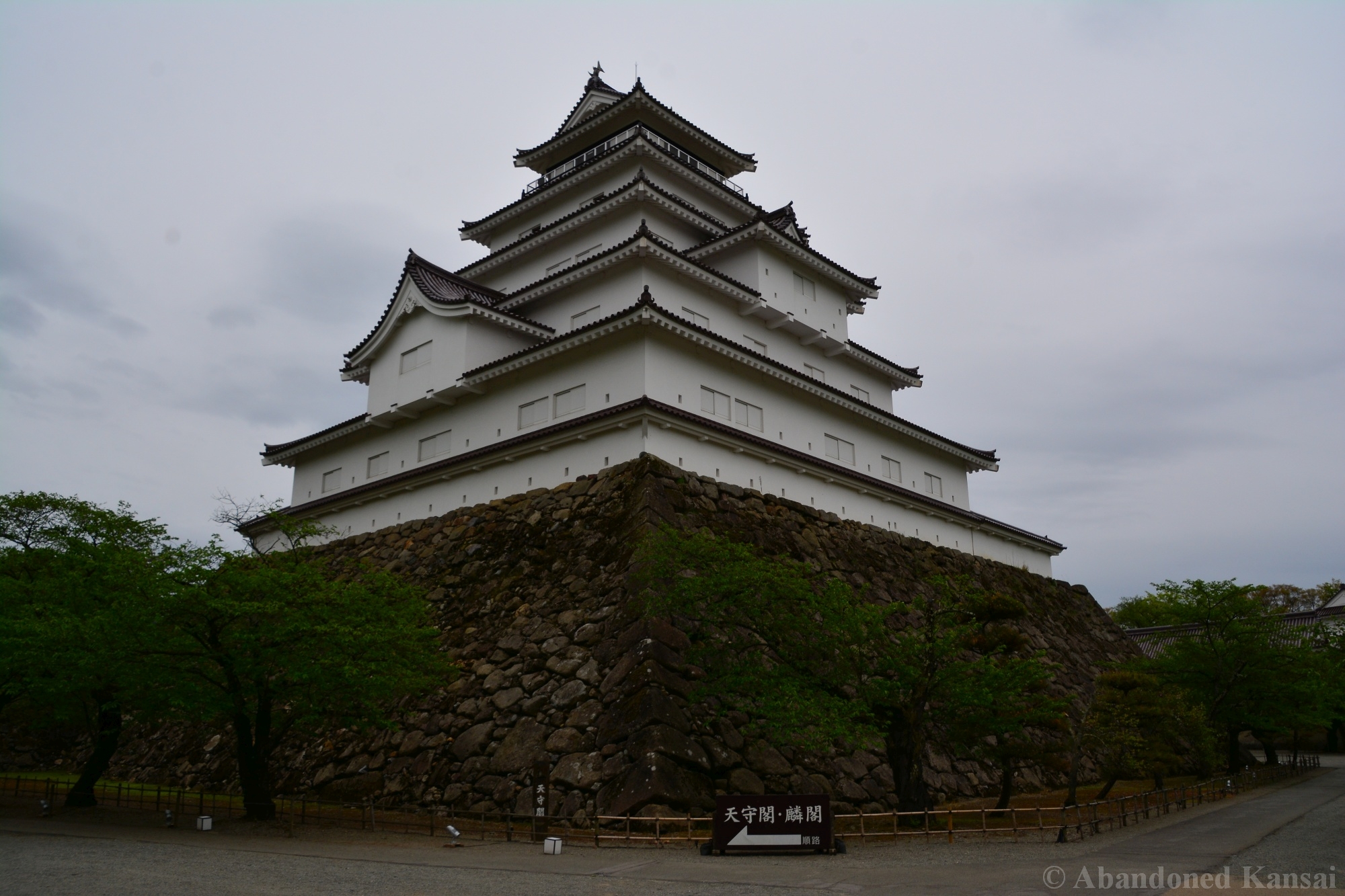
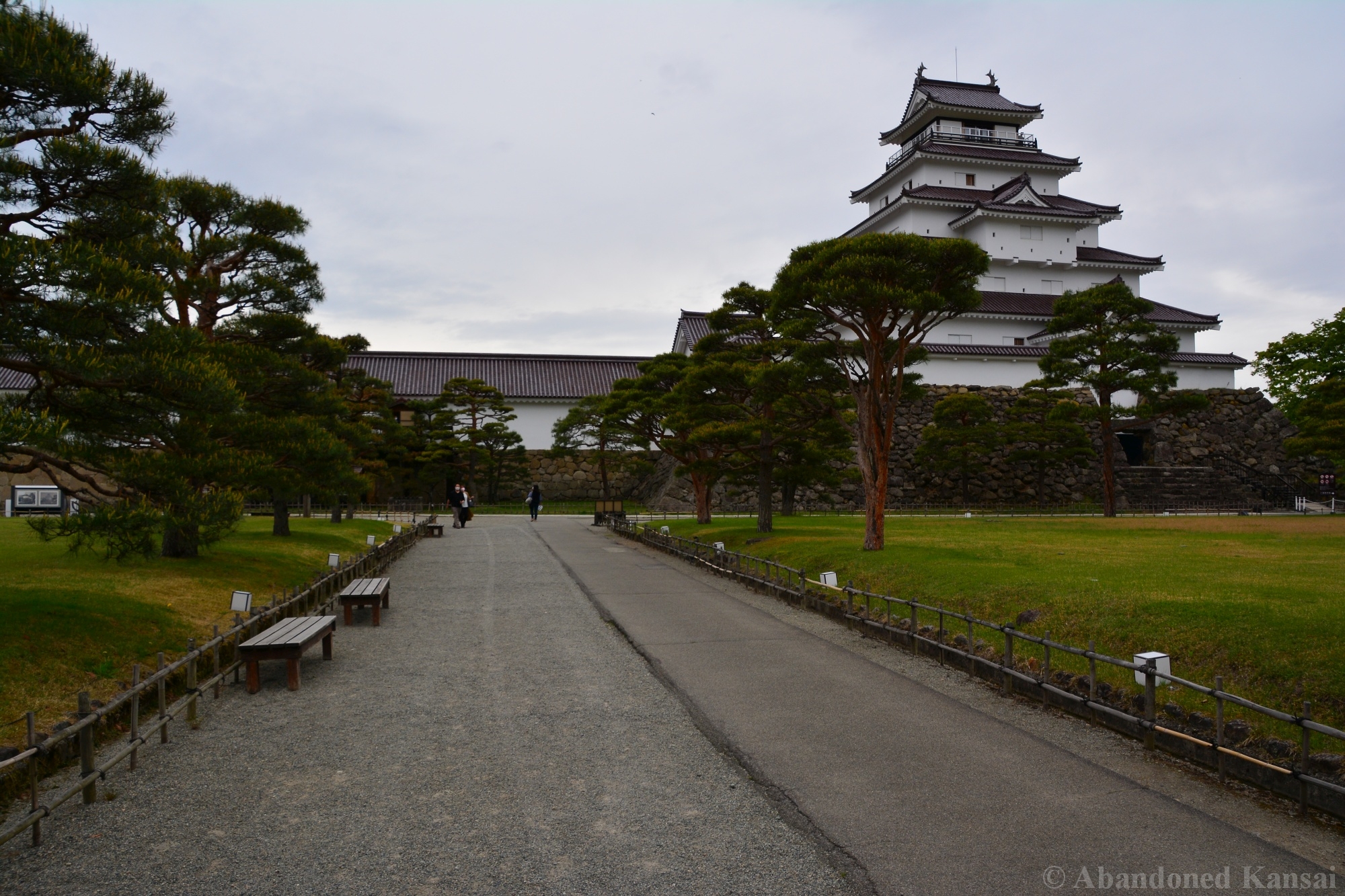
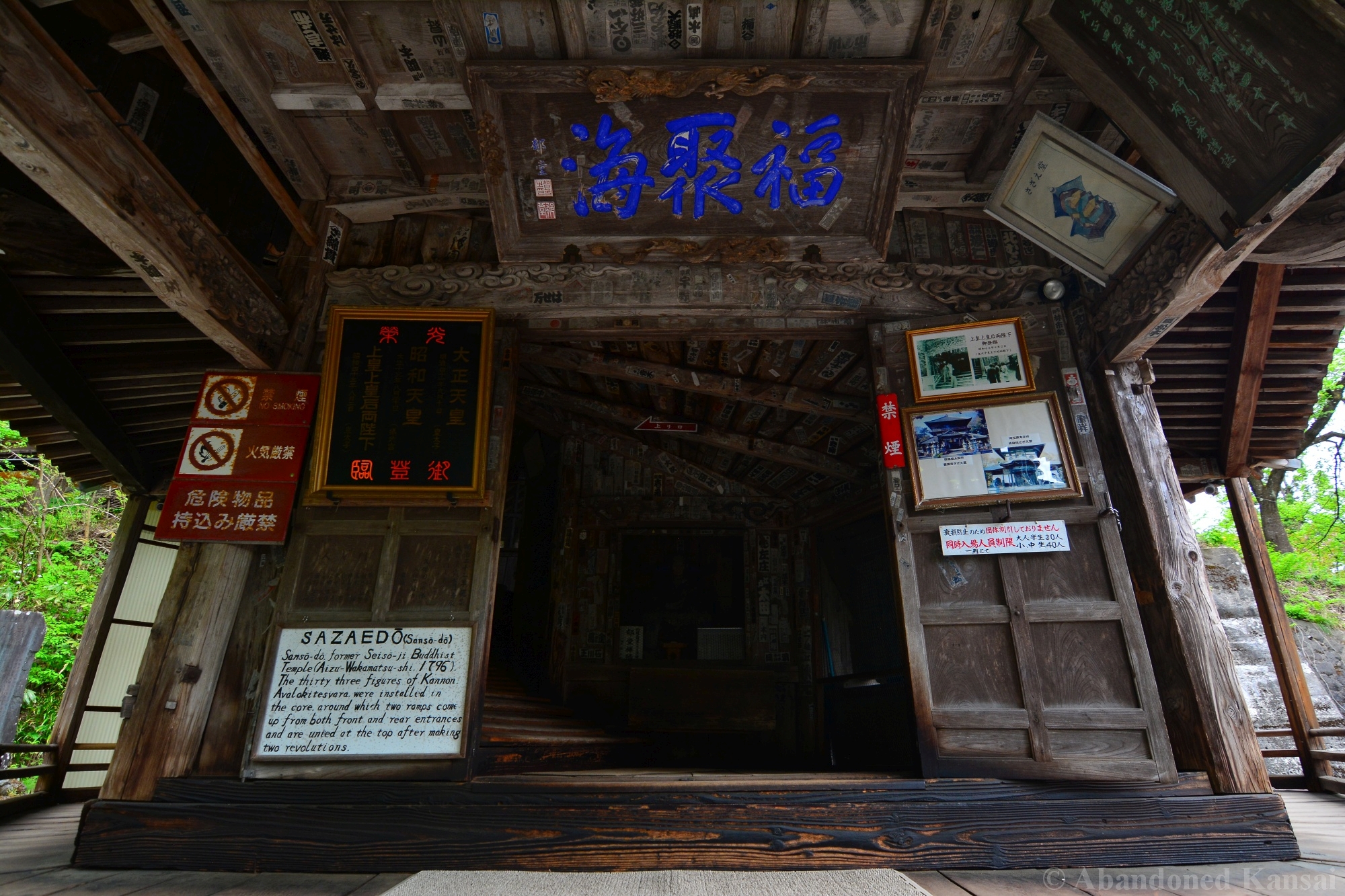
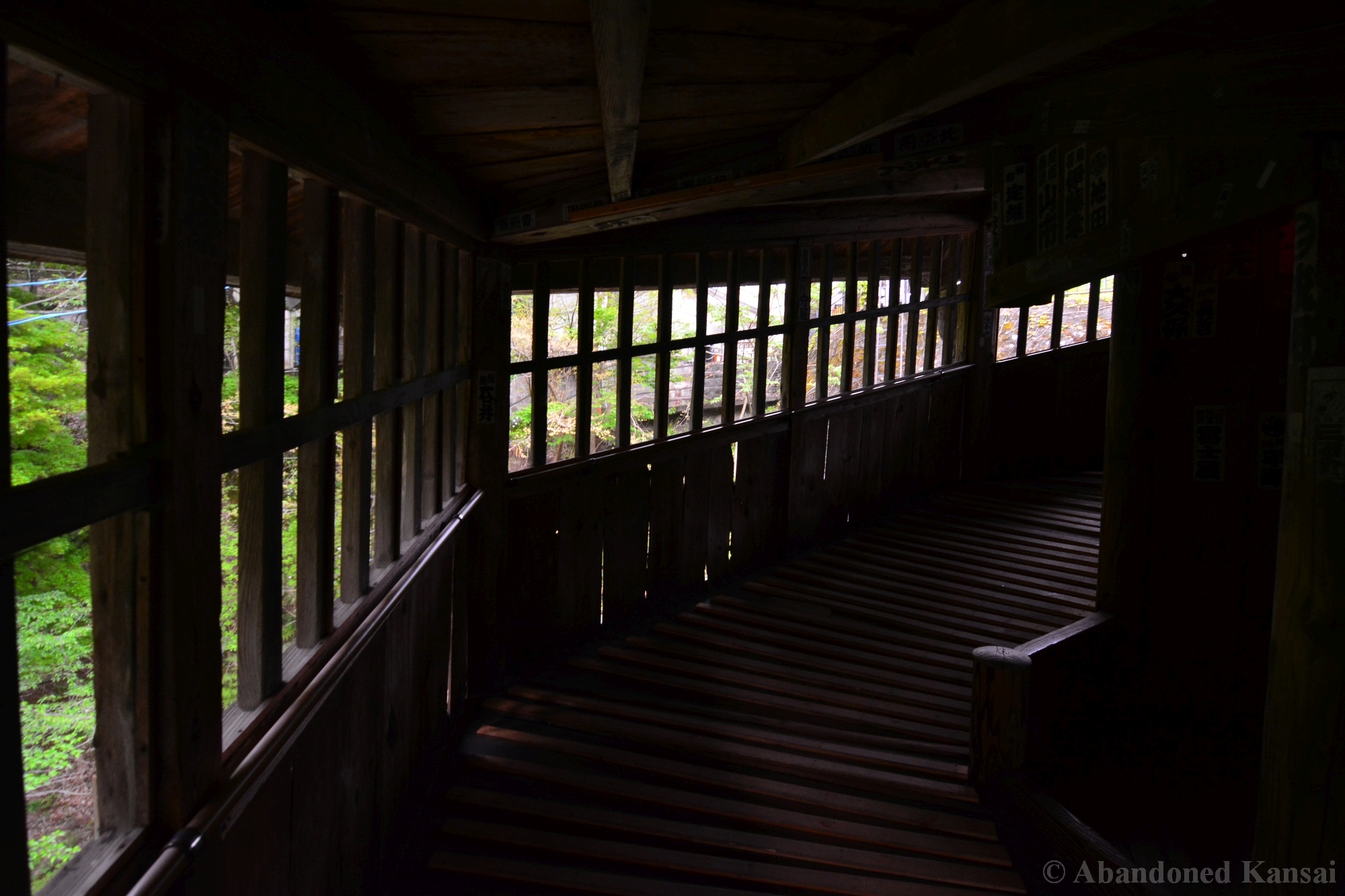
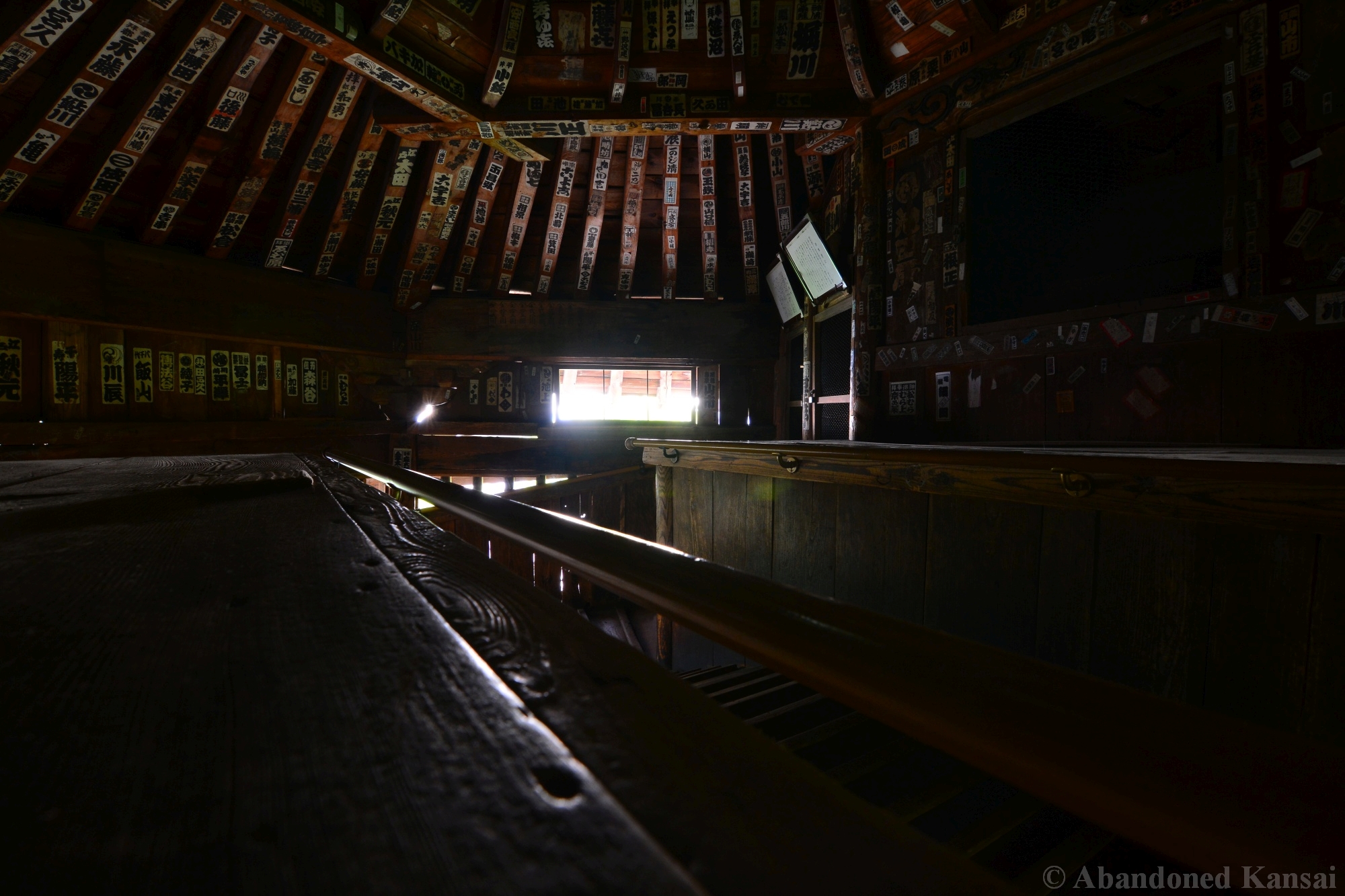
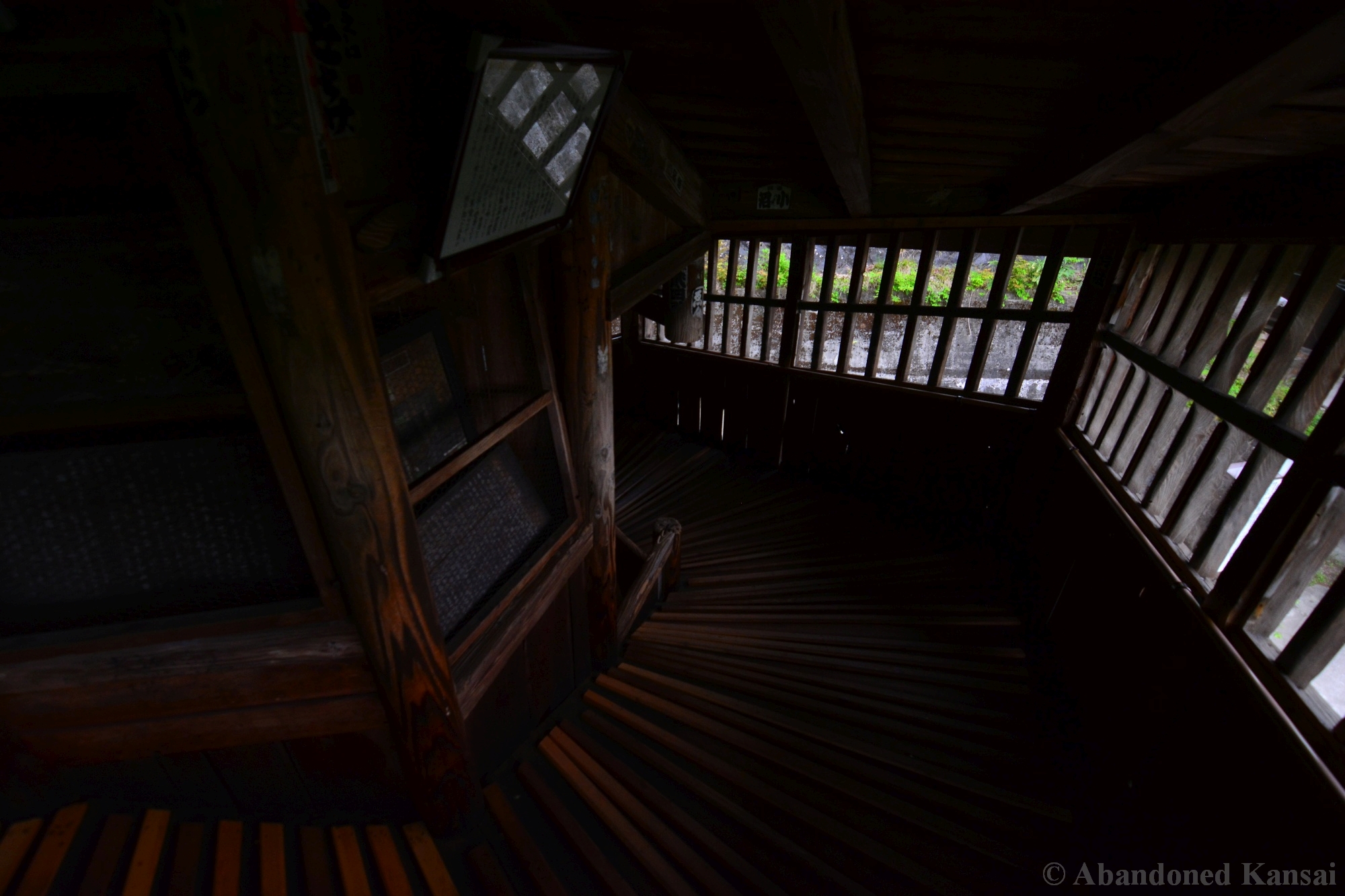
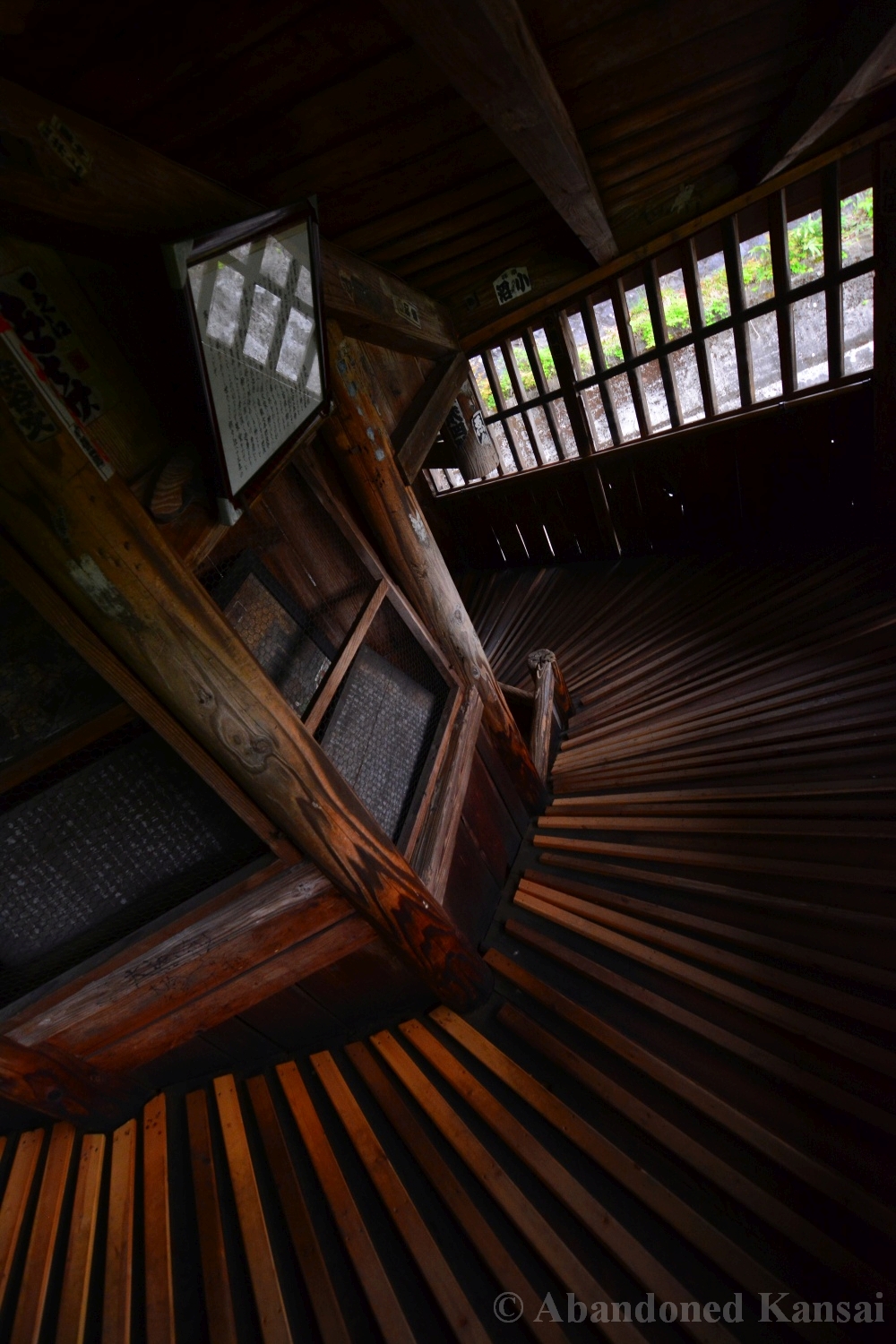
Golden Week was my final opportunity to travel before most of Japan will turn into a hot and humid hellhole for about four months, so I went to Tohoku for the first time in three years, mainly for those locations: The Namahage Museum in Oga, Dewa Sanzan and the five-storey pagoda of Mount Haguro as well as Aizu-Wakamatsu for the Sazaedo (a 225 year old wooden temple with a double-helix staircase) and the Ouchi post town – and my really high expectations were fulfilled and partly surpassed. All of those places were absolutely gorgeous, especially the pagoda and the temple; both of which I had to myself for a couple of minutes between small groups of people supporting domestic tourism like I did. To get to Ouchi I took a tourist train to Yunokami Onsen that featured animations in dark tunnels and made special stops at Ashinomaki Onsen Station (as it “employs” cats as the station master and the rail manager…) as well as at scenic spots along the route. I was the only passenger that day, so the train driver consulted with the conductor that I had taken all the photos I needed before continuing, while the train’s shop lady (on special trains exclusive merchandising is often sold) was visibly amused by the situation; of course there were limits to that, bit apparently we had two or three minutes of wiggle room and weirdly enough they let me take advantage of that!

Final thoughts
Attached you’ll find a rather large gallery… the largest in Abandoned Kansai history. All photos are freehand snapshots as I didn’t bring my tripod or much time to any of those late winter / early spring trips, on some of which I struggled with the weather and lighting (wind, rain, snow, rather extreme temperatures, (lack of) clouds, darkness). Despite having done a lot less urbex than usual this year, this was definitely my most active and probably my favorite spring I’ve spent in Japan. Overtourism has become a problem for many countries and maybe this health crisis will initiate some change – domestic tourists should be more appreciated instead of alienated… and quality instead of quantity be attracted!
I don’t think anybody who experienced 31.9 million tourists to Japan in 2019 really wants to live through 60 million tourists in 2030… Not even the many of my friends who actually work(ed) in the tourism industry!

Oh, and if you are interested in specific locations or trips let me know – I might expand some of those quick sneak peaks into full articles. But first I will publish a spectacular abandoned place next week, one of my all-time favorites. Easily Top 10! 🙂

(*Like Abandoned Kansai on Facebook* or *follow us on Twitter* if you don’t want to miss the latest articles and exclusive content – and subscribe to the *video channel on Youtube* to receive a message right after a new video is online…)

Read Full Post »
Finally an abandoned bowling alley – or so I thought…

“We just passed what looked like an abandoned bowling alley. Do you want me to turn around and have a look?” Slightly confused about what was going I woke up from a nap, my favorite thing to do in a car when nobody is talking to me. After more than a decade in Japan I can sleep anywhere – and by that I mean ANYWHERE! (Except long distance flights. I’m gone in 60 seconds when on the way to Okinawa or Hokkaido, but Europe? Only Marvel movies can put me to sleep, and even that doesn’t last long…) Never even missed my station while on the train. Even better: One time we drove to the middle of nowhere to explore a school I hadn’t been to before. Since there was nothing around, I had to program a phone number (Japanese navigation systems don’t use coordinates…) about a kilometer further down the road. After a while I fell asleep – when I woke up again I looked left and said “There’s the school we want to explore!”, still two or three minutes away from the programmed destination and completely out of nowhere – much to the surprise of my co-explorers
“Why not?”, I mumbled, “Let’s have a look!” My buddy Hamish turned around and sure enough, there it was – a longish, abandoned looking hall with a large bowling pin pinned on its roof; the universal sign for bowling alleys in Japan. Usually I’m not a big fan of spontaneous explorations, because I literally know nothing at all about the location, which means that everything could go wrong… and I always have enough place to explore, so no need to take unnecessary risks, but… accessible abandoned bowling alleys are rather rare, so we had a closer look.
Fortunately this deserted looking building turned out to be accessible – not easily and only at one spot that required some climbing, but all that mattered was that it was accessible. Unfortunately what looked like an abandoned bowling alley and probably once was at least a closed bowling also turned out to be not a bowling alley anymore. In hindsight we could have / should have known given the retrofitted shutter gate on the side of the building, but on the way in neither Hamish nor I paid attention to details like that; and they wouldn’t have stopped us anyway. The former entrance area with the toilets and the office was pretty much cluttered with all kinds of items, from a piano to bath room elements to a scale with built-in label printer. The main area, the former bowling lanes, was now occupied by a forklift and a variety of brand-new looking kitchen equipment still on pallets. A fact that made me feel very uneasy, especially since Hamish considered the location too uninteresting to keep me company for more like a few minutes. And to be honest, I wasn’t very eager to get caught over some dark photos of a cluttered warehouse either, so I took a few quick shots and got the hell out of Dodge. Still not sure whether or not the facility was really 100% abandoned…

(*Like Abandoned Kansai on Facebook* or *follow us on Twitter* if you don’t want to miss the latest articles and exclusive content – and subscribe to the *video channel on Youtube* to receive a message right after a new video is online…)

Read Full Post »
A legendary, shockingly dilapidated factory office and an old man with a sickle – this exploration could have gone wrong in more than one way…

Tohoku isn’t exactly famous for its abandoned places. Mostly mines (*Taga*, *Matsuo*, and *Ozarisawa*) and of course the vast area for (mostly foreign…) Fukushima catastrophe tourists. Most popular among local explorers is probably the Ironworks Office Building, which you can see on the first photo of the gallery. It’s a pretty gorgeous wooden structure at the site of a mostly demolished smeltery dating back to 1881, when Japan’s industrial revolution caught up 150 years of development within a couple of decades. Access was surprisingly easy when I explored the place with my friends Dan, Kyoko and Heather in autumn last year during a partly touristy road trip, so we took our time to have a look outside first – with not much success as most of the buildings on the premises must have been demolished around the time business closed in 2001. Yes, 2001! It’s hard to believe that the company was active until rather recently, but apparently it’s true… I’m still baffled by that fact and you probably will be, too, after looking at the photos. The last remaining building of the main area was the former office building, which also included a room for drafters / technical drawers as well as a laboratory, though the back part of the building, including the hallway leading to the lab, have been collapsed a couple of years ago. (And the rest of the building probably won’t make it another decade either. The wooden staircase leading to the upper floor was so… wobbly that I didn’t dare to go upstairs as I was afraid that it would collapse under my weight and probably bring the whole building down. And wouldn’t that have been embarrassing? (In addition to being most likely deadly…)
Before that another strange story happened. The four of us just entered the Ironworks Office Building through a door or partly collapsed wall (it was hard to say what it was…), when one of the girls spotted an old man outside, appearing out of nowhere from where we just came from. He was dragging one of his feet, kind of like a zombie, and was wearing rather worn clothes, holding an old sickle in one of his hands. Combine that with the rundown wooden building and the somewhat rainy weather and you have a perfect horror movie scenario. With four people it was kinda hard to hide in that part of the building, and we didn’t want to go much further inside, worried that we might cause some noise with all that rusty metal, brittle wood and broken glass around, so we carefully and anxiously watched the sickle zombie slowly scuffing his body past the 130 year old dilapidated structure we were in. Luckily he didn’t see, hear or smell us, before he finally turned right, leaving the premises. That’s when we finally relaxed and explored the building, at least the lower floor, because… well, you already know about the staircase.
As you can see on the photos, the interior of the building was quite eclectic, with probably at least one item from each decade between the 50s and the 00s – interestingly enough the calendar near one of the desks in the private office was from 2007, six years after the ironworks closed. Why? Your guess is as good as mine. Maybe the office was still used to deal with the aftermath of closing, maybe it was used for other purposes, maybe somebody unrelated left it behind. The atmosphere in there was actually kind of spooky – rather dark offices, vines growing in, the worn interior, the kind of dangerous state of the building.
On the way out I took a few quick shots through the window of the laboratory, basically because none of us was eager to find a way inside across an ankle-breaking field of slippery debris. Sometimes you have to cut your losses and move on, because there is almost always another location to explore…

(*Like Abandoned Kansai on Facebook* or *follow us on Twitter* if you don’t want to miss the latest articles and exclusive content – and subscribe to the *video channel on Youtube* to receive a message right after a new video is online…)

Read Full Post »
Japanese hot spring spas are some of the most relaxing places on earth and offer from barely more than a wooden tub full of hot water to everything from massages to chill-out rooms to meals. This exploration though started rather stressful… and almost didn’t happen.

Before arriving at the Tohoku Spa with my friends Dan, Kyoko and Heather I knew little to nothing about it – which is always a two-edged affair. On the one hand it’s exciting as everything is new and unknown, on the other hand those places are risky in many ways. Is the place still there? Is it accessible? If it’s accessible, does it have alarms or security? If not, is it any good?
From a distance the Tohoku Spa seemed to be in decent condition. Sure, the parking lot was a little bit overgrown, which shouldn’t be a surprise to anyone as almost a decade has passed since it was closed according to several sources… and there was a bit of trash outside, though that could have been dumped there by strangers. But other than that the building and the massive walls of the outdoor baths weren’t rundown or damaged. The first few doors we tried were tightly locked, the massive glass front didn’t even have a crack, including the glass doors, which is quite unusual given the rather rural location of the spa… and the four table arcade machines in the lobby – all of them in excellent condition, given their age and that they were used in a public space. Other than that the lobby looked like as if there were some renovations going on, but it was impossible to say whether 9 minutes, 9 days, 9 weeks, 9 months, or 9 years passed since somebody entered the building. And so we kept circling the building, looking for open / broken doors or windows – and failed! Well, I knew that the spa was closed, but I had never seen photos from the inside, so it was indeed possible that this exploration could have ended before it began… And just as we were about to give up we found a way in. Not a pretty or easy one, but at least it didn’t qualify as B&E…

The ground floor of the Tohoku Spa consisted of two large indoor baths with several pools, a sauna and the usual “get yourself clean first” stations as well as two decently sized outdoor baths, so-called rotenburo – one for men, one for women. While one changing room was cluttered with all kind of items, including more table arcade machines, the other one was empty. The baths also looked like as if there was some (de)construction going on, and the back of the gigantic kitchen even showed an area definitely used by people for (smoking) breaks. Yes, at one point there was definitely some heavy work going one… hopefully 9 years ago, not 9 minutes ago!
The upper floor featured two large rest rooms, as in “resting after a long hot bath”, a movie room, an outdoor area and a restaurant with several rooms for cozy dinners as well as large karaoke parties. Much like on the ground floor there had been quite a bit of renovation work / demolition prep been done – furniture to certain rooms, carpets and wallpapers removed, … There was still quite a bit to see, but luckily the upper floor was less interesting than the lower one, otherwise this exploration would have taken me much longer than the two hour it already took me – especially as my friends were ready to leave after an hour or so; which they actually did to look for a kombini since we arrived at the spa without having breakfast first. Exploring in the countryside… you never know when you’ll get your next meal – and all the spa had to offer was fake food and a dead bird…

Nevertheless a good exploration overall. I liked the narrow maintenance hallway between the two bath areas, the rotenburo for men was rather nice, obviously I can’t get enough of abandoned arcade machines, and I really loved some of the remaining ornaments in the baths, one of which became my new wallpaper – on location it reminded me of a shisa, but I guess it was more of a shachihoko. (Any experts out there?) So I finally left after about two hours to reunite with my friends, who patiently waited in the car after their return – on the way there I took one last photo, of an underwear vending machine. Fresh, clean underwear. Not used one… at least I hope it wasn’t used!

(*Like Abandoned Kansai on Facebook* if you don’t want to miss the latest articles and exclusive content – and subscribe to the *video channel on Youtube* to receive a message right after a new video is online…)

Read Full Post »
The abandoned Matsuo Mine Apartments – or: How I almost got myself seriously injured… twice!

Urban exploration is a dangerous hobby, I can’t stress it often enough. And I am a really careful explorer, sometimes to the annoyance of my fellow photographers, when I simply refuse to climb certain staircases or cross suspicious bridges. But you can be as cautious as you want to be, there is always a remaining risk that can’t be eliminated.

Upon arrival we had to figure out how to approach the Matsuo Mine Apartments best. Access in general was easy, but there were quite a few “from the road photographers” and the street lead directly to what is left of the mine itself – which is mainly a neutralization and treatment facility, operated by JOGMEC (Japan Oil, Gas and Metals National Corporation).

History of the Matsuo Mine

Okay, let me get the history part out of the way first: In the 1950/60s the Matsuo Mine was the biggest sulfur mine in the Far East, population in the area reached almost 15.000 people – which includes the families of the workers. But mining in the area dates back much longer. Sulfur resources were known as early as 1766 and the existence of a sulfur mine was documented in 1879. Around that time the Meiji government turned Japan from an agricultural state into an industrialized country by spending tons of money on the process and by hiring foreign experts – something I am sure North Korea will do as soon as the Kims are history; they already started in *Rason*. Anyway, after a local man discovered more sulfur in 1882, a small scale trial digging failed in 1888. In 1911 a private investor from Yokohama took over and lead the mine to temporary glory by being responsible for up to 30% of Japan’s sulfur production. Around that time the now iconic Matsuo Mine Apartment Buildings were constructed. 3 standalone blocks plus a conglomerate of 8 connected buildings, all facing west for beautiful sunsets. While none of the apartments had private baths or even showers (which isn’t uncommon in Japan, a lot of small accommodations like minshuku and ryokan are that way till this very day…), they were rather spacious by local standards and featured central heating and private water closets – the mining town was also provided with an elementary and junior high school, a hospital and plenty of space for entertainers to present their shows.
In the 1960s the success collapsed quickly when the oil industry was forced to desulfurize their products – imported sulfur became cheap, too, and there was basically no demand for domestic sulfur ores anymore. In a last effort to lower costs and avoid bankruptcy the Matsuo Mine was converted from underground mining to surface mining, but the plan and with it the mine failed in 1969; all miners were fired and the apartment buildings were (mostly?) abandoned. A new follow-up enterprise was founded right away to mine iron sulfide and to prevent that everybody would lose their jobs permanently, but that company failed, too – in 1972 the Matsuo Mine closed for good.
As you might (or might not) know, you can’t close a mine like a restaurant and just leave it behind. Mines and other industrial enterprises do massive damage to their surroundings, sometimes causing problems for generations to come (as we currently can see in Germany, where politics decided to get rid of all nuclear power plants) – and after the Matsuo Mine closed, it still leaked large volumes of acidic water that was polluting a nearby river. The first reaction was to drop a neutralizing agent directly into the waterway, turning it into a muddy brown mess. Several ministries studied the problem before it was decided in 1976 that a large neutralization and treatment facility would solve the problem. Iwate prefecture and the former MITI (Ministry of International Trade and Industry) constructed the place and handed it over for operation to the MMAJ (Metal Mining Agency of Japan), a predecessor of the already mentioned JOGMEC. Most of the Matsue Mine itself was stripped down and renaturalized in the process – wooden buildings were burned to the ground, the ferro-concrete apartment buildings were left to rot.

Exploring the Matsuo Mine Apartment Buildings

Before Mike, Ben and I tackled the 11 apartment blocks, we wanted to get a good look at the complex and found a rather big abandoned building southwest of the main area. 3 floors, open basement, very *Gunkanjima* like style. The outdoor staircase was almost completely crumbled away and the inside saw massive amounts of damage, too – both natural and vandalism. It’s hard to say what the building was exactly, probably offices or more living space; maybe for senior employees, closer to the mine? Each floor consisted of about half a dozen rooms and a communal rest room. In the open basement I found some crates containing core samples from test drillings, so I assume the building wasn’t just another apartment block – the rest of the room was filled with snow BTW. Sadly the quick photos I took there didn’t turn out to be good, but you can see the area in the third video at the end of this article.

Soon after we headed over to the apartment buildings. While people in Osaka enjoyed the two weeks of spring between “winter” and the hot-humid hell they call summer here, parts of Iwate were still covered by snow in early May. The sky was overcast, but every now and then the sun broke through, so I decided to leave my jacket behind and explore in jeans and T-shirt. My standard wear all year long as a surprisingly large number of buildings in Japan are kept at 28 degrees Celsius all year long – in summer by pretending to be eco and only cautiously using AC; in winter by heating full power, completely ignoring the summer slogans about saving energy. Japan going green is just another lie, government PR, pure lip service. (And considering the amount of lip service here, the number of blow jobs is ridiculously low; figuratively speaking.) The advantage of this pre-spring atmosphere: vegetation was still low and only occasionally hindering.

After heading through the indoor hallway connecting four of the buildings and their staircases we found ourselves close to the former central heating plant; at least it looked like you would imagine one. To get there we had to go outside again and across some snow. Now, as I experienced at the *Fuji Foods Bio Center* 1.5 years prior, snow can be tricky if you don’t know what’s under it. Best case scenario: solid ground. Worst case scenario: abyss. Mike was fearlessly going ahead, so Ben and I followed a little bit more careful. We saw holes in the ground every now and then, but the snow-covered area seemed to be safe; except for rendering us borderline snow-blind. After about half an hour we headed back to the apartment buildings and started to explore those. Despite all staircases and adjunct apartments looking similar, there was so much to see, so many places to go to! I barely realized how cold it got when the sun disappeared and it started to rain…
And then it happened: When the three of us wanted to go from a lower apartment building to another one higher up on the slope, we found ourselves in a pretty overgrown area. Fighting through the vegetation would have been a pain thanks to the rain, so I suggested to go up a huge patch of snow that connected both areas. Mike headed first, then Ben, then me. I was kicking into the snow to create little footholds, when all of a sudden my left foot crashed through the snow and I sunk in up to my crotch, the right leg still outside. I felt my left leg dangling in the air when my friends hurried back to help me out of this miserable situation. It turned out that I was maybe 20 centimeters away from solid ground, even if I would have crashed through completely I probably wouldn’t have hurt myself thanks to hiking boots and solid trousers, but for the split second going down and a few seconds of uncertainty, I didn’t know that. In the end I got away with feeling terribly cold for the rest of the day, being partly covered in snow and rained on for about 2 minutes – and so I continued to explore the rest of the apartments. And not just the apartments. There were two kinds of staircases in those buildings – the centered ones with one apartment to the left and another one to the right, and the “stacked” ones, usually with four apartments on each floor; and the latter ones allowed access to the roofs! Some of the roofs were in really bad condition after 45 years of abandoned ones, but then there were those… that were basically deathtraps! The ground was all soft and the concrete was so withered, that the metal shone through; or formed bizarre exposed shapes. The views from the top of the buildings were breathtaking, that’s why the photo gallery isn’t in chronological order, but starts with one of those pictures, but it was also very, very dangerous up there. Especially since the wind picked up and some kind of thunderstorm began to brew around us…
Despite the little mishap this was an awesome exploration, but I am a sucker for that brittle metal and concrete look. I could have spent days there, but sadly the weather was getting worse and worse, so we decided to call it a day at around 5.30 when it was getting too dark inside of buildings to shoot without a tripod – and too nasty outside without weather-proof gear.

Revisiting the Matsuo Mine

Usually it takes me months or even years to revisit locations, but in this case it was less than 24 hours. We were on our way back from the *Osarizawa Mine*, when Ben and Mike realized on the highway that we could be at the Matsuo Mine again for sunset, if we would really hurry – and that’s what Ben did! When we left 23 hours and 45 minutes prior the sky was preparing for the apocalypse, but when we arrived the second time, the sun was just setting; flooding the whole area with beautiful soft light. We took a couple of overview shots from the first building and then headed over to the main complex. Ben and Mike wanted take photos again at the central heating plant, so I decided to explore some apartments I hadn’t seen before. On the way up one of the staircases I realized that one of the flights of stairs had a step missing. A whole friggin concrete step! Usually that would be a sign for me not to continue, but it was one of the staircases leading to a roof, so I made a big step, skipping some stair treads. (It’s not all bad being a big guy!) The further I went up, the worse the condition of the staircase became – basically rubble everywhere! I looked up the last flight of stairs and into the open when I realized that this one had three steps missing in a row. Like I said, I am not much of a risk taker, so this was the end for me – not knowing whether or not the steps before or after were safe, I decided to turn around and regretfully leave the roof behind and face the missing step below again.
And then it happened: It was on the second to last flight of stairs of this staircase, the one above the missing step one, when both my feet lost their grip at the same time due to the rubble and debris everywhere. I fell on my ass and started to slide down, but luckily the concrete below was solid and I stopped after two or three steps – one flight later, at the one with the missing step, the situation might have been different. Learning from the rather bad clothing decision a day prior, I was wearing my leather jacket, which prevented serious excoriations and maybe even worse. In the end I must have twisted my knee a little bit as it started to hurt later that day at certain angles, but overall I was very luckily again. My two fellow explorers heard my accident over at another building and started to worry when I apparently didn’t answer for a minute or so (I actually didn’t hear them right away being surround by concrete), but of course I made sure to let them know right away that I was a little bit shaken, but physically fine.
When I left the building I realized that the memory card of my camera was full – and since I left my backpack with the spare cards in the car (traded it for the jacket…) the afternoon was over for me… until I realized that I could delete some old photos! But the sun was setting quickly anyway and I had enough of rushing things, so I basically called it a day and made my way back outside, watching the sun setting behind the open-face mine.
The 45 minutes of the second day obviously were a lot less successful than what I did on day 1, nevertheless it was a good experience overall. On the way out I took a photo of the only chair I remember seeing in the building, probably the most famous abandoned wooden chair in all of Japan – and I saw another example of Japanese insulation. Insulation is a very big problem in Japan till this very day as even modern buildings barely use it, because Japanese construction is about price, not about being lasting long… or energy efficient (lip service!). If you heat or cool your apartment here it takes about 30 seconds to go back to outside temperature after you turn off the AC. On the first day I took a picture of straw ropes wrapped around the piping, then covered by plastic to insulate, this time it was a mix of bamboo sticks and plaster covered by plastic. Those are the little things I really love about urban exploration. I never thought about piping insulation at Japanese mining apartments, yet I found out about it just by paying attention to details. It actually makes me want to research the topic on the internet now. I wonder if I will be able to find out more – or if crumbling giants like the Matsuo Mine Apartment Buildings are the only way to gather (admittedly rather useless) knowledge like that…
Oh, and in case you wonder why I wrote so much about my two small accidents: Because they happened – and because urban exploration is friggin dangerous, even when you don’t expect it to be!

(*Like Abandoned Kansai on Facebook* if you don’t want to miss the latest articles and exclusive content – or subscribe to the *video channel on Youtube* to receive a message right after a new video is online…)

Read Full Post »
Older Posts »