Musashi Miyamoto was one of the most famous sword fighters in the history of Japan and has been depicted in countless works of art – novels, movies, video games. In real life he fought in famous battles, for example in Sekigahara, and almost equally famous duels, like against Kojiro Sasaki. Later in life he became an artist and writer, penning The Book of Five Rings about strategy and martial arts. Since Musashi Miyamoto is part of pretty much every school curriculum, virtually every person educated in Japan knows about him – and yet even the most significant places of his life are still hidden gems.
I’ve been interested in Japanese history ever since I watched the original Shogun mini-series in the early 80s with my dad. As a teenager I read the book, in my early 20s I traveled to Japan for the first time, later I studied Japanese history at university, and in my late 20s I moved to Japan. I think I had the book Musashi by Eiji Yoshikawa as a teenager, though I don’t think I got far into it… I always struggled with Japanese authors. Kenzaburo Oe, Haruki Murakami, even Soseki Natsume – though I love the beginning of “I Am a Cat”, one of the few books I can quote: “Gestatten, ich bin ein Kater! Unbenamst bislang.” (The other language versions I had to look up: “I am a cat; but as yet I have no name.” / “吾輩は猫である。名前はまだ無い。And German sounds so much more poetic than English in this case!)
Anyway, in late autumn of 2025 I decided to finally visit the birthplace of Miyamoto Musashi – which was in day trip range of where I live, meaning it’s in day trip range of about 90% of the overseas tourists visiting Japan; none of them to be seen there even on a gorgeous Saturday with fantastic weather!
Miyamoto, Okayama
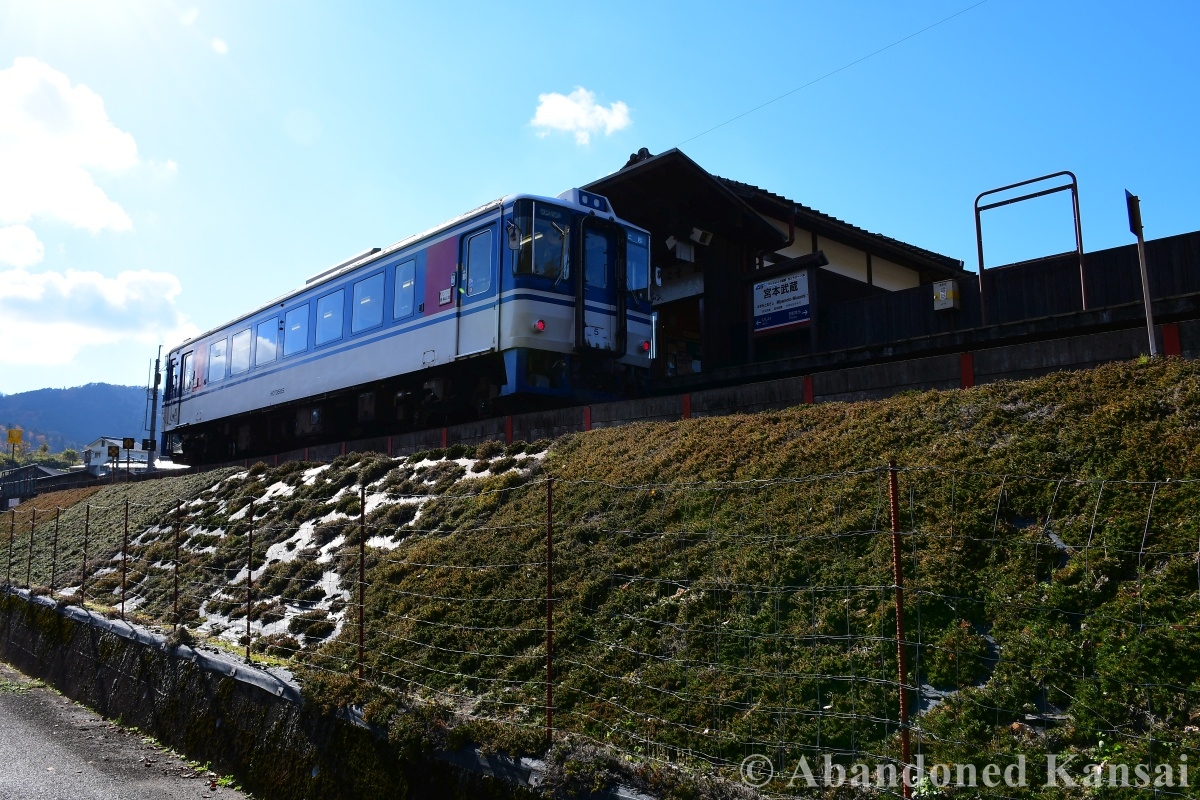
Musashi Miyamoto, unlike Shigeru Miyamoto, was (most likely) born in Miyamoto, Okayama prefecture – halfway between Himeji and Tottori, right at the border to Hyogo prefecture; an area usually described as “deep in the mountains of Japan”. The easiest way to get there? By highway bus, despite a train station in nearby Imaoka (which all are part of a city called Mimasaka) named after the most famous guy from the area. Yeah, I had no idea either. Took me 19 years of living in Japan to find out that there is a train station called Miyamoto-Musashi Station! It’s a small one with only about 15 connections in each direction per day, about once an hour in average, hence the highway bus from Himeji – it’s easy, cheap, and doesn’t require several vehicle changes. (As of early September 2026: 10:30, bus stop 11 at Himeji Station, get off at Ohara Inter, 1900 Yen.) Getting back to Himeji, you can either take the bus from Ohara Inter at 16:13 or the 17:20 train from Miyamoto-Musashi Station via Kamigori Station.
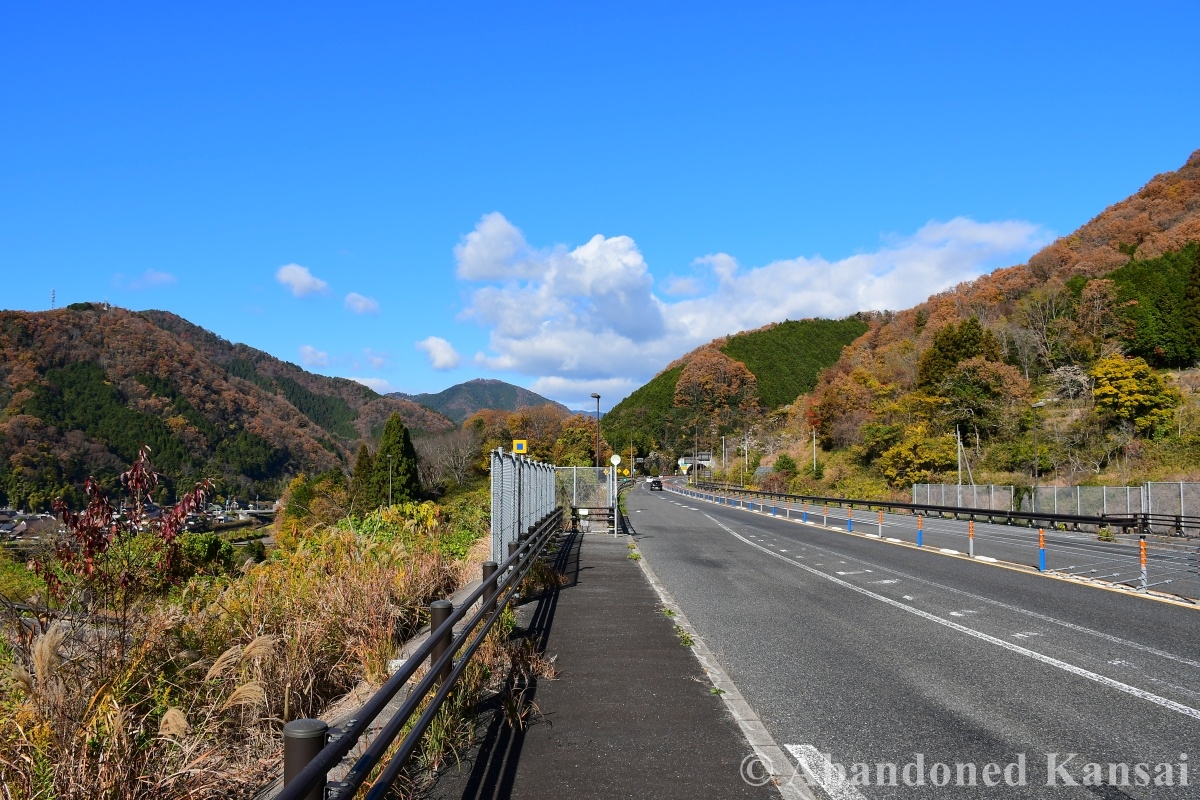
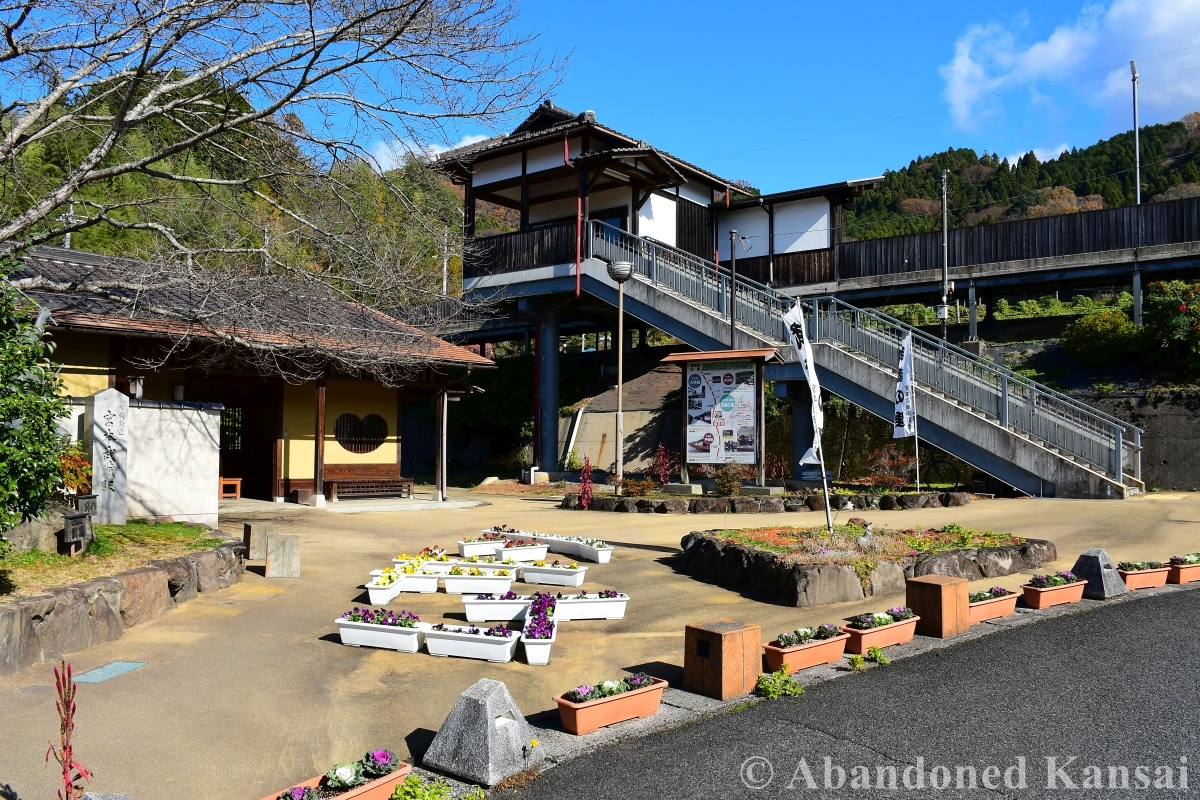
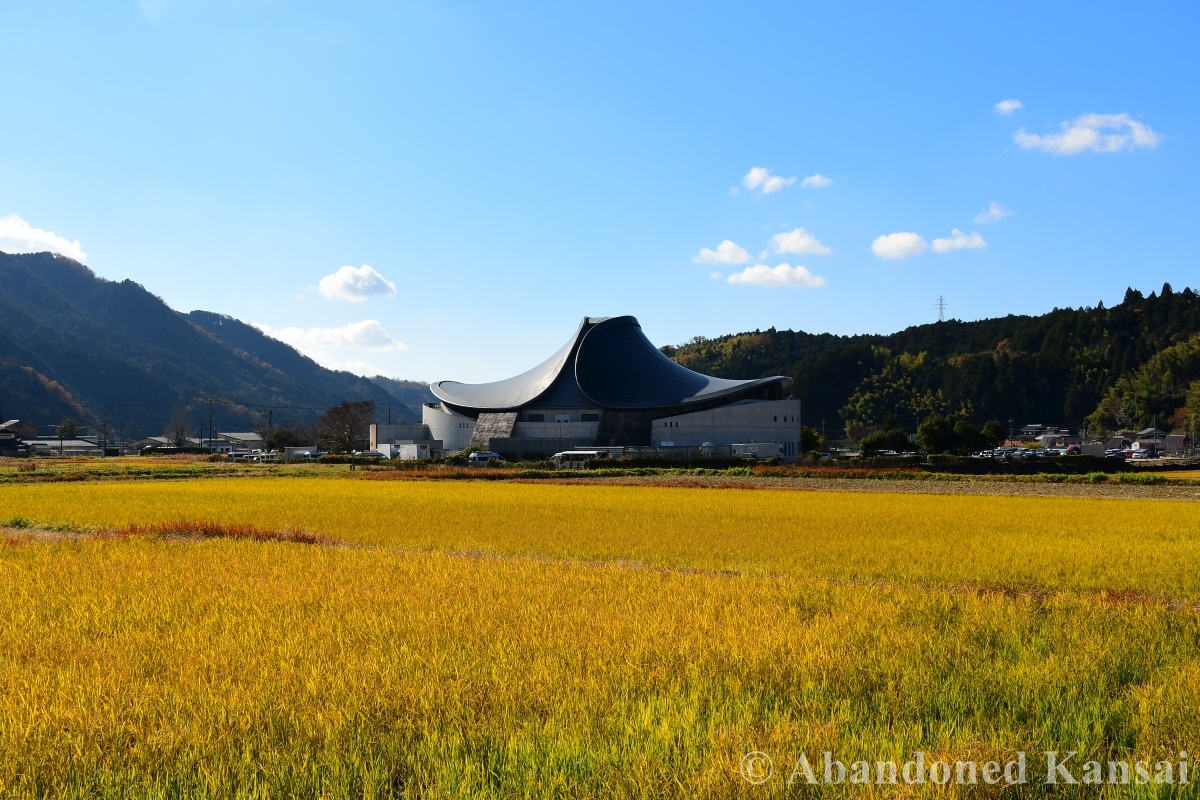
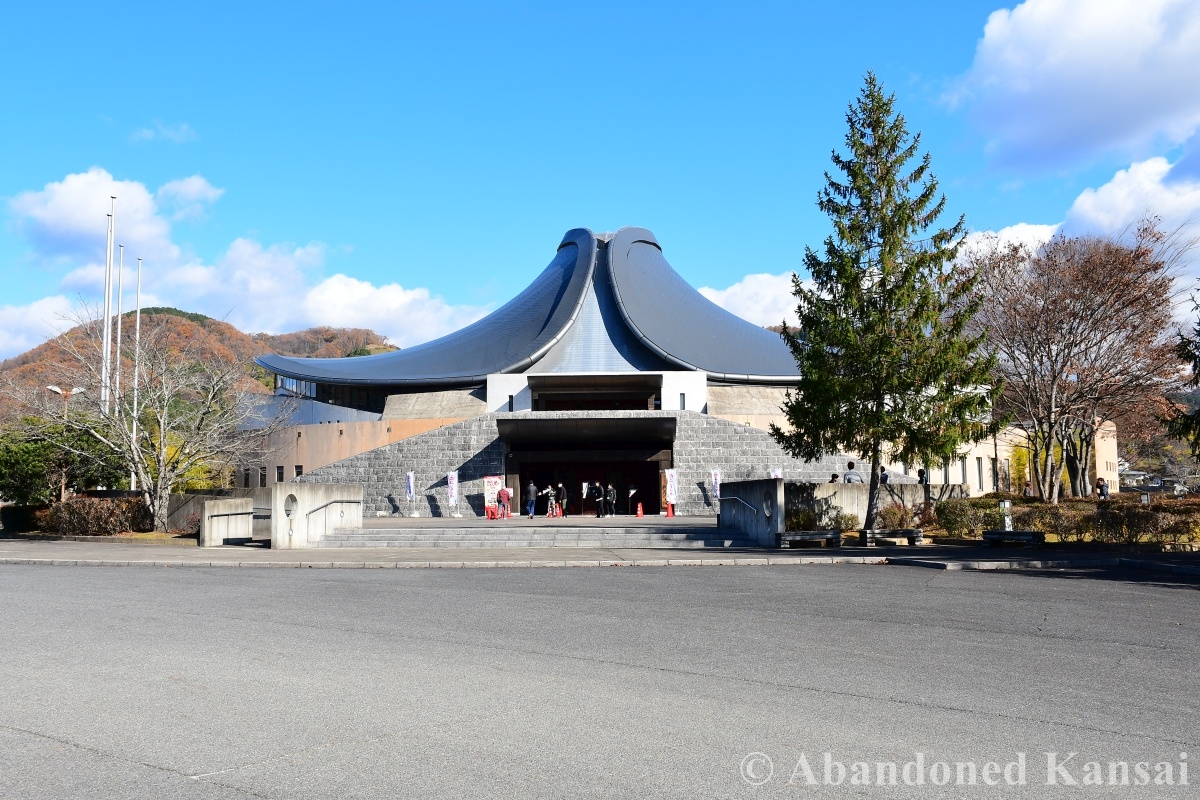
I arrived at Ohara Inter to beautiful weather on a gorgeous Saturday in late November. The highway is a bit elevated, so you can see the train station in the foreground and the Miyamoto Musashi Budokan in the back – a large modern multi-purpose venue dedicated to martial arts, designed after a tsuba (sword guard) crafted by Miyamoto Musashi (I was told that on location, Wikipedia claims that a samurai helmet called kabuto was the inspiration, so… who knows?).
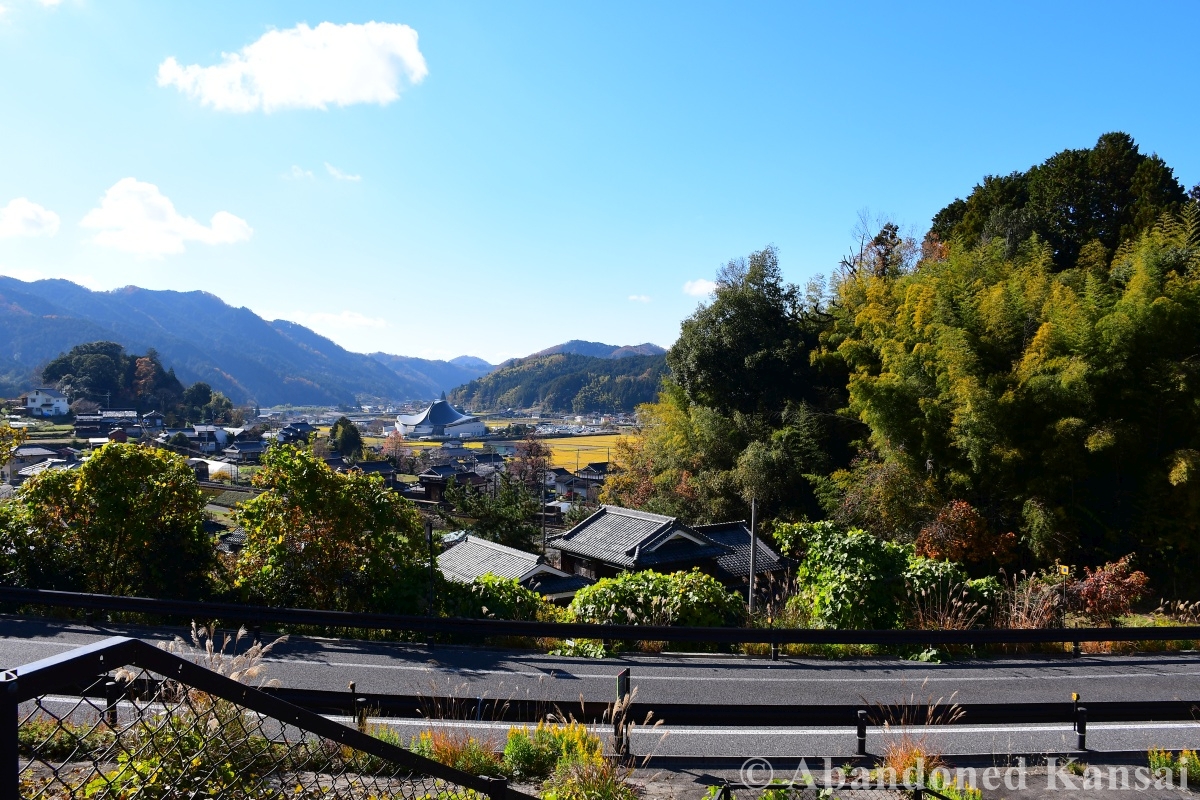
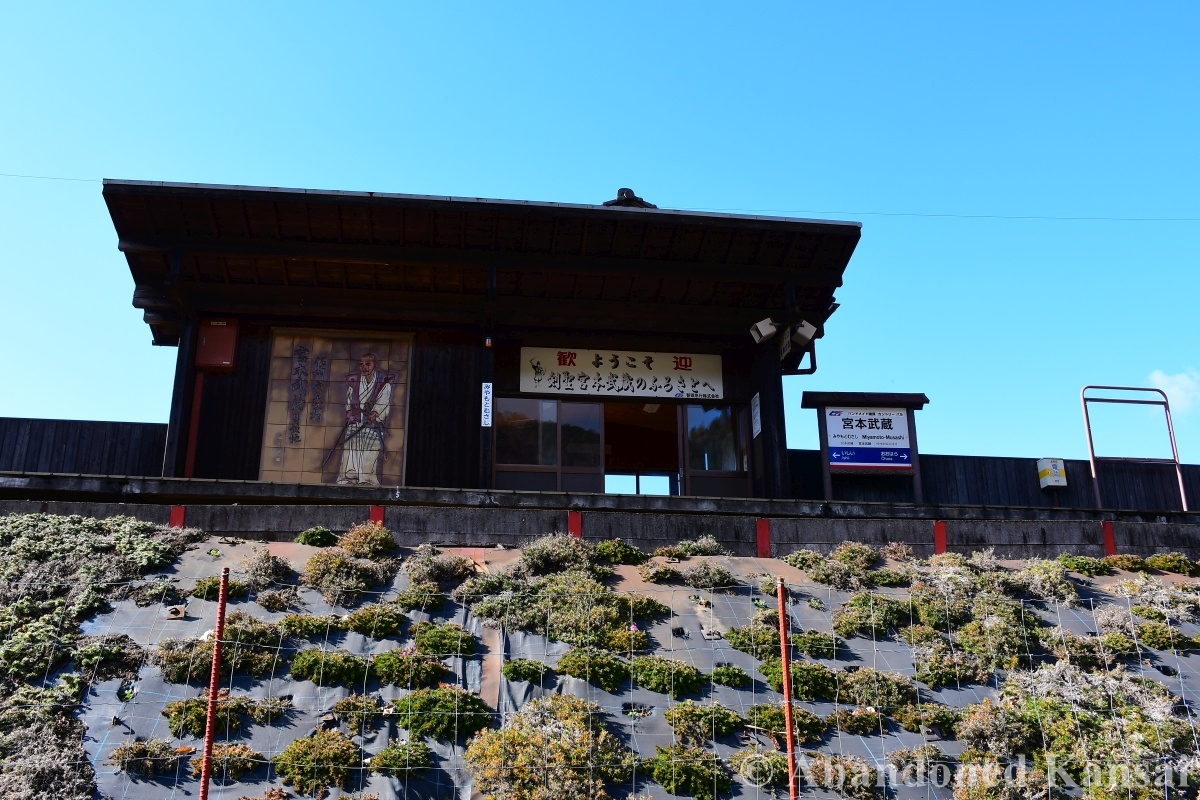
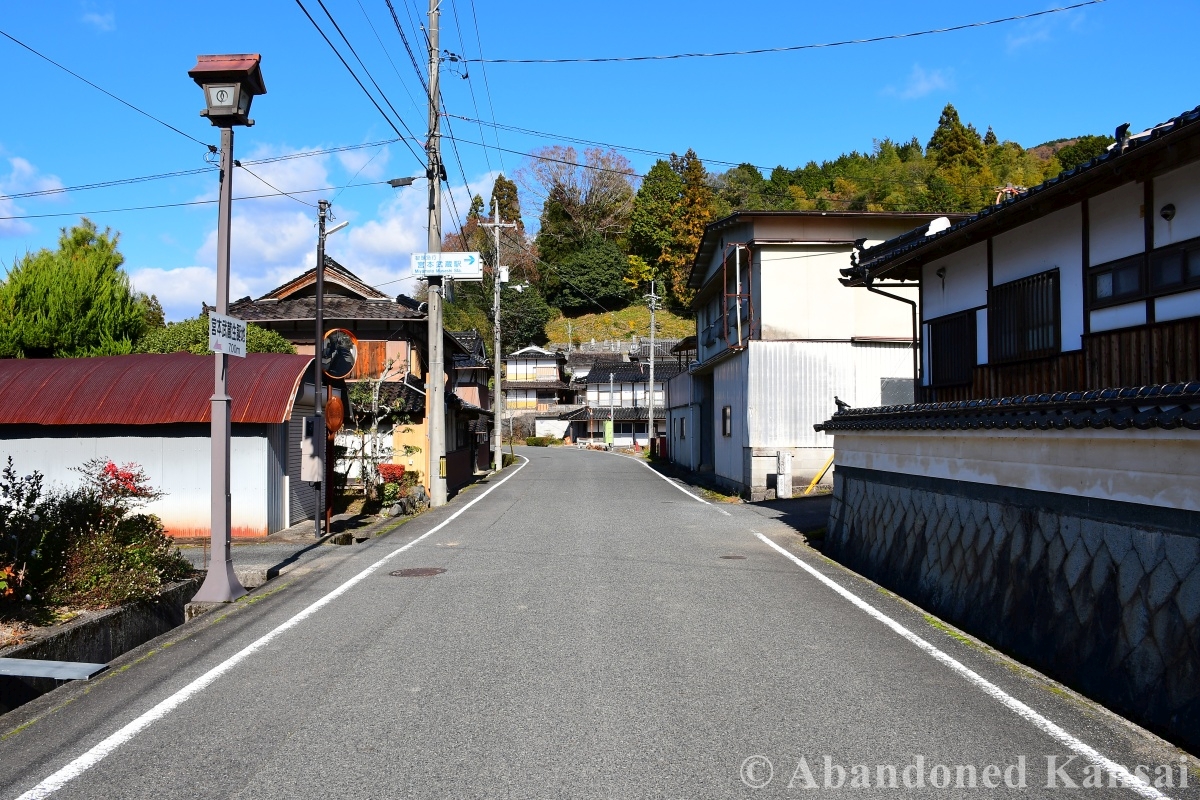
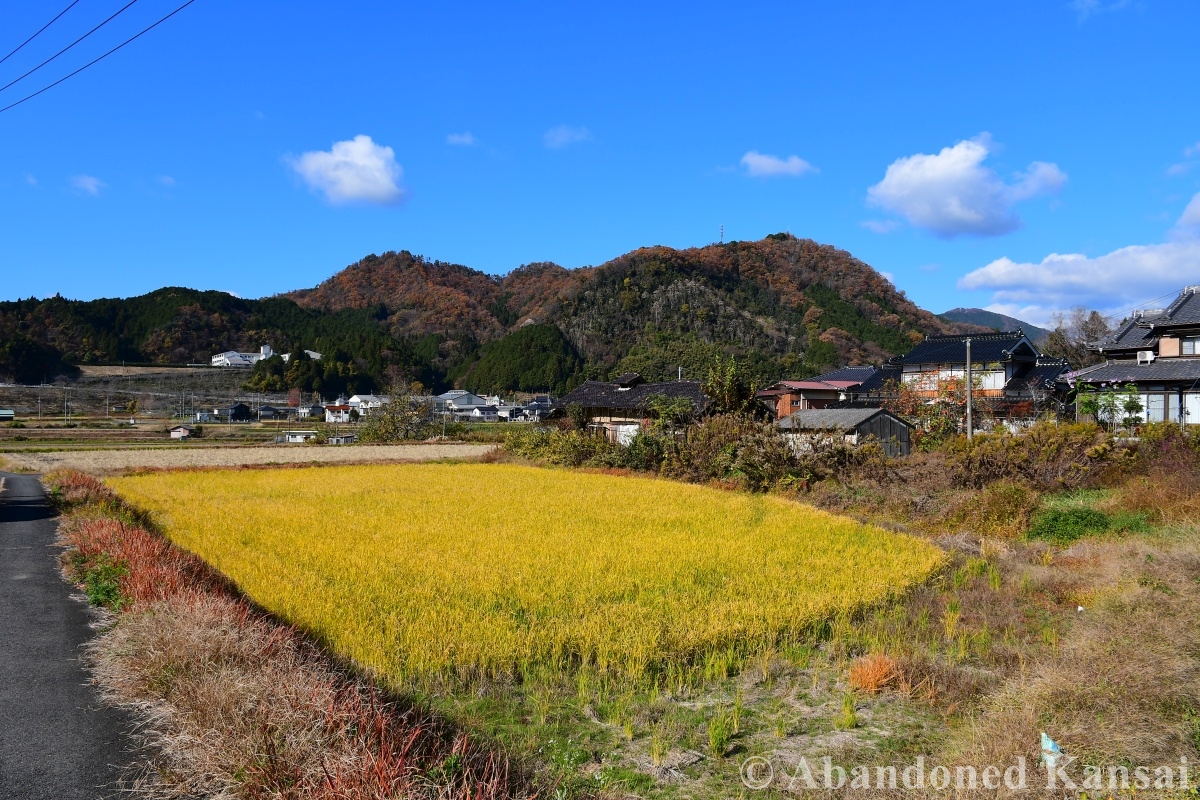
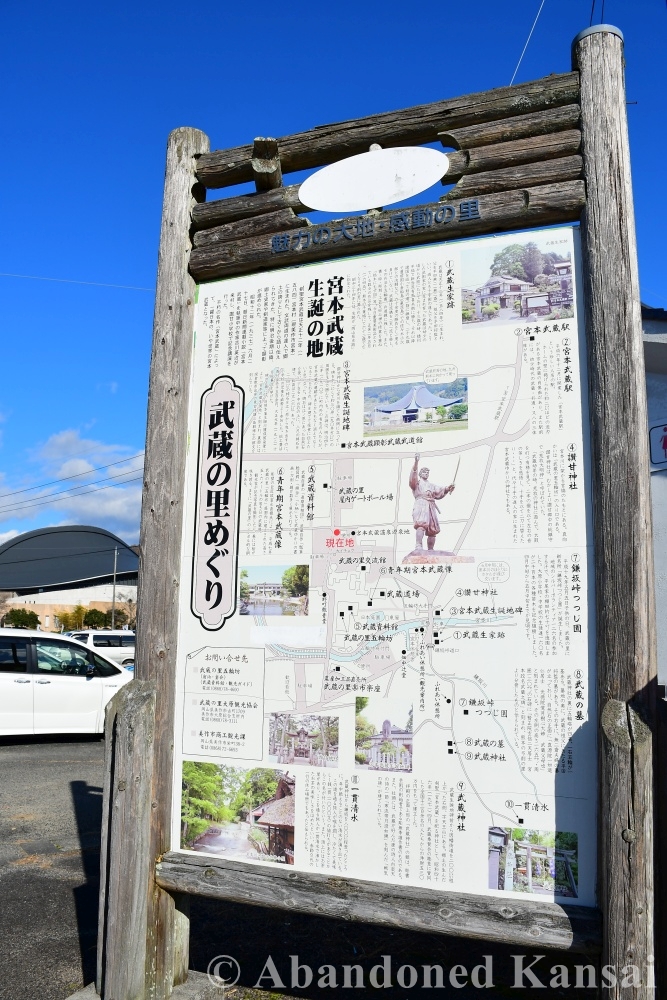
Upon arrival in the really, really lovely small town, surrounded by rice fields and dotted with kaki trees, there is so much to see – first there is the train station, which featured several statues, area guides and even some stamps, if that’s your kind of thing. From there I went over to the Budokan, which was surprisingly busy due to a singing contest held by NHK. Interestingly enough, that had no influence on all the other sightseeing spots in town. The Musashi Memorial Park, the Sanomo Shrine, Musashi’s birthplace, the Musashi Shrine, the family grave… all void of people.
There’s a small sightseeing center in the tiny center of the town, so I went there in search of some souvenirs. And they actually had quite a nice collection of non-perishable items like wallets, T-shirts, coasters, … Probably not enough customers for senbei or manju. Which is a shame, because Miyamoto is a super nice small town, absolutely gorgeous. The guy running the shop / tourist center was extremely friendly and closed the place for almost an hour to give me a guided tour of the birthplace area, including the Musashi Shrine; which he apparently does regularly, according to reviews on GoogleMaps. He even opened the Musashi Miyamoto Museum for me, which was closed during Covid and never reopened, so I could have a look.
Overall one of the best day trips ever, doable from pretty much everywhere between Kyoto and Okayama. Unlike Otaru or Hakone, this is really a hidden gem off the beaten tracks!
Ganryu-jima
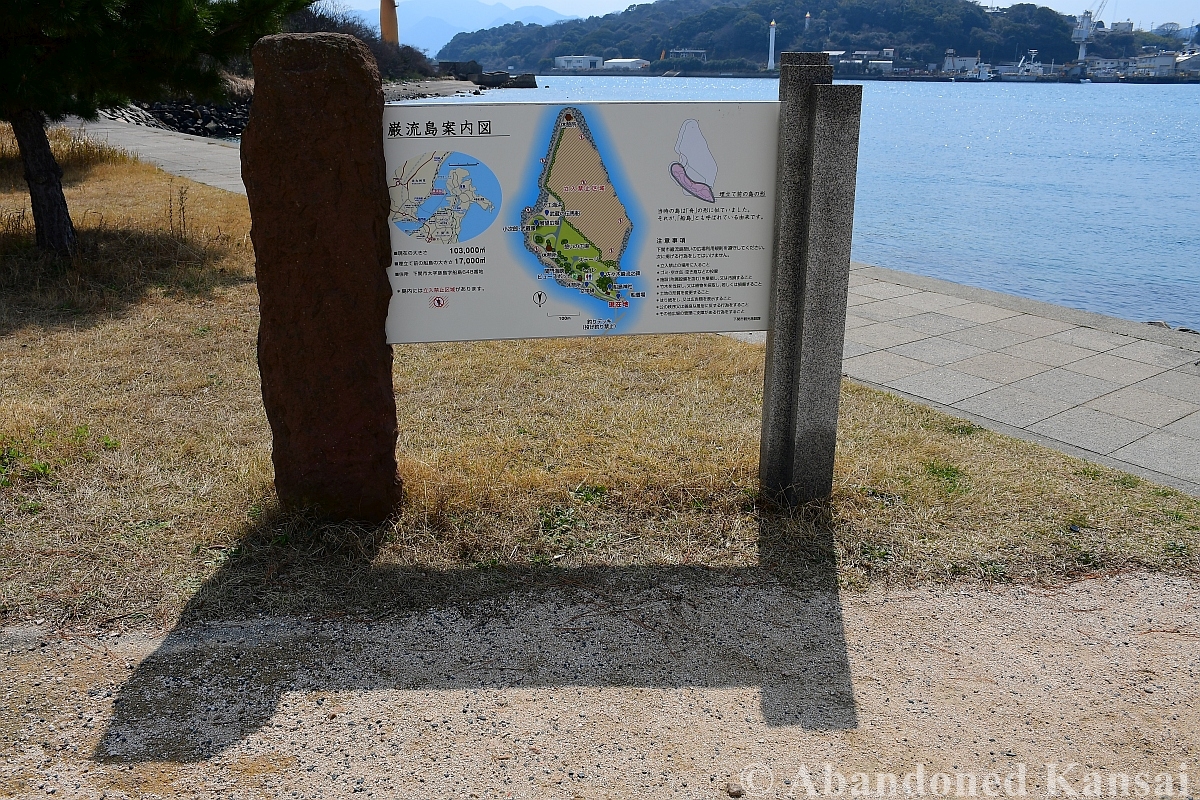
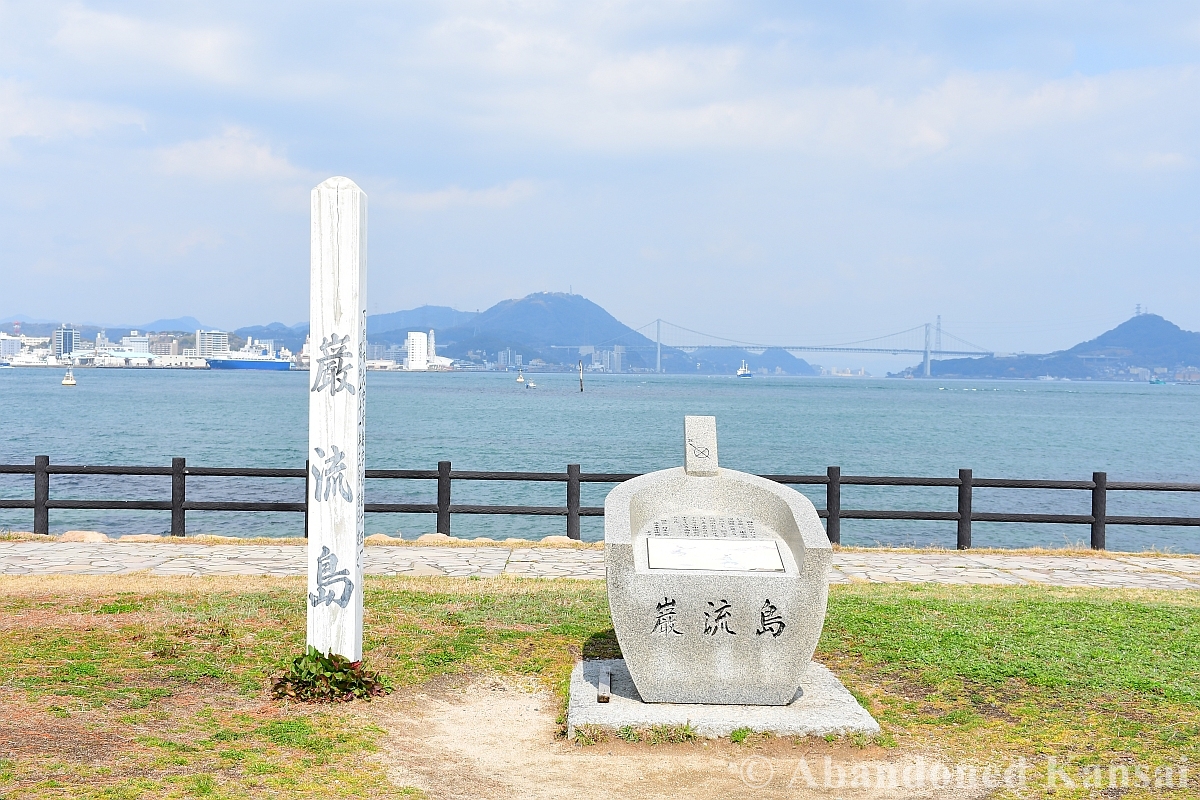
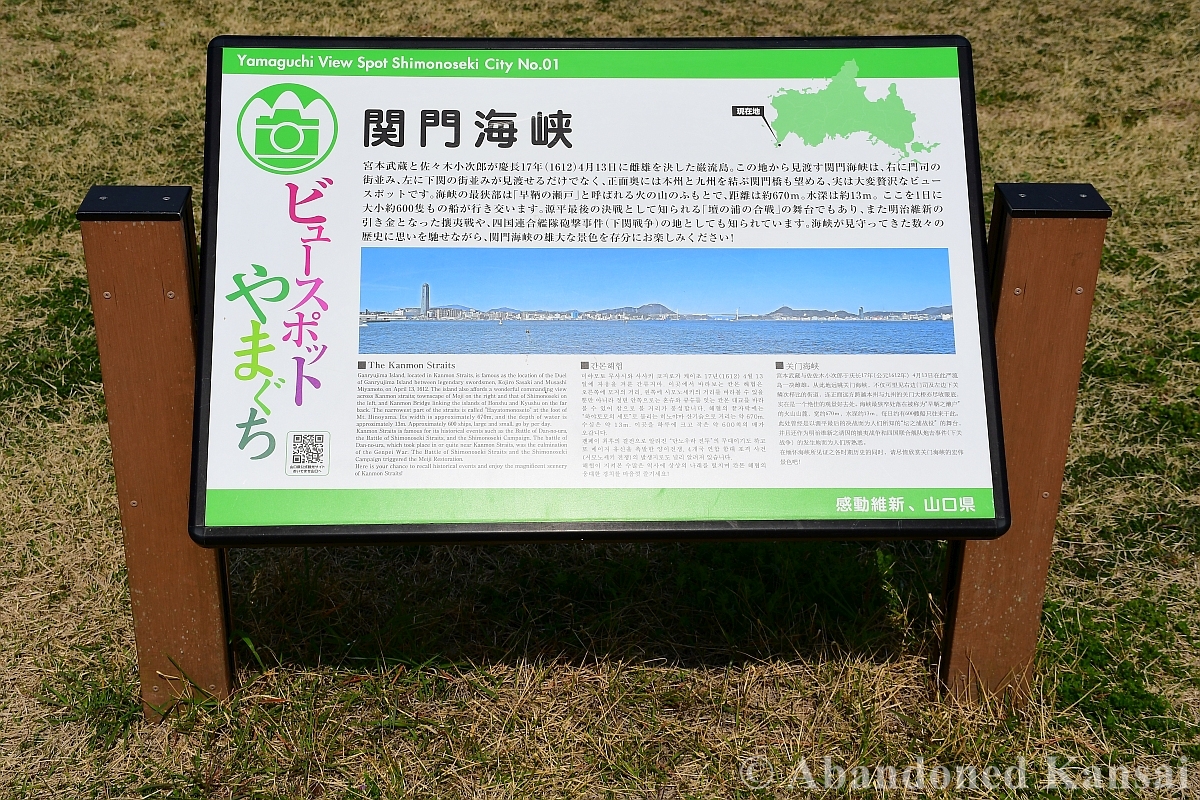
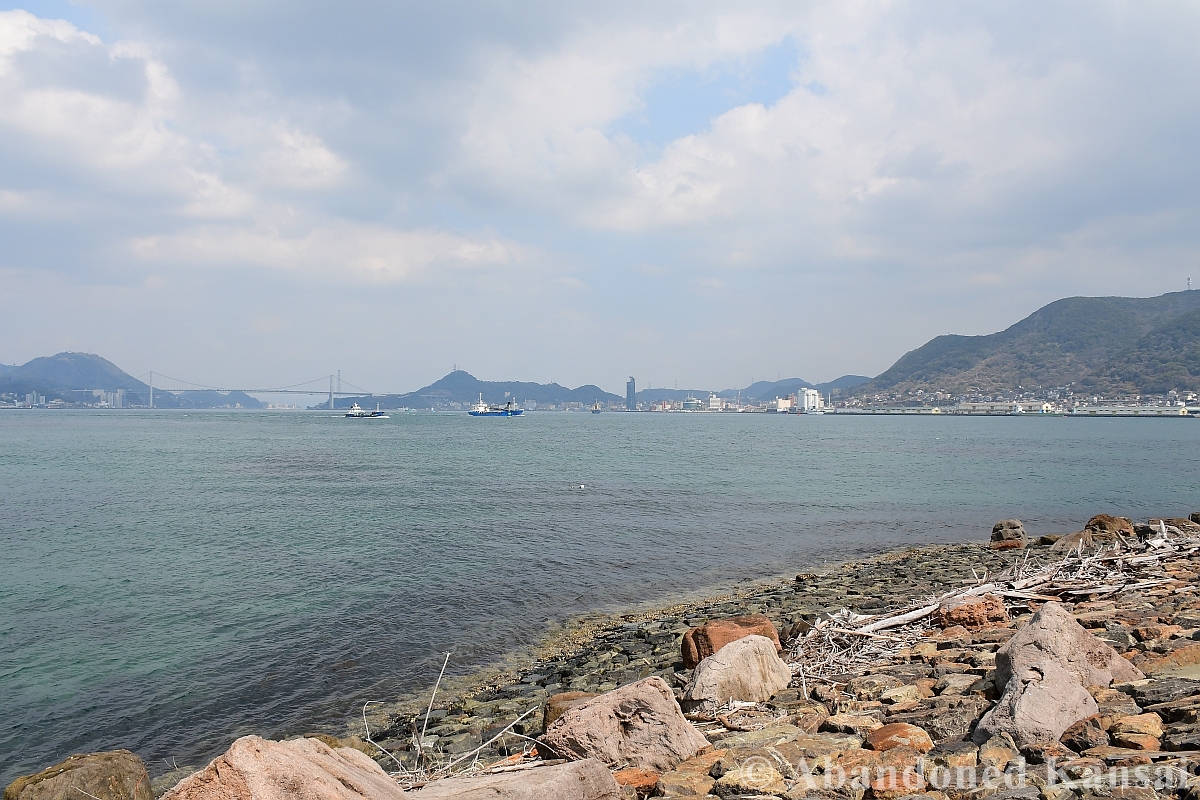
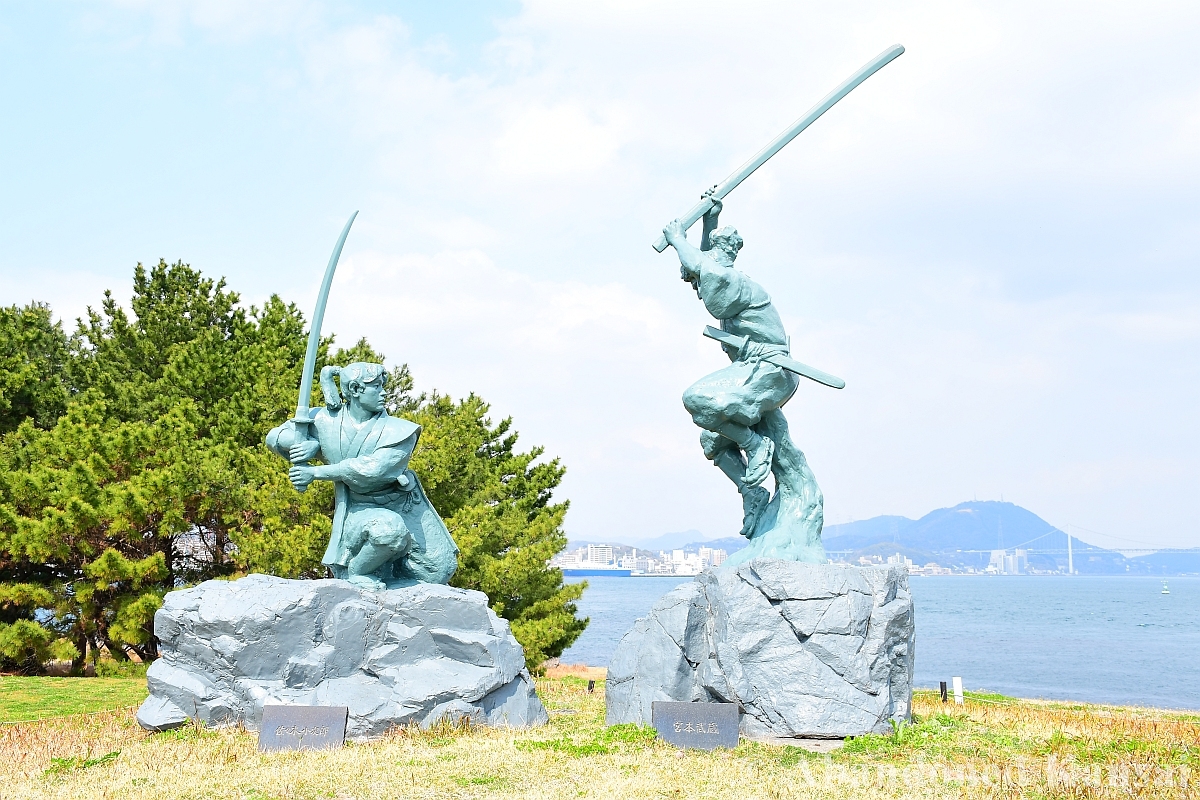
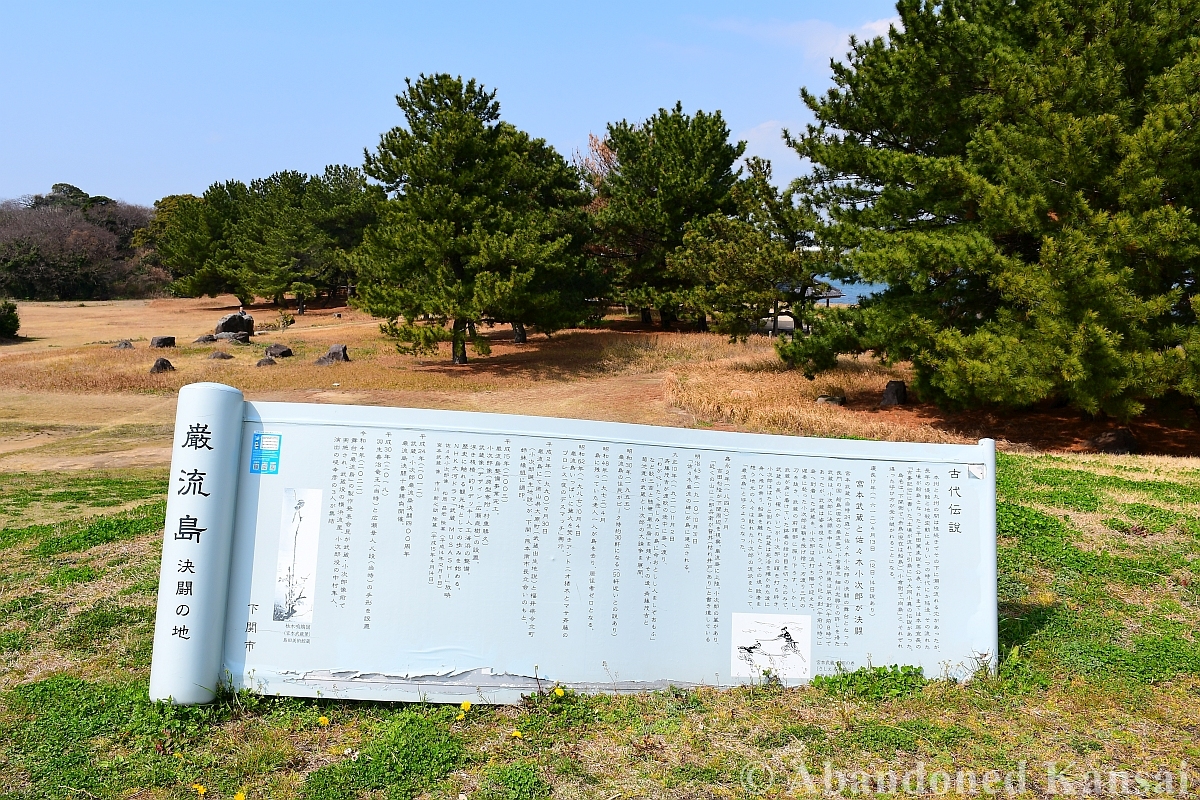
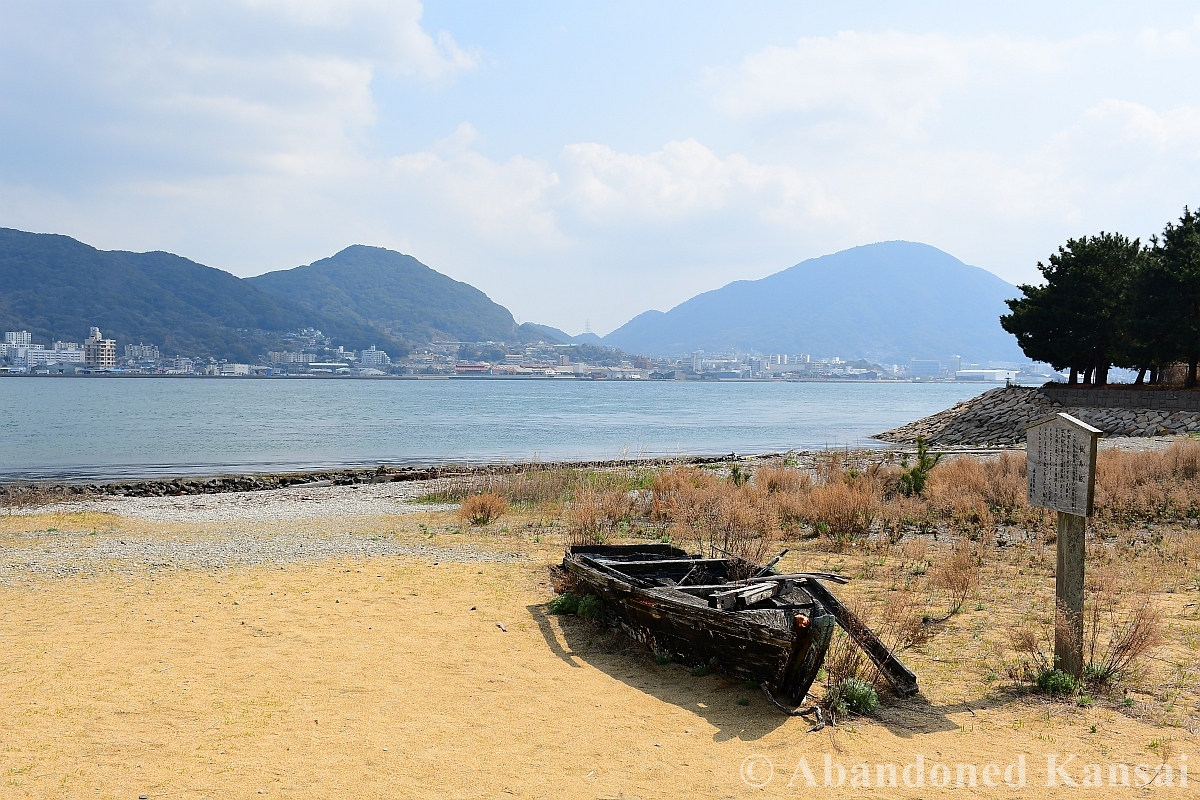
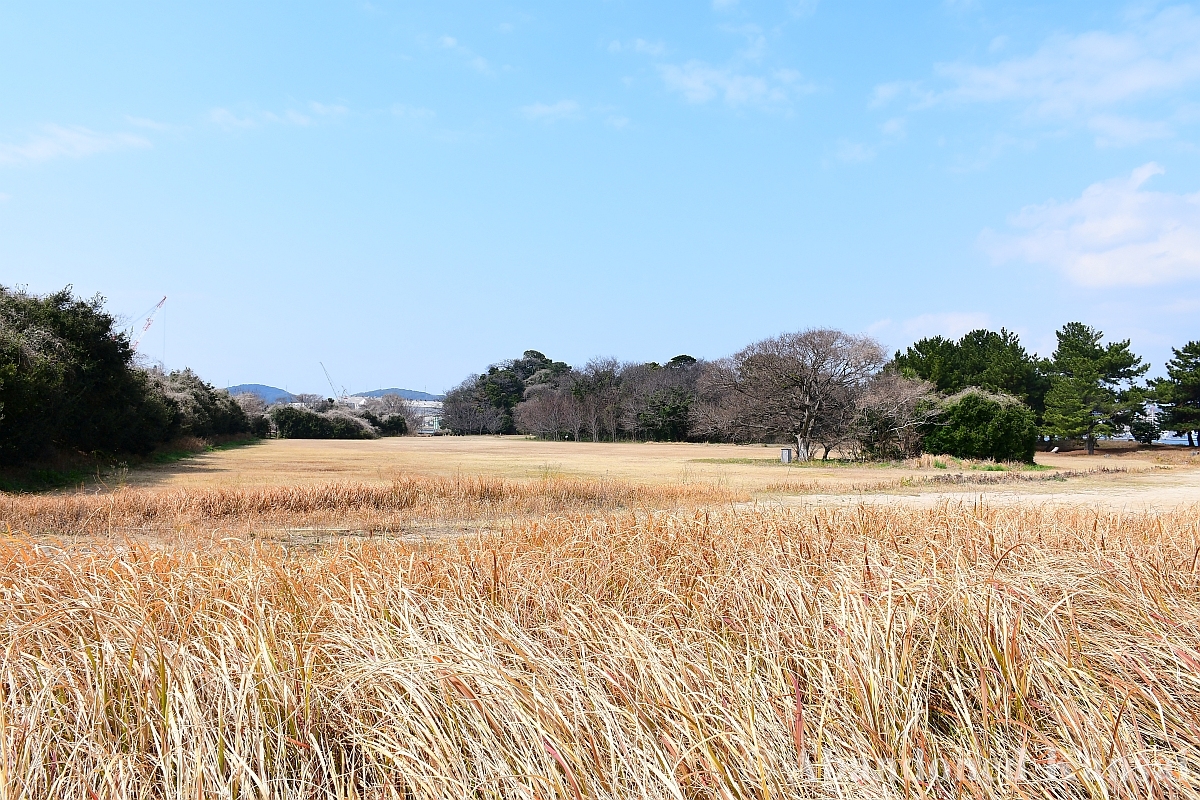
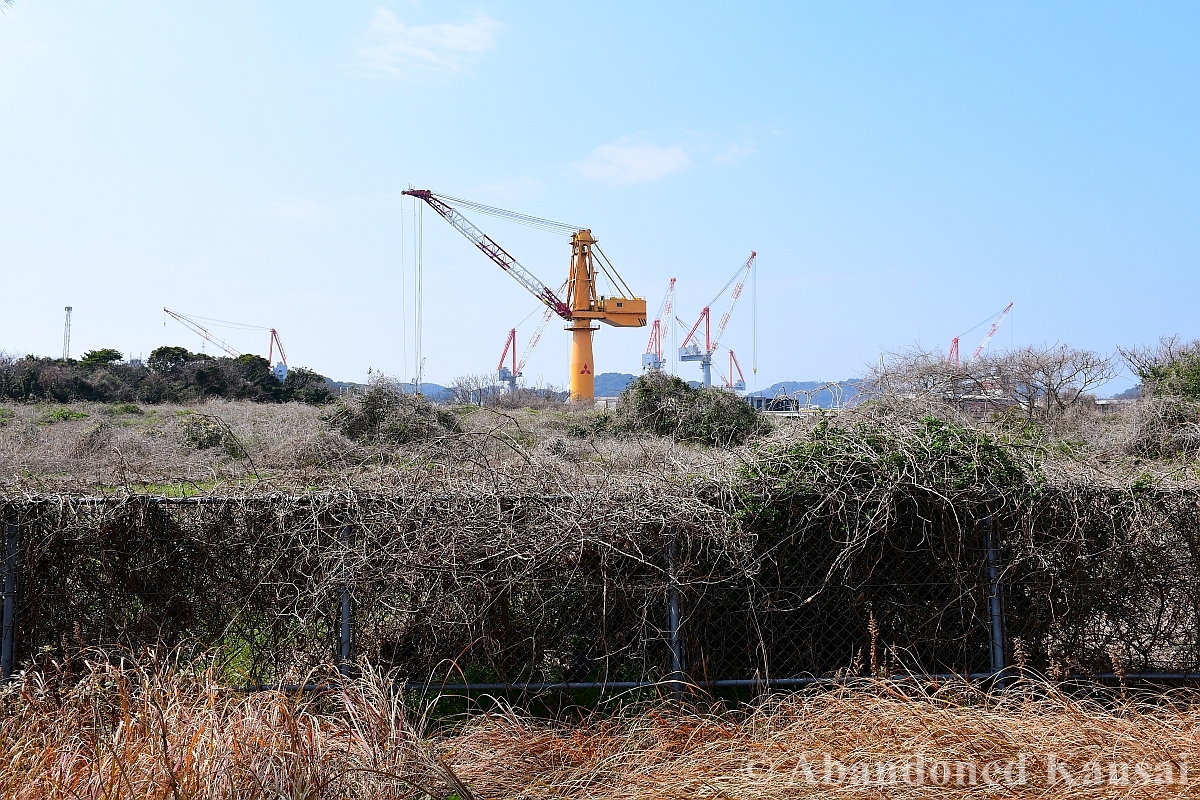
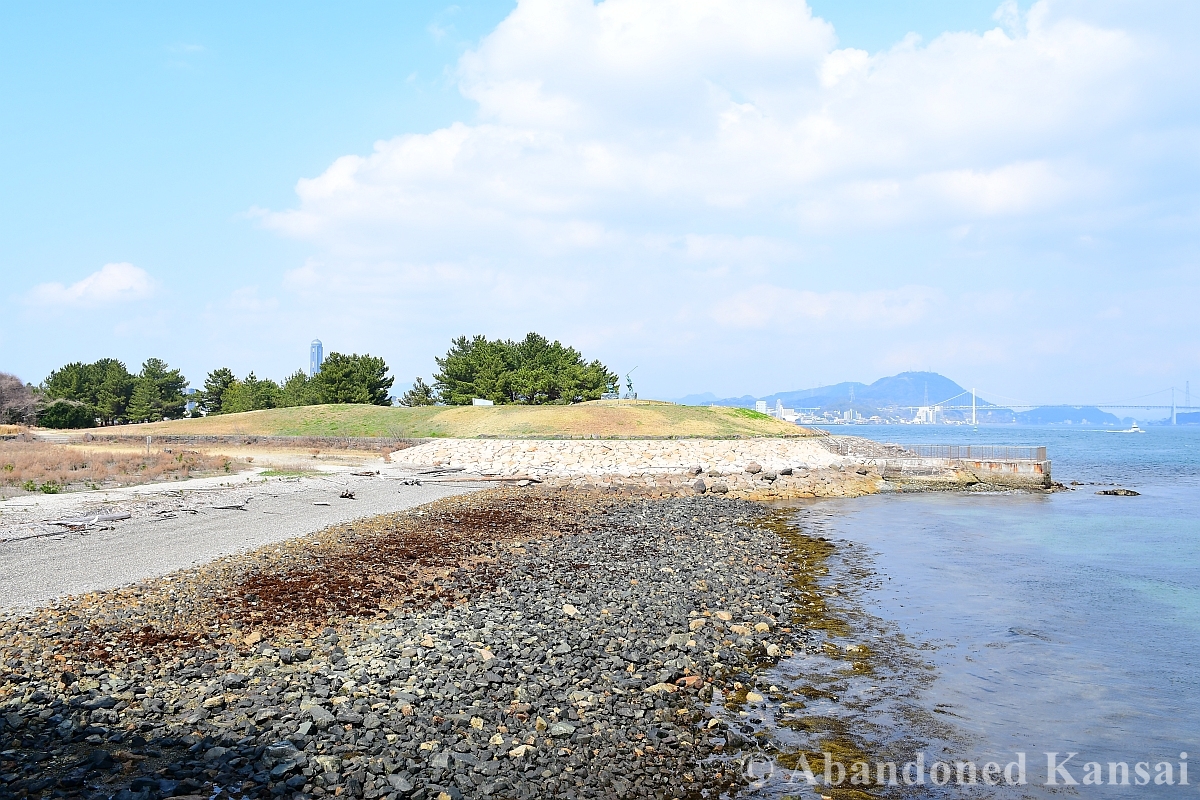
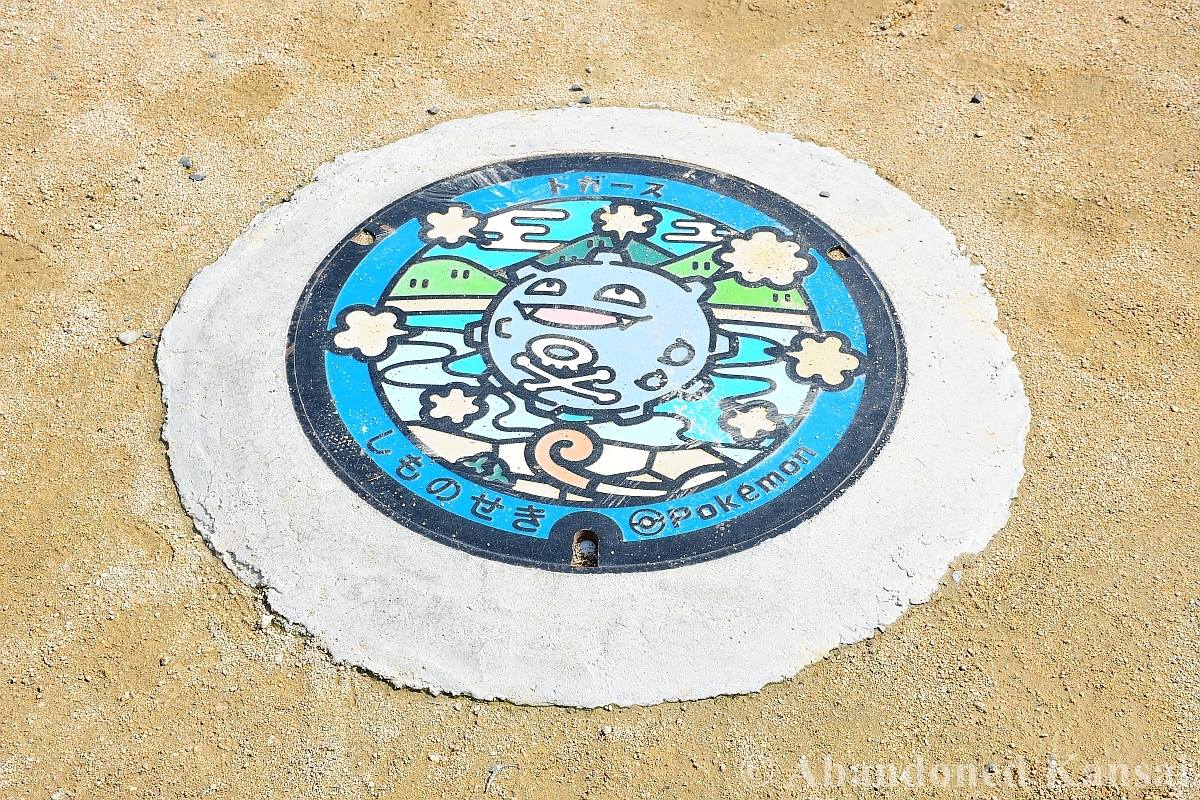
Ganryu-jima or Ganryujima is a small island in the Kanmon Straight between Honshu and Kyushu. Known at the time as Funa-jima, because it was shaped like a boat, it’s now famous for the duel between Musashi Miyamoto and Kojiro Sasaki – who ran a sword fighting school named Ganryu and apparently used the term as his nom de guerre, hence the new island name. Both Miyamoto and Sasaki were successful and ambitious swordfighters at the time, and rivals from afar – so they had a duel arranged by daimyo Tadaoki Hosokawa on April 13, 1612. The two had never met before, but Miyamoto, being a bit of a prick that he was, arrived hours late to unsettle Ganryu… and to whittle a spare oar into a heavy wooden training sword on the way to the island. Upon arrival Sasaki lost his shit and Miyamoto cracked his head open with the whittled oar. The end. In August 1917 Mitsubishi Heavy Industries started to expand the island from 17k square meters to more than 103k square meters in 1980 for their shipbuilding business. They owned the vast majority of the now uninhibited island until 2003, when they transferred about a third of it to the city of Shimonoseki… so I guess they still own the majority, but now allow visitors to the public park, which has been turned into a tourist attraction and memorial of the famous fight.
Access is rather easy – just take a bus from Shimonoseki Station or Shin-Shimonoseki Station to Karato bus stop, and then a boat from the nearby wharf to Ganryu-jima. There is not much to see or do on the island, so you’ll probably leave after an hour or so, but the Shimonoseki / Moji area is also surprisingly nice, so check out the Kaikyo Yume Tower, the Moji harbor area, and / or walk through the Kanmon Tunnel underneath the straight from Kyushu to Honshu. A really lovely way to spend a day, which I did in March of 2026.
(*Like Abandoned Kansai on Facebook* or *follow us on Twitter* if you don’t want to miss the latest articles and exclusive content – and subscribe to the *video channel on Youtube* to receive a message right after a new video is online…)
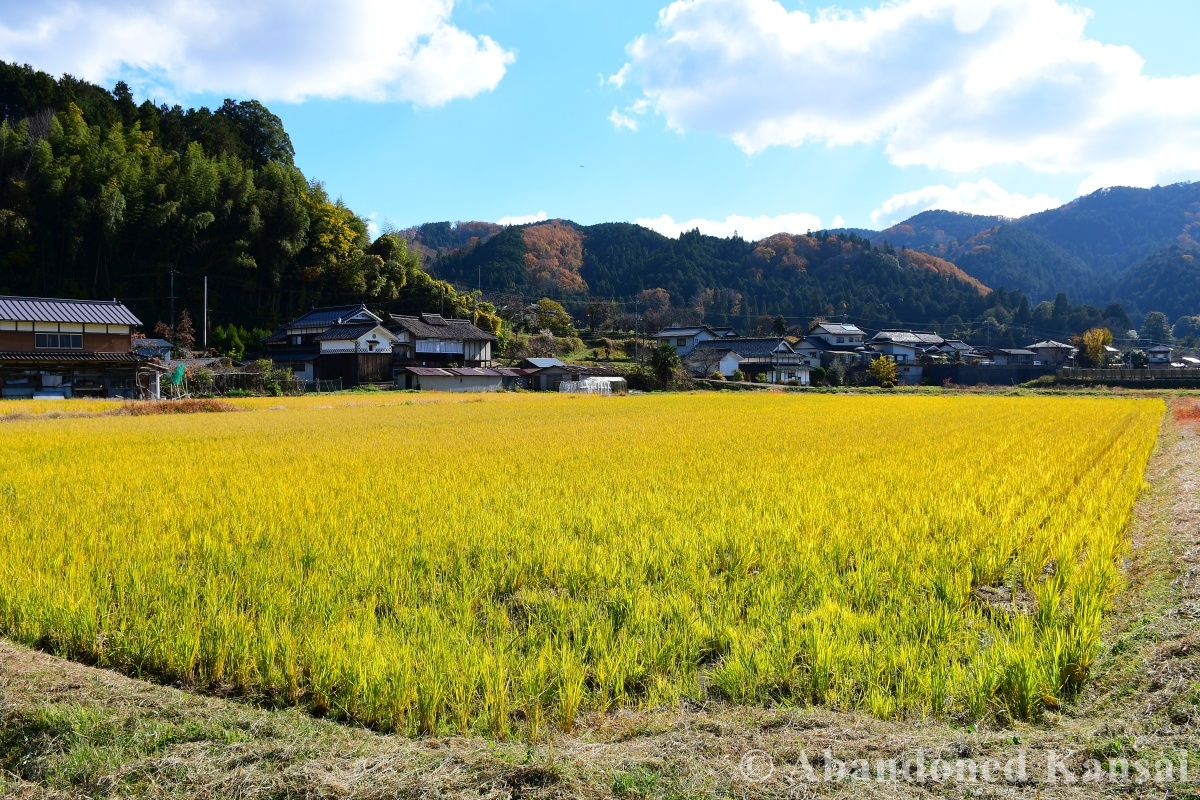
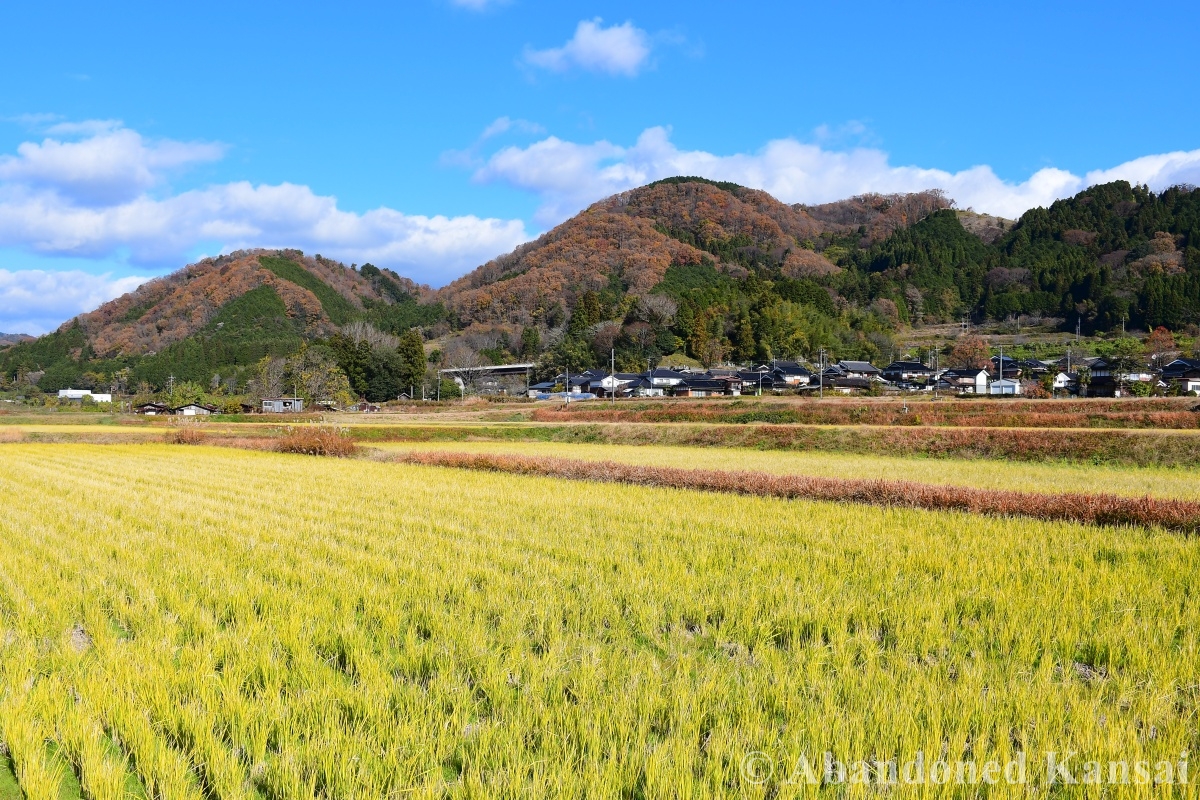
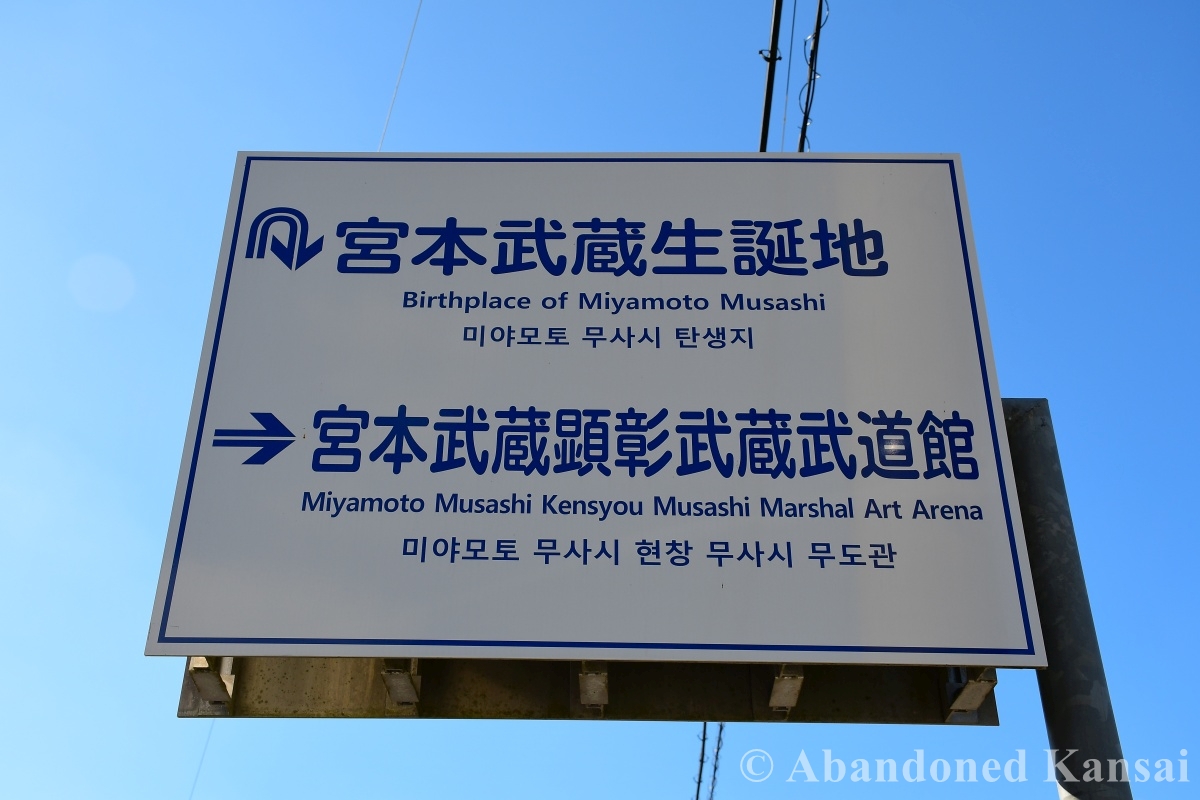
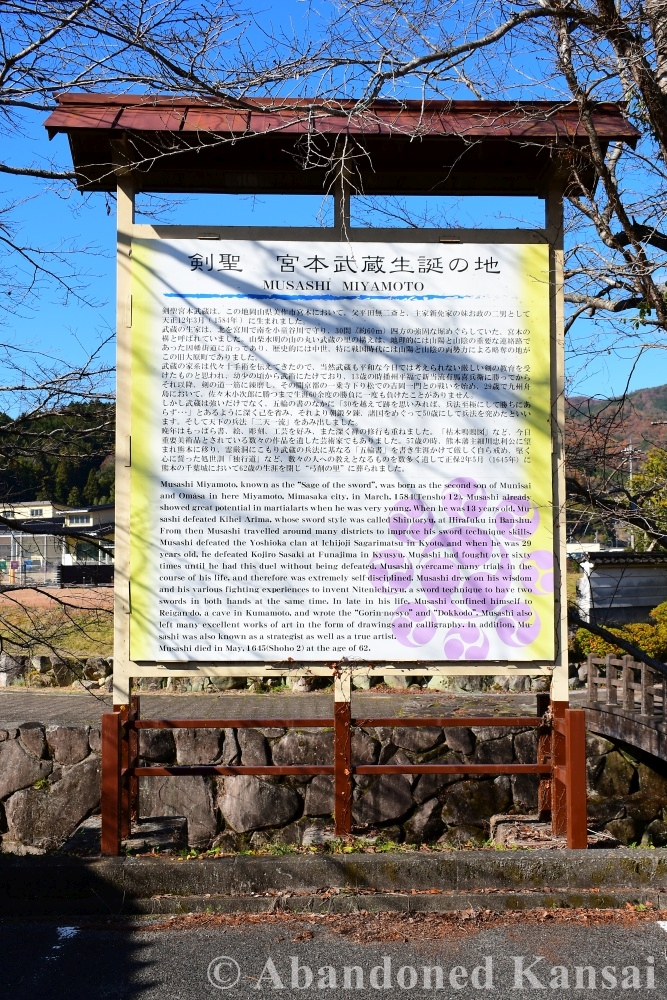
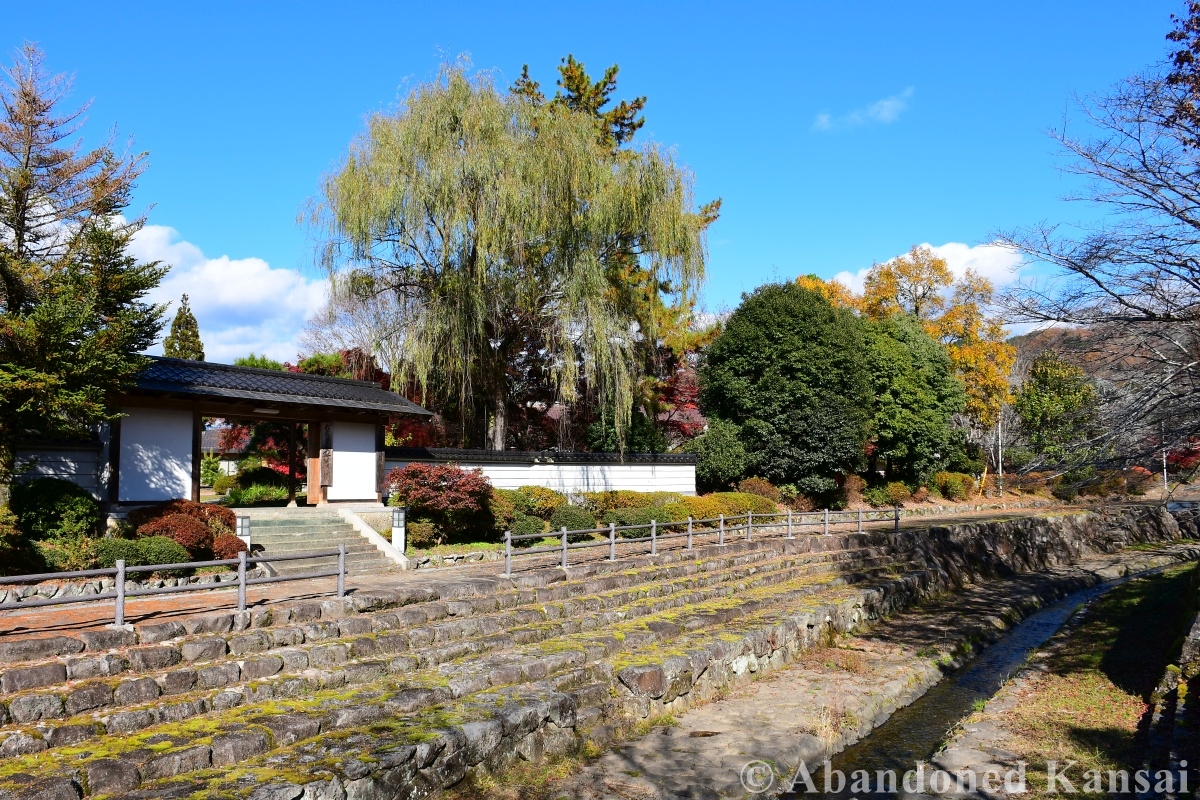
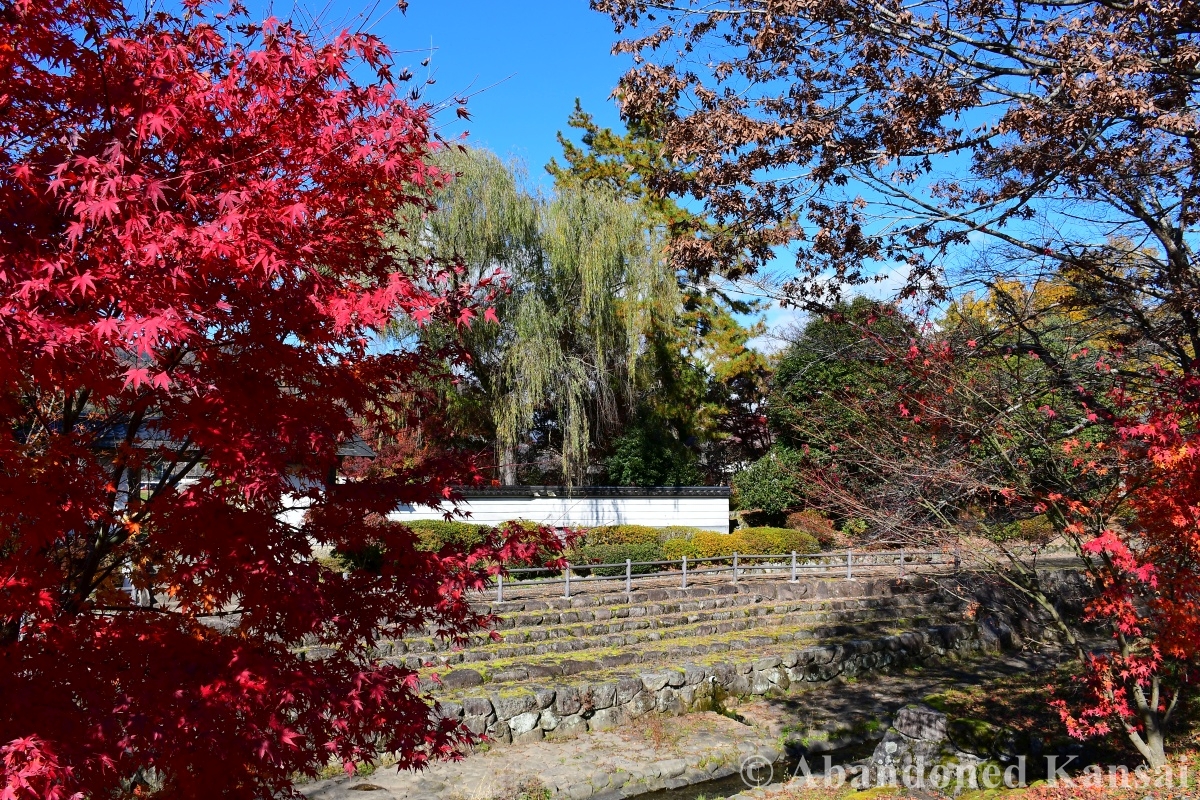
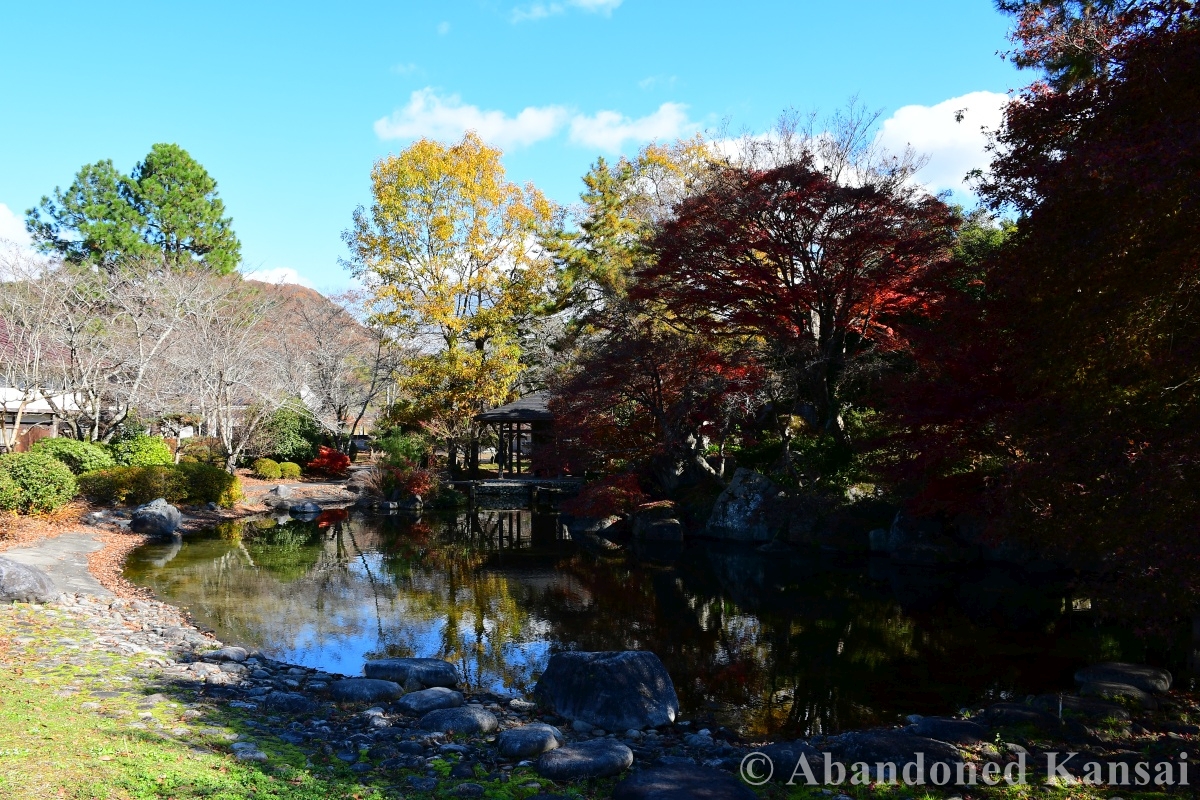
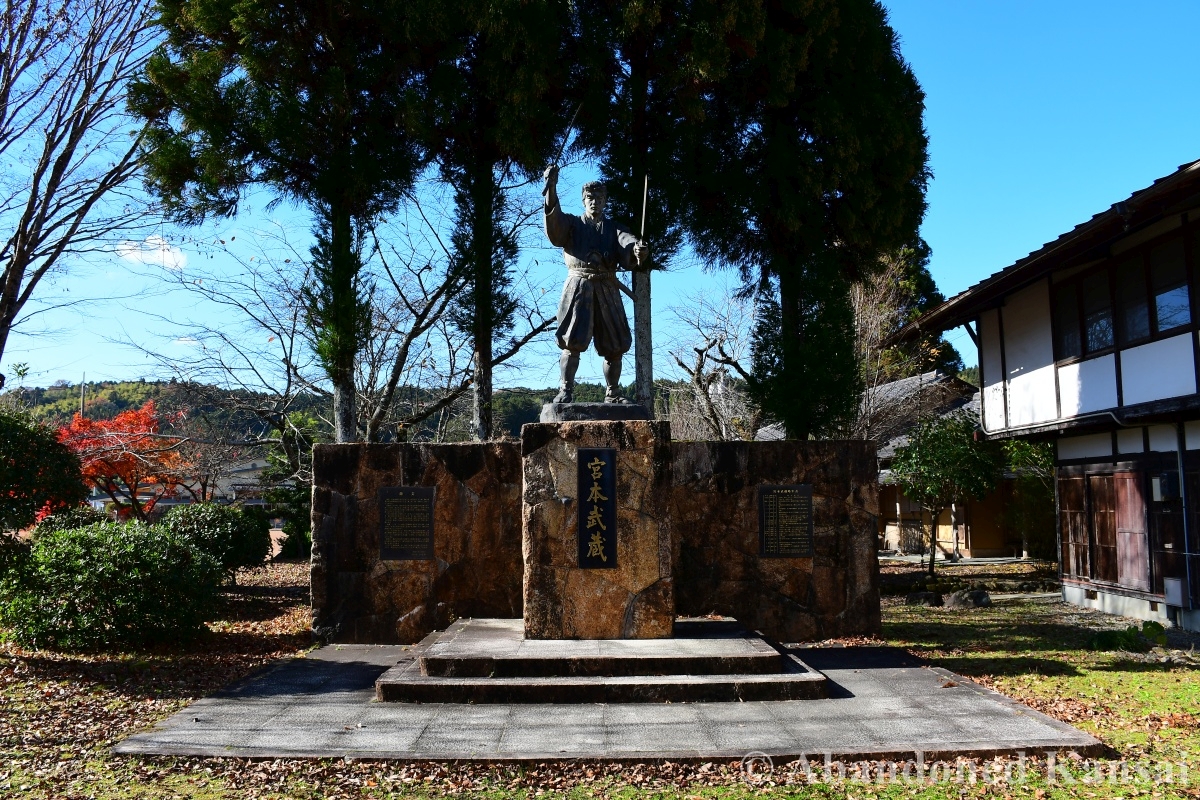
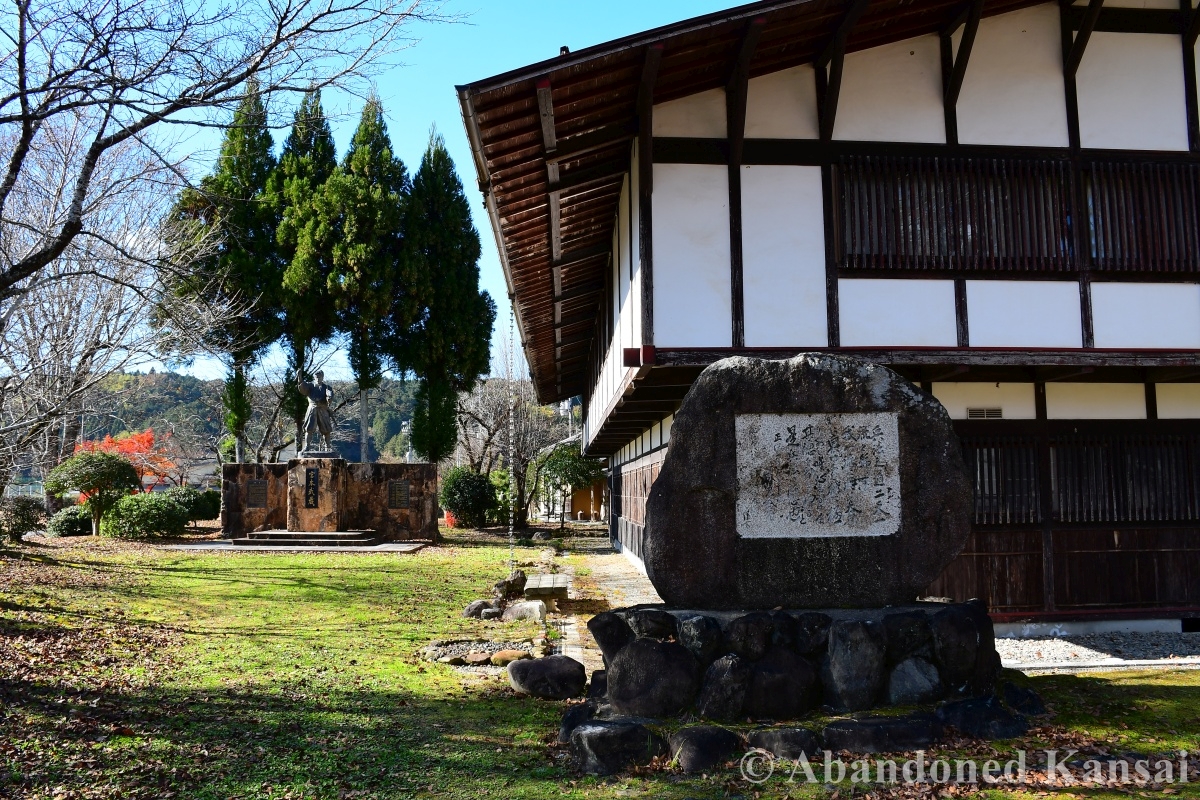
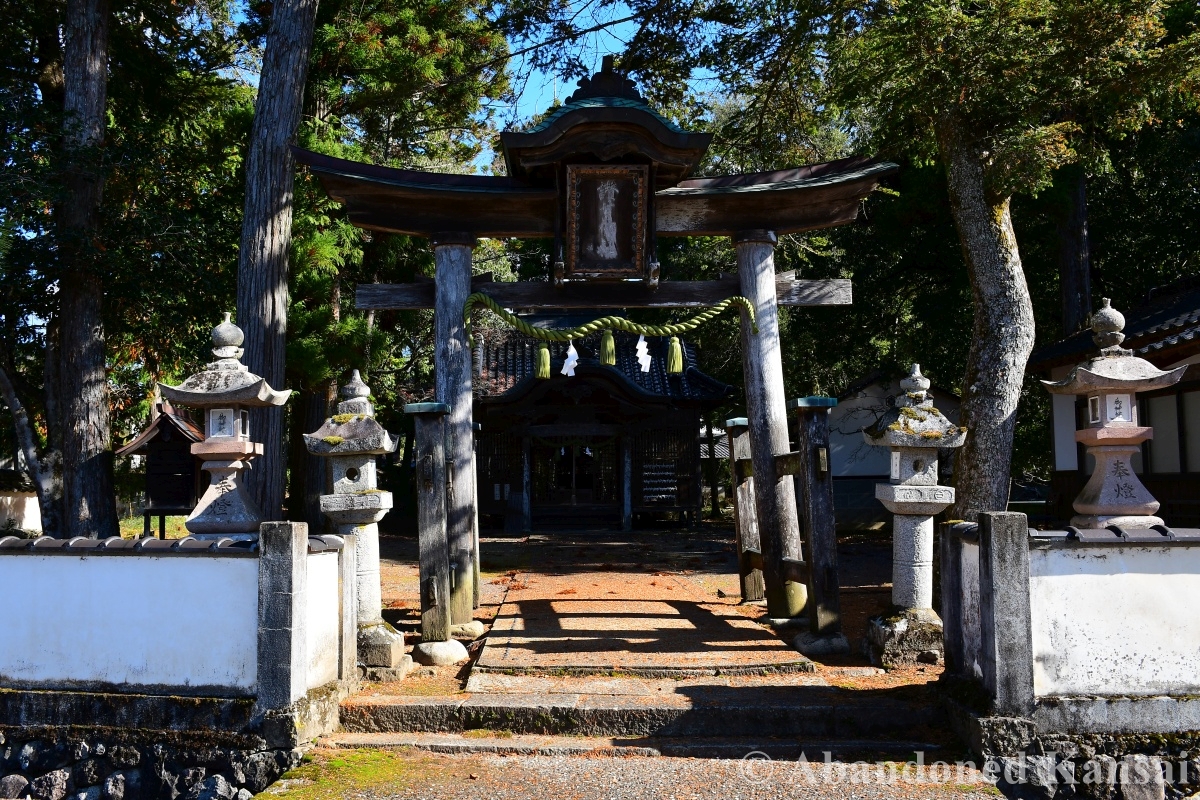
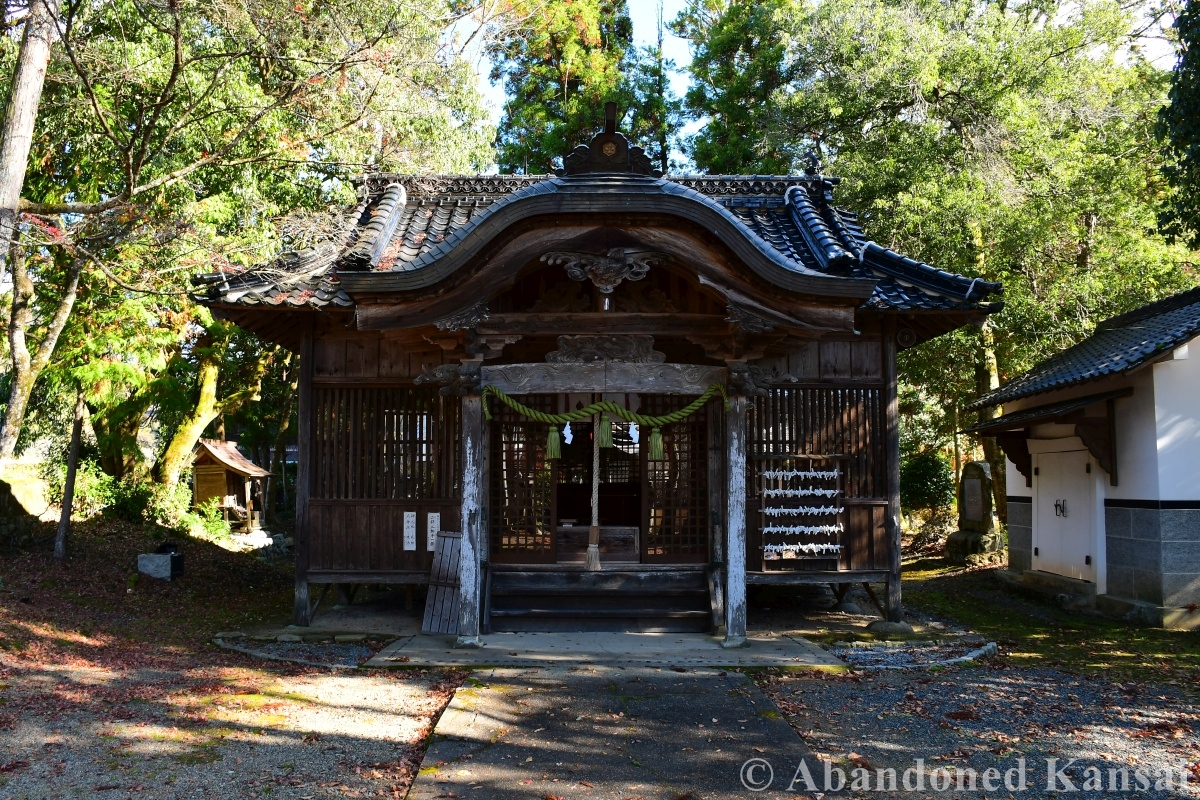
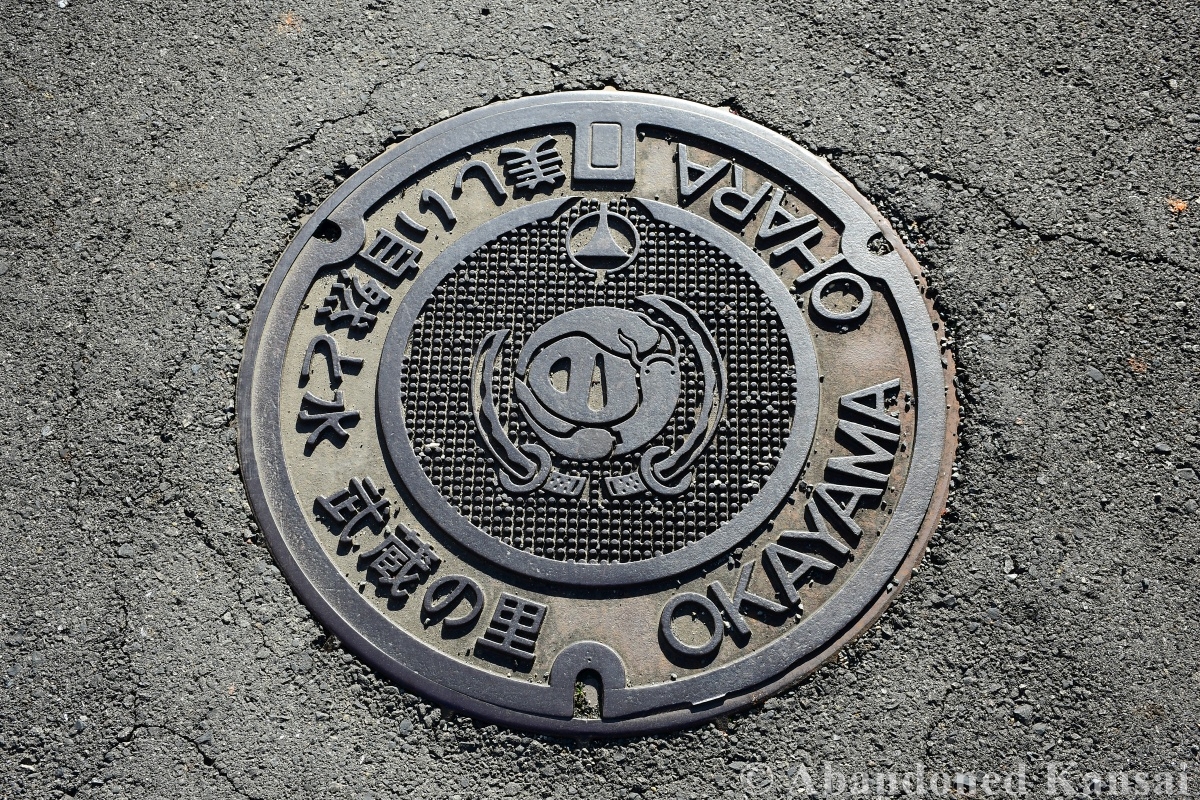
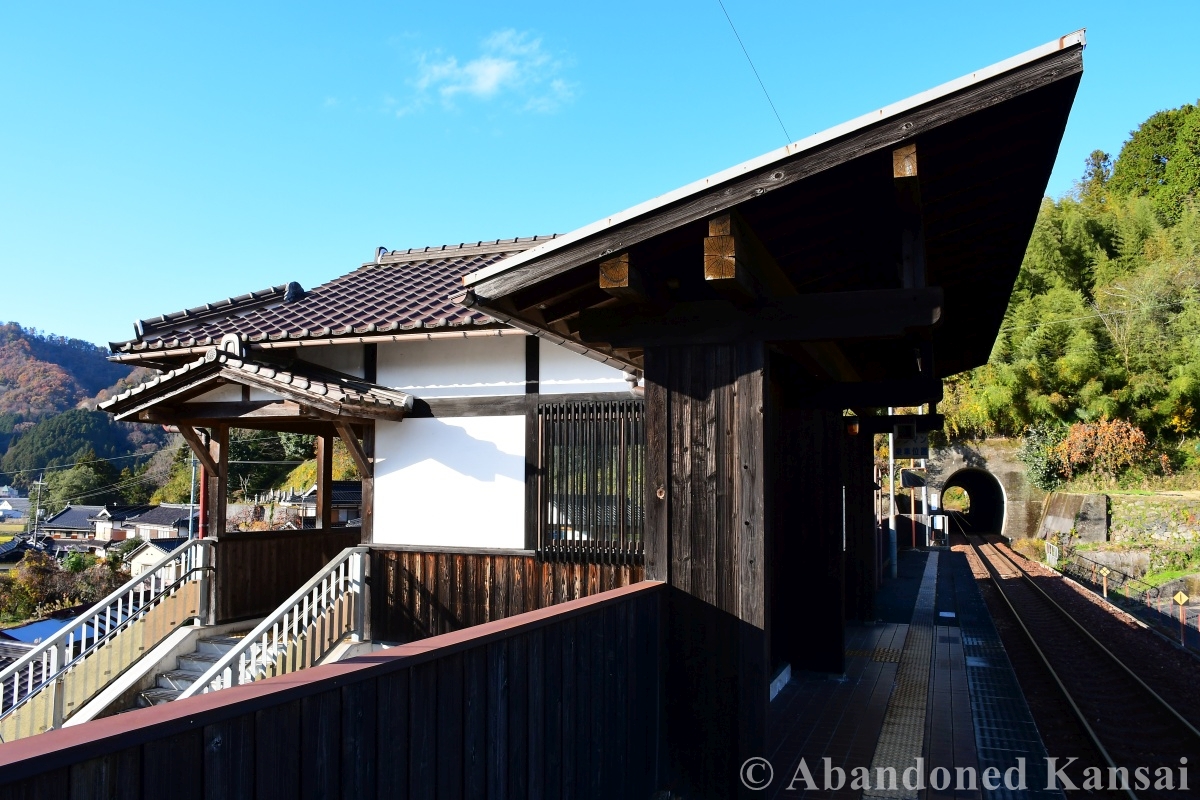
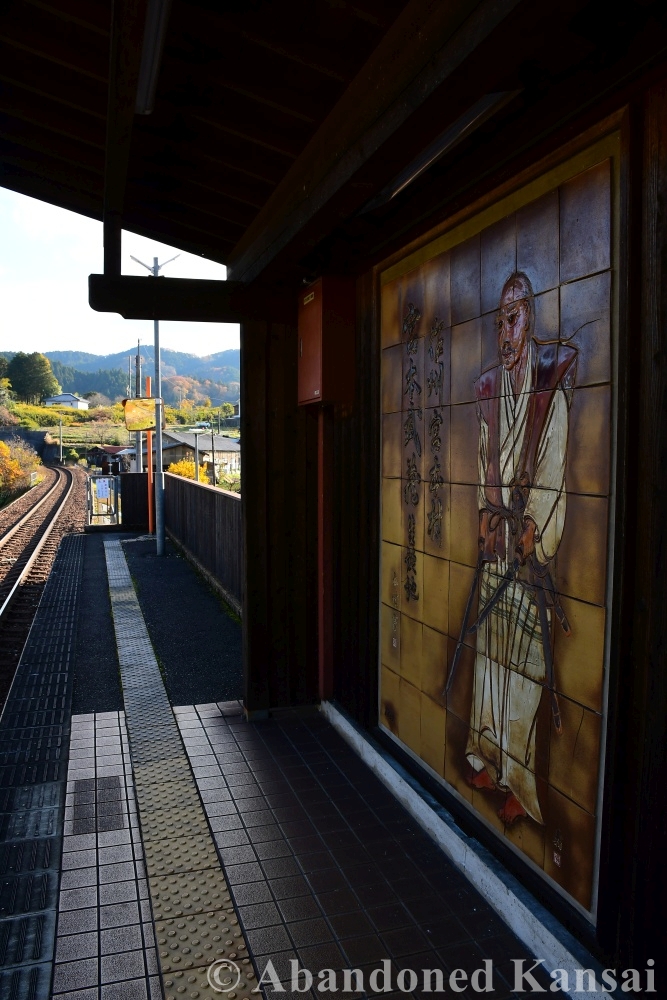
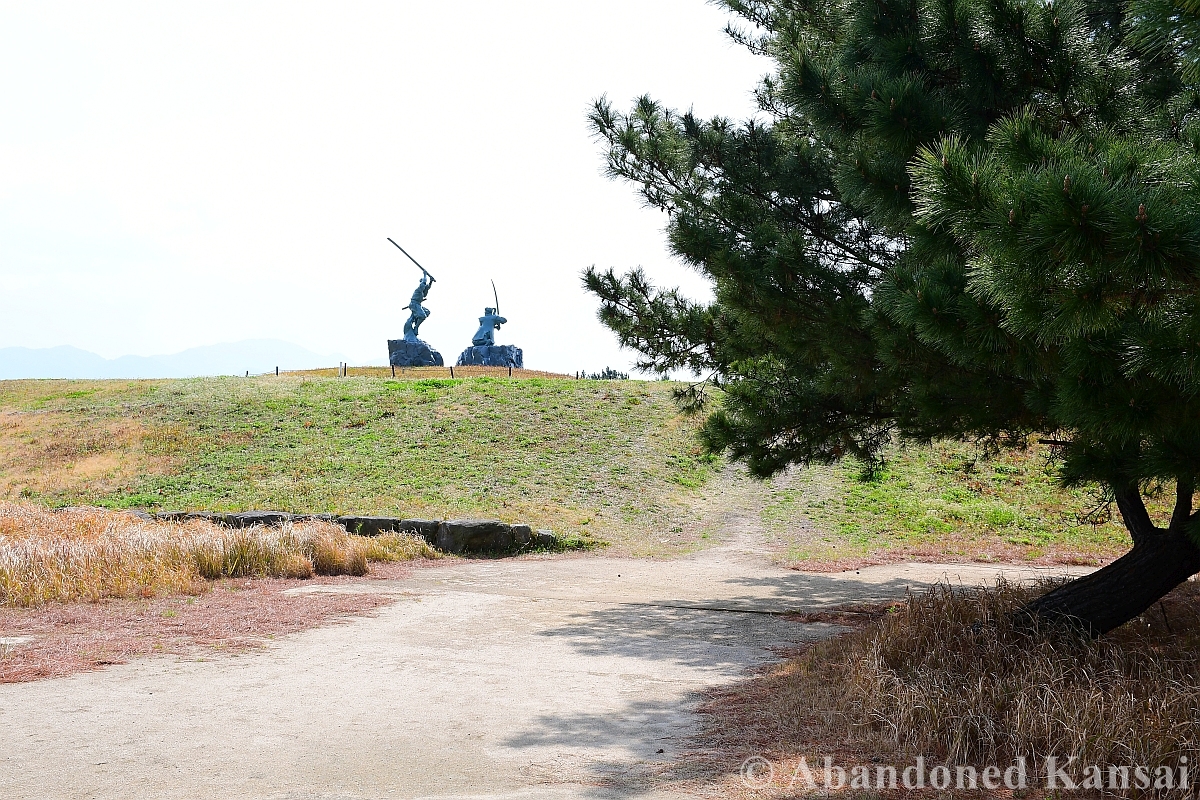
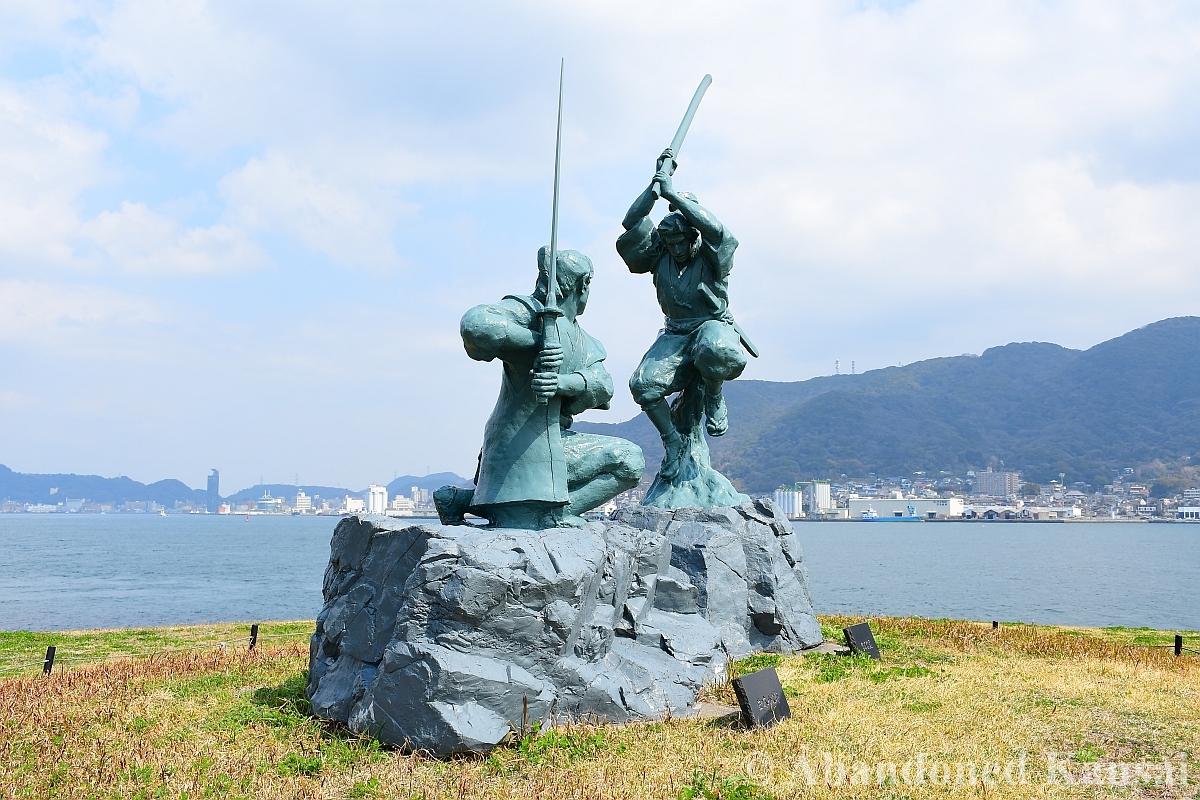
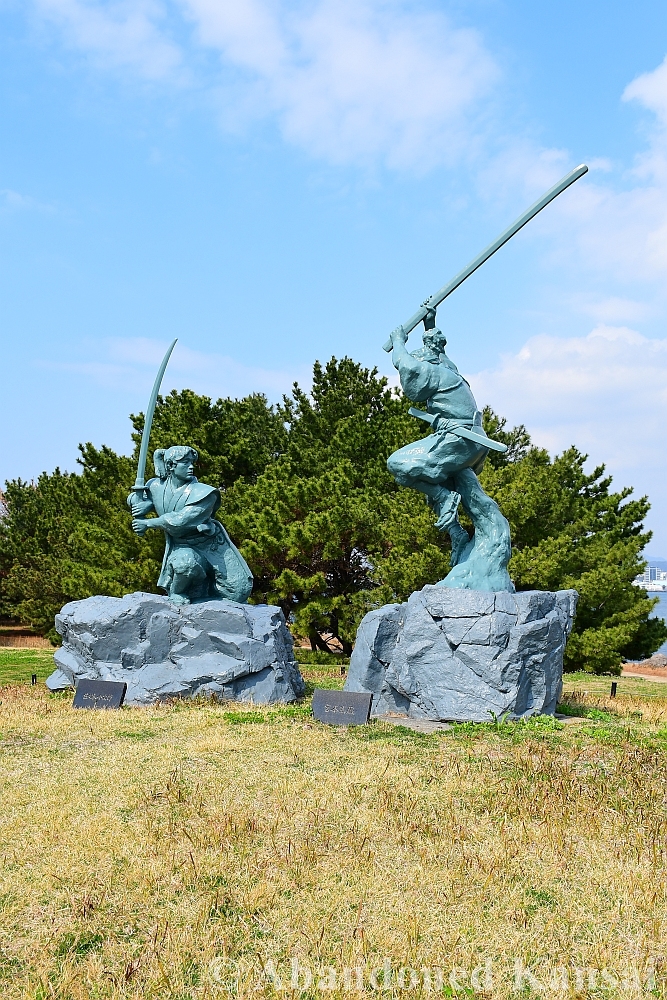
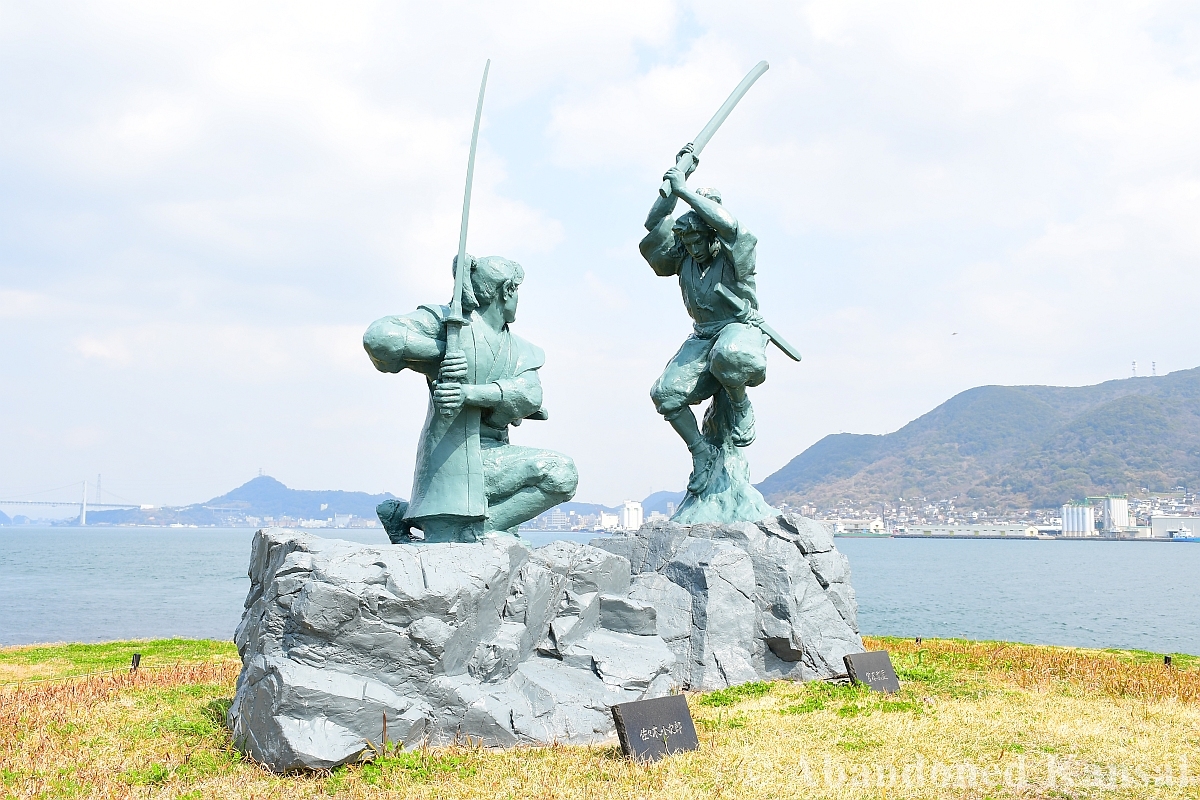


Such a beautiful place, yet nobody is there 😦
Part of me is happy that there are still touristy places you can enjoy without the masses… like in 1998. Part of me though thinks that both places deserve more attention, especially Miyamoto. I can’t stress enough how nice that guy was!
What a history to have it look nearly abandoned as no one is there! I love little train stations like this, plus the what looks like kanji spelled out with flower boxes?! Clever!
LOL, I didn’t even realize that – it really says Musashi in katakana!
nice 😀
very beautiful. i really like the boat picture. would be a poster for sure.