Feeds:
Posts
Comments

Archive for the ‘Urbex’ Category

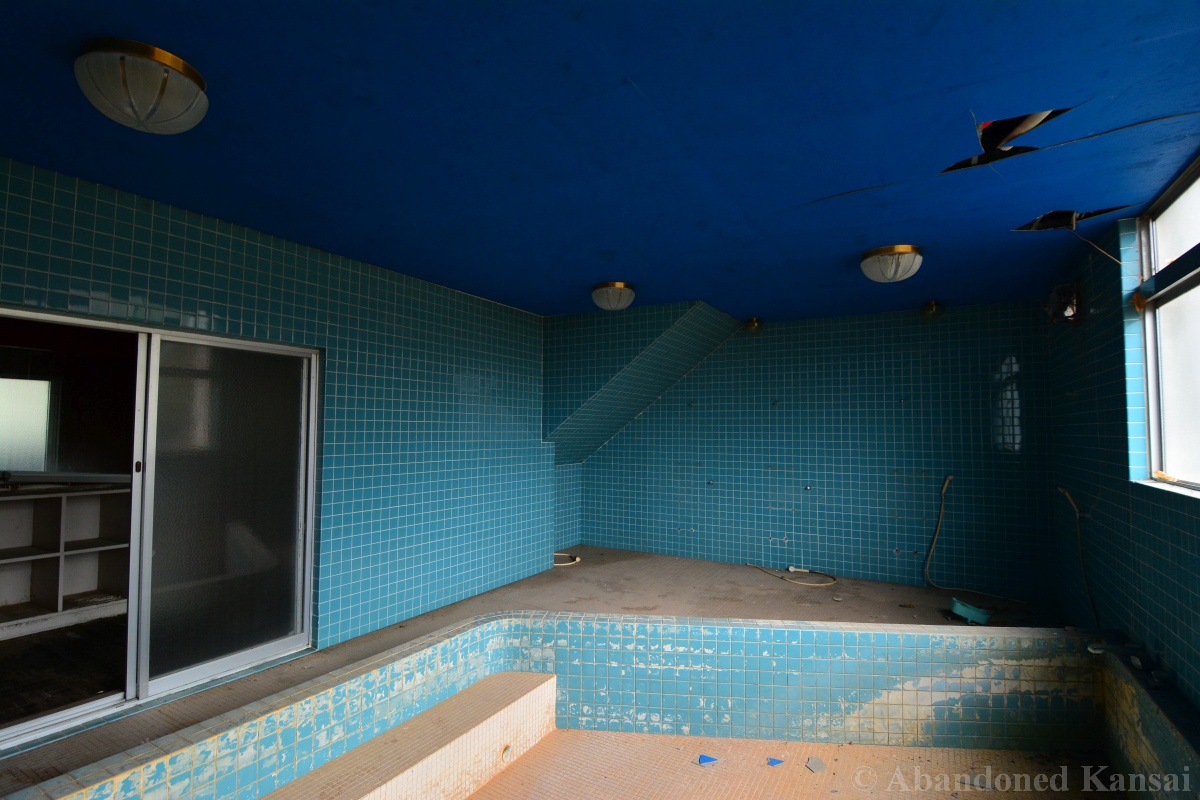
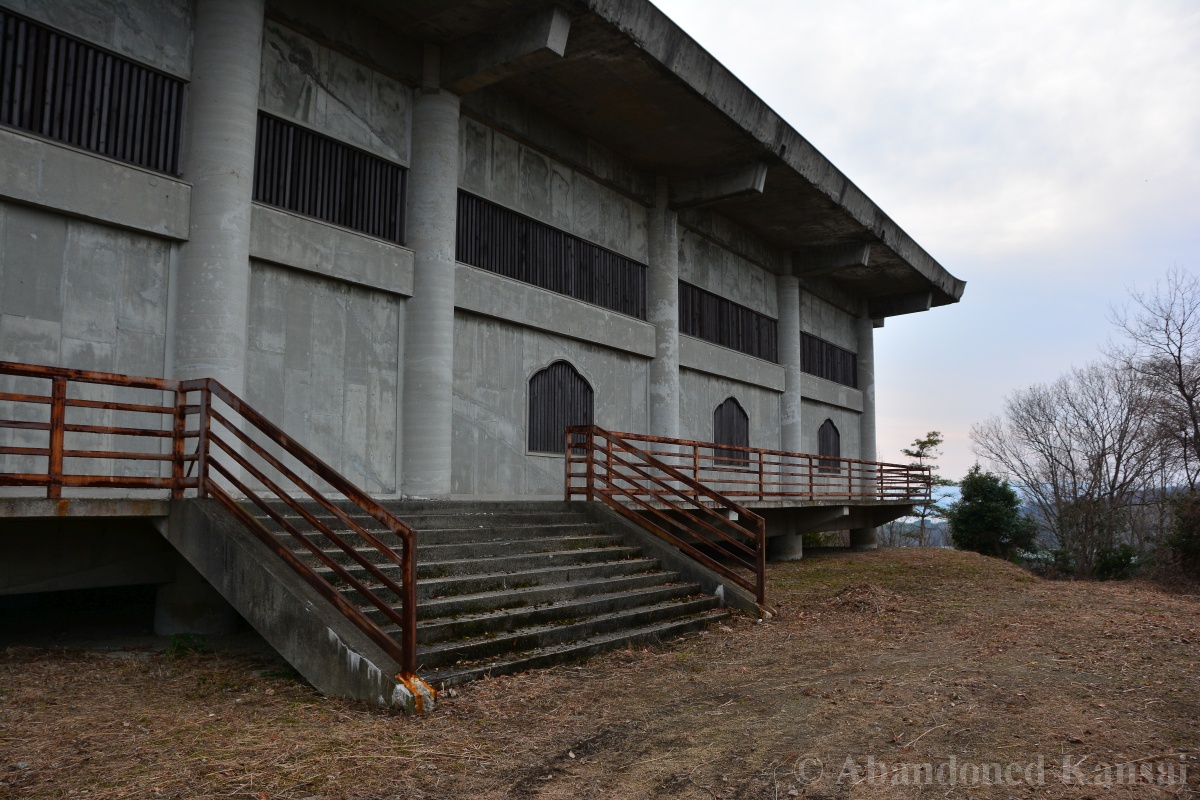
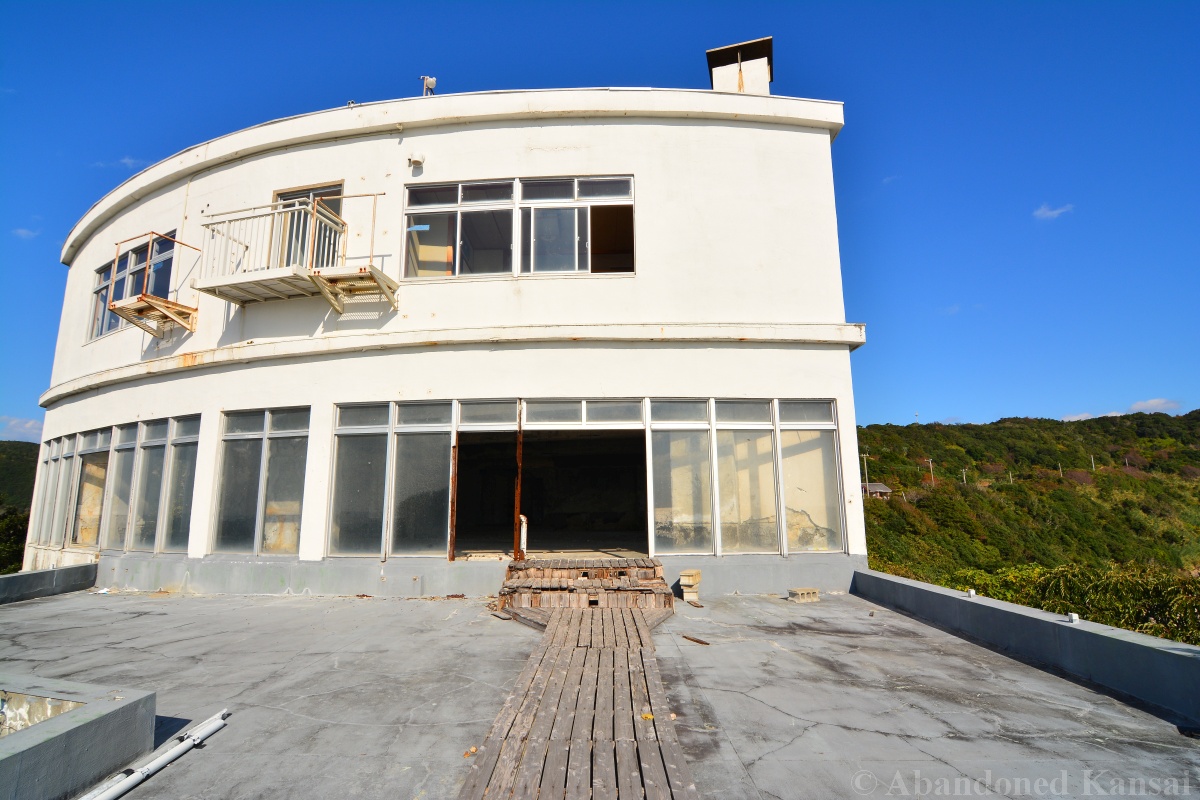
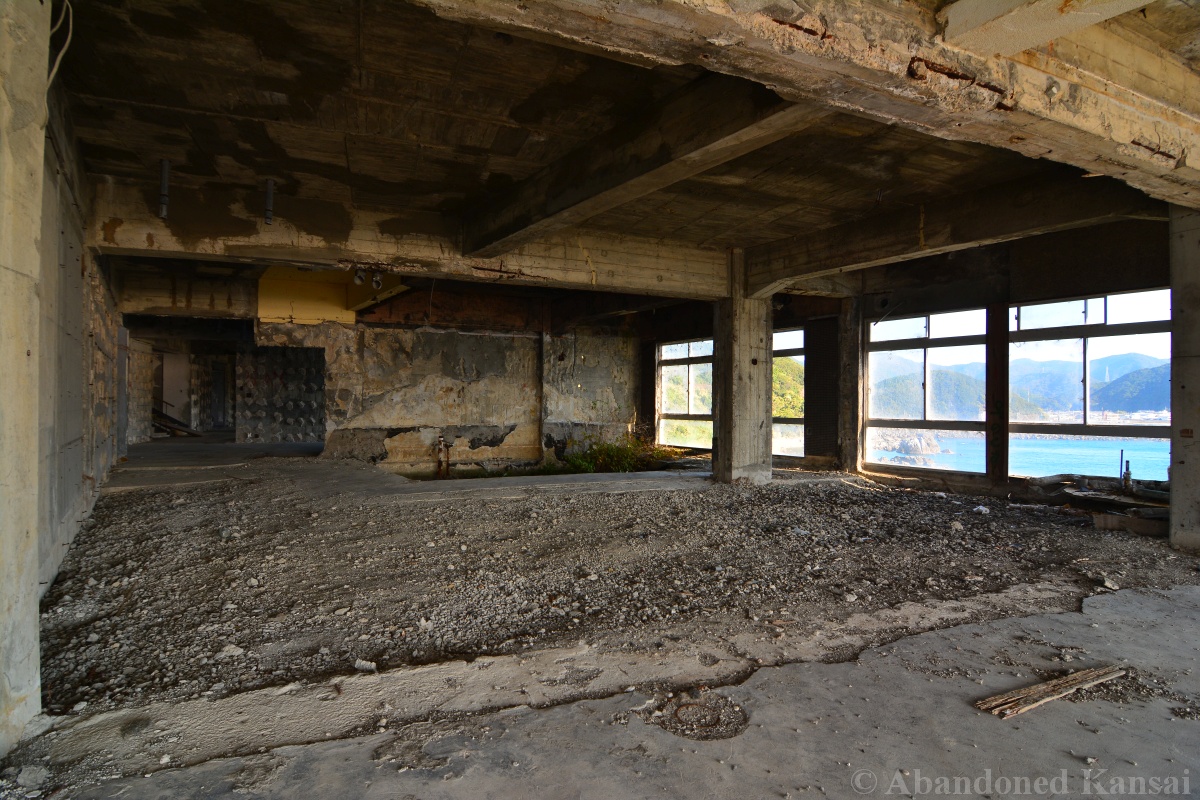
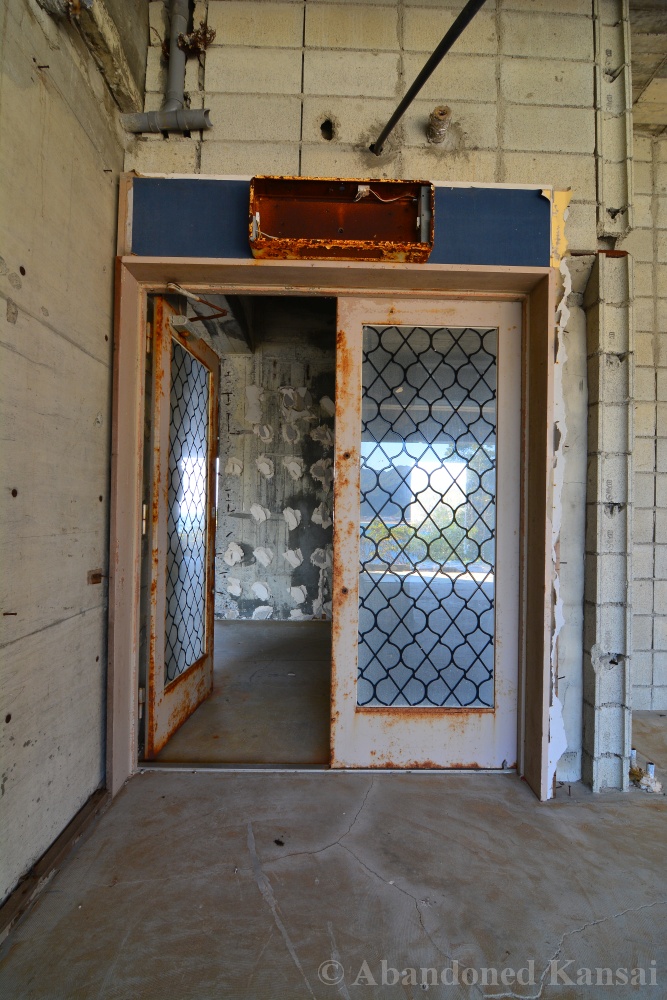
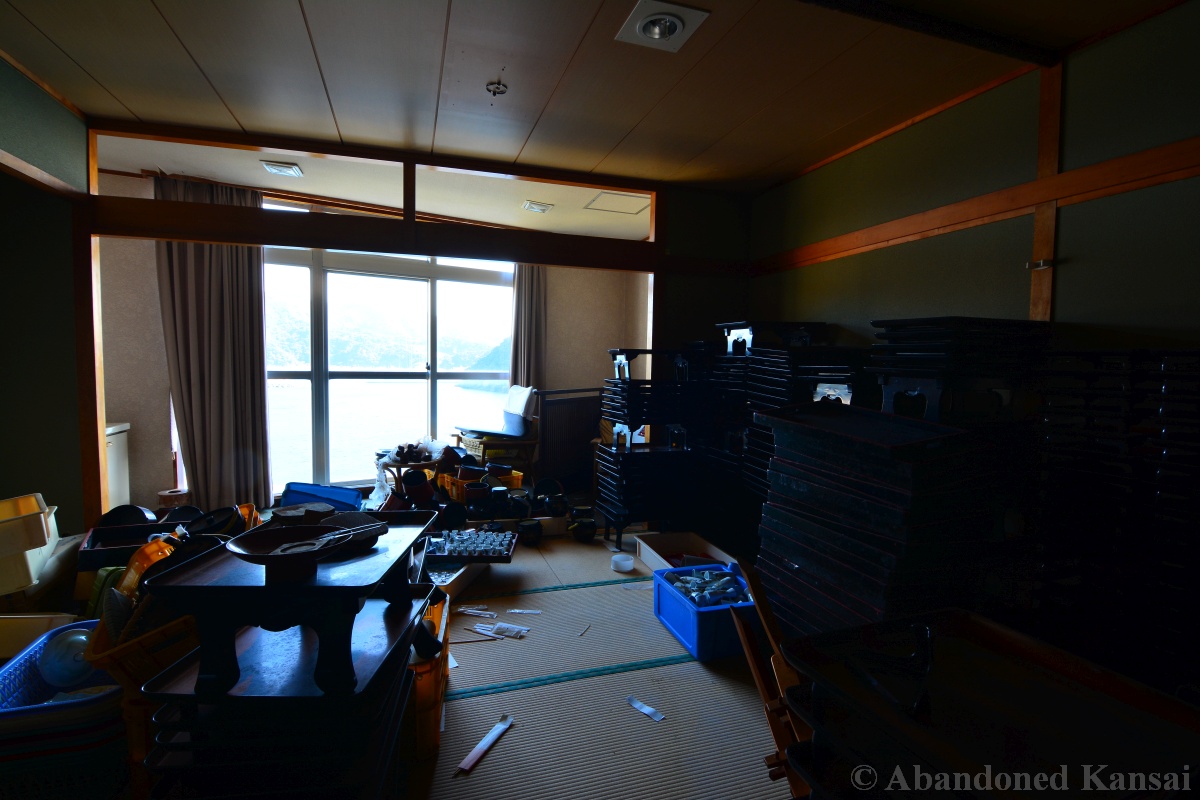
No joy and excitement greater than finding and exploring an abandoned place without prior information. Please join me on a journey to a remote sanitation center in the far north of Japan!

To me, Google Maps is one of the greatest pieces of software ever written. Without it (or something similar) I probably would have never gotten into urban exploration – and Street View is the icing on that amazing cake. I was always fascinated by maps, from child days on, so even before I picked up urban exploration as a hobby in 2009, I liked Google Maps. In 2009 though I fell in love with it. I saw abandoned places popping up here and there on the internet, back then it was kind of an underground hobby and not nearly as mainstream as it is today – so of course I tried to had a look at them on Google Maps. I started creating my own maps dropping pins…
… And then I went out there exploring. At first most parts of the world map were rather blurry, and Street View wasn’t as widely available. The better the maps and SV got, the more I just had a look randomly. At first nearby, the Kansai area. Later all over Japan. Instead of watching TV I’d rather looked at Google Maps for half an hour. When I needed a break for 5 minutes, I checked out a countryside onsen town or a remote stretch of coastline – hoping to find a place that looked abandoned. I actually still do that several times a week. That’s how I found the Hokkaido Sanitation Center. Just a couple of abandoned looking structures in a remote area of Hokkaido, not a single soul nearby – which made it hard to get to, but easy to access. Fortunately the buildings not only looked abandoned, they actually were abandoned! That could have easily turned into a wasted day instead of a wastewater day.

When I explore in Kansai, I’m basically a good weather explorer. Don’t get me wrong, taking pictures in the rain has its own charm, but despite spending a lot of time outdoors, I’m actually not much of an ourdoorsy person. I like the comfort of a comfy couch and comfort food. I also like nature, but I prefer it tamed… or barbecued! So when it looks like a rainy day in Kansai and I have plans to explore (solo), I tend to postpone those plans to the next weekend. A luxury I don’t have on longer trips, because transportation tickets need to be booked and hotels need to be reserved – so then options on potentially rainy days are not “Now” and “Next week”, the options are “Now” and “Maybe never”. And never is such a sorry word, so I tend to explore in the rain. Which is what I did a while ago when I was in Hokkaido and I had to choose between a day of museums and onsen – and a day of exploring two original finds; places I found by chance on Google Maps.
A few modes of transportation after a delicious breakfast I found myself walking up to the Hokkaido Sanitation Center, about two kilometers away from the closest bus stop. Well, at least back then there was a bus stop. Looks like it disappeared since then, like so many others on Hokkaido, which becomes harder and harder to travel to by public transport – and that is really sad, because once you get away from what I call the Silver Route (Otaru, Sapporo, Noboribetsu Onsen, Hakodate), Hokkaido is probably the greatest prefecture of all!
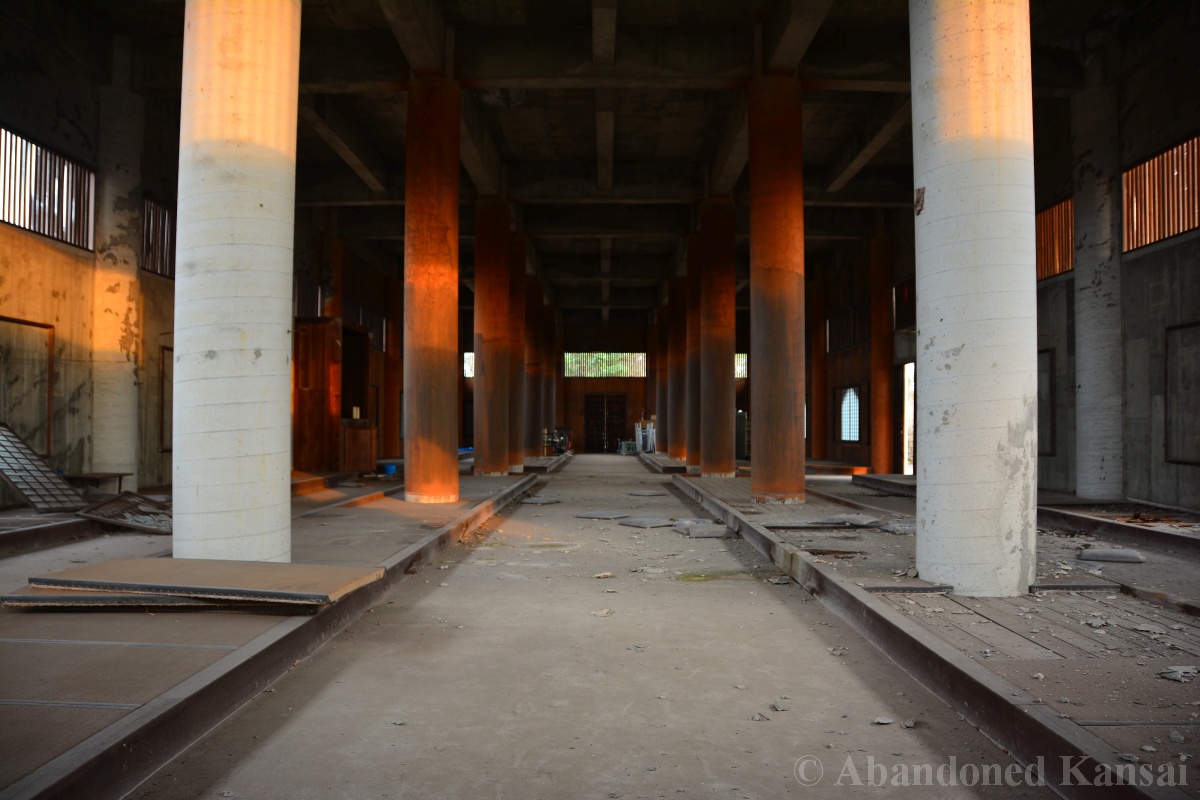
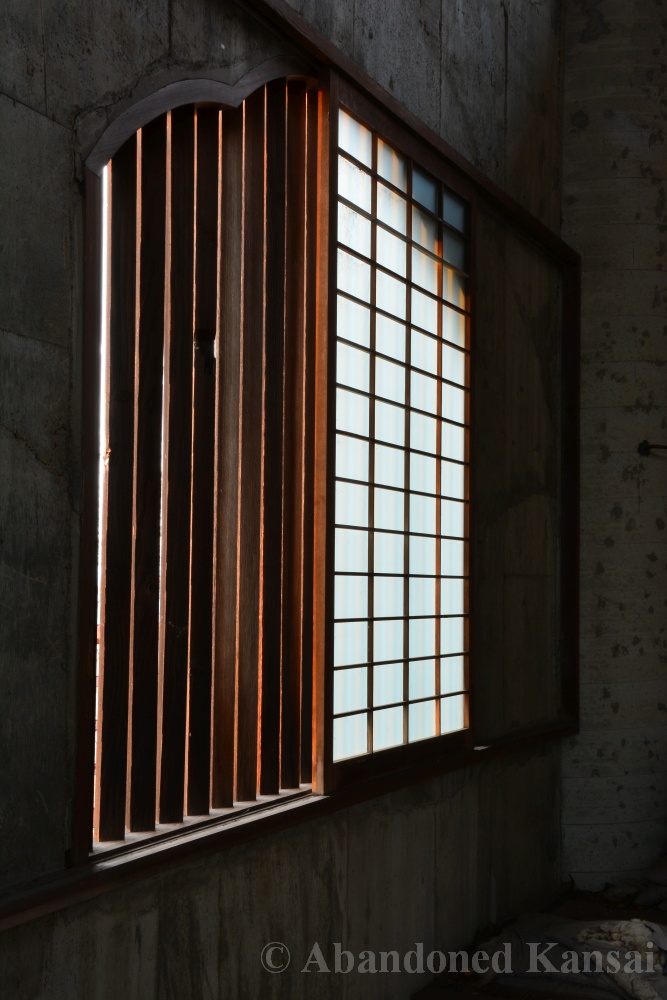
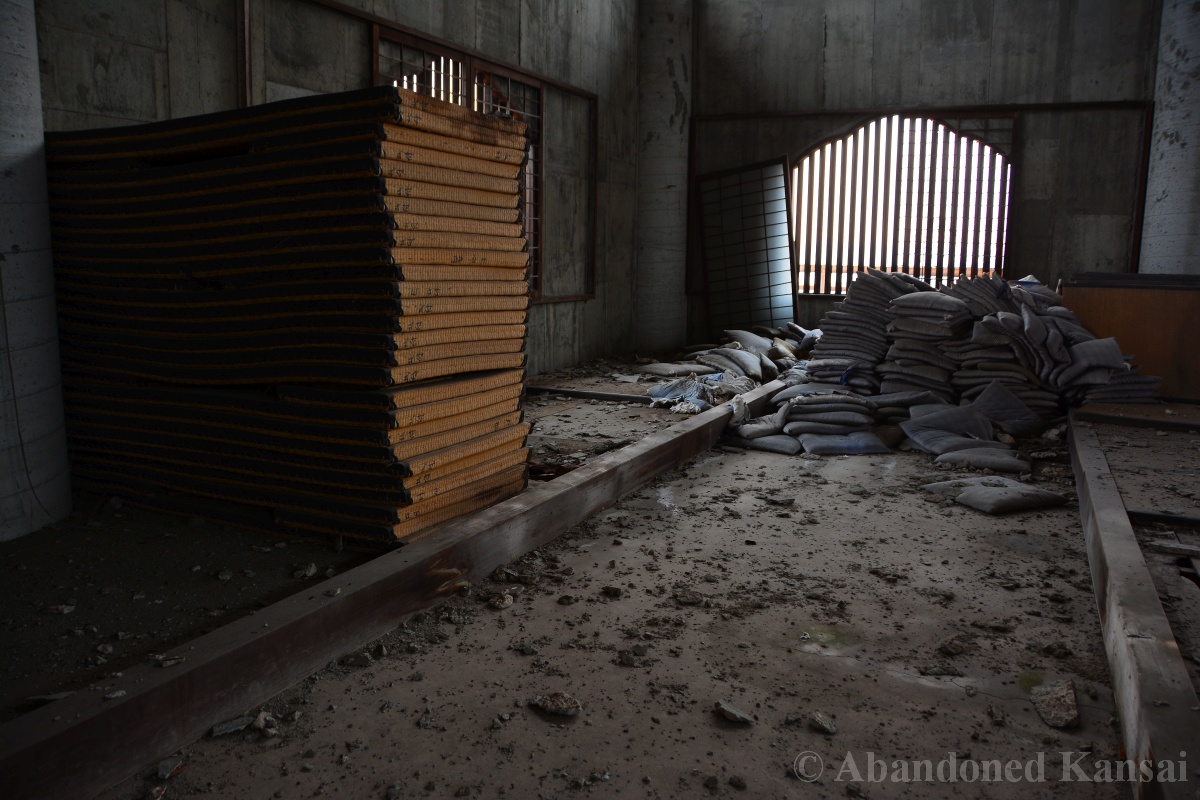
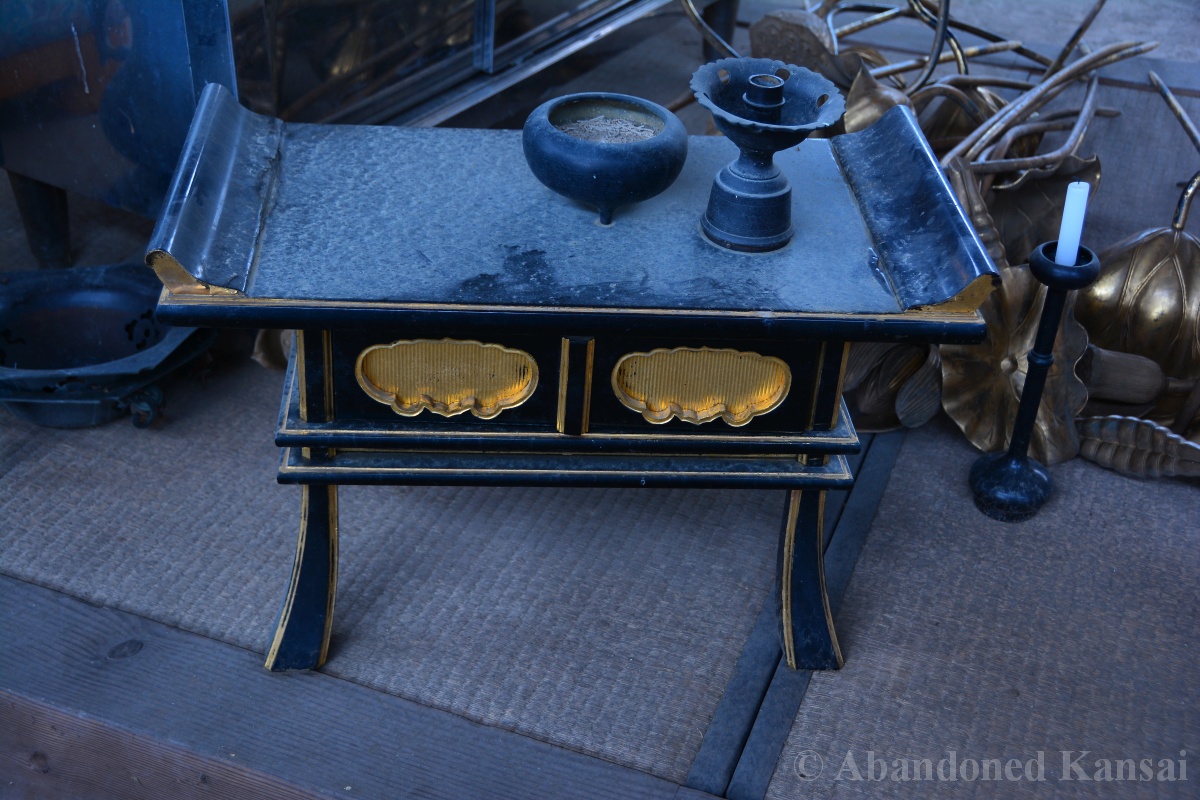
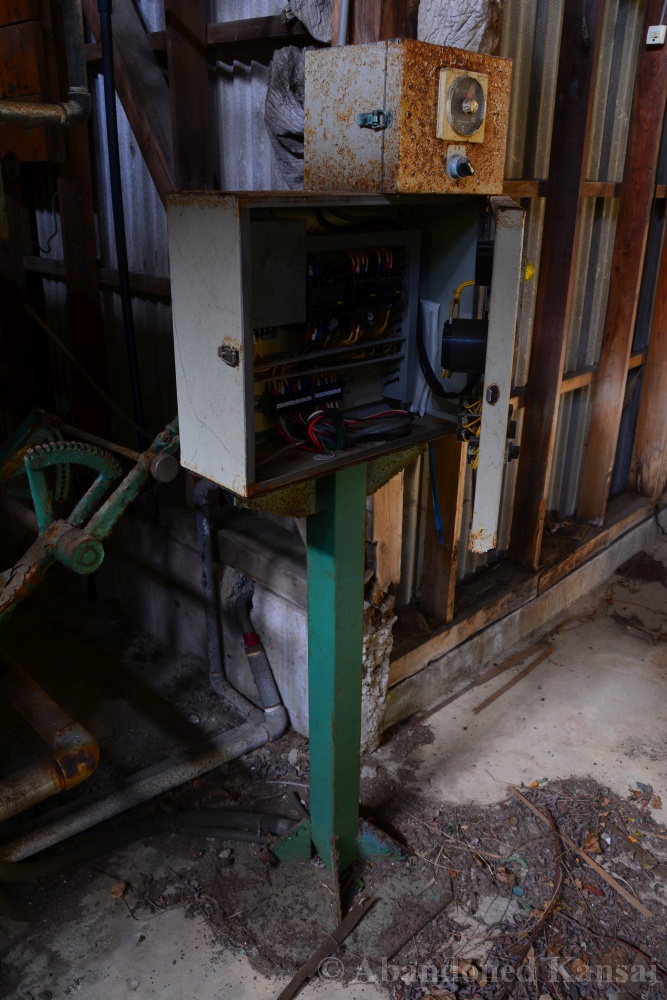
Anyway, I was walking up to the Hokkaido Sanitation Center, nervous as always when approaching an original find, despite not having seen a single soul or car for like 20 minutes. Fortunately it took another 90 minutes and a hike back to civilization for me to see anybody else. There was a rather small fence around the sanitation center, which I guess is a fancy word for water treatment plant, but there were also some additional buildings, so they might have done some testing and stuff there to justify the name. Like I said, access was easy – I never break anything to enter anyway, but this time I didn’t even have to climb over or into something, there was enough space on the side of the main gate to get onto the premises. The hard part was finding the place and getting to it. I took some outdoor shots of various buildings, when the clouds finally opened and it started to rain. Time to find a way inside, which was equally easy as I hit the sweet spot of being there after curious visitors willing to crack open a (roll-up) door, but before vandals and metal thieves – and definitely before other urban explorers as I had never seen the place on other blogs or social media accounts. Therefore my nervousness quickly turning into having the time of my life leisurely exploring a mid-sized unknown abandoned industrial – it was amazing, despite the rain occasionally ruining a shot or two when I was taking more photos as I switched between buildings.
Speaking of unknown: Of course I know the full name of the Hokkaido Sanitation Center, it was written on a plaque next to the gate at the entrance, nevertheless I couldn’t find anything on the internet about its history. My gut tells me it was built post-war and abandoned in the 1980s, though I could be off by 20 years for both the opening and closing date. But who cares? I enjoyed the exploration and I really hope that you will equally enjoy the gallery below!

(*Like Abandoned Kansai on Facebook* or *follow us on Twitter* if you don’t want to miss the latest articles and exclusive content – and subscribe to the *video channel on Youtube* to receive a message right after a new video is online…)

Read Full Post »

I’ve been urbexing for almost 15 years. During that time I’ve never written any articles about equipment, despite being very happy with three different Nikon DSLRs, two Manfrotto tripods, and a Sanyo video camera – which broke in 2019 after almost 15 years of recording countless hours at hundreds of locations as well as places like Chernobyl and North Korea. Videos I always considered a bonus anyway… and I’m still having a hard time thinking of myself as a photographer, given that I have no formal education in that field and only do it as a hobby. A really time-consuming hobby, but nevertheless just a hobby. I also don’t have a background in technology, so what’s the point of reviewing camera equipment when I just have an opinion based on learning by doing? Well, that doesn’t keep countless “influencers” and Youtubers from churning out incompetent nonsense, but I wouldn’t want to be found dead with either label on me! And like my favorite professor at university once said in regards to papers we had to hand in: “Don’t claim anything you can’t proof!”

Fortunately there is no need to be technical or scientific about this Insta360 X4 article, because unfortunately we never got that far…
Like I said, I always considered video walkthroughs of the locations I explore a bonus. I started them pretty much right away, but at first I didn’t even publish them, because I only took them for myself. And even when I published them, I didn’t edit them. No cuts, no voice overs. Just me walking around breathing heavily into the silence. That all came to a sudden halt when my Sanyo stopped working after exploring the abandoned *Trump Hotel*, also wiping out the recordings of the whole day. At that point I was tired of doing the videos anyway – and my co-explorers were increasingly annoyed, because I added 10 to 30 minutes at the end of every exploration for the walkthrough. So I stopped doing them.
For the past 18 months I’ve been exploring solo again (don’t ask, it’s complicated and often quite frustrating, to be honest), but a few weeks ago a colleague of mine showed me an older model Insta360 video camera that a visiting cousin from the States forgot at his place in Japan. I was fascinated by the easy to use 360 photos and videos, so I did some research and decided to get one. I’ve read reviews, I’ve read product pages – I did my best to make an informed decision, because at first I considered buying the X2 or X3 as older models often are cheaper with only slightly fewer / worse features. The X2 was out of the race when I read in a review that it required a smartphone to be activated – something I didn’t read anywhere about the X3 and X4. I guess because it’s an idea that is so stupid that it probably was a one-time mistake by Insta360, facing so much backlash that they removed the requirement from following models. The price difference between the X3 and X4 wasn’t very big and since the latter was only four weeks old at the time, the price on Amazon and in brick and mortar stores was the same, so I decided to get it at my local Yodobashi Camera (street block sized electronics stores with hundreds of employees each, in case you are not familiar with the chain), where I’ve been a customer for almost 18 years – ever since I moved to Japan.
BIG MISTAKE!

Yodobashi Camera was extremely stingy, giving only 1% points on the video camera, despite a promotional campaign of giving 13% points for purchases over amount X – except for (small print)… But when you shell out 80k Yen on a new video camera you are looking forward to use, store points are the last thing you worry about anyway. Fortunately I still had some of those points, which I used to get a seriously overpriced MicroSD card, because without it the video camera would be useless and I wanted to try it out on the weekend before an upcoming urbex trip. 83500 Yen poorer, but with a big smile on my face I left Yodobashi Camera on a Friday evening after an otherwise pretty horrible week.

Saturday was supposed to be a great day, though it started with a rude awakening / realization…
After sleeping in and having a delicious breakfast, I enjoyed a nice unboxing. The first slight disappointment was when I realized that the included battery was dead. Well, not dead dead, but completely empty. Whatever, an hour or two wouldn’t make a difference. It would not dent my great mood for sure. That came a few hours later when the battery was fully charged. I booted the small brick for the first time, its screen came to life, asking me to choose a language – and then the screen showed what the camera was seeing… for about a second or so. Then some text popped up and my heart sank. You gotta be kidding me! What I was looking at was a screen telling me to download an app by Insta360 to a smartphone, iOS or Android, to unlock the video camera. What. The. Heck? I literally felt it in my fingers how my blood-pressure exploded, because unlike pretty much every person on the planet above the age of 6 years I don’t own a smartphone. Never have. In the late 90s I had a black and white Nokia for work (yes, I’m not the youngest anymore, though I started working full-time in my early 20s). When I moved to Japan I had a flip phone or two, but for the past 15 years or so I didn’t have any mobile phone at all, smart or not, because I don’t like them as they turn way too many people into dumb zombies. So here I had a brand-new, quite expensive video camera… that forced me to make it usable by using another device with cameras? Who comes up with stupid ideas like that?!
Certainly not Nikon! Their D7500 DSLR I bought just weeks prior worked with a partly charged battery and regular SD cards straight out of the box 5 minutes after purchase – without any charging or unlocking BS!
So I started to do some research… and didn’t find much. Like I said, I couldn’t care less about smartphones, apps and all that stuff, so I tried to find a solution to unlock the darn X4 via PC or MicroSD card. Of course I couldn’t find anything about that either, so I contacted Insta360 directly – who apparently didn’t read my message and instead sent me a standard reply. So I got back to them, apologized for not describing my problem properly (I’ve been in Japan too long…), and this time got an answer that at least implied that they understood the situation I was in – without being able to help, because though it seems to be nowhere stated on the box, the promo material or even on the X4 website (at least back in mid / late May, maybe they changed it by now)… you really need a smartphone and the Insta360 app to use a newly bought X4 video camera, that seems to work perfectly fine, but is made not usable on purpose by the manufacturer. Which absolutely blows my mind!
How is that even legal?
How can a company force you to use a completely unrelated piece of expensive technology that actually partly does the job of the product you just bought, to make your purchase usable? Without mentioning that essential detail with big warnings before purchase! And in addition, forces you to use an app, which does who knows what in the background without one knowing?
What’s next? You need an electric bike with WiFi to unlock your newly bought car? And if you don’t… sucks to be you, it’s completely useless!

Yodobashi Camera – (The Lack Of) Customer Service In Japan!
After some back and forth it was Monday and I came to the conclusion that I won’t be able to use the Insta360 X4, because it really needs a smartphone to unlock, which wasn’t properly communicated. So after work I went back to Yodobashi Camera, my go-to electronics store for the past almost 18 years. Never had a problem with them, because all the products I bought worked as intended right out of the box. So I went back to the cashier counter where I bought the video camera… and already ran into the first minor bump in the road – apparently I hadn’t paid for it in the camera department, but a neighboring one, which wasn’t a problem on Friday evening, but very well on Monday evening. So I went 20 meters over to the camera department and told them about my unfortunate situation: That I had bought this video camera three days prior, but couldn’t use it, because it doesn’t work without a smartphone, which wasn’t properly communicated by Insta360 or Yodobashi Camera. But I was very careful with everything, I didn’t even remove the protective film from either of the lenses. Some air through the teeth sucking, some going back behind the counter to talk to a superior and then something like the following conversation – it’s in quotation marks, but they are not really quotes, you know… just something like that, from memory:
“I can’t sell this anymore, you opened the box. You can’t return it.”
“But I can’t use the video camera.”
“I can’t sell this anymore, you opened the box. You can’t return it.”
“I don’t have a smartphone. The X4 is useless to me.”
“I can’t sell this anymore, you opened the box. You can’t return it.”
“I did proper research and I only found out about this after I opened the box and tried to use the X4.”
“I can’t sell this anymore, you opened the box. You can’t return it.”
“I bought a D7500 last month, it worked out of the box…”
“I can’t sell this anymore, you opened the box. You can’t return it.”
“Then take it back and ask Insta360 to exchange the X4 – you have dozens of them here, you probably have to return one once in a while anyway.”
“I can’t sell this anymore, you opened the box. You can’t return it.”
“Are you serious? I’ve been a customer here for almost 18 years, spent millions at your store and other ones in the building that has your name. Never had a problem – and the first time I have, you are stonewalling me?”
“I can’t sell this anymore, you opened the box. You can’t return it.”
“Really?”
“I can’t sell this anymore, you opened the box. You can’t return it.”

At this point I gave up and exchanged a few more e-mails with Insta360 (“You should try to return the X4 where you bought it!” No kidding…), but their responses quickly became as useless and repetitive as the one of the guy at Yodobashi Camera – who is just a small cog in a big machine, so I don’t blame him; he’s punished enough with the lighting in the store and the uniform he has to wear all day.
So here we are, after me falling for the usual misconception about (customer) service in Japan, because I rarely ever had a real problem anywhere. It’s great as long as everything is within procedures – if somebody has planned for it, it most likely will go smoothly. Service is great. When service becomes customer service though, i.e. an individual customer needs help that requires improvisation outside of the planned service… you’re basically on your own. The only thing flexible in Japan is bamboo.

Nevertheless I still have moments when I wonder: AITAH?
I’m a huge believer in personal responsibility. If I make a mistake, I stand by it. I find behavior like ordering 20 items of clothes in different sizes and colors with the intention of sending 18 of them back despicable. In fact I’ve never sent anything back that I’ve ordered online, except for two USB-HDDs – and only because they didn’t work. I don’t do fast fashion, I don’t buy garbage from questionable sites like Shein oder Temu, I don’t replace electronics unless they are broken. (RIP, Nikon D7100!) I did due diligence before buying the Insta360 X4 and to this day everything in that (opened…) box is in mint condition. If I would have known about the smartphone requirement, I wouldn’t have bought the X4. It’s the reason why I didn’t buy the X2.
This is actually only the second time that I tell this story to anybody, because part of me is a bit ashamed that this series of unfortunate events happened – despite all the research before buying. But spending more than 80k on a useless brick of tech isn’t exactly something to be proud of. I don’t regret much in my life, but buying the Insta360 X4 I regret. And buying it at Yodobashi Camera is something I regret, too. Maybe Amazon would have been more accommodating with returns…
But I guess it is what it is – only money in the end. And no videos for Abandoned Kansai in the future. Heck, even if I would get the currently useless X4 to work, I would always be reminded of this story. Screw video cameras! Never was a fan, now I dislike them almost as much as smartphones. Which kind of closes the circle. But I’ll make sure to never ever even consider buying anything from Insta360 again – I still don’t understand how it’s even legal that they can do this. What’s next to unlock their cameras? Having to send them a voice message, swearing loyalty to Winnie the Xi(thead)? Apparently they can do anything without people questioning it…
I went back to Yodobashi Camera once more though, two days ago. I spent the remaining shop points I had on presents for my nephews without having to pay a single sen – my goal was it to hit +/- 20 points/Yen, but going to exactly 0 was priceless – and so I left the Yodobashi Camera building one last time with a big smile on my face. Upon arriving back home I cut up my loyalty card after almost 18 years. It probably doesn’t mean much to a large store chain like that. But it meant a lot to me!

Thank you for reading till the end and… What has your worst experience with Japanese (customer) service been? Write it in the comments!

(*Like Abandoned Kansai on Facebook* or *follow us on Twitter* if you don’t want to miss the latest articles and exclusive content – and subscribe to the *video channel on Youtube* to receive a message right after a new video is online…)

Read Full Post »

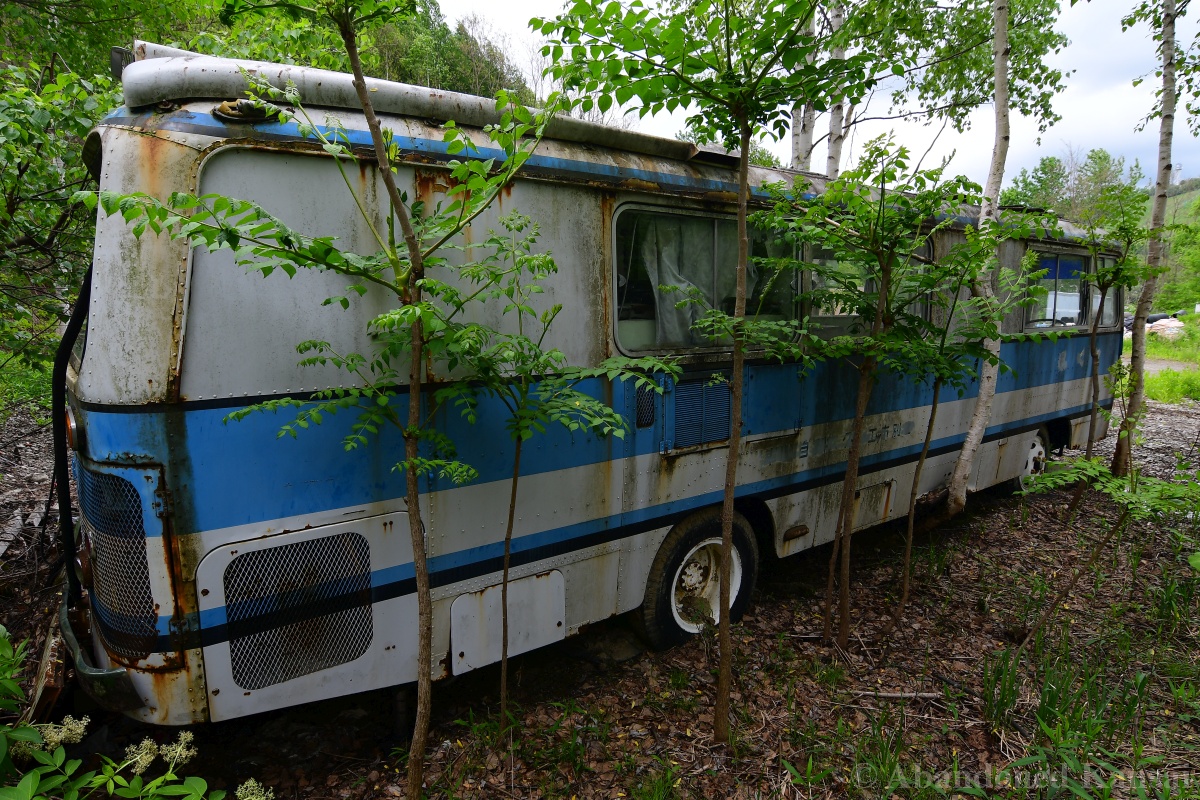
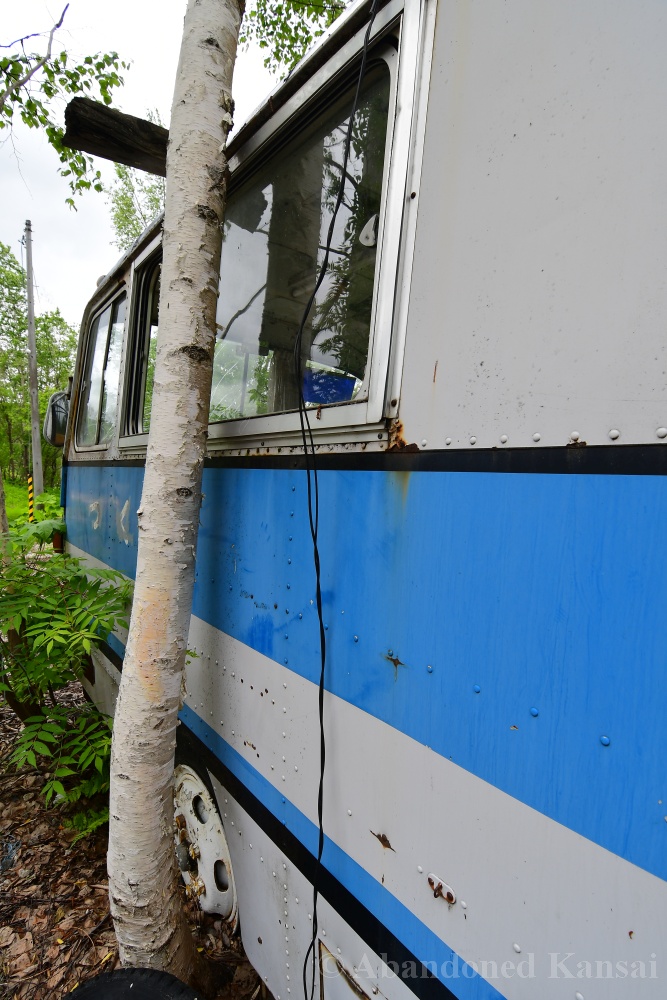
The Japanese countryside is riddled with ruins and abandoned things. Most of the stuff isn’t worth a second look, but if you keep your eyes peeled you can find hidden gems small and large – like this blue Mitsubishi Fuso bus.
Driving from abandoned place to abandoned place obviously is the most effective way to explore as many places as possible, but sometimes it can be of advantage to take your time and walk a bit. Not while staring at your smartphone, but while enjoying your surroundings. I recently walked between two locations, when saw an abandoned bus on a small dirt road slightly up the hill. The area was roped off as it was also used as a deposit for construction material, but since it was a Saturday nobody was working and I was able to have a closer look. (Daaa-da-da-da-da-dammm!)
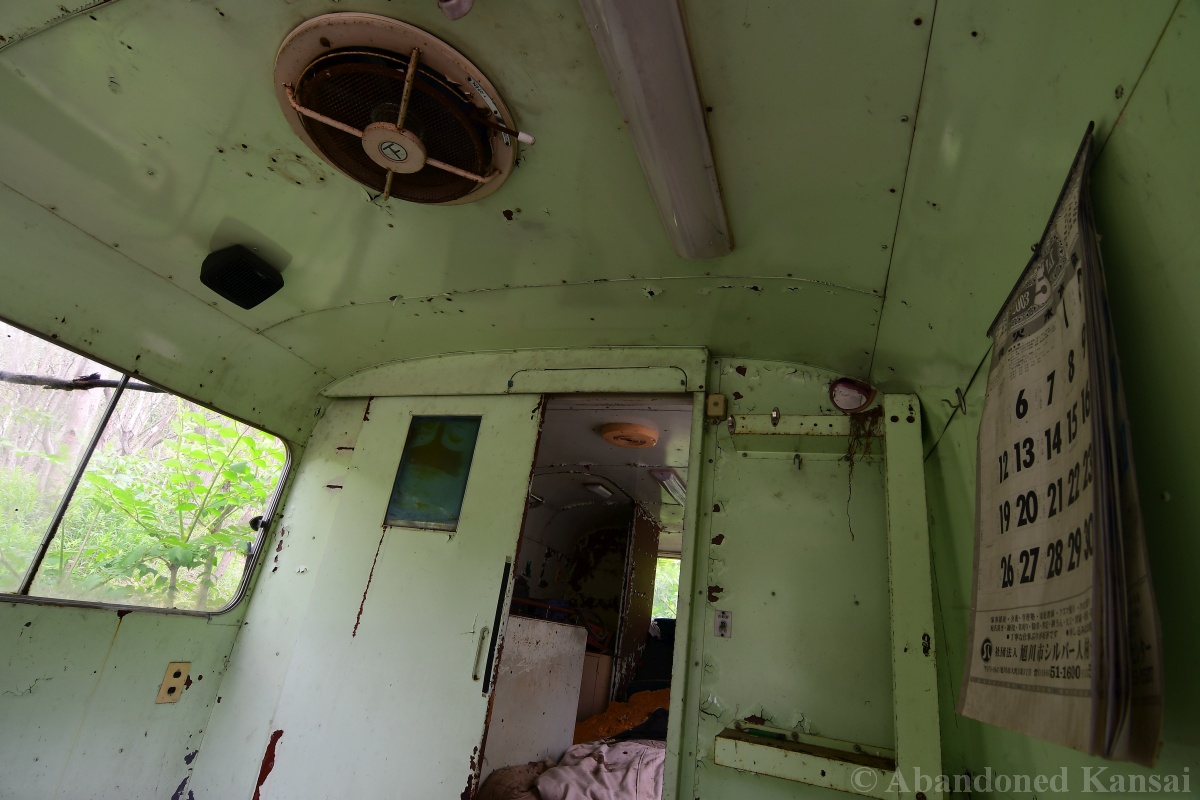
I’m neither a car nor a bus guy. And since this bus was a random find, I obviously know nothing about its history. Only that it was blue and white… and that somebody painted over whatever was written on its side. I don’t even know the model, only that it was manufactured by the Mitsubishi Fuso Truck and Bus Corporation – or Mitsubishi Fuso fir short, as can be guessed from the quite impressive emblem at the front. From the looks of it, it wasn’t just another random commuter bus, but more like an extra-large travel van. In any case, I much enjoyed my 25 minutes taking photos of it – and I hope you’ll equally enjoy the now following gallery.

(*Like Abandoned Kansai on Facebook* or *follow us on Twitter* if you don’t want to miss the latest articles and exclusive content – and subscribe to the *video channel on Youtube* to receive a message right after a new video is online…)

Read Full Post »

Abandoned hotels are a dime a dozen in Japan. Literally. I’m sure if you look thoroughly enough, you could actually get a dozen abandoned hotels for a dime. Of course they most likely would be a terrible financial burden as they probably would be rundown pieces of crap like this “grand” hotel.

Most crown jewels of Japanese urbex are still rather hard to find, I get annoying requests from lazy strangers on a regular basis, sometimes several per week, but abandoned hotels have become so common in some places that you can hardly throw a stone without hitting one; which you shouldn’t do, because that would be vandalism – or worse, you might hit a person or a car… Anyway, in certain areas I don’t have to find abandoned places, I just go there and the abandoned places find me. Like on that one trip to Yamaguchi prefecture, when I just wanted enjoy a relaxing day and eat some strawberry daifuku. Instead the weather was nasty and I stumbled across some abandoned buildings. Now, average people would just mind their own business and continue to the daifuku shop, but I’m one of those idiots who stand in front of most of those abandoned buildings for like five minutes and then finally decide to have a closer look, even though completely unprepared; meaning: no clue what to expect and no tripod to take even decent pictures.

Which finally brings us to said grand hotel, which definitely was more hotel than grand even in its heyday. But it looked kind of interesting from the outside and it was drizzling, so I thought a few minutes protection from the rain wouldn’t be the worst thing in this situation, so I had a closer look… and while it indeed wasn’t the worst thing, it actually came pretty close. The hotel was cluttered, vandalized and mostly stripped of valuable metals. The floor was rather soft (which is never good when you don’t know what’s underneath the carpet!) and the whole place felt damp and moldy. Even the shared baths, usually the highlight of most Japanese accommodations, abandoned or not, were rather underwhelming and anything but grand. The facts that the lighting was bad, that I had no tripod, and that I was exploring solo didn’t help either, so I was out of there again after something like 15 minutes. Not the greatest exploration, but I guess better than no article in February… 🙂

(*Like Abandoned Kansai on Facebook* or *follow us on Twitter* if you don’t want to miss the latest articles and exclusive content – and subscribe to the *video channel on Youtube* to receive a message right after a new video is online…)

Read Full Post »

*Hatsumode*. *First shrine visit of the year*. *Been there, done that*. *Yada, yada, yada*. *Enjoy*! (And yes, I know, it’s a temple, but who cares? Most people don’t know the difference. Not even Japanese people, as proven recently by the makers of a successful fighting game…)

(*Like Abandoned Kansai on Facebook* or *follow us on Twitter* if you don’t want to miss the latest articles and exclusive content – and subscribe to the *video channel on Youtube* to receive a message right after a new video is online…)

Read Full Post »

It’s been a rather slow-ho-ho year of explorations, definitely quality over quantity, but that doesn’t prevent me from posting the annual Abandoned Kansai Christmas tradition – a spectacular abandoned love hotel. Or in this case – my favorite remaining love hotel with a special surprise on top!
Exploring the love hotel Flower actually dates back more than six years, after I had a look at two other locations in the area. At the time the place was virtually unknown and easily accessible, but not easy to explore as inside it was as dark as a black steer’s tookus on a moonless prairie night – you basically entered the 2.5 storey building (ground floor for parking, two floors with rooms, rooftop) via one of two staircases that were connected by large circular hallways with rooms to the outside – so no windows in the hallways, only in the rooms. And most rooms were pitch black, too, so you had to find the blinders of a window and open it.
The majority of the very short-term rentals were in good condition, but rather unspectacular. High quality, but not very original or exotic… except for maybe the ceilings. Each staircase though was connected to a premium room. One featured a really nice sheltered “outdoorish” area, the other had an exit to the roof of the building… with a rather large pool! No hot tub or something like that, a real pool, maybe 2.5 by 8 meters. (Sorry, Americans, I have no idea how large that is in Fahrenheit…) With a rather stunning mountain view, when you ignored the electricity lines on the other side of the building! It was seriously impressive. Must have been quite a treat to experience that location in its glory (hole) days.

Over the years I’ve been to dozens of (abandoned) *love hotels*, but this one was the only one with a rooftop pool – which pushed the location from very good to spectacular. Apparently it was opened in the early 90s, towards the end of the real estate bubble, and was in business for about 20 years. Its rather remote location was probably the hotel’s downfall, but one man’s trash (hotel) is another man’s treasure.
Merry XXX-Mas everyone!

(*Like Abandoned Kansai on Facebook* or *follow us on Twitter* if you don’t want to miss the latest articles and exclusive content – and subscribe to the *video channel on Youtube* to receive a message right after a new video is online…)

Read Full Post »

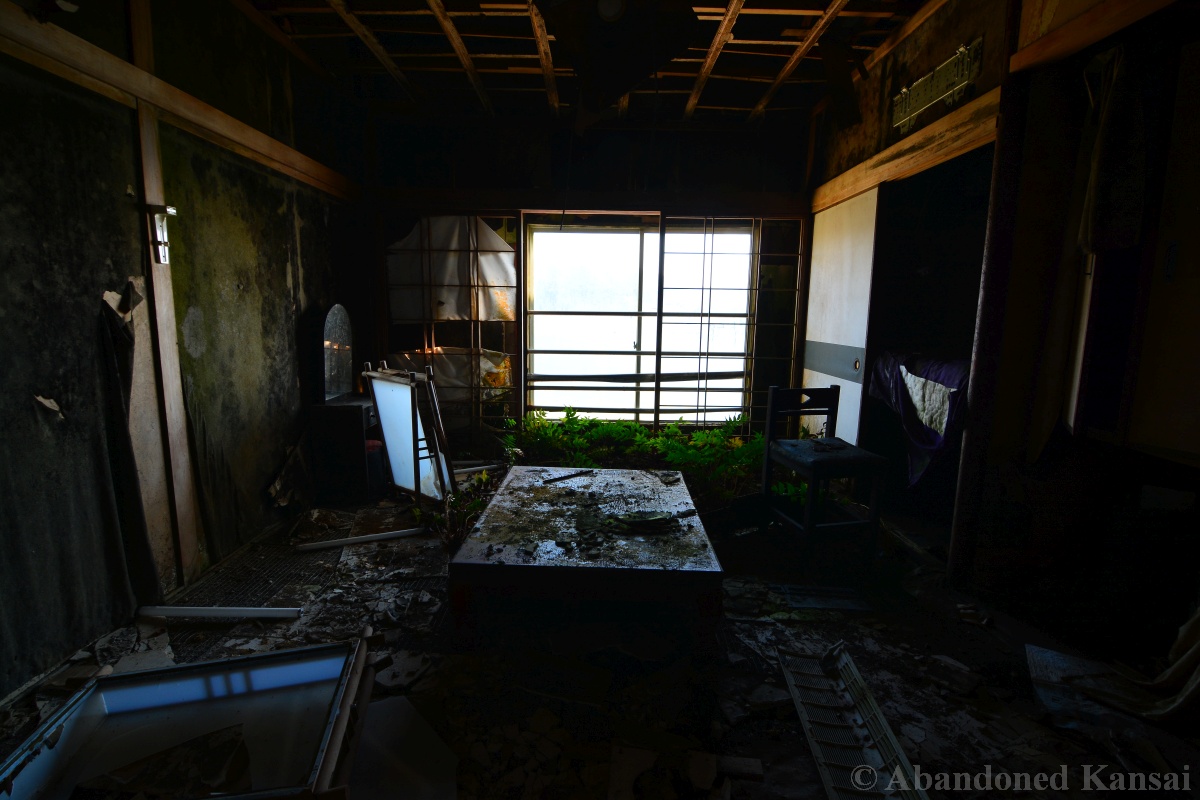
Abandoned hotels are a dime a dozen in Japan, but when it comes to location, hardly any of them can hold a candle to the Cape Palace! (Though there was some arson…)

The now abandoned Cape Palace was a luxury hotel built in the 1960s in southern Wakayama on the tip of a cape with gorgeous ocean views from all 44 guest rooms as well as pretty much everywhere else within the accommodation. It was famous for its various hot spring baths (including a rotenburo at the very tip of the cape, only accessible by passing through the whole hotel) and the seafood dinners – the hotel even has a small fleet of boats, so the guests could enjoy fishing trips.
There’s not much information out there about the Cape Palace, but it seems like it closed in 2011 when a typhoon hit the coast and caused massive damage to the almost 50 year old hotel, basically turning it into an economic total loss.
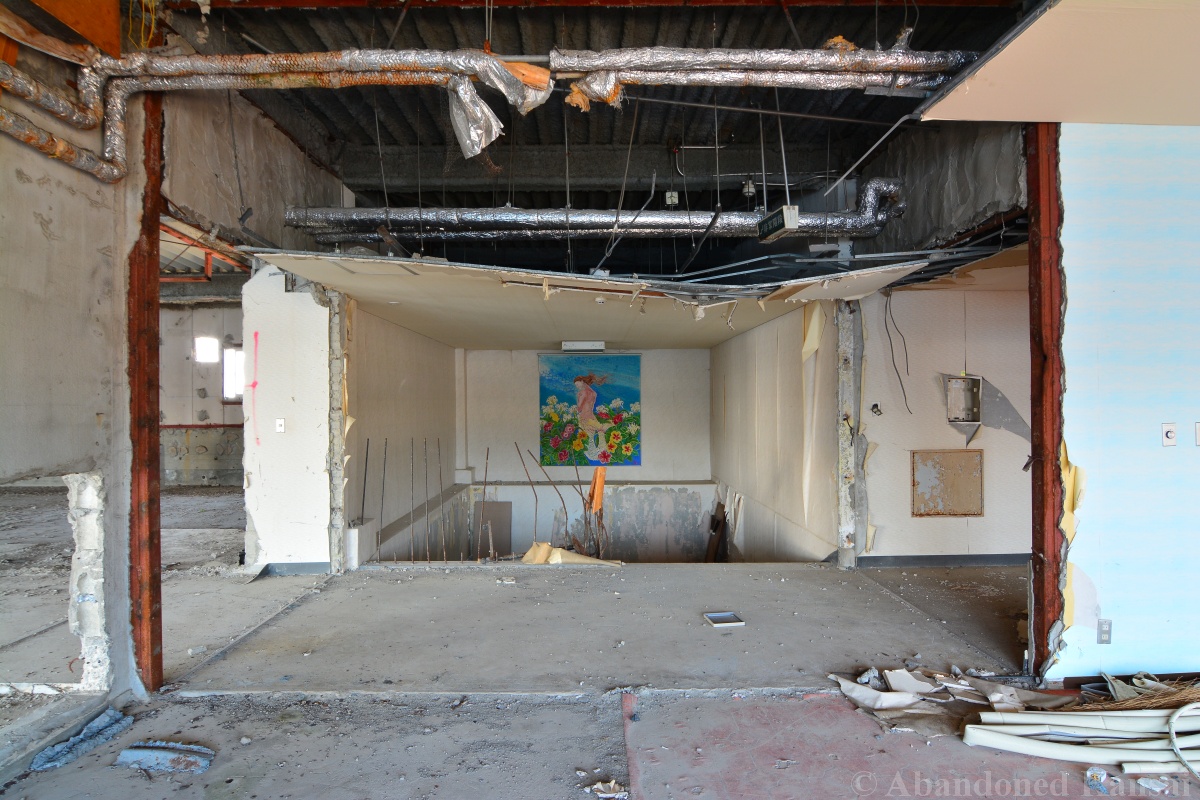
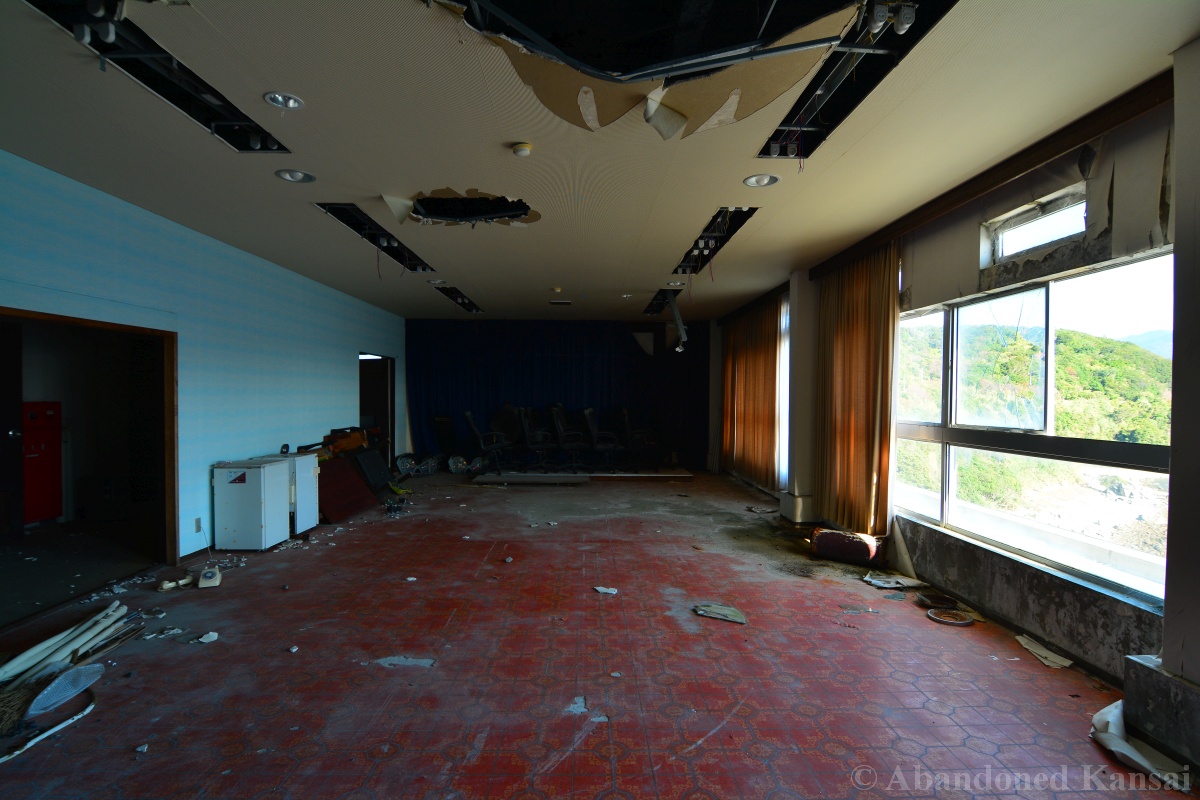
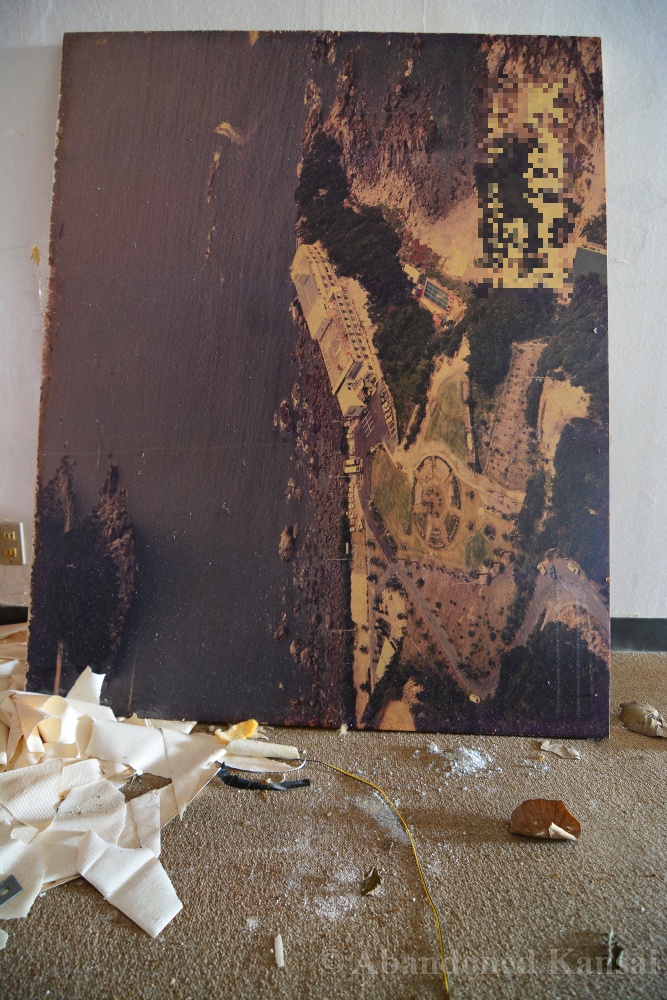
I first explored the Cape Palace back in 2015 as a day trip from Osaka with two regular explorer friends of mine. Access was surprisingly easy – we were able to drive up right to the front door… which was wide open. Since the hotel was located on a cape a bit off the main road, we were basically completely out of sight. To our surprise the ground floor had been completely gutted, at first we were not even sure if we had found a construction ruin or an abandoned hotel, especially since there was no demolition machinery outside, no signs of workers anywhere. The upper floor though made it pretty clear that the hotel had been in business before – plenty of rooms with the original interior and some cluttered ones with stuff from all over the hotel. The former party room still featured a large laser disc collection – I didn’t have a closer look, but most likely karaoke LDs. Right outside the hotel, at the bottom of the cape was a large beach. Not a nice sandy one, a pebbly one… so I guess the large outdoor pool next to it was quite popular with the hotel guest then. One of the rooms featured a large aerial shot of the hotel in its glory deal, if you are interested in what the setup looked like. (It also showed the long gone ground golf area – ground golf being a simplified version of regular golf, extremely popular amongst senior citizens in Japan; I’ve mentioned it several times before.)

Overall the Cape Palace was a nice and easy exploration, nothing spectacular though, except for the views. There was little left of the main interior, but I’m sure in 2010 the place had a very unusual retro atmosphere and something like two foreign guests a year as it was definitely off the beaten tracks.

(*Like Abandoned Kansai on Facebook* or *follow us on Twitter* if you don’t want to miss the latest articles and exclusive content – and subscribe to the *video channel on Youtube* to receive a message right after a new video is online…)

Read Full Post »

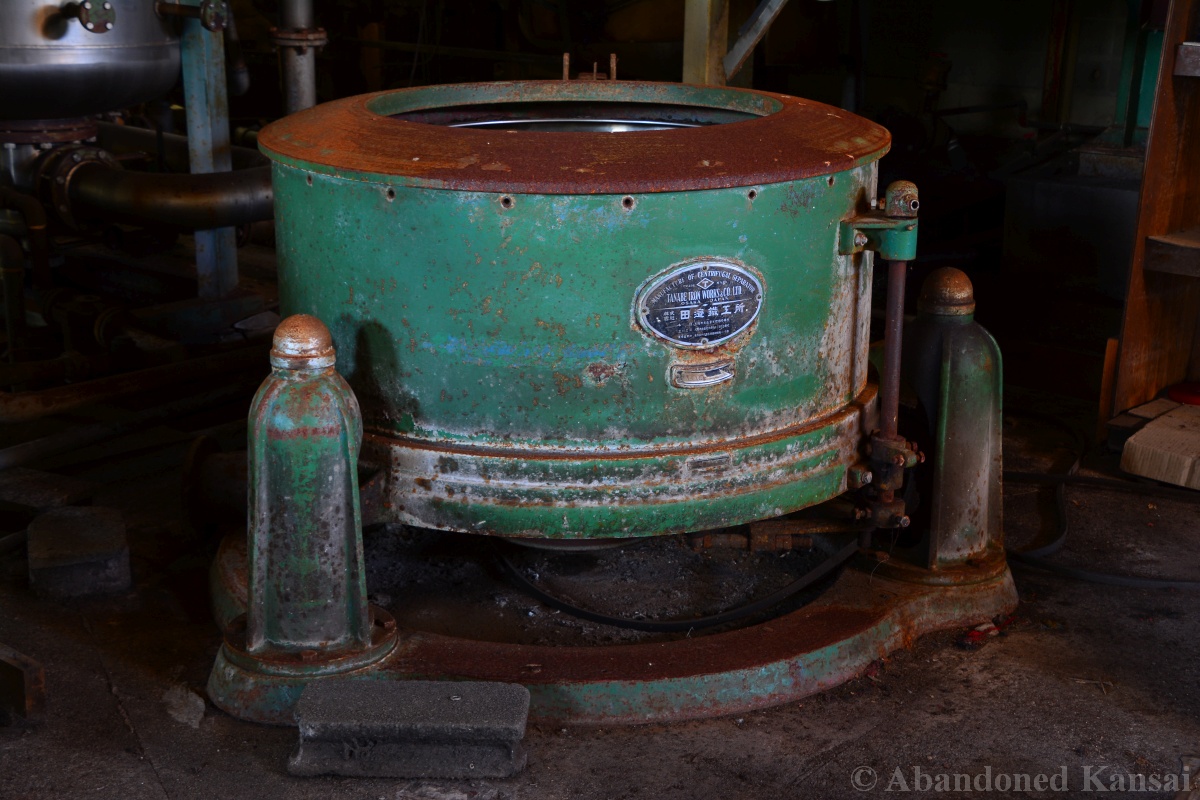
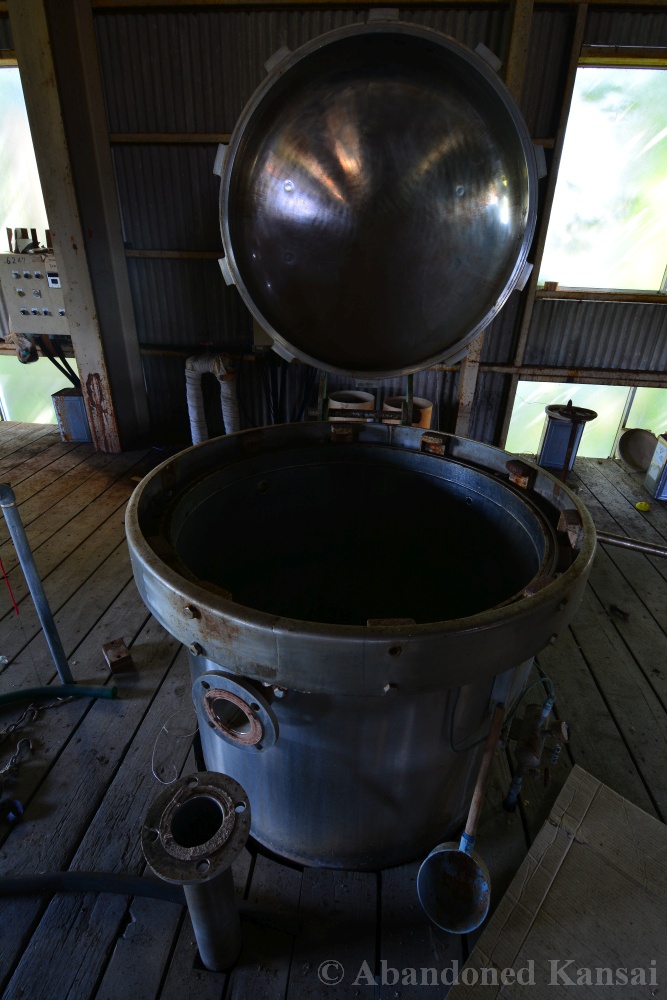
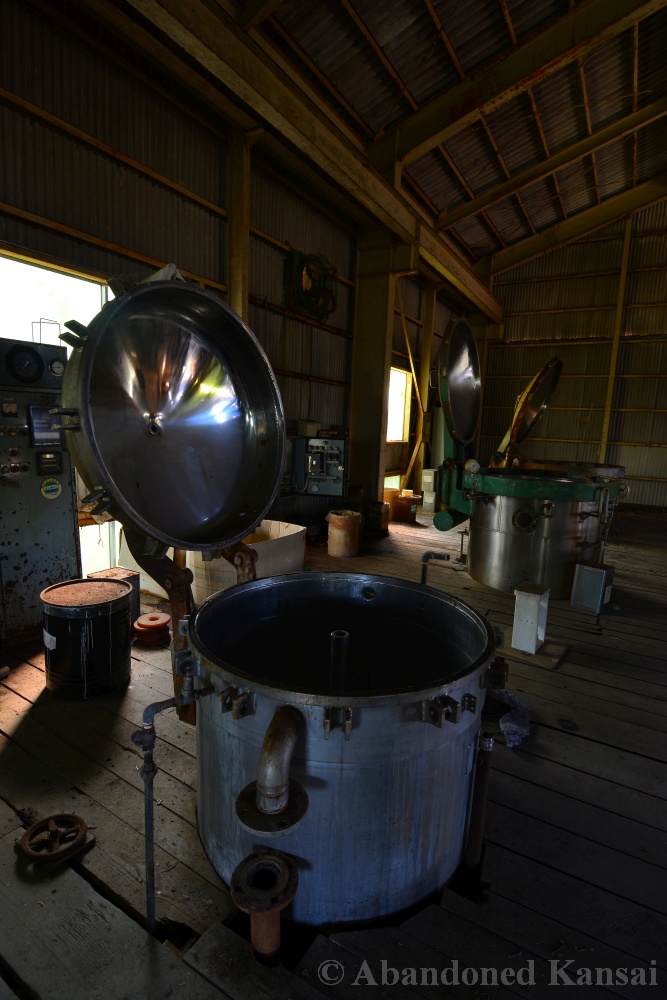
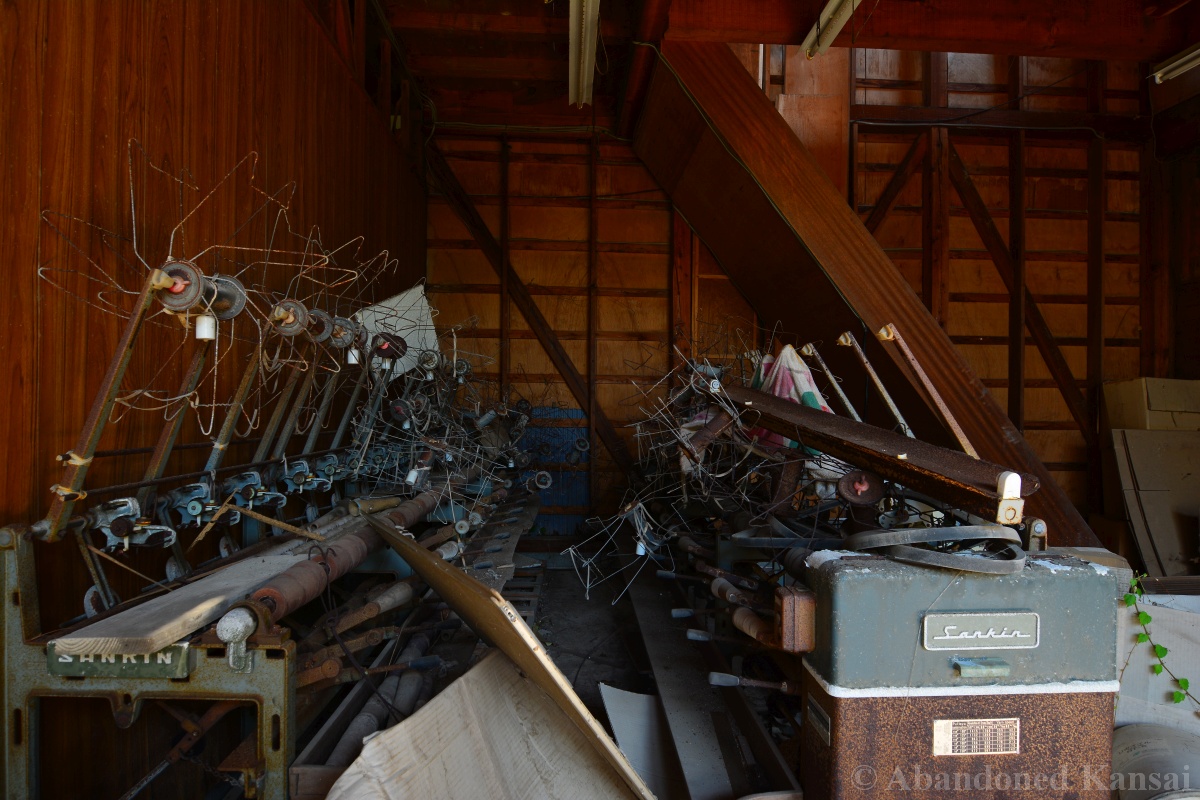
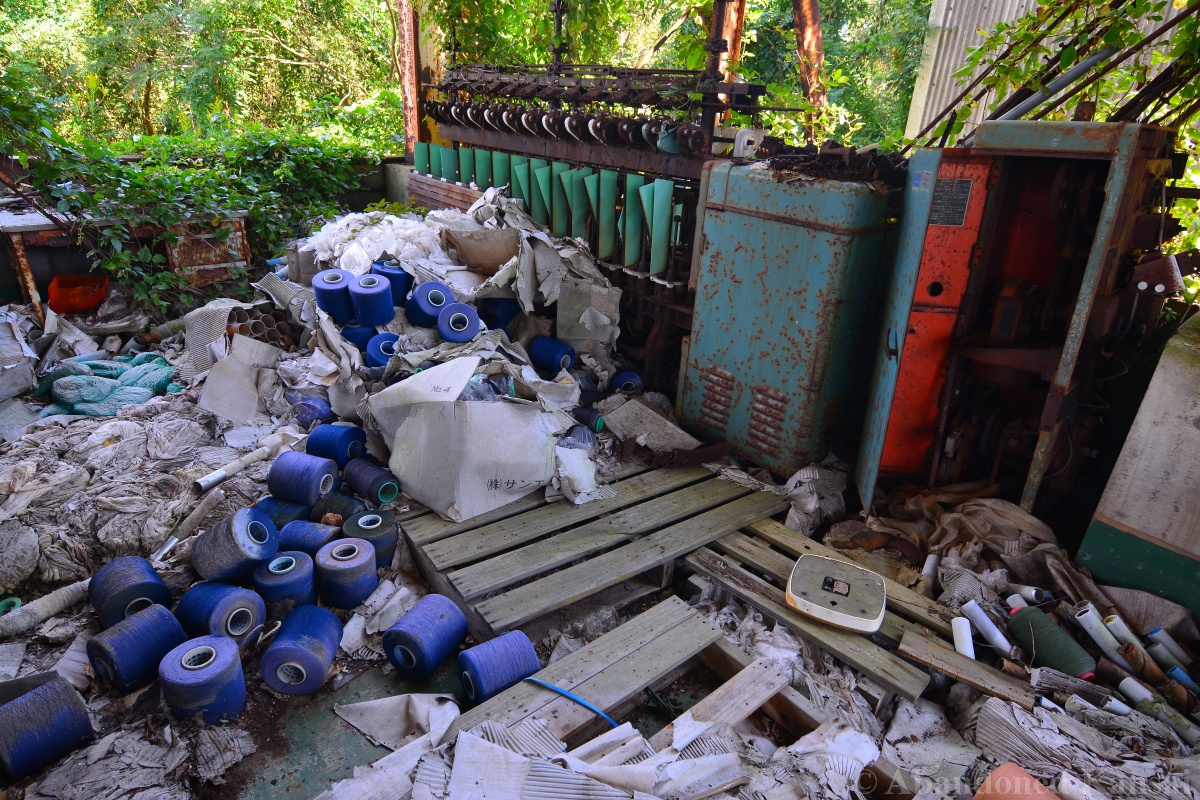
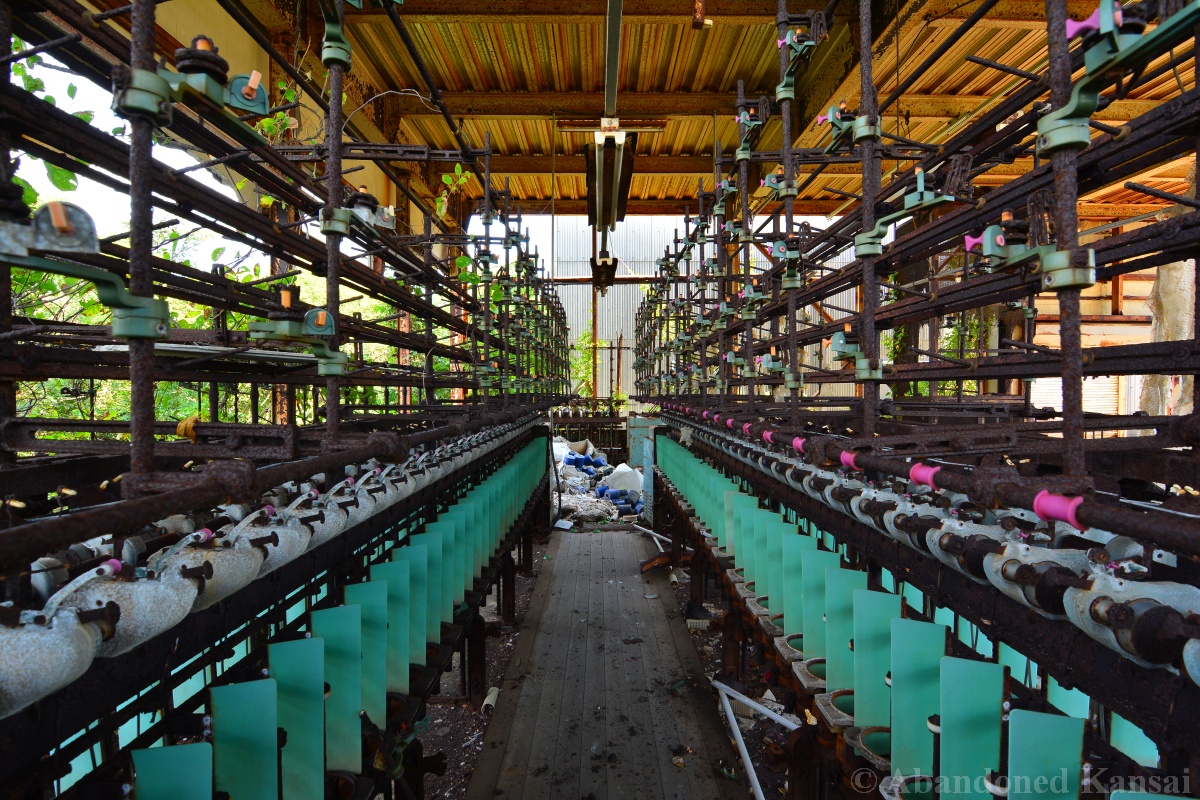
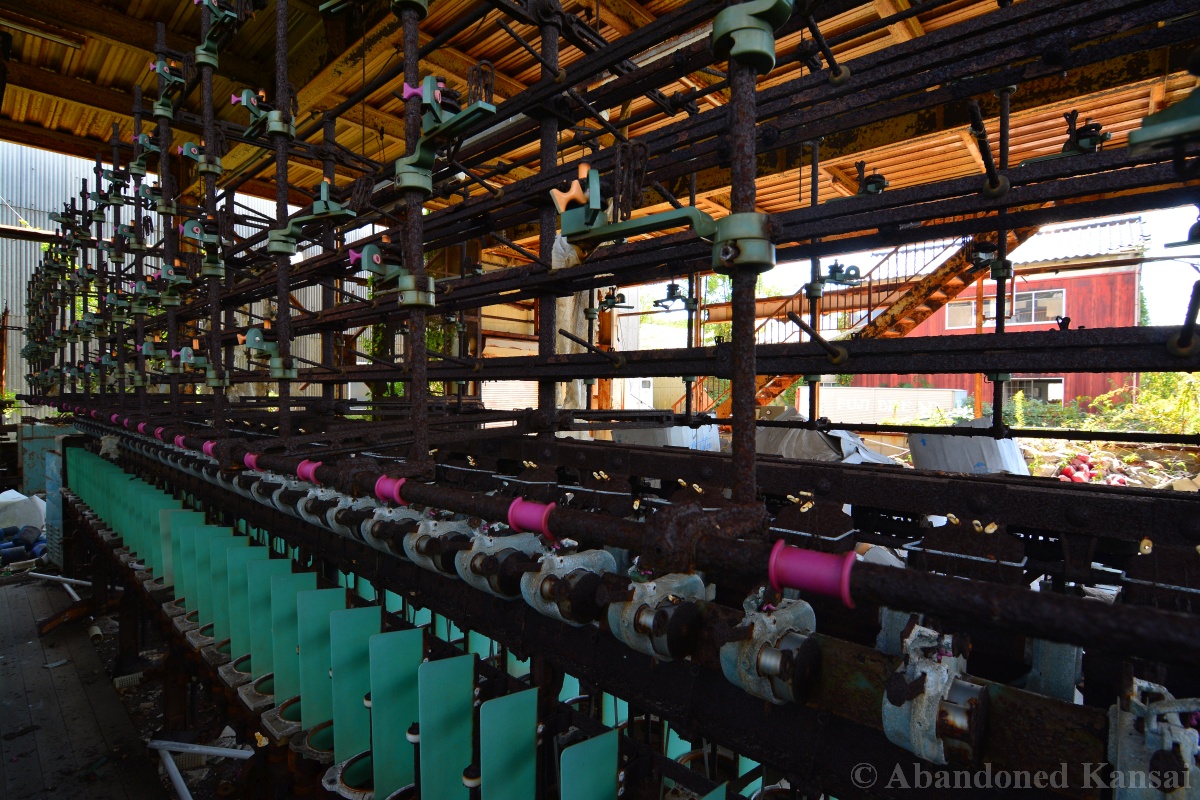
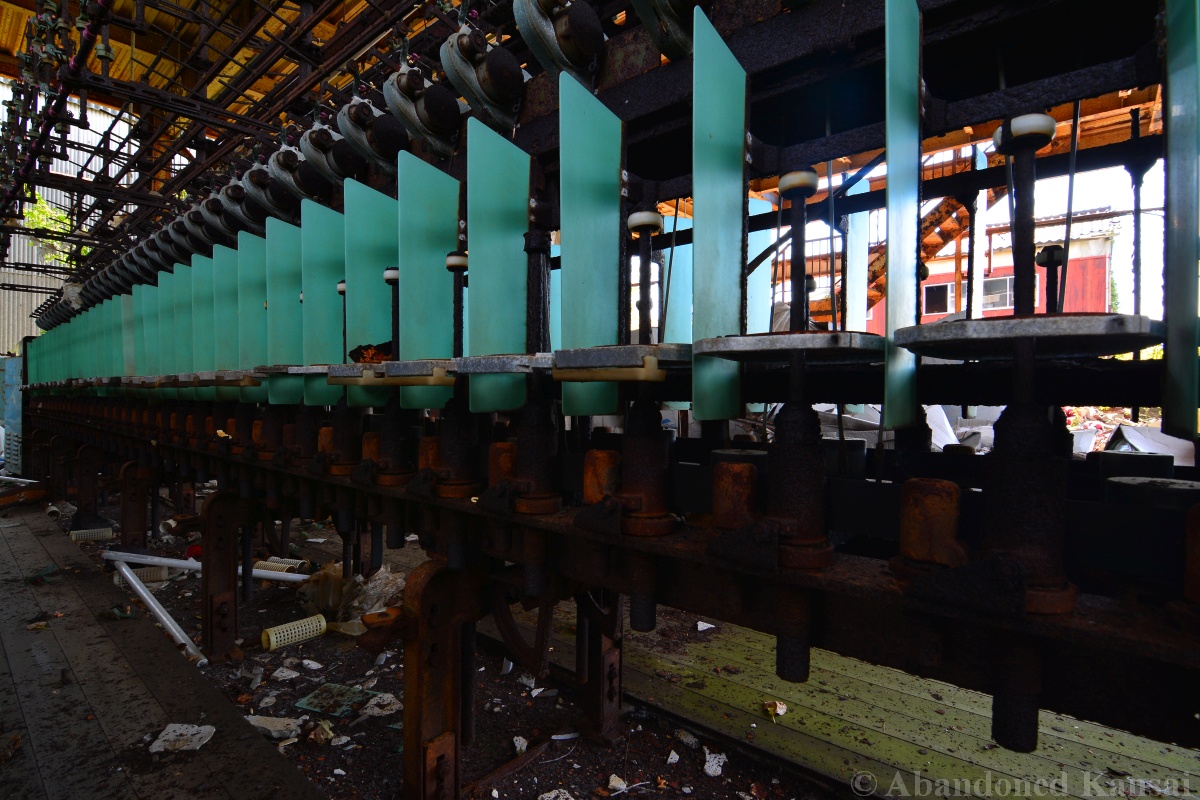
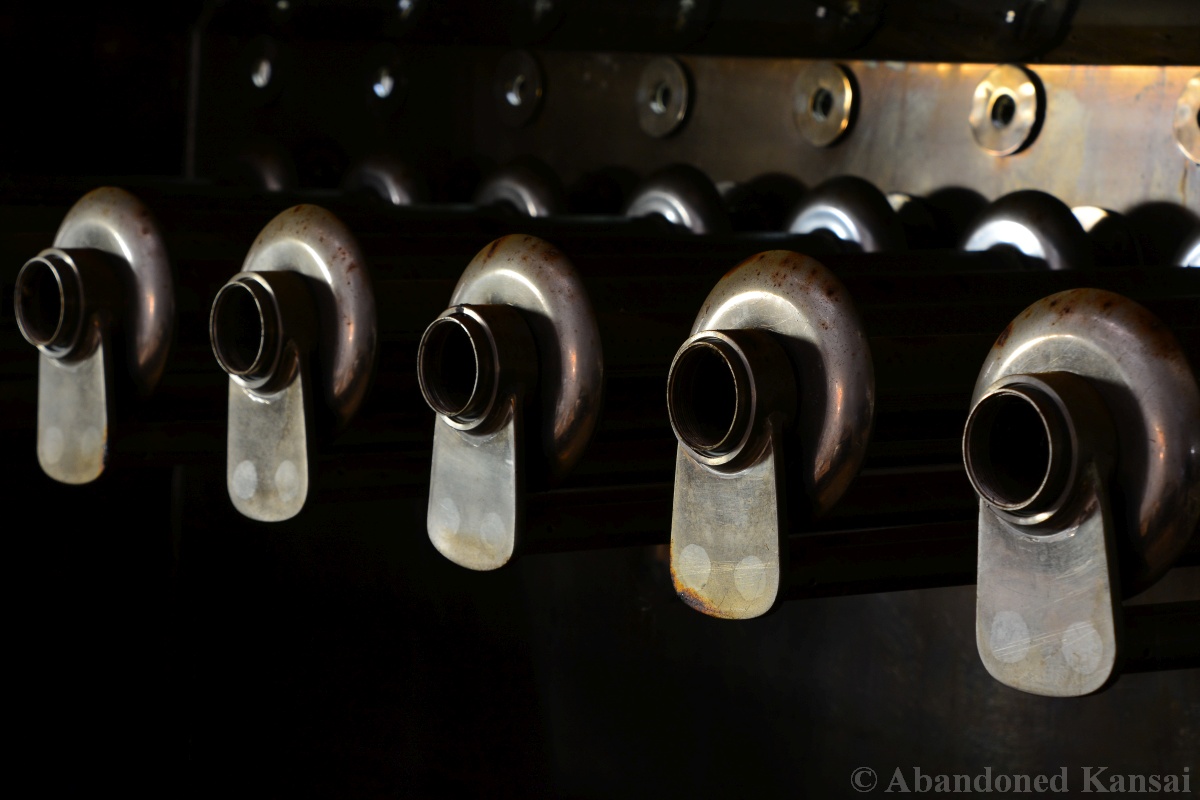
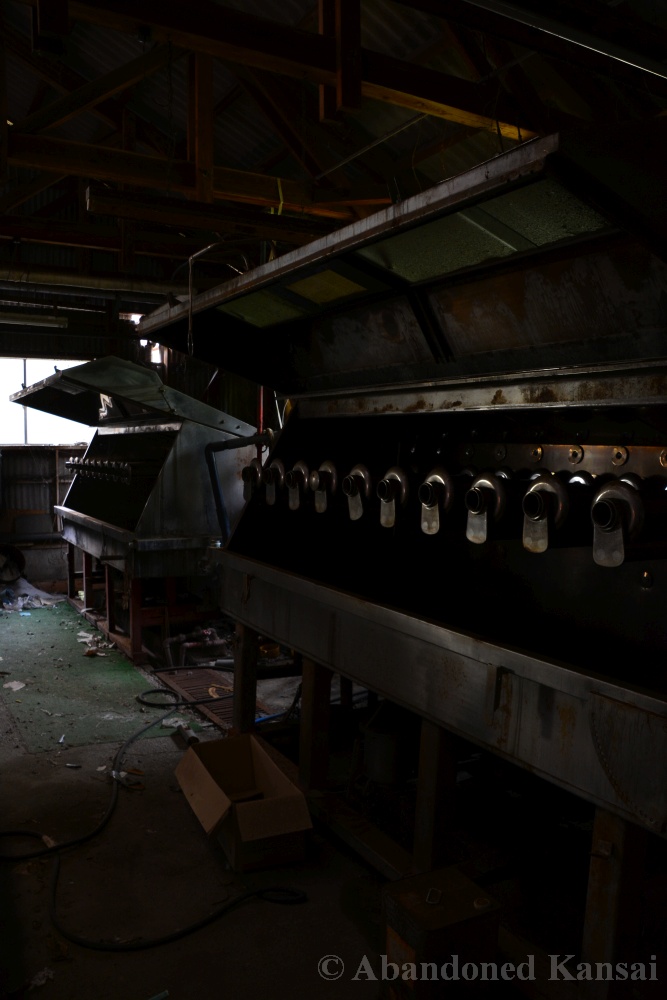
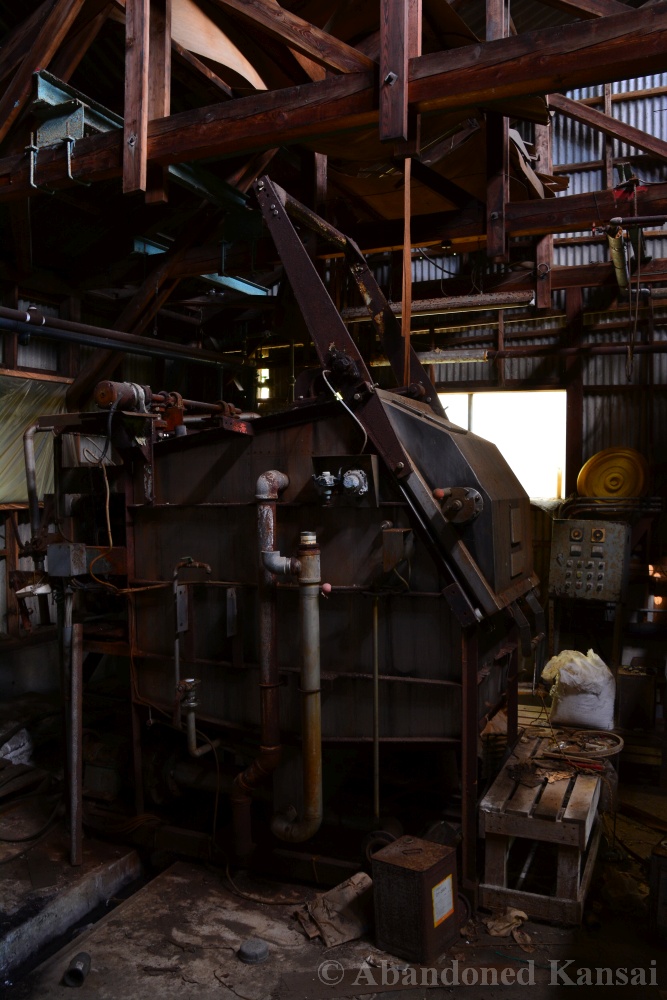
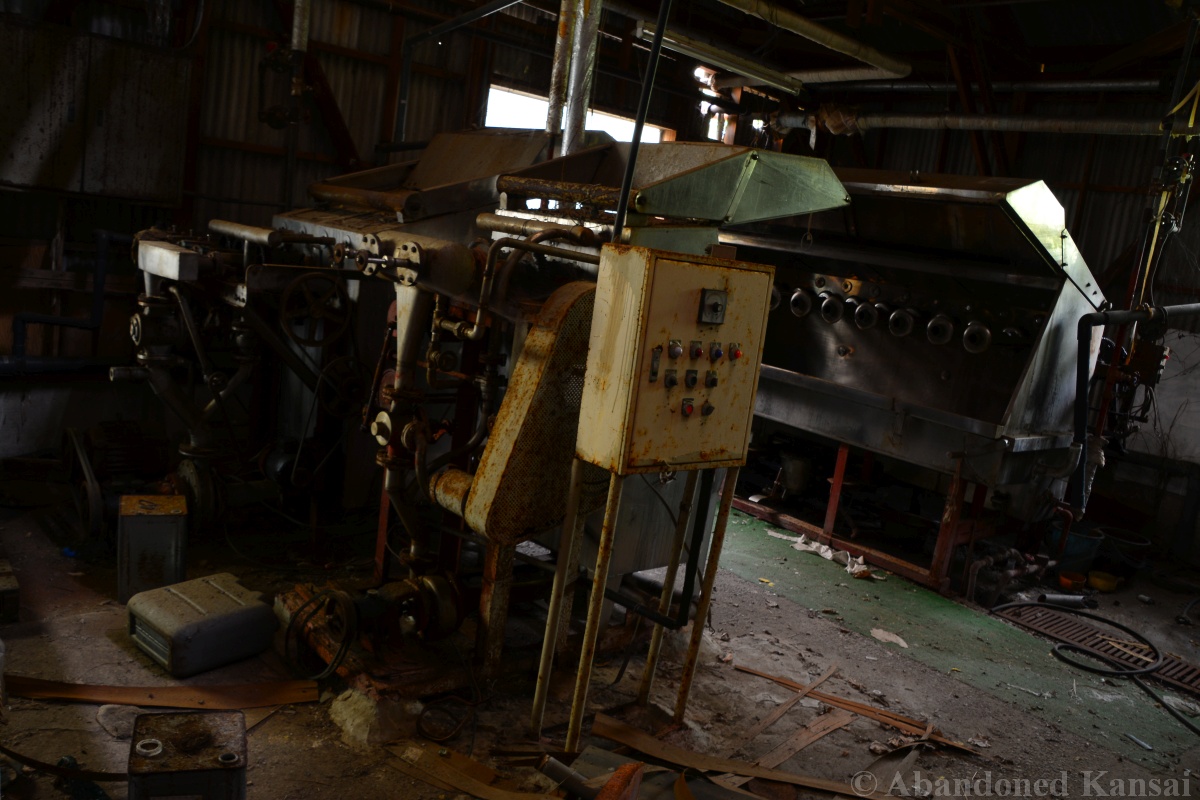
A last glimpse at the dying industry of dyeing yarn – far from being a yawn!

I don’t know much about the Japanese textile industry, despite having been to two or three silk manufacturers and yarn factories at local history museums and open-air museums. It’s pretty safe to say though that overall it’s more of an artisan craft these days, not a mass-market industry – for proud nationals, fashionistas, and tourists on the hunt for a sweat rag not from a sweatshop or a unique bag as a souvenir.

The Ishikawa Yarn Factory was a… yarn factory… on the coast of Ishikawa prefecture… and that’s pretty much all I know about the place. It was a surprise visit with friends, about an hour on location, so I was basically taking as many pictures as I could without being able to explore the whole place or look for company signs, let alone documents. Not only that, it also was the second location of the day on the way back home to Osaka from a long weekend trip with almost a dozen explorations in total, so everybody was hungry and tired.
The factory consisted of several buildings, some empty, and some massive metal cylinders outside. I remember walking past them (“I’ll take photos later!” – never happened…) and through some storage facility with countless cardboard boxes to the large dyeing building where I found half a dozen 2-storey containers for the dyeing process – right next to the building where they were yarning raw material to twine. That building was in really bad condition, so my lack of time was a good justification for not even trying to get to the upper floor on a rusty staircase that looked like it could collapse by me staring at it.

And then it was over! Moving on, lunch time… I won’t complain though, an hour at a location I didn’t even know existed is much better than not spending any time there at all – so it was a really nice indoor exploration that felt like an outdoor exploration, out of sight and earshot. Not nearly as stressful as the *Japanese Garment Factory* and far more modern than the *Mountain Textile Factory*, both of which were original finds by yours truly (and still haven’t been found by other people, it seems).

(*Like Abandoned Kansai on Facebook* or *follow us on Twitter* if you don’t want to miss the latest articles and exclusive content – and subscribe to the *video channel on Youtube* to receive a message right after a new video is online…)

Read Full Post »

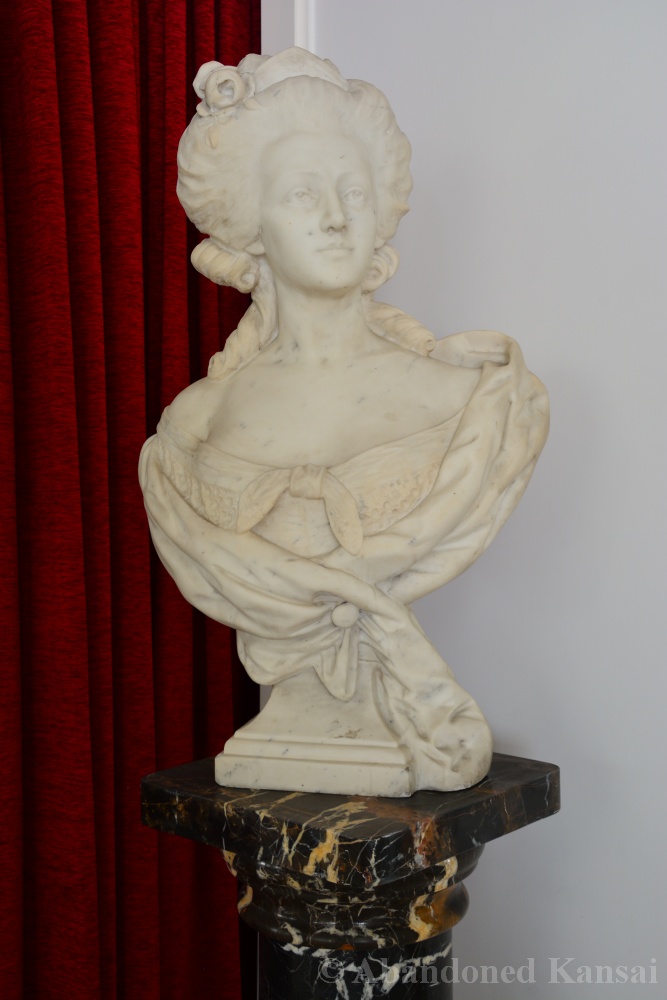
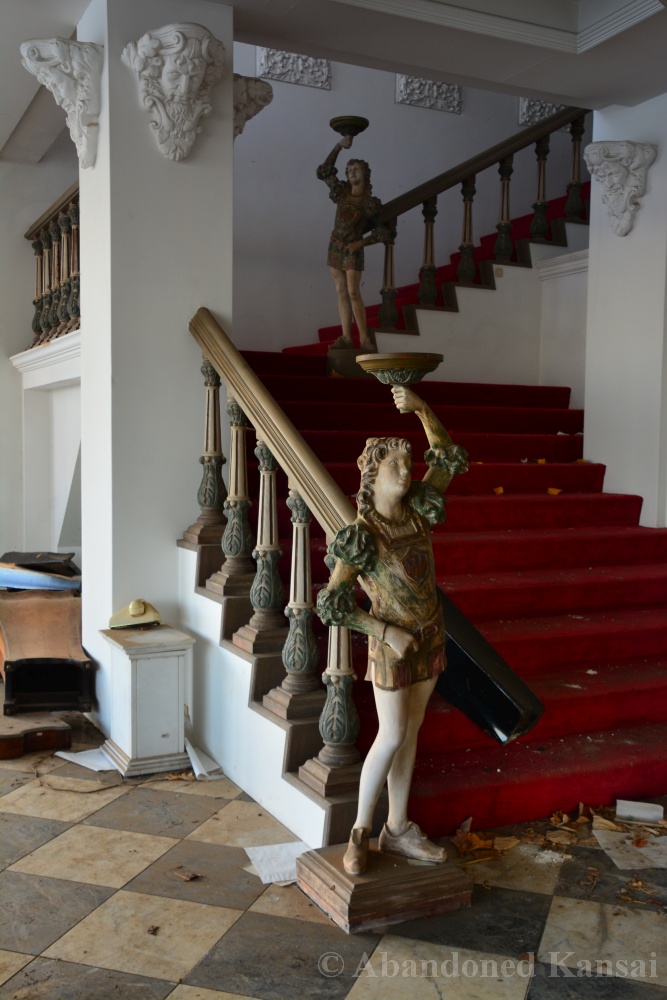
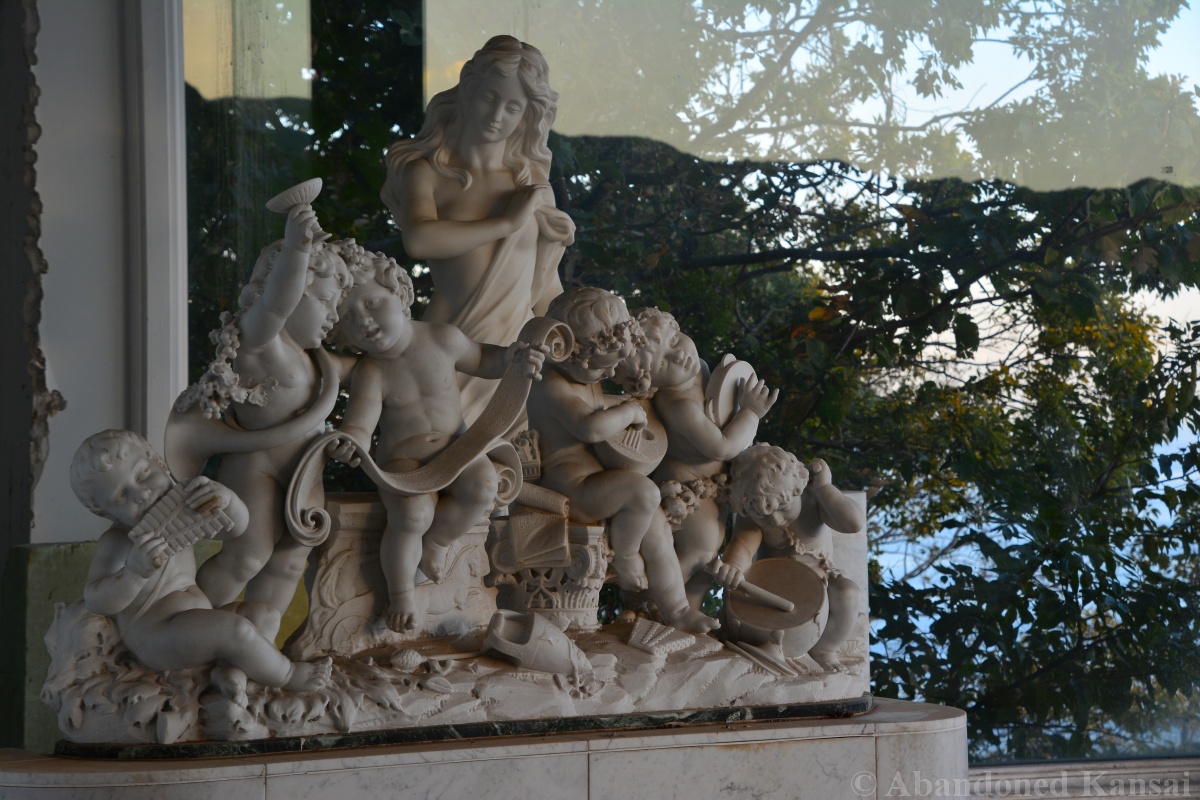
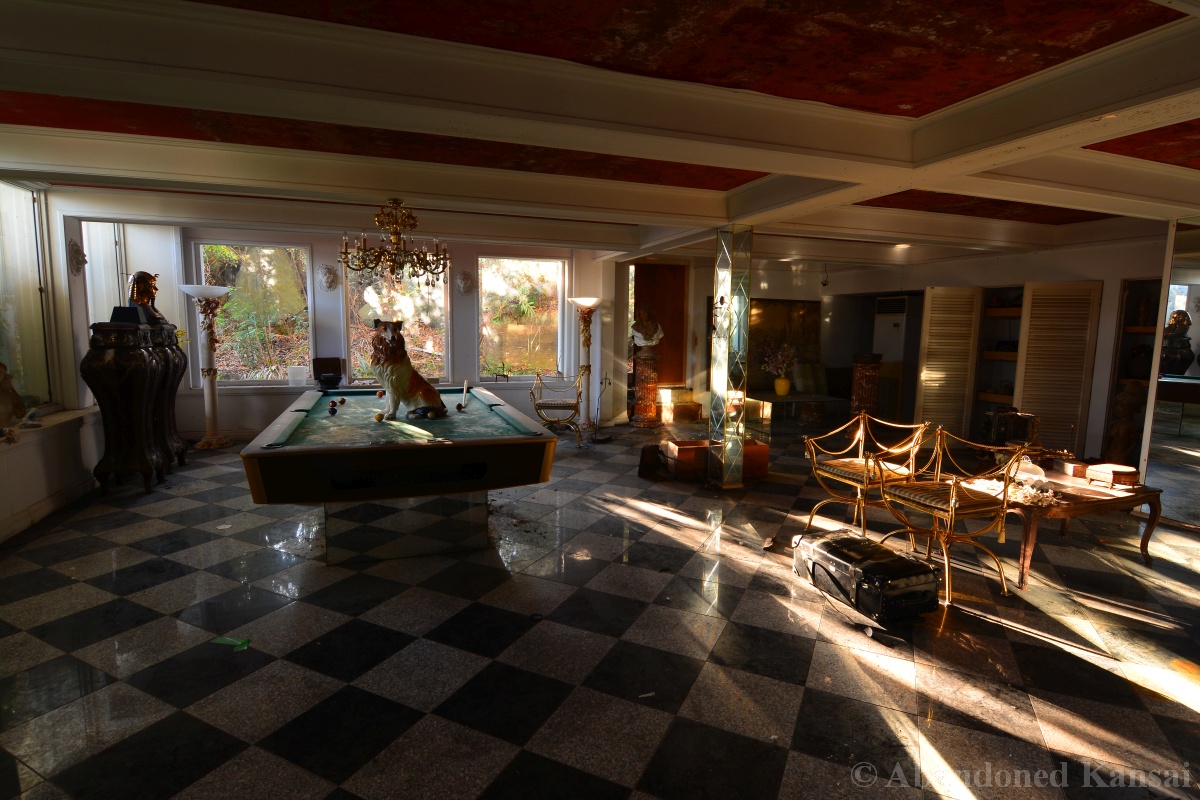
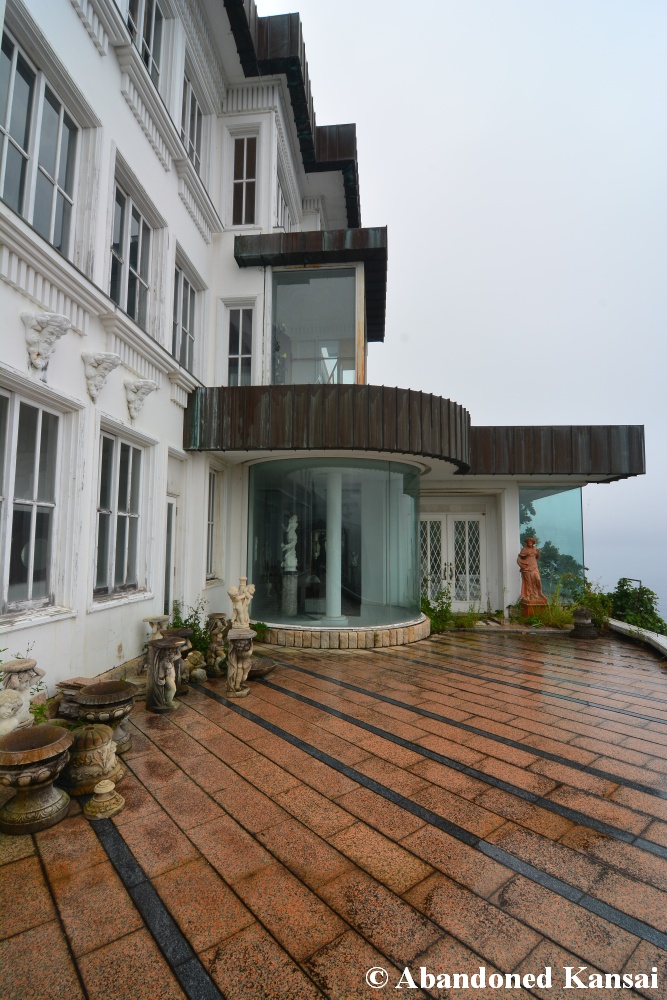
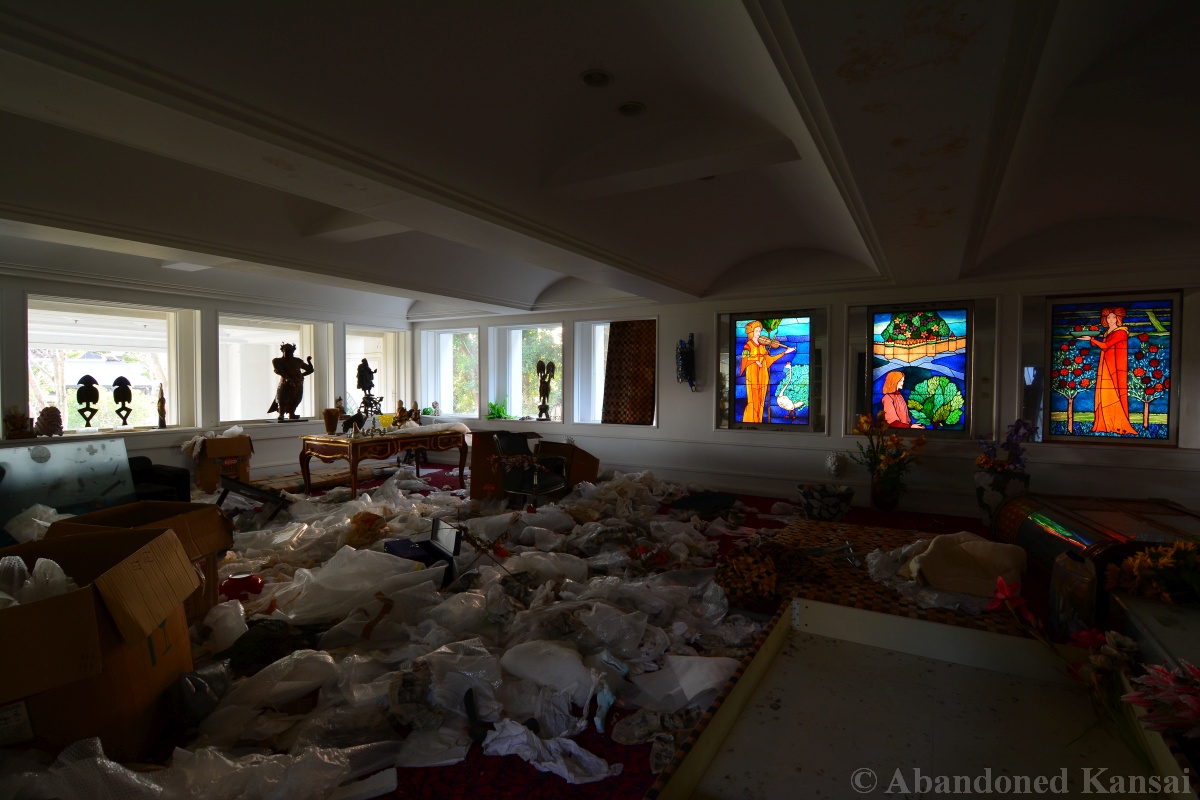
This is my third and final article about the abandoned villas owned by Japanese real estate mogul Genshiro Kawamoto. I’m sure the place will continue to pop up regularly on the interwebs, but I’m done with it…
Not only am I done with the mansions after repeatedly documenting them between 2016 and 2020, my final visit in spring of 2023 actually made me question once more what I’m doing here with Abandoned Kansai.

After tremendously enjoying traveling domestically all over Japan during the pandemic, it was tough to experience how mass tourism (after opening the floodgates again in October of 2022) altered the perception of places… or even the way to work. (Fun fact: Japan didn’t have a hard lockdown, freedom of movement was never limited, because pretty much everybody started wearing masks for more than three years from February of 2020 on; including kids. Meanwhile people were dying like flies all over the world as some morons claimed wearing a mask would take their freedom… while it turned out that not wearing one would take their lives.) Me being a history buff, I always wanted to go Shimoda. Expecting a significant rise in overseas tourist again in the years to come I took a chance in spring of 2023 and finally went there. I had been to the Izu Peninsula before, but with no time to spare, so it was very nice to spend a relaxing day on the southern tip. I made some stops in other areas of Shizuoka on the way to Shimoda, but on the last day I originally planned to go straight back to Osaka. A night in Atami though reminded me of the *Kanemochi Mansions* and how much I enjoyed them in the past. It had been more than three years since my previous visit, so I spontaneously decided to add a night in Atami, visit the mansions in the morning and return on less crowded trains in the afternoon. (Well, I thought the trains would be less crowded in the afternoon… they were during the pandemic… but not anymore!)
Since I was on a recreational vacation and not on a creative one, I was not prepared for this exploration at all – I even had to look up the bus to the mansions. Even worse: I didn’t bring my tripod as I only expected to take some daylight snapshots for family and friends back home of the place where Commander Matthew Perry (not the Friends guy!) “opened” Japan in the 19th century. Arriving at the Kanemochi Mansions in Atami (not Shimoda!) I was surprised by how much overgrown everything was… except for the now quite beaten path leading up to the main mansion; damaged furniture by the roadside where the short trail started. My excitement was instantly replaced by a queasy feeling. It had become rather quiet about the most famous abandoned villas in Japan over the last three years, hardly any photo, next to no articles (at least not in my social media sphere…). Word on the street was that Kawamoto (or at least his company) took control over the mansions again, installing security systems… which couldn’t have been further from the truth.
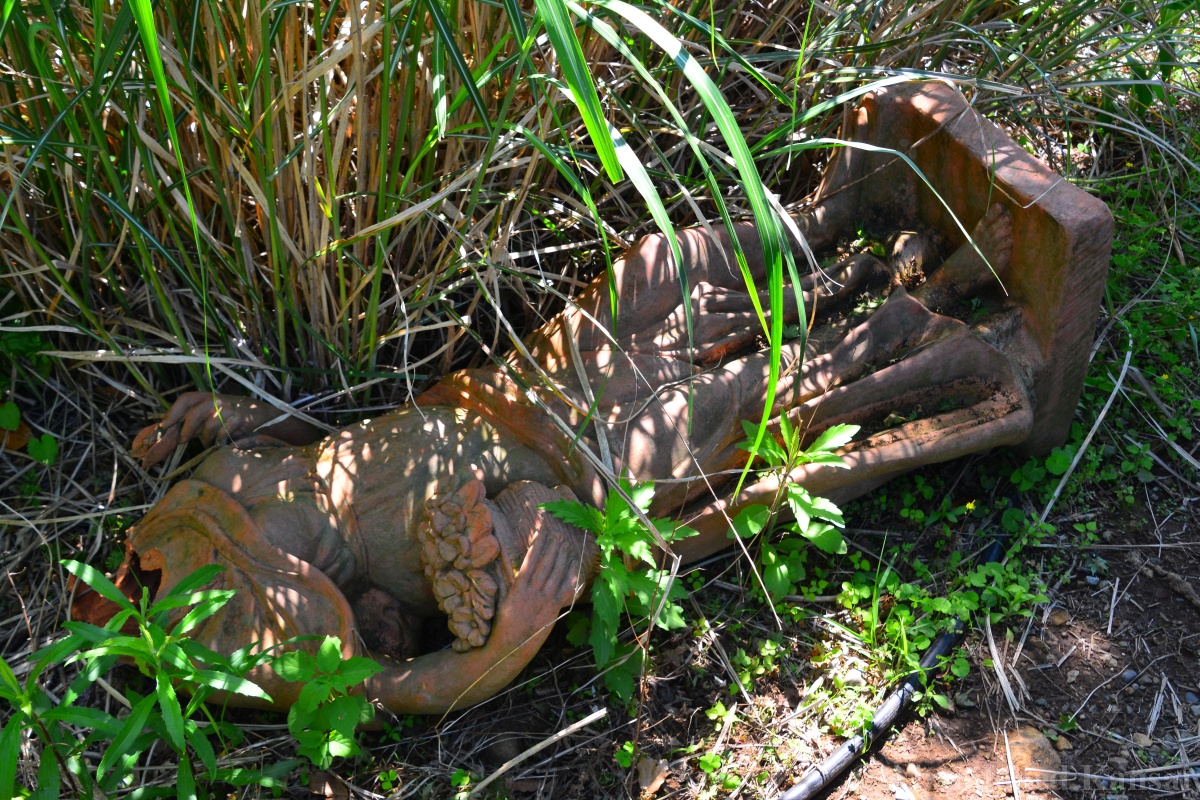
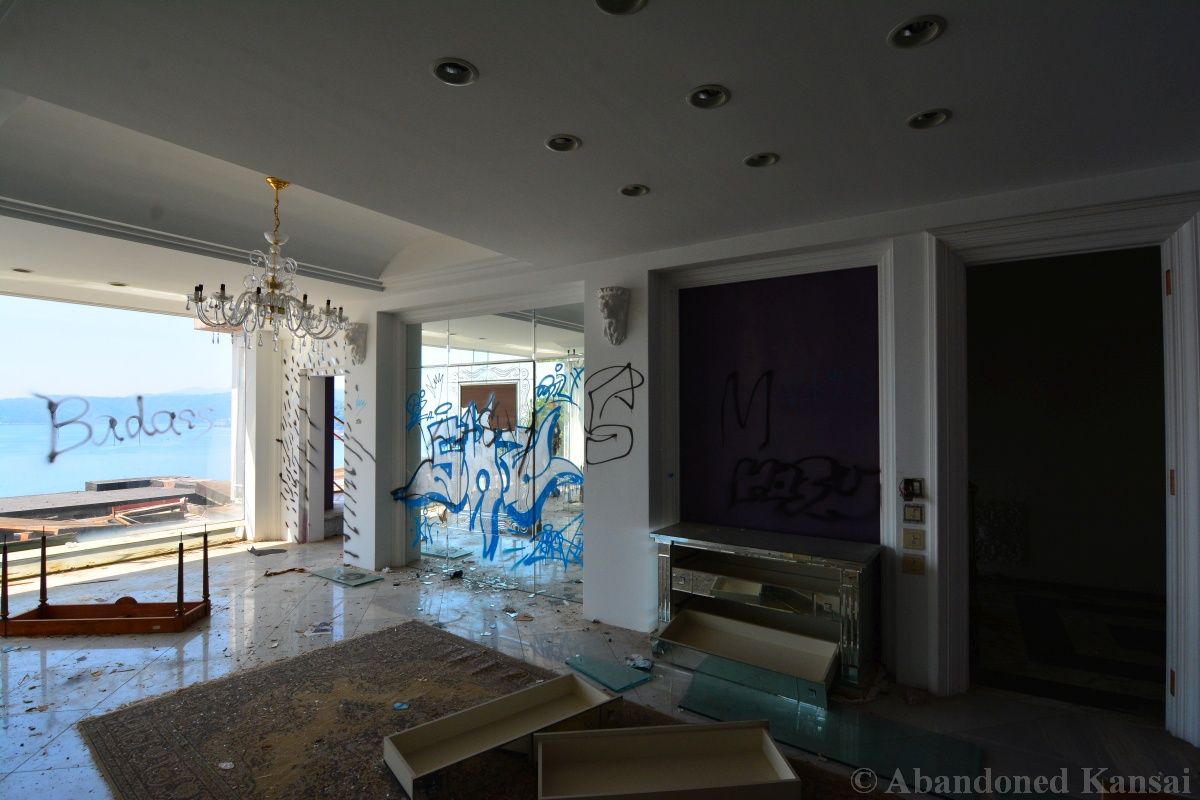
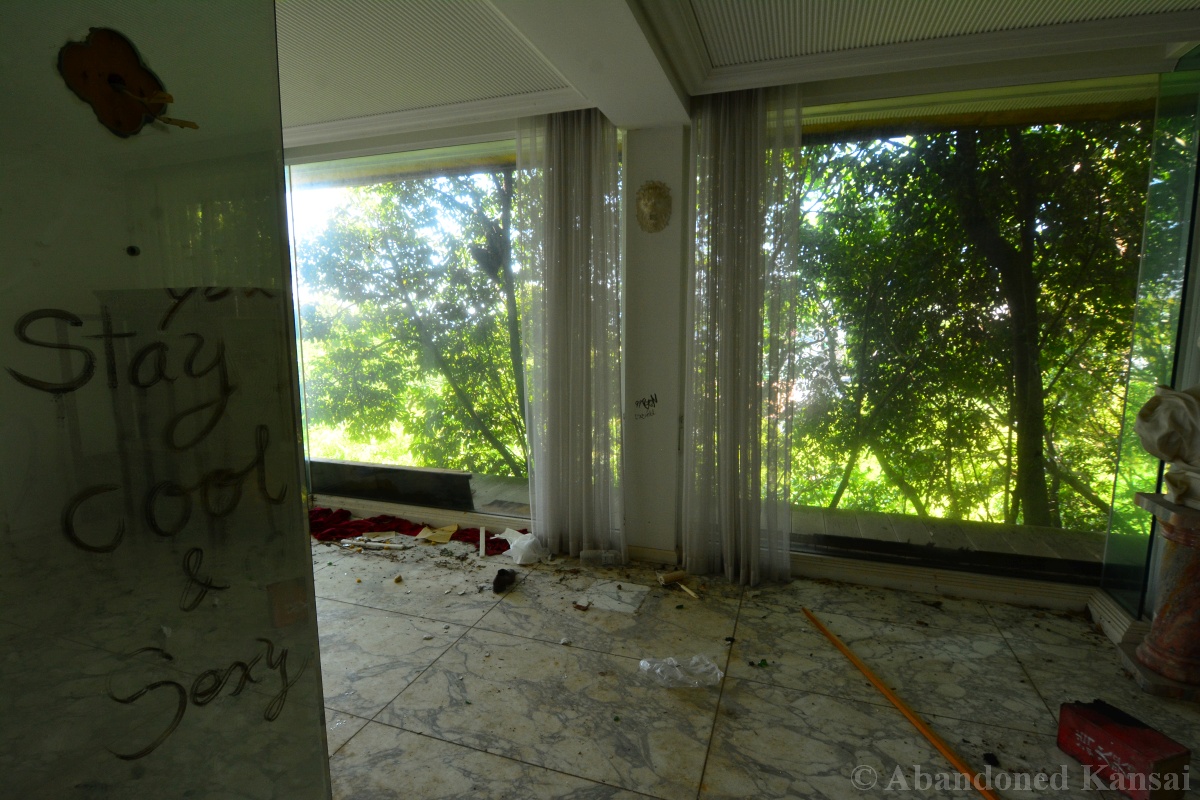
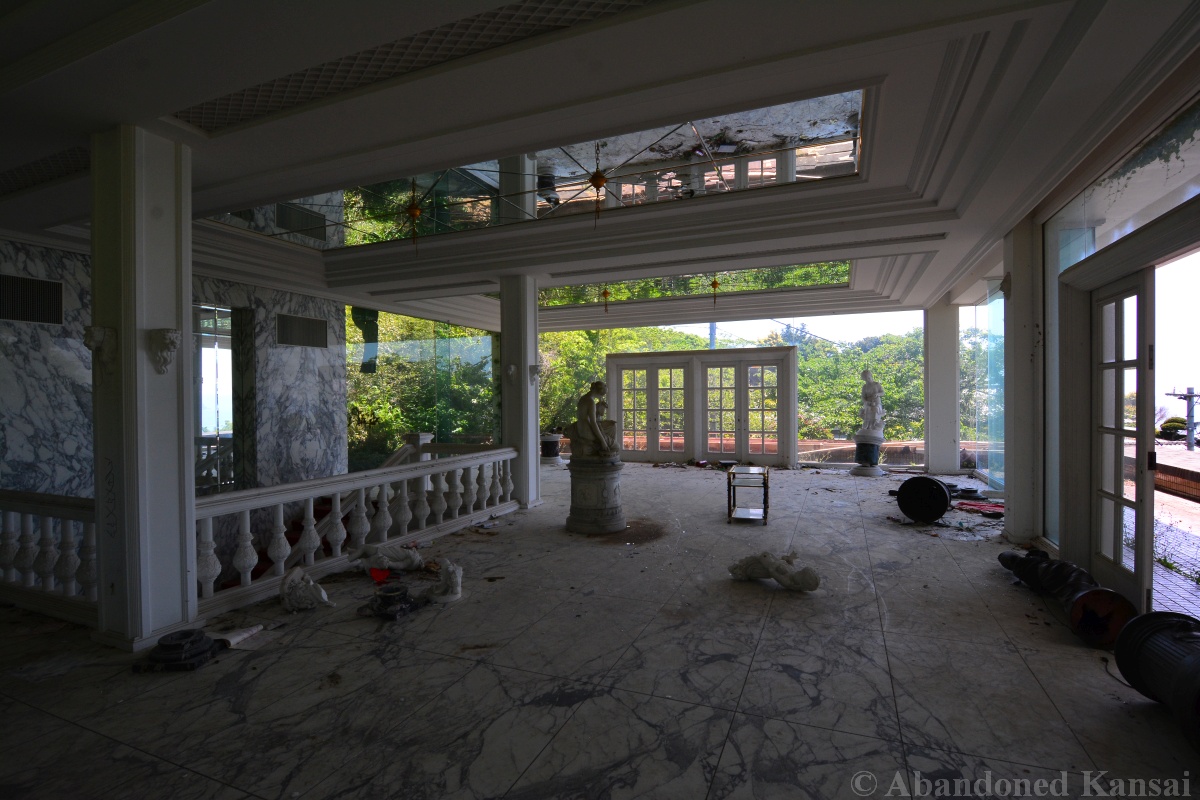
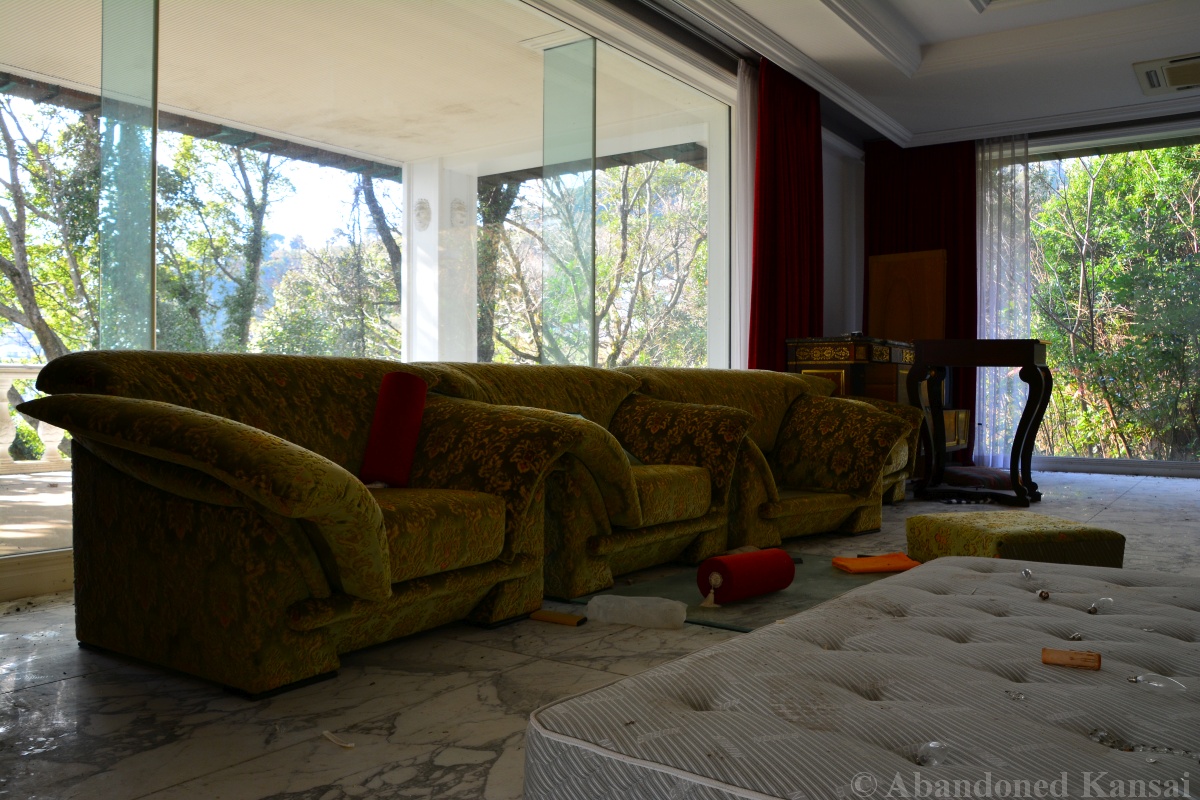
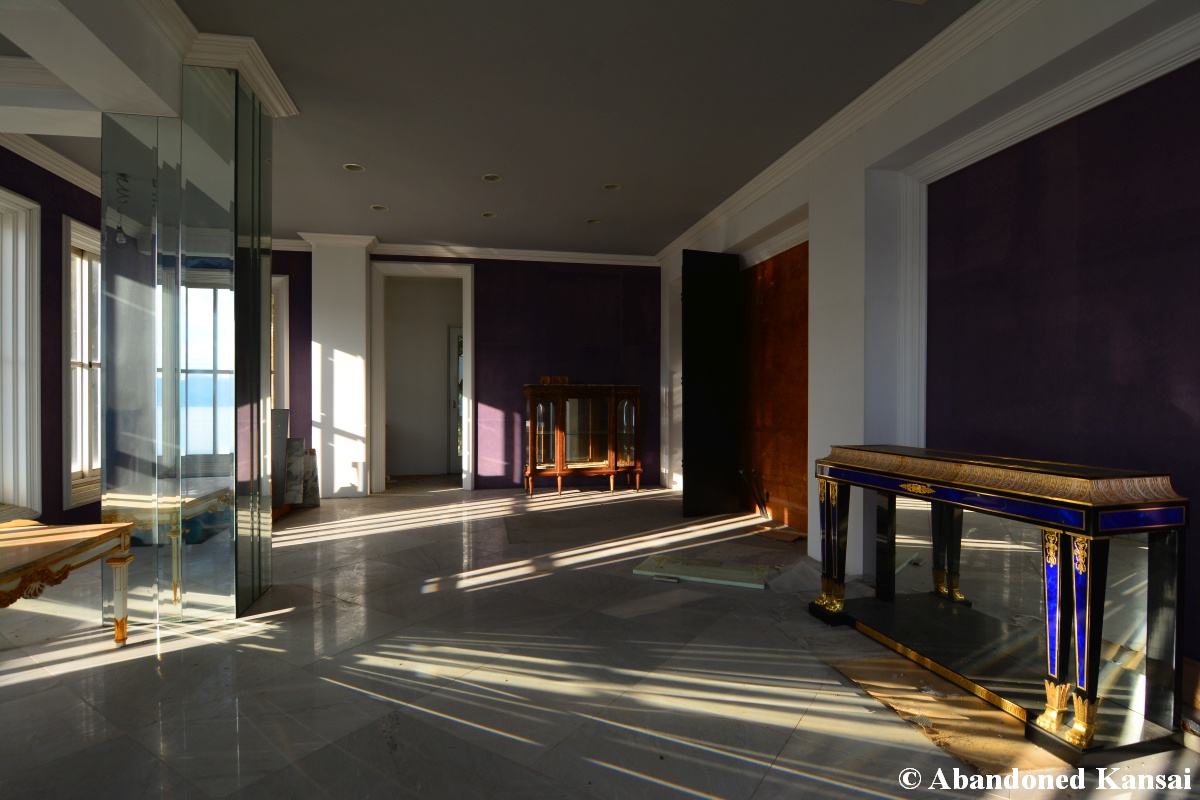
Just a few meters after the damaged desk, barely past the trampled barbed wire fence, I saw the first toppled and broken statue. The glass front of the villa, facing the pond, had some graffiti on, the windows on the second floor were completely gone. Access to the building had become gradually easier in the past, now I was able to just walk in as the massive glass pane facing the waterfront was partly smashed, too. And that was just the beginning…
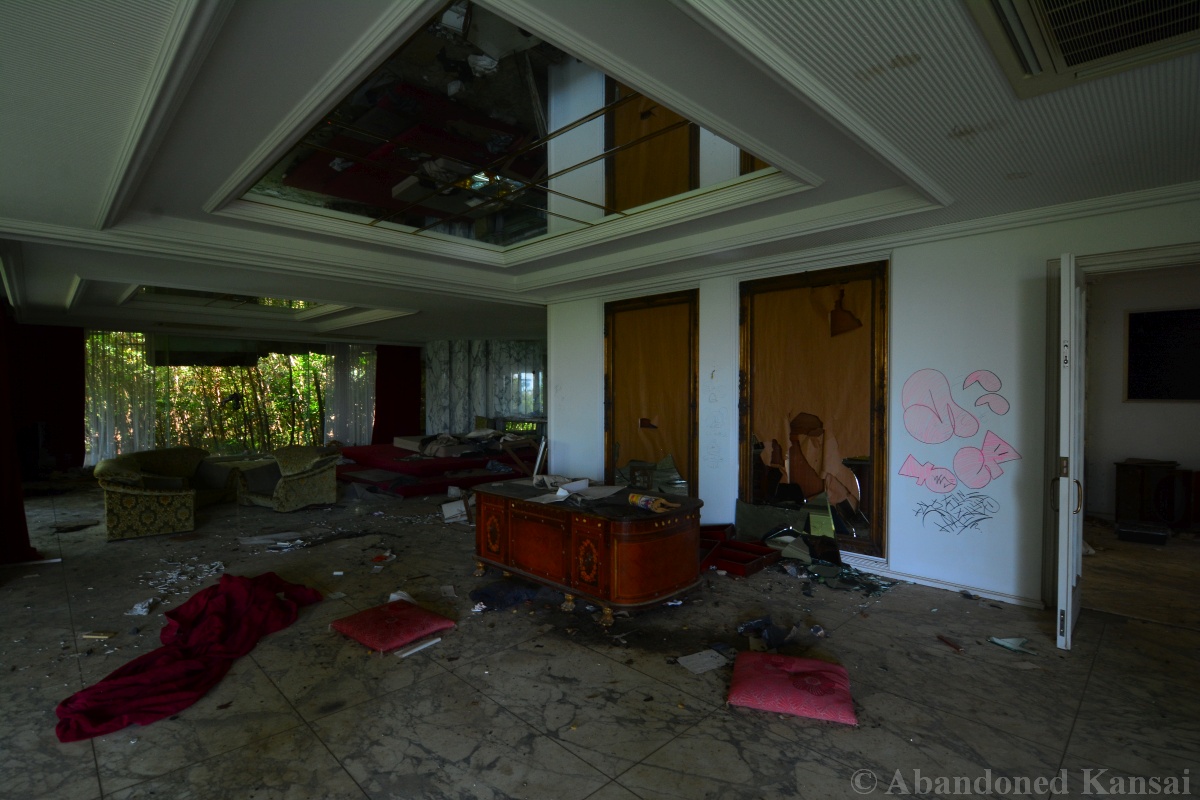
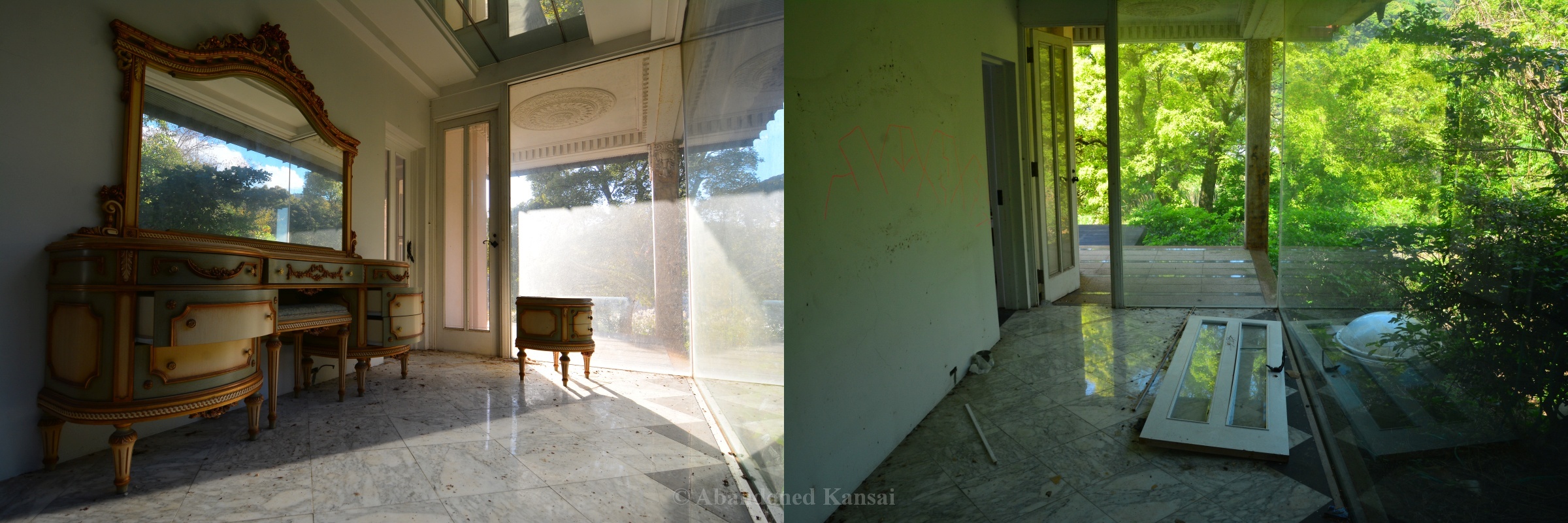
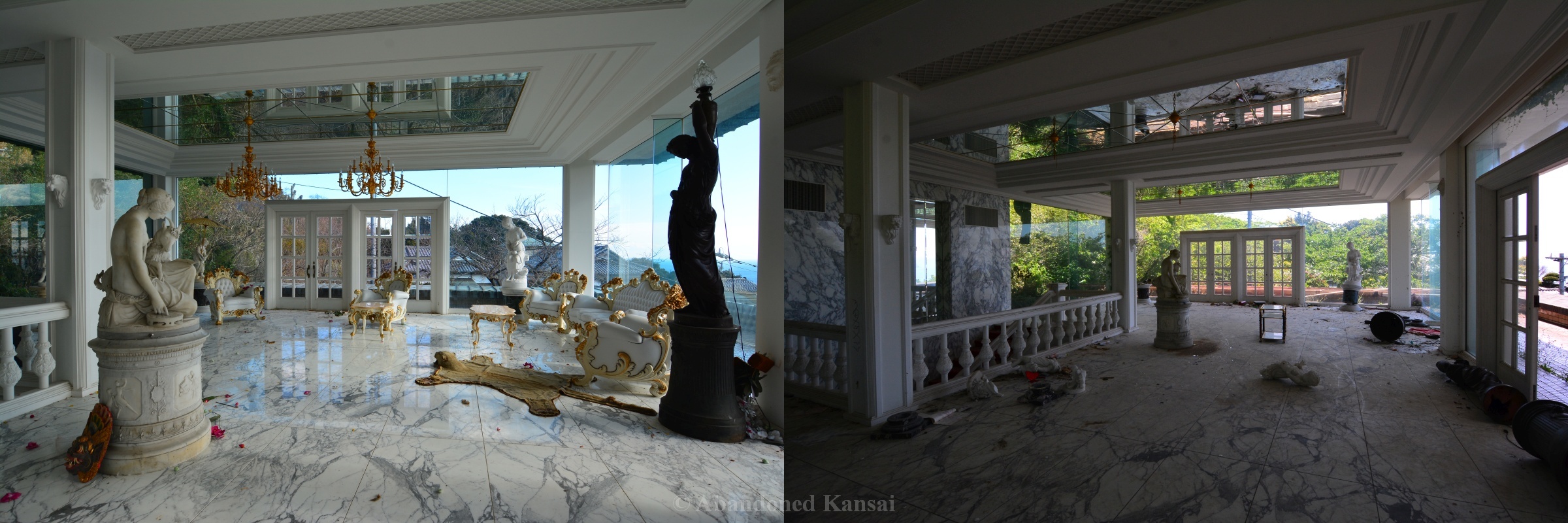
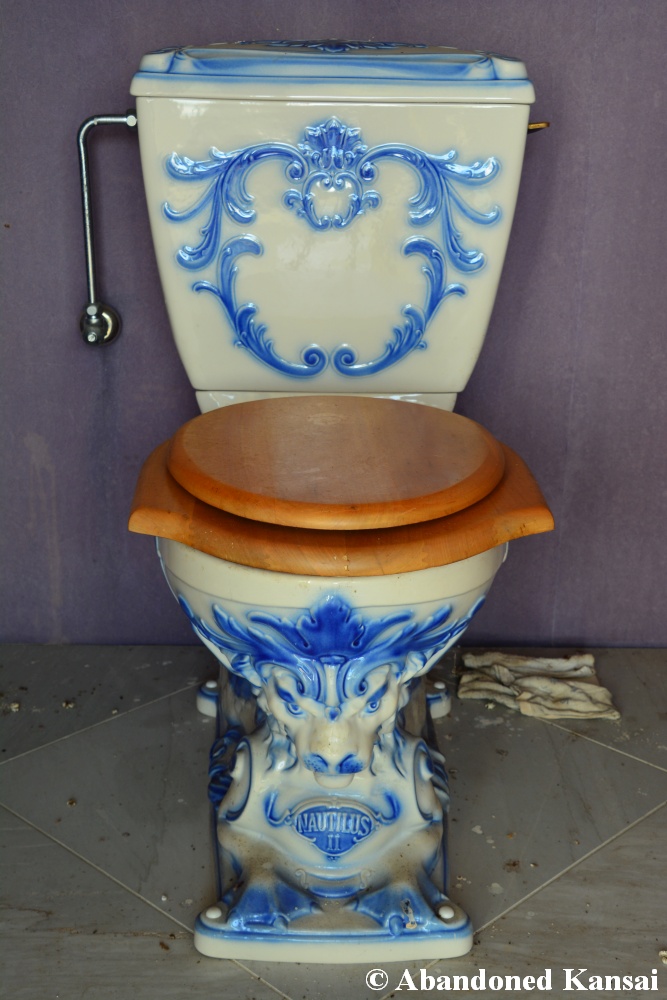
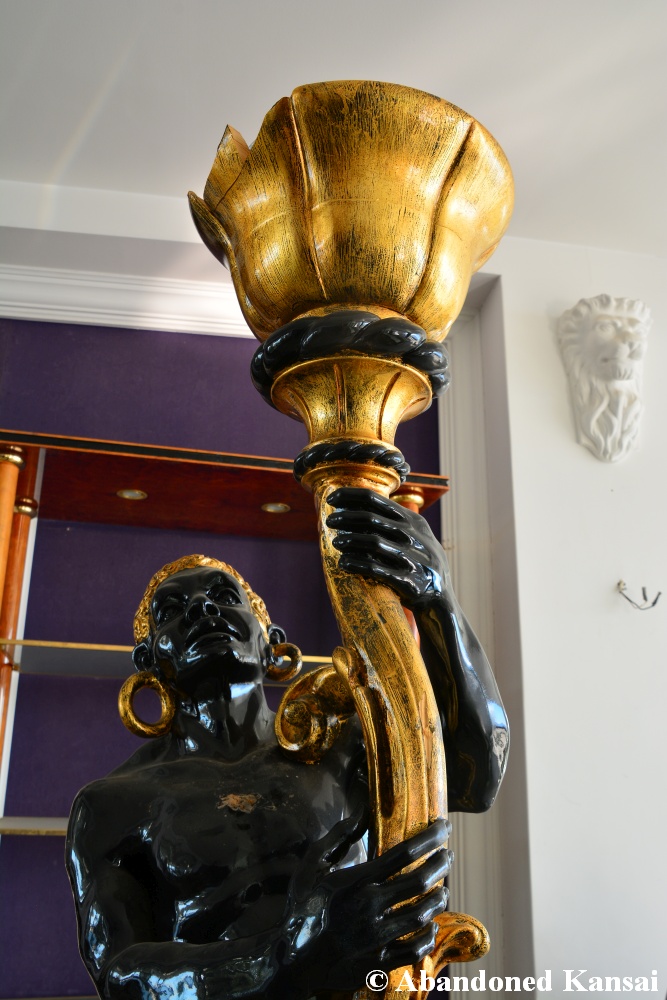
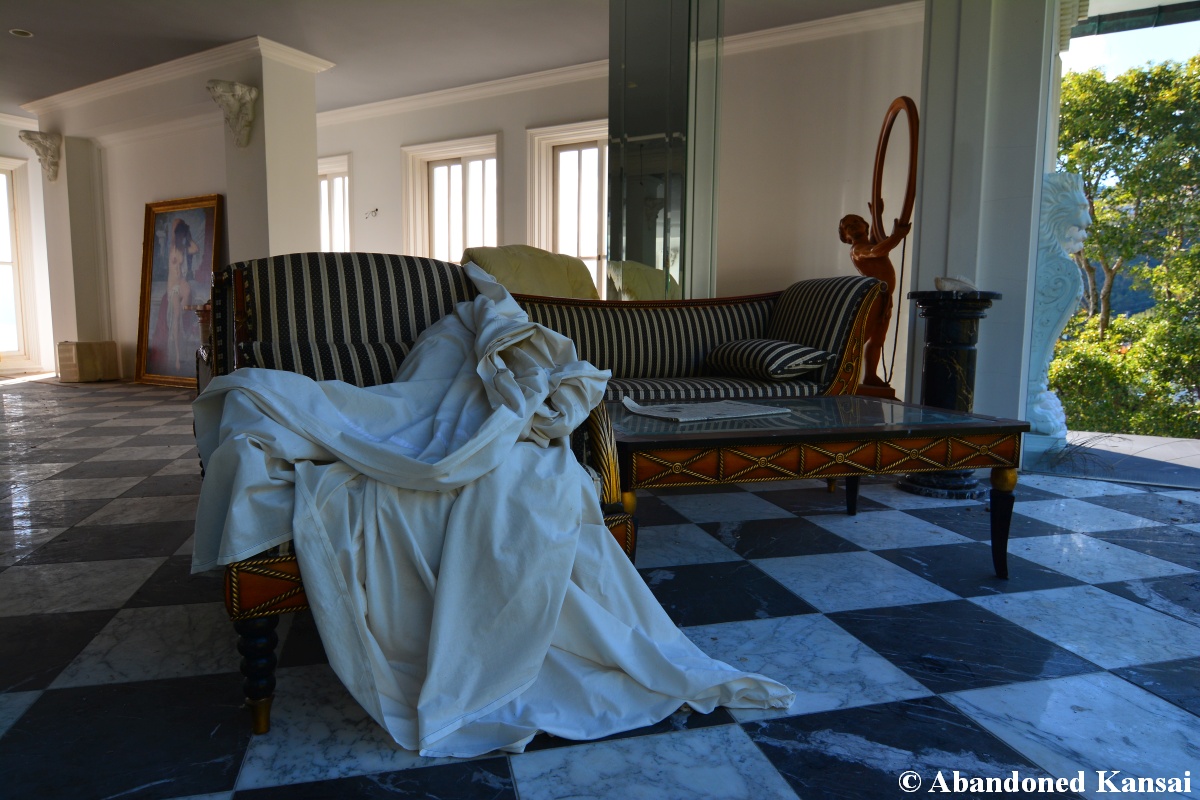
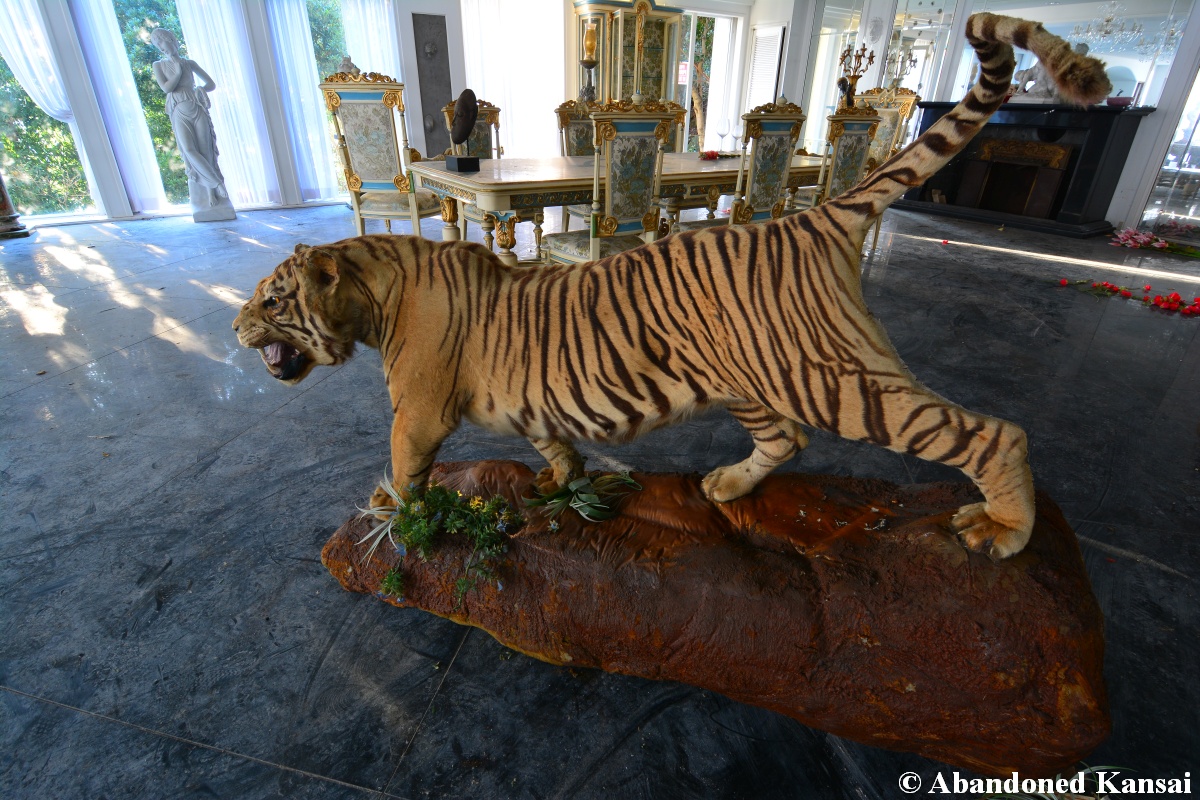
To make a not so long story even shorter: The villa had been ransacked. I guess about half of the interior had been stolen (including a large paining and the Nautilus II toilet!), the other half had been vandalized in one form or another. People always commented on Kawamoto’s questionable level of taste, but at least there was some consistency and weird charm to the mansion. Now the building was just another couple of graffitied walls with broken stuff scattered around – Western urbex. But so much for “there is no vandalism in Japan”, which I already knew wasn’t true, but now you have photographic proof with some comparison photos at the end of the gallery. Not good comparison photos, because like I said, my final visit lacked preparation and equipment, but you’ll get an idea. Another “Japan is so superior in every regard” myth debunked…
The mix of fond memories, security rumors, and the disgusting amount of vandalism made this one of the worst urbex experience in my more than 13 years of enjoying this hobby. I basically only did a quick walkthrough, taking some snapshots here and there, leaving as fast as possible… to check out the second villa with the open space bedroom / office and the beautiful upper floor.
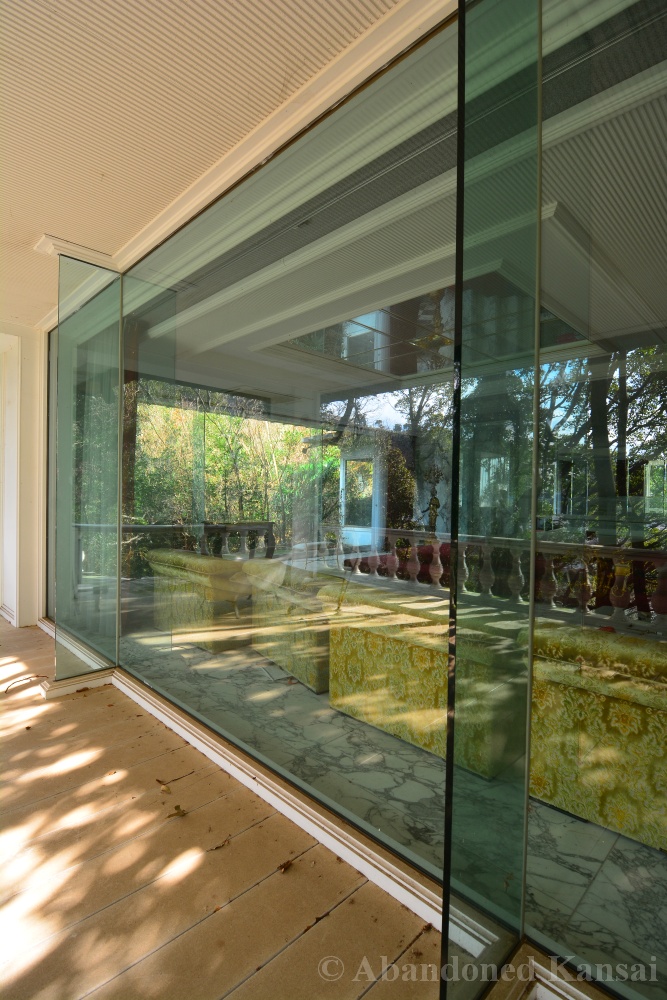
Same situation there – smashed mirrors, missing interior, massive glass front broken. BTW: We are not talking regular window glass here… that stuff was like 1.5-cm-/0.6-inch-thick glass, maybe more, probably some kind of security glass. We are still talking about the villa of a billionaire after all – not every schmock with a rock was supposed to gain access!
The thing is: For four years I absolutely loved the *billionaire’s villas*. Every trip there was exciting, I had the feeling that I found a very special place, easily in my personal Top 5; which isn’t easy considering that I logged more than 1000 explorations. Was it tough to keep the mansions a secret? YES, because if you take photos like that, you want to show them around – and NO, because I explore mainly for myself and I’m not the slightest interested in exposing abandoned places… I prefer to revisit them, which I actually barely ever do.
But then some idiots selfishly dragged the villas into the public eye to make Google (which owns Youtube) a fortune and to pick up some crumbs themselves. Other lowlifes quickly jumped onto the attention-whoring bandwagon and doxed the place – vandals did the rest. For four years I genuinely enjoyed this location every time I stopped by. Now this has been taken from me and the handful of other serious explorers. Can secrecy like ours stop places from getting vandalized? Obviously not, as long as there are careless assholes out there – but that doesn’t mean that we should contribute to that. Just because more and more people act like entitled trolls on the internet doesn’t mean that the remaining individuals can change that bad behavior – but this also doesn’t mean that they should pile onto the word vomit. Just be a decent person online and offline. And please don’t support large channels / groups / social media accounts with the focus on urban exploration – they are killing the hobby! If not actively, then at least indirectly… 😦

(*Like Abandoned Kansai on Facebook* or *follow us on Twitter* if you don’t want to miss the latest articles and exclusive content – and subscribe to the *video channel on Youtube* to receive a message right after a new video is online…)

Read Full Post »

Welcome to the sequel article about the *Kanemochi Mansions*! Sorry that it took me a while…

In 1993 Ginza’s property king Genshiro Kawamoto, age 61 at the time, was at the height of his power and wealth – worth about 2.6 billion USD, he was the 72th richest person on the planet, owning 60 buildings in Japan (almost all named Marugen) and about 700 houses in the States. He already had a somewhat questionable reputation but furthered it even more in the 2000s when he rented multi-million dollar mansions to native Hawaiian families for next to nothing to drive down property values in the area, after evicting hundreds of families in California just a few years earlier to benefit from rising real estate prices. In the 2010s (and well into his own 80s) Kawamoto predominantly made news for tax evasion when his Marugen Group “forgot” to pay more than 1 billion Yen in taxes. In 2013 he was first arrested and in November of 2018 he was sentenced to four years in prison… and disappeared from the news; no word whether Kawamoto is (still) in prison or if he is on the run.

Back in 2019 a few adventure tourists from overseas somehow made it to Kawamoto’s abandoned cluster of private mansions in Atami, at the time a location hardly known even amongst Japanese urban explorers. Unfortunately the mix of unusual interior and lurid headlines generated millions of views, a new “must see” location in Japan was born, after *Nara Dreamland* was torn down in late 2016.
I had been documenting the natural decay of the villas since early 2016, but kept the material to myself, because I knew what could happen to locations when you drag them into the public eye – something the Youtube locusts obviously don’t care about…
In February of 2020, when the initial damage was done and Covid was about to prevent urbex tourists from entering Japan, I finally posted about the Kawamoto villas here on Abandoned Kansai under the name *Kanemochi Mansions* – my largest photo set with one of the shortest articles, containing much less information than your average video description. (In case you wonder why kanemochi – 金持ち means rich person in Japanese and was a good way to avoid Kawamoto’s real name without calling the location something really obscure. 🙂 )

So… Why now? Why this article with all the detailed information now? Well, the information here actually is not really new, other people have spread it long before me. I just wanted to show you this amazing location one more time with beautiful photos from back in the day, before the unwanted attention and questionable fame… with different weather, at different times of the year, at different times of the day. I truly love(d) the Kawamoto mansions, so I came back several times, despite the long way from Osaka. And if you know Abandoned Kansai longer than a recent Google search, you are probably aware that me writing an article like that doesn’t mean good news…
To be continued!

(*Like Abandoned Kansai on Facebook* or *follow us on Twitter* if you don’t want to miss the latest articles and exclusive content – and subscribe to the *video channel on Youtube* to receive a message right after a new video is online…)

Read Full Post »

« Newer Posts - Older Posts »